

Please note that some of the images in this article were created with the assistance of AI.
Ever wondered if full-time RV living is truly affordable? The reality might surprise you! Let’s break down the actual costs and find out what it really takes to live life on the road. From initial investments to monthly expenses, here’s what you need to know.
1. Initial Investment: Getting Started
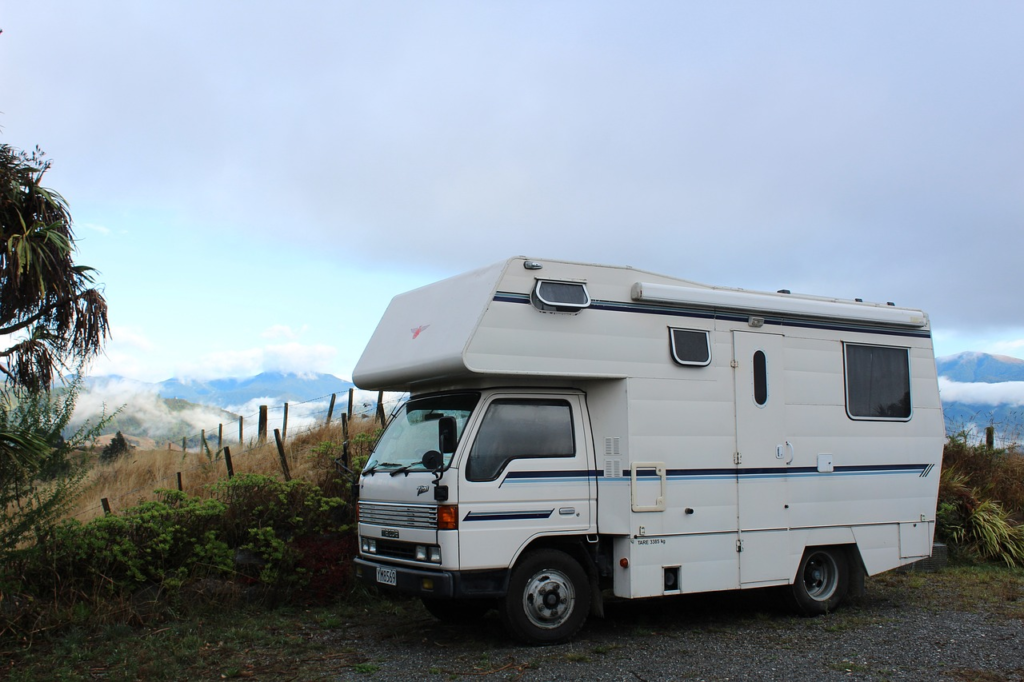
Thinking about buying an RV? Your initial investment can vary a lot. A used travel trailer might cost you around $10,000, while a new, high-end motorhome could set you back over $200,000.
If you’re handy, consider buying a fixer-upper. Renovating an older RV can save you money and let you customize it to your liking. Remember, the initial purchase is just the beginning. You’ll also need to budget for taxes, registration, and insurance right away.
2. Monthly Expenses: The Basics

Your monthly expenses can add up quickly. Regular costs include fuel, maintenance, campground fees, food, and insurance. These are the basics you’ll need to budget for every month.
Fuel costs depend on how often you travel and the size of your RV. Expect to spend anywhere from $100 to $1,000+ per month. It’s one of the biggest variables in your budget.
Campground fees vary greatly. On average, you might spend $500 to $1,200 per month. Look for discounts and memberships to help reduce these costs.
Don’t forget about food and supplies. Plan to spend around $300 to $600 per month, similar to what you’d spend in a stationary home. Keeping track of these basics helps you manage your budget and enjoy life on the road.
3. Fuel Costs: On the Move

Fuel costs are one of the biggest expenses for full-time RV living. How often you travel and the size of your RV plays a significant role. Expect to spend anywhere from $100 to $1,000 or more per month on fuel.
Diesel motorhomes tend to be more fuel-efficient than gas-powered ones, but the initial cost is higher. Plan your routes and travel during off-peak times to save on fuel costs.
Consider using apps like GasBuddy to find the cheapest fuel prices along your route. Monitoring your fuel consumption and adjusting your travel habits can help manage this significant expense.
4. Insurance: Peace of Mind

Insurance is a must-have for full-time RV living. The cost can range from $500 to $3,000 annually, depending on your RV type, driving history, and coverage level. It’s important to shop around and compare quotes to find the best deal.
Some campgrounds require additional liability insurance, so factor this into your budget. Comprehensive coverage protects your RV against accidents, theft, and natural disasters.
Consider bundling your RV insurance with other policies, like auto or home, to save money. Having the right insurance gives you peace of mind and ensures you’re covered for unexpected events.
5. Maintenance: Keeping It Running
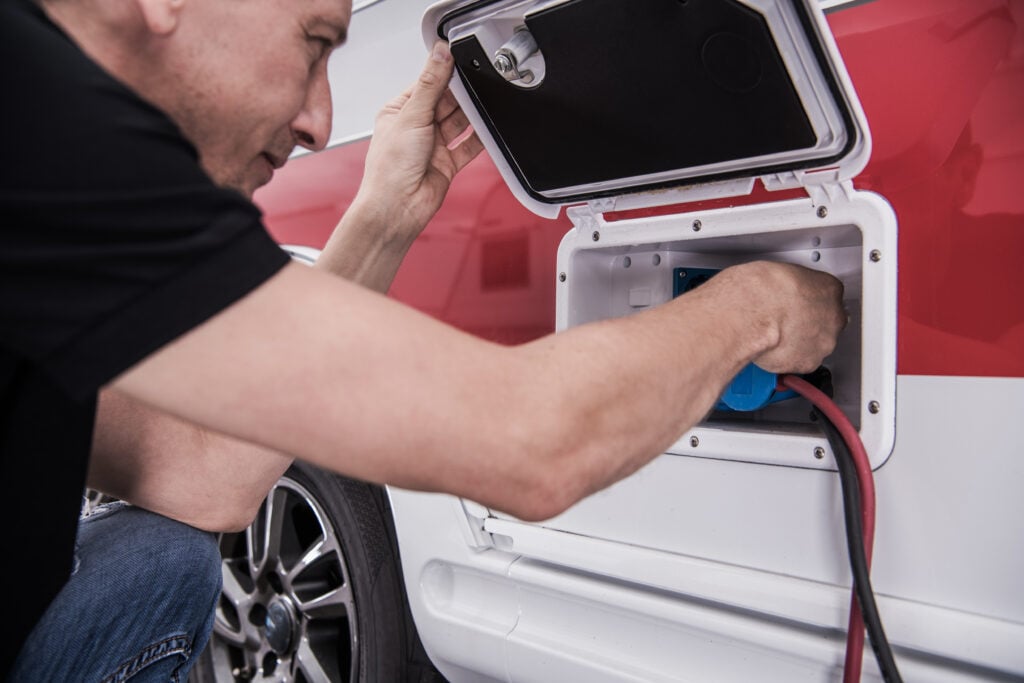
Regular maintenance is key to keeping your RV in good shape. Expect to spend a few hundred dollars annually on routine upkeep like oil changes, tire rotations, and system checks. These small expenses can prevent bigger, costlier problems down the road.
Don’t overlook major repairs. Issues like engine or transmission problems can set you back thousands of dollars. Setting aside a portion of your budget for these potential costs is a smart move.
Do some maintenance yourself to save money. Simple tasks like changing air filters or checking fluid levels can keep your RV running smoothly without needing a professional for every little thing.
6. Campground Fees: Your Home Base
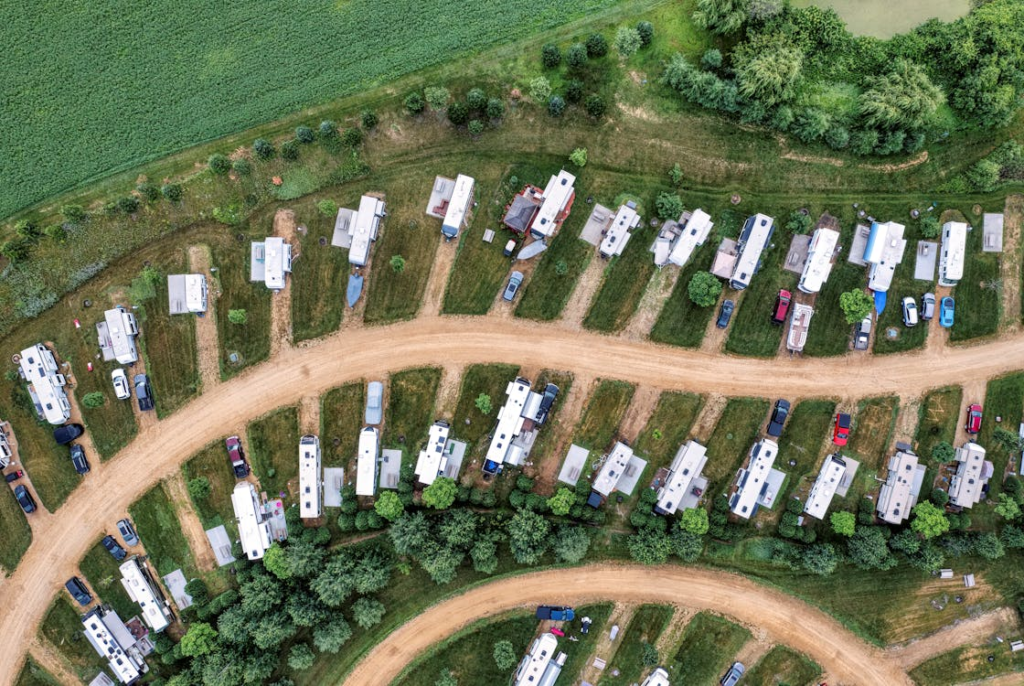
Campground fees are a regular expense for full-time RV living. On average, expect to spend between $500 and $1,200 per month, depending on location and amenities. These costs can vary greatly based on where you choose to stay.
Look for discounts and memberships to reduce your fees. Clubs like Good Sam, Passport America, and Thousand Trails offer reduced rates at many campgrounds. Staying longer in one place can also save money, as many campgrounds offer weekly or monthly rates.
Consider boondocking on public lands where camping is free or very inexpensive. Balancing paid campgrounds with free camping can help manage your budget while still enjoying the comforts and amenities when needed.
7. Food and Supplies: Stocking Up

Living on the road means you’ll need to stock up on food and supplies regularly. Expect to spend around $300 to $600 per month on groceries. Shopping at local markets and grocery stores can help you find fresh and affordable options.
Don’t forget the RV-specific supplies like propane, water filters, and dump station fees. These items are essential for keeping your RV running smoothly. Look for sales and bulk buying opportunities to save money on these necessities.
8. Entertainment: Enjoying the Journey

You’ll want to have fun along the way, so budget for entertainment. Expect to spend around $100 to $300 per month on activities like visiting national parks, museums, and local attractions. These experiences enrich your travels and create lasting memories.
Many places offer free or low-cost entertainment options. Hiking, biking, and exploring local parks are great ways to enjoy your journey without spending much. Balancing paid activities with free ones helps keep your entertainment budget in check.
9. Unexpected Costs: Be Prepared

Life on the road can be unpredictable. It’s essential to have a financial cushion for unexpected expenses like emergency repairs, medical costs, or even temporary housing if your RV needs significant work. Set aside a portion of your budget each month to build up a rainy-day fund.
10. Ways to Save Money: Tips and Tricks

Want to keep costs down? Here are some tips:
- Join RV clubs like Good Sam or Passport America for discounts on campgrounds and supplies. These memberships can quickly pay for themselves.
- Consider boondocking on public lands to save on campground fees. Look for campgrounds with weekly or monthly rates for better deals.
- Cook your meals in the RV instead of eating out. Shop at local markets and buy in bulk to save on groceries.
- Plan your routes to minimize fuel costs. Use apps like GasBuddy to find the cheapest fuel prices. Traveling slower and staying longer can also cut down on fuel expenses.
- Do your own maintenance and repairs when possible. Basic RV maintenance skills can save you a lot of money. Keep a toolkit handy for common repairs.
Is It Worth It?
Full-time RV living offers freedom and adventure, but it’s important to understand the costs involved. From the initial investment to monthly expenses, knowing what to expect can help you budget wisely and enjoy your travels without financial stress.
So, what are you waiting for? If you’re ready to hit the road, plan your budget carefully and embrace the RV lifestyle. Happy travels!