
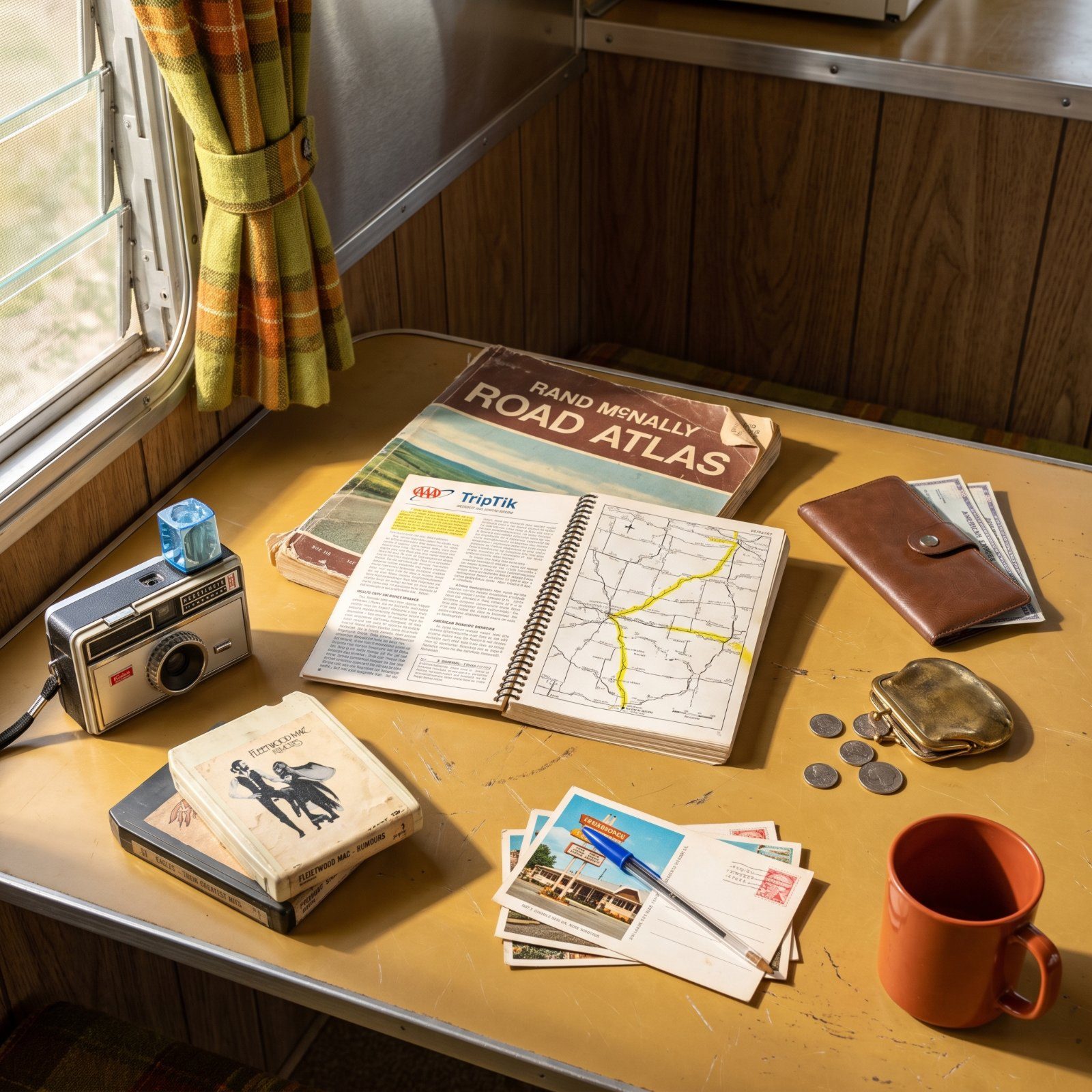
The glove box wouldn’t close. That was how you knew the camper vacation was real. Jammed in there: a folded atlas gone soft at the creases, a highlighter that had dried out halfway through Ohio, and a coin purse that rattled like a slot machine. No screens, no apps telling you where the next dump station was — just paper, batteries, and whatever Dad could rig up with a roll of electrical tape. Here’s what rode shotgun back then, the stuff we hauled from campground to campground without ever questioning it.
43. The Spiral-Bound AAA TripTik With the Route Marked in Highlighter
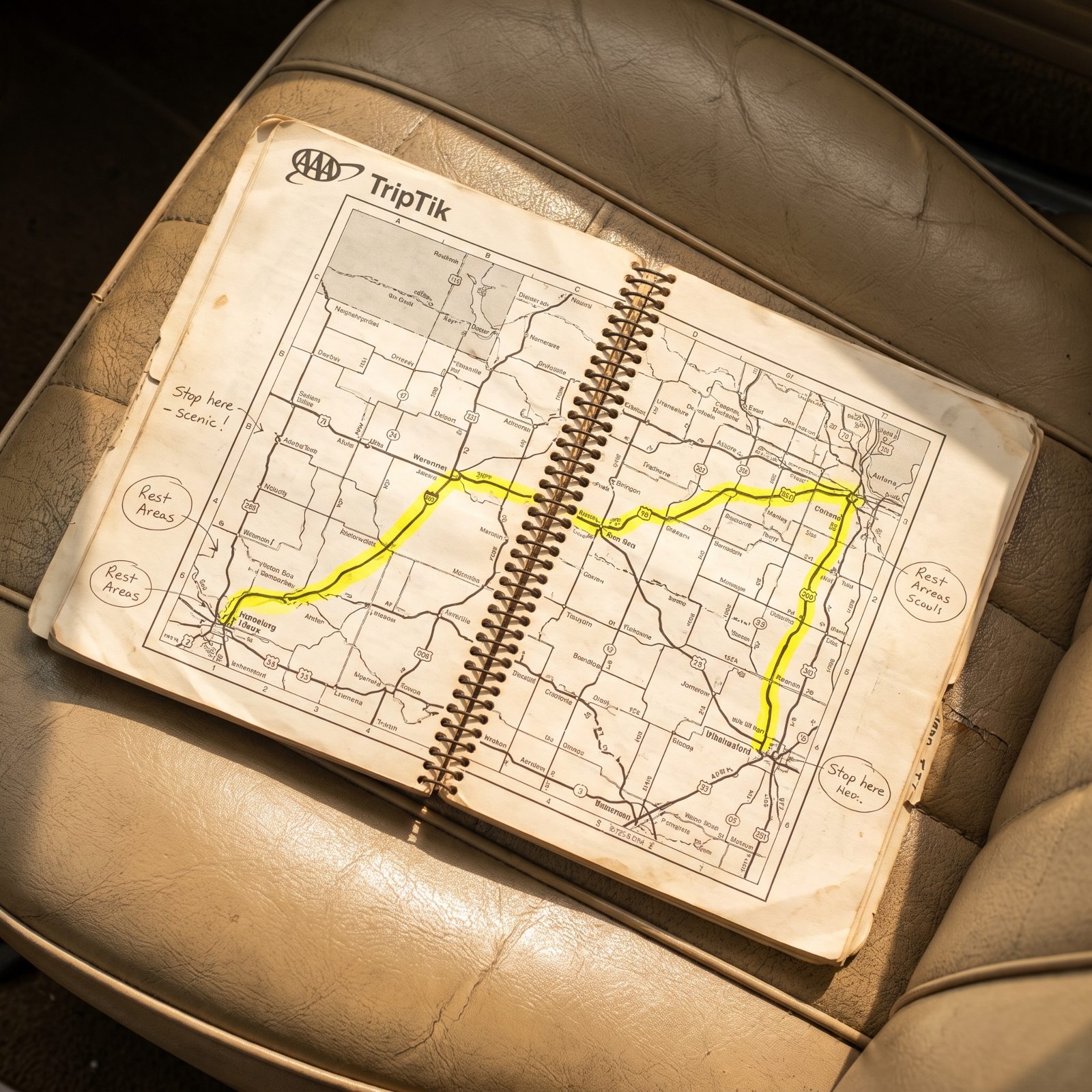
You called the AAA office, told them where you wanted to go, and a few days later a human being had assembled your entire trip into a flip booklet. One page per leg. The route already traced, construction zones noted, the scenic detours circled by someone who’d never meet you.
Dad kept it on his lap and flipped pages like a pilot while Mom navigated. The whole thing lived or died on a highlighter that always seemed to dry out somewhere around the halfway mark, leaving the back third of the trip in faint ghost-yellow.
42. The Giant Rand McNally Road Atlas Spread Across the Dashboard
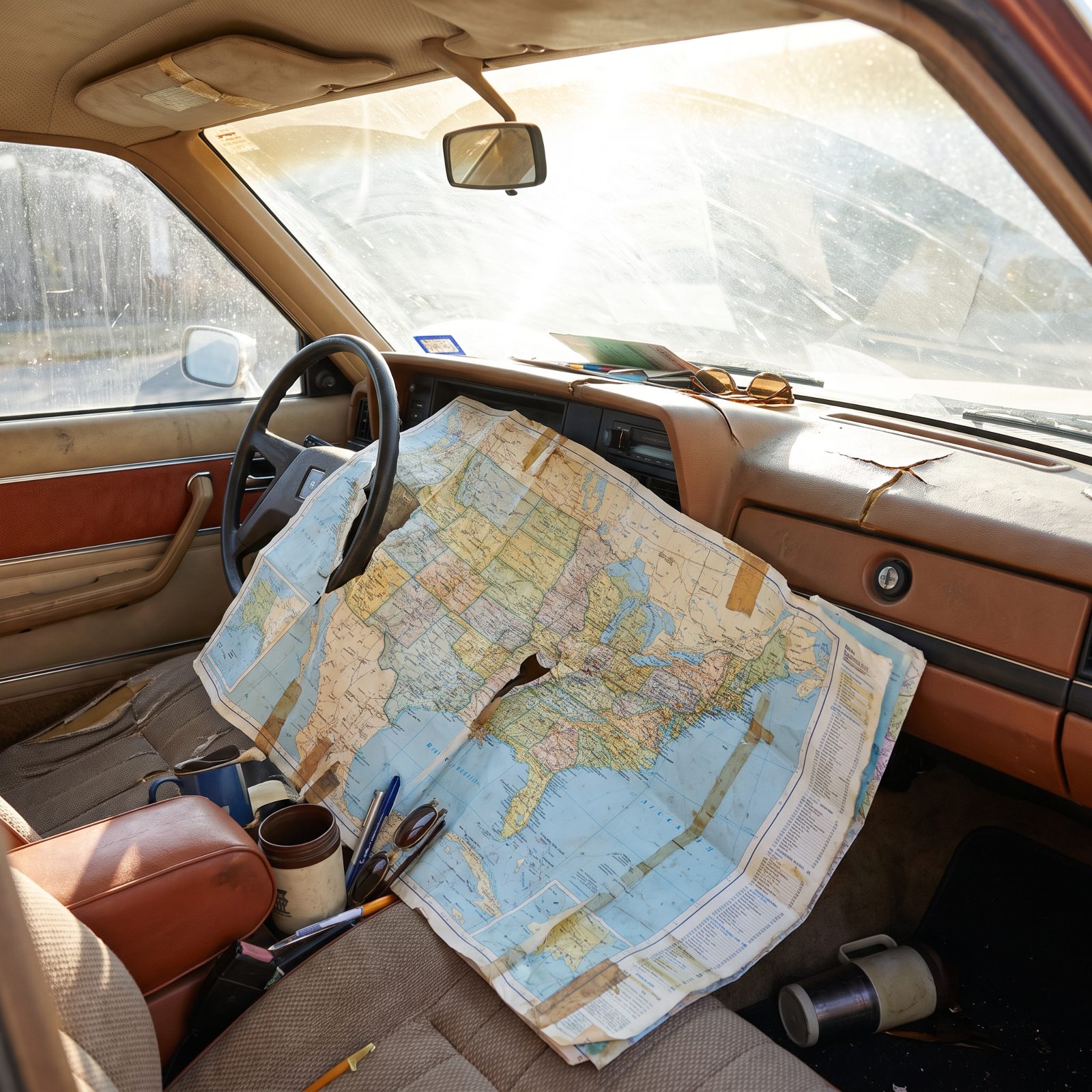
The atlas was too big for any human to fold back up correctly, so it just lived open. You’d spread it across the dash at a gas stop and everyone leaned in to find the little dot that was your town.
Finding your current location was a team sport. You traced the highway number with your finger, lost it under a crease, found it again near a town you’d never heard of, and started over. The index of place names in the back ran for pages. I still think the Rand McNally pink-and-blue color coding for interstates versus state routes was a small act of genius.
41. The Brick-Thick Woodall’s Campground Directory
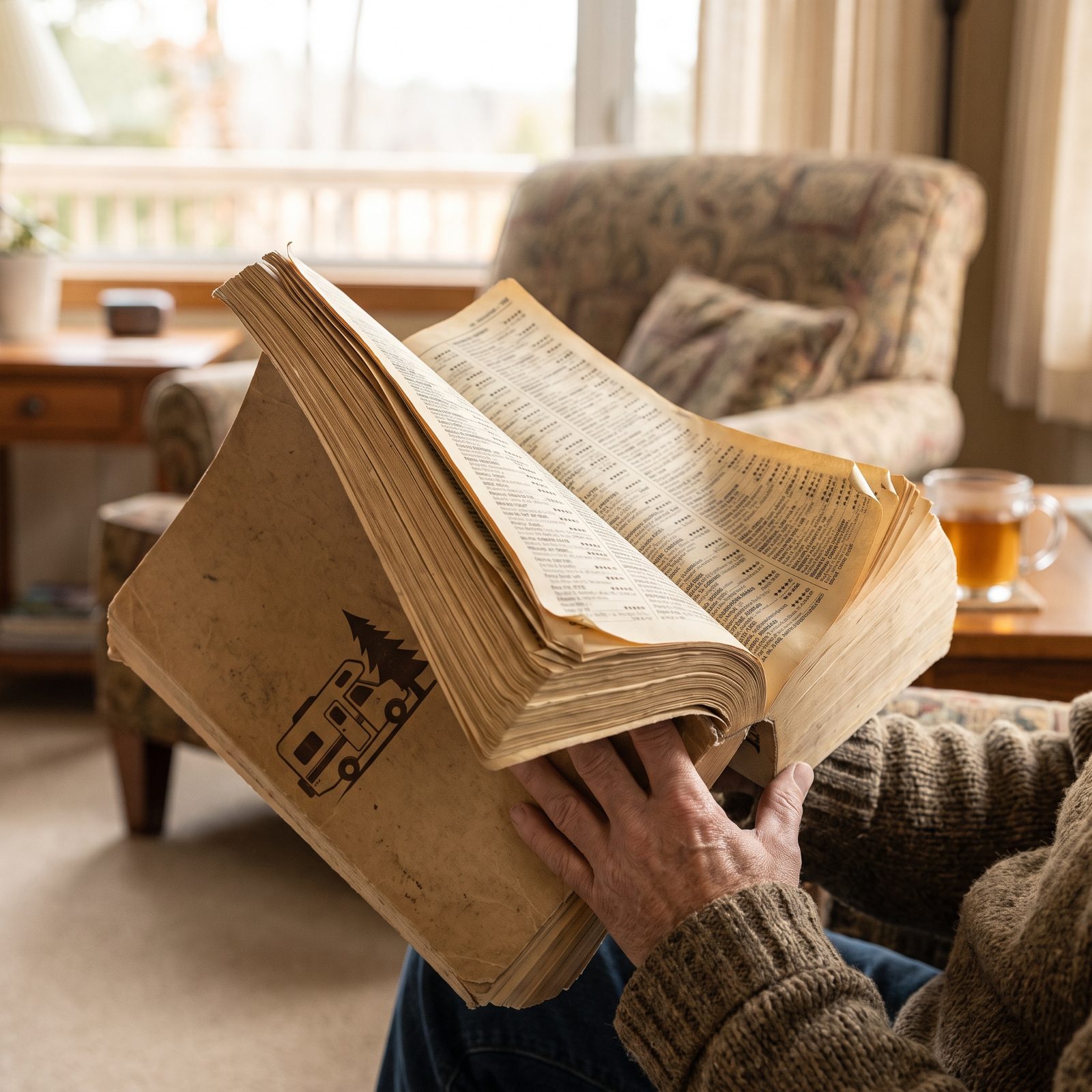
Before Yelp reviews, there was a book the heft of a cinder block that rated every campground in the country with little tent and triangle symbols. Woodall’s told you whether a place had full hookups, a laundry, a store, a pool — all in abbreviations you learned to decode on the fly.
You read it by flashlight the night before, circling two or three options because you never knew if the first one would be full. It weighed a few pounds and smelled like newsprint.
40. Traveler’s Checks Tucked Inside a Vinyl Wallet
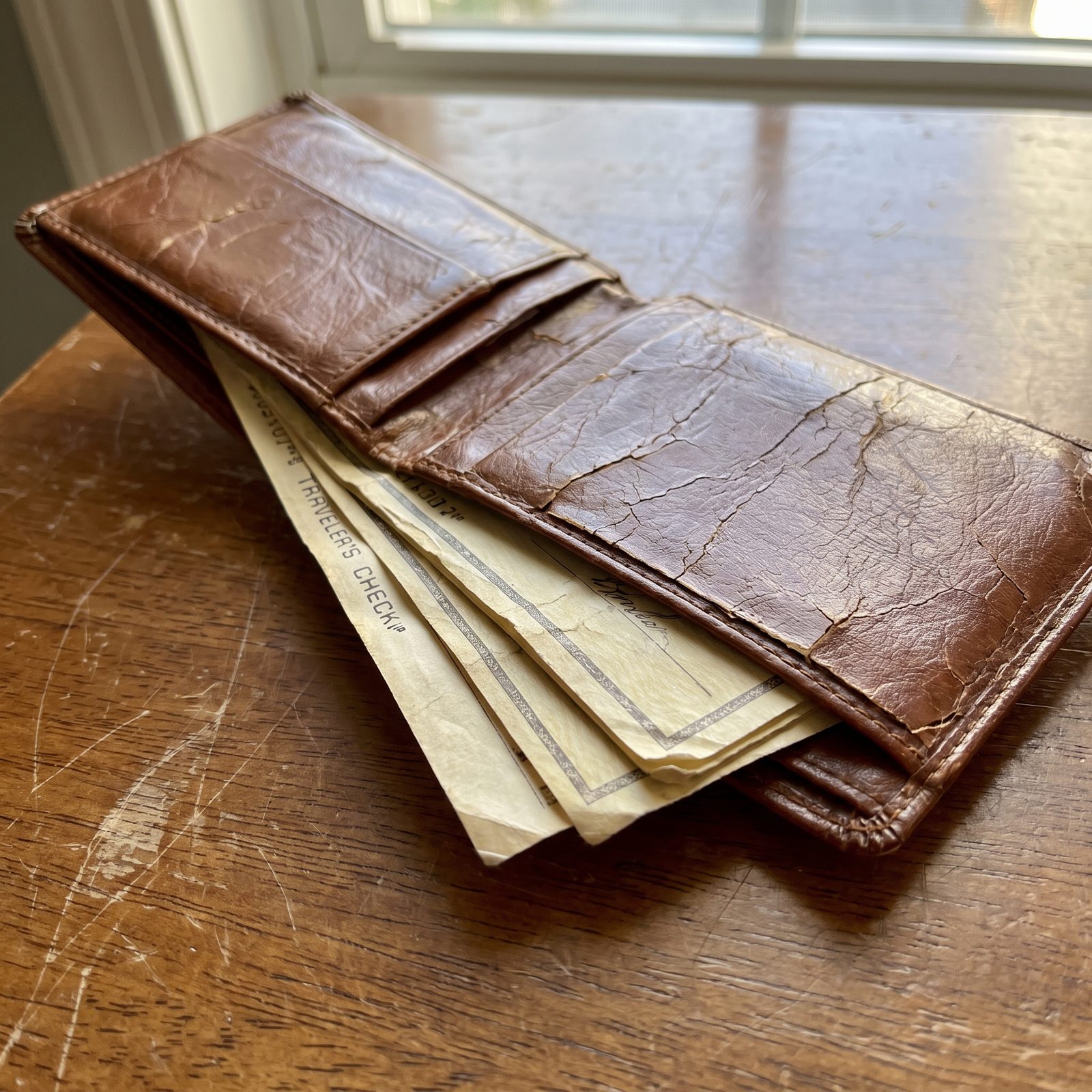
Nobody drove across three states with a wad of cash in 1974.
You bought traveler’s checks at the bank before you left, signed each one in the top corner, and kept them folded in a vinyl wallet that never left Dad’s back pocket. At the campground office or the gas station you signed again on the bottom line, and a stolen check was worthless without that matching signature.
Lost them? You could get them replaced. That peace of mind was the whole sales pitch, and for a family a thousand miles from home, it worked.
39. A Coin Purse Reserved Strictly for Payphones, Tolls and Showers
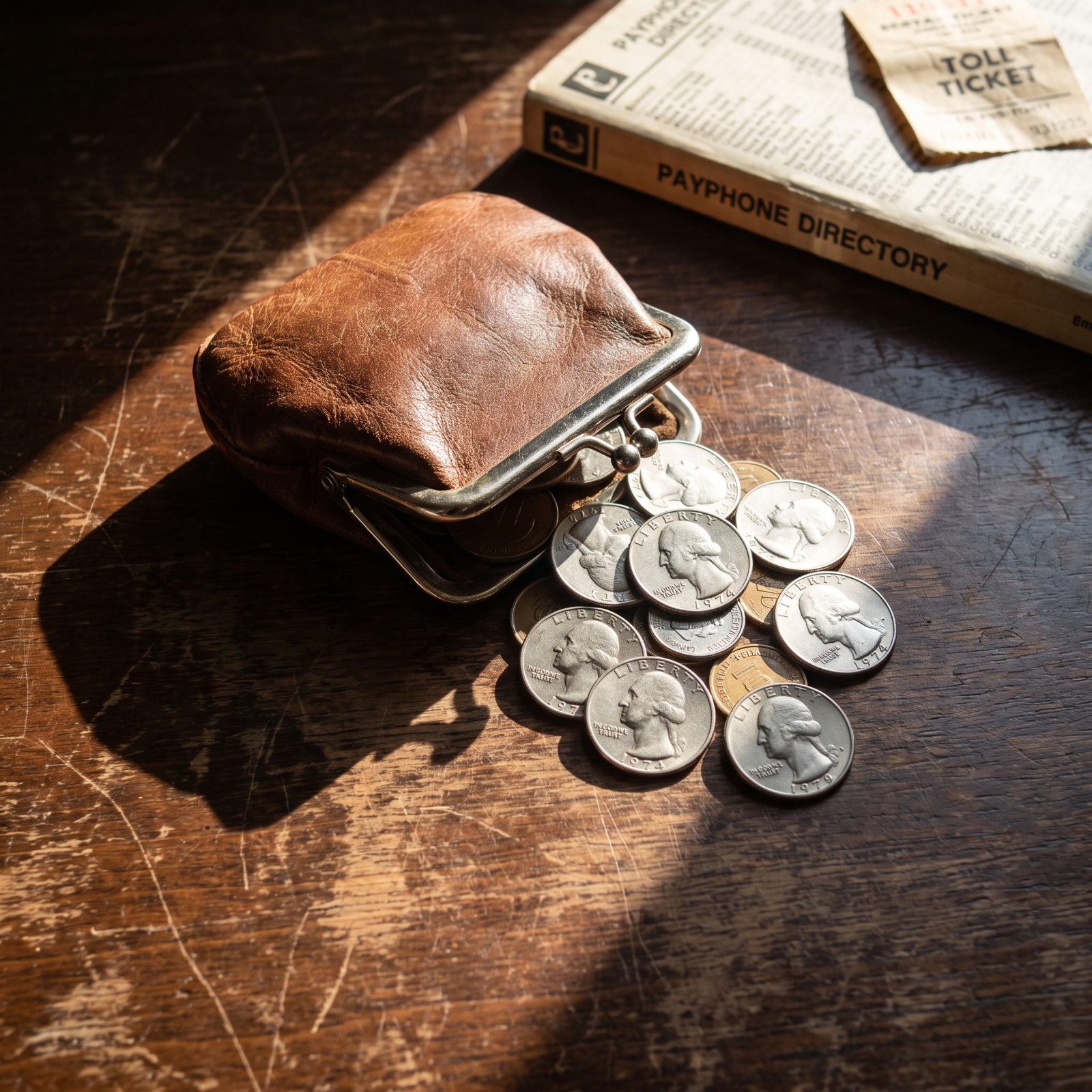
This was a separate stash of coins, and touching it for a vending machine was a crime. The quarters in that purse had jobs. Tolls. The payphone to call Grandma collect and let her know you’d made it. And the campground shower that ran hot water on a timer, cutting off mid-rinse unless you fed it another quarter fast.
You rationed those coins like a miser. There’s a particular memory of standing dripping in a cinder-block stall, soap in your eyes, shoving a quarter into a slot with wet fingers. Everyone my age knows exactly how that felt.
38. A Wood-Grain CB Radio With a Handheld Microphone
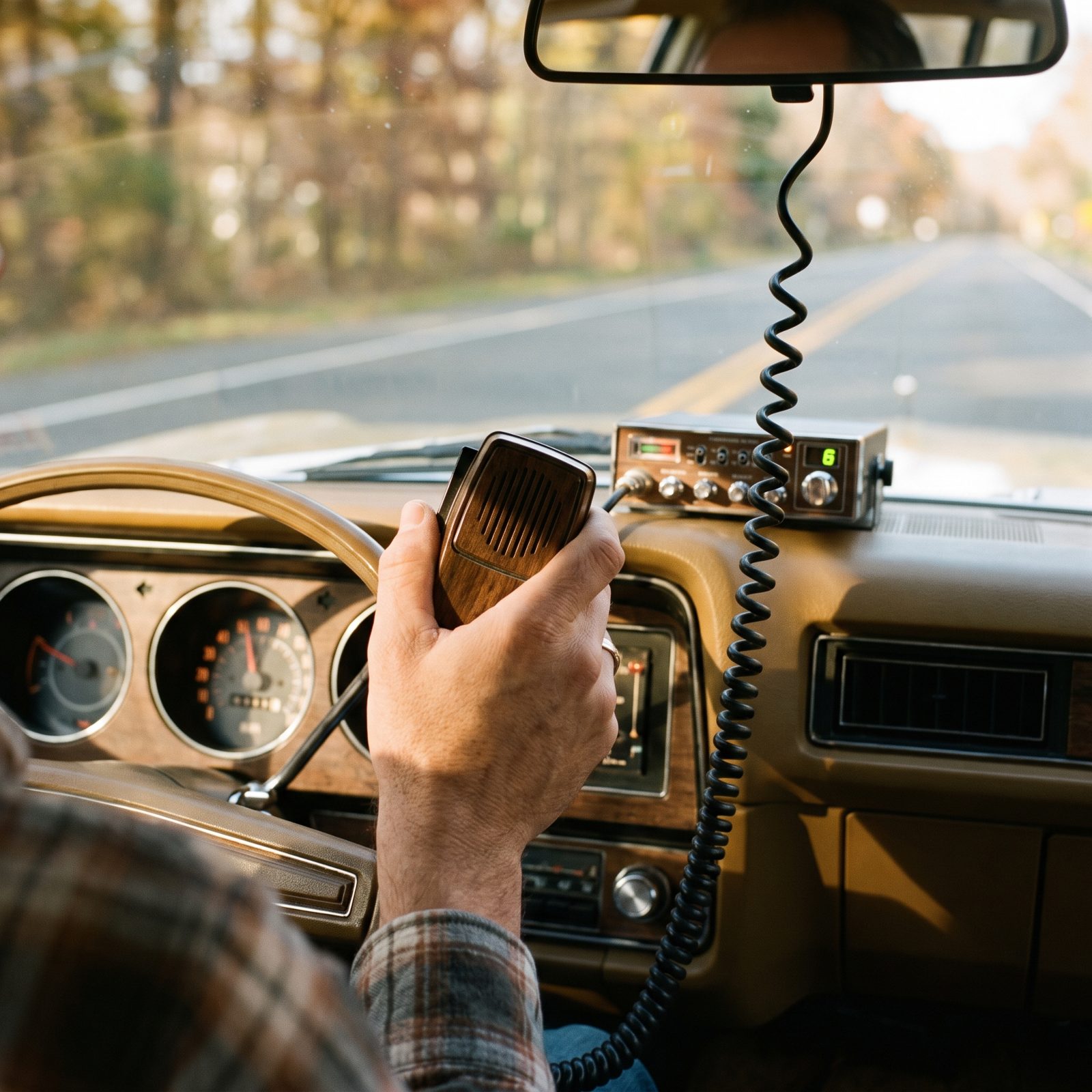
The CB was Dad’s favorite toy and his excuse to talk to total strangers at seventy miles an hour. He picked a handle and started quizzing truckers about the road ahead, Smokey reports, where the traffic was backed up. Half the fun was the language itself — breaker one-nine, got your ears on, ten-four good buddy.
And it actually worked. A trucker would warn you about a wreck two exits up or a speed trap on the downhill grade, and you’d adjust. Long before any traffic app, a wood-grain box under the dash was pulling live road intel from people who knew.
37. A Shoebox Case of Family-Favorite 8-Track Tapes
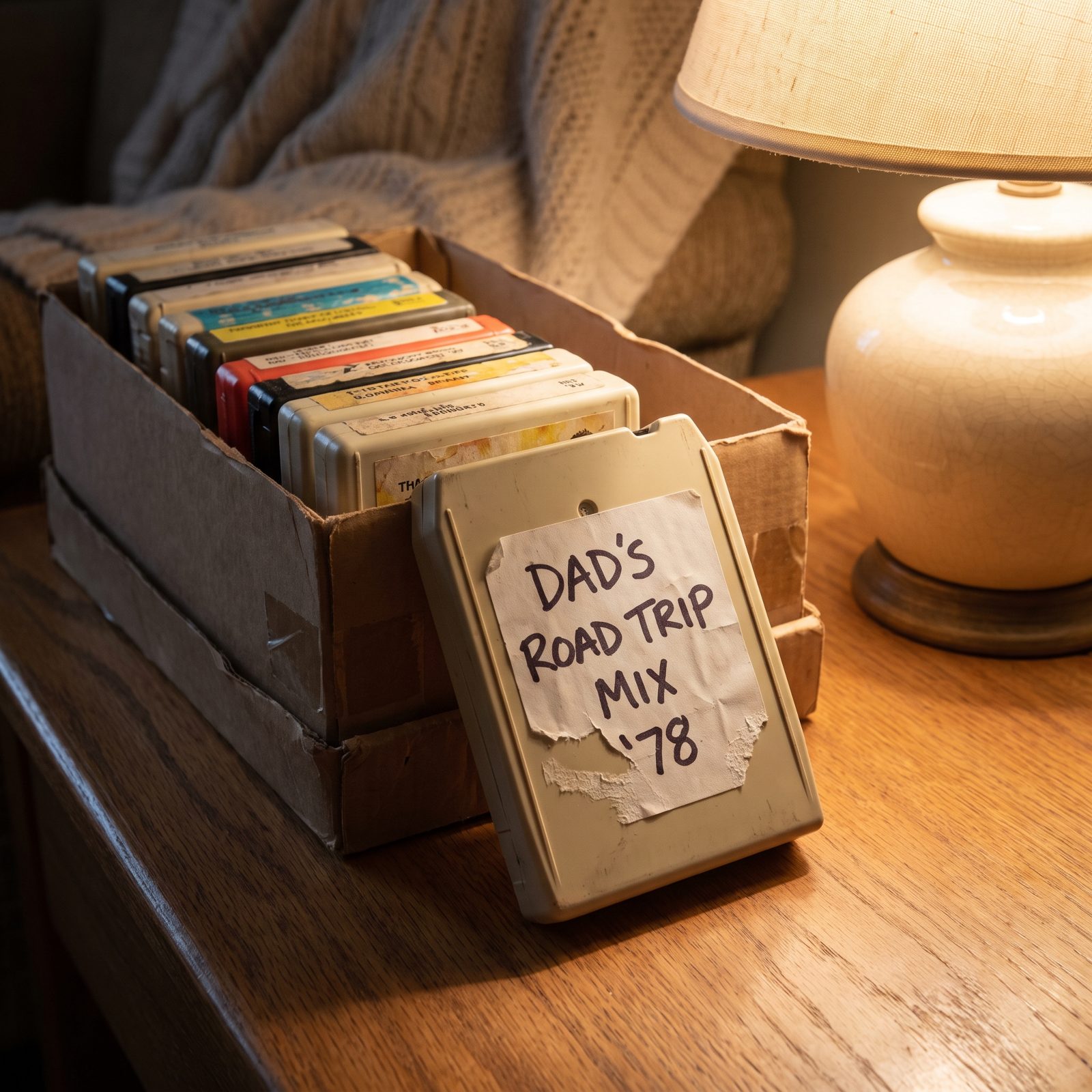
The 8-track had one glorious flaw and you lived with it: it changed tracks mid-song. Right in the middle of a chorus you’d hear that mechanical ka-CHUNK and the music would cut out for a second before picking back up. Nobody complained. That was just how the song went now.
The case held the family canon — a little Johnny Cash, some Carpenters, whatever Mom could tolerate on repeat for eight hundred miles. You couldn’t skip or rewind easily, so you heard the whole album every time, in order, until you knew it cold. I’d argue those tapes shaped more family musical taste than any radio station ever did.
36. A Portable Black-and-White TV With Rabbit-Ear Antennas
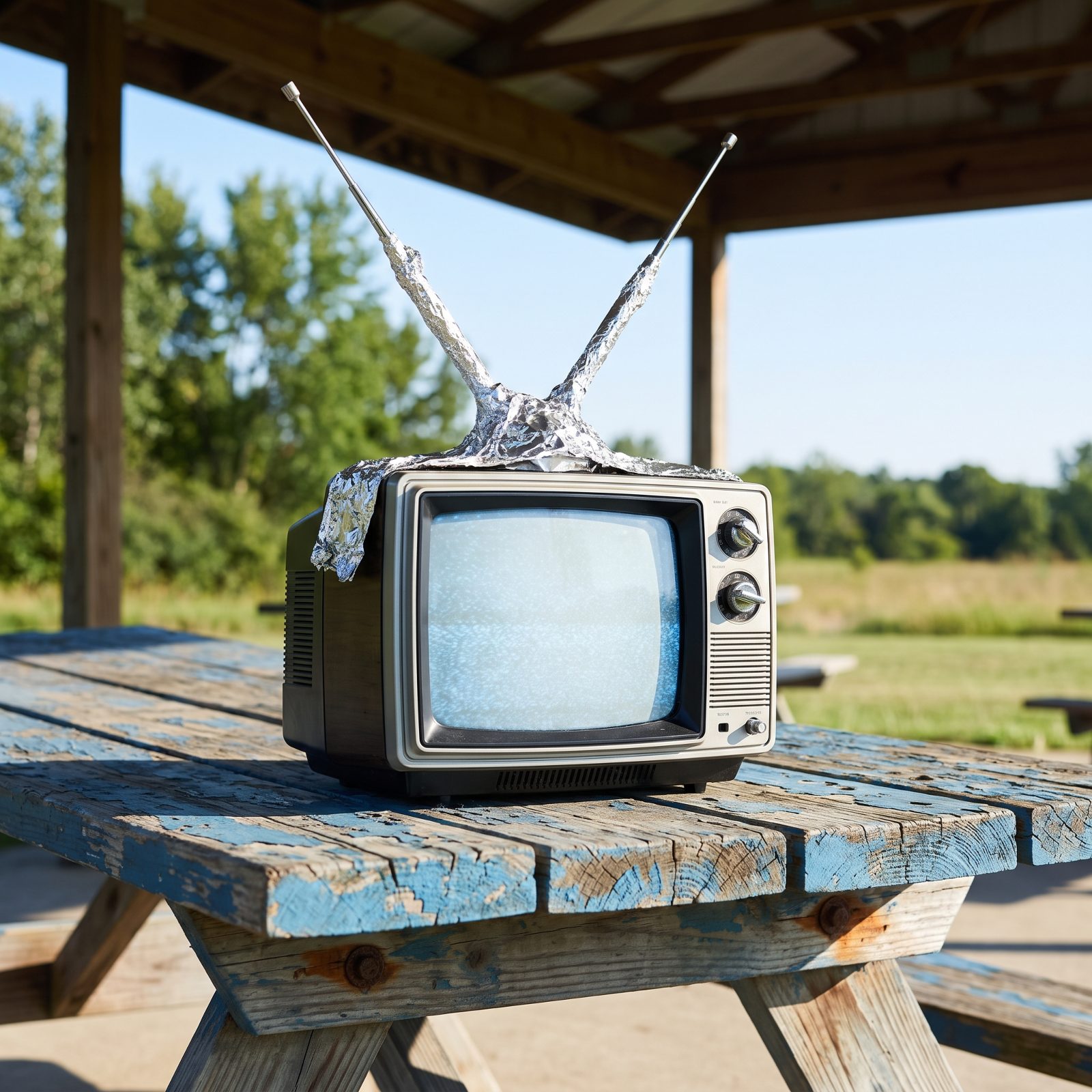
Reception at a campground was a negotiation, not a guarantee.
You’d haul the portable TV out after dinner, extend the rabbit ears, and then begin the ritual of slowly rotating the whole set while someone yelled “there, no, back, THERE” from the dinette. Aluminum foil on the antenna tips was standard practice, and nobody will convince me it didn’t help.
One fuzzy channel showing a ballgame or the evening news counted as a win. The picture rolled, the vertical hold slipped, and the whole family squinted at a flickering gray screen in a trailer parked under the pines. Felt like a small miracle every single time.
35. A Kodak Instamatic Camera With Blue Flashcubes
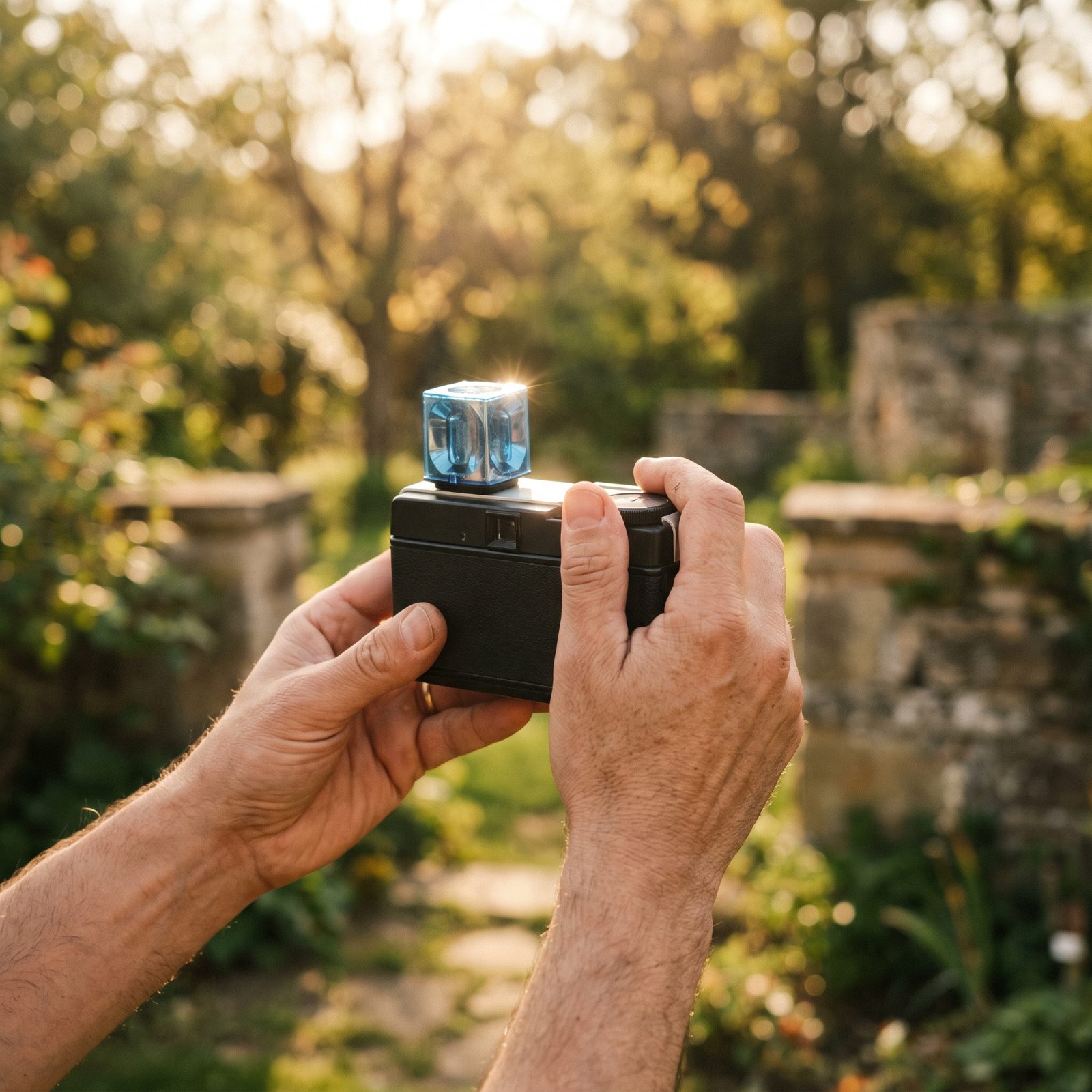
The Instamatic made photography foolproof, which is exactly why every family had one. You dropped in a film cartridge that you literally could not load wrong, pointed, and pressed. The flashcube on top gave you four shots before you twisted on a fresh one, and each pop left a tiny burned bulb and a whiff of hot plastic.
Here’s the part that’s hard to explain now. You had no idea if the picture was any good. The film went to the drugstore when you got home, and two weeks later you opened an envelope of prints — half of them thumbs-over-the-lens or everyone blinking. You lived with whatever you got.
34. Stamped Postcards Ready to Mail From the Campground
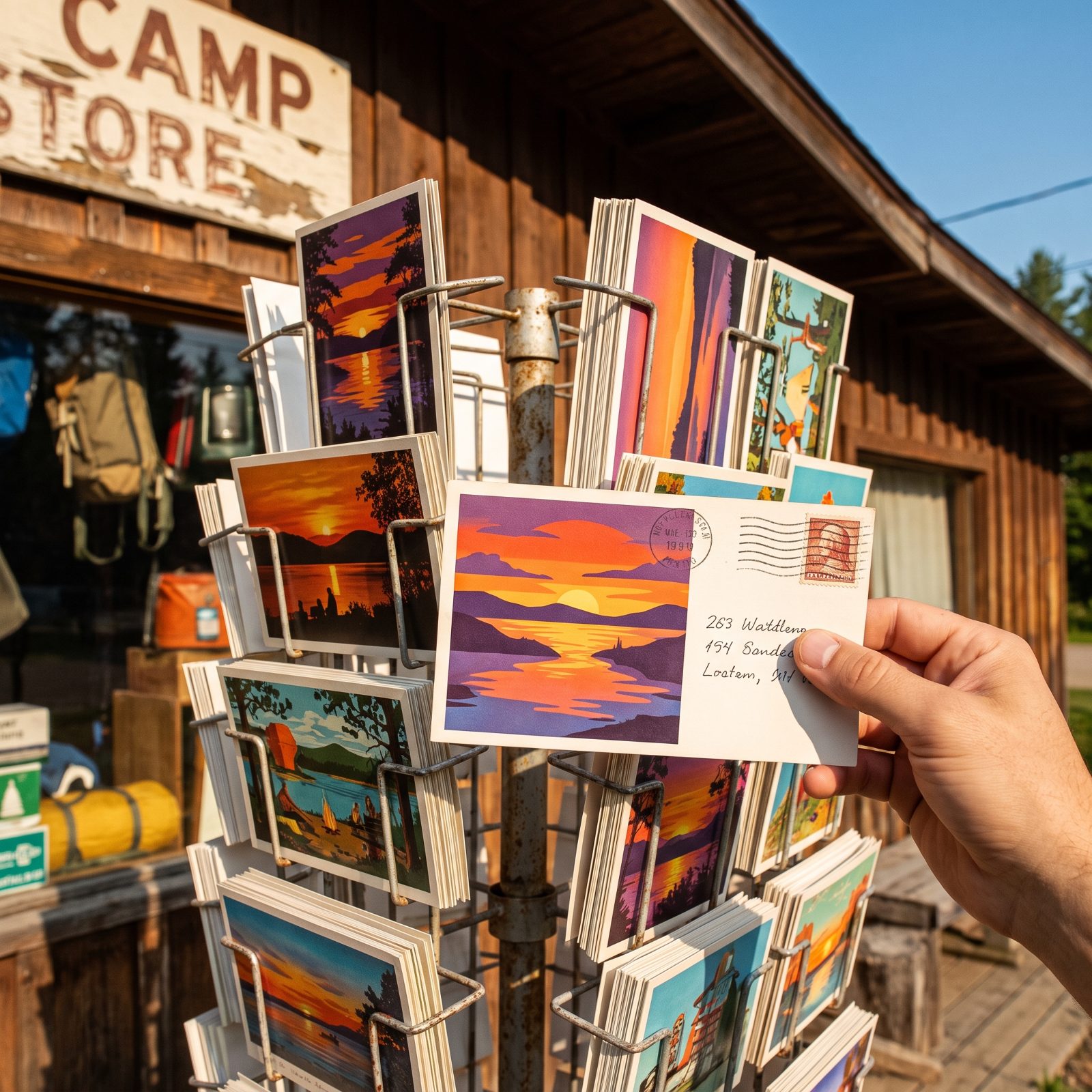
You bought them off the spinning wire rack at the camp store, the ones with the garish sunset over whatever landmark you’d just driven past. Then you sat at the dinette and wrote the same three sentences to Grandma, the neighbors, your best friend back home. “Having a great time. Weather is nice. Wish you were here.”
The real trick was the timing. You’d write them at one campground and mail them from the next, and they’d arrive home days after you did. Half the time you beat your own postcards back, and nobody minded. The point wasn’t the news. It was the little piece of the trip that showed up in someone’s mailbox with a stranger’s postmark, proof that for one week you were somewhere else entirely.
33. The Green Coleman White-Gas Stove and Its Red Metal Fuel Can
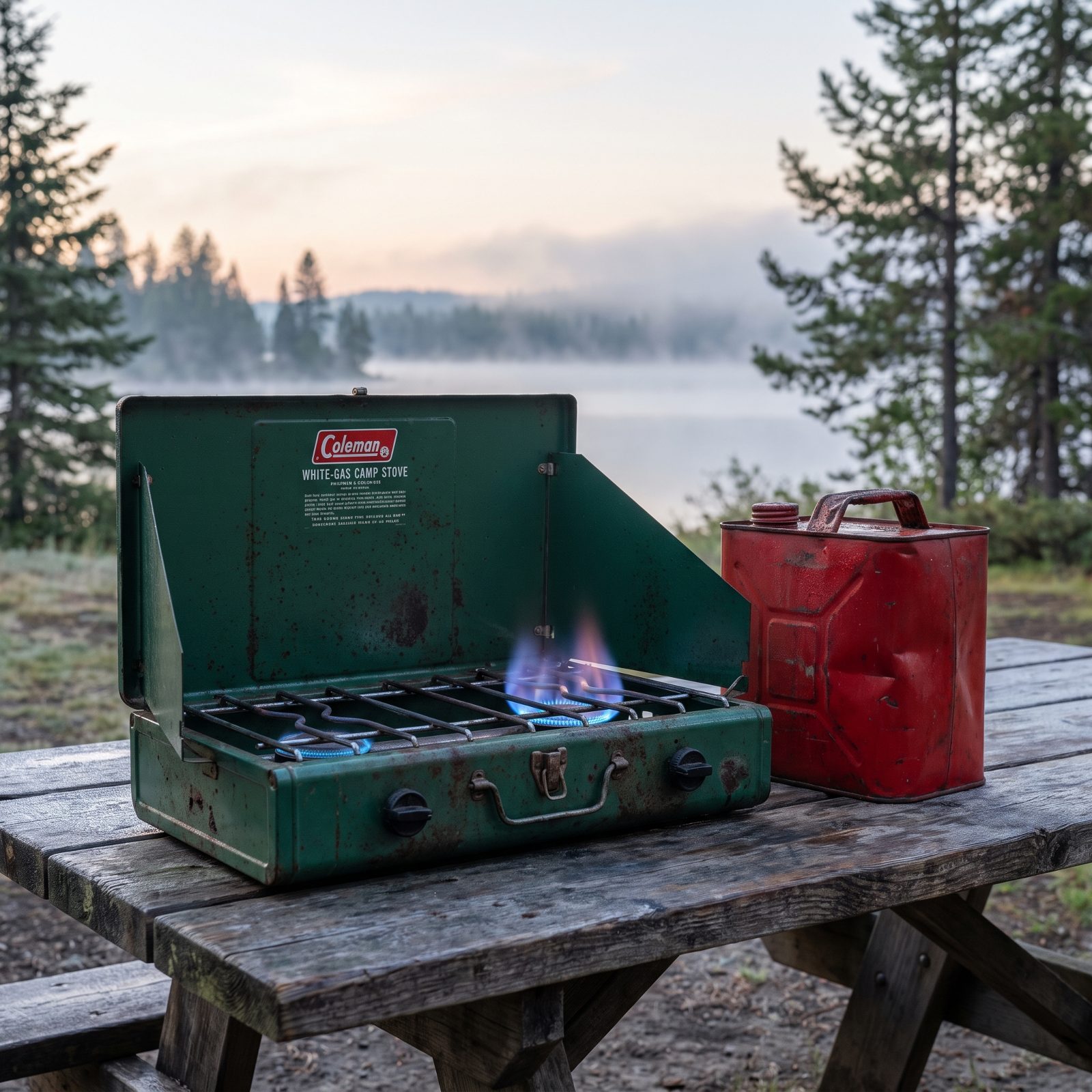
You pumped the little plunger until your thumb got sore, held a match to the burner ring, and prayed for that soft whoomp of blue flame instead of a yellow flare that singed your knuckles. The green Coleman was the heart of every campsite breakfast long before anyone had a fifth-wheel with a built-in range.
White gas smelled sharp and a little dangerous, which it was. You topped off the red fuel can at the same filling stations that sold you road maps and ice. The stove folded shut into its own carrying case, latched like a lunchbox, and rode in the station wagon’s way-back next to the ice chest.
32. The Pump-Up Gas Lantern and Its Fragile Paper-Packet Mantles
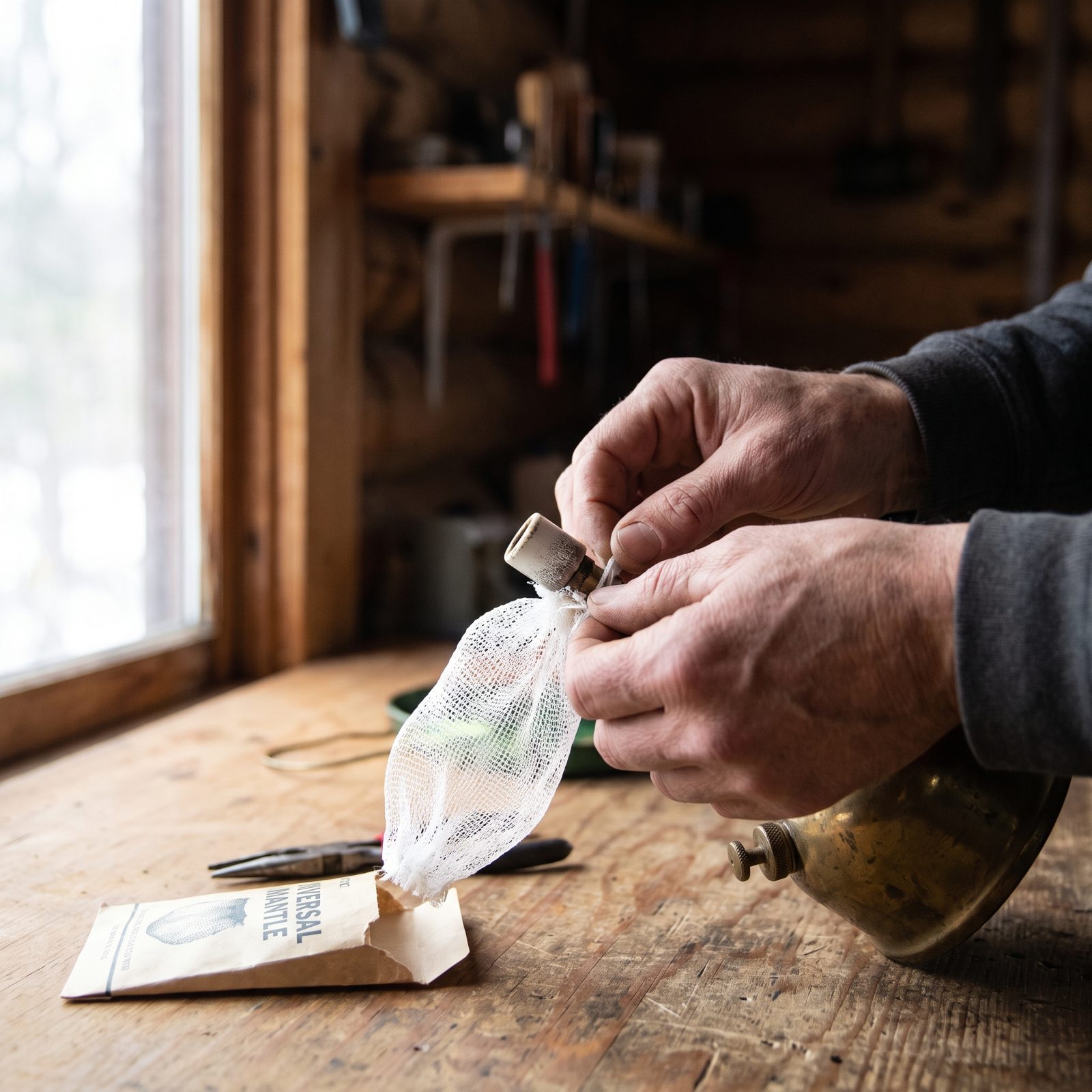
Changing a mantle felt like defusing a bomb. You tied the little mesh sack onto the burner with its tiny string, held a match to it, and watched it flare into a brittle white ash that would crumble if you breathed on it wrong. Touch it afterward and you ruined the whole night’s light.
The spare mantles came folded in flimsy paper packets that got crushed at the bottom of the gear box every single trip, and somebody always forgot to buy extras. When the lantern finally caught and hissed to life, though, the whole campsite turned golden, moths started their pilgrimage toward the globe, and the grown-ups pulled out the cards.
31. Strike-Anywhere Matches Sealed Inside a Metal Tin
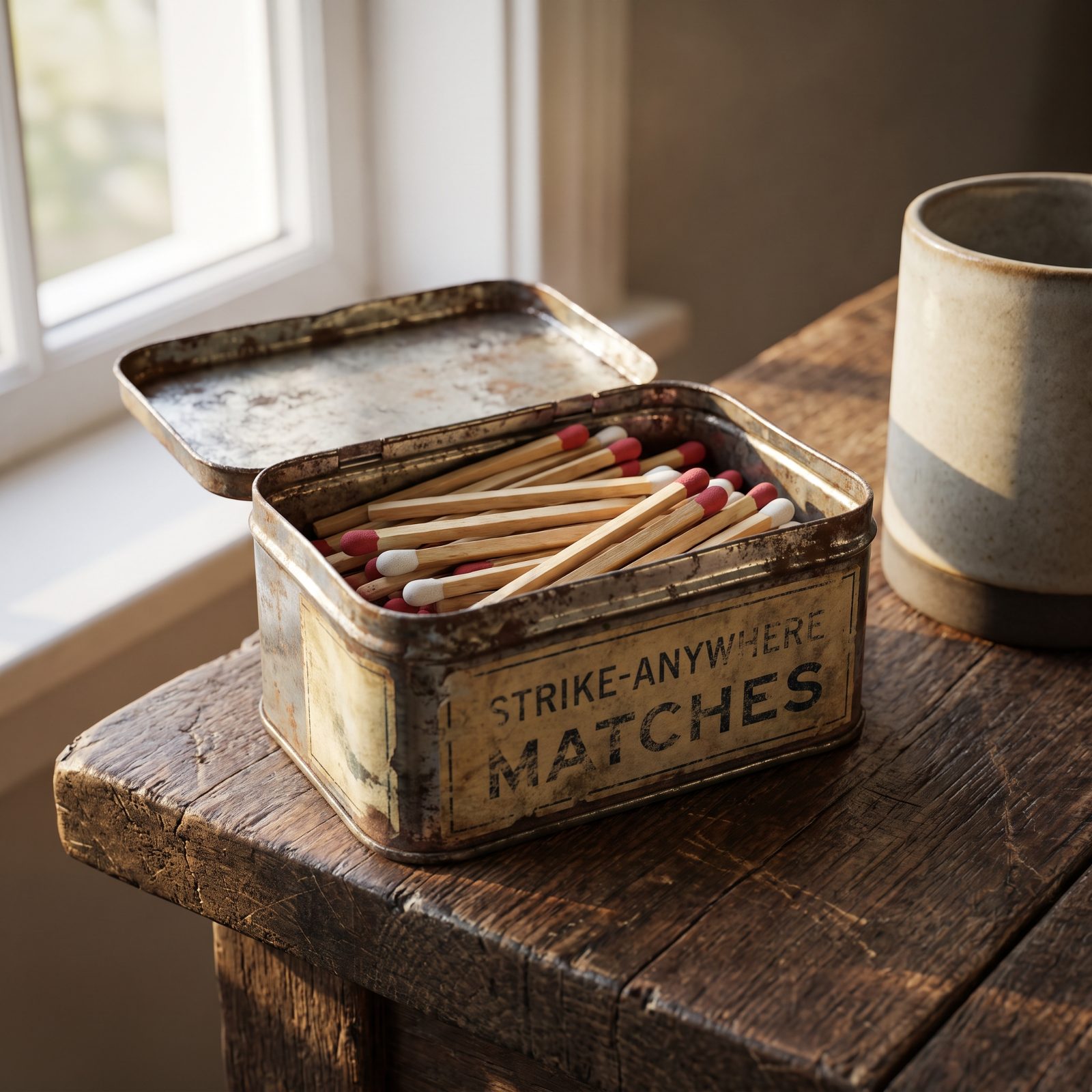
Dad kept them dry in an old mint tin or a spare Band-Aid box, lid pressed shut against the damp. Strike-anywhere matches were the whole point: you could fire one off a zipper, a rock, the sole of your sneaker, the side of the ice chest.
You learned the flick young. Too timid and the head skidded off uselessly; too hard and it snapped clean. Get it right and that little sulfur pop meant the stove, the lantern, or the campfire was about to happen.
30. The Speckled Enamel Percolator for Campfire Coffee
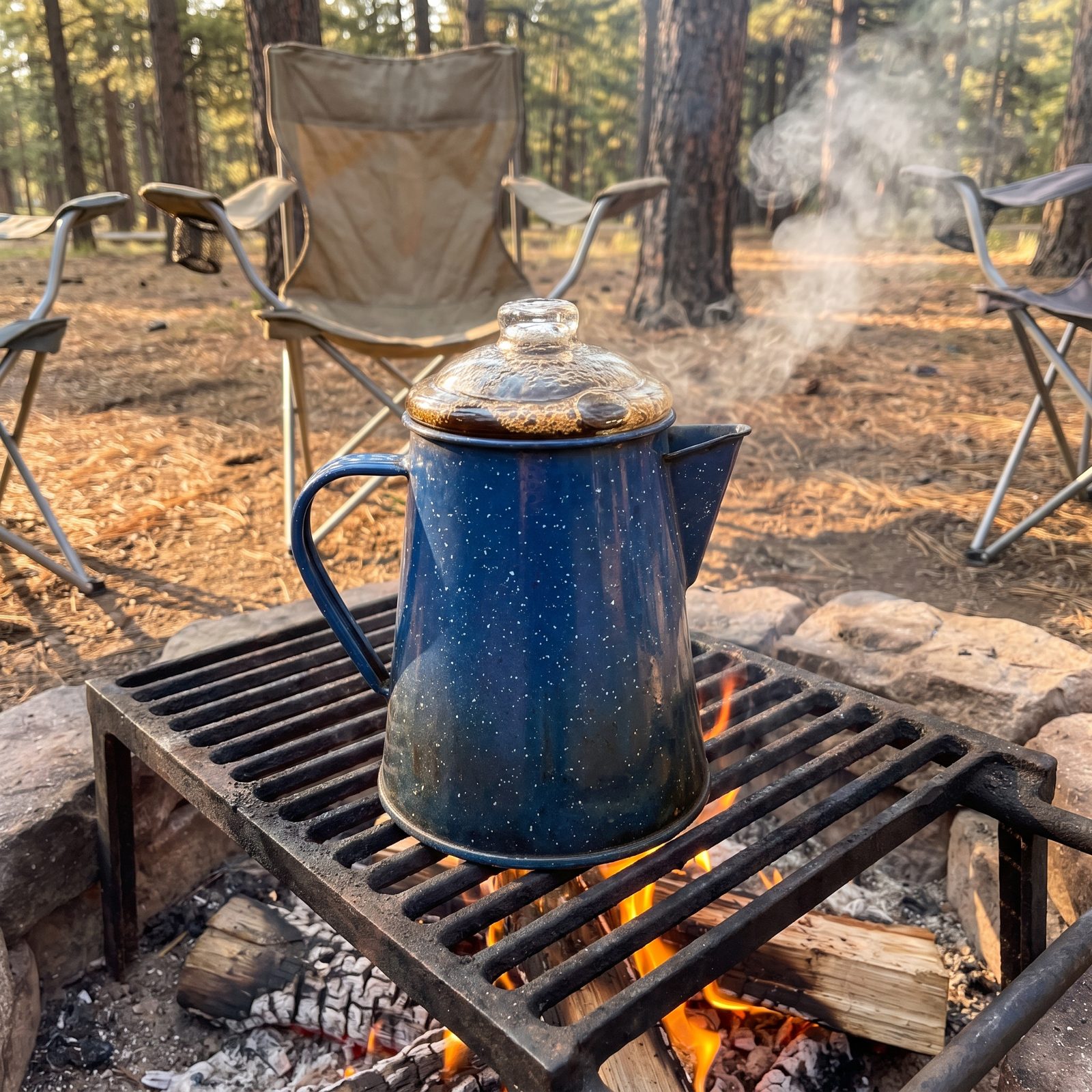
The sound came first. That lazy percolating burble, the little glass knob on top flashing brown each time the coffee jumped up through the stem. You woke to it inside the camper, zipped in your sleeping bag, knowing the grown-ups were already up and the day had officially started.
The pot was speckled enamel, usually blue, always chipped somewhere. Coffee made this way came out strong and a little gritty if you poured too fast and caught the grounds. Nobody minded. Camp coffee was supposed to taste like that — woodsmoke, metal, and the cold edge of morning air.
29. The Stack of Unbreakable Melmac Plates and Bowls
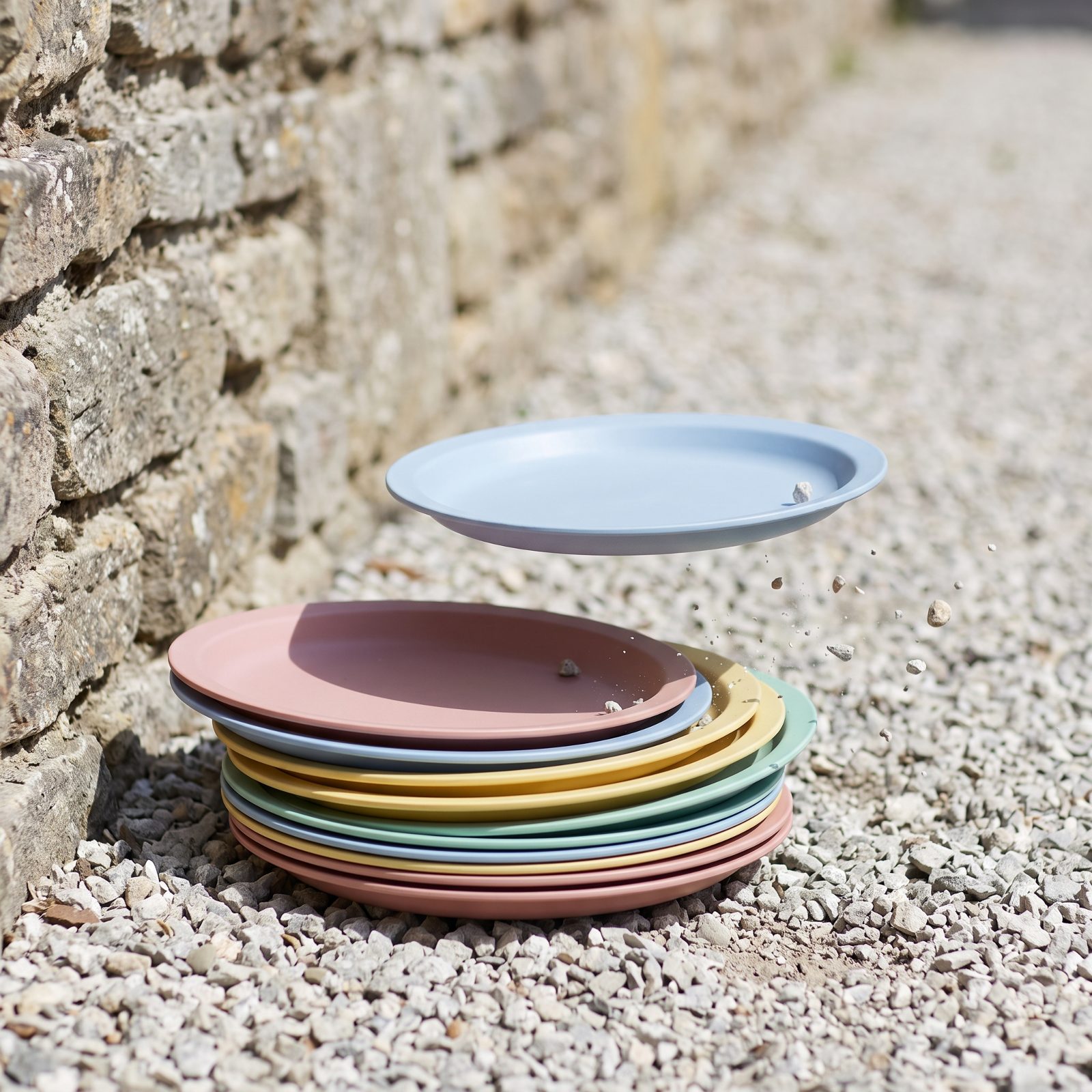
You could drop one off the picnic table onto the gravel and it just bounced, which was the entire reason it existed. Melmac came in every shade the decade loved: harvest gold, avocado, a burnt orange that matched the curtains inside the camper.
The plates were a little heavier than china, with a dull satin finish that picked up knife scratches over the years. Hot soup made them warm to hold. They never chipped, never shattered, and they stacked flat in the cabinet without a single piece of packing paper between them — the same set lasting a decade of vacations before it got demoted to the garage for paint jobs.
28. The Tupperware Pitcher and Its Matching Pastel Tumblers
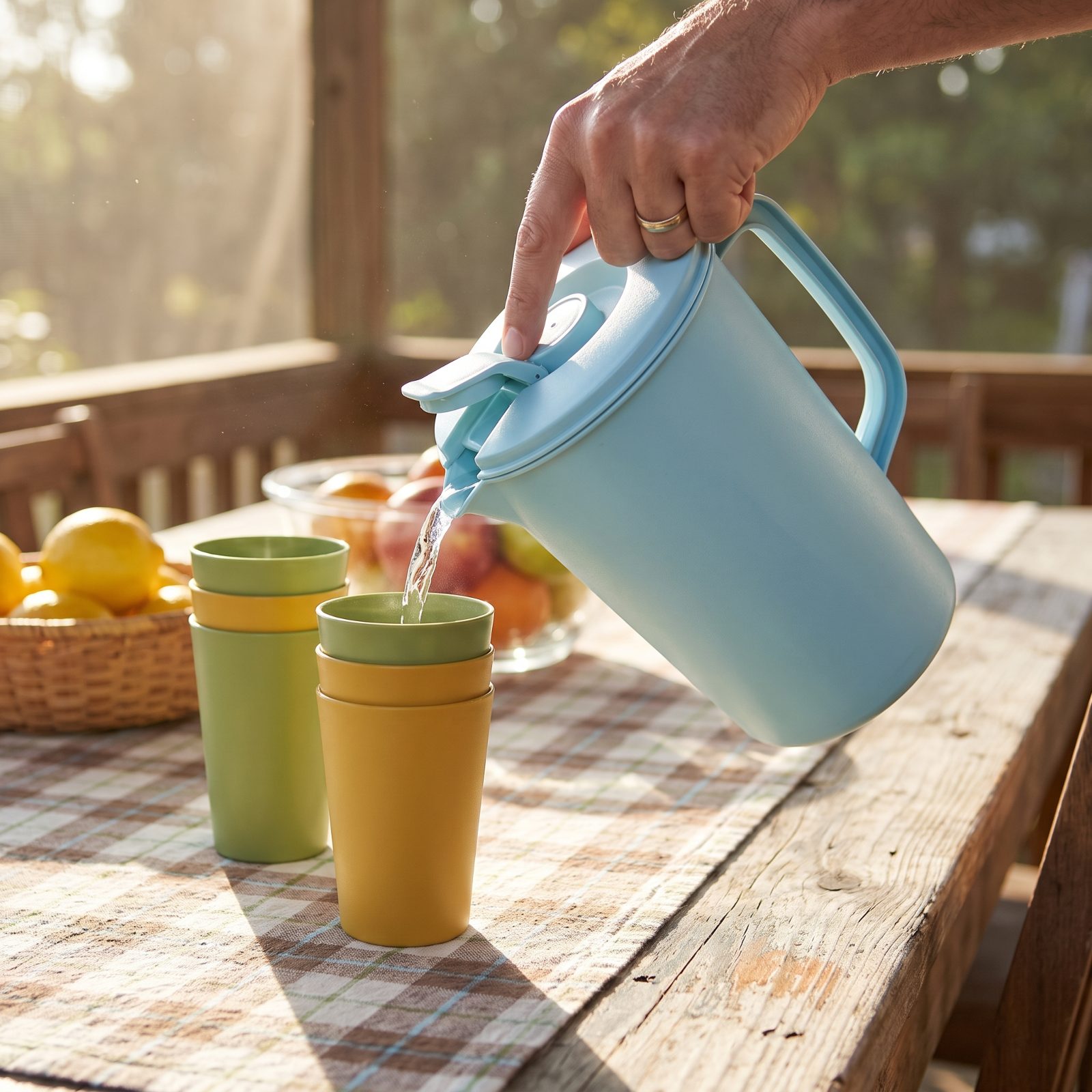
The lid had that little flip-up spout you pressed with your thumb, and if you didn’t seal it right the whole thing burped Kool-Aid across the table on the first pour. The pitcher lived in the camper icebox, sweating in the heat, refilled about nine times a day.
The tumblers matched in those soft frosted pastels, and every kid had a color. You fought over them. The avocado one was somehow always nobody’s favorite. Warm plastic, grape drink, the smell of sunscreen and pine — all of it tangled together into exactly what summer tasted like at a campground.
27. The Lever-Latch Metal Ice Chest and Its Newspaper-Wrapped Block of Ice
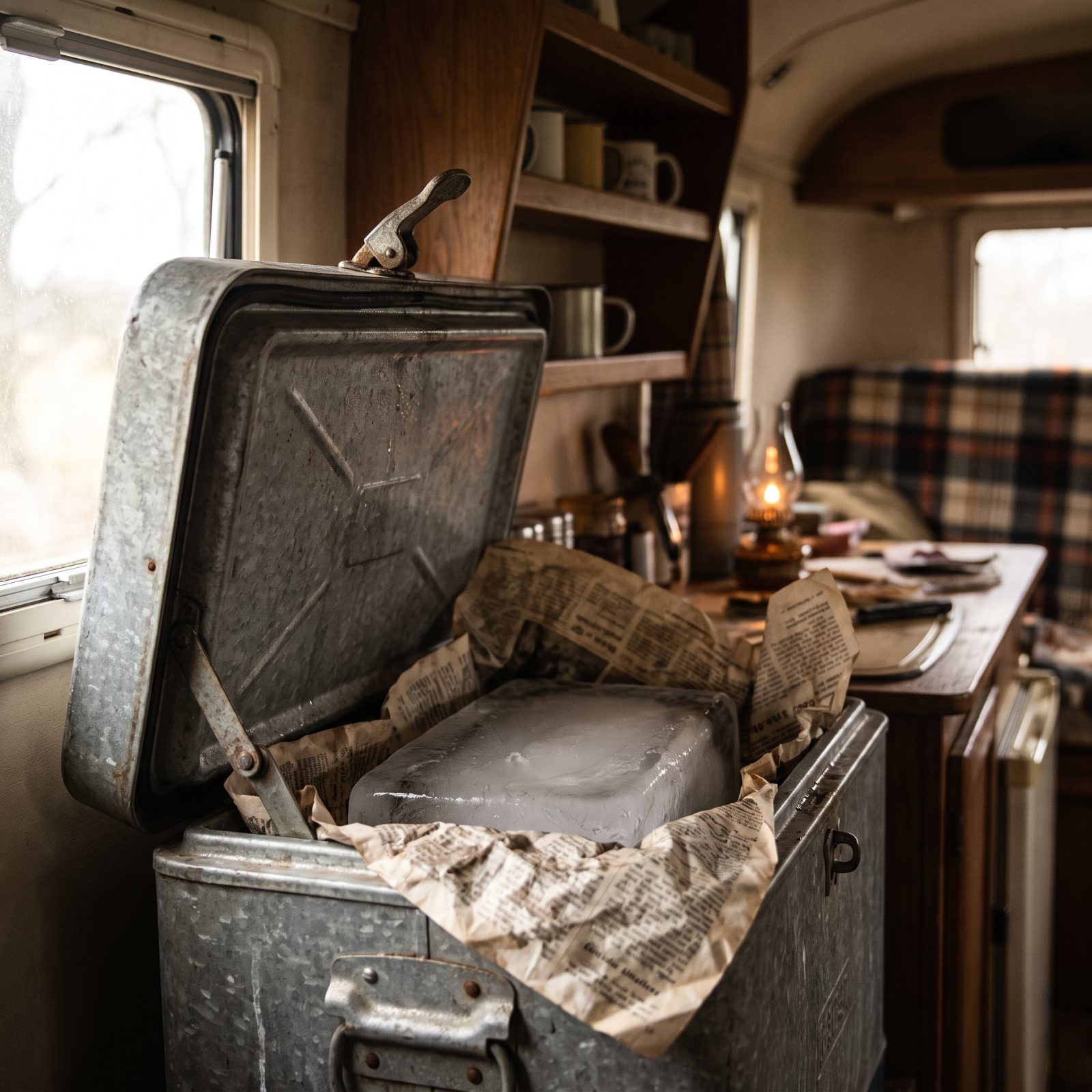
Before anyone plugged a camper into shore power, cold meant a block of ice wrapped in wet newspaper so it melted slower. You bought it at the campground store or the gas station, lugged it dripping across the lot, and settled it into a metal chest heavy enough to throw out your back.
The lever latch clanked when you flipped it. Open the lid on a hot afternoon and the cold rolled out at you, sodas rattling in the slush at the bottom. Every evening someone drained the gray meltwater with a careful tip, trying not to lose a hot dog pack to the dirt.
A block of ice outlasted cubes by days. That was camp-cooler math, and everybody knew it.
26. The Church-Key Opener for Cans and Bottles
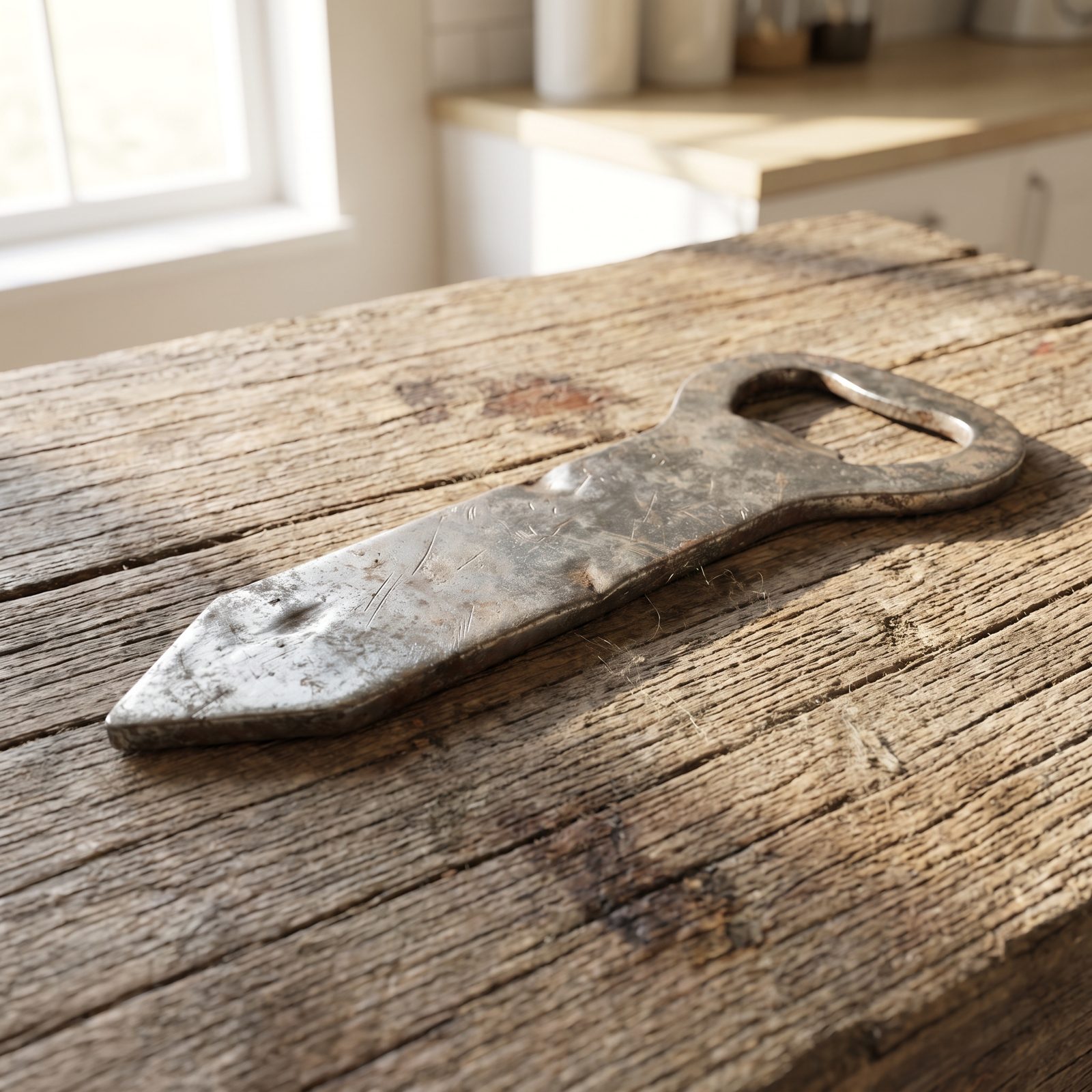
One flat piece of steel, pointed on one end, rounded on the other, and it ran the whole campsite.
Before pull-tabs took over, you punched two triangular holes in the top of a can — one to pour and one to vent — with a satisfying chunk and a hiss. Flip the opener around and the other end pried the cap off a glass bottle of Coke or beer. It hung on a nail inside the camper or rattled loose in the utensil drawer, and losing it brought the whole operation to a halt.
25. The Glass Jar of Tang Breakfast Drink Mix
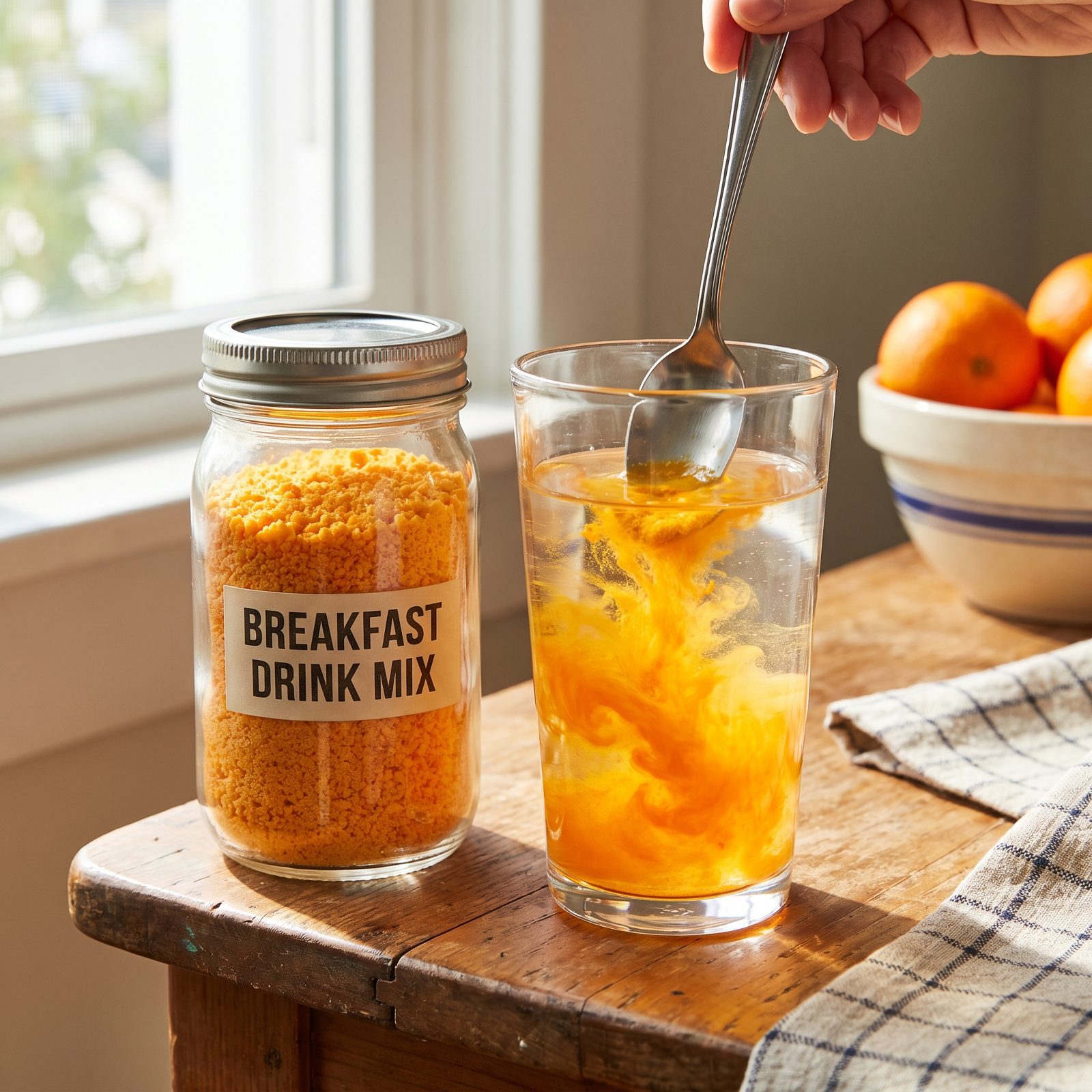
You stirred a couple heaping spoonfuls into cold water and watched the crystals swirl into something impossibly orange, with a tang that crinkled your face if you went heavy on the powder. Tang meant no cold orange juice to keep in the cooler, which was the entire point of it on a camper trip.
And it rode well. A sealed jar didn’t spoil, didn’t need ice, and made gallons. The astronaut connection had every kid convinced they were drinking space food, which sold it instantly. Powder on your upper lip, a plastic tumbler sweating on the picnic table, and the day could begin.
24. The Foil Pan of Jiffy Pop for the Campfire
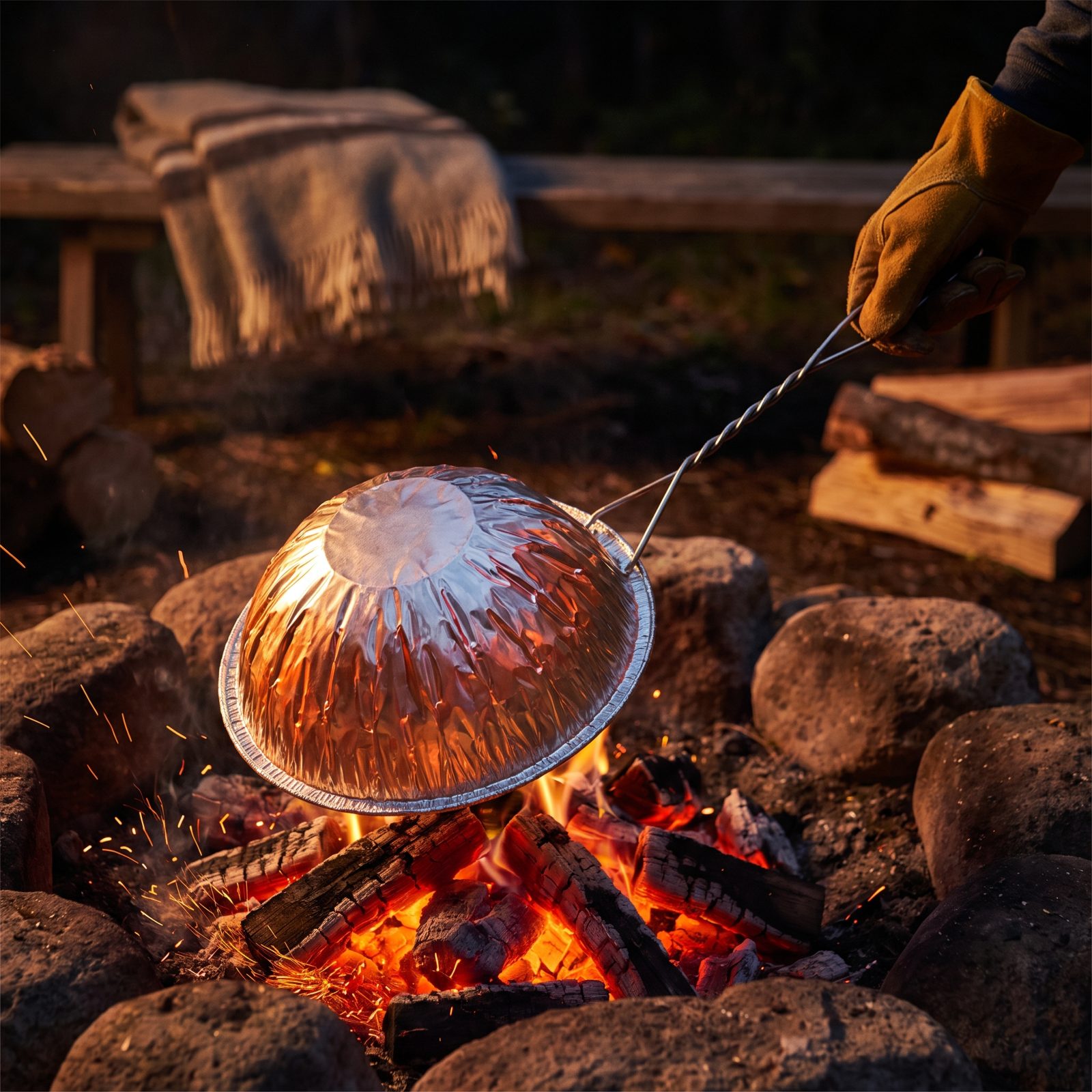
The whole thing was theater. You held the flat foil pan over the coals by its wire handle and shook it steady, listening for the first pops, watching that silver dome swell bigger and bigger until it looked ready to burst. Shake too slow and it scorched. Stop too soon and half of it stayed hard kernels.
Then you peeled back the puffed foil, steam rolling out, and there it was: hot popcorn, a little greasy, a little burnt at the bottom, passed around the fire in the dark while the lantern hissed behind you.
23. The Rectangular Tin of Spam With the Little Key Opener
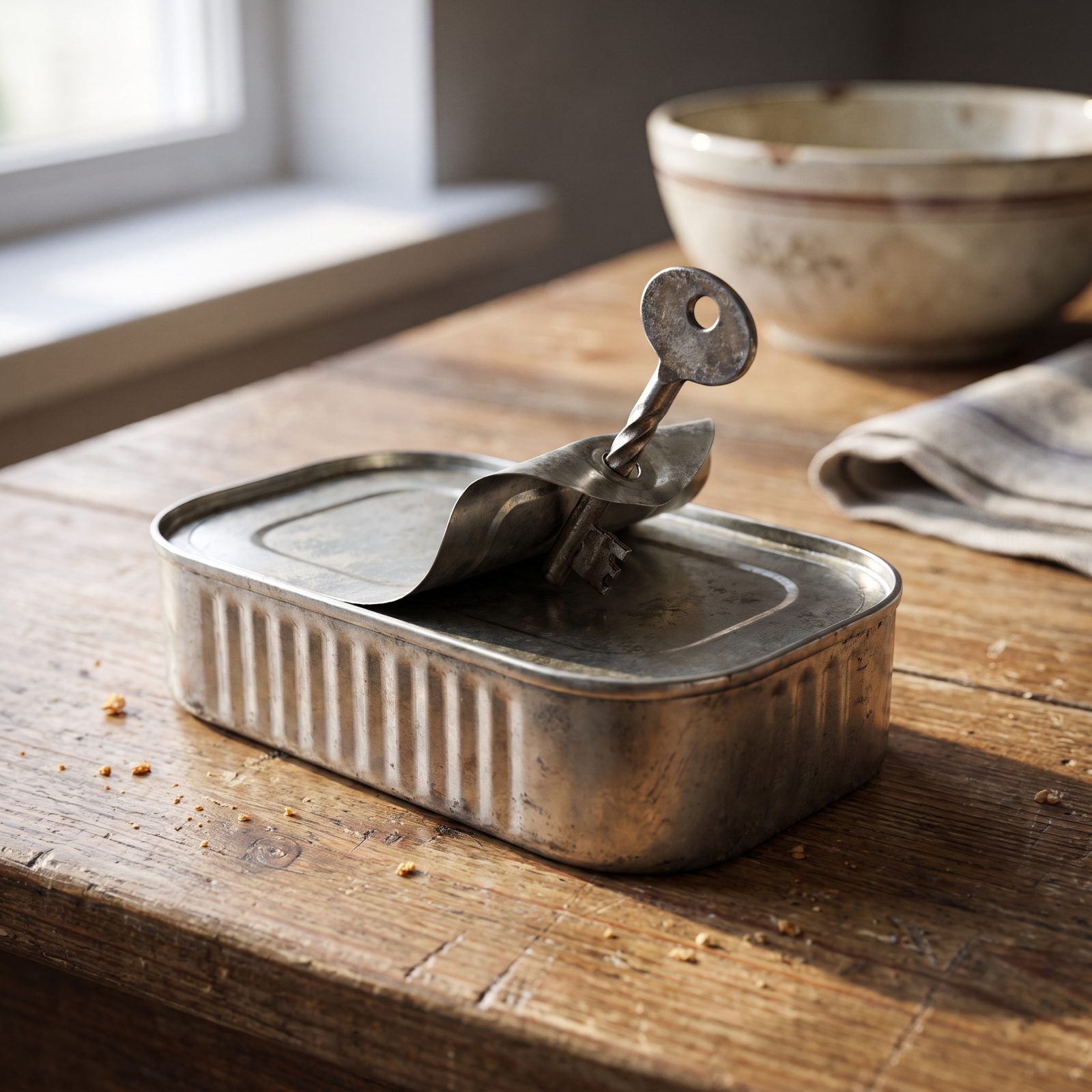
You remember the key. That flat little tab soldered to the bottom of the tin, the one you pried loose and threaded onto the metal strip, then wound and wound until the whole lid peeled back in a curl. Half the time it snapped off before the job was done and someone went digging for the can opener anyway.
Spam was the camper breakfast MVP. No refrigeration anxiety, no spoilage, slice it thick and fry it in the cast-iron until the edges crisped. Kids who swore they hated it ate three slices with eggs and never said a word.
22. The Long-Handled Cast-Iron Pie Iron Nobody Ever Washed Right
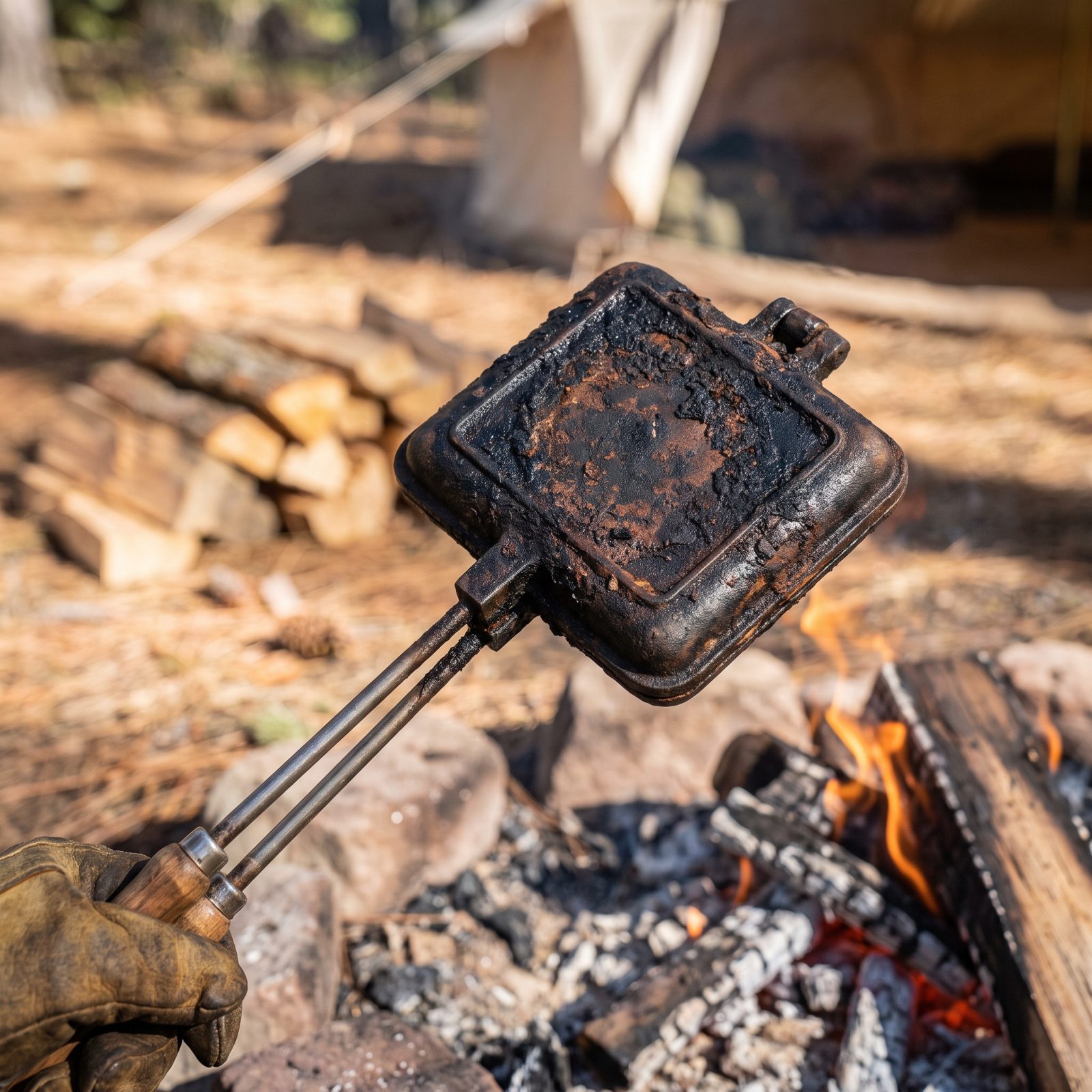
Butter two slices of white bread, drop in a spoon of cherry pie filling or a square of American cheese, clamp the iron shut and shove it into the coals. Four minutes a side if you were patient. Nobody was patient. Half the pies came out scorched on one face and cold in the middle, and they were still the best thing you ate all week.
The handles were long enough to keep your knuckles out of the fire, barely. And the washing situation was a scandal. You scraped it, wiped it, called it clean. That black crust was the flavor, and anyone who scrubbed it with soap got talked about.
21. The Folding Wire Toaster That Sat Right on the Burner
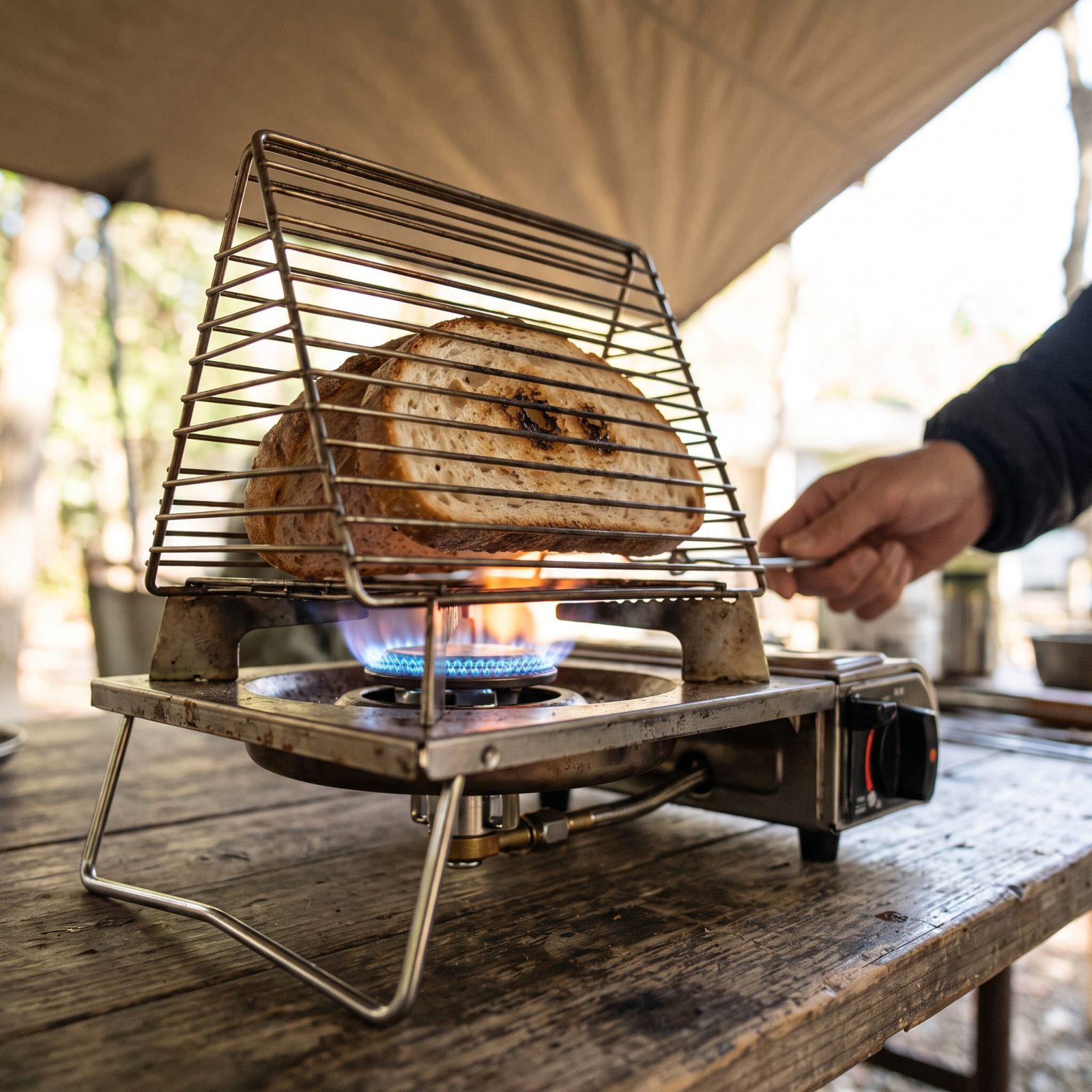
There was no toaster. There was this.
A flat wire gizmo that folded into a little pyramid and sat straight on the camp-stove flame. You leaned the bread against its sloped sides and stood guard, because the line between golden and black was about eleven seconds wide. Turn your back to pour coffee and you were scraping char into the grass.
It weighed almost nothing and packed flat in the gear box. When one wore out you bought another at the hardware store for pocket change. The grid marks it left on the bread were the closest thing to toaster slots we had, and the toast tasted like the trip.
20. The Canvas Desert Water Bag Swinging From the Front Bumper
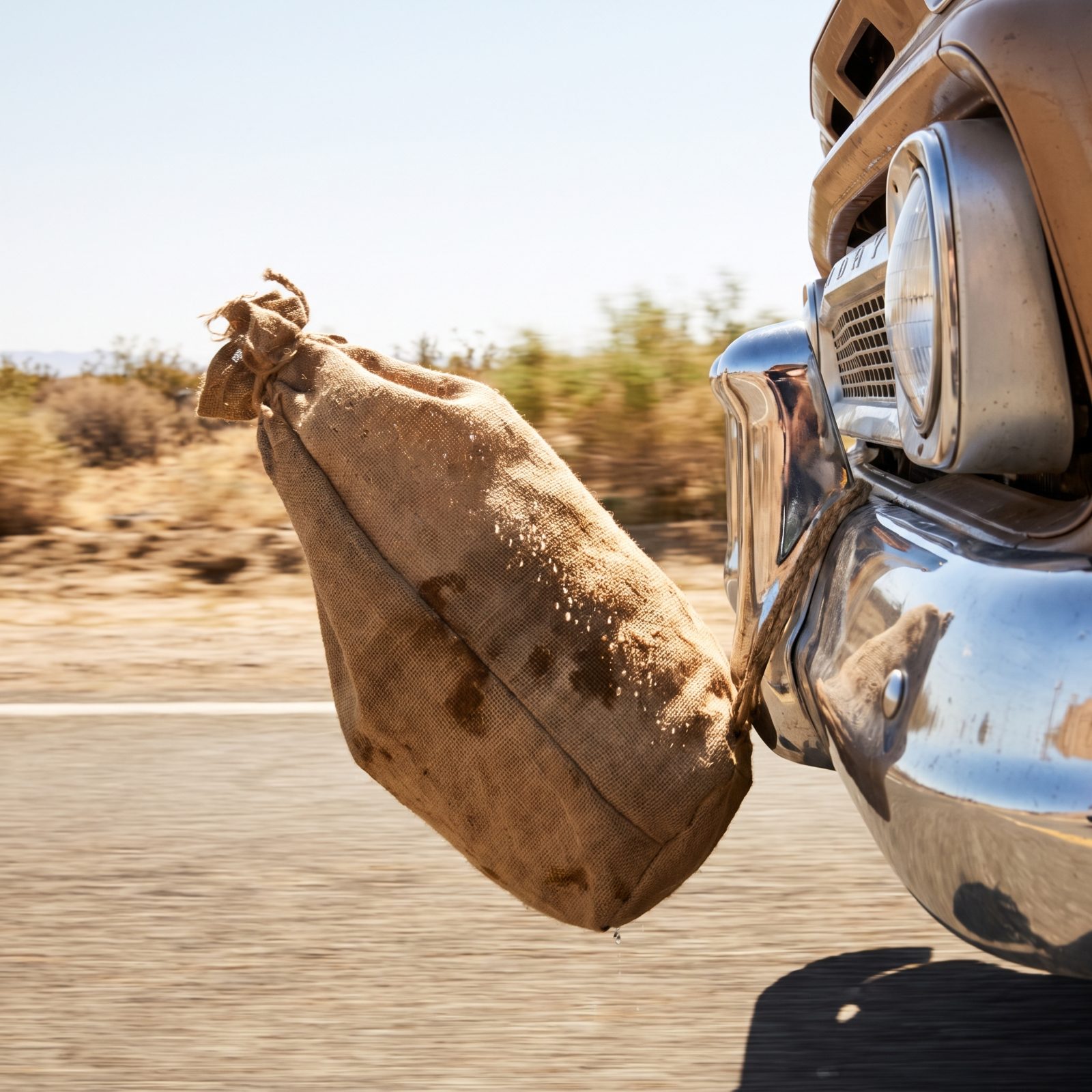
It looked like it was always leaking, and it was. That slow seep through the canvas was the whole point. Evaporation pulled heat off the surface and kept the water inside cooler than the air, which on a July crawl through Arizona felt like a miracle you’d rigged yourself.
Dad hung it off the front bumper or the camper ladder so the wind could do its work. The water tasted faintly of canvas and whatever the hose had last touched, and nobody died. We’d been told it would keep the engine company too — a reserve for the radiator if things got dicey on a mountain grade.
Plastic jugs and hard coolers eventually made it pointless. For a stretch there, though, a damp cloth bag swinging in the slipstream was the family’s air conditioning for the thirsty.
19. The Plastic Dishpan That Washed Every Single Plate by Hand
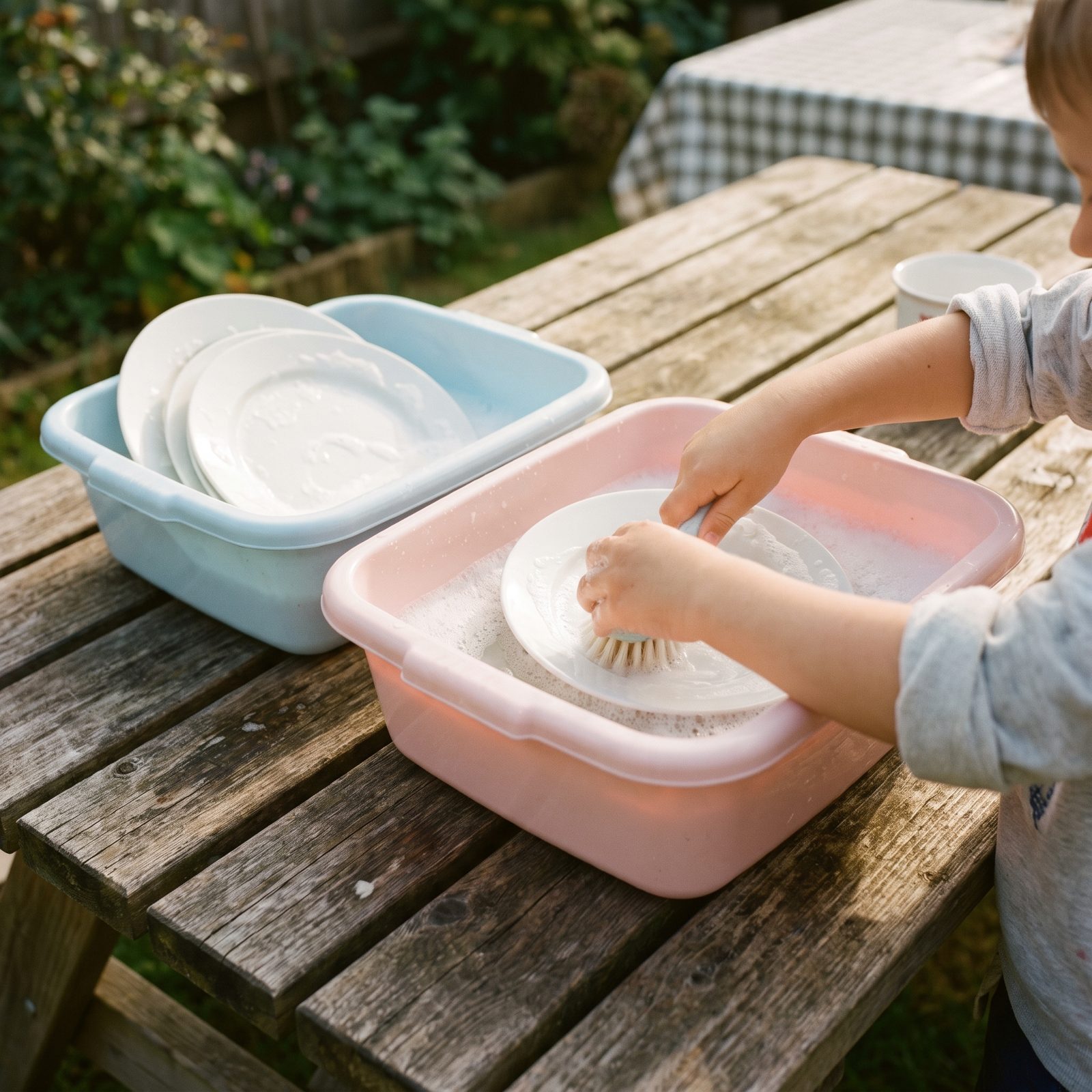
No hookup meant no sink, so the dishpan was the sink. One pan for washing, a second for rinsing if you were organized, heated with water off the camp stove and set on the tailgate. The whole family rotated through: one washed, one dried, one complained about having to do either.
They came in every loud color the decade offered. And they doubled as everything — bath for the baby, berry-picking bucket, a place to soak your feet after a hike. When the trip ended the dishpan rode home still smelling faintly of campfire and dish soap.
18. The Collapsible Mesh Food Cover Standing Guard Over Dinner
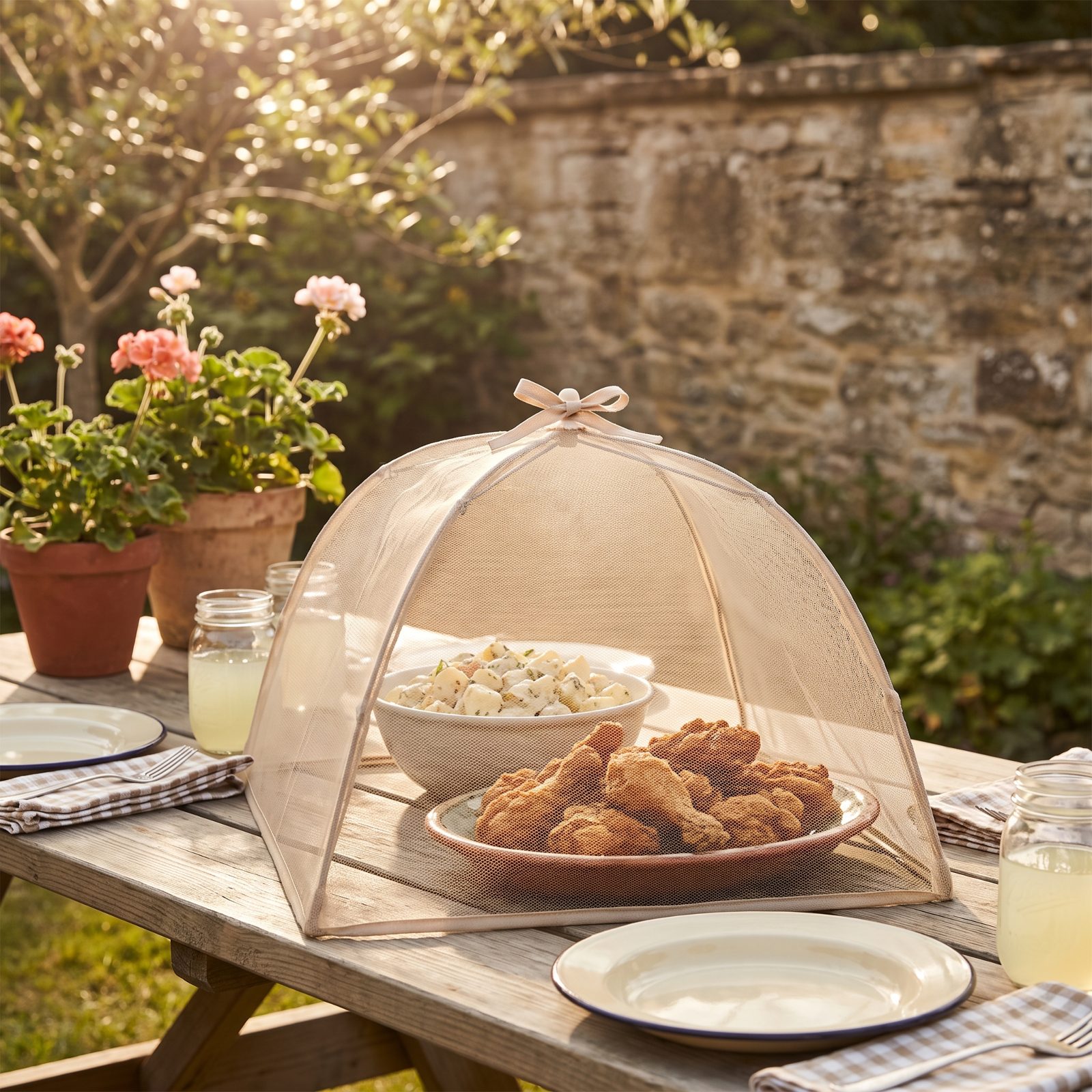
You set the table, laid out the chicken and the potato salad, then dropped this screen dome over the whole spread like a tiny circus tent. Flies hated it. We loved it, mostly because you could get the food out early and go wrangle kids without a swarm claiming your dinner first.
It folded flat as a dinner plate for packing and popped open with a flick. Cheap, light, and it worked — which is more than you can say for a lot of fancier gear. At a buggy lakeside site in August, that little mesh umbrella was the difference between a meal and a battle.
17. The Coffee Can That Kept the Toilet Paper Dry
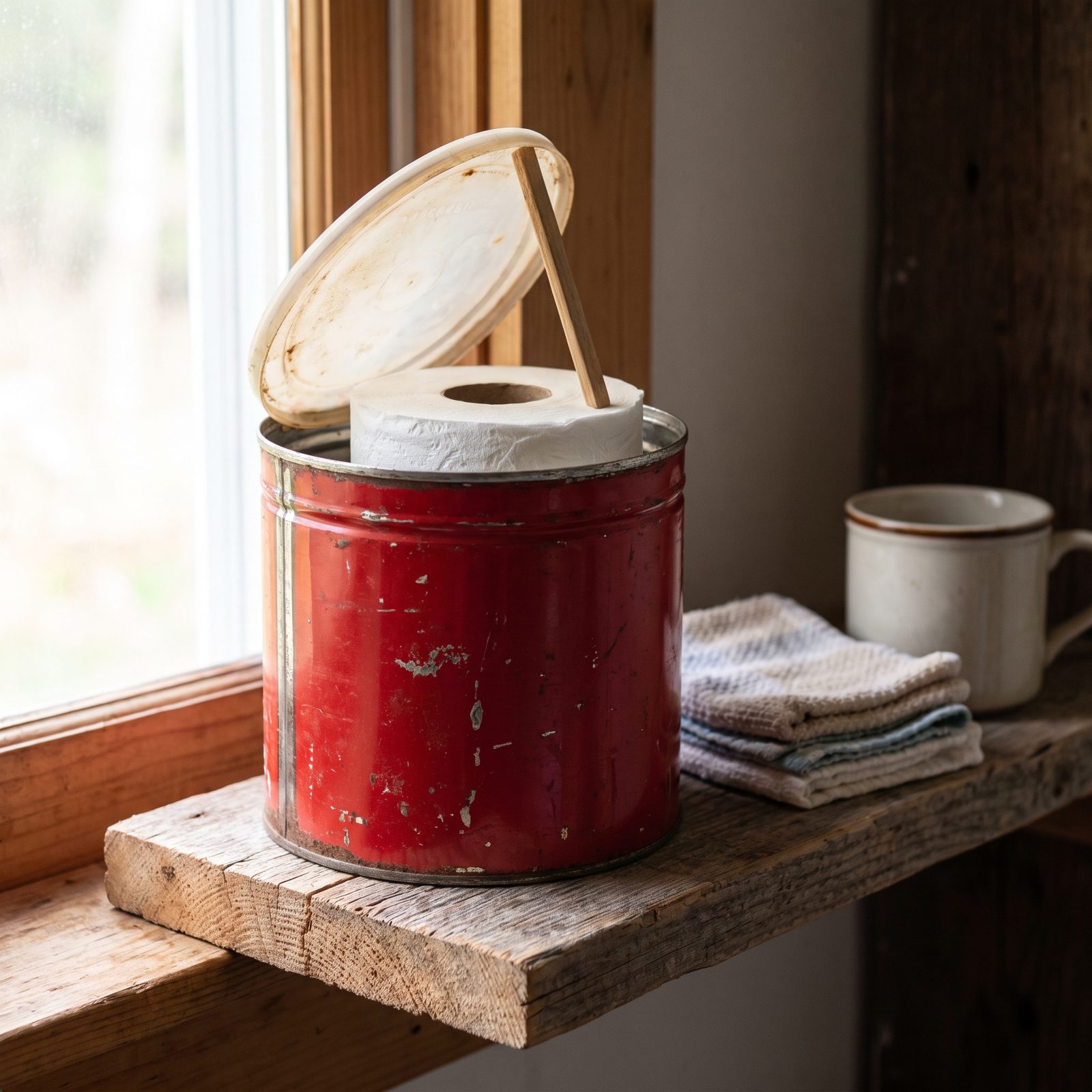
Every camper family had one, and it was never actually full of coffee.
Once the Folgers was gone, the can got a second life as official dry storage for the thing you absolutely did not want soggy. Toilet paper lived in there, lid snapped tight against dew, rain, and the general dampness that found its way into every tent and camper come morning.
Same cans held matches, fishing weights, bacon grease, loose change for the campground laundry. The plastic snap-on lid was the genius part. A roll of paper in a sealed can meant the one supply nobody could improvise stayed usable, and that mattered more than you’d think two miles up a dirt road.
16. The Folding Military-Style Entrenching Shovel
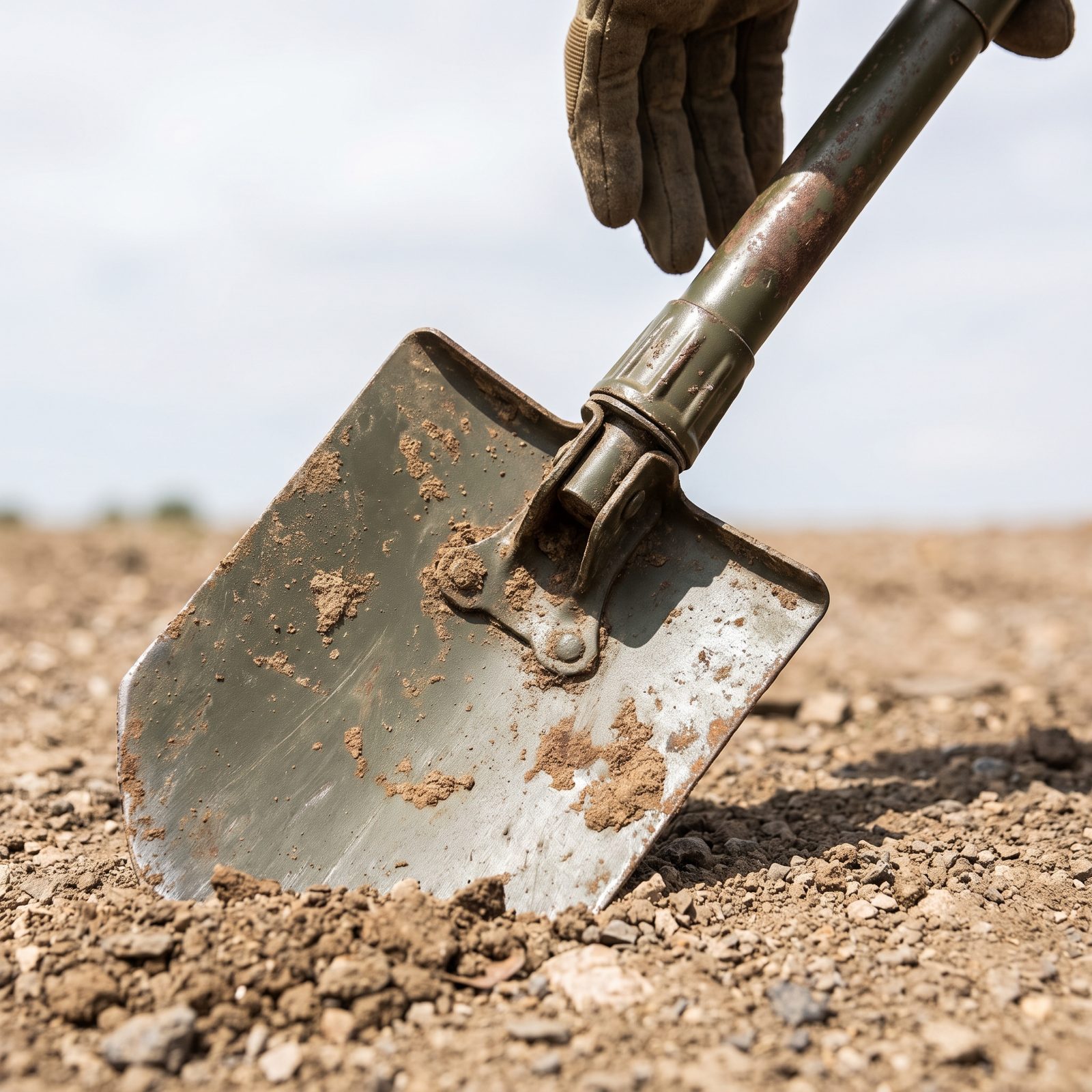
Half the camping gear in the 1970s came straight from the Army surplus store, and the folding shovel was the champion of the bunch. It hinged into a compact L, rode in the trunk without taking space, and dug a fire pit, a drainage trench around the tent, or the emergency latrine when the campground facilities were, let’s say, a long walk away.
It doubled as a hatchet in a pinch and a hammer for tent stakes when you forgot the real one — which was always. The thing was overbuilt and nearly indestructible. A lot of them are still in garages, rusted at the hinge, waiting for a trip that half the family has stopped planning.
15. The Scrap Lumber Dad Swore By for Leveling the Camper
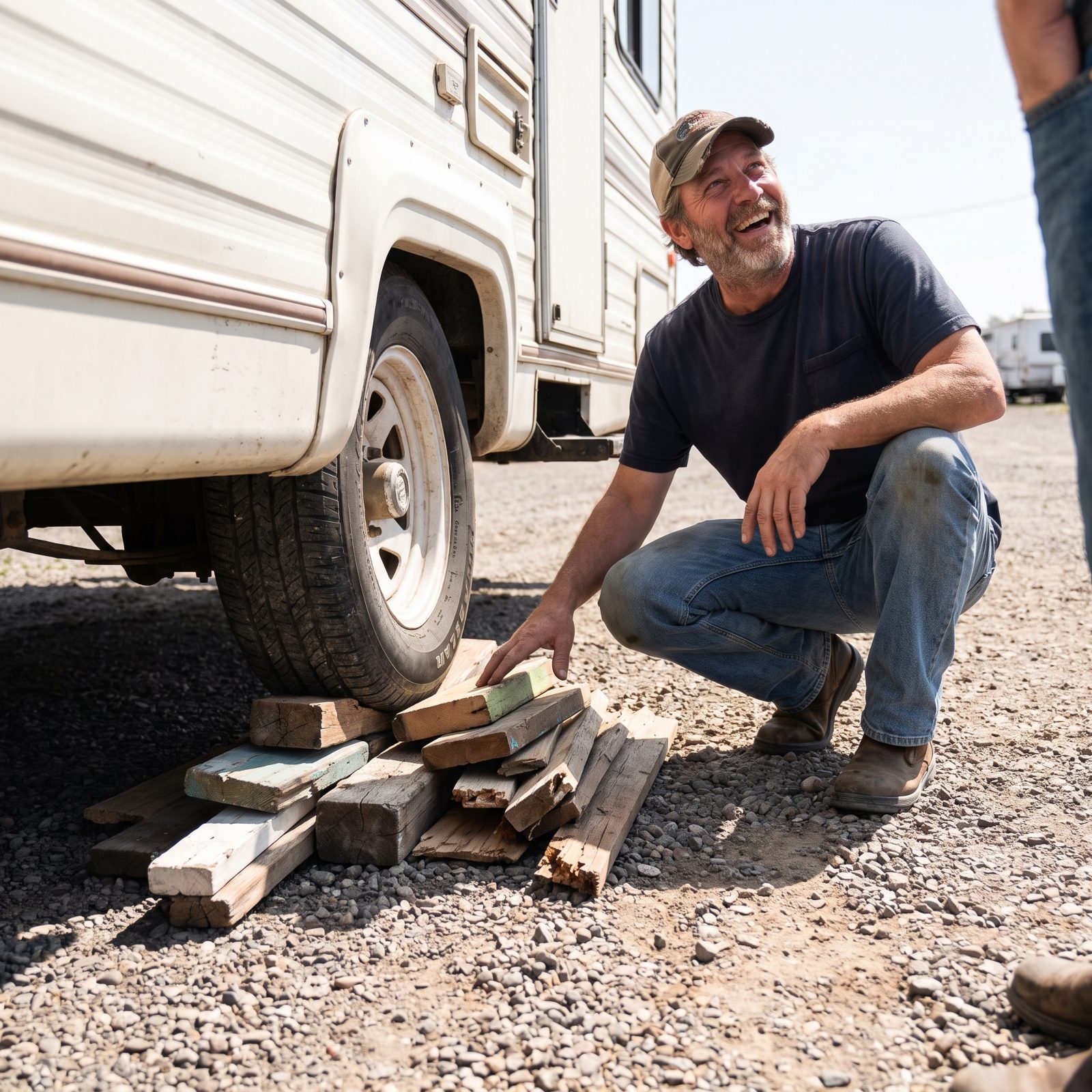
Before anyone sold you molded plastic leveling blocks in a mesh bag, there was a bundle of cut-off 2x6s rattling around the trunk, each one gray and splintered from a hundred campsites. Pull into a sloped spot, eyeball it, drive one tire up onto the stack, get out, look again, add a board, repeat until the fridge door stopped swinging open.
The marble test settled arguments. Set one on the dinette and watch which way it rolled. Dad had opinions about board thickness and the order they stacked. Those scraps lived in the camper for years, and losing one felt like losing a wrench.
14. The Bulky Flannel-Lined Sleeping Bag With the Printed Hunting Scene Inside
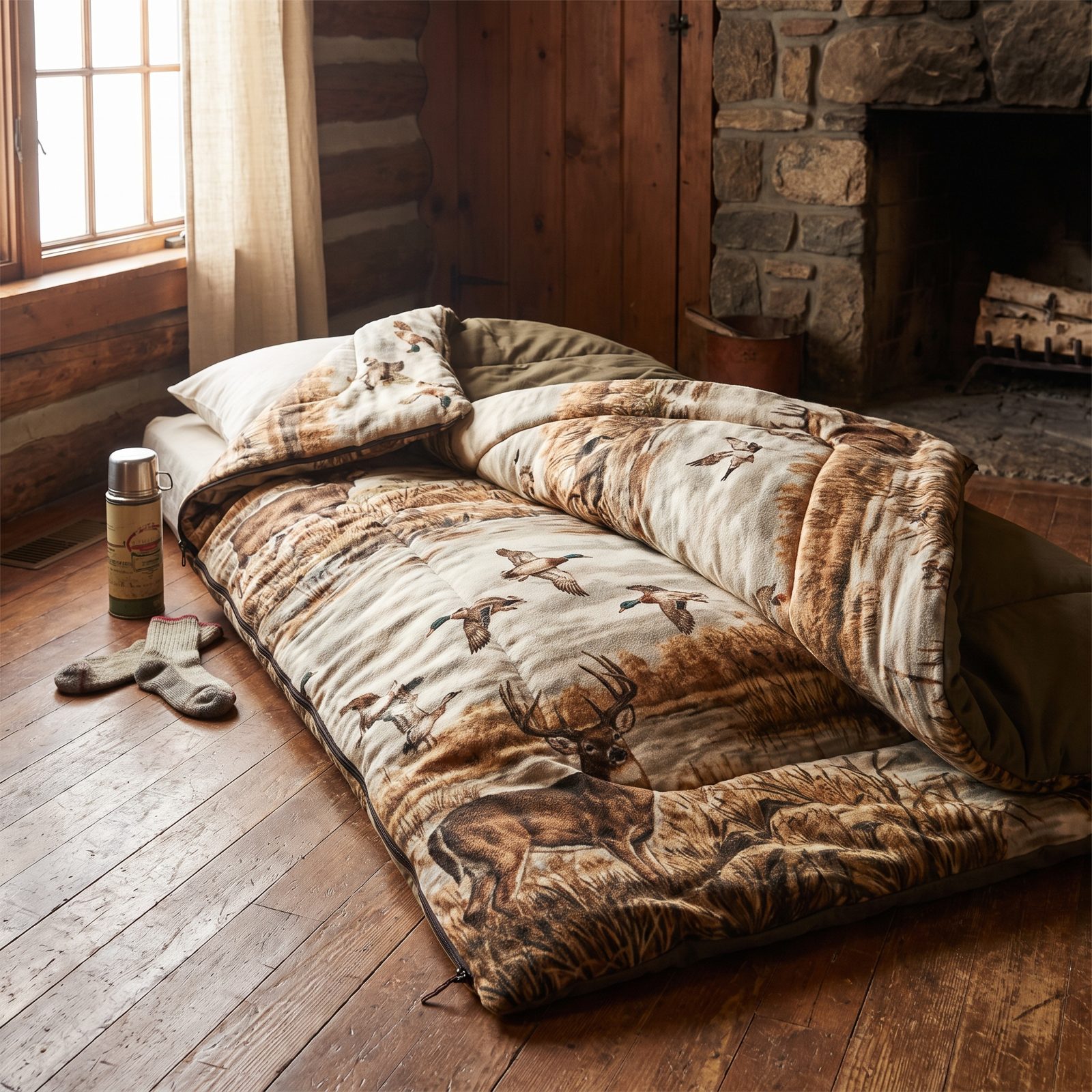
Roll it out and there it was: the printed flannel lining, a frozen scene of mallards bursting off a pond or a buck standing in the pines, in rust and gold and brown. These bags weighed about as much as a sack of potatoes, compressed to roughly the size of a beach ball, and kept you warm in a way nothing since has quite matched.
They never rolled back to the size they came in. You wrestled one into its stuff sack like you were subduing an animal, got it two-thirds in, gave up, and bungeed the rest. Zip two together and the whole family could pile in.
You fell asleep staring at a flannel duck and woke up to bacon on the camp stove. That was the whole trip, right there.
Modern down bags are lighter, warmer, pack to nothing. I own a good one. I’d still take the flannel duck on a cold October night, and I don’t fully know why.
13. Aluminum Lawn Chairs Woven with Colorful Plastic Webbing
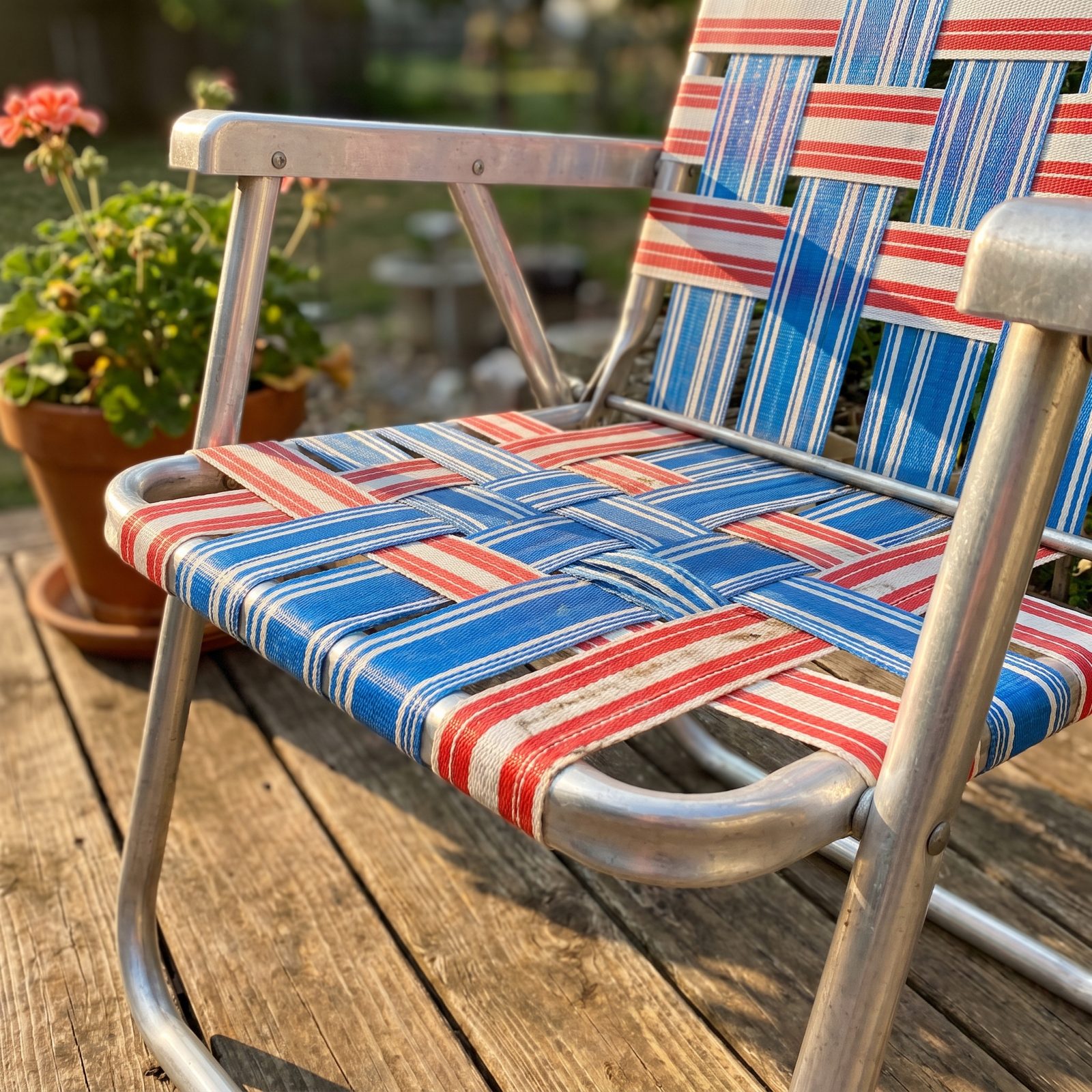
You remember the webbing more than the chair. Those flat plastic straps in candy-stripe colors, warm from the sun, pressing a waffle pattern into the backs of your legs when you finally stood up. The frame weighed almost nothing — you could carry four of them in one hand down to the lake.
They never quite survived. Every family had at least one chair with a snapped strap, the gap carefully avoided by whoever sat down, or crudely re-woven with a replacement band that never matched. Dad kept a bag of spare webbing in the camper, and fixing one could eat a whole Saturday afternoon.
12. A Boxy Chemical Toilet with Its Own Striped Canvas Privacy Shelter
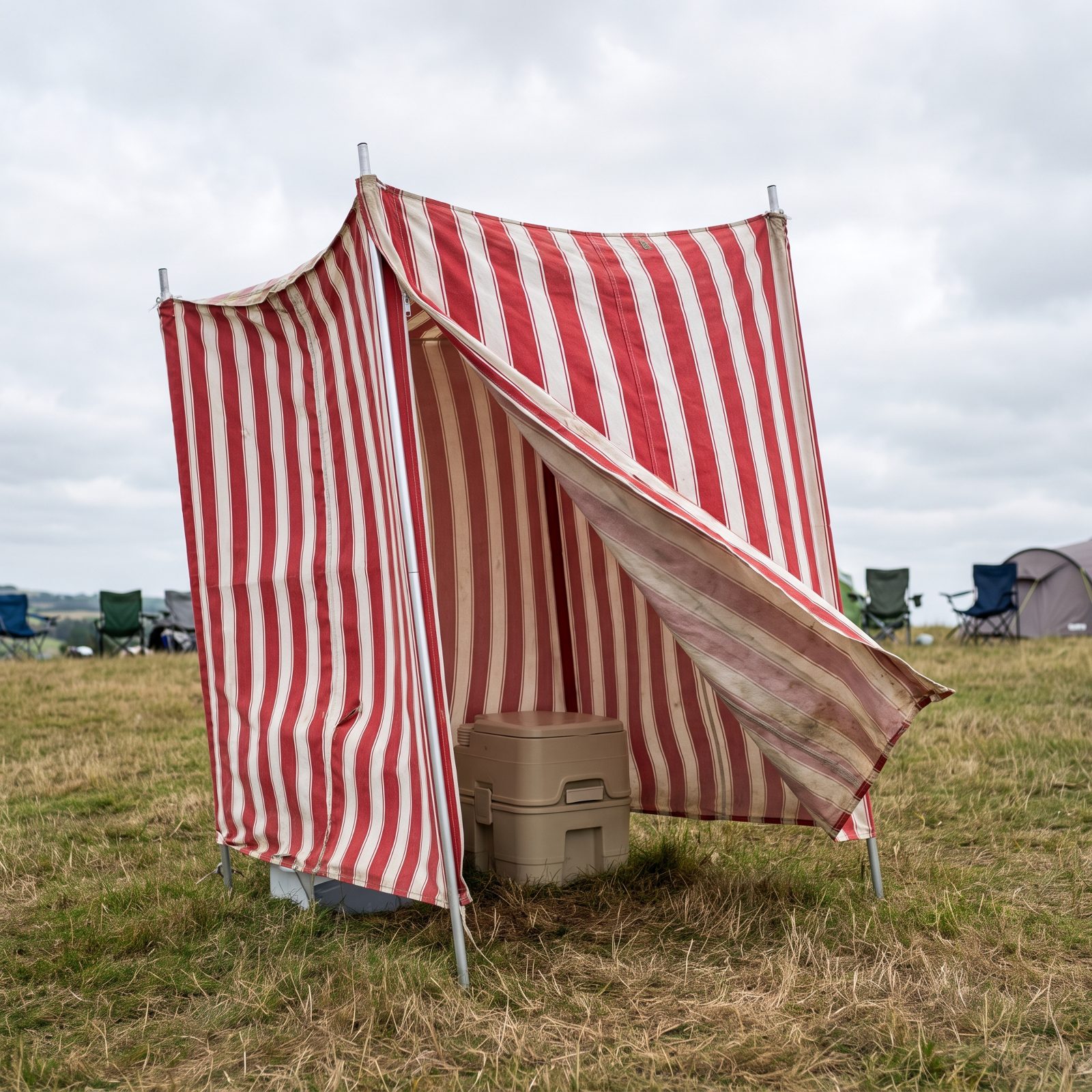
Privacy at the campsite meant a striped canvas tube on aluminum poles, swaying gently in any breeze, with a zipper that never quite closed all the way. Inside sat the chemical toilet — a boxy plastic thing with a little pump handle and a tank of blue fluid that announced itself to the entire campground.
You did not linger. The smell was chemical and sharp, the shelter turned into a greenhouse by noon, and everyone within thirty feet knew exactly where you were and what you were doing. When the campground had real restrooms, nobody touched it. It stayed folded in the camper, a backup you prayed you’d never need.
11. Smoldering Green Mosquito Coils in Metal Holders
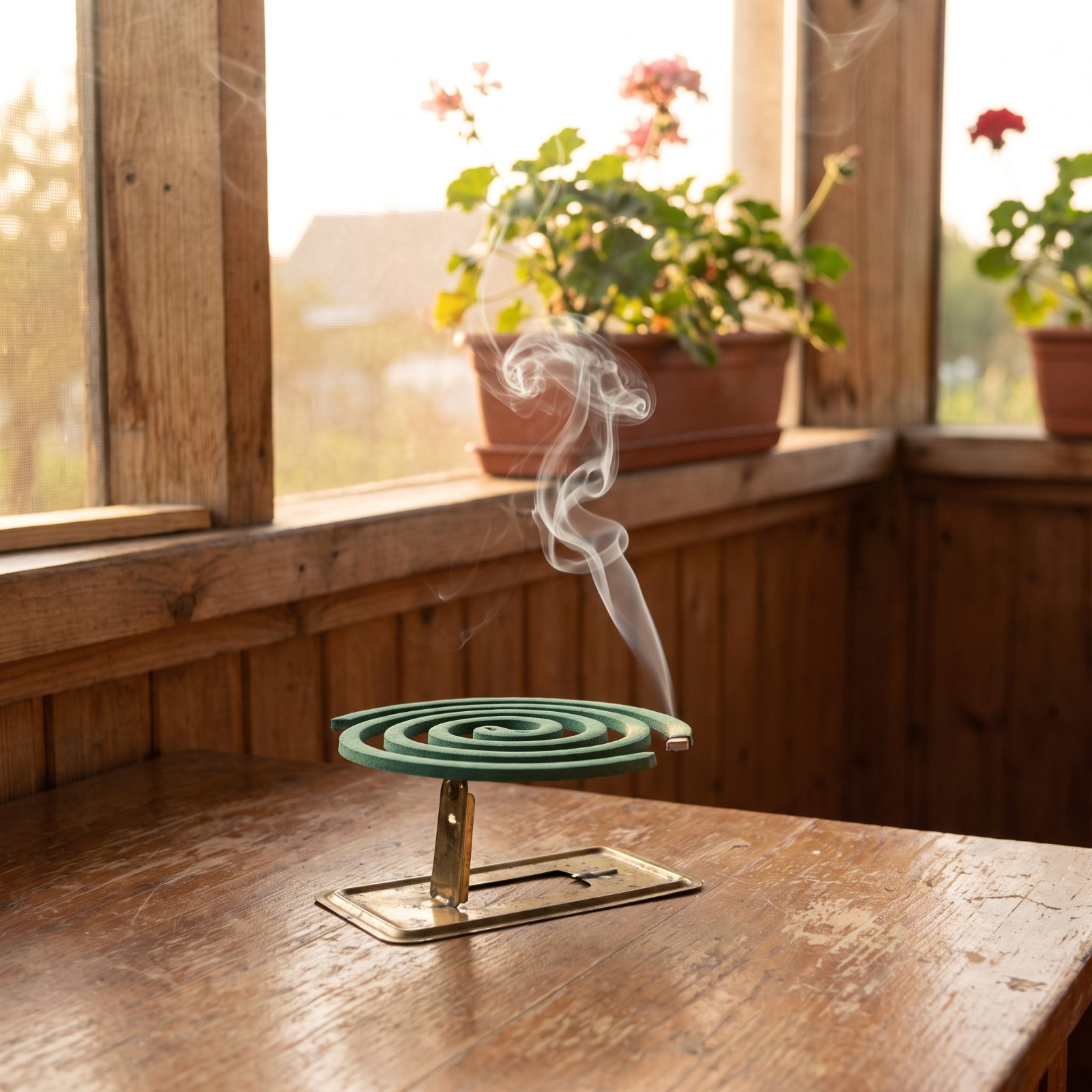
You knew it was officially evening when Dad lit the coil. One match, a few seconds of fuss getting it to catch, then that slow spiral of pale smoke rising off the picnic table. The smell is specific and instant — slightly sweet, slightly chemical — and it meant the mosquitoes were coming but you were staying out anyway.
The coil balanced on a flat tin holder, burning backward toward its own center over a few hours while you checked on it between card games. In the morning there’d be a perfect curl of grey ash, still holding the spiral shape, waiting for someone to bump the table and scatter it.
10. A Pump-Spray Bottle of Strong-Smelling Insect Repellent
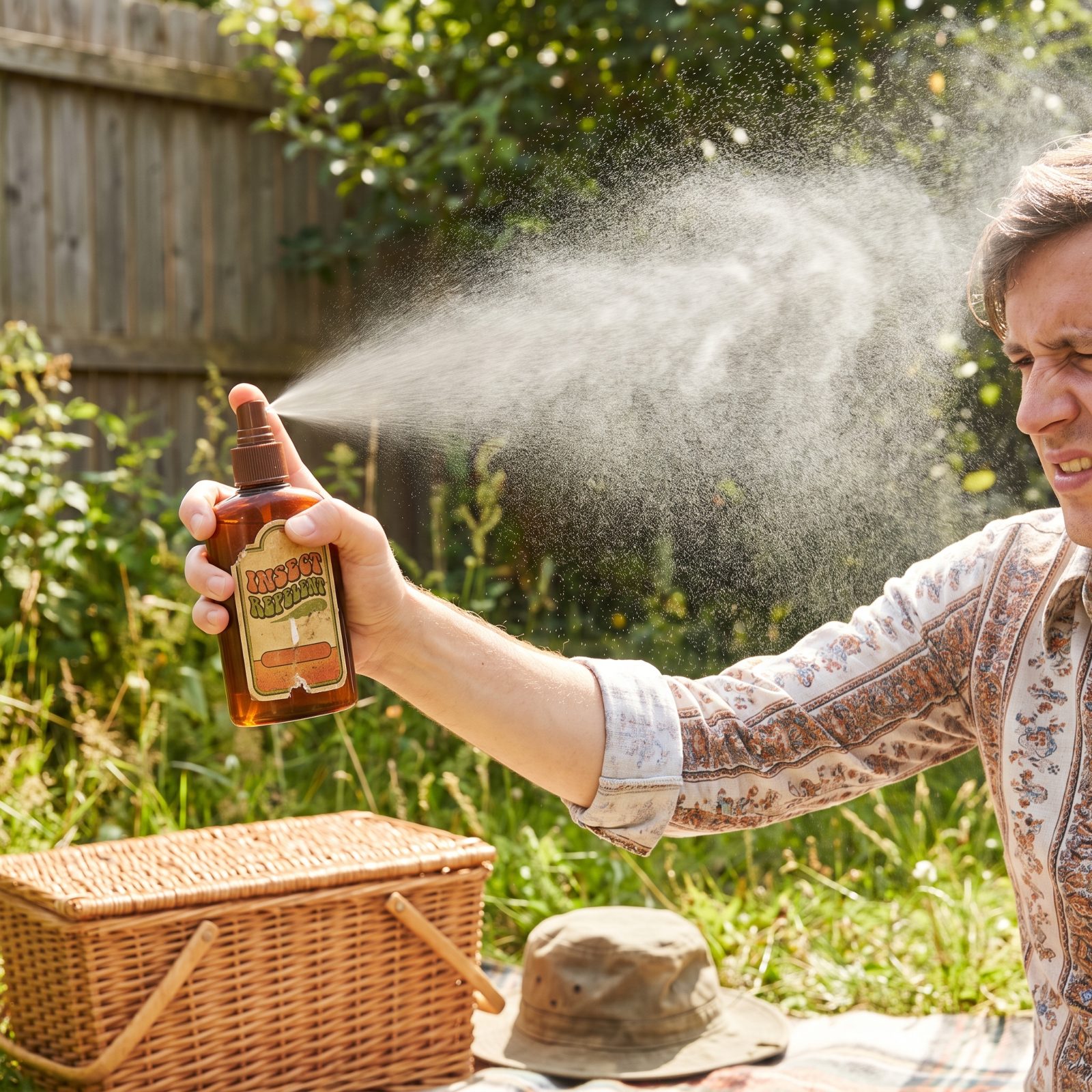
The pump bottle hissed rather than sprayed, delivering a fine mist strong enough to clear a room. You held your breath, squeezed your eyes shut, and took a few pumps to the arms and neck while someone yelled at you not to get it in your mouth.
It worked, more or less. It also melted the finish off plastic watch straps and left your skin feeling faintly varnished. Nobody read the label — you just sprayed, winced at the smell, and went back outside. That chemical cloud is one of the most reliable scent memories of a 1970s campsite.
9. A Plastic Snakebite Kit with Suction Cups and a Razor
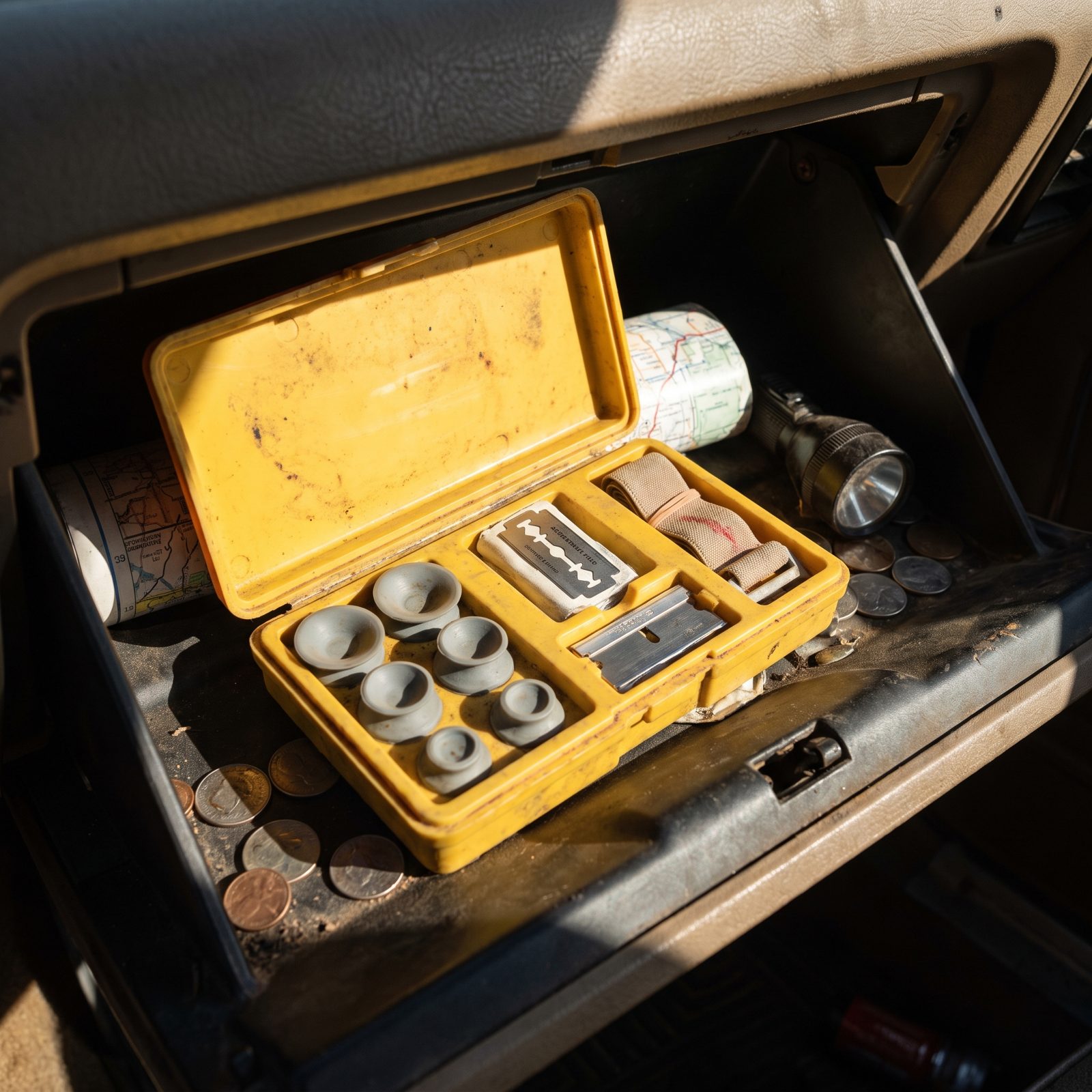
The little yellow case lived in the glovebox, and opening it was faintly thrilling and faintly alarming. Inside: a nest of black rubber suction cups in three sizes, a razor blade, and a folded instruction sheet with diagrams no sensible person would actually follow in an emergency.
The idea was that you’d cut and suck the venom out. Doctors stopped recommending that a long time ago. But in 1974 it felt like serious preparedness, and every kid on the trip begged to see the kit at least once. It never got used. It just rode along, summer after summer, a tiny plastic promise that someone had thought ahead.
8. A Bottle of Coppertone Tanning Oil with Almost No SPF
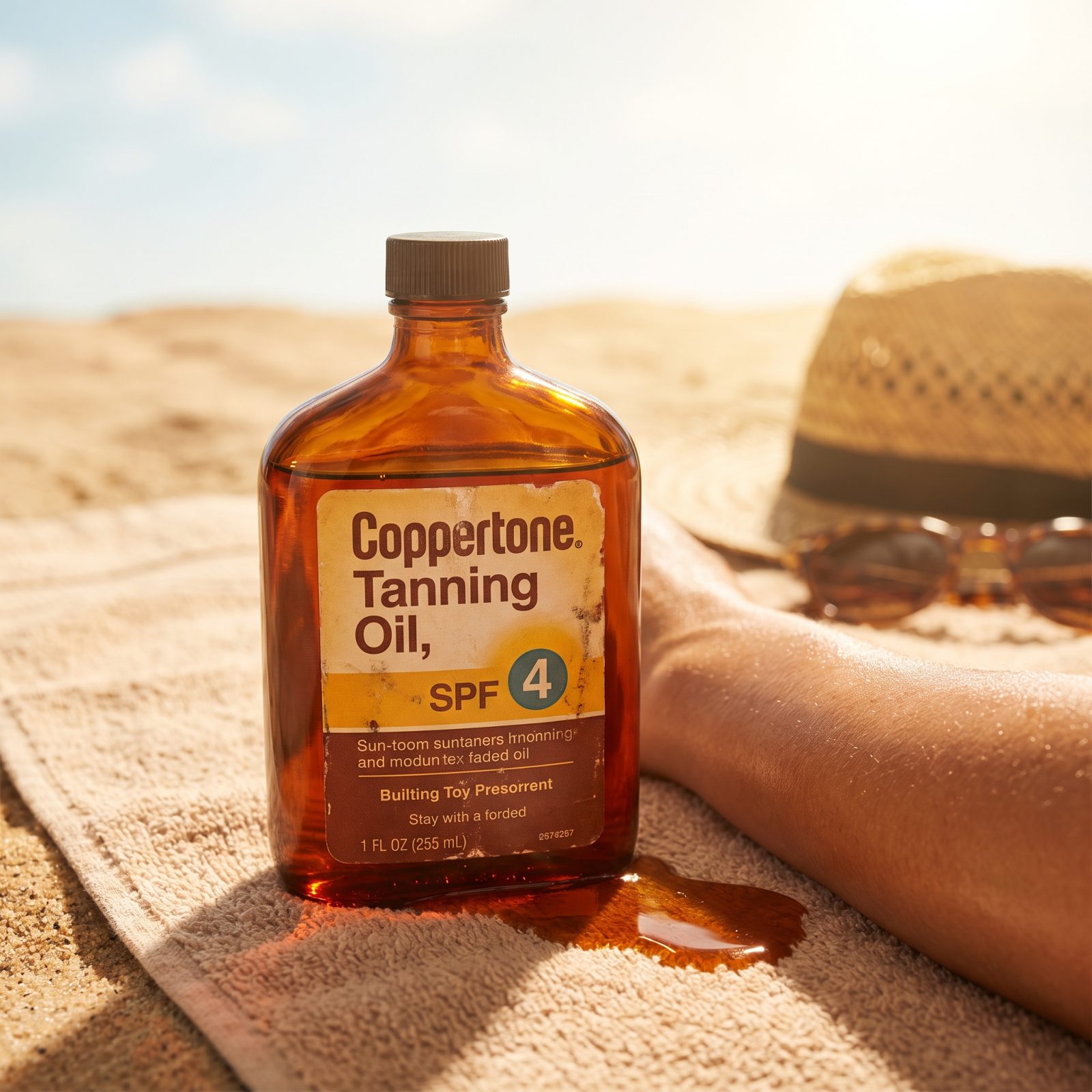
The oil came out the color of weak iced tea and smelled like coconut and summer itself. You slicked it on thick, lay back on a striped terry towel, and turned yourself slowly like a chicken on a spit. SPF was barely a concept. The goal was to get as dark as humanly possible before the drive home.
You’d flip the transistor radio on, prop a paperback over your face, and bake. The bottle got sandy and sticky and rolled around the camper floor for the rest of the trip. Everyone came home a shade of lobster, peeled a week later, and did it all again next summer.
7. Orange Horse-Collar Life Jackets with Webbing Straps
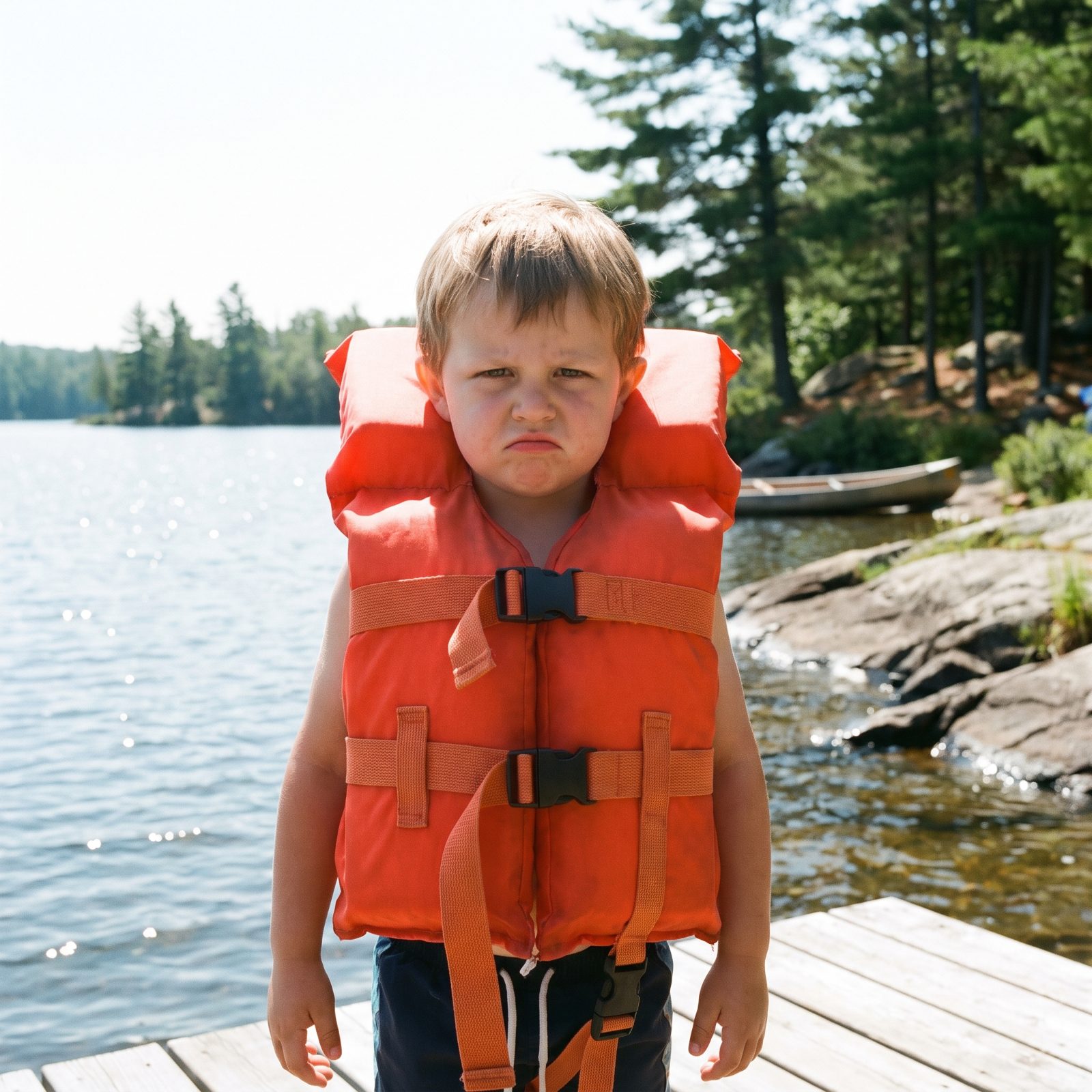
Nobody wanted to wear the horse-collar. It bunched up around your ears, rode so high you could barely turn your head, and the black webbing left itchy red marks under your arms. The orange had faded to a dull pumpkin from a decade of sun. But the rule was the rule, and you wore it on the dock whether you liked it or not.
They came in exactly one shape and one size: too big. You’d cinch the straps as tight as they’d go and still feel like you were swimming inside it. Day over, the whole stinking pile got tossed in the back of the boat or hung over a dock rail to dry — never quite drying.
6. A Cardboard Box of Road Flares for Nighttime Breakdowns
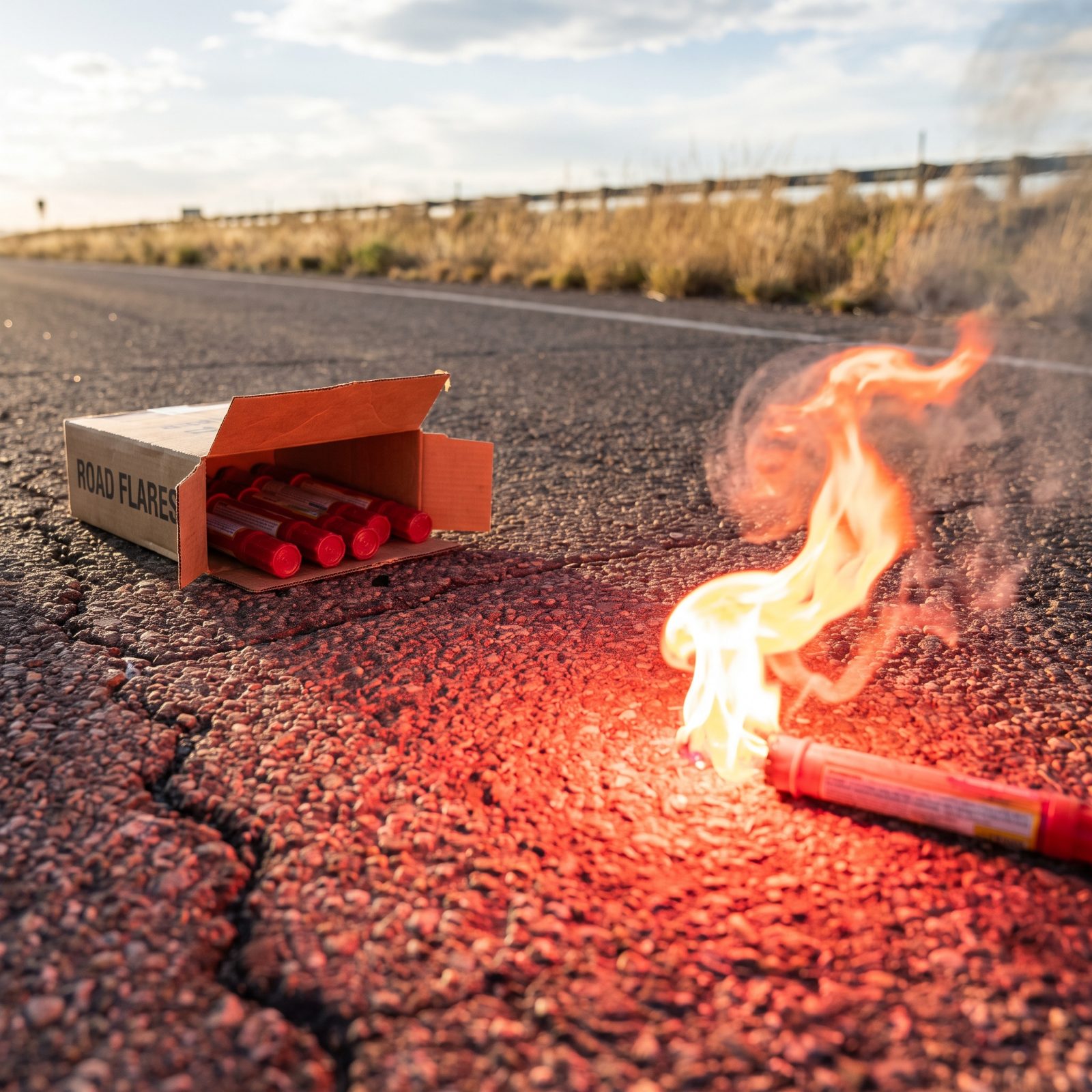
Before reflective triangles and flashing LED beacons, you had a box of flares you lit with a strike like a giant match. If the camper died on a dark highway shoulder, Dad would climb out, snap the cap, and that red case would hiss to life with a shower of sparks and a column of pinkish smoke you could smell from inside the car.
He’d set two or three out behind the vehicle, glowing in the dark, while everyone else sat very still and quiet. There was something serious about those flares, something that turned a roadside breakdown into a genuine event. The box lived under the back seat for years and came out maybe twice.
5. A Spare Fan Belt Stored beside the Camper’s Tool Kit
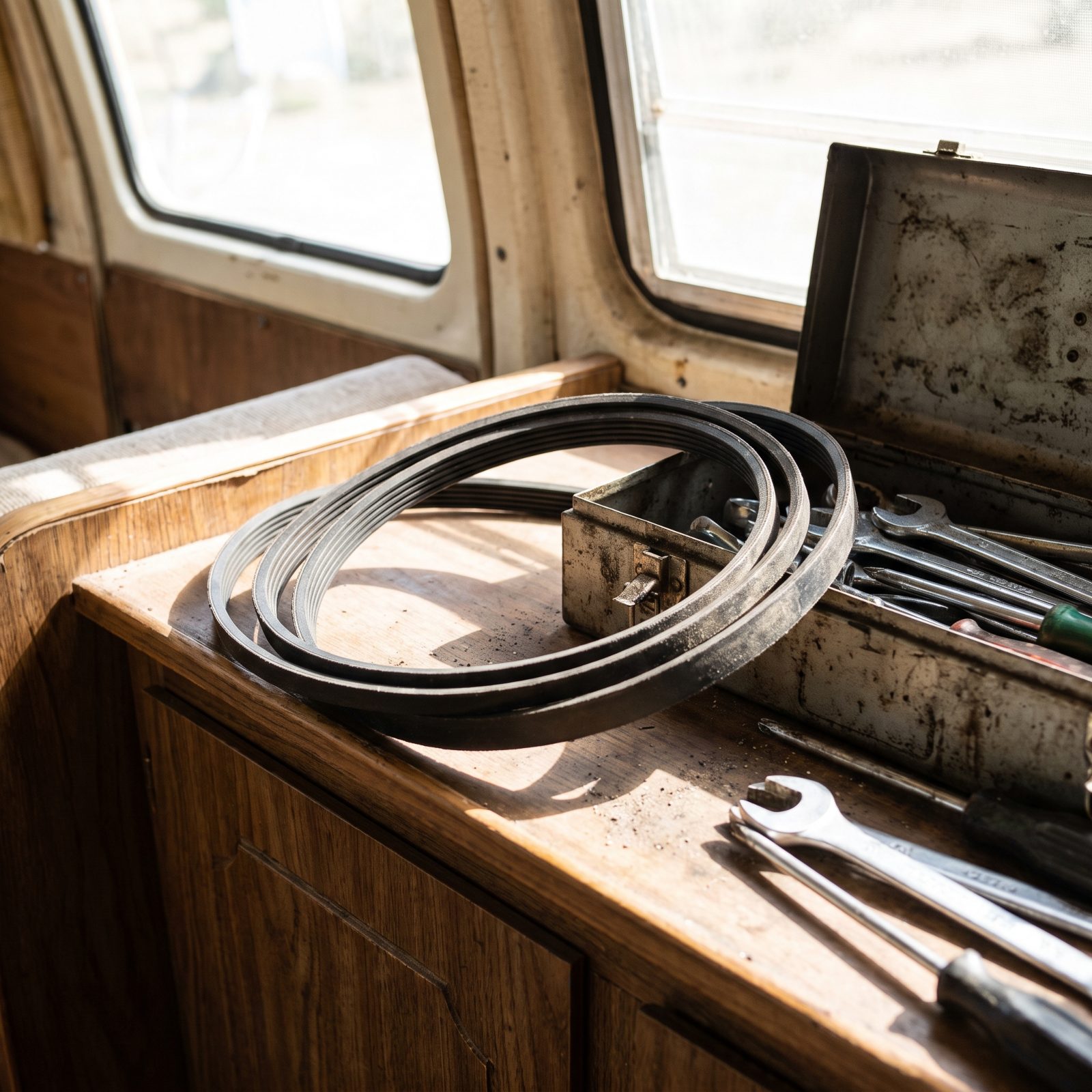
Tucked beside the toolbox, coiled like a sleeping snake, sat the spare fan belt. Black grooved rubber, a little dusty, bought at an auto parts store and thrown in because that’s what you did. If the belt went while you were two hundred miles from anywhere, you weren’t calling anyone. There was nobody to call.
Men of that era genuinely carried a few of these and knew how to swap them, down on the gravel shoulder with the hood up and the engine ticking as it cooled. You either fixed it yourself or waited for a stranger to stop. The spare belt hedged against both.
4. An Ordinary Green Garden Hose Used to Fill the Water Tank
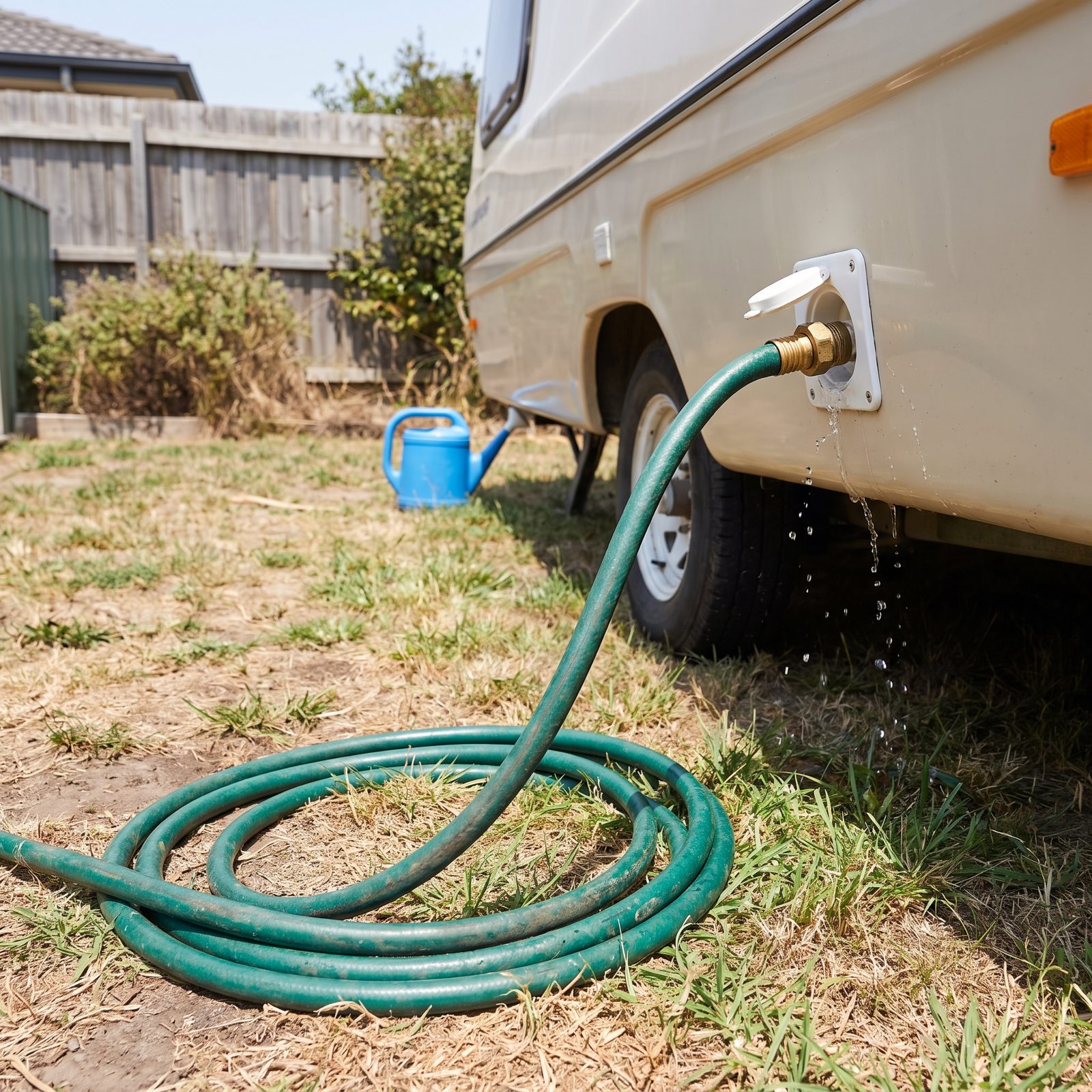
Nobody owned a special white drinking-water hose. You used the green one from the garage, the same one that watered the tomatoes, and you filled the camper’s water tank with it without a second thought. That first gush always tasted faintly of warm rubber and whatever had been sitting in there since last July.
It coiled badly, kinked at the worst moment, and leaked at the brass fitting no matter how hard you cranked it. So you’d prop a bucket under the drip. Filling the tank was a morning job — standing there holding the hose, listening to the water glug into the camper while the campground slowly woke up around you.
3. The Two-Prong Adapter That Made Every Sketchy Campsite Outlet Work
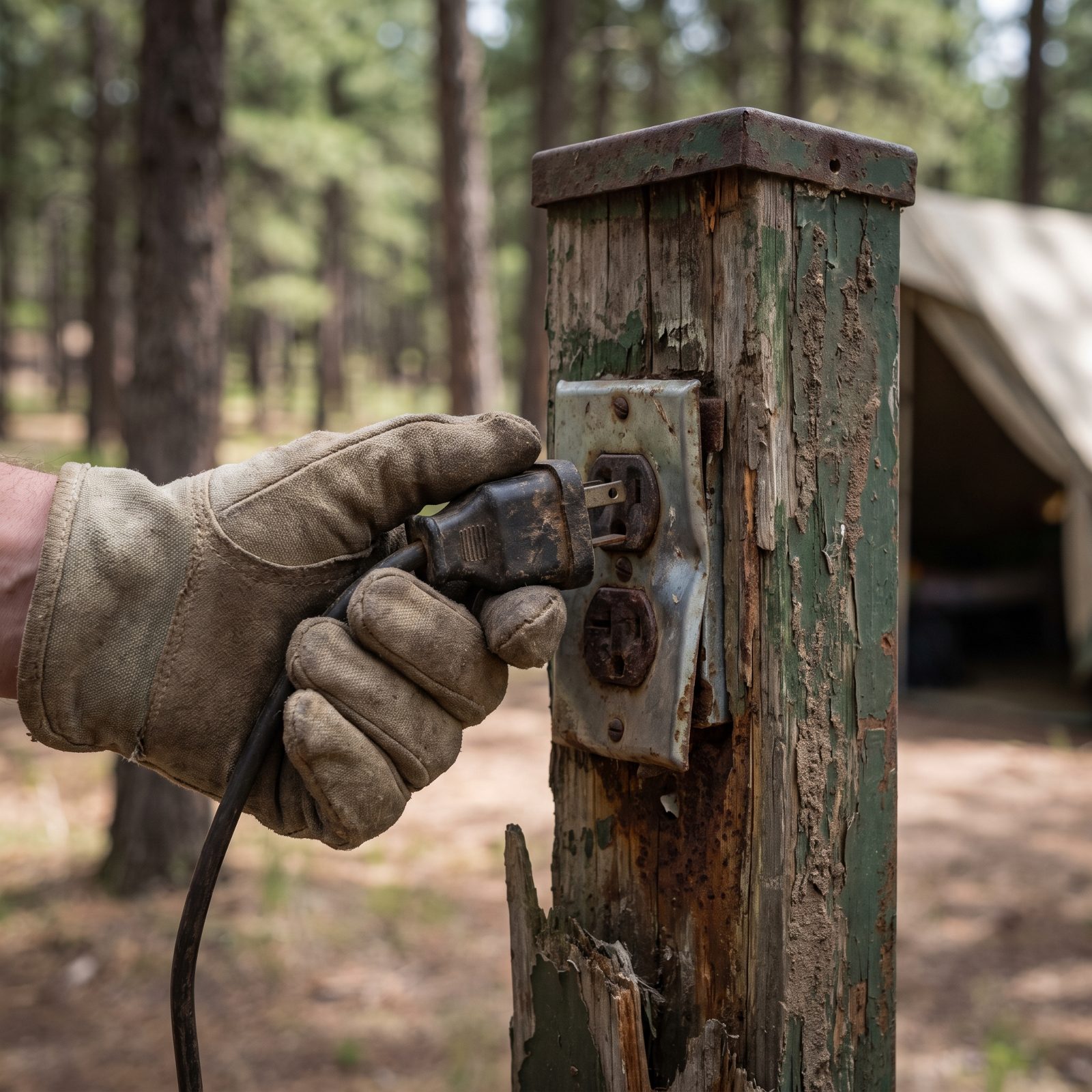
You crouched at the power post, squinting at an outlet that looked like it had survived three lightning storms and a raccoon. Three-prong cord, two-prong hole. Of course. And somewhere in the glovebox or that junk drawer by the dinette, there was always one of these little beige adapters waiting for exactly this moment.
Nobody ever screwed the grounding tab to anything. You plugged it in, said a quiet word to whoever handles campsite electrical, and prayed the trailer lights came on. Half the time the outlet buzzed and you ignored it.
It cost about a quarter at the hardware store. And it was the single most important thing in the camper that nobody ever thought about — right up until the second they needed it.
2. The View-Master and Its Reels in Little Paper Sleeves
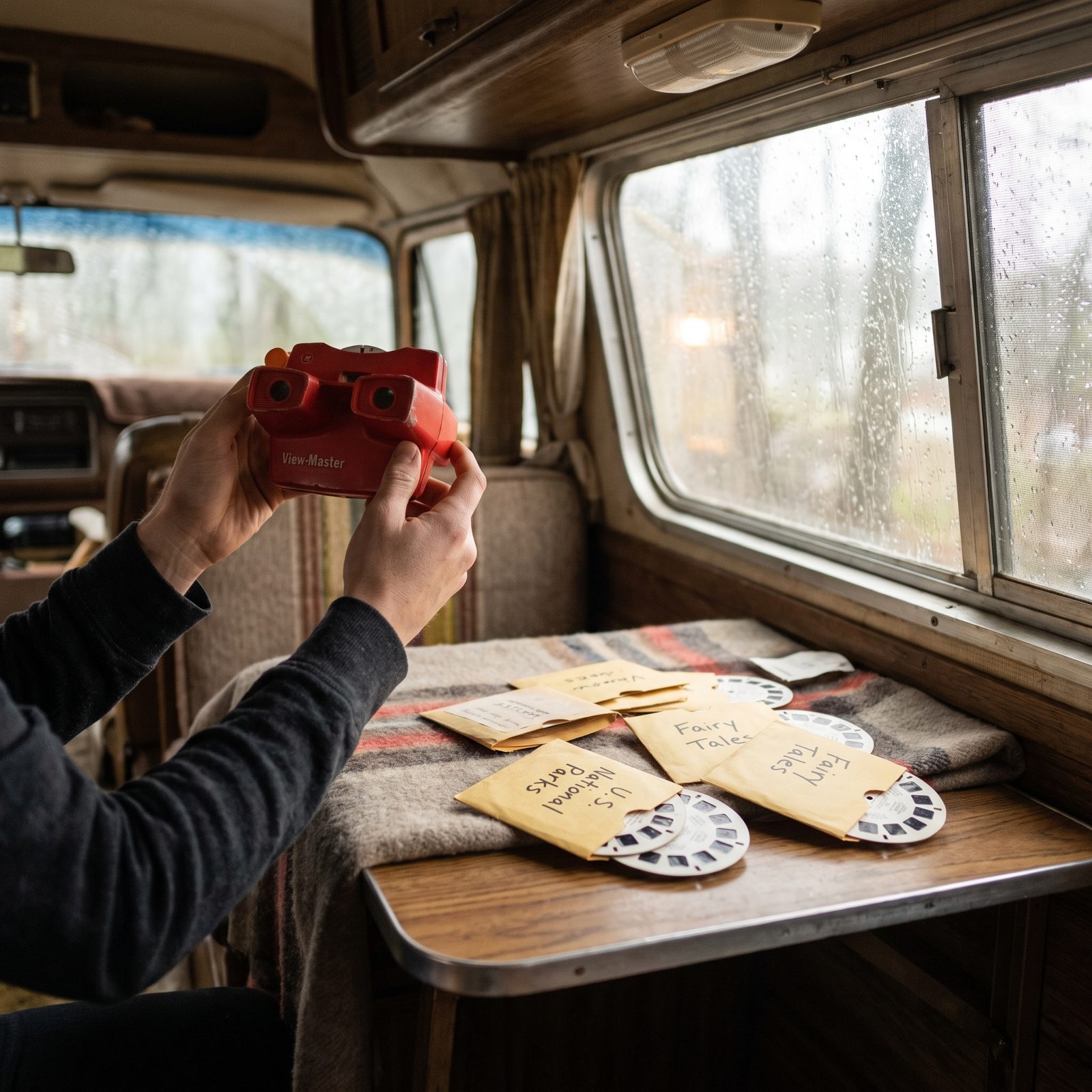
Rain on an aluminum roof has a specific sound, and so does a View-Master reel clicking to the next frame. Lever down, chunk, and suddenly you were standing in the Grand Canyon in brilliant 3D while actually parked on a damp bunk forty miles from it.
The reels lived in those flimsy paper sleeves, always slightly torn, always out of order. Someone’s thumb had smudged the Seven Wonders. The Yellowstone reel was missing, naturally. You held the red viewer up to the window light because the picture looked sharper that way — and it did.
The tablet before tablets. Silent, screenless, and it never once needed a questionable campsite outlet to work.
1. The Box of Metal-Tipped Lawn Darts Nobody Supervised
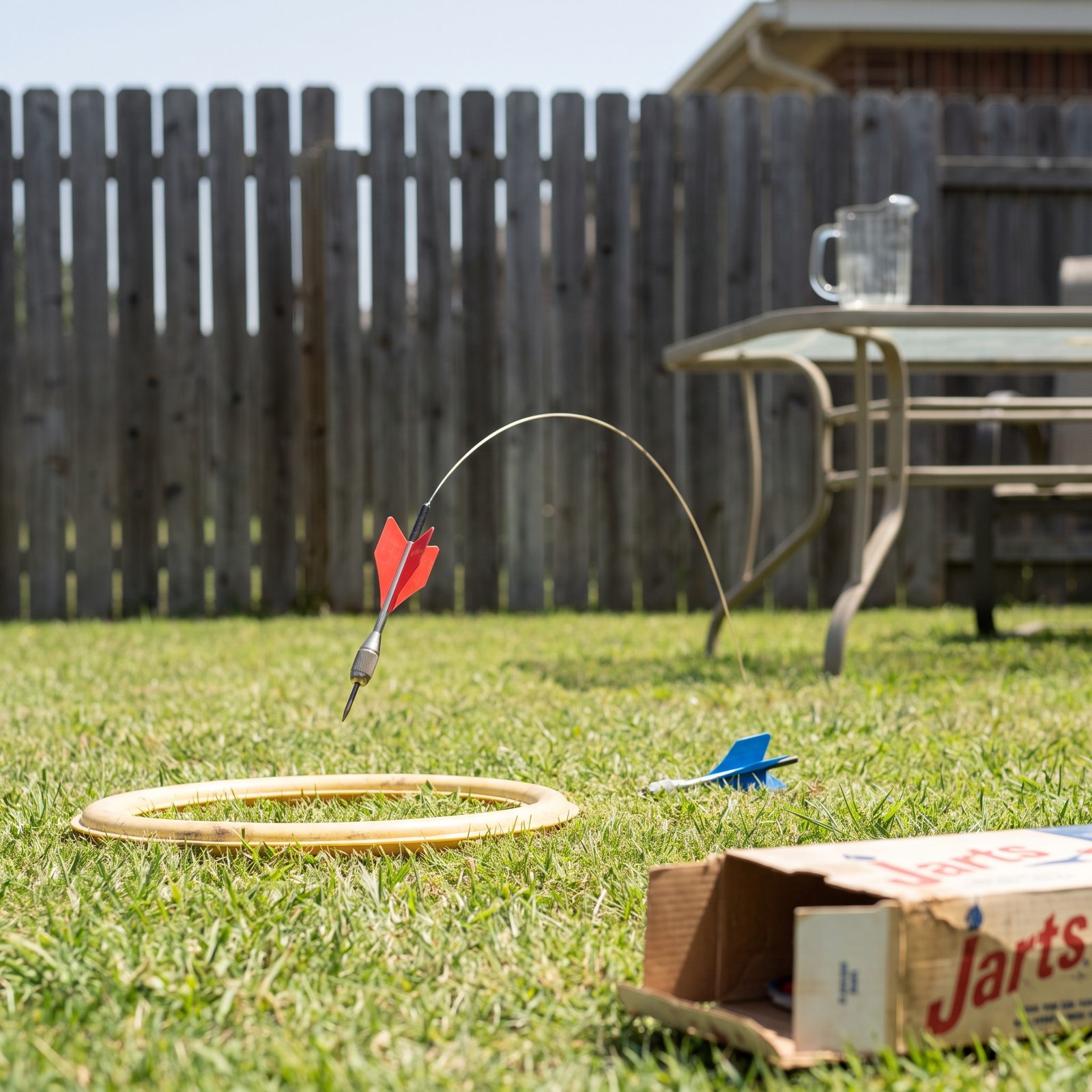
Someone was always walking across the yard to retrieve a dart while the next one was already in the air. That was the game. That was lawn darts.
Jarts, most folks called them — four heavy brass-weighted missiles with fins and a steel tip built to bury itself in soft campground turf. You tossed them underhand toward plastic rings staked in the grass, and the satisfying part was the thunk when the point stuck and stood up straight.
Every campground had a set, and ours lived in the cargo hold next to the horseshoes and the badminton net nobody could keep taut. Dusk games ran until you genuinely couldn’t see where the darts landed, which, in hindsight, was precisely the problem.
No scoreboard, no app, no supervision to speak of. A steel point, a patch of grass, and the loose honor system of whose turn it was.