
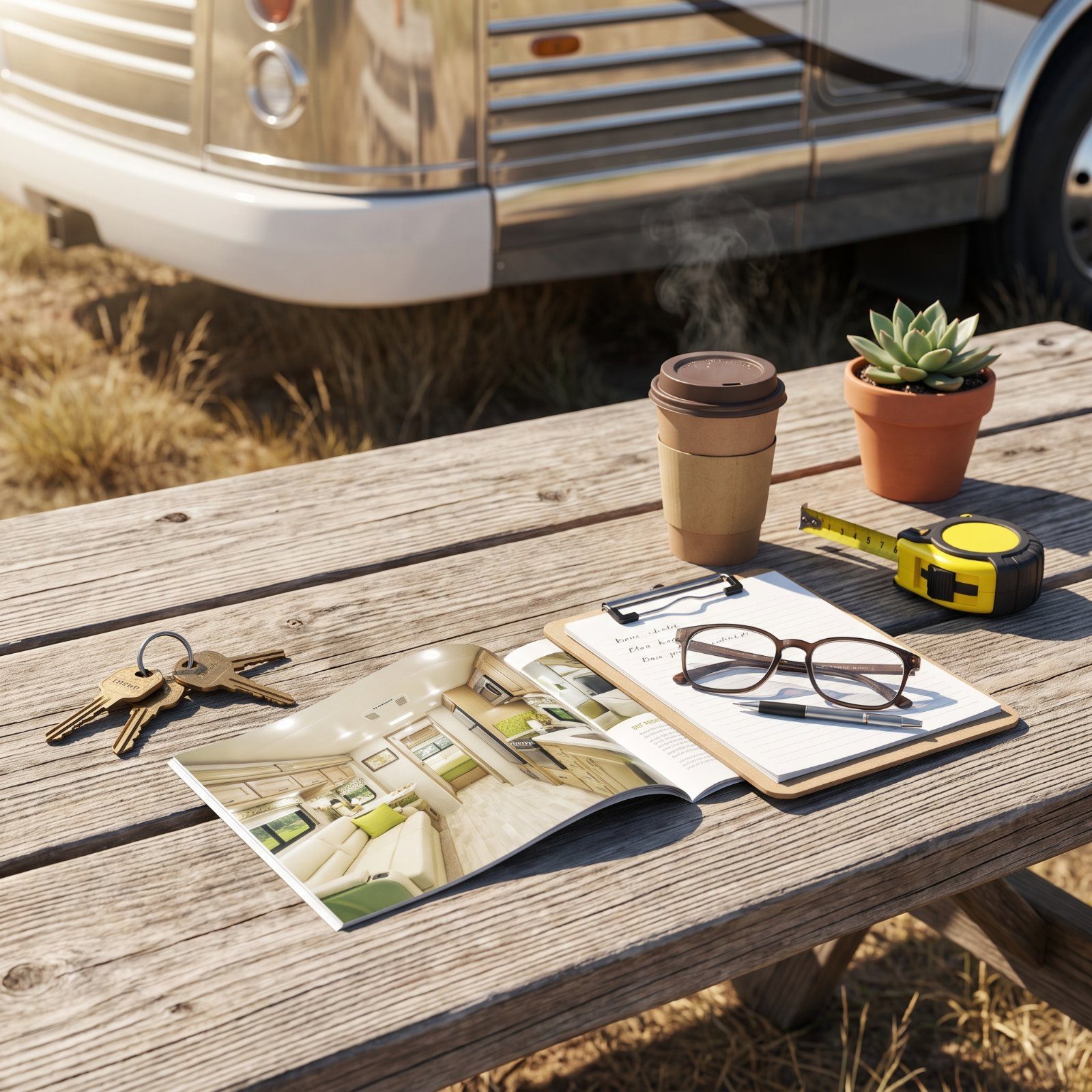
The deposit check was already written before anyone looked under the rig. That’s how it happens. You walked onto the lot to “just look,” and three hours later you were signing for 36 feet of fiberglass you’d known for about as long as a lunch break.
Please note that some of the images in this article were created with the assistance of AI.
We’ve all watched someone do this, and plenty of us have done it ourselves. The brain that falls for a bad RV runs the same software that keeps good people in relationships that quit being good years ago. Sunk cost. Social proof. The thrill of being wanted by a salesperson who learned your name. Same wiring, different fiberglass.
So here are the biases that make a wildly unsuitable camper feel like destiny, and why your gut, bless it, can’t be trusted alone on a dealer lot.
18. You Fall For The Decor Before Checking The Chassis
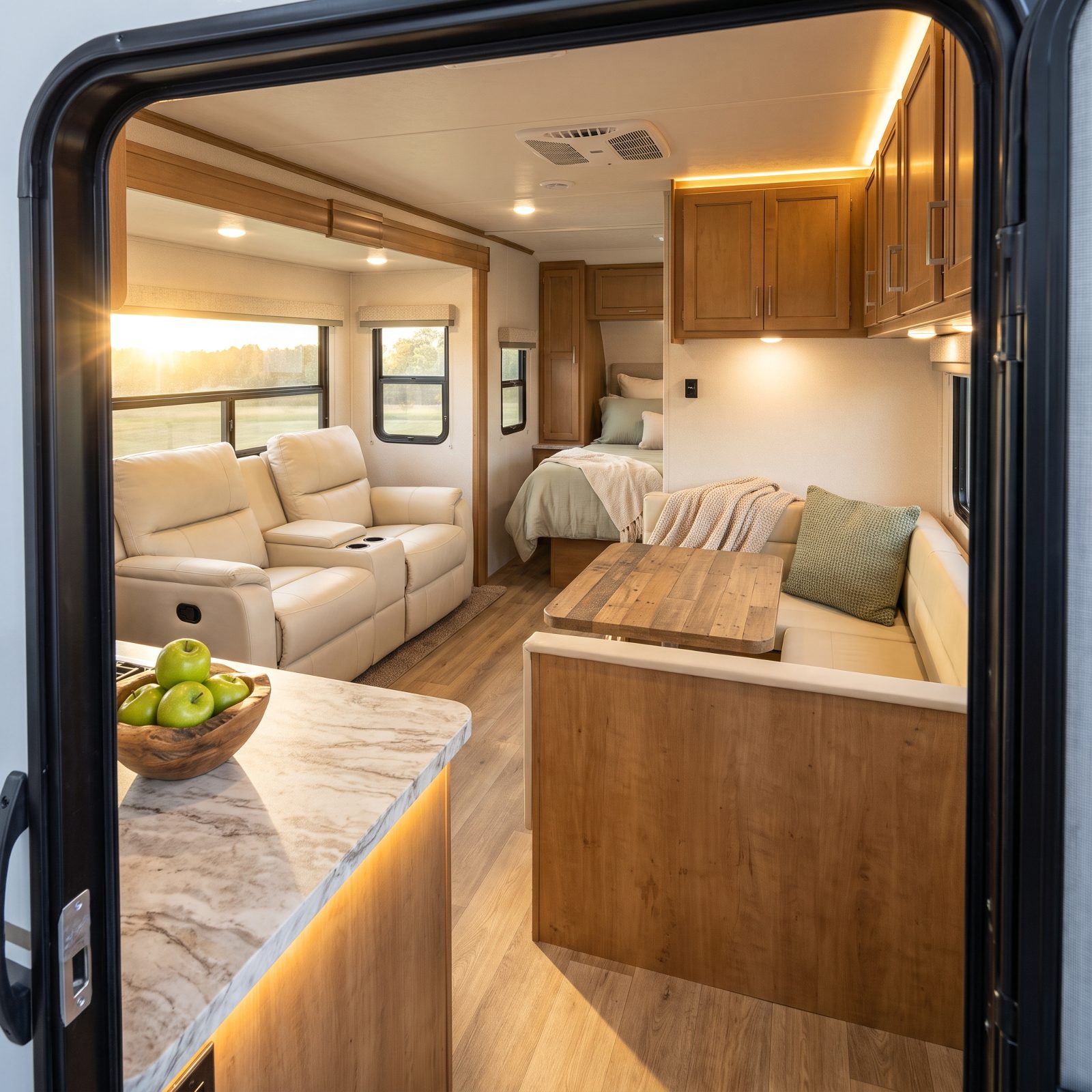
The LED lighting hums on, the faux marble glints, and suddenly nothing else matters. You’re standing in the staged living room admiring a throw pillow nobody will ever use while the axles, the frame, and a twelve-year-old water heater sit quietly underneath, unexamined.
That’s the halo effect doing its work. One attractive feature — the gorgeous interior — spills its glow over everything else until you assume the whole rig must be as solid as the countertop looks. We pull the same stunt with people. One great laugh, one good first dinner, and we decide the person is trustworthy, kind, and financially responsible on no evidence whatsoever.
The decor is the easy part to fix. A sage green throw pillow costs twelve dollars. A cracked frame costs your entire camping season.
17. The Salesperson Remembers Your Name, And Suddenly It’s Fate

He remembered you take your coffee black. He asked about your knee. By the second visit he’s walking you to “your” rig like it has been sitting there waiting for you specifically, and something in your chest goes soft and certain.
Reciprocity is the lever. When someone gives us attention, warmth, little favors, we feel a quiet debt to give something back — and on a lot, the thing you give back is a signature. That same pull explains why a bit of flattery and a remembered birthday can keep someone attached to a partner who’s otherwise all wrong for them. Being chosen, being seen, feels like proof of a good match. It’s just proof that somebody’s paying attention.
Warmth is not information. A nice salesperson and a reliable motorhome are two completely separate things, and the first one is designed to stop you from checking the second.
16. Free Camping Chairs Somehow Seal A Six-Figure Deal
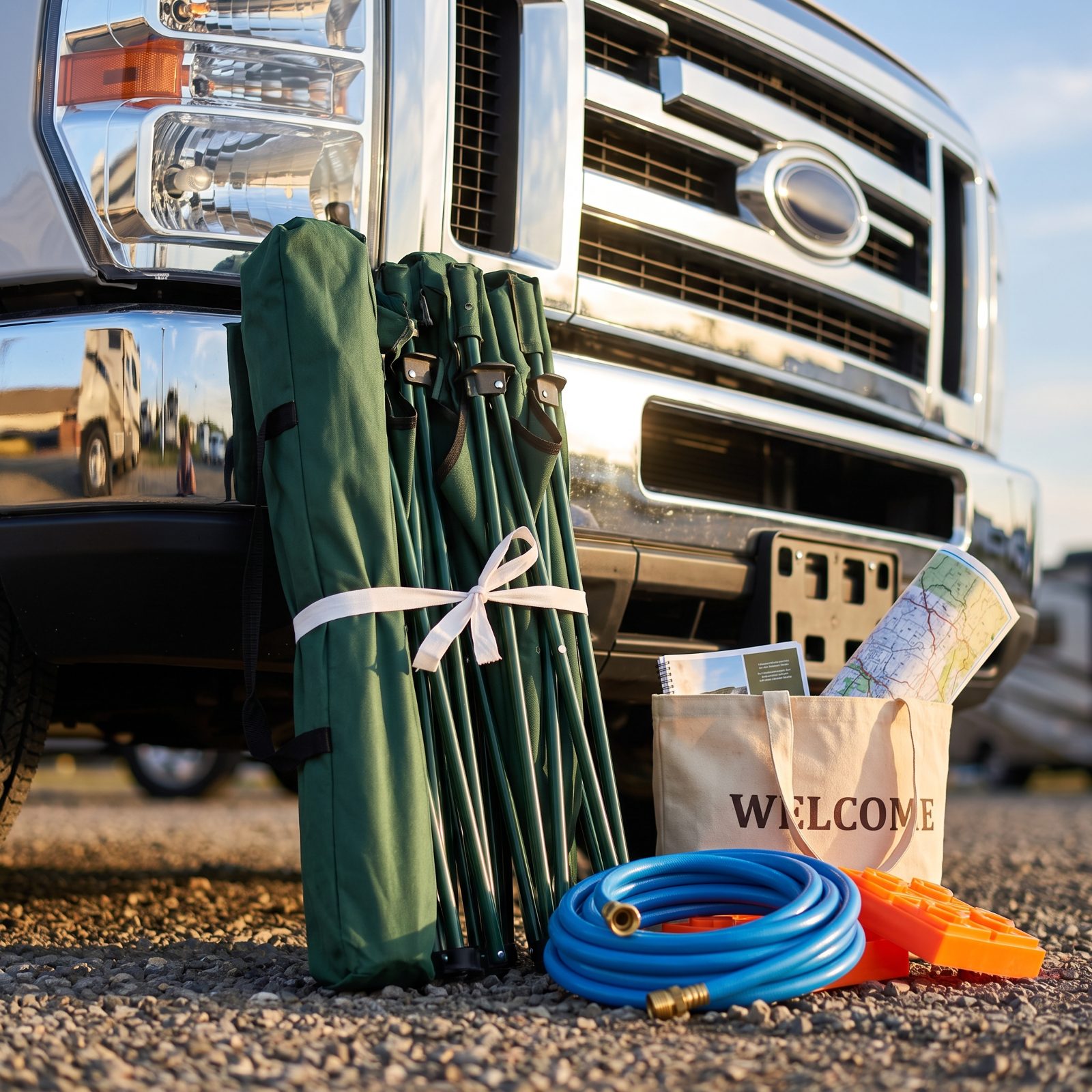
Two folding chairs and a starter hose, and suddenly a six-figure purchase feels like you got a steal.
That’s anchoring, cousin to the “free gift” trick that has moved product for a century. The chairs cost the dealer next to nothing. But the generosity flips a switch that stops doing math on the big number and starts feeling grateful about the small one, and you leave feeling like you won.
People stay in mismatched relationships on the same bookkeeping. A thoughtful gesture, a kind week, a surprise dinner — and we quietly file away the larger problems because one small kindness feels like evidence of value. Small gifts are cheap. They’re supposed to be. They buy your attention away from the price that actually matters.
15. Everyone Loves Fifth Wheels, So You Must Too
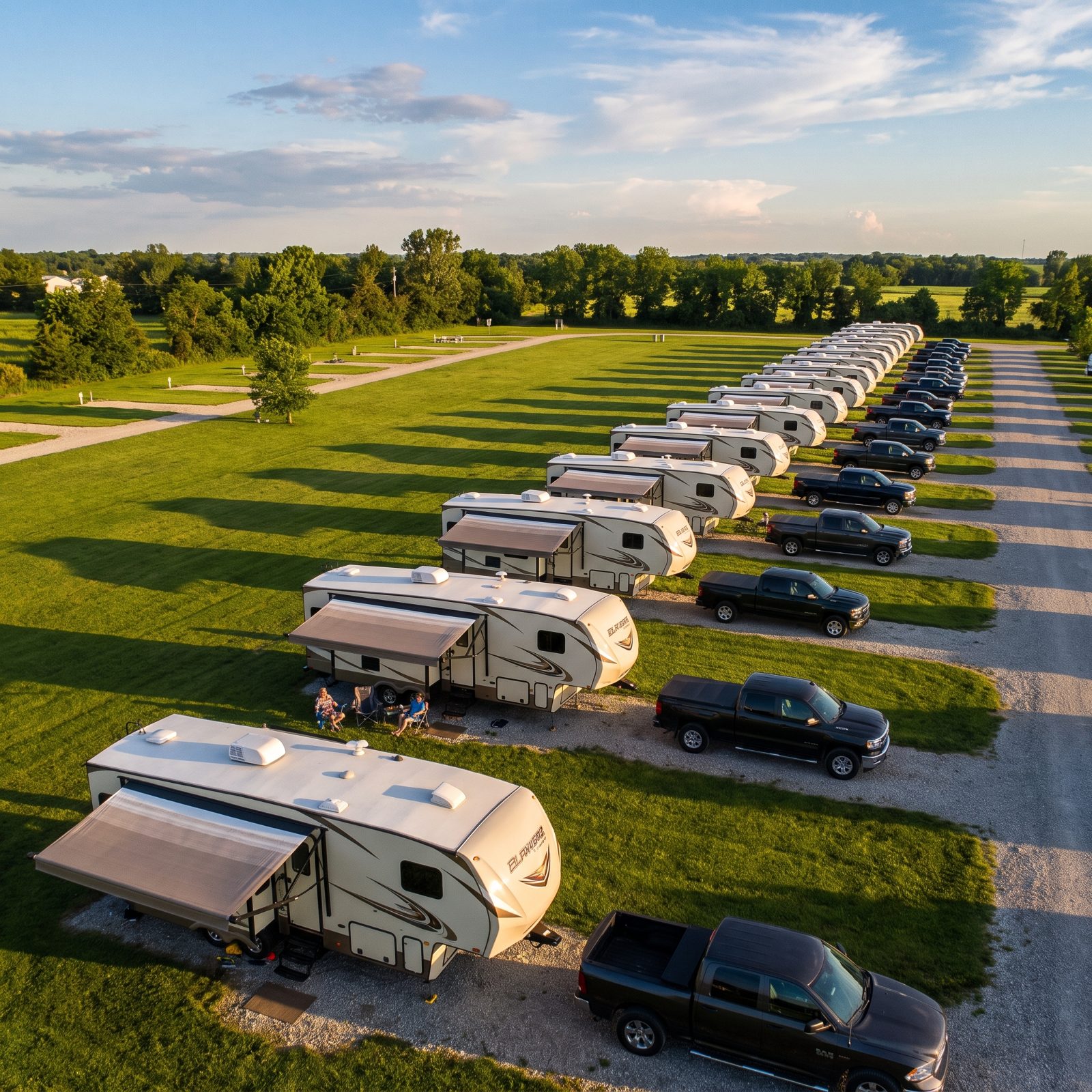
Scroll any RV forum and the chorus is loud: fifth wheels are the only real way to travel. More space, better towing, you’d be a fool to buy anything else. So you start shopping fifth wheels — even though you drive a half-ton, camp four weekends a year, and have never once wanted to climb a ladder into a bedroom over the hitch.
Social proof is the oldest shortcut in the book. When we’re unsure, we copy the crowd and call it a decision. The crowd is loud, confident, and completely uninterested in how you actually camp. It’s why people chase a relationship template that looks right from the outside — the house, the timeline, the thing everyone agrees you should want — while ignoring the quiet fact that it doesn’t fit their life at all.
What works for a full-timer in the mountains has nothing to do with your two trips to the lake. The most popular rig and the right rig are rarely the same vehicle.
14. One “Interested Buyer” Makes The Wrong Motorhome Irresistible
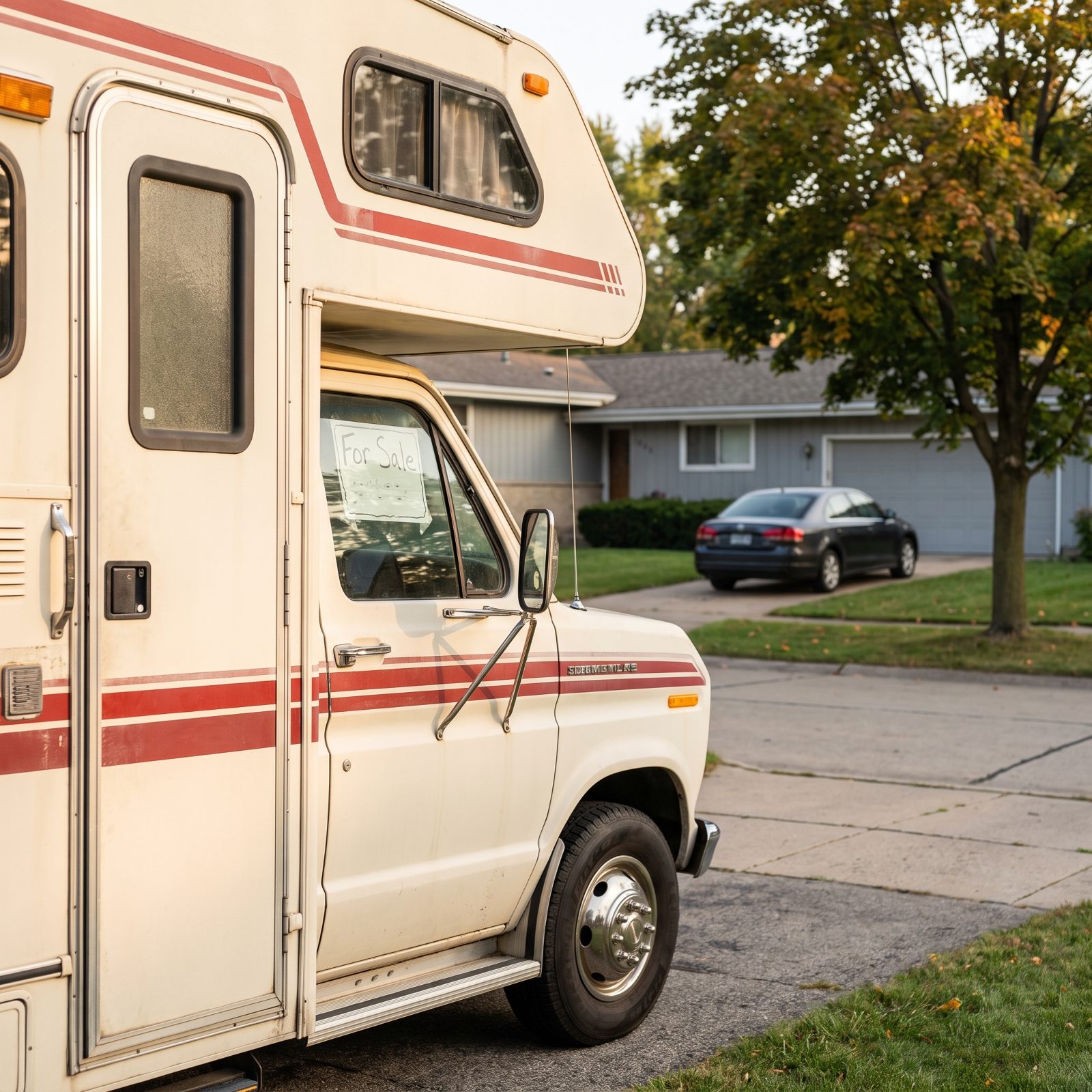
You were lukewarm on the rig until the seller mentioned, oh so casually, that someone else is coming to look at it Saturday. Now you can’t stop thinking about it. Now it’s the one that got away before you even owned it.
Scarcity hijacks the brain fast. The moment something feels about to disappear, we want it more, regardless of whether we wanted it an hour ago. Dealers and private sellers know this cold — one phantom buyer and your careful shopping brain goes feral.
Watch anyone realize their indifferent ex is dating again. Suddenly the old relationship glows with a value it never actually had. It isn’t the person we want. It’s the loss we can’t stand.
13. Family Says It’s Too Big, So You Buy It
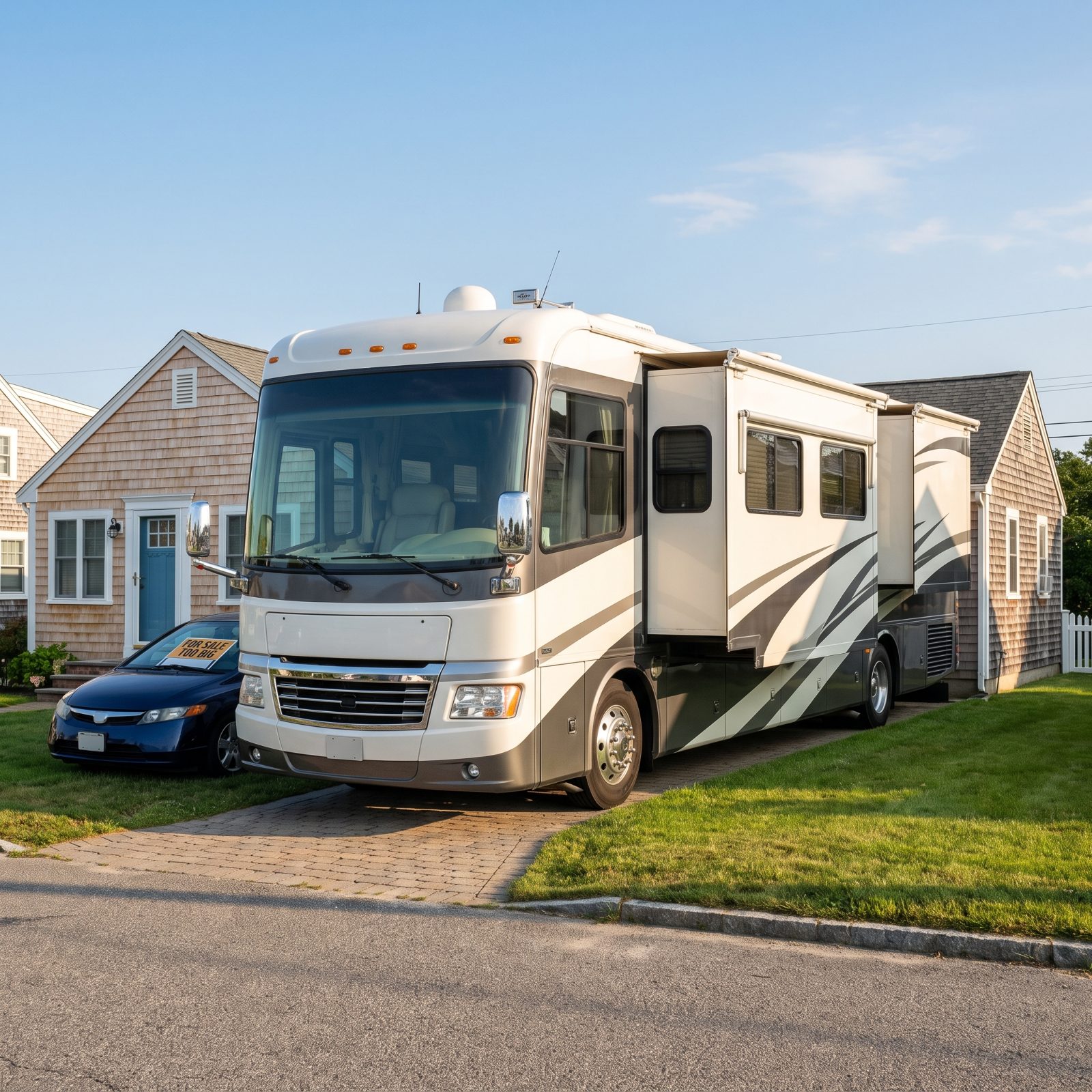
Your kids said it was too much truck. Your brother laughed and asked where you plan to park it. And something stubborn clicked into place: now you have to buy it.
Call it reactance — the reflex that fights back the second someone tells us no. The pushback stops feeling like advice and starts feeling like a dare. The bigger and more unanimous the warning, the more buying it feels like proving a point instead of making a choice.
Every family has watched this play out with a person, not a motorhome. The more everyone objects to the partner, the more dug-in the one person gets, until the relationship is less about love and more about winning the argument. Opposition becomes glue.
Here’s the hard part. Sometimes the family is right. A 40-footer you can’t back into a state park, can’t afford to fuel, and can’t drive without white knuckles is not freedom. It’s a very expensive way to be stubborn.
12. You Buy For The Full-Timer You Might Become
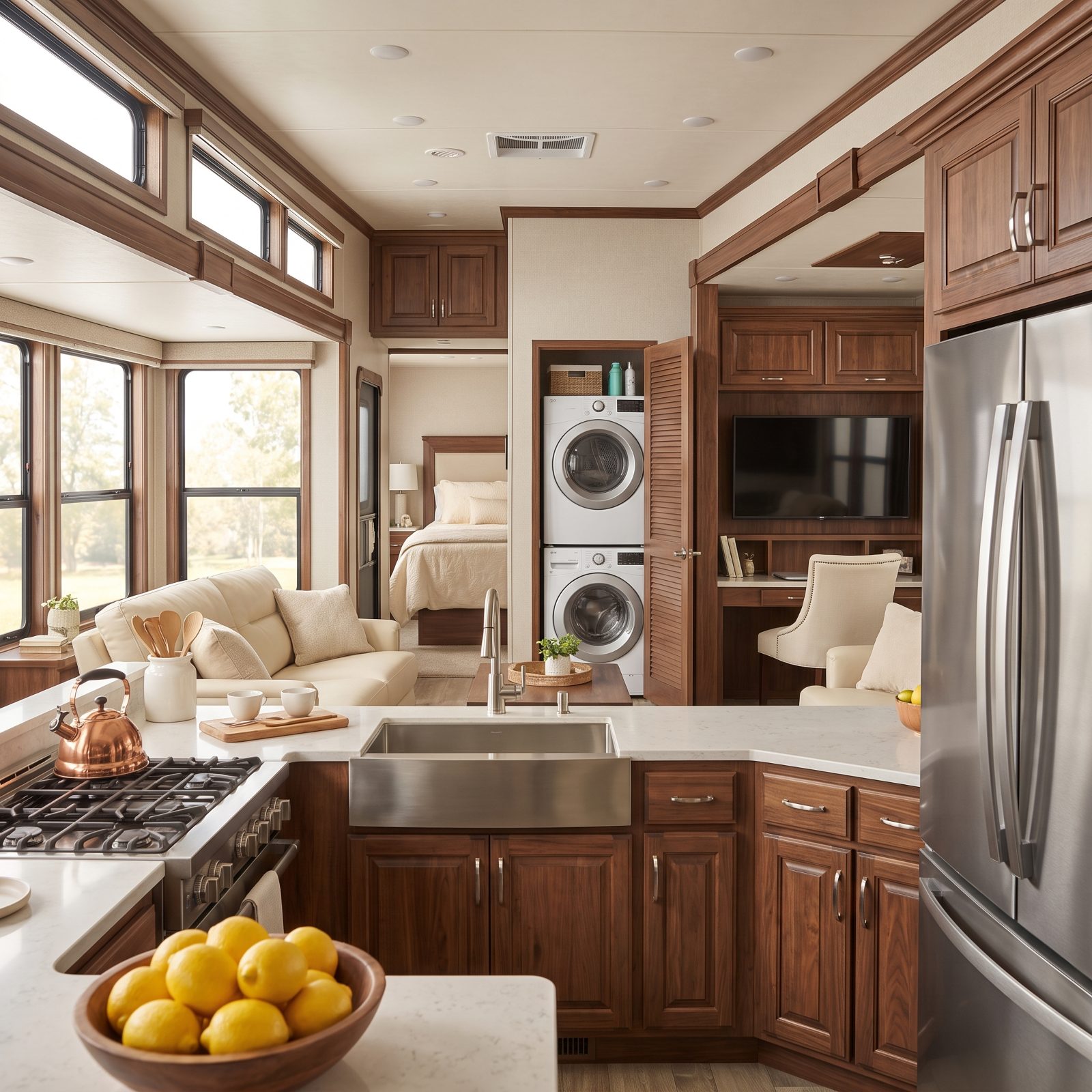
You weekend four or five times a year. But standing in the showroom, you buy the rig with the residential fridge, the washer-dryer, the office nook, and the king bed — because someday you might sell the house and live on the road full time. You’re buying for a person who doesn’t exist yet.
This is the planning fallacy wearing a hopeful disguise. We picture a future version of ourselves who’s more adventurous, more free, more committed than the actual us, and we buy for that imaginary person. Then the real us shows up, drags a 15,000-pound rig to the lake twice, and pays storage fees the rest of the year.
People marry a fantasy of who a partner will become, too. The potential, the version that’ll settle down, the self they keep promising to grow into. Hope is a lovely thing to feel and a terrible thing to buy on.
11. You Tour Thirty Rigs And Trust None Of Them
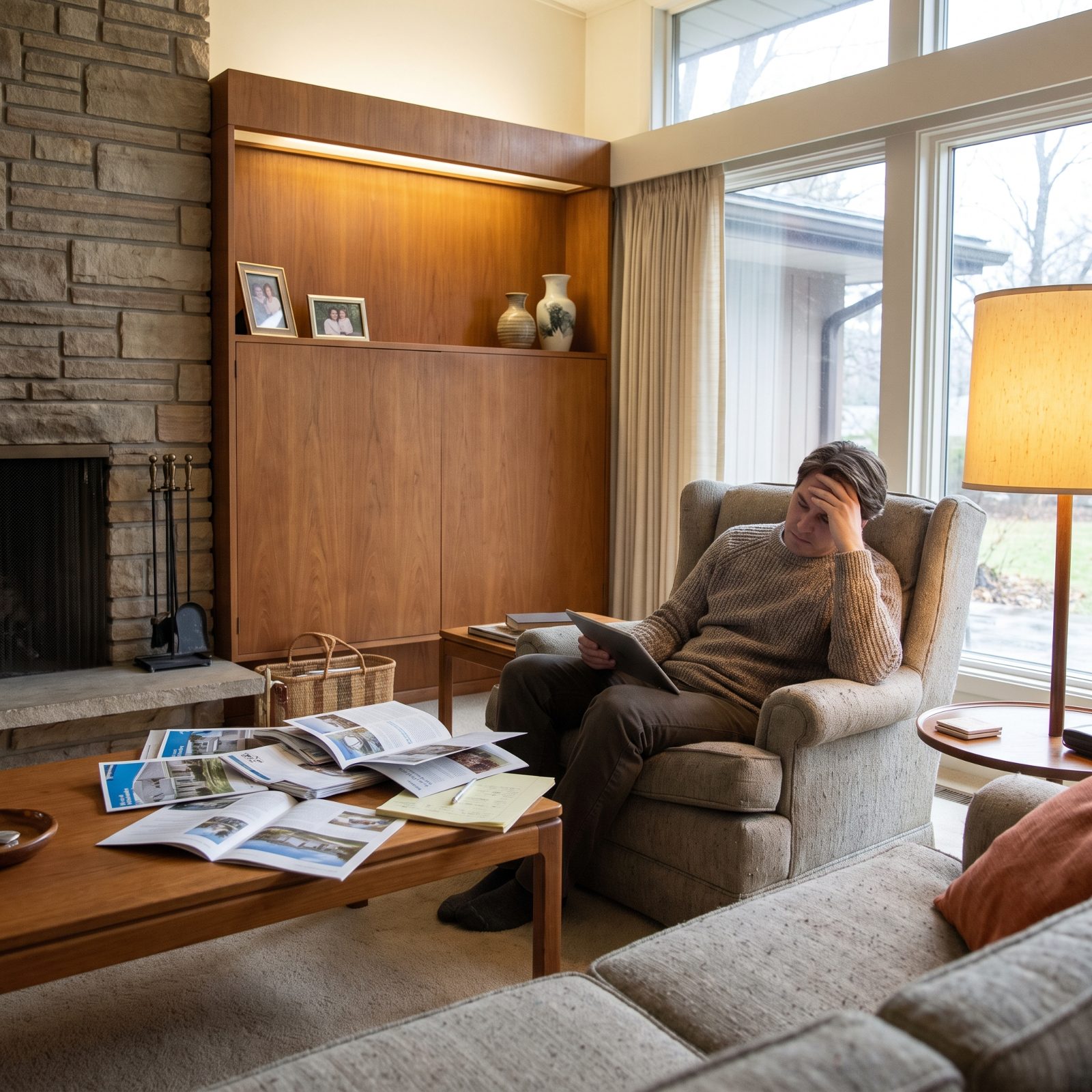
Thirty walkthroughs in, you can’t tell the floor plans apart anymore, and every rig has something wrong with it. The one with the great kitchen has the bad bathroom. The perfect layout has the wrong length. You trust none of them and leave empty-handed, again.
This is choice overload. Past a certain point, more options don’t help us decide — they paralyze us. The famous jam-tasting study found shoppers were far more likely to actually buy when offered six jams instead of twenty-four. More choices, fewer decisions, less satisfaction with whatever you finally pick.
Serial daters hit the same wall. When every app shows a thousand profiles and someone slightly better is always one swipe away, committing to any single person starts to feel like a mistake you’re making on purpose. The abundance itself becomes the problem.
At some point the search stops being research and becomes avoidance. No rig survives thirty comparisons. No person does either.
10. You Research Tow Ratings Until One Forum Says Yes
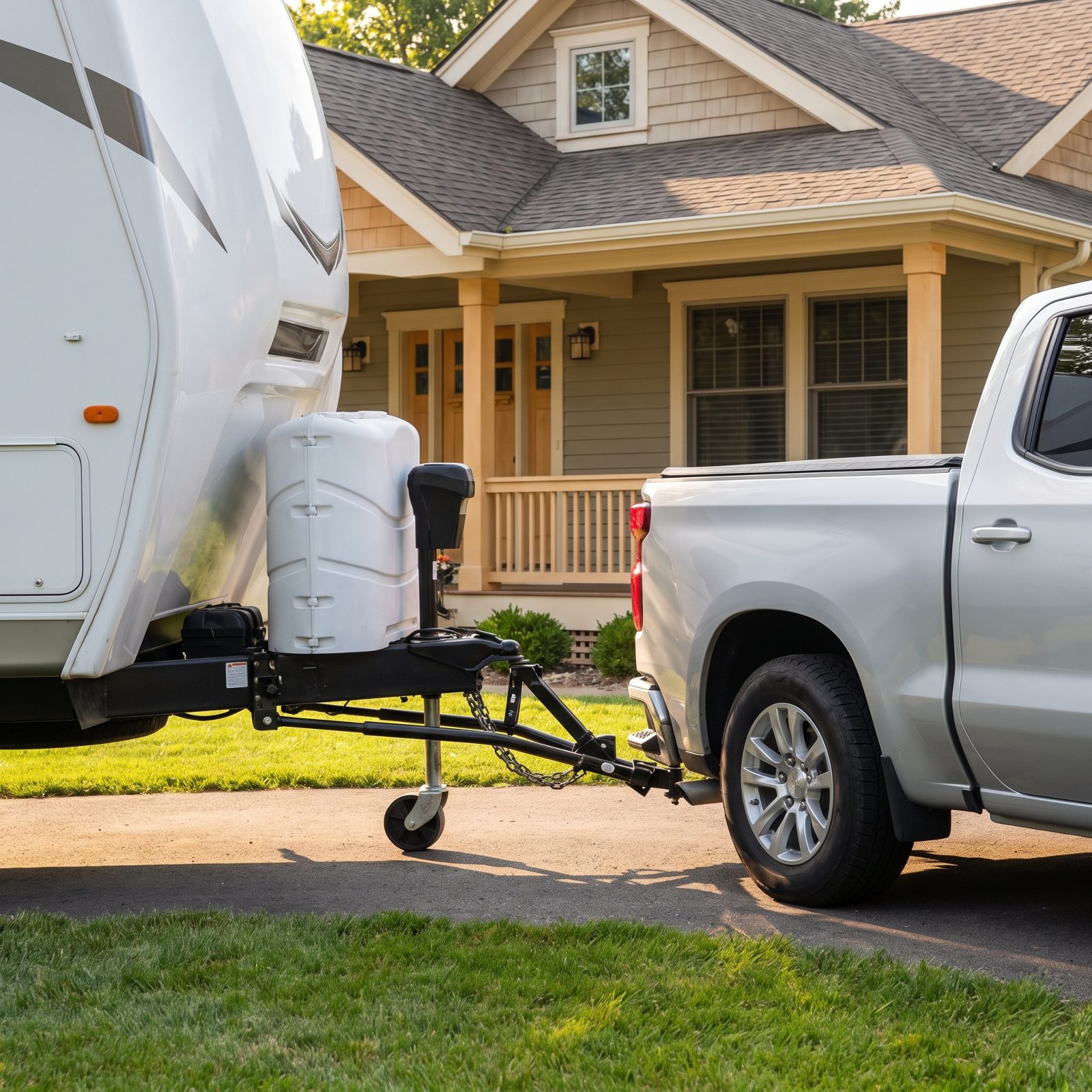
The payload sticker says your truck can’t handle it. Three towing calculators agree. But you kept reading, thread after thread, until one guy on a forum said he tows the same trailer with the same truck and it’s “totally fine.” Decision made.
That’s confirmation bias running the whole show. Once we’ve decided what we want, we stop looking for the truth and start looking for permission. We scroll past every “don’t do it” until we find the one voice that tells us what we already wanted to hear, then treat that single stranger as the expert and the rest as haters.
People do the identical thing when a friend warns them about a partner. They ignore the ten honest concerns and cling to the one person who says “follow your heart,” because that’s the answer they came shopping for.
Your truck’s payload sticker is not an opinion. It doesn’t care how many forum guys got lucky. Physics eventually collects.
9. That Ceiling Stain Is Probably Nothing Serious
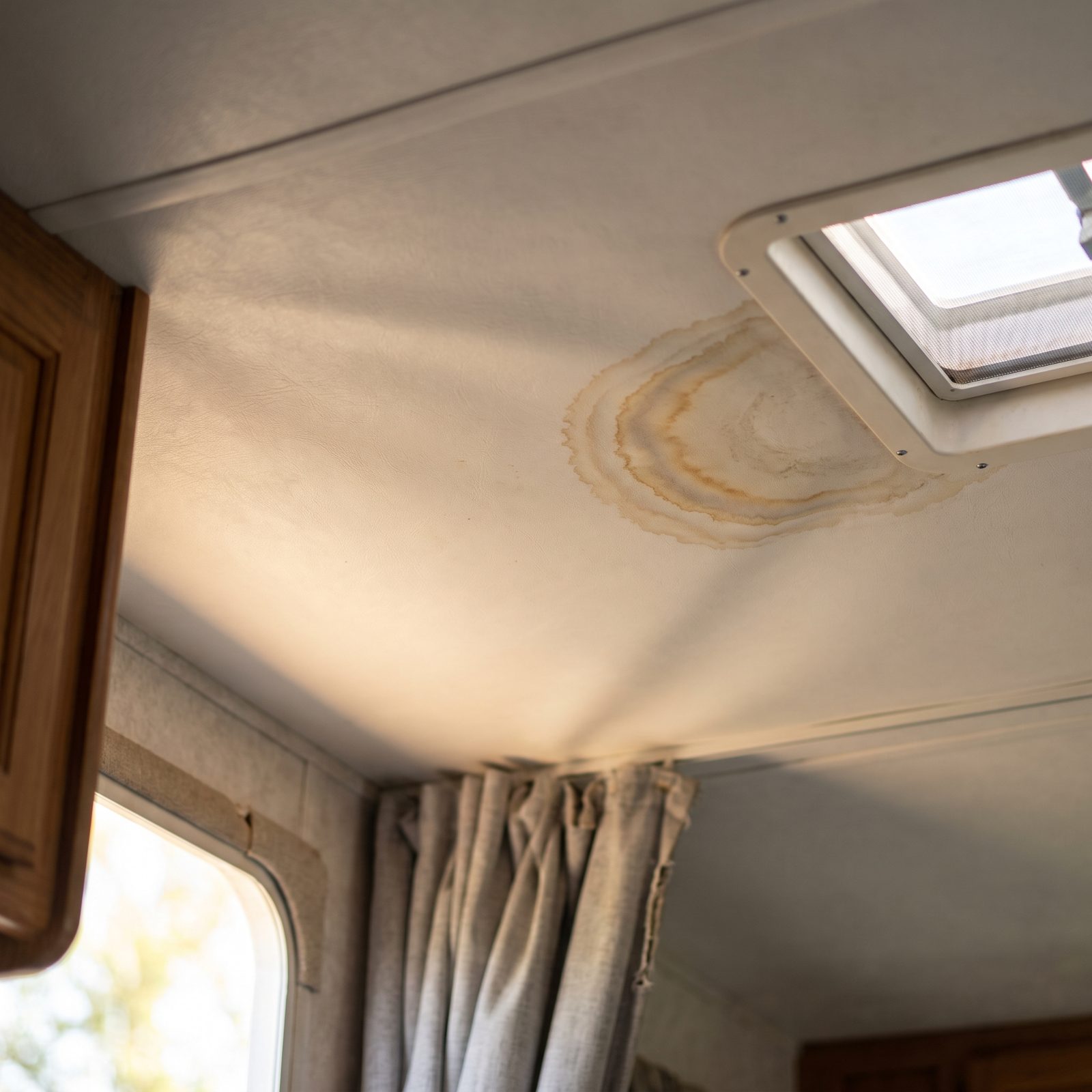
There it is — that brown halo on the ceiling panel near the vent. You see it. You note it. And then, almost instantly, your brain gets to work explaining it away. Old leak, fixed long ago, probably nothing, the price is so good.
This is motivated reasoning, and it’s loudest exactly when you’ve already fallen for something. You’ve mentally bought the rig. So instead of treating the stain as the red flag it is — soft wood, hidden rot, a repair bill that dwarfs the discount — you recruit your own intelligence to defend the decision you want to make.
Everyone has watched a friend do this with a person. The glaring warning sign, minimized in real time, narrated into something harmless, because admitting it means walking away. The stain is rarely nothing. The stain is almost always the thing.
8. You Skip The Budget Talk Until After Delivery
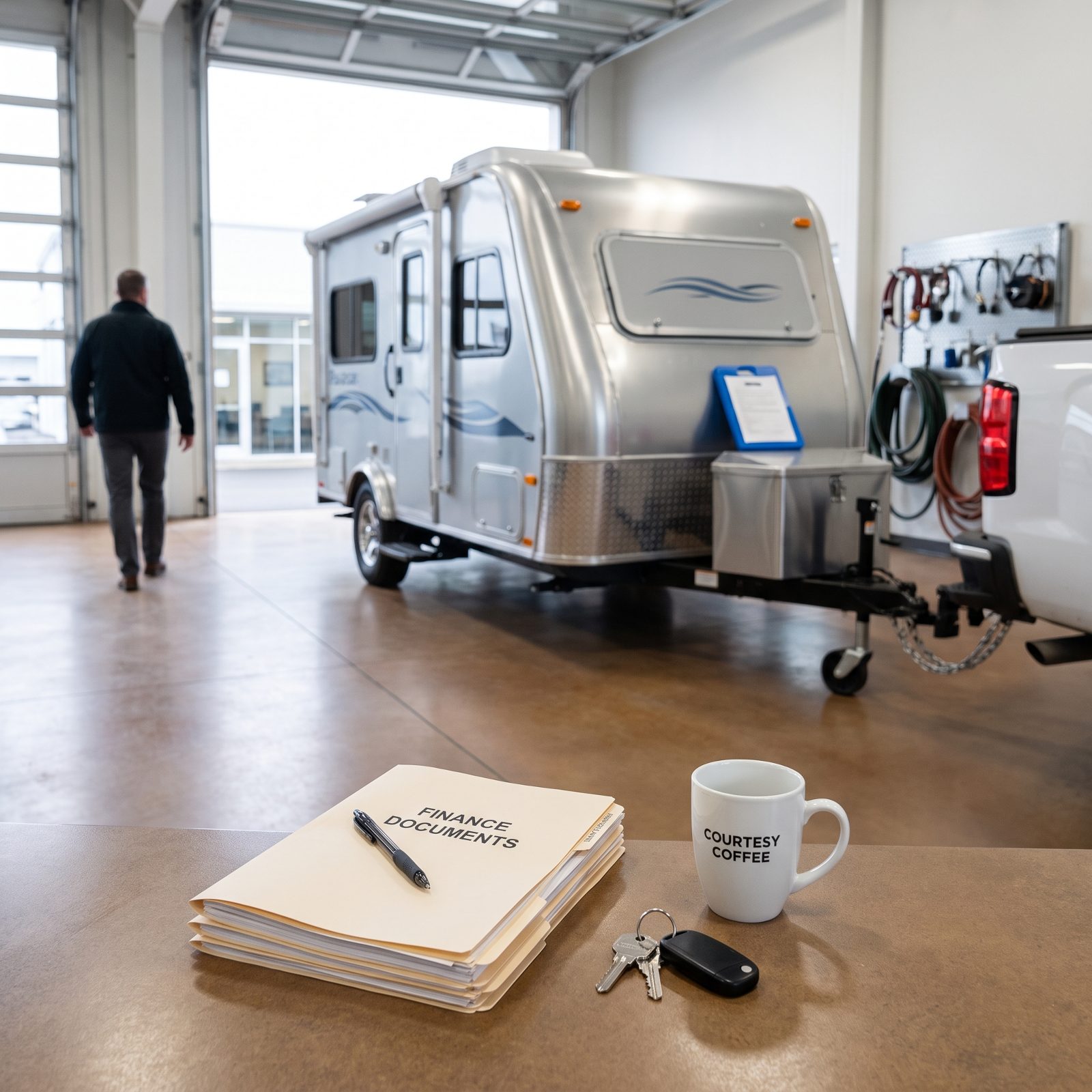
The excitement does the math for you, and it does it badly. You walk in talking about adventures and walk out having signed before anyone sat you down with the real running numbers — insurance, storage, propane, dump fees, the generator service, tires that cost more than your car’s.
This is the relationship you entered because the chemistry was good and the hard conversations felt like a buzzkill you’d get to later. Later arrives with interest.
Avoidance isn’t laziness, it’s protective. Your brain knows the budget talk might kill the fun, so it reschedules it to a time that never comes. Economists call the underestimate the planning fallacy. You price the sticker, not the life.
We’ve all watched people spend six months comparing floor plans and zero minutes on a spreadsheet. The floor plan is the fun part. The spreadsheet is the part that keeps the floor plan.
7. The Monthly Payment Distracts From Every Annual Bill
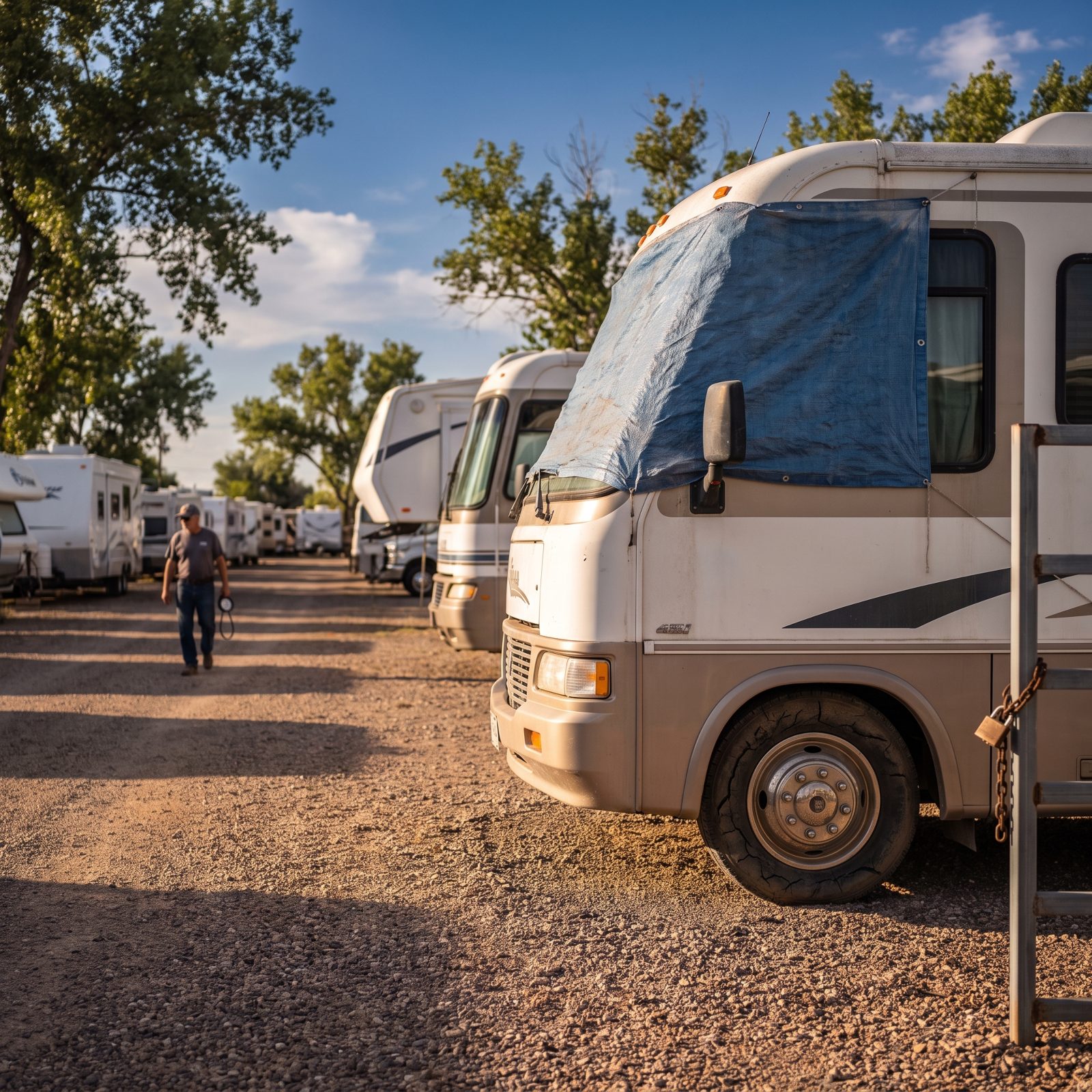
The payment feels manageable because it comes in small monthly bites. What hides behind it is the lumpy annual stuff that lands all at once and ruins a perfectly good Tuesday — a full tire set, the chassis service, the roof reseal, the registration on a 30-foot vehicle.
Same psychology as any relationship priced by the day. The daily cost of staying feels small. The annual cost of everything you tolerate is the number nobody adds up.
Behavioral folks call this mental accounting. We file the monthly payment in one drawer and the once-a-year invoices in a drawer we never open, and both come out of the same wallet.
6. The Class A Impresses Campers You Barely Know
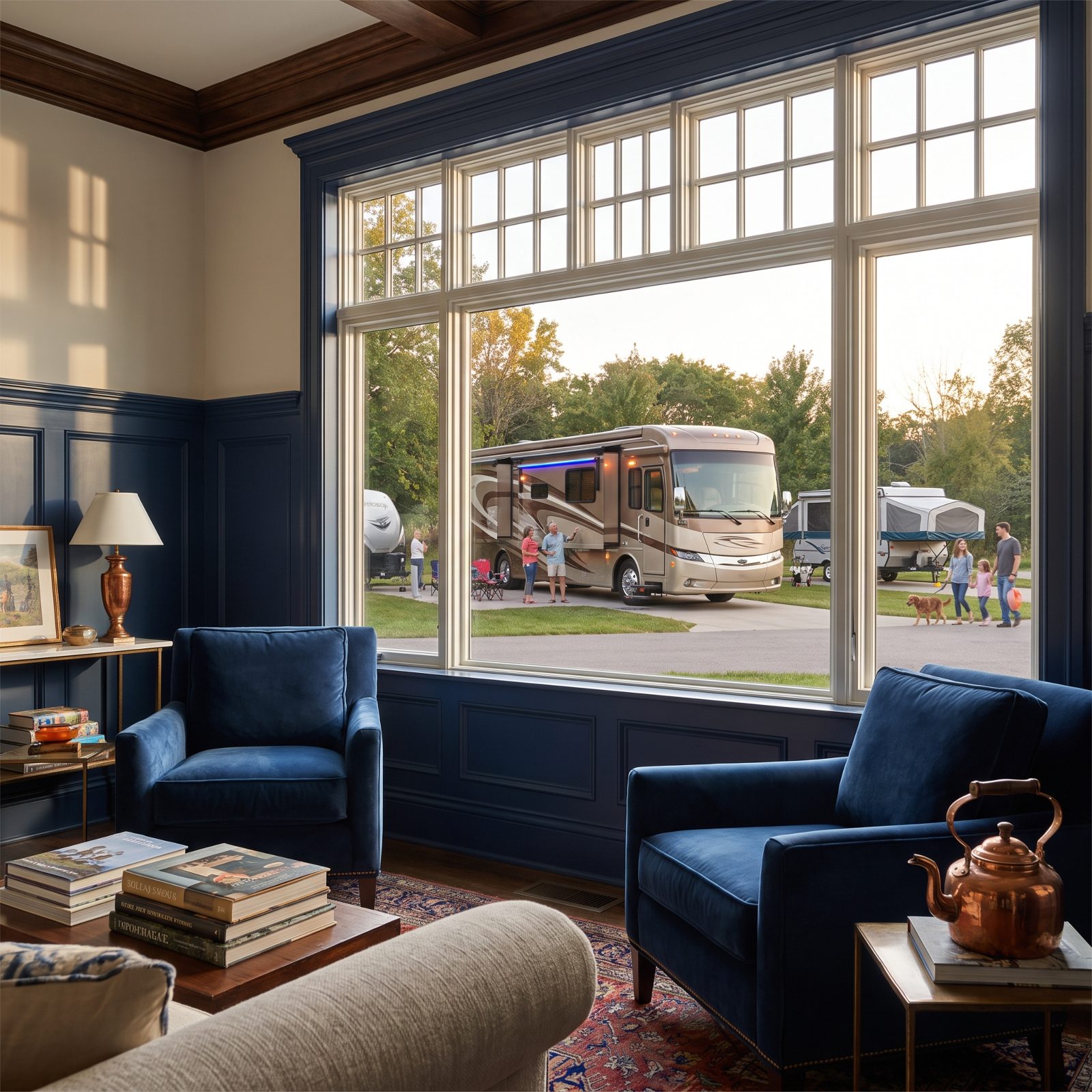
You roll into the loop and the neighbors look — the paint, the slides, the way it fills the pad. For about ninety seconds you feel like the most interesting people at the campground, and you’ll never see most of these folks again.
That’s the partner you chose partly for how they looked on your arm at the party. Impressive to the room. Not necessarily easy to live with on a wet Wednesday.
Status signaling is real and it’s expensive. We routinely buy more rig than we need because a slice of the decision was aimed at an audience instead of our own weekends. The neighbors are not splitting the fuel bill. They’re not even home next week.
5. You’ve Spent This Much, So The RV Stays
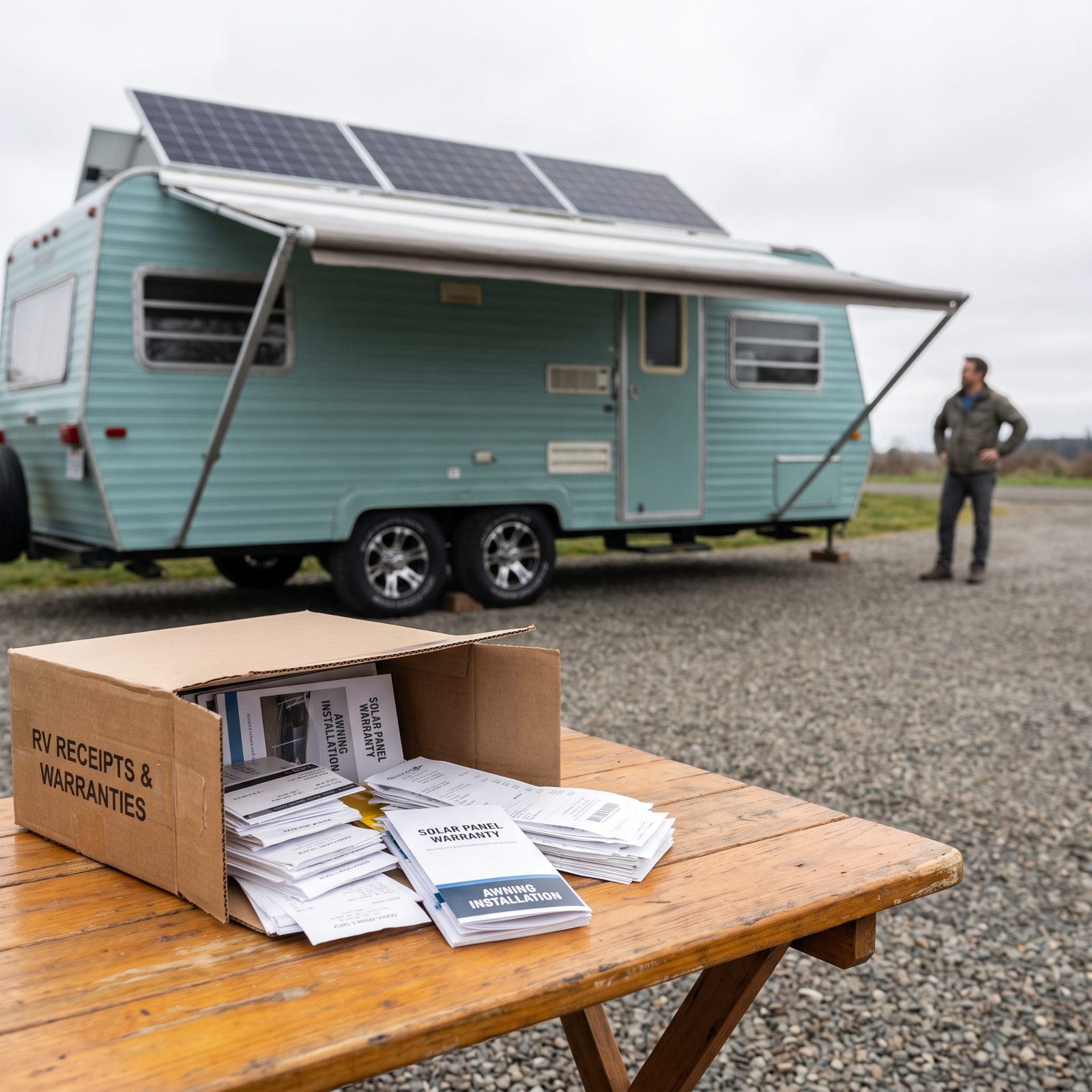
The tow setup, the solar, the suspension upgrade you swore would fix the ride. By the time you admit the RV never fit your life, you’ve poured so much into it that walking away feels like confessing all of it was a mistake.
So the RV stays. For the exact reason a lot of mismatched couples stay: not because it’s working, but because leaving would mean the money and the years were wasted.
This is the sunk-cost fallacy wearing a tow hitch. The dollars are already gone whether you keep the rig or sell it tomorrow. Past spending can’t be rescued by future suffering — it can only be joined by it.
Plenty of people who finally sell report a relief so sharp it’s almost embarrassing. The thing you’re protecting by staying is usually just your own earlier judgment.
4. Another Accessory Will Definitely Fix The Bad Fit
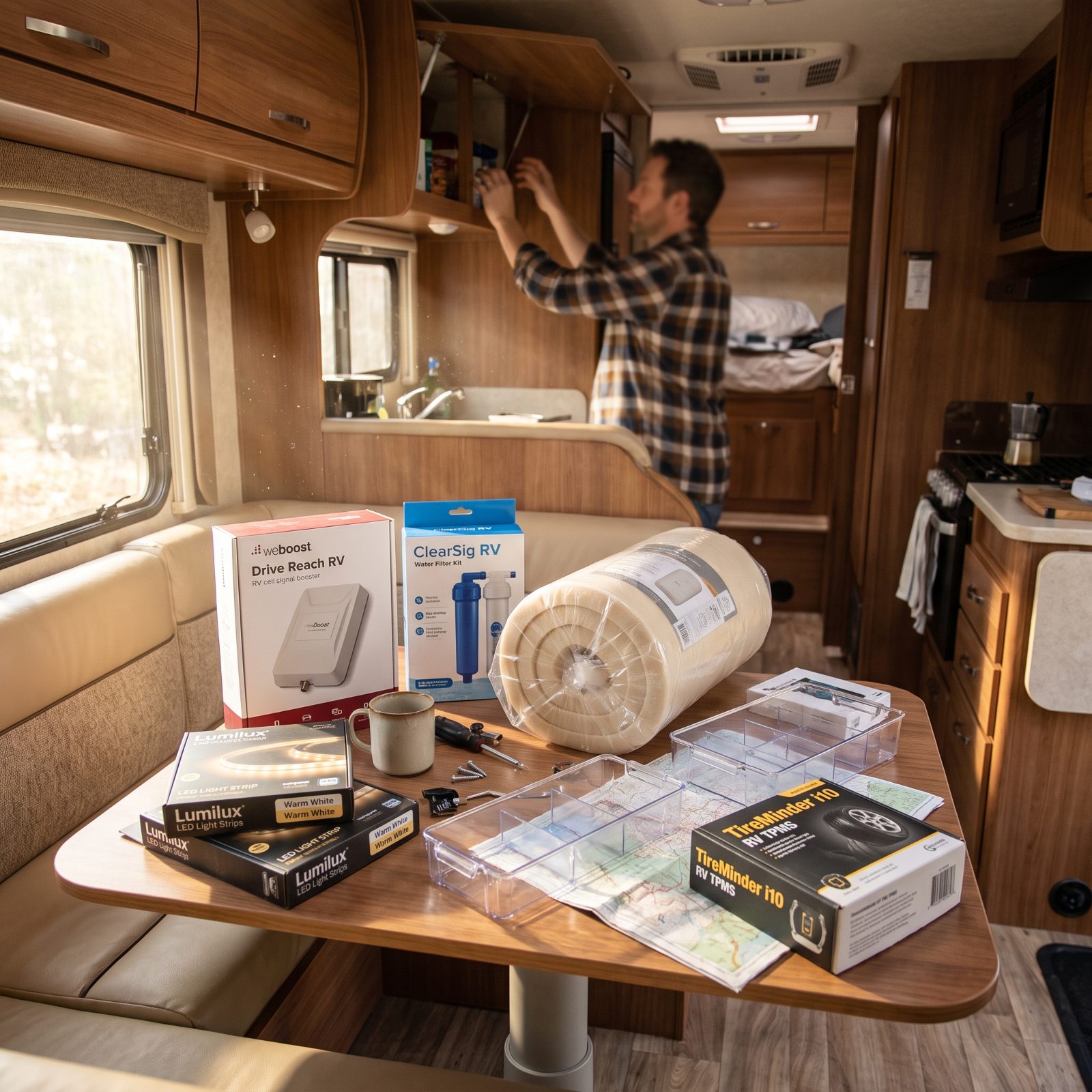
The bed’s uncomfortable, so you buy a topper. The signal’s bad, so you buy a booster. The water tastes off, so you buy a filter. Each purchase feels like a fix, and none of them touch the fact that the rig was never built for how you actually travel.
You know this move. It’s the small gift that papers over the big incompatibility, the weekend away that fixes nothing. We keep bolting on features because changing the whole thing feels enormous.
There’s a reason this feels so satisfying, by the way. The IKEA effect: the more effort we pour into something, the more we value it, whether or not it got better. Every accessory you install deepens your attachment to a rig that still doesn’t fit.
3. You Defend The Dinette You Secretly Hate
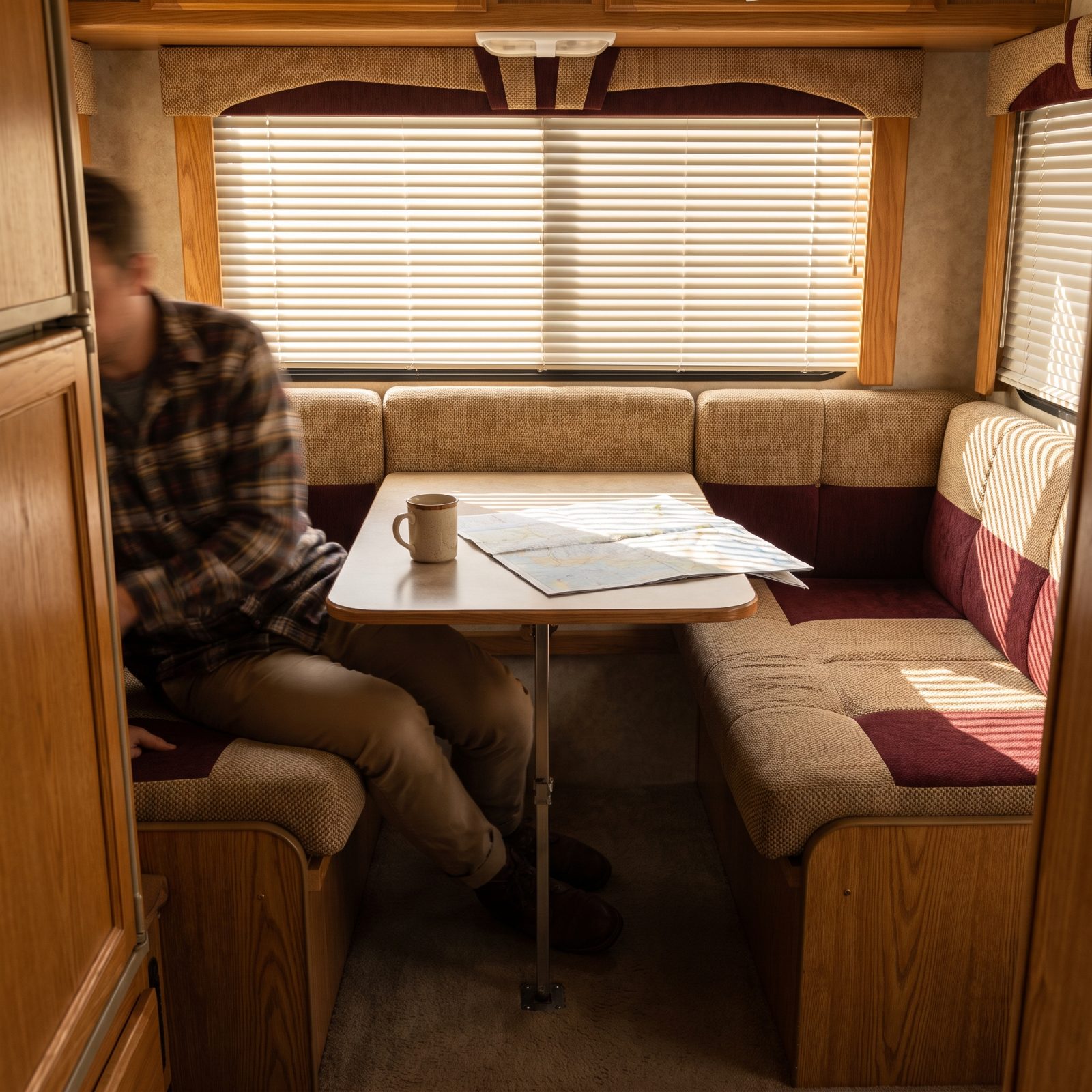
Someone at the campground mentions the dinette looks a little snug, and you leap to its defense. It converts to a bed. It’s got storage underneath. It’s fine, really. Meanwhile you’ve been eating standing up for two seasons, because sliding into that booth is basically a yoga pose.
That’s loyalty to a choice you’d never make again, defended hardest in front of the people who gently question it. The more somebody pokes at it, the more you protect it.
Cognitive dissonance. When a decision and the discomfort don’t line up, it’s easier to talk yourself into loving the decision than to sit with having picked wrong. So you argue for the dinette with a conviction the dinette never earned.
2. You Remember One Perfect Trip, Not Three Repairs
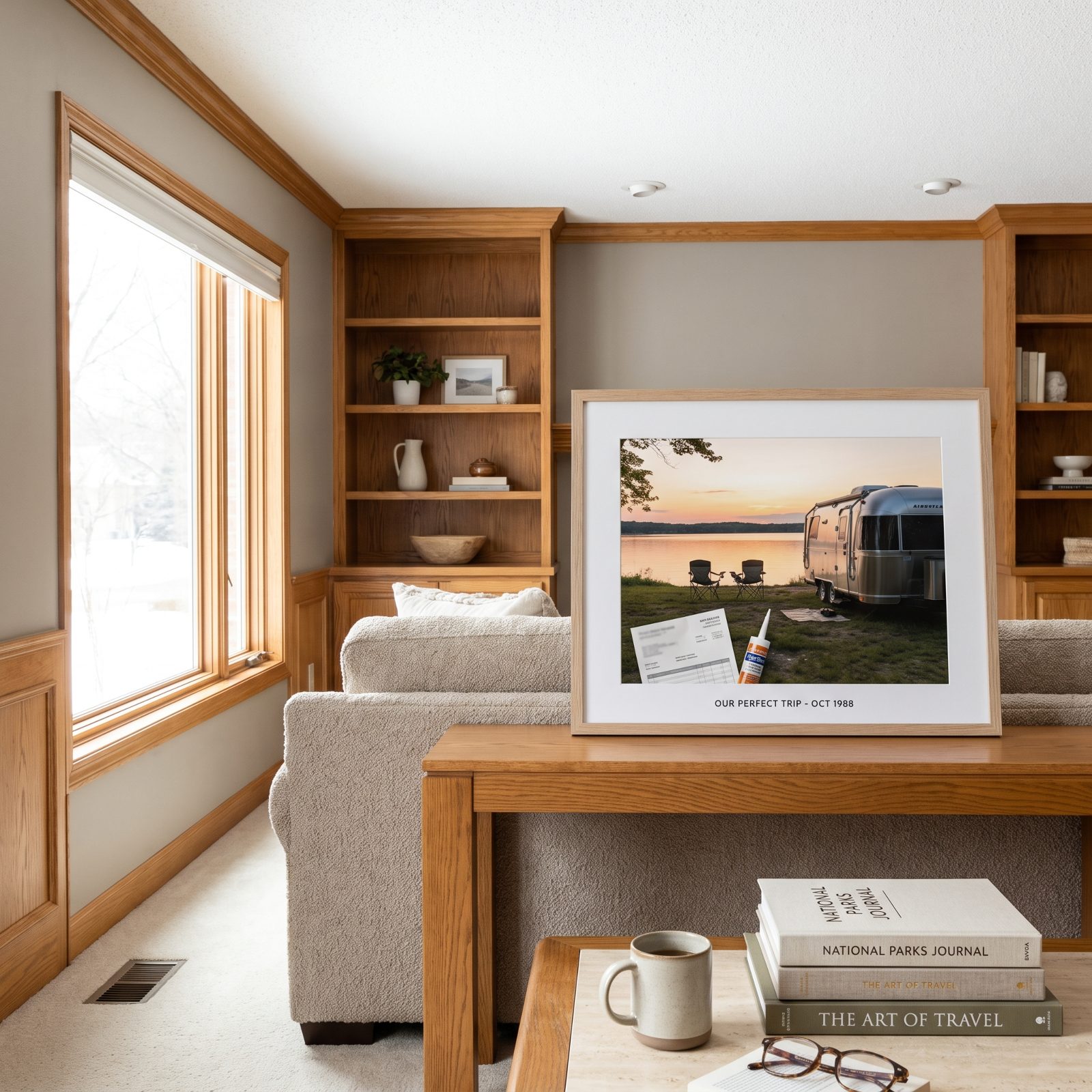
Ask about the RV and you’ll tell the lake story — the sunset, the campfire, the morning the fog lifted off the water. You will not lead with the three service visits, the slide motor that died in a parking lot, or the weekend you spent flat on your back resealing the roof.
Same highlight reel every long relationship keeps. We remember the peak and the ending and smooth right over the dull, difficult middle.
Researchers have a name for it: the peak-end rule. We judge an experience by its most intense moment and how it wrapped up, not by the sum of the ordinary days. One perfect lake morning can outvote a dozen frustrating ones in memory — which is lovely, and also a terrible way to decide whether to keep the thing.
The lake morning was real. So were the three repairs. Your memory just gave them wildly different weights.
1. You Blame The Motorhome For Hating Full-Time Travel
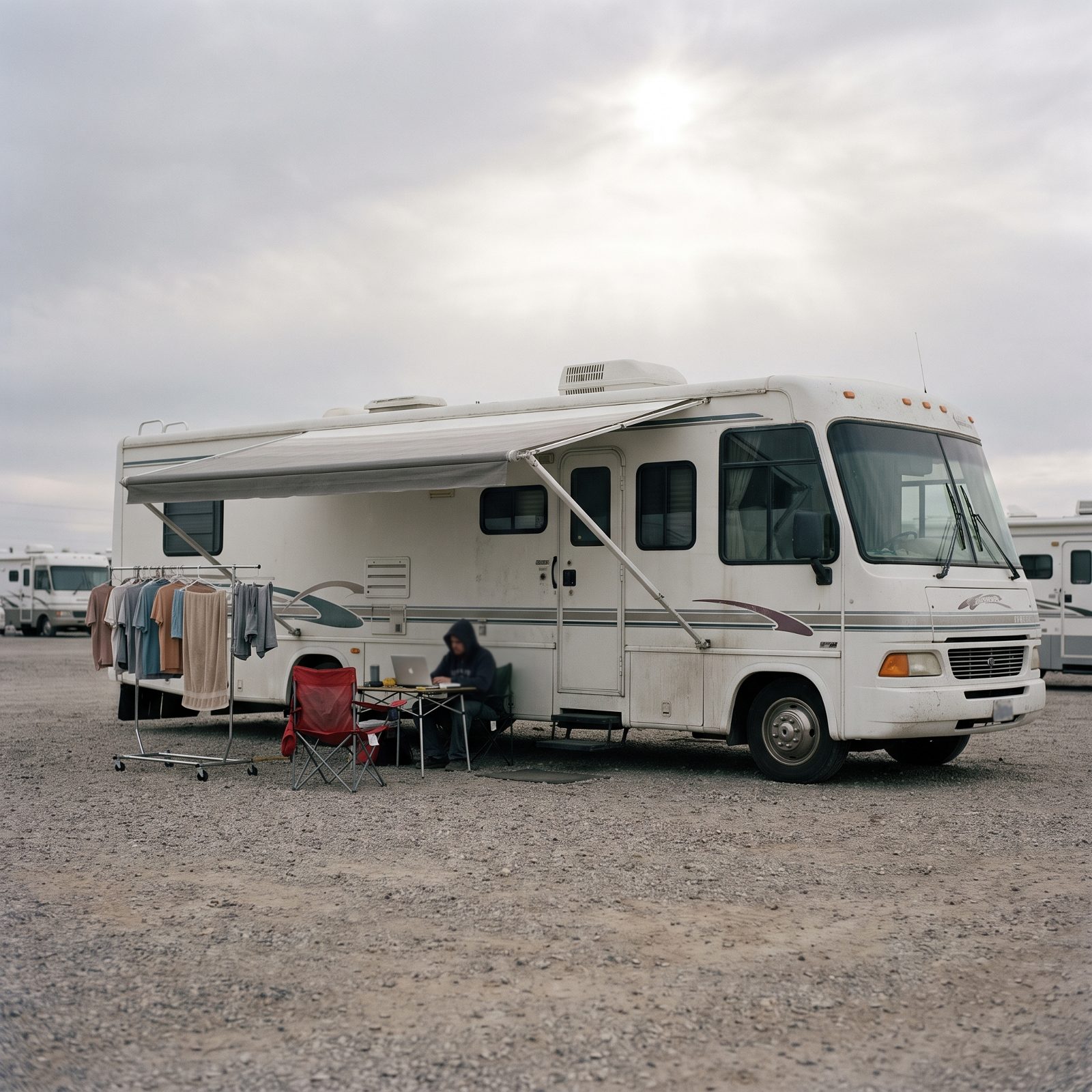
Six months into full-timing and you’re restless, cramped, worn out by the dump station ritual. The easy conclusion is the wrong RV. If only you had the diesel pusher, the bigger slides, the washer-dryer, you’d love this life.
Maybe. Or maybe the rig isn’t the problem and a part of you just doesn’t want to live in 300 square feet on wheels, no matter how nice those square feet get.
Oldest move in the book. We pin a feeling of general discontent onto the nearest fixable object because it’s easier than questioning the whole arrangement. Pointing at the motorhome keeps the harder question at arm’s length.