
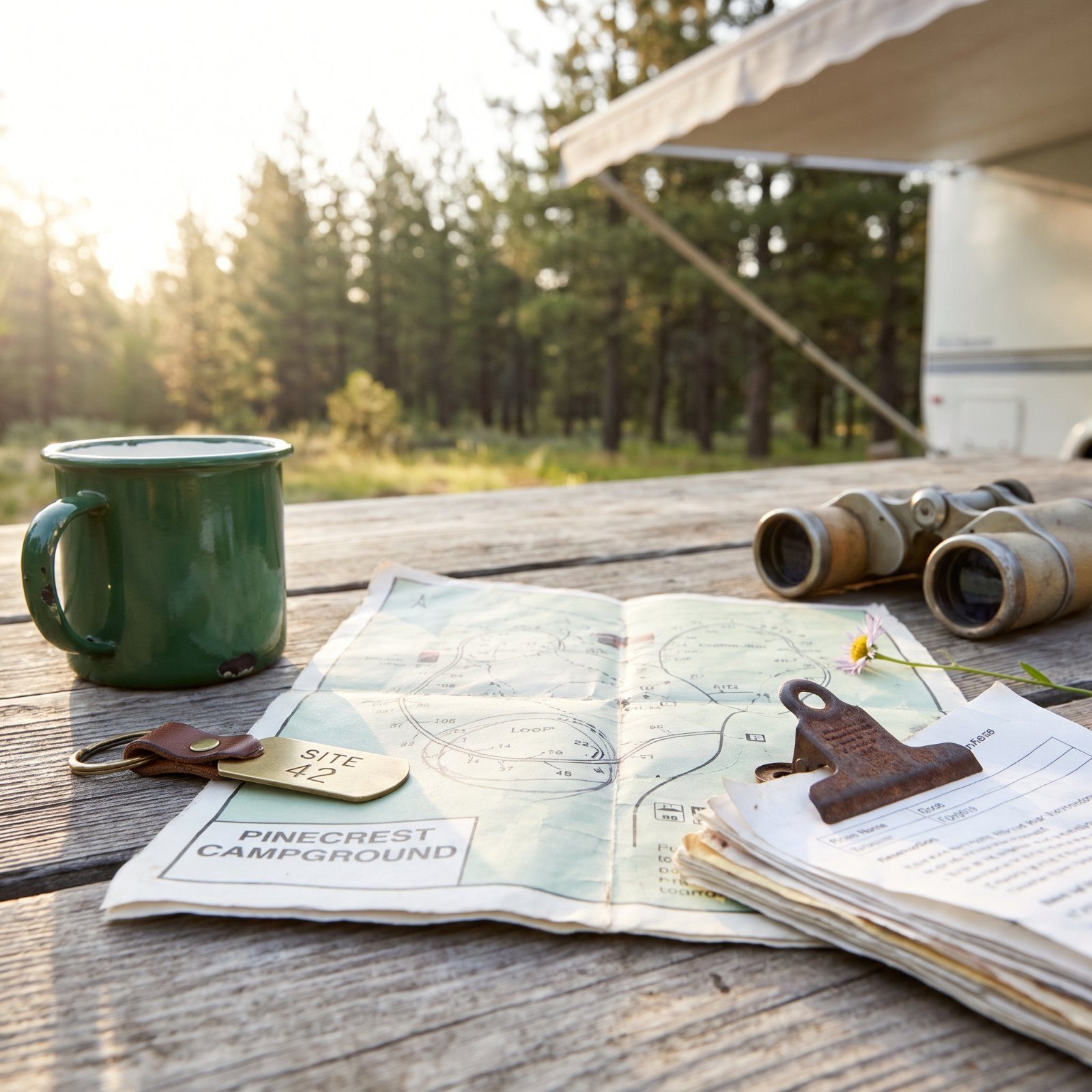
You already know the turnoff by heart. The dip in the gravel that’ll scrape your hitch, the one loop that floods, the picnic table with the wobbly leg. You swore last fall you’d try somewhere new this year, and then spring came, the reservation window opened, and your thumb moved before your brain did. We’ve all done it. There’s a campground out there that has you the way an old flame does, and the pull runs on the same wiring, just aimed at a fire ring instead of a phone number. Comfort reads as safety. Familiar reads as home. What follows are the small, funny, true parallels between returning to the campsite you can’t quit and rekindling the relationship you keep circling back to. You’ll recognize yourself in at least a few.
Please note that some of the images in this article were created with the assistance of AI.
19. Your GPS Suggests the Old Campground and You Surrender
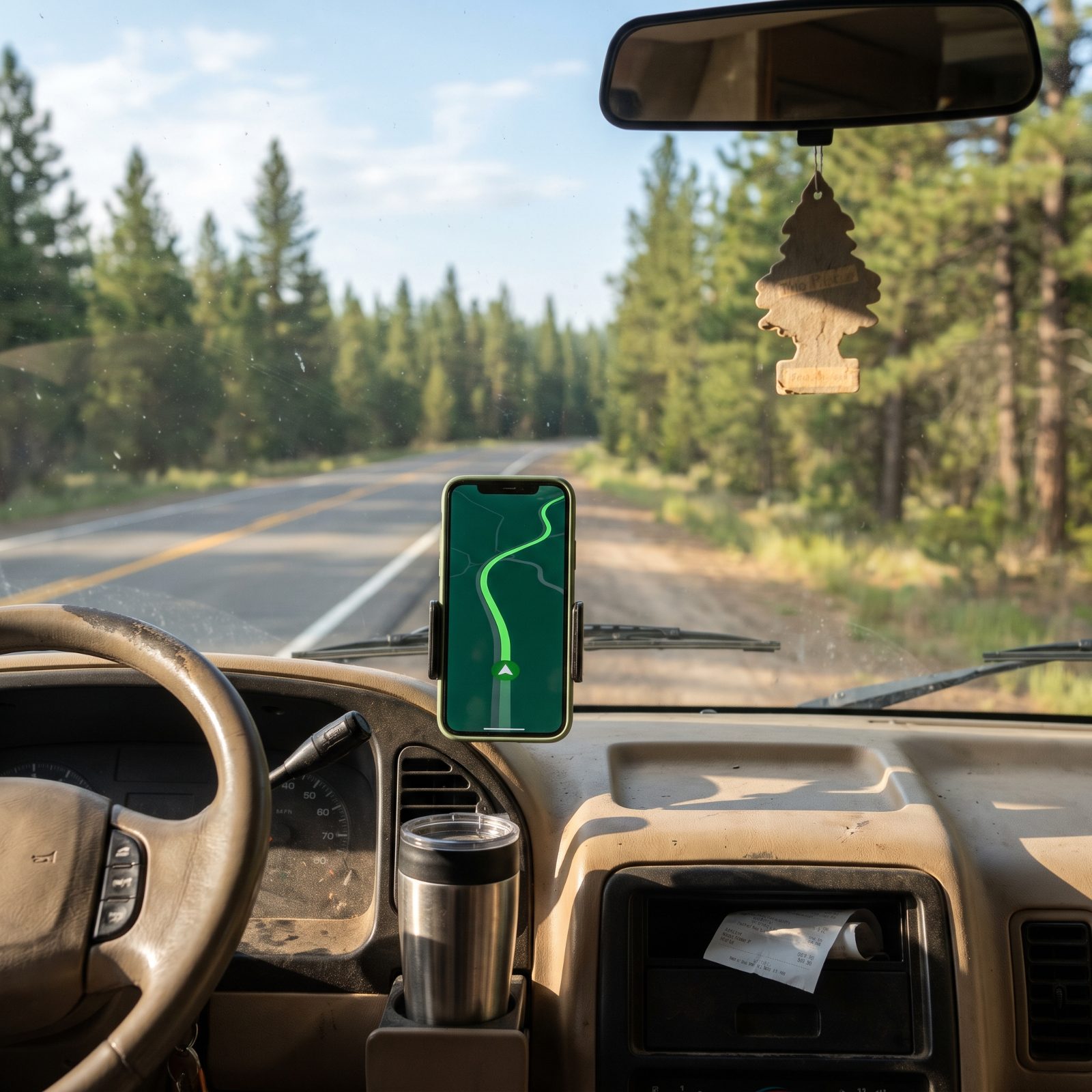
You open the app meaning to be adventurous. Somewhere coastal, maybe. Somewhere with a brewery nearby and no history. Then the autocomplete fills in the name of the same place you’ve gone for years, the route loads in under a second, and you feel your shoulders drop. Sold. You surrendered before you fought.
Same reflex that puts an old flame’s name back in your phone at eleven at night. The path is already carved. Your brain treats the familiar choice as lower-risk because it demands no new learning and no fresh disappointments to catalog. Psychologists call it the mere-exposure effect, the way we come to prefer what we’ve already seen simply because we’ve seen it. The road you know feels safer than the road you don’t, even when you have no idea what’s actually waiting at the end of either.
18. You Know Which Site Gets Shade by Three
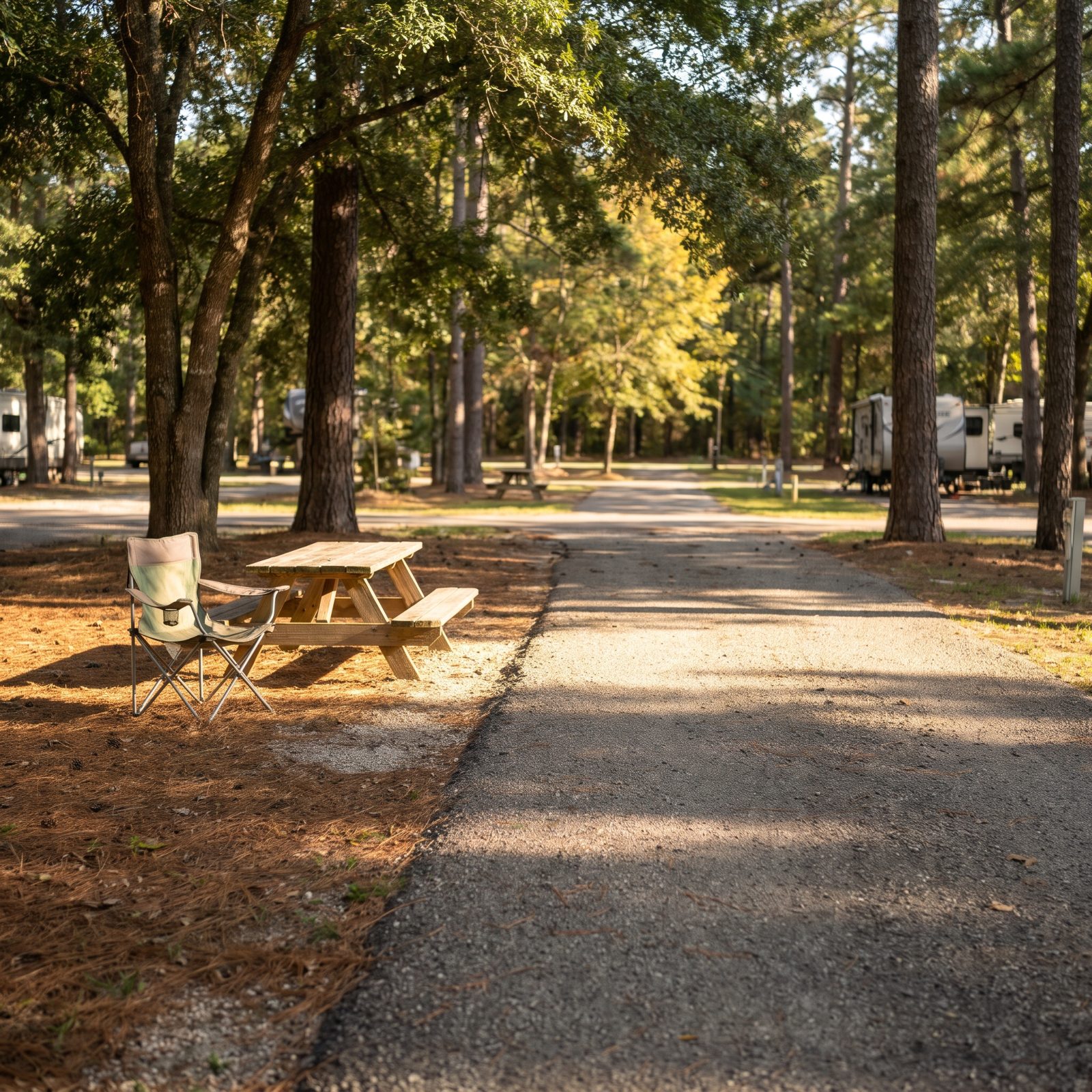
There’s a specific satisfaction in knowing site 14 bakes until noon but goes cool and green by three, and that the one everybody fights over online actually catches afternoon glare straight in the awning. You earned that mental map over many summers. Nobody can tell you one thing about this place you don’t already feel in your bones.
Same intimacy you have with a person you’ve loved more than once. You know their moods by the hour, when they go quiet, when they turn warm, which topic will torch the whole evening. That hard-won knowledge is genuinely valuable. It’s also the exact thing that keeps you from ever starting fresh with someone, or somewhere, new.
17. One Perfect Waterfront Weekend Forgives Five Mosquito Disasters
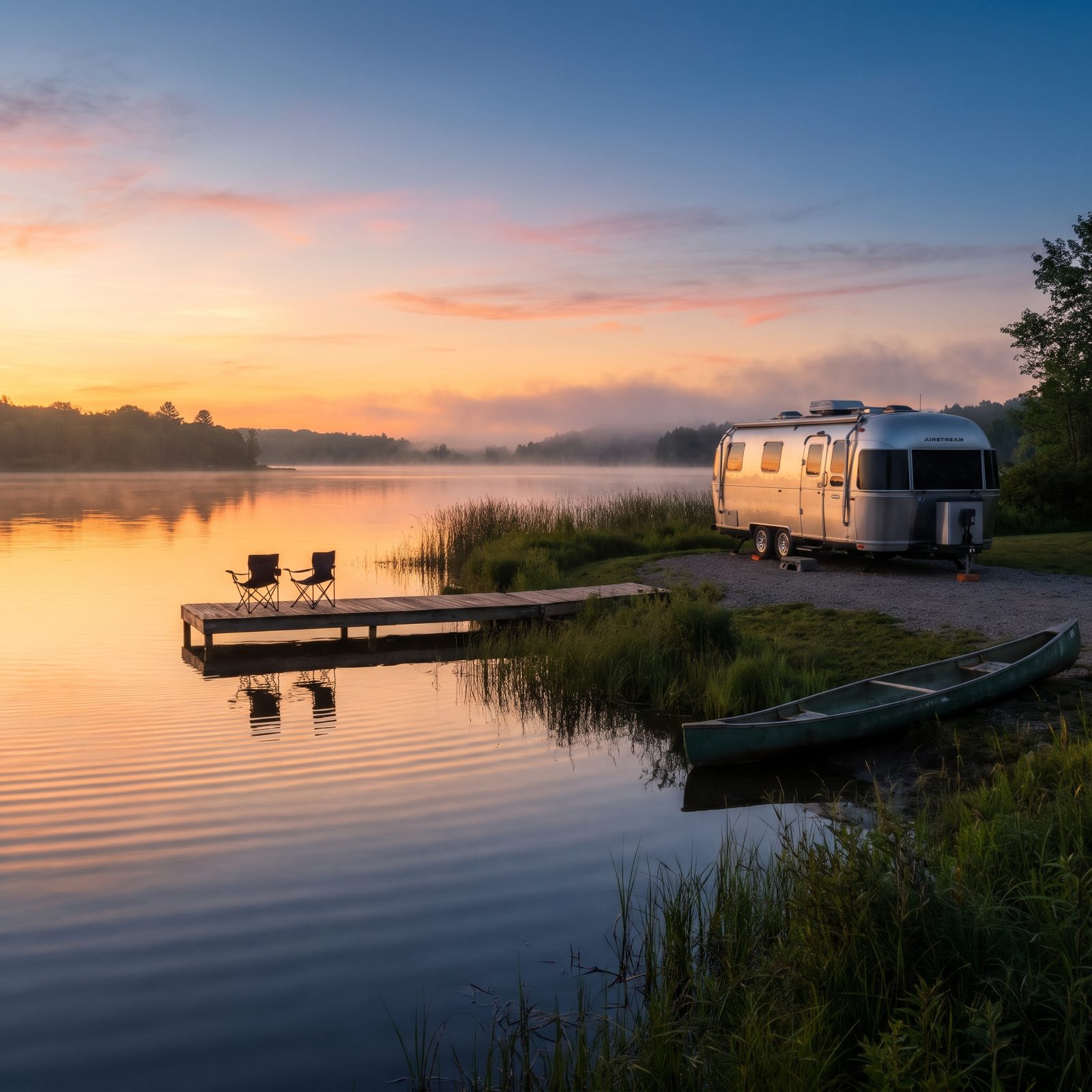
The weekend the lake went mirror-flat at sunset, when the fish were biting and the kids caught fireflies and the whole sky turned the color of a peach — that one lives in your memory rent-free. It’s why you keep coming back. Never mind the trip the bugs ate you alive, or the time the bathhouse was closed, or the rainy stretch you spent trapped inside playing cards. One golden evening quietly cancels a long list of grievances.
You’ve run the same math on a person. One perfect night gets replayed so many times it drowns out the three bad months around it. Our memories don’t average experiences; they anchor to the peaks. The peak-end rule says we judge the whole thing by its best moment and how it ended, not by the slog in the middle. Generous, sure. It’s also how you end up back somewhere that burned you.
16. Your First Campfire There Keeps Improving With Age
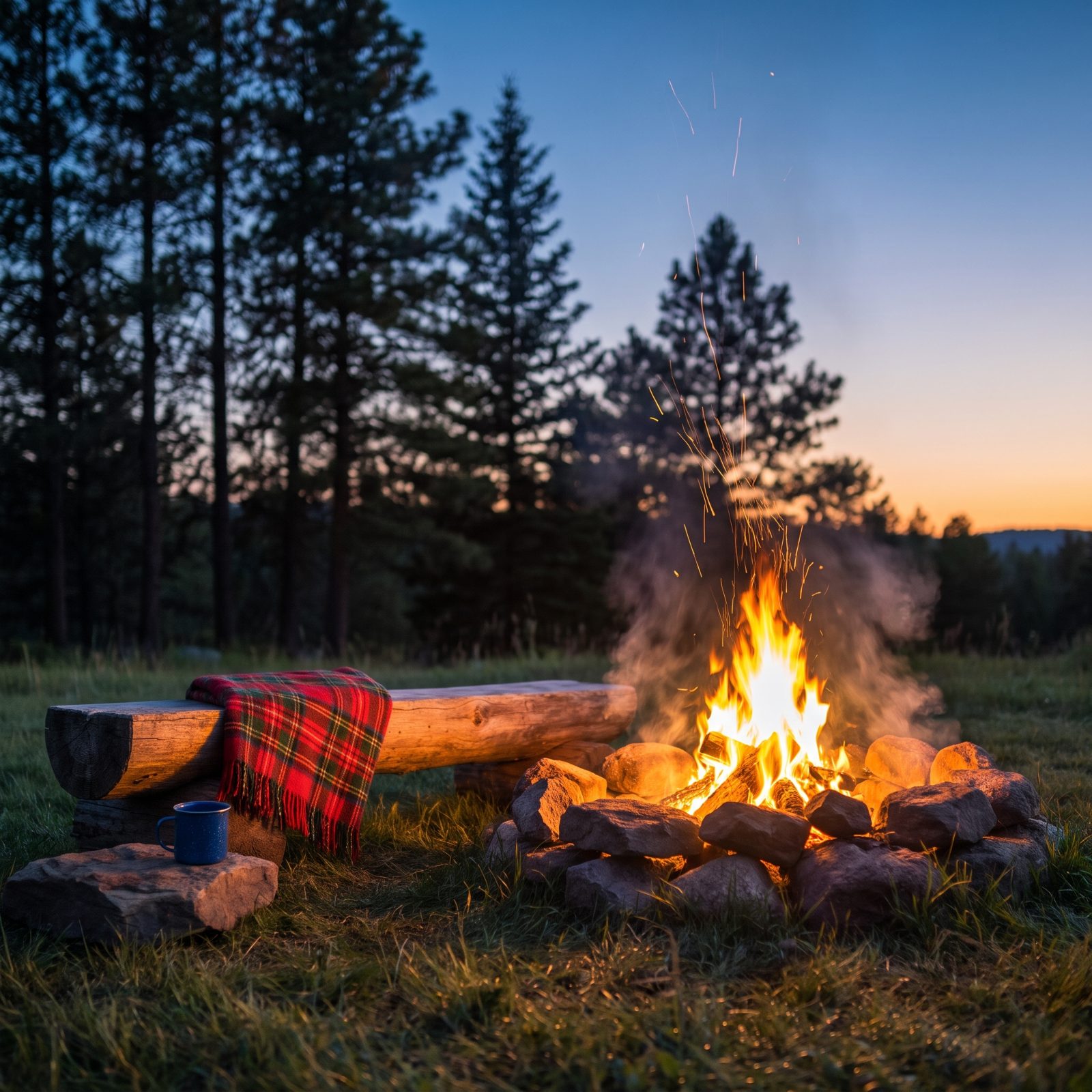
Ask yourself honestly whether that first fire was really as good as you tell it. The one from years back, the perfect marshmallow, the shooting star, everybody laughing. Each retelling, the fire gets a little warmer, the night a little clearer, the whole scene a shade more cinematic than it likely was.
Nostalgia is a ruthless editor. It cuts the smoke in your eyes, the damp wood, the argument over who forgot the lighter. What’s left is a highlight reel so good the real place can never quite match it. Same trick that makes an old relationship shimmer in hindsight, the hard parts sanded smooth until all that’s left is a version that never actually existed. You’re not going back to the campground. You’re going back to the memory of it, hoping it still fits.
15. The Camp Host Remembers Your Rig, and That Matters
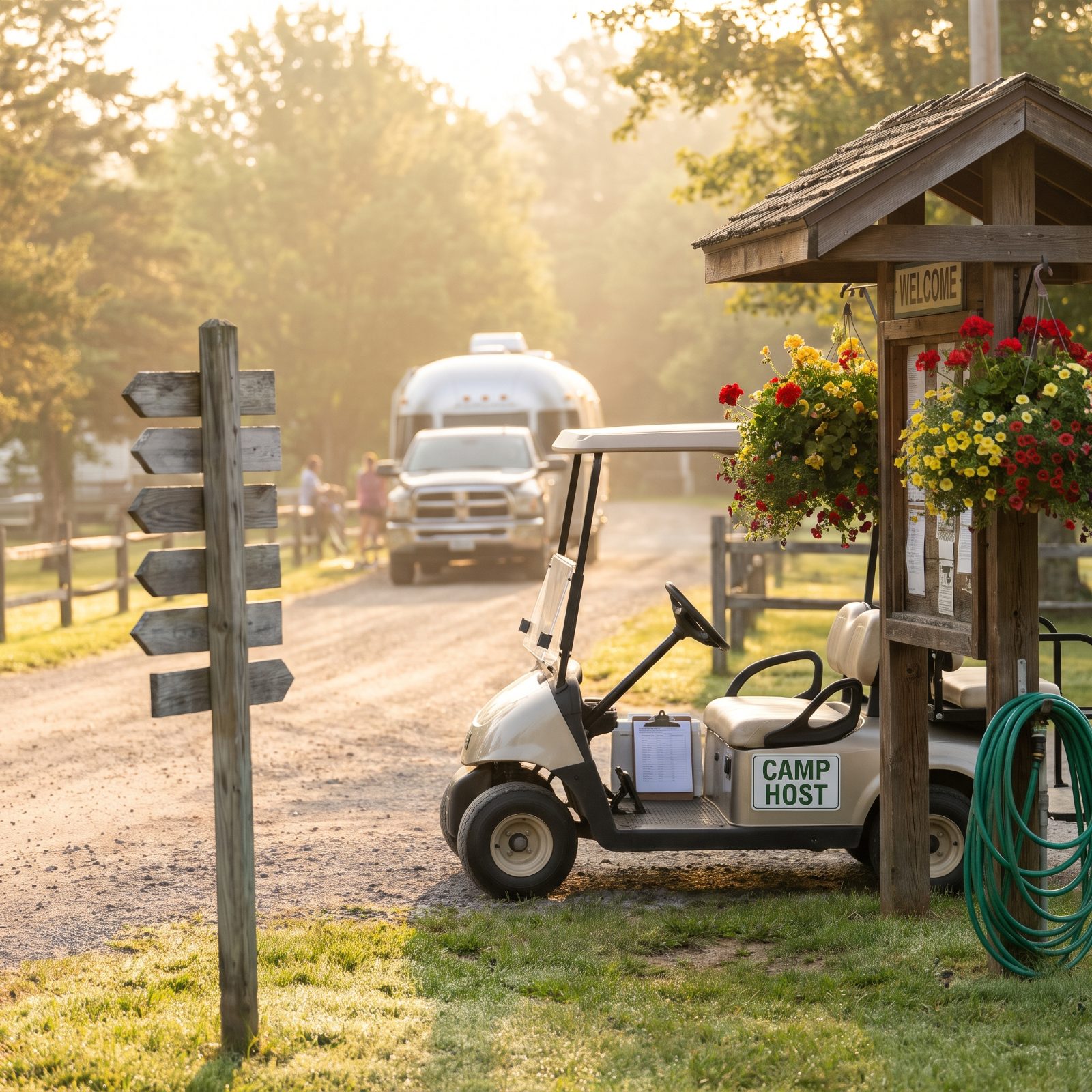
You roll up to the gate and the host squints, then grins, then says something about your awning or your dog or the year you got here during that storm. They remembered you. Not a reservation number. You. Something in your chest goes soft and warm, and any thought of trying a new place that weekend quietly evaporates.
Being known is a powerful drug, and it’s a big part of why people drift back to an ex: the relief of not explaining yourself from scratch, the comfort of walking into a room already understood. Belonging and recognition light up the same reward circuitry as a lot of what we call love. The catch is that being remembered and being happy aren’t the same thing. A place can greet you warmly by name and still not be where you’d pick, if you were picking fresh.
14. Your Camping Friends Book It, So You’re Back Too
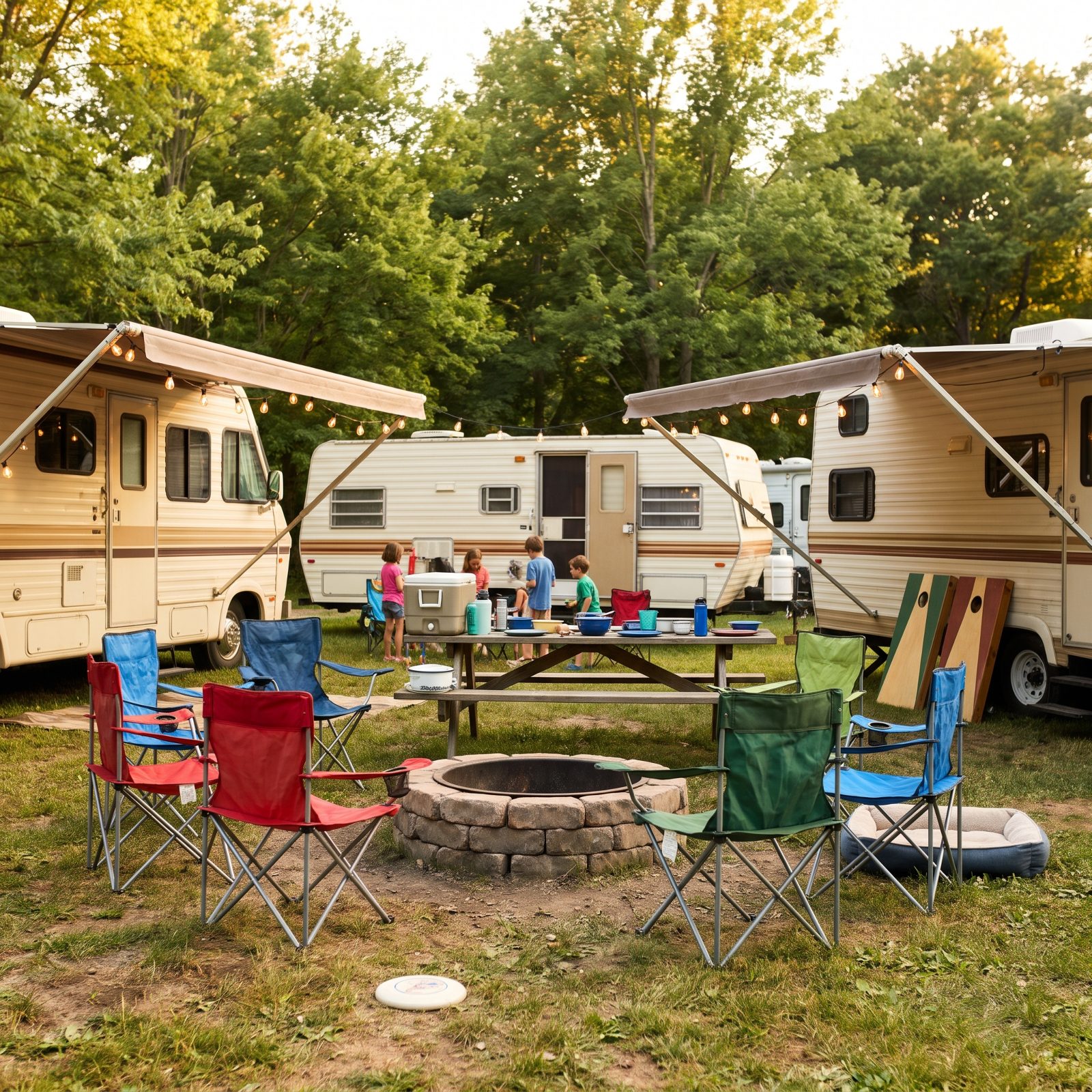
How it actually happens: the group text lights up in February. Everyone’s already counting on the big loop, the same one as always. You weren’t planning to go back, but not going means missing everyone, and missing everyone is unthinkable. So you book the usual site yourself and fire off the message, and it isn’t really a question. It’s a schedule. The campground chose itself.
Social proof runs the show here. When the people we trust all point the same direction, our own preference quietly folds into theirs. It’s why a couple stays together long past the expiration date — all their friends are couple-friends, and breaking up means breaking up a whole social world.
You’re not loyal to the campground. You’re loyal to the people who happen to go there.
Which is lovely, honestly. Just worth knowing the difference, because one of those things could happen anywhere and the other can’t.
13. Every New Campground Gets Compared to That Pull-Through
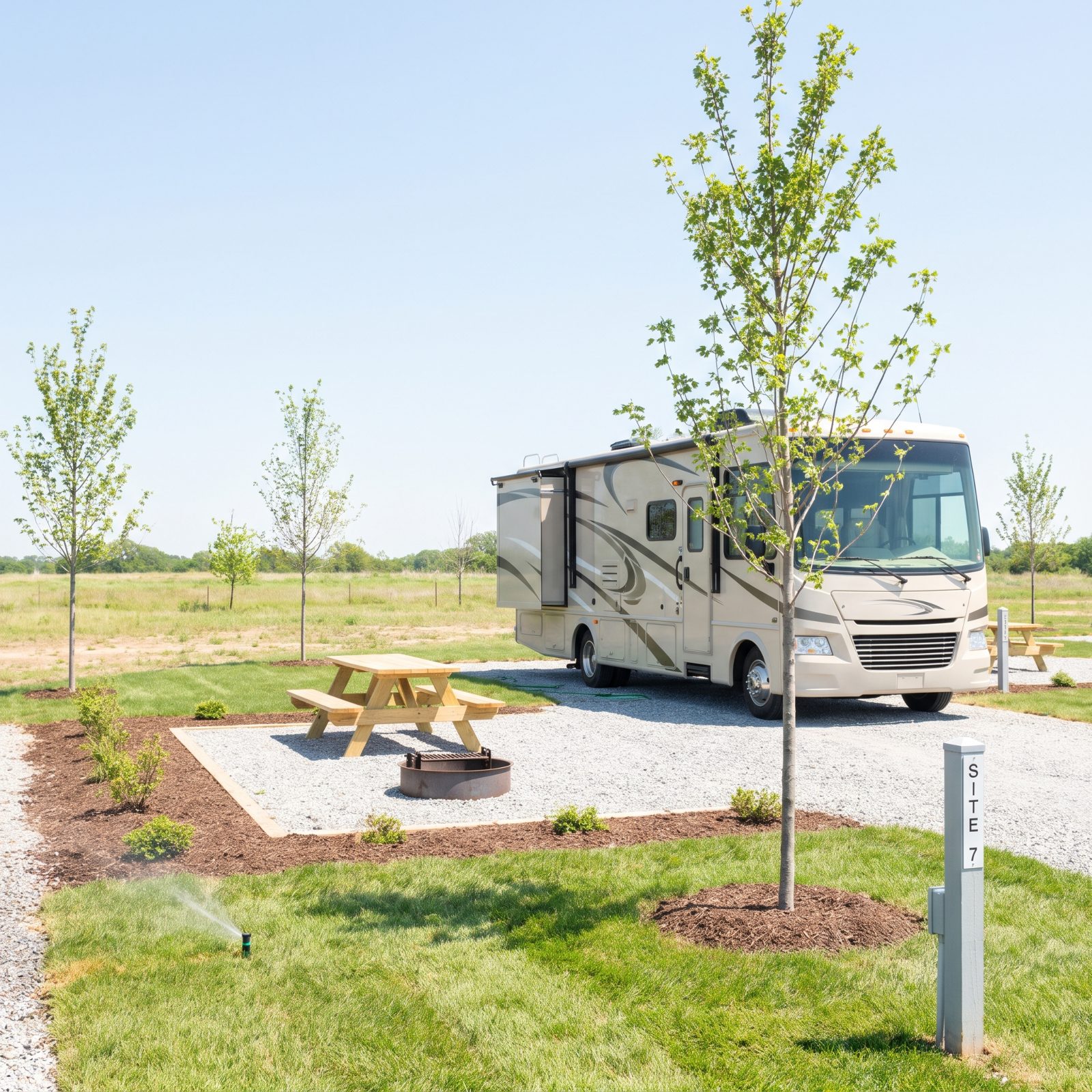
You finally try somewhere new. Big level pads, clean bathhouse, friendly check-in. And you spend the entire weekend running a silent comparison. The trees aren’t as tall. The lake’s farther from the sites. The pull-through back home is longer, easier, better. By Sunday the new place has lost a contest it never knew it entered.
Every new candidate gets measured against the one you already know, and the incumbent always carries nostalgia and familiarity on its scorecard. That’s precisely why people struggle to move on from an ex. Each new date is auditioning against a memory polished for years, and memory doesn’t play fair. The comparison is rigged before the other place, or person, says a single word.
12. Known Bad Wi-Fi Feels Safer Than Mystery Hookups
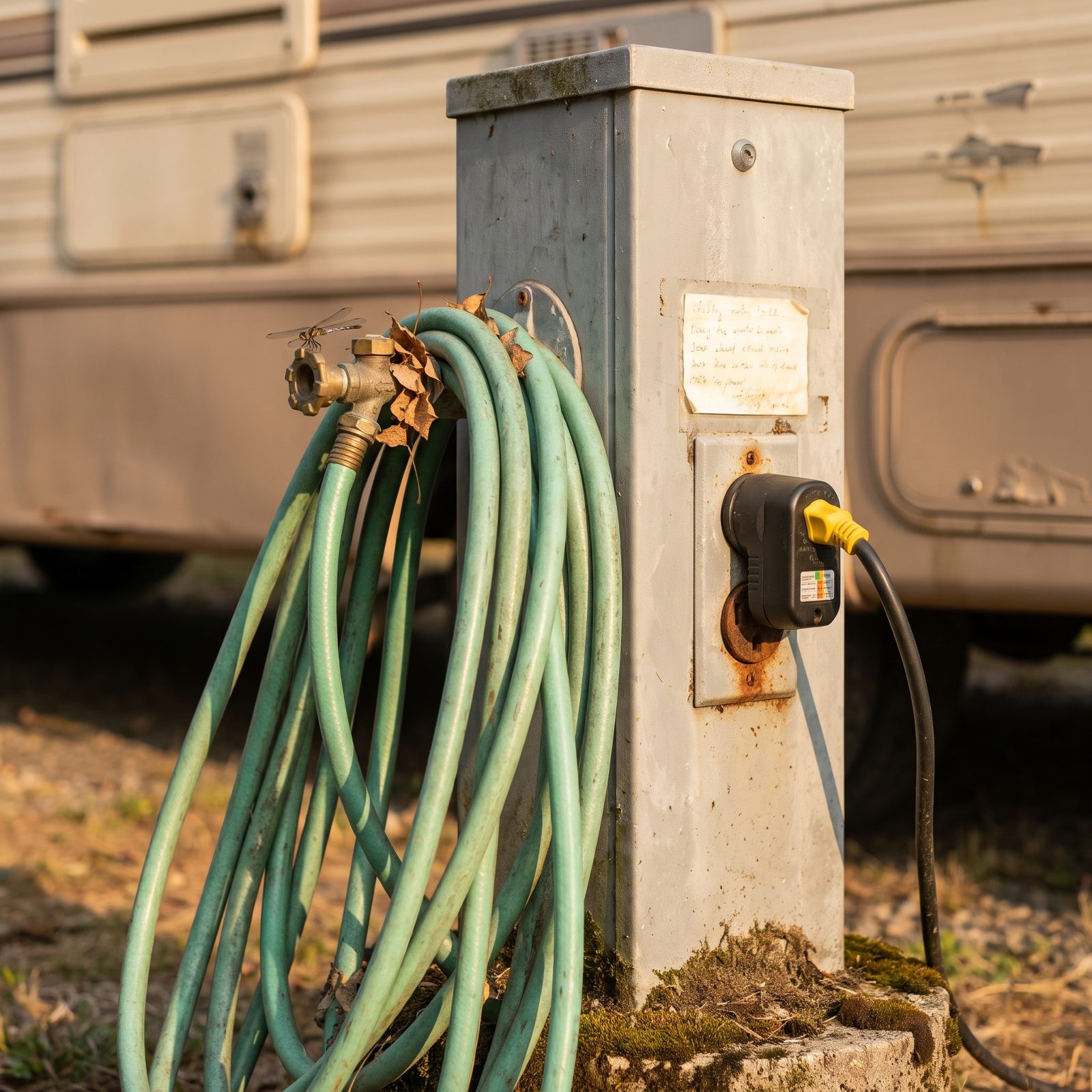
The Wi-Fi at your usual spot is useless, you know it’s useless, and you’ve made your peace with it. Weak water pressure. A dump station line that backs up every Sunday like clockwork. But you know all of it cold. A new campground might have perfect Wi-Fi and 50-amp everything, or it might hand you some surprise that wrecks your weekend, and that uncertainty scares you more than a flaw you’ve already mapped.
We’ll take a known problem over an unknown one almost every time. Loss aversion makes a possible new disappointment feel heavier than a familiar annoyance we’ve already absorbed. It’s why people stay in relationships whose problems they can recite by heart. The devil you know costs you nothing in surprise, and that’s the whole dangerous appeal.
11. Those Loyalty Points Make Leaving Feel Like Wasted Years

You’ve got the membership, the points, the near-full punch card that’s one stay short of a free weekend. Starting over somewhere new means walking away from all of it, and it feels less like a choice and more like flushing years of accumulated value down the drain.
Sunk-cost fallacy in a camp vest. The money and time you’ve already spent are gone no matter what you do next, yet your brain treats them like a reason to keep going. Same logic that keeps people in relationships out of sheer accumulated history, as if the years invested were a deposit you’d forfeit by leaving.
Here’s the uncomfortable truth: past investment tells you nothing about future happiness. Those points are sunk whether you rebook or not. The only question that actually matters is whether you want to be there, and that one has nothing to do with the punch card.
10. A Sold-Out Weekend Makes the Place Irresistible Again
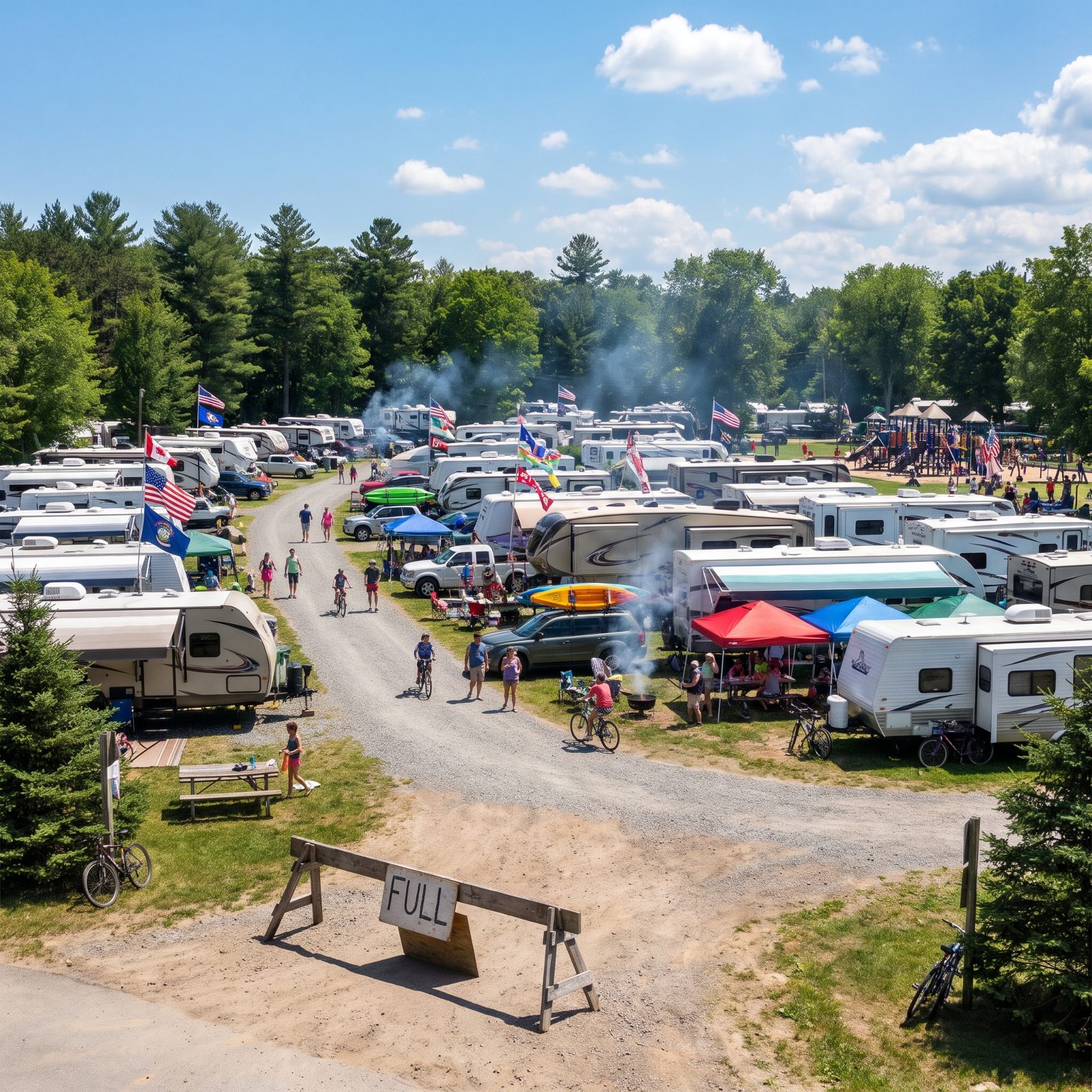
Nothing resets your devotion to a campground like finding out you can’t get in. You check the reservation site casually, maybe half-eyeing somewhere else, and the whole loop is booked solid for the weekend you wanted. Suddenly that place is the only place. You’re setting alarms for cancellation openings. You want it ten times more than you did an hour ago.
Scarcity flips a switch in us. The second something feels like it might slip away, we want it harder, whether or not it got any better. Oldest move in the book, and exactly why people chase an ex most desperately right after that person starts pulling away. We confuse being wanted by others, being hard to get, with being worth having.
9. You Swear You’re Done, Then Check for Cancellations

You said it out loud this year — you’re trying somewhere new. Fresh scenery, new trees, a lake you’ve never dumped a tank near. And then, around nine on a Tuesday, you open the reservation site and refresh the calendar for a place you claimed you were over.
It’s the exact move of texting an old flame at midnight to see if anything changed. Nothing changed. You just wanted to look. The behavior has a name: intermittent reinforcement. When a reward shows up unpredictably — a surprise cancellation here, a loyalty renewal there — the brain lights up harder than it does for a sure thing. The maybe is the drug.
So you tell yourself you’re only browsing. You are not booking. You are absolutely browsing with your thumb hovering over confirm.
8. The Discount Email Arrives Right After You’ve Moved On
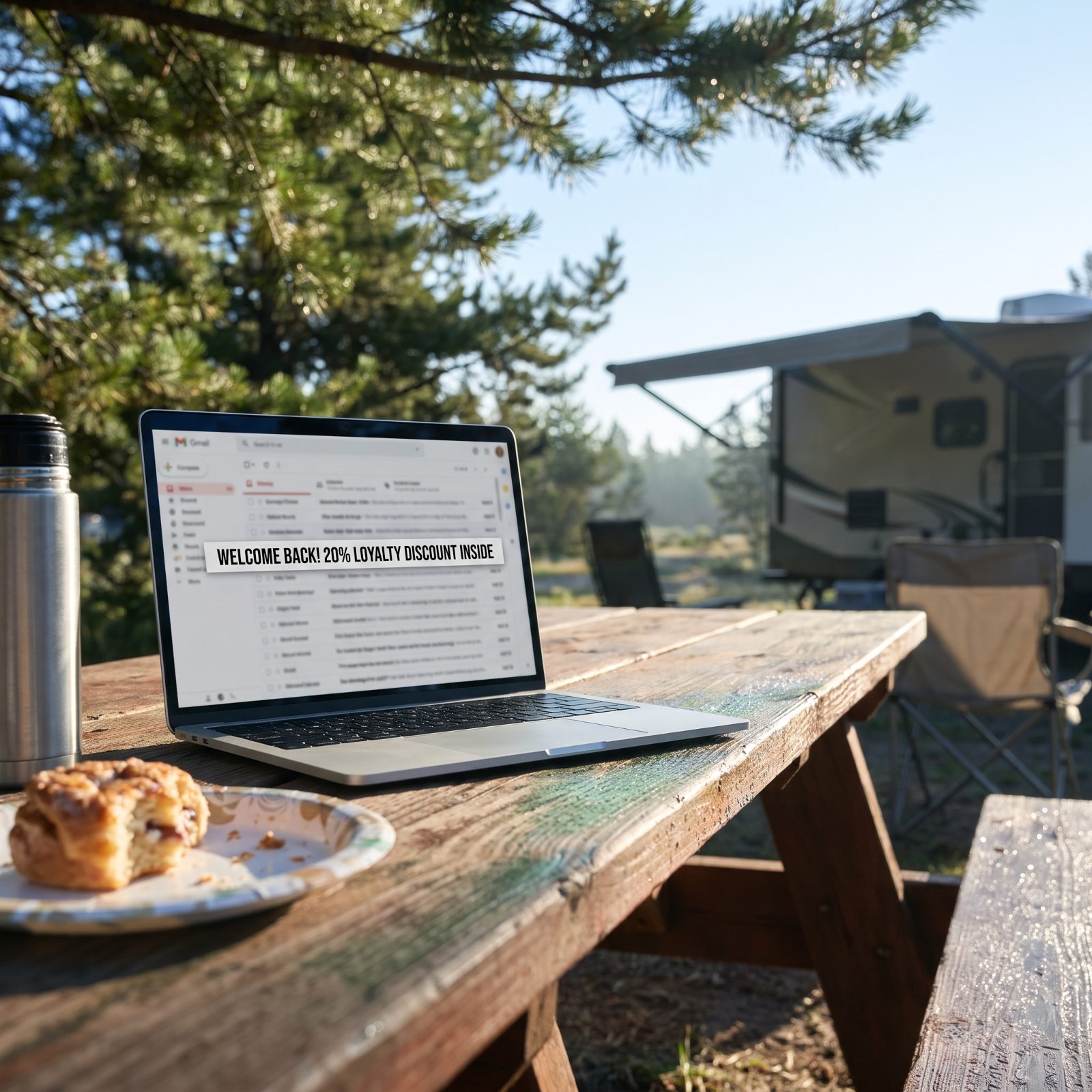
Finally. You booked the new place, and you even unpacked emotionally. Then your phone buzzes with a subject line from the old campground: come back, here’s twenty percent off, we miss you.
The timing is never random, and it’s never innocent. An old relationship pulls the same stunt the week you start feeling fine — the good memory, the generous gesture, the sudden attention right as you drift away. Marketers and old flames both understand loss aversion. The pull of what you’re leaving feels sharper than the appeal of whatever’s ahead. You don’t want the discount. You want permission to not have moved on.
And twenty percent off a place you loved hits different than full price on a place you’re unsure about. The math isn’t really math. It’s nostalgia wearing a coupon.
7. You Keep Believing They’ll Finally Fix the Showers

The showers are bad. You know they’re bad — lukewarm, one stall with a door that latches, water pressure best described as encouraging. Every year you tell yourself maybe they renovated over the winter.
They did not renovate over the winter.
This is the oldest trick your own brain plays, in campgrounds and in relationships: you fall for the potential instead of the reality. You’re not booking the place as it is. You’re booking the version you keep hoping it’ll become. Call it sunk cost trap with a dash of optimism bias. You’ve sunk so many summers into it that admitting the showers will always be awful feels like admitting the whole thing was a mistake.
So you pack extra flip-flops, lower your expectations, and go back anyway. The potential is doing all the heavy lifting. The water never is.
6. You Rename the Train Noise “Part of the Atmosphere”
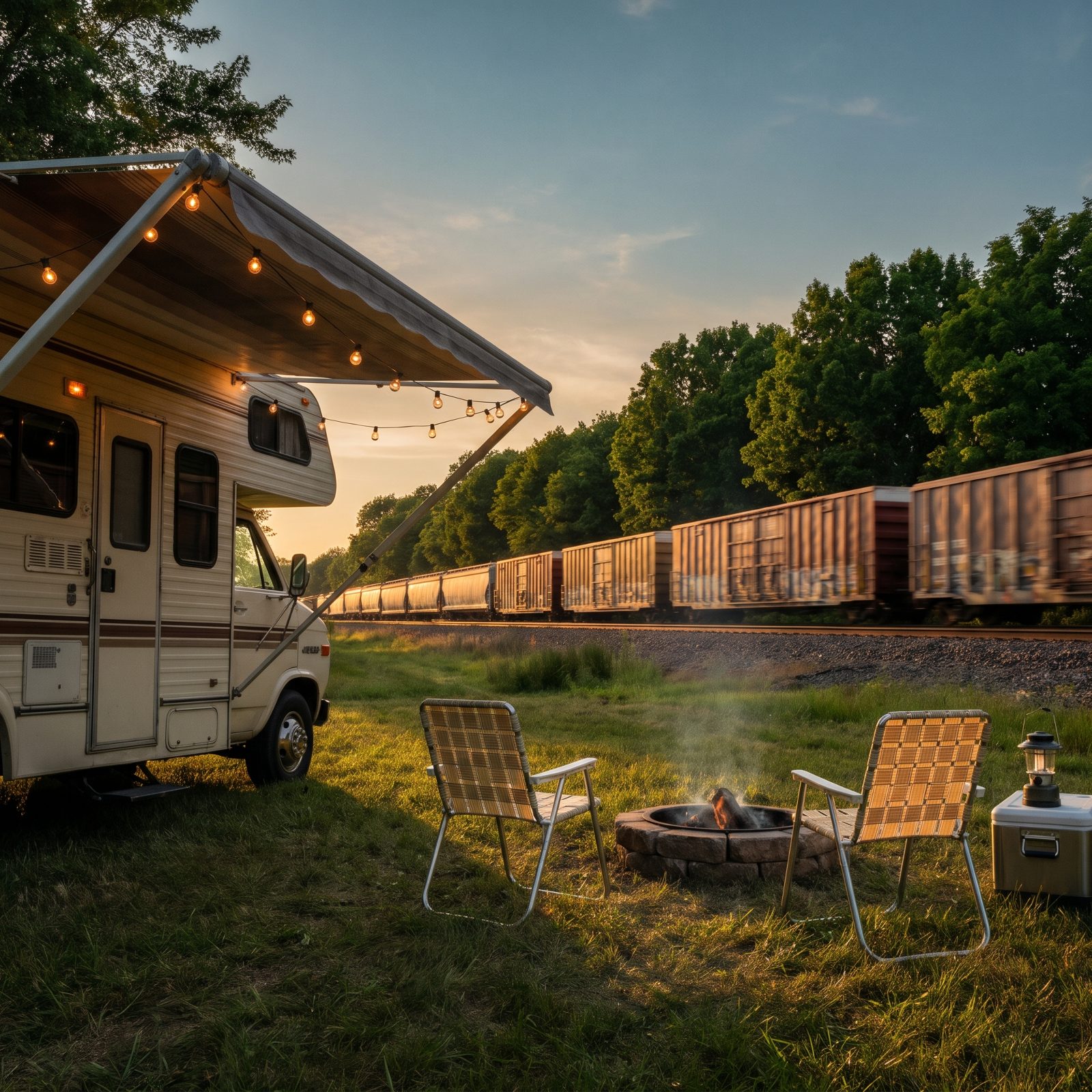
The first year, the 2 a.m. freight train woke you up swearing. By the third year, you’re telling newcomers it’s “kind of charming once you get used to it,” and you’ve started calling it the campground’s character.
You’ve watched someone do this with a partner’s worst habit. The thing that drove you crazy becomes a quirk, then a story, then a point of pride. That’s cognitive dissonance smoothing itself out. You’ve decided to keep coming back, so your brain rewrites the flaw into a feature to make the choice feel reasonable.
Nobody actually loves a train horn at 2 a.m. You just love the place enough to build it a nicer explanation.
5. Your Friday Setup Routine Practically Runs Itself There

You pull into your usual site and your body already knows what to do. Chocks here, leveling blocks there, hookups in order, awning out, chairs angled toward the fire ring. No measuring, no second-guessing, no reading the manual — fifteen minutes and you’re in a camp chair with a cold drink.
Comfort like that is seductive, and it’s exactly why people slide back into a familiar relationship. You already know where everything goes. No awkward small talk, no learning curve, no figuring out which cupboard holds the mugs. Your nervous system reads “familiar” as “safe,” and safe feels an awful lot like right even when it’s just easy.
The new place might be better. Might have bigger pads and a view that doesn’t quit. But it would make you think, and thinking on a Friday after a long week is a lot to ask.
4. That Old Campground Sticker Still Defines Your Whole Rig
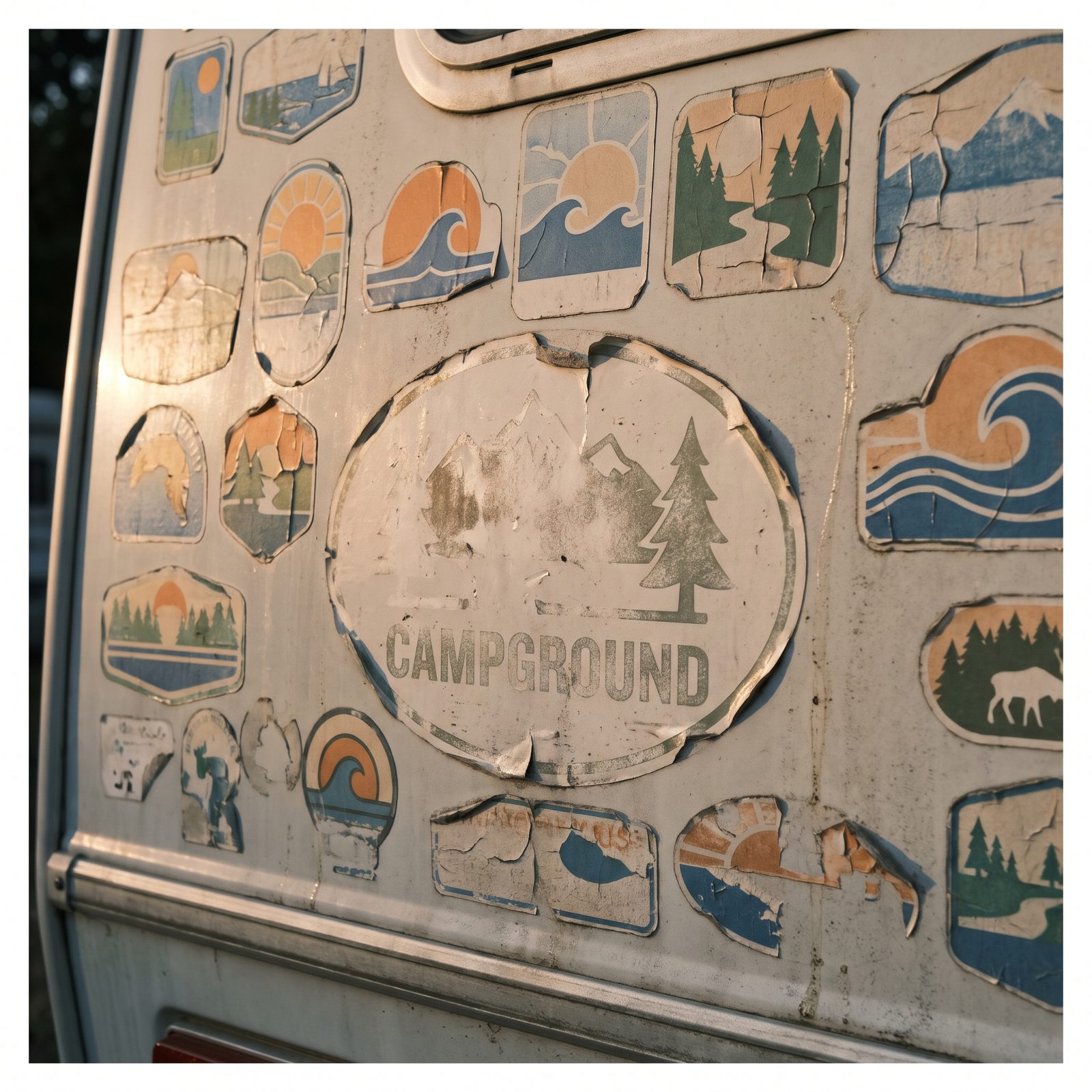
The back of your rig tells a story, and one sticker tells most of it. That faded oval from the campground you first fell for years ago, peeling at the corners now, outlasting newer and prettier decals. People ask about it. You explain it. It’s become part of the rig’s identity, which means it’s become part of yours.
Identity signaling works like this: once a place is stuck to you — literally — walking away costs more than a weekend. It costs a piece of how you see yourself. An old relationship does the same. You stay partly because “a person who goes there” or “a couple who’s been together that long” is who you’ve decided to be.
Peeling the sticker off feels like erasing a chapter. So it stays. And so, mostly, do you.
3. Your Dog Loves That Trail, So Everyone Goes Back
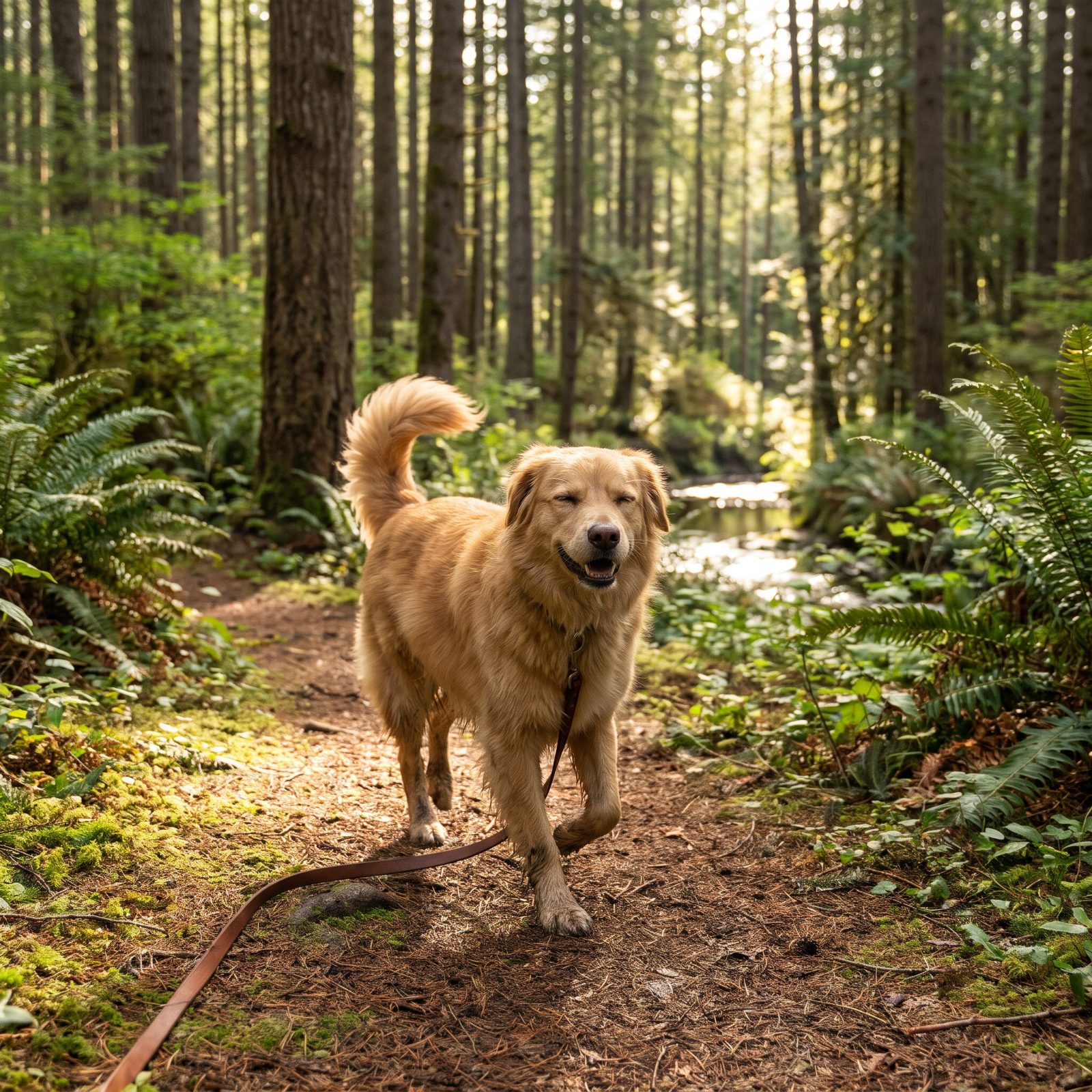
Nobody in the family is especially attached to that campground. Except the dog. He loses his entire mind at the trailhead, remembers every squirrel tree, and sleeps like a rock after. So you go back, every year, for the dog.
It’s a wonderfully honest version of staying for the kids, or for the shared friends, or because breaking up would upset everyone’s routine. You hand the decision to someone who can’t weigh pros and cons, which conveniently lets you off the hook for weighing them yourself.
And honestly? Watching that dog hit the trail beats most reasons you could name. At least he’s genuinely happy to be there.
2. Your Favorite Site Feels Weirdly Like It Belongs to You
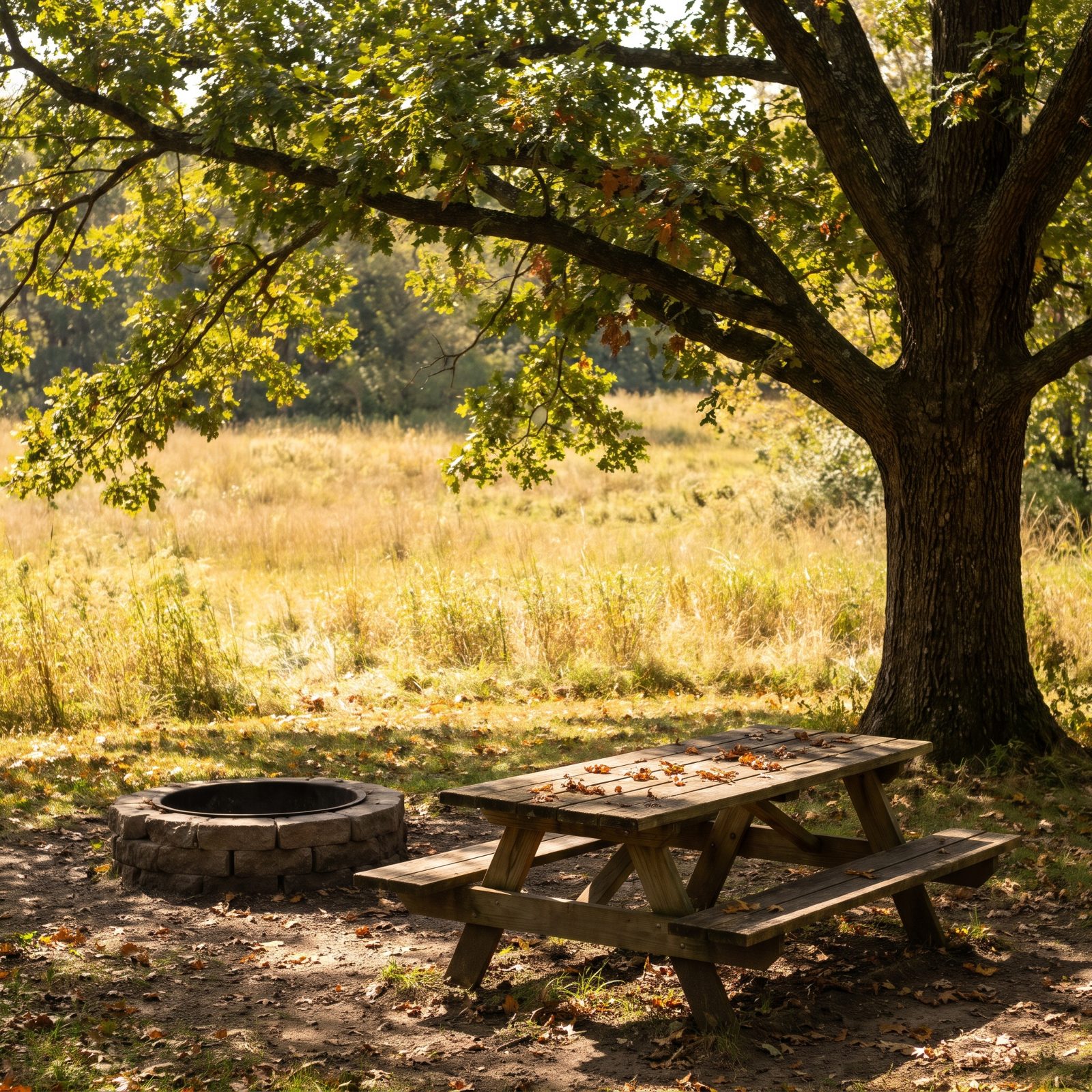
There’s one site. The flat one under the big oak with the best view of the meadow. You’ve stayed on it so many times you feel a flicker of genuine outrage when you pull in and someone else’s rig is parked there. On a site you do not own. That you rent by the night. That is, legally and in every other sense, not yours.
That flicker is the endowment effect. The longer you’ve “had” something — even a public campsite — the more you overvalue it and the more its loss stings. Same irrational ownership you feel over an ex you haven’t dated in years, the twinge when you hear they’re seeing someone new. You let it go. You still feel like it’s yours.
Possession, it turns out, is nine-tenths of the imagination.
1. You’ve Recommended It So Often You Have to Return
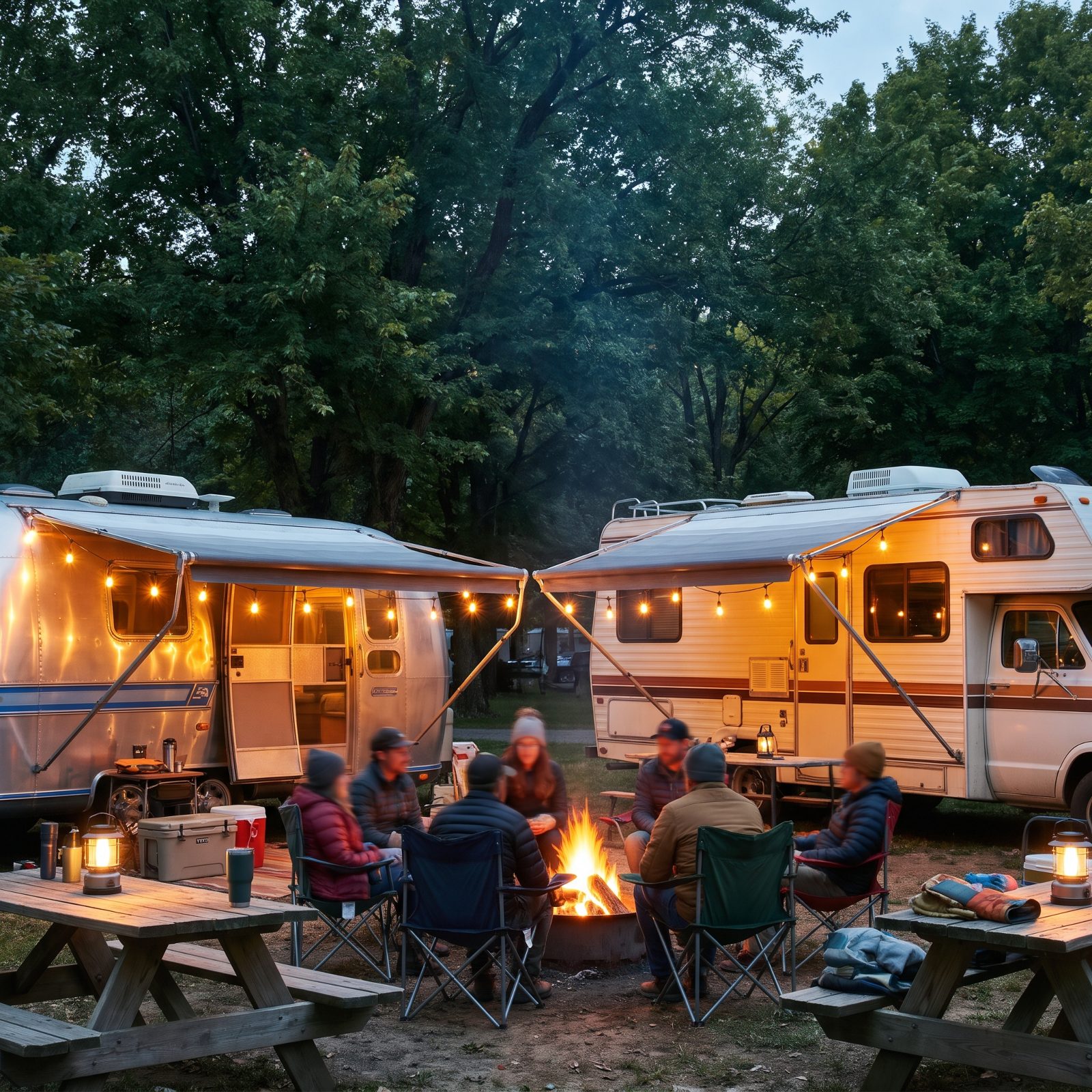
You’ve told everyone about this place. The couple two doors down booked it on your word, and your cousin went because you wouldn’t shut up about the sunsets. You are, at this point, the campground’s unpaid ambassador. Which means you can’t exactly stop going, can you? What would that say?
Commitment and consistency are doing the quiet work here. Once we’ve publicly endorsed something, backing away feels like admitting we were wrong, so we keep showing up to prove ourselves right. Same reason people defend a relationship hardest to the friends they talked it up to. The louder the recommendation, the harder the retreat.
So you return, half because you love it and half because your own mouth wrote a check your weekends have to cash. The good news is the sunsets really are that good. You weren’t lying. You just accidentally signed a lifetime contract.