
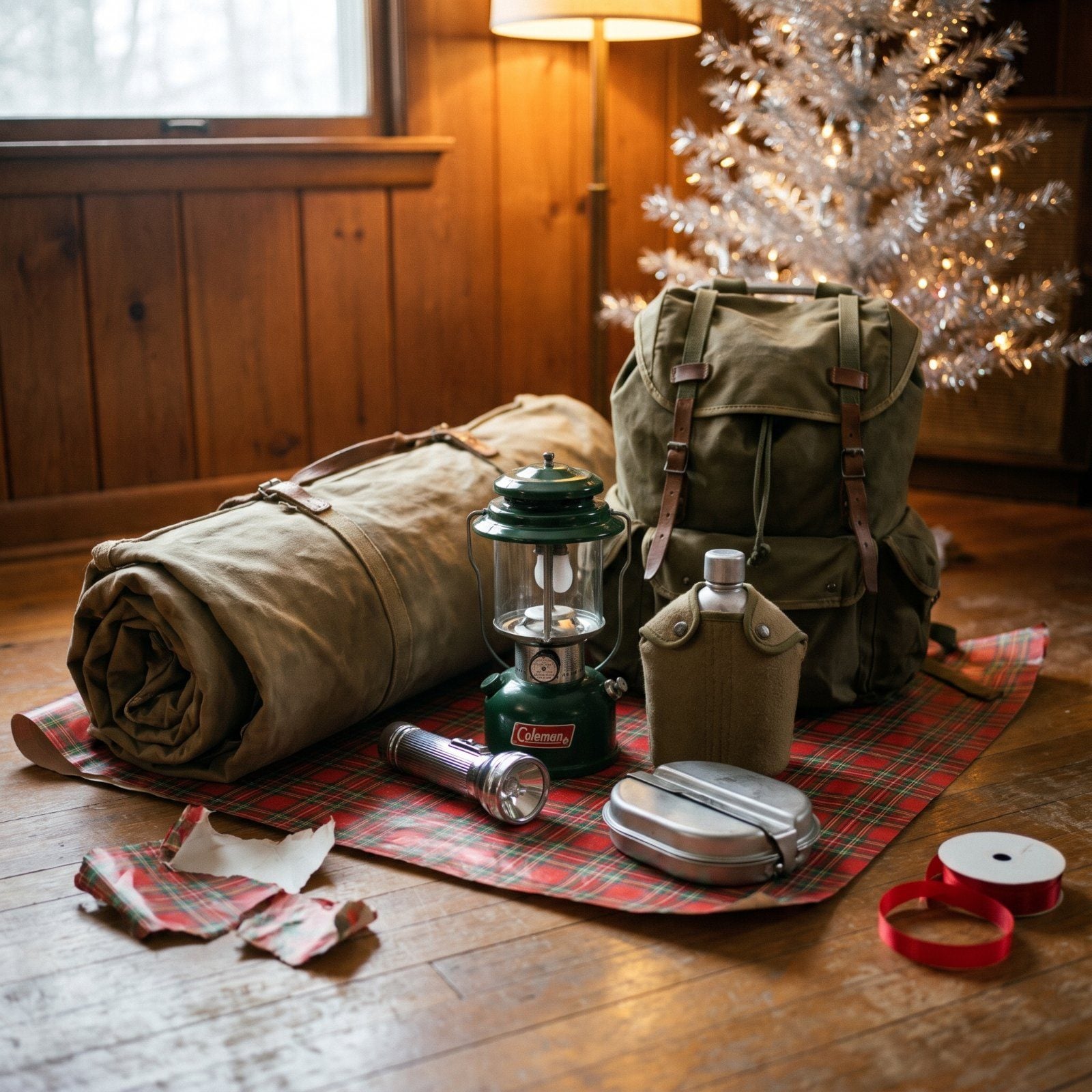
The Sears Wish Book fell open to the sporting goods pages before Thanksgiving dinner had even settled. Not the bikes. Not the GI Joe spread. The camping section, where a kid could stare at a canvas pup tent until the ink smudged under a thumb. That smell of new nylon and painted steel lived in the imagination all December. What follows is the gear that turned a backyard into Yellowstone and made every ten-year-old feel ready for the trail.
Please note that some of the images in this article were created with the assistance of AI.
33. A Canvas Pup Tent of Their Very Own
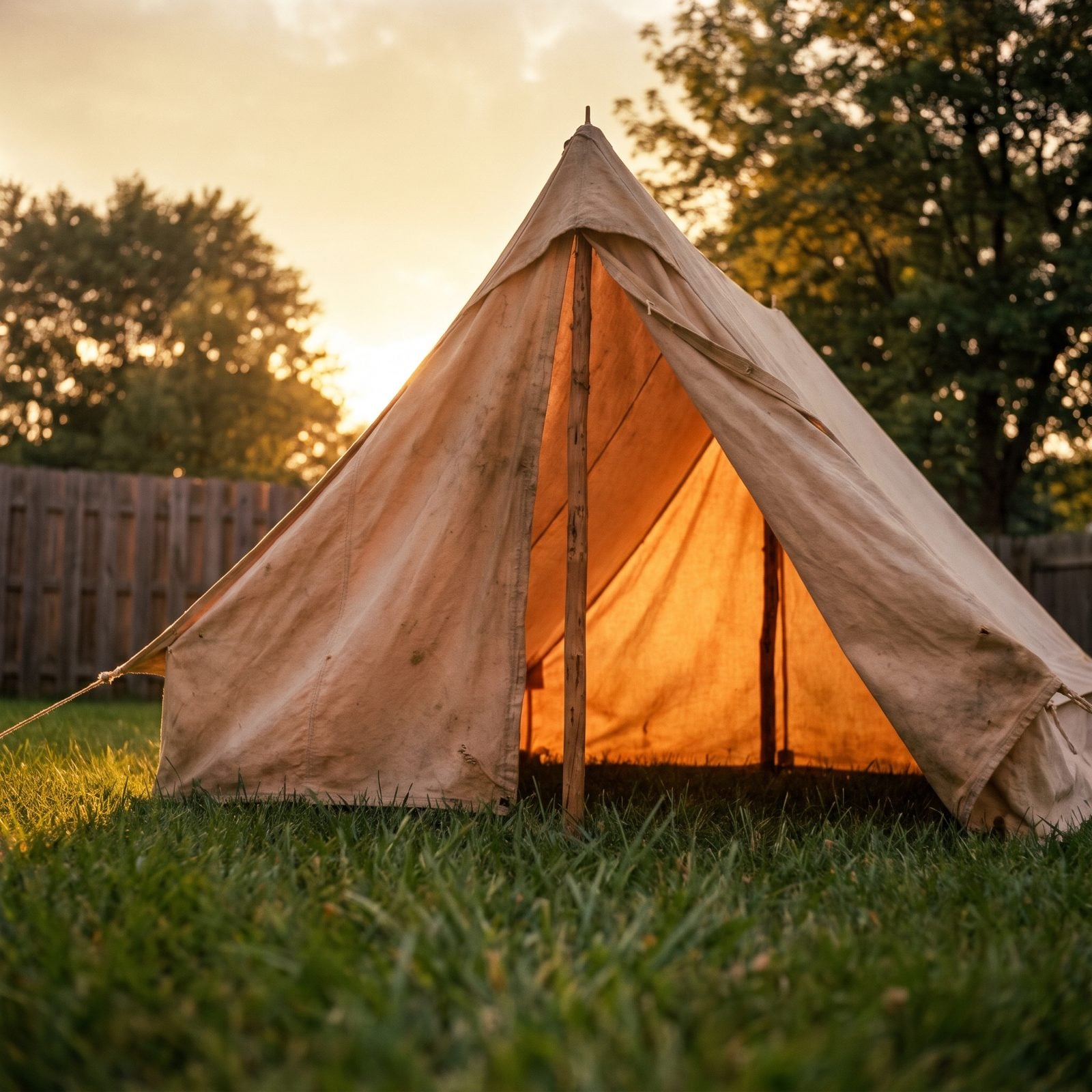
You unzipped the box and the whole garage smelled like cotton duck and cedar poles. A pup tent was the real deal, not a bedsheet draped over the clothesline. Two kids could fit if nobody moved much.
Setup was its own ritual. You pounded the stakes, threaded the wooden poles, argued about whether the back line was taut enough, then crawled in and lay there listening to the canvas breathe. It leaked at the seams in a real rain, and nobody cared. You slept in the backyard on the first warm Saturday of the year and considered yourself an expert.
32. The Plaid-Lined Sleeping Bag Rolled Under the Tree
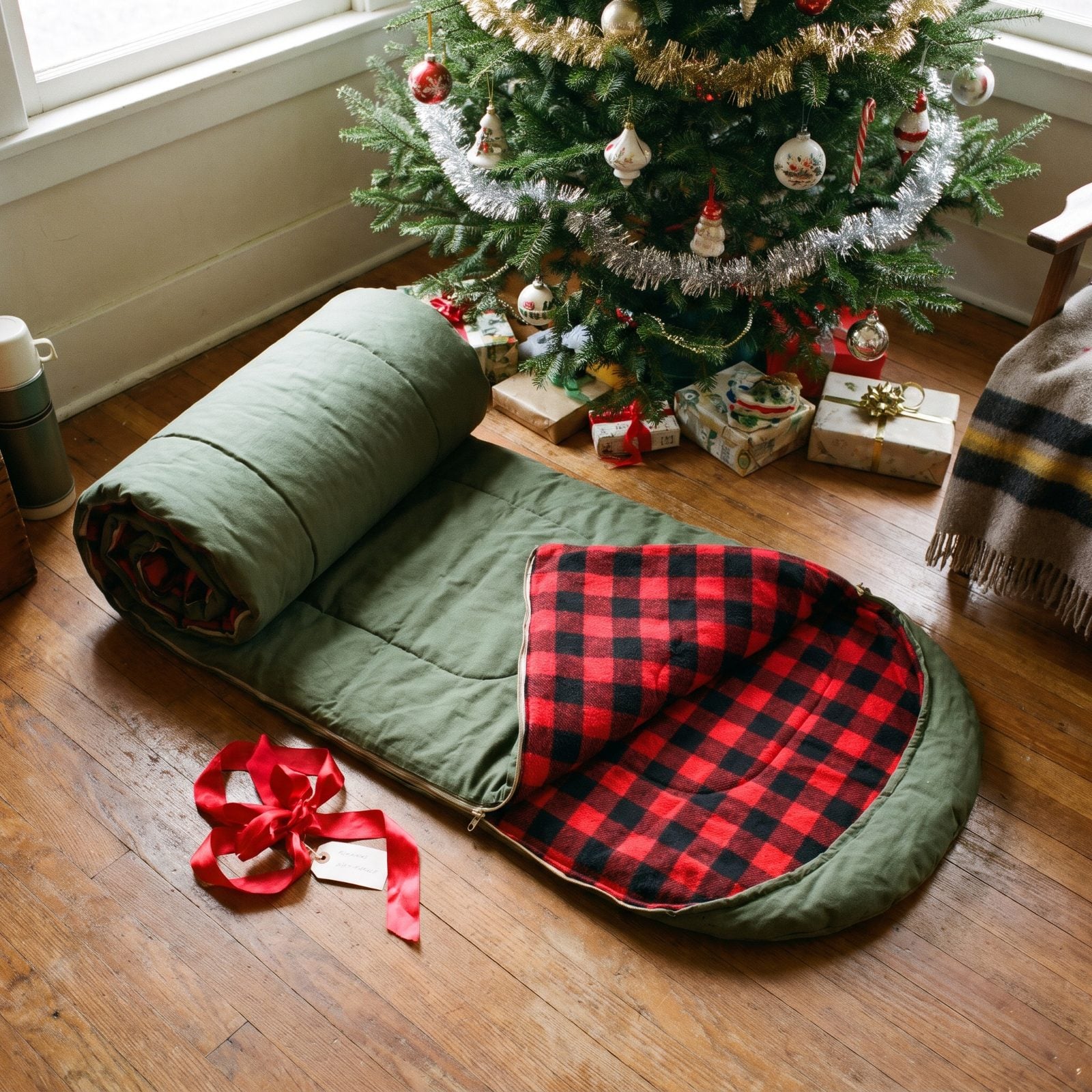
Flannel plaid lining was the whole point. Dark green canvas on the outside, red-and-black buffalo check on the inside, and a metal zipper that always snagged the fabric at the worst possible spot, right near your chin.
These things weighed a ton and compressed down to roughly a hay bale. You didn’t care. You rolled it out on the living room floor the second it was unwrapped and slept in it that night, indoors, three feet from your actual bed, because that is what you do when you finally own a sleeping bag.
31. The Coleman Lantern That Made Kids Feel Like Campground Pros
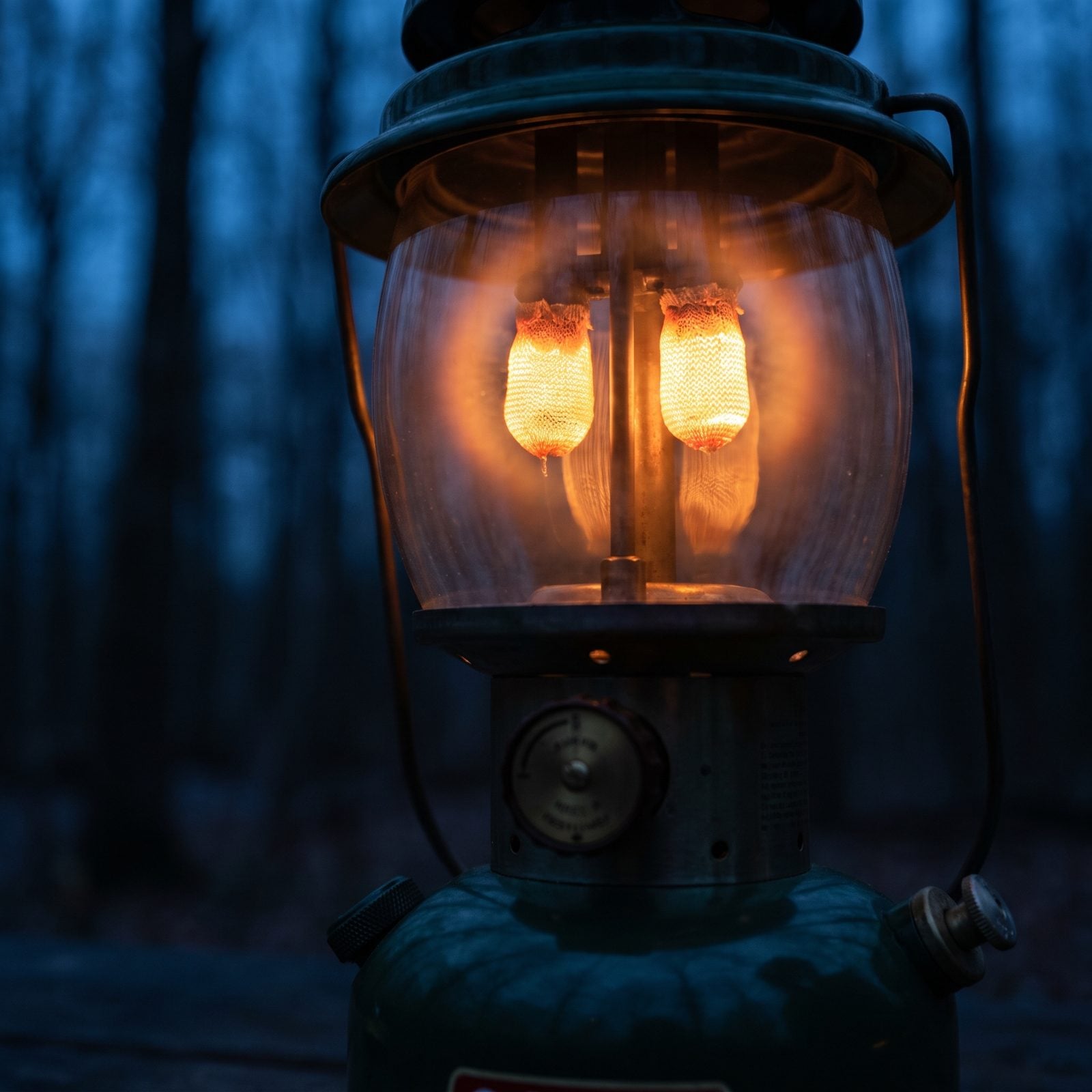
The hiss was the sound of the campsite coming to life. That green Coleman lantern pumped up with a few strokes, caught with a match, and threw a circle of white light that bugs hurled themselves against all night long.
Kids weren’t really supposed to light it. That was a grown-up job involving fuel and mantles and a stern warning. But a kid got to carry it to the table, got to hang it from the hook, got to feel like a genuine campground professional for about four minutes before being told to go wash up.
30. The Giant Eveready Flashlight With a Chrome Switch
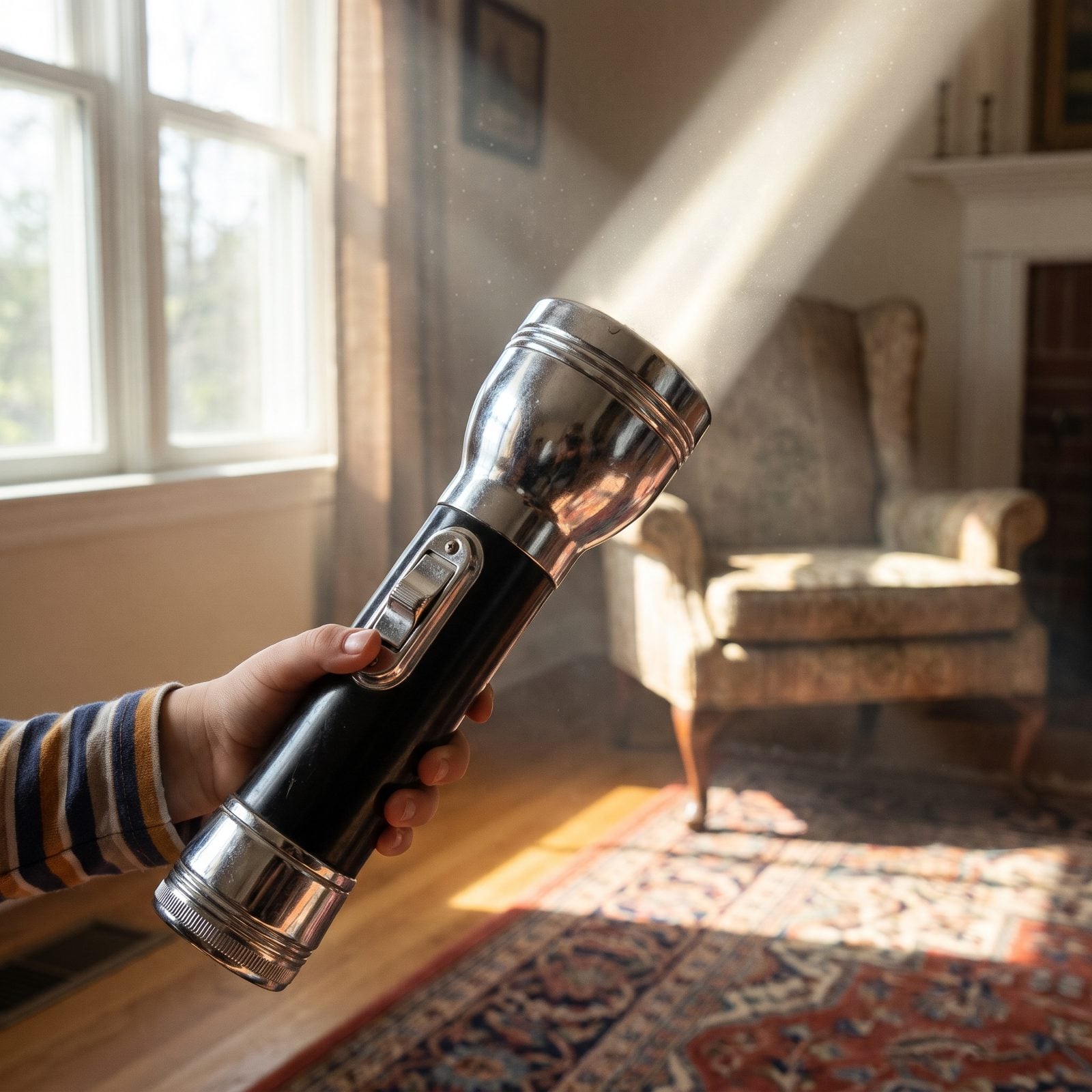
It was nearly as long as a kid’s forearm, and a small hand could barely get halfway around the ribbed barrel. The chrome switch on the side made a satisfying thunk, and the beam was strong enough to signal the kid across the street, which was immediately the only thing anyone used it for.
Under the covers it became a reading light. In the backyard, a searchlight. On a real camping trip it swept the tree line while you walked back from the bathhouse pretending you weren’t scared half to death. A kid’s first flashlight was a kid’s first real tool.
29. The External-Frame Backpack Built for a Real Expedition
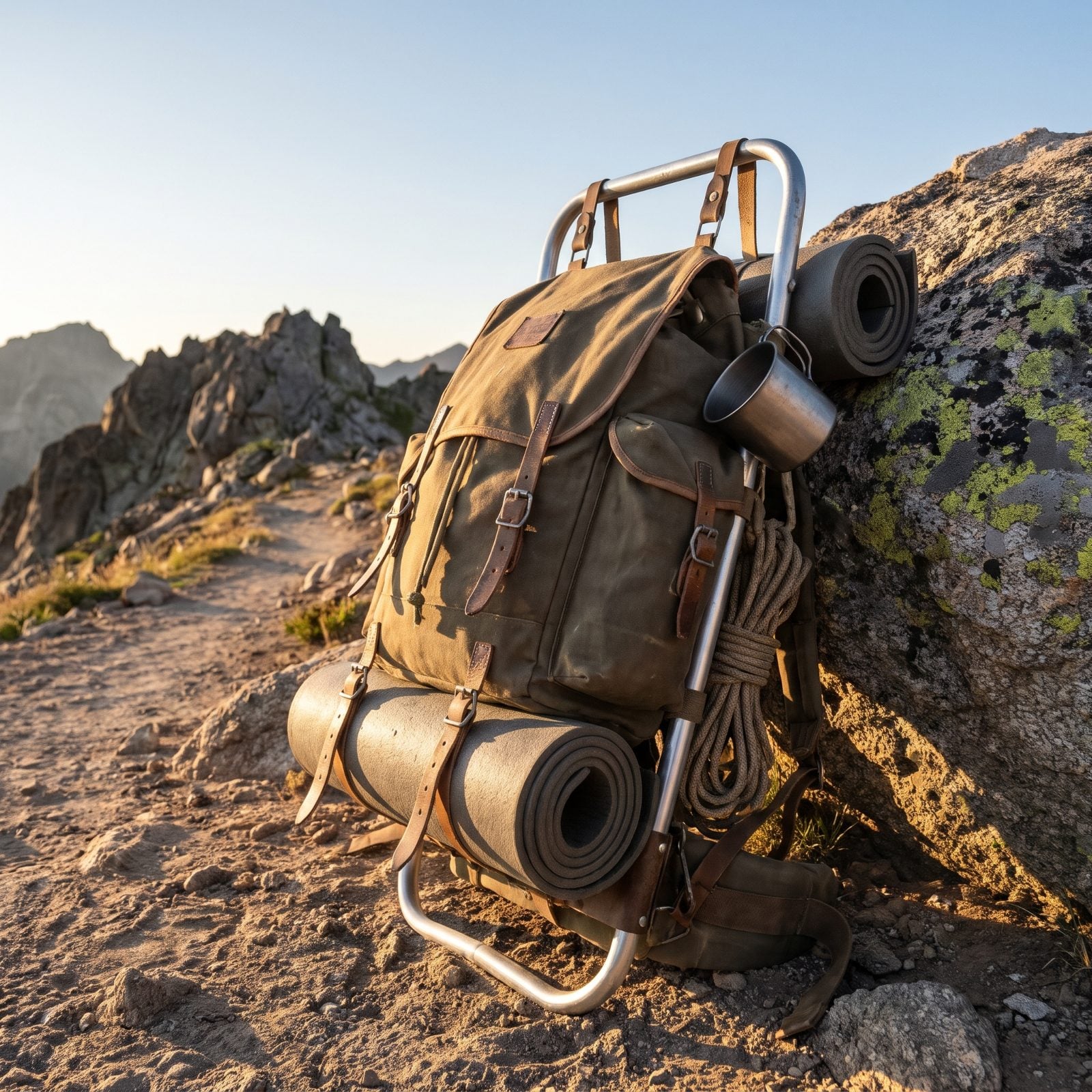
An aluminum frame, canvas pockets, and leather lash straps. This was the pack that said you were going somewhere serious, even if “somewhere serious” turned out to be the end of the driveway and back.
Kids loaded these up with everything they owned: the canteen, the flashlight, a sleeve of saltines, a paperback, and a jacket that was definitely not needed in July. The frame dug into your lower back and the whole thing swayed when you walked. That was the price of looking like a mountaineer, and every kid paid it gladly.
28. An Aluminum Canteen in a Felt-Lined Cover
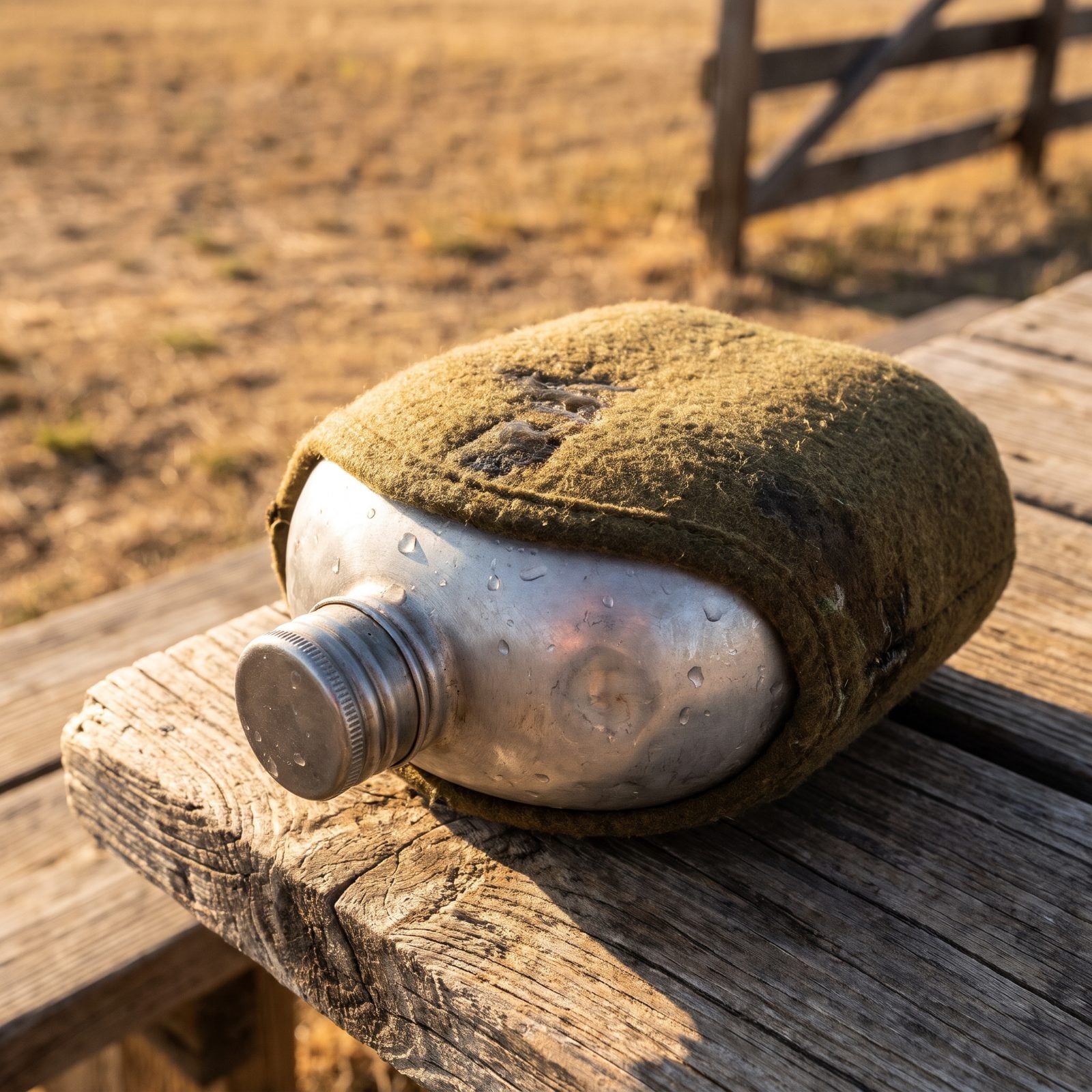
You filled it from the garden hose and the water tasted faintly of metal and felt for the rest of the day. Didn’t matter. The canteen hung off your shoulder by its web strap and swung against your hip with every step, and that swing was the sound of adventure.
The felt-lined cover was supposed to keep the water cool. I’m not sure it ever did much of anything. But snapping that cover shut over the aluminum and slinging it over one shoulder made a seven-year-old feel ready to cross a desert.
27. The Metal Boy Scout Mess Kit With a Folding Handle
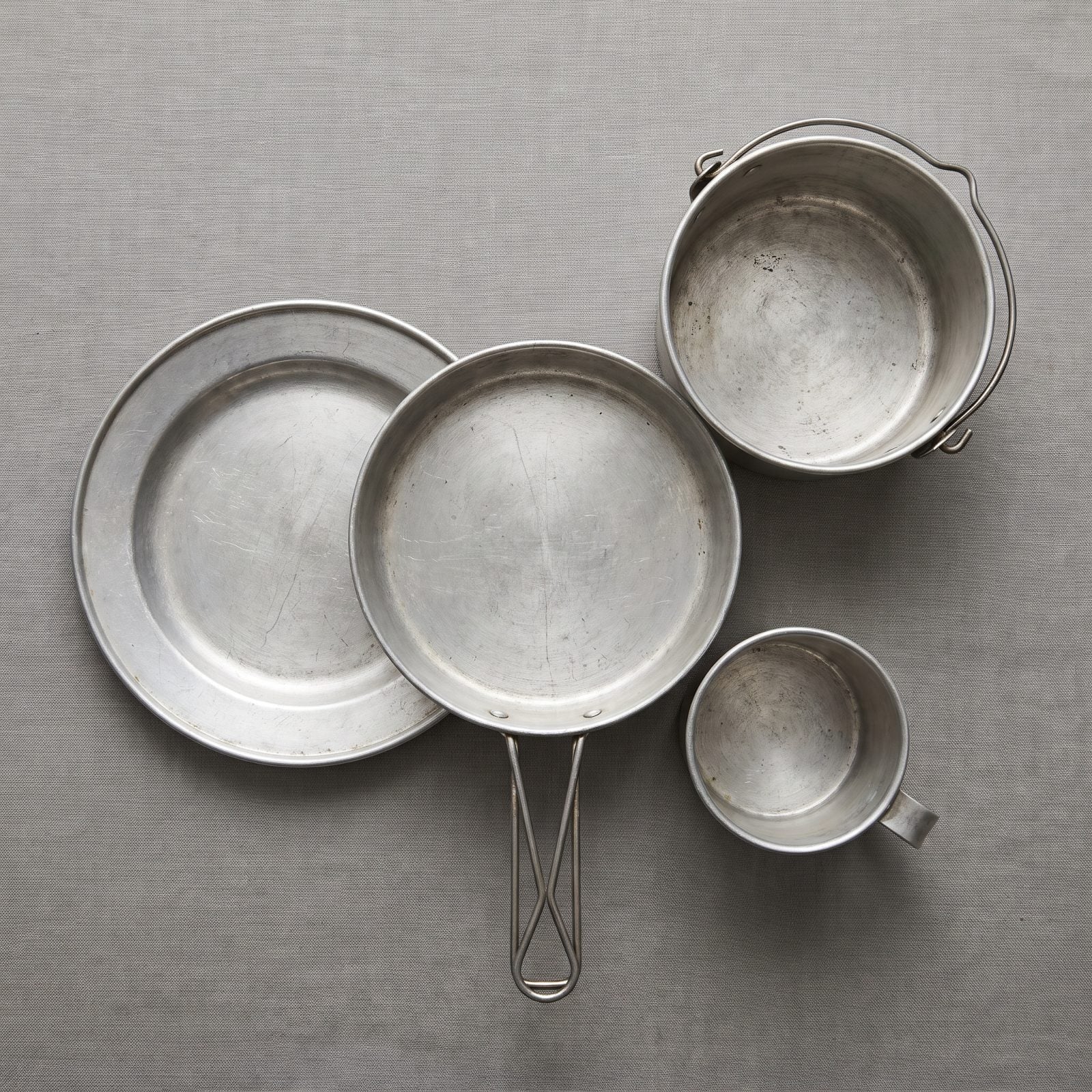
Everything nested inside everything else. The frying pan, the plate, the little pot, the cup, all of it packed down into one aluminum disc the size of a dinner plate, held together by that folding handle that locked the whole thing shut.
Cooking an egg in it was a disaster. The aluminum scorched, the handle got hot, and the egg stuck no matter what you did. And yet there was real pride in setting it out on the picnic table, clicking the handle into place, and eating pancakes off a plate you had carried yourself. Cleanup in a cold creek was character-building, or so we were told.
26. A Compass That Turned the Backyard Into Wilderness
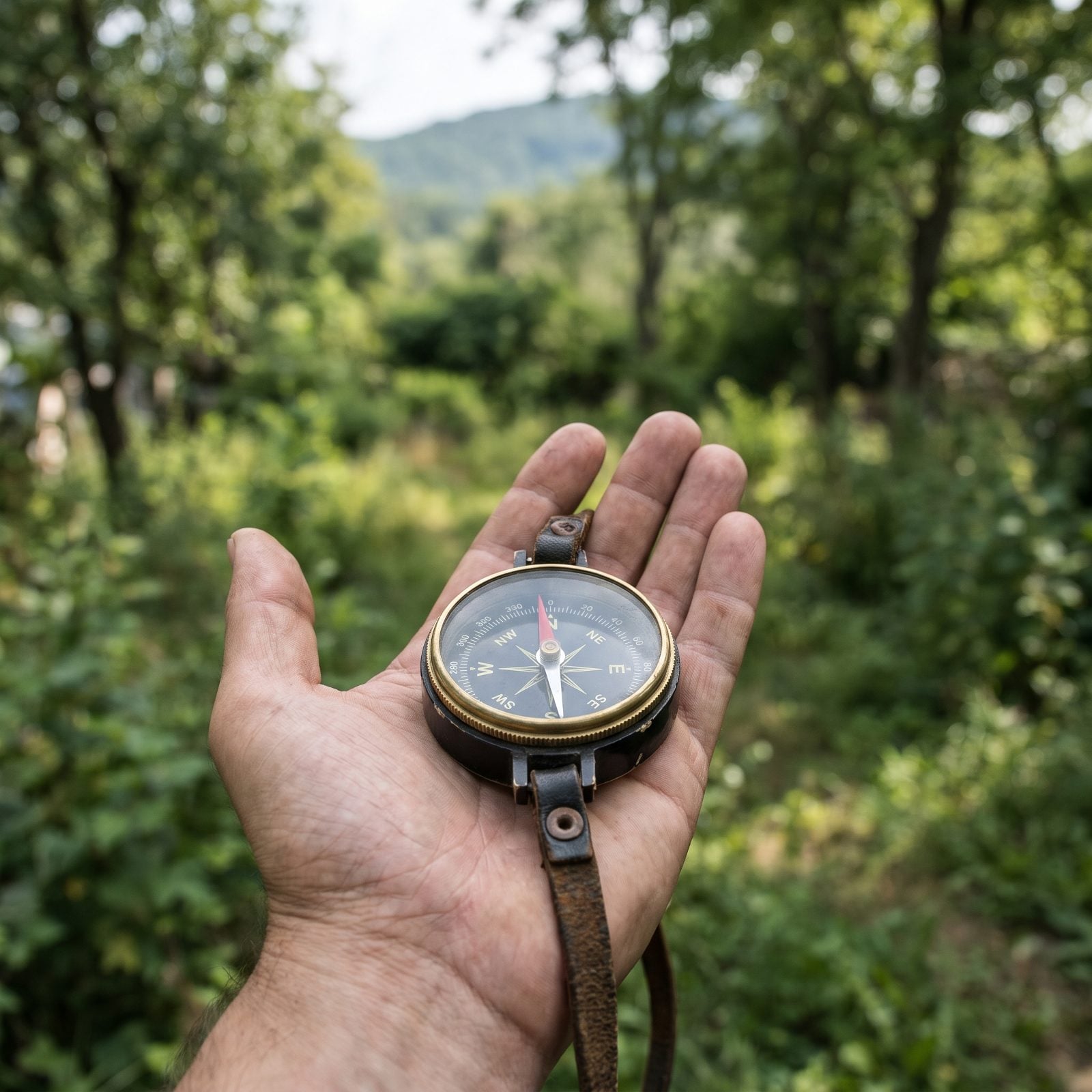
A compass was a passport to a bigger world. You held it flat in your palm, watched the red needle swing north, and suddenly the backyard had cardinal directions and the woods behind the school turned into unmapped territory.
Half the fun was never actually needing it. You walked twelve feet, took a bearing, declared the swing set “due west,” and felt that deep satisfaction of knowing something most grown-ups had forgotten. Learning to shoot a bearing off a landmark was the first bit of secret knowledge a lot of kids ever carried.
25. A Camp Hatchet in Its Own Leather Sheath
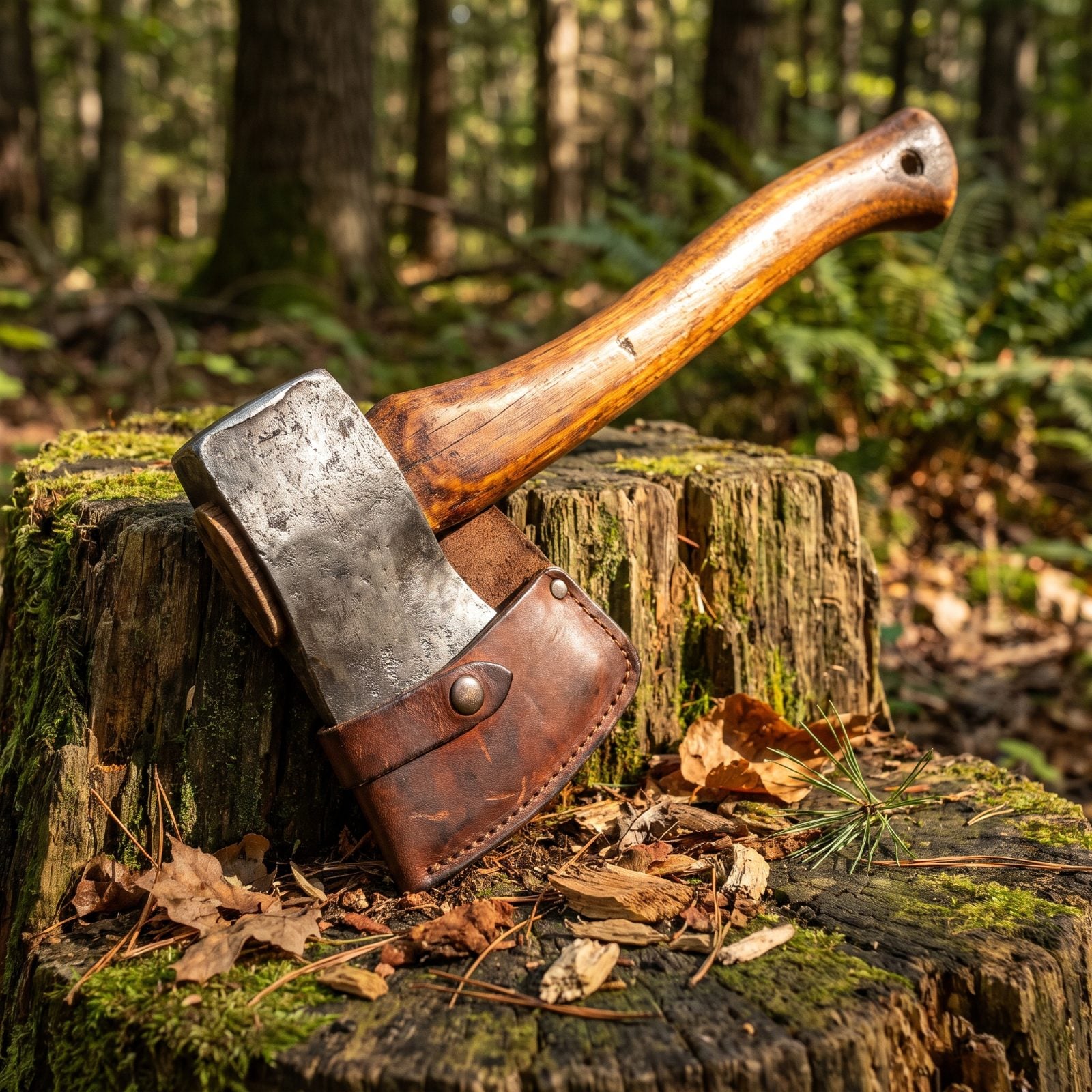
The leather sheath was half the thrill. A real hatchet with a varnished hickory handle and a steel head, kept in a snap-strap scabbard you wore on your belt like you knew exactly what you were doing.
Mostly you were allowed to split kindling under close supervision, which meant a parent standing two feet away saying “both hands, both hands” until the little piece of wood finally cracked. Then you stacked it by the fire ring and felt like you’d personally built the campfire from raw forest.
24. A Canvas-and-Steel Camp Stool Built for Fireside Sitting
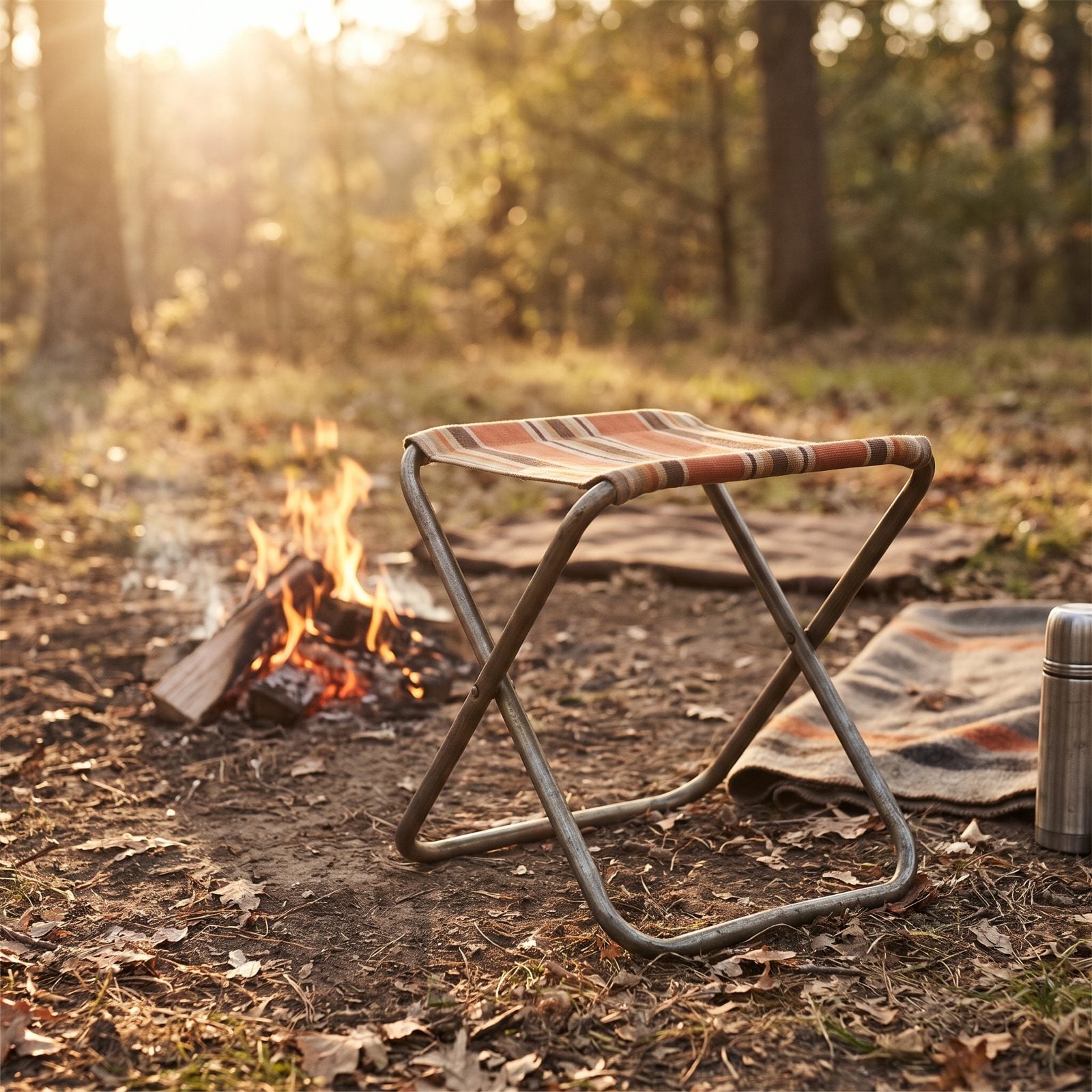
You didn’t really need your own chair. But having one meant you were part of the circle instead of the kid stuck on a stump or the cooler lid. The canvas-and-steel folding stool was small, light, and yours, and it folded flat enough to shove behind the station wagon’s third seat.
The orange canvas got a little stiff when it was new, and the steel legs punched half-moon dents into soft ground. By the second summer the seat had gone soft and the frame squeaked every time you leaned toward the fire. Every kid staked out a spot and defended it like property.
23. The Rope Hammock Made for Lazy Camp Afternoons

The hammock promised something a kid rarely got to do: absolutely nothing. You strung it between two trees, climbed in, and discovered within four seconds that getting in gracefully was impossible. Then you flipped out the far side at least once.
Those cotton ropes pressed a waffle pattern into the backs of your legs. From in there you could hear the whole campground — the clink of someone doing dishes, a transistor radio two sites over, wind moving through the tops of the pines. Best nap of the whole year.
22. A Zebco Rod-and-Reel Set Ready for the Lake
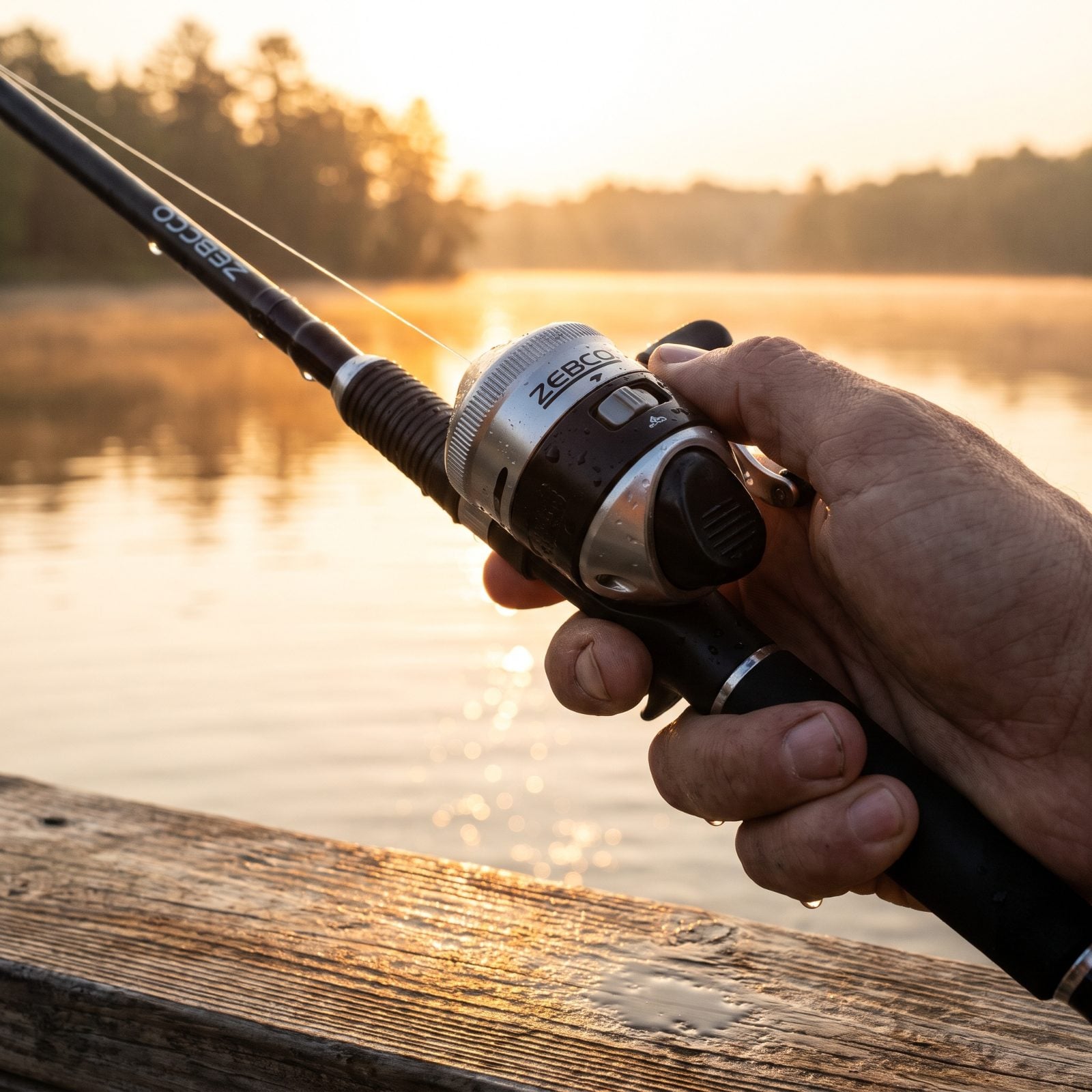
This was the big one. A real rod, your own reel, the push-button kind you could work without a tangle before you’d had breakfast. Point, press the button, swing, release. The bobber landed with a satisfying plunk and you were officially a fisherman.
That push-button spincast design was the great equalizer. No backlash, no bird’s nests, none of the frustration that sent kids back to the dock in tears — just press and cast. A seven-year-old could pull a sunfish off the end of the dock and feel like they’d landed a marlin.
Looking back on the push-button reel, a veteran outdoor magazine editor writes that “When it first hit the market in 1954, anglers of all ages were quick to appreciate the reel’s rugged dependability and ease of use.”
21. The Compartmented Tackle Box Kids Filled With Lures
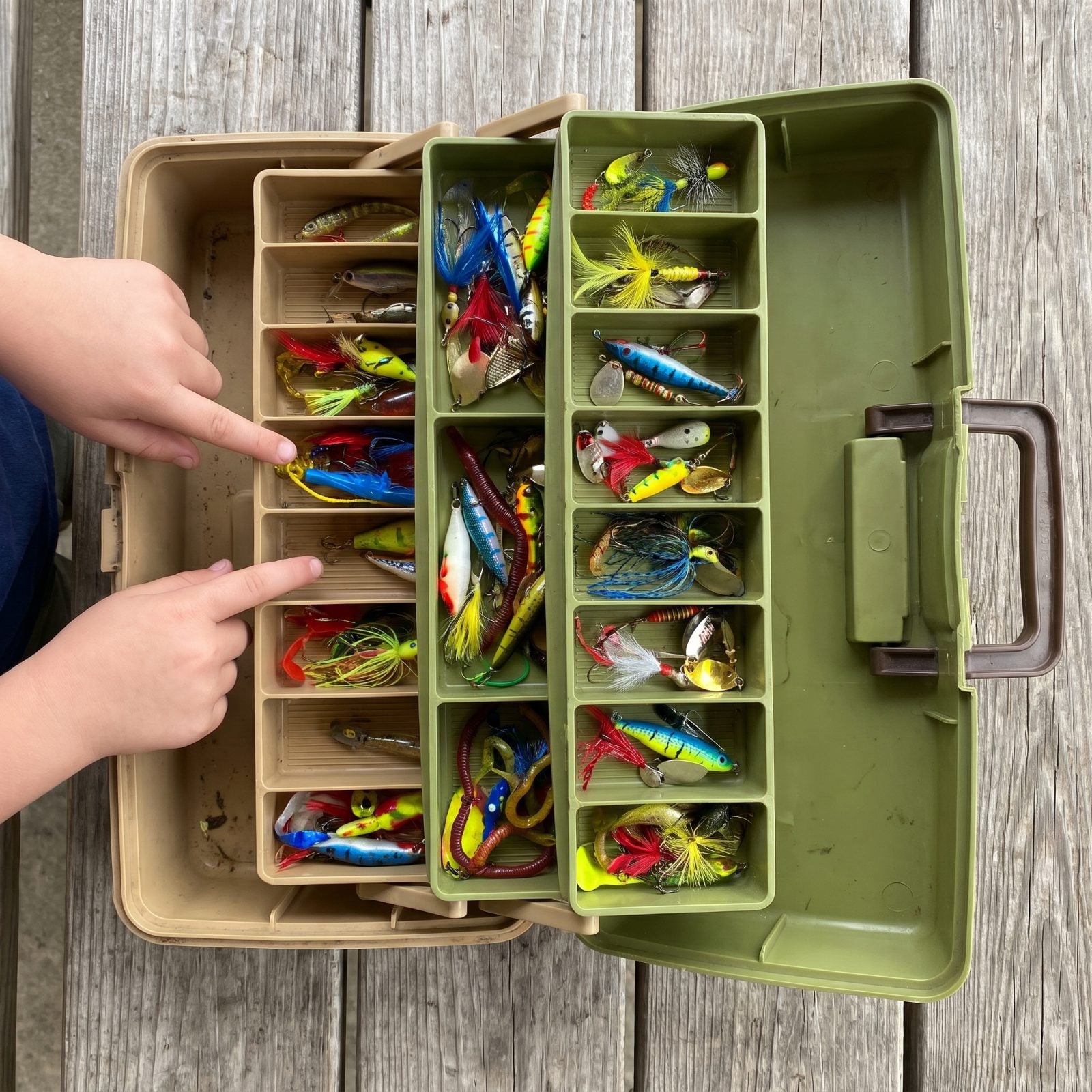
Opening the trays was half the fun. You’d fan out those cantilever shelves and survey your kingdom of tiny compartments, each one holding something you’d probably never actually tie onto a line.
Most kids’ tackle boxes held about four useful items and forty aspirational ones. A spinner someone handed you. A rubber worm that smelled strange. A lure shaped like a frog, clearly too fancy to risk losing. Didn’t matter. You arranged and rearranged them like a jeweler, and the green plastic box got hot in the sun and carried a faint whiff of old bait for the rest of its life.
20. A Kodak Instamatic Camera for Recording the Adventure
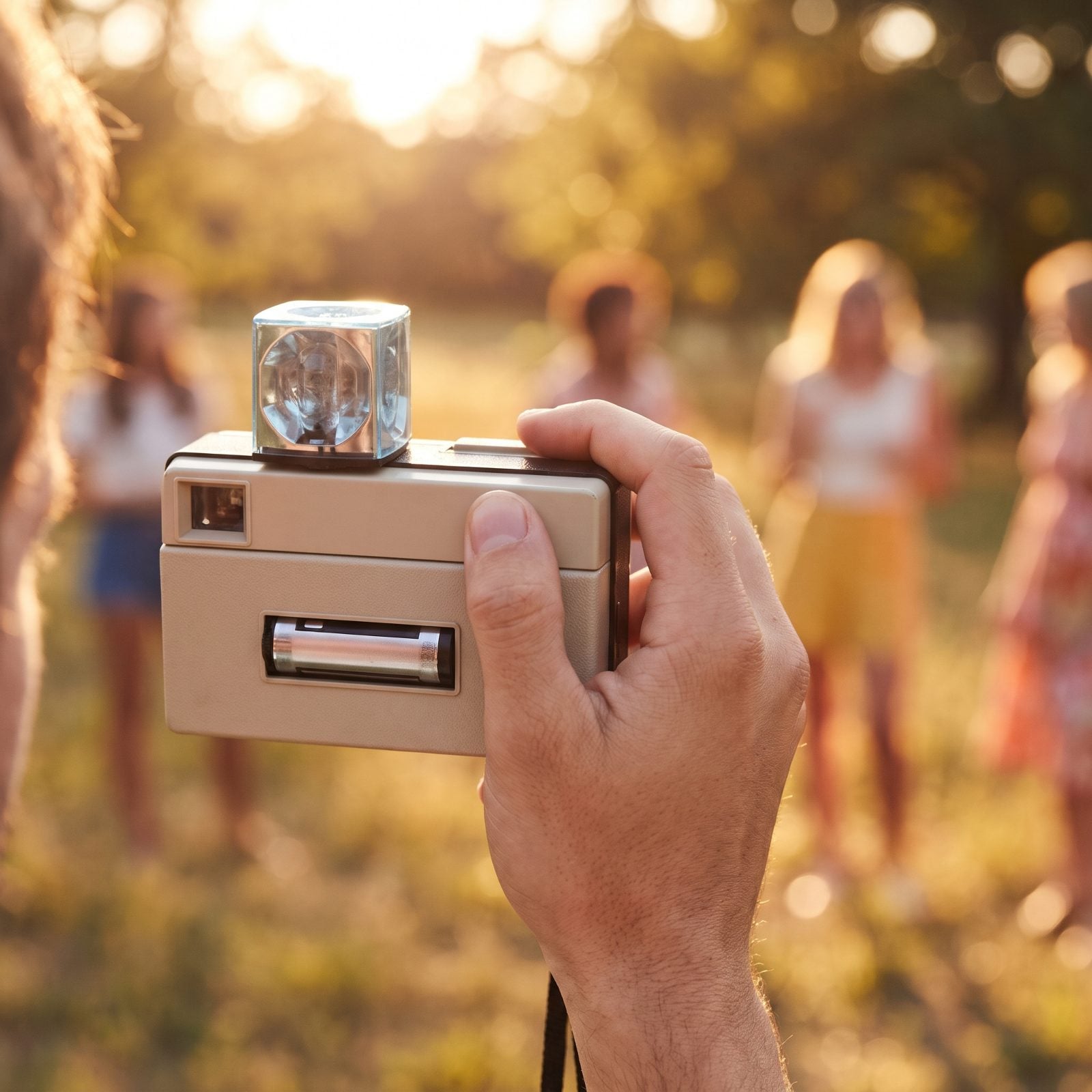
Drop in the film cartridge, snap it shut, twist the wheel until it clicked, and you were a photographer. No settings, no focus, no light meter to puzzle over. Point at your grandfather by the fire, press the button, advance the film with your thumb.
The flashcube popping was the dramatic part — one bulb per corner before you had to spin on a fresh one. You shot a dozen pictures across a whole week of camping and treated each frame like it mattered, because film cost money and your mother kept reminding you of exactly that.
19. The Pocket Transistor Radio That Played Beside the Tent
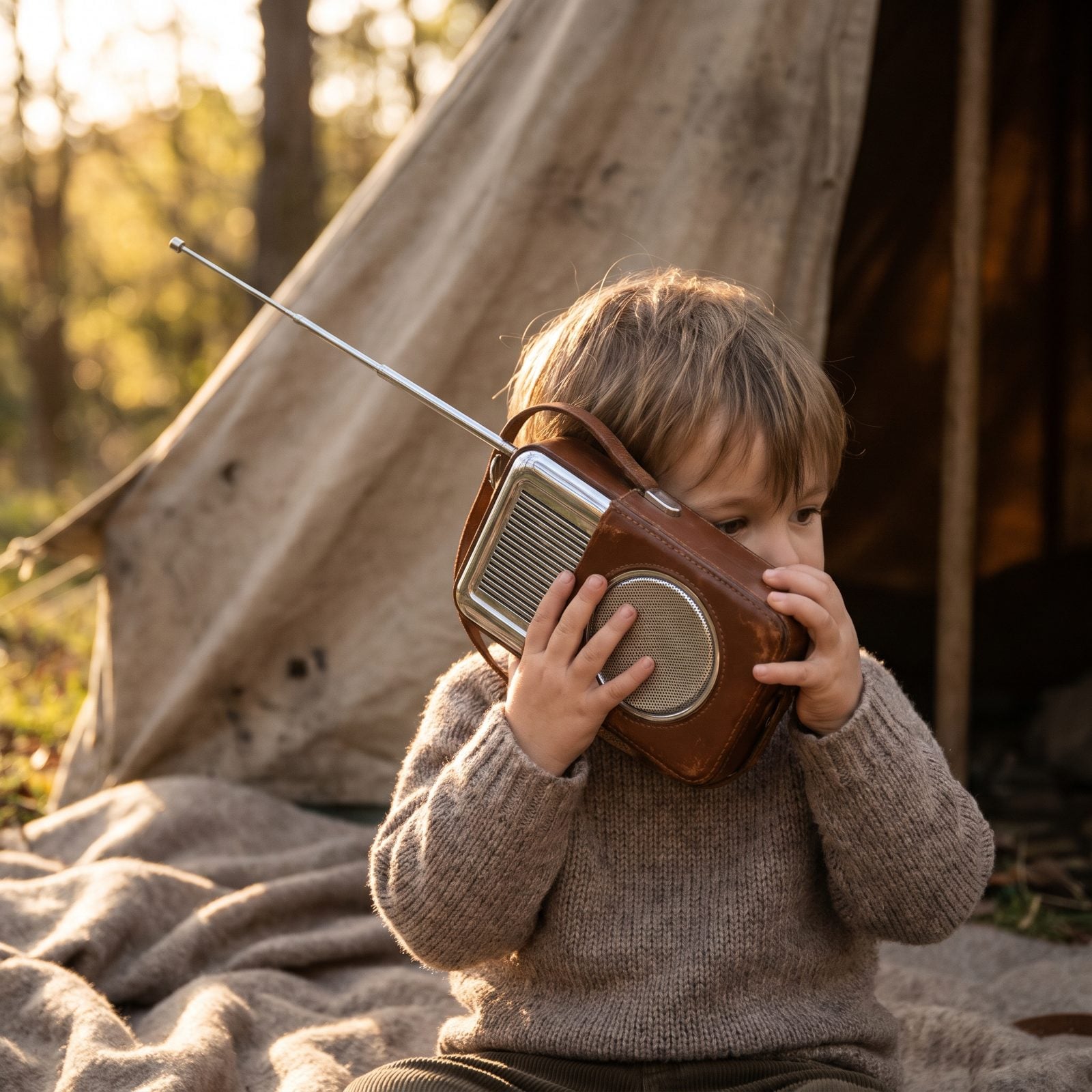
You held it right up to your ear, volume turned low so nobody told you to shut it off. A ballgame fading in and out. A Top 40 station from some city you’d never seen, drifting across miles of dark forest to find you in your sleeping bag.
At night the AM signal did strange things, pulling in stations from hundreds of miles off as the atmosphere shifted overhead. You’d lie there chasing a single song across the dial, telescoping antenna aimed at the tent ceiling, feeling like the whole country had stayed up just to keep you company.
18. A Cardboard Star Wheel for Naming the Night Sky
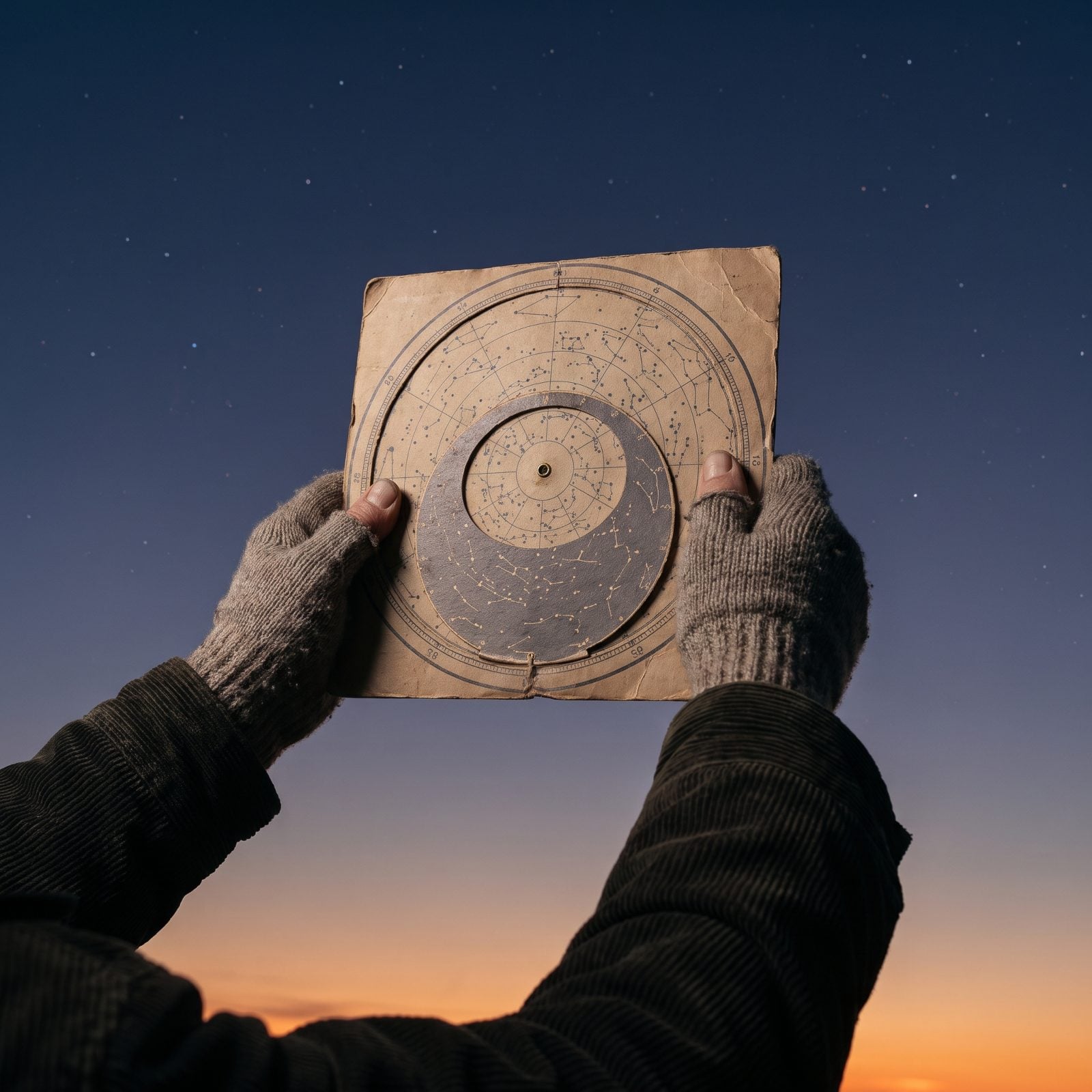
You spun the wheel to the date and the hour, held it overhead, and tried to make the dots on the cardboard line up with the dots in the sky. Which took a while. Which was sort of the point.
Away from town the stars came out in numbers no city kid believed possible, and the little wheel turned that overwhelming mess into something you could actually read. Find the Big Dipper, follow the pointer stars, land on the North Star — suddenly you had your bearings in the universe. Flashlight clamped in your teeth, neck craned back until it ached.
Explaining how a star wheel works, a longtime astronomy writer says “So all you have to do is to turn the wheel until you’ve aligned your date with the time of night you want to look.”
17. The Illustrated Bird Guide Packed for Every Hike
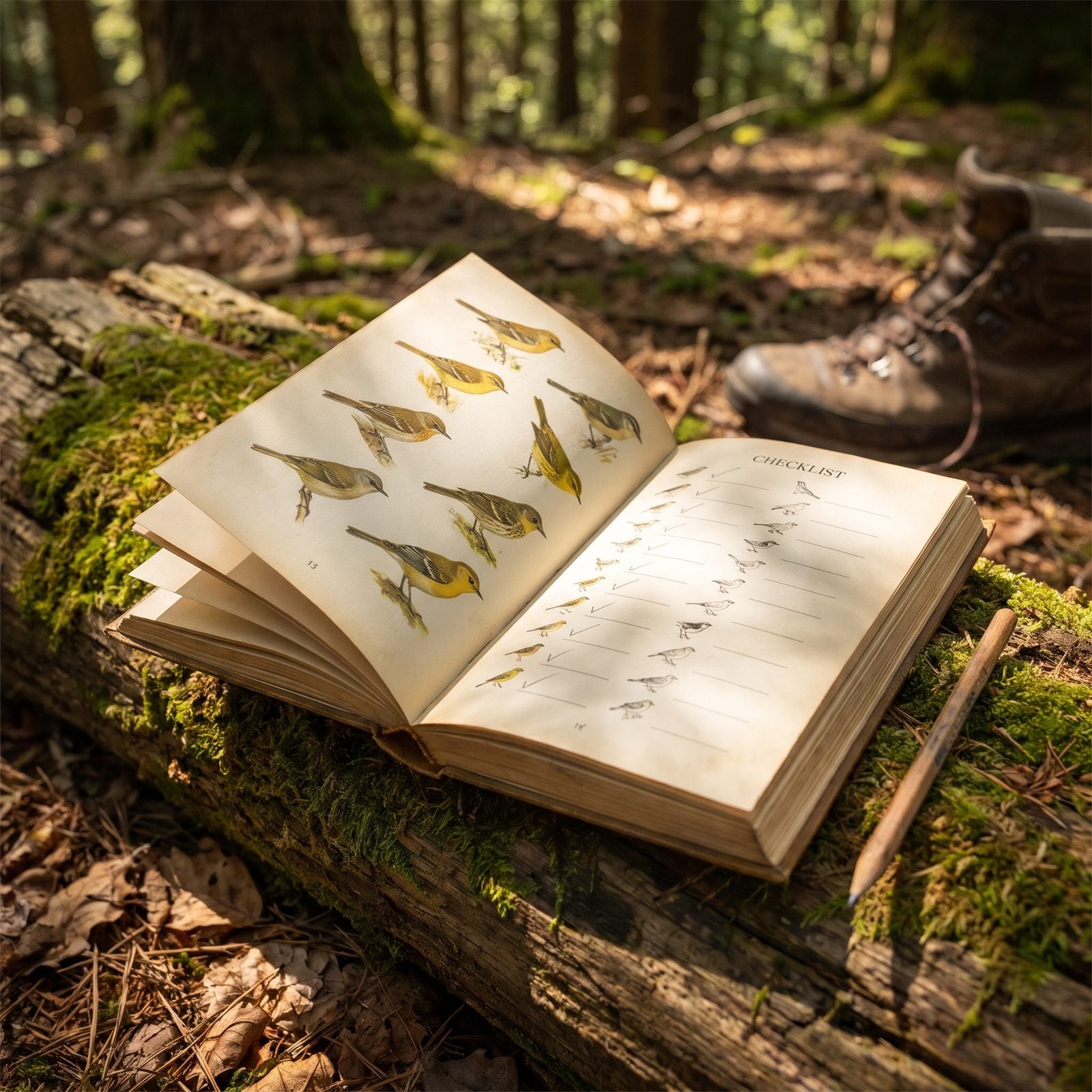
The thrill was the checklist. Every bird you identified and penciled a mark beside felt like a small conquest, even when it was just a robin you could’ve named without the book.
Those color plates were little works of art — rows of birds posed in careful profile, each one slightly idealized so you’d actually recognize the scruffy real thing out in the field. You’d flip back and forth between the warbler section and the finch section, dead certain the flash of yellow in the brush was something rare and important. It was usually a goldfinch. Still counted.
16. A Pocket Magnifying Glass for Examining Trail Discoveries
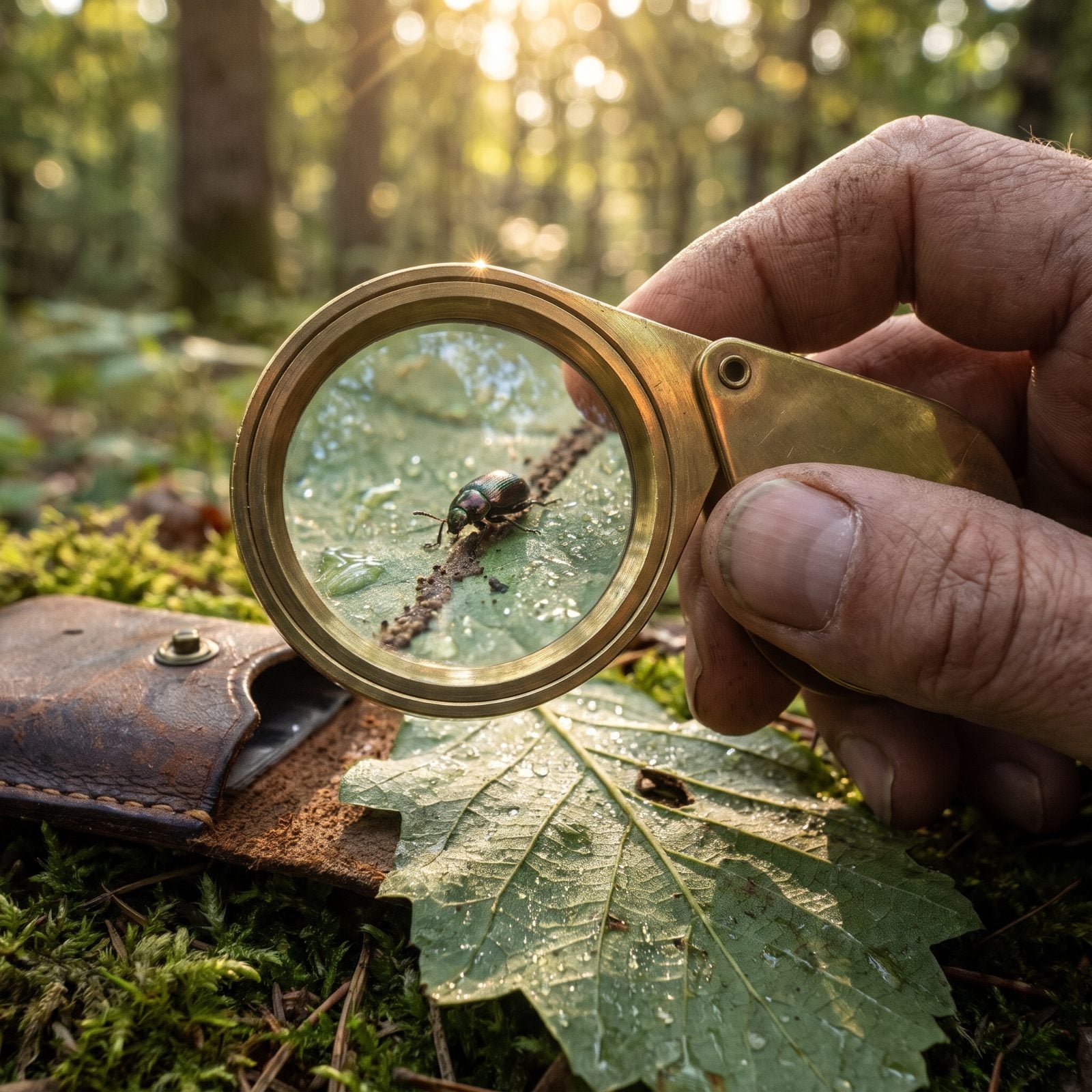
Small enough to vanish into a pocket, big enough to turn a boring hike into an investigation. The brass rim, the little stitched leather case that swung shut with a snap, the lens that made a beetle look like something off a nature program. You felt like a detective the second you got one.
Half the fun was aiming it at a dry leaf on a sunny day and waiting for the smoke. Parents pretended not to notice. We all did it anyway.
15. A Plaid Thermos for Hot Chocolate at the Campsite
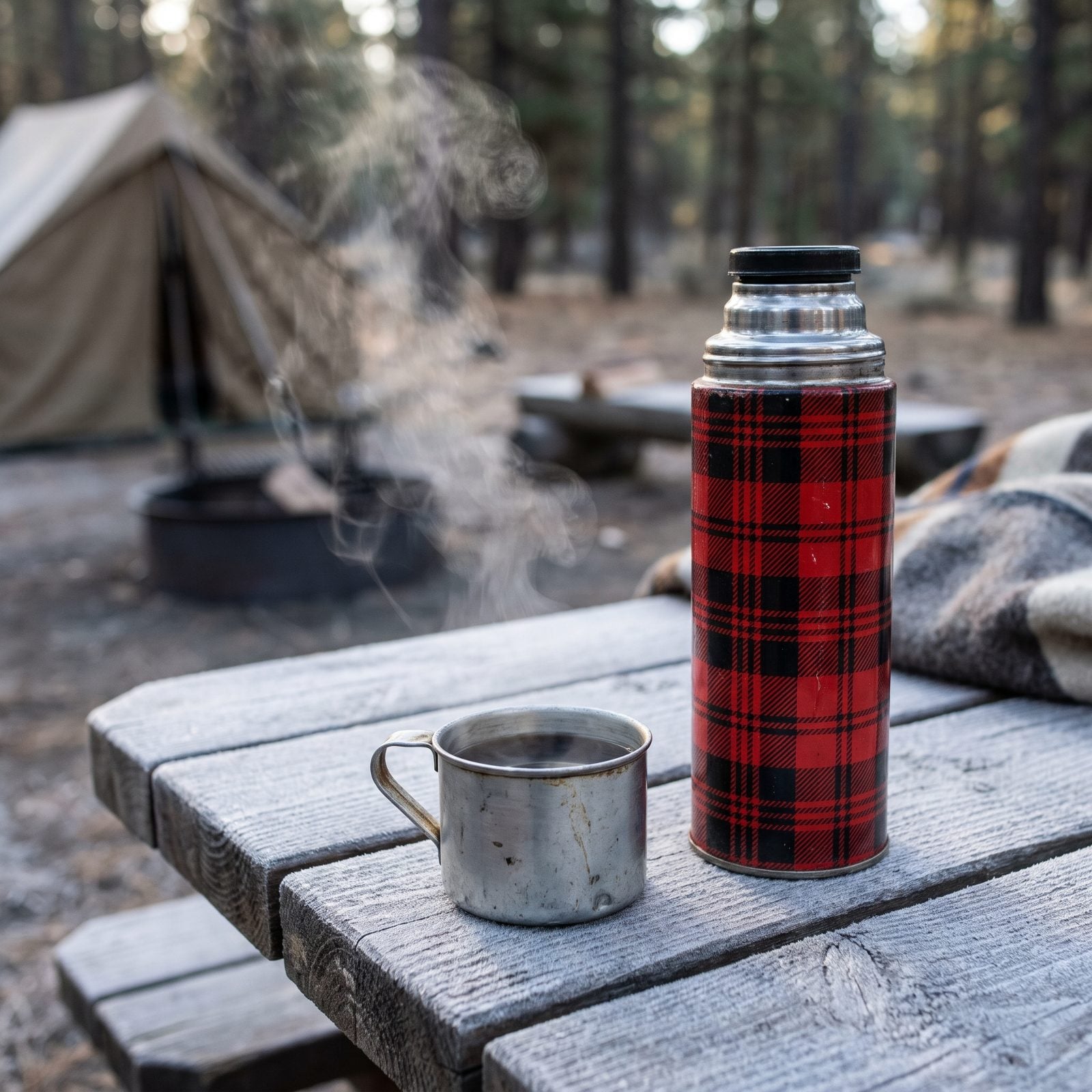
Nothing said camping like that red-and-black plaid. You could spot one from across a campground, and half the families there had the same.
The ritual mattered as much as the cocoa. The chrome cup unscrewed to become your mug, the stopper popped loose with that satisfying little gasp of trapped air, and the hot chocolate inside stayed hot for what felt like forever — poured out steaming at a frosty picnic table while everyone else was still shivering.
You weren’t just getting a thermos for Christmas. You were getting a seat at the grown-up camp breakfast.
14. A Telescoping Fork for Roasting Hot Dogs
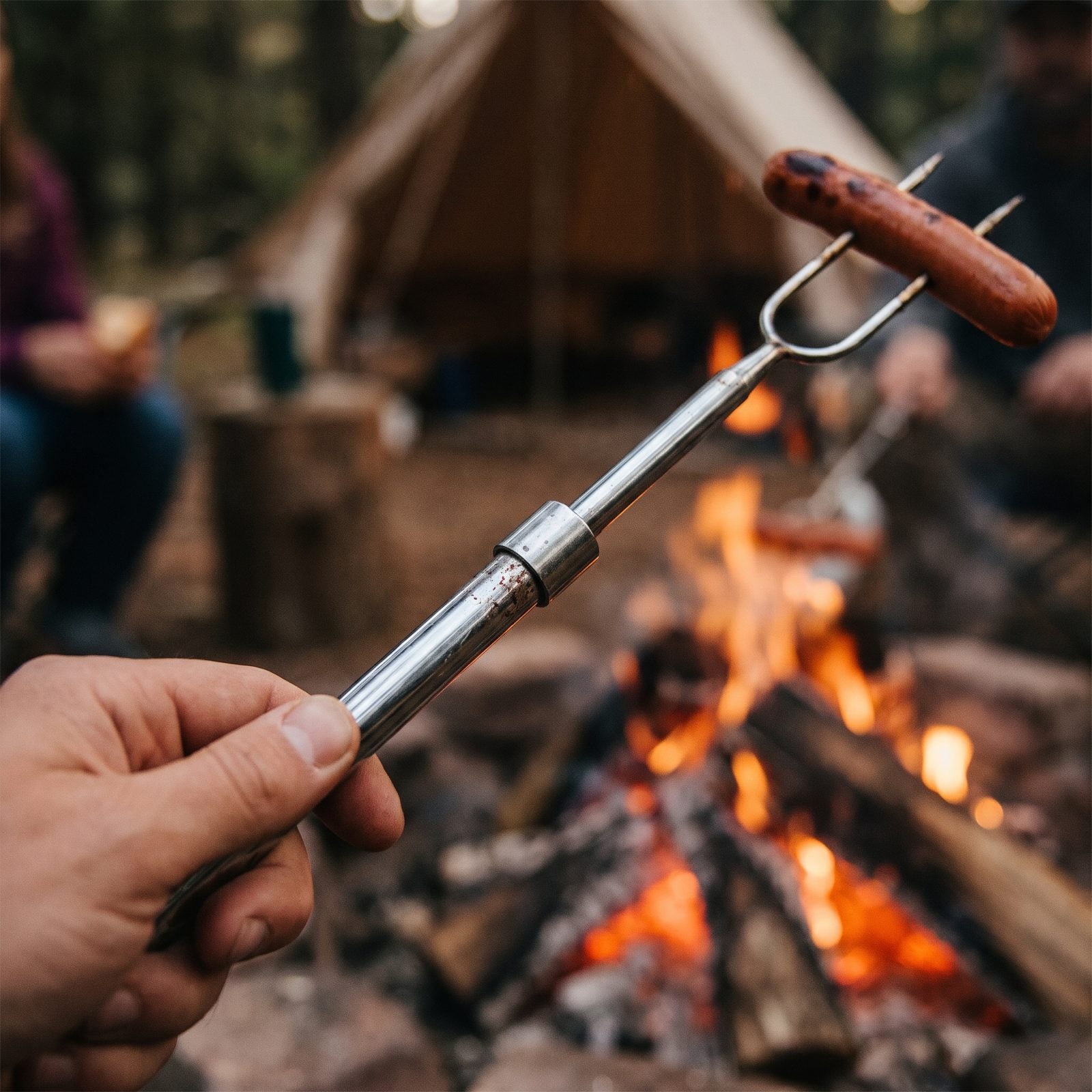
The genius was in the slide. Collapsed, it fit in a drawer. Extended, it kept your knuckles a safe distance from the flames while everybody else was still waving a sharpened stick around.
You learned fire management with one of these. Too close and the skin split and charred, too far and you stood there forever. The sweet spot was over the coals, not the flames, turning slow — and the kid who figured that out first got to be smug about it for the rest of the trip.
13. The Long-Handled Campfire Popcorn Popper
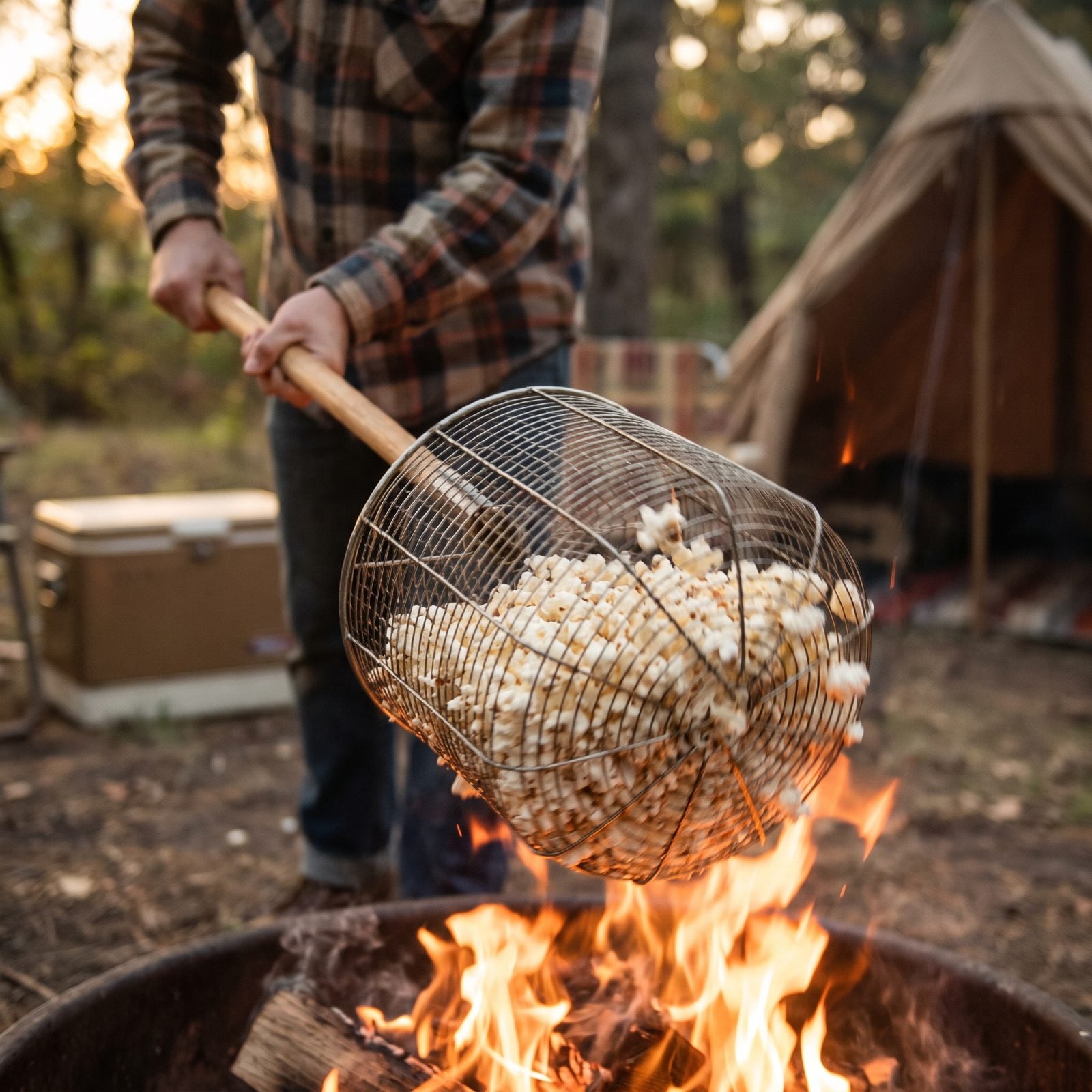
You could hear it before you could see it. That first kernel going off like a cap gun, then the rattle building to a steady roar inside the open wire basket while you shook it back and forth over the flames, popcorn spilling out over the top.
It took patience and a strong arm. Hold it steady, keep it moving, don’t let the handle dip into the flames. When the popping slowed to one pop every few seconds, you pulled it off, tipped the overflowing basket, and dumped a cloud of popcorn into a bowl that half the family was already holding out.
Store-bought never tasted like that. A little smoky, a little scorched at the edges, made over a real fire.
12. A Cast-Iron Pie Maker for Toasted Camp Sandwiches
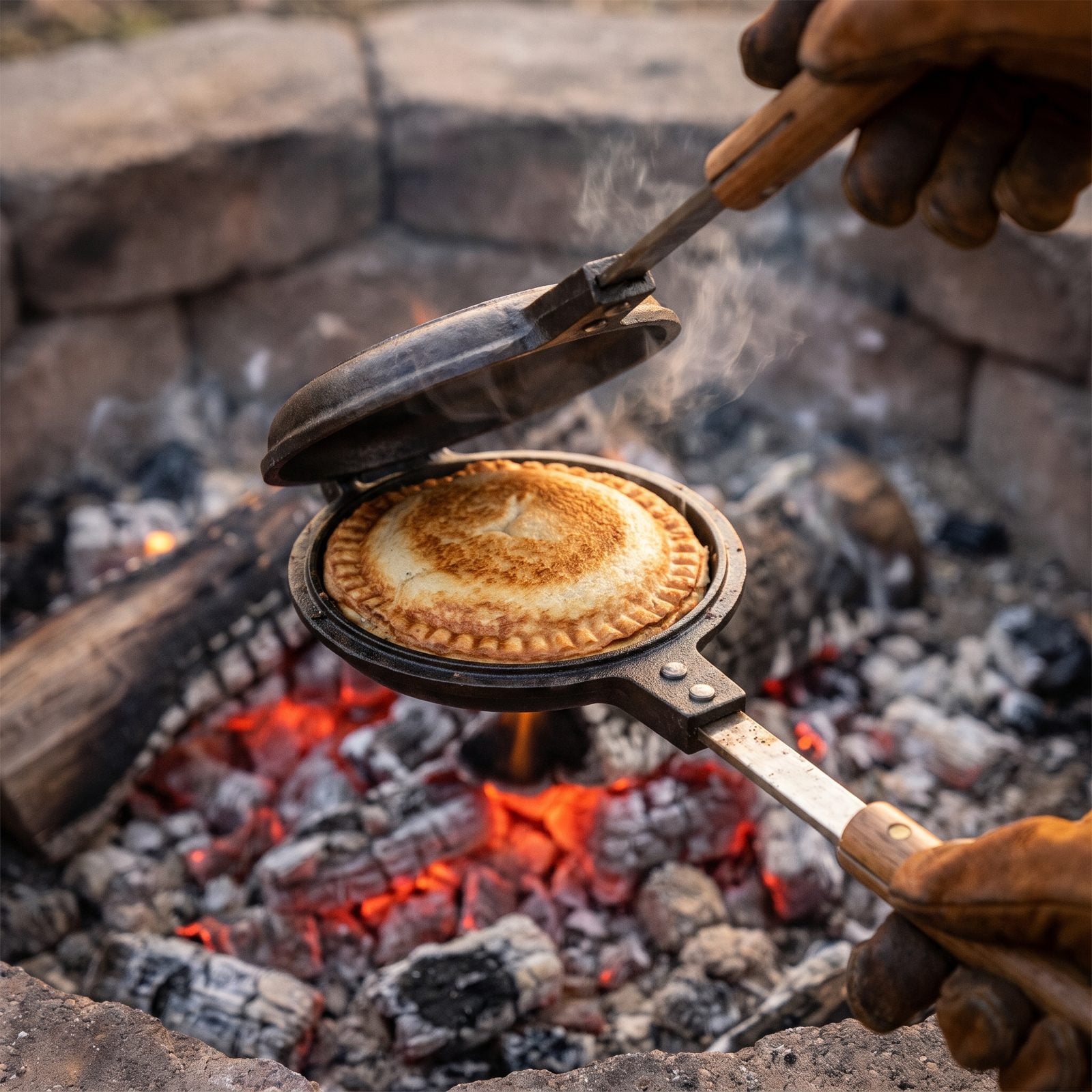
Two slabs of cast iron on long handles, and suddenly you were a camp chef.
You buttered the bread, loaded it up with whatever was around, clamped the halves shut, and buried the whole thing in the coals. The waiting was agony. You kept lifting it out to peek, which everyone told you not to do.
Pull it too early and the middle was cold. Leave it too long and you had a charcoal brick. Get it right and the bread came out golden and pressed, the pie filling molten enough to blister the roof of your mouth. You ate it anyway, because waiting for it to cool was not an option.
11. The Inflatable Air Mattress With Its Bellows Foot Pump
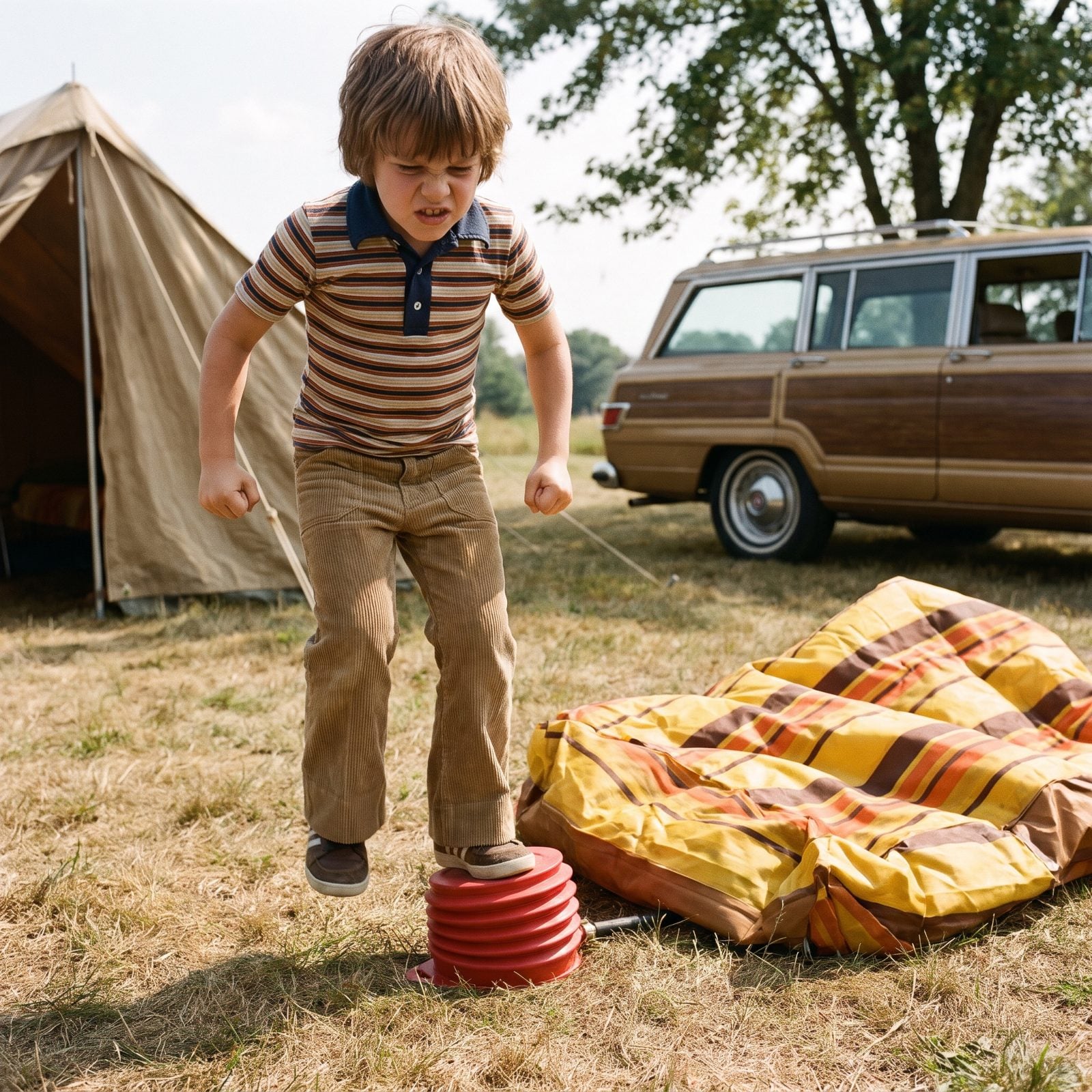
The pump was the whole event. That red rubber bellows you worked with your foot, stomp after stomp after stomp, while the mattress slowly took shape on the grass by the tent.
It felt like it took an hour. Your leg got tired. Someone always came over to take a turn and then quit after thirty seconds. But when it finally firmed up, that first flop onto a mattress full of air, right there on the campsite grass, felt like luxury.
By morning it had usually gone soft under you and you woke up half on the hard, lumpy ground. Didn’t matter. That night you went to sleep feeling like you’d beaten the hard ground.
10. A Bright Vinyl Raft for Paddling Near the Campsite
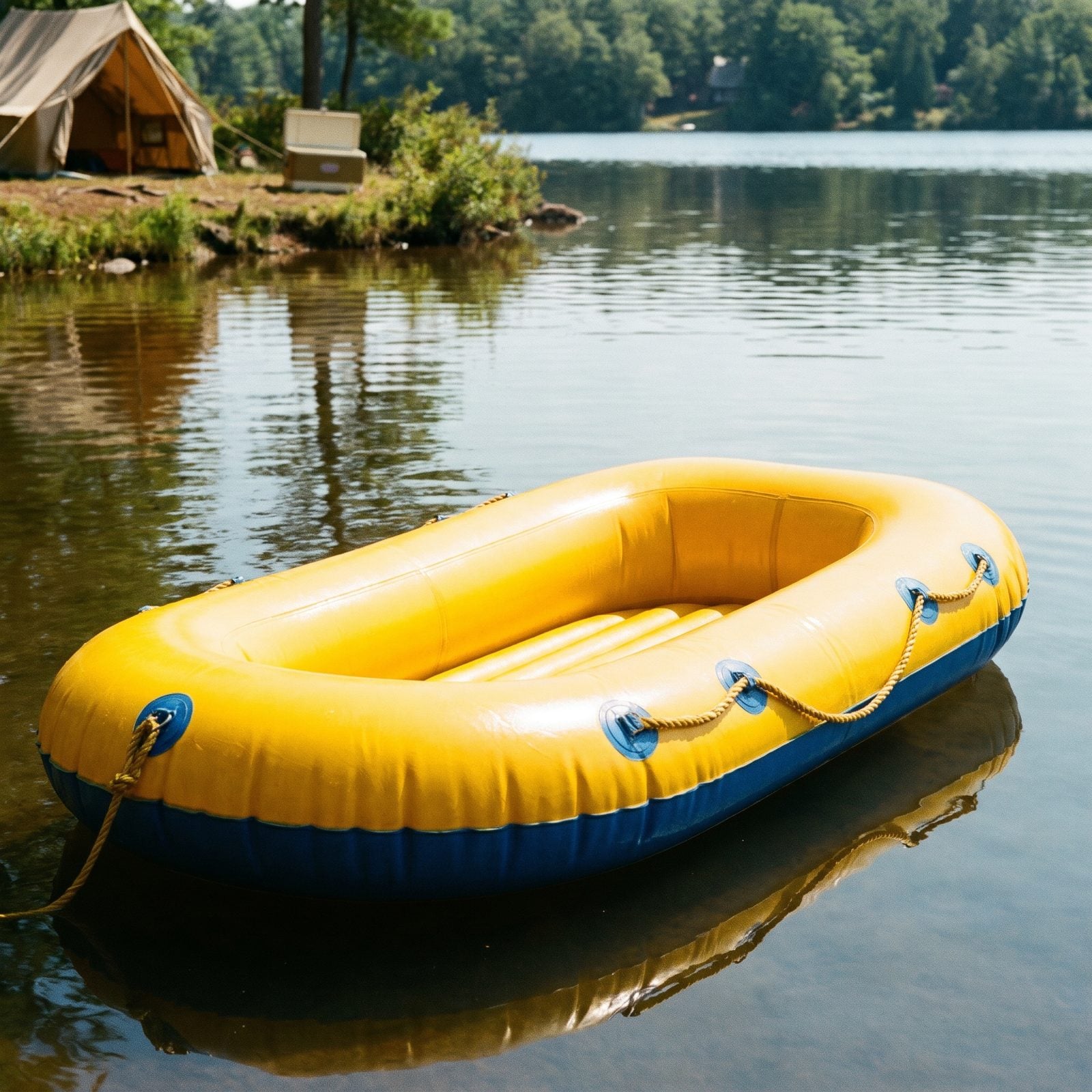
Unrolled from its box, it smelled of fresh vinyl and summer. Bright yellow, blue trim, rope handles down the sides, and the same foot pump doing double duty to fill it.
You weren’t going anywhere serious on it — a lazy drift around the swimming area, maybe a splash war with whoever paddled up alongside. The vinyl got blazing hot in the sun and stuck to the backs of your legs. You flipped off it on purpose about forty times a day.
Every lake campground that year had a flotilla of these bobbing in the shallows by noon.
9. A Frisbee Made for the Campground’s Open Field
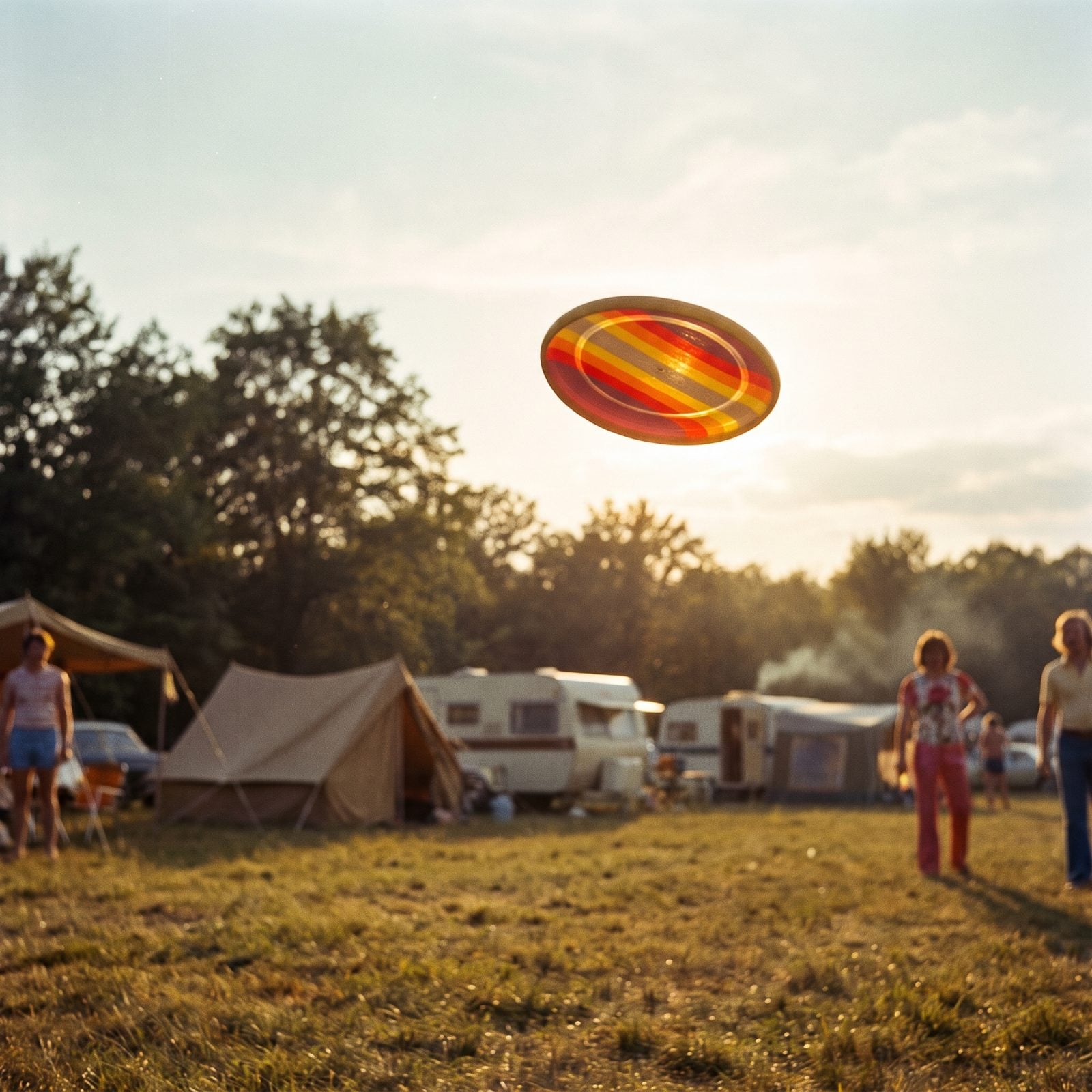
The open field at every campground had exactly one purpose, and this was it.
A good one caught the light as it floated, that concentric-ring plastic humming through the air while somebody ran backward yelling that they had it, they had it. They usually didn’t. It landed in the weeds, rolled under a picnic table, or sailed clean over the fire pit while a parent ducked.
You could play for hours and never call it a game. Just two people, a flat field, and a disc going back and forth until the sun dropped and someone’s mom called everyone in for dinner. Of all the gifts under the tree, this was the one that traveled light and never ran out of fun.
8. The Jarts Lawn-Dart Set Every Family Packed Outside
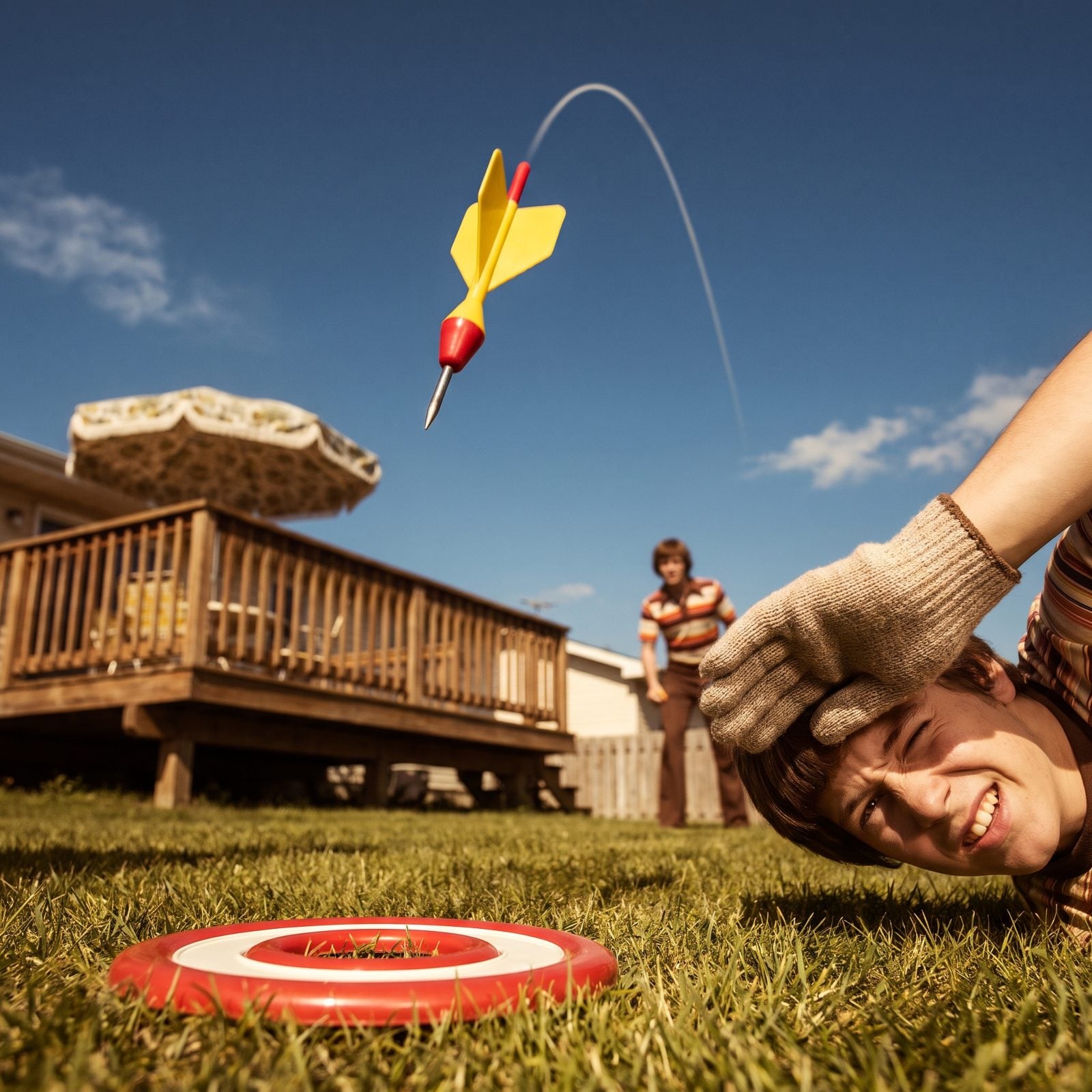
The tips were steel. That’s the detail that makes anyone over fifty wince and grin at the same time. You lofted these things in a high lazy arc toward a plastic ring on the grass, and the whole game depended on everybody agreeing to stand well back while they came down.
At a campsite they were the first thing out of the trunk. Dads got competitive, the ring never moved far enough, and there was always one dart buried to the fin in soft dirt that had to be wiggled free like a tent stake.
7. A Boxed Horseshoe Set for Campsite Tournaments
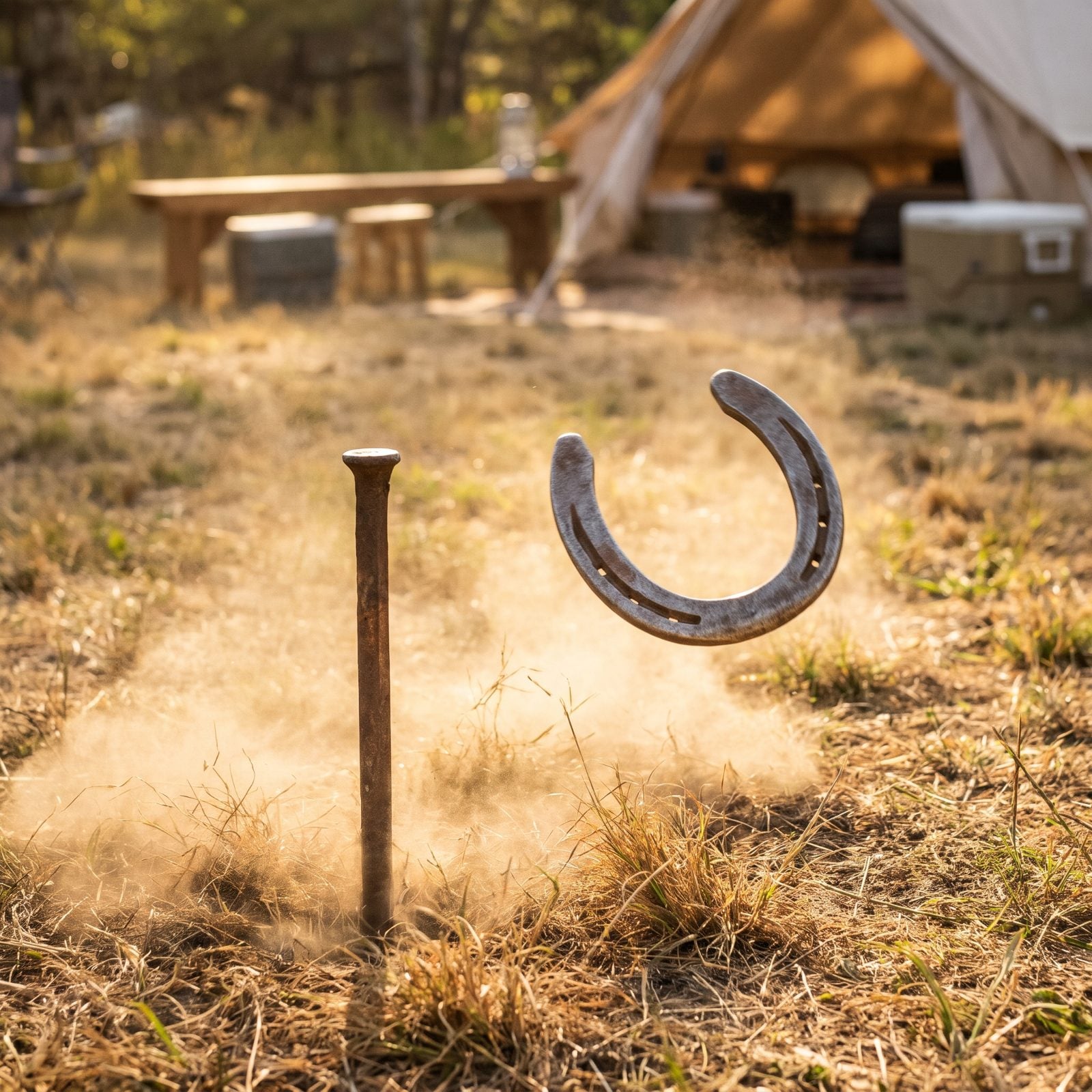
You could hear a campsite tournament before you saw it. That flat clang of steel on steel, then a pause, then a groan or a whoop. Horseshoes were the grown-up game kids were allowed to touch, and the shoes were genuinely heavy — real painted steel that left your palm smelling like metal.
Setting up meant pounding two stakes forty feet apart into whatever ground you had. The pit was wherever dad decided the pit was. And a ringer settled arguments that had been building since the drive out.
6. The Badminton Set With Poles, Net and Shuttlecocks
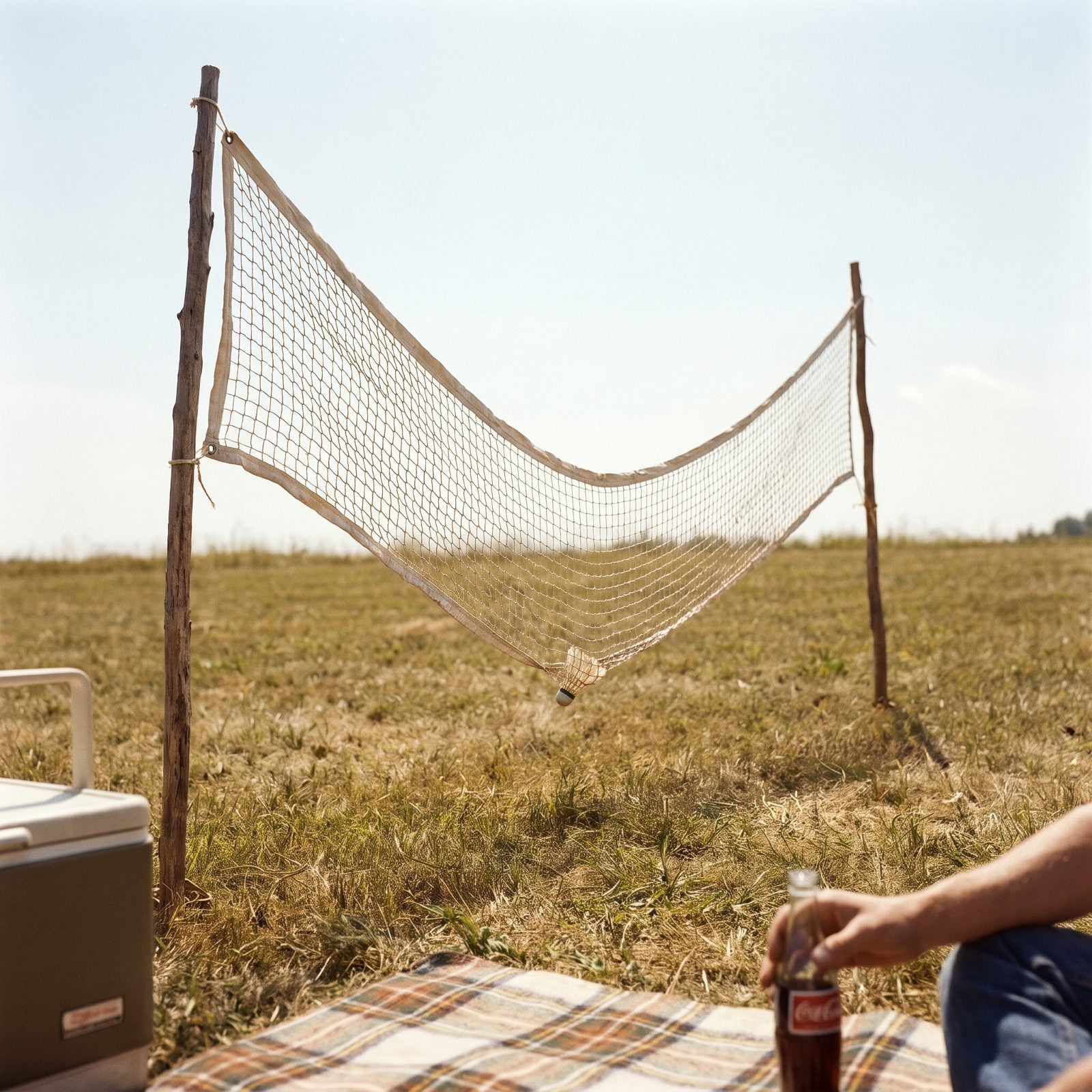
The net never stayed up. You’d pound the poles in, string it tight, and twenty minutes later it was drooping like a clothesline nobody loved. Didn’t matter.
Badminton worked in dead-calm evening air and fell apart the second a breeze came up, which it always did. The feathered shuttlecock would sail true, then catch a gust and knuckleball sideways into somebody’s hot dog. Those wooden rackets with their varnished handles felt like real equipment in a kid’s hand, and losing a birdie into the trees was practically part of the rules.
5. A Youth Archery Set With a Straw Target
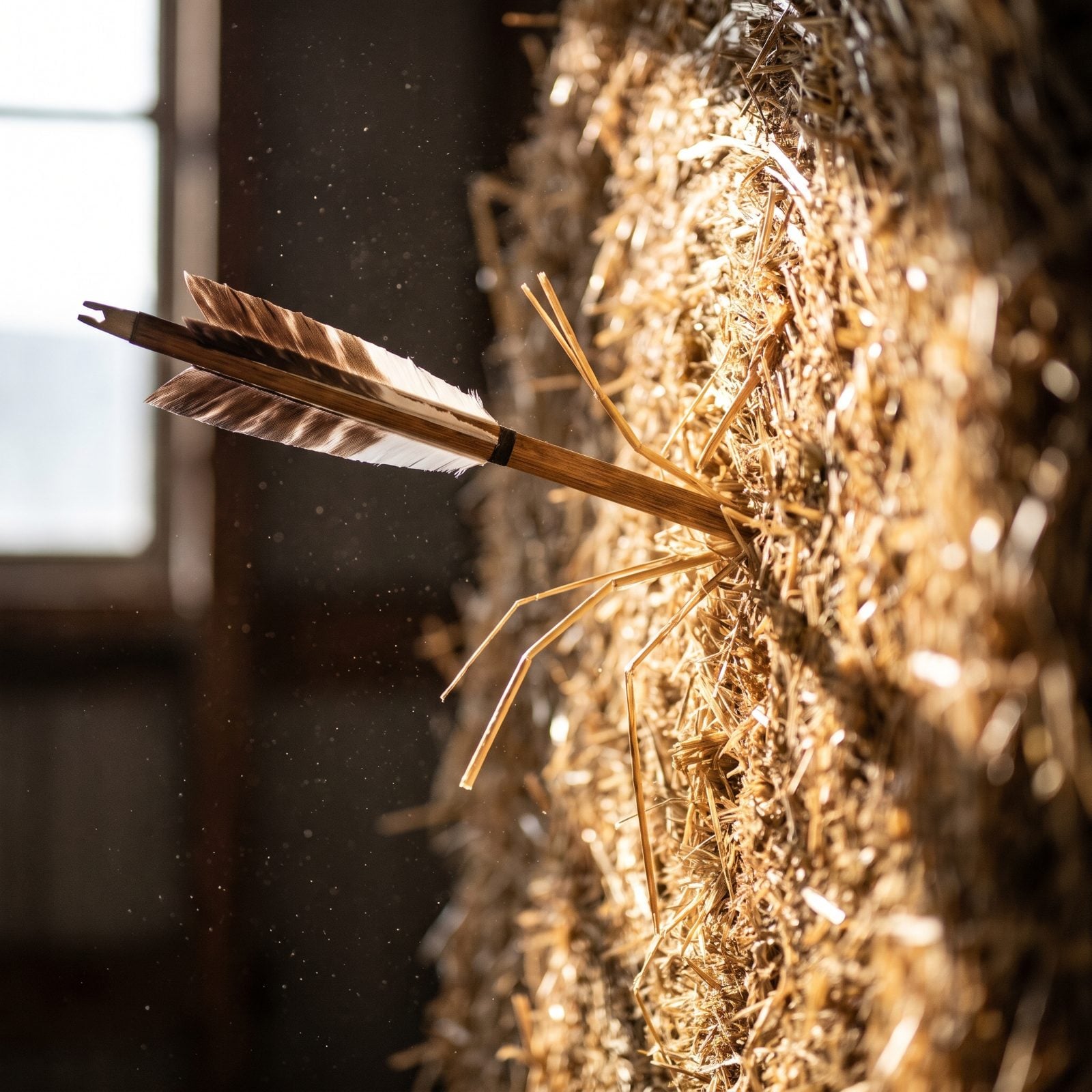
The thunk of an arrow burying into a straw bale is a sound you don’t forget. Real feather fletching, wooden shafts, a laminated bow that actually had some pull to it — this was no toy and everybody knew it.
Setting up a range at camp meant finding a straw bale or a hay target and clearing everybody out from behind it. You’d loose three arrows, then walk down to pull them, counting how many actually stuck. Half the game was retrieving the ones that sailed clean over into the weeds.
4. The Wooden Slingshot That Fit Into a Back Pocket
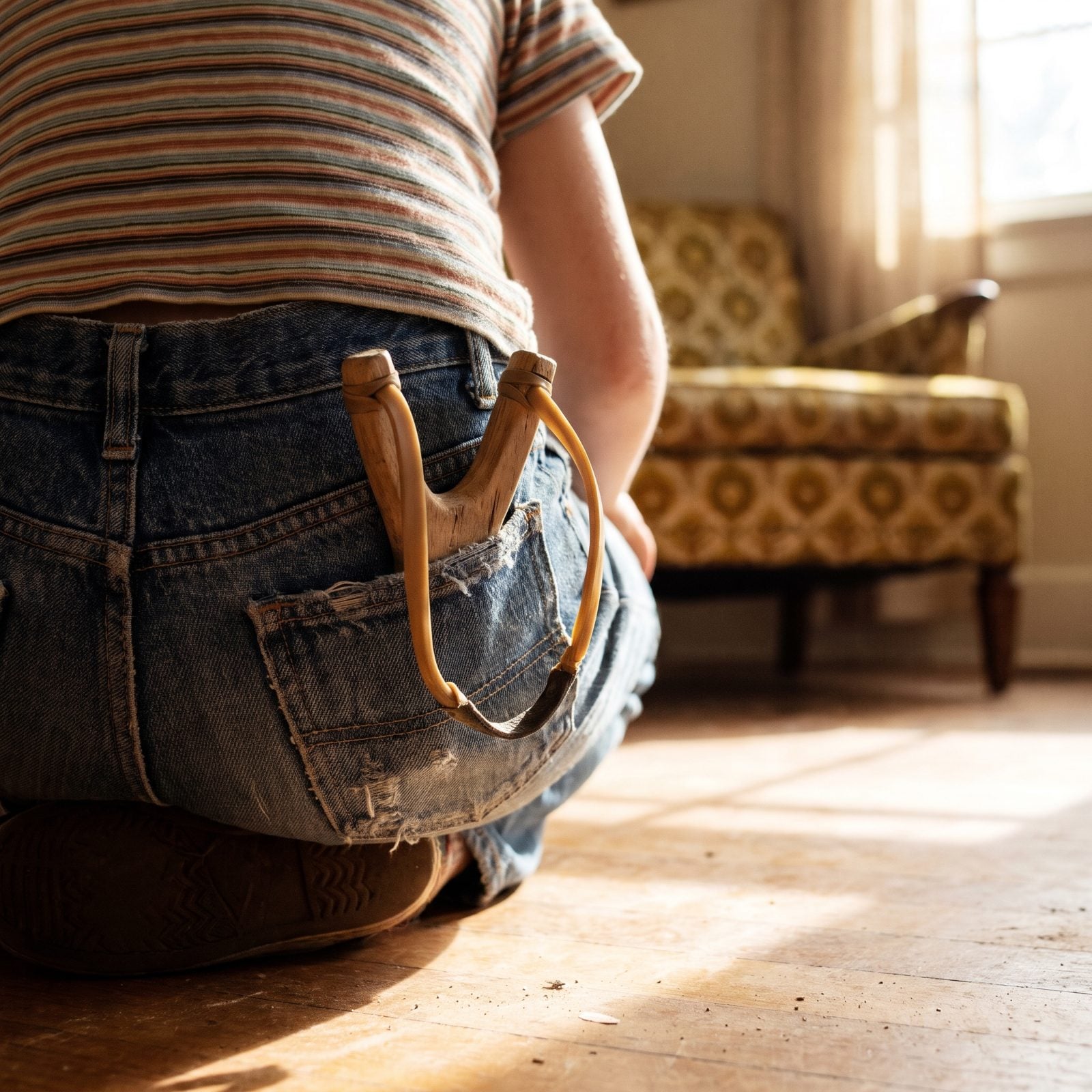
This one fit in a back pocket, which made it the most dangerous gift of the bunch as far as mothers were concerned. A forked wooden frame, amber rubber bands, a little leather pouch worn soft from use.
At camp it meant hours down by the creek aiming at a tin can balanced on a log and hitting it roughly never. The appeal wasn’t accuracy. It was the stretch and snap, the little whip of sound, the way a smooth pebble would arc off into the water and plunk. Honestly, I’m not sure anybody ever hit the can.
3. The Butterfly Net Kids Carried Through Every Meadow
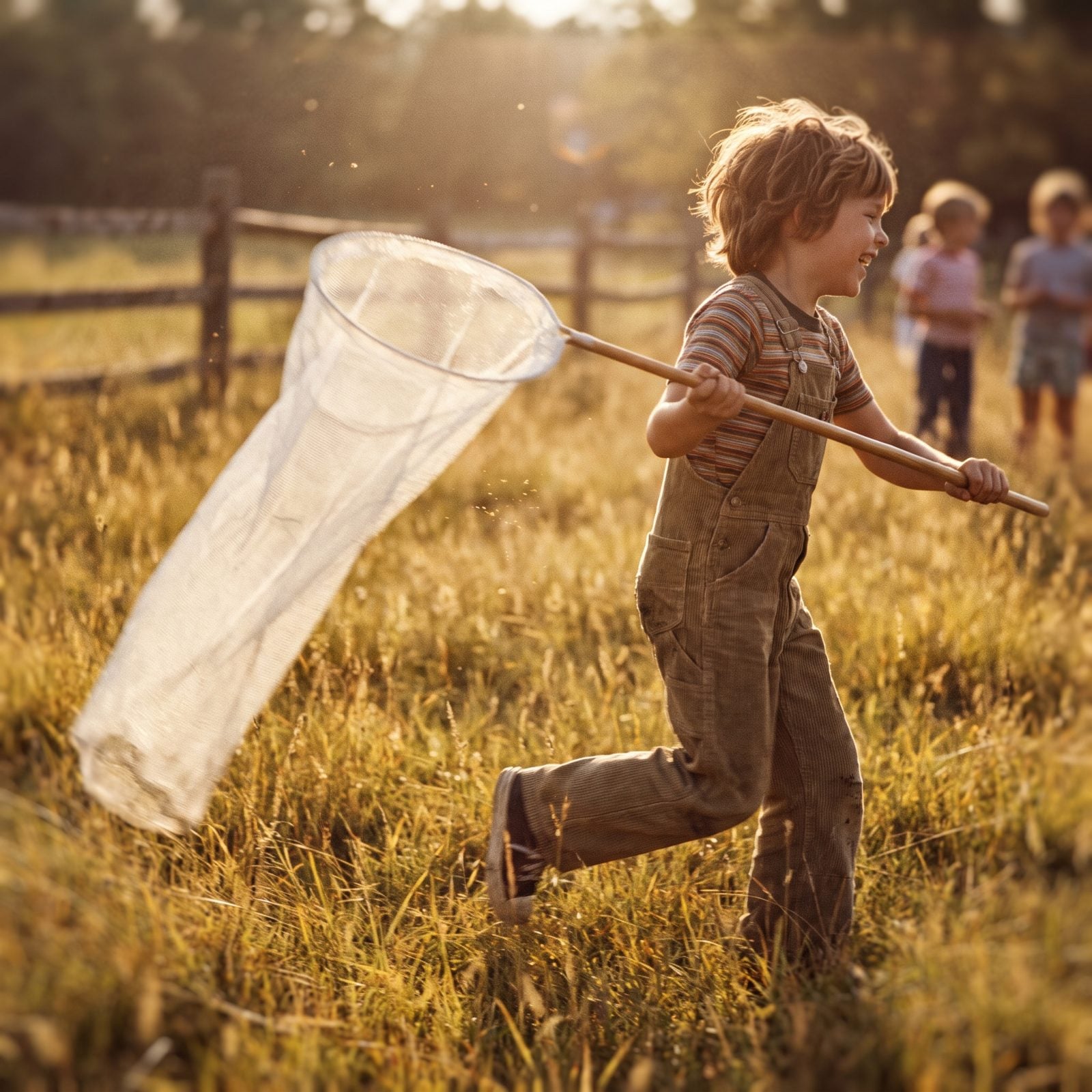
A butterfly net turned every meadow into a mission. The hoop, the long handle, the gauzy white mesh you had to twist shut fast so your catch couldn’t escape.
Nobody was good at it. You’d swing and miss, swing and miss, chase a cabbage white across half a campground, and finally trap a grasshopper you didn’t even want. The real payoff was the glass jar with holes punched in the lid, where whatever you caught got a brief, confused vacation before you let it go at the parents’ insistence. It was the quietest, most patient toy under the tree, and the one most likely to make a kid wander off alone for an hour.
2. A Geology Kit With a Rock Hammer and Specimen Box
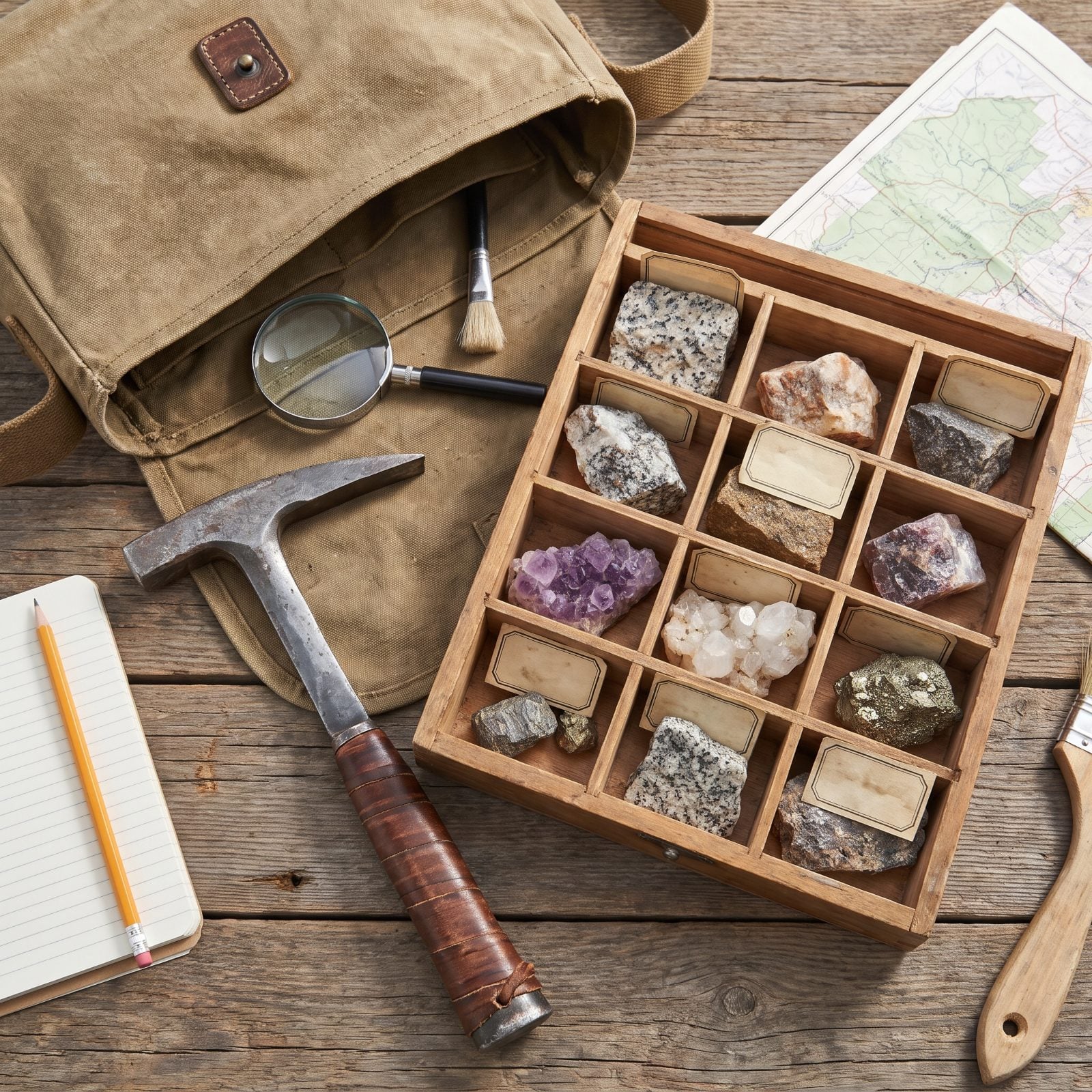
The rock hammer made this one feel official. Real steel with a chisel end and a pointed end, the kind of tool that made a kid feel licensed to go whacking at anything that looked interesting.
The kit came with a wooden specimen tray, little compartments already filled with samples waiting on blank label cards — quartz and mica and a chunk of something that sparkled. But the whole draw was finding your own. A campground with a rocky slope nearby was a goldmine, and you’d come back to the trailer with pockets full of gravel that looked a lot less impressive under the lantern than it had in the field.
1. The Pair of Walkie-Talkies That Made You a Secret Agent at the KOA
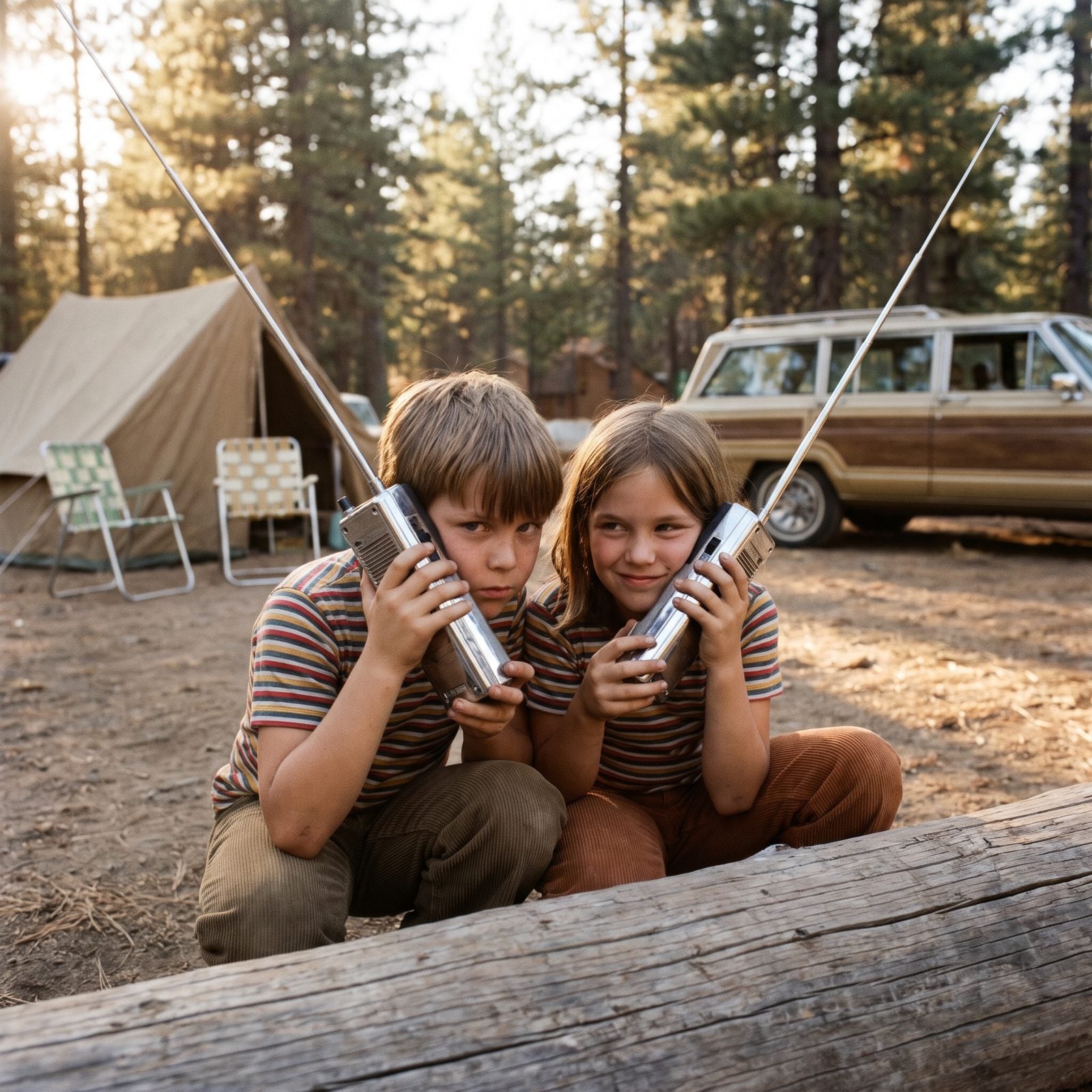
The antenna was the whole magic. You telescoped it out to full length, felt that satisfying click at the top, and suddenly you were in business. Secret agent business — the kind that mostly involved reporting from behind a tree that the station wagon had not moved.
Walkie-talkies under the tree in 1972 meant a specific run of Christmas morning. Tear the paper, rip open the box, dig out the two chunky chrome-silver handsets, then scream for somebody to find the right batteries. They usually had a Morse code button nobody understood and a range the box wildly exaggerated. Thirty feet and a tree would kill the signal dead.
Didn’t matter. At the campground they came alive, one kid at the site and one scouting the loop road, both of them yelling “over” and “do you copy” at a volume that made the whole thing pointless. The static hiss. The squeal of feedback when you got too close. That little red talk button worn smooth by summer. For a weekend you weren’t a kid in a campsite — you were a field operative, and don’t let anybody tell you otherwise.