
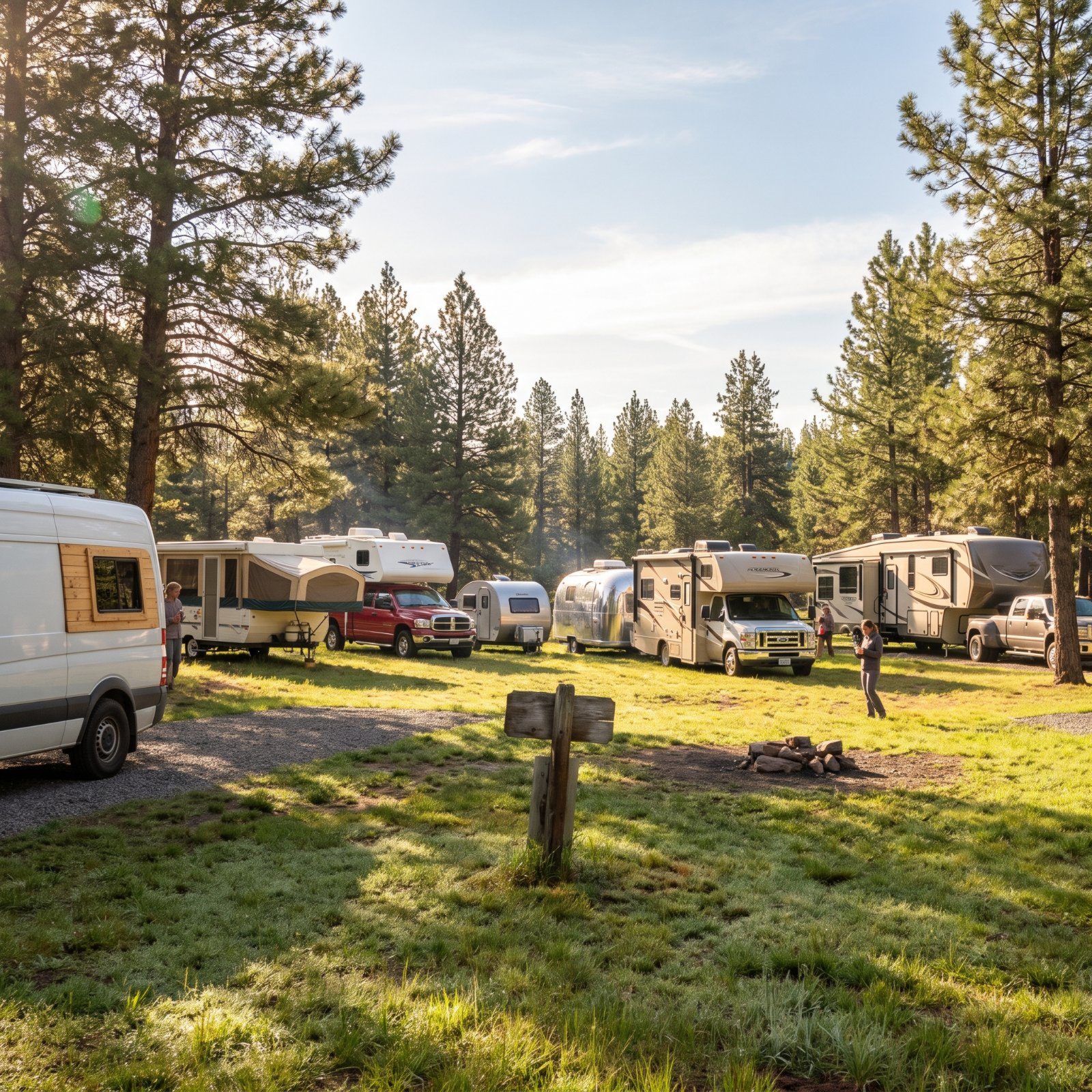
Ask a man what his first camper was and watch his face change. Not the make or the year. The feeling. The thing he was reaching for when he signed the papers or welded that bed frame in the garage.
Nobody tells you this part: the rig you started with wasn’t a random purchase. It was a confession. Psychologists have spent decades studying how the choices we make in our twenties and thirties quietly predict the people we’d become, and the first RV turns out to be a surprisingly loud signal. Resourcefulness, patience, ambition, the appetite for comfort you’d never admit at the campfire. It’s all in there.
Eight first rigs, eight kinds of men. And one thing every single one of them did to your nervous system that you’re still running on today. Let’s find out which one you were.
10. Why the Rig You Started With Still Runs Quietly Underneath Every Decision You Make Now
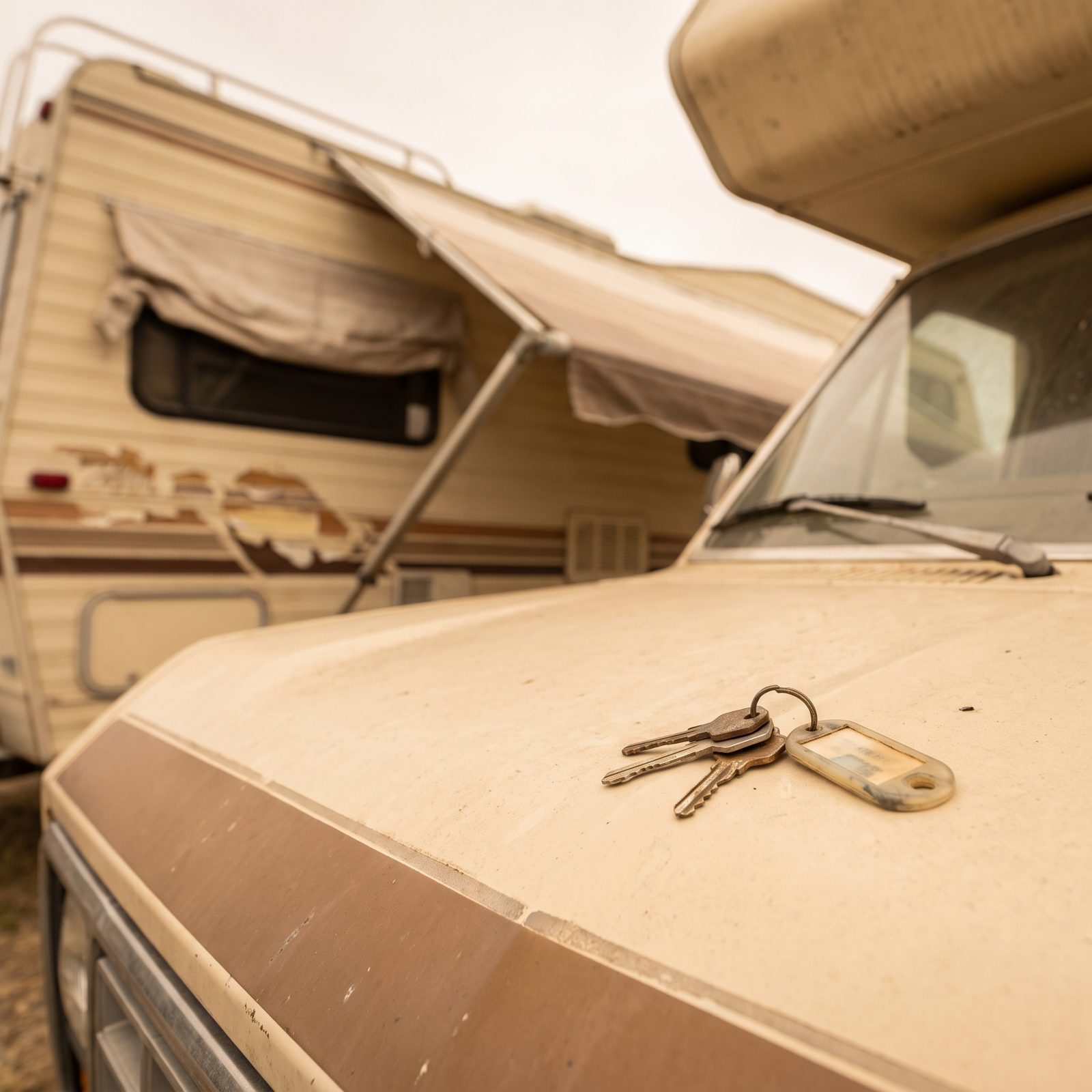
The first one is never the dream one. It’s the one you could afford, the one a buddy was selling, the one that fit in the driveway without a fight. And decades later it’s the one you can still describe down to the smell of the propane and the way the door latch stuck in cold weather.
There’s a reason for that. Memory researchers call it the reminiscence bump: adults asked to recall their lives pull a disproportionate number of vivid memories from roughly ages 15 to 25, encoded with a specificity other decades never match. Source That first rig landed in the exact window when novelty, emotion, and a forming sense of self all fired at once.
So the choice you made at 24 wasn’t just a purchase. Nostalgia researchers argue it became part of how you built a continuous sense of who you are. Source Whatever that first camper asked of you, you’ve been answering ever since. The rest of this list just names the answers.
9. The Man Who Bolted a Bed Into a Cargo Van Became the Guy Who Fixes Everything Himself (And the Psychology Says It Wasn’t an Accident)
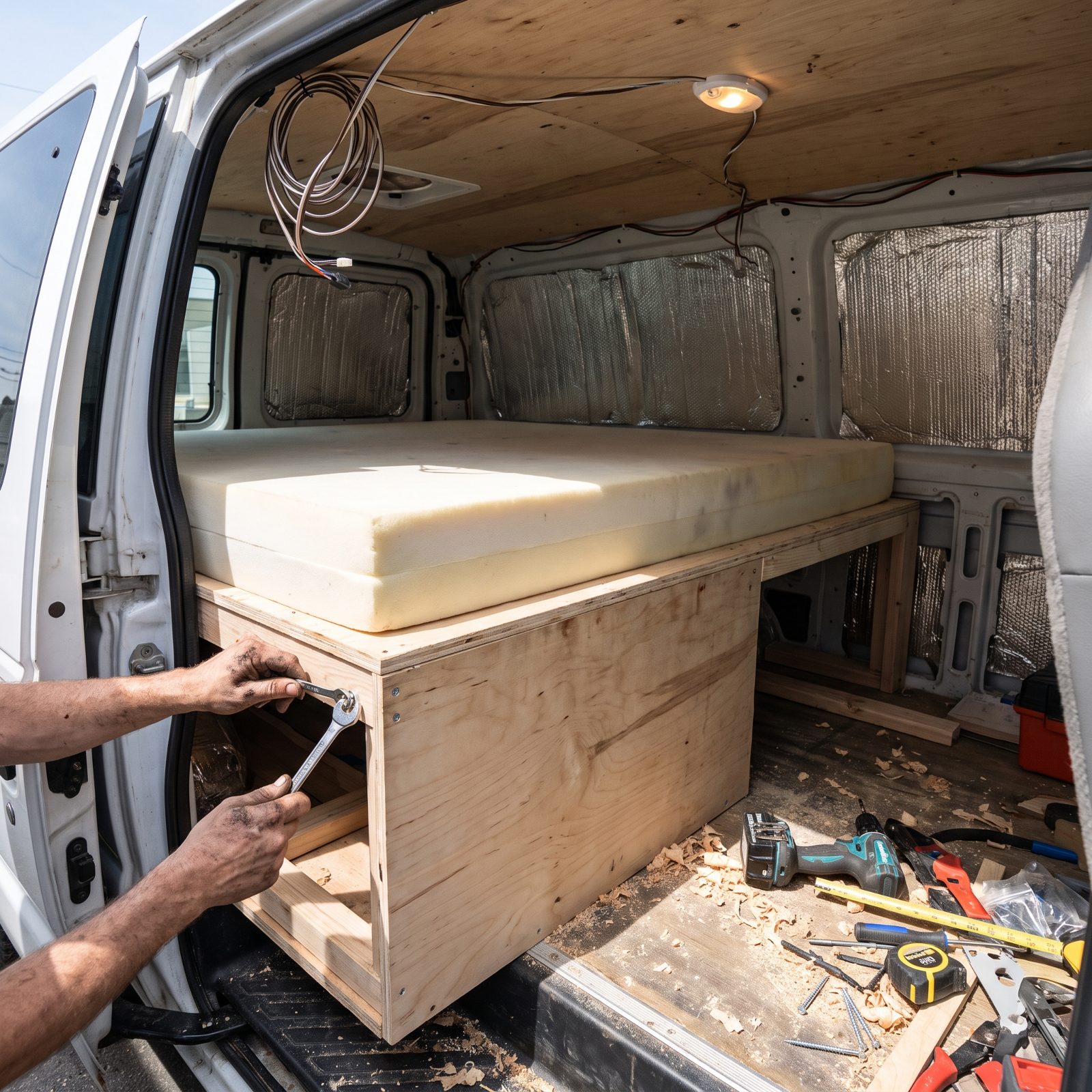
Plywood platform, a foam mattress cut to fit, a battery wired to a dome light with crimp connectors and a prayer. The homemade van conversion started as an empty steel box and became a home through nothing but hands and stubbornness.
Watch what that does to a person. Researchers who study DIY repair find that finishing a job yourself builds self-efficacy, the belief that you can handle the next broken thing too. Source One successful fix makes the next one feel possible, and the whole identity reorganizes around it. Source
So the guy who built his first rig out of a panel van is usually the guy still under the sink at 2 a.m. with a headlamp. He didn’t become handy because he’s handy. The van made him practice.
8. What the Camper That Folds Flat Reveals About People Who’d Rather Save Room Than Show Off
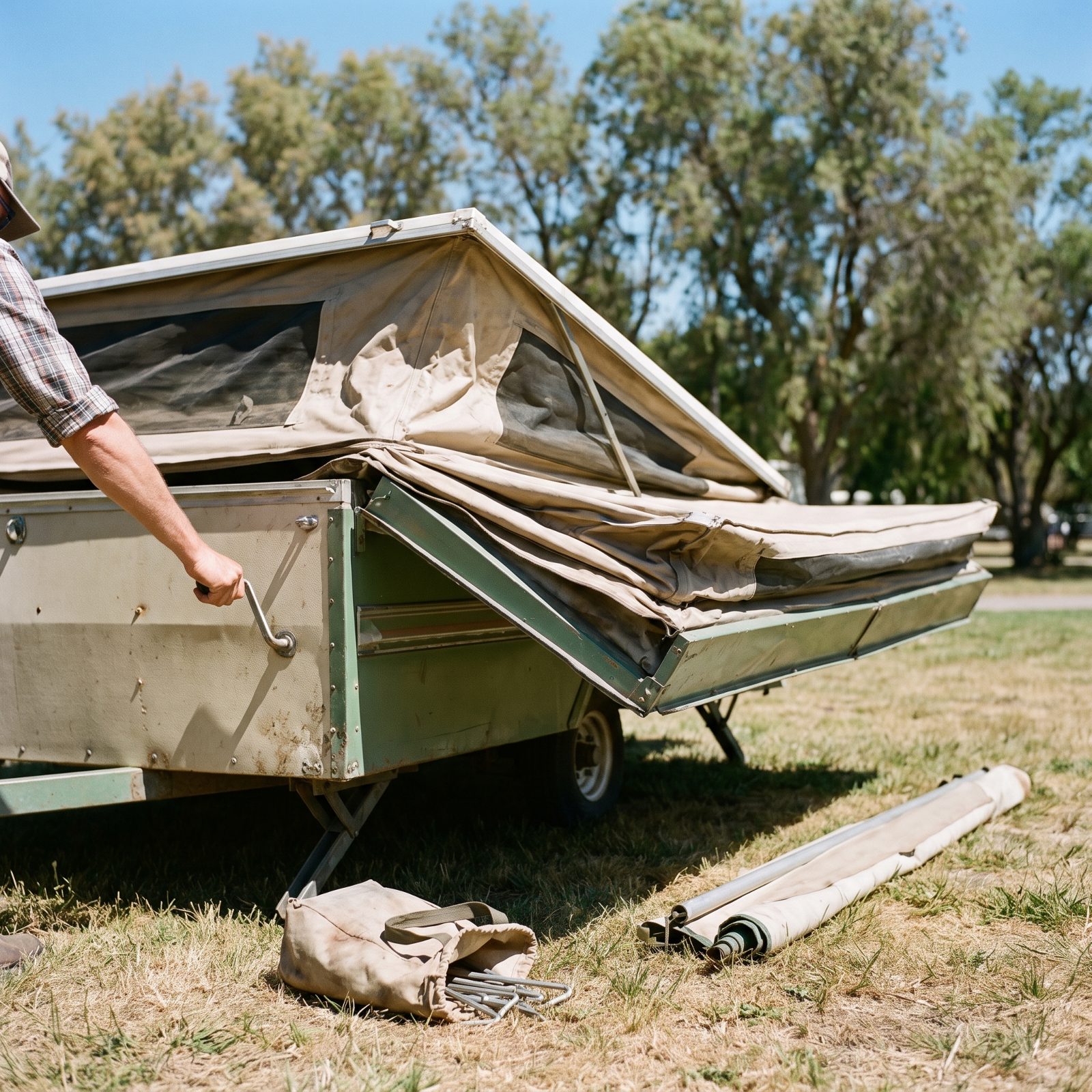
You crank it. The roof lifts, the canvas sides unfold like a tent that drove itself to the campground, and a box the size of a utility trailer turns into a bed for four. The pop-up is the choice of someone solving a problem, not making a statement.
That instinct runs deep. In self-determination theory, competence (feeling capable of a good outcome) sits alongside autonomy as a core psychological need, and the pop-up owner feeds both at once with one clever, collapsing machine. Source
Nobody ever bought a pop-up to be seen in it. You bought it because it fit the garage, towed behind the sedan, and did the job for a fraction of the price. People who start there usually stay practical their whole lives. Resourceful over flashy. The folded-flat mindset outlasts the camper.
7. The RV That Rides in a Pickup Bed Attracts a Specific Kind of Mind, and Researchers Have a Name for It
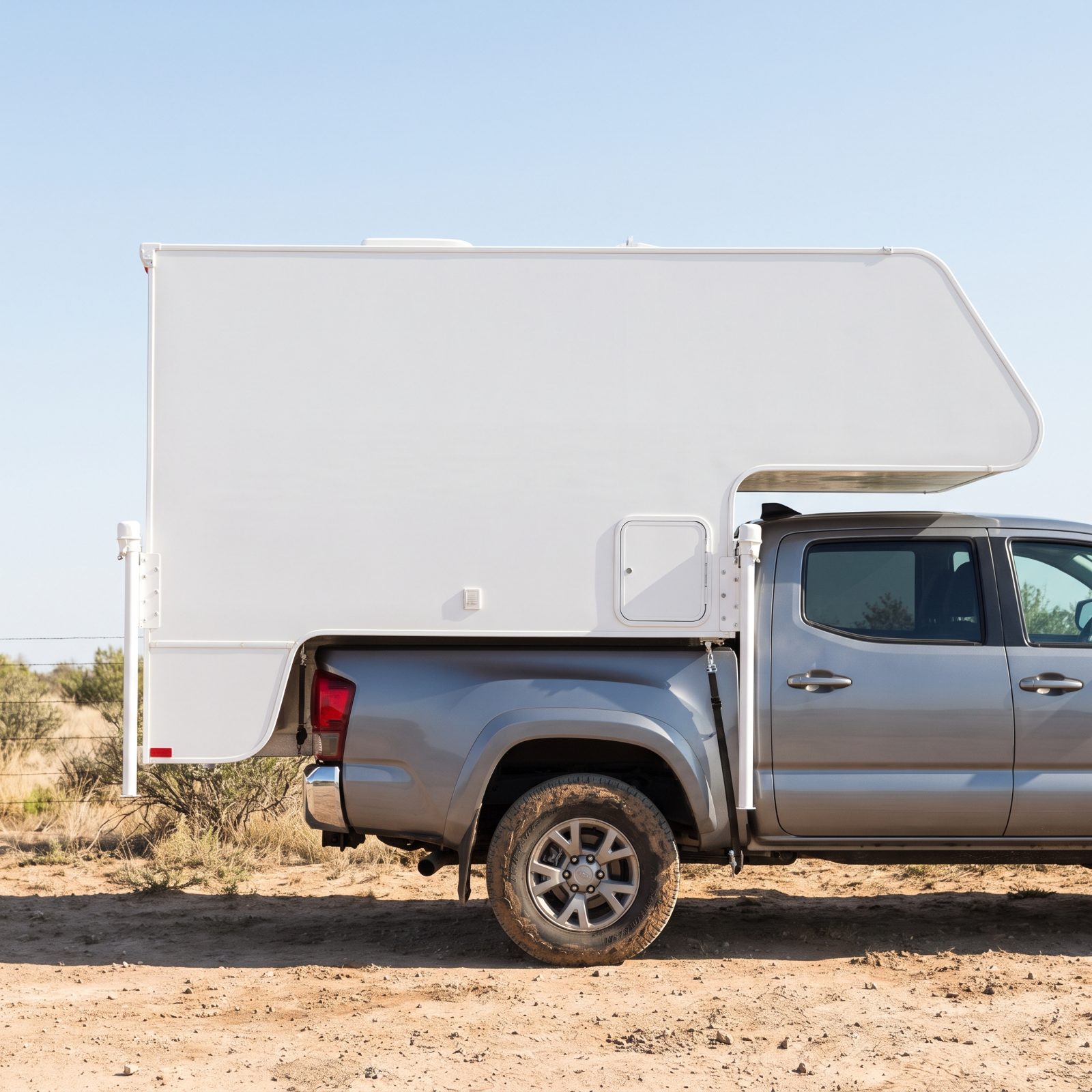
The truck camper is the honey badger of RVs. It slides into the bed of a pickup, clamps down, and suddenly your work truck is a self-contained home that can go anywhere the truck can, which is basically anywhere.
The people drawn to that setup share a trait psychologists have measured for decades. Marvin Zuckerman called it sensation seeking, defined as the pursuit of varied, novel, complex, and intense experiences, and a willingness to take risks to get them. Source One of its four facets is experience seeking: an appetite for travel to unfamiliar places and the unconventional. Source
That’s the truck camper owner. Not reckless. Just allergic to the paved pull-through site with full hookups and a neighbor eight feet away. The forest road nobody else wants to drive is exactly the point.
6. Why the Smallest Trailer on the Lot Belongs to the People With the Biggest Appetite for the Unknown
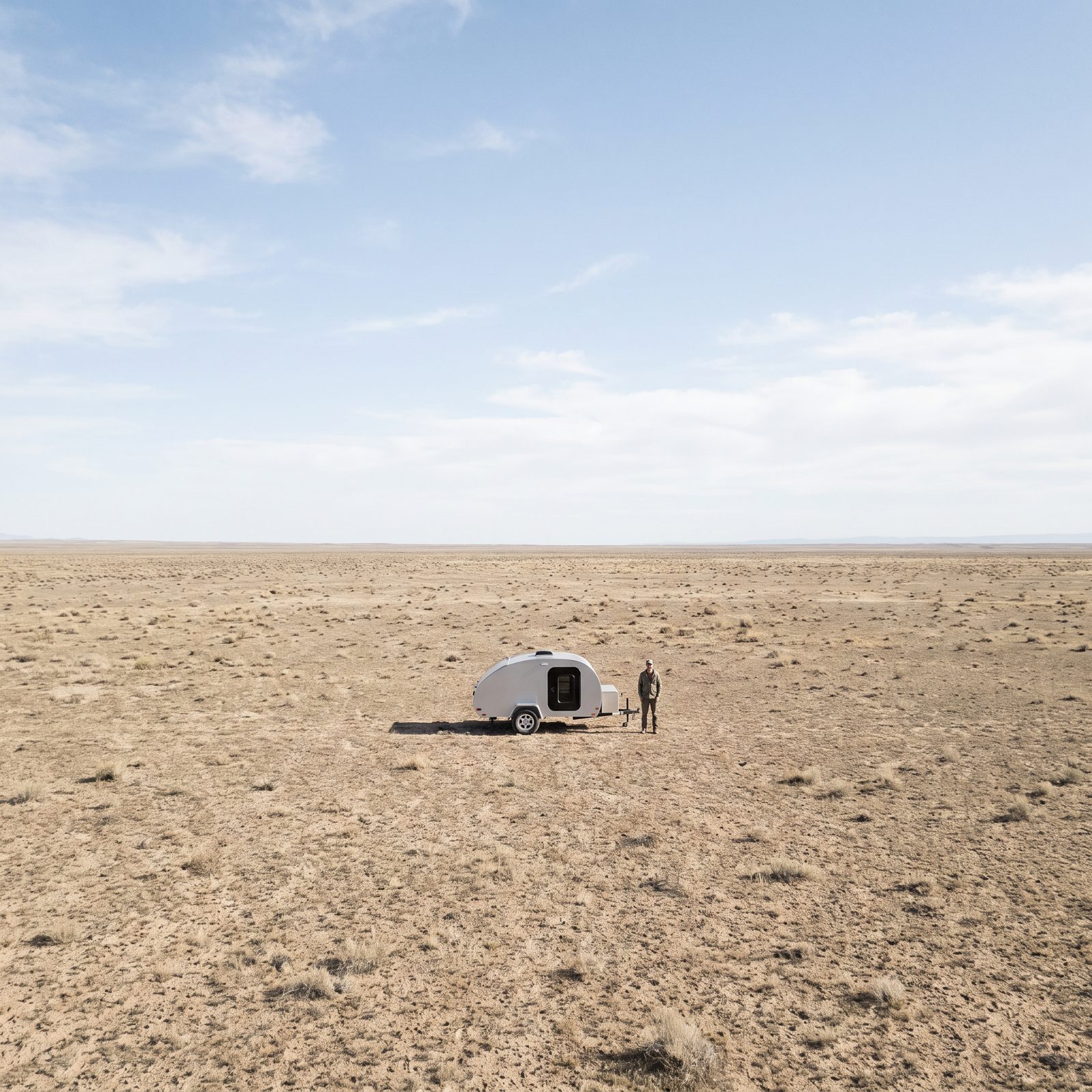
A teardrop. A fiberglass egg. Thirteen feet of trailer with a galley in the hatch and a bed you have to crawl into. On a lot full of forty-foot land yachts, the tiny travel trailer looks like a rounding error. Its owners prefer it that way.
Small trailer, big radius. When the rig weighs almost nothing, a four-cylinder can tow it, the mileage barely suffers, and suddenly the whole map is reachable. The constraint is the feature.
And constraint, it turns out, sharpens the mind rather than dulling it. Self-determination research ties wellbeing to autonomy and competence, the sense that you’re acting freely and handling things well. Source A tiny trailer delivers both: freedom to roam and mastery of a space you can set up in five minutes. People who start small usually aren’t settling. They’re trading square footage for range, and they’d make the trade again tomorrow.
5. The Aluminum Shell From 1963 Says Something About the Men Who Waited Years to Own One

Riveted aluminum, round at every corner, catching the light like a thing that fell out of a different future. A vintage Airstream was never the camper you bought first on impulse. It was the one you circled for years, saved for, finally found, then spent another two years making right.
That’s patience as a way of life. Psychologists have long studied delay of gratification, the willingness to pass on the immediate reward for the better one later. The famous marshmallow studies linked it to a run of positive adult outcomes, though later, larger replications found the effect smaller once family and environment were accounted for. Source
Debate the size of the effect all you want. The Airstream man already lives the trait. He waited for the right one, restored it slowly, and treated the polishing as part of the pleasure. People who start with a project they’re willing to wait out approach everything else the same way. Carefully. For keeps.
4. What Choosing the Beginner’s Motorhome First Tells You About How Someone Handles the Middle of Things
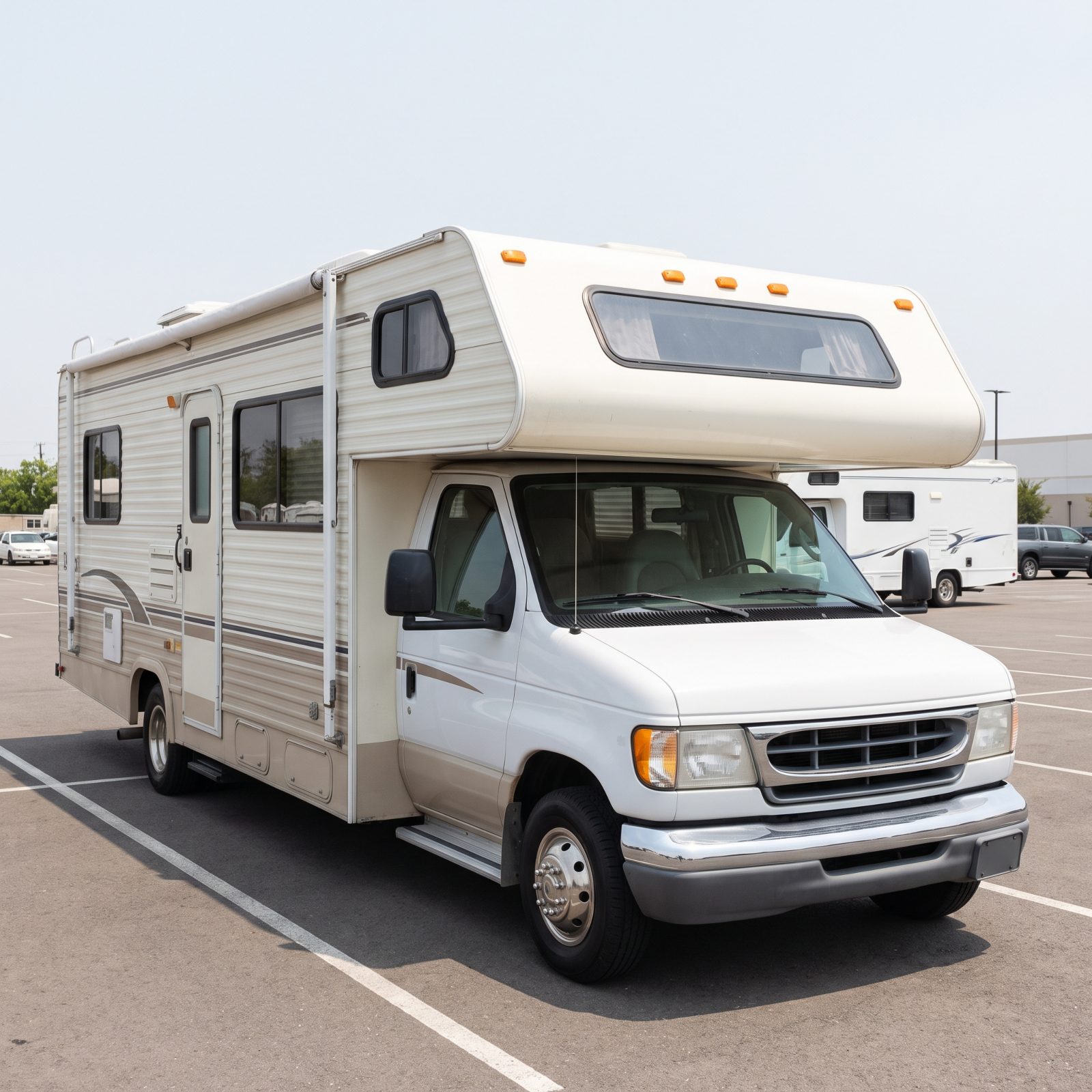
The Class C is the sensible one. Cab over the front, bunk tucked above the driver’s seat, built on a van chassis you can actually take to a regular mechanic. Not the smallest, not the biggest. It splits the difference, and splitting the difference is a whole personality.
People who start here want enough comfort to stay a week but enough nimbleness to still find a campsite. They’re reading the manual before the trip and keeping a spare fuse kit in the glovebox. In self-determination terms, the Class C satisfies competence without demanding you become a mechanic or a millionaire first. Source
And here’s what it predicts. Pick the middle option and you’re probably good at the middle of everything, that long stretch of a project after the excitement fades and before it pays off. They don’t flame out and they don’t overreach. They keep the thing running and keep showing up. Underrated. Honestly, the ones you want on a long trip.
3. The Forty-Foot Coach in the Driveway and the Quiet Hunger for Comfort Most Men Won’t Admit To
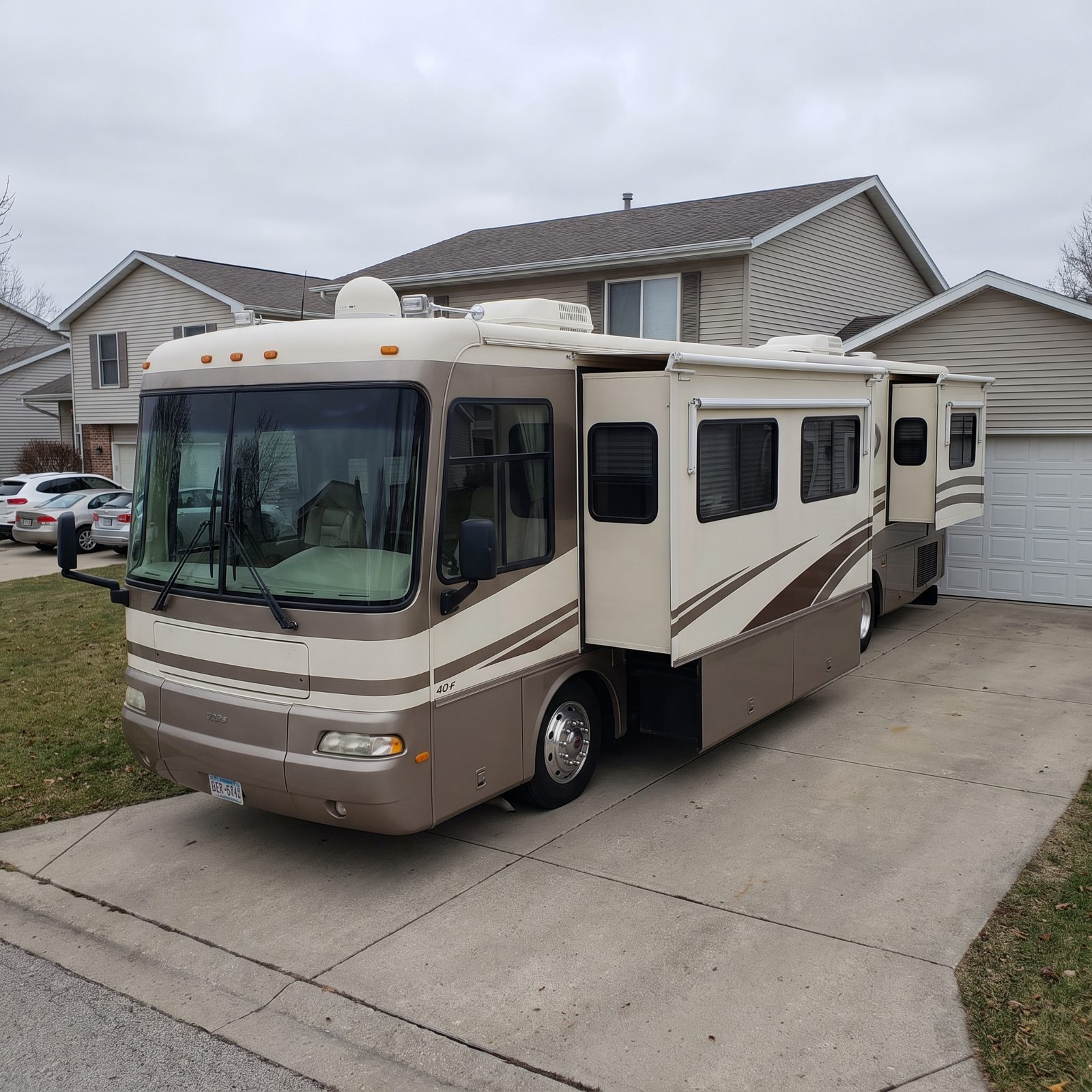
Diesel pusher, three slide-outs, a residential fridge, a king bed, and a windshield the size of a storefront. The forty-foot Class A coach, or the fifth wheel that rivals it, is a house that does 65 on the interstate. And the man who starts here will tell you it’s about the quality of the chassis. It’s partly about the chassis.
It’s also about comfort, and comfort is a need people are oddly embarrassed to name. Yet wellbeing research keeps circling back to the same roots: competence, autonomy, and relatedness, the pull to be connected and settled among others. Source The big coach delivers all three. Full control of your surroundings, a home that goes with you, and a wide-open living room where the whole family can gather at the next lake.
I’ll say the quiet part plainly. Wanting to be comfortable is not a character flaw. The man who starts with the forty-footer figured that out early. He likes his coffee sitting down, his bed his own, and his people close. Everything else in his life tends to run the same way: spacious, planned, and set up so nobody has to rough it to spend time together.
2. Why the Fifth Wheel Buyer Plays a Longer Game Than Everyone Parked Around Him
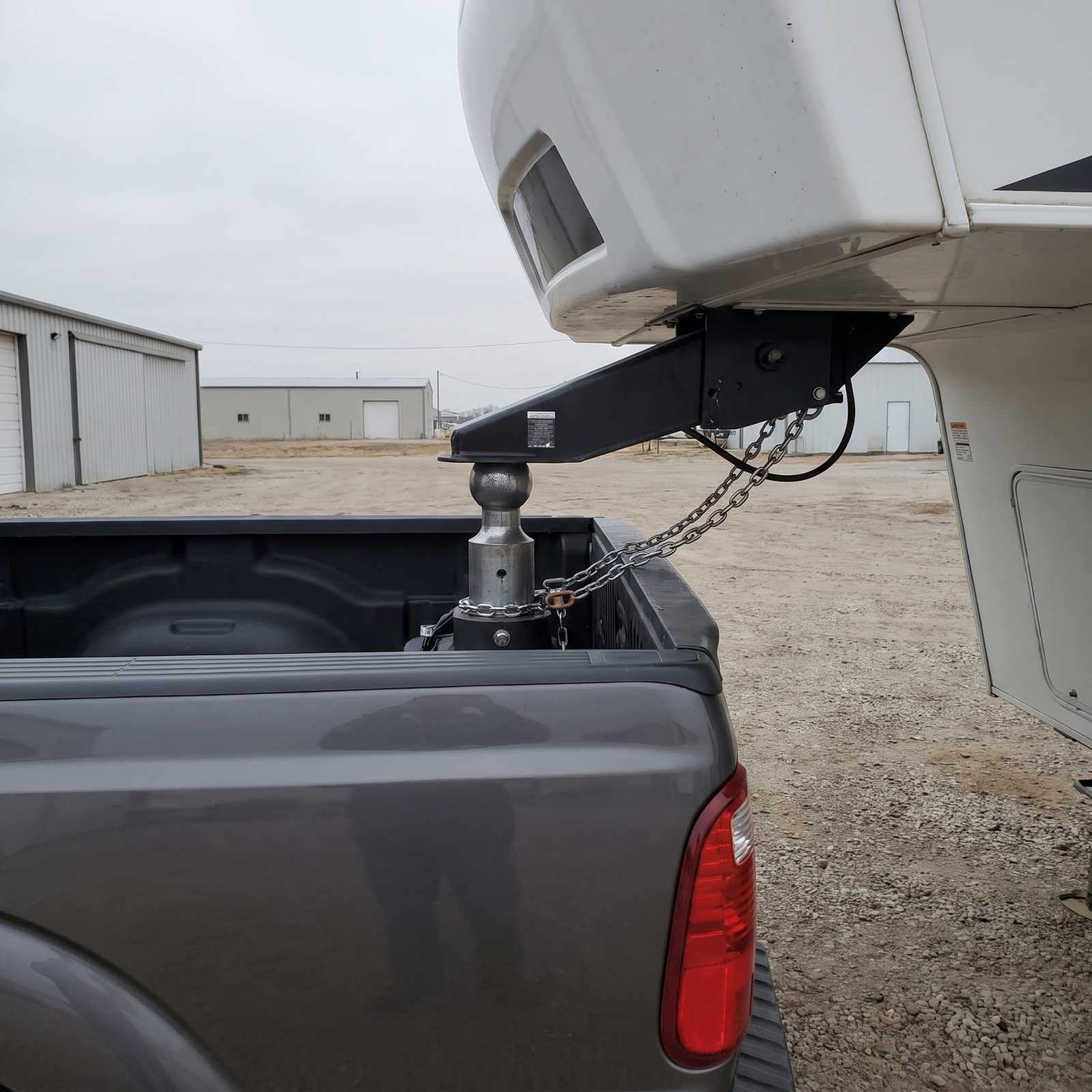
A fifth wheel doesn’t fit in your driveway as an afterthought. You buy the truck first. Then the hitch that bolts into the bed. Then you learn to back a 40-foot box into a 50-foot site using mirrors and hand signals and a spouse yelling over the diesel. Nobody does all that for a weekend. They do it because they’ve already decided where this is going.
That’s the tell. The man who starts with a fifth wheel almost never started with camping. He started with a plan. The rig is the back half of a decision he made months earlier about how the next ten years would feel.
Psychologists have a name for the wiring behind that. It’s called delayed gratification, the ability to pass up the quick reward for the bigger one down the road, and it quietly predicts more of adult life than most people expect. Follow-up work on the children who could wait found they tended toward better health, steadier finances, and stronger stress management decades later. Source
The fifth wheel guy isn’t impatient for the trip. He’s patient enough to build the whole thing right. You see it in the rest of his life too. He paid off the house early. He keeps receipts. He reads the manual.
And here’s the part that stays with him. That long-game wiring doesn’t switch off at the campsite. It’s how he parents, how he saves, how he handles a bad year. The fifth wheel didn’t create the patience. It revealed it.
1. The Thing Every First Rig Did to Your Nervous System That You’re Still Running On Decades Later
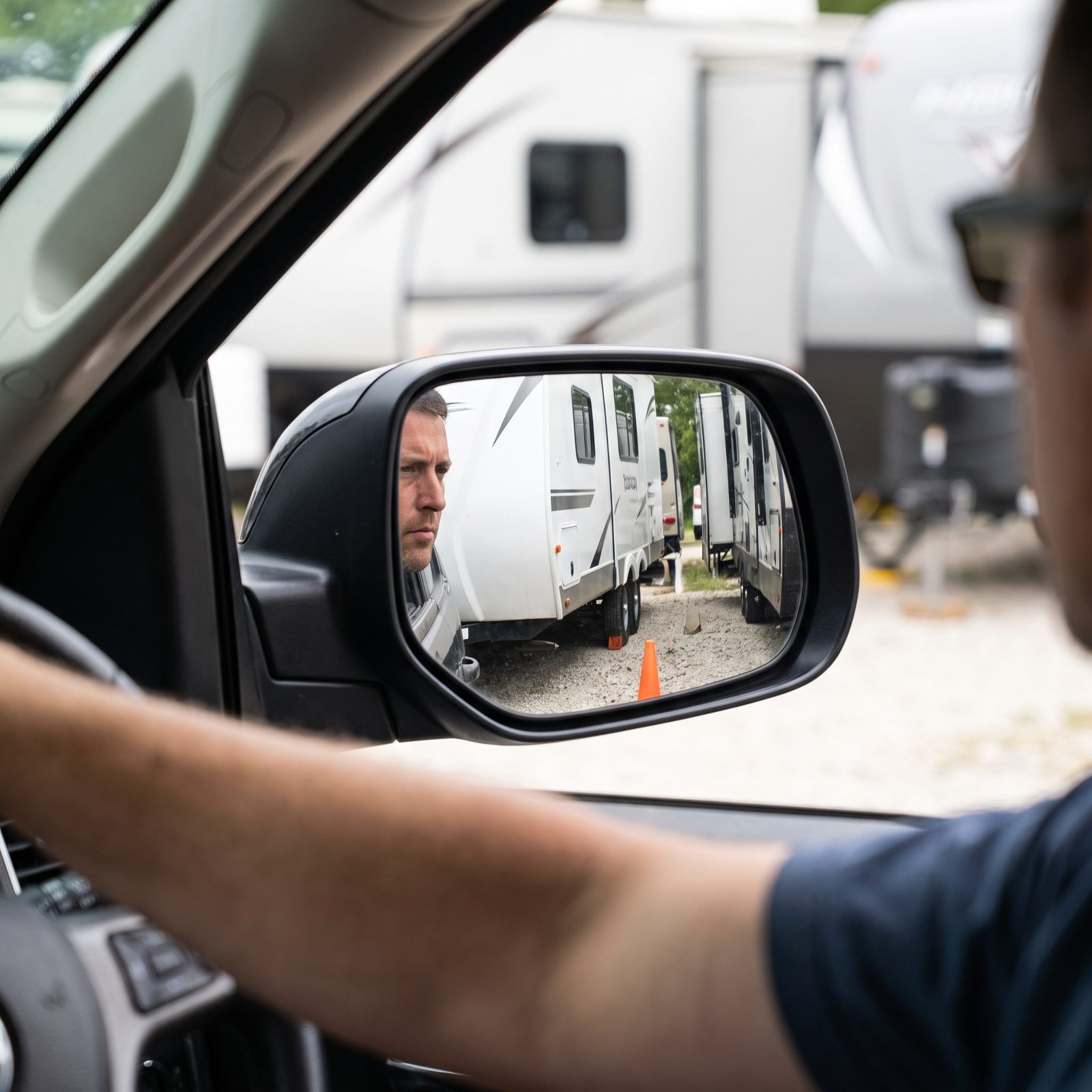
You can still feel it. The first time you backed a trailer into a tight site with a line of rigs watching, your chest tightened before the truck was even in reverse. Heart up. Breath short. Hands locked at ten and two. Your body treated a campground loop like a threat, because for a minute there, it was.
That reaction wasn’t weakness. It was learning. The nervous system is a recording device, and your first rig cut the deepest grooves.
When something goes sideways, a trailer fishtailing on a downgrade, a propane smell at 2 a.m., a slide-out that won’t retract, the brain files the whole scene. Sight, smell, the act of getting in the cab. After that, the trigger alone can fire the alarm before anything bad has actually happened. One therapist who works with driving anxiety describes exactly this: Source
Here’s the hopeful half. That same machinery rewrites itself with repetition. Back in enough times without disaster and the brain builds a second, calmer memory that sits on top of the old one. The fear doesn’t erase. It gets overruled.
That’s why the old hands look so calm. It isn’t that nothing ever rattled them. They ran the reps until the body stopped flinching. And the wiring they built out there (steady hands, slow breath, eyes on the mirror) is the same wiring they carry into every tense moment off the road. The first rig trained the man. He’s been running on that training ever since.
The Bottom Line
Here’s the answer: your first rig revealed your tolerance for risk versus comfort, self-reliance versus convenience, the unknown versus the controlled. You picked it before you had the life experience to fake a different answer. That choice was never about camping. It was the clearest honest snapshot of who you were when no one was grading you, and it’s been quietly steering you ever since. Go look at what you bought first. Then ask whether you’re still living by that answer or whether it’s time to choose differently on purpose.