
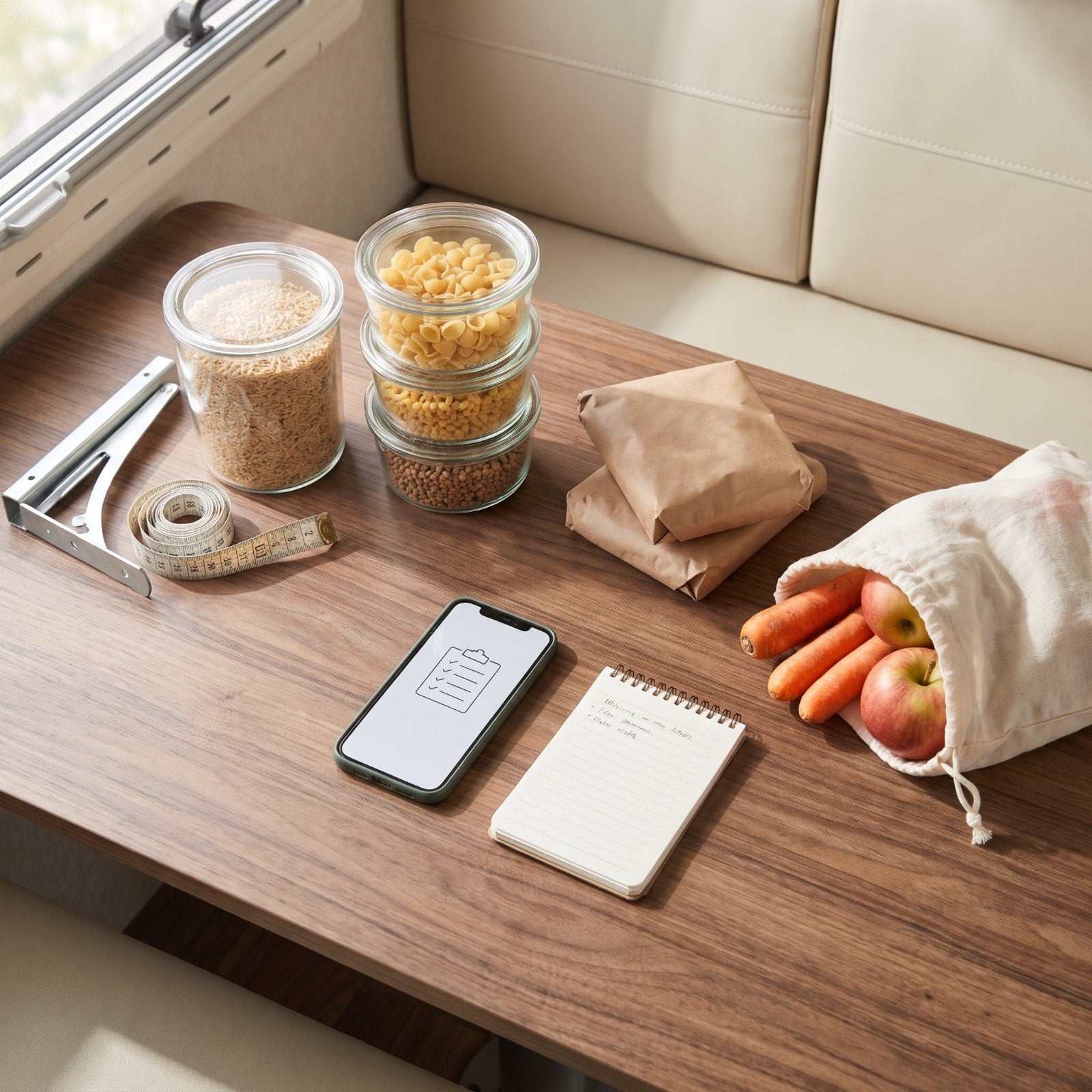
The second bag of flour was the problem. We had two open, both half-used, both hogging a whole cabinet, because nobody could remember what was already on board before the last grocery run. That’s the full-timer tax nobody warns you about: a pantry the size of a shoebox and no good system for tracking what’s in it. Food goes stale in the back, duplicates pile up, and by Thursday the fridge is a science experiment. These habits came out of actual mistakes — the kind you make once in a rig with four cubic feet of storage. Cheap, quick, and they pay you back every single week.
Please note that some of the images in this article were created with the assistance of AI.
37. Photograph the Pantry and Fridge Before You Leave for the Store
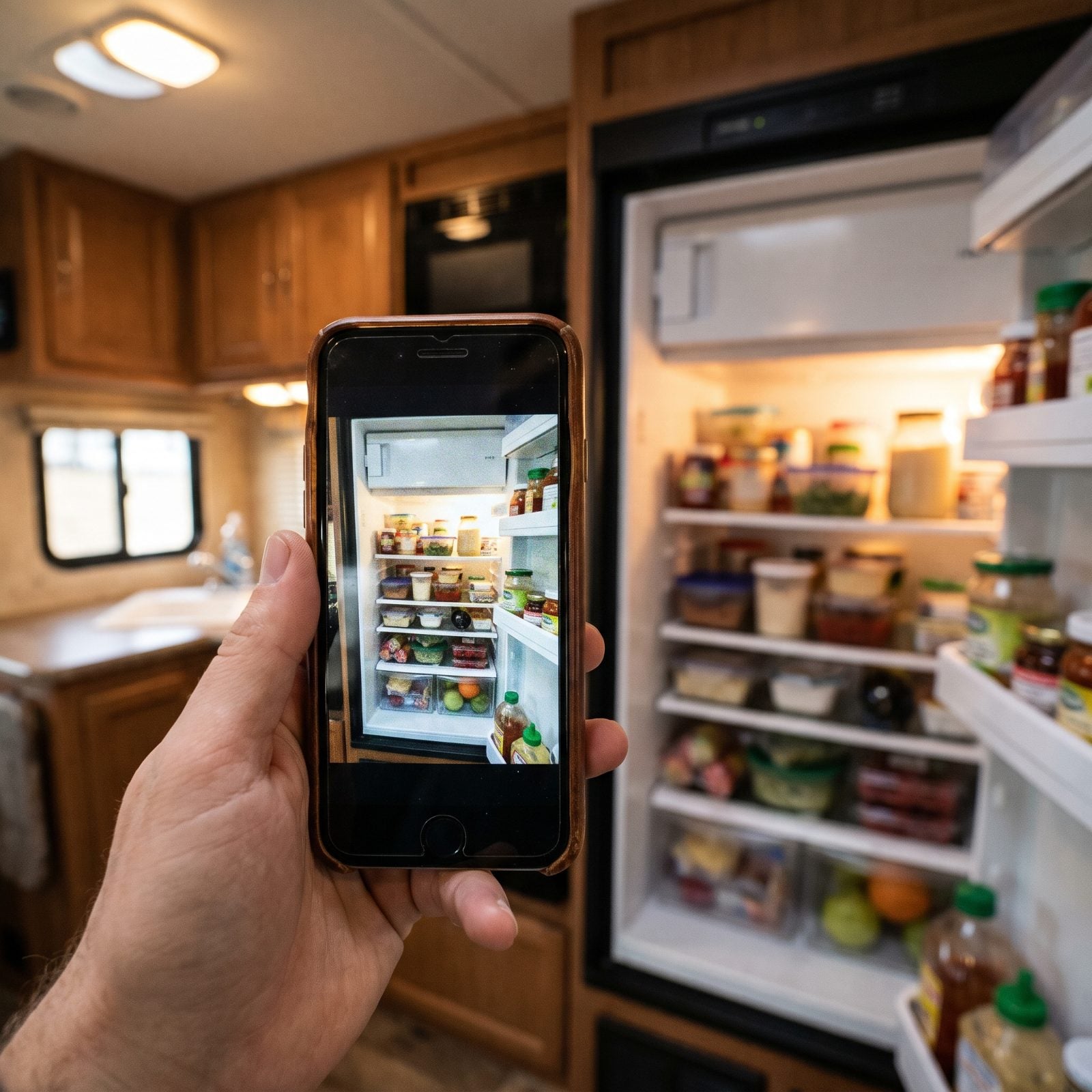
Two photos before you grab the keys. One of the fridge, one of the pantry. That’s the whole trick, and it’s saved us more money than any coupon ever has.
You think you’ll remember what’s on board. You won’t. The back of an RV cabinet is a black hole, and the stuff that lives there is exactly the stuff you’ll buy a second time. Snap the pictures, glance at them in the aisle, and you stop grabbing the third jar of mustard while the first two go gummy.
36. Keep One Shared Grocery List Synced on Both Phones
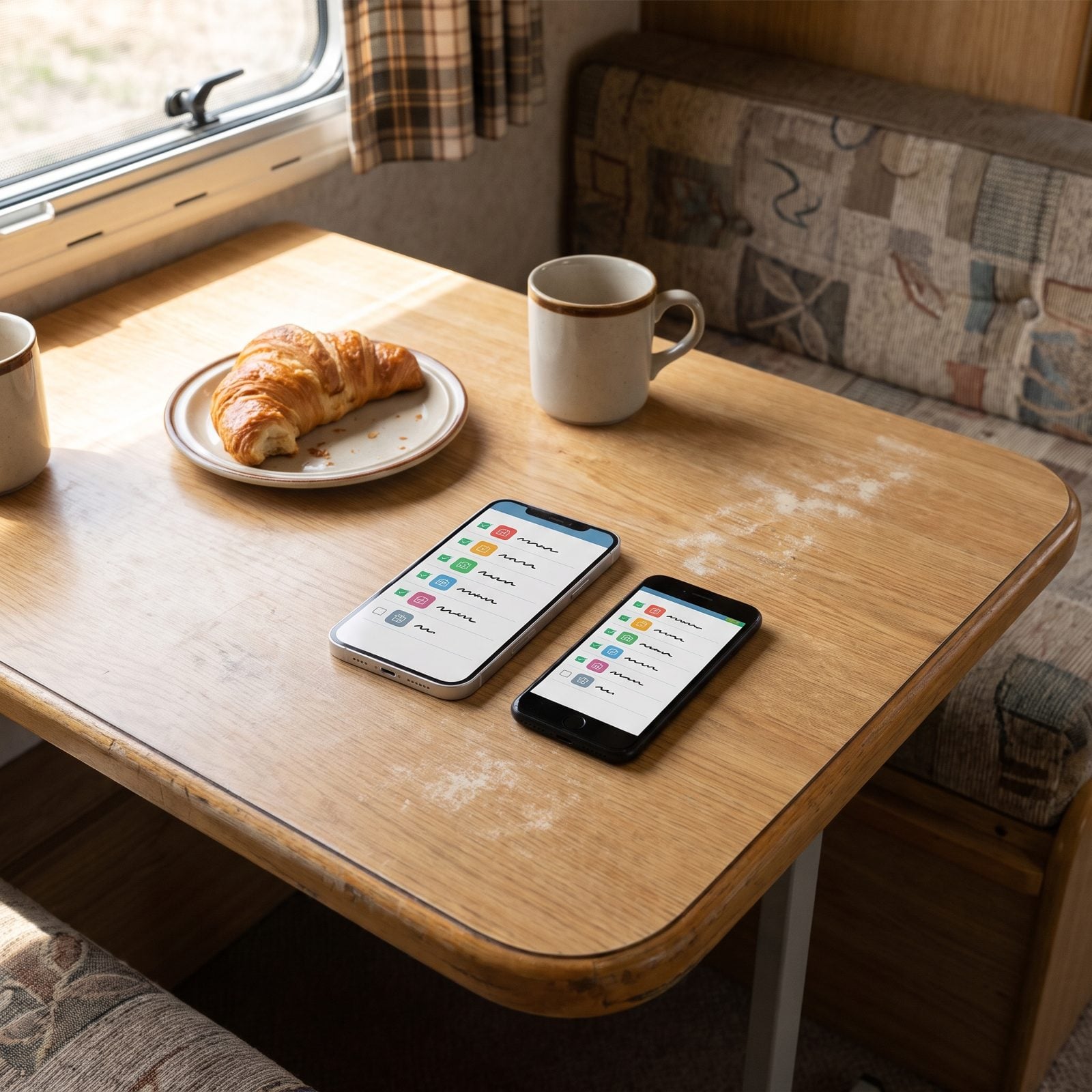
A shared list app on both phones ends the dumbest argument in RV life: who was supposed to remember the coffee.
One person notices the dish soap running low at breakfast, taps it in, and it surfaces on the other phone before anyone’s near a store. No paper scrap that walks off, no texting a photo of a napkin. Whoever lands at the store that day already has the full list, and the list already knows what the other person added.
Free apps handle this fine. We’ve bounced between a couple and honestly any of them work. The software isn’t the point. The point is that the list lives in one place both of you can touch.
35. Build the Week Around Packages You’ve Already Opened
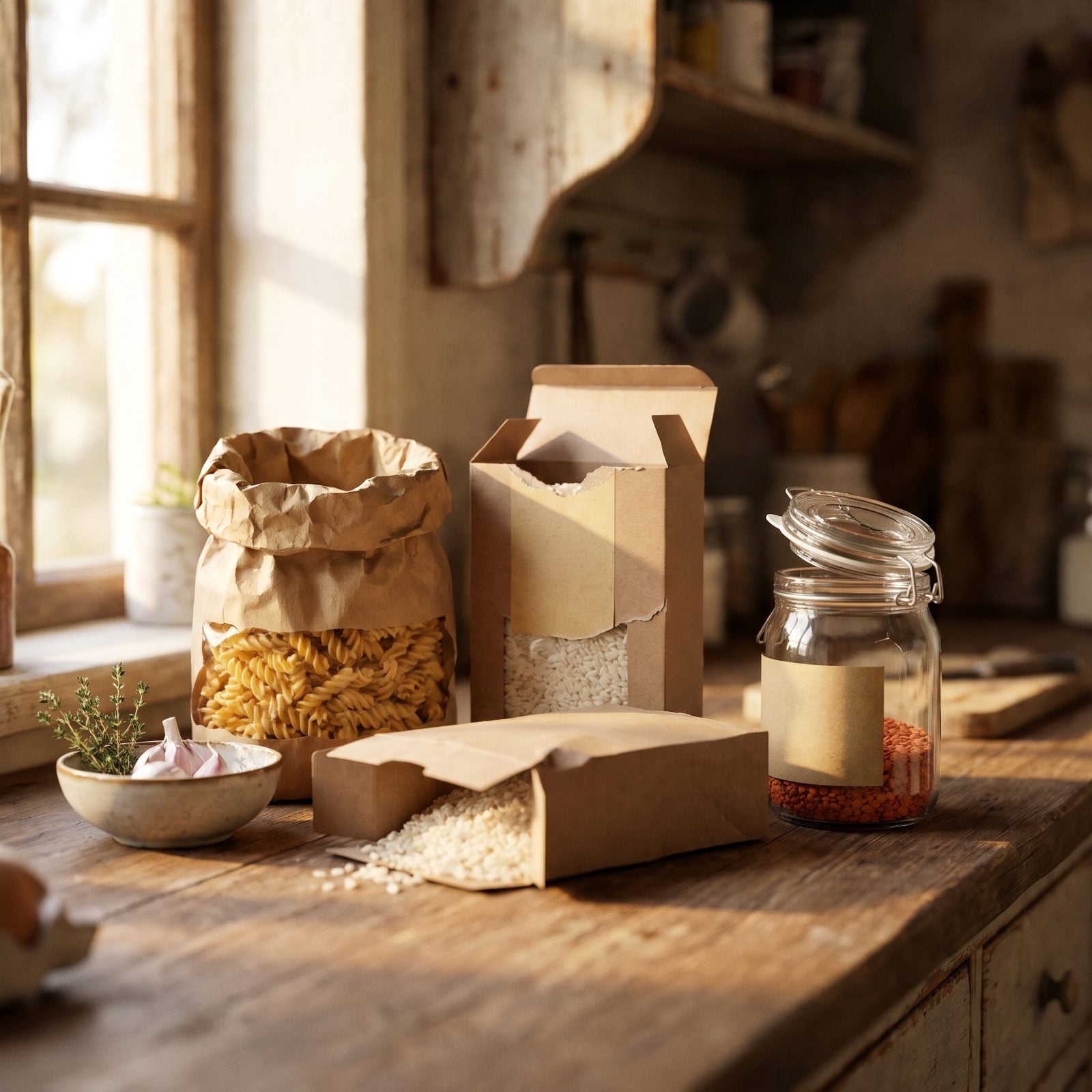
Most meal plans start with a recipe. Start with your open packages instead and watch the waste disappear.
Before you plan a single dinner, sweep what’s already cracked open: the half-bag of rice, the jar of salsa with three servings left, the tortillas that’ll turn by Friday. Those become the backbone of the week. You’re not building meals from a blank page — you’re clearing shelf space as you cook.
I ignored this for a full year and threw out more food than I’d like to admit. Opened stuff ages twice as fast in a rig that bakes every afternoon. Use it first.
34. Stretch One Fresh Ingredient Across Several Meals
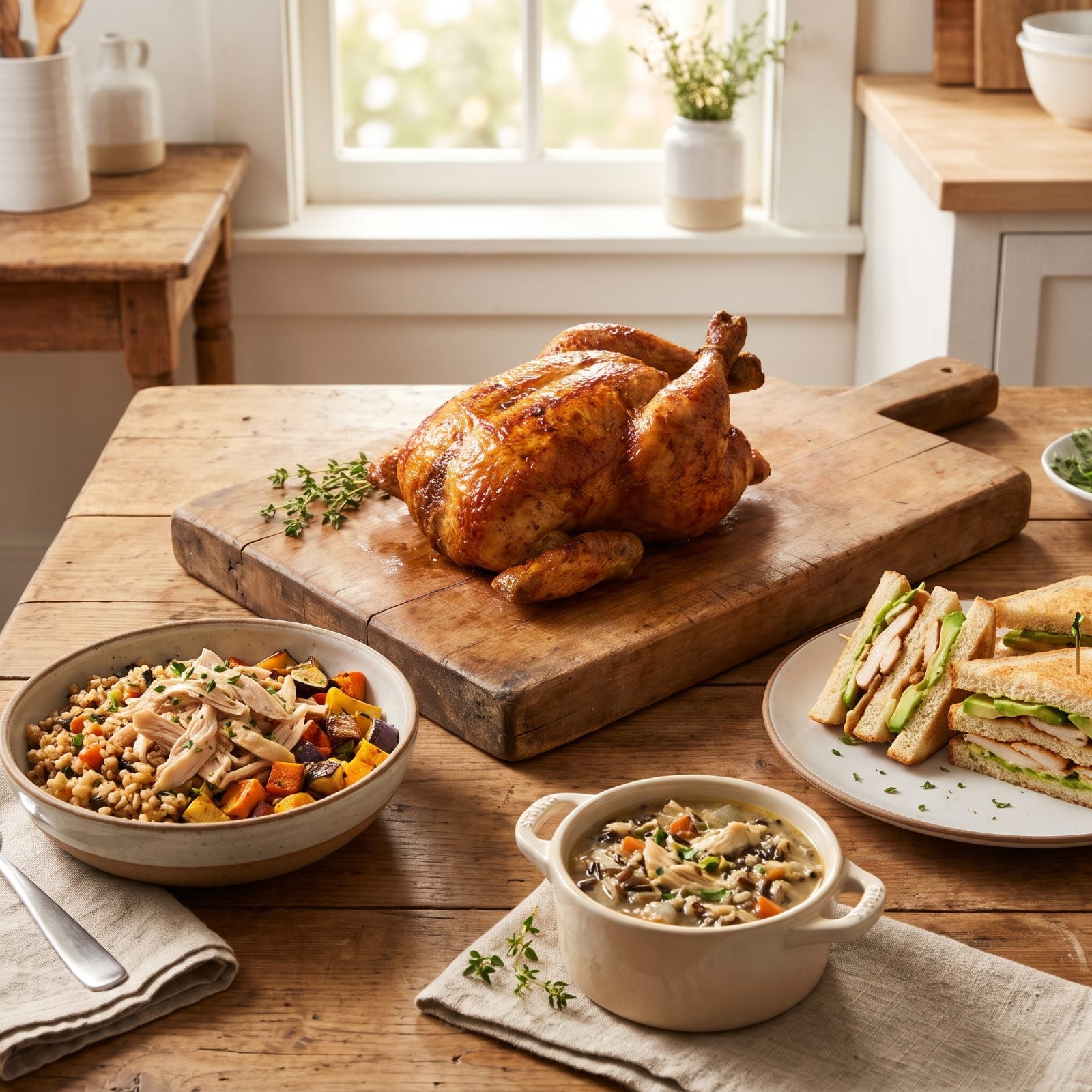
Buy a rotisserie chicken and you’re not buying one dinner. You’re buying three.
Night one it’s chicken and rice. Night two it’s shredded into tacos, and the carcass becomes a pot of soup. One ingredient, one trip through the tiny fridge, almost nothing wasted. Same logic works for a head of cabbage, a bag of spinach, a block of cheese.
In a full-size kitchen you can afford a little of everything. In an RV fridge, variety fights you for storage. Pick a few workhorse ingredients and let them earn their shelf space across the week.
33. Set a Hard Maximum for Every Staple You Stock
One bag of coffee, never two. That’s a rule in our rig, and it governs the whole pantry.
Decide the ceiling for each staple based on the space it gets, not the deal at the store. Two pounds of pasta, max. One backup of olive oil. Hit the limit and you don’t buy more until you’ve used some, no matter how good the price looks.
The deal that fills your last empty cabinet isn’t a deal. It’s a storage problem wearing a sale tag. A hard max keeps the pantry breathing and keeps you from stepping over a flat of canned beans on the floor.
32. Measure the Shelf Before You Commit to Bulk
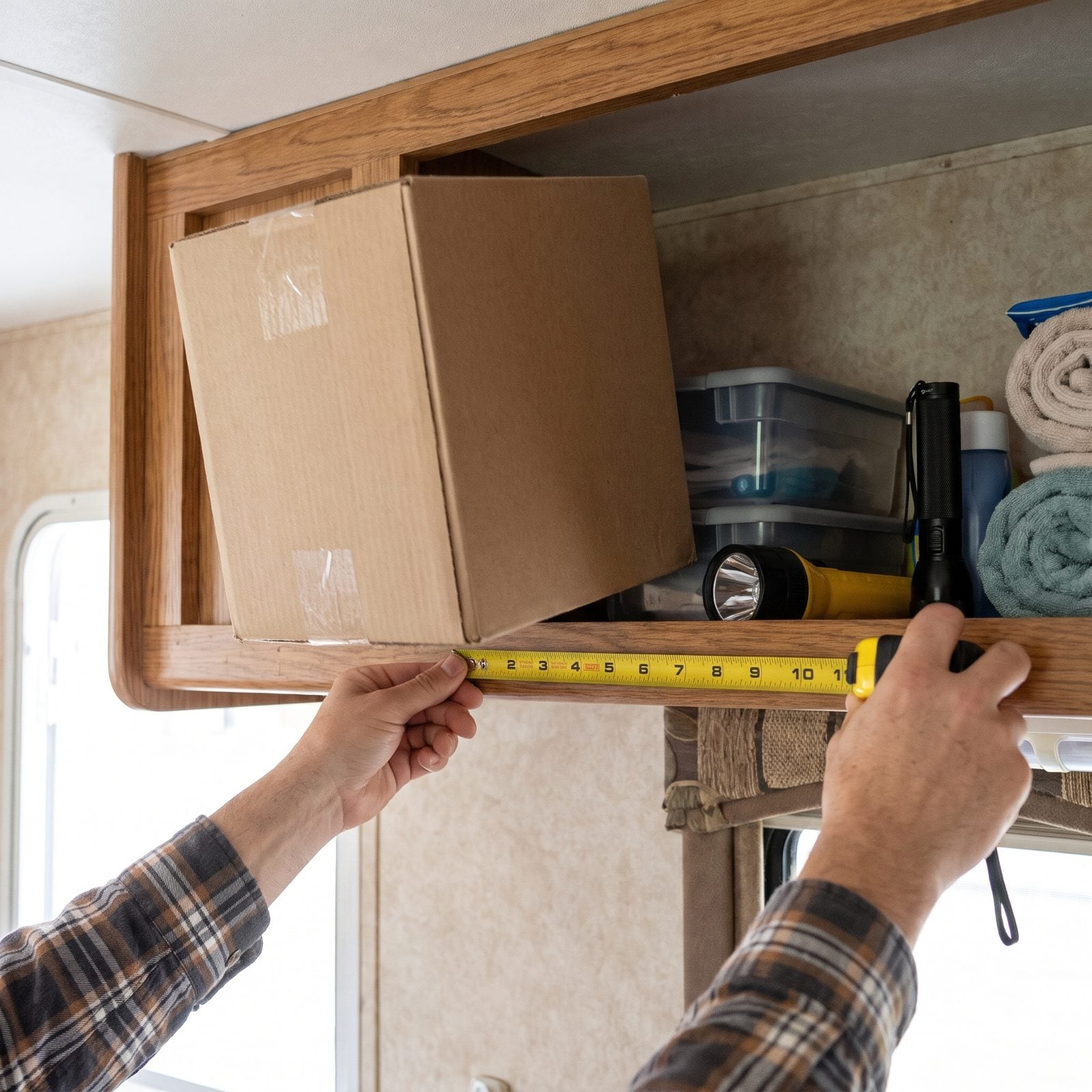
Bulk is only cheap if it fits. A warehouse pack of paper towels is a wonderful price and completely useless wedged against your ceiling vent.
Keep a tape measure in the rig and learn your shelf dimensions before you shop — height, depth, width of every cabinet. Warehouse packaging gets sized for garages and houses, not a cabinet eleven inches deep. Decant into containers that actually match your space, or walk past the bulk entirely.
31. Keep a Price Book for the Staples You Buy Constantly

When you change towns every week, you lose the one thing that keeps grocery prices honest: your memory of what a thing should cost.
A price book fixes that. It’s just a running note — paper or phone — of what you normally pay for the staples you buy over and over. Eggs, coffee, chicken, the usual suspects. Build a baseline and you’ll know in a second whether a new store is fair or a tourist-town markup.
Full-timers get this backward all the time, assuming every store is roughly the same. They aren’t. That gas-station-adjacent market in a national-park gateway town will take you for a ride if you’ve got no number to check it against.
30. Do the Unit-Price Math, Not the Package-Price Math
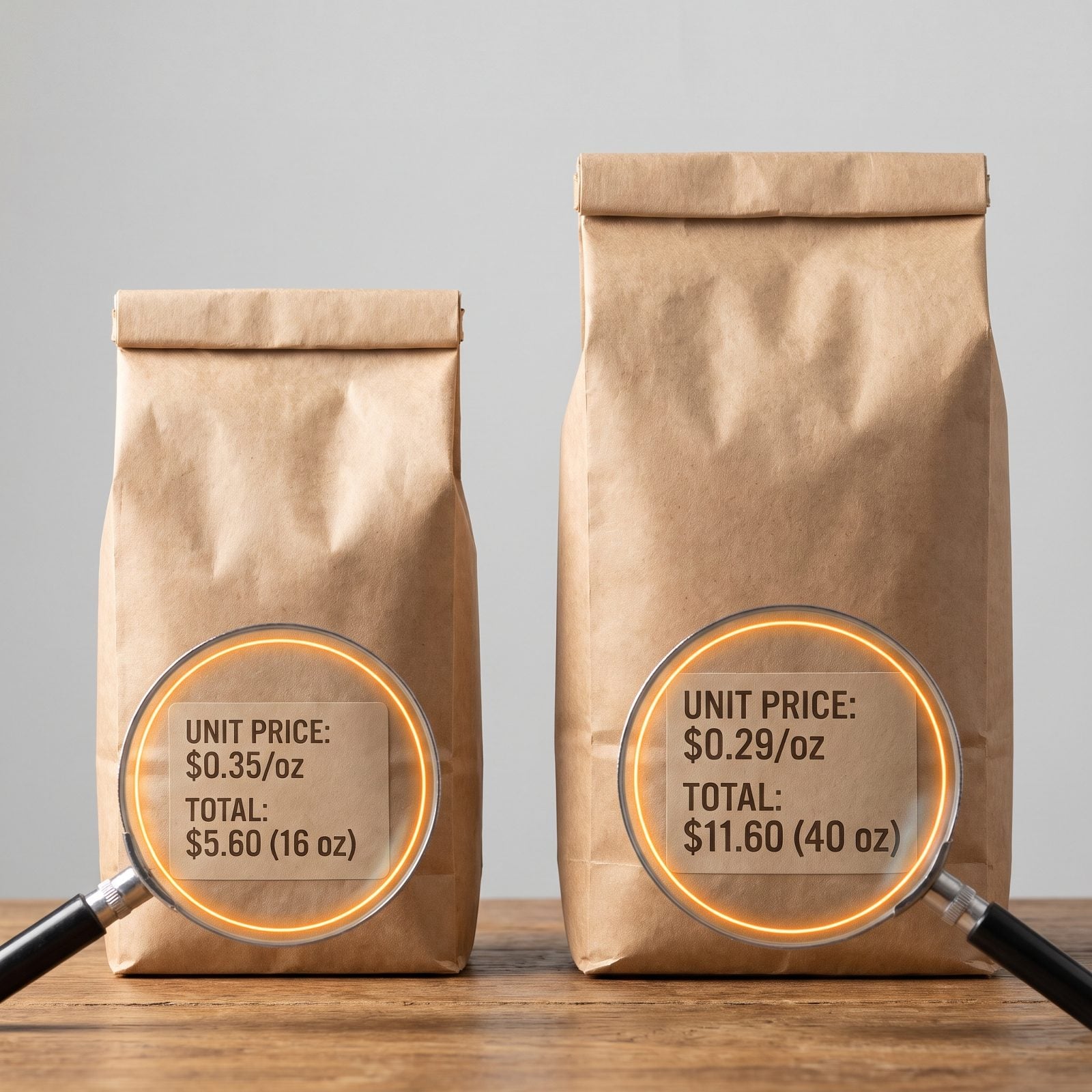
The big package isn’t automatically cheaper. Sometimes the mid-size one wins, and the only way to know is the per-unit price.
Most shelf tags bury it in tiny print: price per ounce, per pound, per count. Read that number, not the sticker on the front. The giant bag feels like savings and occasionally isn’t, especially on sale items where a smaller size caught the discount.
For a full-timer there’s a second filter sitting on top of the math — can you store it? Sometimes the mid-size bag runs a hair more per ounce and it’s still the right call, because it fits the cabinet and the bigger one never would. Price per ounce tells you the deal. Your shelf tells you what you can actually take.
29. Clip Digital Coupons Only for Planned Purchases

Coupons are bait. The app knows that if you clip a dollar off something you weren’t buying, you’ll buy it anyway, and suddenly you’ve spent eleven dollars to save one.
So clip against your list, never against the deals page. Write what you actually need for the week, scroll the app, and only tap offers that match. If it isn’t on the list, that coupon doesn’t exist to you.
In an RV this matters double. A pantry win on paper becomes a storage headache five minutes later, when you’re wedging in three jars of something you grabbed because it was cheap.
28. Buy Marked-Down Meat Only When It Can Be Frozen
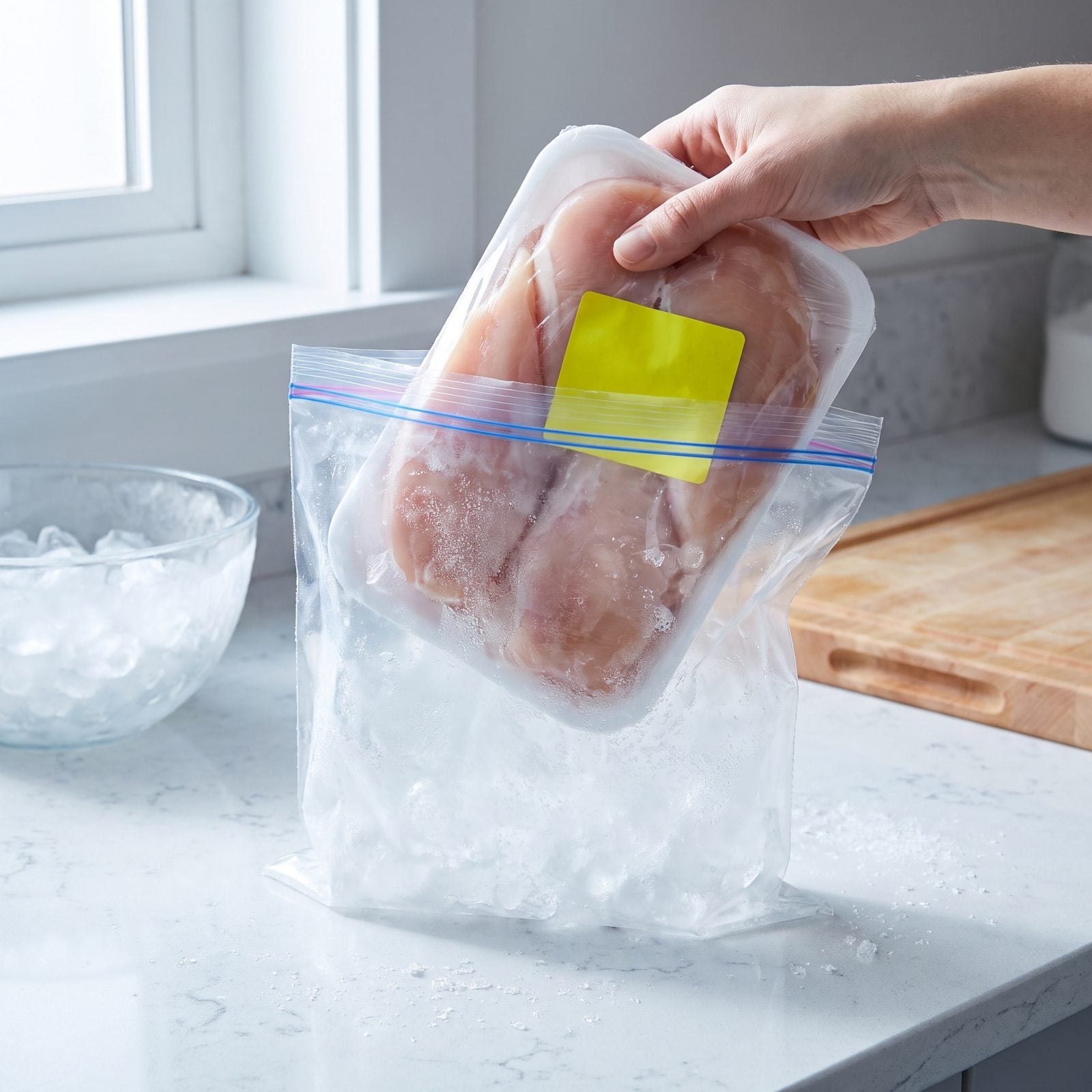
A yellow markdown sticker on meat is one of the best deals in any store. It’s not spoiled — it’s near its sell-by date, which means the store needs it gone and you can have it for a third off.
Here’s the catch. It has to go in the freezer the moment you get back to the rig. Freeze it flat in portion-sized bags and it stacks like files instead of hogging a shelf.
I’ve bought discounted ground beef more times than I can count and thrown out exactly none of it. Froze it the same hour, every single time.
27. Record Which Foods Keep Getting Thrown Away
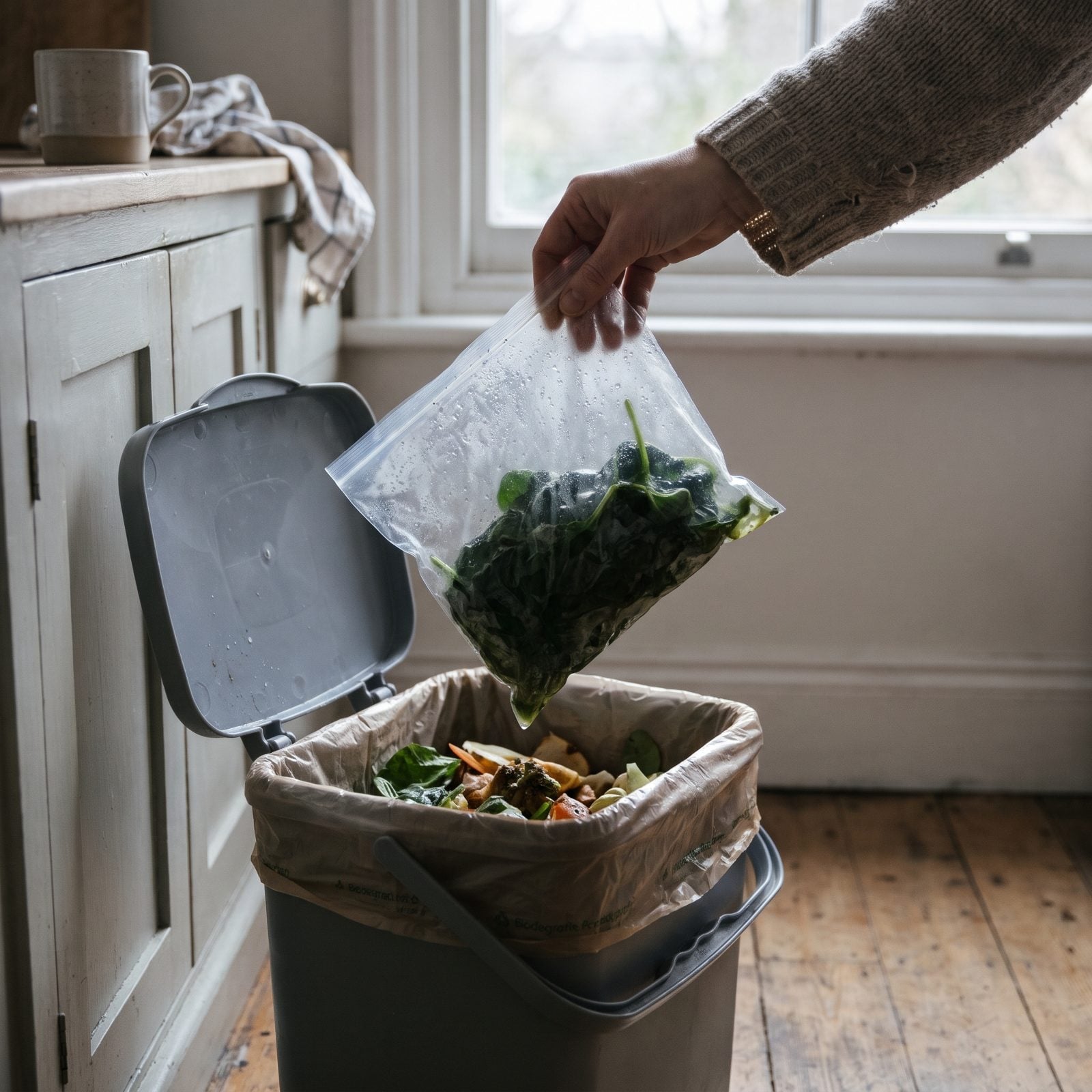
You buy spinach because you intend to be the kind of person who eats spinach. Then it turns to slime in the crisper and you do it again next week. That’s not a grocery problem. That’s a self-knowledge problem.
Keep a running note on your phone of everything you actually toss. Give it a month. A pattern shows up fast, and it’s almost always the same three or four things.
So quit buying them. Not forever — just stop the auto-buy. Your crisper drawer is tiny, and every slimy bag in there is cash you set on fire plus space you couldn’t spare.
26. Stock Up Before Entering Remote Tourist Areas
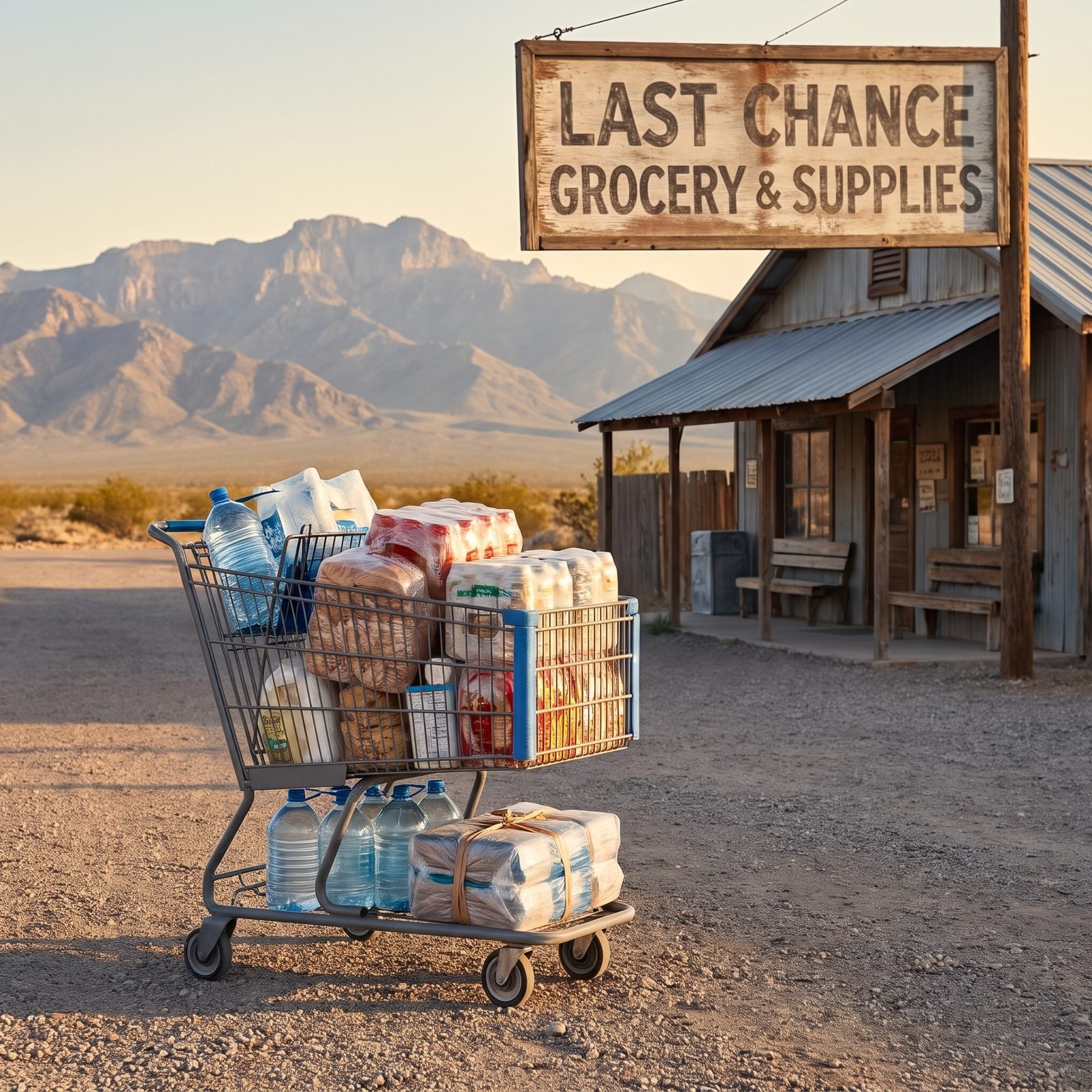
The last real grocery store before a national park or a mountain town is your friend. The camp store inside the gates is not — it sells a loaf of bread for the price of three and does it with a straight face, because where else are you going to go?
Fill up before you climb. Staples, coffee, snacks, anything shelf-stable you’ll want for the stay. The goal isn’t to never buy a thing up there. It’s to never be forced to.
Remote beauty and remote prices come as a set. One you came for, one you plan around.
25. Map Low-Cost Grocers Along the Next Travel Leg
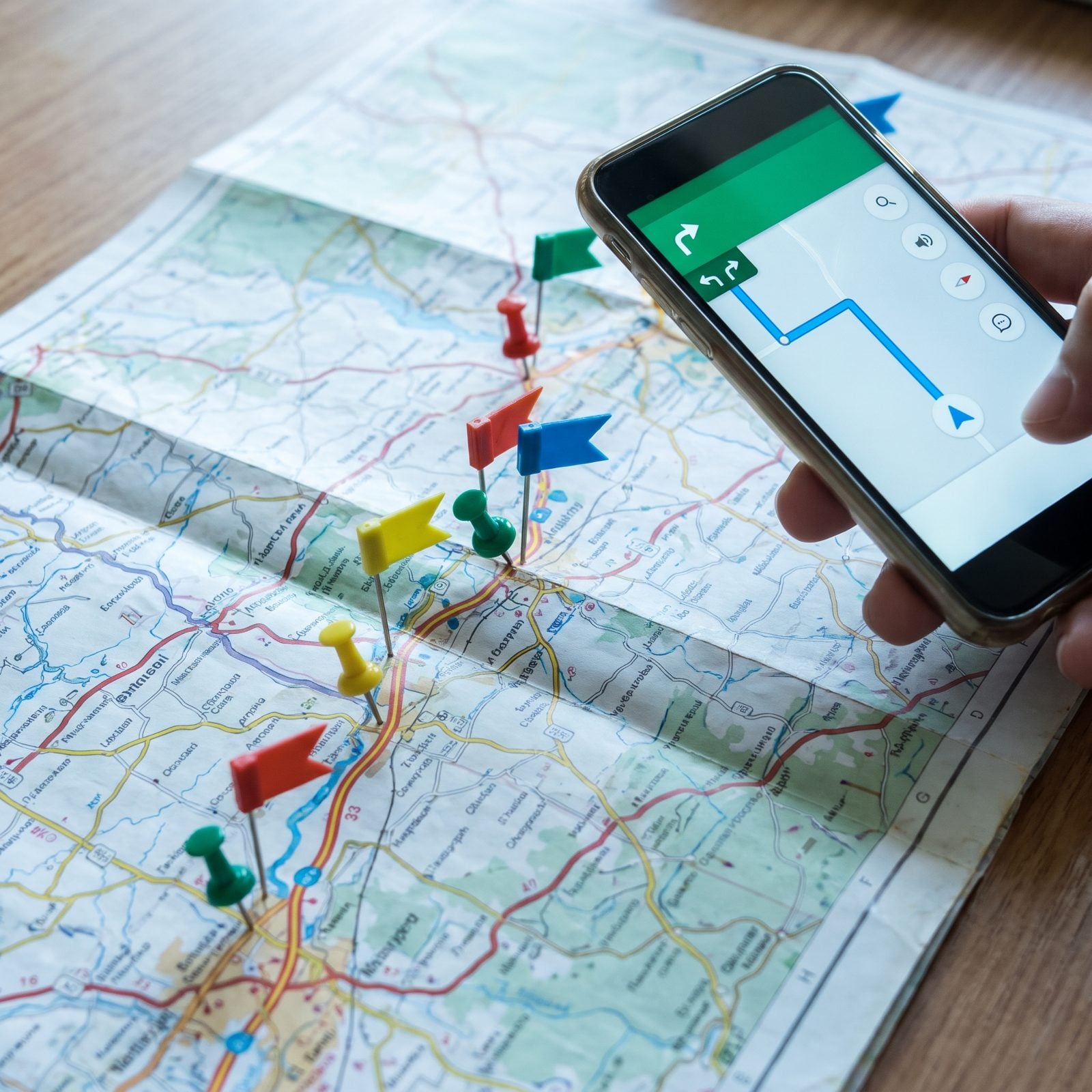
Not every grocery store charges the same, and the cheap ones cluster right where you’d expect — discount chains, regional warehouse grocers, the no-frills places locals actually shop. Tourist-adjacent stores jack up everything because they can.
Before a long leg, drop pins on the budget grocers along the way. A five-minute detour to a discount chain beats paying resort-town prices at the nearest convenient spot, and it isn’t close.
Full-timers trade these spots like fishing holes. Ask around any campground and someone will tell you exactly which store two towns over is worth the stop.
24. Use Curbside Pickup to Avoid Impulse Purchases
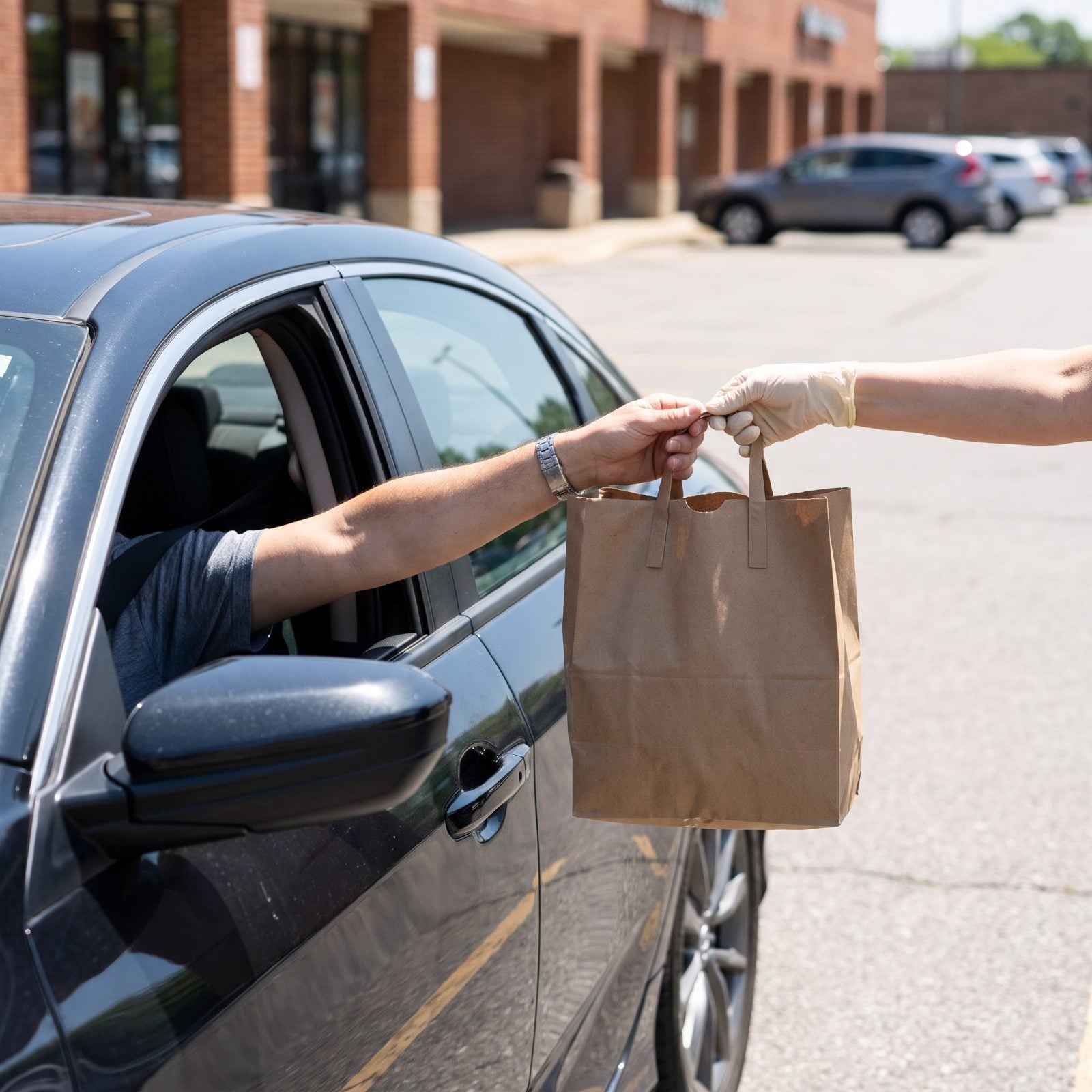
Stores lay out aisles like a casino lays out a floor. Milk’s in the back so you march past everything, and the stuff at eye level paid for that shelf. Order curbside and you dodge the whole setup.
You build the cart from a list, watch the running total before you pay, and nobody walks you past the end-cap snacks. For RVers there’s a bonus — no squeezing a 30-foot rig into a packed lot. Pull into the pickup spot, someone loads the bags, you leave.
I fought this one for a while because I like picking my own produce. Then I noticed I was also picking up four things I never wrote down. The math won.
23. Buy Exact Quantities From Bulk Bins and Counters
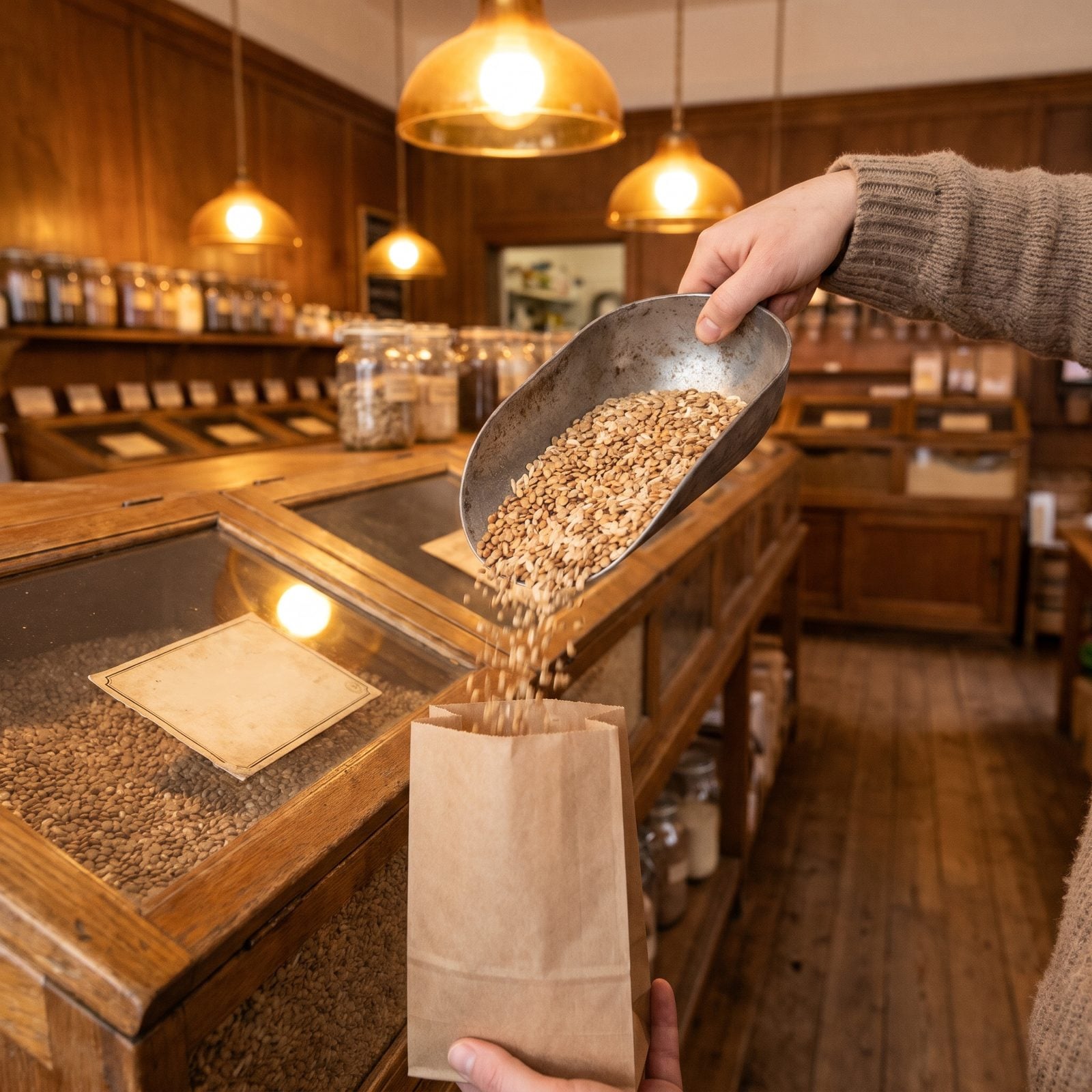
Bulk bins aren’t about buying more. They’re about buying exactly what you need, which in a tiny pantry is the whole game.
Need a half cup of walnuts for one recipe? Scoop a half cup. The deli counter will cut you three slices of cheese instead of selling a brick that goes green before you finish it. You pay for the amount, not the package.
Bring your own jars or cloth bags, tare them if the store lets you, and you walk out with provisions sized to your space — not to a cabinet you don’t have.
22. Choose Loose Produce Instead of Prepacked Bags
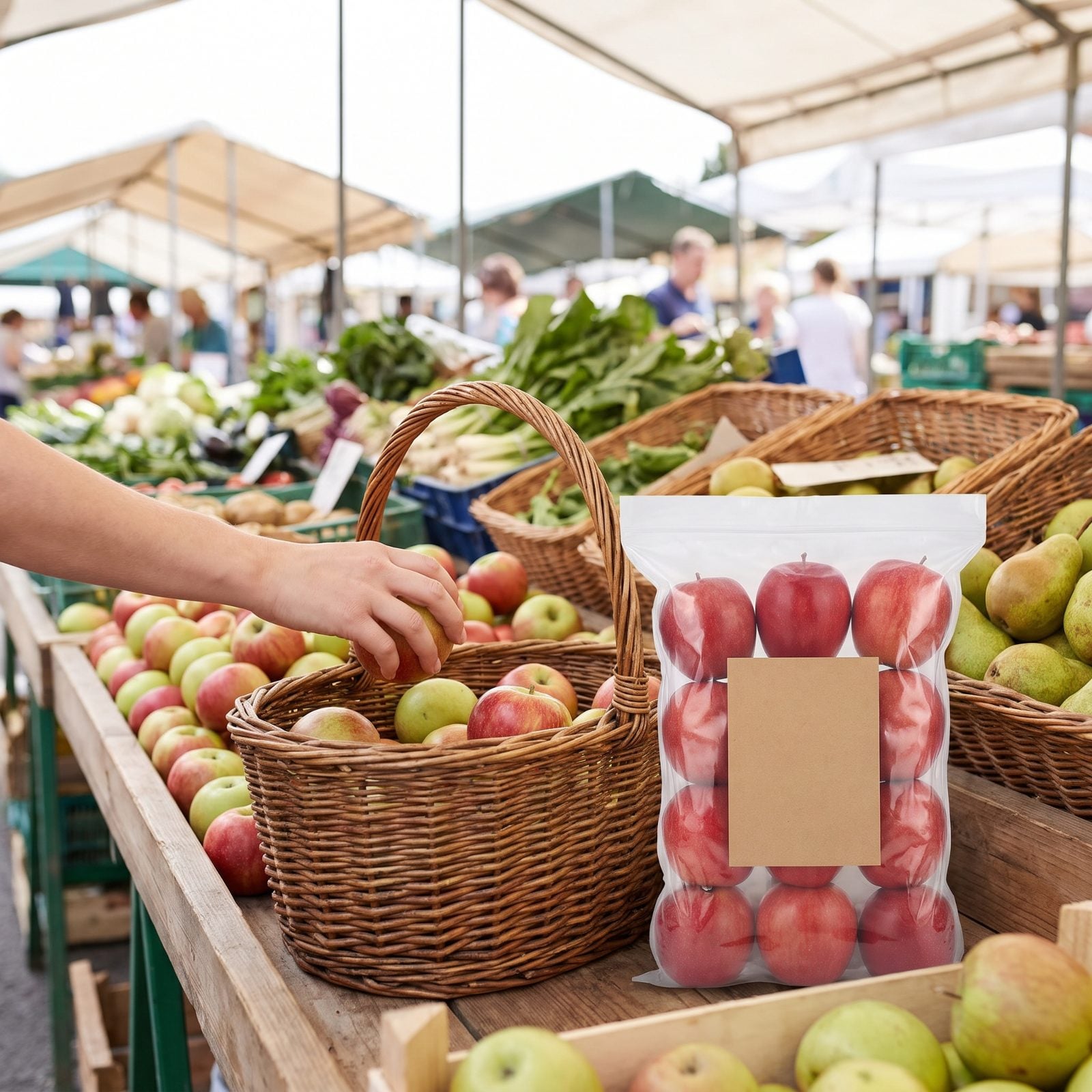
That five-pound bag of apples looks cheaper per pound. It isn’t, once two of them rot before you reach them — and in a small fridge you will not reach them.
Buy produce loose, piece by piece. Three apples, one onion, the exact number of potatoes you’ll cook this week. You pay a little more per pound and waste a whole lot less, and loose produce tends to be fresher anyway since you’re the one picking it.
Prepacked bags are built for a household of four with a double-door fridge. You’re neither of those things.
21. Split Warehouse-Club Packages With Other Travelers
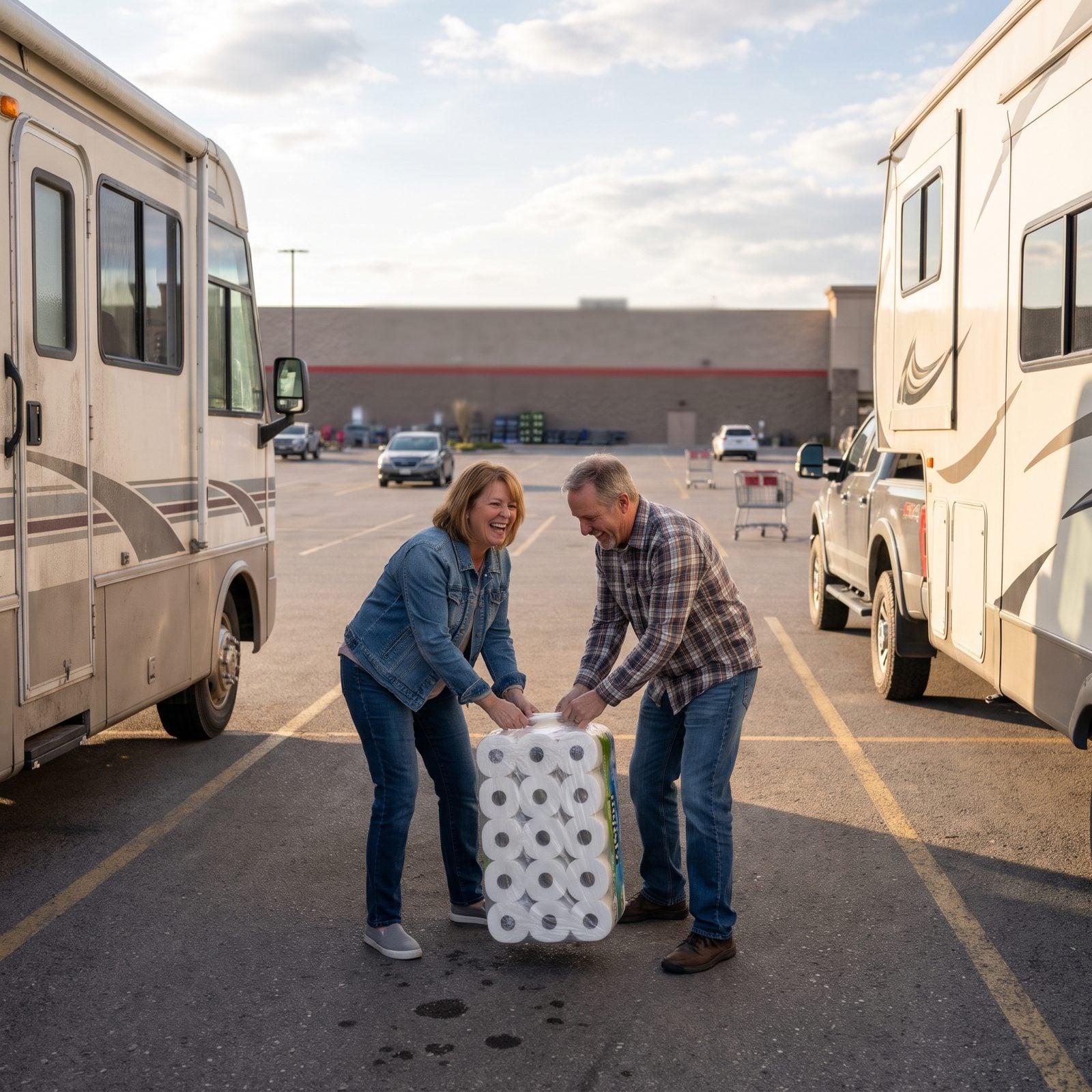
Warehouse clubs are a genuine deal and a genuine trap for RVers. The 24-roll pack of paper towels, the gallon of olive oil, the flat of canned tomatoes — great price, nowhere to put it.
So split it. Pair up with campground neighbors or caravan friends and divide the bulk pack right there at the picnic table. Everybody pays their share, everybody gets a portion that actually fits, and the per-unit savings still land.
This is how full-time communities run anyway. Somebody’s got the membership, somebody needs eggs, and a flat of 24 becomes three sets of eight across three rigs. Nobody stores a pallet in a van.
20. Buy Bulk Food Only With Specific Meals and Dates Assigned
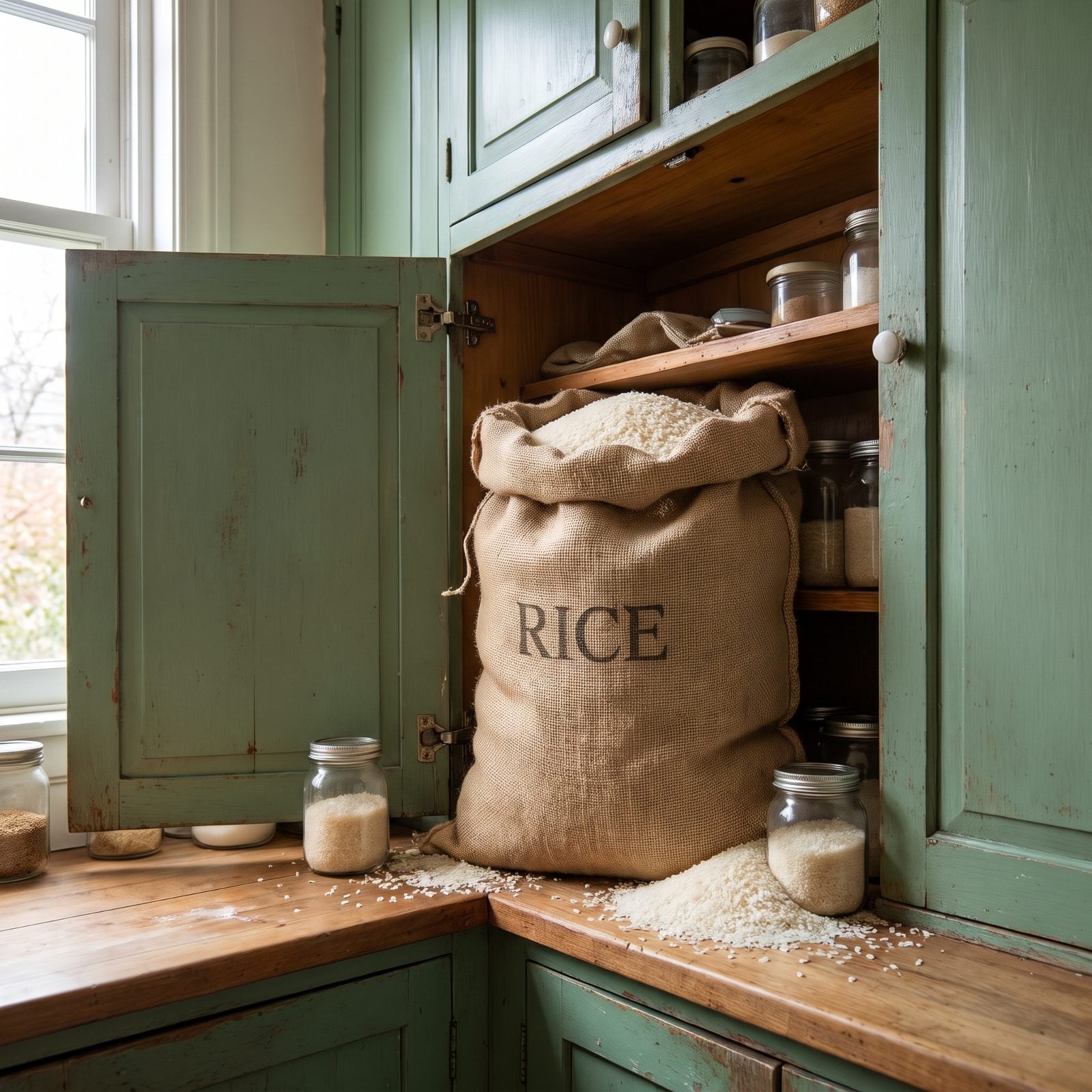
Bulk looks like savings until a ten-pound bag of rice is eating the only cabinet you have and you’re still buying takeout because you never actually planned a meal around it.
The fix is boring, and it works. Nothing enters the rig in bulk unless it already has a meal and a date attached. That bag of lentils isn’t “lentils for someday” — it’s Tuesday soup and Friday curry, written down. Buy bulk without a plan and you’re just paying less per pound to throw more away.
19. Use Flexible Recipes That Allow Ingredient Substitutions
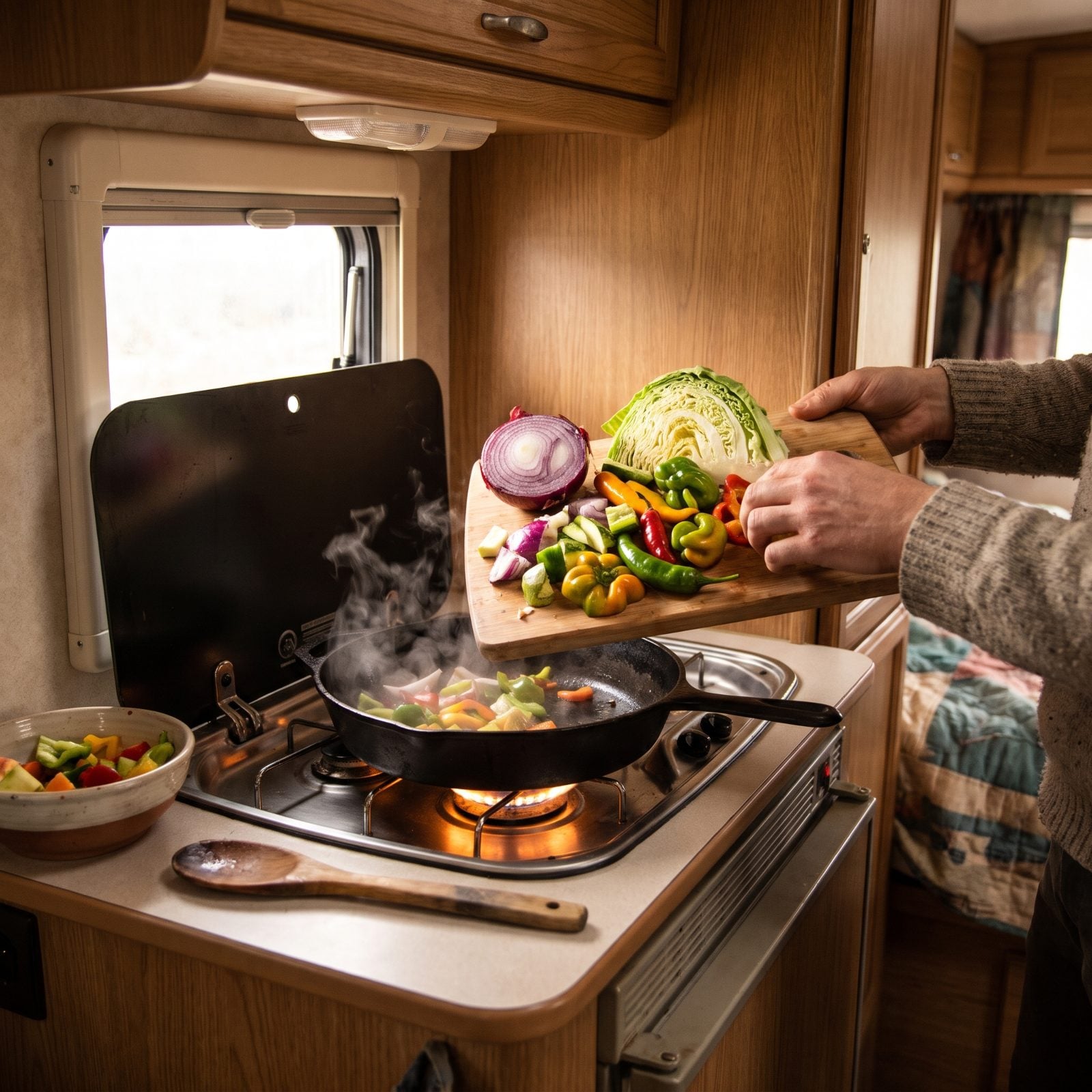
The recipe calls for leeks. You have an onion and a sad half of a cabbage. Cook anyway.
Full-time RV cooking rewards the person who thinks in categories instead of grocery lists. Any allium works where the recipe says onion, and any greens wilt into the same soup. When a dish bends around what you already have, you stop making a special trip for one missing item — which in RV life often means driving the whole house twenty minutes to a store with a tight parking lot and no good way out. Rigid recipes generate waste. The flexible ones empty your fridge before it turns.
18. Keep Frozen Vegetables That Will Not Spoil Midweek
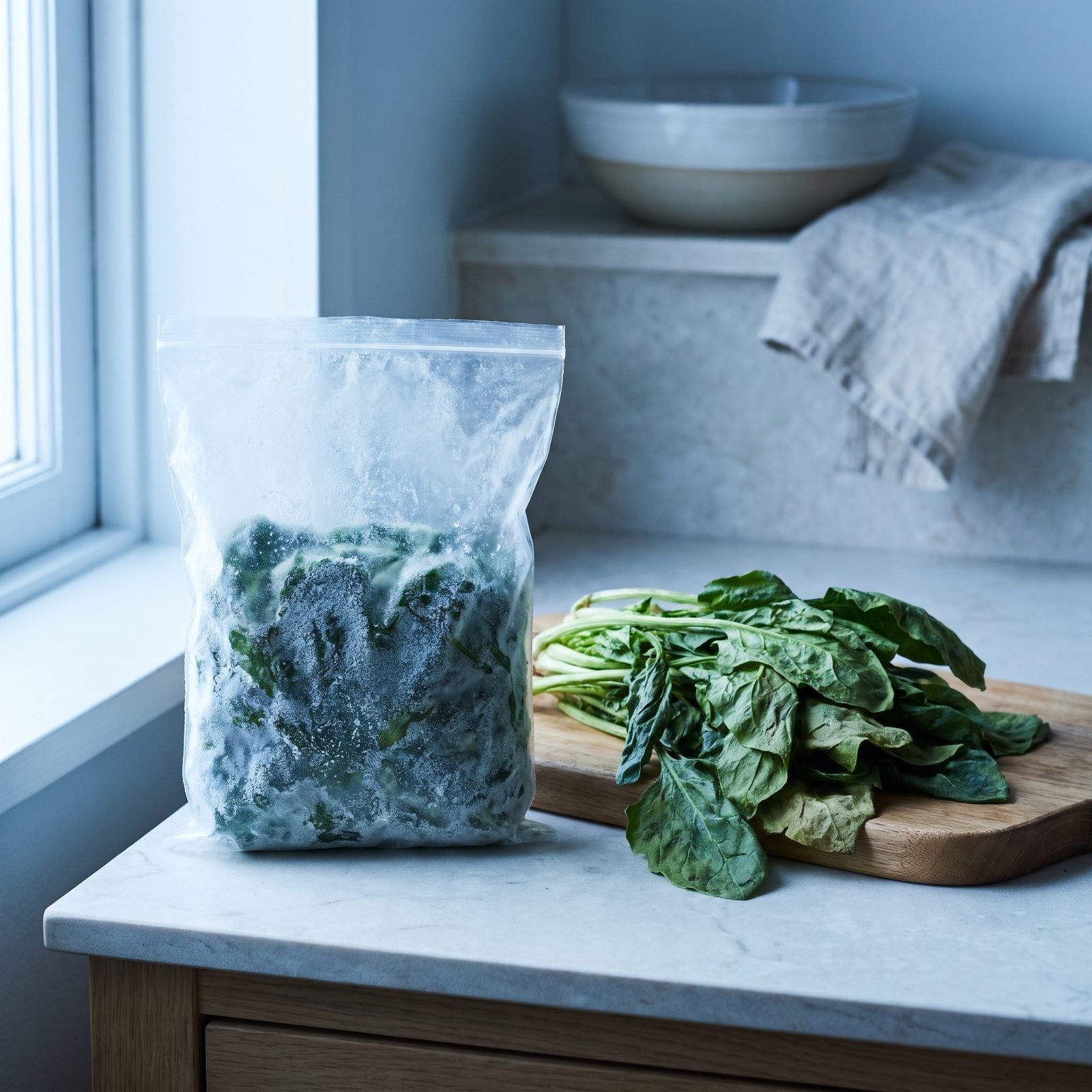
Fresh spinach in an RV fridge has about four days before it turns into green soup you didn’t ask for. Frozen spinach waits for you as long as you need.
Frozen vegetables aren’t the sad compromise people think they are. For full-timers they’re insurance — buy once, store flat, and pull exactly what a meal needs with zero clock ticking. No guilt pile of produce browning in the crisper because you overbought on a good market day.
Calling freezing nature’s pause button, a clinical dietitian adds “And keeping a few bags of frozen veggies in your freezer is a great way to have whole vegetables on hand without having to worry about cooking them before they go bad.”
17. Choose Refill Pouches Instead of Extra Rigid Bottles
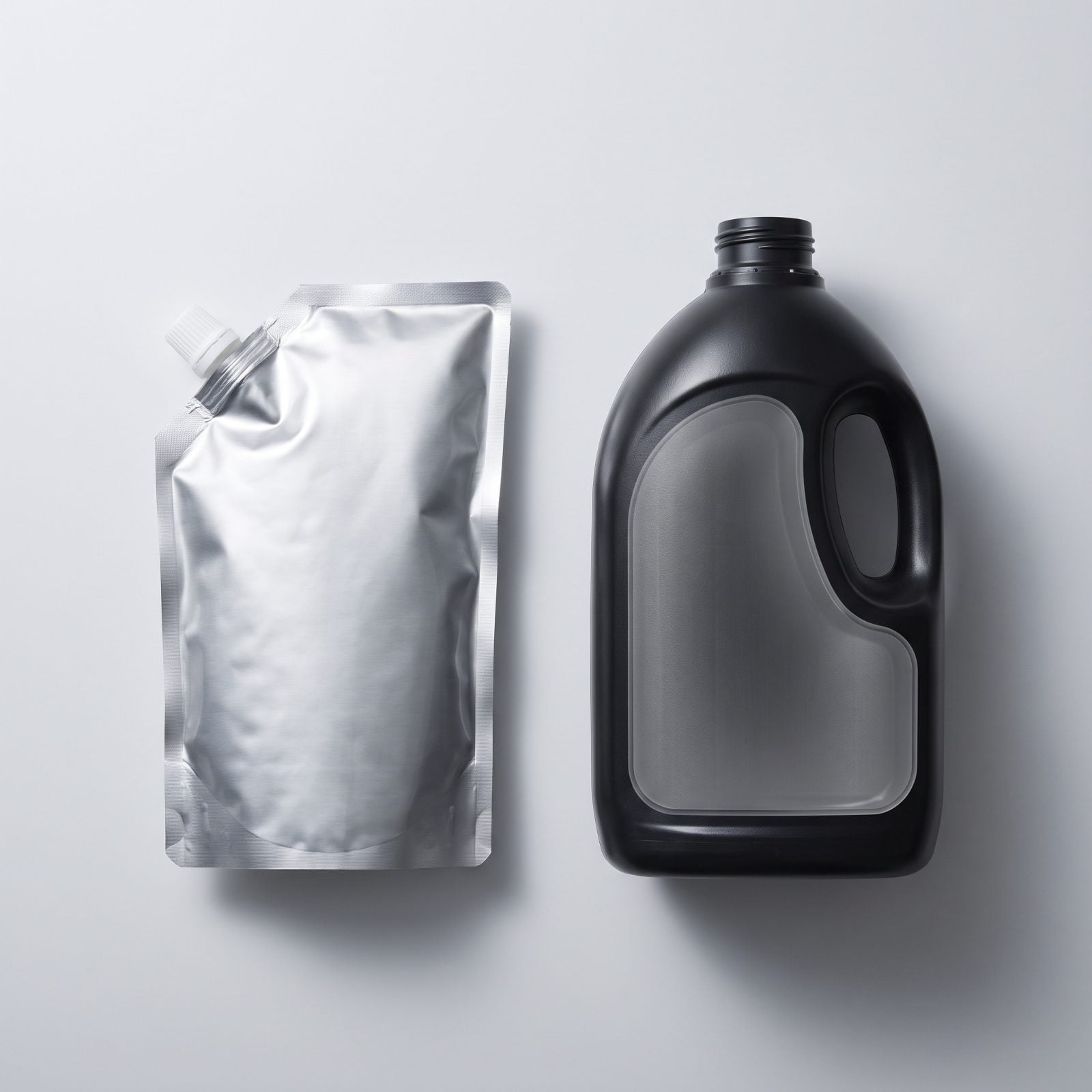
A rigid bottle is mostly empty space with walls around it. In a cabinet where every cubic inch is spoken for, that’s a crime.
Refill pouches lie flat, stack, and weigh almost nothing until you need them. Keep one good pump bottle for soap, one for dish liquid, and top them off from the pouch stuffed in the back of a drawer. You’ll fit three refills in the space one spare bottle used to hog, and the pouches cost less per ounce besides. Weight matters here too, every time you haul the whole kitchen down a mountain grade.
16. Buy Concentrated Cleaners, Drinks and Cooking Bases

You’re paying to carry water around. Think about that next time you buy a full jug of anything diluted.
Concentrates flip the math. Bouillon paste instead of cartons of stock, tomato paste instead of cans of sauce, a small bottle of drink concentrate instead of a case of bottles sloshing around in a cabinet. You add the water when you need it, from the tap you’re already carrying. One jar of bouillon paste replaces a whole shelf of boxed broth, and it doesn’t spoil the day after you open it. For a rig where storage is the whole game, this is one of the easiest wins there is.
15. Use Tortillas When Bread Would Be Bulky or Perishable
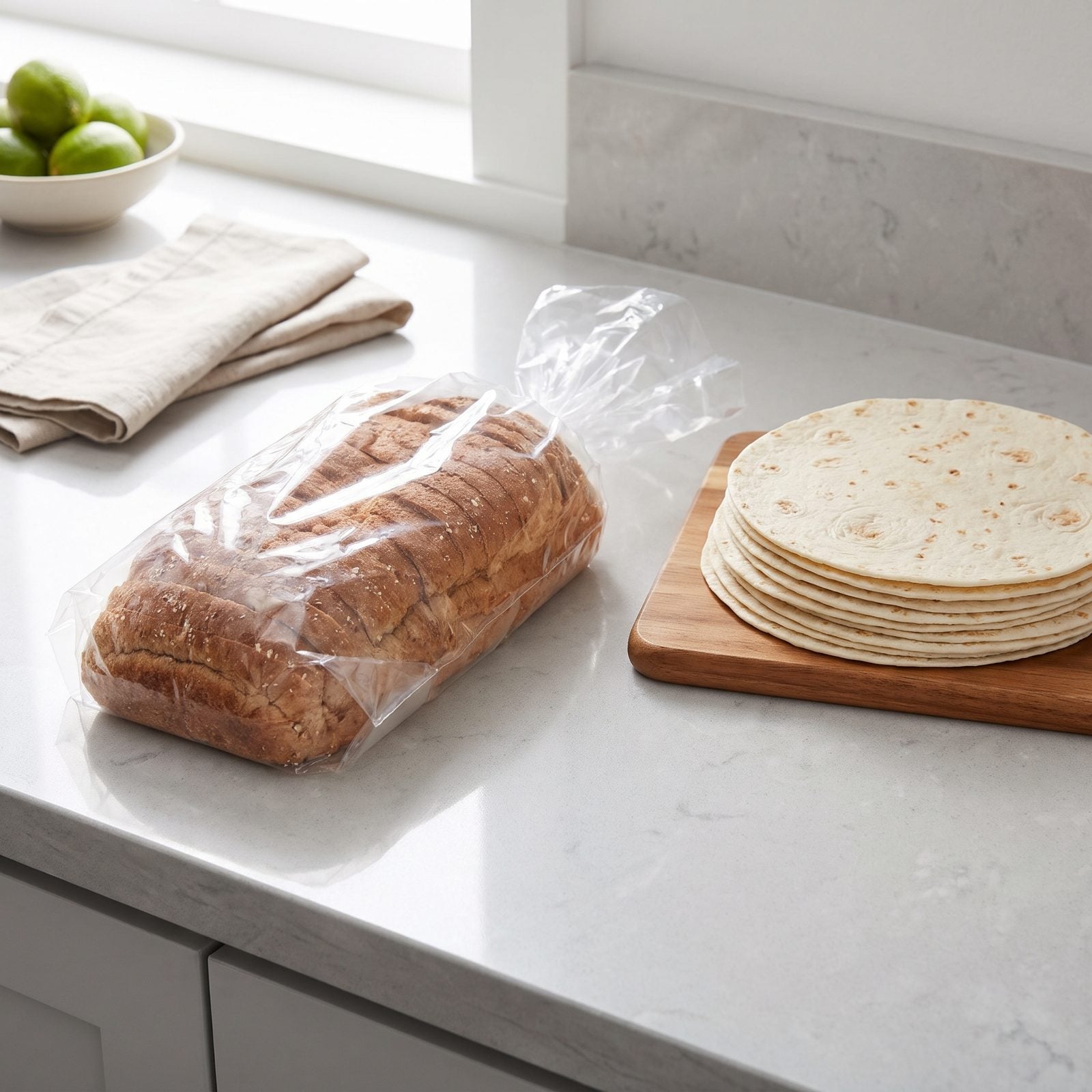
A loaf of bread is a cube of air that goes stale in three days and crushes into a pancake the second you drive. Tortillas fix both problems at once.
They lie flat in a drawer, keep far longer than a cut loaf, and do everything bread does — breakfast wrap, pizza base, a quesadilla when you’re too tired to think. When the dreaded moldy heel of a loaf is a familiar sight in your rig, this one swap saves real money over a season of travel.
14. Refill Drinking Water Instead of Hauling Disposable Bottles
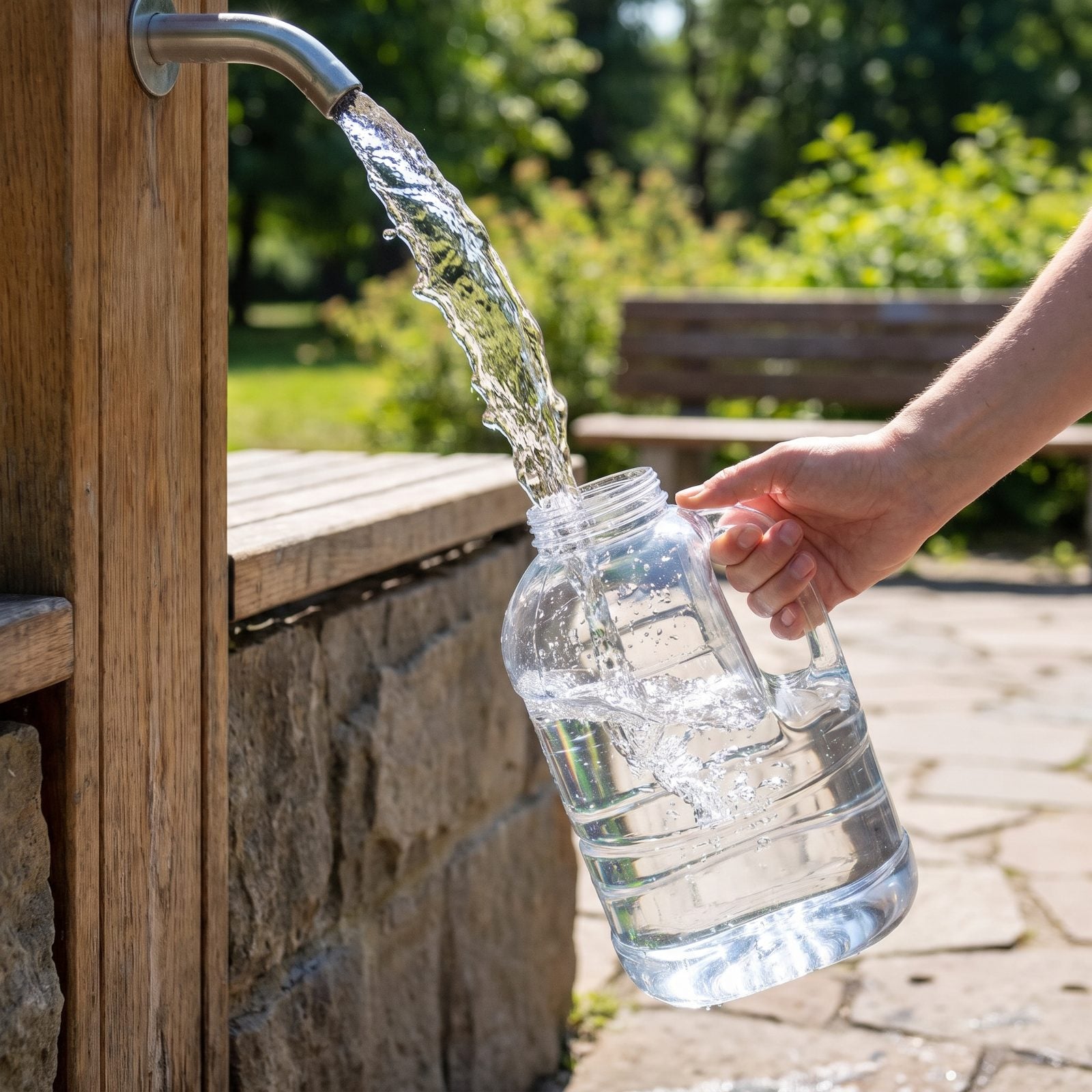
Cases of disposable bottles are heavy, bulky, and a steady leak of money every single week.
A multi-gallon refill jug and a couple of good steel bottles end the whole cycle. Refill stations at grocery stores run a fraction of what a case costs, and plenty of campgrounds have potable fill points right there. You carry less dead weight, you generate almost no trash to deal with on the road, and you stop tripping over flattened empties in the back of the rig.
13. Brew Coffee in the RV Instead of Buying It by the Cup
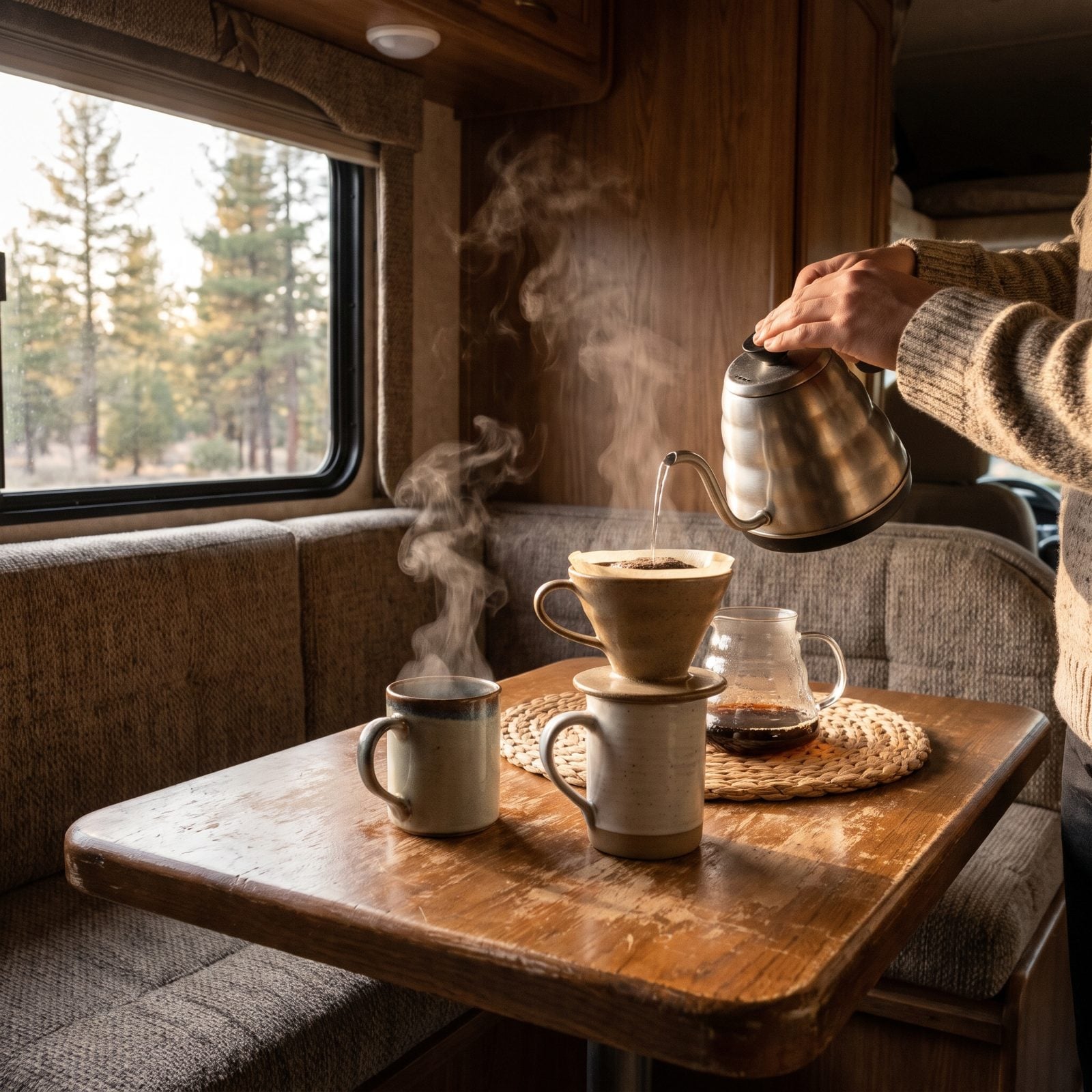
A few dollars a cup, twice a day, two people. Do that math across a year of travel and it’s thousands of dollars.
Brewing in the rig isn’t about deprivation. A stovetop percolator or a simple pour-over makes coffee that beats most drive-through windows, and you drink it on your own steps looking at your own view instead of a parking lot. The gear is small, it tucks into a cabinet, and it pays for itself inside a week. Easiest cost cut on the whole list — and the one people resist the longest.
12. Swap Round Canisters for Square Clear Containers
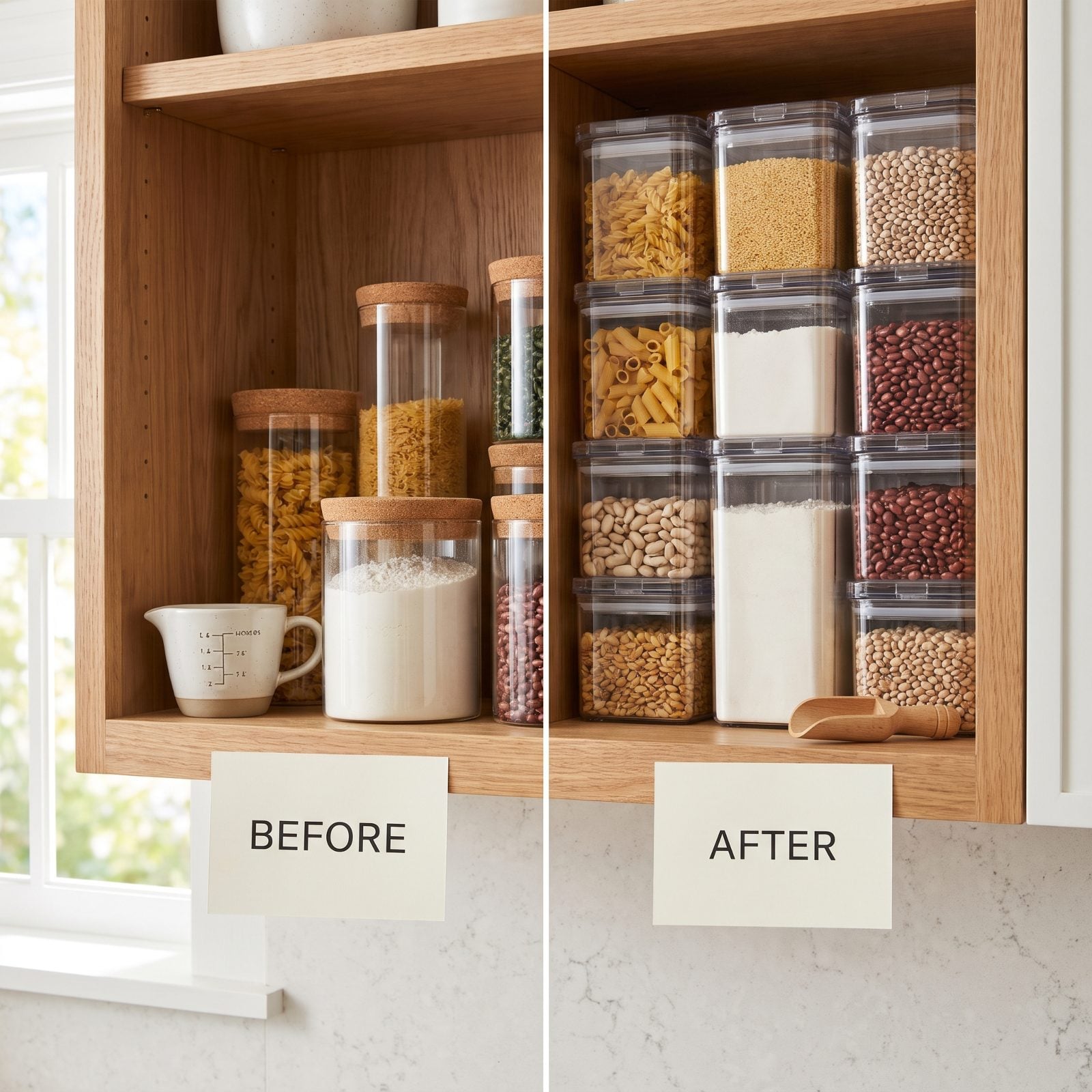
Round canisters lie to you. They look efficient sitting on the shelf, then they waste the curved slivers between each one — and in a cabinet the size of a microwave, those slivers add up fast.
Square clear containers butt right up against each other with no gap, and because the walls are straight they actually reach the back of the shelf. I switched over after years of fighting round jars that rolled every time we hit a cattle guard. You also see exactly what’s inside and how much is left, which kills the “do we have rice” conversation at the grocery store.
11. Move Dry Goods Into Pestproof Containers Fast
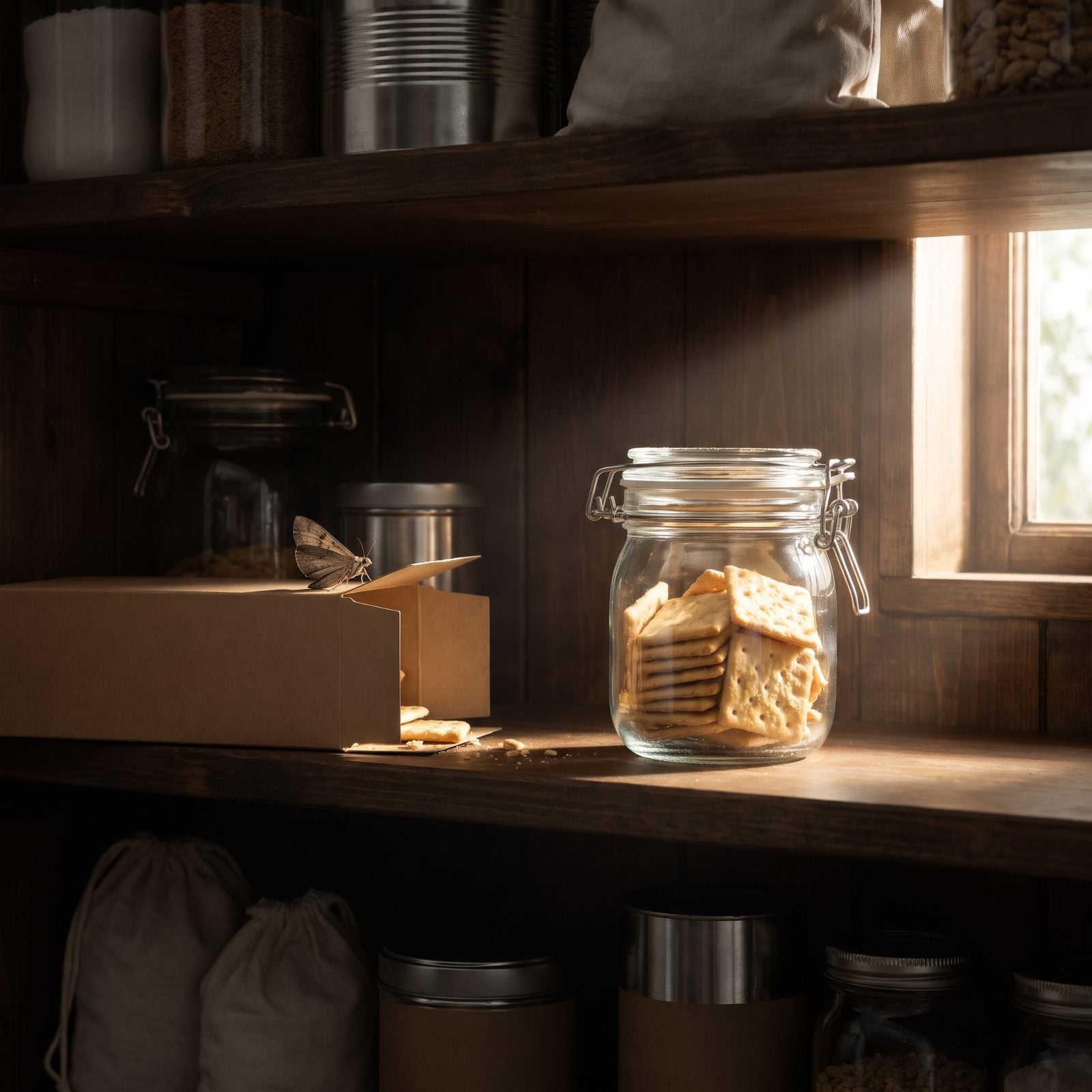
The cardboard box the crackers came in is a hotel for weevils and a doorway for ants. Pantry moths can already be in the flour when you buy it, sitting as eggs, waiting for warmth to hatch. And an RV gets warm.
Decant flour, sugar, cornmeal, cereal and crackers into hard-sided airtight containers the day you bring them home. The soft stuff — the boxes and bags — should never spend a night in the rig. I learned this the expensive way after tossing an entire shelf of provisions somewhere outside Moab, all because one open rice bag invited the whole family in.
Answering a reader fighting pantry moths, a university extension expert explains that “if the food items they would be consuming are in airtight containers, the caterpillars won’t be able to get into them and will starve, ending the reproductive cycle.”
10. Rotate New Groceries Behind the Older Stock
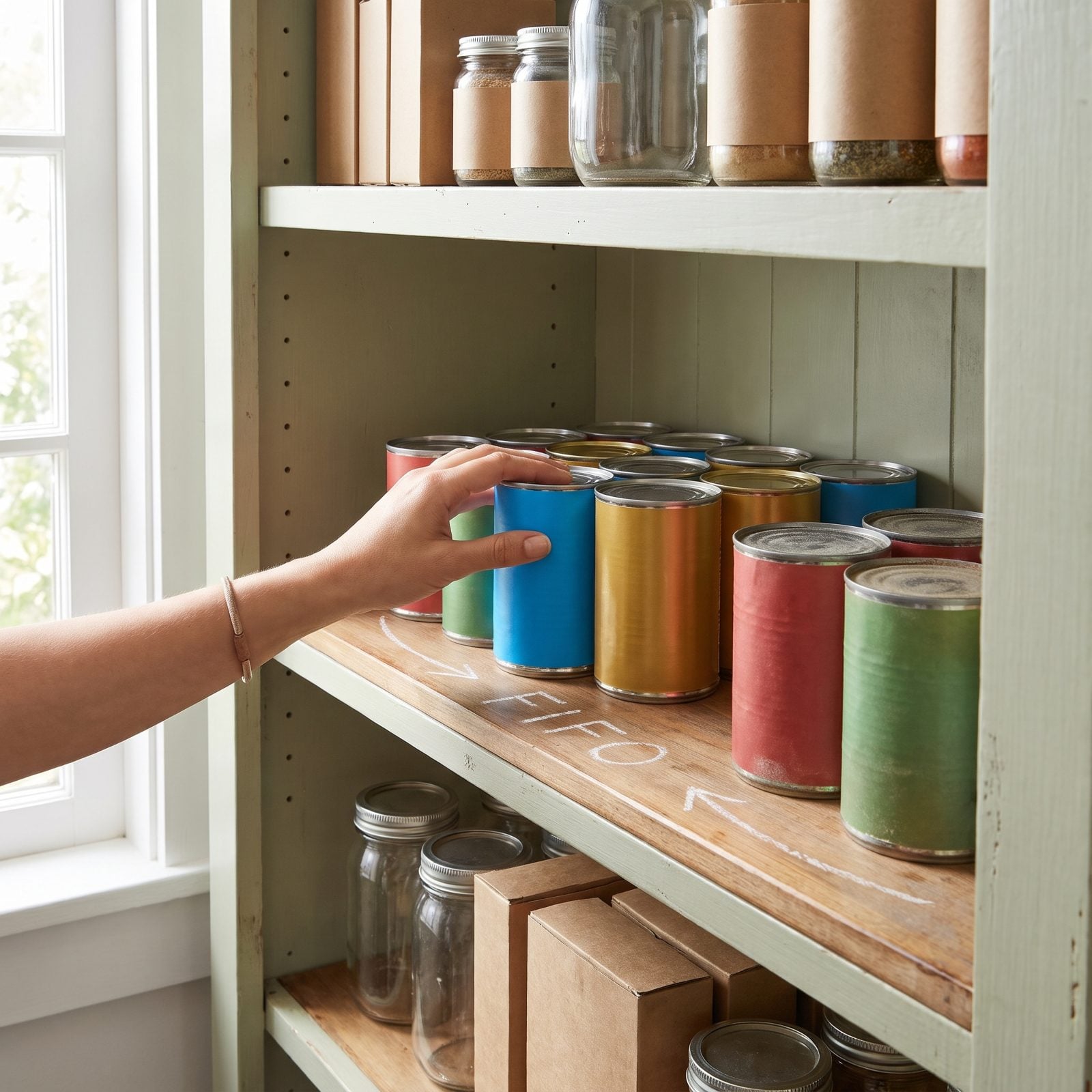
Grocery stores do this constantly and nobody notices. New stock goes to the back, old stock comes to the front, so you reach for the thing that needs eating first without even thinking about it.
Do it every time you unload bags. Slide the fresh cans behind what’s already there — thirty extra seconds, and nothing hides in the back corner for a year. In an RV that corner is usually behind a slide or under a dinette seat, somewhere you genuinely forget exists until a can of beans dents the one next to it.
9. Maintain a Visible Inventory of the RV Freezer
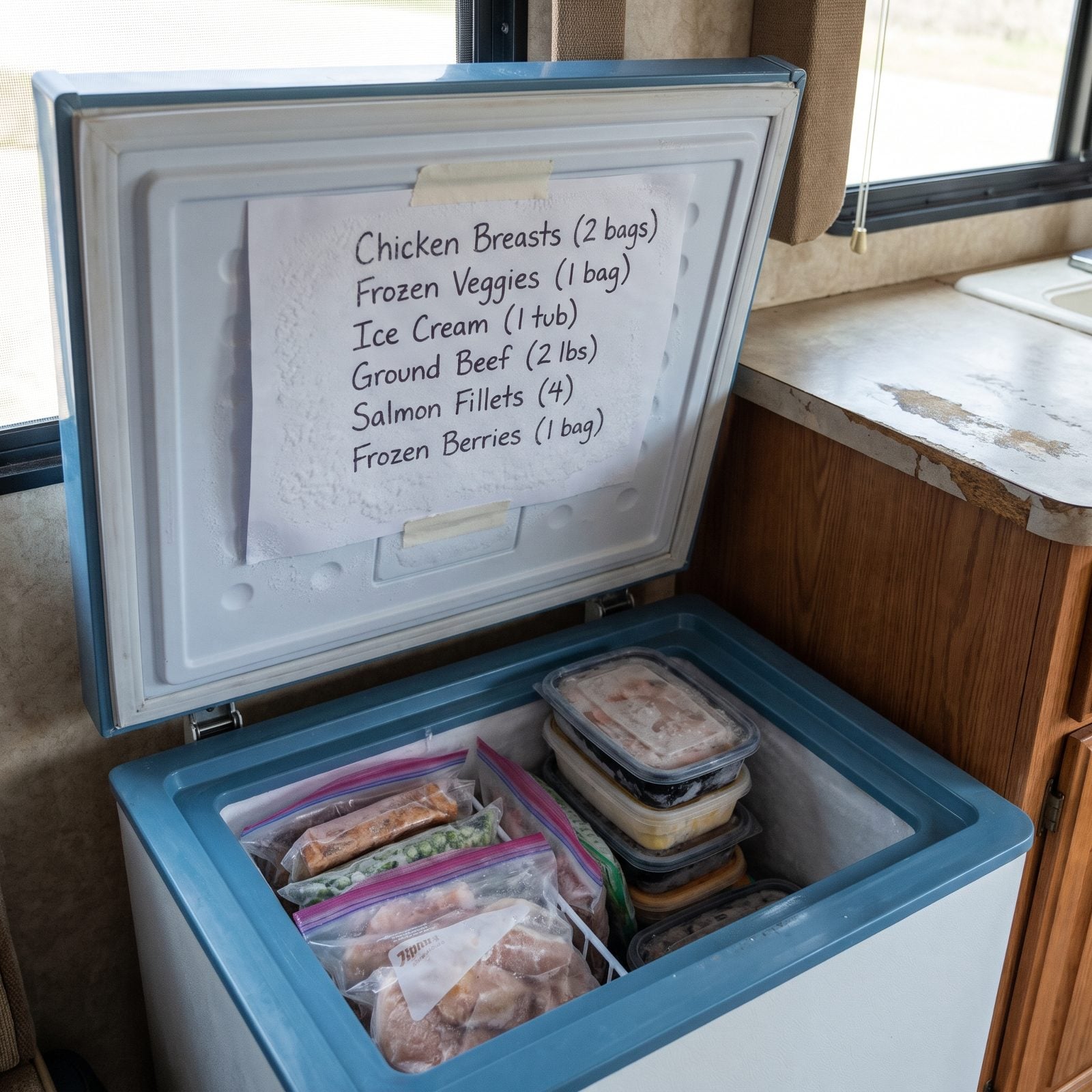
RV freezers are small, dark, and they frost over whatever you shove to the bottom. You’ll buy a second bag of ground beef because you forgot about the first one freezing solid underneath. Money turned to ice.
Keep a running list on the freezer door, or a note in your phone. Snap a photo of the packed freezer and you’ve got an instant inventory to scroll in the grocery aisle. Cross things off as you pull them. The idea is simple: stop buying what you already own, and stop losing what you already bought.
8. Freeze Soups, Sauces and Ground Meat in Flat Packs
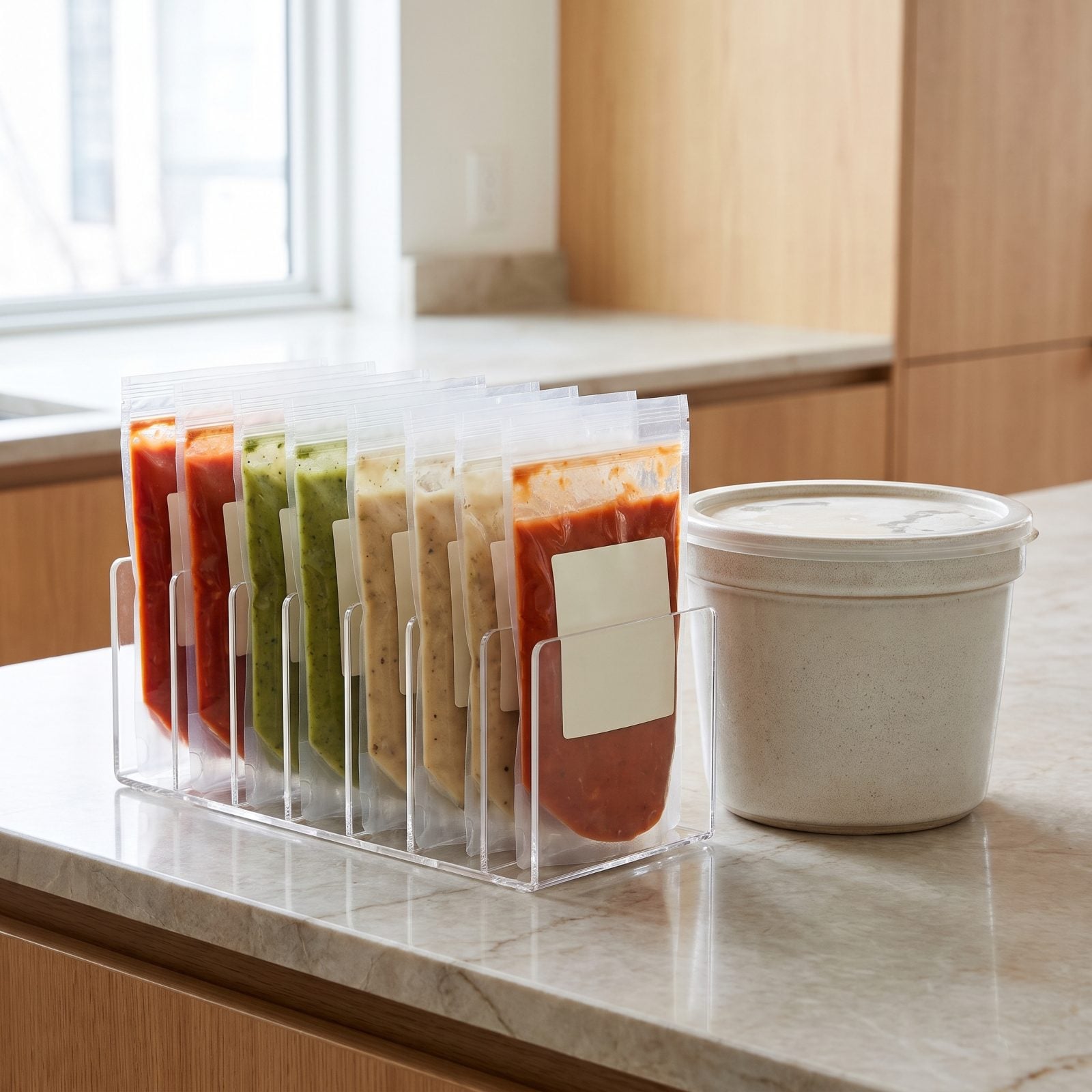
A round tub of frozen soup is a brick. It wastes space and takes an hour to thaw. A flat-frozen bag is a file folder.
Fill a freezer bag, press out the air, lay it flat on a baking sheet to freeze solid, then stand the finished slabs up like records in a crate. They stack tight. They thaw in minutes under cool water because they’re thin, and you fit three times as much into a freezer the size of a shoebox. This one habit does more for RV freezer space than anything else on this list, and I’ll fight anyone who says otherwise.
7. Divide Meat Into Meal-Size Portions Before Freezing
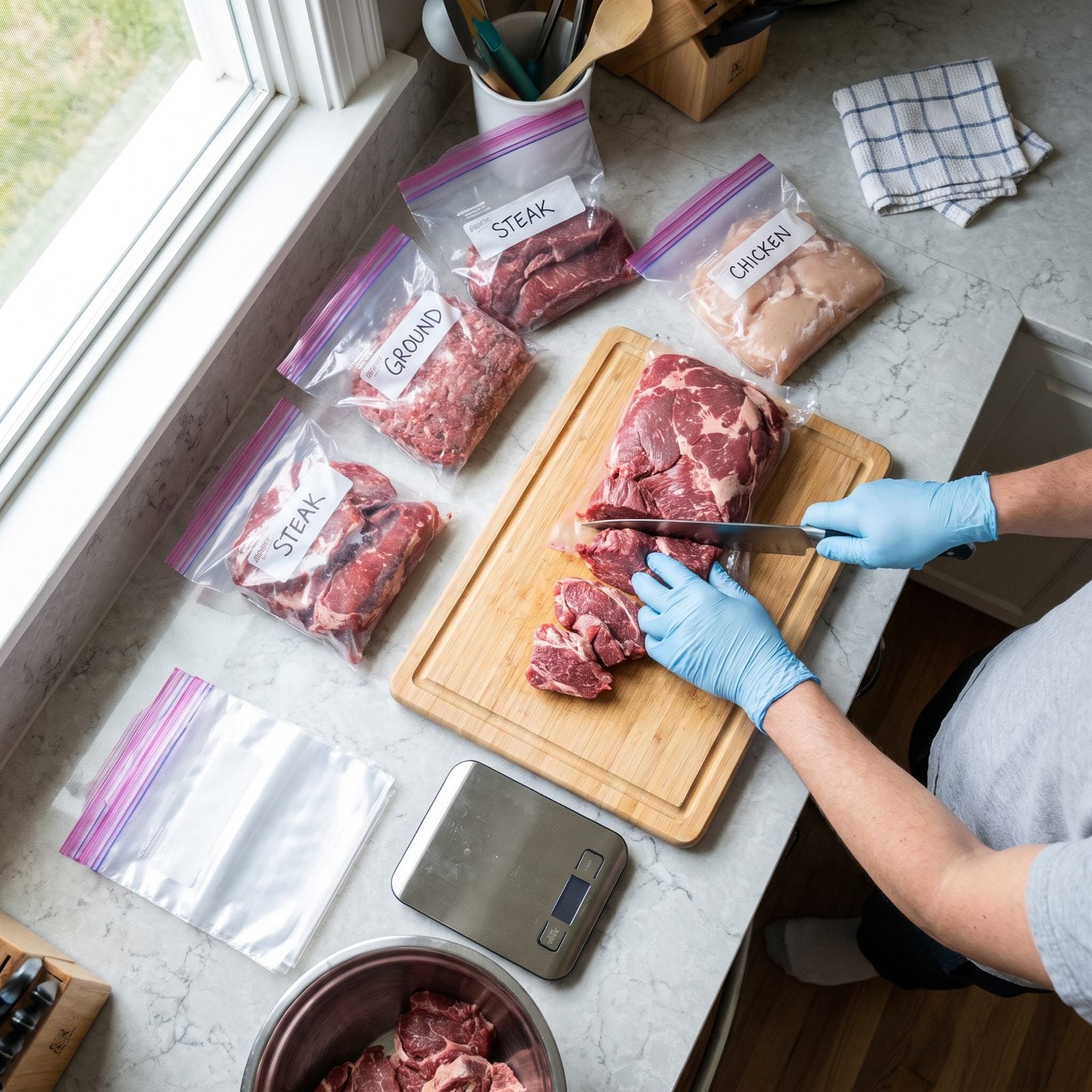
Buy the family pack to save money, freeze the whole brick, and now you’re defrosting four pounds just to cook one dinner. The rest gets refrozen — which nobody should do — or thrown out.
Split it the day you buy it. Two chops here, a pound of ground beef there, whatever a single meal needs for your rig. Then you pull exactly one portion: no thawing more than you’ll eat, no waste, no soggy refreeze. The bulk price only works in your favor if you break it down first.
6. Cook Once, Then Serve That Same Meal on Purpose Twice
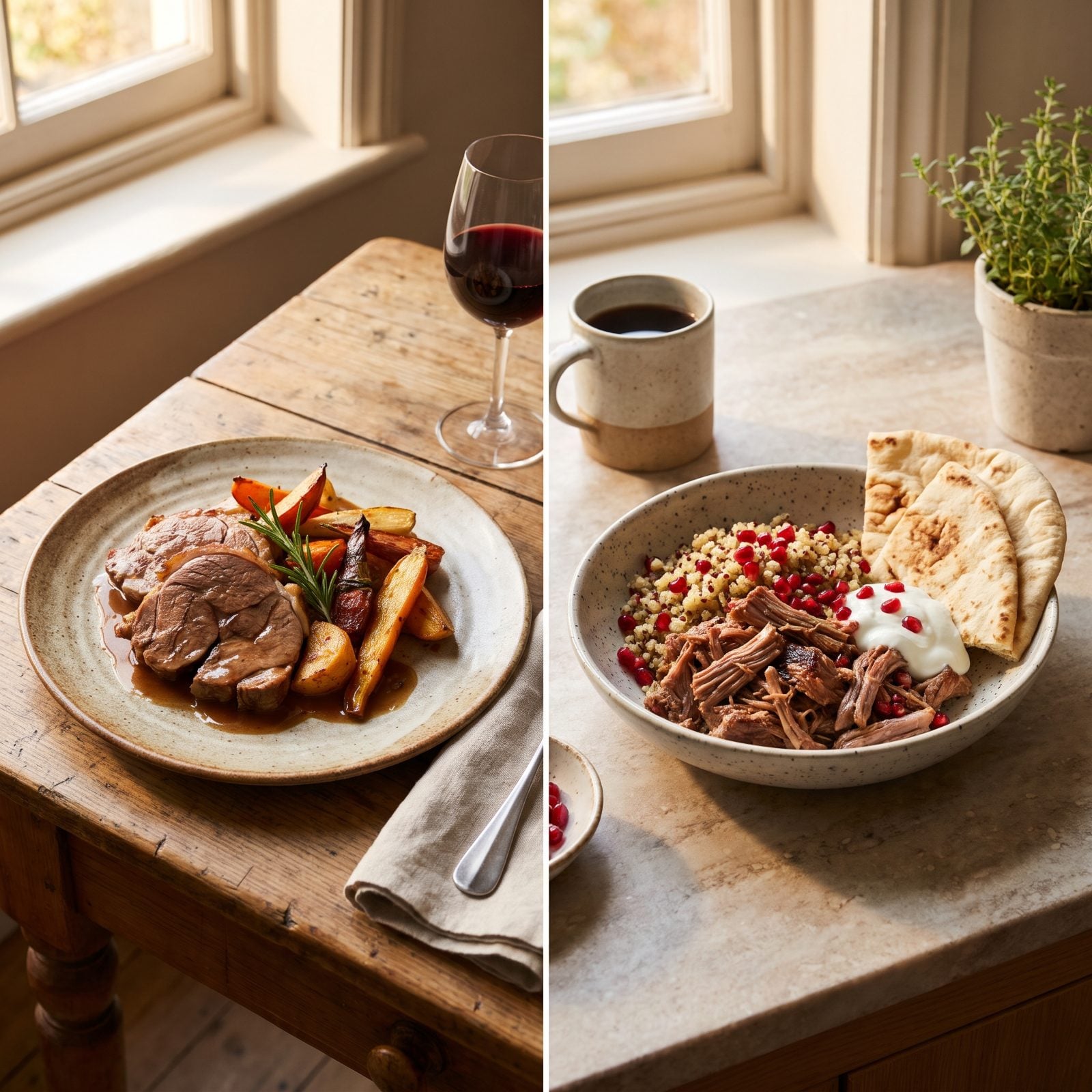
There’s a difference between leftovers and planned-overs, and the difference is whether you decided on it before you cooked.
Make a double batch of something that holds well: braised beans, a grain bowl base, a tray of roasted veg. Night one you eat it. Night two you reheat and move on with your evening instead of starting over in a kitchen where there’s barely room to turn around. The trick is portioning the second serving the moment you finish cooking, lids on, into the fridge. Leave it in the pot and you’ll pick at it until there’s half a sad serving left.
5. Turn the Last Sad Vegetables Into Soup, Frittata or Stir-Fry
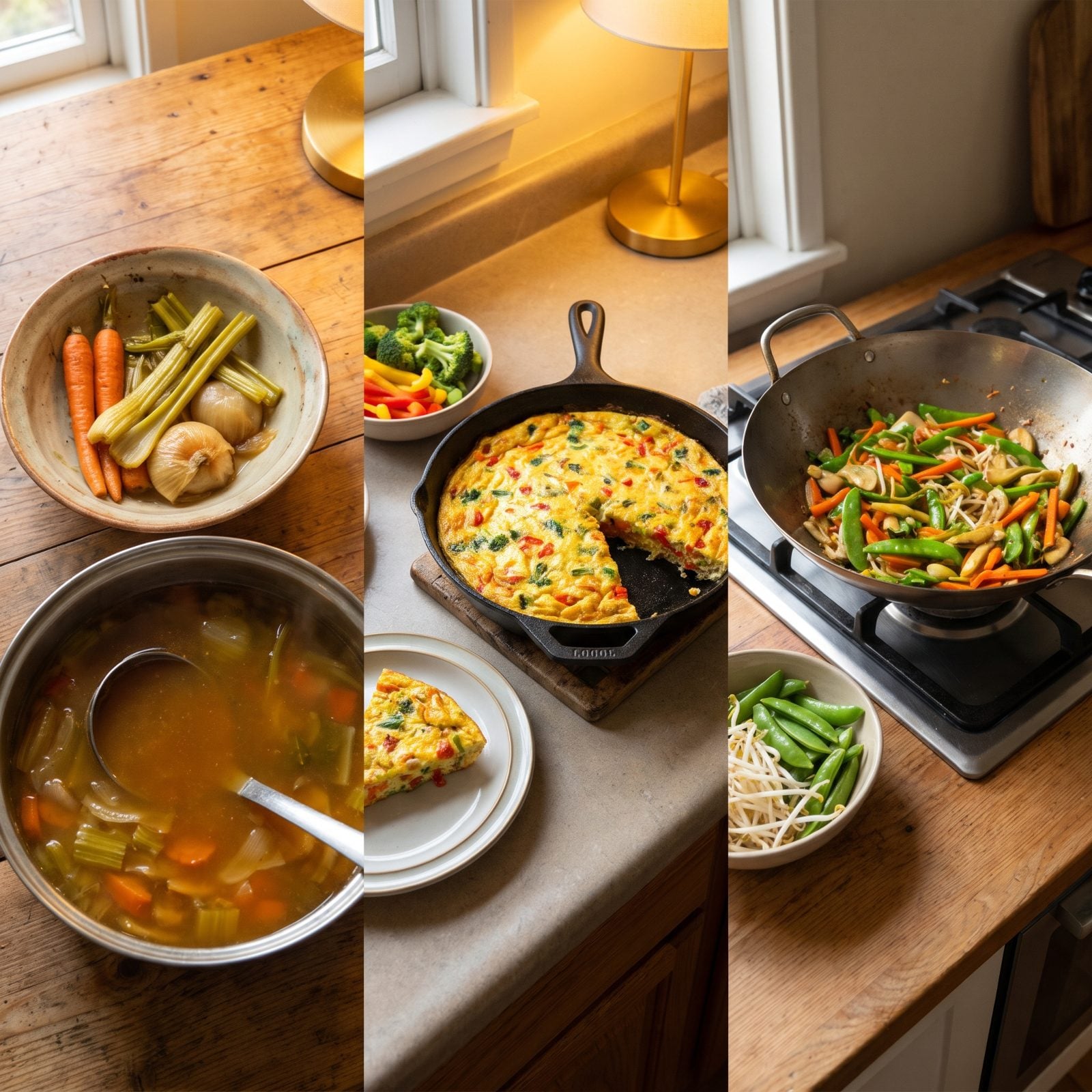
Three formats will absorb almost anything your fridge is giving up on: soup, frittata, stir-fry.
Half an onion, a limp handful of spinach, the heel of a block of cheese, two eggs going nowhere. None of it is a meal alone. Together, in a skillet with a little oil, it becomes dinner. Forget the recipe. What you’re really building is a mindset where nothing gets tossed just because it’s stopped being photogenic.
4. Pack a Dedicated Snack Box for Driving Days
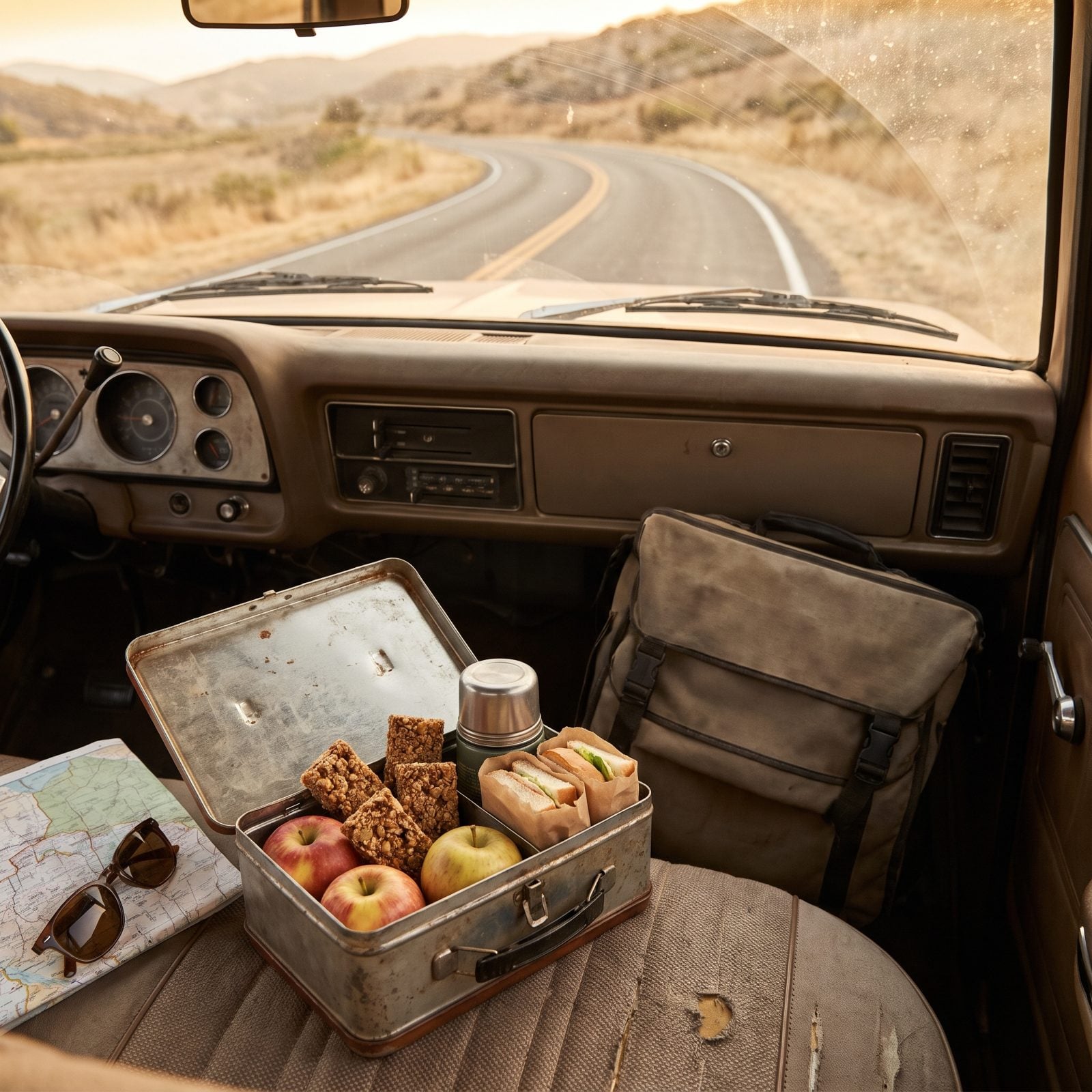
You know the moment. Three hours into a drive, everyone’s hungry, the next town is a gas station and a vending machine, and suddenly a bag of stale chips costs four dollars and your mood costs more than that.
Pack a snack box the night before you roll. Nuts, cut fruit, cheese, crackers, maybe a couple of bars. It rides up front, not buried in the back where nobody can reach it. The payoff isn’t just money saved. You stop pulling off at every exit, and you don’t arrive hangry and snapping at each other over where to park.
3. Keep an Arrival-Night Meal That Just Needs Heat
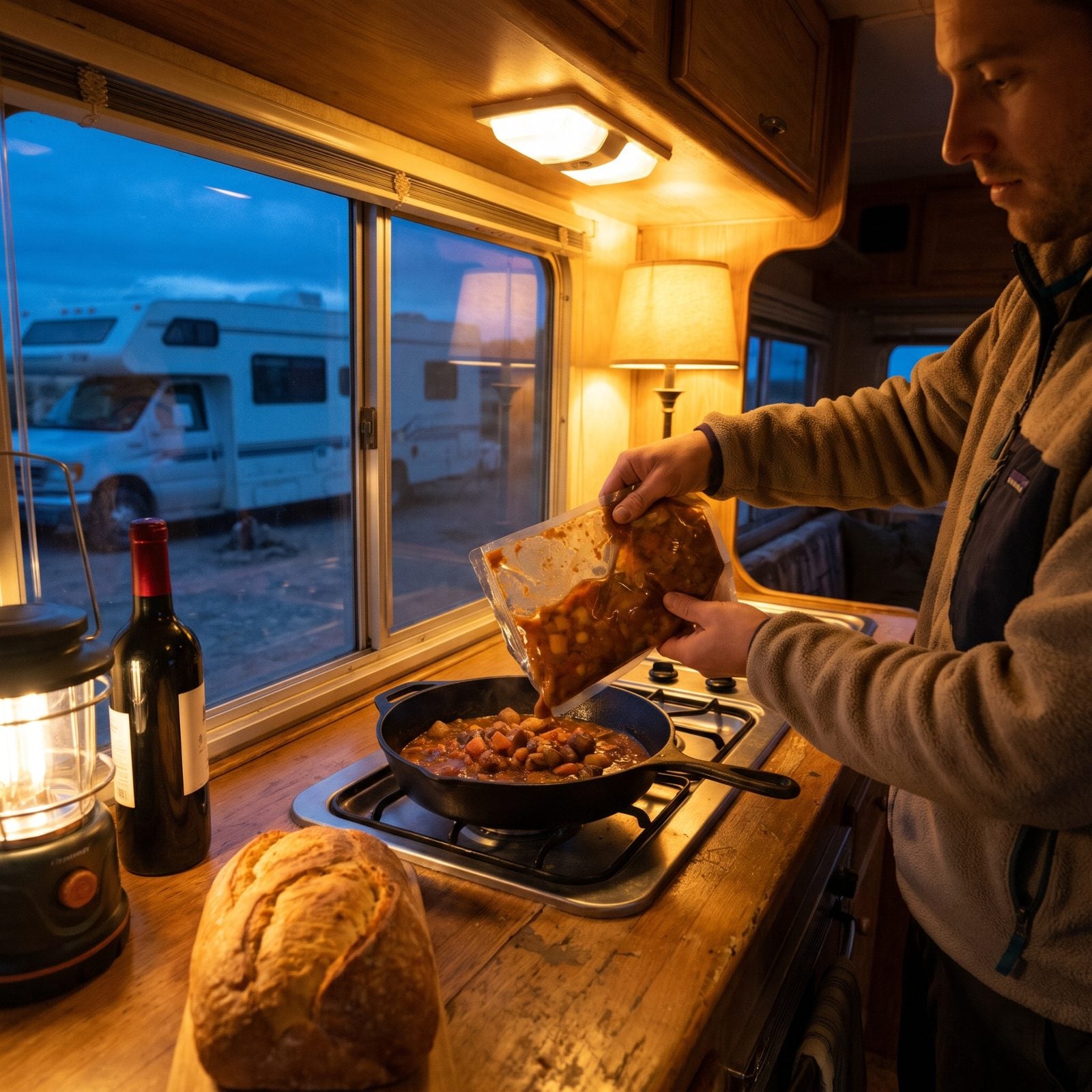
Arrival night is the worst time to cook. You’ve been driving for hours, you still have to level the rig and hook up, and the last thing you want is to start chopping onions.
So don’t. Before you leave a place, stash one meal that only needs reheating: a frozen portion of chili, a container of pasta, soup you made earlier in the week. You pull in, set up, heat one pot, eat. Done.
This one habit has saved me from more drive-through dinners than I’d like to admit. Hungry and exhausted is how the budget quietly bleeds.
2. Eat the Fresh Produce Before the Ag Checkpoint
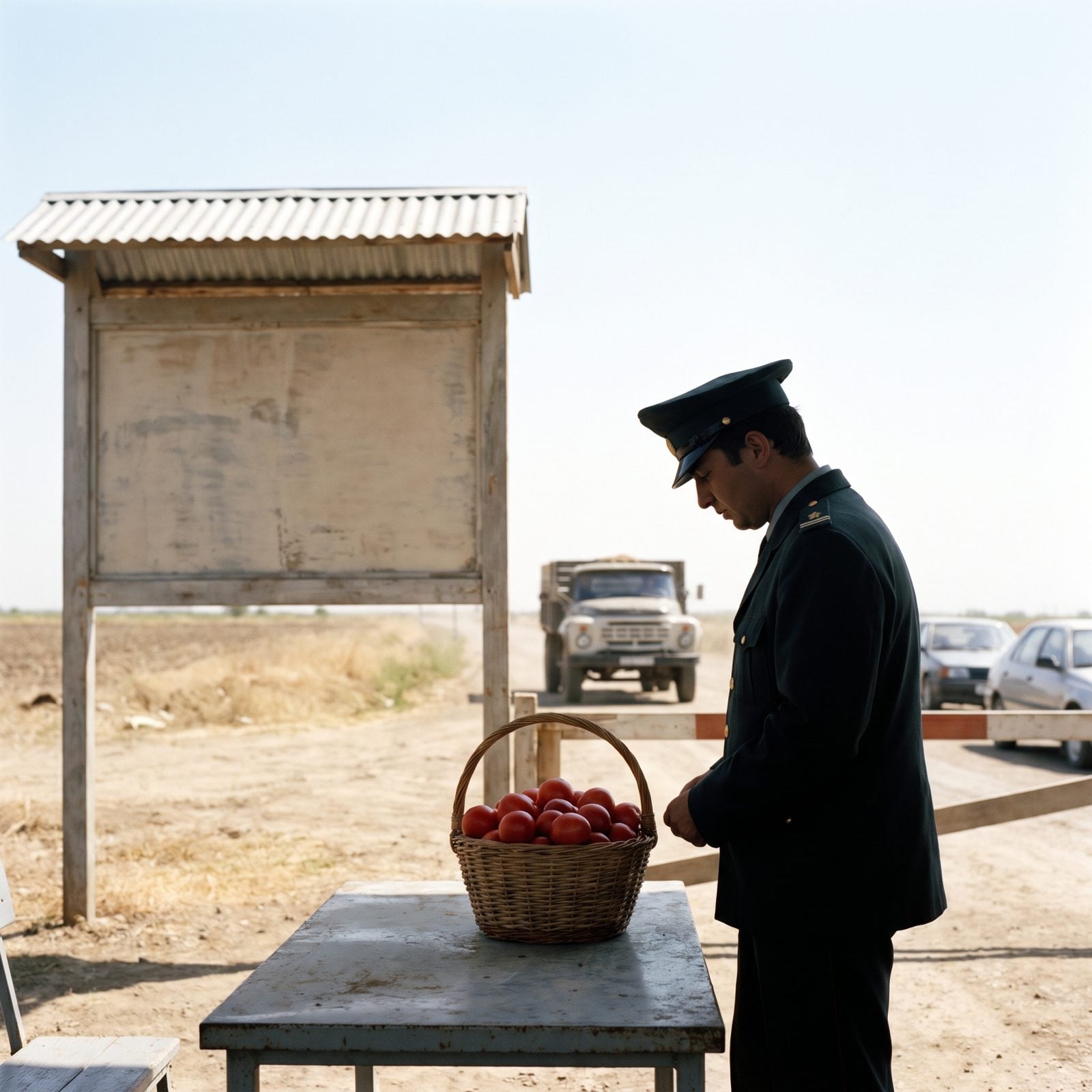
Nobody warns you about this until an inspector at a state line is eyeing your tomatoes.
Some borders and agricultural checkpoints restrict fresh produce, especially certain fruits and vegetables crossing into places like California or Arizona, or over international lines. Rules vary by state and by what’s being protected that season, so check before you go. Here’s the practical move: plan your fresh produce to run out around a crossing you know is coming. Eat the salad the night before, finish the fruit at breakfast. Better in your stomach than surrendered at a booth, and you’re not hauling spoiled goods you had to toss anyway.
1. Swap the Glass Jars for Lightweight, Unbreakable Containers
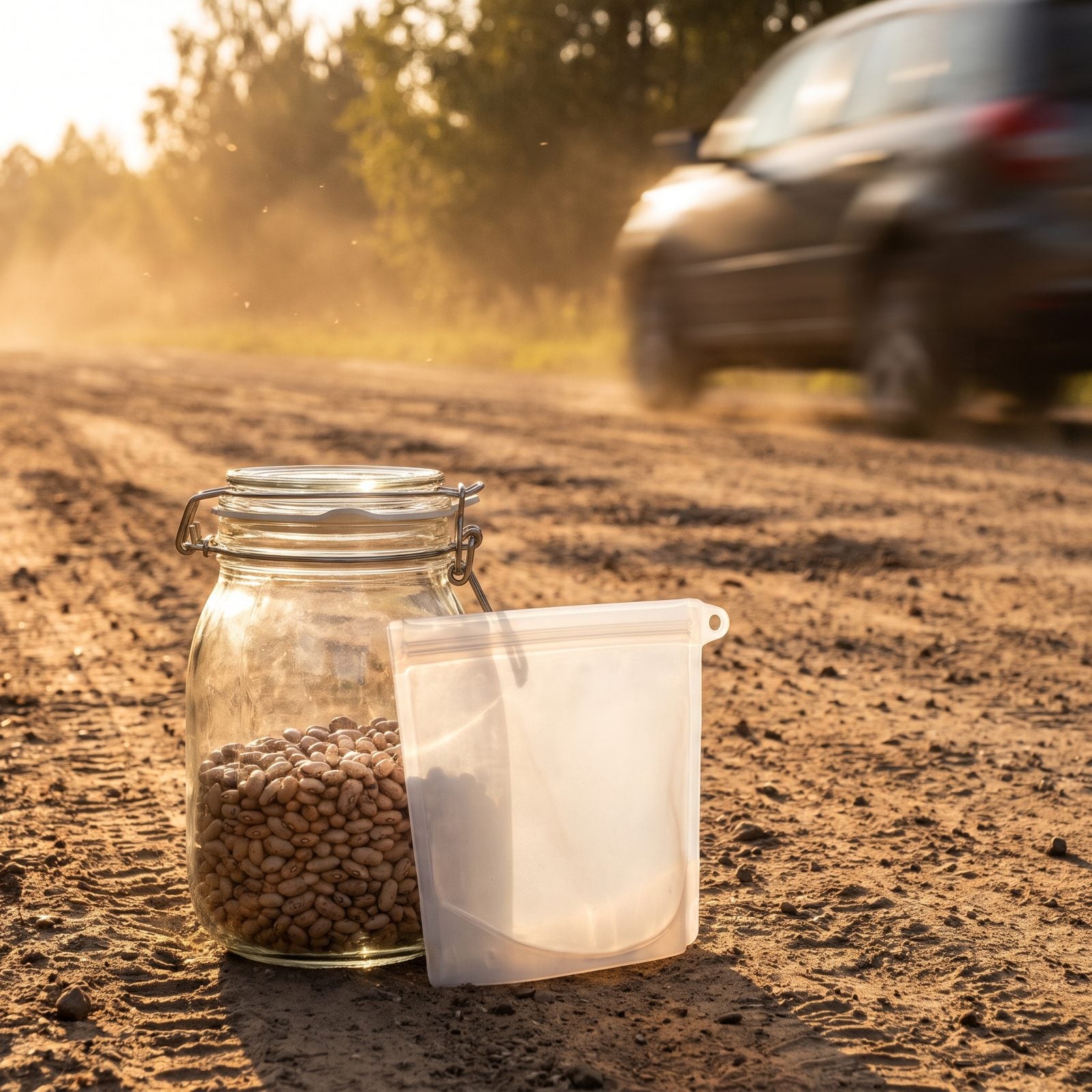
Glass is lovely at home and a liability on the road. It’s heavy, it rattles, and on a washboard dirt road it eventually finds a way to shatter inside a cabinet you’d rather not clean.
Move your staples into lightweight, unbreakable containers. BPA-free plastic, silicone pouches, collapsible tubs that fold flat when empty. They stack, they won’t shatter when one falls, and every ounce you drop helps a rig that’s already fighting weight limits.
Keep a couple of glass jars if you love them. Just not twelve of them riding loose over every pothole from here to the coast.
In a moving house, weight is money and broken glass is a whole afternoon you didn’t plan on.