
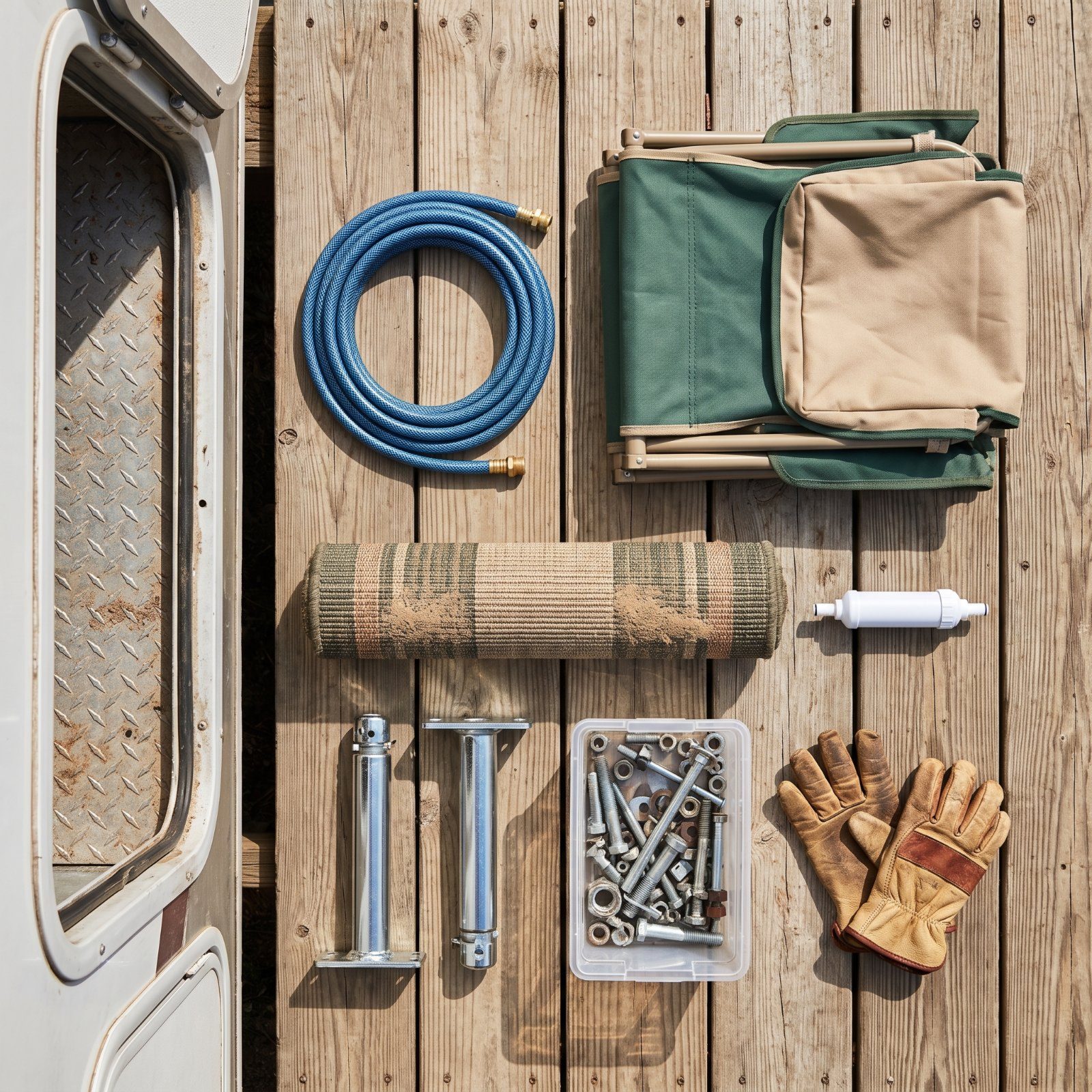
The gear that looked essential in the dealership parking lot tells a different story after six months of hitching, dumping, leveling, and squeezing everything back into a bay the size of a filing cabinet. Weight matters, and space matters more. Half the stuff the forums and YouTube swore by turns out to be dead weight nobody actually touches. What follows is the list of belongings experienced full-timers quietly stop carrying once the road teaches them what the road really demands. Some of it was never needed. Some got replaced by something smaller, cheaper, or already sitting at the campsite waiting on them.
Please note that some of the images in this article were created with the assistance of AI.
29. Slide-Out Stabilizers That Put Stress on the RV Frame
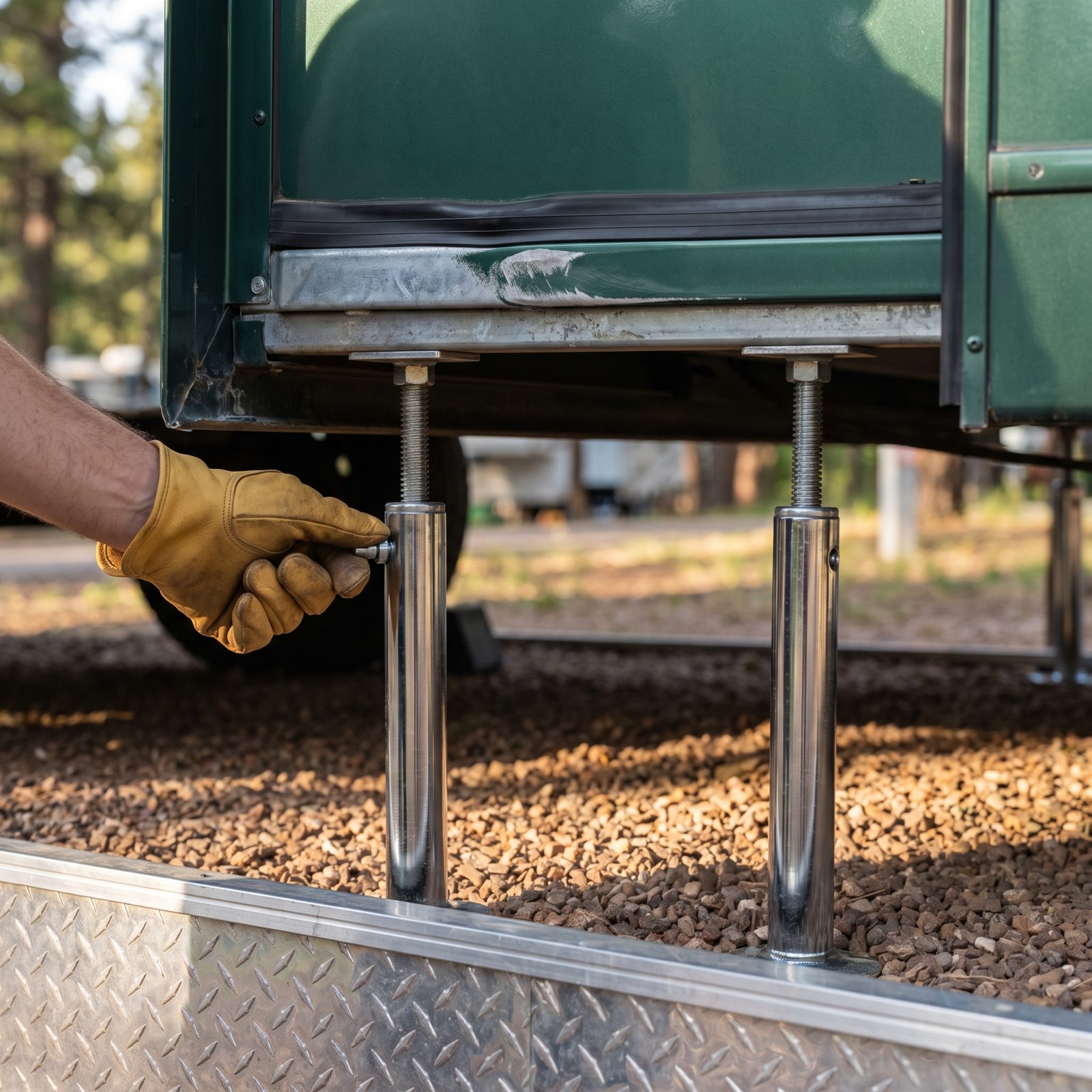
The idea sounds right: prop up the slide-out so it stops bouncing when you walk across the floor. Trouble is, those slides are engineered to hang off the frame on their own. Jam a support column underneath and now you’re fighting the suspension, the leveling jacks, and the frame flex every time the rig settles or the ground shifts.
Most full-timers figure this out after the slide seal starts binding or the room won’t retract clean. The bounce was never structural. It was just a floor doing what floors do.
28. Specialty RV Toilet Paper That Costs More Than Septic-Safe Household Rolls
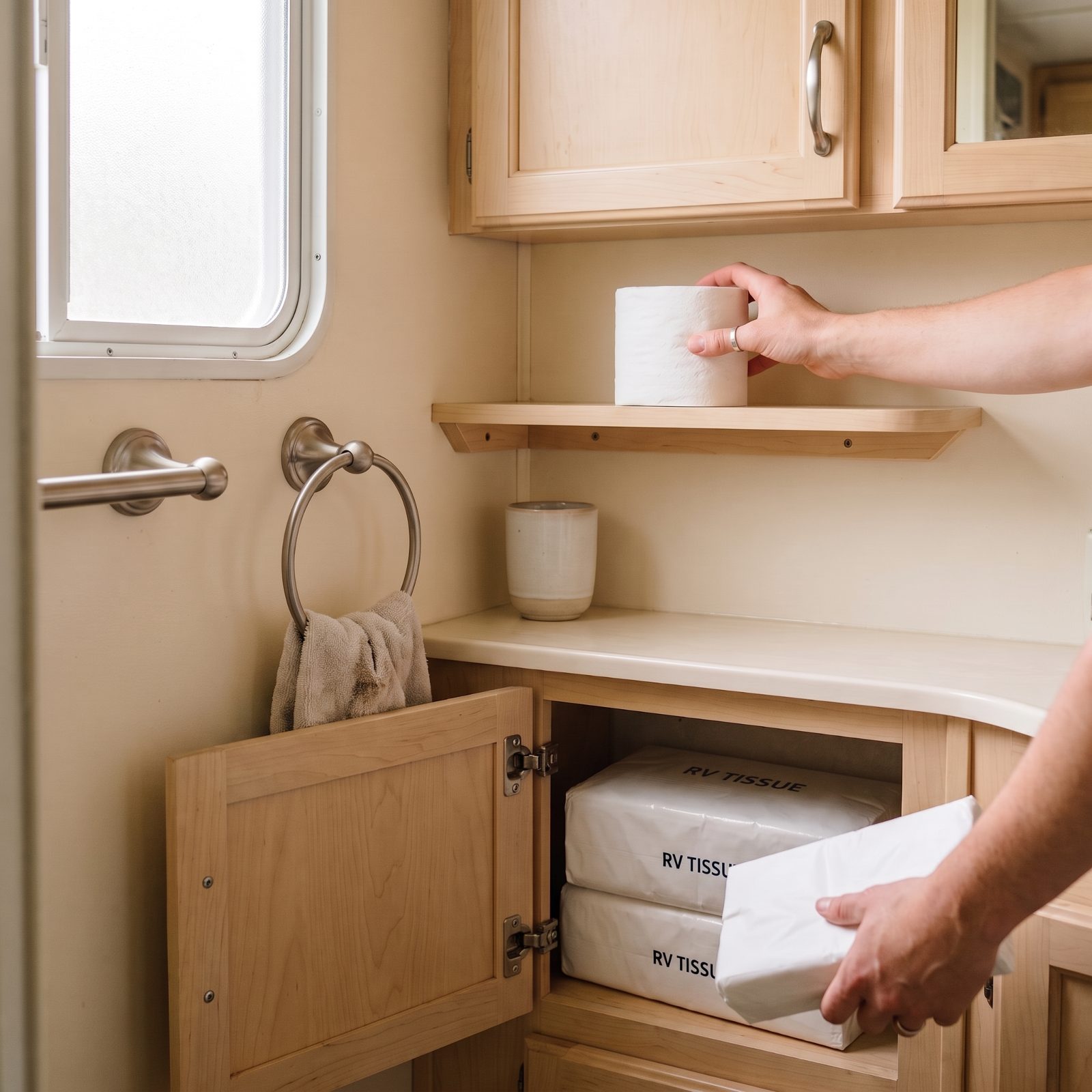
Here’s a dirty little secret the RV supply aisle won’t advertise: plenty of regular grocery-store toilet paper breaks down in a holding tank just fine. The magic words aren’t “RV approved,” they’re “septic safe.” Test any roll in a jar of water with a shake and watch it fall apart.
The specialty stuff costs more, comes in smaller packs, and runs thin enough to feel like a punishment. Full-timers drop it fast once they do the jar test on a cheaper brand and realize the tank can’t tell the difference.
27. The Awning Tie-Down Kit That Made Risky Wind Use Tempting
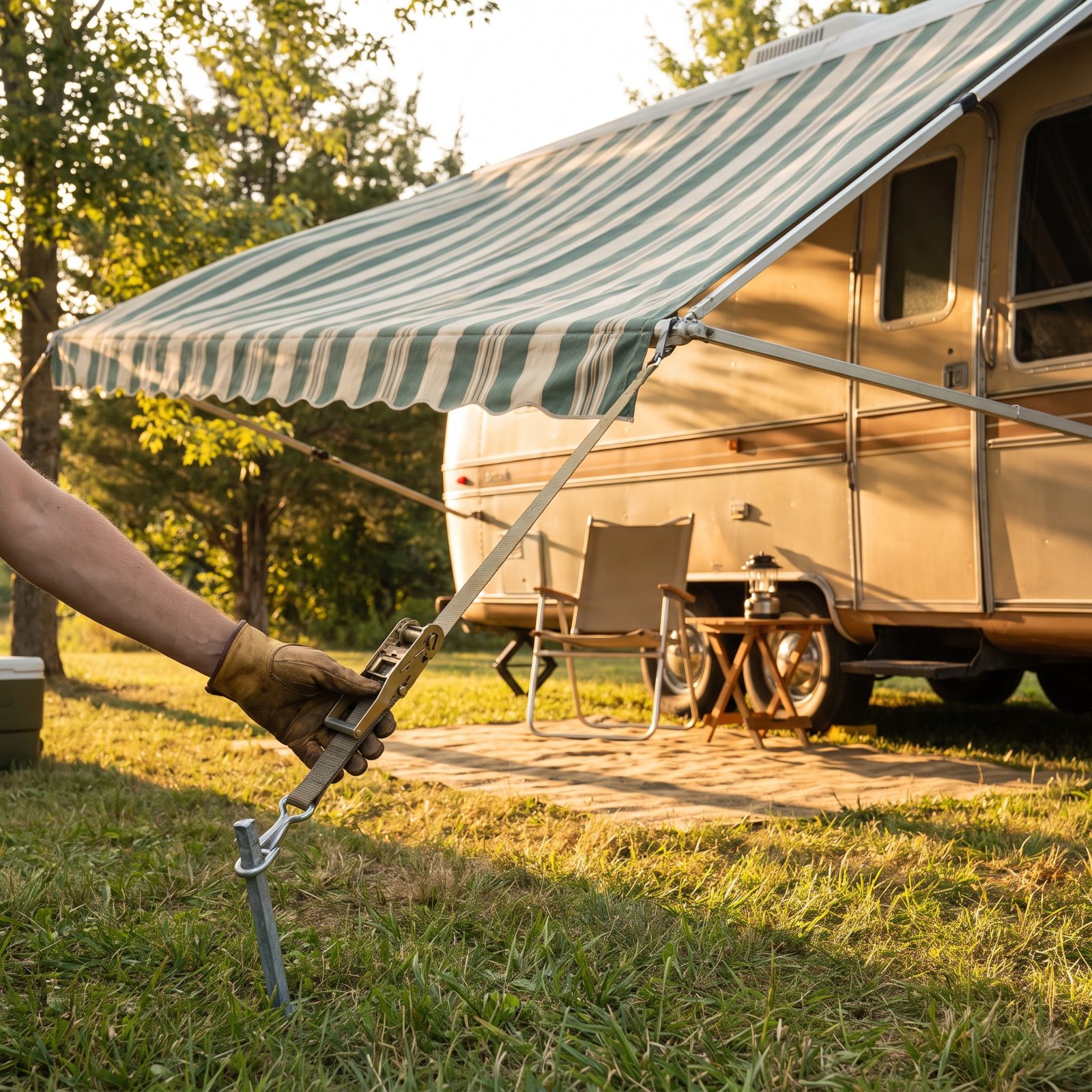
A tie-down kit feels like insurance. In practice it becomes permission. You tell yourself the awning is anchored, so you leave it out through a gusty afternoon, maybe even overnight, and then a squall rolls through and bends the arms or rips the fabric clean off the rail.
No strap kit saves a fabric awning from a real gust. The only thing that works is rolling it up when the wind picks up. Experienced travelers stop carrying the false confidence and start reading the sky instead.
26. The Portable Waste Tote That Never Suited Their Travel Style
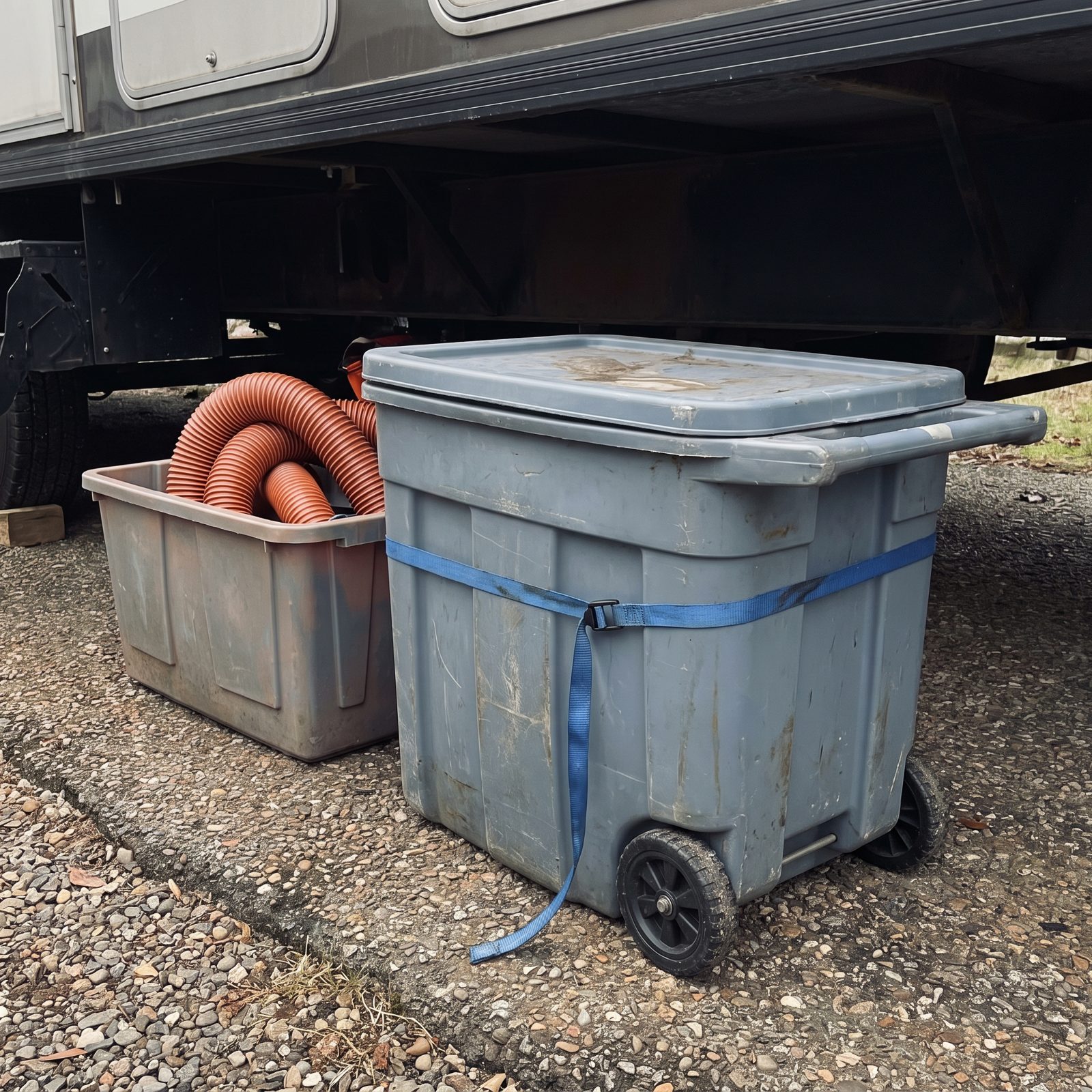
The pitch for a waste tote is freedom: stay put for a week, wheel your tanks to the dump station, never move the rig. Sounds great until you’ve actually tried to maneuver thirty-plus gallons of sewage on tiny plastic wheels across gravel.
It works for a very particular kind of camper, the one who parks for long stretches at hookup-free sites and has patience to spare. For everyone else who moves every few days or books sites with sewer, it just sits in the bay collecting the one smell you can never fully scrub out. Most full-timers who bought one on a forum recommendation end up handing it off to somebody else.
25. The Cheap Inline Water Filter That Barely Touched the Water
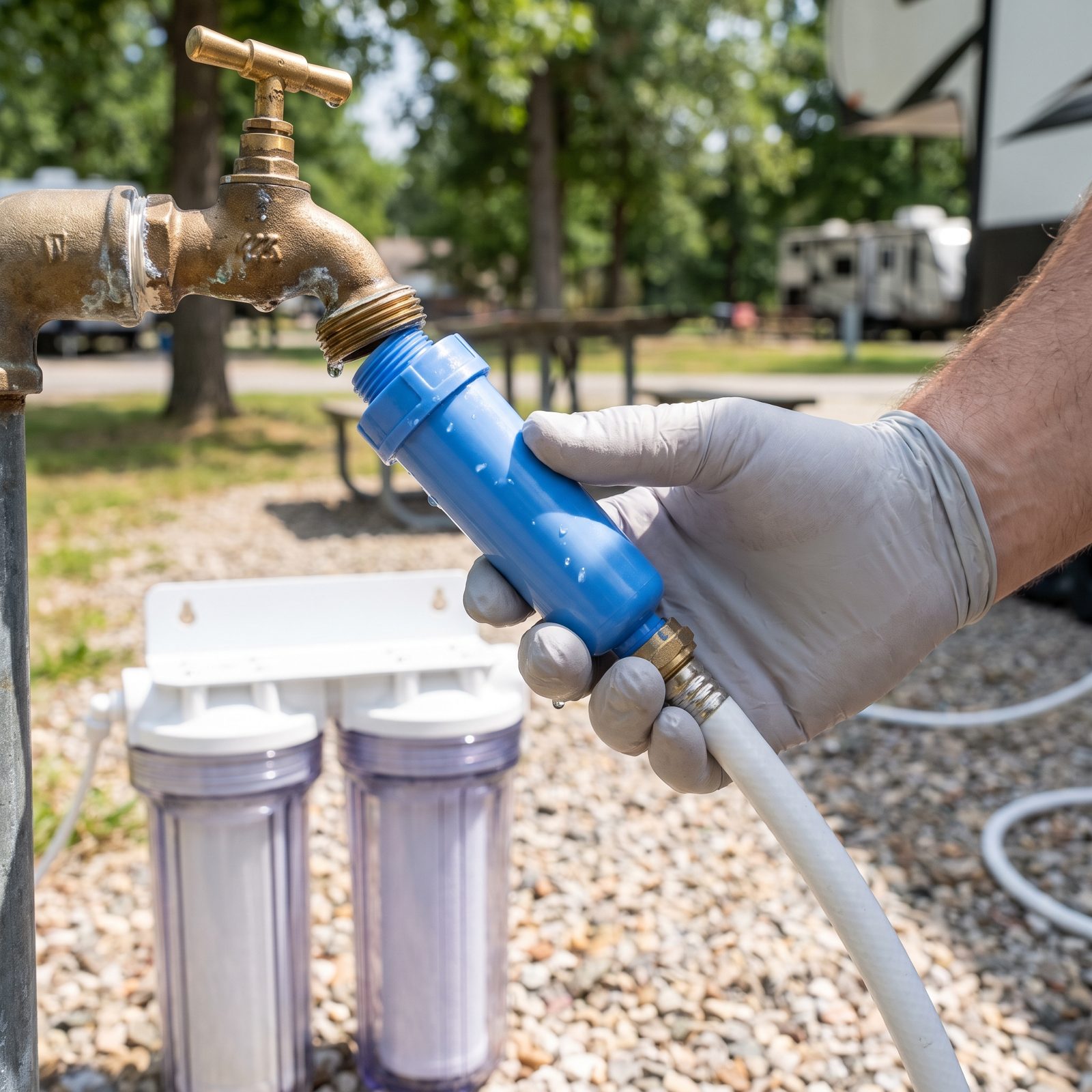
Those little blue twist-on filters are the training wheels of RV water. They catch some sediment and take the worst of the hose-rubber taste out, and that’s about the ceiling of what they do.
Hook into a campground with hard water or a sulfur smell and you’ll know immediately how little that cartridge is accomplishing. The upgrade most full-timers land on is a two-stage canister setup — one sediment stage, one carbon block — mounted or sitting in the wet bay. Better flow, actual filtration, and you quit buying a fresh throwaway every few weeks.
24. The Backup Generator That Solar Made Redundant
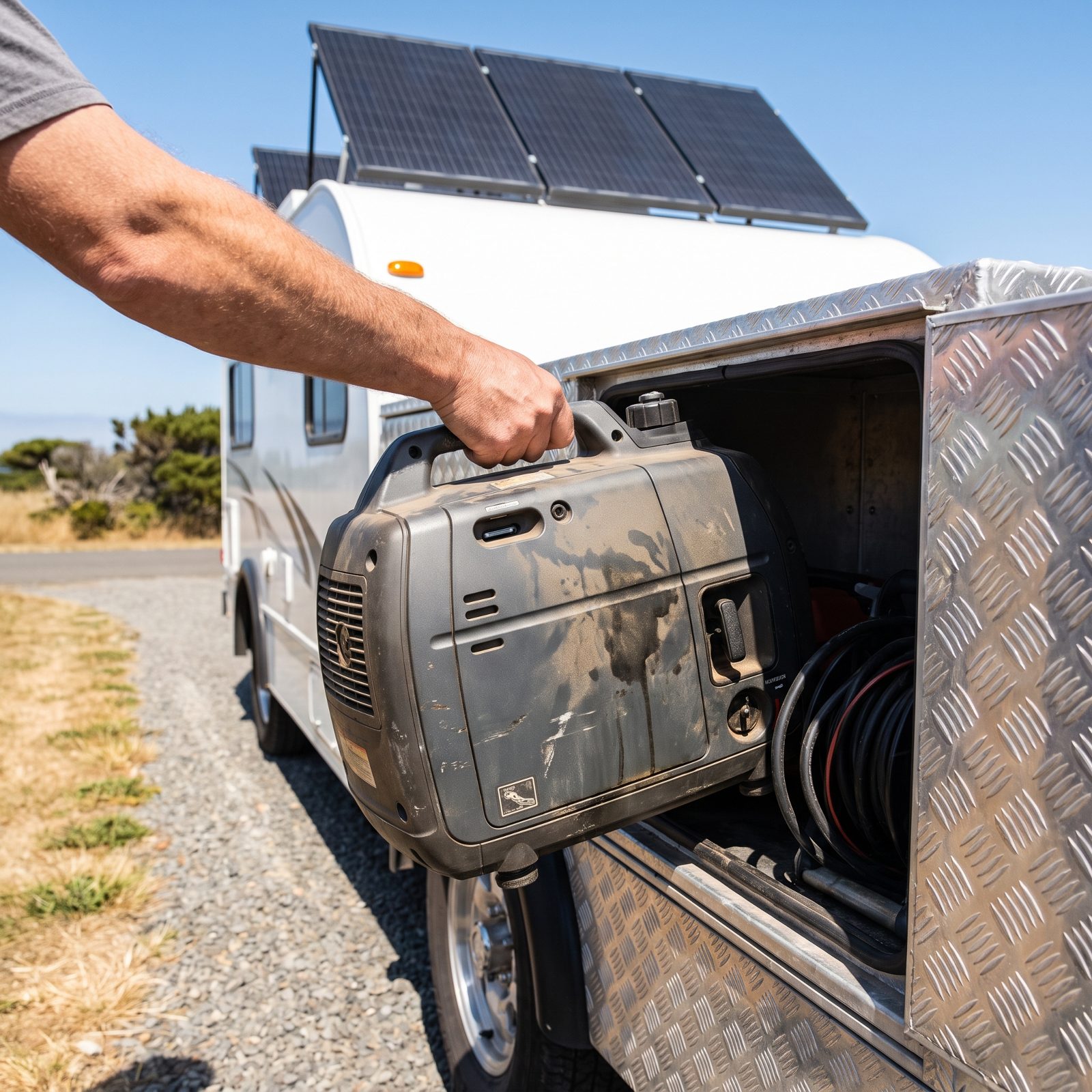
For a long time the generator was the heart of boondocking. Then lithium batteries got cheap and solar got good, and a lot of rigs crossed over to covering their everyday loads on sunshine alone.
Once the panels handle the fridge, the lights, the laptops, and the water pump, that second generator becomes a heavy, fuel-leaking passenger. It hogs a prime storage bay, the gas needs stabilizing, and it only earns its keep on the rare run of clouded-in, run-the-microwave days. Plenty of full-timers keep one small unit for emergencies and sell the big backup outright.
23. Spare Parts Left Over From a Rig They No Longer Own
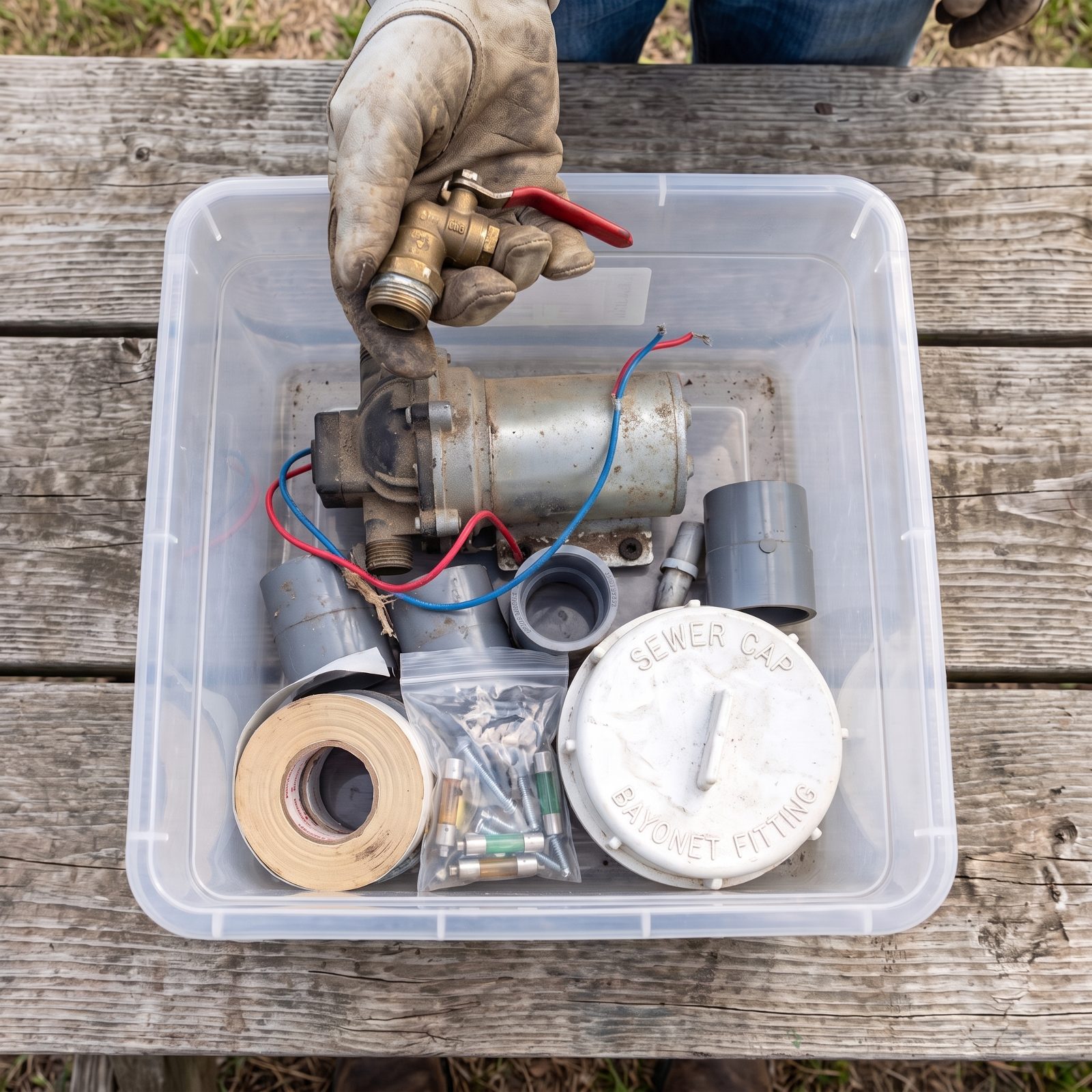
Everyone who trades up accumulates a ghost kit. Fittings, a spare pump, hardware, a sewer cap — all bought for the last rig and hauled into the new one out of pure habit. Keeping spares feels responsible.
And yet the parts rarely fit the next trailer. Different plumbing threads, different hitch, different everything. That bin rides around for a year taking up space before anyone admits half of it will never go on this rig. Sort it down to what actually fits the current coach and you free up real cargo weight.
22. The Folding Picnic Table That Most Sites Already Had
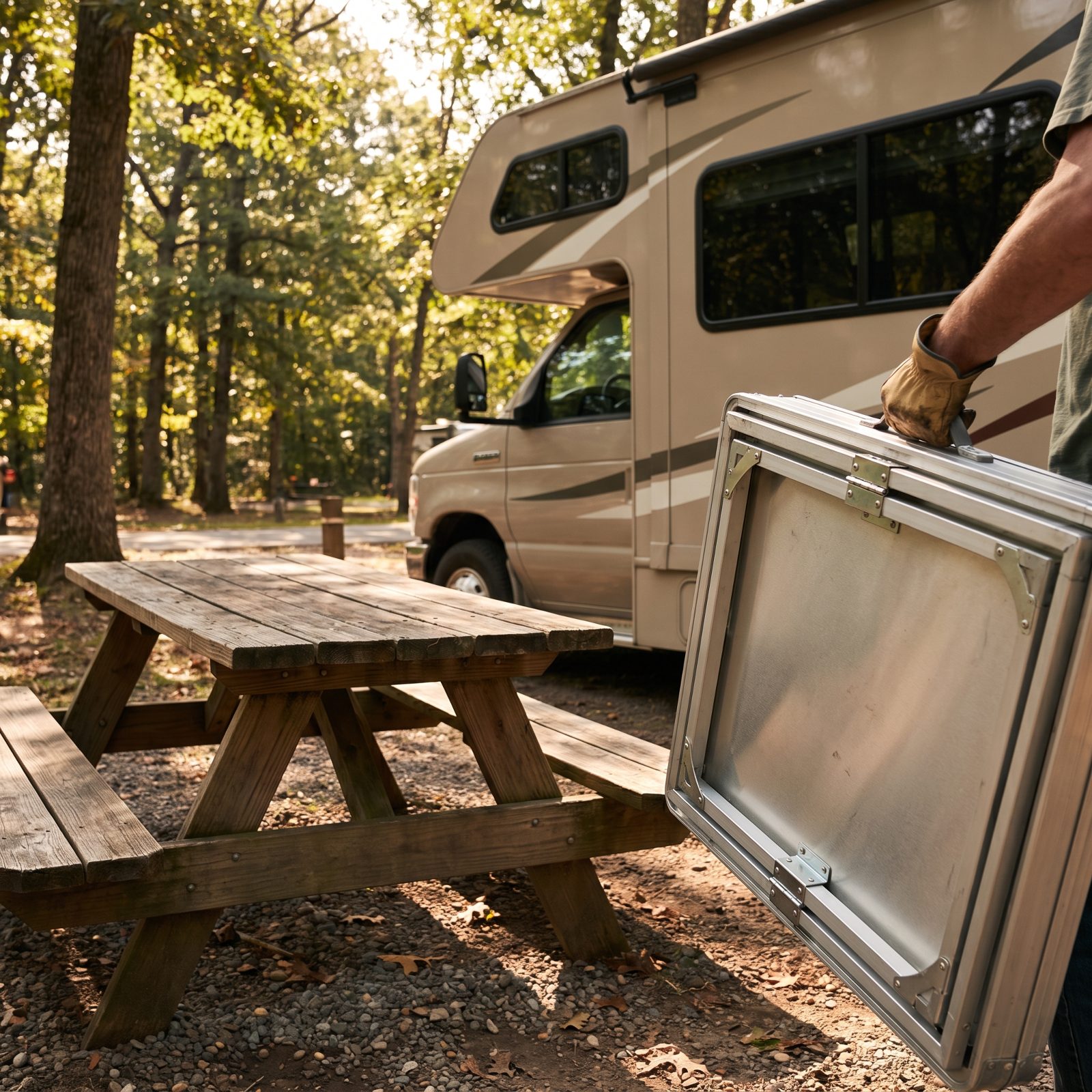
A folding table seems like a no-brainer until you notice the thing bolted to a concrete pad at nearly every developed site you book. State parks, national forest campgrounds, private RV parks — most of them hand you a picnic table whether you wanted one or not.
The folding version earns its space only if you boondock constantly or need a dedicated outdoor cook surface. For the campground-to-campground crowd, it mostly rides empty in the bay, a solution to a problem the campsite already solved.
21. The Oversized Outdoor Rug That Trapped Water and Road Grit
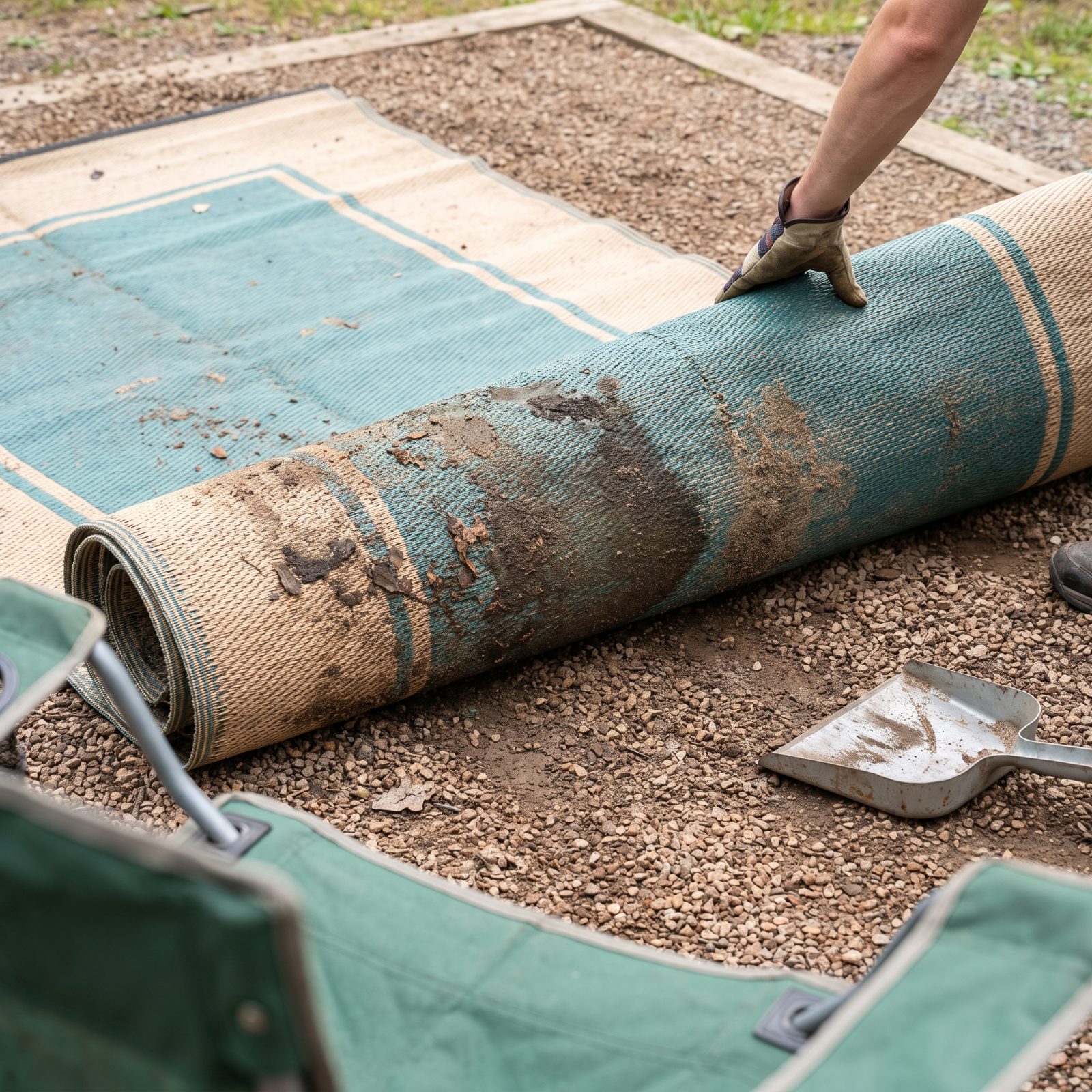
The big reversible patio mat looks great in catalog photos. Then it rains, or you camp on grass, and the thing turns into a sponge pinned to the ground by its own weight. Water pools under it, dirt works into the weave, and come morning you’re wrestling a heavy, soggy, grit-filled roll into a bay you’d rather keep dry.
Go smaller. Full-timers trade the room-sized mat for a compact doormat-plus-strip setup that shakes out in seconds and dries fast. Less ground covered, far less misery.
20. The Oversized Zero-Gravity Chairs That Ate a Whole Storage Bay
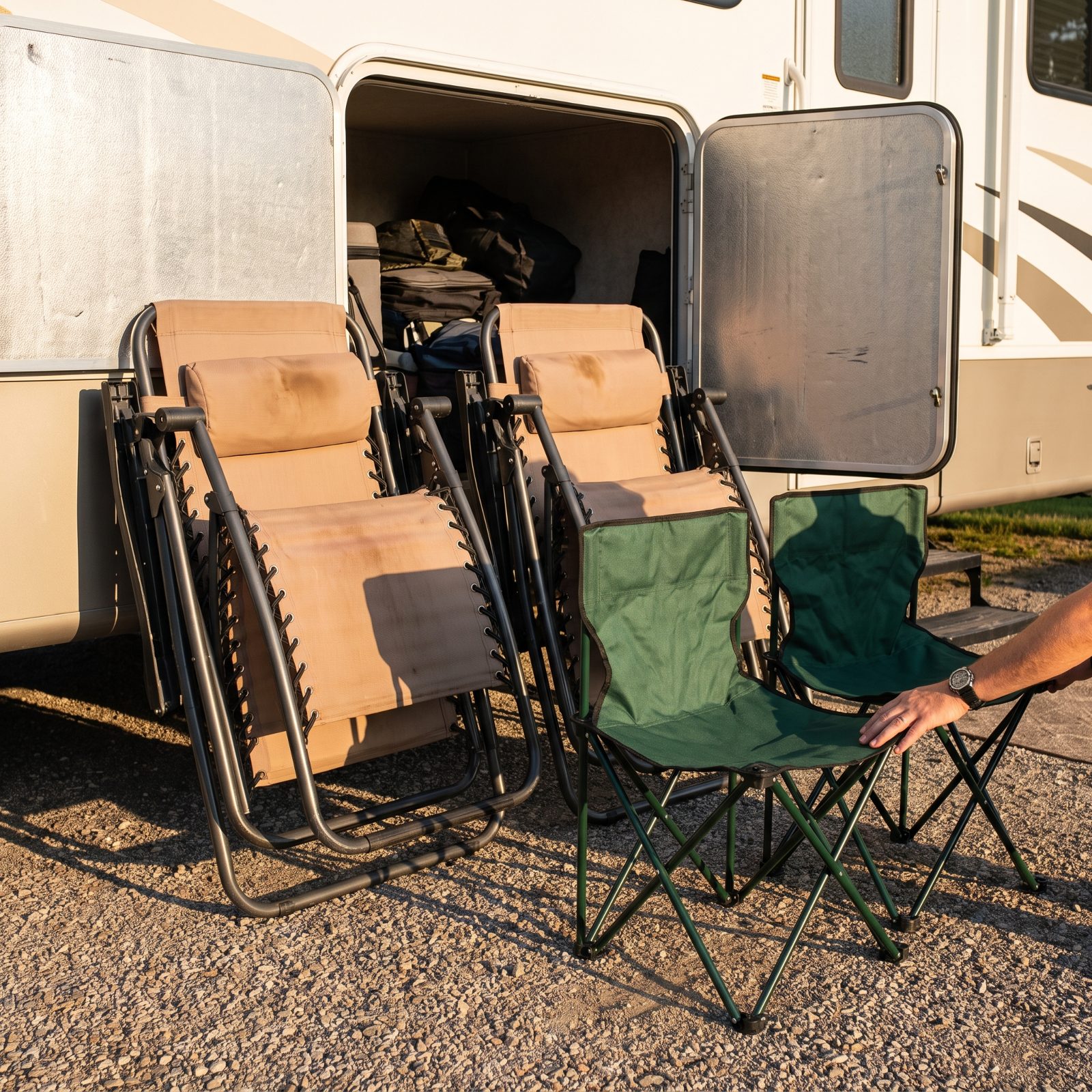
Nothing feels better than a padded zero-gravity recliner at the end of a driving day. Nothing fits worse in an RV. Those chairs are gloriously comfortable and comically huge, and a pair of them will swallow a whole pass-through bay that could’ve held hoses, chocks, tools, and the grill combined.
The comfort is real, so this one stings. But storage space in a rig is the rarest currency there is, and two chairs can’t cost you everything else. Most full-timers downsize to slimmer folding chairs they can actually stow, and save the loungers for when they’re parked somewhere long enough to justify the room.
19. A Propane Fire Pit That Never Matched the Way They Actually Camped
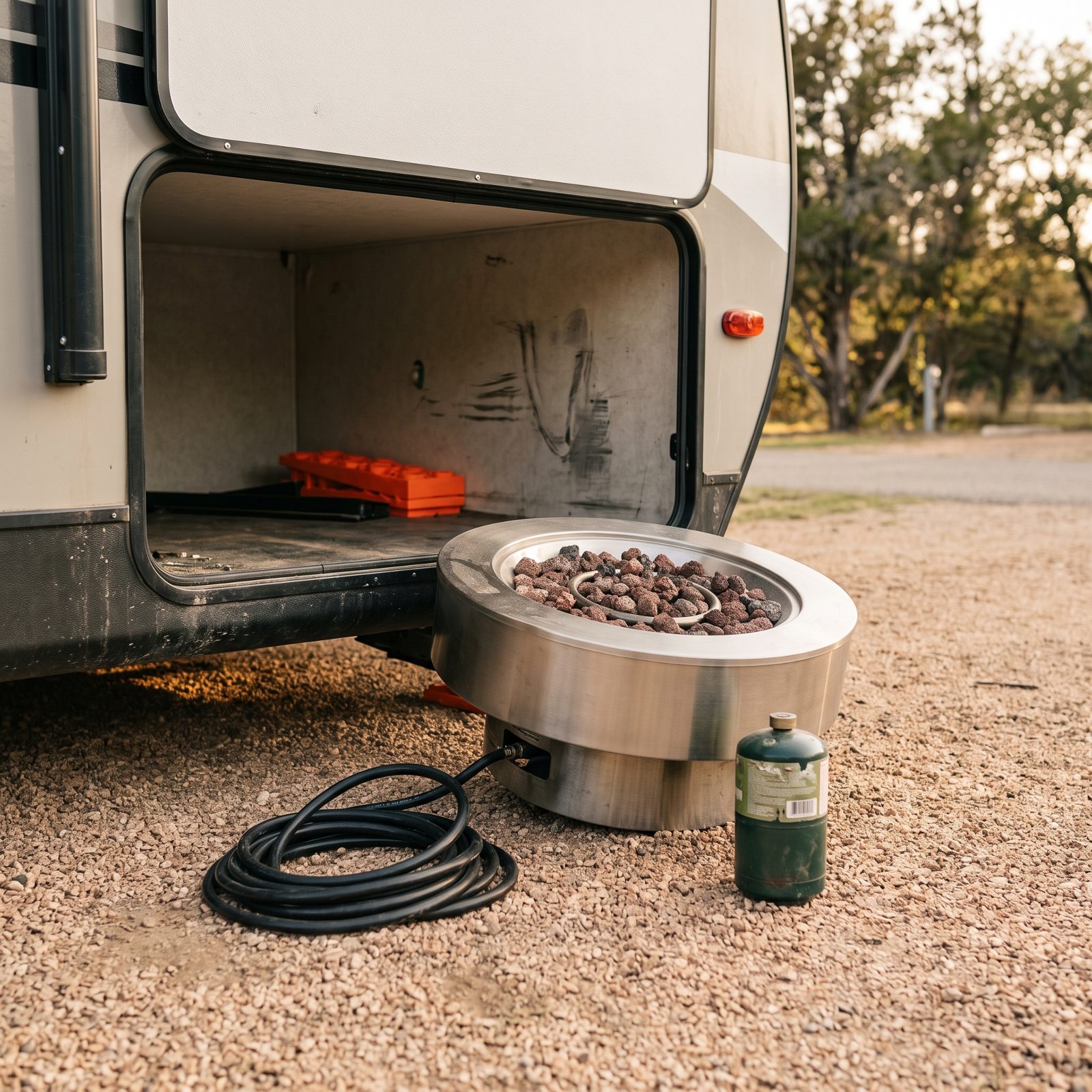
The propane fire pit sounded like freedom. No smoke, no wood to haul, instant flame. Then they started booking campgrounds that already hand you a steel fire ring at every site.
It weighed a good 25 pounds, ate a full storage bay, and demanded its own propane bottle stored away from the one running the stove. Most nights it stayed packed. The folks who keep theirs are the dry-campers chasing fire bans, not the ones pulling into a reserved loop with a ring and a stack of firewood for sale at the gate.
18. Duplicate Extension Cords and Electrical Adapters That Multiplied in the Bay
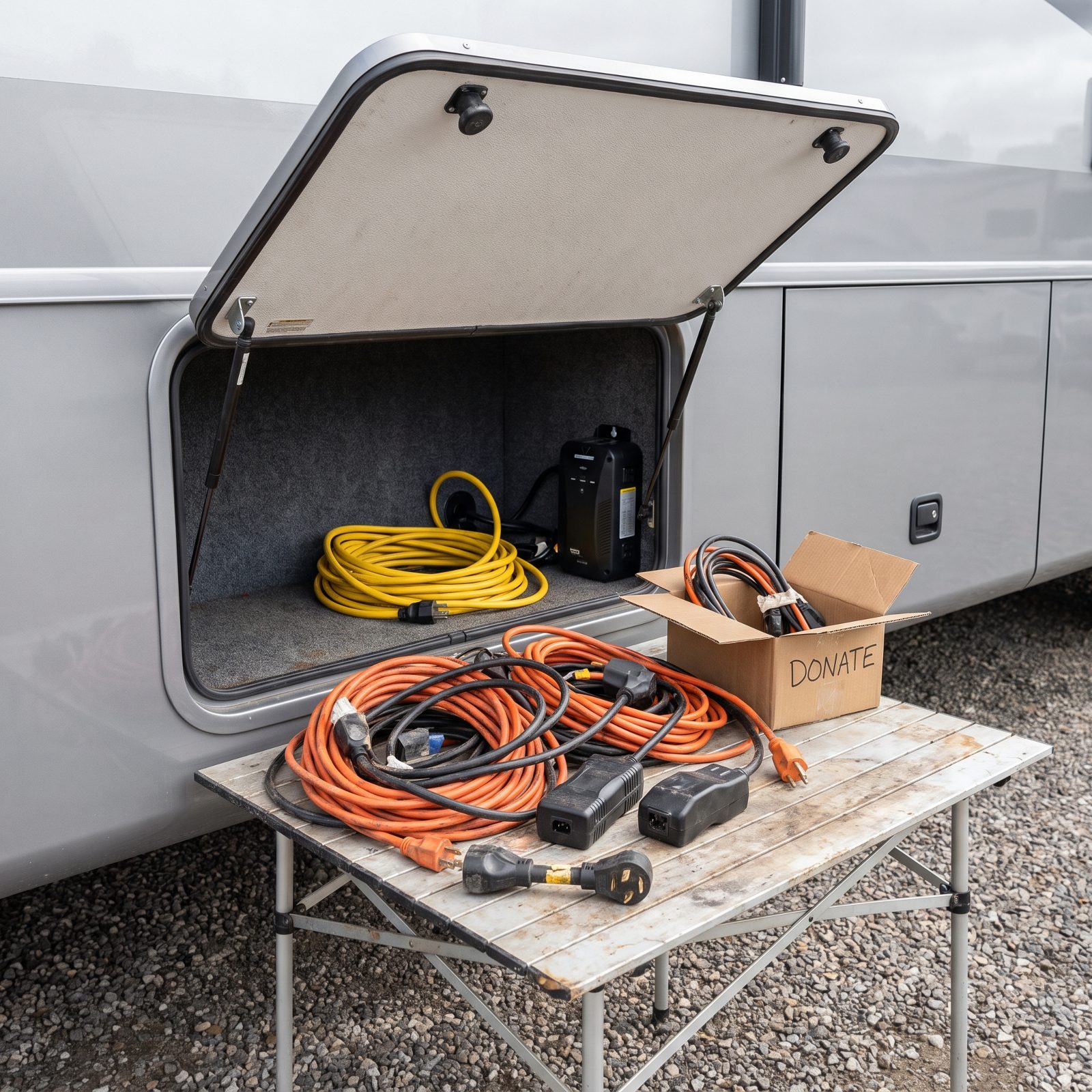
Somehow there were four. A 25-footer, a 50-footer, two short orange ones from a garage long sold, and adapters for amperages the rig would never see.
Nobody tells you this, but an RV pedestal is rarely more than a cord length from where you park. Full-timers settle on one properly rated shore cord, one 30-to-50 dogbone, and a single surge protector. The rest is just weight, tangle, and a bay you have to dig through in the rain.
Carrying backups for backups feels responsible. Mostly it buries the one cord you actually need.
17. A Large Tool Chest Loaded With Tools the Rig Never Called For
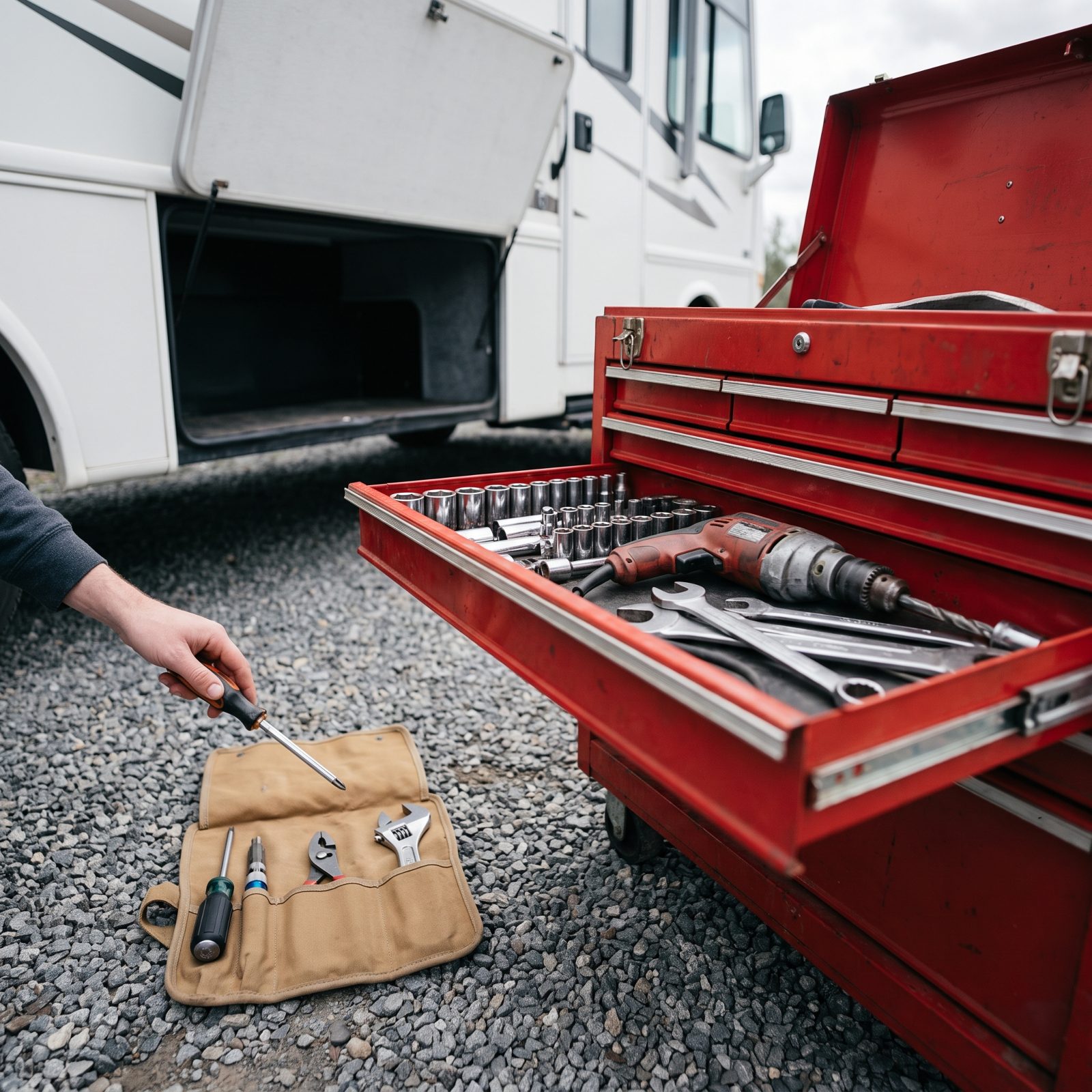
A full mechanic’s chest is dead weight on wheels. It came off a garage wall, all 60-odd pounds of it, packed with sockets sized for an engine rebuild nobody was ever going to attempt on a campsite.
RV repairs skew small and specific. A square drive for the water heater anode, a couple of screwdrivers, a decent adjustable wrench, pliers, a multi-bit driver, electrical tape. That fits in a canvas roll you can lift with two fingers.
Anything bigger, most full-timers call a mobile tech or limp to a shop. Hauling a rebuild kit for emergencies that need a professional anyway is a lot of pounds for comfort you never actually use.
16. The Full-Size Household Vacuum That Was Awkward to Store Anywhere
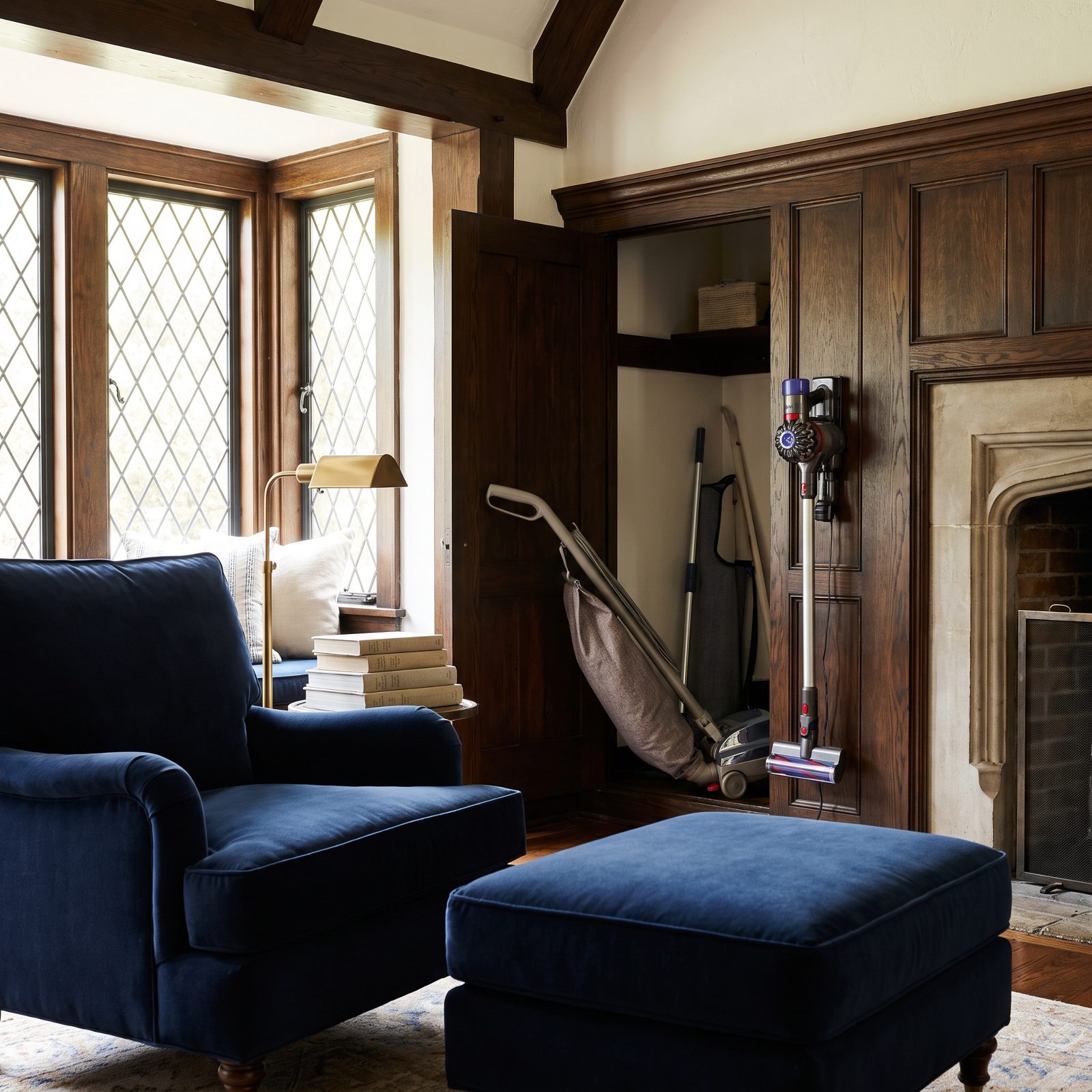
An upright vacuum fits a house. It does not fit an RV closet without a fight, and it certainly does not fit the amount of floor an RV actually has.
What you’re really cleaning is a few square feet of vinyl, a rug by the door, and crumbs on a dinette bench. A slim cordless stick vac handles all of it in two minutes and charges on a wall mount the size of a paperback.
The big upright goes, and the stick vac hangs on its mount by the door, ready to grab. One of those small wins that quietly reshapes your whole week.
15. A Bulky Countertop Ice Maker That Swallowed the Only Workspace
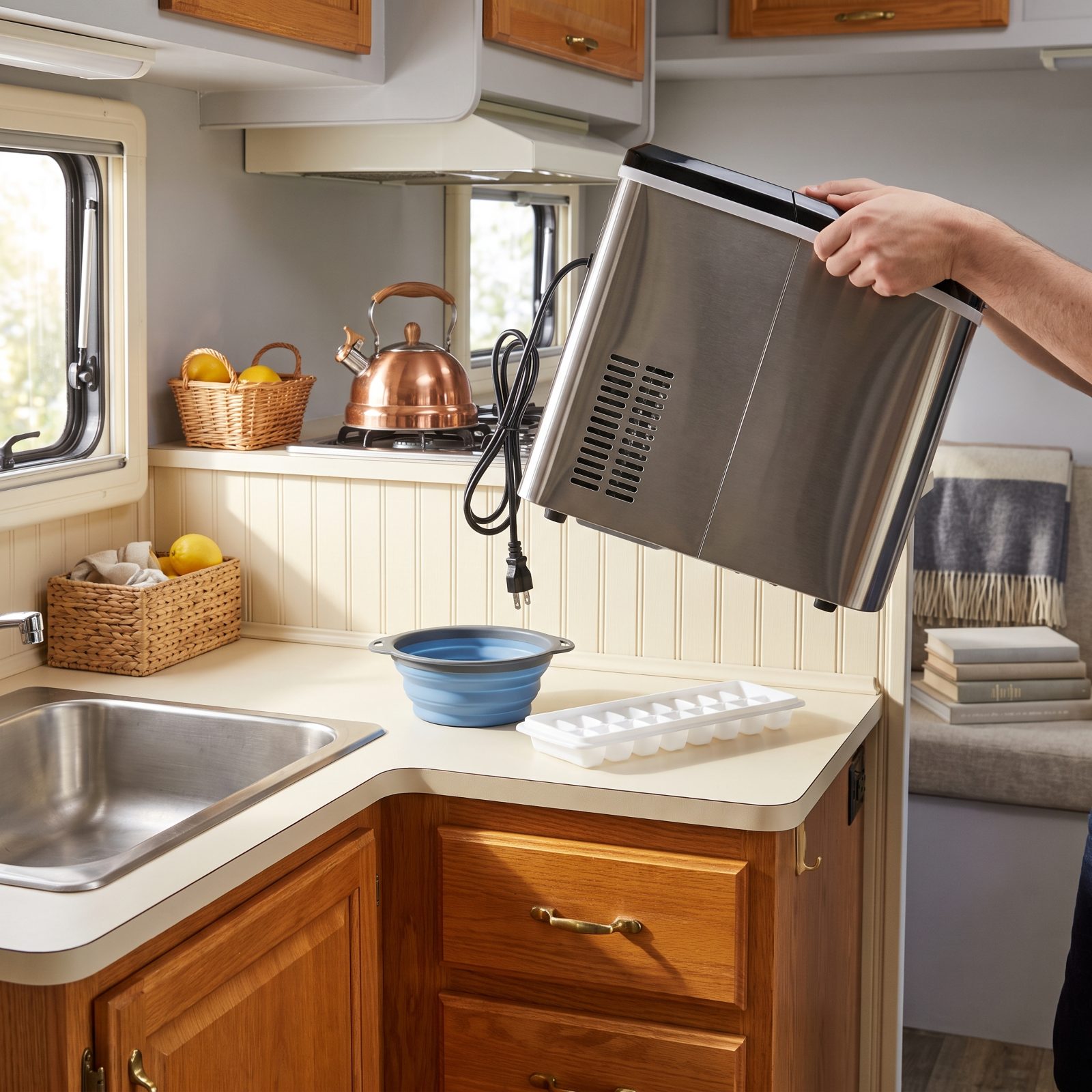
RV counters are short. On many rigs the entire usable workspace is about the size of a cutting board, and a countertop ice maker claims most of it while it hums through a cycle.
Parked long-term at a full-hookup site, sure, it earns its keep. On the move it is a one-trick appliance hogging the surface you need for making dinner. A silicone tray in the freezer plus a quick bag from the camp store covers nearly every craving for a cold drink.
14. A Complete Set of Heavy Ceramic Dinnerware That Rattled on Every Mile
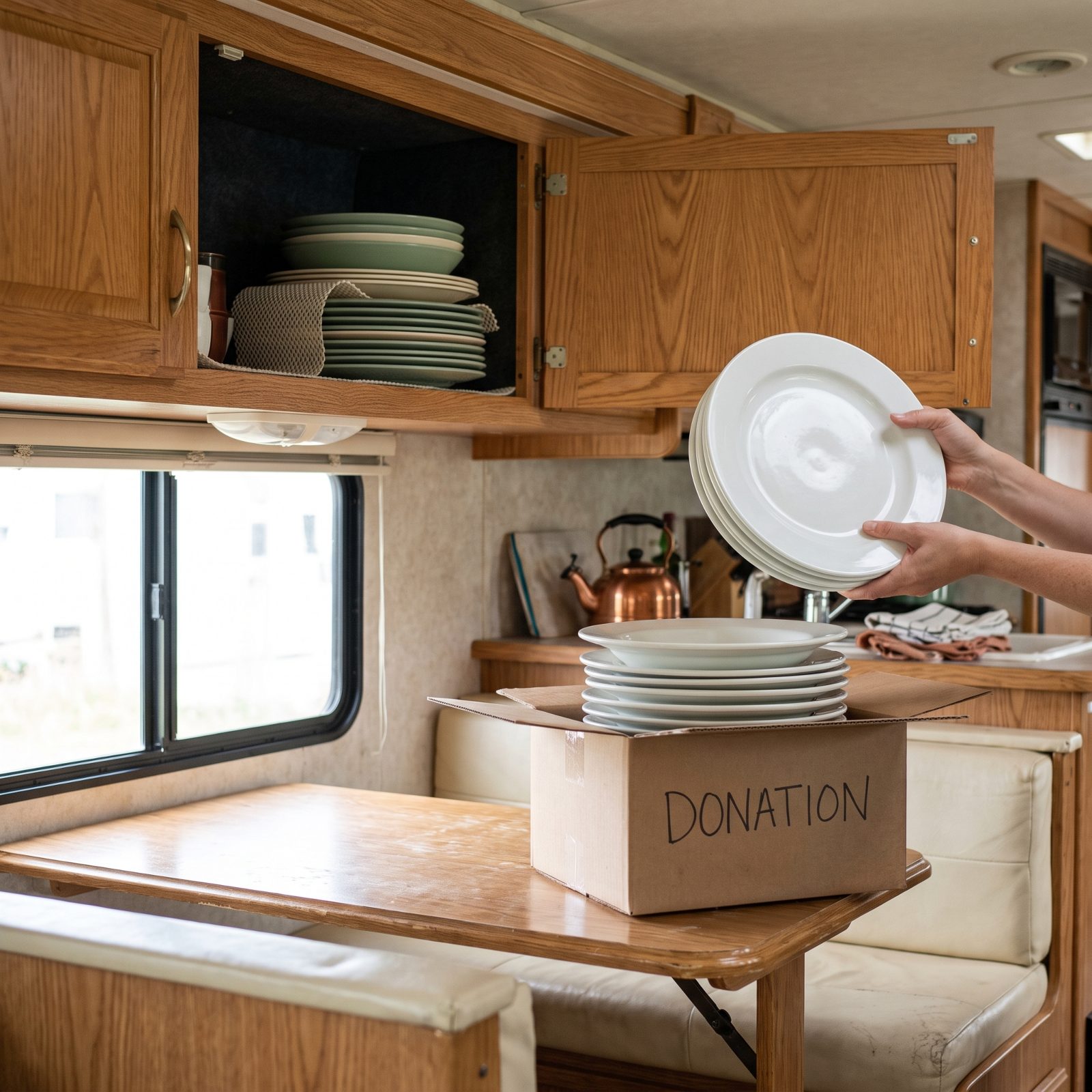
Ceramic chips. It is heavy, it slides, and every stop-and-go on a two-lane highway turns the cabinet into a percussion section.
Switching to melamine or enamelware feels like a downgrade for about a week — right up until the first time a plate bounces off the vinyl floor and lives. Lighter stacks mean less weight riding high in the galley, which steadies the rig, and the cabinet stops announcing every pothole.
Nobody misses the sound of their dinner plates arguing on a dirt road.
13. Heavy Cast-Iron Cookware That Far Outran Its Actual Use
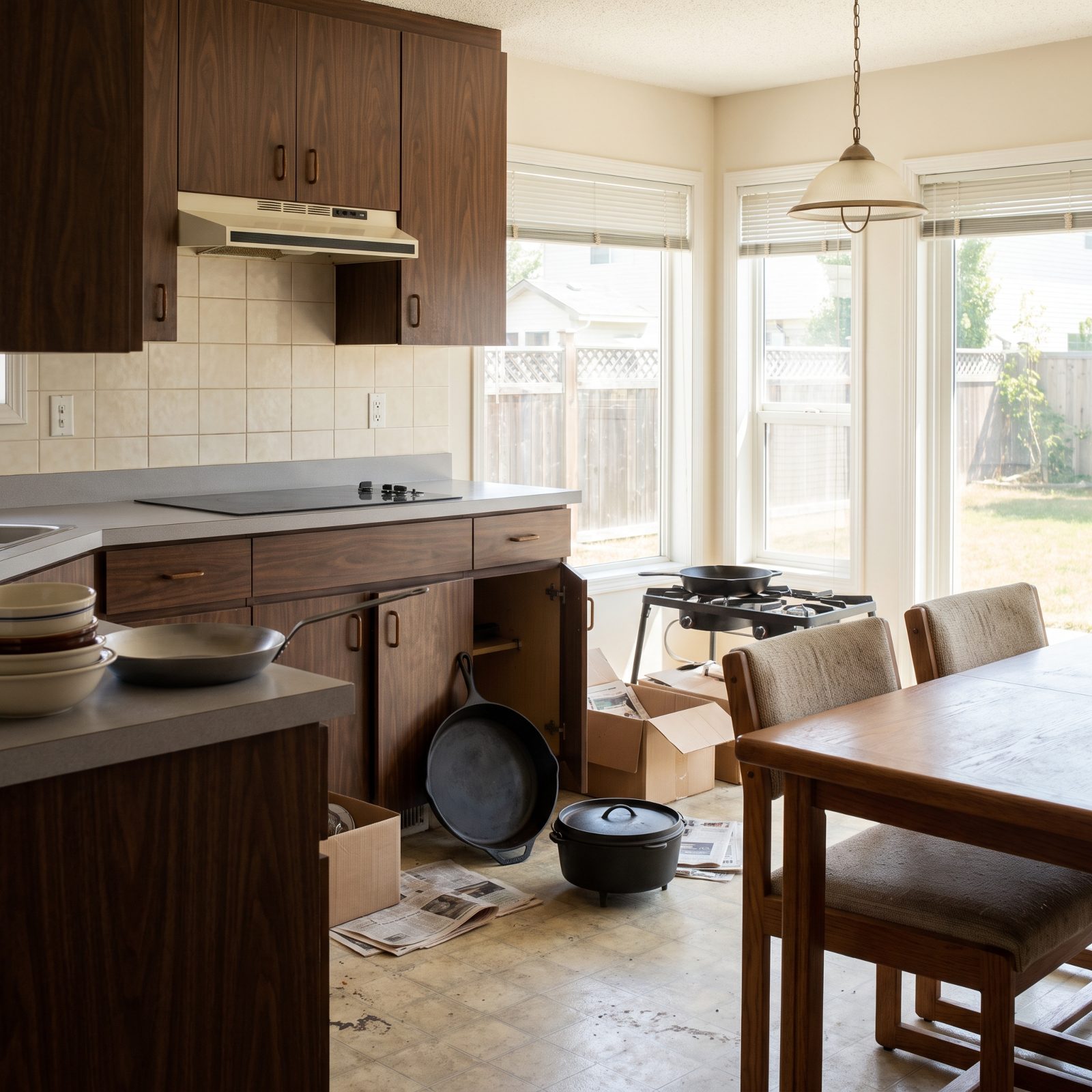
The cast-iron collection usually arrives with good intentions. A 12-inch skillet, a dutch oven, maybe a griddle, all seasoned and loved back home.
On the road one skillet does nearly everything, and the rest become 15-pound objects you stack, unstack, and resent. Plenty of full-timers keep a single well-seasoned pan and add a lightweight carbon-steel skillet that heats fast on a two-burner propane stove and does not punish the suspension.
Cast iron earns its spot at a campfire a few nights a year. The dutch oven that lives in a bay you never open? That one does not.
12. Duplicate Pots and Pans That Refused to Nest Together
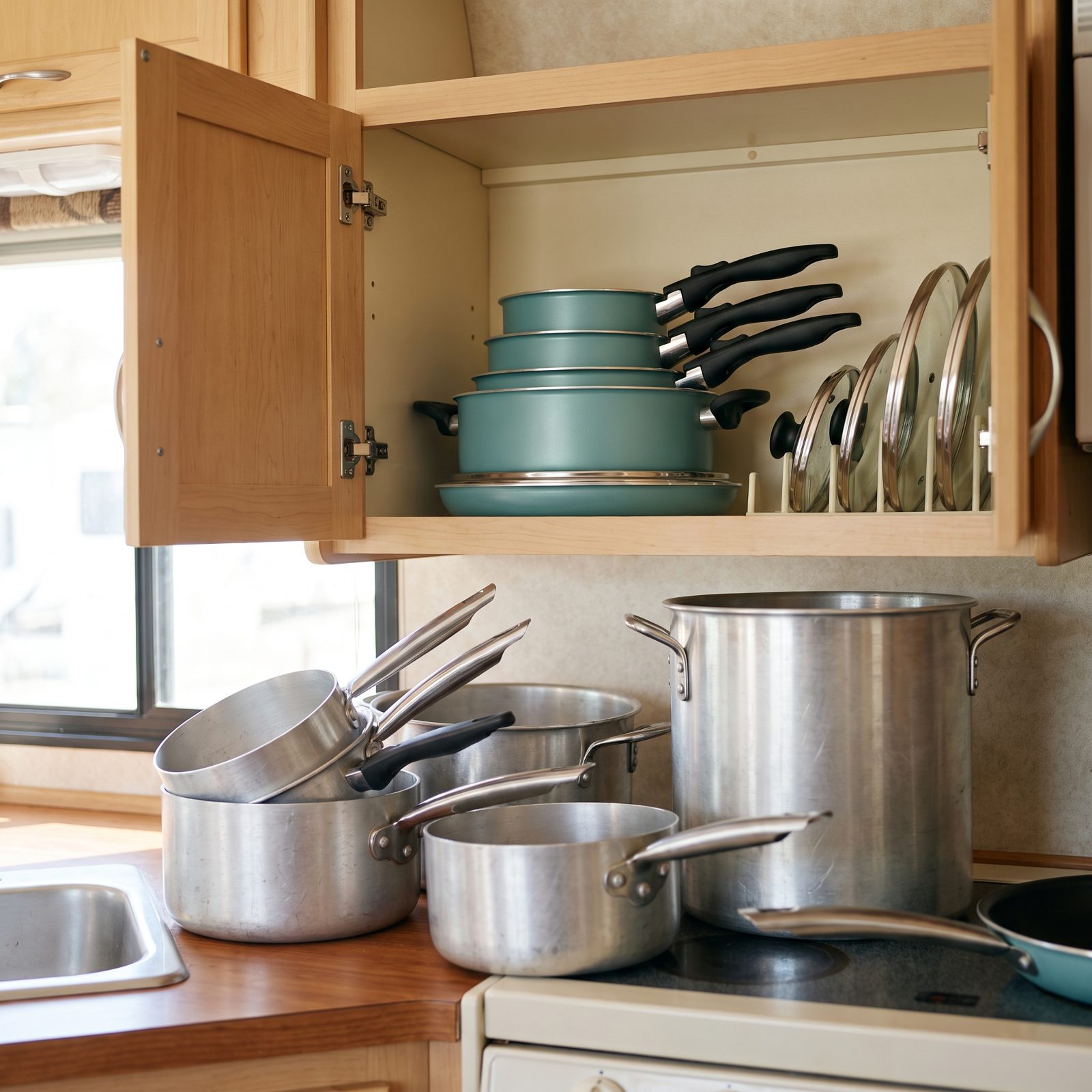
A tall stockpot and a jumble of saucepans, about eight pieces in all, dragged in from different kitchens over different years. None of them stack. The cabinet becomes a game of extracting one pot without triggering an avalanche of the other seven.
A matched stacking set solves it. Five teal pans sit one on top of another in a single column, handles lined up neatly to one side, their glass lids filed upright in a rack beside them, and the cabinet finally closes without a shove.
It is less about losing cookware and more about buying back the vertical inch that duplicate handles steal every single day.
11. The Bread Maker That Ran Twice and Then Rode Along as Ballast
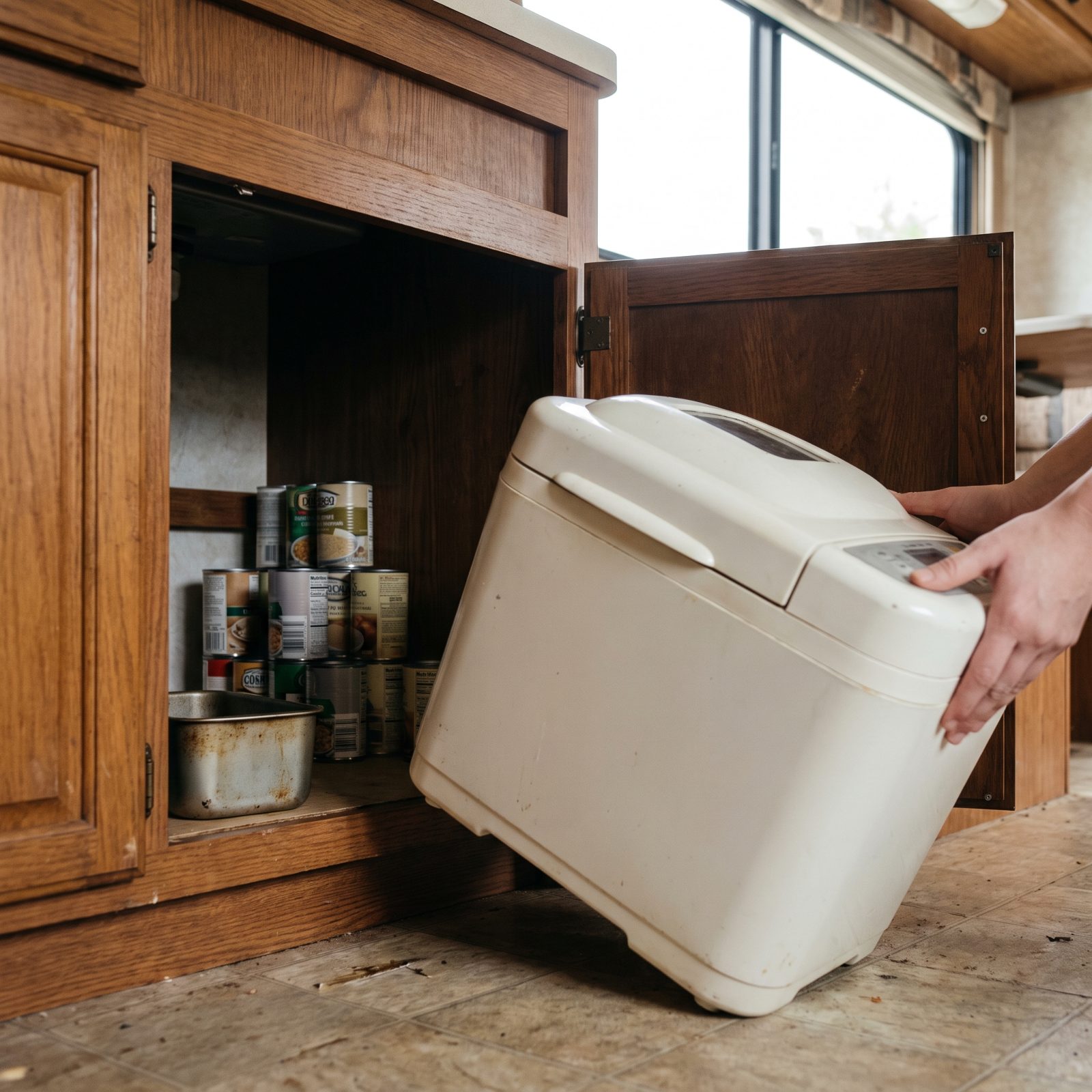
Every RV seems to carry one appliance that only ran during the honeymoon phase. The bread maker is the classic. Fresh loaves the first weekend out, a romantic idea of life on the road, then months of it sitting in the deepest cabinet doing nothing but adding pounds.
It is big, single-purpose, and draws a heavy load for an hour on power you may not have off-grid. Folks who actually bake stick with a small loaf pan in the convection oven or just buy good bread in town.
An appliance used twice is not a kitchen tool. It is a storage problem with a cord.
10. A Toaster Oven That Did Nothing the Convection Microwave Wasn’t Already Doing
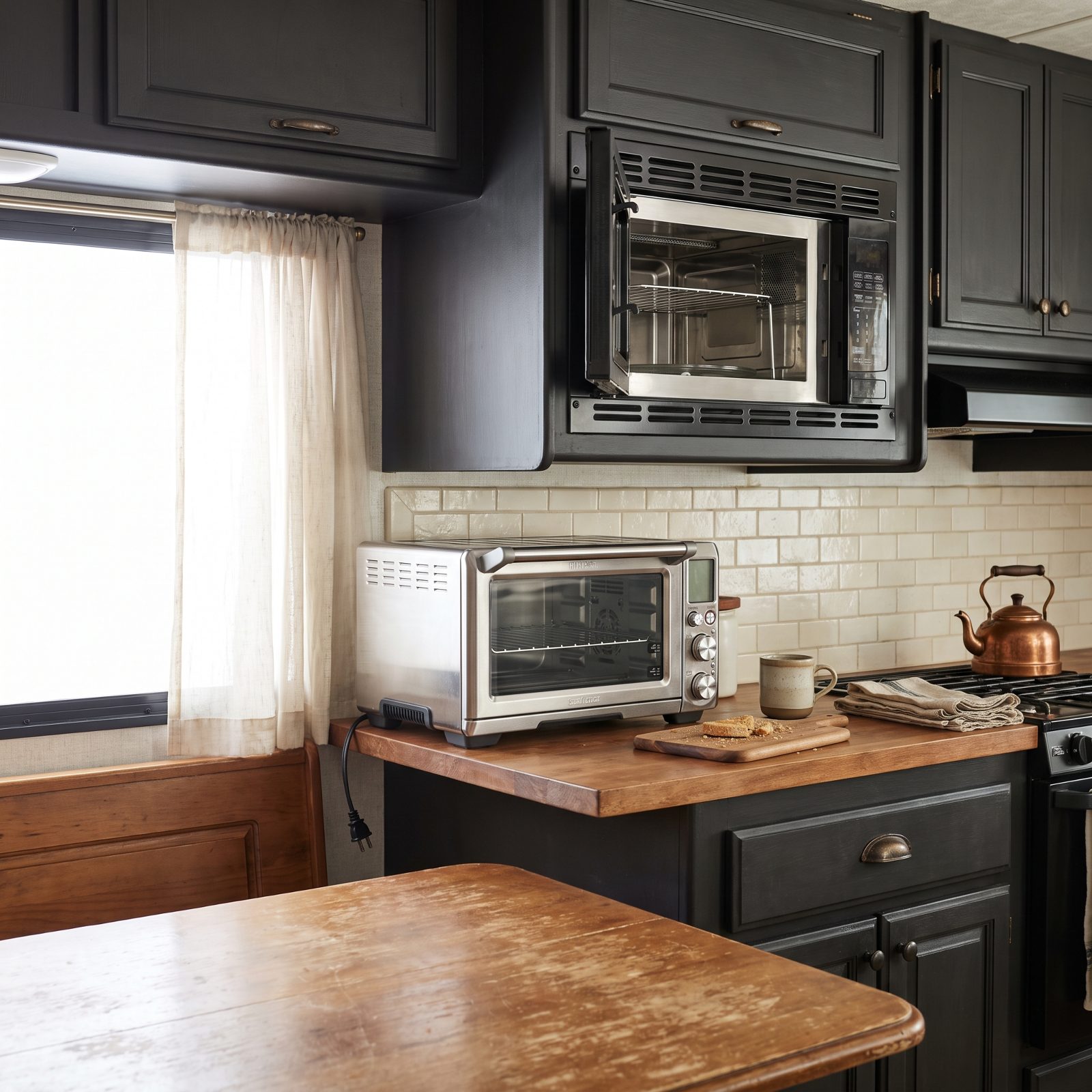
Redundancy is the real enemy in a small rig, and the toaster oven is the usual offender. Plenty of modern RVs ship with a convection microwave built into the cabinetry that bakes, browns, and toasts already.
So the countertop toaster oven does the same work while claiming the one patch of counter you needed for coffee and a cutting board. Two appliances, one job, and the loser is always your workspace.
Letting it go is the easiest call on this whole list. The counter thanks you every morning.
9. Canned Food Stockpiles That Added Significant Weight
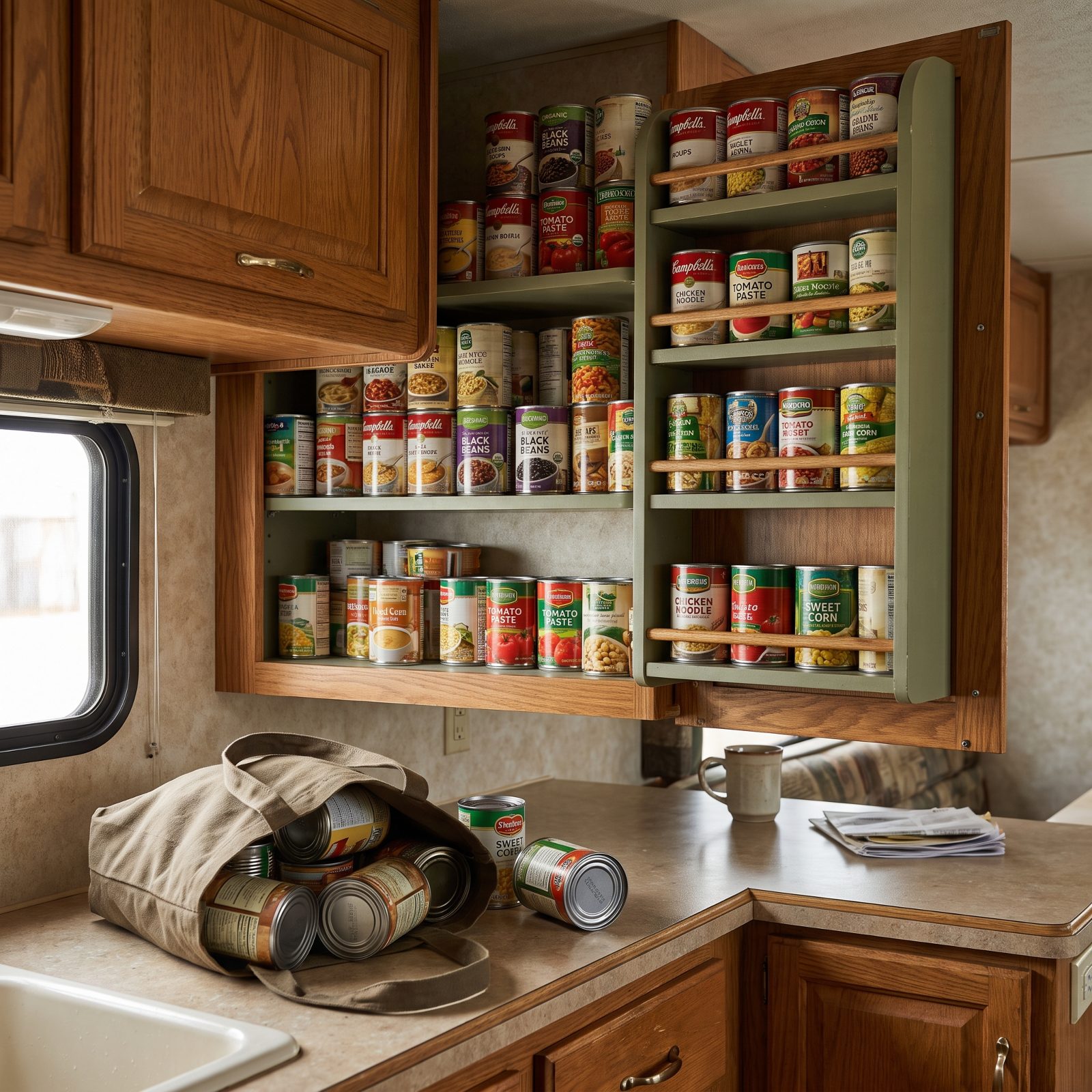
A case of canned soup weighs more than most people guess. Stack a few dozen cans in a lower cabinet and you’ve added a load that rides with you up every grade, burns fuel, and eats into cargo capacity. Full-timers learn their rig has a real weight limit, and canned stockpiles are the easy thing to cut.
Here’s the part nobody wants to admit: groceries exist in nearly every town worth stopping in. Carrying three weeks of backup cans, for a lifestyle built entirely on moving, stops making sense the moment the novelty wears off.
8. A Rigid Laundry Hamper That Wasted Space When Empty
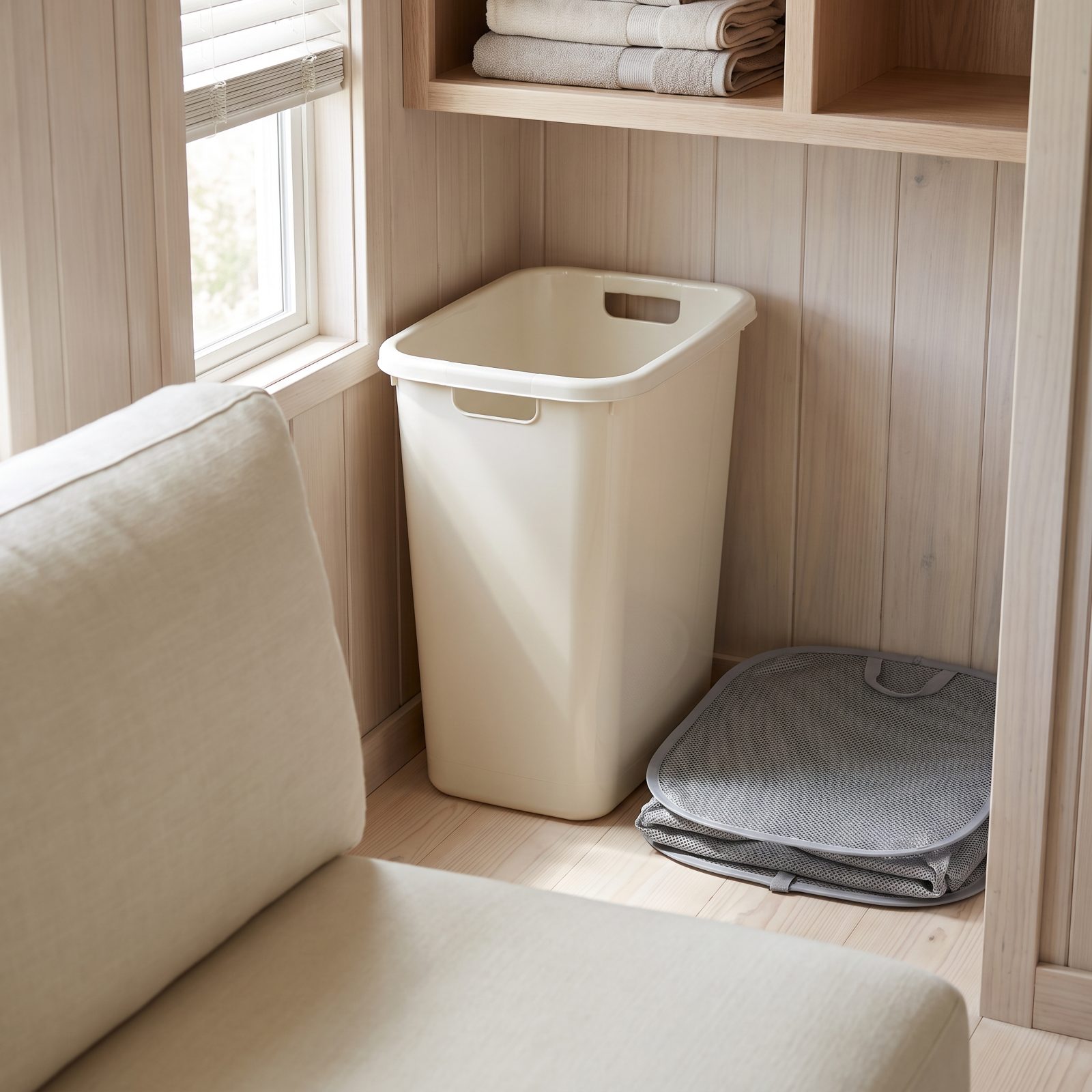
An empty hard hamper is the worst kind of object in an RV, because it takes up its full footprint whether it’s holding laundry or absolutely nothing. You get no reward for owning an empty one.
Most experienced travelers swap to a collapsible fabric laundry hamper or a pop-up mesh version that folds down to an inch thick once the wash is done. Same job, a fraction of the space. The rigid one usually lands in the first donation pile.
7. The Freestanding Trash Can That Slid Around During Travel
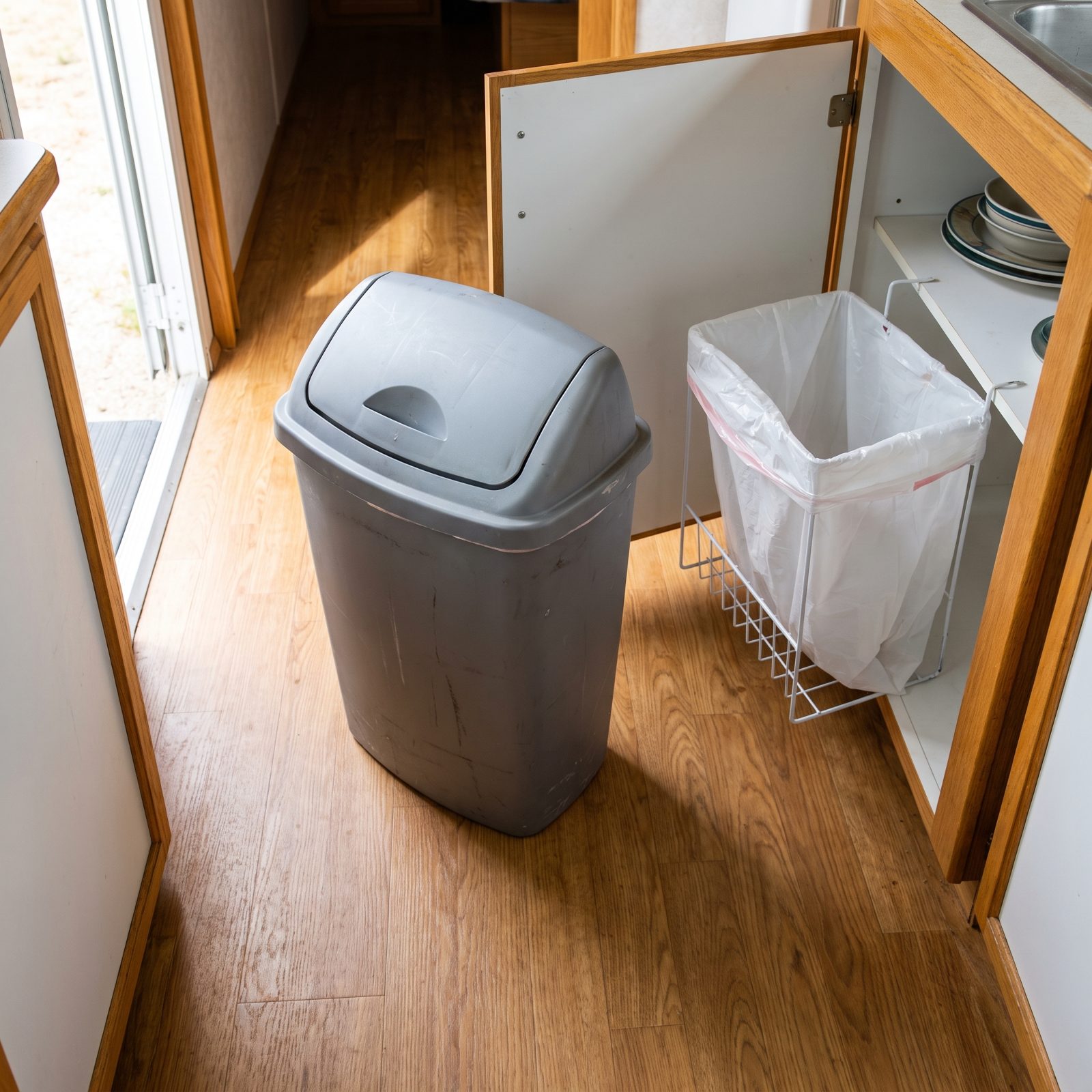
Anyone who’s pulled into a campsite to find yesterday’s trash tipped across the galley floor already knows the problem. A freestanding can has no anchor, so hit one hard turn and it becomes a sliding, spilling nuisance.
The fix most full-timers land on is a bag that hangs off a cabinet door or a small bin that clips into place. It stays put on travel days and frees the floor the rest of the time.
6. Decorative Throw Pillows Moved Before Every Travel Day
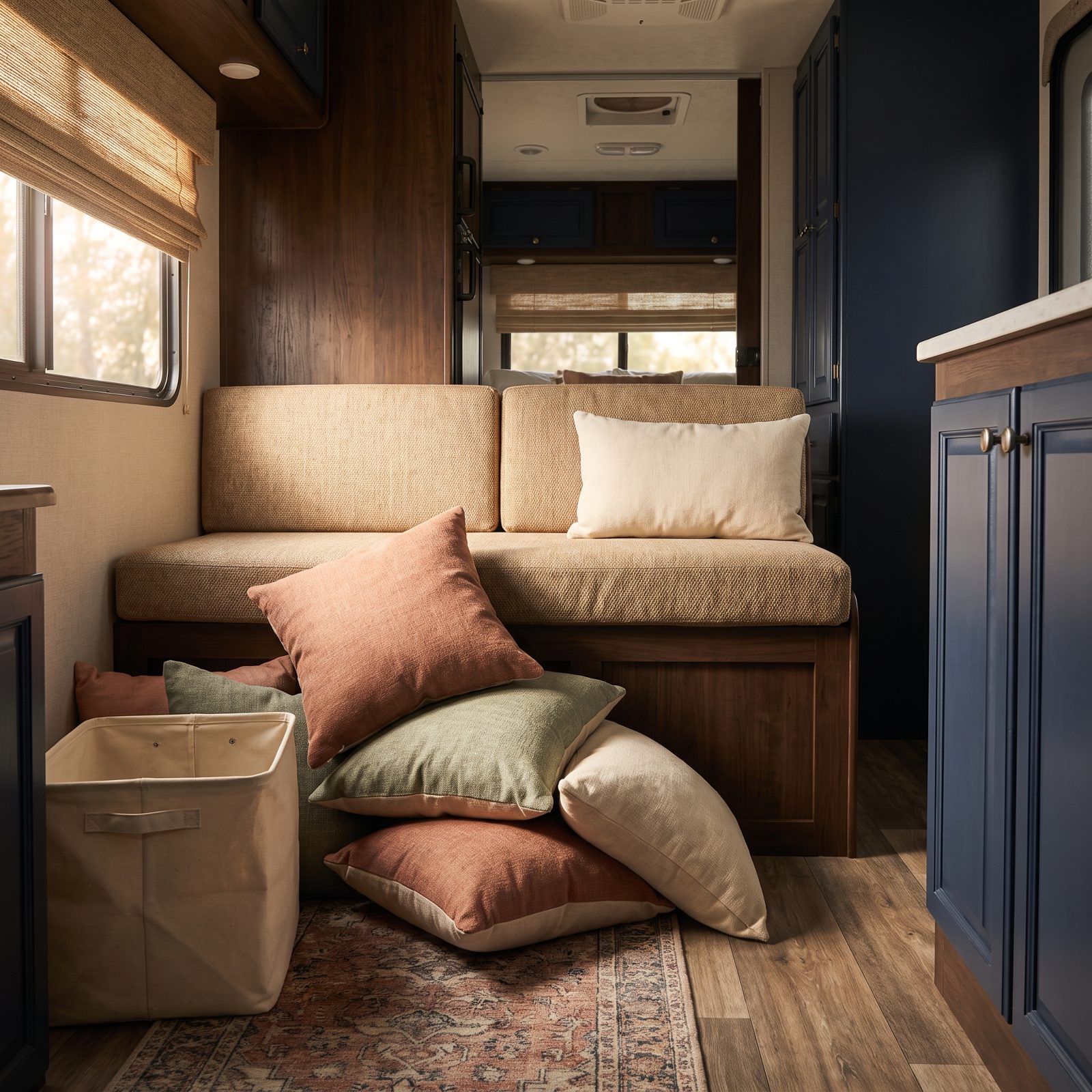
Pretty on day one, tiresome by week two. In a moving home, decorative pillows become a daily chore: every travel morning they have to come off the bed or bench and go somewhere so they don’t turn into projectiles, and every evening they go right back.
Nobody budgets for that little ritual before they start. Most full-timers thin the pile down to one or two cushions that actually do something and let the rest go. The space you free up matters more than the color story you gave up.
5. Heavy Bedspreads That Overwhelmed RV Laundry Machines

A good comforter at home can be a terrible idea in an RV, and the problem shows up on laundry day. A heavy bedspread soaks up water, gets dense, and either won’t fit the small washers at a campground laundromat or comes out still damp from an undersized dryer.
So full-timers trade the thick quilt for a lightweight oatmeal duvet or layered blankets that wash and dry fast. You stop dreading the wash. You stop hauling a soggy thirty-pound blanket back to the rig, dripping the whole way.
4. Seasonal Decorations Requiring an Entire Storage Bin
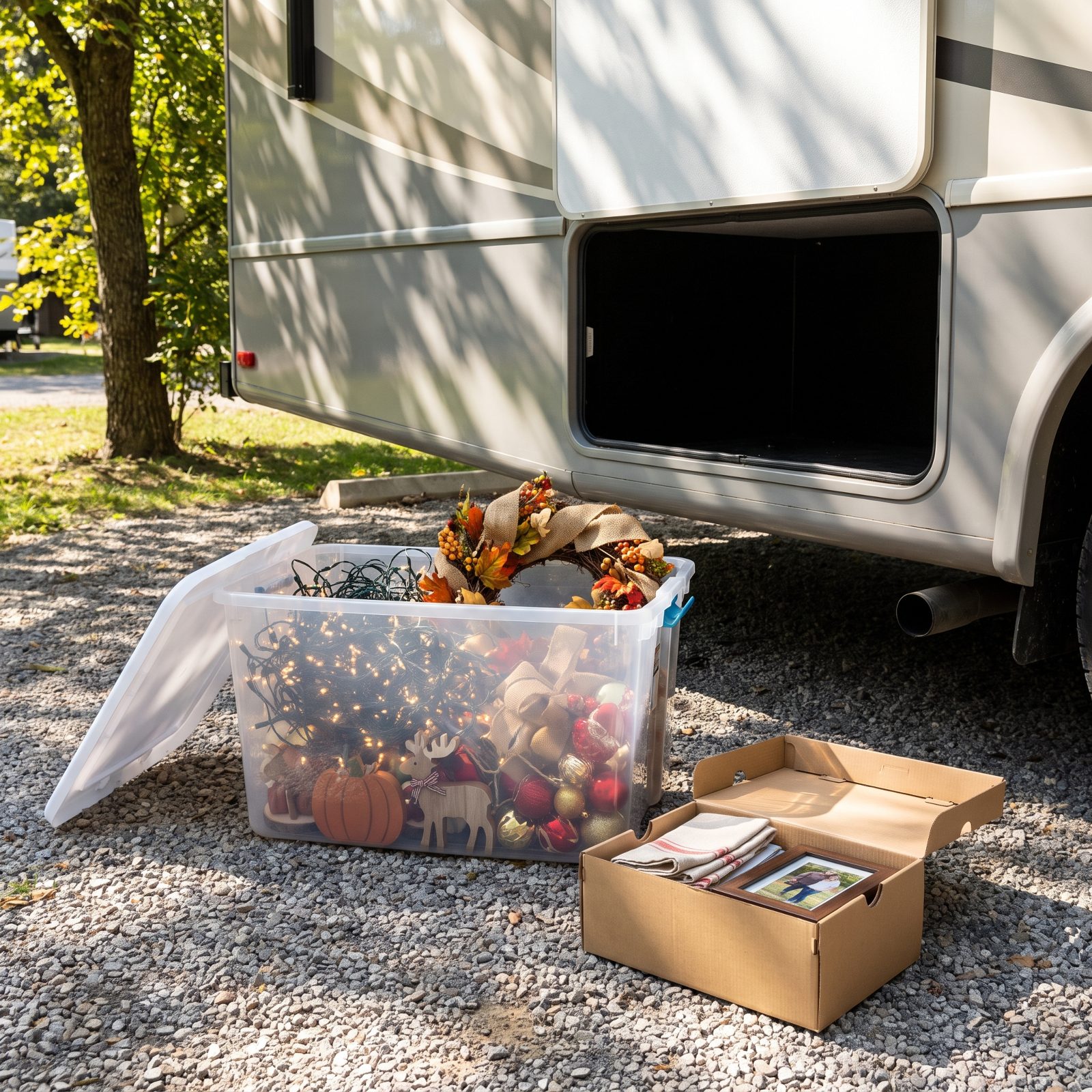
That bin of holiday decorations costs you a storage bay all year for a few weeks of use. In a house you forget it exists eleven months out of twelve, but in an RV, every cubic foot is a decision you’re making whether you notice or not.
The common move is to keep a small handful of favorites — maybe a string of lights and one ornament that means something — and let the rest go. A single shoebox of sentiment travels a whole lot better than a full tub of decor you shuffle around every time you need to reach the leveling blocks.
3. A Printer Large Enough to Require Permanent Desk Space
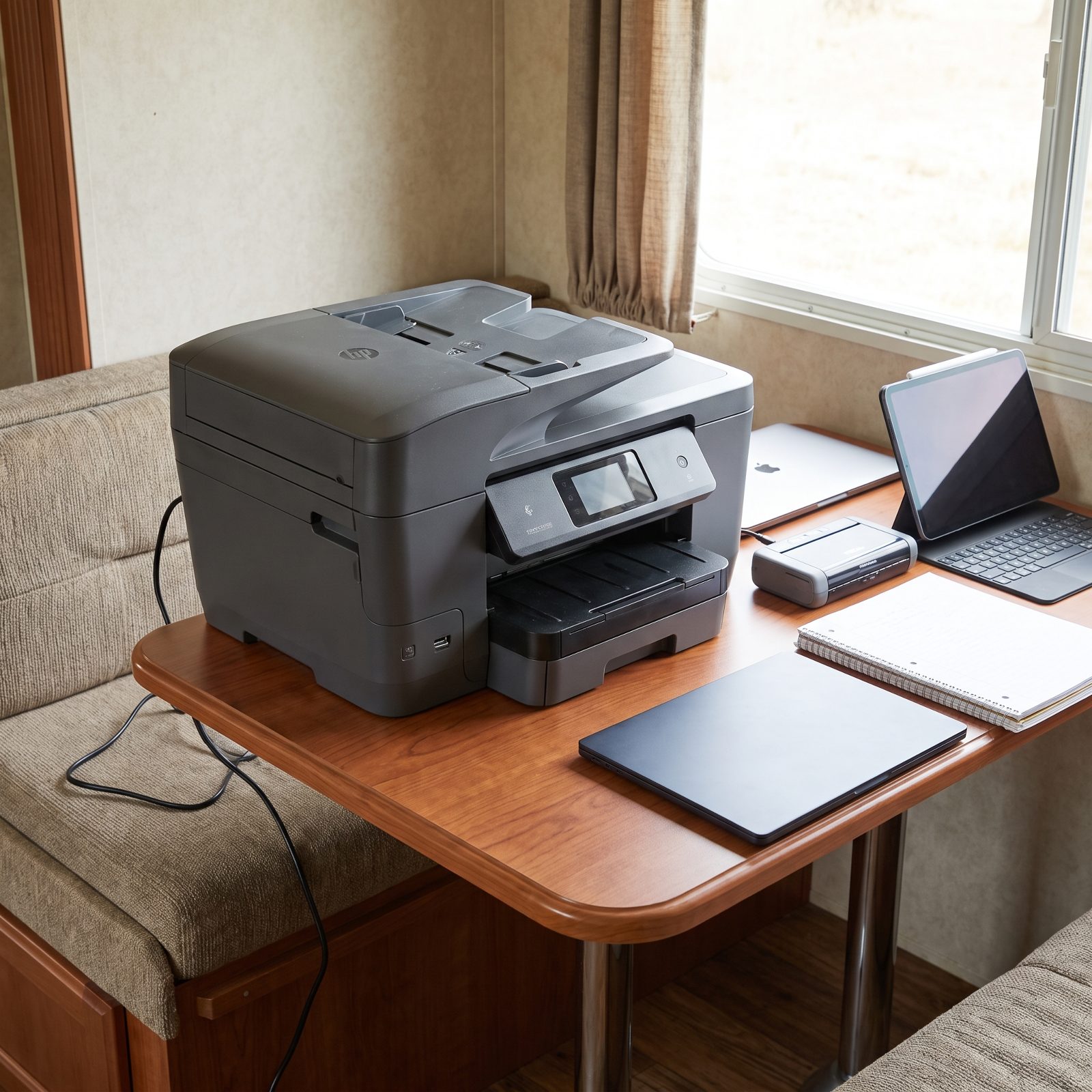
A full-size all-in-one printer wants a permanent home. In a rig where the desk is also the dinette, the kitchen table, and the place you eat breakfast, there’s no permanent home to give it.
Working full-timers either go with a small portable printer that lives in a drawer or drop printing almost entirely. Most paperwork is digital now, and the rare physical page gets handled at a print shop or the campground office. The desk goes back to being a desk.
2. Printed Books That Were Replaced by an E-Reader
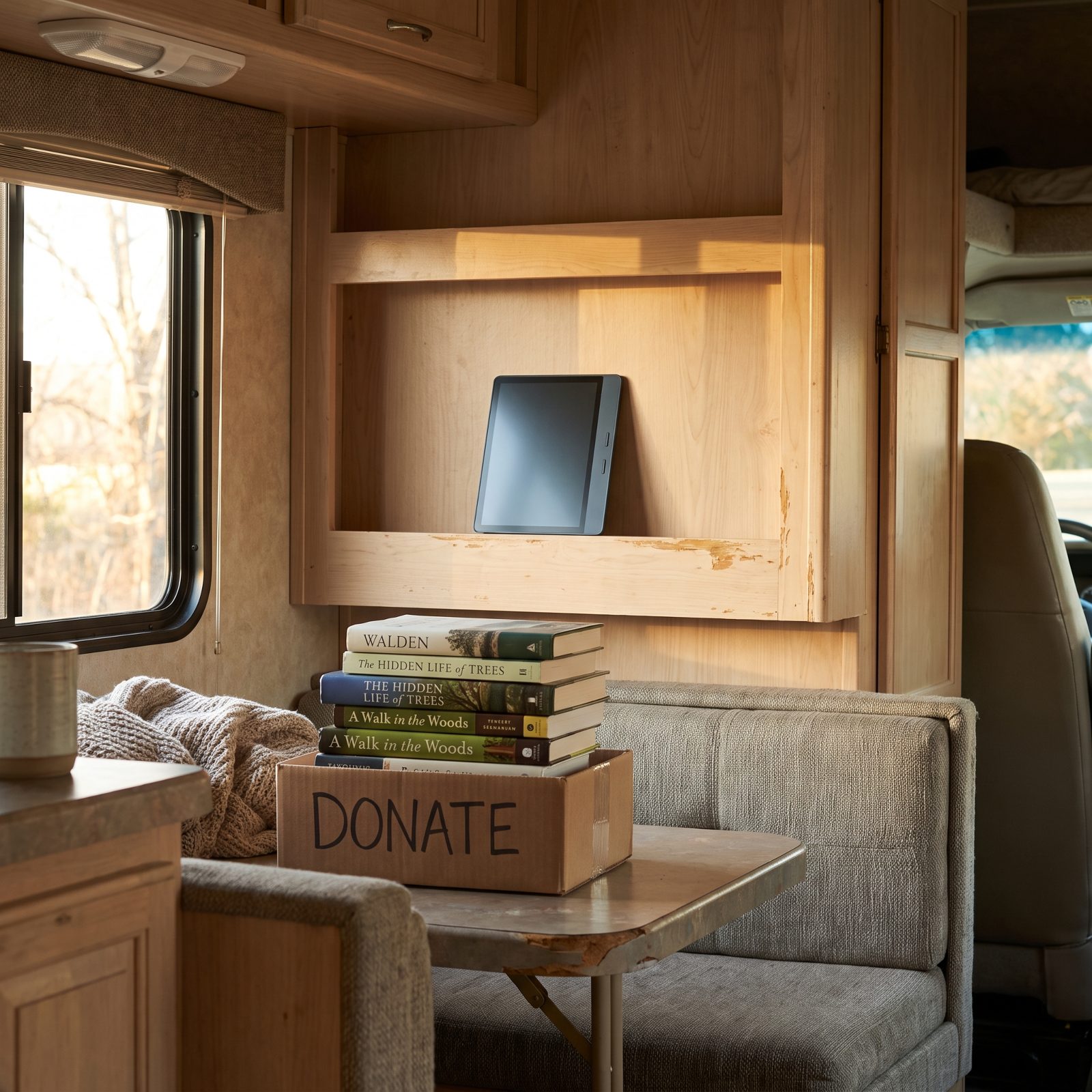
Books are heavy, and they breed. A shelf of paperbacks weighs more than you’d ever guess, and it keeps growing because you buy faster than you read.
This one’s hard for people who love the feel of real pages. An e-reader holds a whole library in the weight of a single paperback and gives you back a cabinet. Most full-timers keep the two or three books that genuinely matter and let the device carry everything else.
1. Bulky Hard-Sided Suitcases With No Job Between Trips
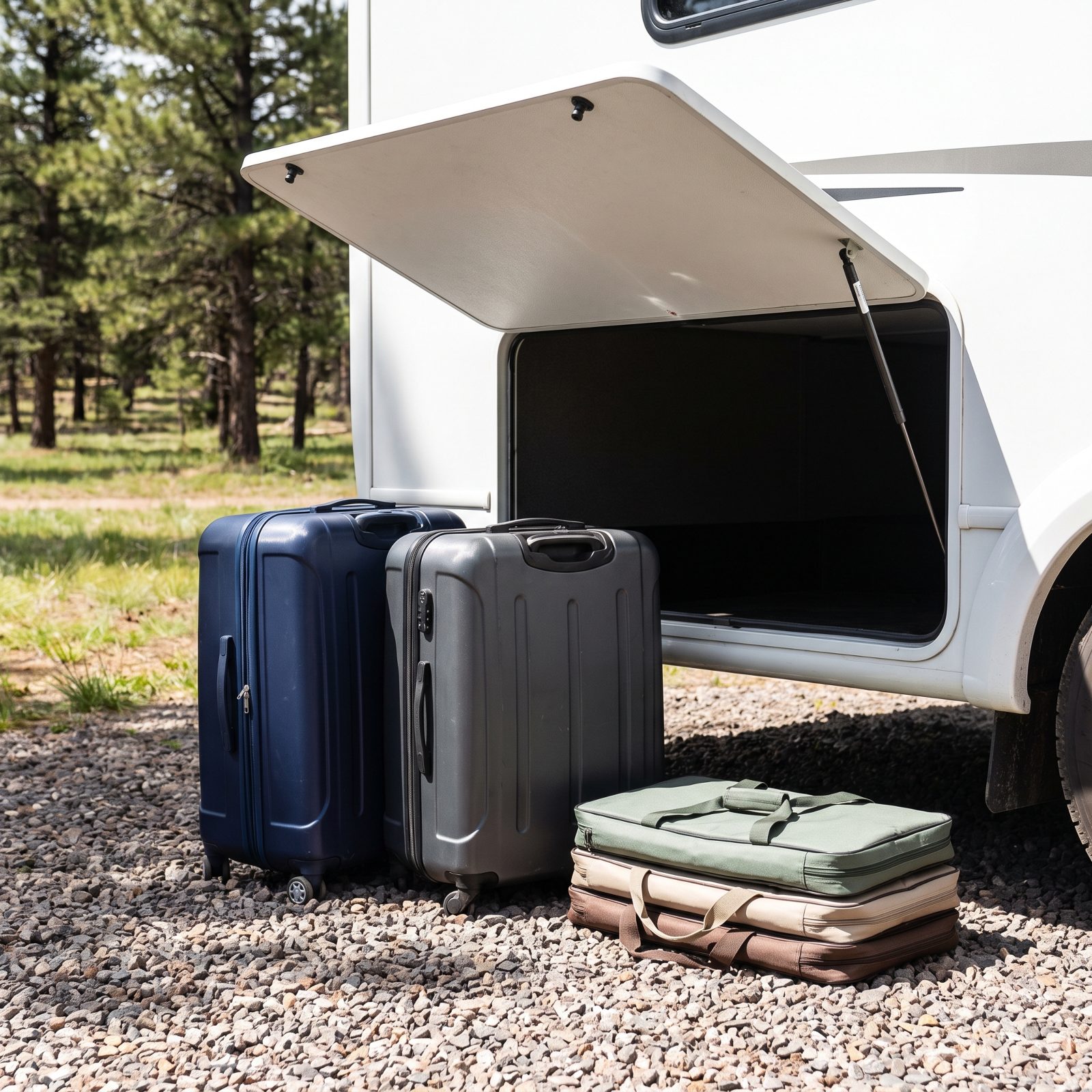
A hard-sided suitcase is dead weight in an RV. It won’t fold, won’t stack well, and between the occasional flight or hotel night it just sits there hogging a whole corner of a storage bay, empty and smug about it.
Full-timers who still fly now and then will keep one that nests inside another. Most, though, swap to soft collapsible duffels that squash flat when they’re not in use. When your home already rolls, a stiff box that can’t do anything but hold air is the easiest thing in the world to let go.