
The salesman shook our hand in the lot and the check cleared by Friday. Nobody mentioned the dump-station learning curve, or that half the national park campgrounds won’t take anything over thirty feet. You find these things out the way everyone does: parked crooked at a crowded site with a line of trucks behind you, sweating, pretending you’ve done this before. RV life pays you back tenfold once you’re in the groove. But the first year is tuition, and a lot of it comes due in cash. Here are the lessons worth learning on someone else’s dime.
28. Renting First Can Save You From a $90,000 Regret
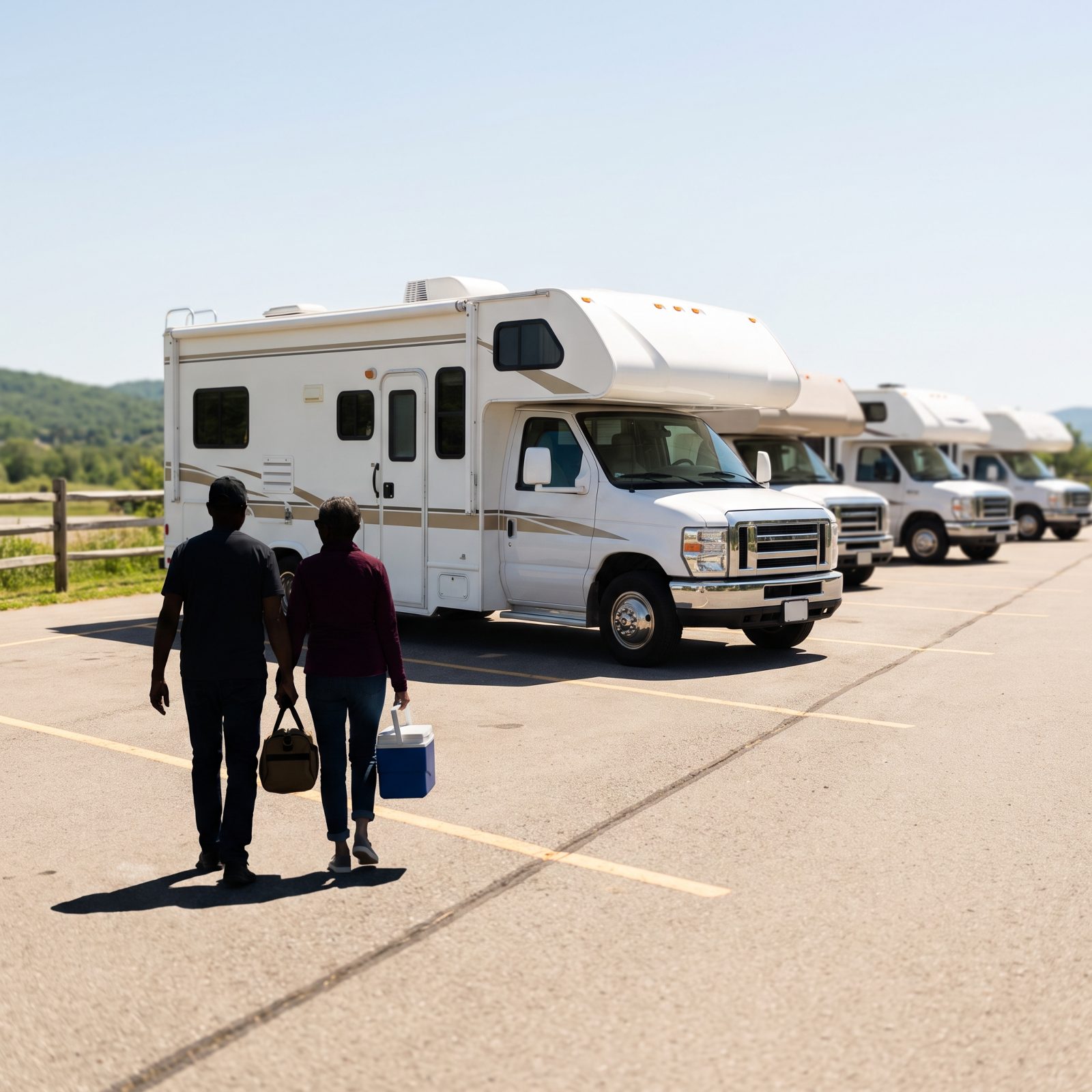
You cannot test-drive a lifestyle from a showroom floor. A week in a rental teaches you more than months of research ever will. You find out whether you actually like emptying a black tank, whether the bed wrecks your back, whether you and your spouse can share forty square feet without filing for divorce by day three.
Rentals run a few hundred dollars a night depending on class and season. Spend a thousand bucks learning you hate a Class A before you spend ninety thousand learning the same thing. We got this backwards ourselves. The lesson was not cheap.
27. The Floor Plan Will Make or Break You Long After the Granite Stops Impressing Anyone
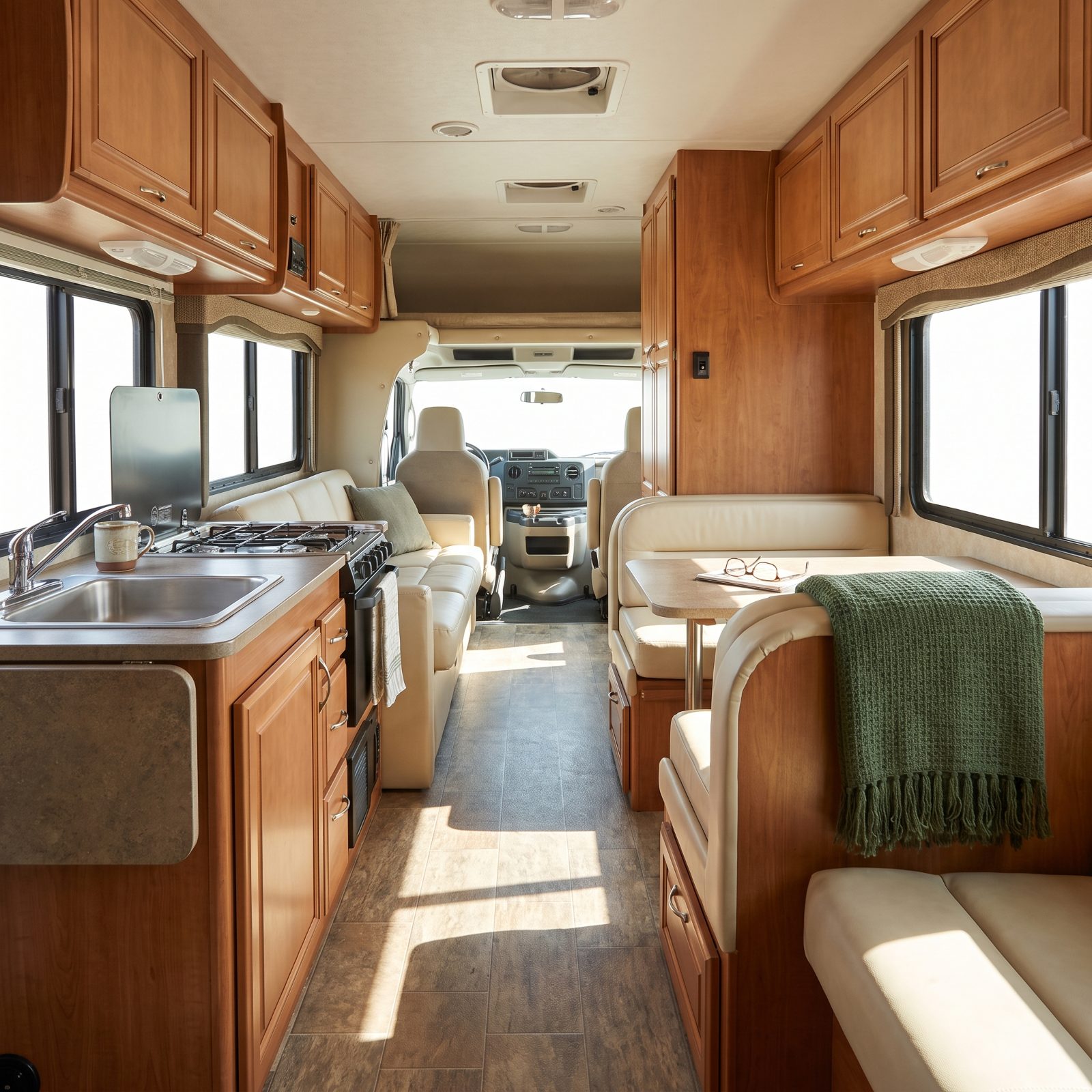
Granite countertops sell RVs. They don’t make your mornings easier. What matters is whether you can get to the fridge while someone else is at the stove, whether the bathroom door opens without clobbering the bed, whether the couch becomes a bed without first wrestling the dinette out of the way.
Walk the floor plan at eight in the morning, in your head. Picture coffee, both of you moving at once, the dog underfoot. The glossy finishes fade from your attention inside a month. The traffic-flow problems never do.
26. That Bathroom Is Off-Limits Until You Park (And Nobody Tells You)
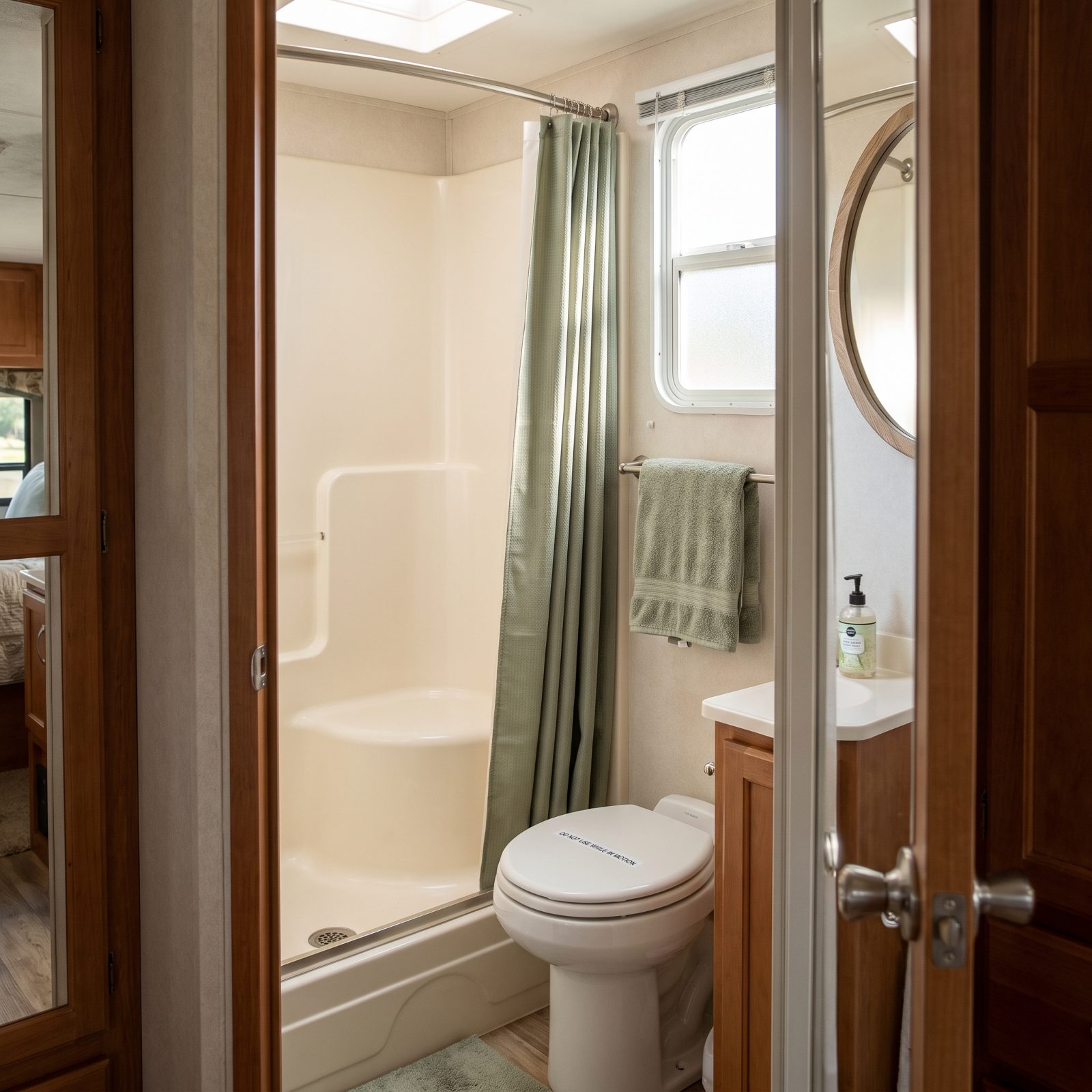
Nobody at the dealership brings this one up. In many travel trailers and smaller rigs, you’re not supposed to use the toilet or shower while rolling down the highway. Passengers belong in seatbelts when the wheels are turning.
So that mid-drive bathroom emergency becomes a real logistics problem, not a quick pull-over. Plan your coffee intake accordingly. We learned this on a long stretch of I-80 in Nebraska with no exits, and believe me, it sticks with you.
25. Sit in the Driver’s Seat for an Hour Before You Ever Sign
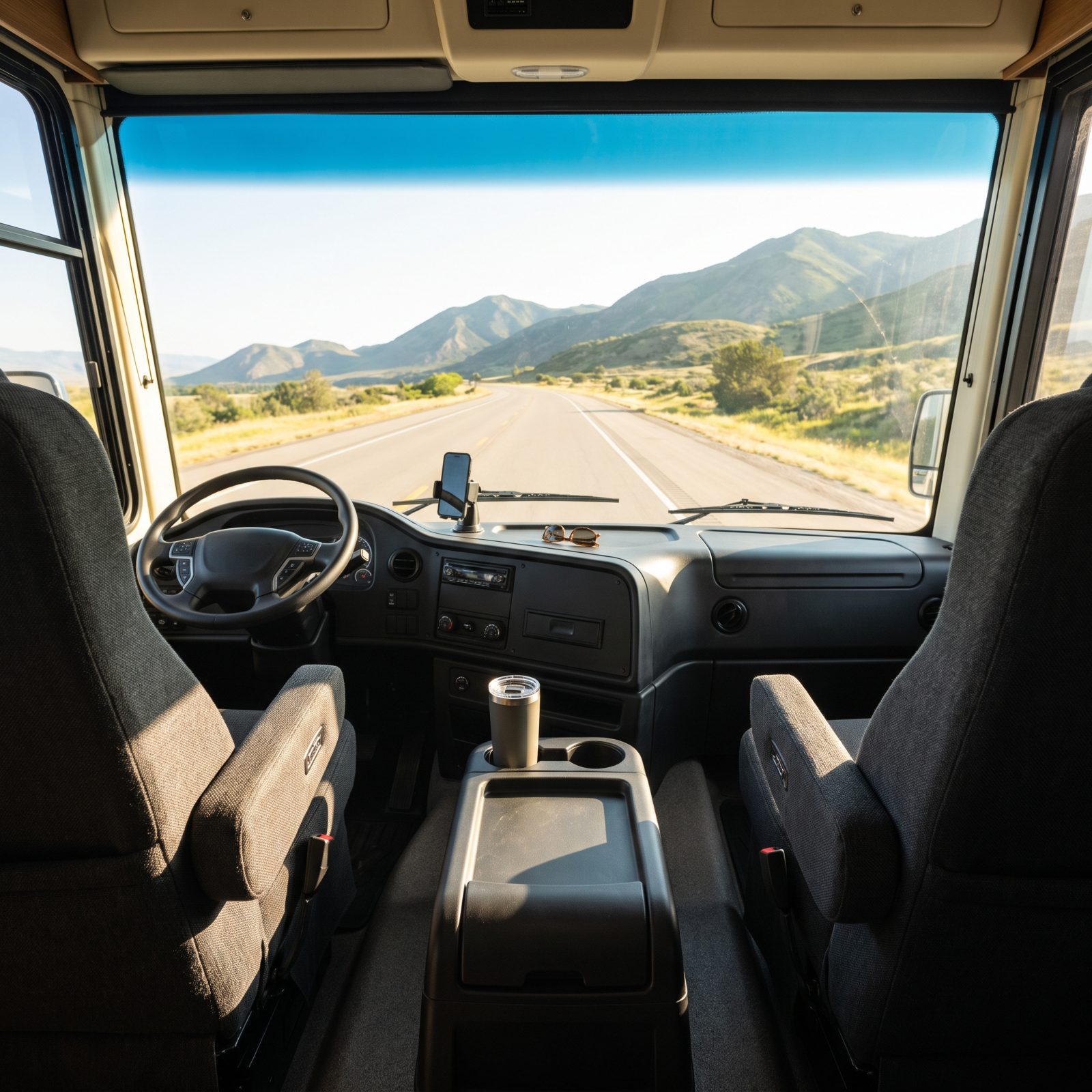
A five-minute test sit tells you nothing. Thirty minutes tells you a little. An hour tells you whether your lower back will survive a six-hour driving day across Wyoming.
Check the obvious stuff and the stuff you’d forget — armrest height, whether your foot reaches the pedals without stretching, how much windshield you actually see, whether the lumbar support hits where your spine needs it. Adjustable pedals and a tilt wheel are worth real money on a platform you’ll spend thousands of miles parked behind.
24. The Weight on the Brochure Is a Fantasy You’ll Pay For
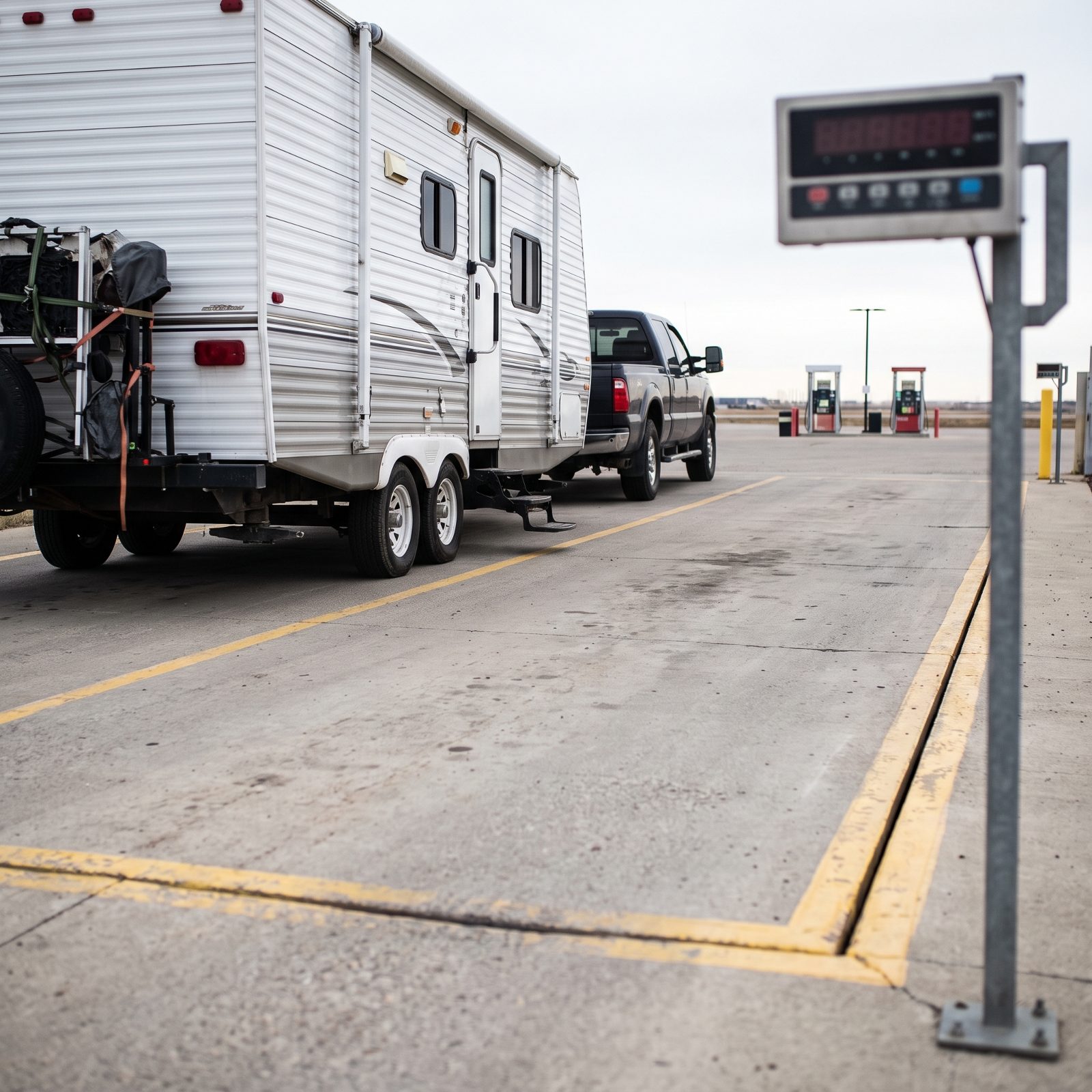
That dry weight printed on the spec sheet? It’s the rig empty. No water, no propane, no food, no gear, no passengers, no awning you added, no bikes hanging off the back. By the time you’re actually traveling, you can easily be hundreds of pounds heavier than the cheerful brochure number — sometimes a lot more.
It eats into your cargo capacity and can shove you over your tow vehicle’s rating without you realizing it. Find a truck-stop scale, pay the modest fee, and weigh your rig fully loaded. The number surprises most people, and not in a fun way.
23. All That Storage Is a Trap, and It’s Baited With Good Intentions
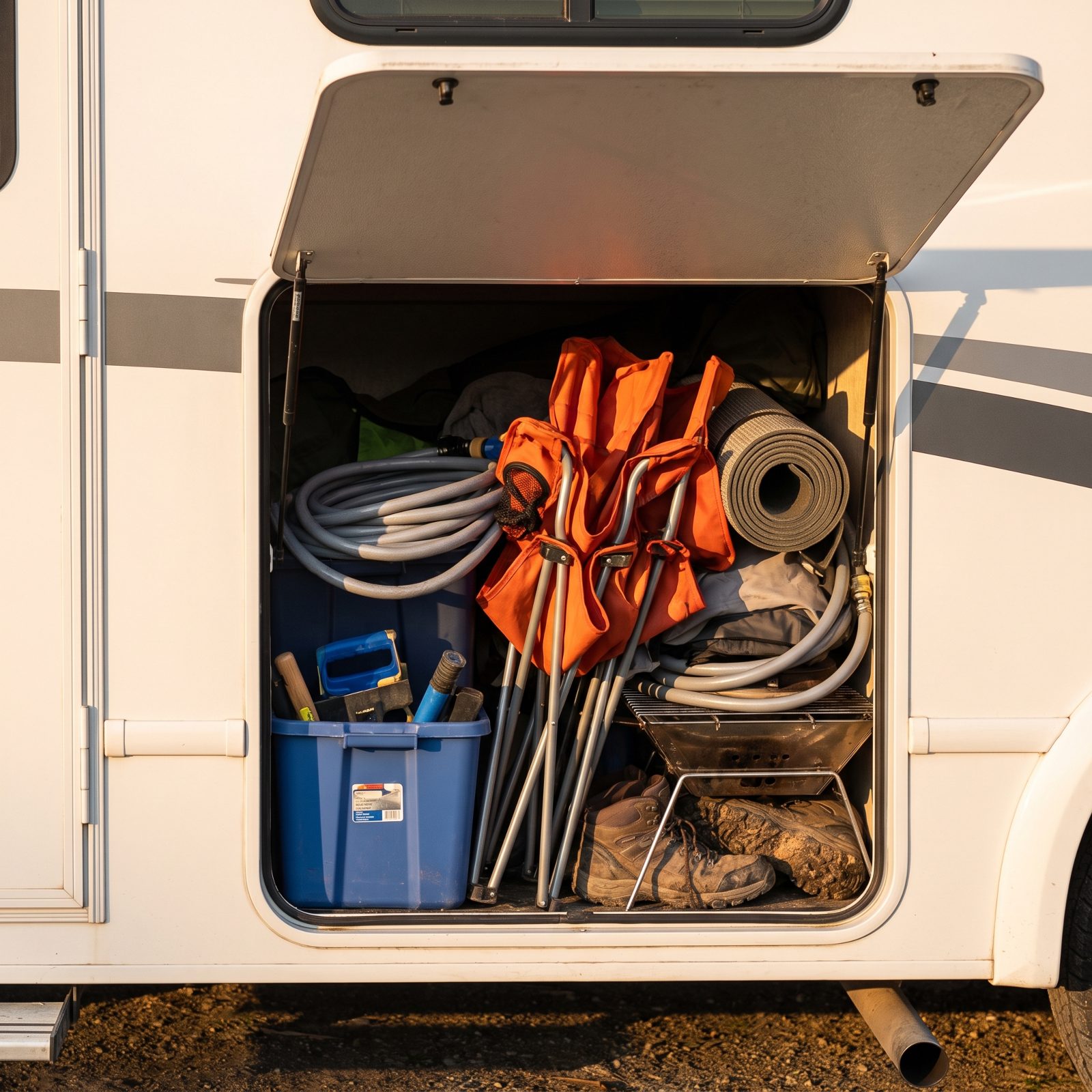
A big RV feels like it has endless storage, and that feeling is the whole problem. You’ll fill every bay, every cabinet, every nook, because the space is right there and the stuff seems useful.
Then you weigh in over your cargo rating, your fuel economy tanks, and you’re hauling a griddle you’ve fired up exactly once in two years. Most full-timers land on the same rule: if you haven’t touched it in a month of travel, it goes home or it goes away. Empty space isn’t wasted. It’s margin, and margin keeps you under weight.
22. Every Extra Foot of Length Crosses Campsites Off Your List
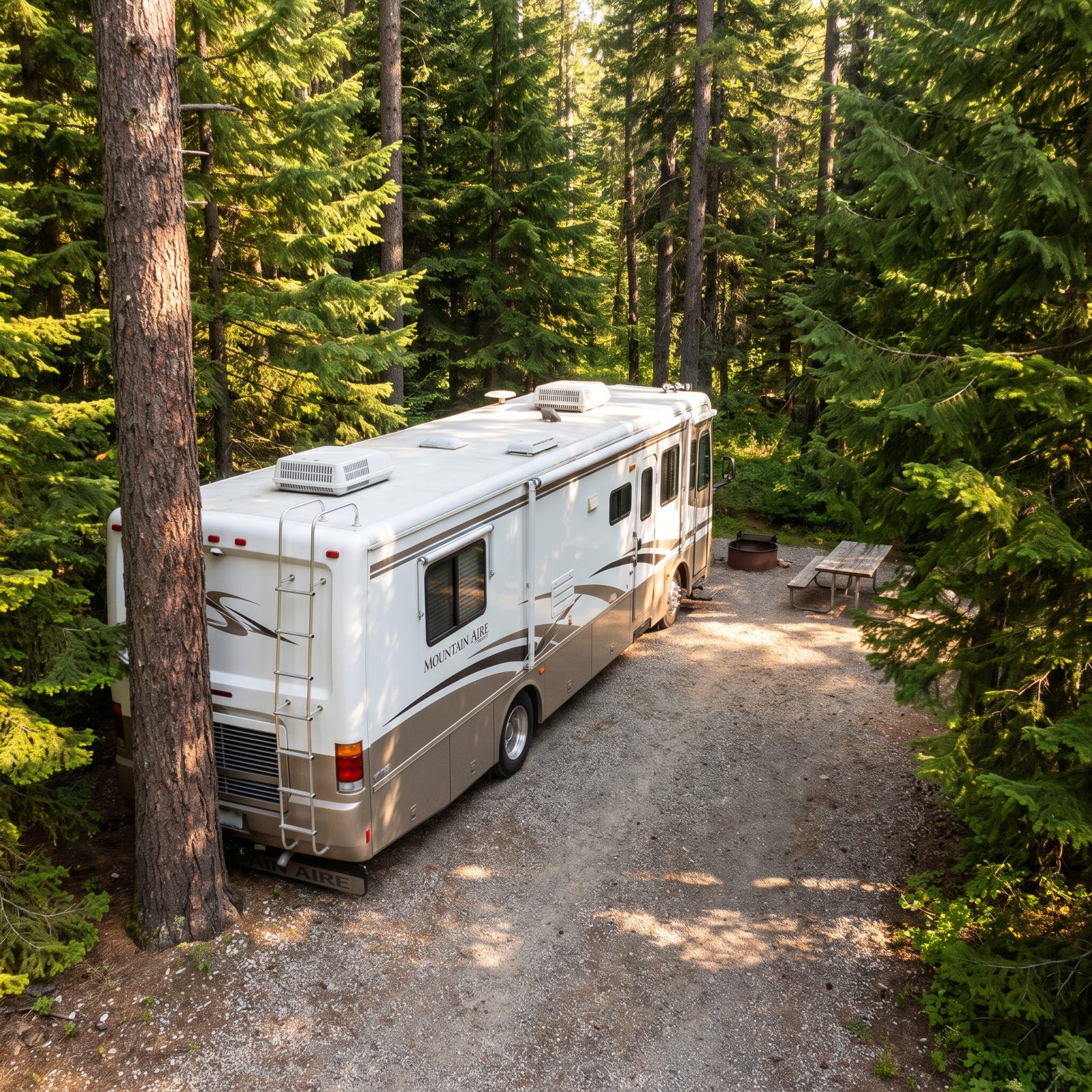
Thirty feet is roughly the line. Below it, most places will take you. Above it, your list starts shrinking fast, and the prettiest spots disappear first.
Plenty of older national park and national forest campgrounds were built for tent campers and small trailers. Sites top out around 27 to 30 feet, and the access roads have tight turns a 40-foot diesel pusher simply cannot make. The bigger rig buys you a nicer living room and a worse address. That trade is permanent once you’ve signed.
21. Dealer Financing Can Quietly Bury the Real Price

RV loans run long — sometimes 15 or 20 years — and dealers love to sell you on the monthly payment rather than the total price. A tidy little monthly number stretched across two decades can hide a fortune in interest.
Watch for the games. A great rate paired with a quietly inflated purchase price. Extended warranties and paint protection bundled in before you noticed. A trade-in valued generously to distract you from the markup. Line up your financing at your own bank or credit union first, then let the dealer try to beat it. Negotiate the out-the-door price, never the payment. The price. Always the price.
20. Depreciation Takes Its First Bite the Moment You Pull Off the Lot
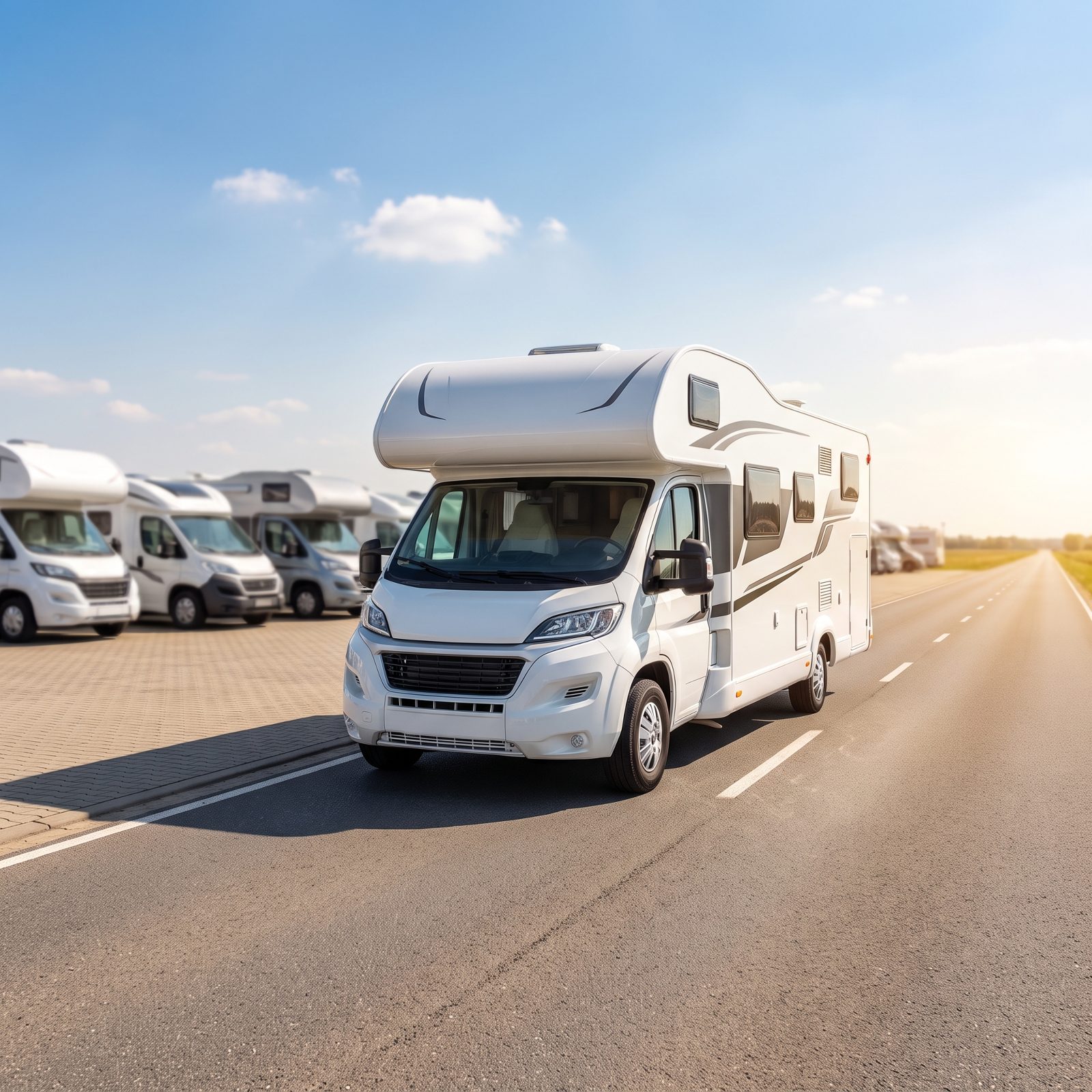
New RVs depreciate hard and fast. Losing a meaningful chunk of value in the first year is normal, and the slide keeps going for several years after. That shiny new rig turns into a used rig the second your tires hit the road.
Which is exactly why gently used RVs, two or three years old, are where a lot of savvy buyers shop. You let the first owner eat the steepest part of the drop. You also let them discover and fix the factory gremlins, because new RVs are notorious for needing warranty work early. Buying used isn’t settling. It’s arithmetic.
19. Your Insurance Bill Depends Enormously on Which Rig You Pick
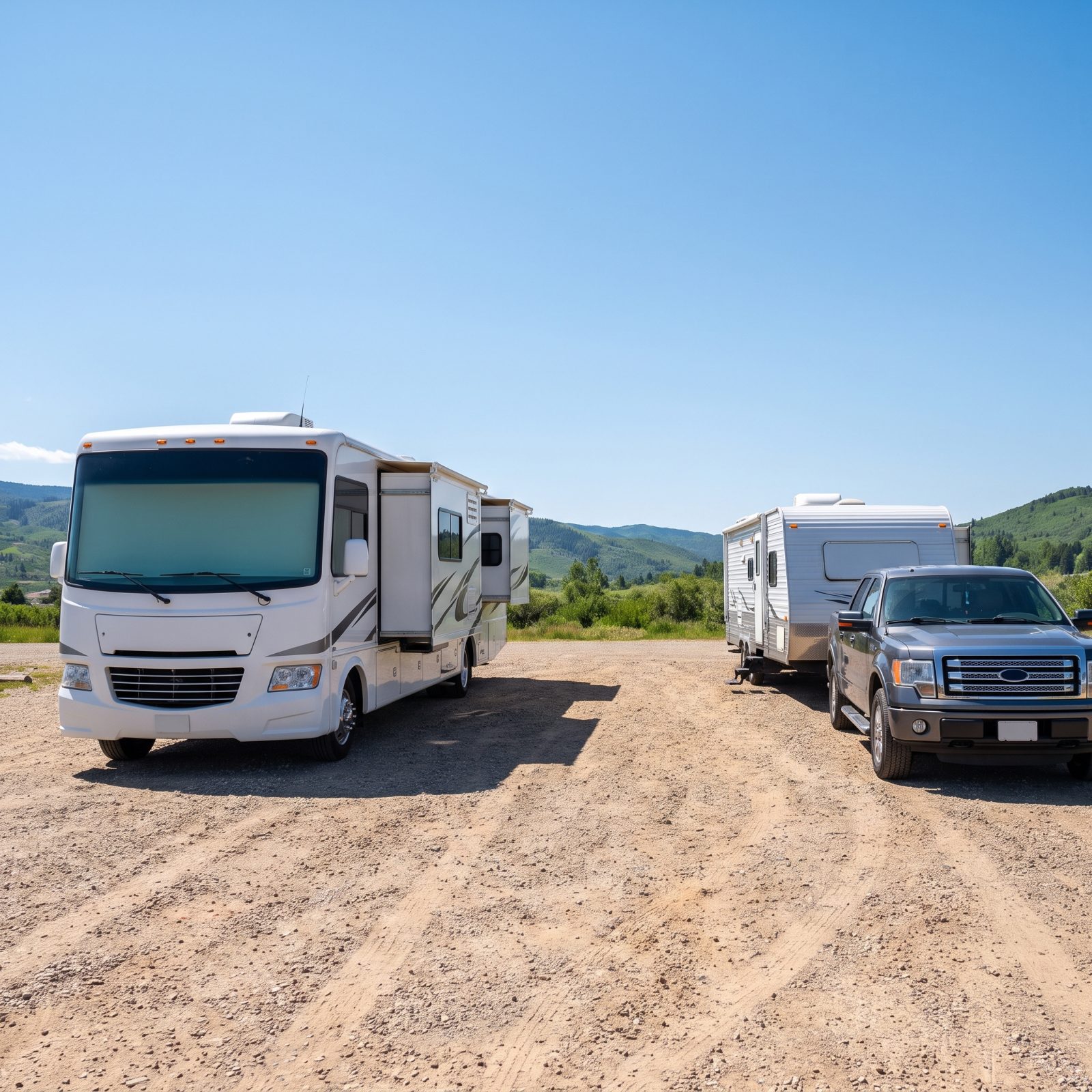
Two people can each buy an RV and pay wildly different insurance bills. A towable travel trailer is cheap to cover — no engine, and you’re already insuring the tow vehicle anyway. A big Class A, with its drivetrain, higher value, and pricier repairs, can run several times more per year.
Then there’s the full-timer question. If the RV is your actual home, you need a full-timer’s policy, which stacks on liability and personal-property coverage closer to a homeowner’s plan than a standard RV one. Get real quotes for the specific rig before you buy, not after. It can swing the whole budget — and it’s a number folks forget about until the renewal notice lands in the mailbox.
18. An Emergency Fund Must Cover More Than Repairs
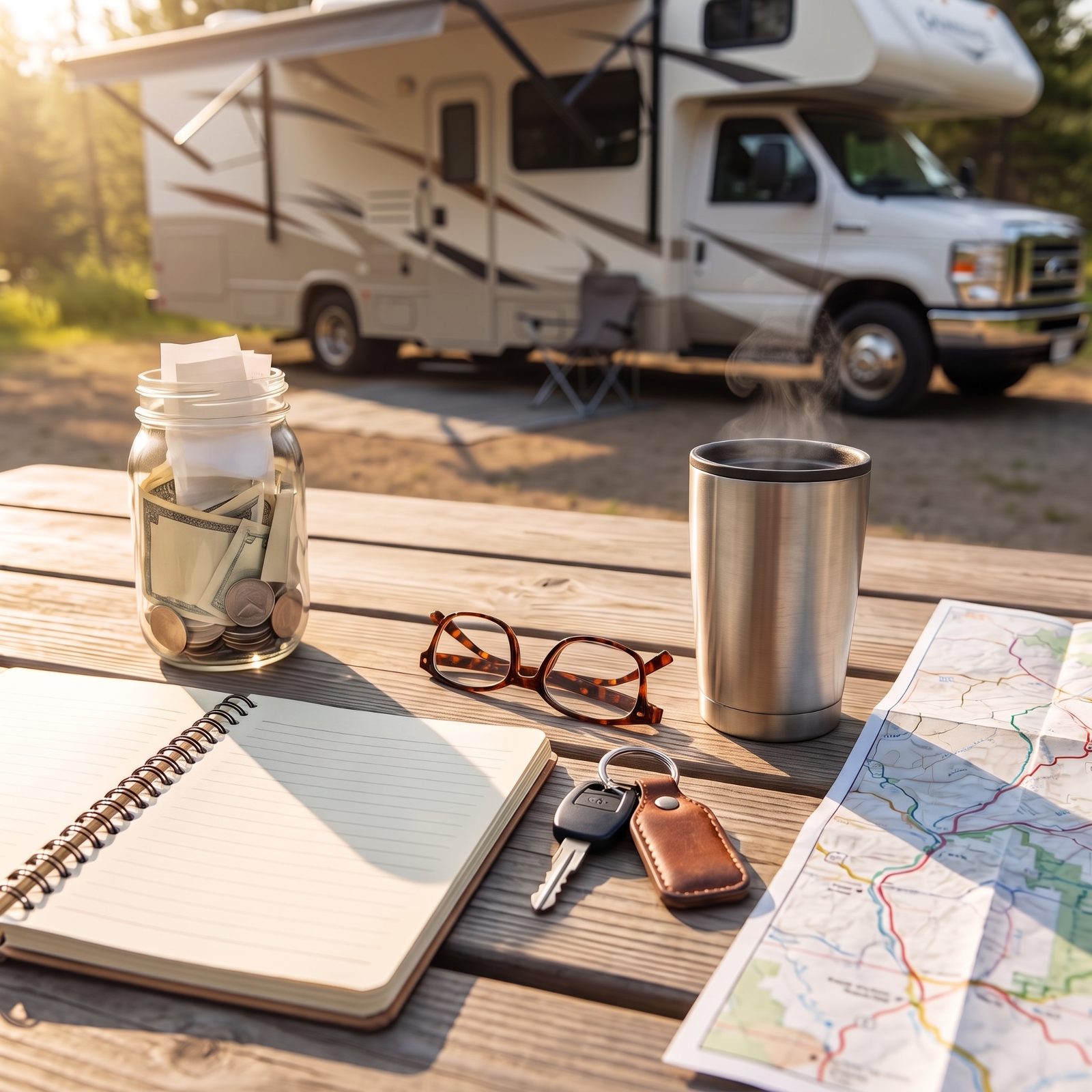
Here’s what nobody tells you when you buy the rig: the repair bill is only half the pain. The other half is everything that keeps charging while you wait. A blown water pump is a few hundred dollars, sure, but you’re also still paying the campground, still paying the loan, still eating at restaurants because your kitchen is torn apart.
Most people budget for the fix and forget the standstill.
So build the fund to cover a bad month, not a bad part. Figure on the repair, the extra nights, the tow if it comes to that, and the meals you’ll buy because cooking isn’t an option. When your RV is your home, a breakdown doesn’t just cost you a part. It costs you rent, groceries, and whatever plans you had that week — all at once, all while you’re stuck somewhere unfamiliar.
17. Maintenance Continues Even When the RV Sits
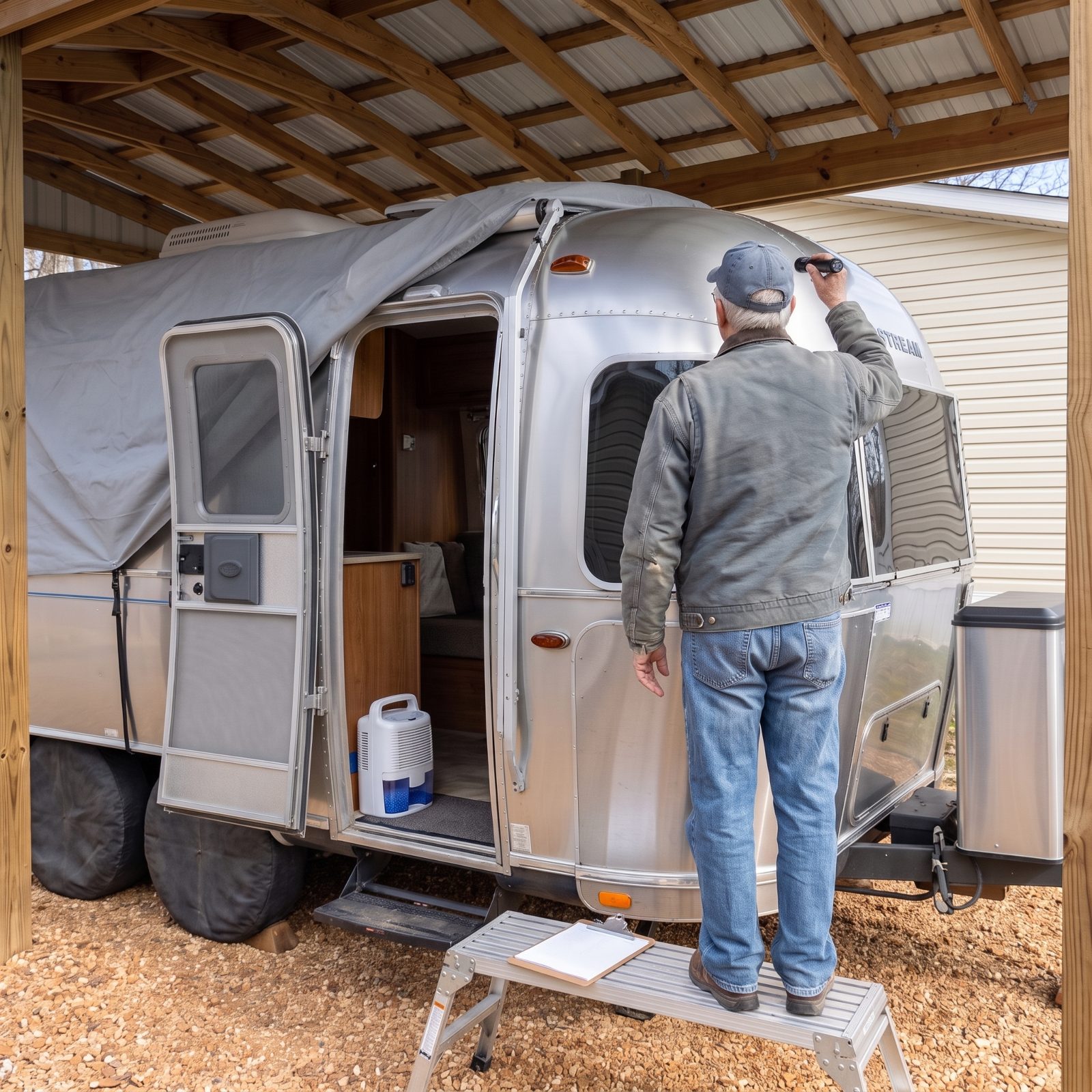
Parking it doesn’t pause the clock. A stored RV still ages, and in some ways it ages worse — seals dry out, batteries drain, tires flat-spot, and mice decide the undercarriage looks like a nice winter cabin. The thing was built to move, and sitting still is its own kind of abuse.
We’ve seen owners leave theirs under a tarp for a season and came back to a roof seam that had wicked water straight into the rear wall. Whole thing soft as cardboard.
If you’re storing for months, treat it like an animal you still have to feed. Roof seals need checking, batteries need a tender or need pulling, the plumbing needs draining or antifreeze, and you’ll want to pop in every so often to air it out and look for surprises. Covered storage helps. Walking past it now and then helps more.
16. Tires Age Out Before Their Tread Wears Out
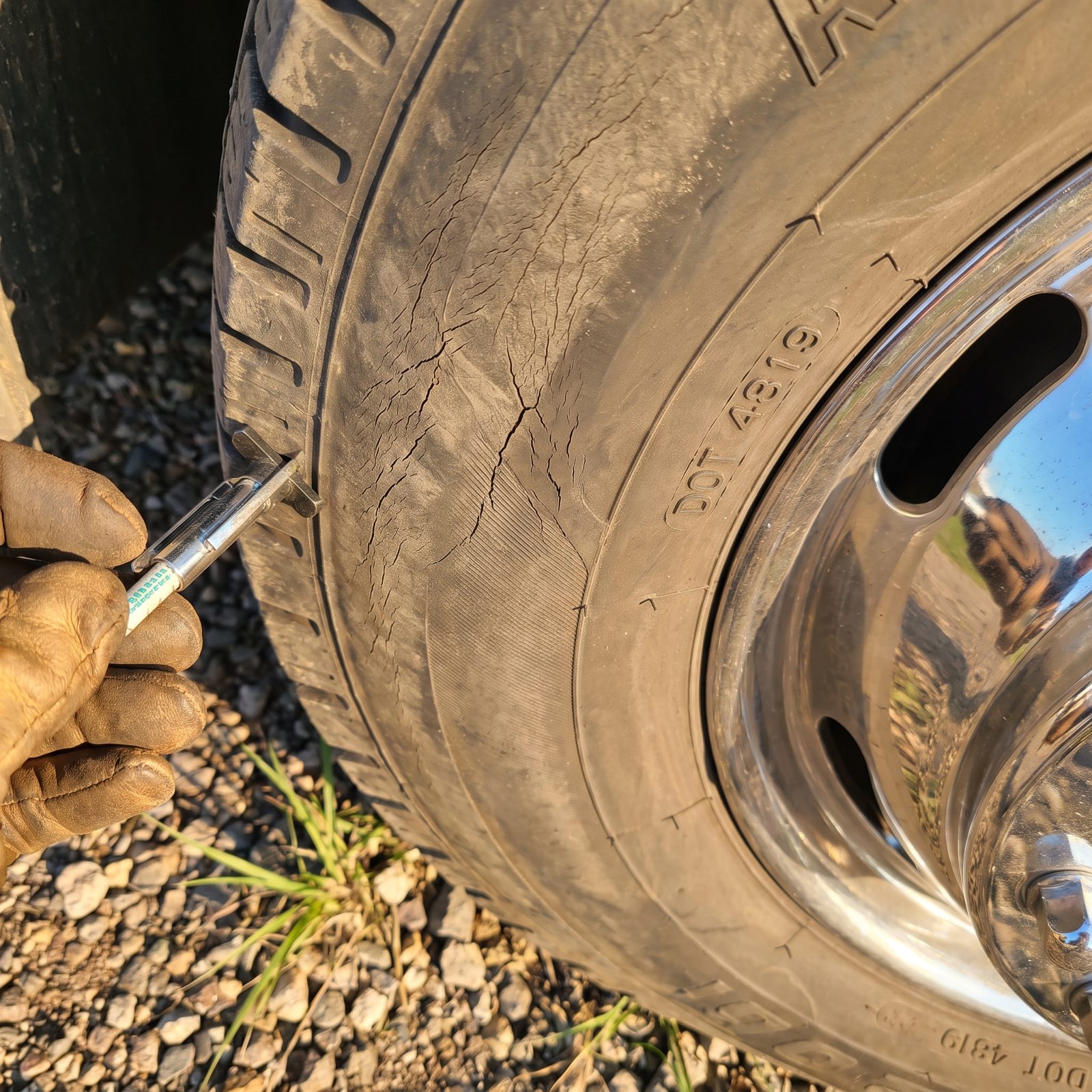
This one catches new owners every time. You look at your tires, see thick tread, and figure you’re fine. You’re not necessarily. RV tires rarely die from mileage because most rigs don’t rack up enough of it. They die from age — the rubber dries, cracks, and lets go, usually on a hot interstate with your whole life parked on top of it.
Check the DOT date code stamped into the sidewall. The last four digits give you the week and year it was made.
Once a tire crosses the six-or-seven-year mark, replace it no matter how good the tread looks. I’ve seen a sidewall split like an overripe melon on a trailer with practically no miles. Cheap insurance against a very expensive, very dangerous roadside afternoon.
15. Water Intrusion Is More Serious Than Cosmetic Damage
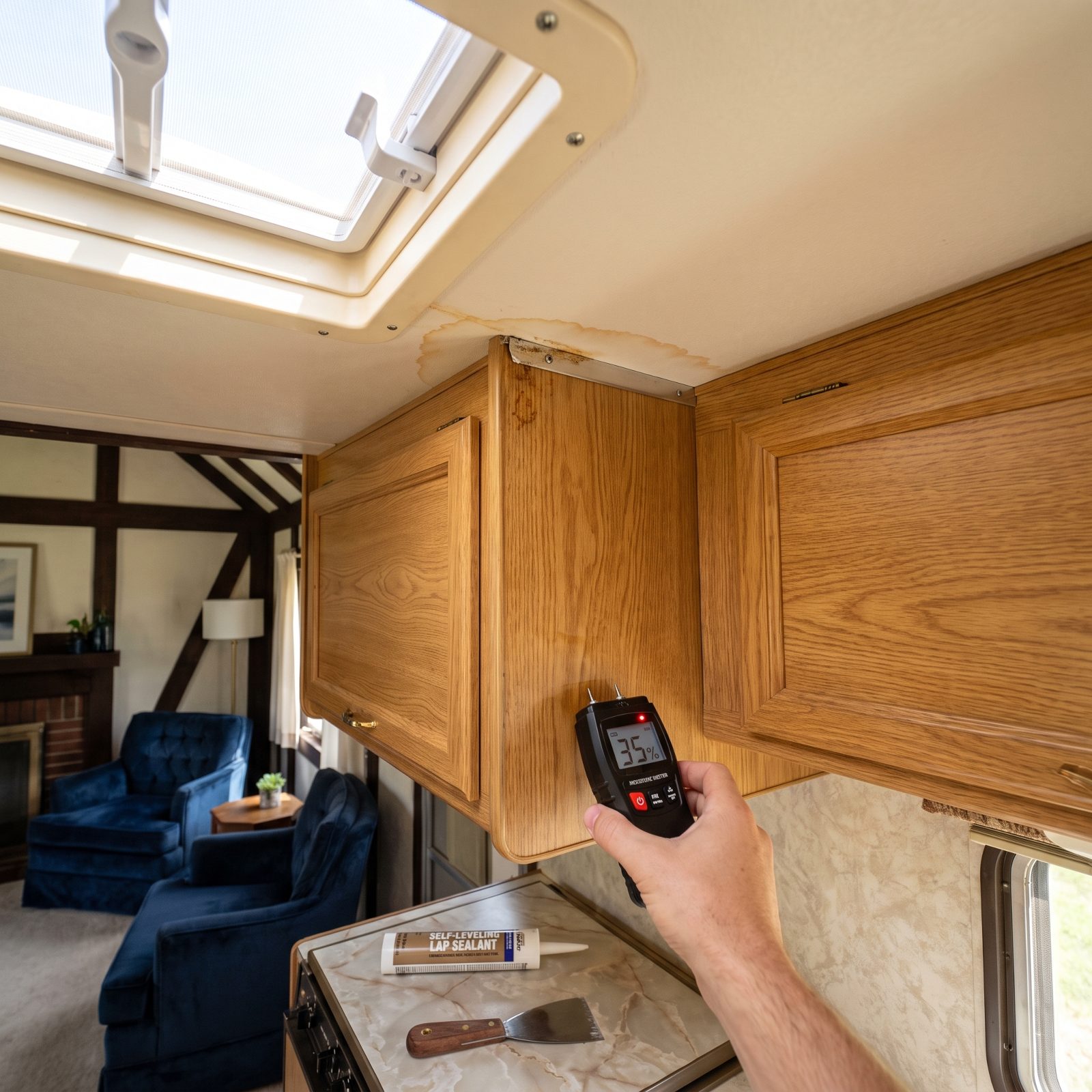
A little brown stain on the ceiling panel looks like nothing. It almost never is. Water doesn’t stop at the pretty part — it travels along framing, soaks into the wood substrate behind your walls, and quietly rots the structure while you tell yourself you’ll deal with it later.
By the time the panel sags or smells musty, the damage behind it has been growing for months.
Walk your roof seams twice a year and reseal anything cracked or peeling with the right lap sealant. Pick up a cheap moisture meter and poke around the corners, the vents, and anywhere a seam meets a wall. Catching a wet spot early might cost you a tube of sealant and an afternoon. Ignoring it can total a rig — delamination and soft walls are what send otherwise fine RVs to the scrapyard.
14. Warranty Repairs Can Consume a Travel Season
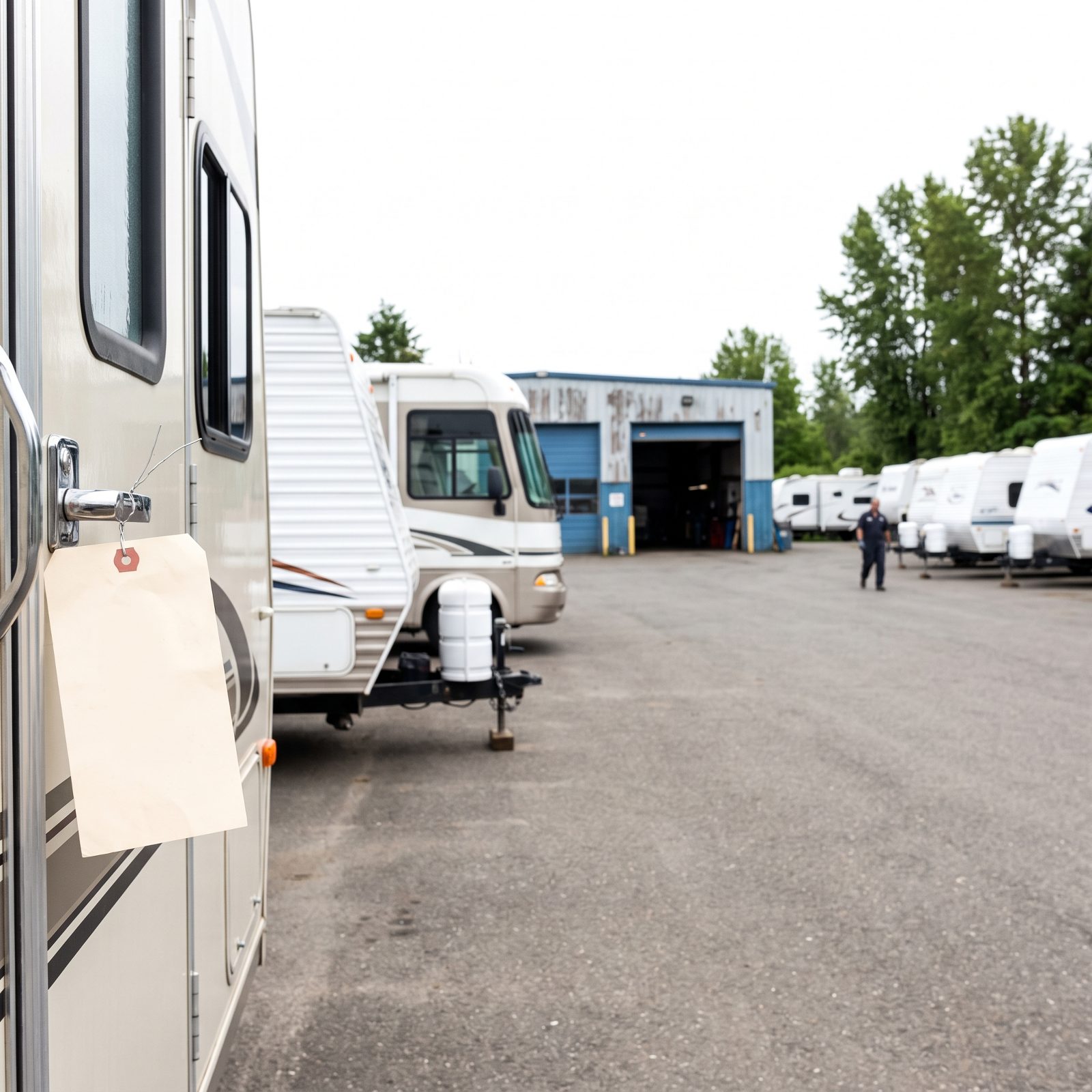
A warranty sounds like a safety net until you learn how RV service actually works. You drop the rig off, it joins a line of other people’s rigs, and then it waits — for a diagnosis, for parts to ship, for a tech to have an open bay. Weeks is normal. Months happens.
And good luck if the breakdown lands in June, when every shop in the region is already slammed.
People who full-time have watched an entire summer disappear into a service lot over a part that cost forty bucks but took eleven weeks to arrive. So before you buy, ask how the warranty gets honored, whether you have to return to the selling dealer, and how backed up the local shops run. A warranty that covers the money but eats the whole season isn’t as generous as it sounds.
13. Campground Fees Can Rival Hotel Rates
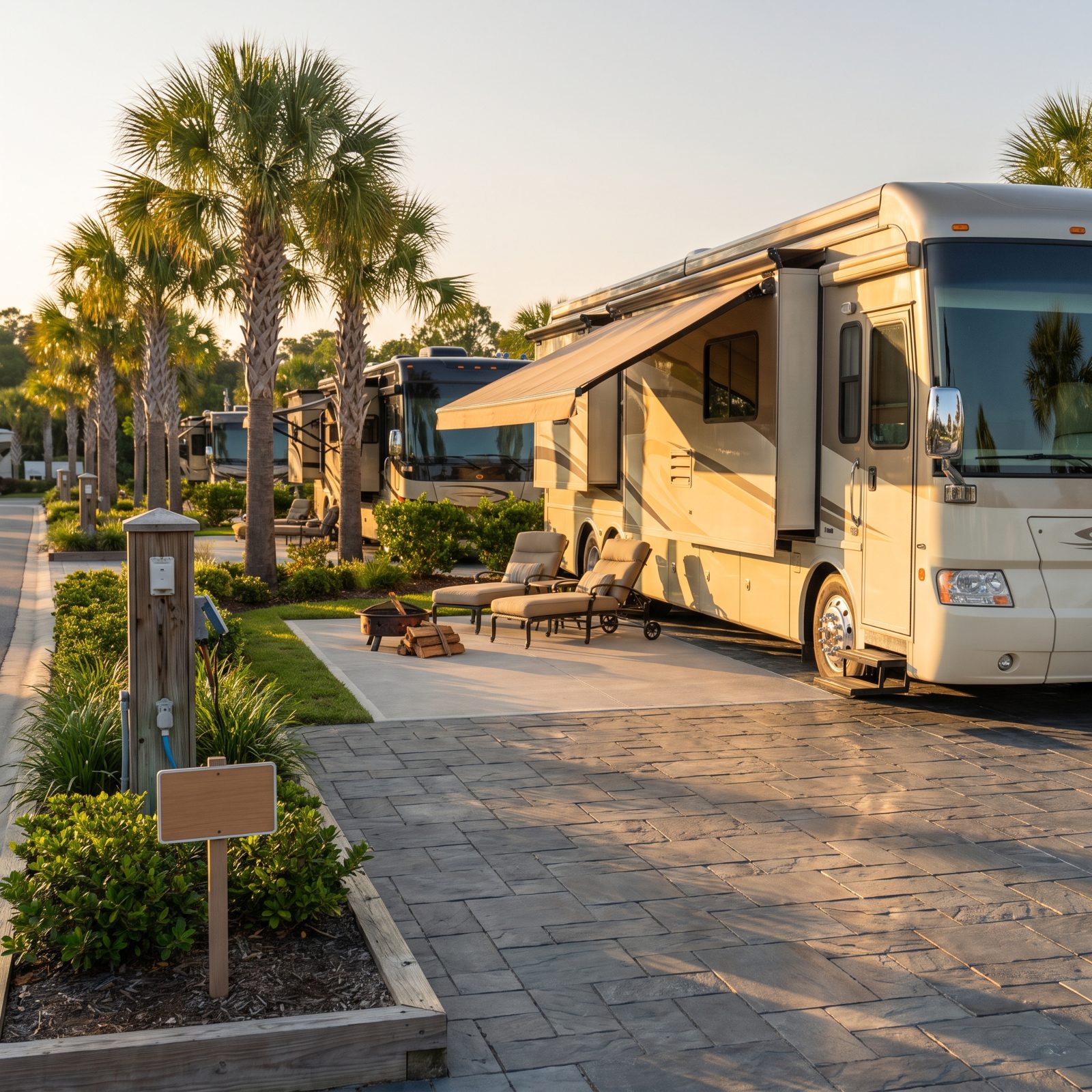
Somewhere along the way, a lot of folks picture RV life as basically free lodging. Then they pull into a coastal resort in high season and the nightly rate makes them blink twice. Pools, paved pads, full hookups, a hot tub, maybe a little snack bar — all of that lands on the bill, and a premium spot in a popular place can cost about what a decent hotel room would.
The good news is you’ve got options a hotel guest never does. Public campgrounds run cheaper. State parks cheaper still. Boondocking on public land is as close to free as it gets, if you can live without hookups for a stretch.
Mix it up. A couple of resort nights to recharge the batteries and do laundry, then a long cheap run out in the sticks where the only neighbors are coyotes. Stay at resort prices the whole trip and your savings evaporate right there in the campground office.
12. Popular Parks Require Reservations Months Ahead
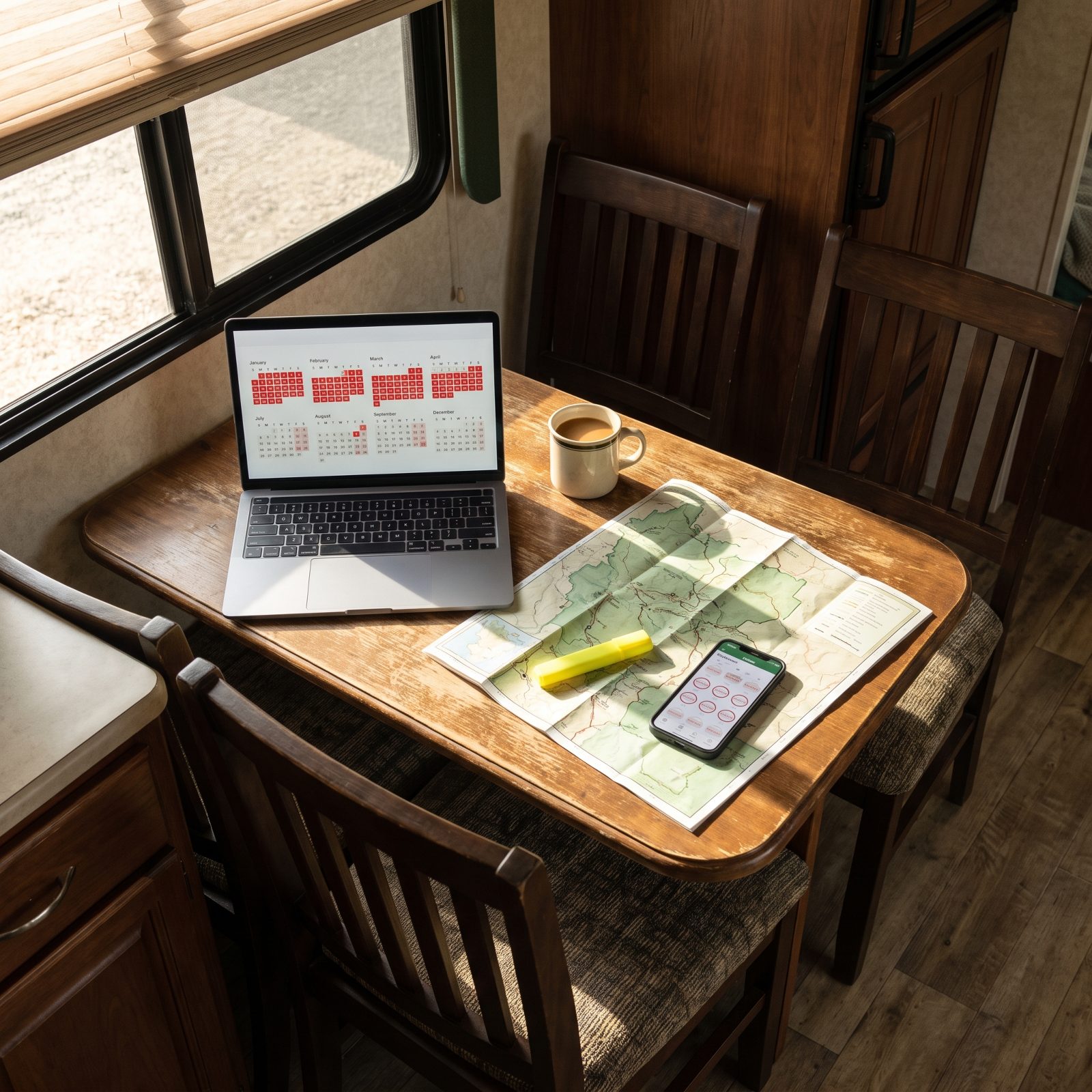
The dream is spontaneity — point the rig wherever the mood takes you. Reality has a booking window. The best spots at the famous parks fill the day reservations open, often half a year out, and if you show up hoping to grab something good at Yosemite or along the Oregon coast in July, you’ll be sleeping in a Walmart lot wondering where it all went wrong.
Plan the marquee stops early and stay loose everywhere else.
Build your route around the two or three places that actually require advance booking, lock those in the moment the window opens, and leave the stretches between them wide open for whatever you stumble onto. Smaller county parks, private campgrounds, and public land tend to have room on short notice. Mix the planning with the wandering, or you’ll spend the whole trip either overbooked or shut out.
11. Fuel Economy Changes Every Route Calculation
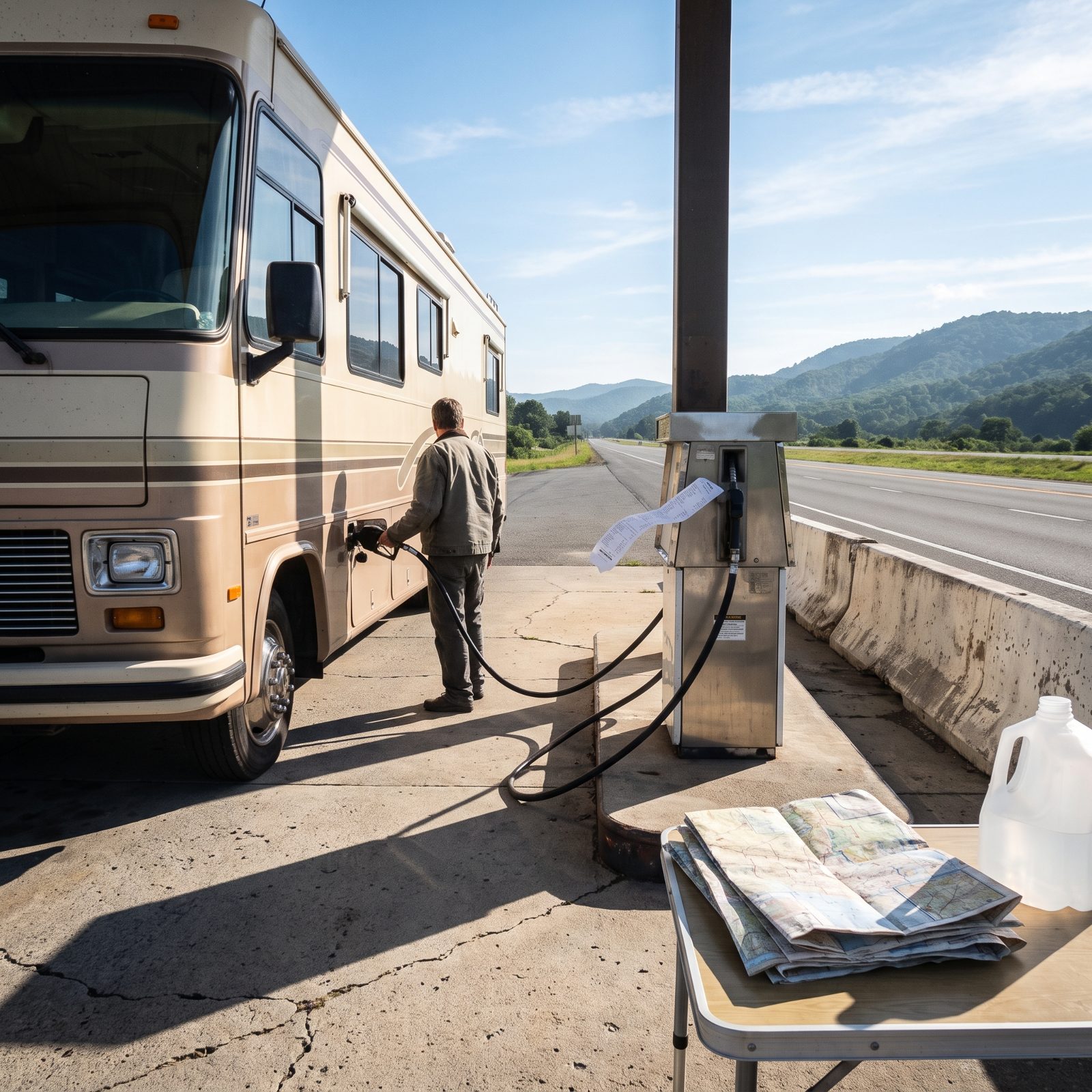
A big motorhome drinks fuel. That number quietly reshapes everything about how you travel. A detour that looks fun on the map looks different once you do the gallons math, and a long cross-country haul can cost more in diesel than you’d have spent flying and renting a car at the other end.
Most big rigs land somewhere in single-digit miles per gallon. Towing a car behind drops it further.
Which changes how you think about the trip. You stop chasing distance and start lingering — pick a region, park the rig, and explore from a base instead of burning fuel crossing three states in a week. The folks who travel slow and stay put a while aren’t just more relaxed. They’re spending a fraction of what the always-moving crowd pours into the tank.
10. Wind Can Cancel a Driving Day
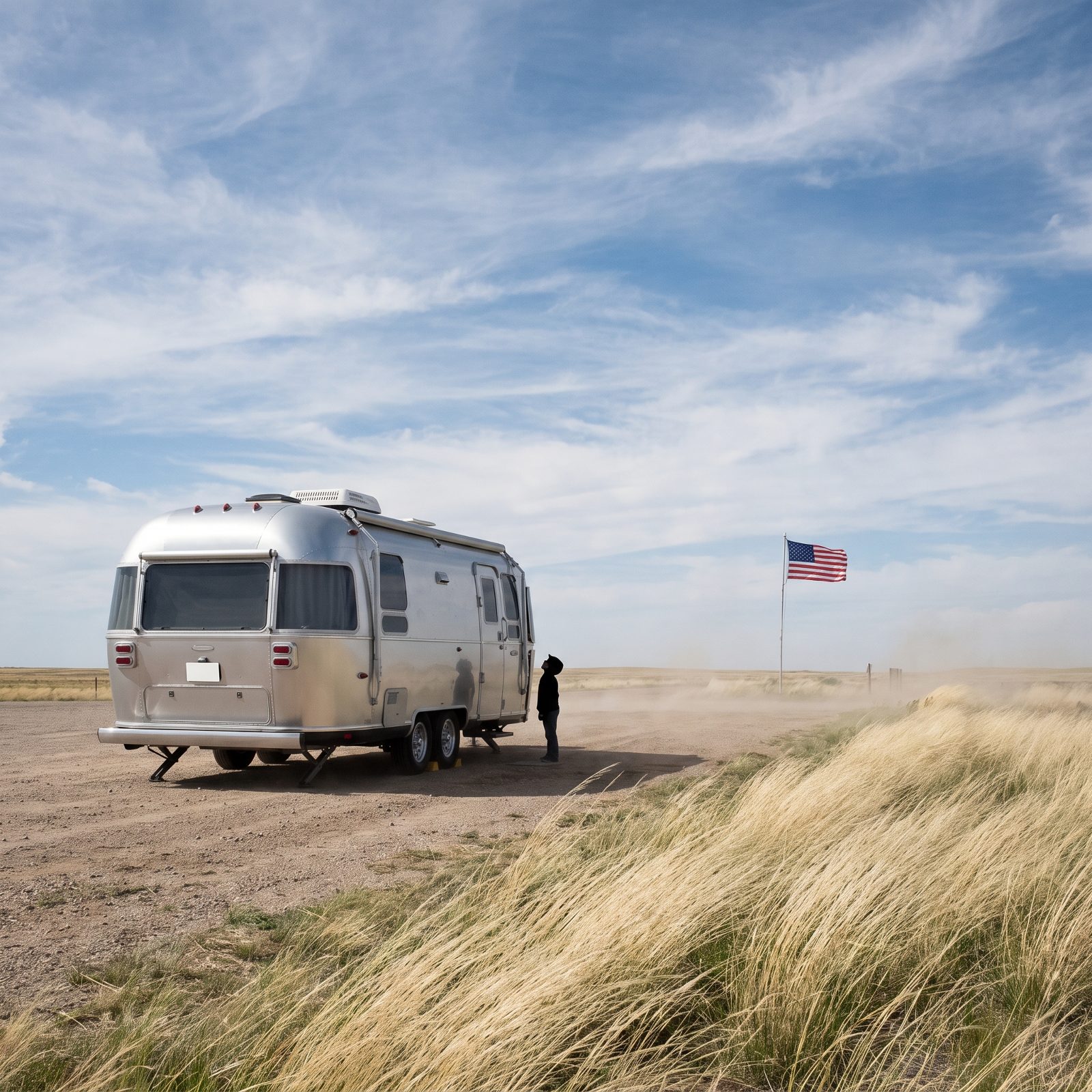
You don’t appreciate how much sail area an RV has until a crosswind decides to show you. A tall rig is basically a box on wheels, and a strong gust can shove you across a lane, yank the wheel out of your relaxed grip, or make towing a trailer feel like wrestling a kite. On an exposed plain or a high bridge it gets genuinely dangerous.
Check the wind forecast the way you’d check rain or snow — it matters just as much.
When the gusts climb into the thirties, think hard about staying put. An extra night at the campground beats white-knuckling a mountain pass while your trailer tries to overtake you. Seasoned travelers learn to read the sky and shrug off a lost driving day. The wind doesn’t negotiate, and there’s no prize for arriving on schedule in pieces.
9. Mountain Descents Require a Different Driving Technique
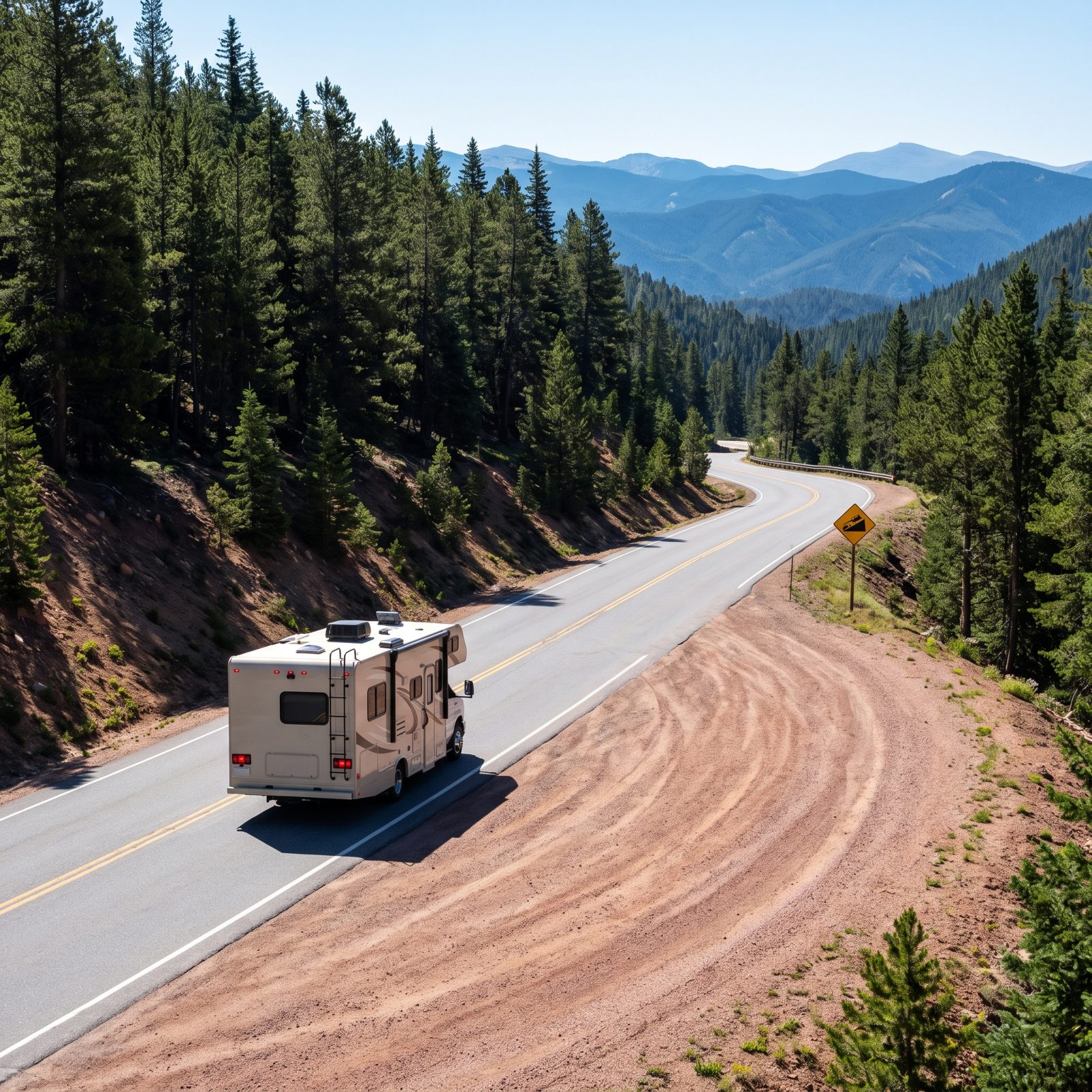
Getting up the mountain is the easy part — you just go slow and let the engine grind. Coming down is where RVs get people hurt. Ride the brakes the whole descent and they overheat, fade, and eventually stop working, which is exactly when you least want it. Those gravel runaway ramps carved into the shoulder? Not decoration. People use them.
Gear down before you start dropping, not halfway through.
Let the transmission and engine do the holding — low gear, let compression carry the weight, and tap the brakes in short firm pulses only when you need to shed a little speed, then let off so they can cool. A diesel pusher with an exhaust brake makes this almost effortless. Everyone else has to work for it. Pick a speed you can actually hold and stay there, because once the brakes go soft on a grade, there’s no good ending to that story.
8. Backing a Trailer Is a Skill You Build Before You Need It
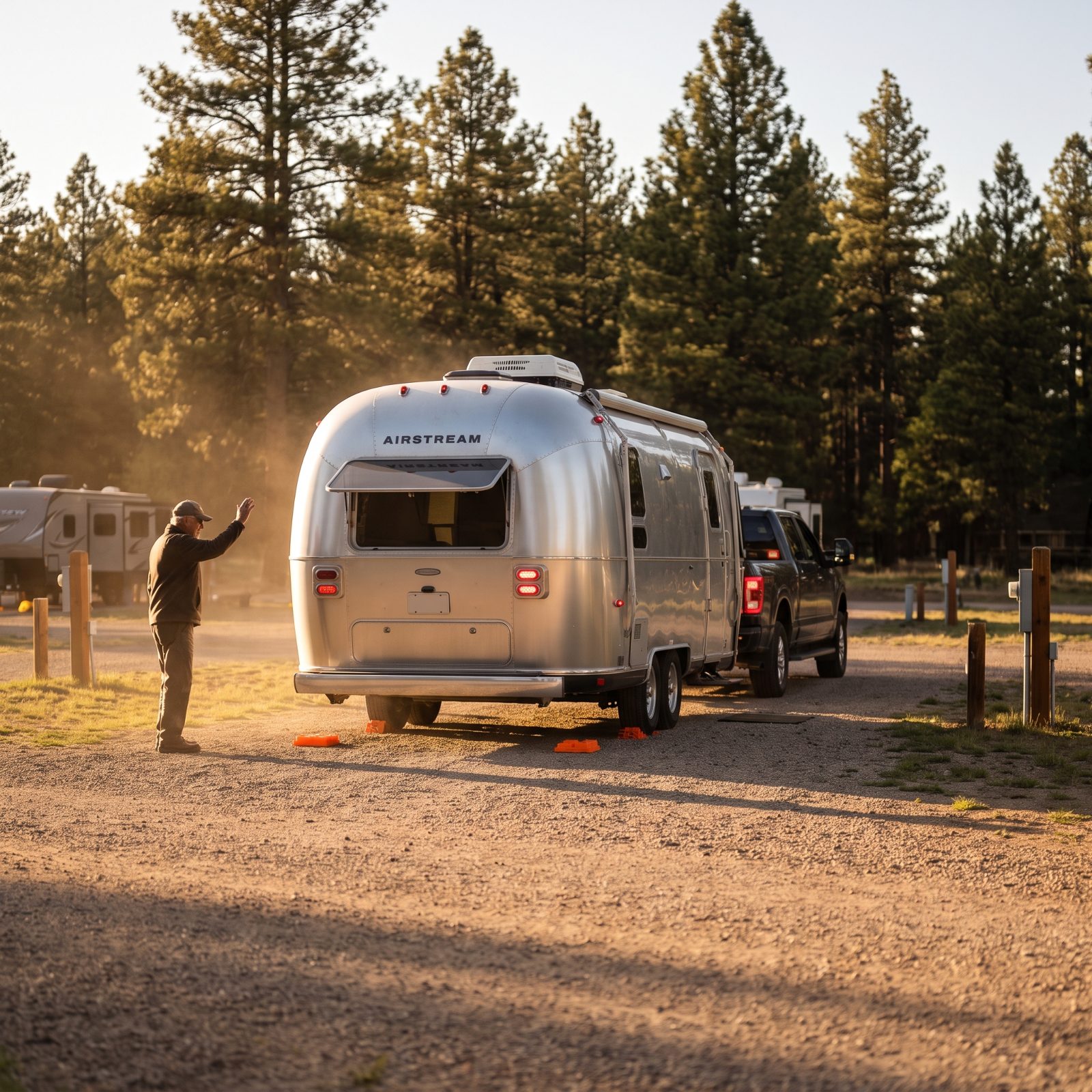
Nobody says this out loud at the dealership: driving forward is easy, and it fools you into thinking the hard part is over. It isn’t. Backing a trailer runs opposite to every instinct you’ve built over fifty years of driving a car. Turn the wheel left, the trailer goes right. Your brain refuses to believe it.
We learned this in an empty school lot with a couple of trash cans for markers, and that one hour saved us real embarrassment later on. Practice before your first campsite, not during it, with a line of weekend campers watching you sweat.
7. Setup and Teardown Are Real Physical Work, Every Single Time
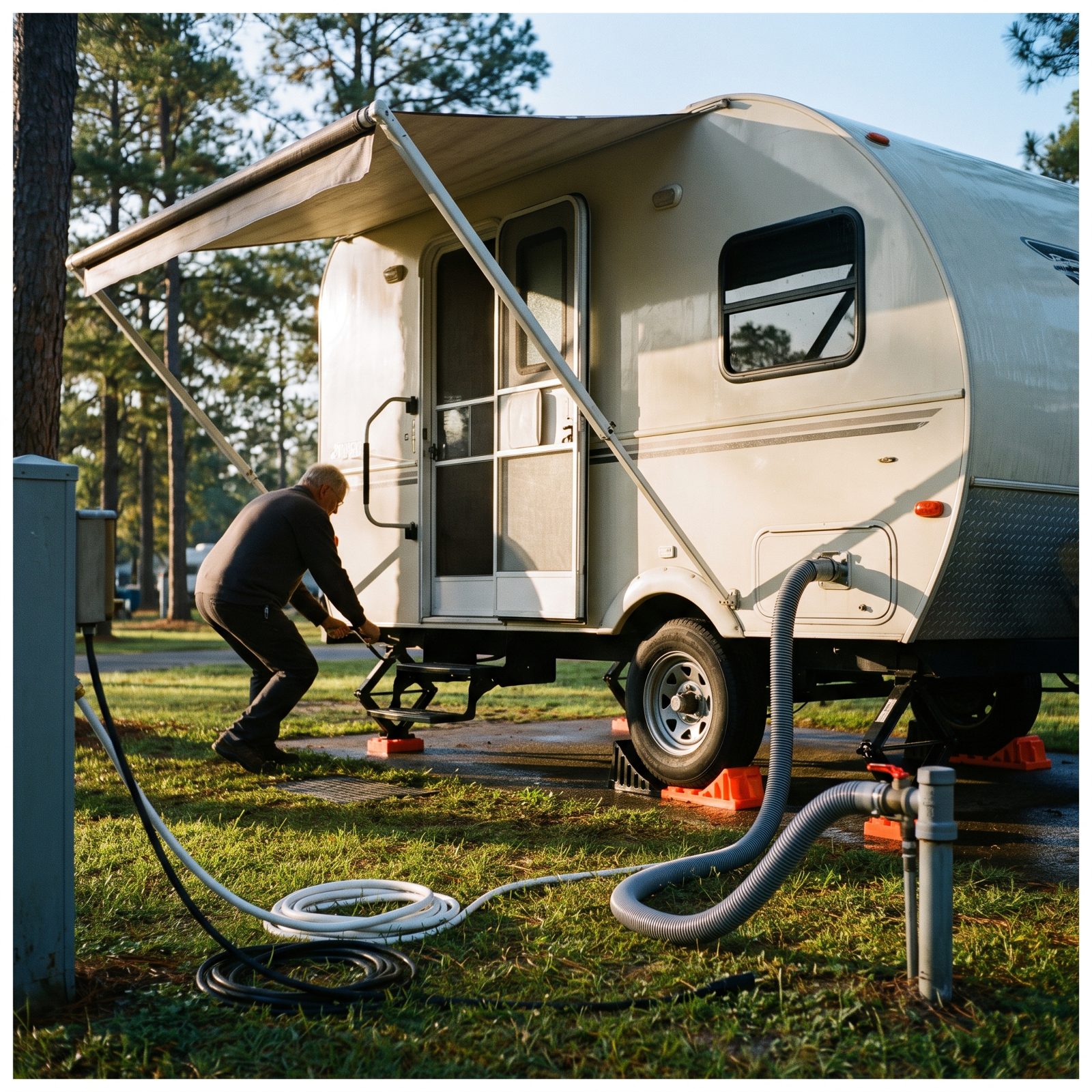
The brochure photos show people in camp chairs with a glass of wine. What they leave out is the twenty minutes before that — leveling, chocking, cranking down stabilizers, connecting water and power and sewer, and wrestling the awning out. Then you run the whole thing in reverse before you leave.
It’s not hard exactly. It’s just real, and it adds up. Count on fifteen to thirty minutes on each end, and longer in rain or when some genius engineer put the hookups on the wrong side of your rig. Your back and knees will file a complaint by the third stop of a long trip. Plenty of full-timers end up buying an electric tongue jack and a hose reel — not for the convenience, but because they got tired of the grind. No shame in that.
6. Solar Panels Won’t Run Your Air Conditioner, and Nobody Warned You
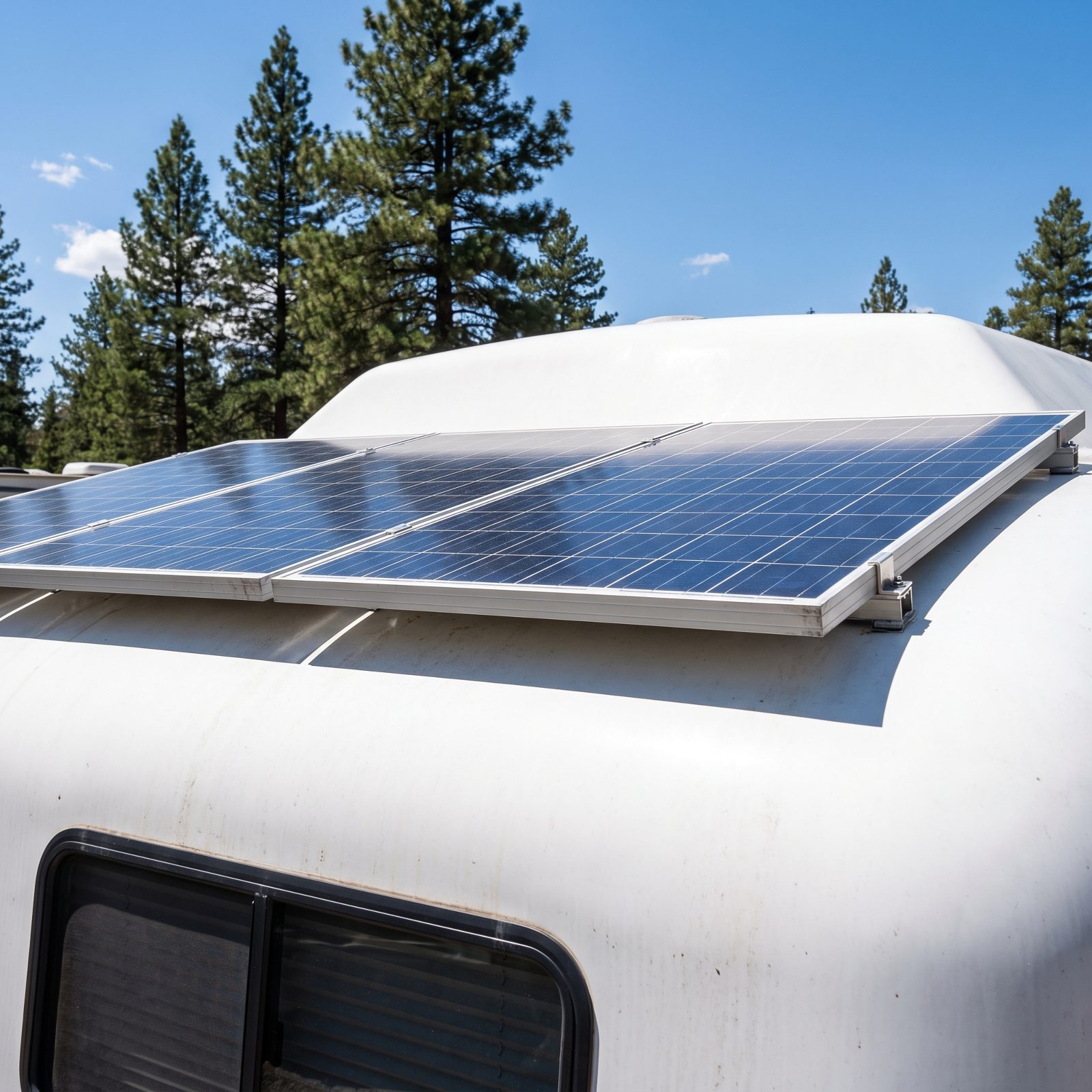
Solar is wonderful and oversold in the same breath. A couple of rooftop panels will keep your lights, fans, water pump and phones charging for days on end. They will not run a rooftop air conditioner, and the forums are full of people who found that out the hard way in July.
Air conditioning draws enormous power. Running it off batteries and solar takes a large lithium bank plus an inverter that costs more than the panels did. For most first-timers, solar means freedom from the generator for the small stuff. That’s all.
5. Full Signal Bars Can Still Mean No Working Internet
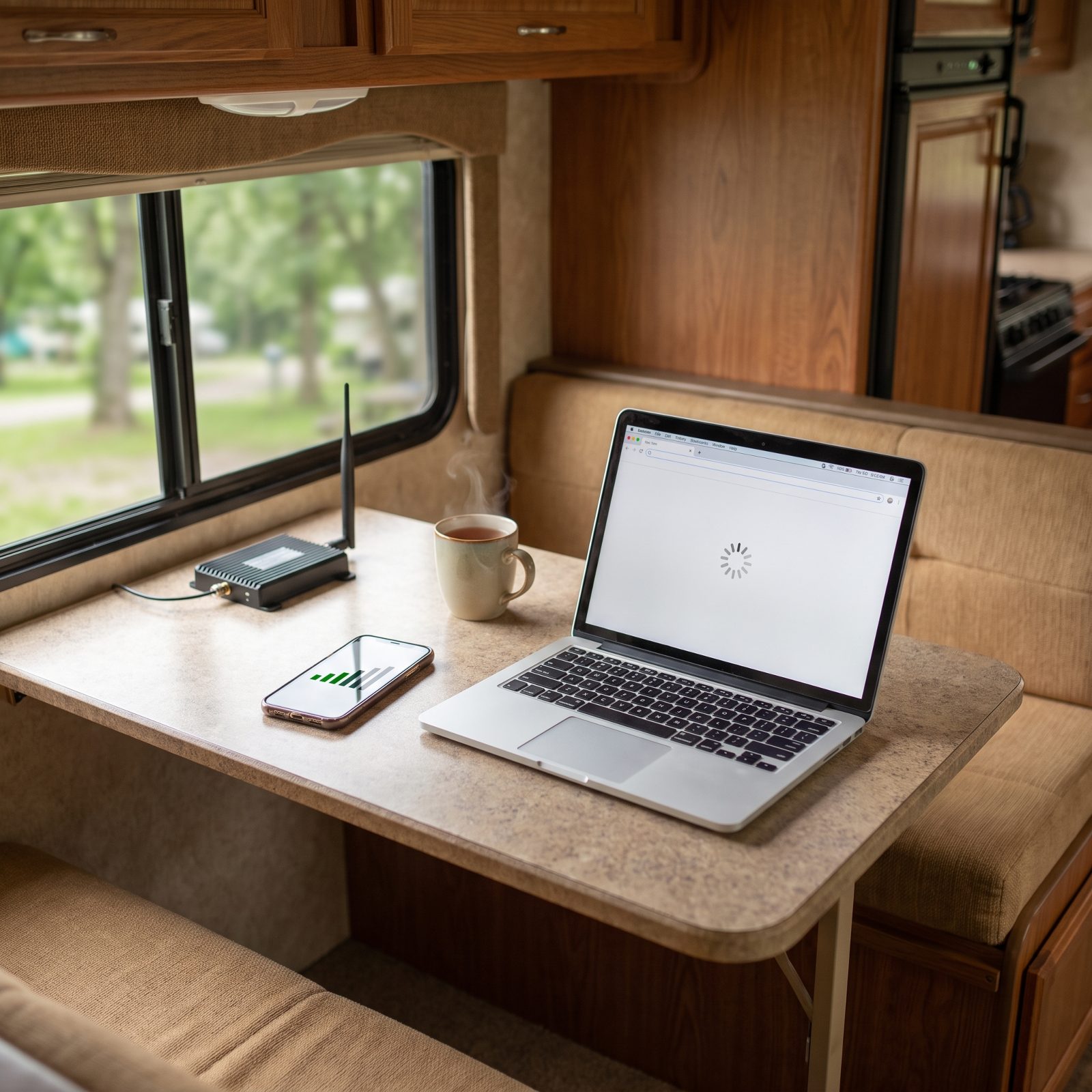
Five bars is a cruel liar. It tells you the tower is close. It says nothing about the dozen other campers streaming movies off that same tower on a Saturday night.
Coverage maps measure whether a signal reaches you, not whether that signal has any room left to carry your video call. Popular campgrounds in peak season get congested, and a full-bar connection can crawl worse than old dial-up. If you work from the road, this is the lesson that costs real money.
Plan for redundancy. Two carriers on different networks, a signal booster, and a backup plan for the weeks the booster isn’t enough. Starlink changed everything for a lot of full-timers — but trees and a bad parking position can block it, so even that isn’t automatic.
4. Mail and Prescriptions Need a Real System, Not Just Hope

Your old life assumed a fixed address. A mailbox, a local pharmacy that knew you by name, a doctor ten minutes away. On the road, all of that quietly breaks.
Prescriptions are the sneaky one. Many plans cap refills to a month’s supply at your home pharmacy, and transferring across state lines isn’t always smooth, especially for controlled medications. A mail-order pharmacy that ships three months at a time solves most of it — but you have to set it up before you leave, not when you’re down to your last three pills in a town you’ve never seen.
For mail, a domicile service in Texas, Florida or South Dakota gives you a street address, scans your envelopes, and forwards what matters to wherever you’ll be next week. Boring to arrange. Pure peace of mind afterward.
3. Two People in 300 Square Feet Discover New Things About Each Other
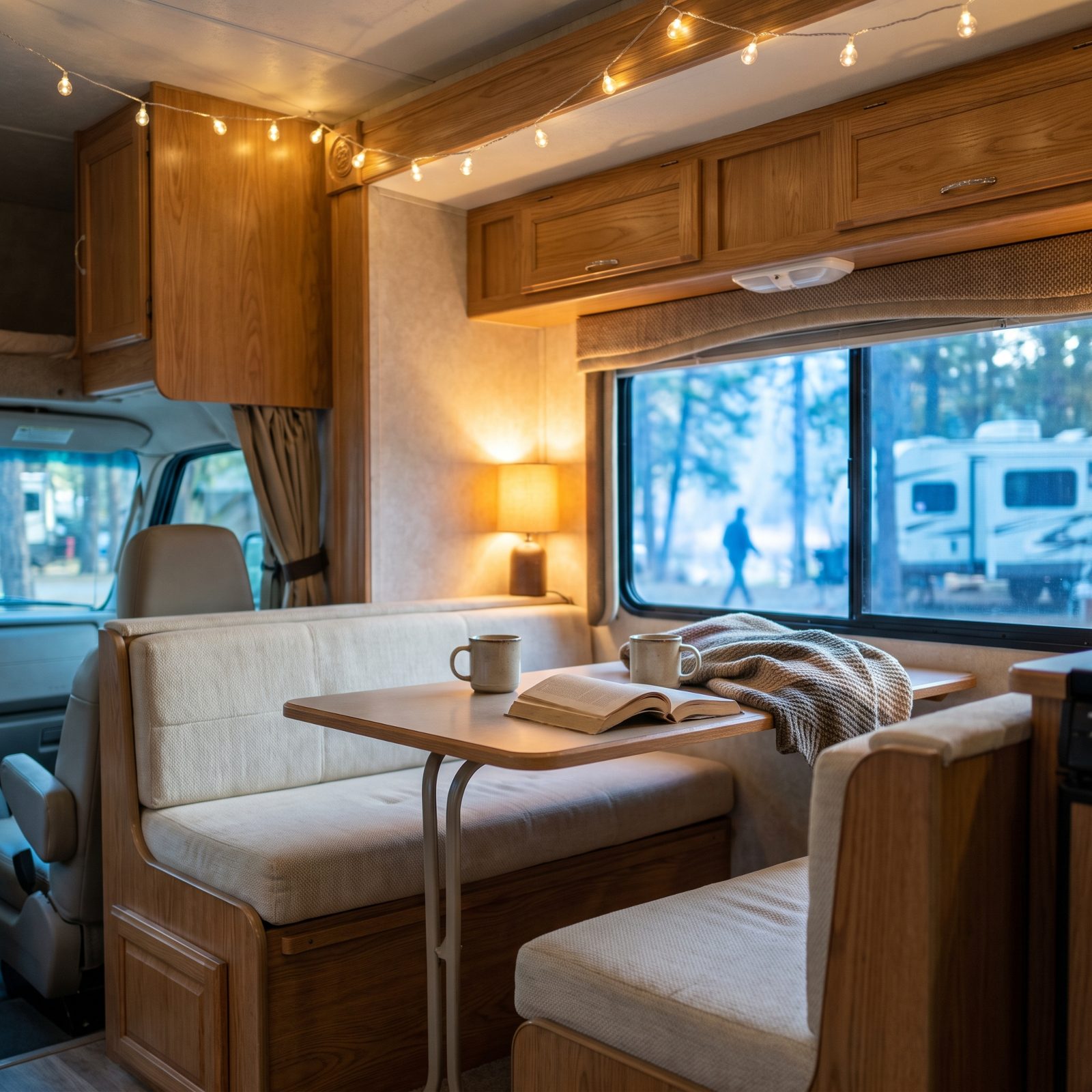
You can love someone for forty years and still not know how they load a dish rack until there’s only one sink and you’re both standing at it. Full-timing compresses a marriage into a very small box, and the little habits you never noticed suddenly have nowhere to hide.
The couples who thrive aren’t the ones who agree on everything. They’re the ones who learned to give each other separate space inside a shared one. One reads outside while the other naps. You take solo walks. You stop narrating every single decision out loud.
The RV didn’t cause the friction. It just removed all the rooms you used to spread it out in.
And here’s the flip side, which is just as real. Plenty of couples say they talk more, cook together more, and feel closer than they ever did in a house where they each had their own wing to disappear into.
2. Medical Care Away From Home Takes Planning You Won’t Think About Until You Need It
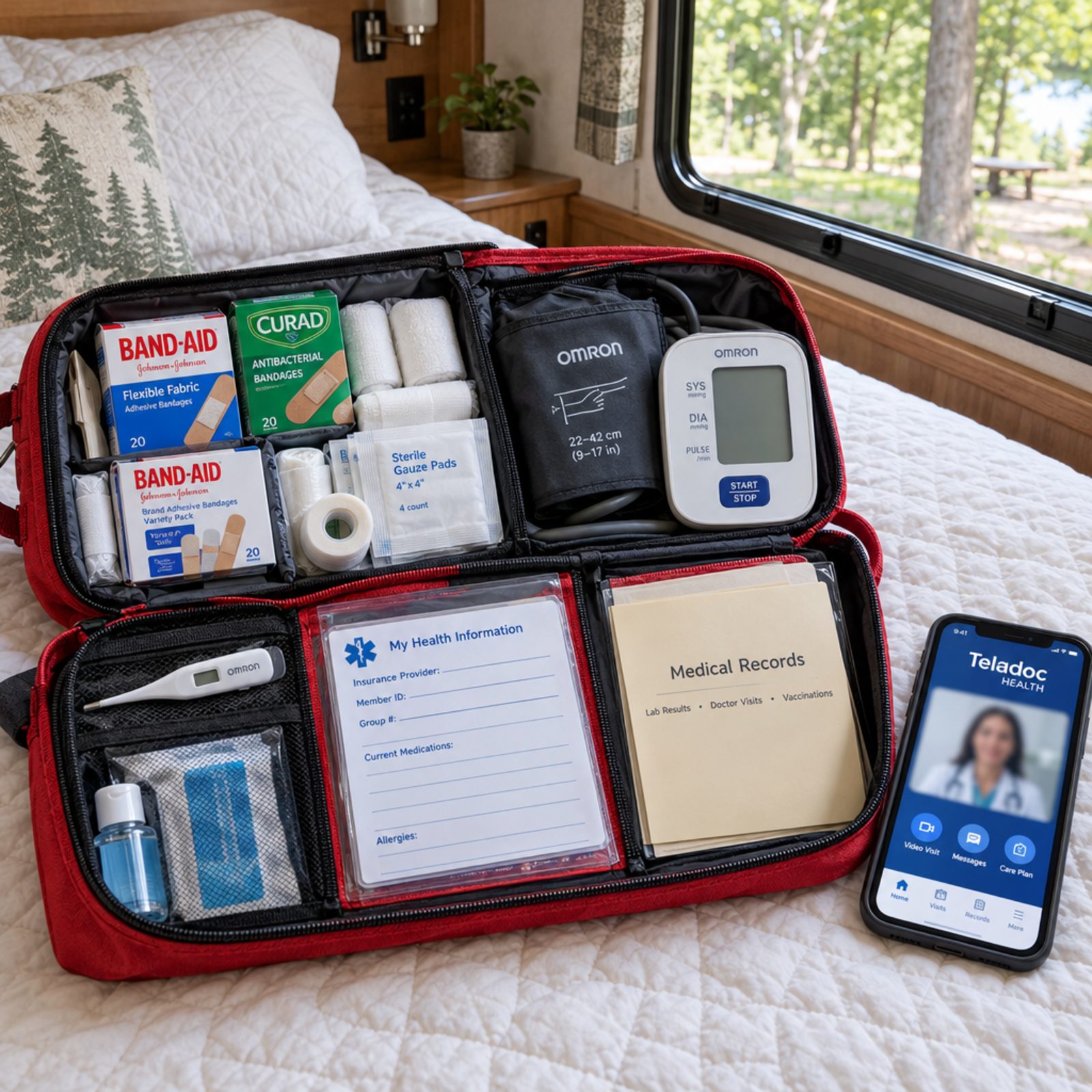
A twisted ankle at home is a minor annoyance. The same ankle in a town where you don’t know the urgent care, the pharmacy, or whether your insurance even works there turns into a full afternoon of worry.
Original Medicare travels well across the country, which is a genuine comfort for retirees on the road. Medicare Advantage plans often don’t, because they’re built around local provider networks. That gap catches people. Check it before you commit to a plan and a lifestyle that don’t match.
Carry a written list of your medications, doses, allergies and conditions — you won’t remember all of it at a strange front desk when you’re rattled and hurting. A telehealth membership handles the small stuff right from the campsite. And knowing where the nearest real hospital sits, before the trip starts, is five minutes that occasionally matters enormously.
1. Your First RV Teaches You Which RV You Actually Wanted
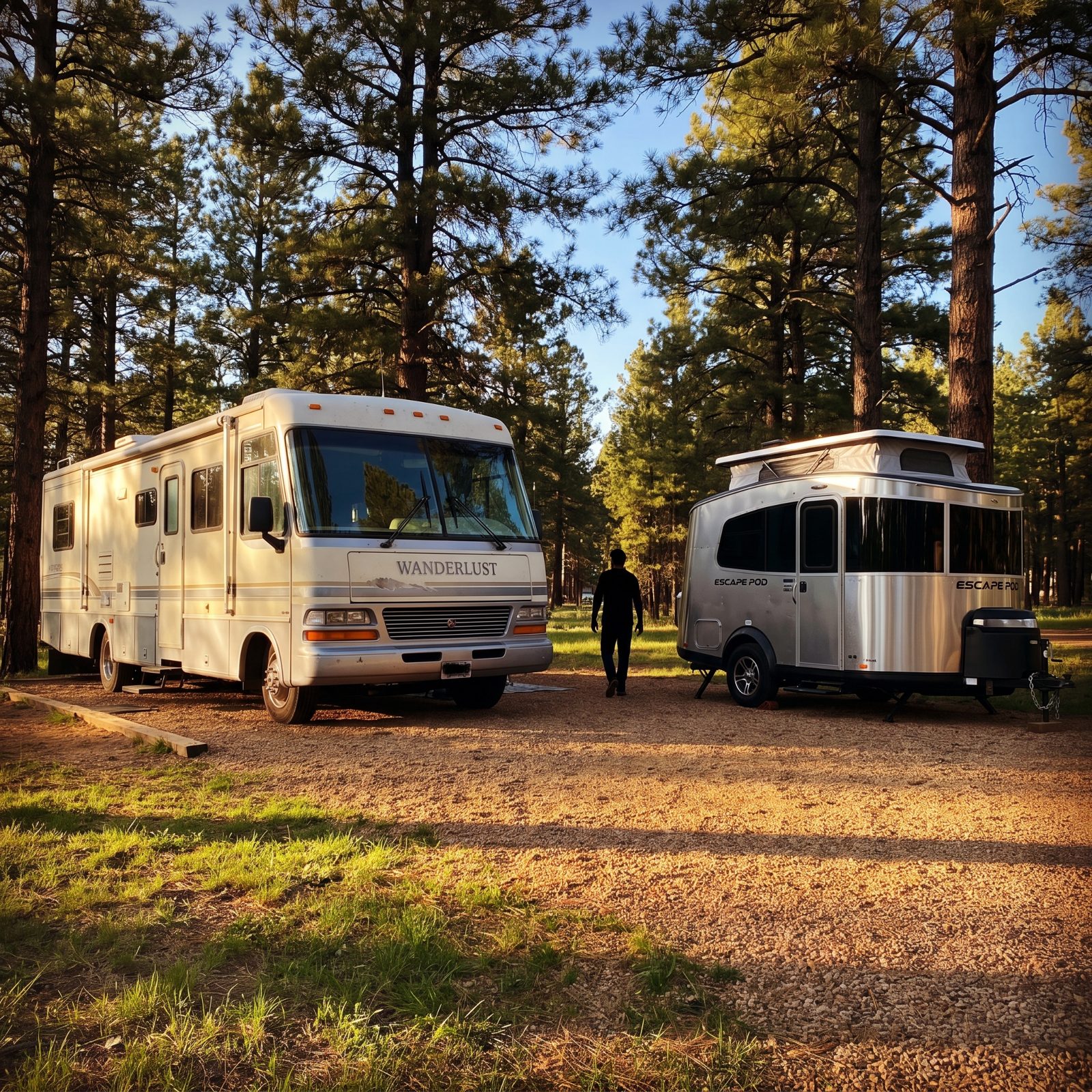
Almost nobody keeps their first RV. That’s not a failure. It’s the tuition.
You can’t know what matters to you until you’ve lived it. Maybe you bought a big Class A for the living space and discovered you hate driving it, dread the fuel bills, and can’t squeeze into half the state parks you came to see. Or you bought small and tidy, then found you need more room for the way you actually travel. The first rig answers questions you didn’t even know to ask in the showroom.
So go easy on that first purchase. Buy used if you can stomach it, because the depreciation hit on a new RV is brutal and you may trade out of it within a couple of years anyway. Treat the first one as a rolling experiment, not a forever decision.