

Most sway happens for a reason, and that reason almost always traces back to a decision made in the driveway before anyone turned a key. Here’s what makes towing mistakes so sneaky: the rig feels fine right up until it doesn’t, usually at highway speed with a semi passing on the left. The good news? Nearly every one of these is fixable with a scale, a tape measure, and ten honest minutes. Below are the ones that do the most damage, along with the simple moves experienced RVers make to dodge them.
42. Towing Without Knowing What the Loaded Trailer Actually Weighs
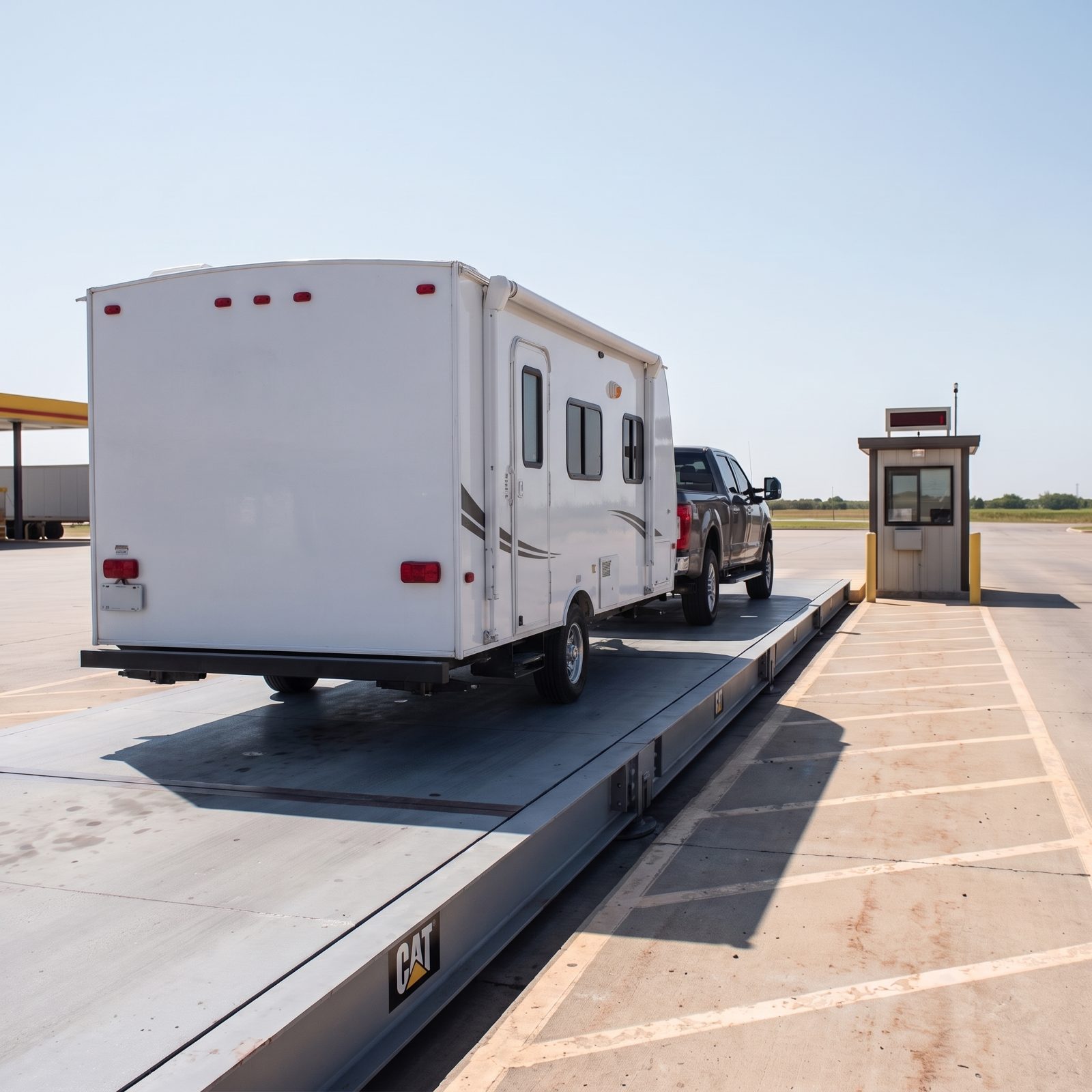
You loaded the water tank, the firewood, the generator, the case of wine your neighbor insisted you take. You didn’t weigh any of it. That sticker on the trailer frame gives you the dry weight, a number that stopped being true the moment you added a single thing.
Guess your loaded weight and you’re guessing at everything downstream. Capacity, tongue weight, tire load, all of it rests on a number you don’t actually have.
So drive to a CAT scale at any truck stop and pay a few bucks to get weighed loaded and ready to roll. Weigh the whole rig hitched, then unhitch and weigh the truck alone. The difference is your loaded trailer weight, so write it down. Now you’re working with facts instead of hope.
41. Pulling More Than the Tow Vehicle Was Built to Pull
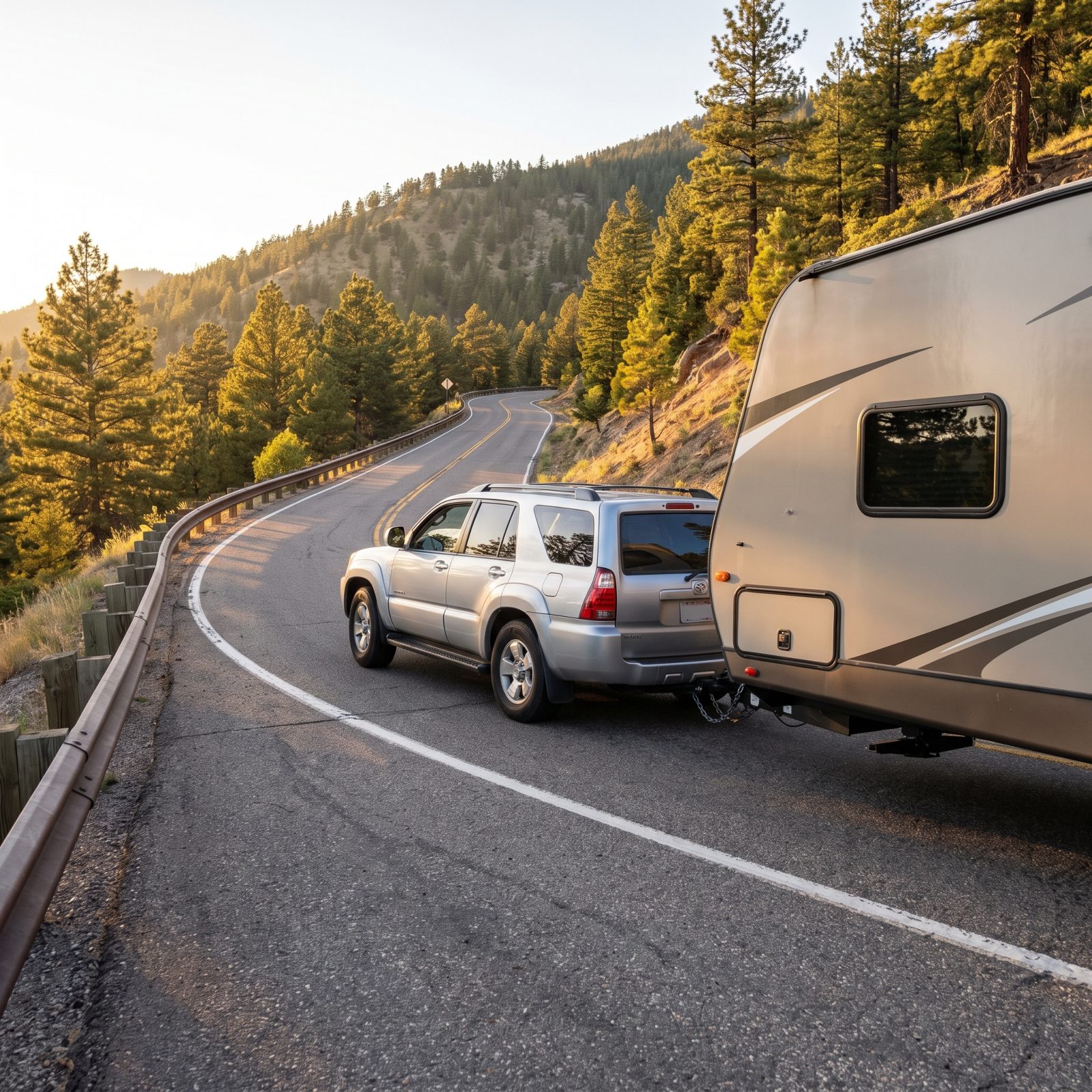
The brochure said your truck tows 9,000 pounds, so you figured an 8,500-pound trailer was fine. But that rating assumes a base model with a driver, no passengers, no cargo, no hitch gear, and ideal conditions. Your real-world margin is a lot thinner than the headline.
Run past that limit and you cook the transmission, fade the brakes on long descents, and lose the ability to climb or stop like you need to.
Find your vehicle’s tow rating in the owner’s manual or on the door-jamb sticker, not the sales flyer. Then leave yourself real headroom, maybe a fifth of the rating, because that published number is a best-case lab figure and the mountain pass is not a lab.
40. Forgetting That Payload Runs Out Before Towing Capacity Does
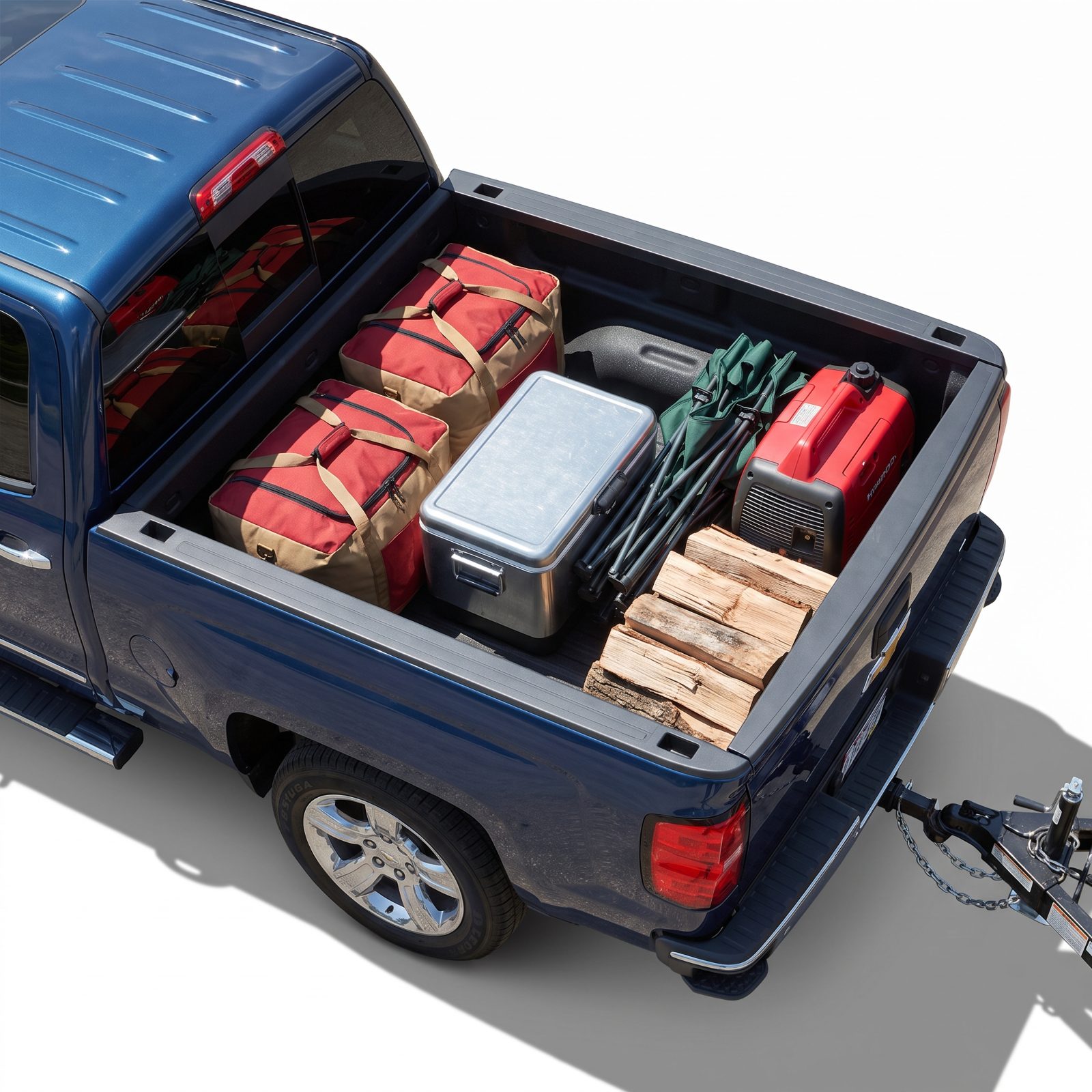
Payload is the one everybody skips, and it bites more people than tow rating ever does. It’s the total weight your truck can carry: passengers, dog, firewood, the hitch itself, and the tongue weight pressing down on the ball. All of it counts against one number on the yellow door sticker.
Here’s the trap I got wrong for years. A truck rated to tow plenty can run out of payload long before it runs out of towing muscle, because a heavy trailer dumps hundreds of pounds straight onto the rear axle.
Read the payload figure on your door jamb, subtract the people and gear riding in the cab and bed, and what’s left is your real tongue-weight allowance. That math surprises almost everyone the first time.
39. Stuffing the Trailer Past Its Gross Vehicle Weight Rating
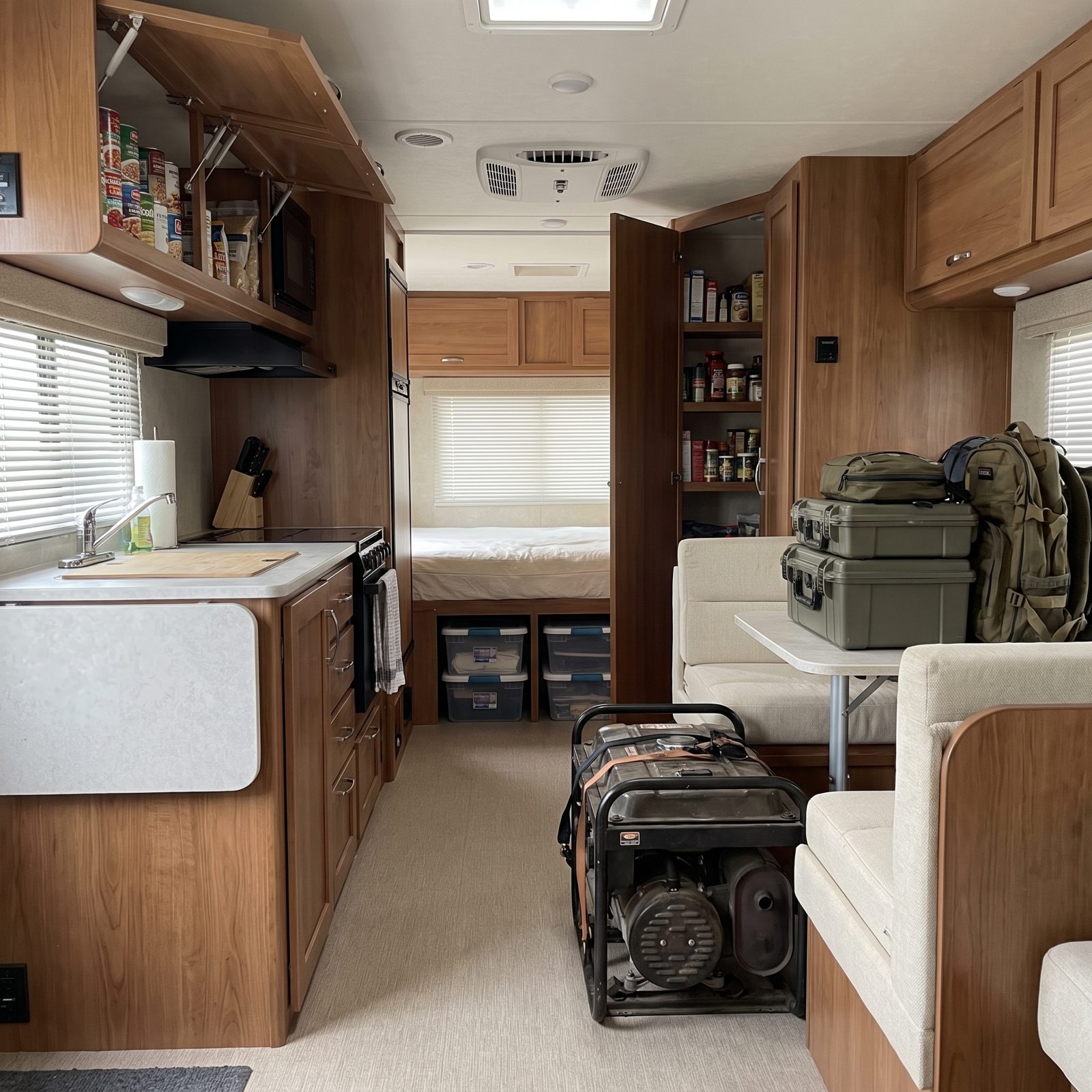
Every trailer has a GVWR, the ceiling for what the whole thing can safely weigh when it’s fully loaded, and it’s printed on a sticker near the door. Trouble is, RVs swallow an astonishing amount of weight once you count full tanks, a loaded pantry, folding furniture, and the slow accumulation of stuff that seems to breed in storage bays over a single season.
Blow past the GVWR and you overload the axles and tires. That’s how blowouts and bent frames happen out in the middle of nowhere.
Subtract your trailer’s dry weight from its GVWR to find your true cargo ceiling, then weigh loaded to confirm you’re under it. Water alone is heavy, roughly eight pounds a gallon, so a full fresh tank can swallow a big chunk of that budget before you pack a thing.
38. Eyeballing Tongue Weight Instead of Actually Measuring It
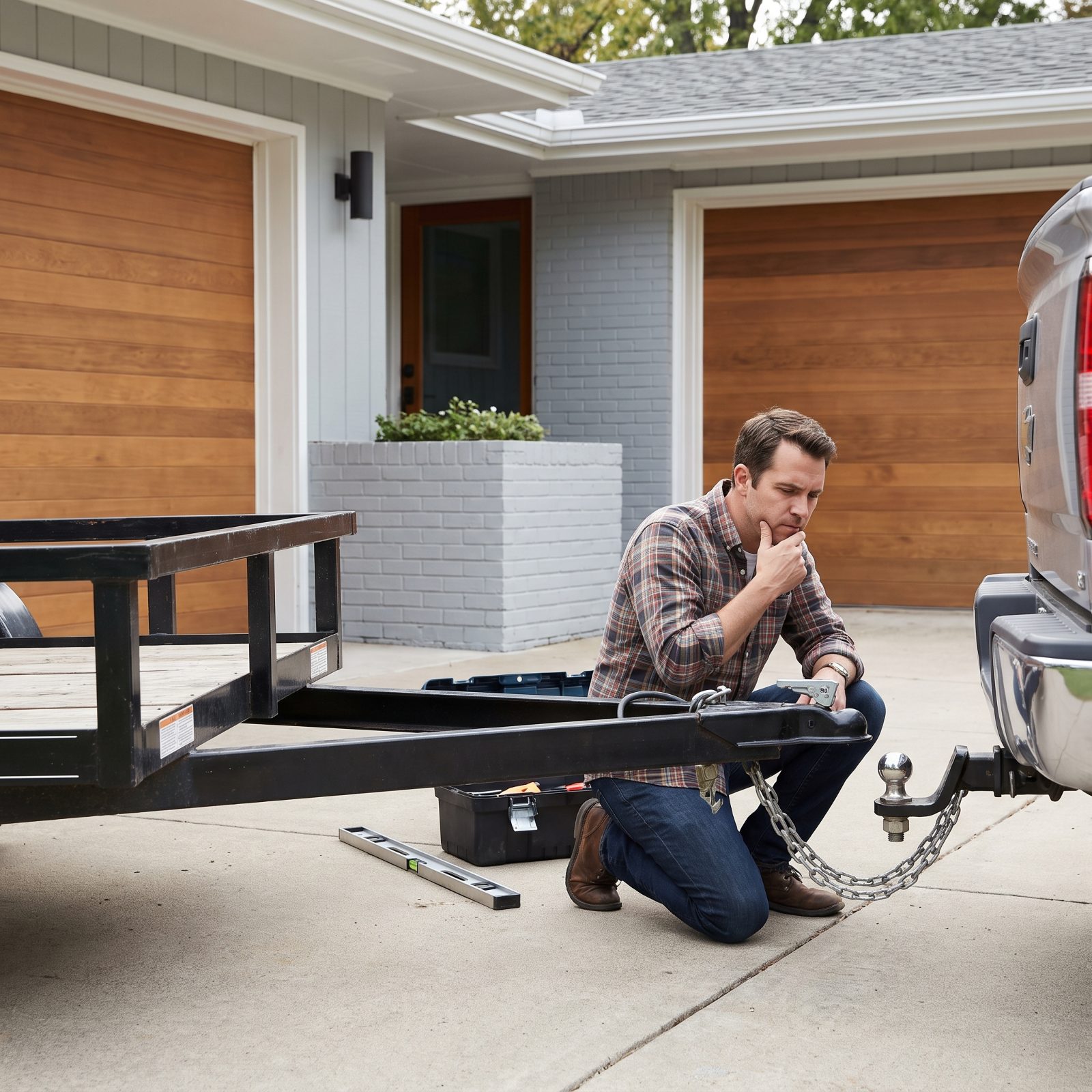
Tongue weight should land somewhere around 10 to 15 percent of your loaded trailer weight. Too little and the trailer wags like a fishing rod behind you. Too much and the front of your truck goes light, so steering turns vague.
Nobody can feel the difference between 9 percent and 13 percent. And that small gap is the whole difference between stable and terrifying.
Buy a dedicated tongue-weight scale, or use the patient bathroom-scale-and-lever method, and get a real reading. Then shift cargo forward or back until you dial it in. This is the single measurement that does the most to kill sway, and it’s the one most people never bother to take.
The trailer that sways at 62 miles an hour was telling you something back in the driveway. You just didn’t have the number to hear it.
37. Piling the Heavy Stuff Behind the Axles
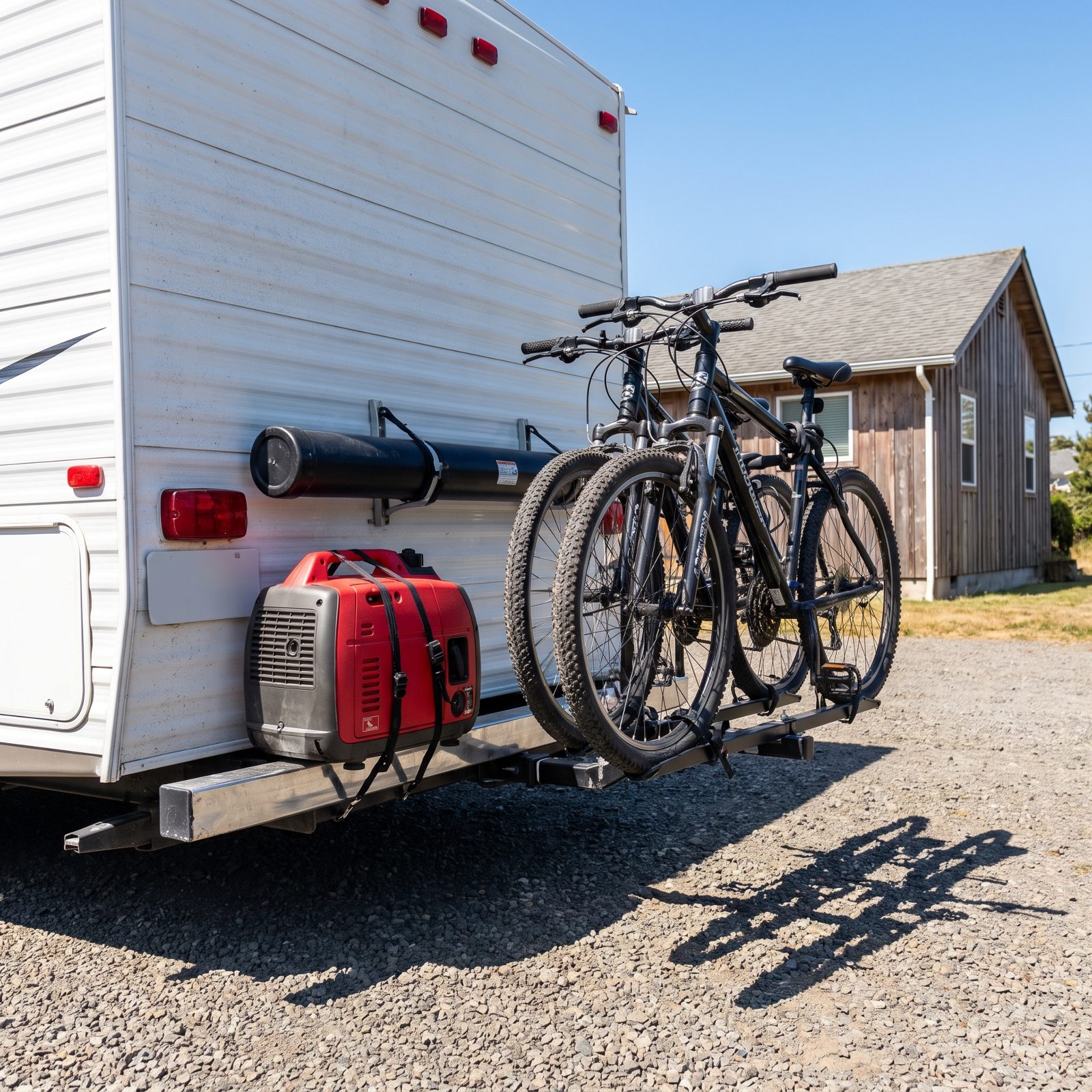
Weight behind the axles acts like a pendulum. The bikes on the rear rack, the generator strapped to the bumper, the cargo tube across the back, all of it hangs off the tail and swings whenever wind or a passing truck gives the trailer a shove.
That swinging is exactly what starts and feeds sway, and it robs you of tongue weight up front where you actually need it.
Load the heavy items low and forward, ahead of or directly over the axles, and keep the lighter stuff toward the rear. If you must carry a generator, see whether it can ride in the truck bed instead of out on the back bumper where it does the most harm.
36. Loading One Side of the Trailer Heavier Than the Other
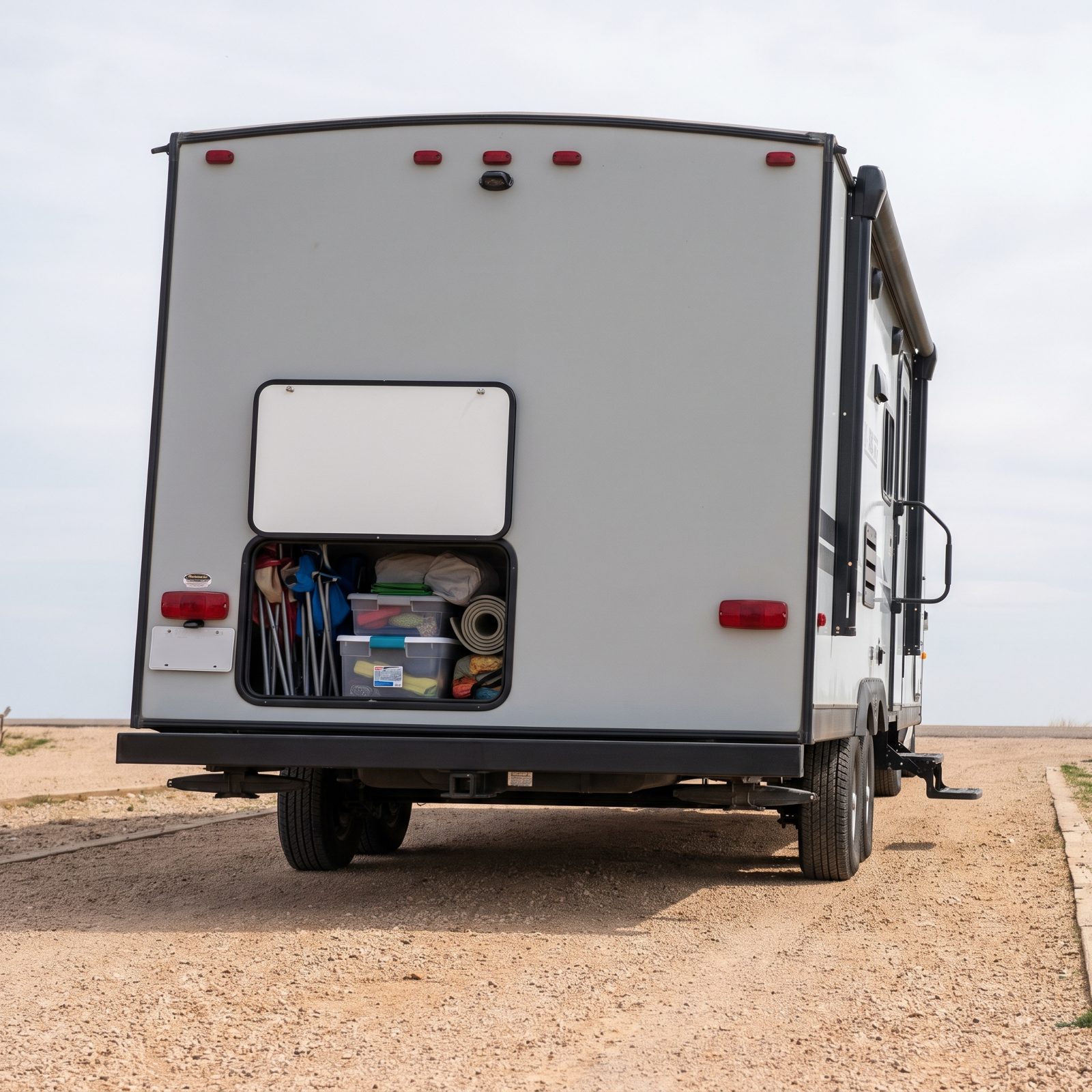
Most people load the trailer from the door side, because that’s where they happen to be standing. By the end of a weekend, all the heavy gear has piled up on one side without anyone ever deciding it should.
Side-to-side imbalance overloads the tires and bearings on the heavy side, which is how you end up with one blowout and no clue why. It also messes with how the rig handles in crosswinds and corners.
Spread weight evenly left to right as you pack, keeping the dense items centered over the trailer’s spine. Want a quick gut-check? Get the whole rig weighed on individual wheel scales if you can find them, or just stand behind the trailer on level ground and eyeball whether it sits square.
35. Running the Wrong Hitch Ball Size Under the Coupler
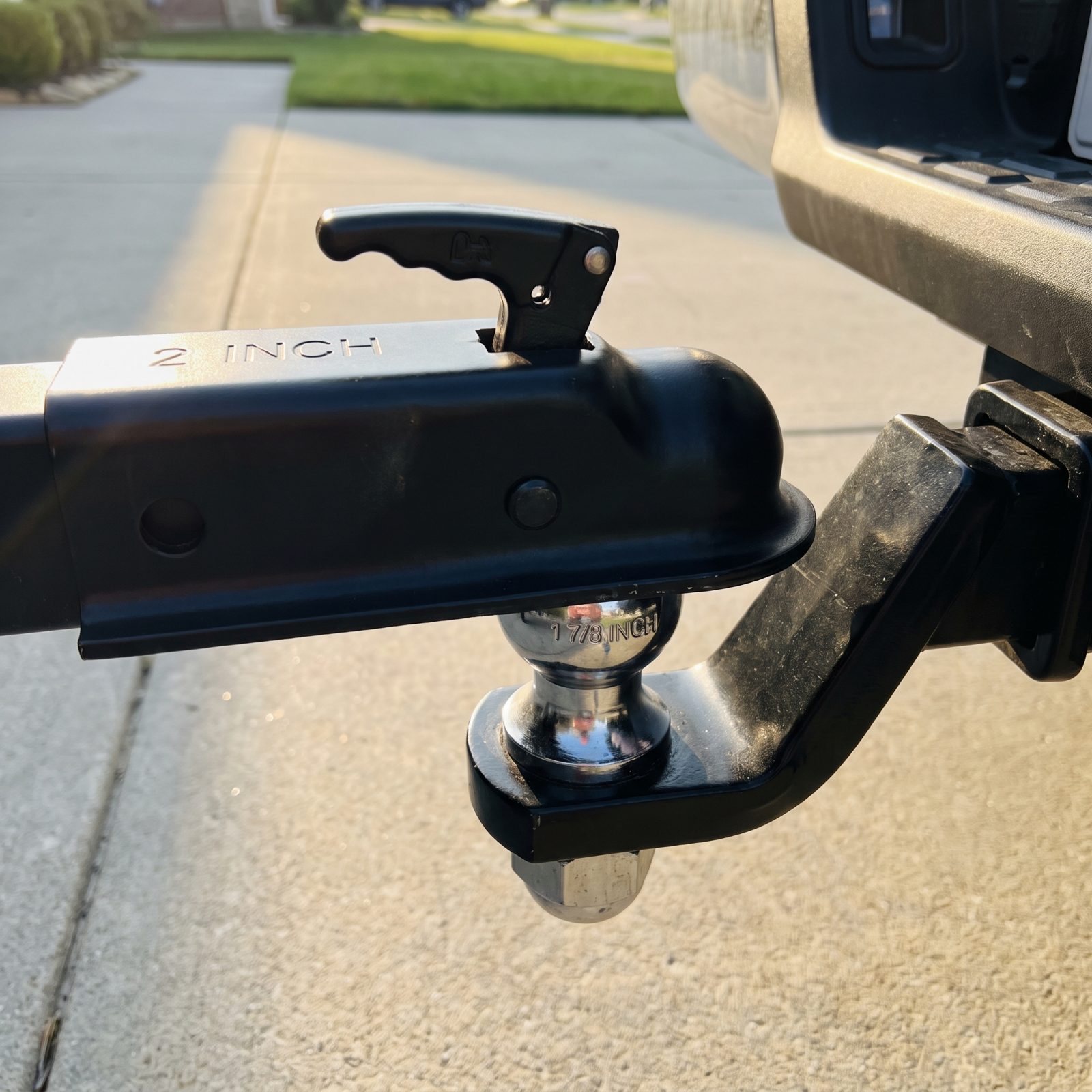
Couplers and balls come in sizes, 1-7/8, 2, and 2-5/16 inches being the common ones, and they are not interchangeable. Drop a 2-inch coupler onto a 1-7/8 ball and it feels latched. It isn’t. It’s just resting there, waiting for the first bump to let go.
A coupler that separates at speed is the kind of mistake that ends up on the evening news. There’s no polite way to put it.
Check the size stamped on your coupler, match it to the ball exactly, and once you latch it, lift up on the trailer tongue with the jack to confirm it won’t lift off. Then cross your safety chains underneath so they cradle the tongue if anything ever does fail. Every single time you hook up.
34. Towing With the Trailer Nose Tipped Up or Down
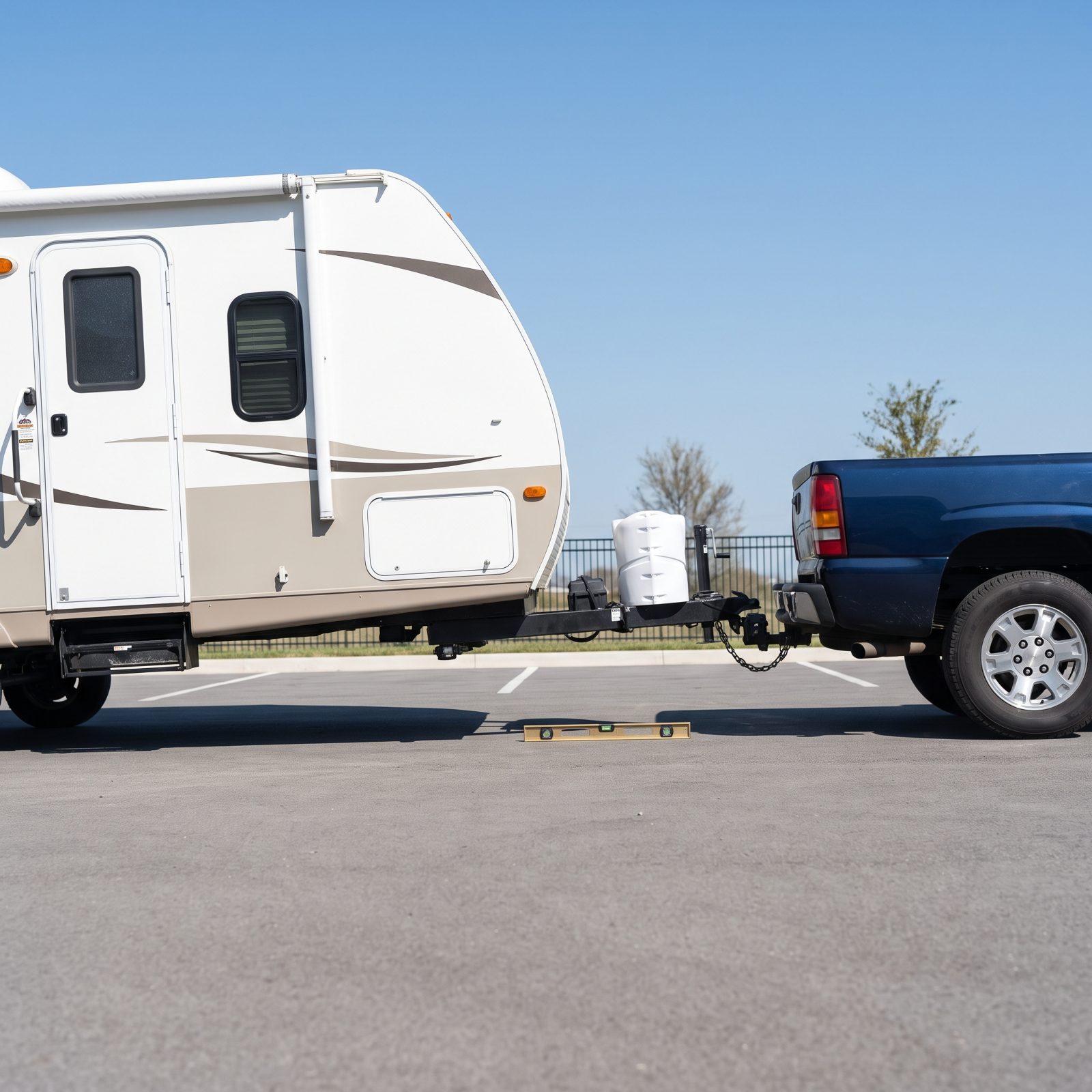
A level trailer tracks straight and spreads its weight evenly across both axles. Tip it nose-up and the rear axle takes too much load while the front goes light, which invites sway. Tip it nose-down and you overload the front axle and dive the whole rig forward under braking.
Either way, you’re wearing tires unevenly and giving up the stable, boring ride you actually want.
Set a bubble level on the trailer frame while it’s hitched, then swap your ball mount for one with the right drop or rise to bring it level. These mounts are cheap and adjustable, and getting the trailer sitting flat cures more handling complaints than almost any other single change you can make.
33. Skipping the Weight-Distribution Hitch When the Setup Needs One
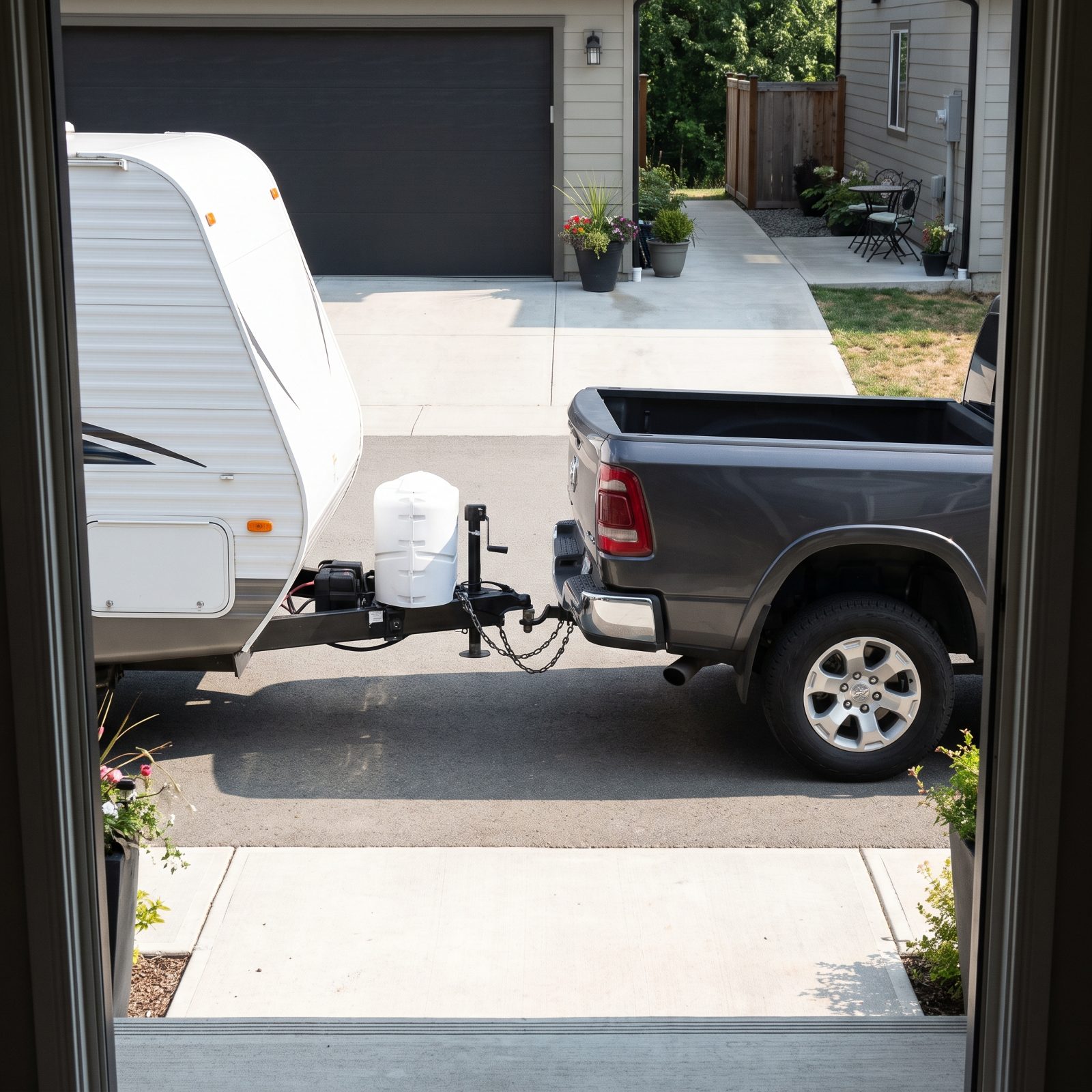
Once your trailer gets heavy, a conventional ball hitch dumps all the tongue weight on the truck’s rear axle. The back squats, the front end lifts, your headlights point at the treetops, and both steering and braking go soft.
A weight-distribution hitch uses spring bars to push some of that load back onto the trailer’s axles and onto the truck’s front axle, bringing everything level and planted again. Plenty of trailer manufacturers actually require one above a certain weight, and ignoring that voids your warranty along with your margin of safety.
If your loaded tongue weight climbs north of about 500 pounds, or the rear of your truck sags when you hook up, get a properly sized weight-distribution setup and have it adjusted right. Add integrated sway control if you tow anything tall that catches crosswind. It’s the difference between fighting the wheel and just driving.
32. Leaving the Hitch Coupler Only Half-Latched
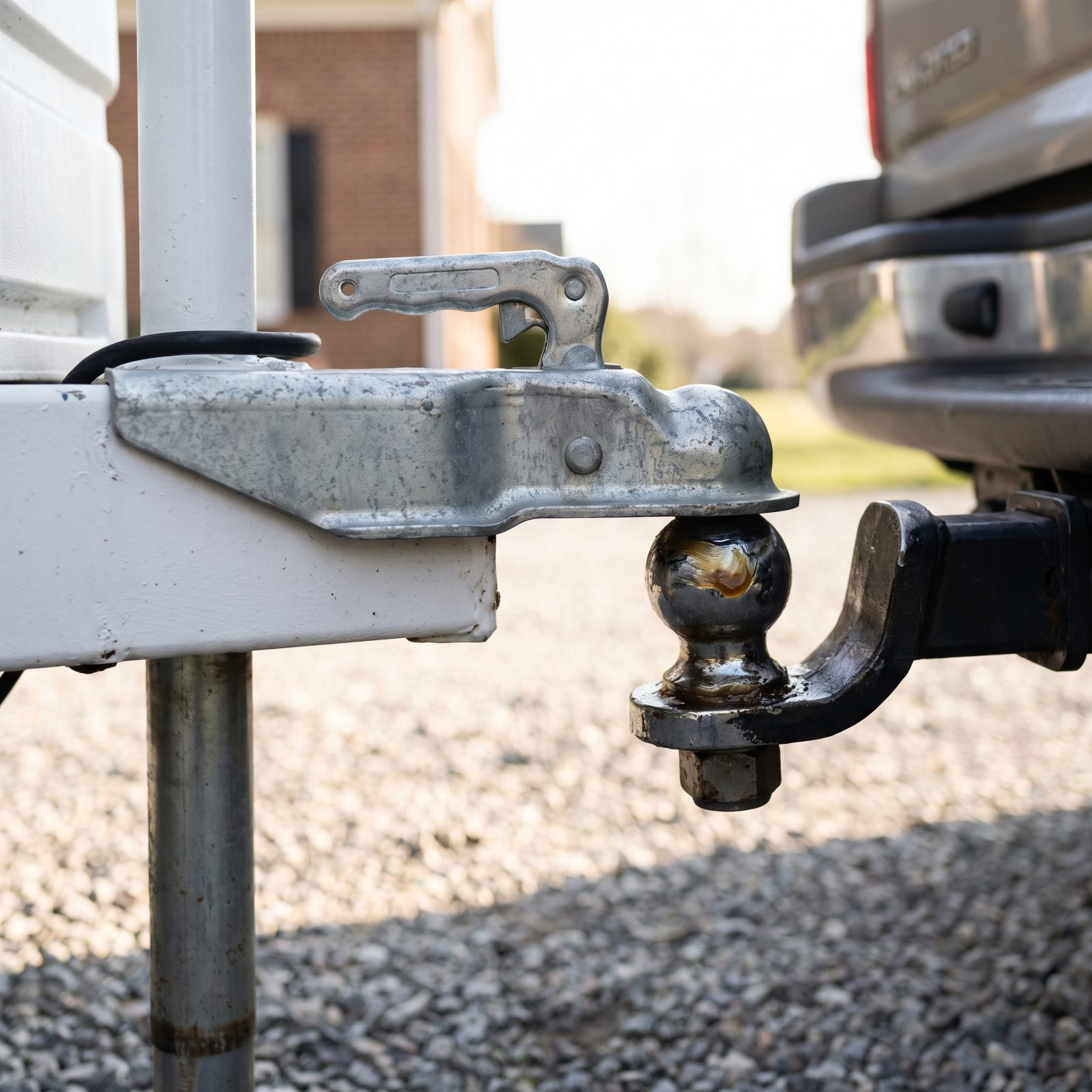
You drop the coupler on the ball, flip the lever, hear a clunk, and call it good. Except the latch rode up over the ball instead of under it, so now the trailer is sitting on top of the hitch instead of locked to it. One hard dip in the road and it hops right off.
This is the mistake that ends with a trailer in the ditch and chains stretched to their limit. Folks who’ve been at this a while don’t trust the clunk. Latch it, then grab the tongue jack and crank the whole trailer up a few inches. If the tow vehicle’s rear lifts with it, you’re coupled. If the trailer rises alone, well, you caught it before the highway did.
31. Skipping the Hitch-Pin Clip That Locks the Latch Down
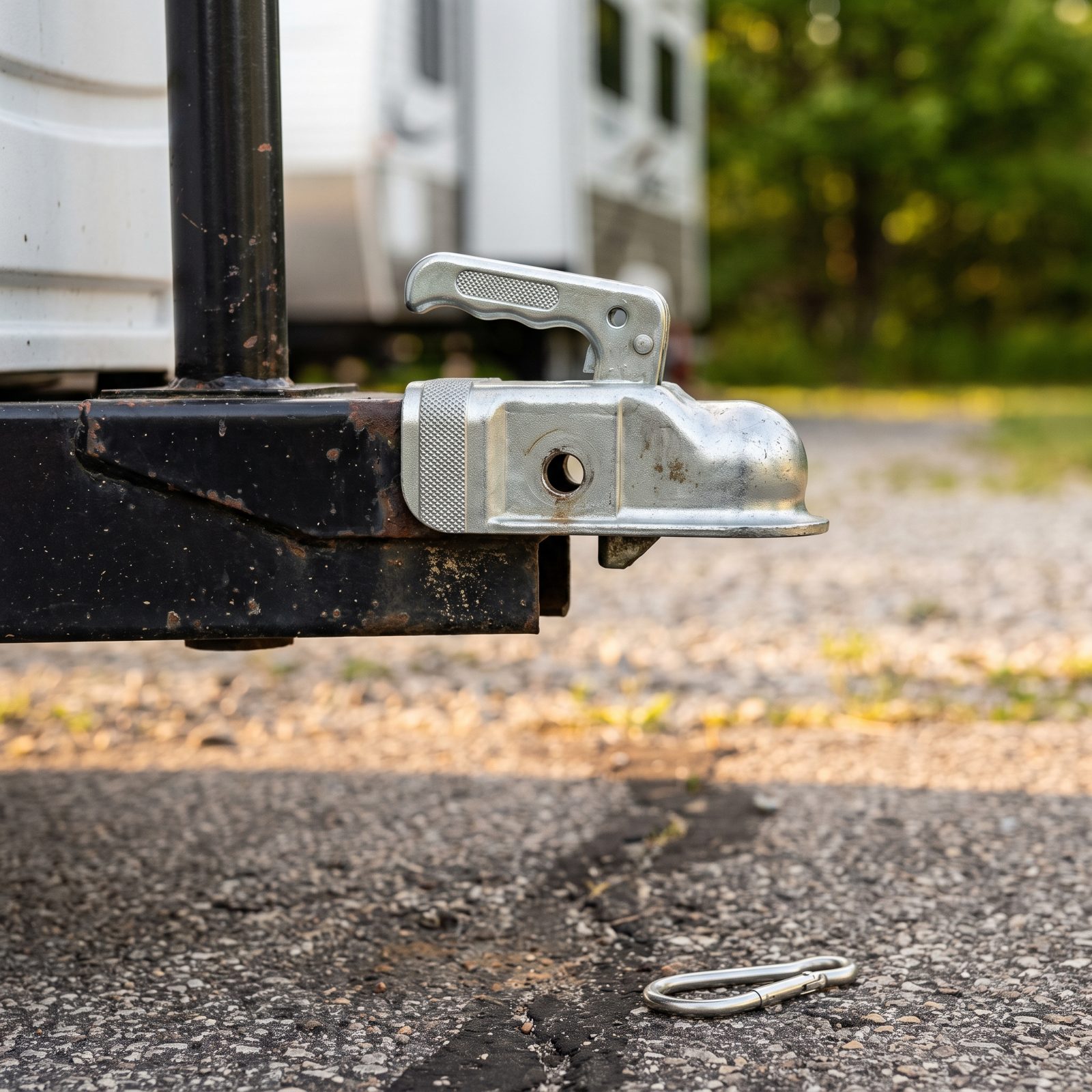
The latch is down. Good. But that little hole through it is empty, and that hole does the real work: the hitch-pin clip or lock is what keeps the latch from vibrating open over fifty miles of frost heaves.
Without it, nothing holds the lever down but friction and luck. Road buzz works that latch loose slowly, and you never feel it happen. A cheap pin fixes it, and a small padlock does double duty against thieves. Keep a spare zip-tied to your tongue, because these clips love to jump off into the grass and vanish. Pin in, latch locked, done.
30. Running Safety Chains Straight Instead of Crossed
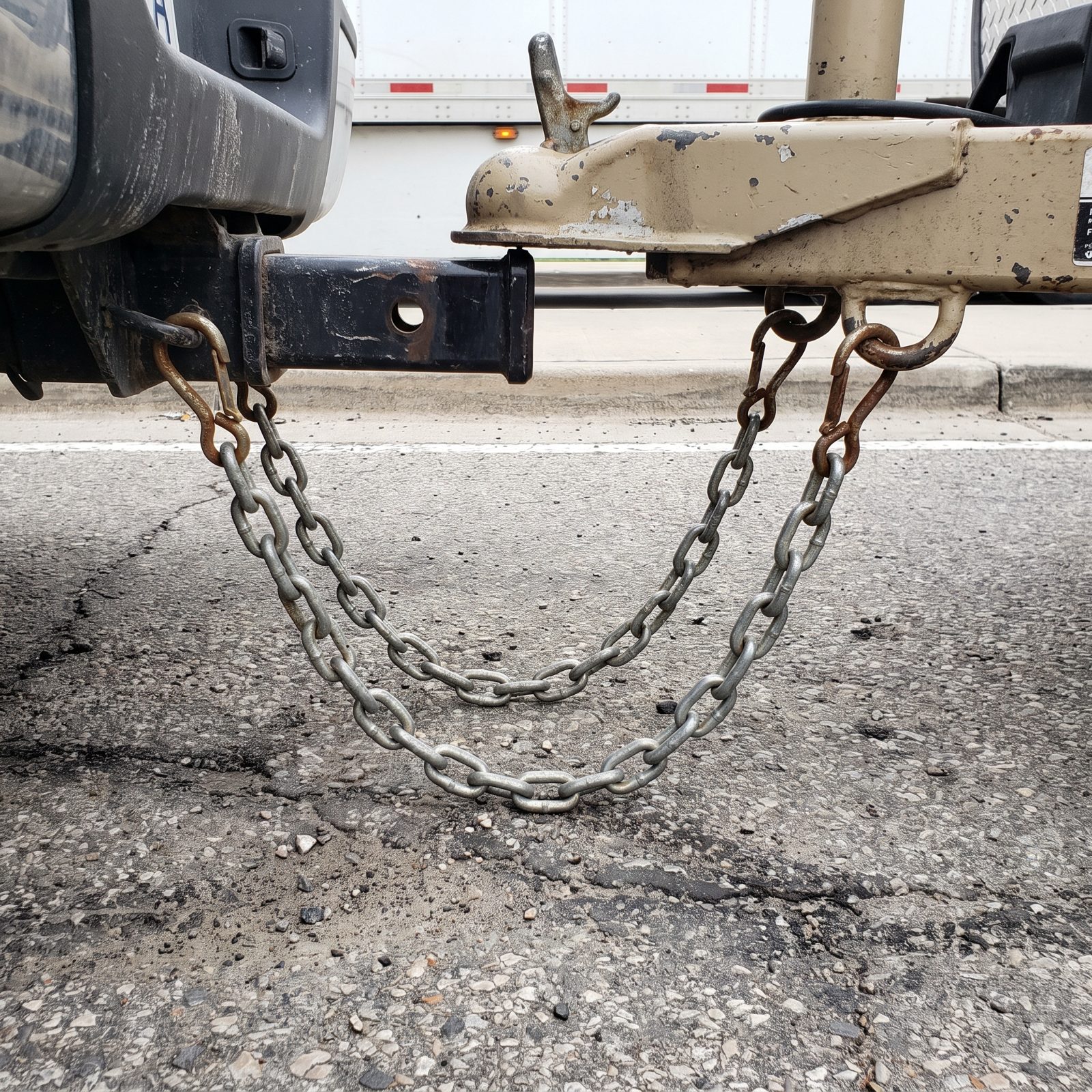
Chains clipped on, hanging loose and parallel. Looks fine. It isn’t. If that coupler ever lets go, the tongue drops straight to the road, digs in, and you lose the trailer.
Cross them instead and you build a cradle under the coupler. If the trailer comes off the ball, the tongue lands in the X of the chains rather than gouging the asphalt, and you keep enough control to pull over. So: left-to-right and right-to-left, with just enough slack to turn sharp without binding. Keep the hooks latched with the opening facing in so they can’t bounce free.
29. Clipping the Breakaway Cable to the Safety Chains
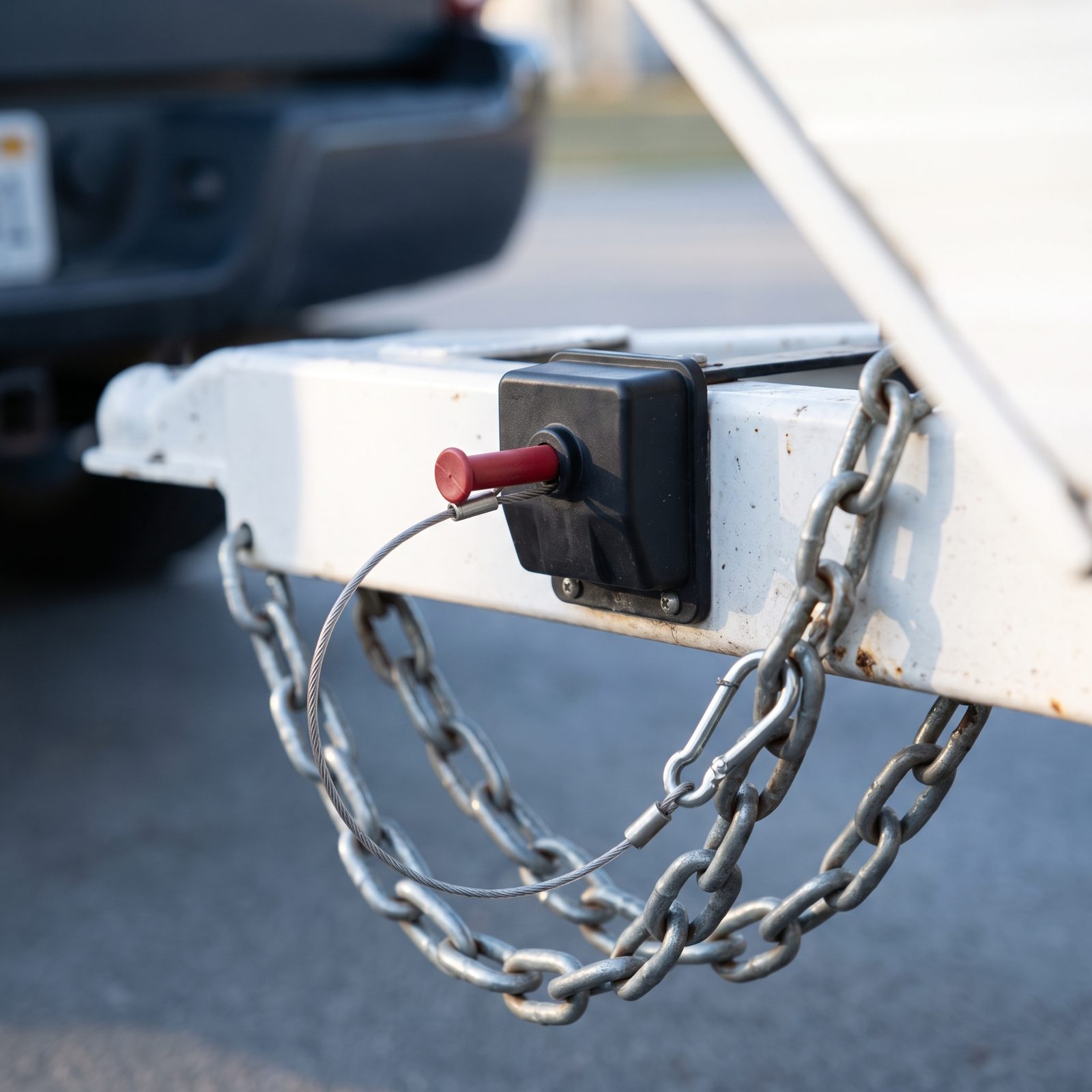
The breakaway cable has one job. If the trailer separates from the truck, that red pin yanks out and slams the trailer’s electric brakes on. But clip it to the safety chains instead of the vehicle frame and watch what unfolds: the trailer comes off, the chains come off with it, and the cable rides away attached to nothing. The brakes never fire.
Anchor the cable to a solid, independent point on the tow vehicle. A dedicated hole in the hitch or a frame loop works, never the removable ball mount and never the chains. Leave it shorter than the chains so it pulls the pin before everything else lets loose. Once a year, pull the pin with the trailer hooked up and make sure the wheels actually lock.
28. Pulling Out With the Tongue Jack Still Partway Down
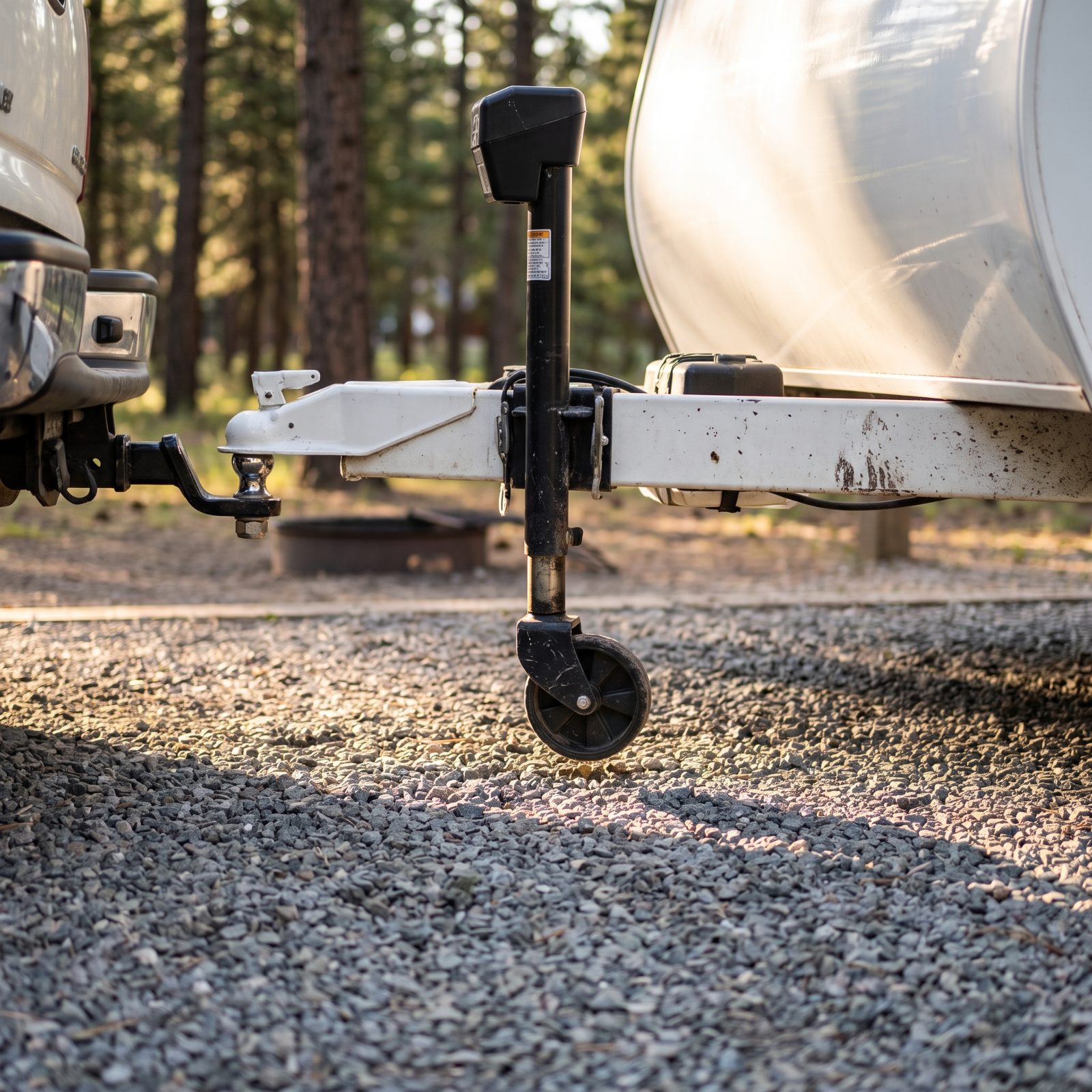
You crank the jack up, get distracted by the coffee or the kids, and leave it hanging six inches low. The first steep driveway apron or dip in the road grabs that jack foot and rips it sideways. Bent jacks, torn-off casters, a cracked A-frame weld. That’s the usual damage.
Run the jack all the way up until it stops and the post is fully nested. On electric jacks, listen for the motor to change pitch at the top. Then eyeball it from the side before you roll. Four seconds, and it saves a repair bill that climbs fast.
27. Driving Off With the Rear Stabilizer Jacks Still Down
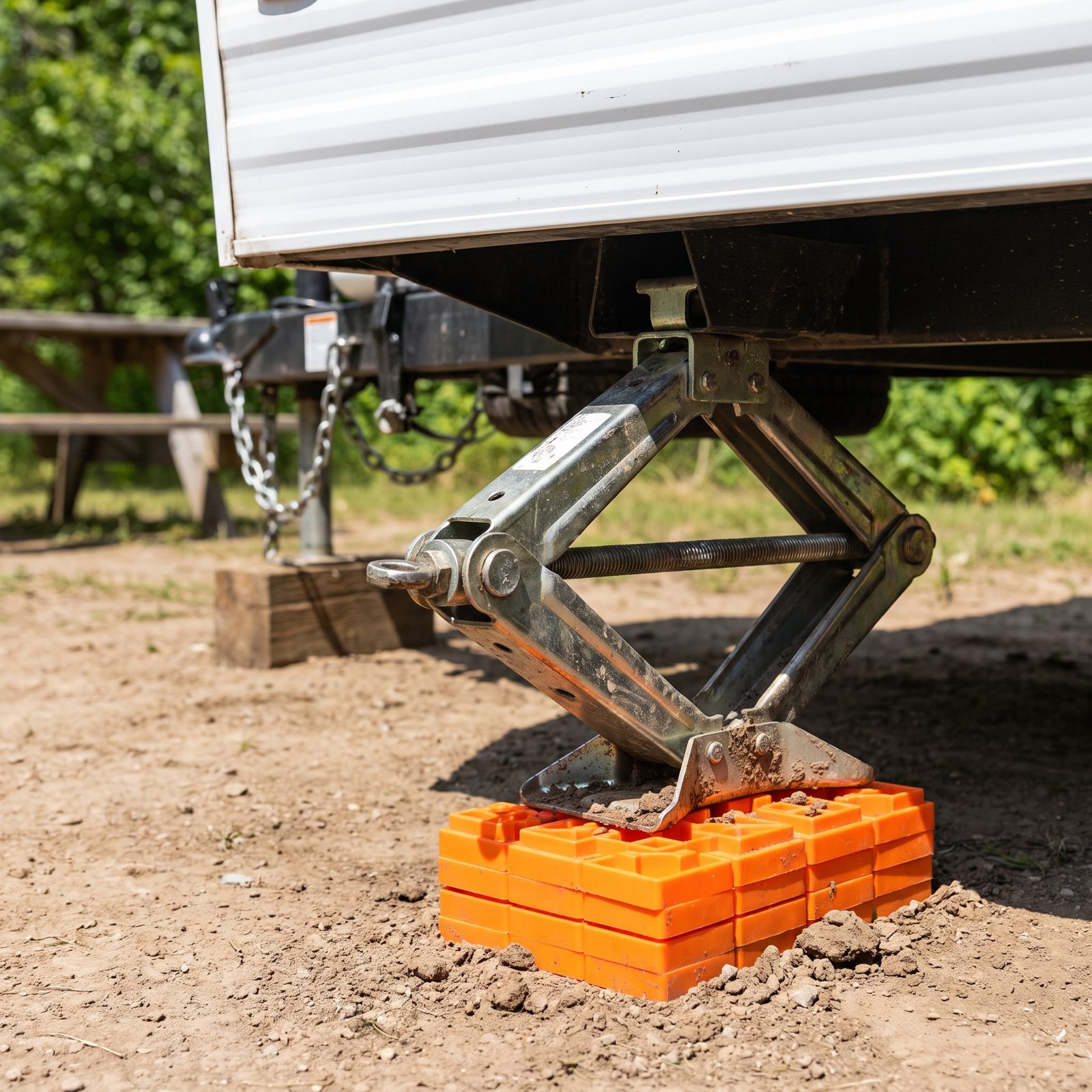
Stabilizer jacks hold the trailer steady at camp. They aren’t meant to carry weight, and they’re sure not meant to drag down the road. Leave one down and pull forward, and you’ll either snap the jack off its mount or bend the frame rail it’s bolted to.
These jacks love to hide. Tucked under the rear corners, far from the tongue jack, where you forget they exist, they wait for exactly the moment you’re not thinking about them. Make them part of your walk-around: physically touch each corner and confirm every scissor jack is cranked tight to the frame before you move an inch. A cordless drill with a jack socket speeds the raise, but your eyes still do the final check.
26. Towing With a Slide-Out Open or an Awning Loose
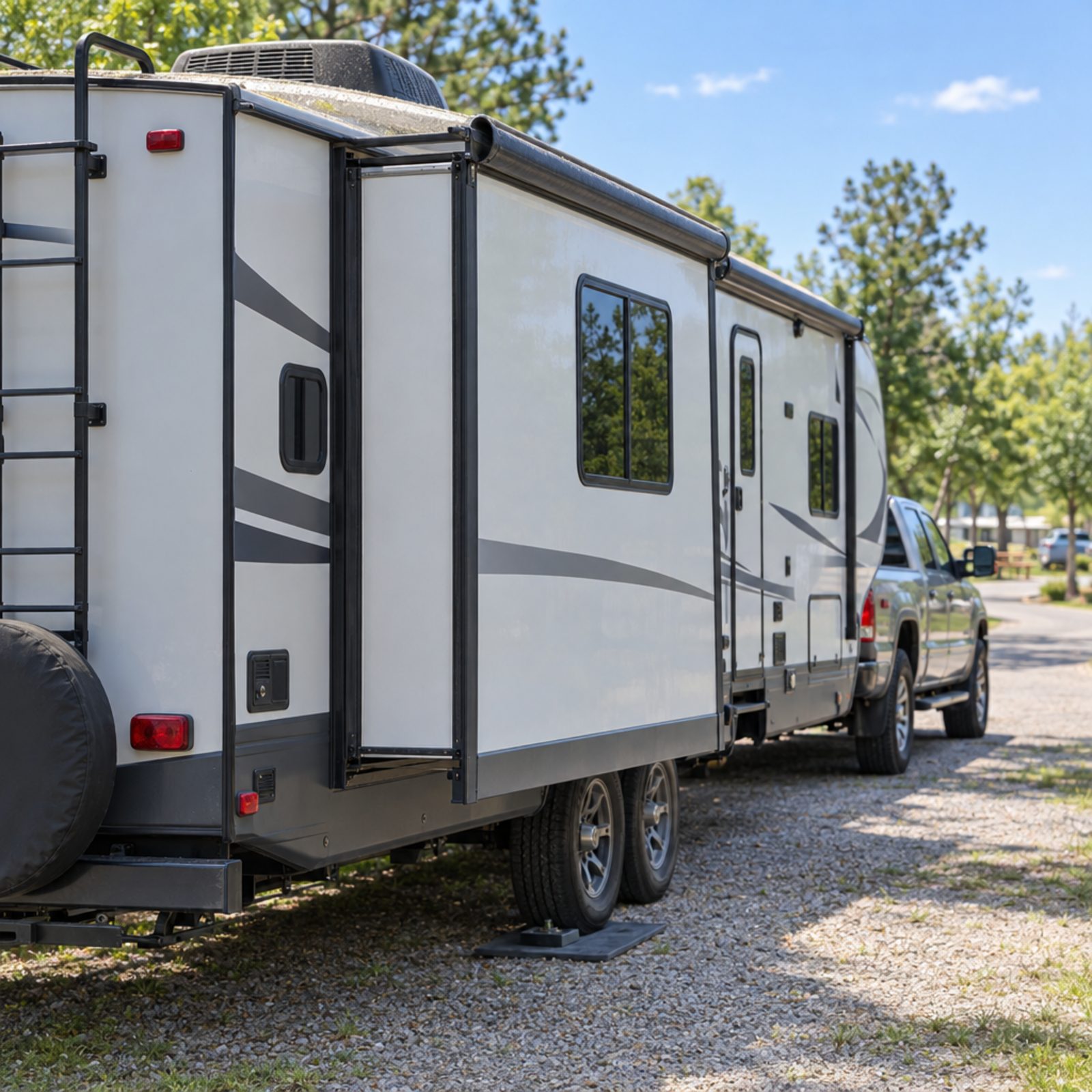
A slide left open while you drive isn’t just embarrassing. It’s a wall of trailer hanging into the next lane, waiting to catch a tree, a post, or oncoming traffic. Awnings are sneakier. A latch that isn’t fully clicked lets wind grab the fabric at highway speed and shred the whole arm assembly.
Bring every slide fully in and watch the seals meet the wall. Put a hand on the awning and confirm the travel lock is engaged, not just resting. On older manual awnings, the knob should be tight enough that it won’t creep. Then walk both sides slowly before you pull out. Nothing should stick past the body line.
25. Rolling Out Before Testing Every Trailer Light
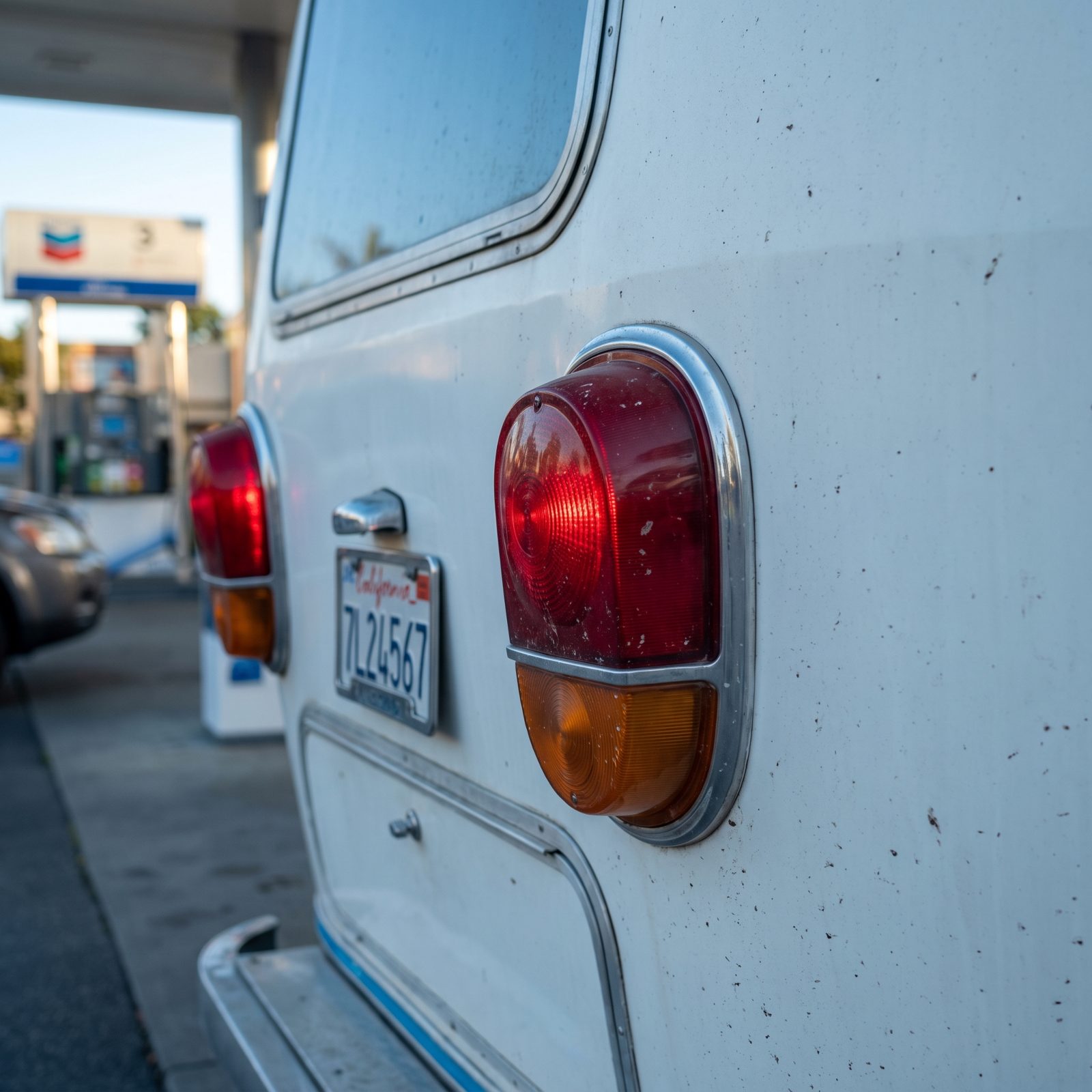
Plug in the seven-pin, assume it works, and head out. Then a dead taillight means the car behind you never sees you brake, and a dead turn signal means nobody knows you’re changing lanes. At night, that’s genuinely dangerous.
Ninety seconds fixes it. Turn on the running lights and walk back to confirm markers and tails glow. Flip each blinker and watch it. Then have someone press the brake, or prop a stick on the pedal, and check the brake lights. Usual culprit? A corroded seven-pin plug, so a little dielectric grease on the contacts goes a long way.
24. Towing Before You’ve Confirmed the Electric Brakes Actually Grab
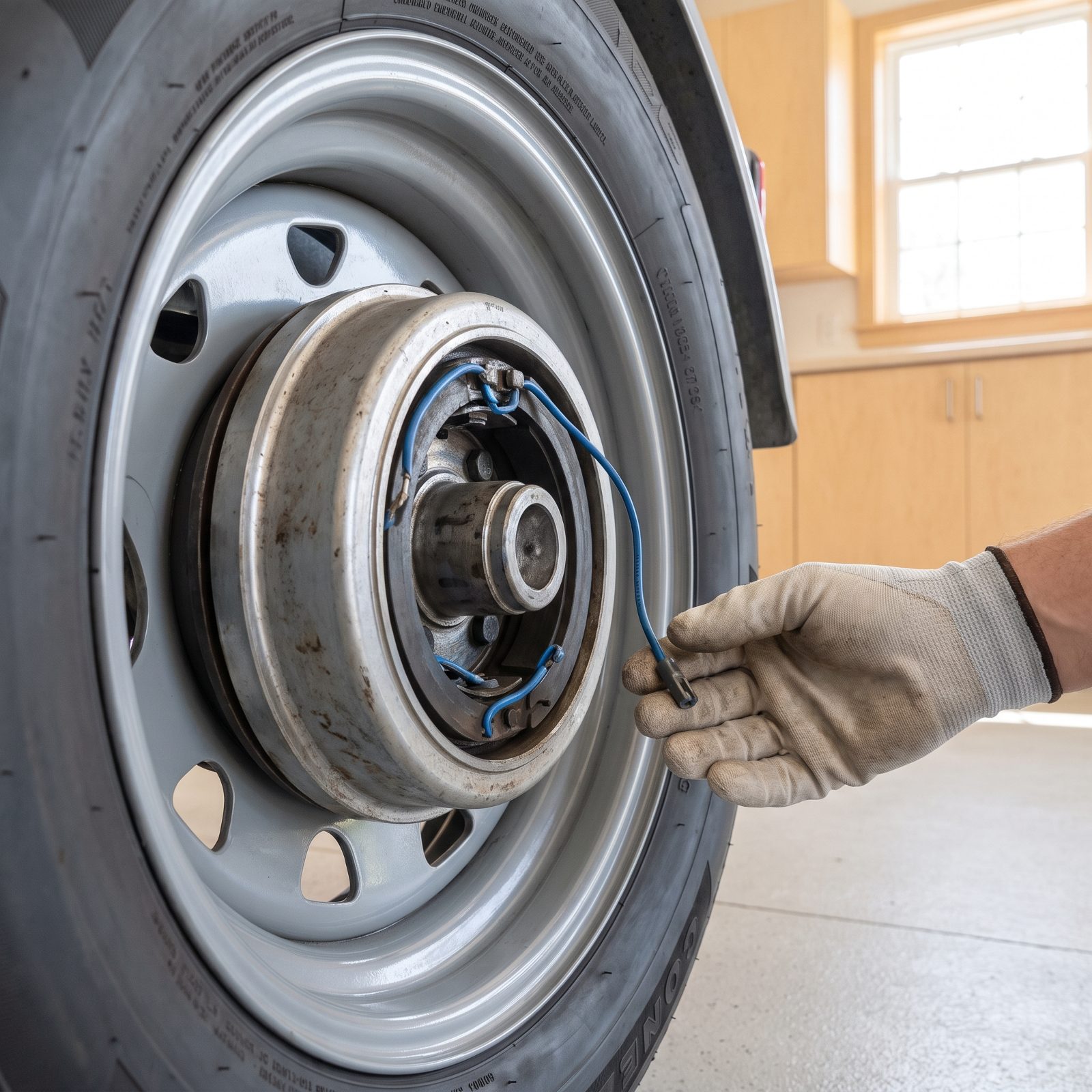
The tow vehicle alone can usually stop a loaded trailer once. Maybe. On a long downgrade it can’t, and a trailer that won’t brake with you becomes a battering ram shoving your rear end around. Worse, electric brakes that quietly died over the winter give no warning until the one moment you need them.
Before any trip, do a slow-roll test. Pull forward at walking pace in an empty lot and squeeze the manual lever on your brake controller. You should feel the trailer drag the rig to a stop, independent of your foot on the pedal. Feel nothing? Then you’ve got a wiring break, a blown magnet, or a dead controller to track down before you leave the driveway.
23. Setting Brake Controller Gain Too Hot or Too Soft
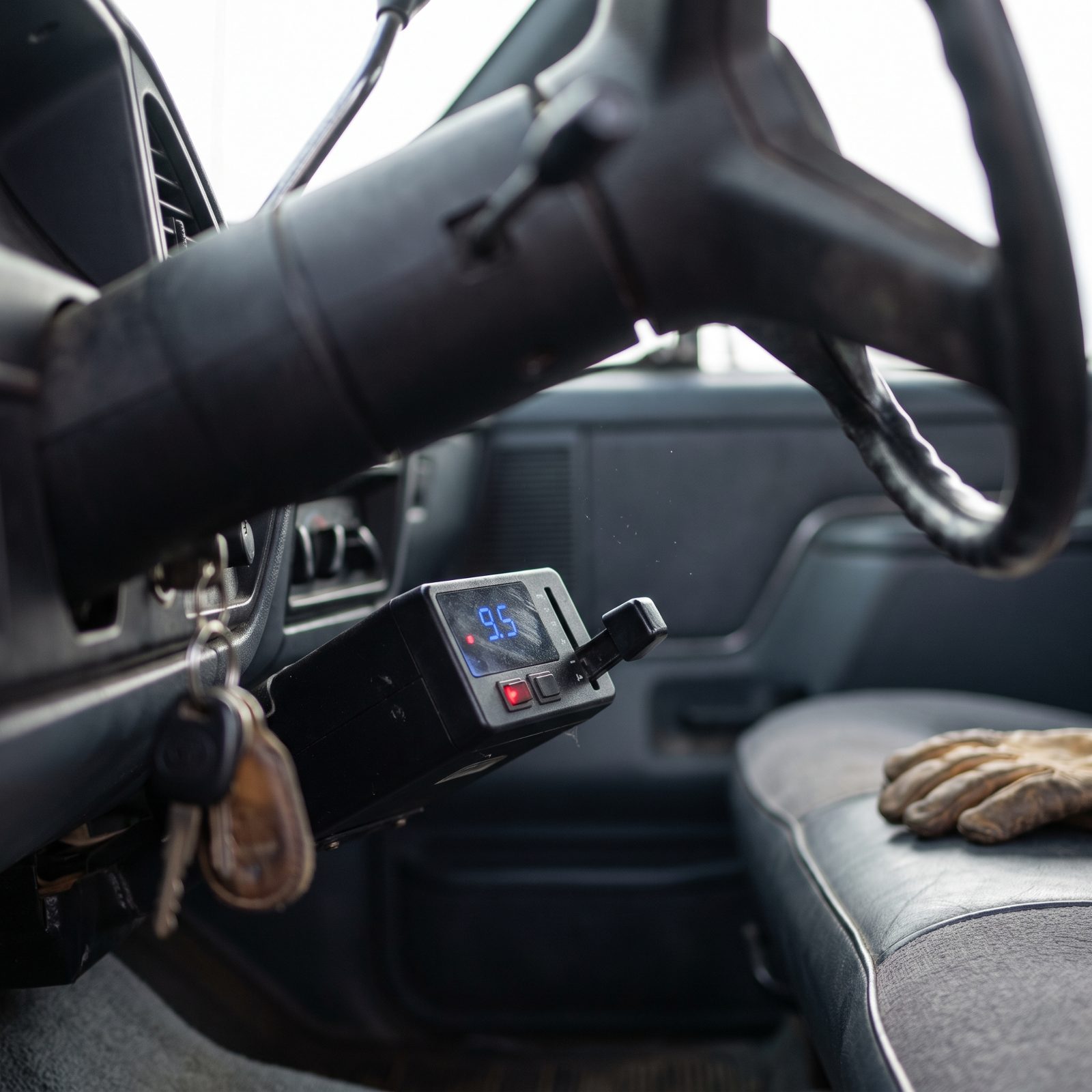
Gain is how hard the trailer brakes bite, and most people set it once and forget it forever. Too high and the trailer wheels lock and skid on every stop, chewing flat spots into your tires and shoving the trailer around on wet pavement. Too low and the trailer leans on your tow vehicle’s brakes until they cook on a long hill.
Set it by feel, with a load on. Find an empty road, get to about 20 mph, and use the manual lever by itself. Turn the gain up until the trailer brakes just barely lock, then back it off a notch so they grab firm without skidding. Recheck any time the trailer’s weight changes. A loaded rig and an empty one want very different numbers.
22. Towing on Aged Tires That Still Look Brand New
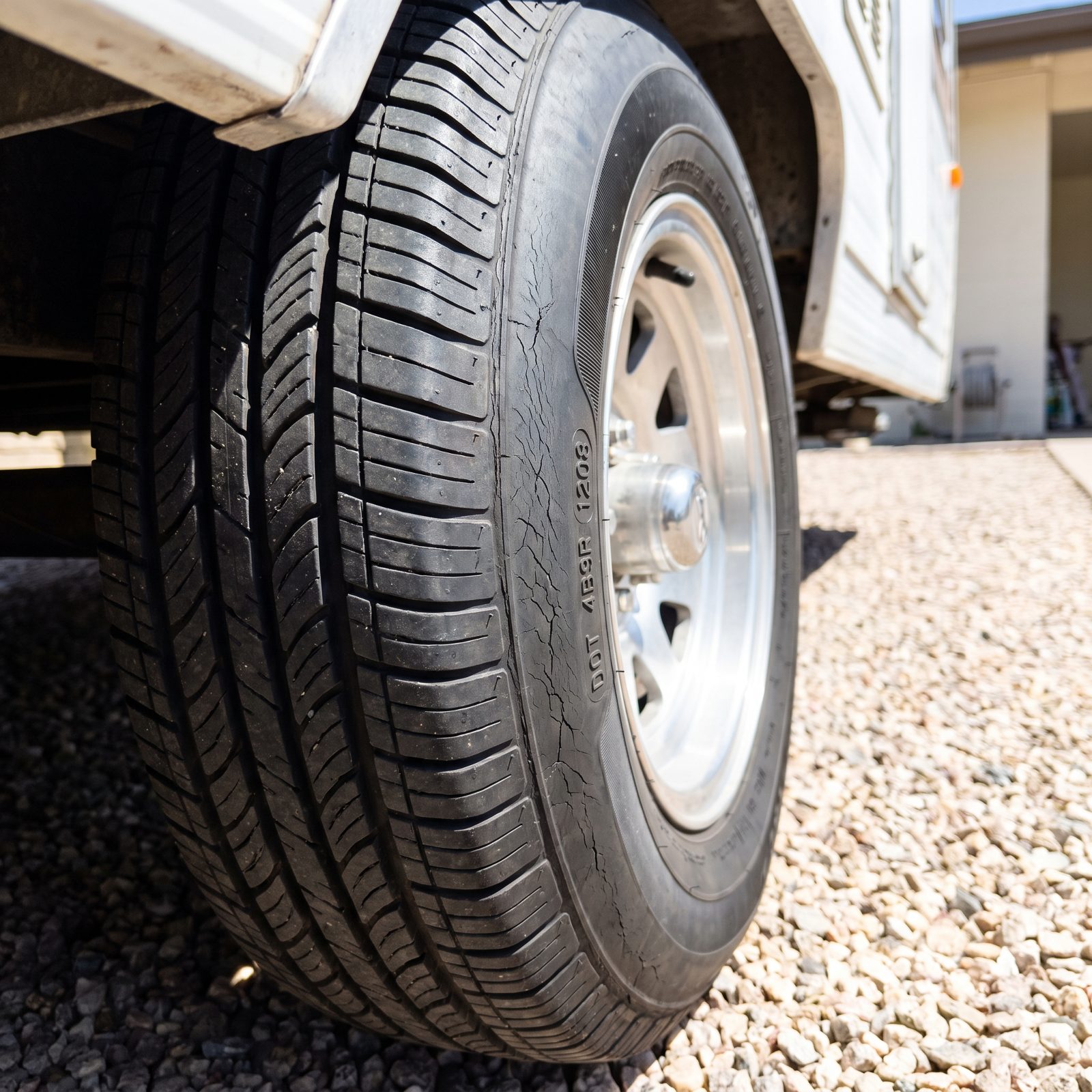
Tread depth lies to you. A trailer that sits most of the year can rot its rubber from the inside while the tread stays plump and the sidewall looks fine. The culprits are UV, ozone, and the weight of a parked rig, not mileage. So a tire with plenty of tread can still blow at highway speed and take your fender, wiring, and wheel well with it.
Find the DOT date code on the sidewall. The last four digits are the week and year it was built. Most RV tires are done at five to six years no matter how good they look. I once replaced a set that looked perfect at year seven and found dry rot on the inner sidewall I’d never have spotted from the curb.
21. Running Trailer Tires Soft on Pressure
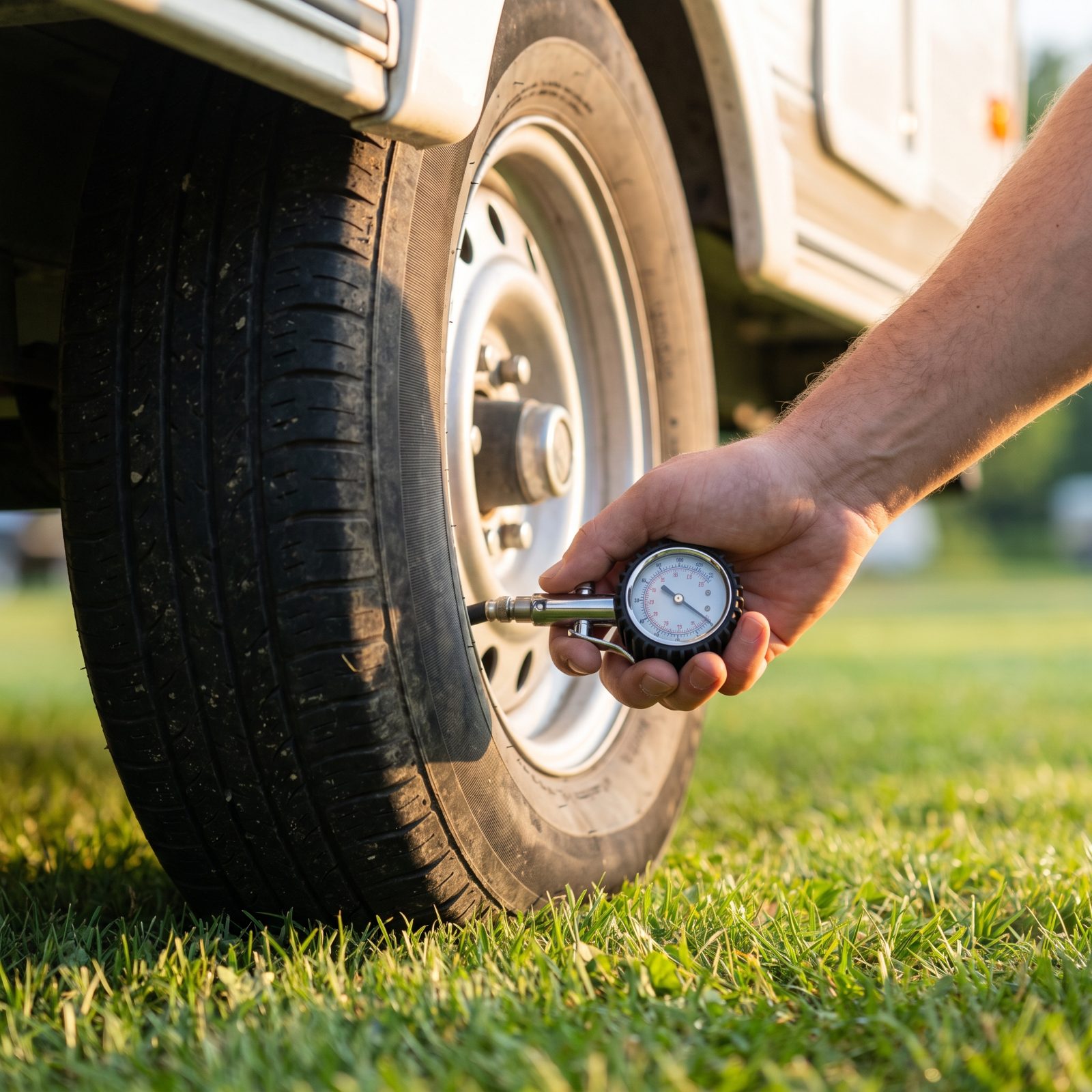
Underinflation is the quiet killer. A soft tire flexes more than it’s built to, and all that flexing generates heat. Heat shreds tires on the highway, not potholes. By the time you can feel a difference from the driver’s seat, the damage is already cooking inside the casing.
Check cold pressure before every travel day, against the number on the tire sidewall and your trailer’s placard, not the number on your truck. A simple digital tire pressure gauge in the glovebox makes it a two-minute job. Veterans go a step further and run a TPMS that screams the moment one tire starts losing air or heating up.
20. Mounting Passenger-Car Tires or the Wrong Load Range
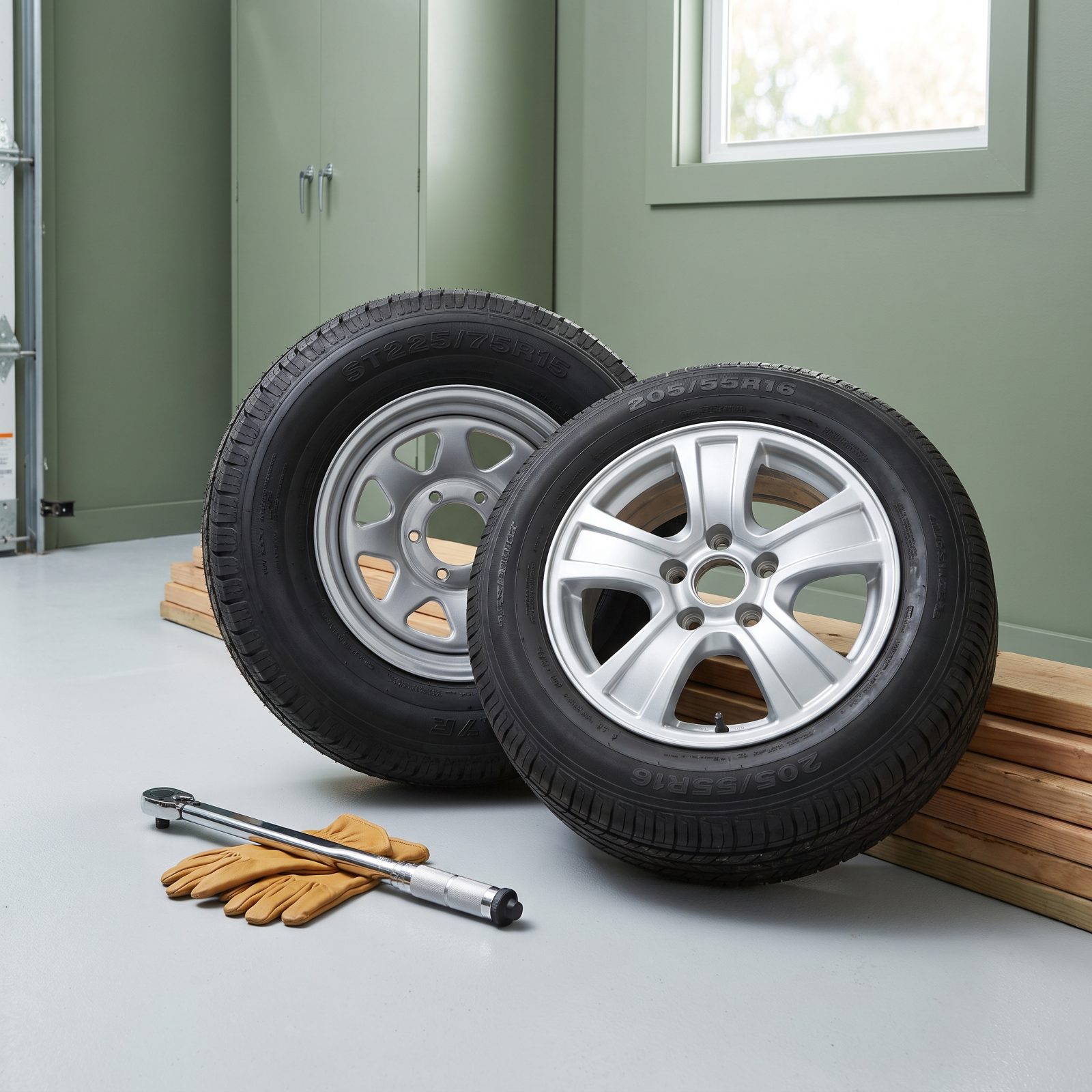
Not every tire that fits your rim belongs on your trailer. Passenger-car tires (P-rated) have softer sidewalls built for ride comfort and steering feel. Hang a loaded trailer on them and that softness turns into sway, overheating, and failure. Load range matters just as much. Load Range D versus E can be the gap between a tire that carries your rig and one that’s overworked every single mile.
Match the Special Trailer (ST) tire and load range to your trailer’s GVWR, with headroom to spare. When in doubt, step up a load range rather than down. I will die on this hill: the tire shop guy who says “these’ll be fine” without knowing your loaded weight is guessing.
19. Pulling Out Without Checking Lug Torque
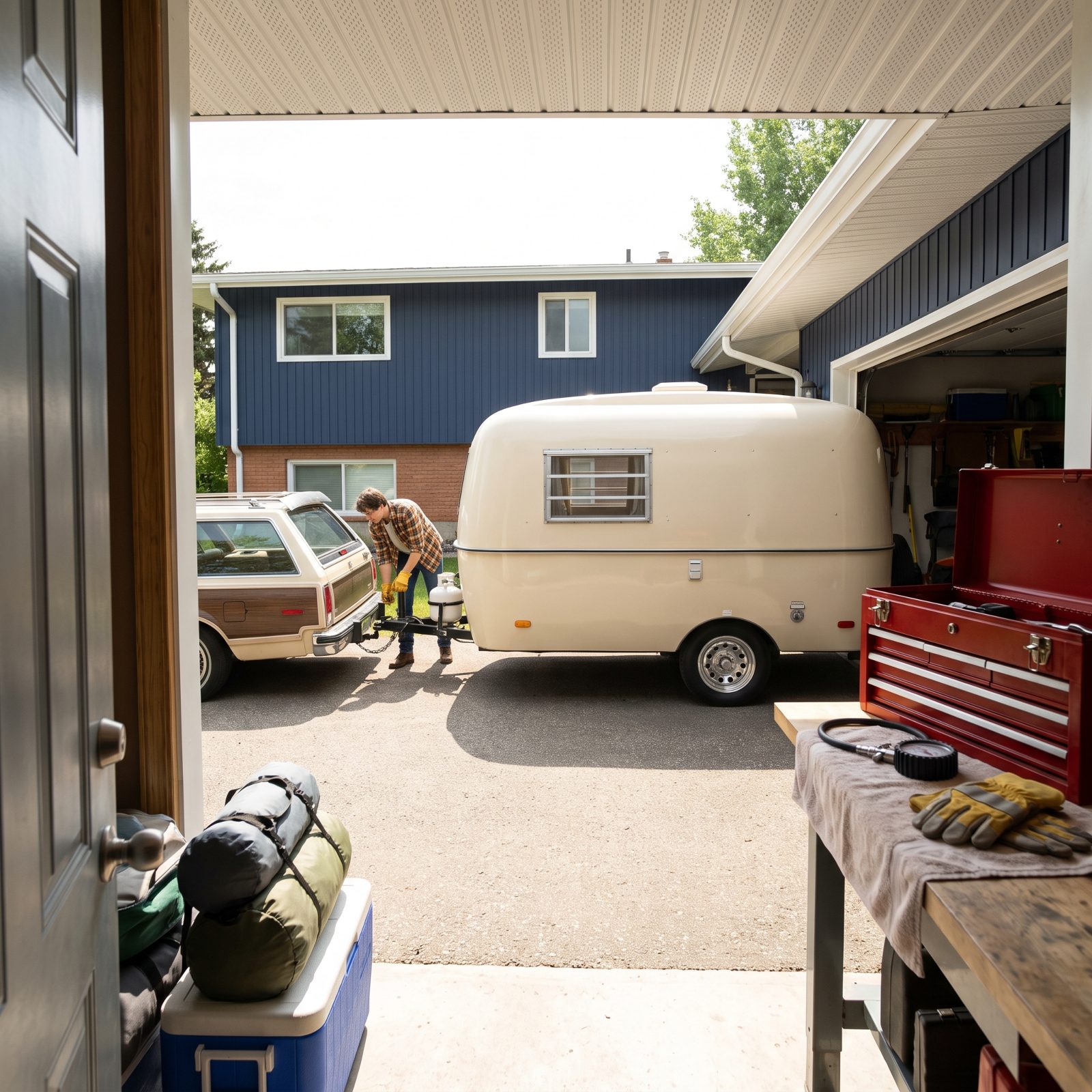
New wheels, freshly serviced bearings, a tire shop visit: all of them leave lug nuts that can loosen as the wheel seats. Drive off without re-checking and you can lose a wheel entirely. People do, every season. And a wheel that leaves a trailer at highway speed becomes a problem for everyone behind you.
Torque the lugs to spec with an actual torque wrench, in a star pattern, then re-check after the first 25 to 50 miles. Keep one in the rig. A breaker bar and “good and tight” is how you end up on the news.
18. Ignoring a Hot Wheel Hub at the Fuel Stop
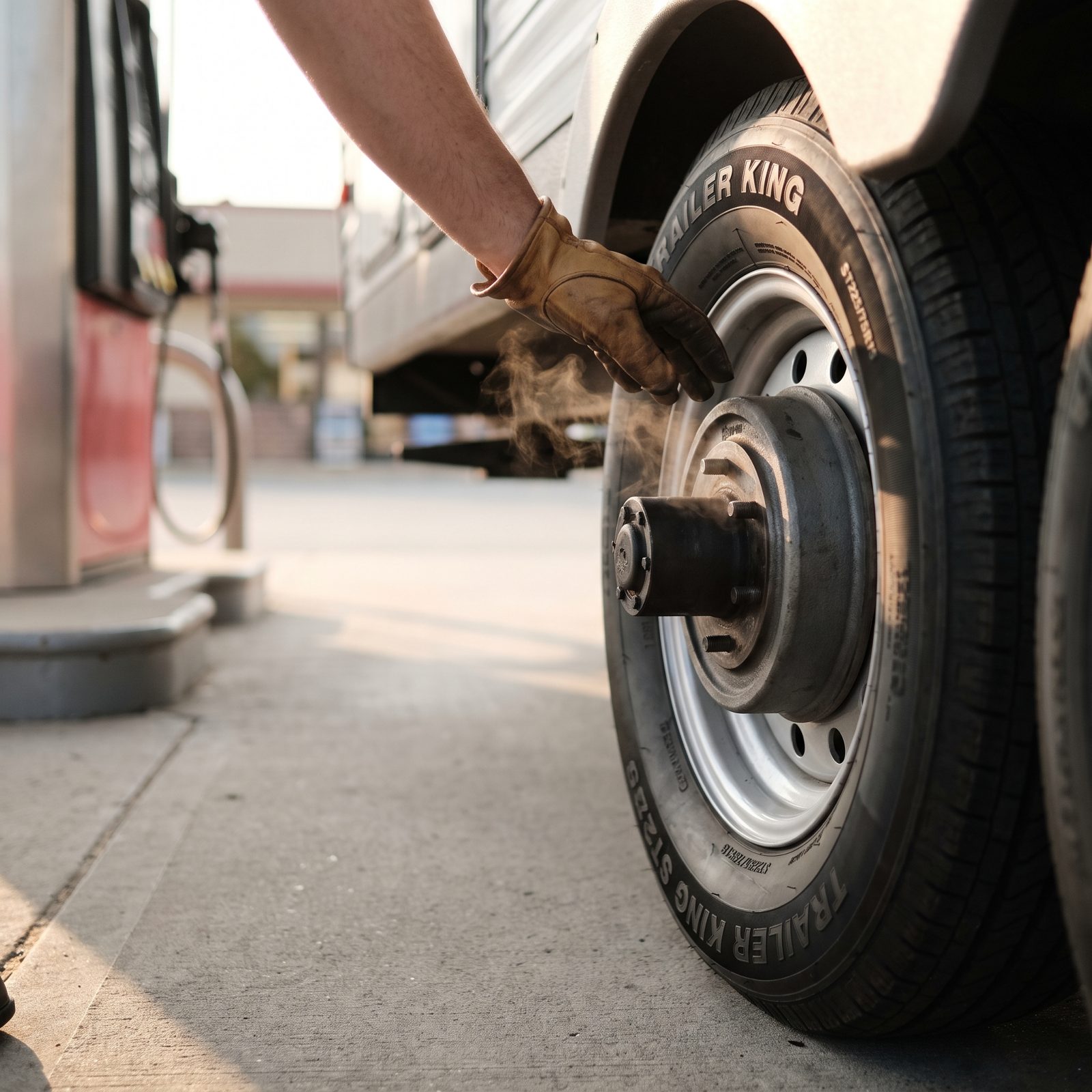
A wheel hub too hot to touch is your bearings or brakes screaming for help. A dragging brake or a dry bearing builds heat until it seizes or starts a fire, and the warning window is short. Most people never think to check, because nothing feels wrong from the driver’s seat.
At every fuel stop, do the back-of-the-hand pass over each hub, near it, not pressed to it. If it’s that hot you’ll know fast. One hub noticeably warmer than the rest? Stop and investigate before you roll again. Thirty seconds of walking around your rig has saved more trips than any gadget.
17. Carrying a Flat Spare, or No Way to Install It
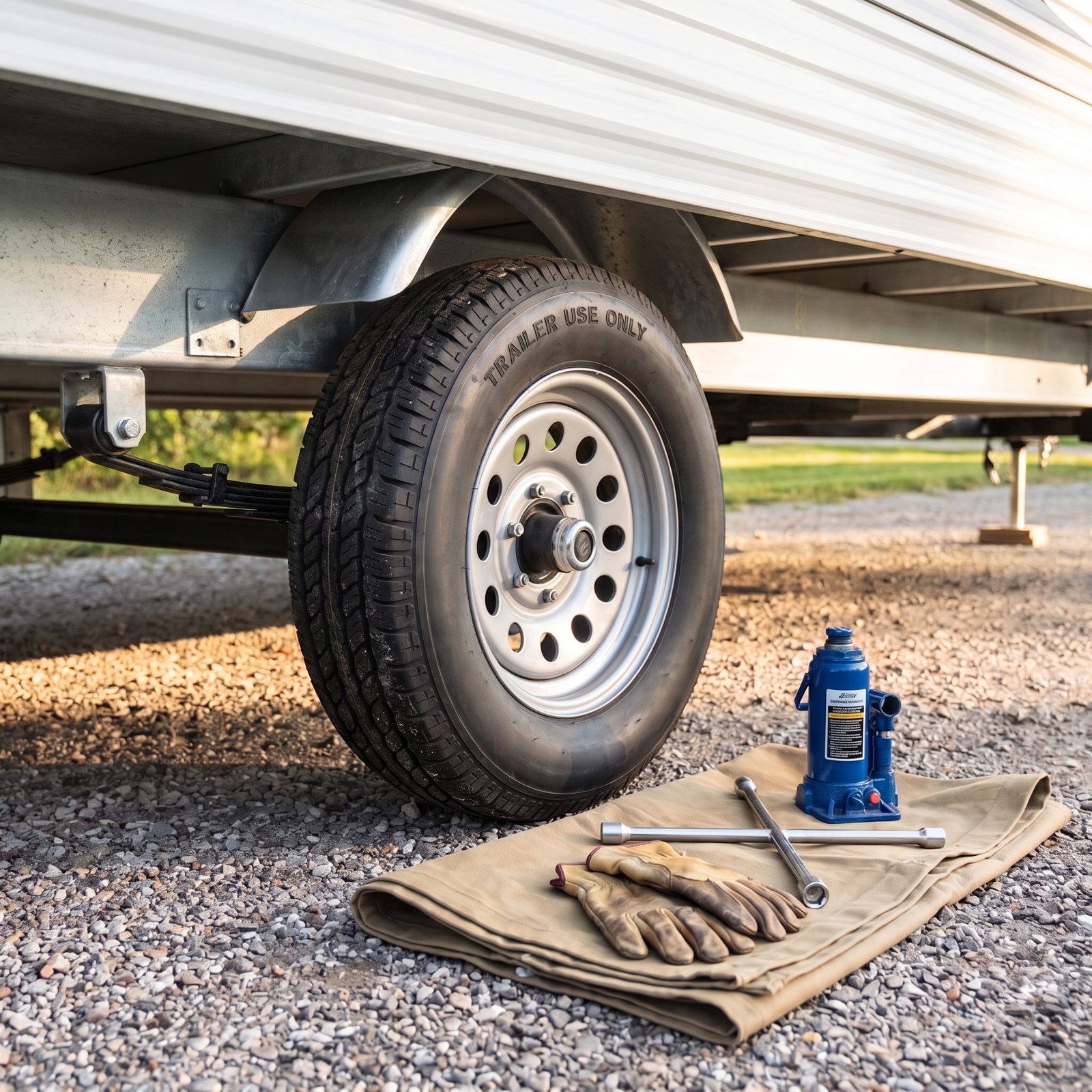
The spare you never check is the spare that fails you. It hangs under the trailer for years, slowly leaking, and you discover it’s flat at the exact moment you need it. Worse is finding out your truck’s lug wrench doesn’t fit the trailer lugs, or the jack won’t reach high enough to clear a flat tire.
Check the spare’s pressure on the same schedule as the road tires. Carry a lug wrench that actually fits the trailer, a bottle jack rated for the loaded weight, gloves, and a flashlight. Do one dry run in your driveway so you learn the quirks on a sunny afternoon instead of in the dark on a shoulder.
16. Jacking Under the Wrong Part of the Frame
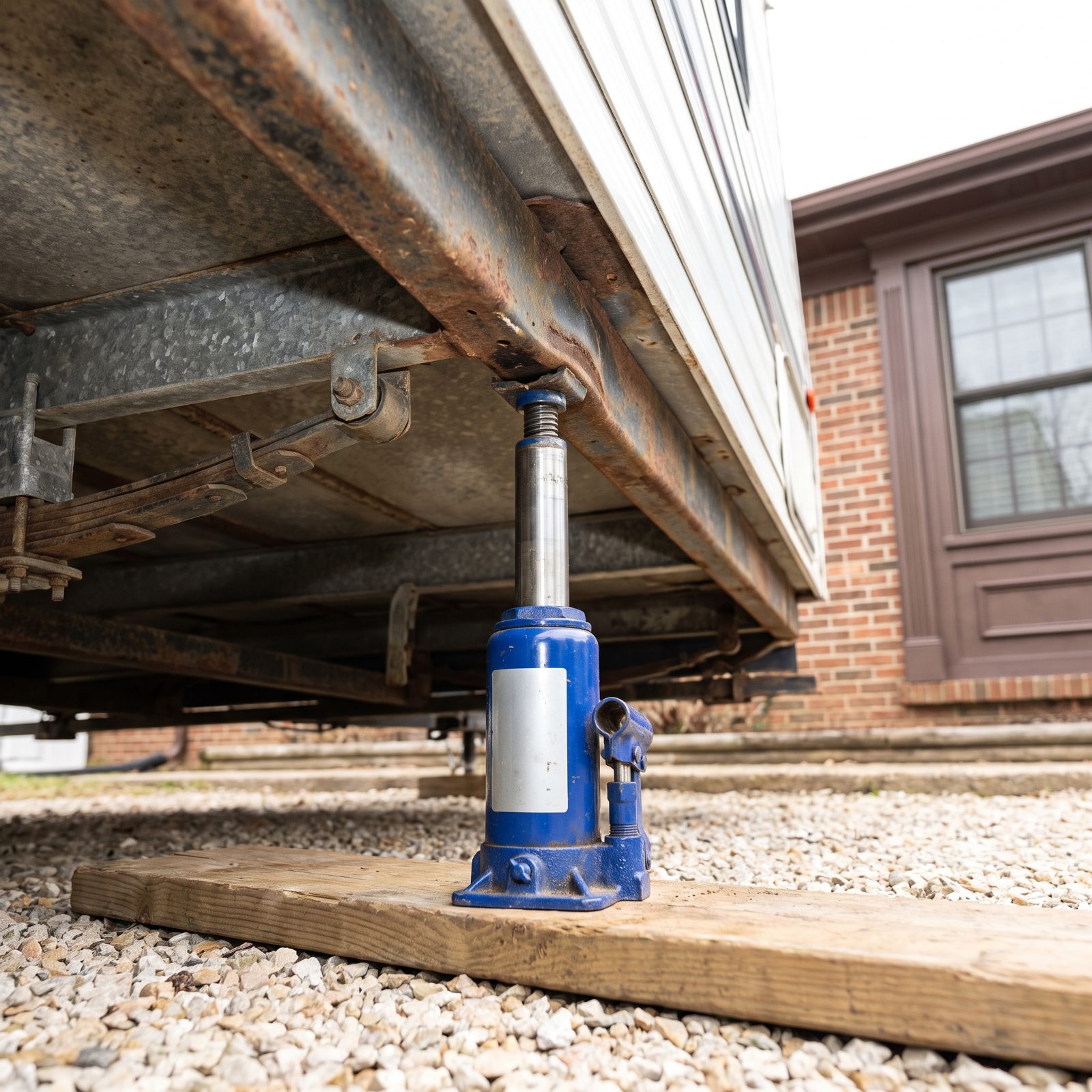
Put a jack under the wrong spot and the trailer can crumple the metal, slip off, or come down on you. Thin axle tubes, equalizers, and the belly pan are not lifting points. People reach for whatever’s closest and pay for it.
Lift on the frame rail near the axle, or directly on the axle tube close to the spring if your trailer’s manual allows it. Set the jack on a solid board so it doesn’t sink into soft ground. And once it’s up, put a jack stand or a block in place before any part of you goes near the wheel.
15. Changing a Tire Without Chocking the Other Wheels
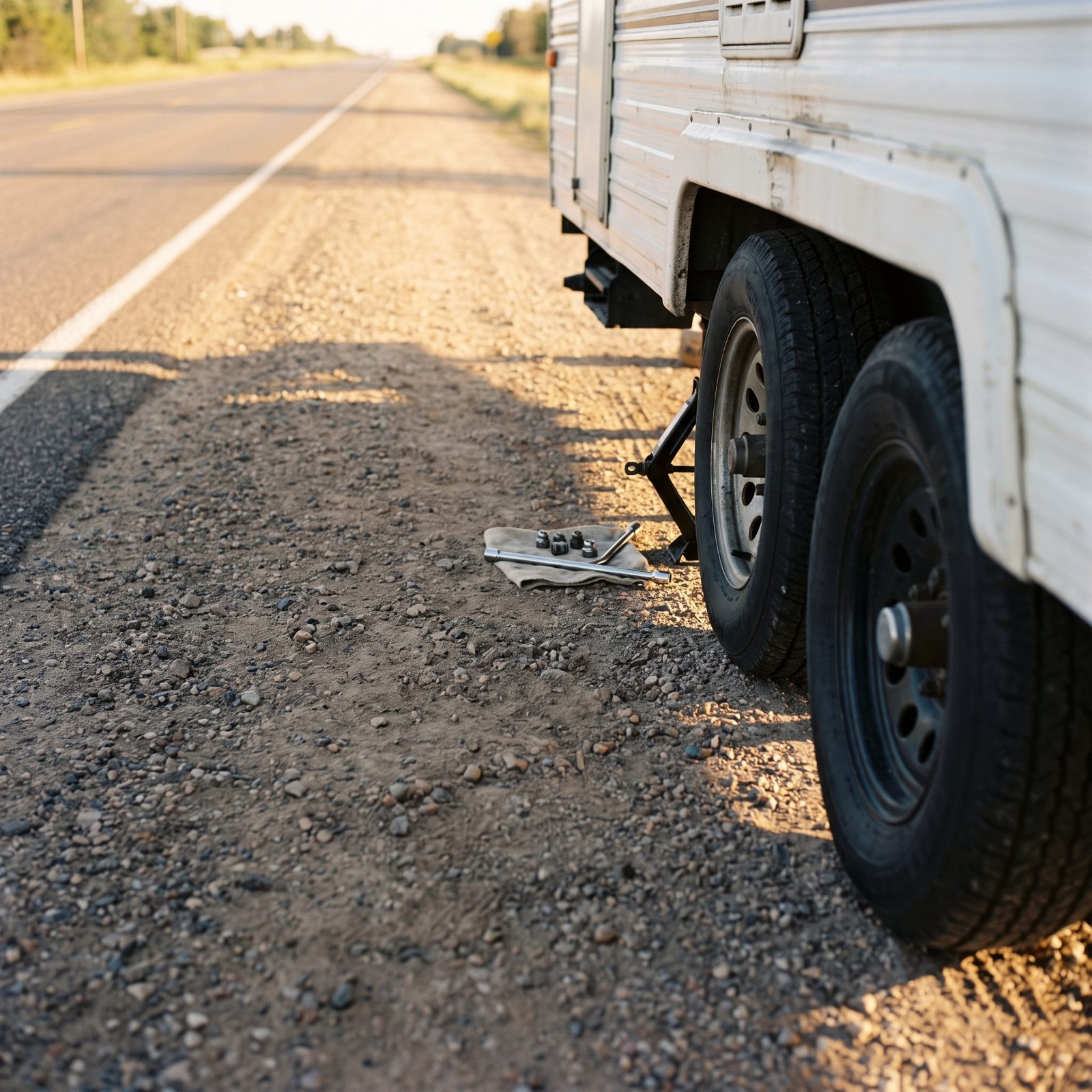
A jacked trailer wants to roll. The second you take a wheel off the ground, the rig’s whole weight balances on a jack and the remaining tires, and the slightest grade or bump can set it moving. That’s how a routine tire change turns into a trailer rolling over the jack with you underneath.
Chocks on the wheel you’re about to lift do nothing once that tire leaves the ground. Before you lift anything, wedge wheel chocks tight against the tires on the side you’re not working on, front and behind both. On a hill, double up. Thirty seconds, and it’s the cheapest insurance in the whole toolbox.
14. Driving Off With a Chock Still in Place
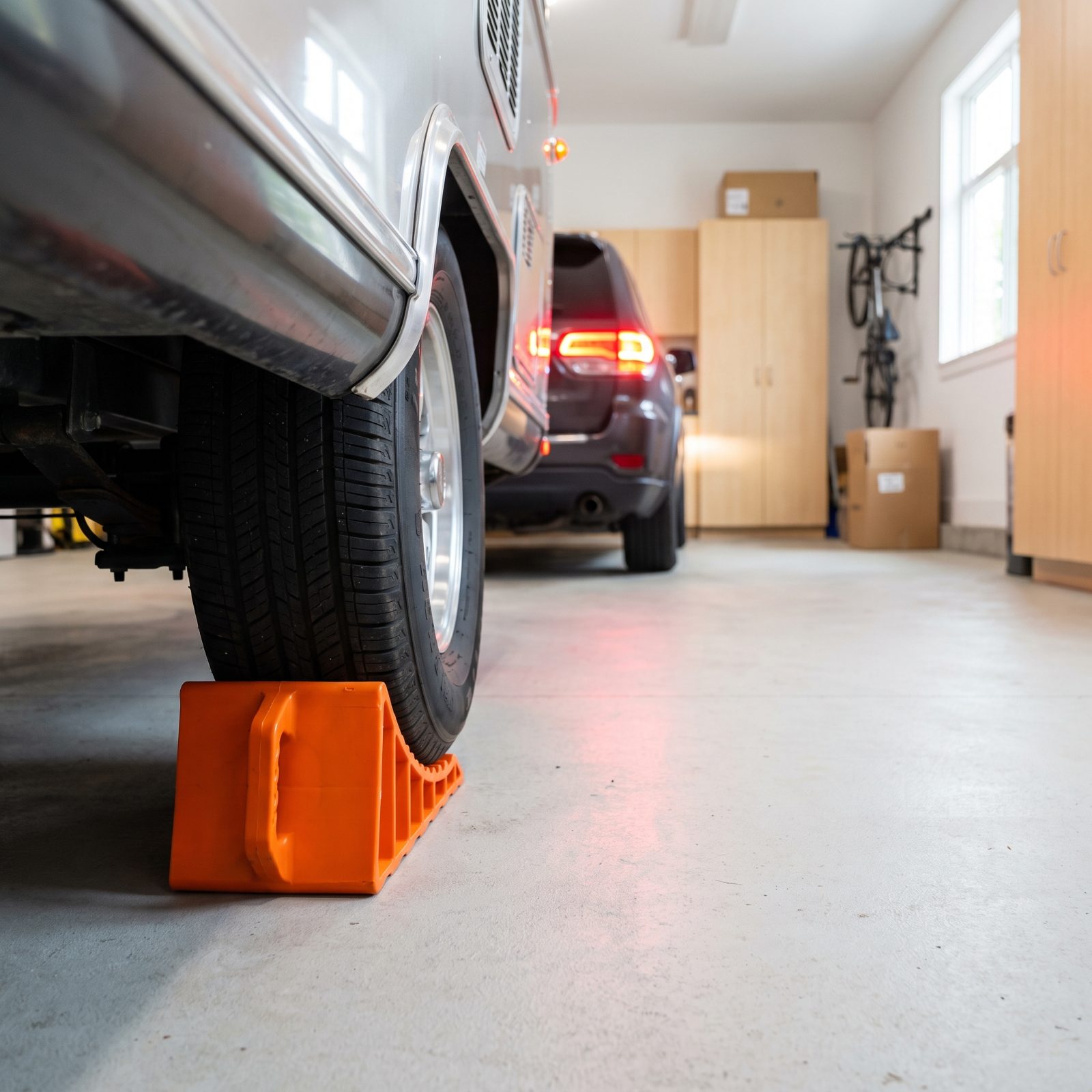
You did everything right at setup. Chocked the wheels, leveled the rig, got comfortable. Then departure morning arrives with the coffee going and the checklist half in your head, and you pull forward against a chock you forgot to pull. Best case, you crack the chock. Worse, you bend a step, drag the chock down the road, or stress the suspension.
Make “chocks out” a fixed line on your written departure checklist, not something you trust your memory to catch. Plenty of veterans toss the chocks straight onto the driver’s seat or hang them off the door handle so they physically cannot leave without dealing with them first.
13. Towing Into Bad Weather to Stay on Schedule
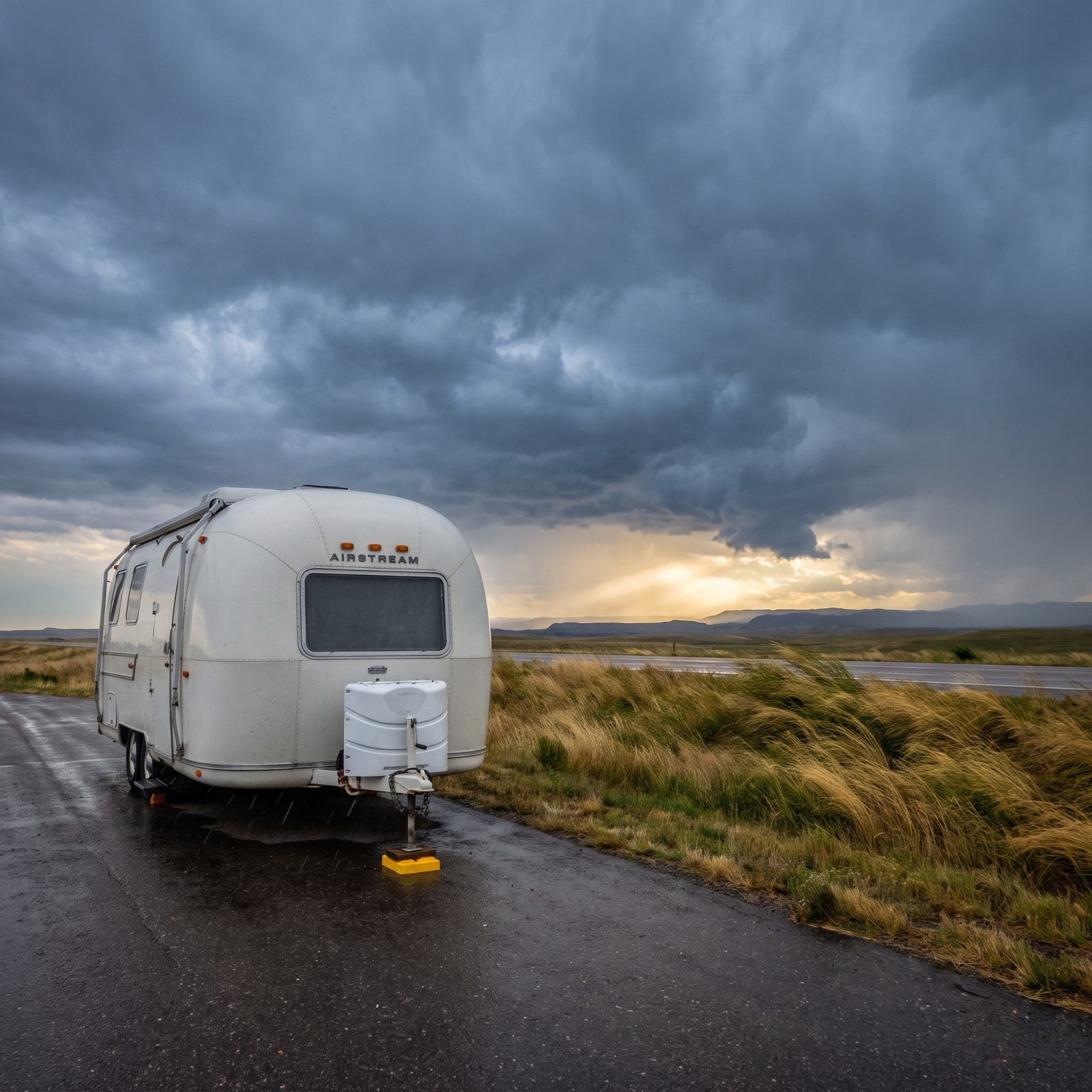
An arrival time is a made-up number. A tall-sided trailer in a crosswind catches wind like a sail, and a wet highway cuts your traction right when a gust tries to shove you across a lane. People press on through wind and rain because they told someone they’d be there by six, and that self-imposed deadline is how good drivers back themselves into bad situations.
Watch the forecast. Treat high-wind advisories and heavy rain as a reason to pull over and wait, not a challenge to beat. The campground will hold your site. Nobody who loves you wants you to arrive on time more than they want you to arrive.
12. Riding the Brakes Downhill Instead of Selecting a Lower Gear
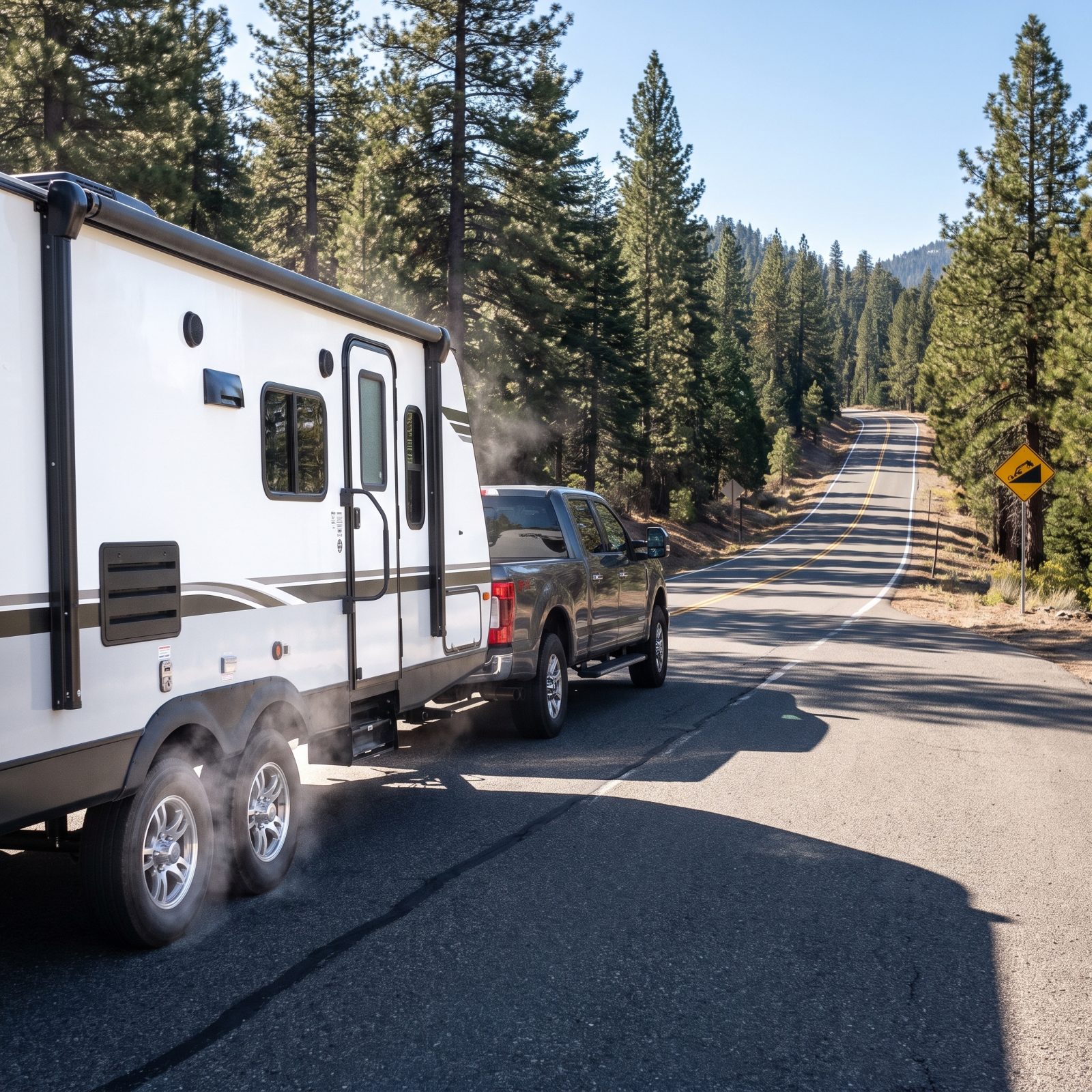
You crest the pass feeling fine, then the road drops and the whole rig wants to run. So you plant your foot on the brake pedal and hold it there, all the way down. That steady pressure is cooking your brakes until the heat has nowhere to go, the pads glaze, fade sets in, and by the bottom you’ve got a pedal that feels like a wet sponge.
Experienced folks do the opposite. Drop into a lower gear before the descent and let engine braking carry the load, then tap the brakes firmly for a few seconds, release, tap again. Short bursts, not one long squeeze. The transmission does the hard work and your brakes stay cool enough to actually stop you when you need them.
11. Accelerating or Steering Aggressively When Trailer Sway Starts
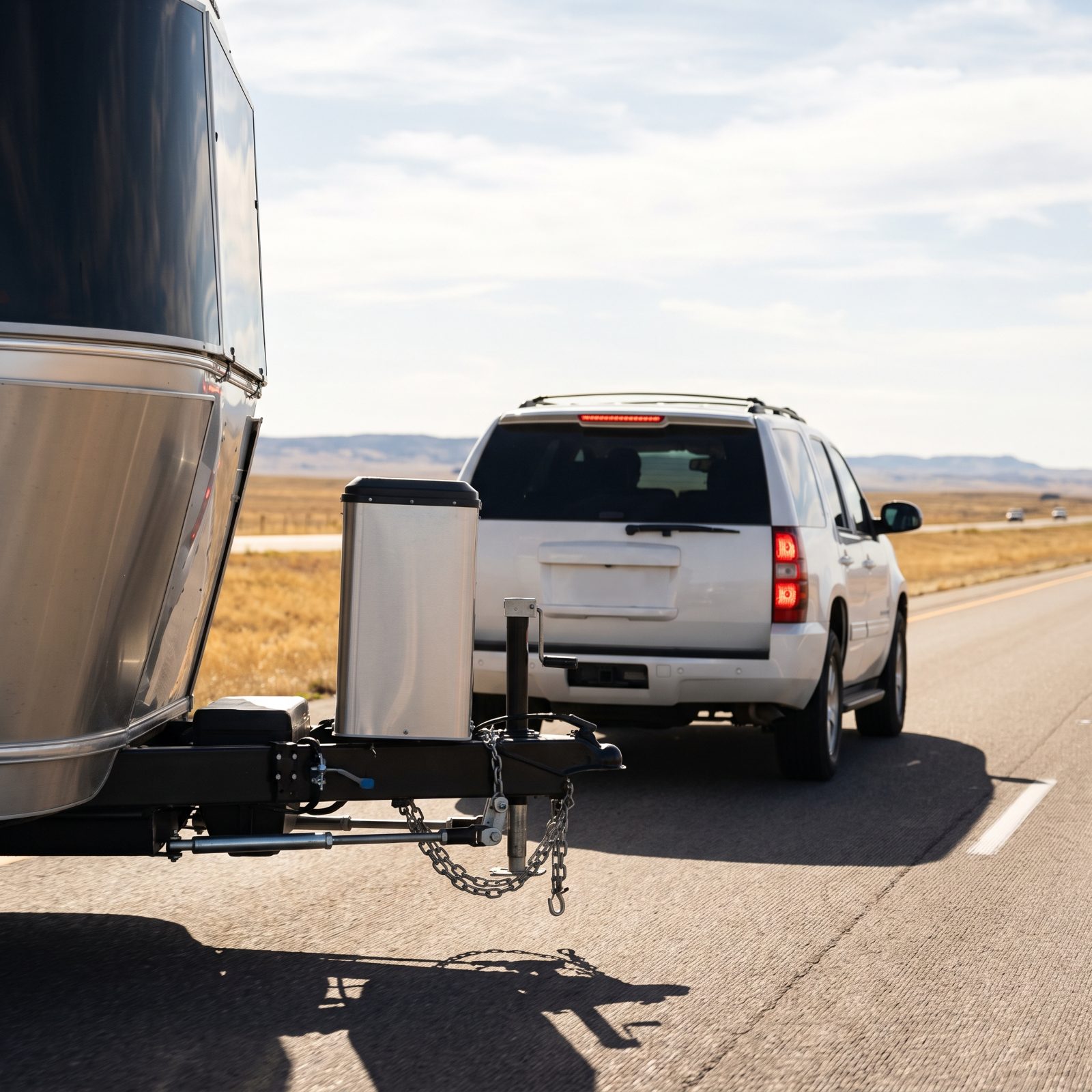
It often starts with a slow fishtail that makes your stomach drop. Instinct says two things: speed up to pull out of it, or yank the wheel to correct it. Both make it worse. Speed feeds energy into the sway, and steering corrections turn a wobble into a pendulum that can jackknife you or tear the trailer loose from the hitch.
What works feels backward. Ease off the gas, keep the wheel straight and steady, and apply the trailer brakes by hand using the manual lever on your brake controller. Pulling from the back end straightens the whole rig out. Let it settle before you touch the accelerator again.
10. Driving Faster Than the Trailer Tires’ Speed Rating
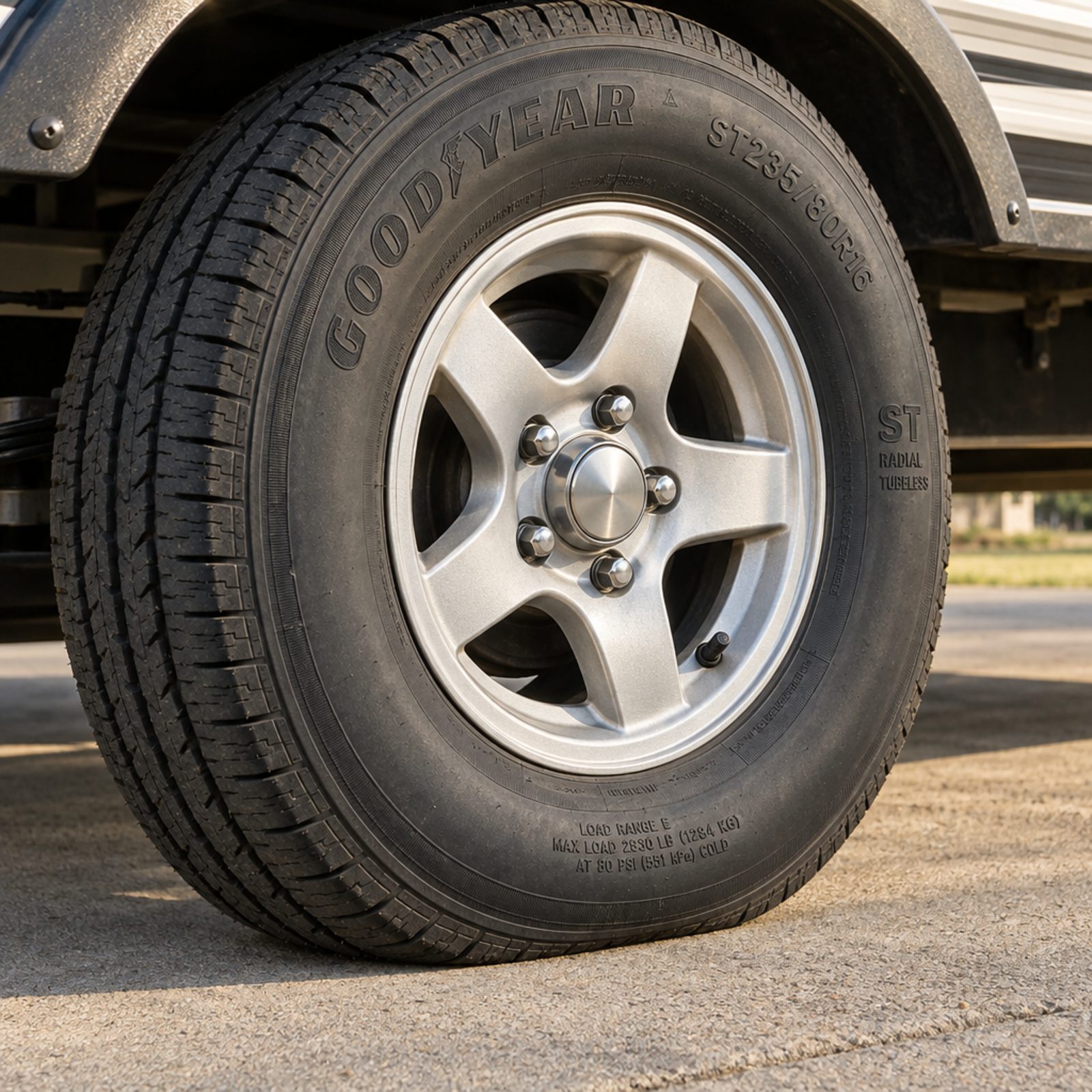
Most trailer tires are not built to go as fast as you drive. Those ST-rated tires carry a speed rating many owners never check, and plenty of them top out around 65 mph. Push past it on a long interstate stretch and heat builds inside the tire until the tread separates. A blowout at highway speed yanks the whole rig sideways.
Know your tire’s rating before you leave the driveway. Keep them aired to the pressure stamped on the sidewall, cold, not warm. And honestly? Running a touch below the limit buys you a cushion on a hot day with a loaded trailer.
9. Following Other Vehicles Too Closely
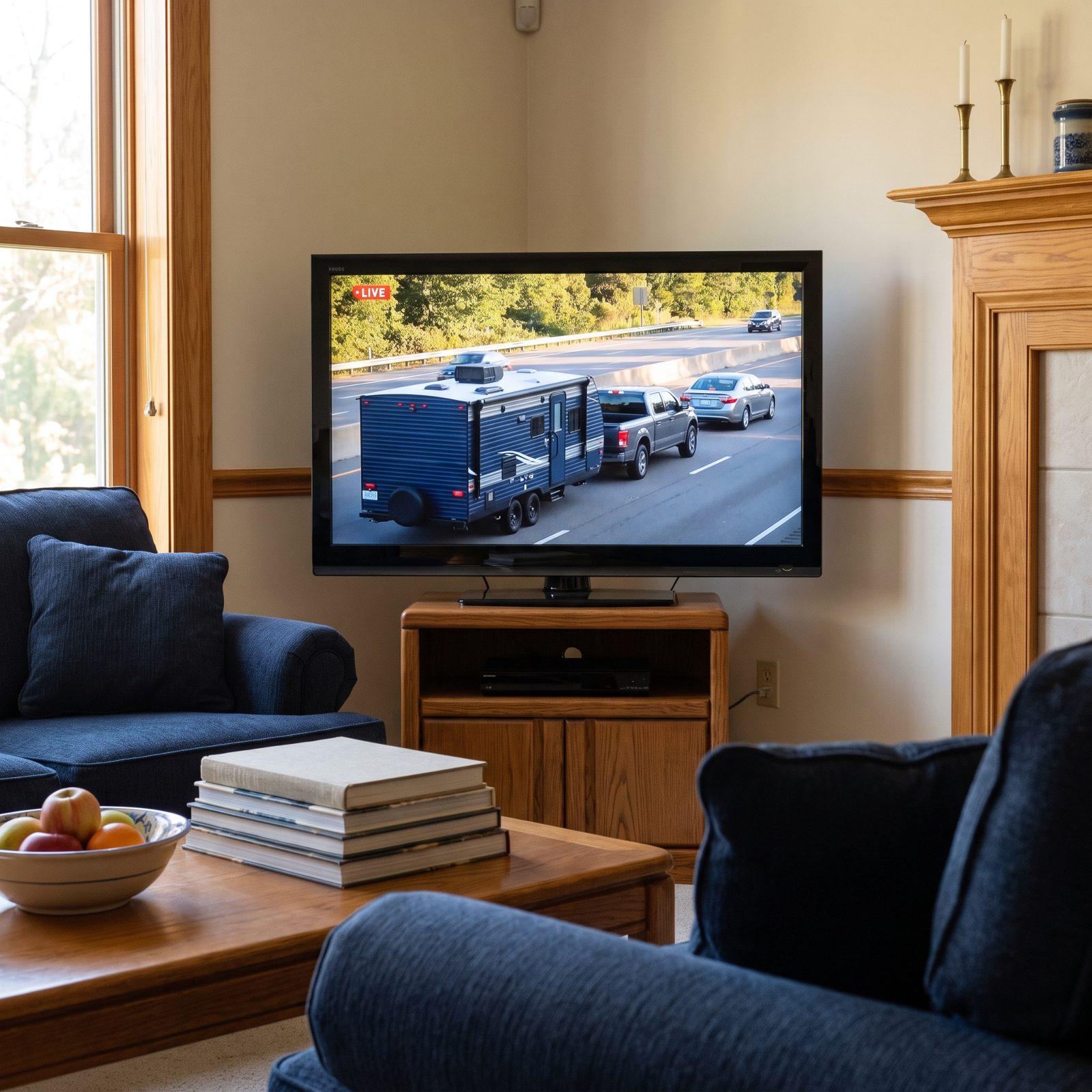
You tuck in behind traffic the way you would in your car, a few lengths back, feeling plenty safe. You’re not. A loaded rig weighs two or three times what your daily driver does, and all that mass needs real estate to stop. The car ahead taps its brakes for a deer and you’re staring at its bumper with nowhere to go.
Give yourself five to six seconds of gap, more on wet pavement or a downhill stretch. Pick a fixed point — an overpass shadow works — watch the car ahead pass it, then count. Reach the point before six? Back off. That cushion is the cheapest insurance you’ll ever buy.
8. Forgetting How Far the Trailer Cuts Inside a Turn
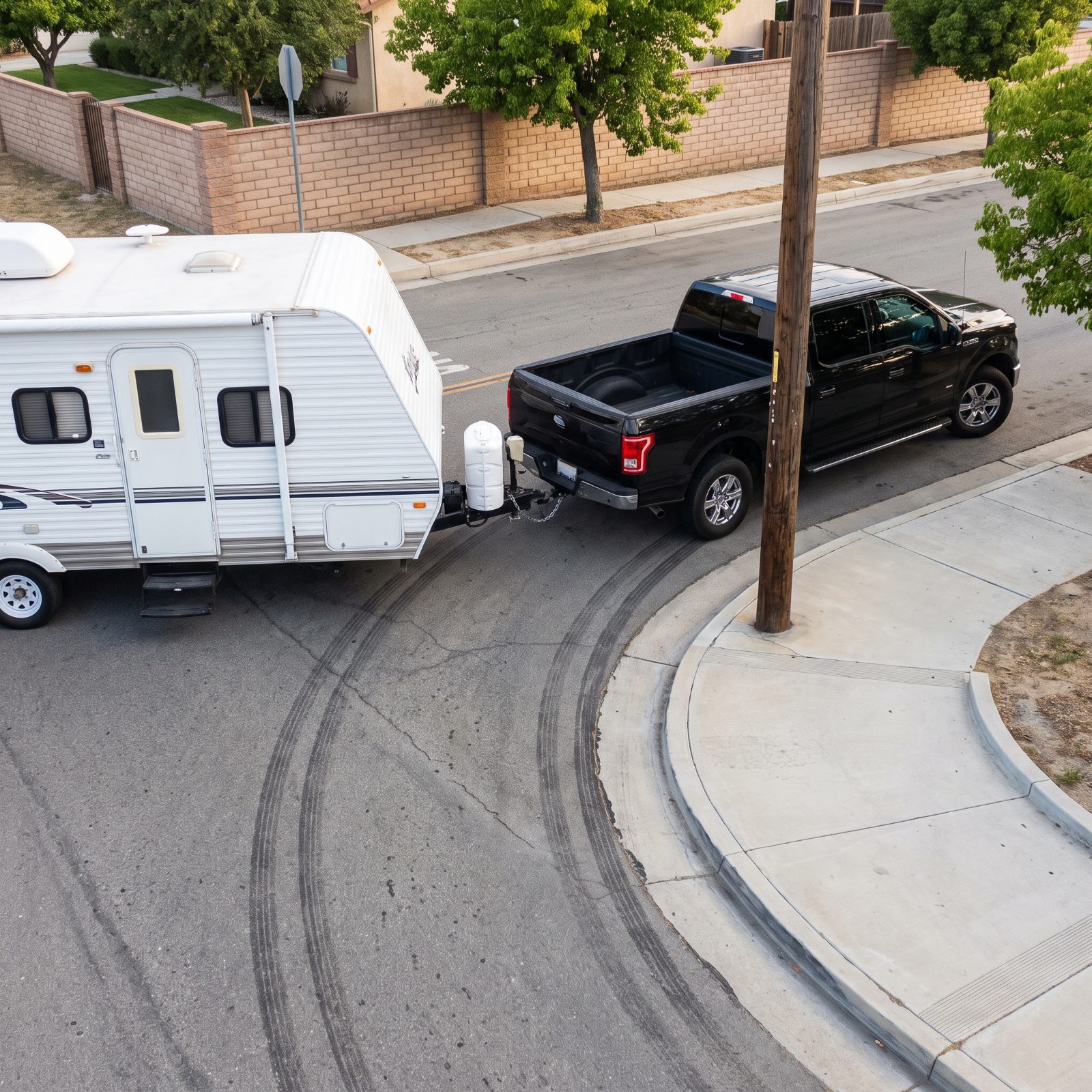
This is the one that catches everybody early on. You turn a corner and swing wide like you were taught, but the trailer doesn’t follow your front wheels. It cuts inside, tracking a tighter path than the truck, and that inside rear corner clips curbs, mailboxes, gas pumps, and parked cars you were dead sure you’d cleared.
Go wide, and go late. Pull farther into the intersection than feels natural before you start the wheel, so the trailer’s inside path has room to swing. Watch your mirrors through the whole turn, not just the front of the truck.
7. Ignoring Crosswind Warnings
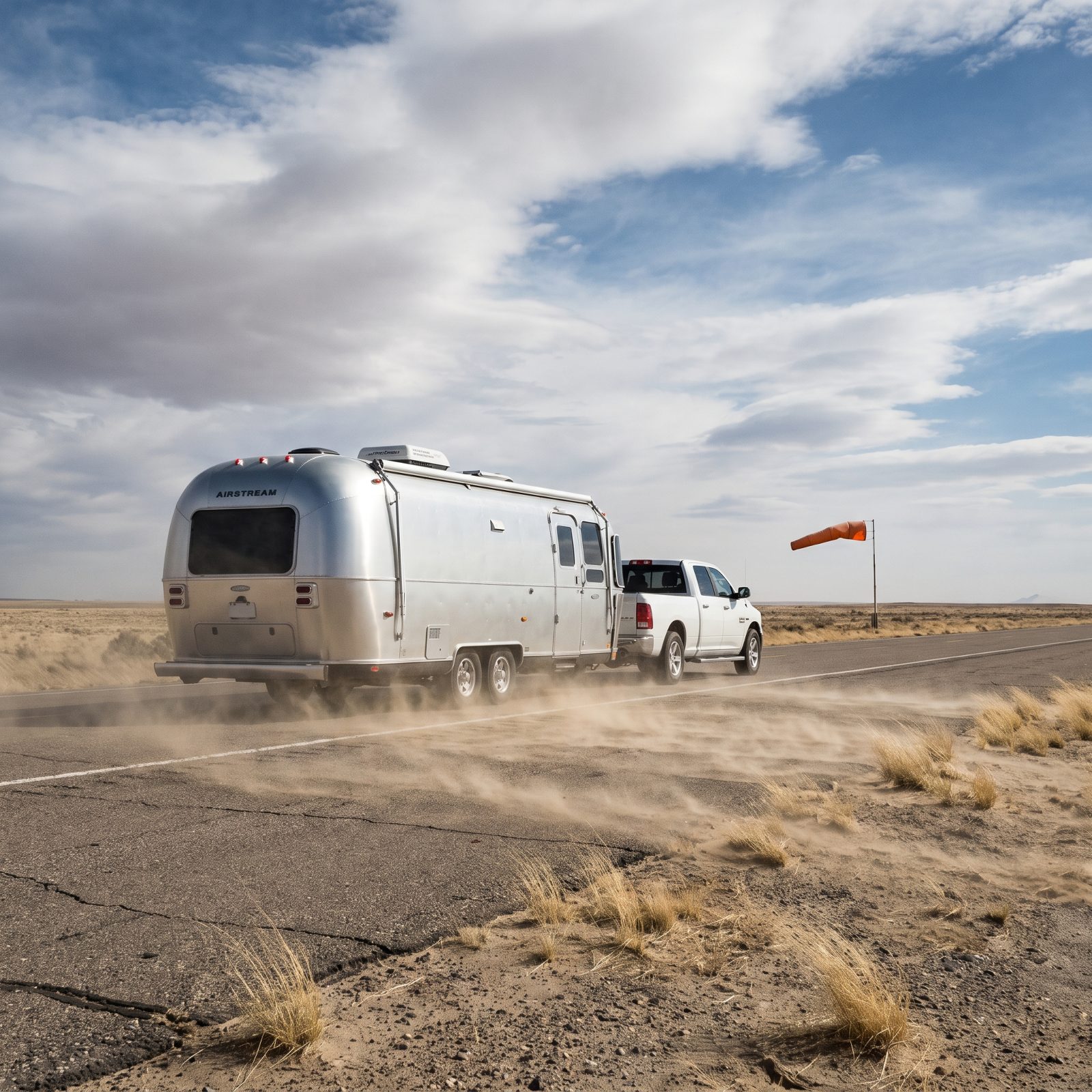
That sign reading “high wind area, gusts may exist” fades into scenery after the hundredth mile. Then you hit the open stretch and a gust slams the broad flat side of the trailer like a sail, shoving you toward the next lane before you’ve registered it. A loaded travel trailer is basically a billboard rolling down the interstate, and side wind loves a billboard.
Slow down well before the exposed section. Keep a firm two-handed grip and make small, early steering corrections instead of big panicked ones. And if the gusts are really pushing you around? No shame in pulling off at a rest area and waiting an hour. The mountain will still be there.
6. Trusting Car Navigation Without Checking RV Height Restrictions
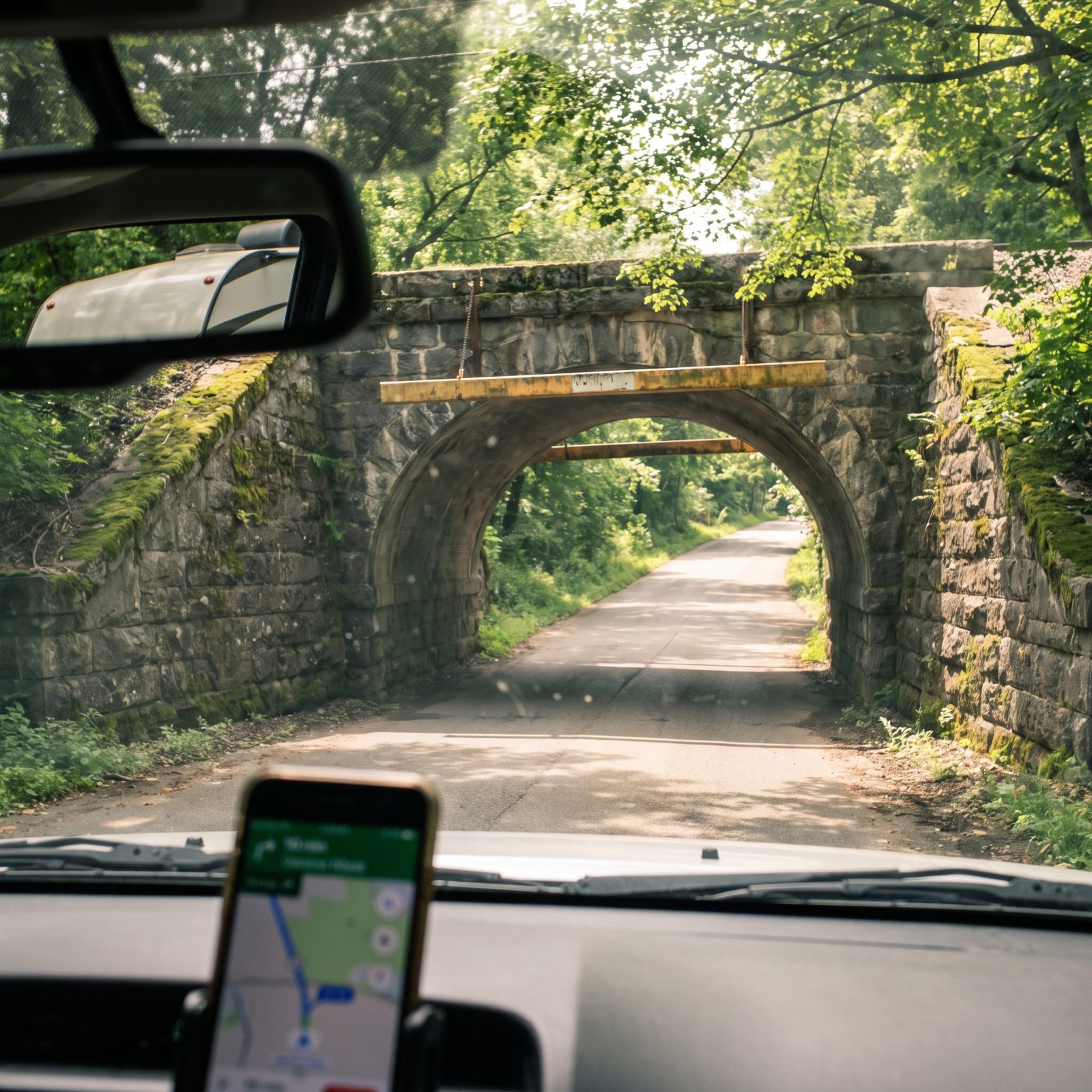
Your phone’s navigation knows the fastest route. It does not know your rig is eleven and a half feet tall. It’ll happily send you under a railroad bridge built for Model T’s, down a road with a weight-limited bridge, or into a tunnel with a clearance that peels your air conditioner right off the roof. Peeled AC units are their own genre of RV forum photo for a reason.
Measure your actual height, including the tallest thing bolted to the roof, and write it on a card taped to the dash. Use an RV-specific GPS or routing app that accounts for height, weight, and length. And when a sign gives you a clearance that’s close, believe the sign over the app, every time.
5. Entering a Fuel Station Without Planning the Exit
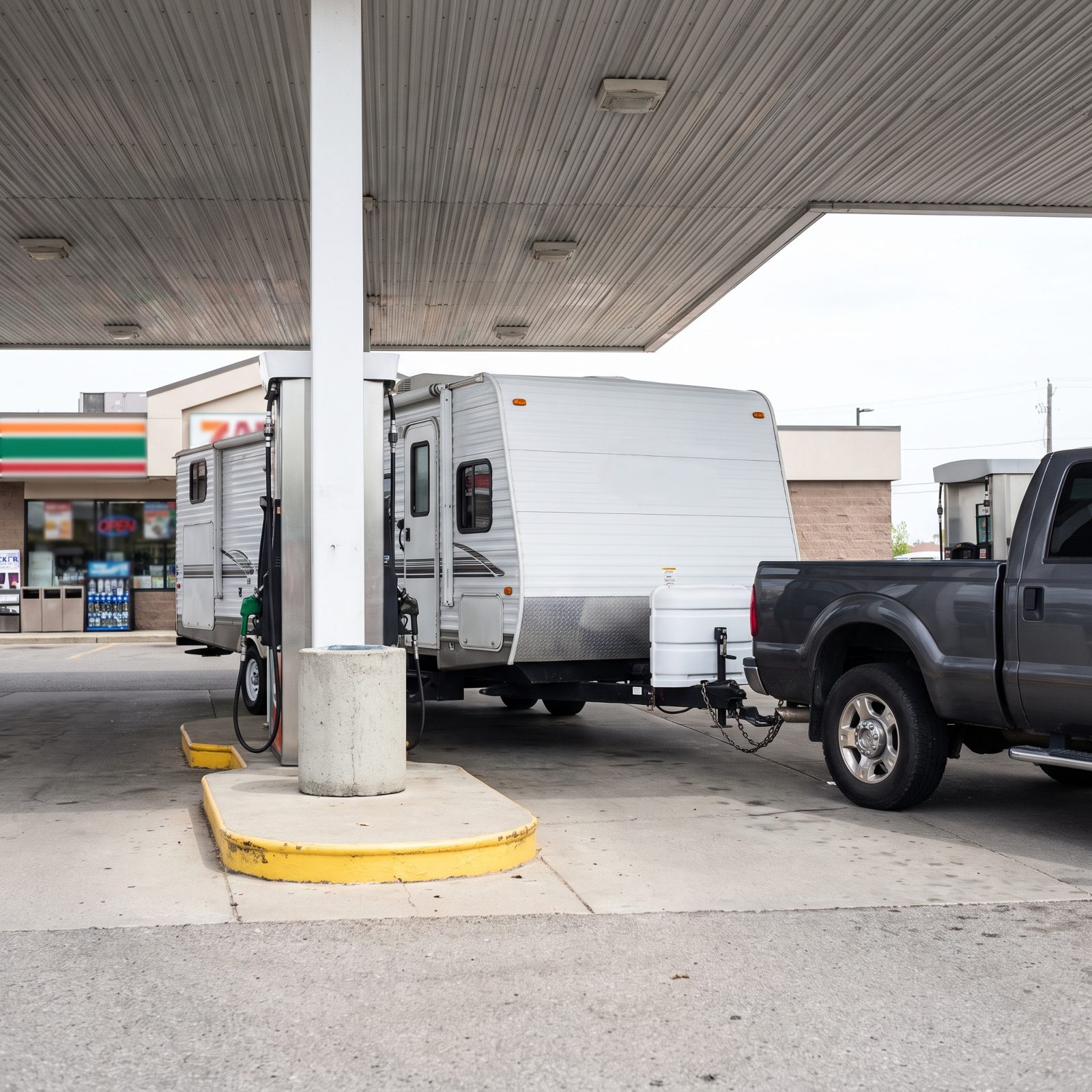
You pull into a fuel station focused on the pump, get yourself alongside it, fill up, then look up and realize there’s no way out without a twelve-point turn between a trash can, a curb island, and a minivan. Standard gas stations are laid out for cars, not forty feet of truck and trailer, and the trap closes behind you.
Scope the whole site before you turn in. Can you pull straight through and out the far side? Favor truck stops and travel plazas with wide aprons and pull-through lanes made for big rigs. If a station looks tight, drive past and find the next one. Running the tank a little lower beats getting wedged.
4. Pulling Onto a Soft Shoulder That Cannot Support the Trailer
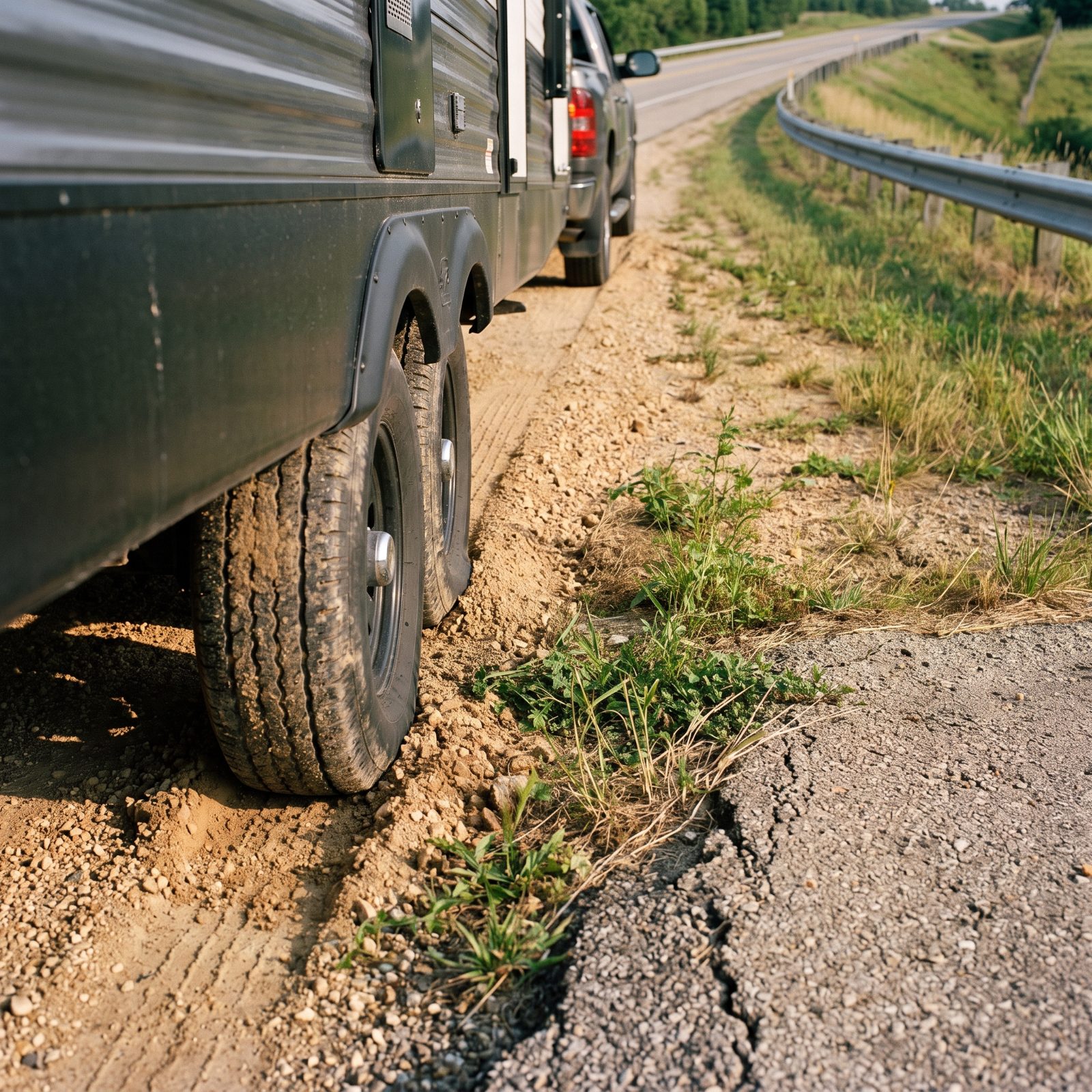
You need to stop, so you ease onto the shoulder. Trouble is, a lot of shoulders are soft gravel, loose dirt, or a crumbling edge that was never built to hold a loaded trailer’s weight. Get the wheels onto the soft stuff and the shoulder can give way, pulling the whole rig toward the ditch or tilting it enough that getting back out becomes a tow-truck job.
Pick your stopping spots on purpose. Use real pullouts, rest areas, and paved shoulders wide enough to get fully off the lane on solid ground. And if you must stop in a pinch, keep at least one set of wheels on firm pavement and don’t let the trailer drift onto the soft edge.
3. Backing Up Without a Visible Spotter and Clear Communication Plan
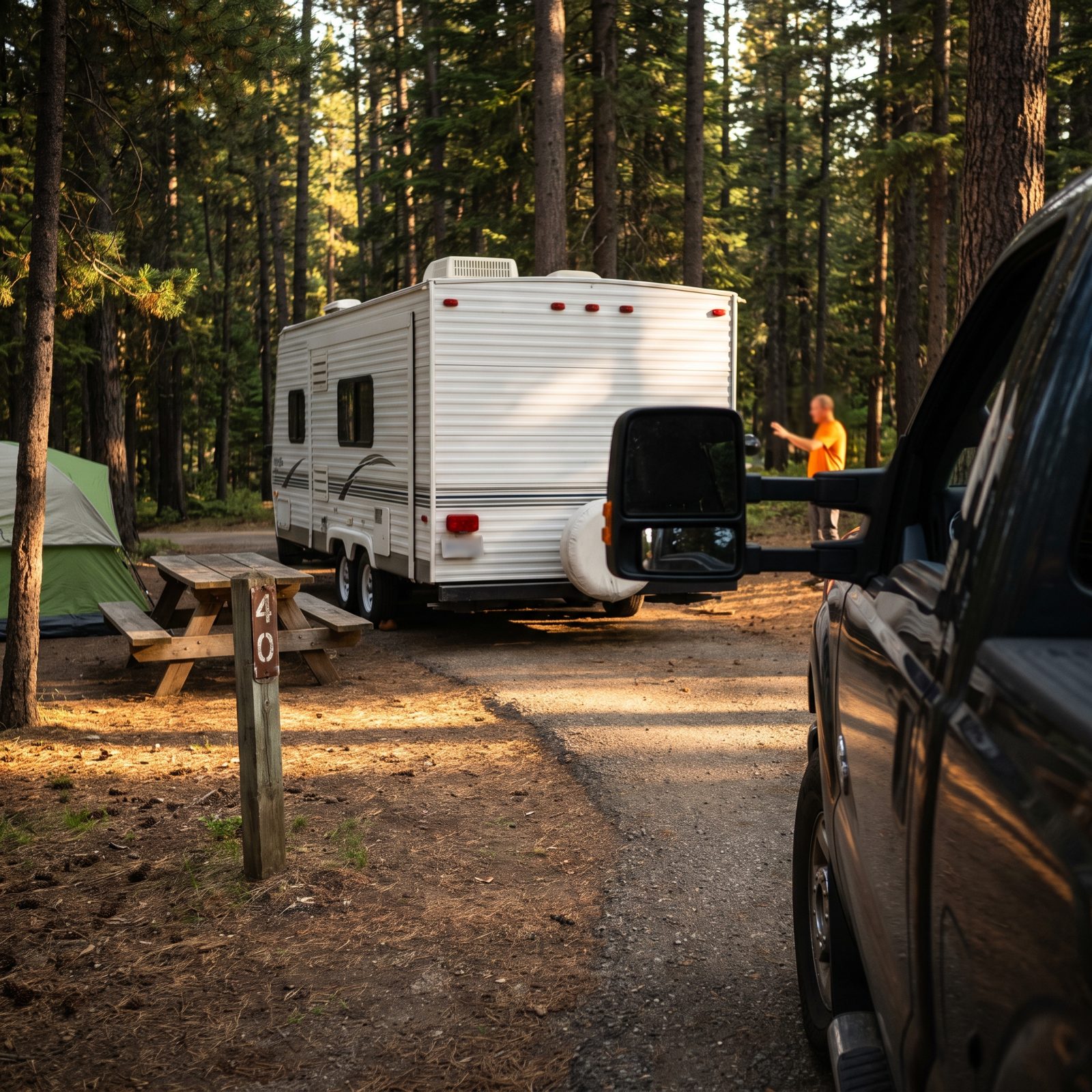
Backing a trailer solo, craning your neck and guessing, is how campsites get a little more character every season. The blind spots behind a trailer are enormous, and that’s exactly where the fire ring, the water spigot, the low branch, and the neighbor’s awning all live. You can’t see one of them from the driver’s seat.
Get a spotter and agree on the plan before anybody moves. They stand where you can catch them in your mirror, never directly behind the trailer. Settle your signals in advance, and when in doubt, both of you stop. A handheld radio or a phone on speaker beats shouting over an idling diesel every time.
If you lose sight of your spotter, stop. Don’t guess the last six feet. That’s where the damage always happens.
Backup cameras help, sure. But they flatten distance and lie about how close that post really is. Let the camera assist and let the human eyes make the call.
2. Trying to Salvage a Bad Backing Angle Instead of Pulling Forward
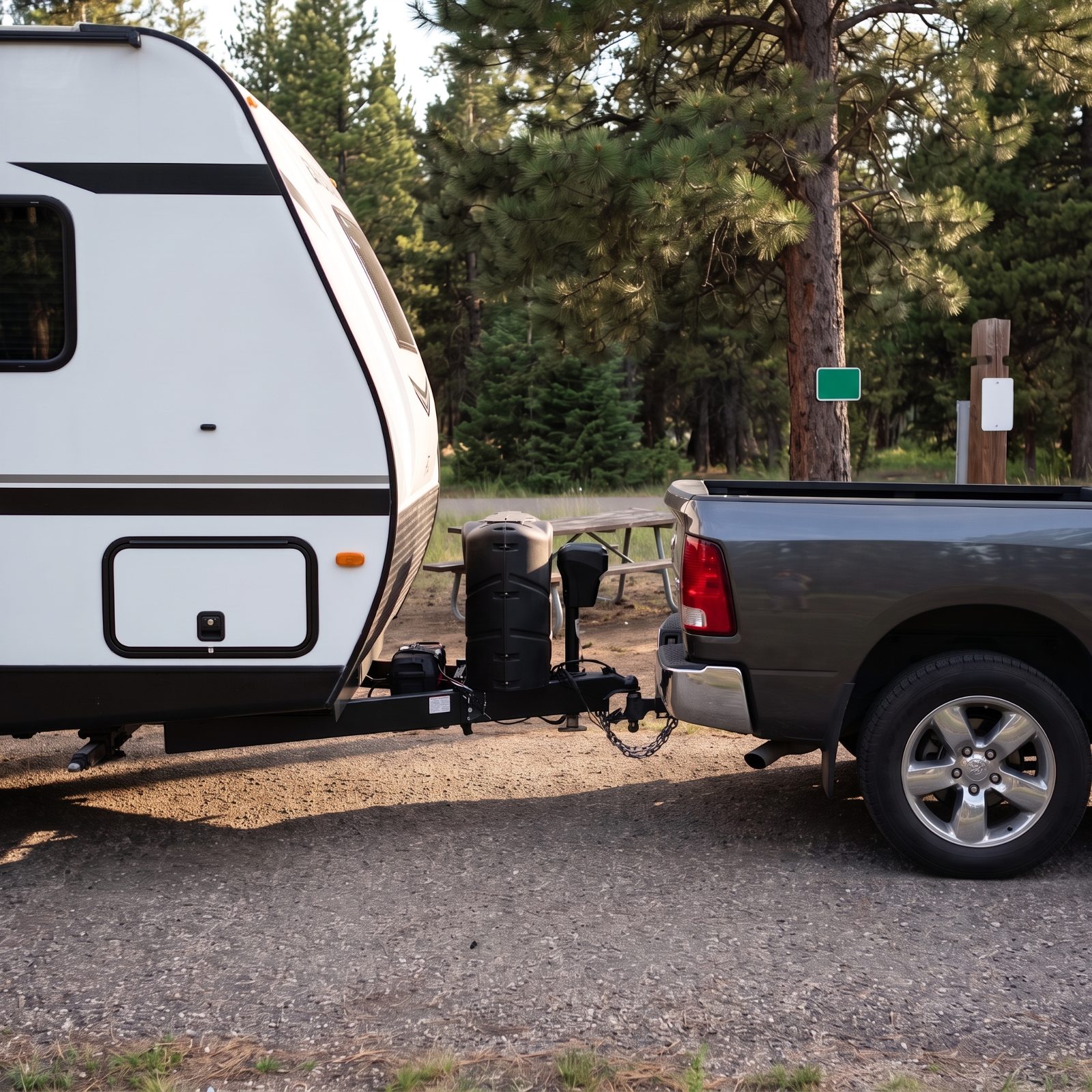
Picture this: the trailer keeps swinging the wrong way, so you crank the wheel harder and pray one more nudge fixes it. It won’t. That’s how the tongue ends up kissing the quarter panel, and how a jackknife becomes a bent fender or a cracked bumper cover.
A bad angle doesn’t correct itself with more reverse. It compounds. Every foot you back up at a steep angle makes the geometry worse, not better — the trailer just keeps digging itself deeper into that V.
So experienced RVers do the boring thing. They pull all the way forward, straighten the rig out, and start the approach clean. Reset the whole mess. Two minutes of pulling forward beats twenty minutes of grinding your trailer into a tree.
1. Unhitching Before Chocking the Trailer Wheels
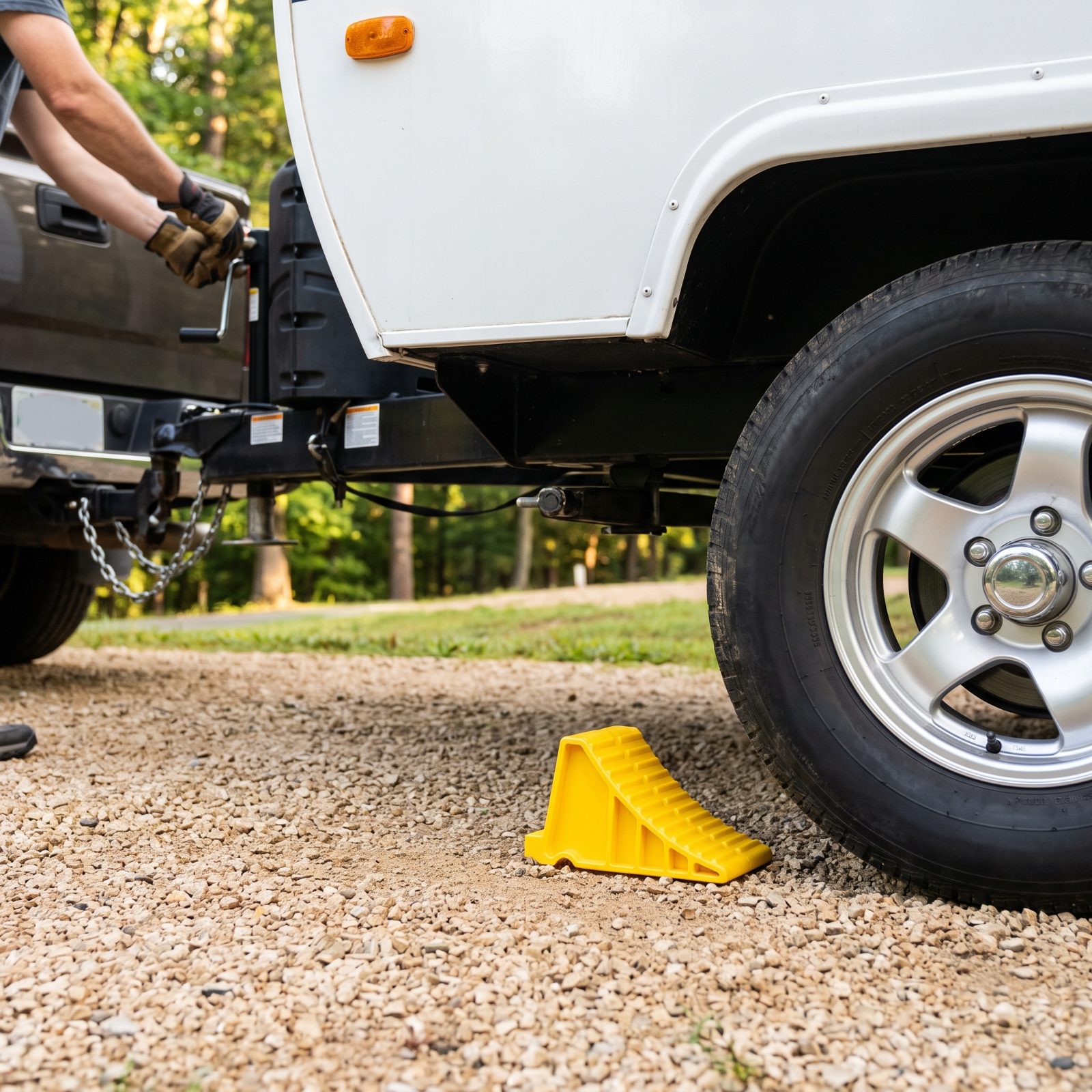
The chocks are sitting in the storage bay and you’ll grab them in a second — first you just want to pop the coupler and free the truck. On a pad that looks dead level but isn’t, that’s exactly the moment a trailer decides to go for a walk.
A loaded trailer rolling even a foot can snap off your jack, wreck your stabilizers, or pin you against the truck you were trying to disconnect. And level sites? Almost never actually level.
Chock first. Always. Snug a pair of chocks hard against the downhill side of the tires before you touch the coupler, the chains, or the weight-distribution bars. Do that and the trailer stays put, the jack takes the load gently, and nothing rolls while your hands are buried in the pinch zone.