
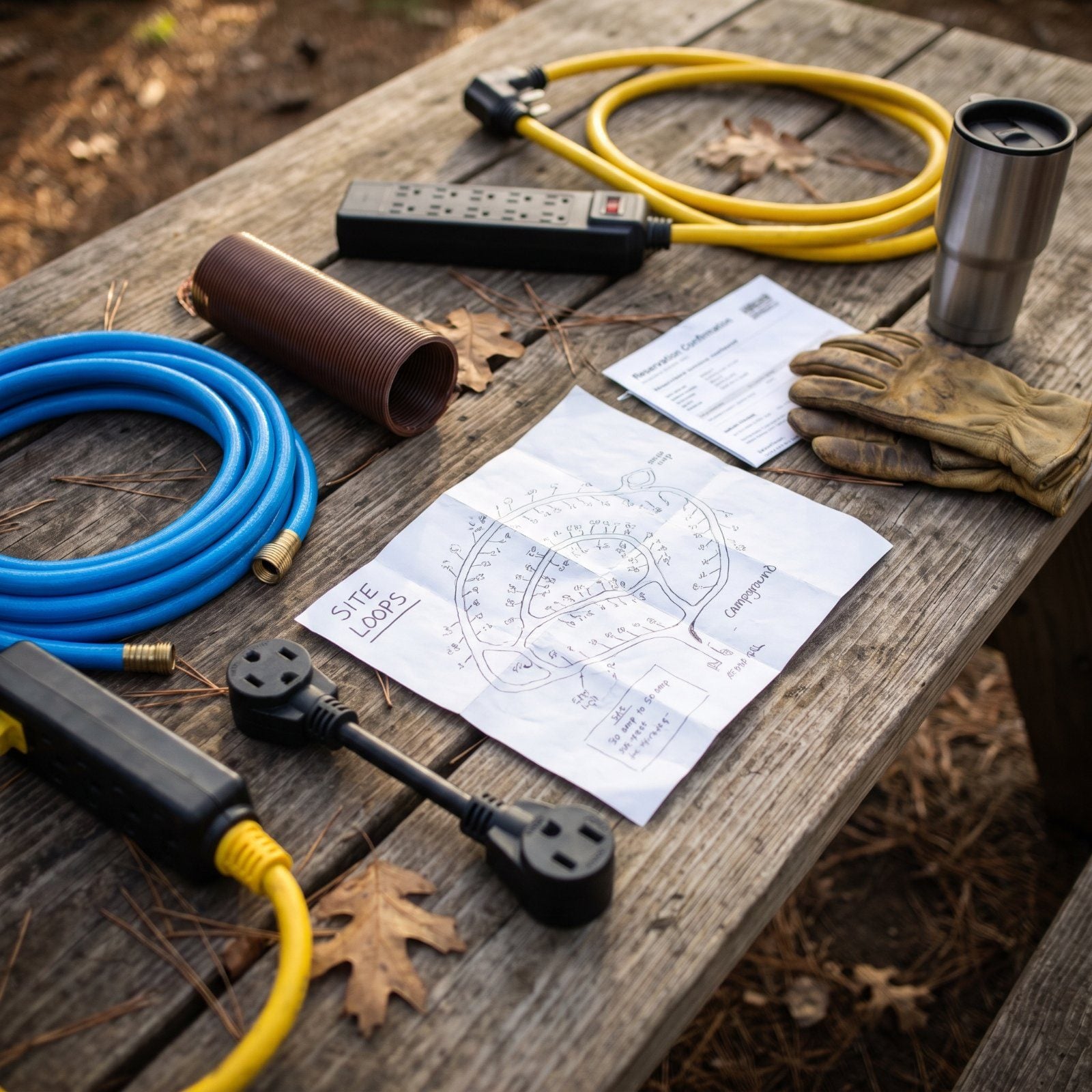
You pull into the site you reserved three months ago and realize you have no clue what ’30-amp W/E’ actually means. Happens to everyone the first time. The booking jargon reads like a code nobody handed you the key to. So let’s walk through every hookup, pad, and site type you’ll meet on a reservation page, so you book the right spot and plug in without a guessing game.
Please note that some of the images in this article were created with the assistance of AI.
Full-Hookup Site: Water, Electricity, and Sewer at the Pad
The one everybody wants, and the one that books out first on holiday weekends. A full-hookup site gives you all three connections right at the pad: pressurized city water, shore power at the pedestal, and a sewer inlet beside your rig. No hauling tanks, no rationing water. You shower like you’re at home and dump whenever you please.
This is the site for long stays, big rigs, and full-timers who’d rather not break camp every few days just to chase down a dump station. It costs more — usually the top tier at any private park — but a week parked in one spot and the convenience earns its keep.
Water-and-Electric Site: Utilities Minus the Sewer Line
This is the most common setup in state and national parks. Power and water come to the site, but your waste sits in the onboard tanks until you hit the dump station on your way out. For a weekend or even a full week, that’s plenty.
The trade-off’s simple enough: watch your gray and black levels, shower a little shorter than you would at home. It’s easy to get caught at a lake site, figuring you’ll stretch three days on a half-empty gray tank, only to find shower water pooling around your ankles by the second morning. Watch your gauges and you’ll be fine.
Electric-Only Site: Power at the Post, Water on Your Own
Power but no plumbing. You plug into the pedestal and run your fridge, AC, and outlets like normal, but you’d better roll in with your freshwater tank already filled, because there’s no spigot to tap.
You’ll see this in older campground loops and national forest areas that wired in electrical service but never ran water lines to each site. Fine for a short stay if you manage your freshwater. There’s usually a communal fill point somewhere in the campground, so top off before you park if you can.
Water-Only Site: A Spigot, No Electrical Service
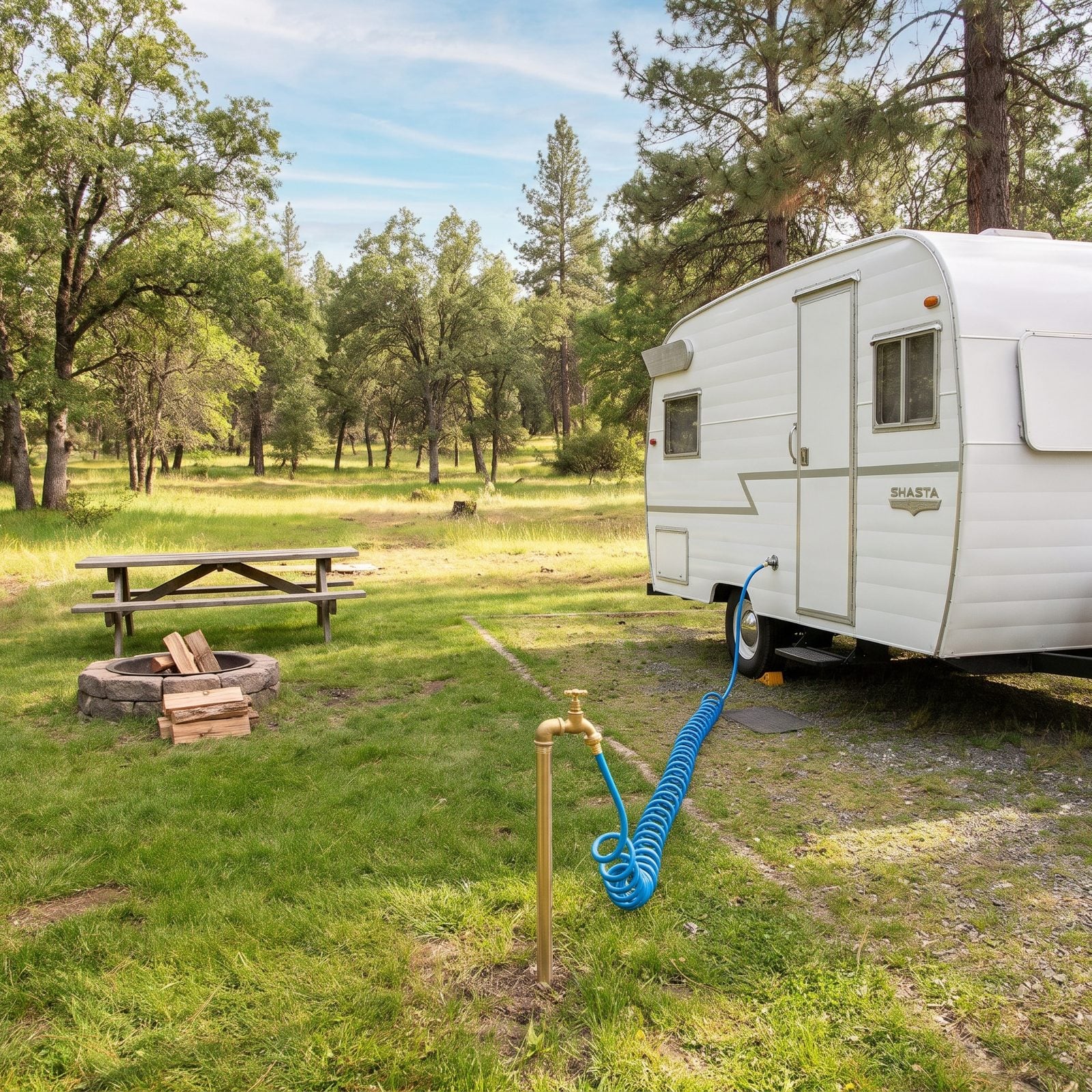
Rare, but it’s out there — usually at rustic or older campgrounds that ran water lines but never electricity. You get a spigot for your freshwater and that’s the whole deal. Everything else runs off your battery, propane, and solar if you’ve got it.
Suits tent-adjacent campers and small rigs that don’t lean on shore power. Need air conditioning, or run a CPAP at night? Think hard before you book one of these. A good battery bank or a quiet generator makes it workable. A dead battery at two in the morning does not.
Dry Campsite: A Real Site With Zero Hookups
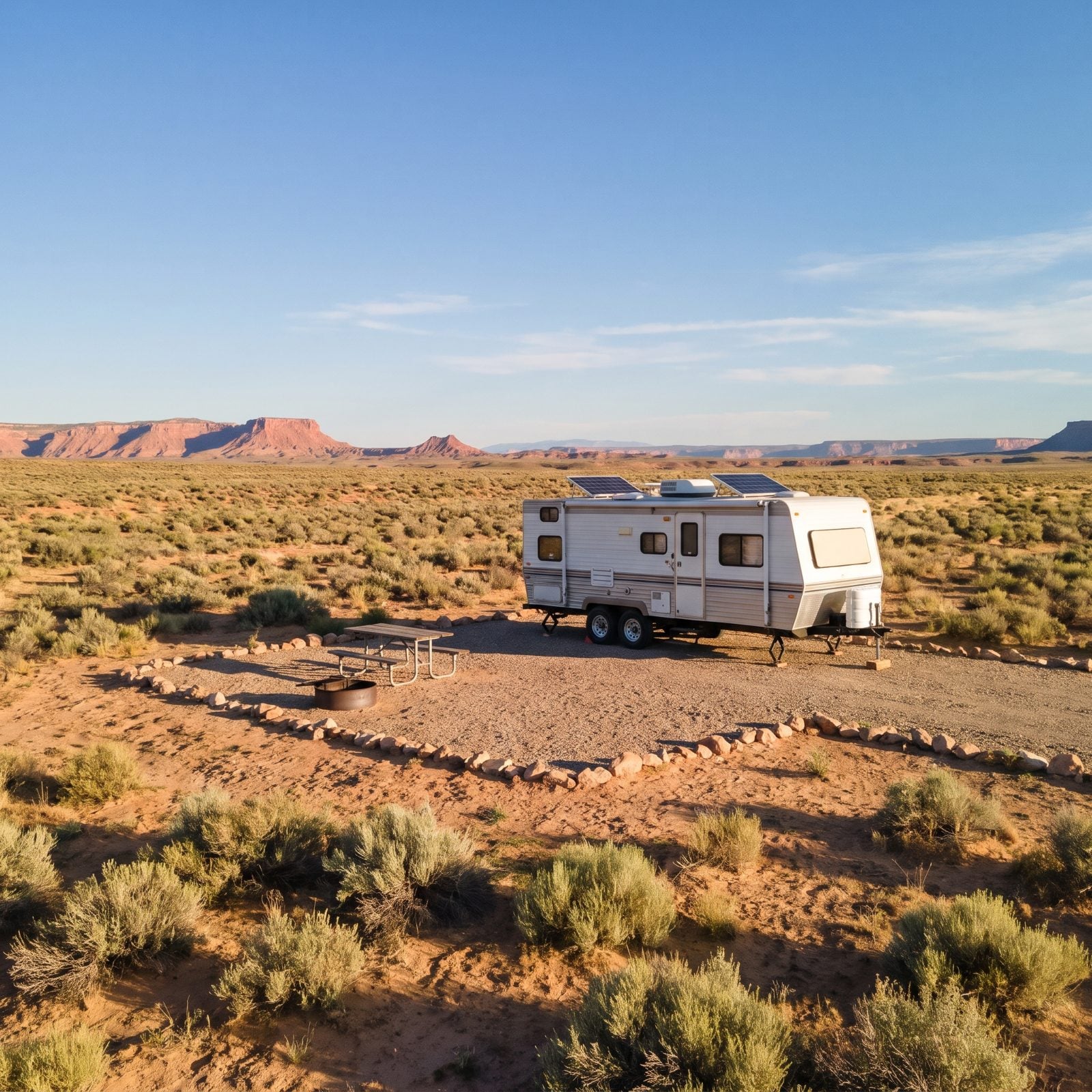
A dry site is a genuine, defined campsite — pad, fire ring, often a table — just no utilities. No power, no water, no sewer. Everything runs off what you hauled in. Call it boondocking with structure: a numbered spot you reserved, not some random pullout.
Campers with solar setups, lithium batteries, and generous freshwater tanks love them. The payoff is space, quiet, and often a much lower nightly rate. But the discipline is real. Every amp and every gallon is yours to manage.
Primitive Campsite: Rough Access and Bare-Bones Facilities
Primitive goes a step rougher than dry. The site is bare — sometimes just a cleared spot and a fire ring — and the access road might test your nerve along with your suspension. Think national forest dispersed areas and the far loops of backcountry campgrounds.
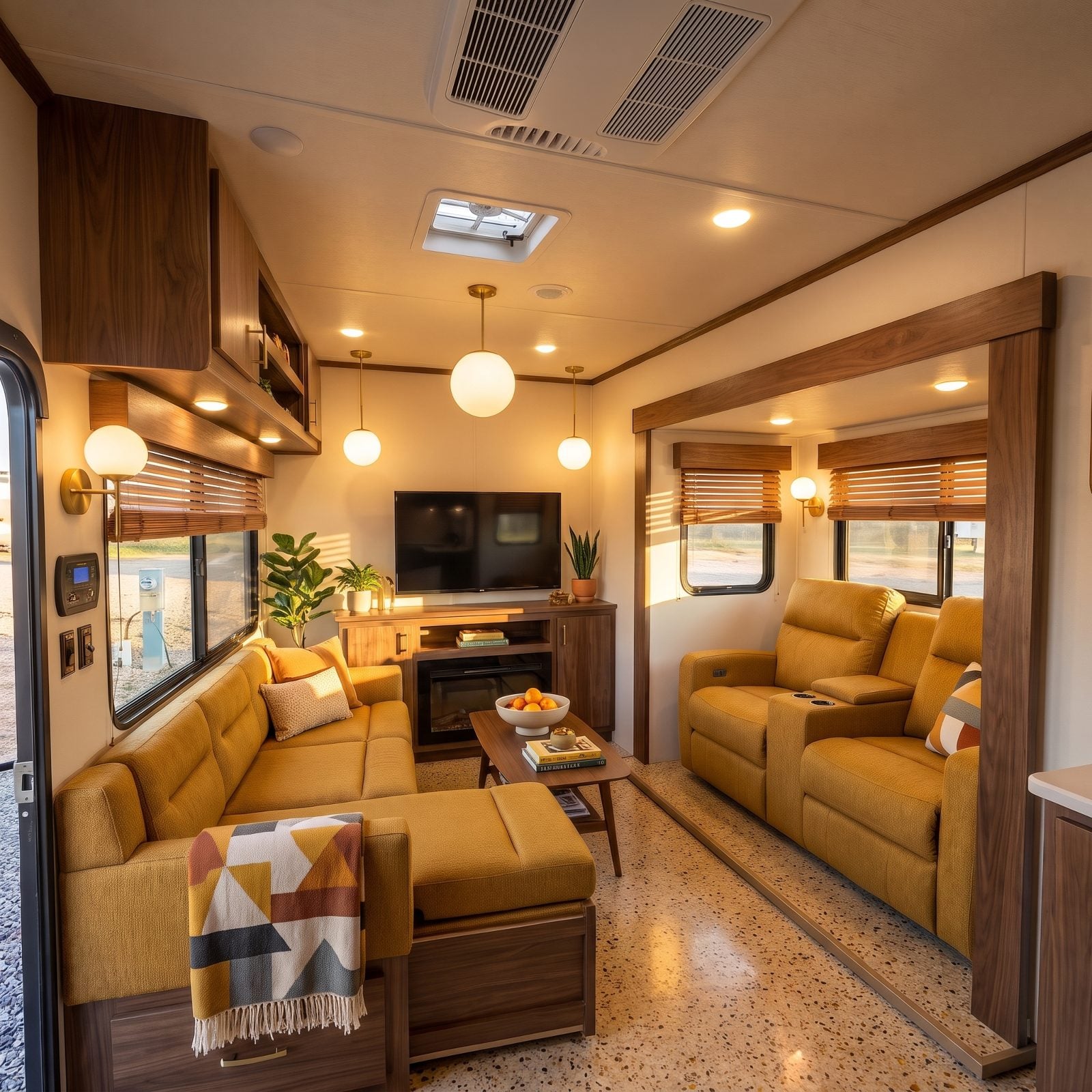
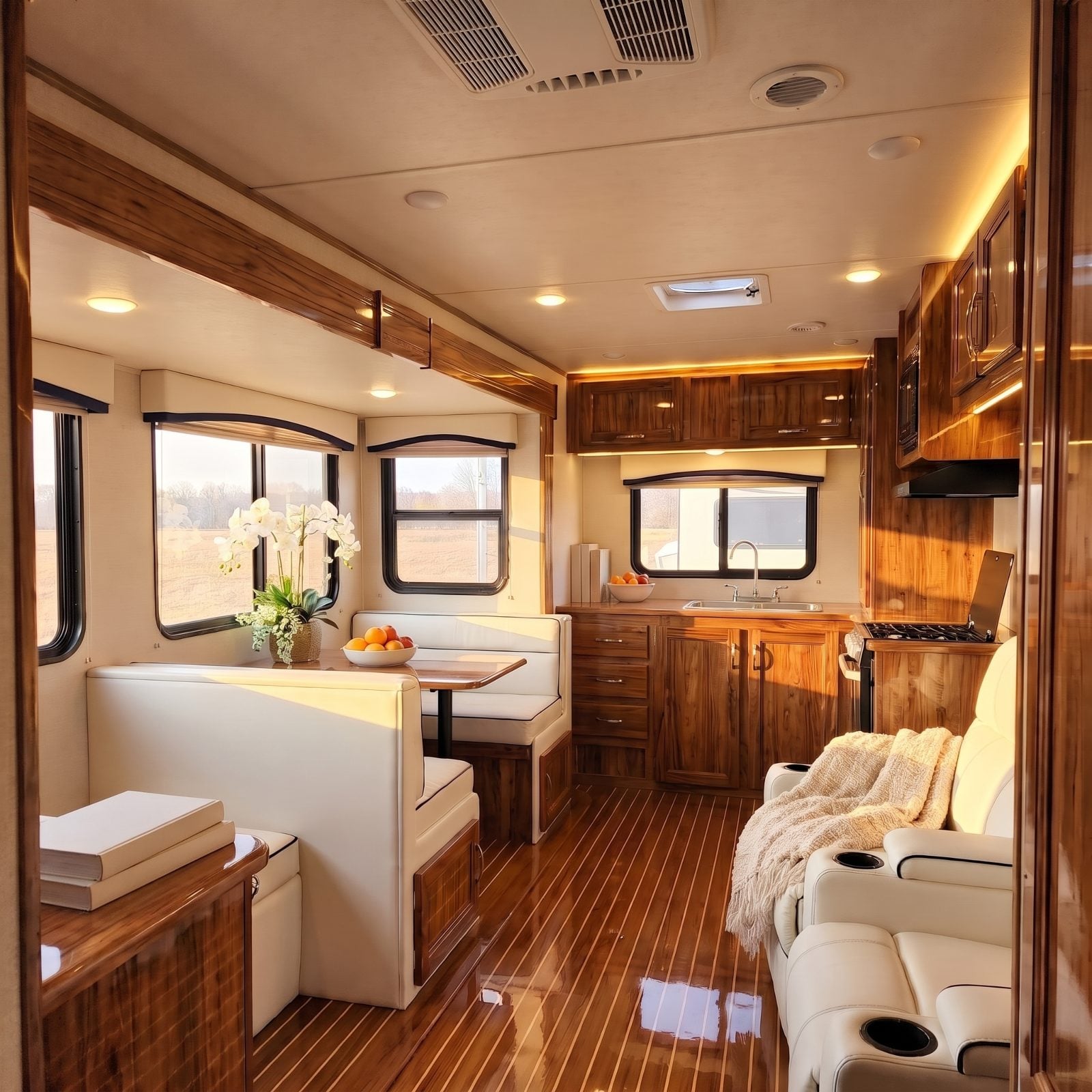
These spots reward small, capable rigs and self-reliant campers — not plush coaches with glossy wood cabinetry, full galleys and leather recliners. A big, residential-style rig has no business down a rutted two-track. Scout the access before you commit, and have a plan for turning around. I’ll say it plainly: trying to back a trailer a quarter mile down a dead-end forest road at dusk is a mistake you only make once.
20-Amp Hookup: Basic Household-Style Power
The smallest common service, and the one that trips up newcomers. A 20-amp hookup is basically a household outlet on a post — the same three-prong plug you’d find in your garage. It runs lights, the fridge, small appliances, and charges your battery.
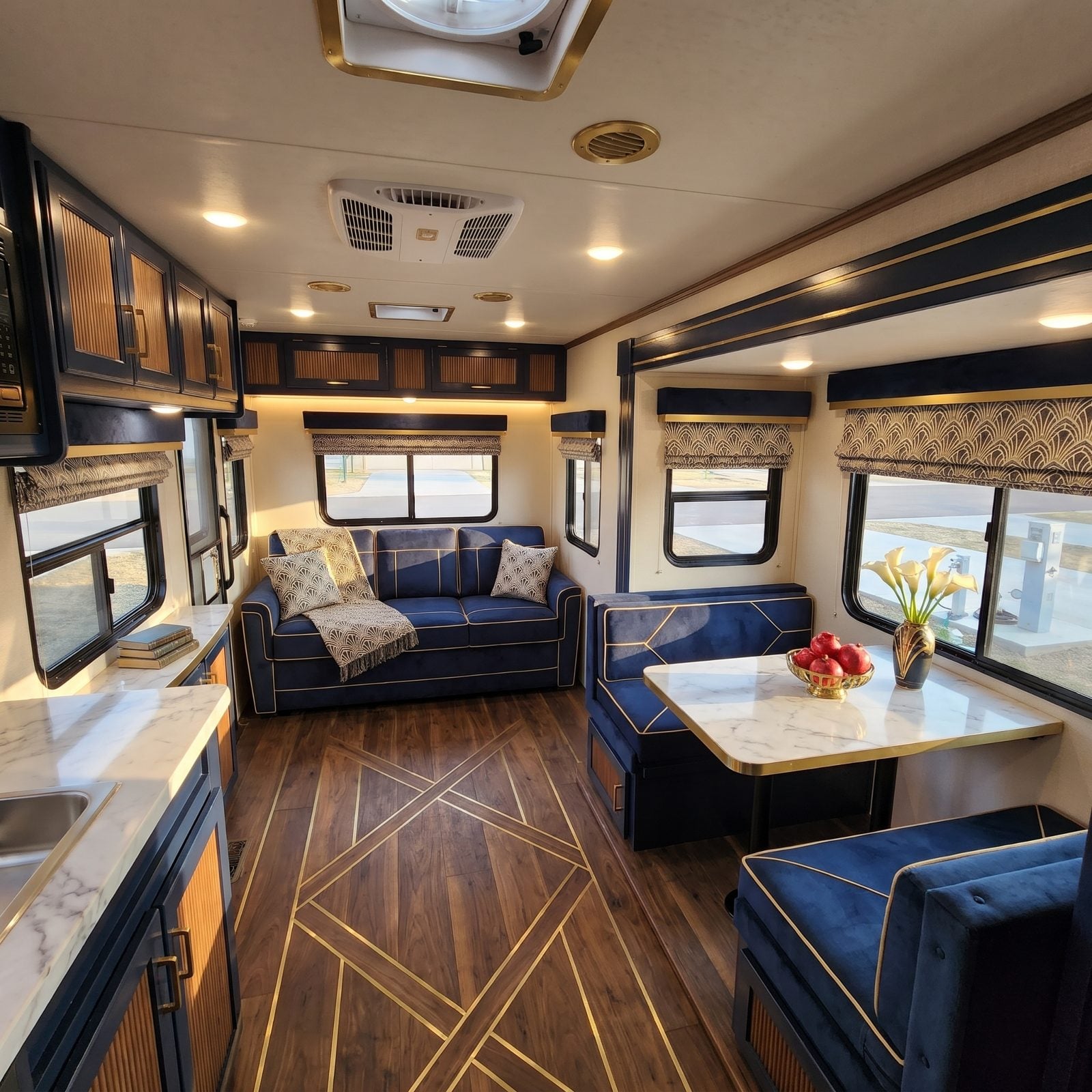
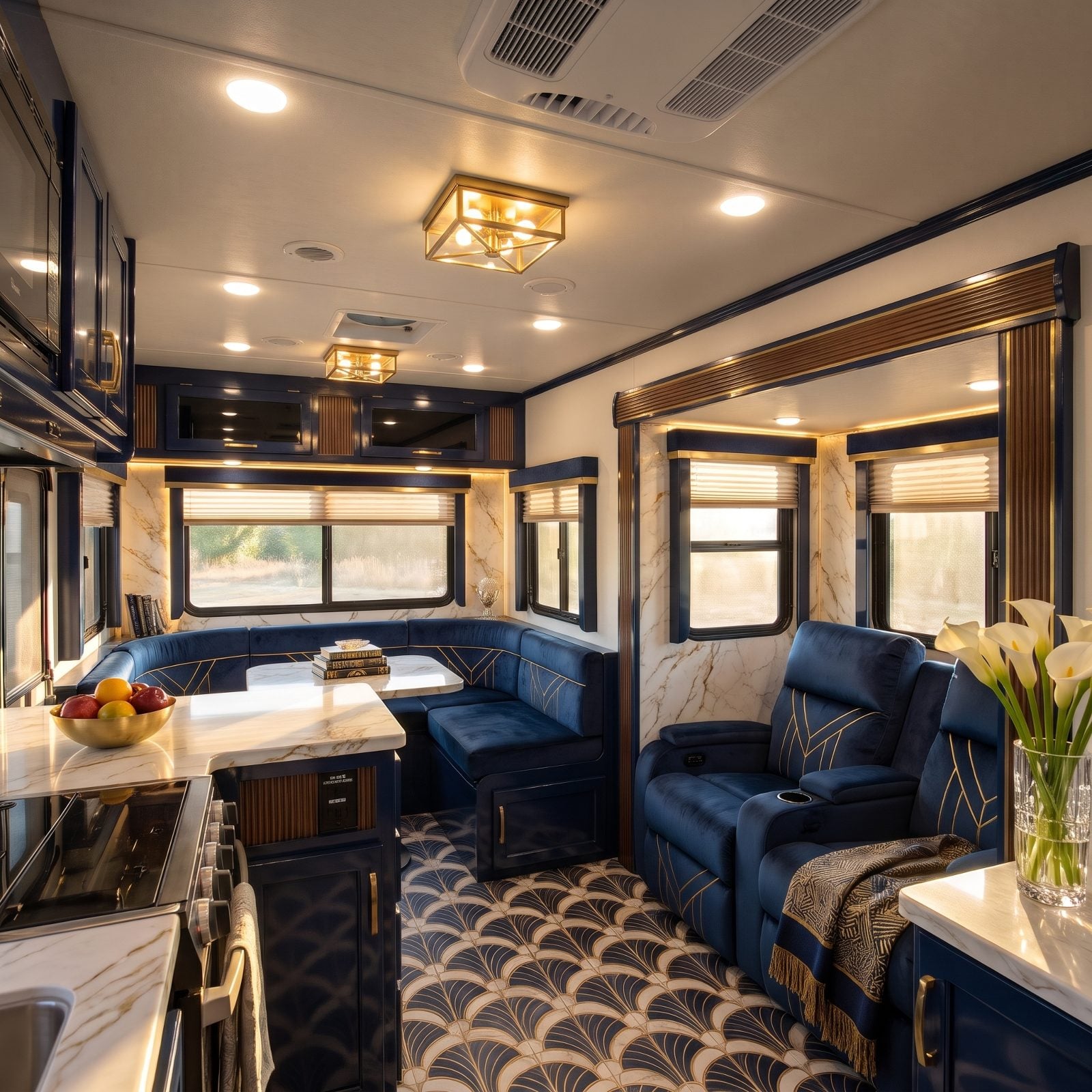
What it won’t do is run your air conditioner and a microwave at once. You’ll pop the breaker. A slide-out rig with a rooftop AC, microwave, cooktop and power recliners, can plug into 20 amps in a pinch, but it keeps bumping its head on the ceiling.
30-Amp Hookup: The Standard for Most Travel Trailers
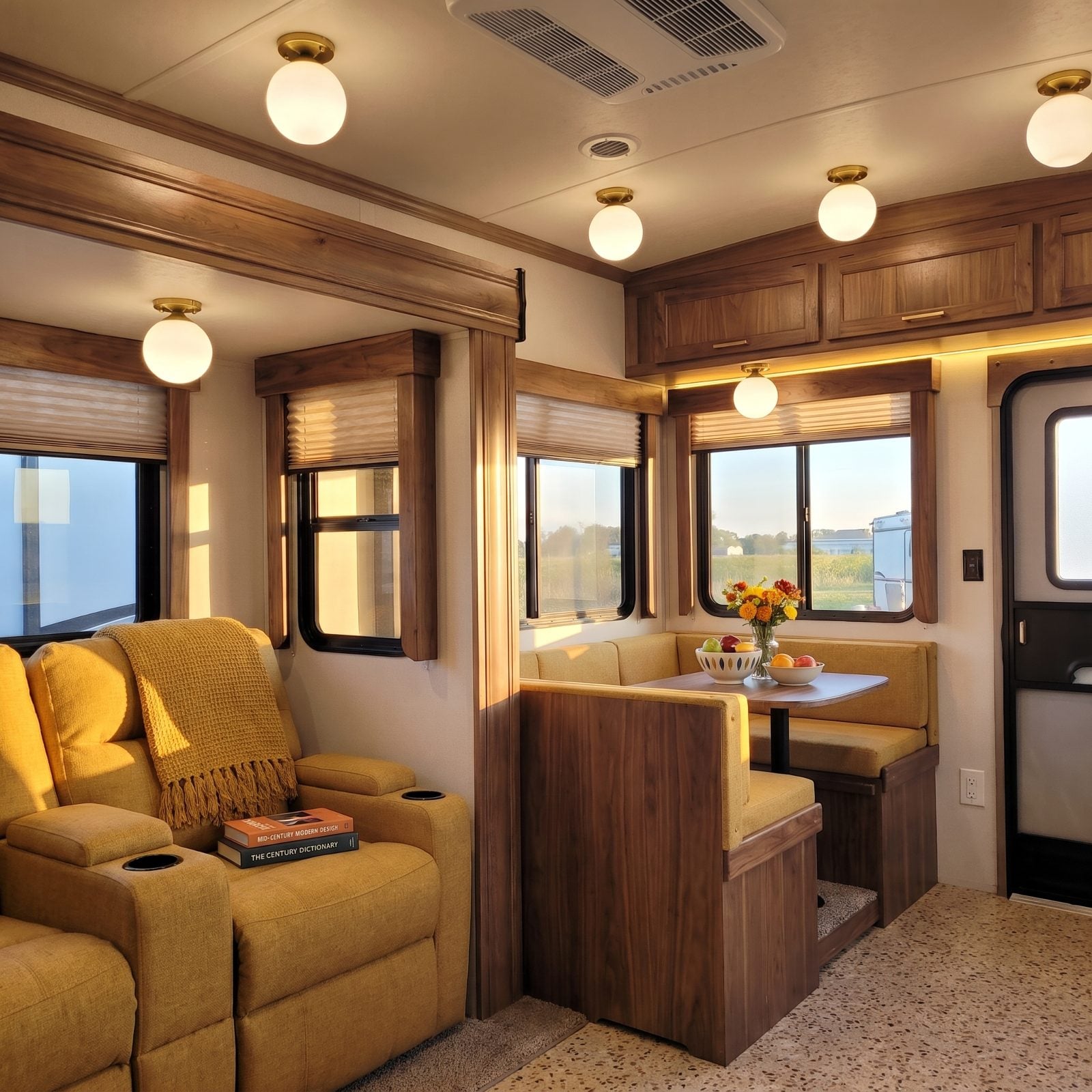
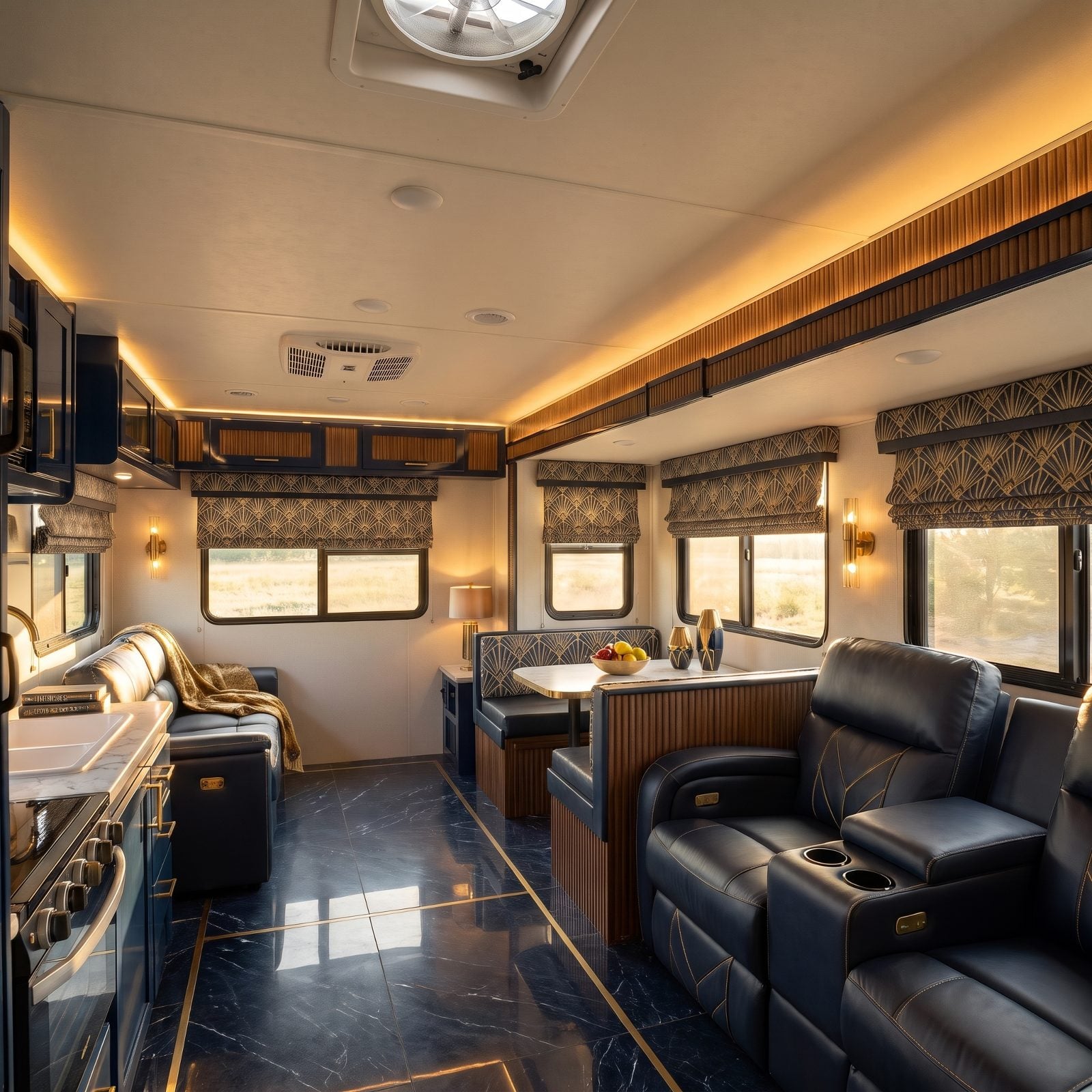
The workhorse. A 30-amp connection is what most single-AC travel trailers and midsize motorhomes are built around. Picture a cozy living area and dinette with a single rooftop air conditioner overhead, pendant lights, LED strips above the windows, and outlets beside the dinette, all running off one 30-amp cord.
You can run one air conditioner comfortably, plus the fridge, water heater, and lights. Where it gets tight is piling on a second big draw. Microwave plus AC plus electric water heater all at once, and you’re watching that breaker like a hawk. Learn to stagger your heavy appliances and 30 amps handles almost any weekend beautifully.
50-Amp Hookup: High-Capacity Power for the Big Rigs
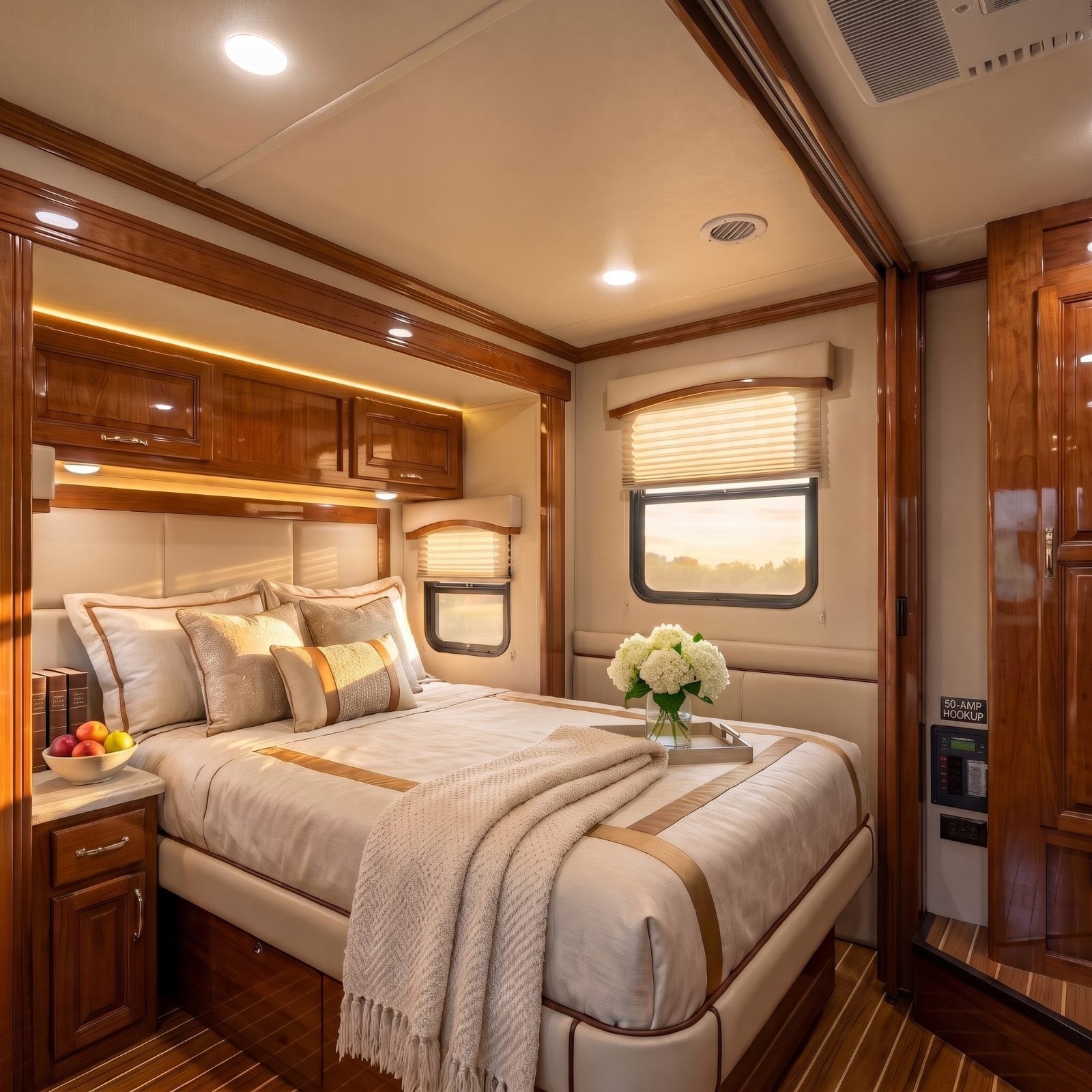
Big power for big rigs. A 50-amp service delivers far more than its number lets on, because it’s really two 50-amp legs working together. Large motorhomes and fifth wheels with dual air conditioners need it.
With 50 amps, the rationing stops. Both ACs, the microwave, the residential fridge, the washer-dryer — all running, not a breaker tripping. And if your rig is wired for 50 but you can only find 30-amp service, a dogbone adapter gets you plugged in, though you’re back to minding your loads.
On-Site Sewer Connection: The Waste Outlet at Your Pad
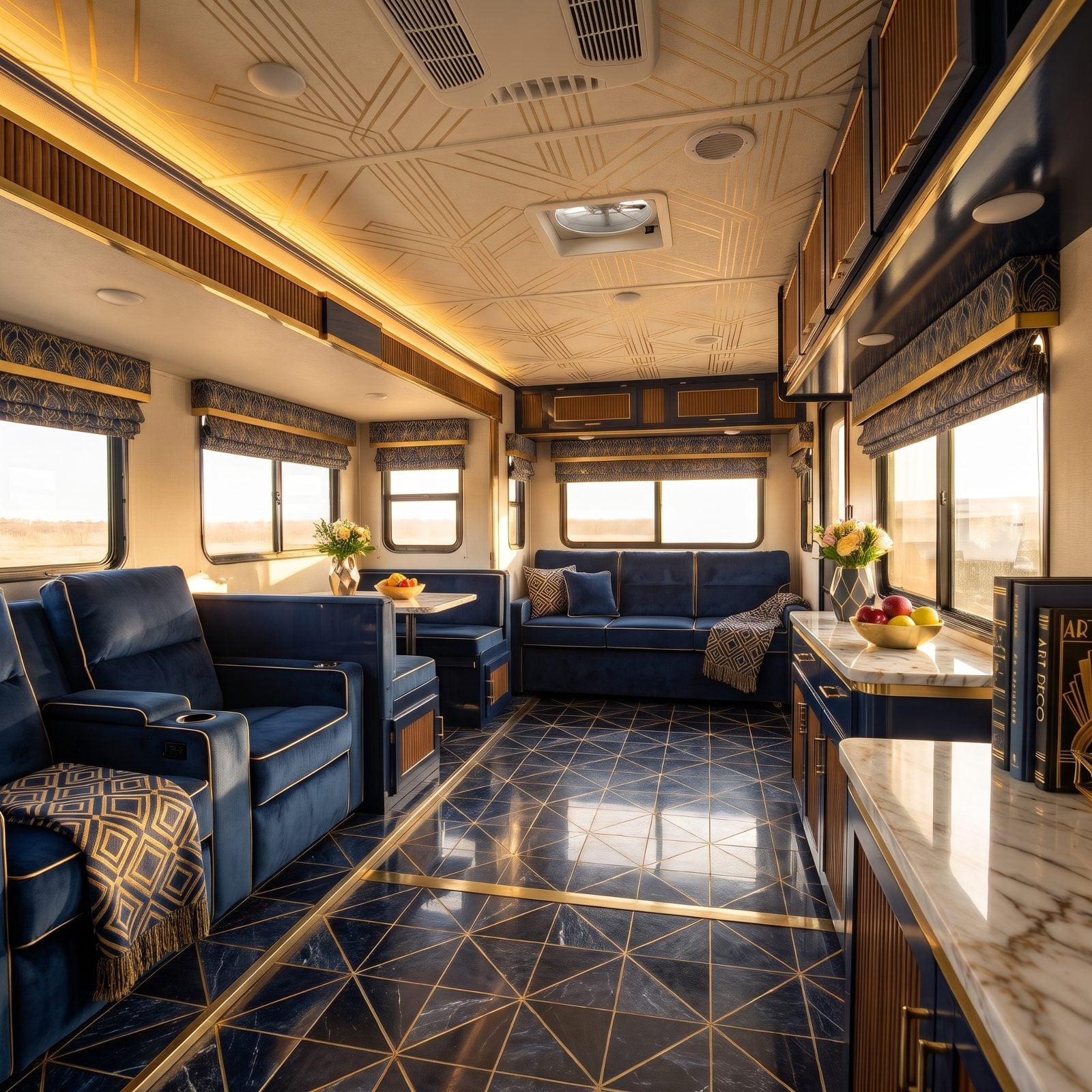
The feature that turns a good site into a great one. An on-site sewer connection is a capped inlet set into the ground at your pad. You run your sewer hose from the RV’s waste valves straight into it and dump without ever moving the rig.
Two things separate a clean setup from a mess. Use a hose support ramp to hold a downhill slope so nothing pools in the line. And keep that cap closed when you’re not actively dumping, because on a warm afternoon the sewer side can breathe odors right back at you.
Dump-Station Campground: One Central Spot for Waste Disposal
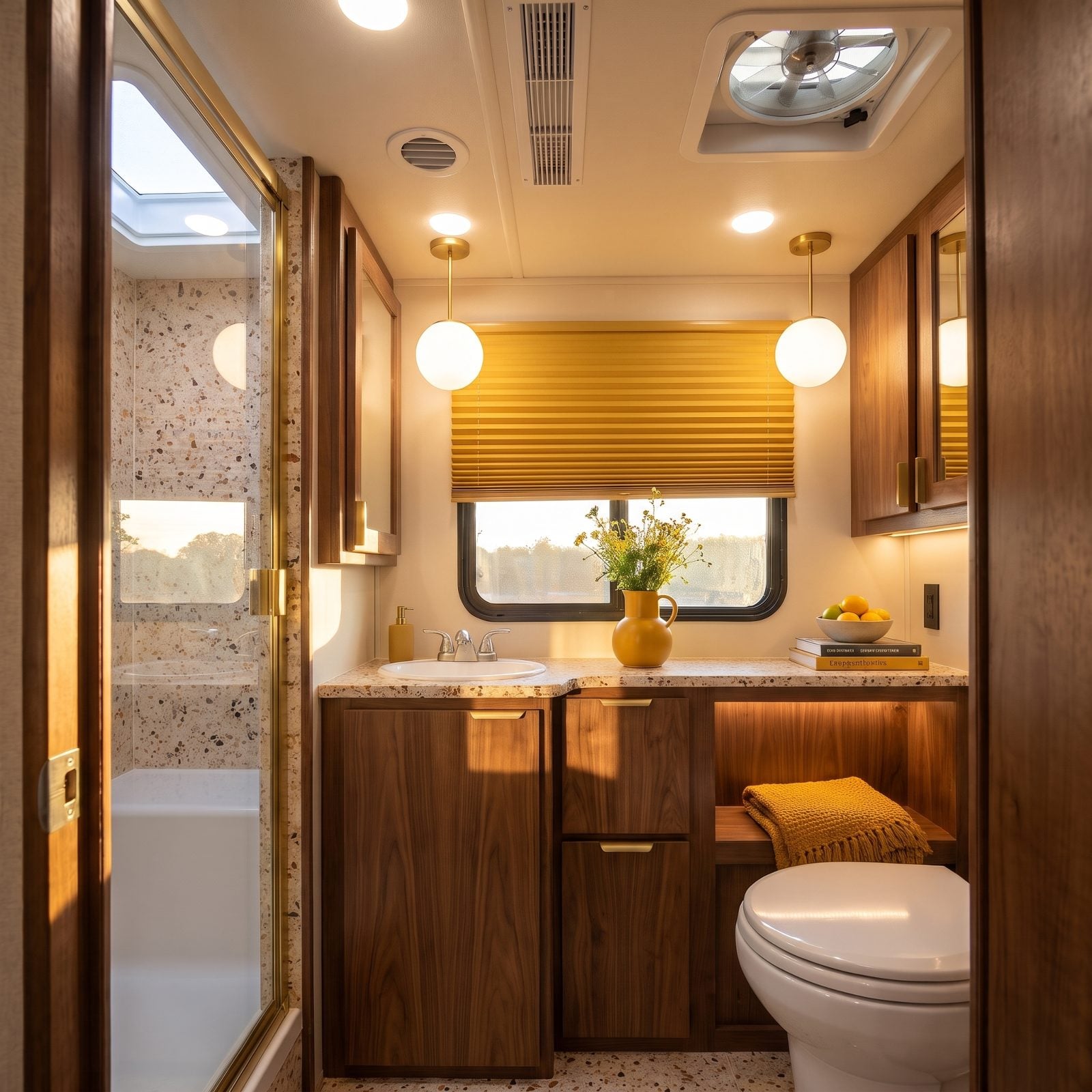
No sewer at your site? Most campgrounds solve that with one central dump station near the entrance or exit. Your actual campsite might have water and power but no sewer connection, so you dump your gray and black tanks on the way out.
This setup keeps costs down, which is why you see it at state parks, national forest campgrounds, and older RV parks. The trade-off is simple: you live with your tanks until it’s time to leave, then you queue up at the one dump spot everyone else is also heading toward on Sunday morning.
Honey-Wagon Service: The Pump-Out Truck Comes to You
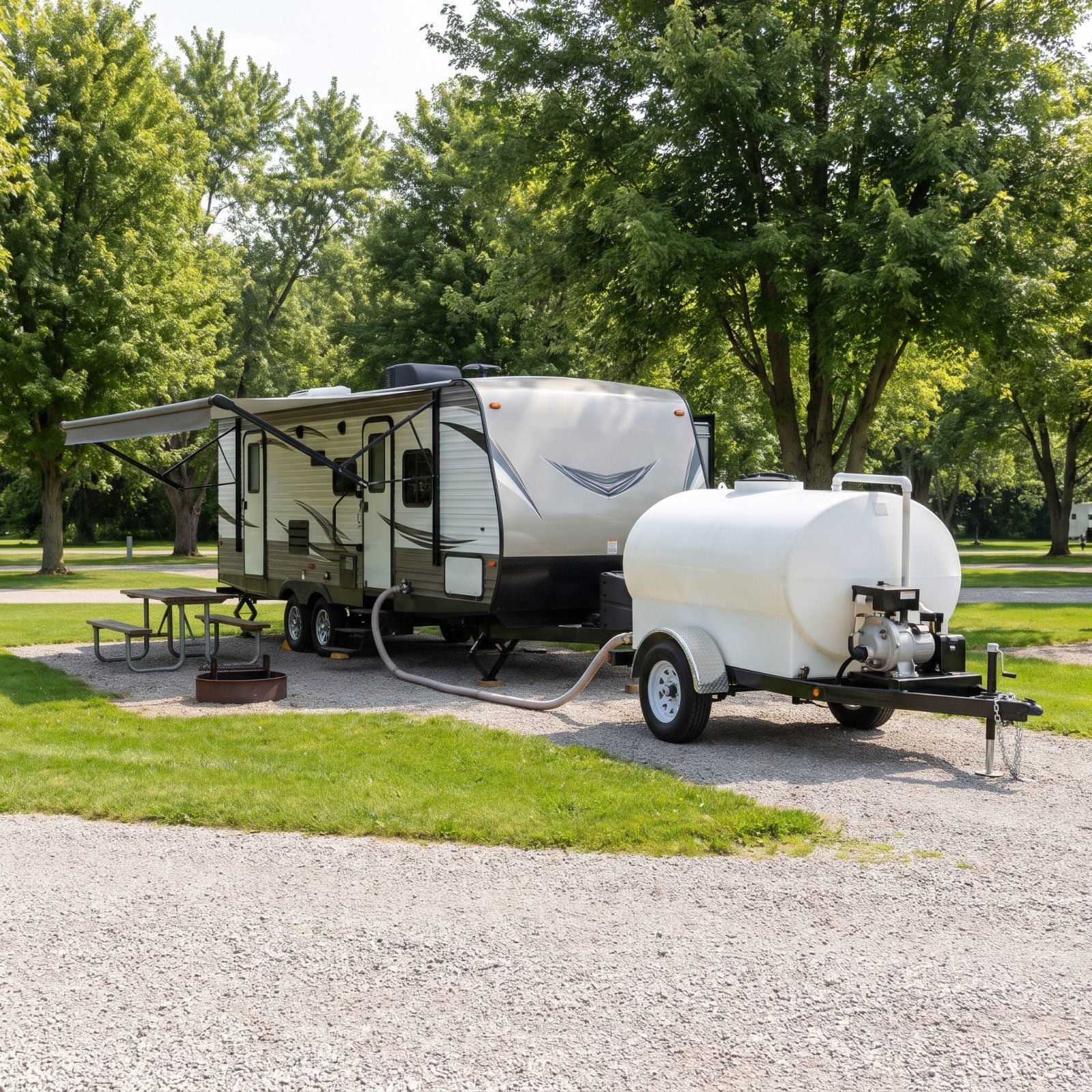
Some campgrounds and nearly every busy RV resort offer a honey-wagon: a mobile pump-out service that comes right to your site. You stay parked, someone (or you, on a self-serve unit) pumps your tanks into a wheeled tank, and your rig never moves.
This is the answer for long stays, big rigs that are a pain to unhook, and sites with full amenities but no sewer line. Expect a per-visit fee and usually a day’s notice to get on the schedule. Worth every penny when breaking camp means stowing an awning, three chairs, and a satellite dish just to drive to the dump station.
Shared-Water Site: Filling From a Communal Spigot
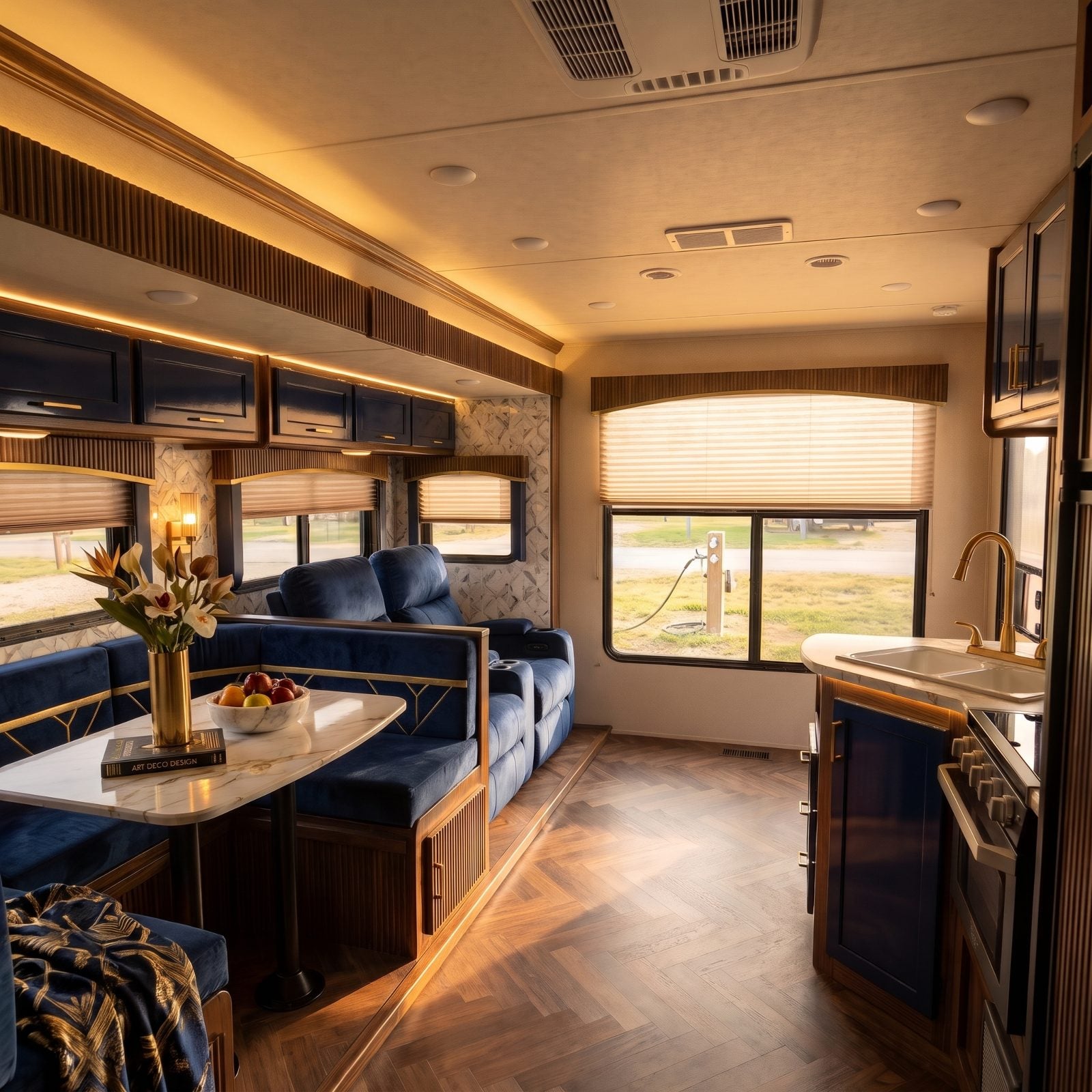
No spigot at your pad. On a shared-water site, you fill up at a communal water spigot that serves several sites or the whole loop, then run off your freshwater tank between trips to the tap.
Plenty of developed campgrounds and RV parks run this way. It’s perfectly workable once you know the rhythm. Top off your tank on arrival, and keep a dedicated drinking-water hose plus a brass water-pressure regulator in your kit so a surprise blast of pressure doesn’t rattle your plumbing.
Winterized Hookup Site: Frost-Protected Utilities for Cold Camping
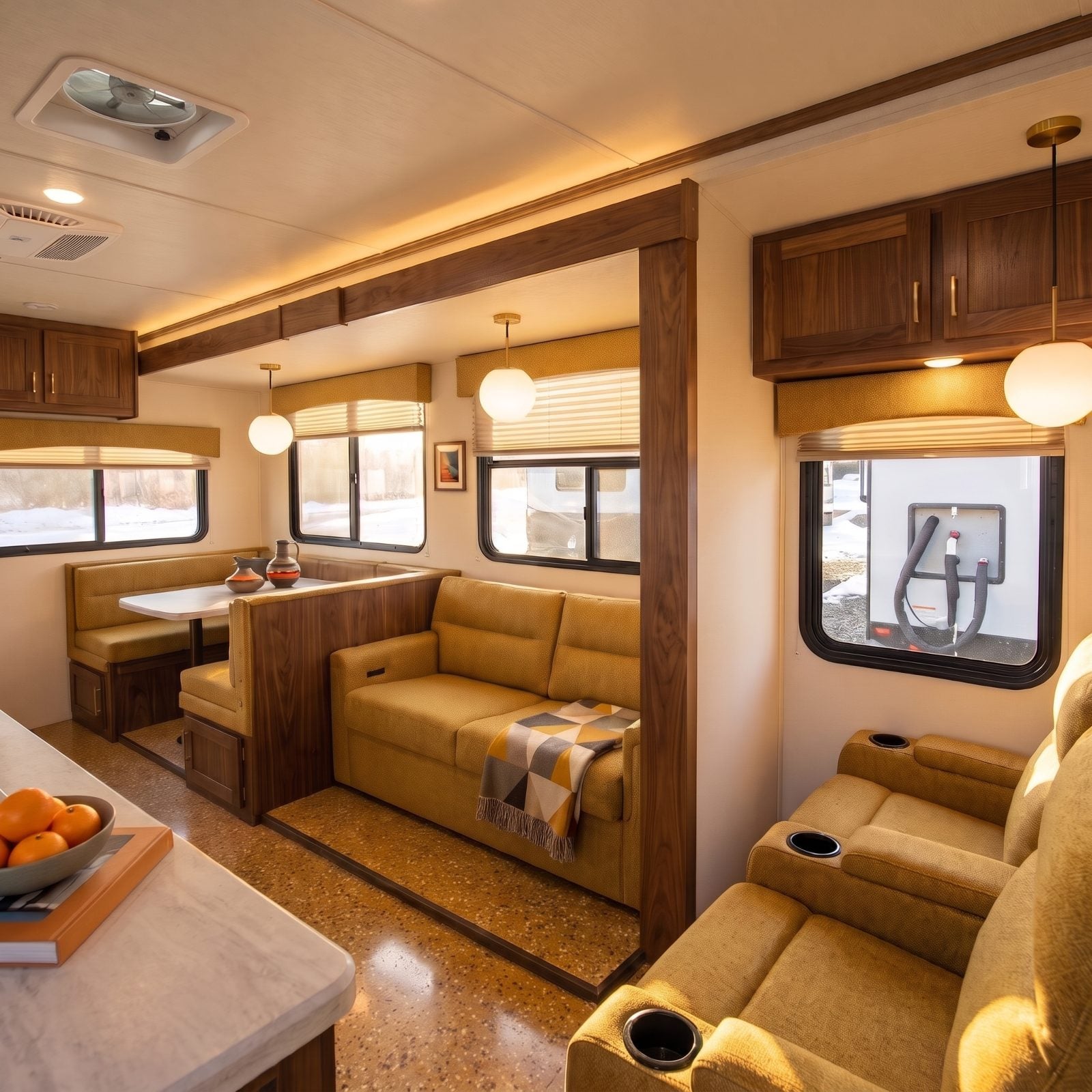
Cold-weather camping lives or dies on the water line. A winterized hookup site gives you frost-protected or heated utilities so your spigot doesn’t freeze solid overnight and your water keeps flowing when the temperature drops below freezing.
You’ll find these at ski-area parks, snowbird-adjacent campgrounds, and anyplace that stays open past October. You’re expected to run a heated, insulated hose rather than your standard summer line. Some sites also offer 50-amp service so you can run electric heaters without tripping a breaker.
Book one if you’re chasing shoulder-season quiet or you full-time through winter. Just confirm what the campground provides versus what you’re responsible for, because a frost-free hydrant does nothing if your own hose freezes.
Generator-Permitted Site: Off-Grid Power on a Schedule
No electrical hookup, but you’re allowed to run a generator during set hours. That’s the generator-permitted site, common in national forest and BLM campgrounds where off-grid is the whole point.
Quiet hours ban generators overnight, often something like 8 p.m. to 8 a.m., sometimes with a midday quiet window too. You run the generator to charge batteries, brew coffee, or power the microwave, then you shut it down and let the place go silent.
Bring a generator you can actually live next to. A quiet inverter model is a different animal than the old open-frame units that sound like a leaf blower having a bad day. Your neighbors will notice, and so will you at 7:55 a.m.
Generator-Free Site: A Quiet Loop Without Engine Noise
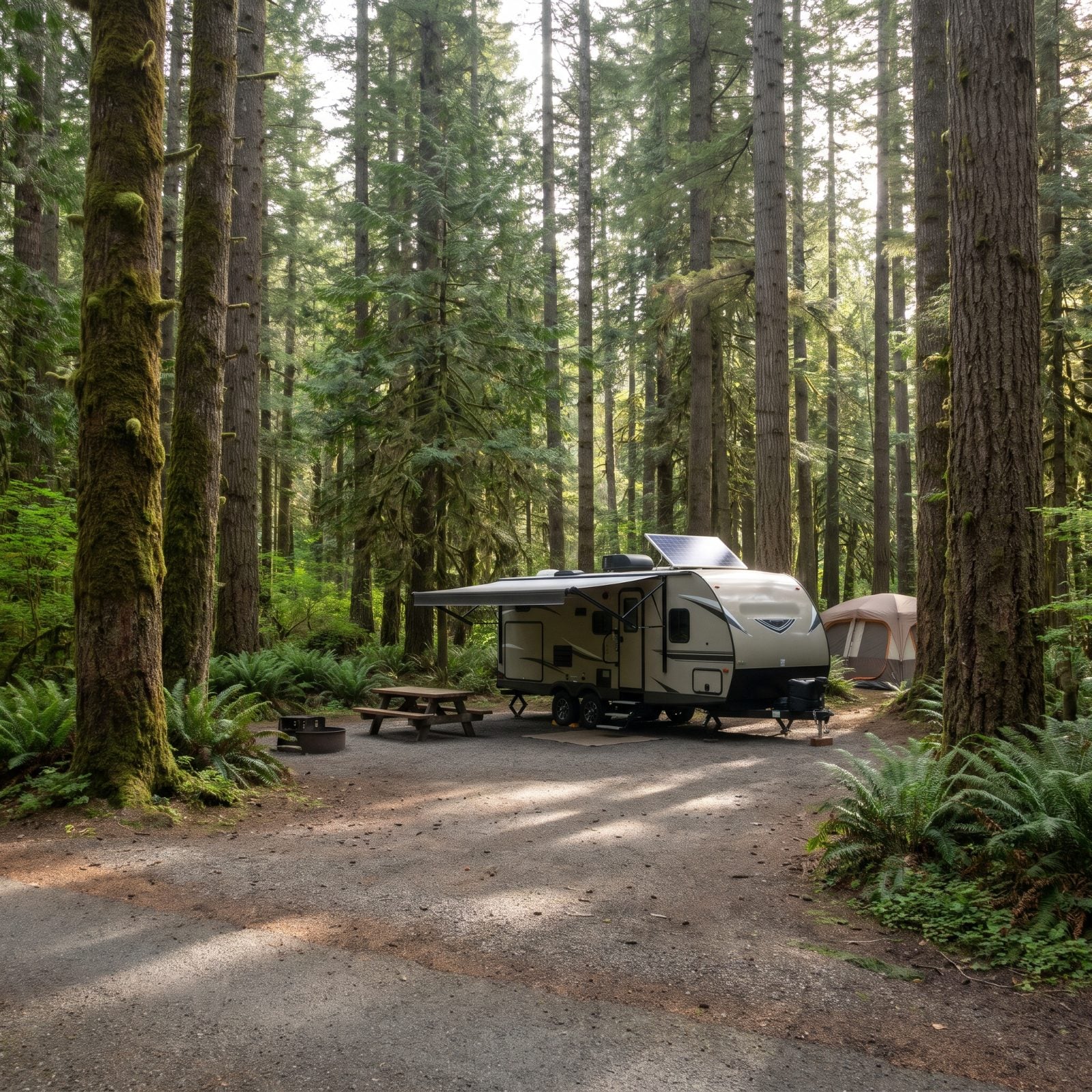
The flip side. Generator-free loops ban engines entirely, no exceptions, no set hours. If silence is what you came for, this is the listing to look for.
These sites draw tent campers and solar-equipped RVers who run on batteries and panels. You’ll hear wind in the trees and a creek, not a hum from three sites over. Full-timers who’ve logged enough nights next to a droning generator tend to seek these out on purpose.
Dispersed Camping: Undeveloped Sites Beyond the Campground
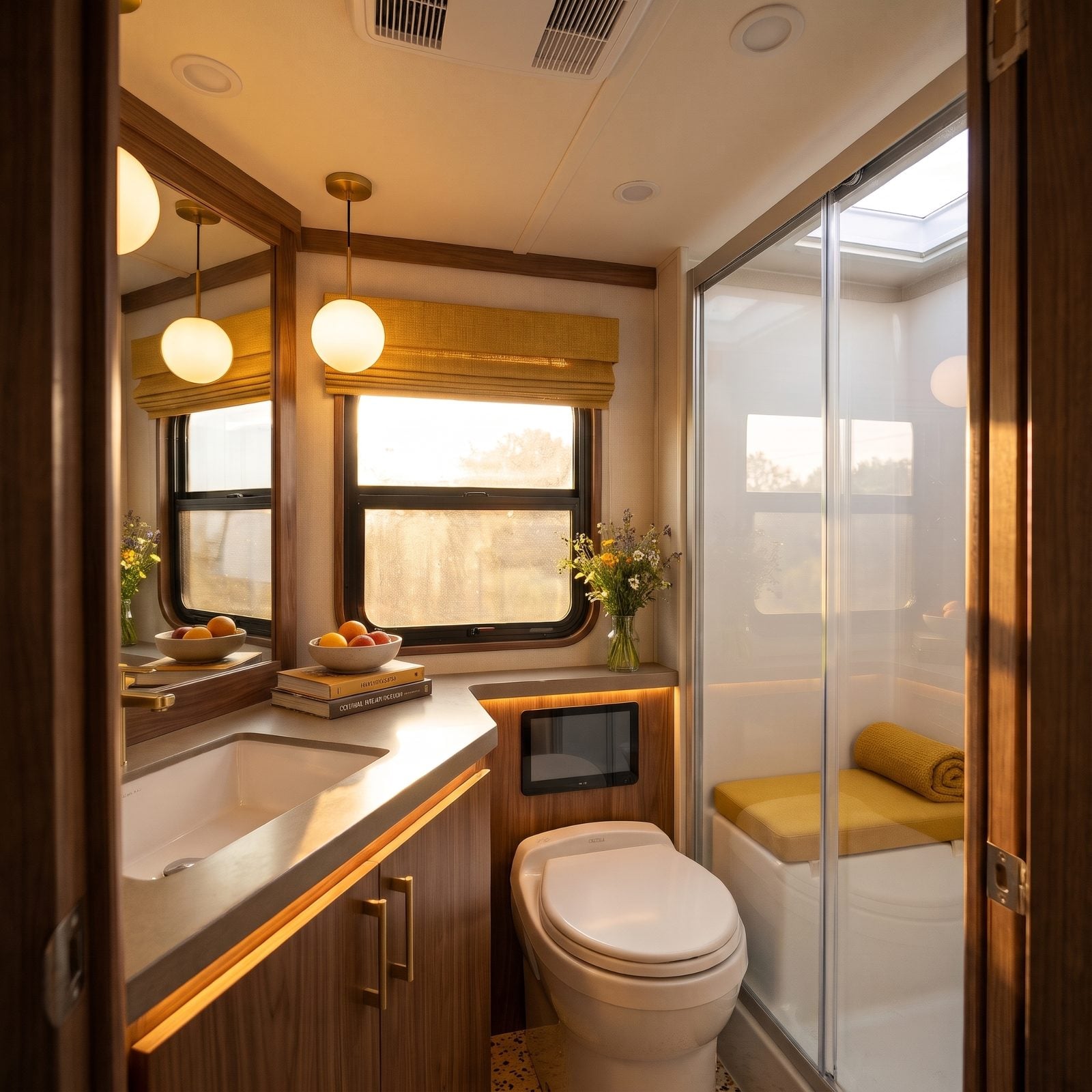
No numbered sites. No pedestal. No spigot. Dispersed camping means pulling off on public land, usually BLM or national forest, and parking where you’re legally allowed, with zero services.
You carry in everything: full fresh tank, charged batteries, solar or a generator for power, and the discipline to pack out every scrap. There’s often a two-week stay limit, and you’re expected to use existing clearings rather than flattening new ground.
This is the free, wide-open, no-reservations end of RV life. It’s also the setup that punishes anyone who forgot to dump their tanks or top off water before leaving town. Come self-sufficient, or don’t come at all.
Back-In Campsite: Reversing the Rig Onto the Pad
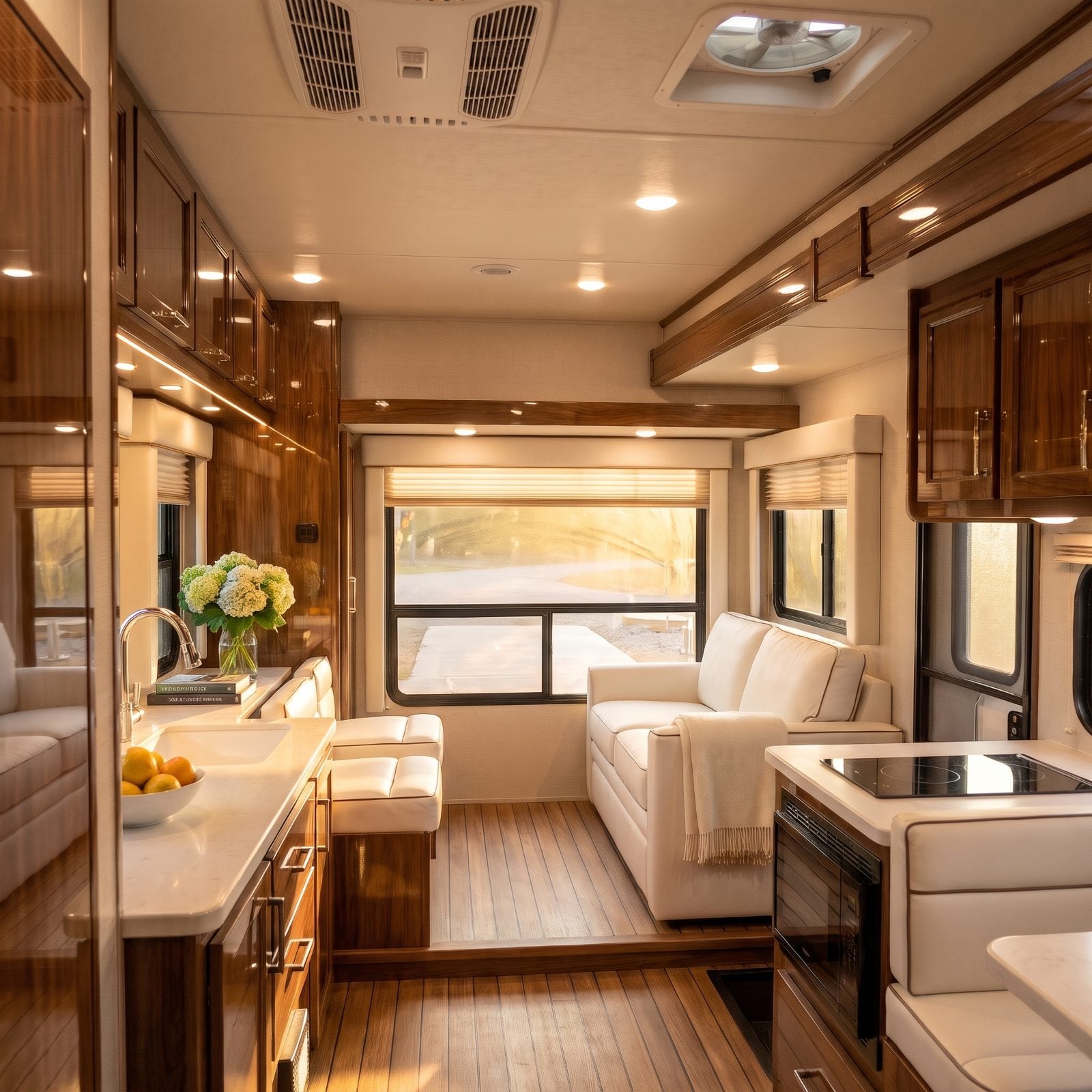
The most common layout you’ll see, and the one that intimidates new RVers most. A back-in site runs perpendicular to the road, so you reverse the rig onto the pad. The payoff is a better site design: your door and awning open onto the living space, with the picnic table and fire ring laid out where you want them.
Hookups usually sit at the back corner of the pad, which lines up neatly with the utility bay on most trailers and fifth wheels once you’re parked. Backing in takes practice, a spotter, and patience the first few dozen times.
Pull-In Campsite: Driving Straight Onto the Pad
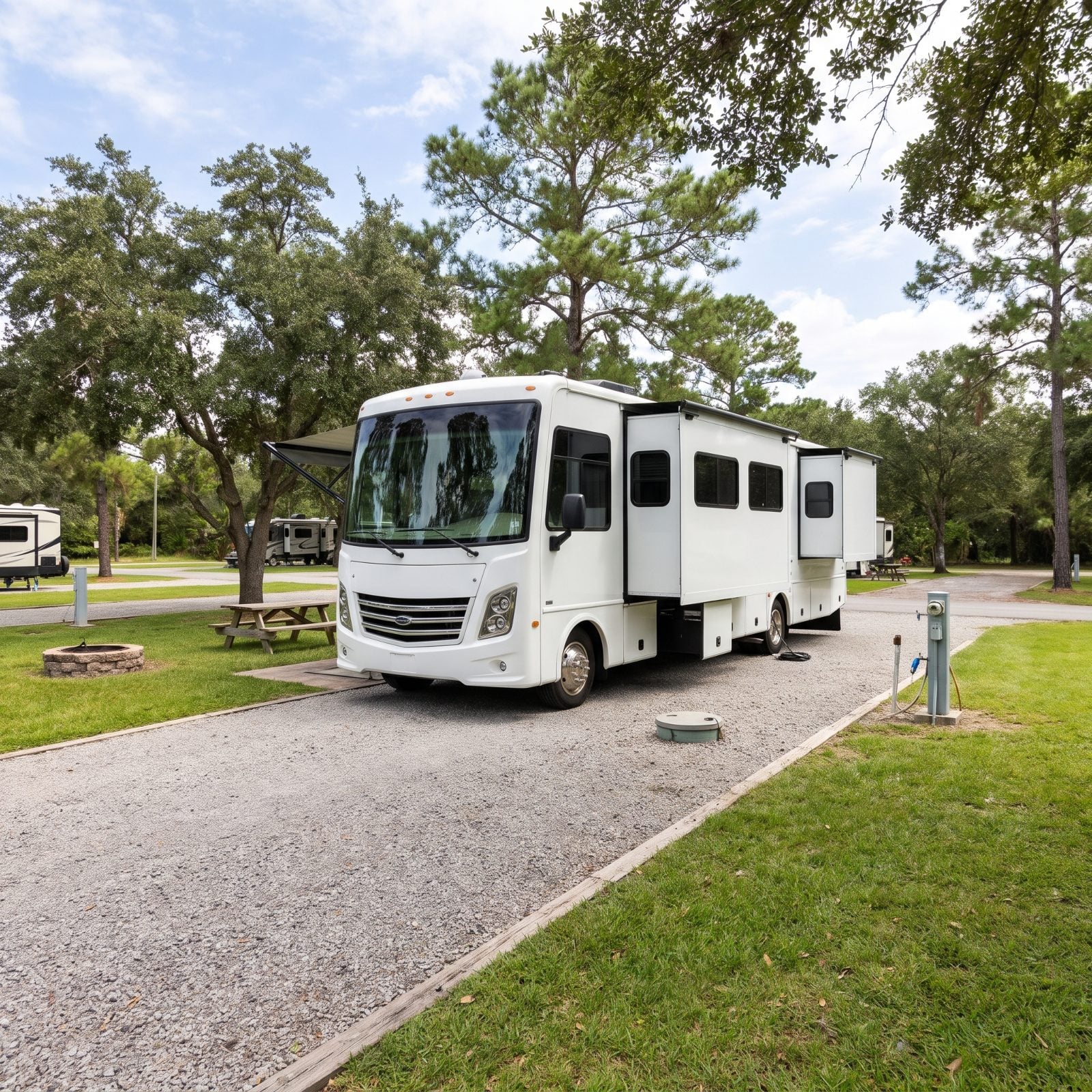
Drive straight in, no reversing required. Pull-in sites let you nose onto the pad forward, which is a gift to anyone who dreads backing a big rig. You’ll see these at some RV parks and in a lot of open gravel-lot campgrounds.
The catch is the layout. Because you parked facing forward, your door and awning sometimes open toward the neighbor or the road rather than your own private space, and unhooking a towed car or truck becomes its own little choreography. Great for an easy arrival, less thoughtful about where you’ll actually sit. Read the site photos before you assume the view faces the right way.
Buddy Site: Two Rigs Sharing One Central Living Space
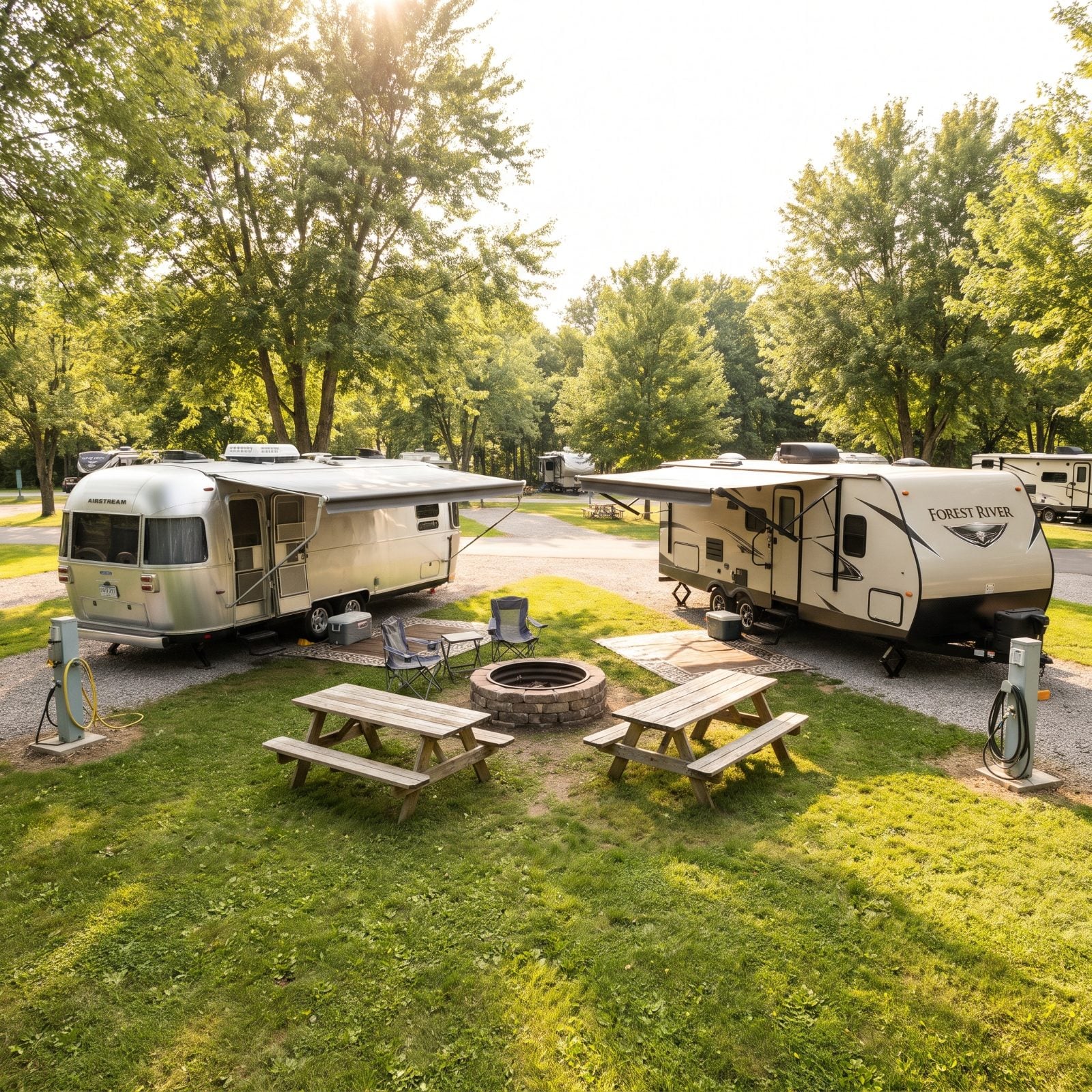
Camping with another family or a travel buddy? A buddy site (sometimes called a double site) is built for it: two pads arranged around one shared central living area, usually with a common fire ring and room for everyone to gather in the middle.
Each rig gets its own hookups and pad, but the awnings and doors face inward toward the shared space, so the two camps become one. These fill up fast for holidays and group trips. Reserve early and request them by name when you call.
The appeal is obvious. Nobody’s walking across a loop to share a coffee or watch the kids. One fire, two rigs, and the easy sprawl of a camp where everybody’s already home.
Tandem Site, Two RVs Park End to End
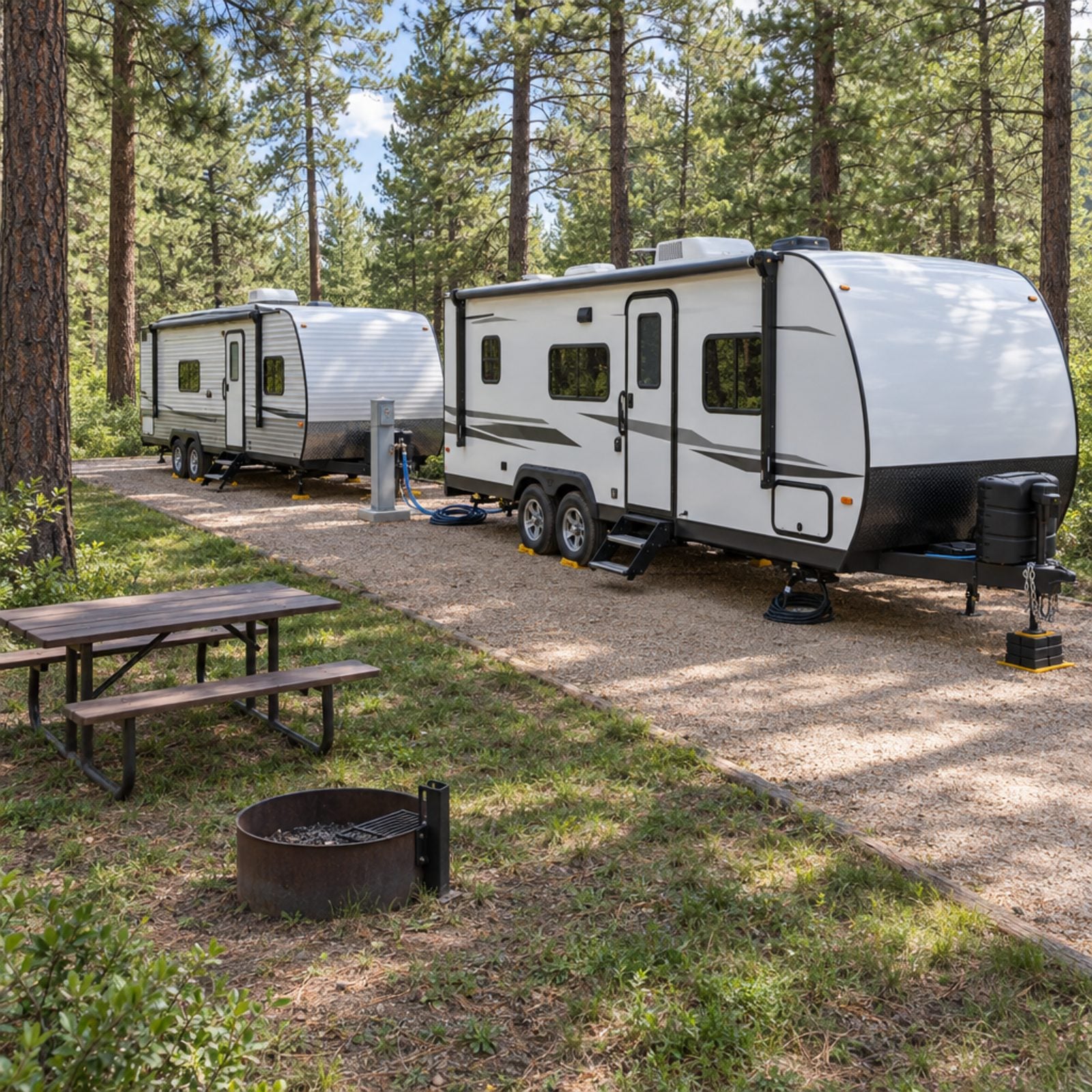
Two rigs, one pad, parked in a line like train cars. That’s a tandem site, and it’s the camping world’s answer to “we want to be close but we each brought our own home.”
You’ll see these at older state parks and some private grounds where the loops were cut before big rigs got common. They’re built for families traveling in two units, or two couples who like their own space but still want to share a fire. The catch is that single hookup setup. Often there’s one pedestal between you, so you’re splitting power and water and someone’s running a longer hose. Sort out who gets what before you level.
Best for groups that already know each other well. Awkward for strangers assigned to share. And check the listing carefully, because some parks book each half separately and you could end up tandem with people you’ve never met.
Group Campsite, Several RVs Camp Together
A group campsite is one big reservation that holds a whole caravan. Think family reunions, club rallies, or four couples who travel together every October.
Instead of individual numbered pads, you get a shared area with a cluster of tables, a central fire ring, and room for multiple rigs to circle up. Some are gorgeous open meadows. Some are just a gravel lot with a capacity number. Amenities swing all over the place, so read the fine print on how many vehicles it holds and whether every rig gets a hookup or only the lucky ones parked near the pedestals.
You reserve the whole site at a flat rate, then split it among your crew. That makes it cheaper per rig than booking separate standard sites, which is half the appeal.
Patio Site, A Furnished Outdoor Living Space
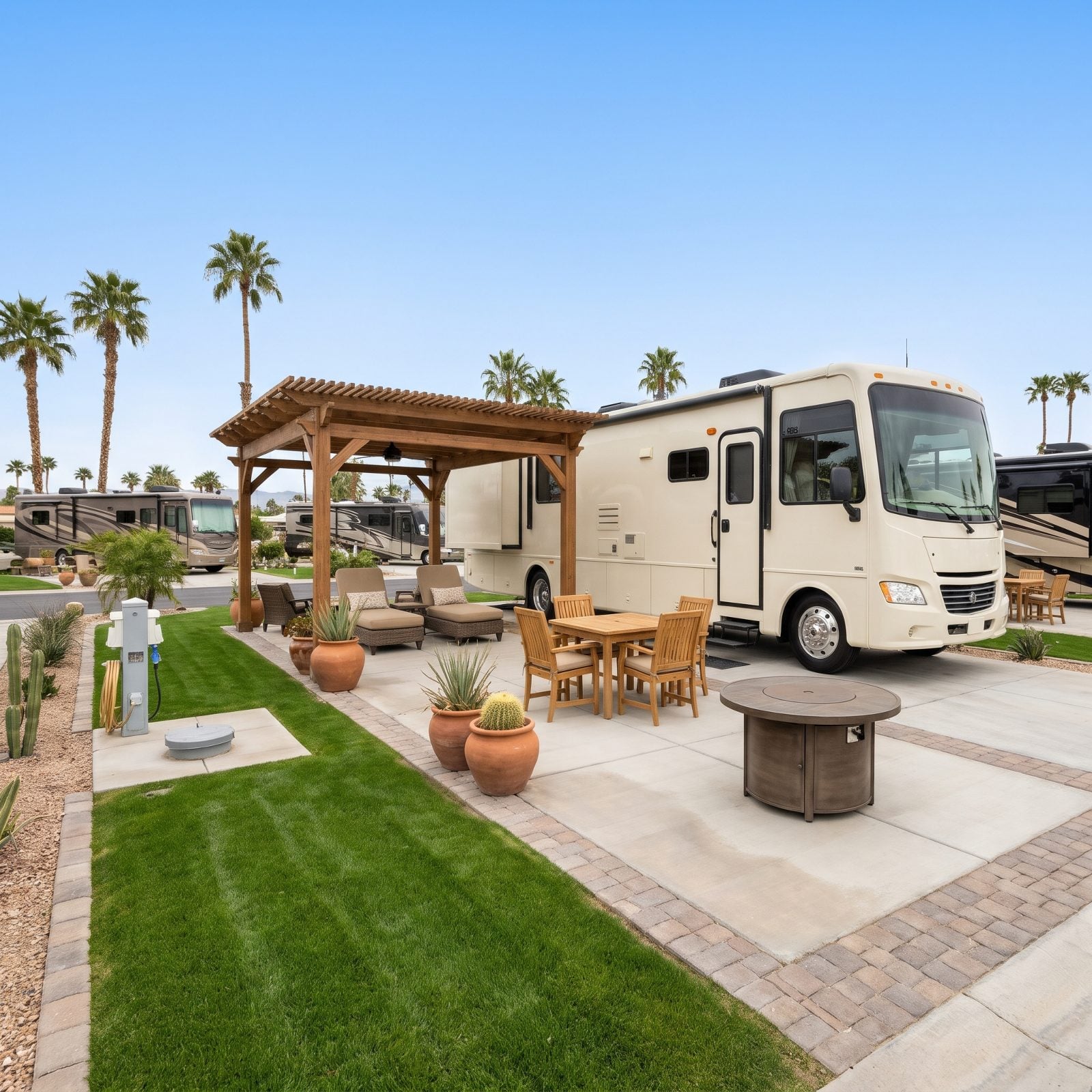
Some sites give you a parking spot. A patio site gives you a backyard.
These are the showpieces of higher-end RV resorts, especially down in the Sunbelt. Alongside your pad you get a furnished outdoor room: a tiled or paver patio, often a pergola, sometimes a built-in gas fire feature, a dining set, and loungers already waiting. You roll in, level up, and the whole outdoor space is done before you’ve unhitched.
They cost more per night, sometimes a lot more, and they’re aimed squarely at snowbirds and long-stay guests who want to live outside their rig as much as inside it. If you’re a one-night-and-gone traveler, you’re paying for furniture you’ll barely touch. Park for a month of mild winter evenings, though, and it earns every dollar.
Standard Improved Site, Defined Pad, Table, and Fire Ring
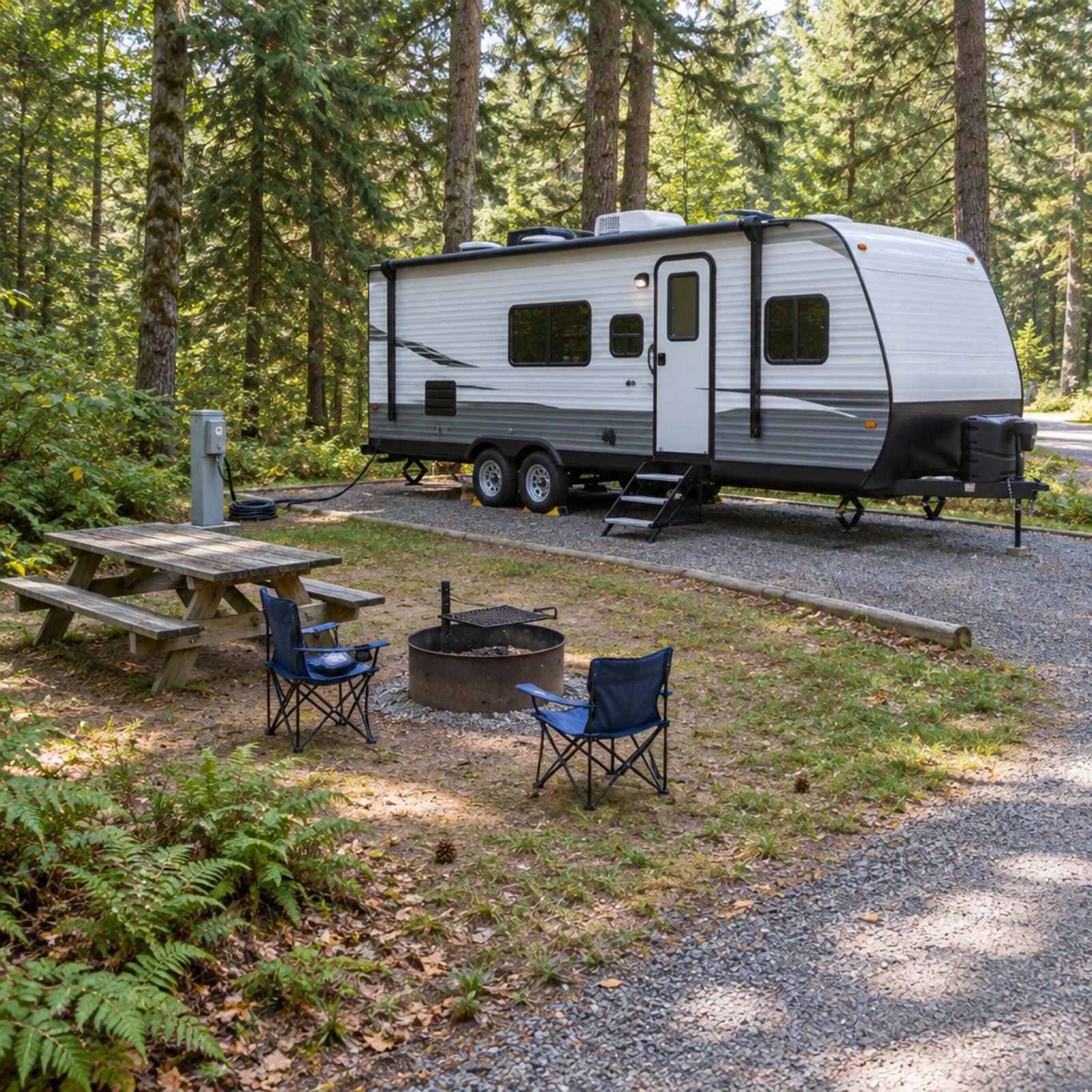
This is the one most people picture when they say “campsite.” The workhorse. The default.
An improved site gives you a defined pad to park on, a picnic table, and a fire ring with a grate. Usually you’ll have electric and water, sometimes a sewer hookup, sometimes just electric and a dump station down the road. It’s the backbone of the national forest and state park system, and it’s where most of us learned to camp.
Nothing fancy. No pergola, no paver patio, no frills. And honestly, that’s the appeal. You’re paying for a clean, level, honest spot with the basics handled, usually at a fair nightly rate, and for a weekend or a week it’s all most rigs actually need.
Read whether yours is back-in or pull-through, because an improved site can be either, and a tight back-in after dark is nobody’s favorite way to end a travel day.
Premium Site, Extra Space and Upgraded Amenities
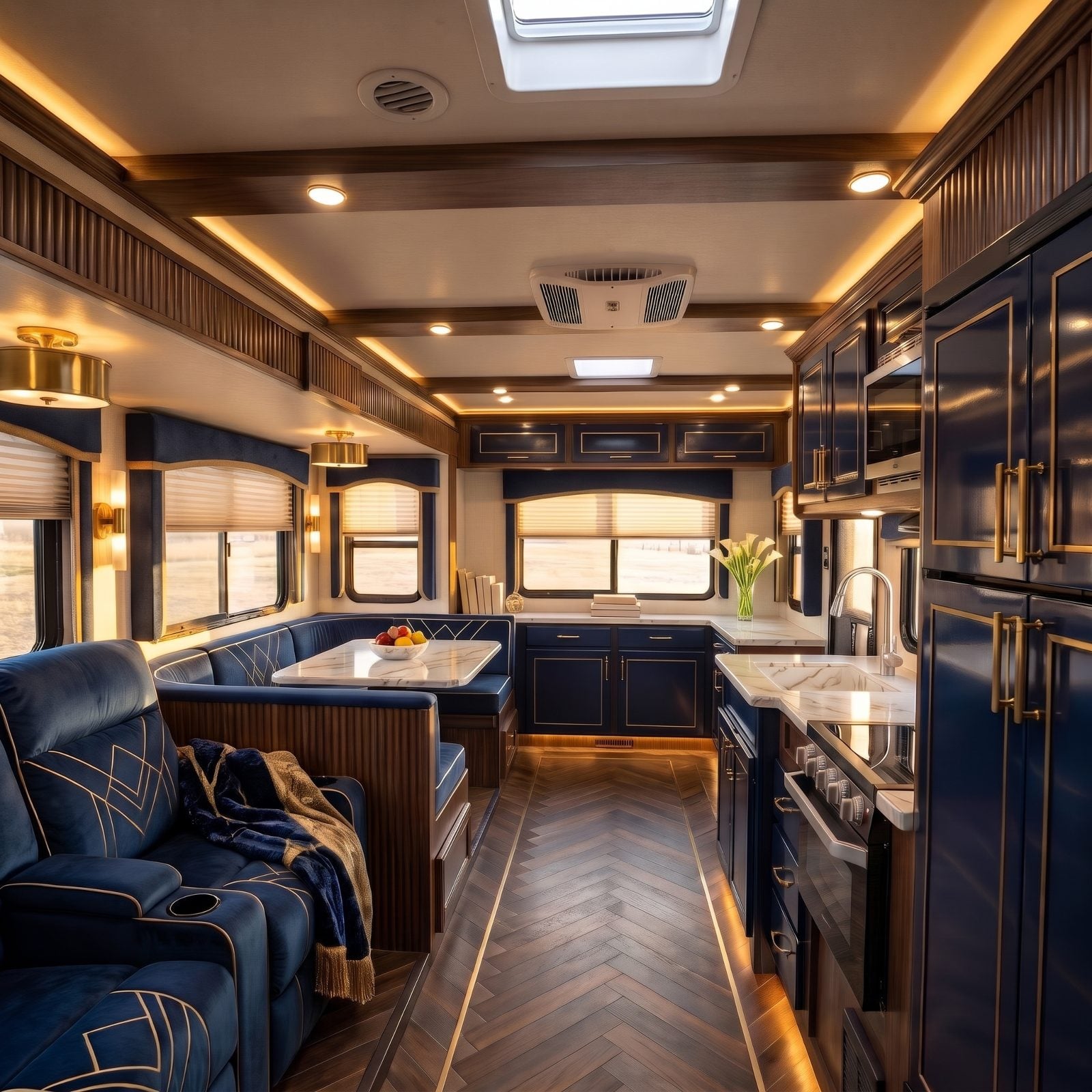
Premium is the park’s way of saying “this one’s worth more, and here’s why.”
You’re paying up for some combination of extras that you actually feel from inside the rig: a pad big enough to run every slide out so the living space has real room, 50-amp service to run the AC, microwave and cooktop at once, a better view, and a spot farther from the dumpsters. Every park defines premium differently, which is exactly the thing to pin down before you book.
These suit folks who’ve decided the small daily upgrade is worth it, long-stay travelers, bigger rigs that need the breathing room, anyone who’d rather not share a window with the rig three feet over. The trade is simple. More money, more comfort.
My advice from a few regrettable bookings: always check what makes a given park’s premium sites premium. Sometimes it’s a genuine lakefront. Sometimes it’s just being near the bathhouse, which you may or may not care about.
Big-Rig Site, Longer Pad With Wide Turning Access
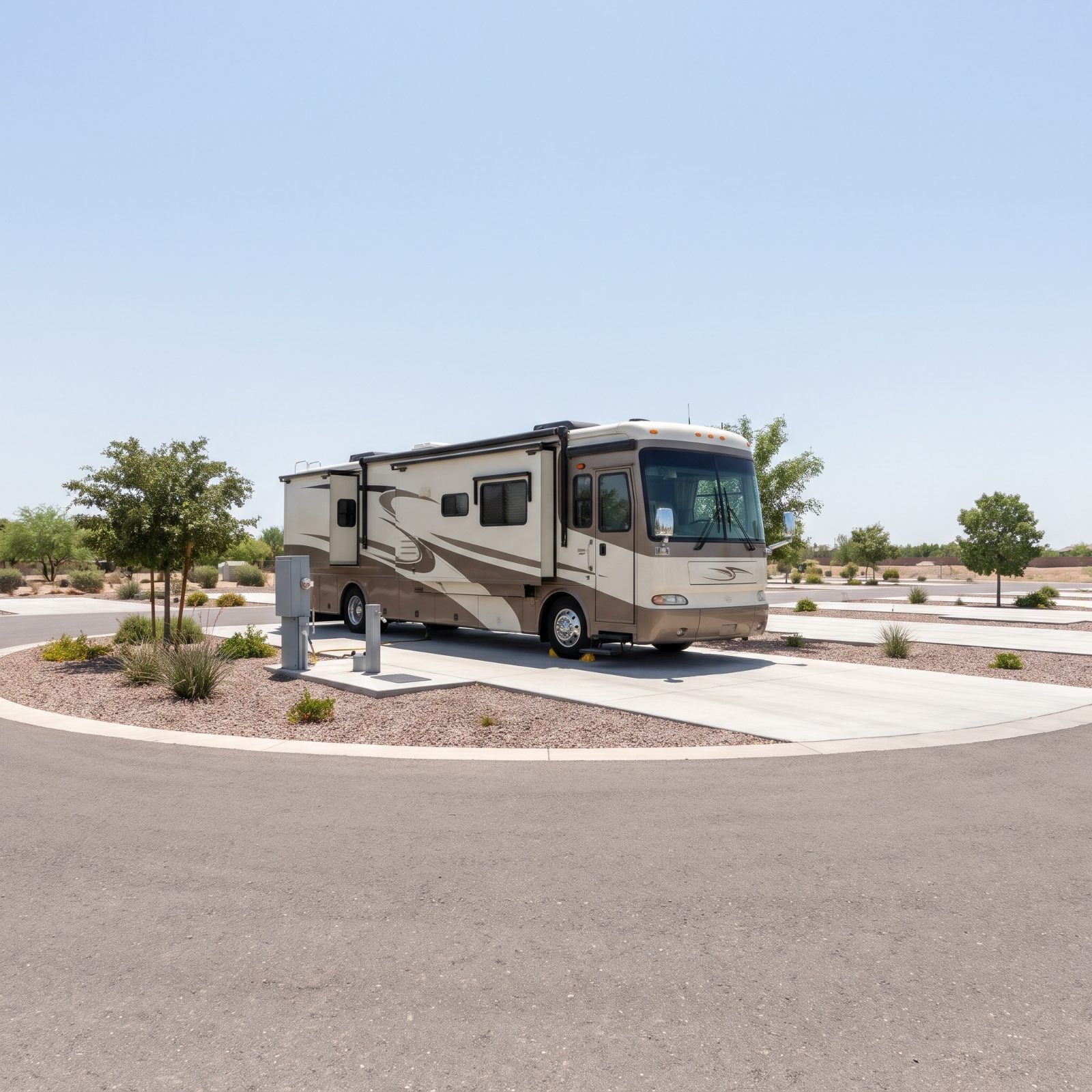
If you’ve ever white-knuckled a 40-footer into a loop designed for pop-ups, you already understand why this category exists.
A big-rig site is built for length and width: long pads, often pull-through, with wide turning radii and generous roads so a diesel pusher towing a car doesn’t have to thread a needle. Full 50-amp hookups come standard, because the rigs that need this space also pull the power.
Look for it if you run a long Class A, a big fifth wheel, or anything you tow behind another vehicle. Parks that advertise big-rig friendly usually mean it. The lengths get stated, the roads are honest, and backing nightmares are rare.
Compact RV Site, Sized for Vans and Small Trailers
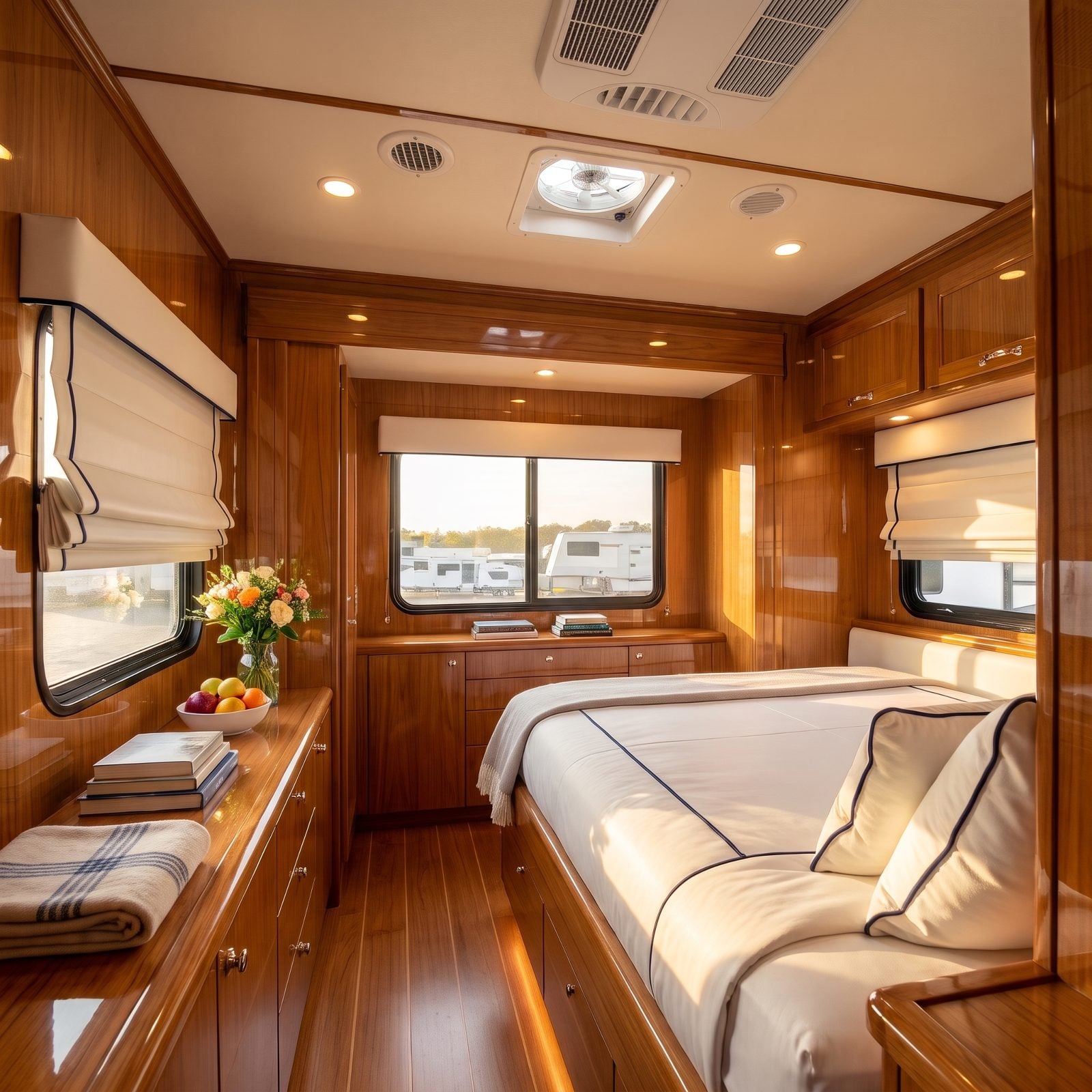
Little pads for little rigs. That’s the whole idea, and it’s a good one.
Compact sites are sized for vans, teardrops, pop-ups, and short trailers. They tuck into spots a big rig could never reach: the shady corner by the creek, the tight little pull-off under the maples, the loop interior where the pads run short but the setting beats anything out on the main road.
They tend to run cheaper, and they often land in the most charming pockets of a campground because those pockets were never going to fit a motorhome anyway. Camp small and book these on purpose. You’ll pay less and frequently end up somewhere nicer.
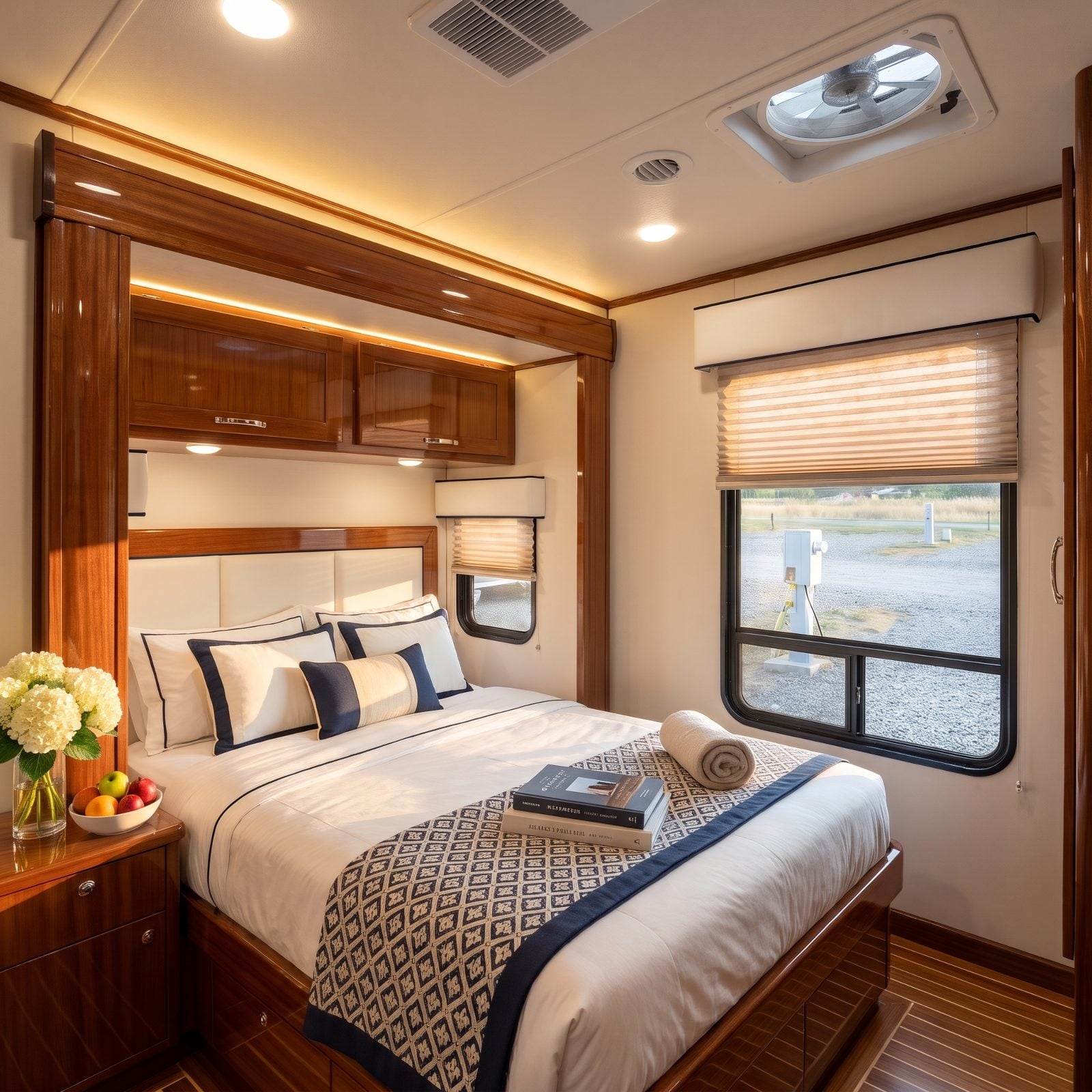
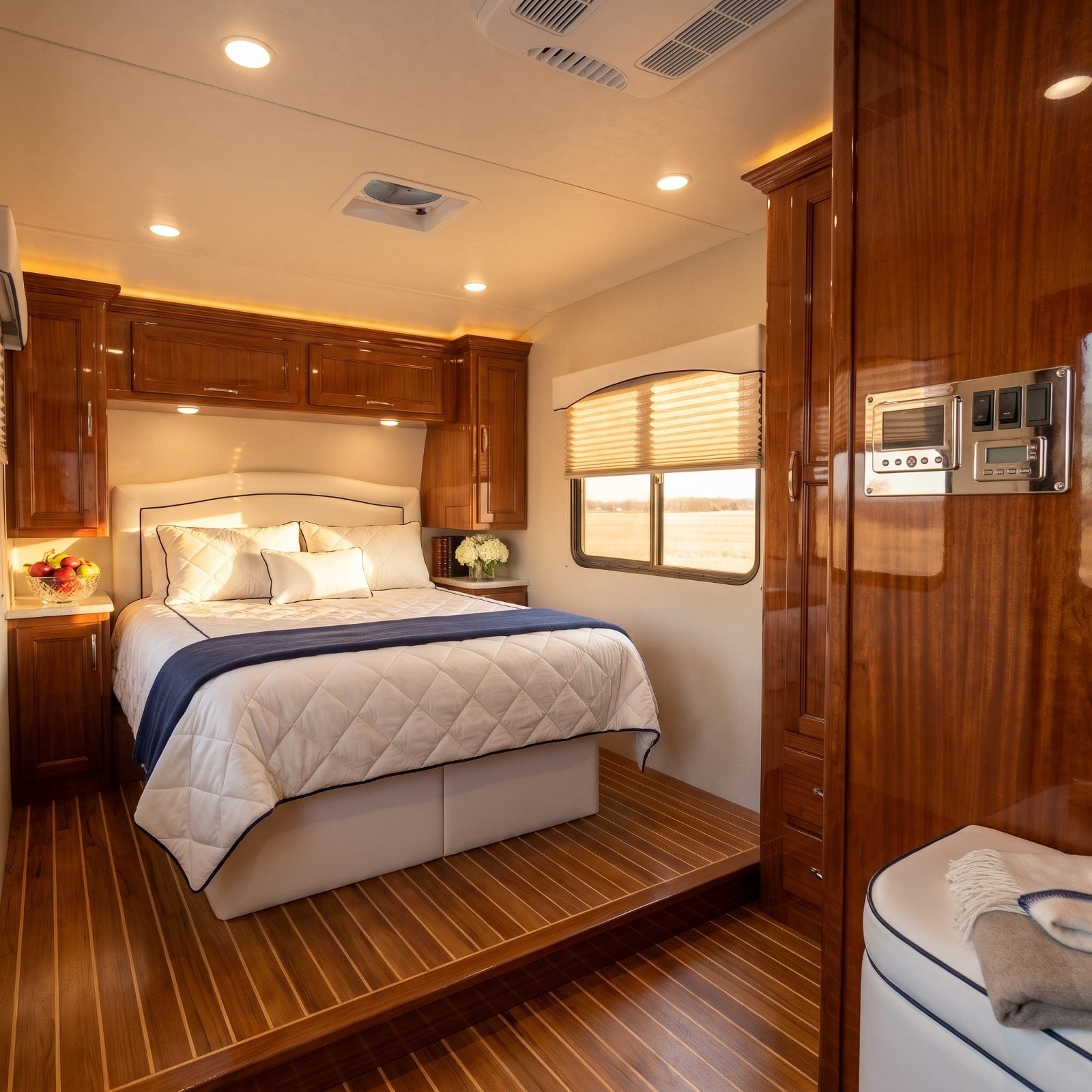
One honest warning. A listing that says “small units only” means it. If your rig has a full bedroom with a queen bed, a long dresser and overhead cabinets, it’s not a small unit. Don’t try to wedge it into a teardrop slot and ruin everyone’s evening.
ADA-Accessible Site, Level Routes and Accessible Facilities
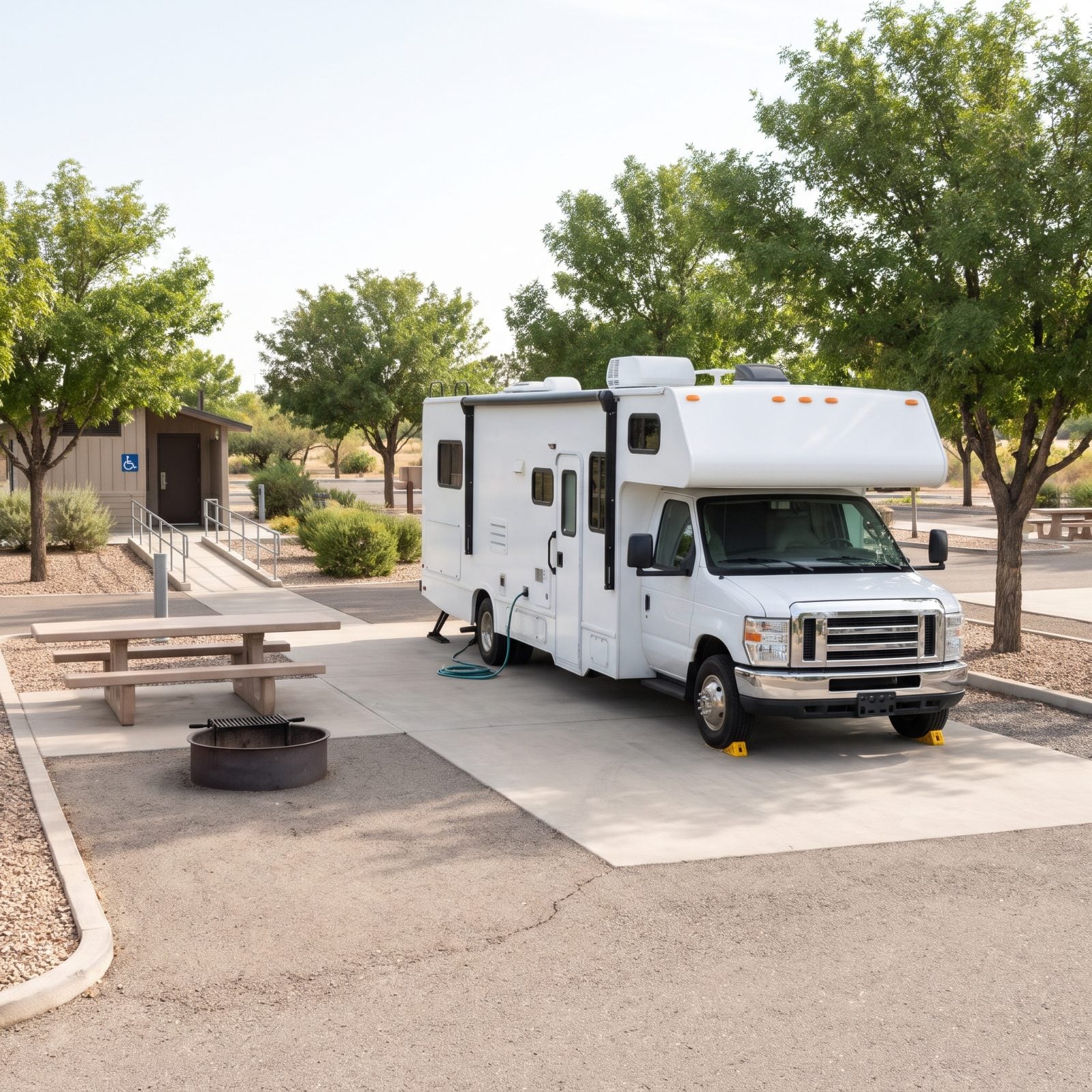
An accessible site isn’t a frill or an upgrade. It’s a site built so the ground doesn’t fight you.
These have firm, level surfaces with no edge lip to bump over, firm routes connecting the pad to the table and restroom, accessible-height tables with extended ends that fit a wheelchair, and often a raised fire ring you don’t have to stoop to reach. The path to the bathhouse is paved and ramped rather than a gravel scramble.
They’re reserved first for campers who need them, and that’s exactly as it should be. Many systems ask you to confirm need when you book one. If you require the level route and the barrier-free path, reserve early and don’t be shy about it.
Overflow Site, Basic Space Used When Regular Sites Fill
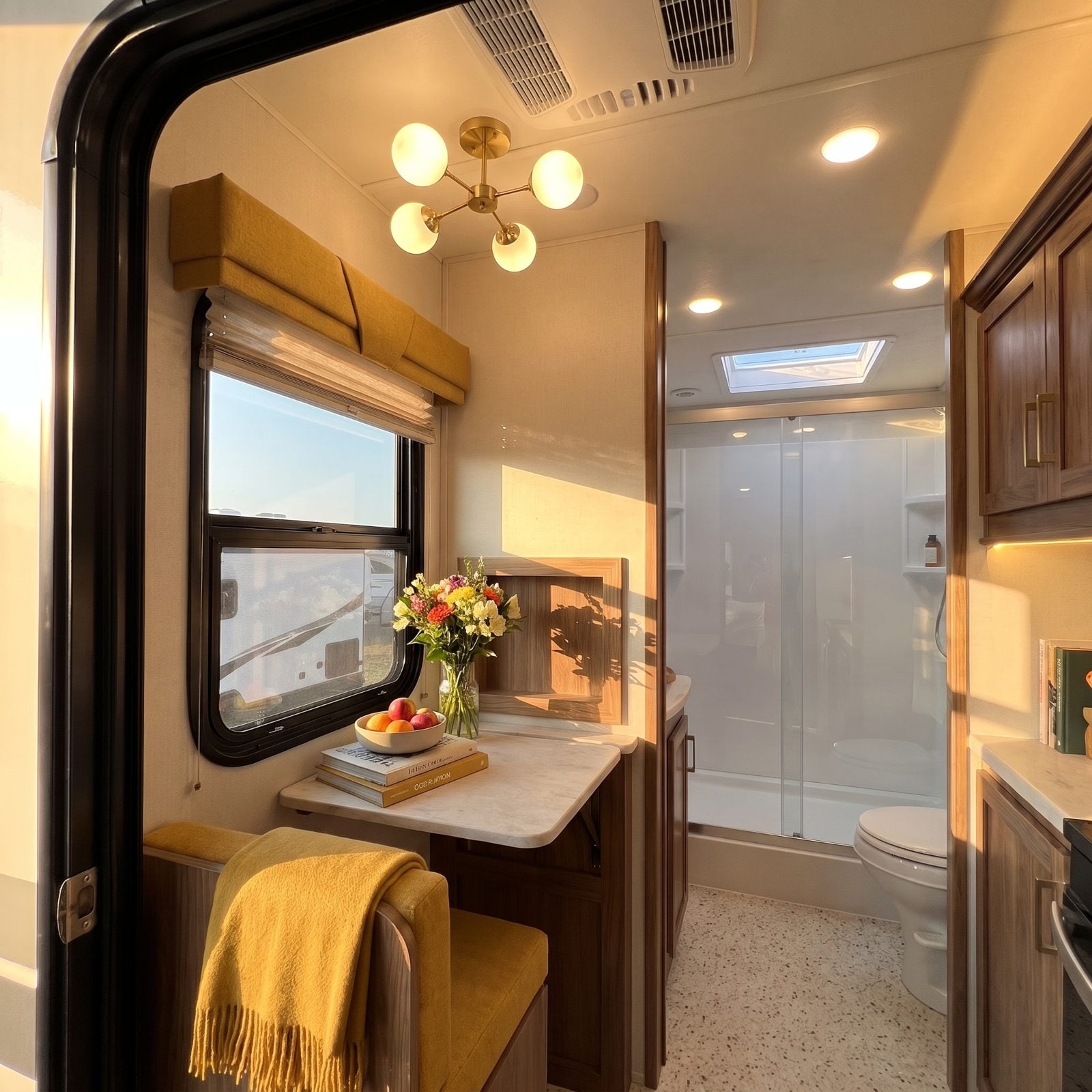
Every seasoned RVer has slept in an overflow lot. It’s the parking-lot cousin of a campsite, and sometimes it saves your whole trip.
Overflow is the basic open space a campground opens up when the real sites are full: a gravel field, a mowed lot, a flat apron near the entrance. No defined pads, usually no hookups at your spot, often no table or fire ring. You run on your batteries and water tanks and fill up at a shared spigot.
It’s cheap, it’s plain, and it’s a lifesaver on a holiday weekend when you rolled in without a reservation. Just know what you’re getting. If your rig can’t go a night without shore power, overflow will test that in a hurry.
Paved-Pad Site, A Smooth, Firm Parking Surface
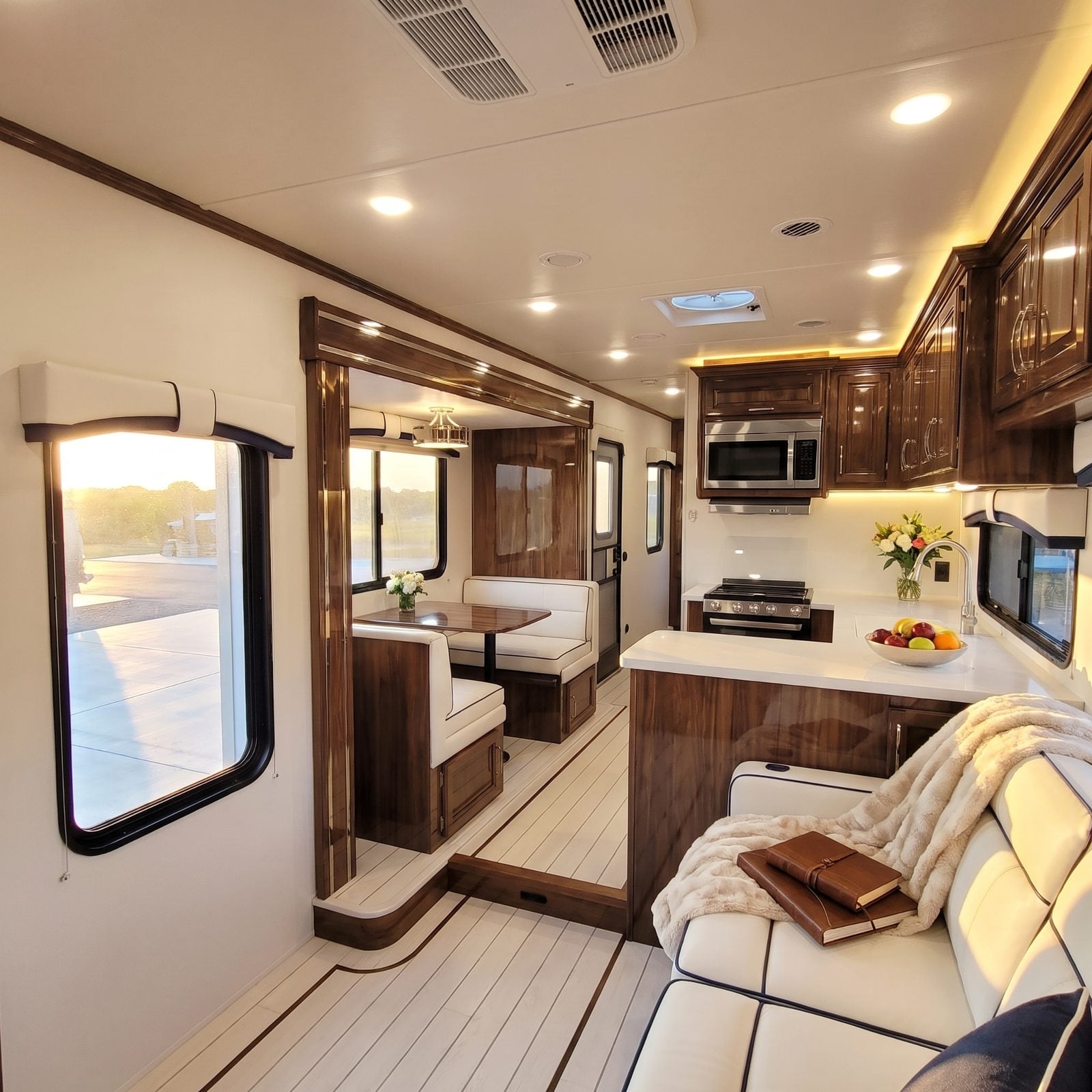
Pull onto a paved pad once after a muddy week and you’ll start filtering for them on purpose.
A paved-pad site gives you a smooth, firm, level parking surface in concrete or asphalt instead of gravel, dirt, or grass. Leveling gets easier because the ground doesn’t shift under your jacks, rain doesn’t turn the site into soup, and you don’t track mud through the door every time you step out. Your chairs sit flat instead of sinking.
These show up most in private parks and premium loops, and they’re worth seeking out for long stays, wet seasons, and anyone tired of chasing a level bubble on soft ground. The only real trade is price, since paving costs the park money and they pass it along.
Gravel-Pad Site, The Well-Drained Crushed-Stone Surface
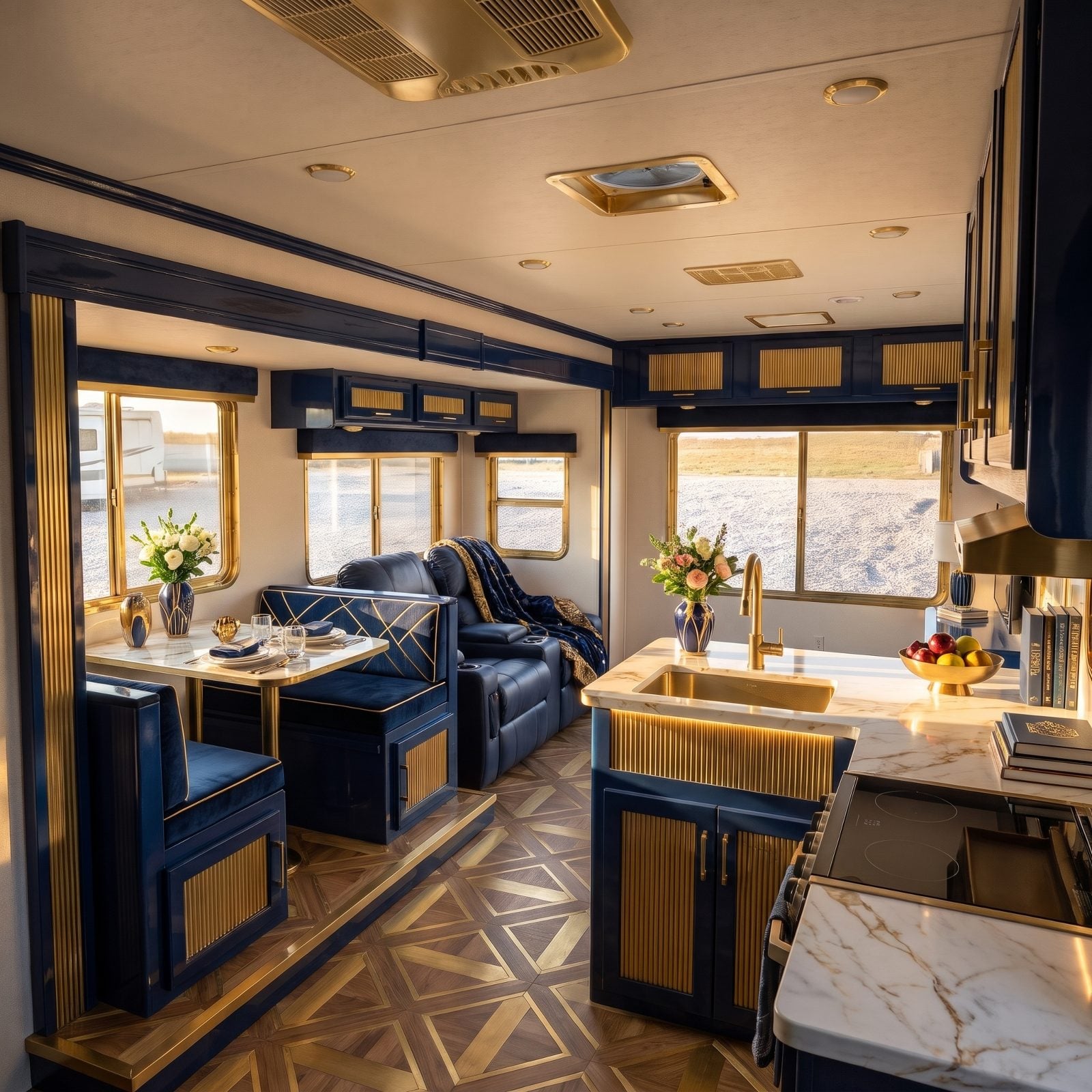
Ever woken up to rain hammering the roof, then stepped out onto dry footing? That’s when you fall in love with gravel. Crushed stone drains fast, so puddles don’t form under your rig and mud doesn’t ride into the RV on your socks. It’s the surface most private RV parks default to, and for good reason.
Gravel pads are usually graded and firm, and they handle big fifth wheels and heavy motorhomes without rutting. The trade-off is looks and feel. Gravel is practical, not pretty, and bare feet and loose stone don’t mix. Toss down an outdoor patio rug and the problem disappears.
Grass-or-Dirt Site, Natural Ground Beneath the Rig
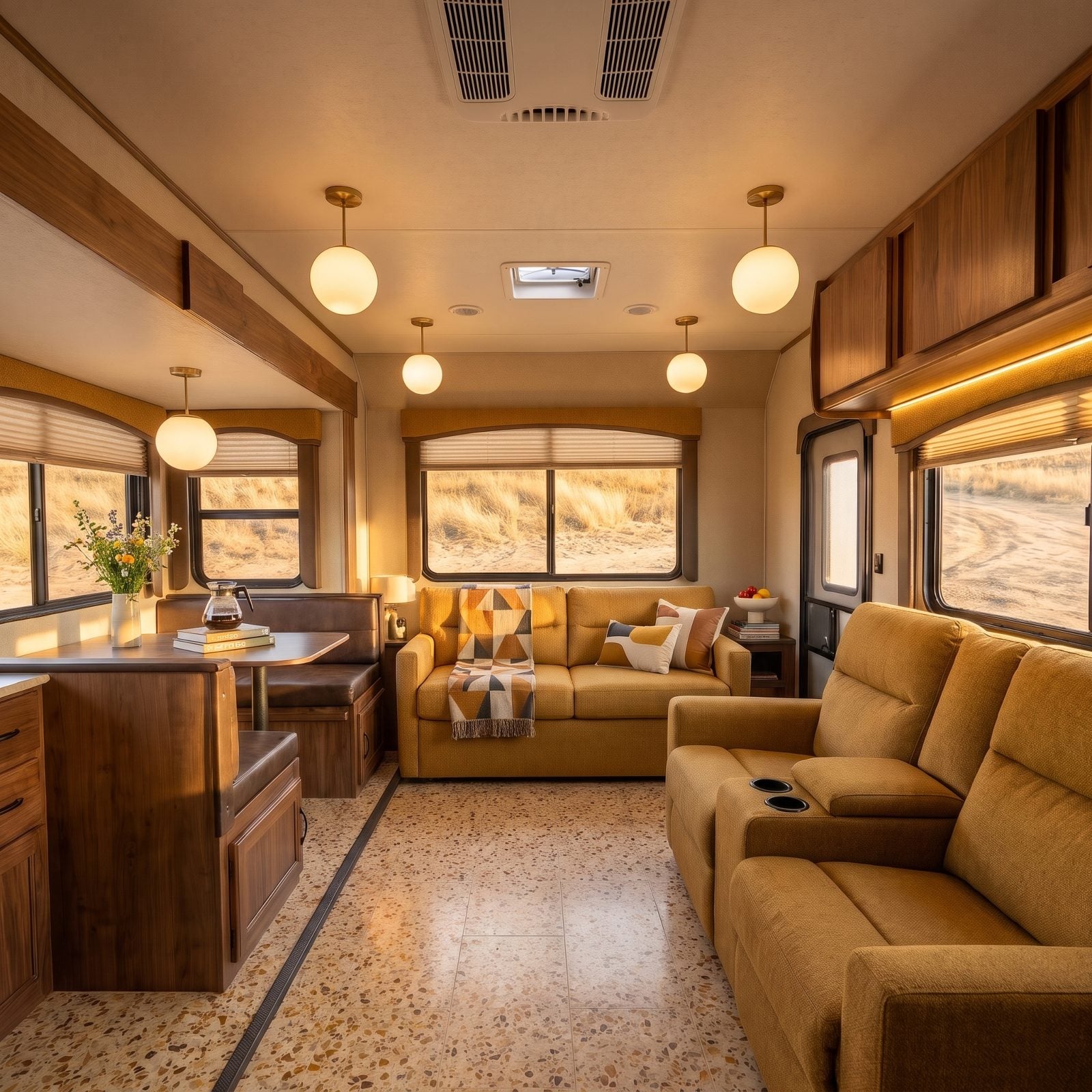
This is the old-school campsite. Grass, dirt, or some honest mix of both, the kind you find at state parks and national forest campgrounds where the ground was never paved over. It feels like camping. It also behaves like nature, which means it can turn on you without warning.
Dry weather makes a grass-or-dirt site comfortable and quiet underfoot. One hard rain turns it into a swamp. Heavy rigs sink, tires dig ruts, and then comes the dreaded moment when you try to pull out and your drive wheels just spin uselessly in the muck. Keep a set of traction boards in a bay and you’ll laugh at the mud instead of calling for a tow.
These sites cost less and sit in prettier surroundings than most gravel pads. For a lightweight trailer or a dry stretch of weather, they’re the better deal. For a loaded 40-footer in April, think hard.
Waterfront Site, Camped Right at the Edge of a Lake or River
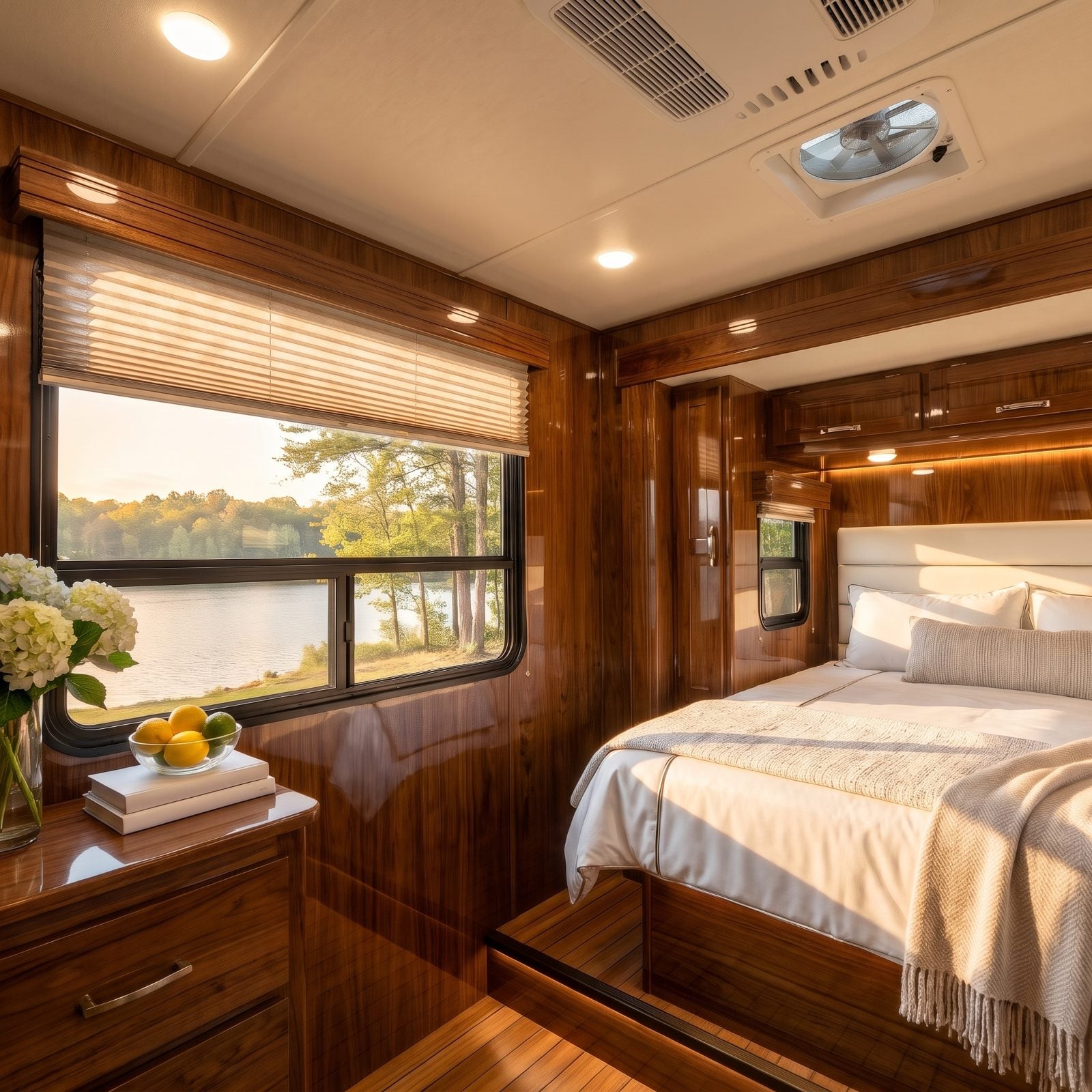
The water sites book out first. Always. The second a campground opens its calendar, the lakefront and riverfront spots vanish while the interior loop sits wide open for weeks. You understand why the first morning you sip coffee with the lake throwing light across your ceiling.
Waterfront means your door opens onto the shoreline. Fishing from your own chair, a kayak launched in two minutes, sunsets without leaving the awning. You pay a premium for it, and sometimes you pay in other ways too.
- Bugs. Still water breeds mosquitoes, so bring screens and repellent.
- Humidity and morning condensation inside the rig.
- Softer, lower ground that can flood if the water level rises after heavy rain.
Open-Sky Site, A Clear Roofline for Solar and Satellite
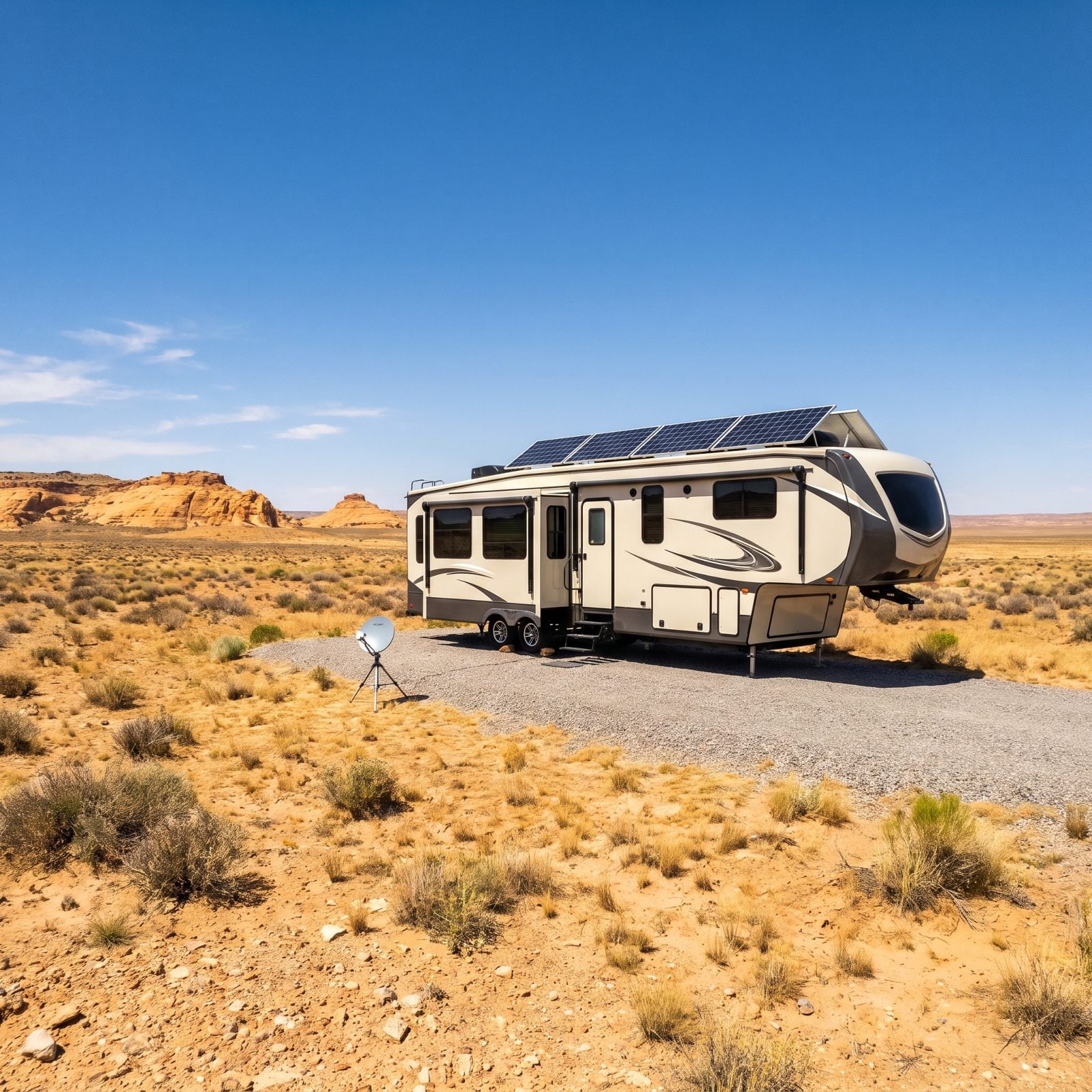
Solar changed what a good site looks like. For boondockers and anyone running rooftop panels, open sky is the dream. No canopy means your panels get full sun from dawn to dusk, your batteries top off by early afternoon, and your dish or Starlink finds the sky without you climbing a ladder to reposition it three times.
The downside hits the moment the sun gets serious. Nothing shades you. Afternoons bake, the AC works overtime, and there’s no tree to break a strong wind. Desert and plains campgrounds are full of these sites, often paired with knockout stargazing once the sun drops below the horizon and the Milky Way shows up.
If your power lives on the roof, you want open sky. If you want cool afternoons without a generator, you want trees. You usually can’t have both, so decide what runs your rig before you book.
Pull-Through Campsite, In One End, Out the Other, No Reversing
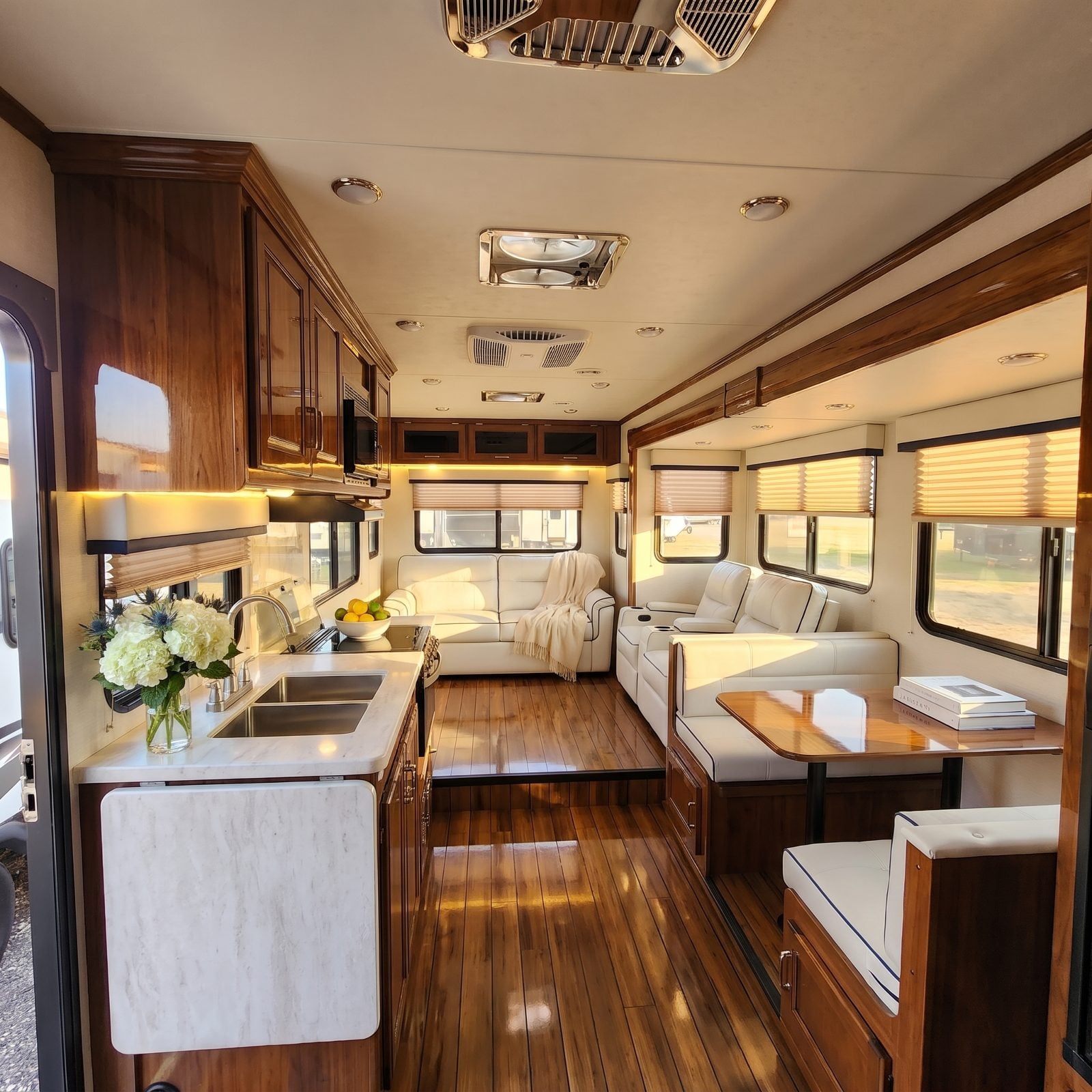
You’ve watched someone jackknife a travel trailer at a crowded campground entrance while a line of rigs idles behind them, engines grumbling. A pull-through site exists so that never has to be you. Drive in one end, out the other, zero reversing. For a big motorhome towing a car, or anyone who hates backing up with an audience, it’s the easiest spot in the park, and the quickest way from the driver’s seat to a living space that’s ready to use the moment you park.
These run longer than back-in sites, which makes them the natural pick for overnight stops where you’re rolling in late and leaving early. You don’t even have to unhook for a quick night. Costs a few dollars more, usually, and they can feel less private, so you’ll be glad of pleated shades on every window.
Overnight on a cross-country haul? Pull-through every time. Settling in for a week with a view? A back-in often gives you the better outlook and more room to spread out.