
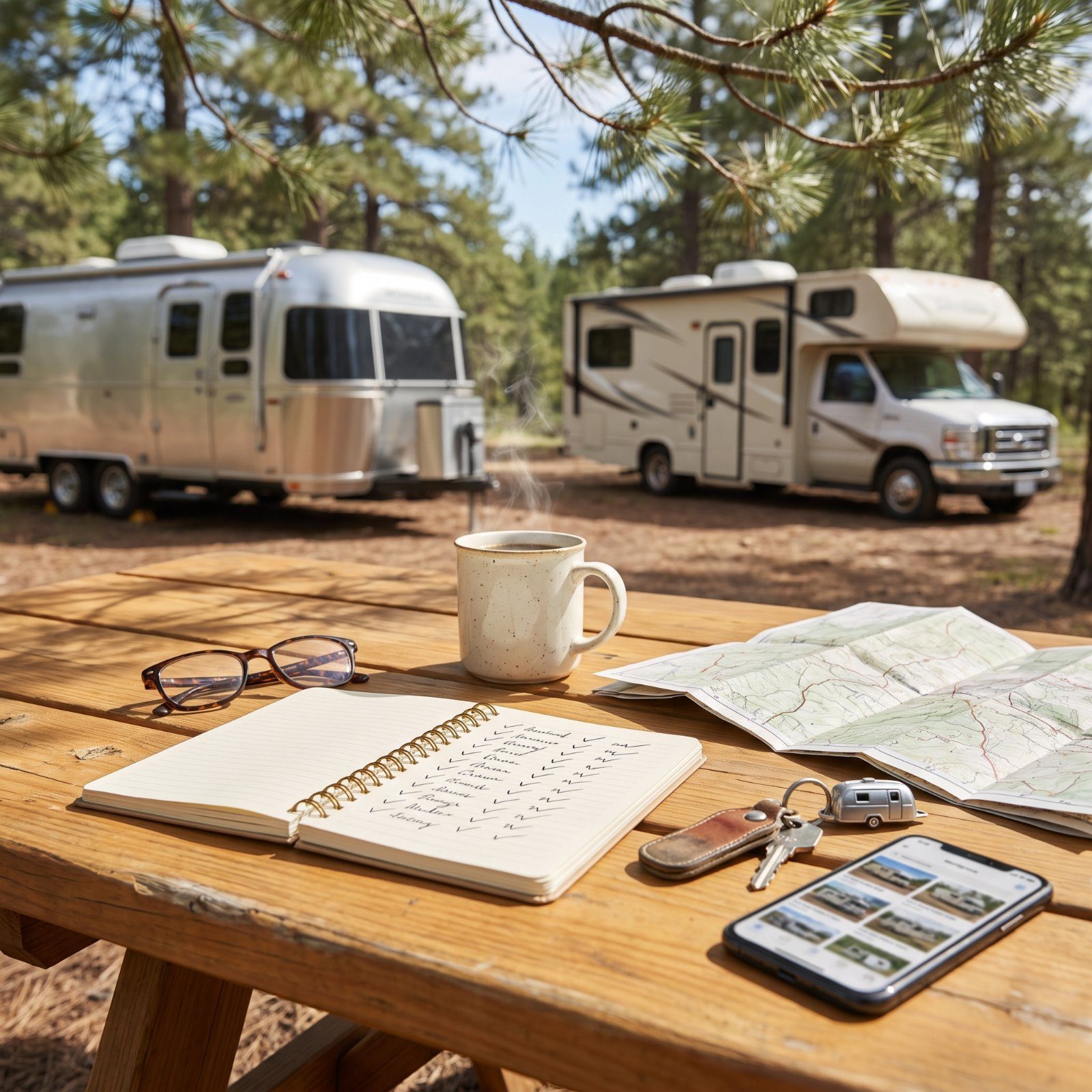
The guy at the dealership called it “the one” before we’d even opened the pass-through storage. Said it like he meant it. And for a second, standing in that showroom under those flattering lights, we almost believed him.
Please note that some of the images in this article were created with the assistance of AI.
Buying an RV does something strange to otherwise sensible people. You get picky and reckless at the same time, making lists and then chucking them out the window the moment something chrome and gleaming rolls into view. You compare, you obsess, and you somehow miss the sagging awning your friends spotted in two seconds.
Turns out the wiring that drives us toward a rig is the same wiring that drives us toward a person. Same hope, same self-deception, same stubborn refusal to cut our losses. Below are the behaviors you’ll recognize instantly, because you’ve lived them. Maybe at a dealership. Maybe somewhere else entirely.
18. You Swipe Through Floor Plans Before Meeting One in Person

You’ve done it on the couch at eleven at night. Phone propped on a knee, thumb flicking through floor plans like playing cards. Rear bath, no. Bunkhouse, no. Murphy bed, maybe. You’ve ruled out a dozen rigs you’ll never set foot in, and you feel oddly confident about it.
Same reflex, different app. We decide who’s worth meeting based on a few staged photos and a bullet list of specs. Feels like research. It’s really just pattern-matching on a screen.
Psychologists call it thin-slicing. Our brains make snap judgments from almost nothing, because for most of human history nothing was all we got. The trouble is that a floor plan tells you the layout and tells you zero about how it feels to stand inside at six in the morning. You can’t smell a listing or hear the slide-out grind. The photos sell the dream; the walkthrough sells the truth.
17. Twenty Open Listings Leave Every Floor Plan Looking Wrong

Twenty tabs open. Each rig looked great alone, but together they’ve turned into a blur of fiberglass and the growing suspicion that there must be something better waiting in tab twenty-one.
This is choice overload, one of the most reliable tricks our brains play. Barry Schwartz built a whole career on it. More options don’t make you happier with your pick; they make you less sure any pick is right, and more likely to regret the one you choose. The grass is always greener in the listing you haven’t opened yet.
Dating apps run on the same fuel. Infinite profiles, each one making the last feel slightly less special, until the abundance that’s supposed to help you choose quietly erodes your ability to commit to anything.
16. You Keep Comparing Every Camper to the One Before It
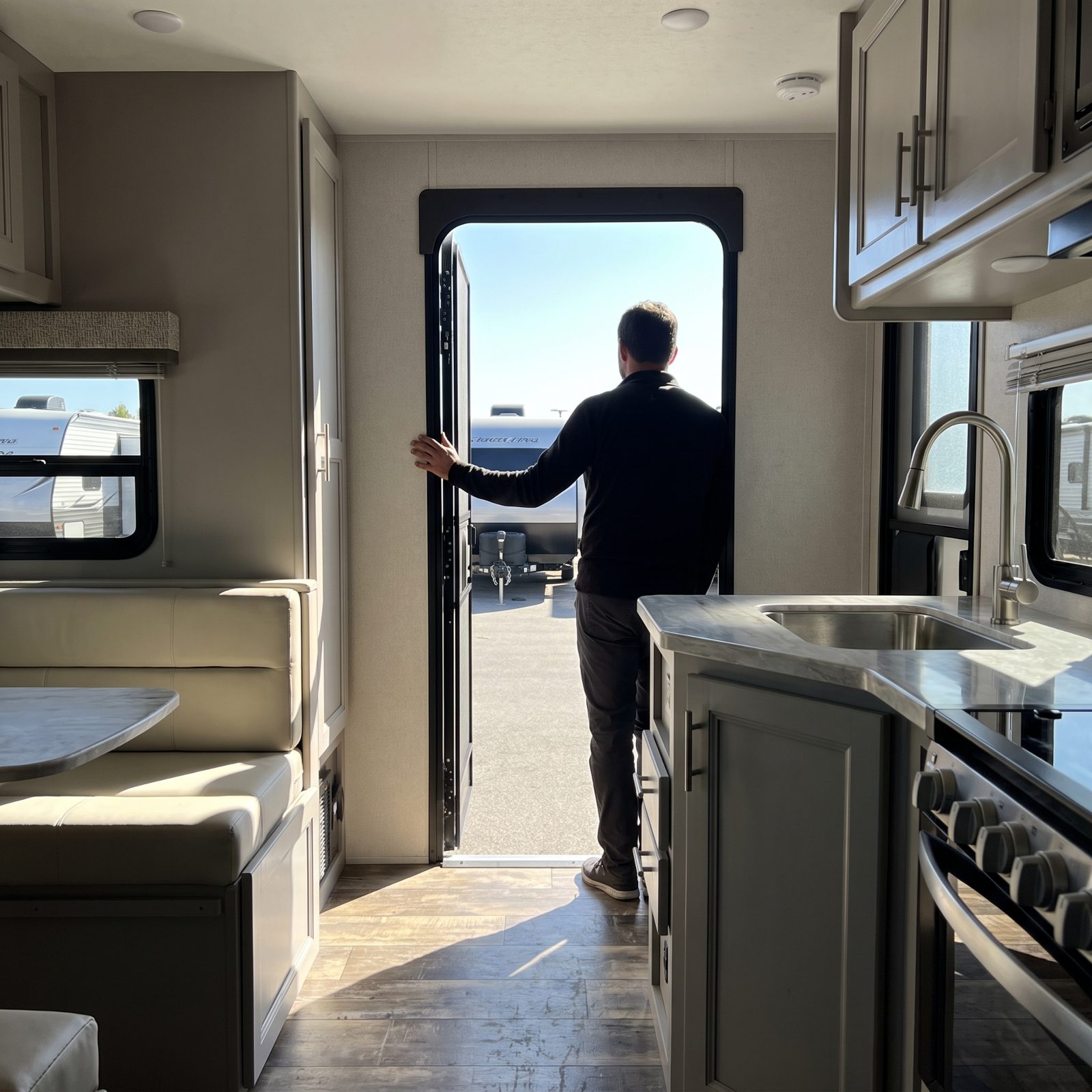
The camper in front of you is fine. Roomy, well-built, in budget. And all you can think about is the one you walked through last Tuesday with the better kitchen. Nothing can compete with a memory you’ve already polished.
That’s the anchoring effect doing its quiet damage. The first strong impression becomes the ruler you measure everything against, whether or not it deserves the job. The rig you saw last weekend set the bar, and now every one after it lives in its shadow.
We carry this into relationships like luggage. The ex who was great at one specific thing becomes the invisible standard the next person has to clear, usually without knowing the contest even exists. You’re not comparing two rigs. You’re comparing one rig to a highlight reel of another.
The fix nobody wants to hear: judge each camper against your actual needs, not against the last one that gave you butterflies. Butterflies are not a spec sheet.
15. You Choose the Same RV Brand Because It Feels Familiar
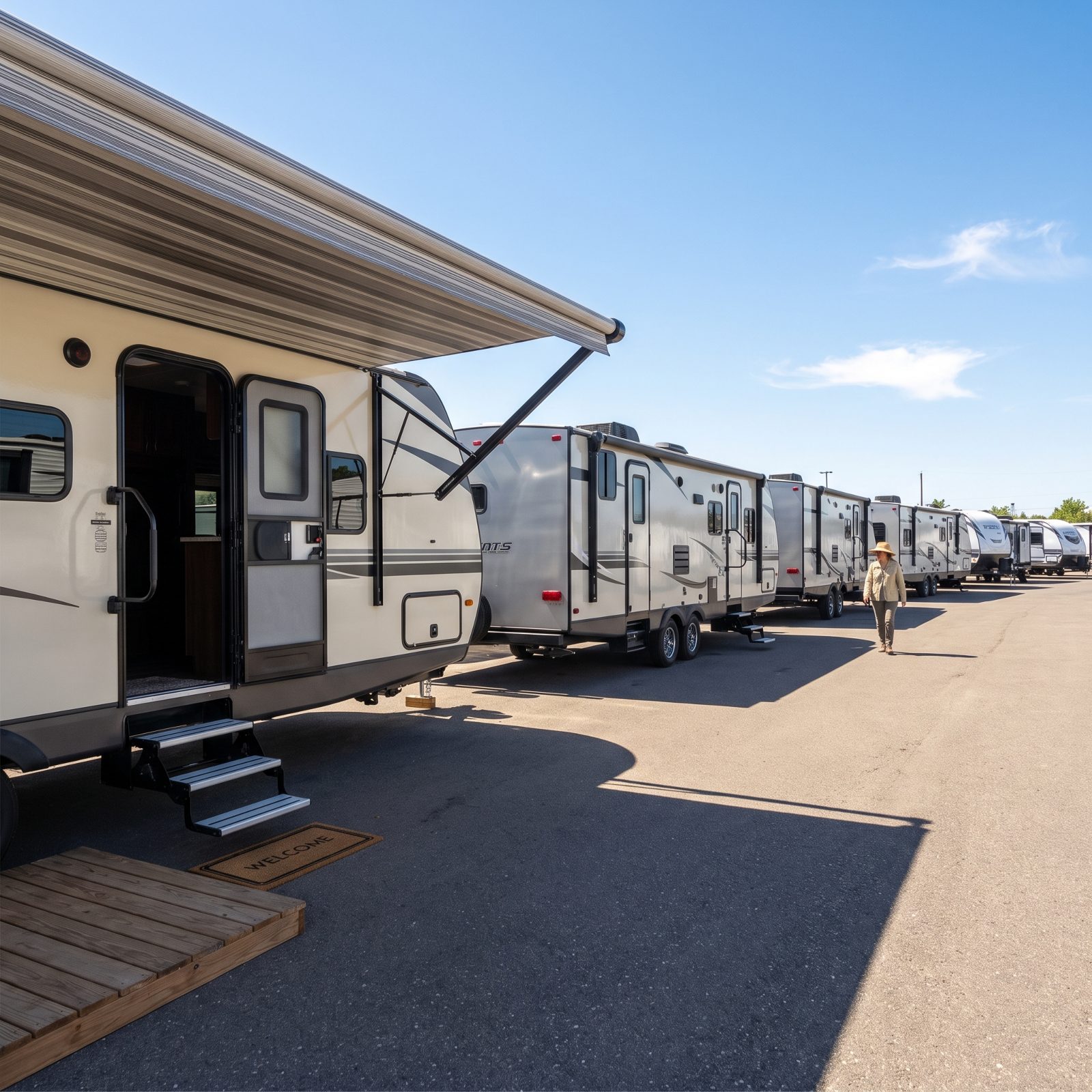
You owned one before. It treated you well enough. So you walk right past the unfamiliar rigs and head for the badge you already know, barely glancing at anything else on the lot.
Familiarity breeds comfort, not just contempt. The mere-exposure effect means we prefer things simply because we’ve seen them before. Known equals safe. Safe equals less thinking. And buying a camper already takes enough thinking.
People do this with partners too, reaching for the same type again and again, then wondering why the pattern keeps repeating. Sometimes loyalty is earned. Sometimes it’s just the path of least resistance wearing a nicer jacket.
Repeat buyers aren’t wrong, exactly. Brand loyalty saves you from a thousand unknowns. But the familiar choice is only the right one when it still fits your life, not just your muscle memory. We’ve watched people buy their third of the same model because switching felt disloyal, which is a strange feeling to have about an appliance on wheels.
14. A Shiny Airstream Makes Your Must-Have List Suddenly Negotiable
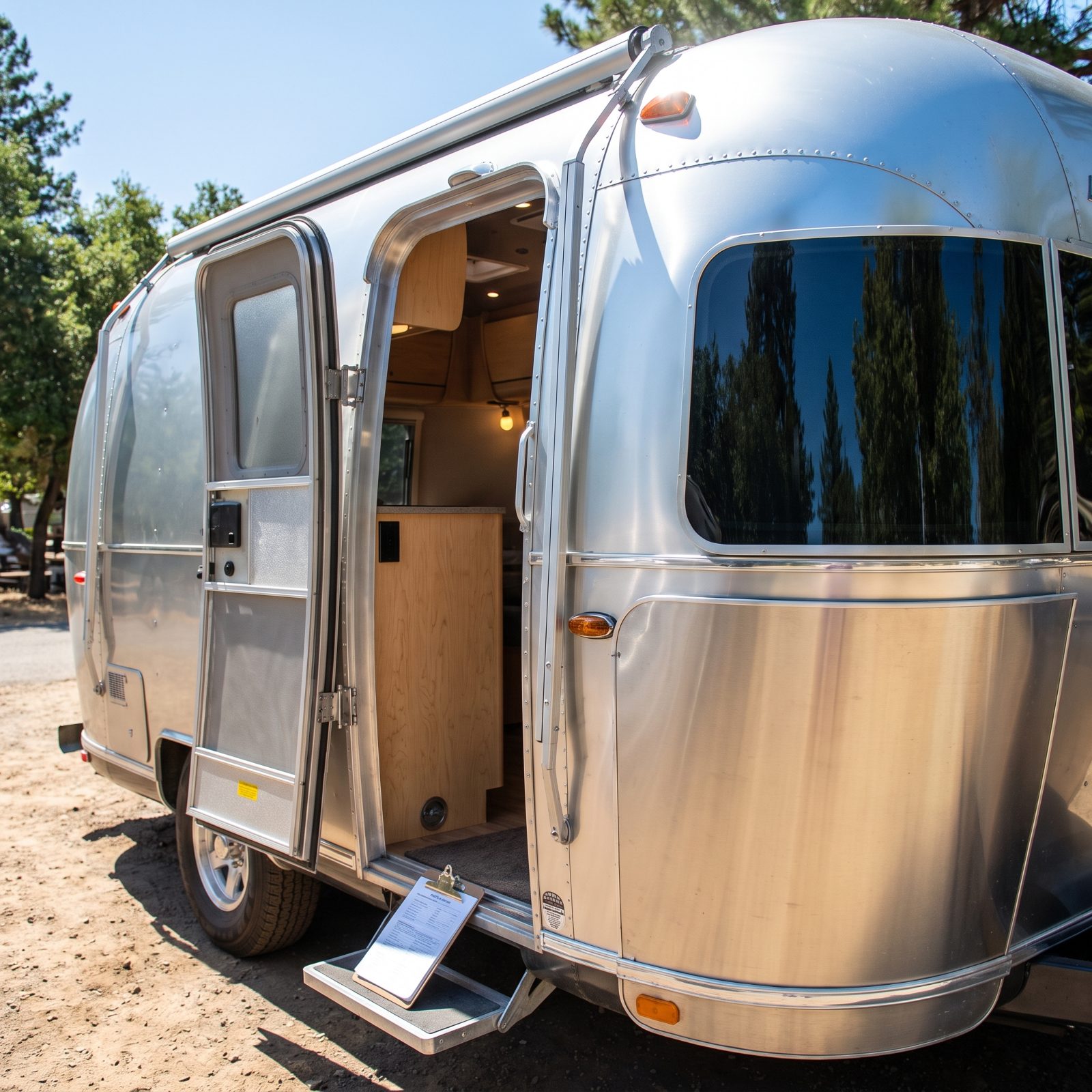
You arrived with a list. Must have a real bathroom, must sleep four, must fit in the driveway. Then the sun hit a curved aluminum shell and all three suddenly became suggestions.
This is the halo effect, and it is shameless. One attractive trait, in this case pure gleaming beauty, bleeds outward until we assume the whole thing must be good. Pretty must mean practical. It almost never does.
Attraction doesn’t argue with your list. It just quietly rewrites it when you’re not looking.
We do this with people constantly. Someone walks in looking the part and we hand them competence, kindness, and reliability they haven’t earned yet. The shiny thing gets graded on a curve nobody voted for.
Love the silver trailer if you want. But spell out your actual requirements before you fall, and hold the line after. Beauty is allowed to be a bonus. It is not allowed to be the whole case.
13. Too Much Motorhome Can Be an Expensive Status Crush
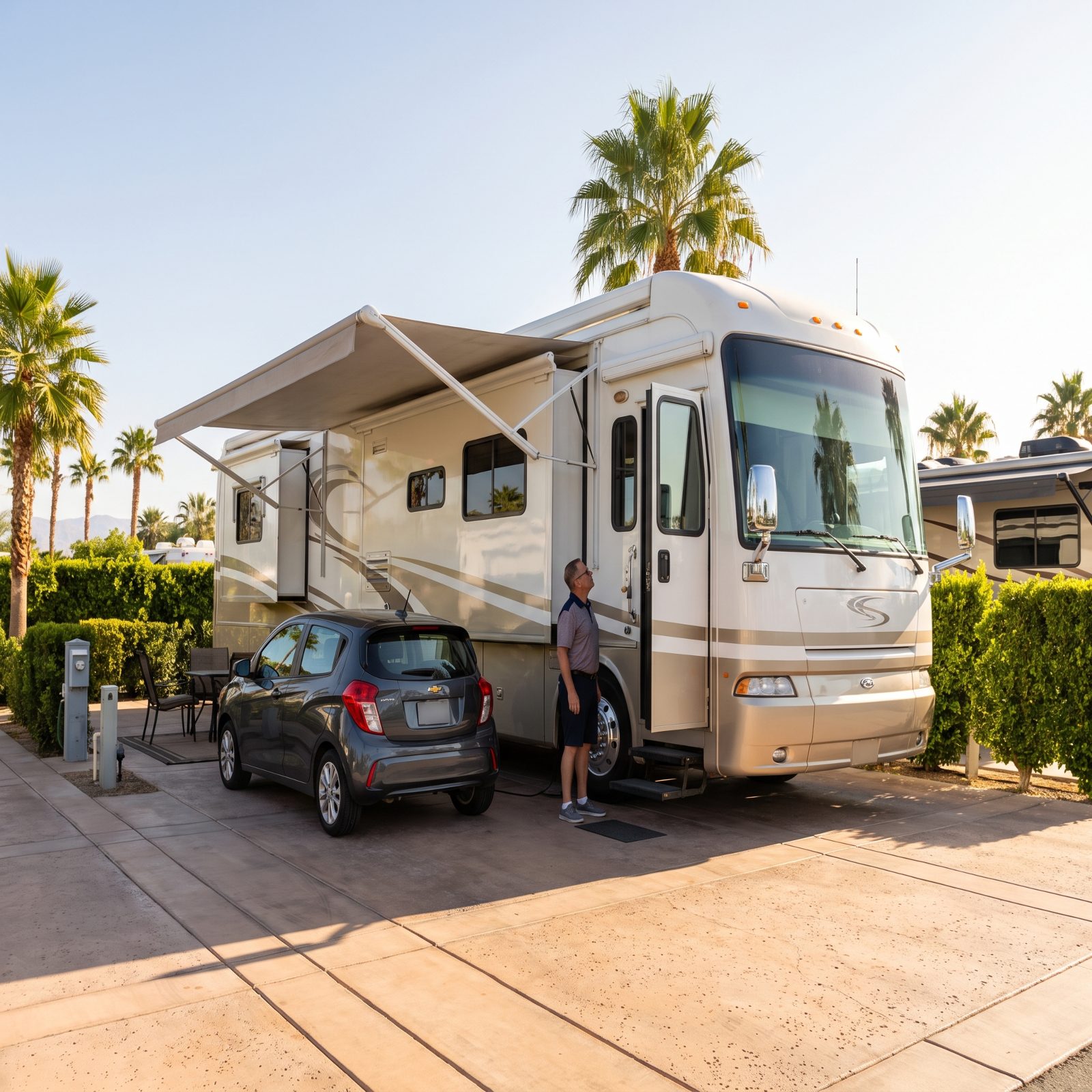
Forty feet of diesel pusher is a lot of motorhome. It’s also a lot of statement. And somewhere between the test parking and the reality of backing it into a regular campsite, the thrill starts curdling into dread.
Big rigs scratch a status itch. Status signaling is real, it’s powerful, and there’s nothing wrong with wanting something impressive. The problem is hedonic adaptation. The shine wears off faster than the payment does, and within months the thing that made you feel like somebody is just the thing you now have to drive, insure, and squeeze under every overpass.
Chasing the biggest possible version of a commitment, hoping size equals satisfaction, rarely delivers the feeling you bought it for. The lifestyle you can relax into beats the one you have to live up to.
12. The Showroom Model Is Always on Its Best Behavior
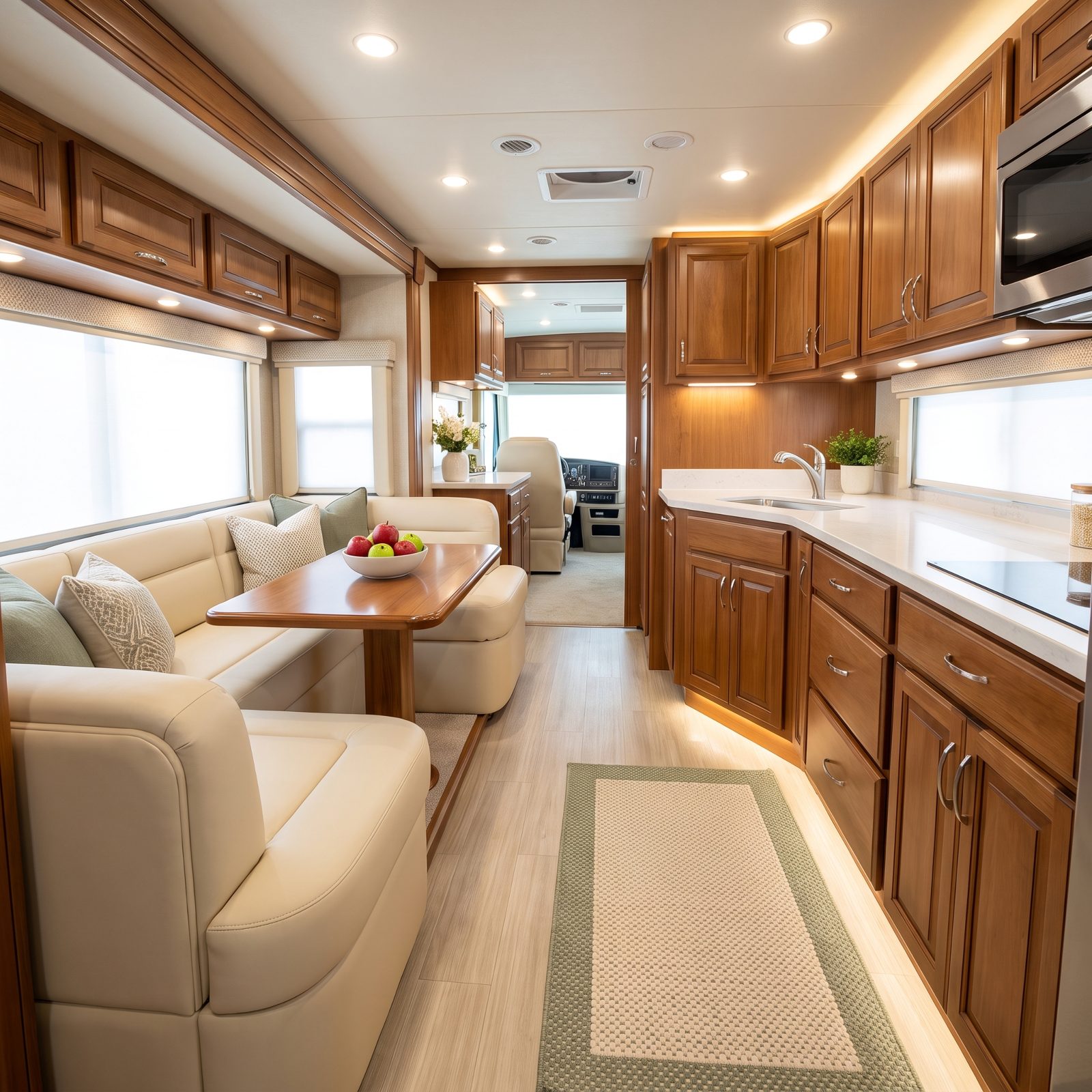
Not a smudge anywhere. Pillows fluffed, a bowl of red and green apples on the dinette, lighting dialed to make the countertops glow. The showroom model is wearing its finest and knows exactly which angle you’re standing at.
We meet people at their showroom best too. First-date version. Charming, attentive, nothing out of place. Nobody leads with their laundry pile or the way the kitchen slide-out groans when it rains.
What’s working on you here is the contrast trap plus a little social proof staging. Everything is arranged to suppress the questions you’d otherwise ask. Where would the actual clutter go? How does this feel after a week of real living, dishes in the sink, wet towels on the floor?
Ask the unsexy questions on purpose. Open every cabinet, sit on the bed, run the water. The dealer dressed this rig for a first impression. Your job is to find out who it is on a random Tuesday in the rain.
11. One Test Drive Reveals Habits the Photos Conveniently Hid
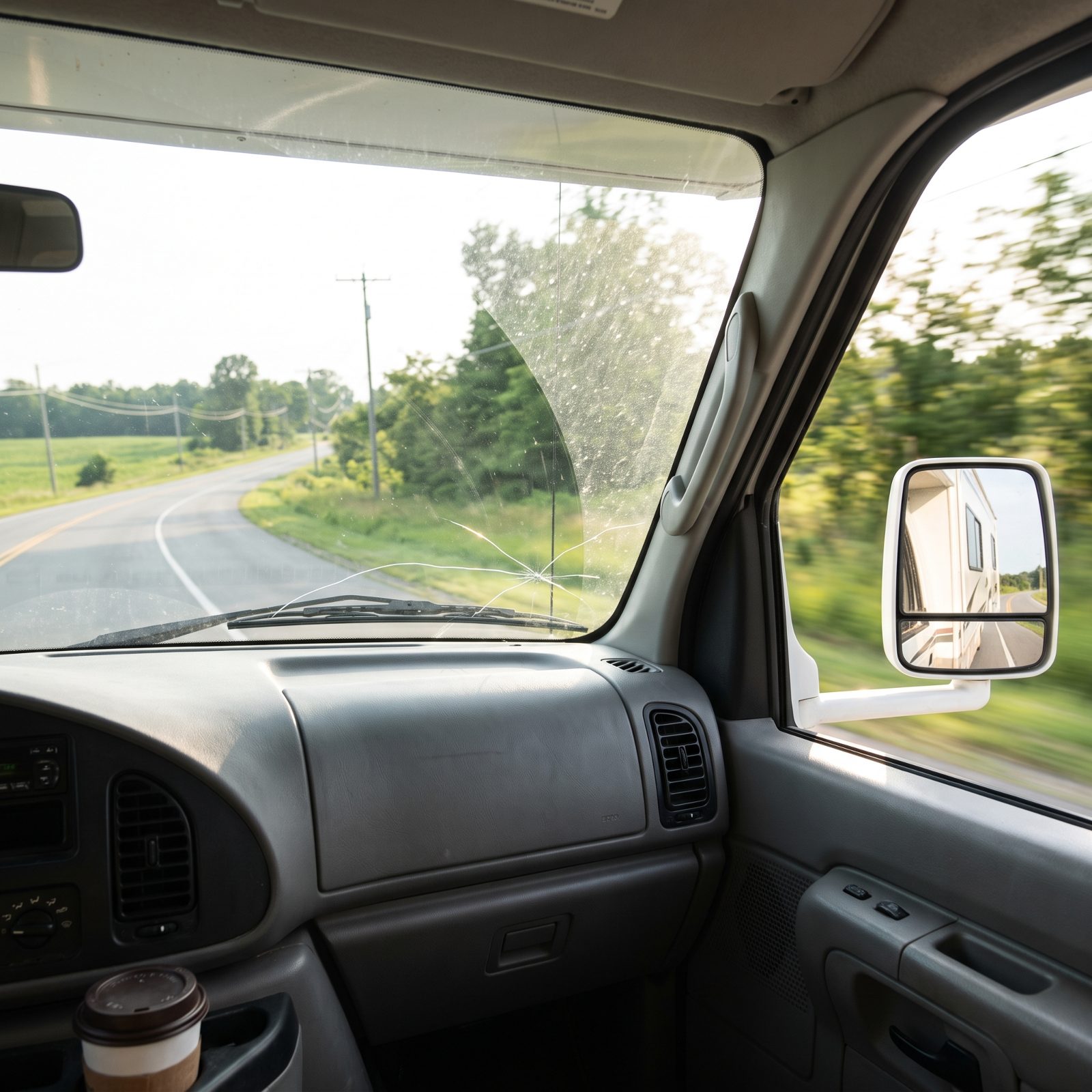
The photos never showed you the sway. Then you pull onto the highway and the whole rig leans with every gust, the engine groans up the first real hill, and a cabinet door you didn’t know existed starts rattling like a tambourine.
No listing mentions any of this. It only surfaces in motion, which is exactly why the test drive matters more than the walkthrough. You learn the most about anything when it’s actually working, not when it’s parked and posing.
Relationships show their true habits the same way. Not over dinner, but when plans fall apart, the flight’s delayed, the directions are wrong. Character shows under load. So does a chassis.
Here’s a cranky truth we’ll stand behind: never buy a motorhome you haven’t driven at highway speed for at least twenty minutes, hill included. A short loop around the lot tells you nothing. The dealership’s gentle test route is a date at a candlelit restaurant. You need to see it in traffic.
10. Your Friends Notice the Sagging Awning You Somehow Missed
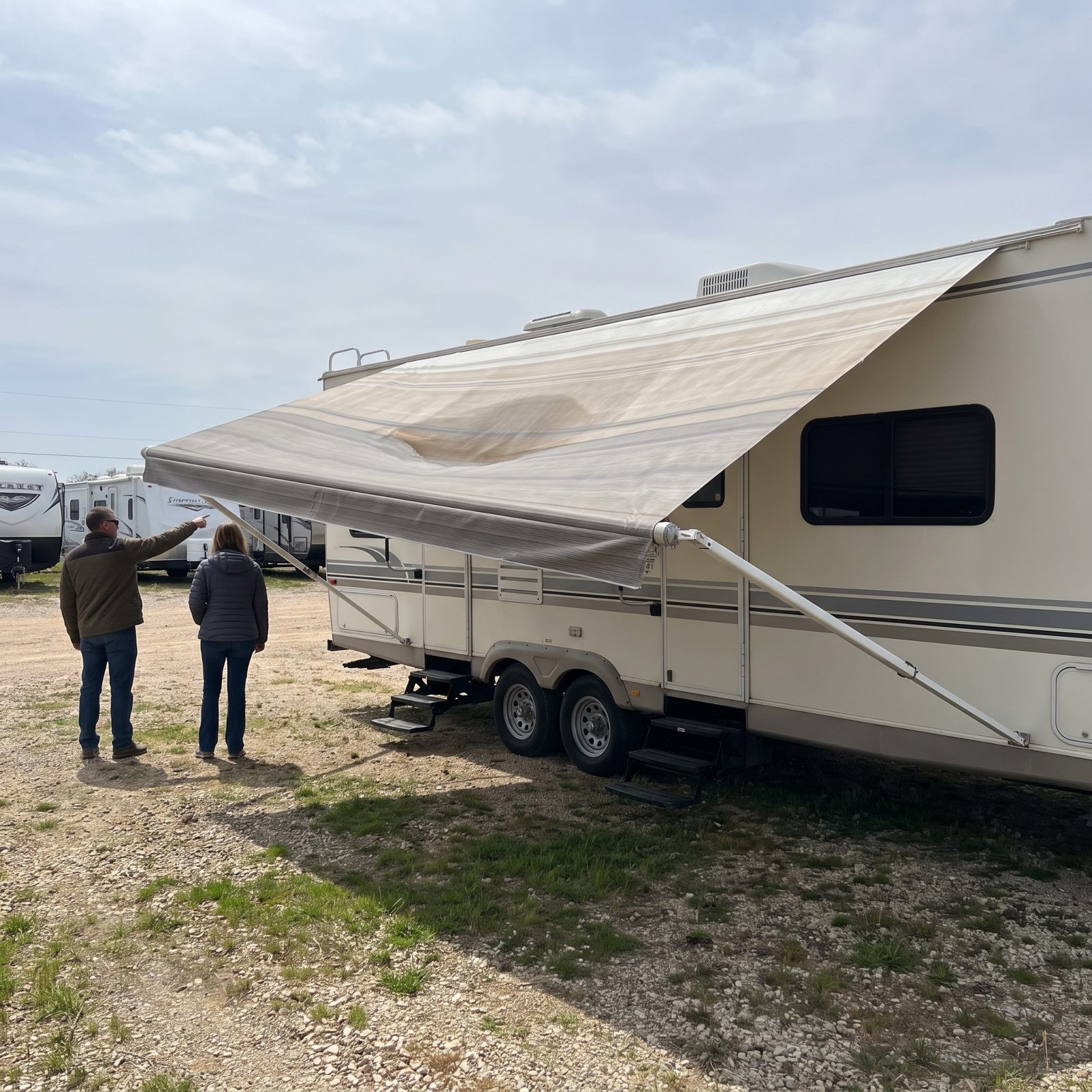
You brought a friend along. Within ninety seconds they’ve spotted the sagging awning, the soft spot in the floor near the door, and the faint smell of old water you’d somehow filed under character.
Love blinds. So does wanting something badly enough. Confirmation bias means once you’ve decided a rig is the one, your brain starts collecting evidence for it and quietly tossing out anything that argues the other way. The sag was always there. You just weren’t looking for reasons to walk.
Friends don’t have your crush. They see the whole picture because they aren’t invested in the fantasy, which is exactly why their take stings and exactly why it’s worth hearing.
9. Full Hookups Versus Boondocking Can Become a Values Fight
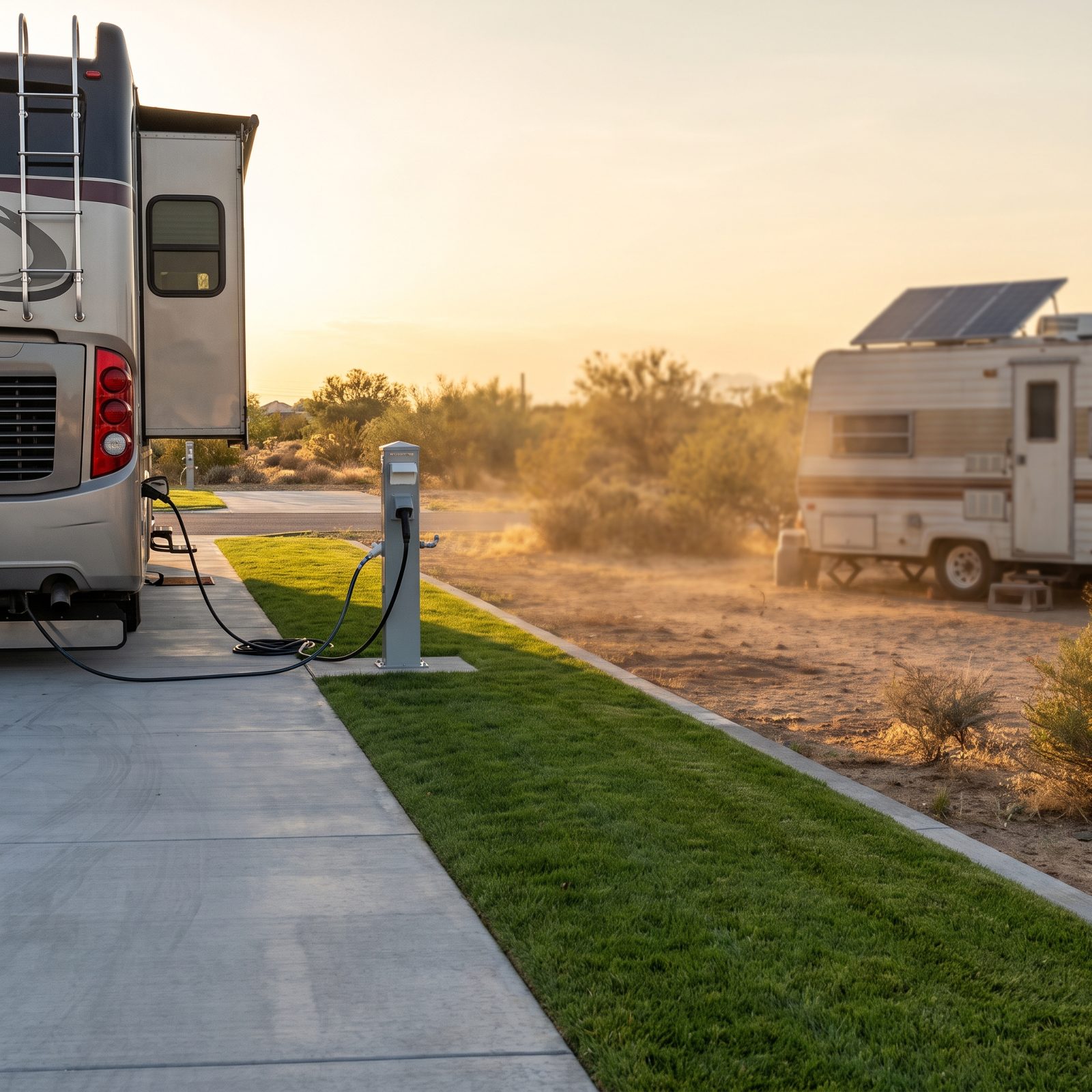
One of you wants full hookups, level concrete, and reliable wifi. The other wants a dirt pad in the middle of nowhere with solar panels, a generator, and no neighbors for miles. You thought you were buying the same RV. You were buying two different lives.
This isn’t about electrical amps. It’s about values, and values are where the real negotiation lives. Full hookups mean comfort, convenience, predictability. Boondocking means freedom, self-reliance, solitude. Both are valid. They’re also different answers to the question of what the whole thing is for.
Couples discover this everywhere, not just at the dealership. You can agree on all the big obvious stuff and still find a quiet gap where your definitions of a good time part ways.
The rig can split the difference a little. Add solar, keep the hookup capability. But have the conversation before you sign, because an RV built for one philosophy and driven by two will make the disagreement loud. Figure out what you’re actually chasing first. The gear is just the follow-up question.
8. You Picture Yellowstone Before Checking Whether the Bed Fits
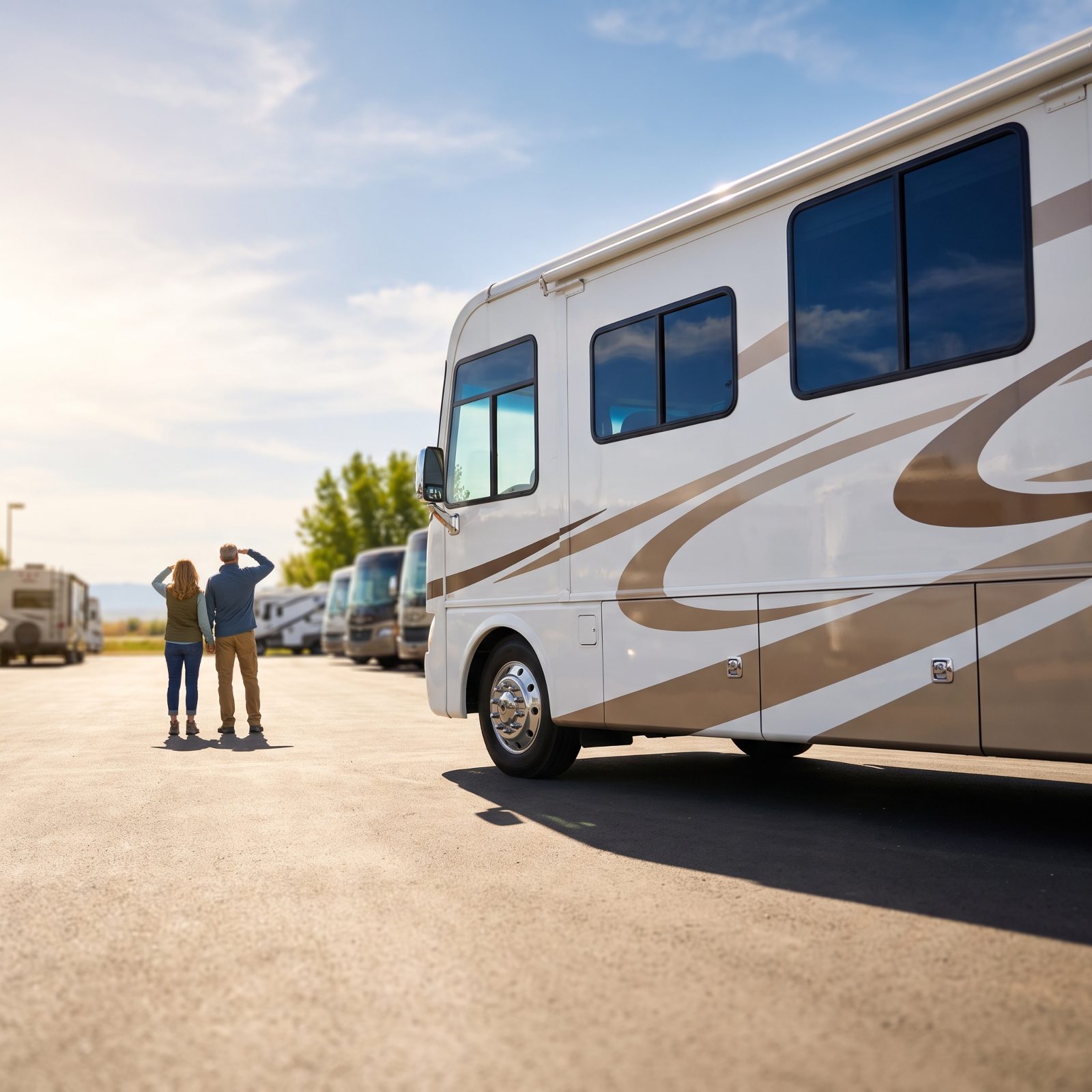
The brochure never shows the laundromat. It shows a mountain range, a folding chair, and a cup of coffee that apparently never gets cold. So you’re standing on the lot already two states away, picturing geysers and elk and a fire pit at golden hour — while the one thing you haven’t done is lie down on the bed to find out whether your feet hang off the end.
Same thing happens when someone falls for the idea of a person. The wedding on the beach, the matching holiday sweaters, the whole highlight reel plays before anybody’s had the first real conversation about who does the dishes. We shop for the fantasy and inspect the furniture later, if at all.
Psychologists call it the focusing illusion. Whatever you’re daydreaming about looms huge while the boring daily details shrink to nothing — and the bed, the gray tank, the turning radius are the daily details. Yellowstone is three weeks a year. The bed is every single night.
7. The Perfect RV Still Has to Fit Your Driveway
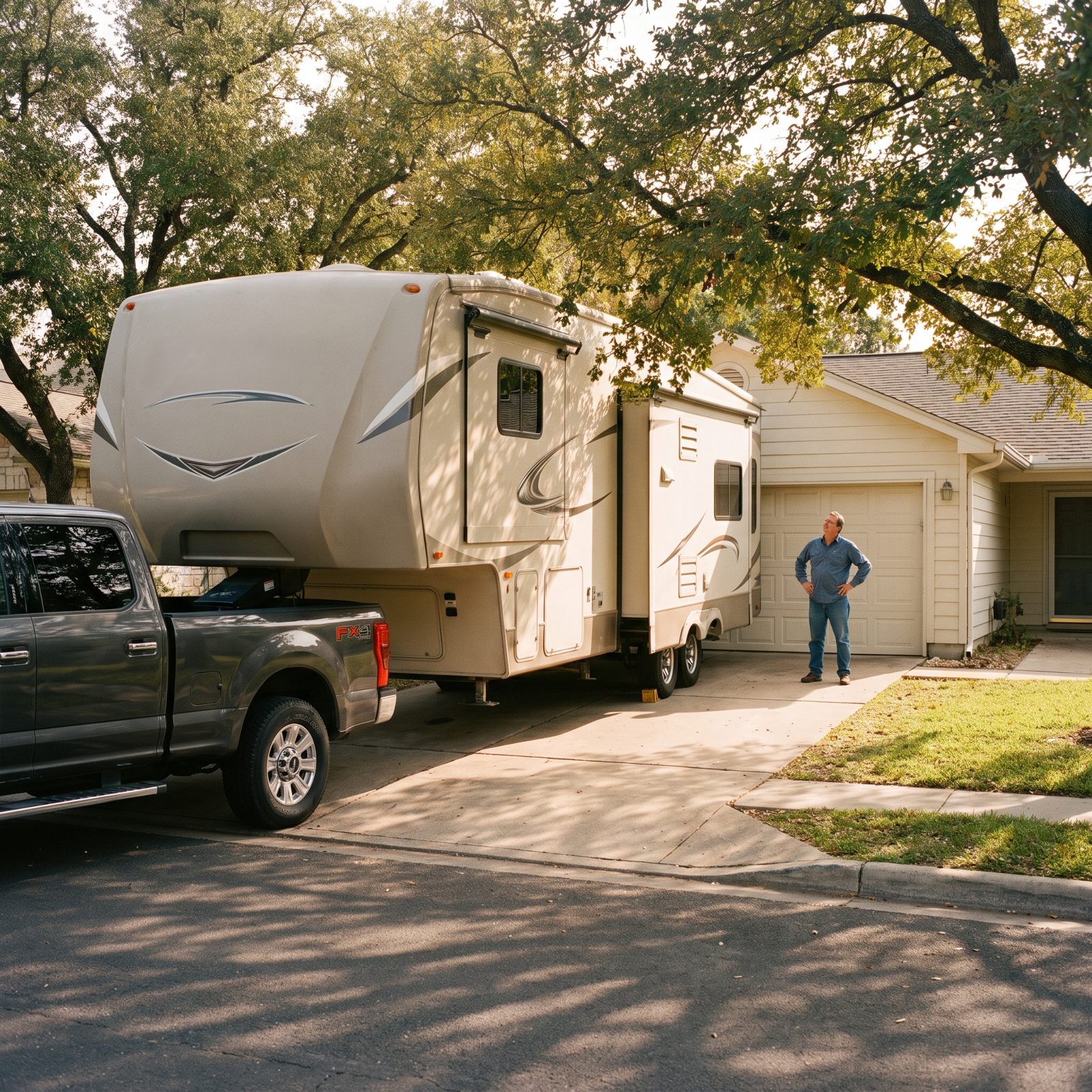
You find it. Right layout, right price, an island kitchen you could cry over. Then you go home and measure your driveway, your gate, the branch hanging over the side yard — and reality quietly does the math for you.
Love stories run into the same wall. Everything sparkles until you try to fit a whole person into an actual life — a mortgage, a job, in-laws, and a town one of you refuses to leave. Fit isn’t romantic. It’s just whether the thing can physically exist where you need it to.
We discount constraints because they feel like buzzkills rather than deal-breakers. Call it optimism bias, that quiet assumption the hard parts will somehow sort themselves out. They rarely do. A 40-foot rig doesn’t shrink because you adore it, and a 10-hour commute doesn’t vanish because the chemistry’s good.
Measure first. The tape measure has saved more RV purchases — and arguably more weekends — than any amount of enthusiasm.
6. Renting the RV First Feels a Lot Like Moving In Together
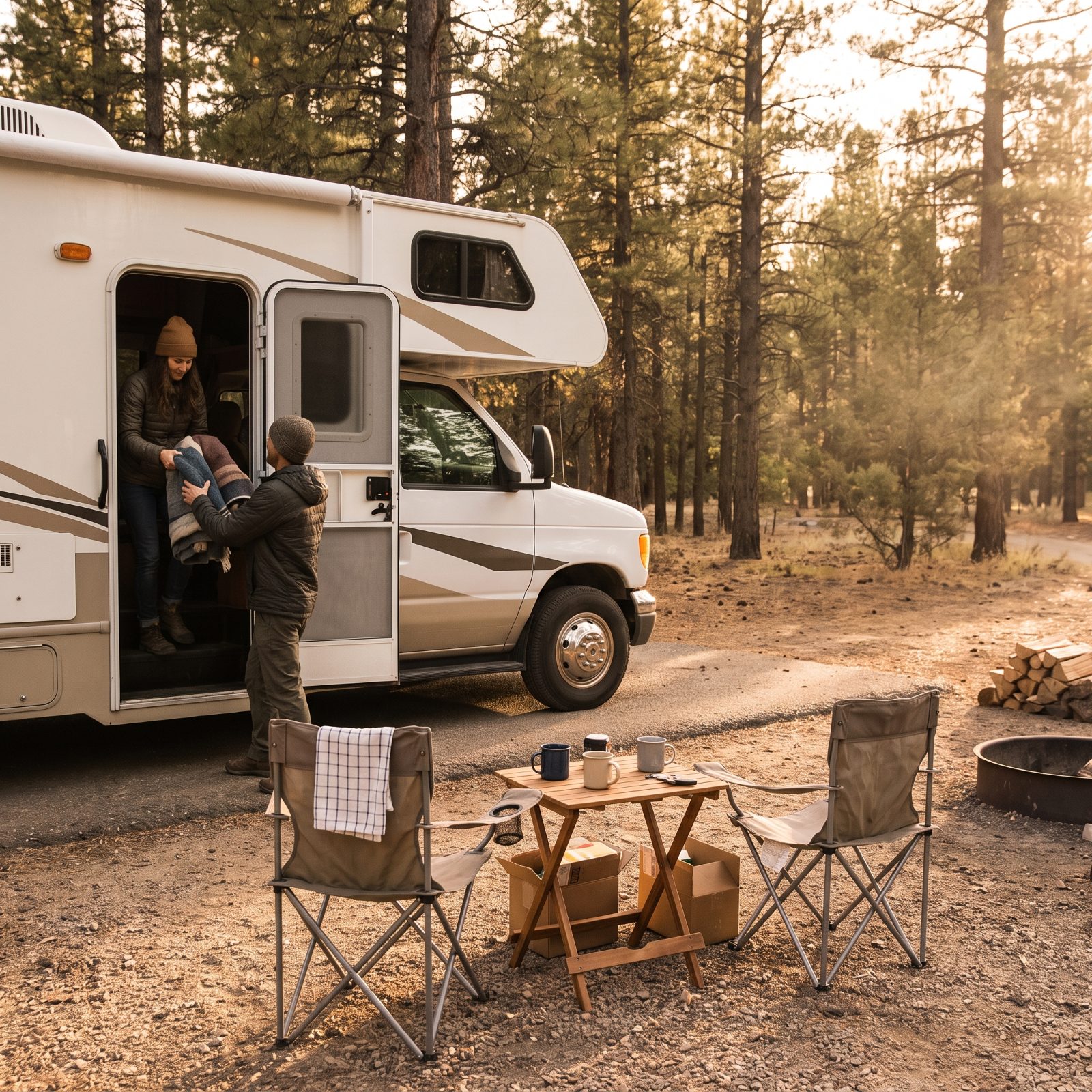
A weekend rental tells you more than a dozen test drives. You find out where the morning light hits, whether you trip over each other in the galley, how the bed feels at 2 a.m. when the generator next door won’t quit. The glossy features suddenly matter less than whether you can actually live in the thing.
Moving in together does the same reveal. You learn the real person once the toothbrush is on the counter and the dishes are nobody’s job until they are. The honeymoon version packs up, and the daily version moves in.
A trial run doesn’t kill the romance. It just tells you the truth before the paperwork does.
Why does it work? Experiential learning. We’re terrible at predicting how we’ll feel about something and pretty good at knowing once we’ve lived it. A rental weekend is cheap insurance against a very expensive change of heart. Spend the few hundred bucks. Best money in this whole hobby.
5. The Wet Bath Seems Adorable Until the Third Morning
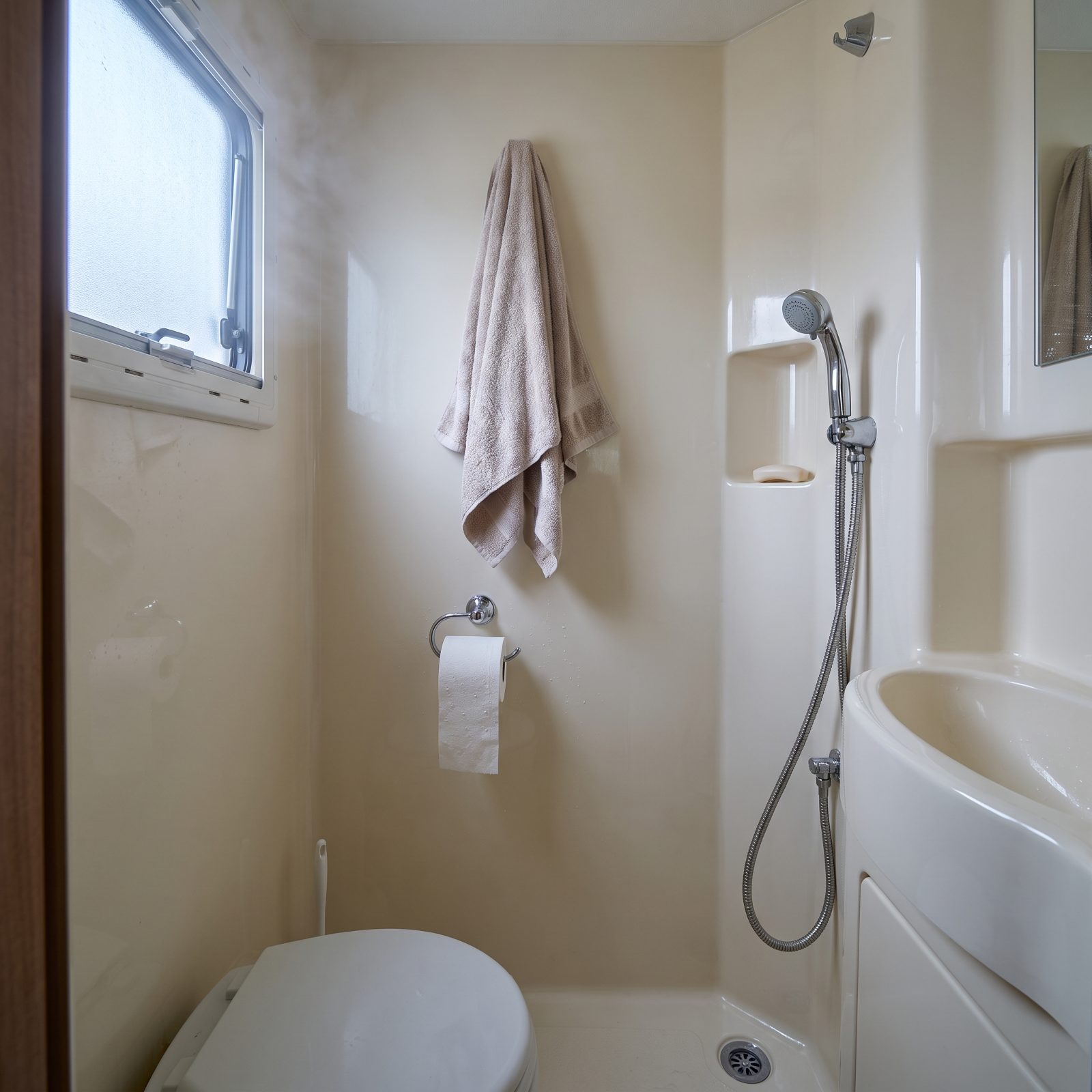
In the showroom it’s charming. Look how clever — the whole bathroom in one little pod, everything within arm’s reach. You nod. You picture yourself as the kind of person who finds this efficient.
Then you live with it. The toilet paper is always faintly damp, your towel never dries, and every shower soaks the one square foot you need to stand on to brush your teeth. By day three, the quirk you found cute is the thing you grind your teeth about.
People do this with partners too. The habit that read as endearing while dating — always running ten minutes late, turning everything into a debate — reveals itself as the actual personality after a while. Hedonic adaptation, they call it. The novelty burns off fast, and whatever’s left is what you signed up for.
4. Another Buyer Is Interested, and Suddenly the RV Is Irresistible
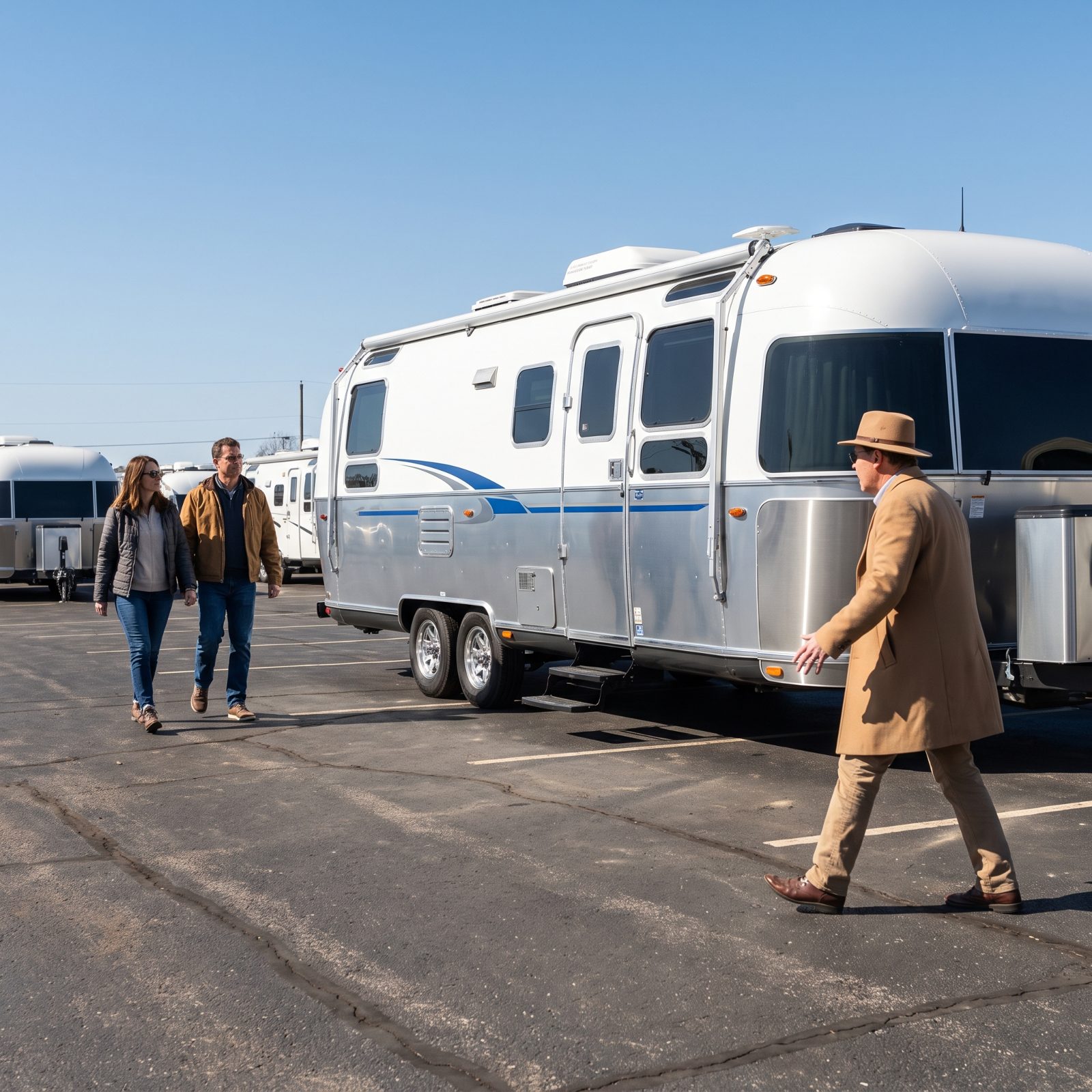
You were lukewarm on it all morning. Fine layout, fair price, you’d think about it. Then the salesman mentions another couple came by yesterday and might put money down this afternoon. Your heart rate changes. Now you want it, and you want it badly.
Nothing about the RV improved. All that changed is that someone else wants it, which somehow makes it worth more to you — the same reason the person who ignored you becomes fascinating the moment they start dating someone new. Desire is contagious, and scarcity is catnip.
Economists braid two things here: loss aversion and social proof. We hate missing out, and we assume that if others want it, it must be good. Dealers know this cold. The mystery second buyer is one of the oldest moves on the lot.
Here’s your test. Would you want this rig as much if nobody else did? If the answer wobbles, it’s the competition buying it, not you.
3. A Low Monthly Payment Makes a Long Commitment Feel Smaller
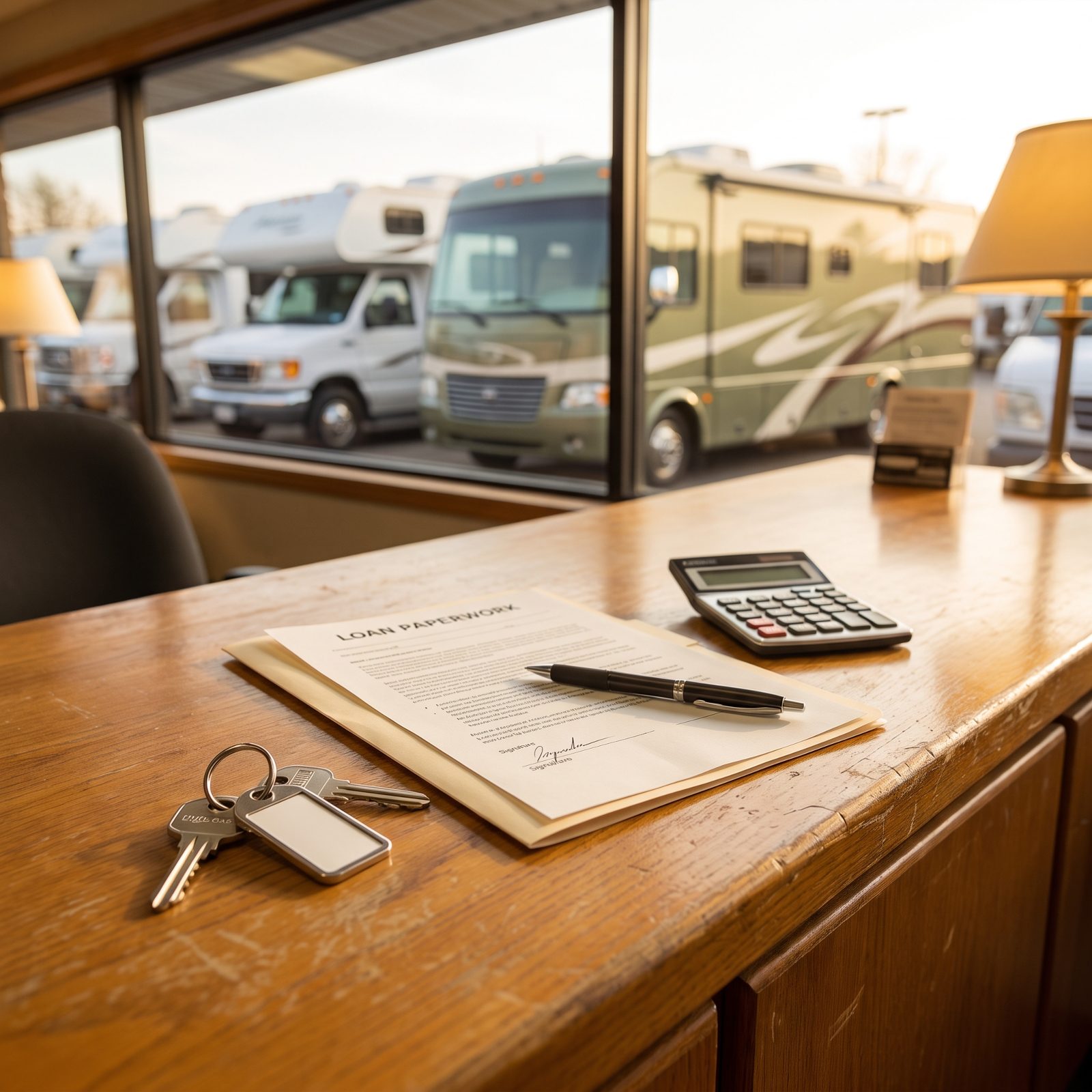
The sticker says a number that would stop your heart. Then the finance desk reframes it — just a few hundred a month, stretched over fifteen or twenty years. Suddenly a six-figure decision feels like a dinner reservation. You relax. You sign.
We do this with commitments, too. A whole life with someone is overwhelming if you stare at the whole of it at once, so we take it in installments, one Tuesday at a time, and the enormity never quite registers.
Blame mental accounting. We feel the monthly bite, never the total. Two decades of payments on a depreciating vehicle is a staggering figure that nobody says out loud, because nobody has to. The small drip hides the full pour.
2. A Paid Deposit Makes New Red Flags Look Surprisingly Beige
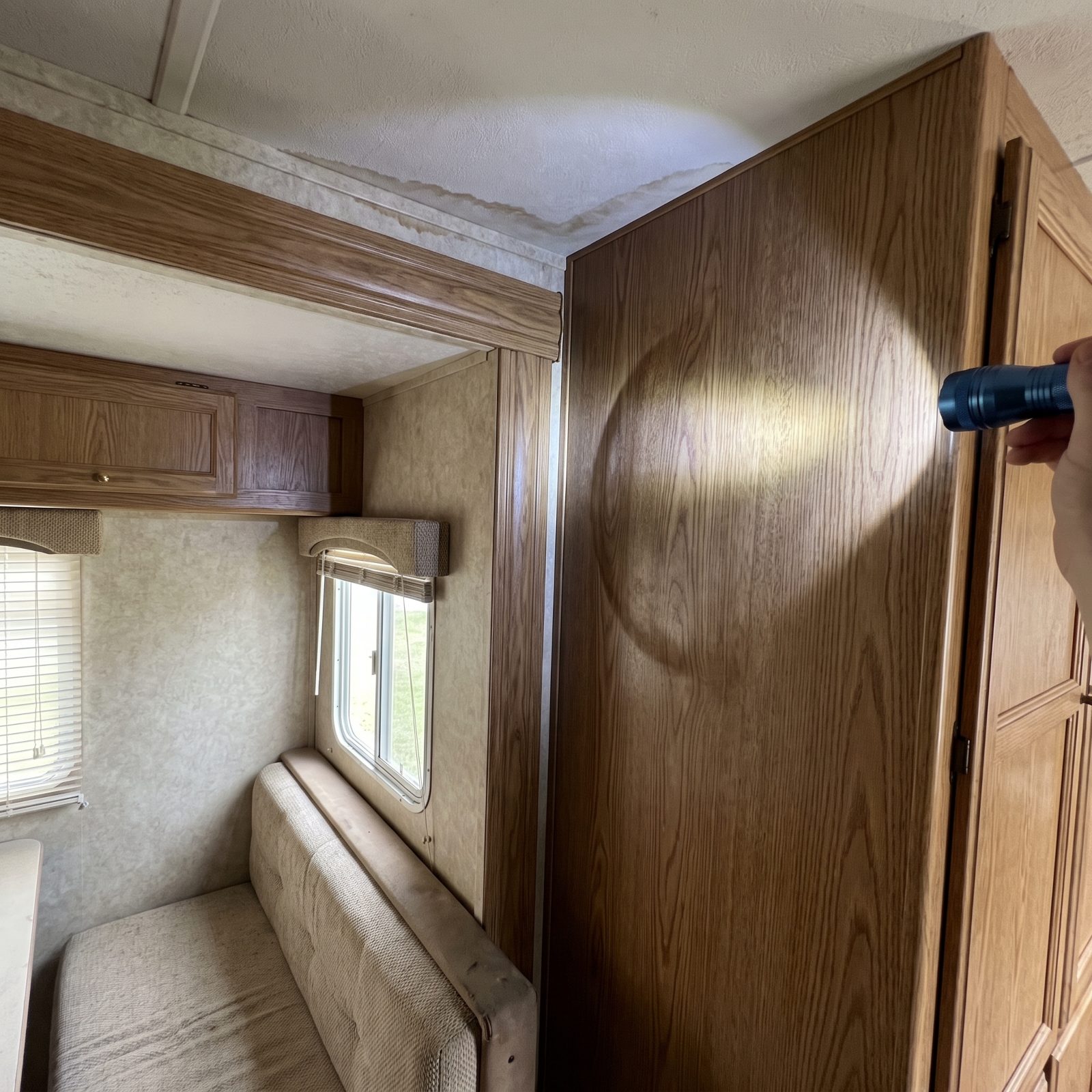
Before the deposit, you’d walk away from any rig over a soft spot in the floor. After the deposit, you catch yourself saying things like it’s probably just old caulk, or that stain has clearly dried out, or we can fix that. The same water damage that was a dealbreaker on Monday has become a minor project by Friday.
This is the sunk cost fallacy wearing work gloves. Once we’ve sunk money, time, or ego into something, we start defending it against our own eyes. It’s the exact reflex that keeps people explaining away behavior they’d have run from on a first date — because now they’ve already invested a year.
The deposit doesn’t change the condition of the RV. It changes you. Your standards quietly slide to protect the choice you’ve already made.
1. You Buy a Project RV Believing You Can Change It
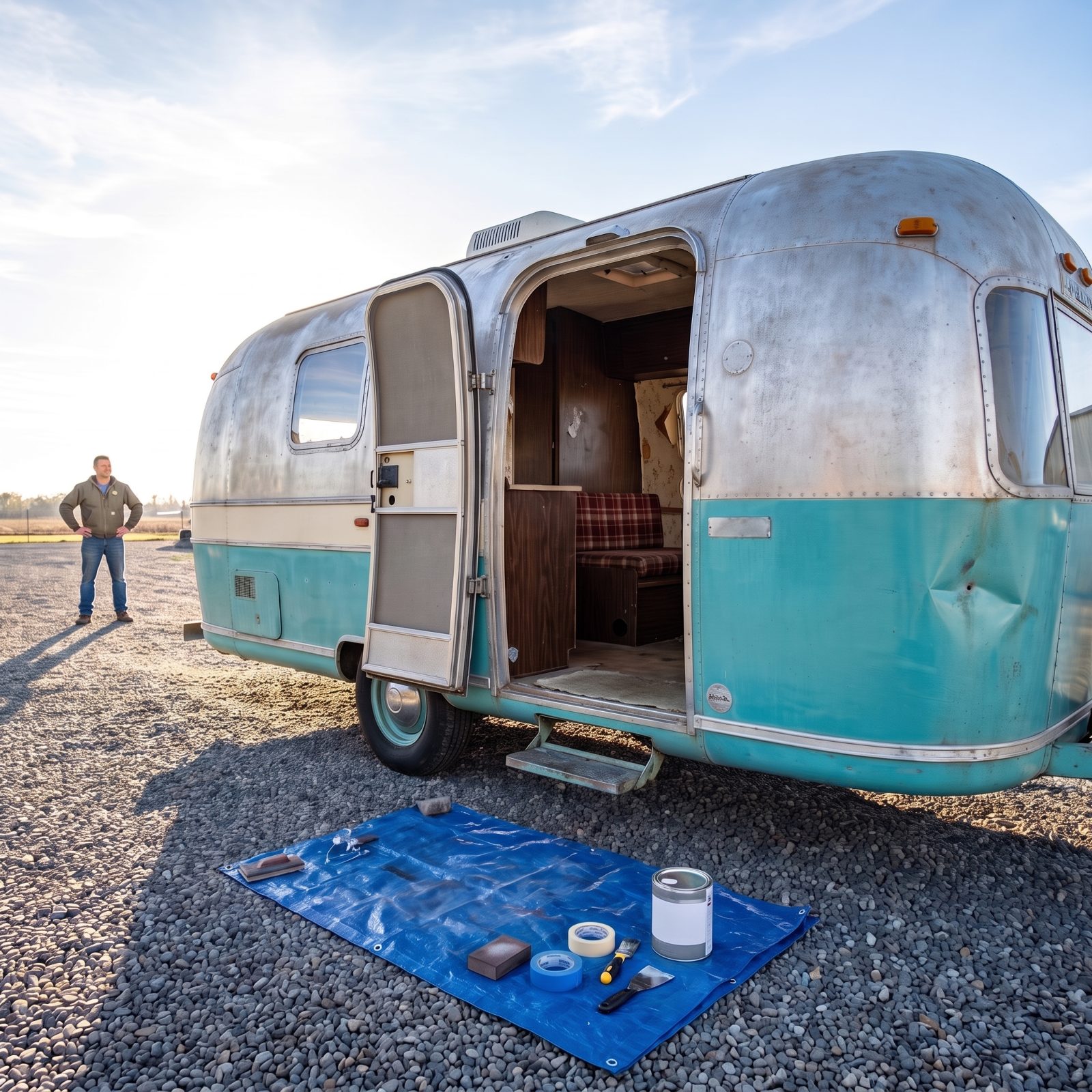
The listing says needs some love. You see past the water stains and the dark wood-grain paneling to the rig it could become — new floor, fresh paint, a weekend or two with the sander. You already picture it finished and perfect.
This is the oldest trap in RVs and relationships alike: buying the potential and billing it as the present. We fall for who or what something might be after we fix it, and we badly underestimate what the fixing costs.
Two forces conspire here. There’s the planning fallacy, where every project somehow takes three times longer and double the budget we swore it wouldn’t. And there’s a cousin of the IKEA effect, the way we fall harder for things we imagine building ourselves. A project you dream about is intoxicating. A project you’re living inside — torn-out subfloor, camping season slipping away — is something else entirely.
If the only version of it you love is the one that doesn’t exist yet, you’re not buying an RV. You’re buying a hope and a to-do list.
Buy a project because you love the work, not because you need the finished thing by June. Go in with eyes open. And honestly, that advice travels well past the campground.