
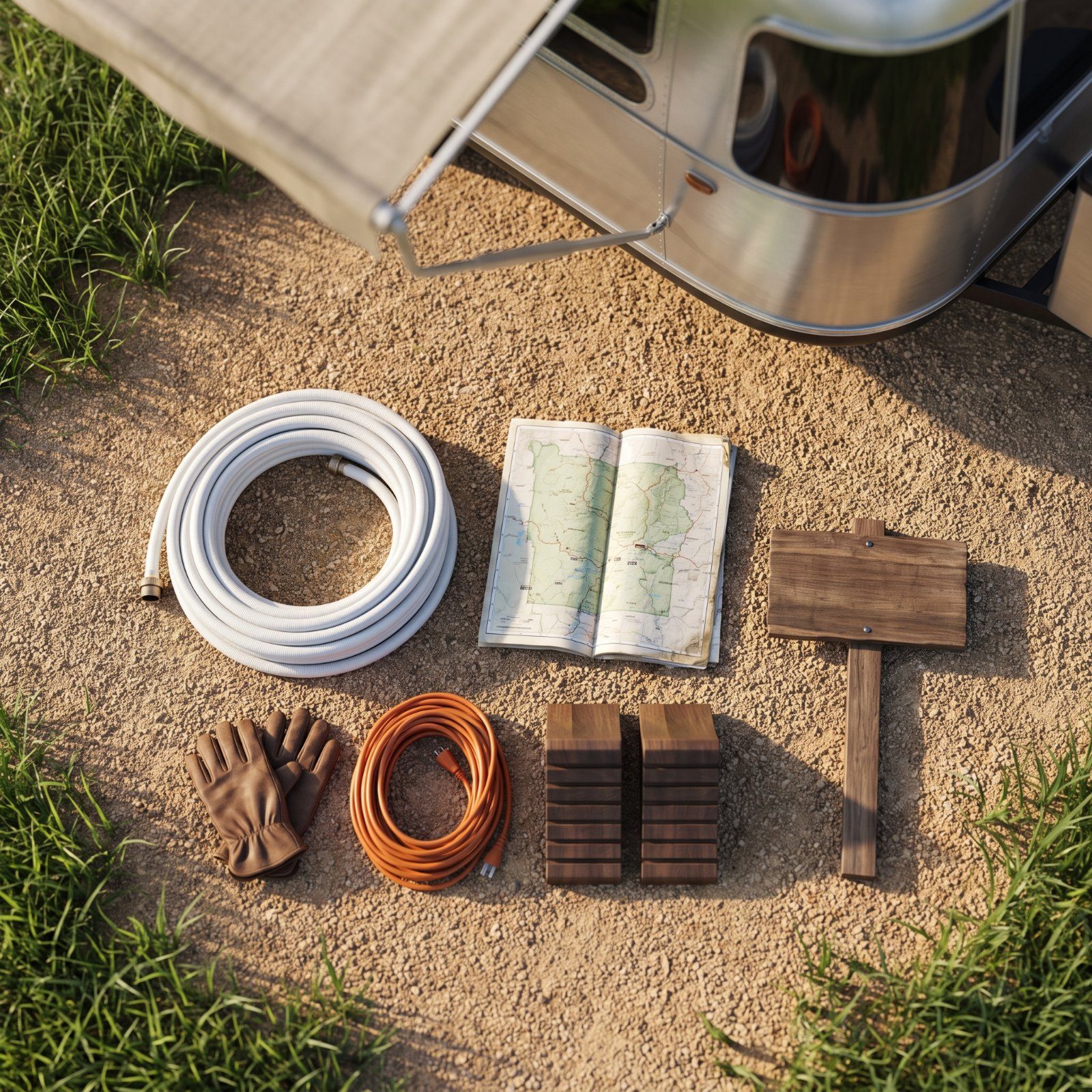
Nobody hands you a rulebook when you pull into an RV park. The real rules are the quiet ones, passed around campfires and learned the hard way when a neighbor gives you the look. Most friction between sites comes down to small habits folks never think about — where a hose runs, how a light points, when you dump your tanks. The fixes cost nothing and take seconds. Get these right and you become the neighbor everyone hopes parks next to them. Here’s what the seasoned folks already know.
28. Do Not Walk Through an Occupied Campsite
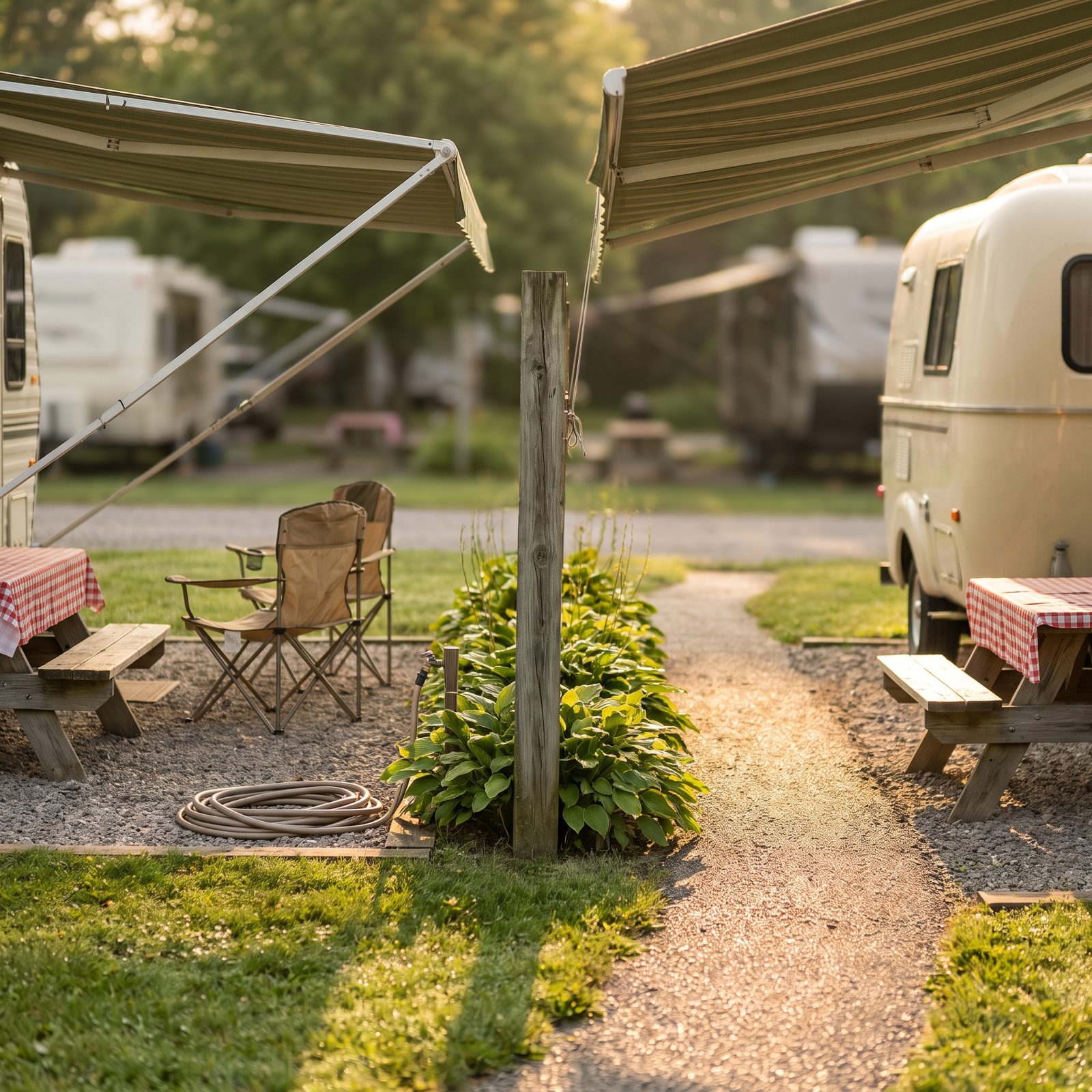
An occupied campsite is somebody’s living room with no walls. Cutting the corner through their space to reach the bathhouse feels like nothing to you and like a stranger wandering through the kitchen to them. It reads as rude even when you mean no harm, and it startles folks sitting quietly with their coffee. The patch between two rigs is a yard, not a shortcut.
Walk the road or the marked path, even if it adds thirty seconds. When sites are packed tight and there’s truly no way around, pause at the edge and ask. Most people wave you through happily, and the asking makes all the difference.
27. Turn Outdoor Speakers Toward Your Own Rig
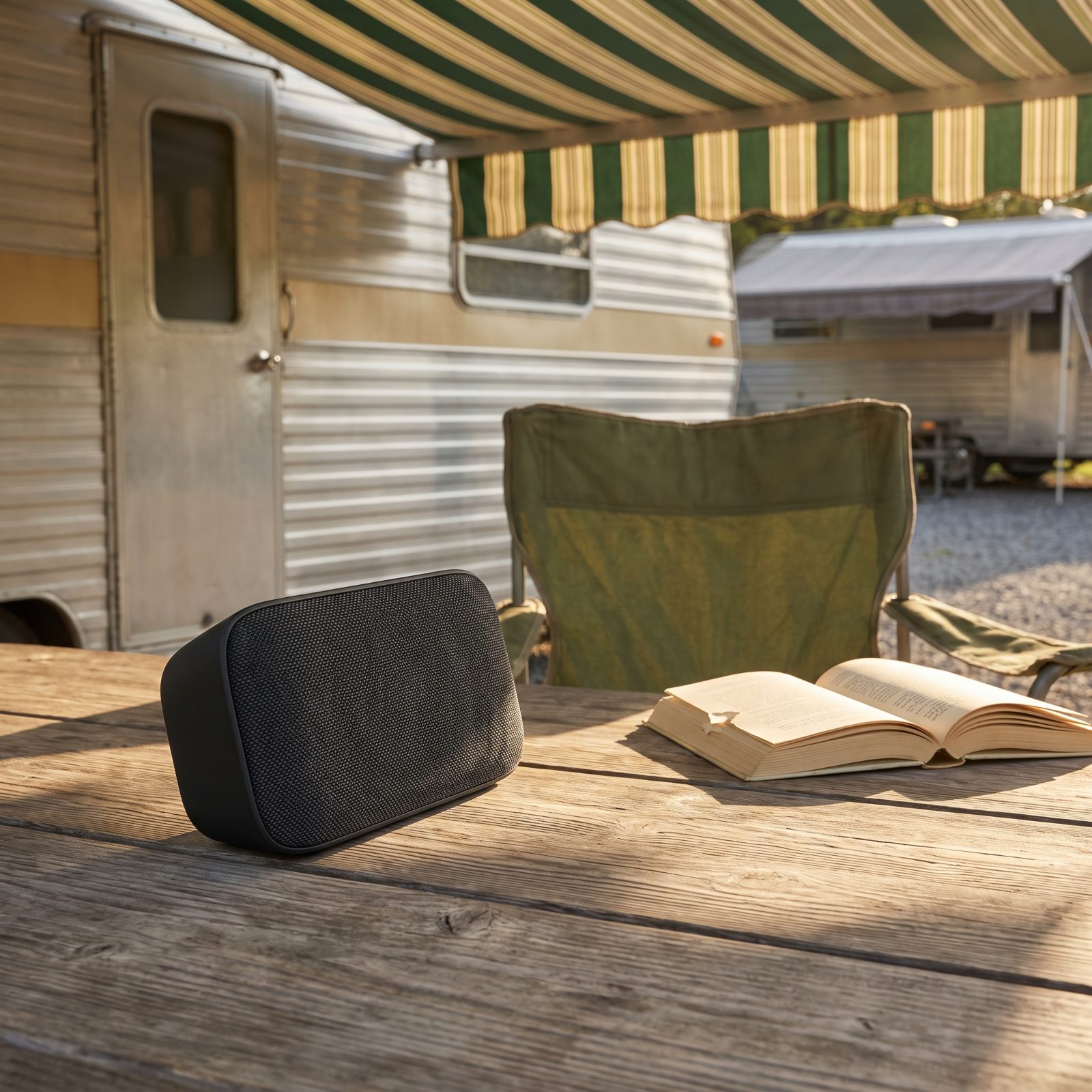
Sound carries farther in a campground than you’d think. There are no walls to absorb it, so your ballgame or your Fleetwood Mac drifts clean across six sites and lands in somebody’s afternoon nap.
Point those outdoor speakers back toward your own chairs, not out toward the road or the neighbor, and keep the volume low enough that you can still hear a conversation over it. After dark, most parks expect tunes off entirely. I’ve never once regretted turning it down a notch early.
26. Do Not Leave Exterior Lights Blazing All Night
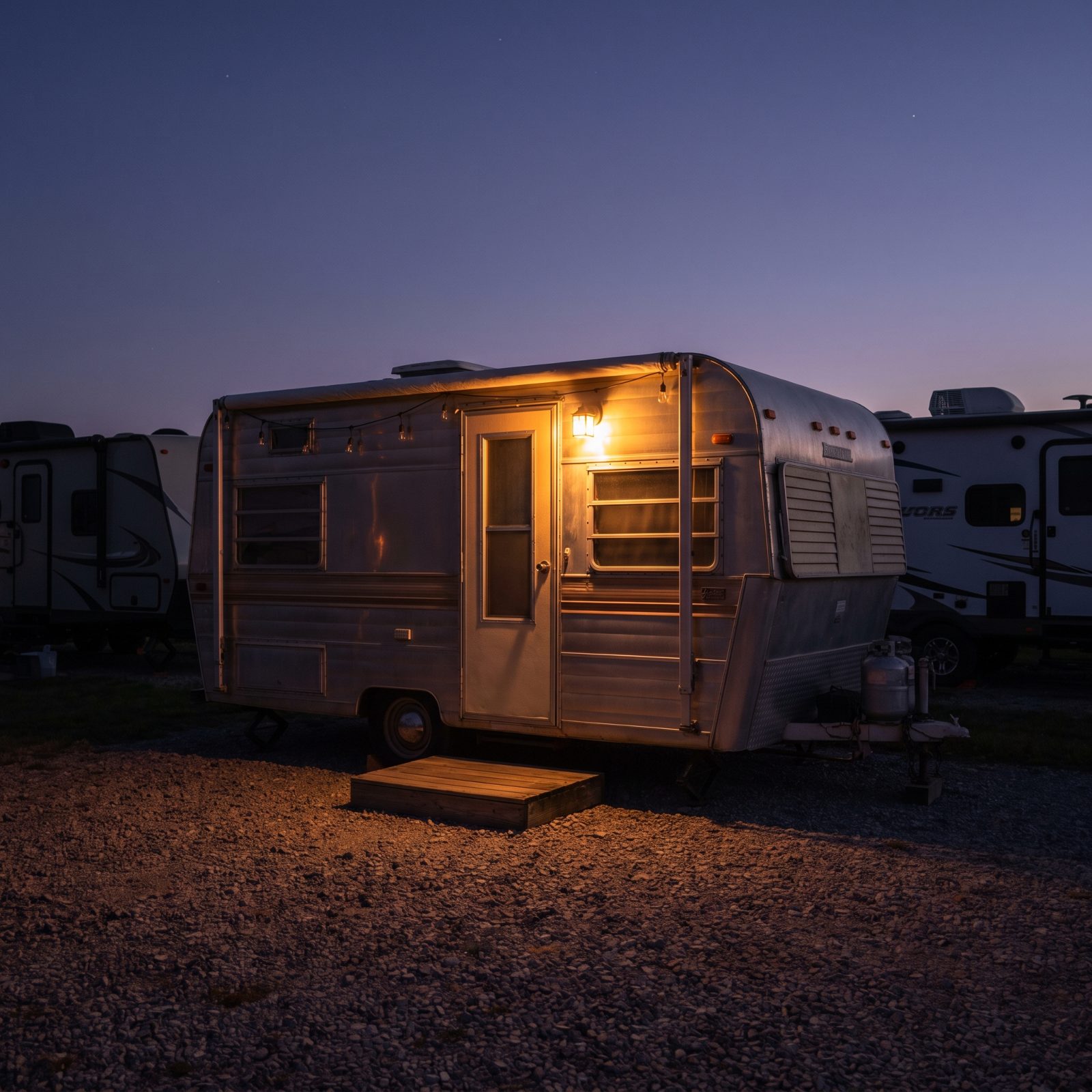
A campground after dark is one of the last places you can actually see stars. Then one rig leaves every floodlight and awning strip blazing, and the whole loop glows like a parking lot. Bright exterior lights spill straight into neighbors’ windows and wash out the night sky everyone drove out here for. Your porch light is fine. The full LED runway is not.
Run one warm, low light by the door for footing, then kill the rest when you turn in. Need a path light? A single solar stake pointed down does the job without lighting up the site next door.
25. Never Let a Sewer Hose Cross a Walking Path
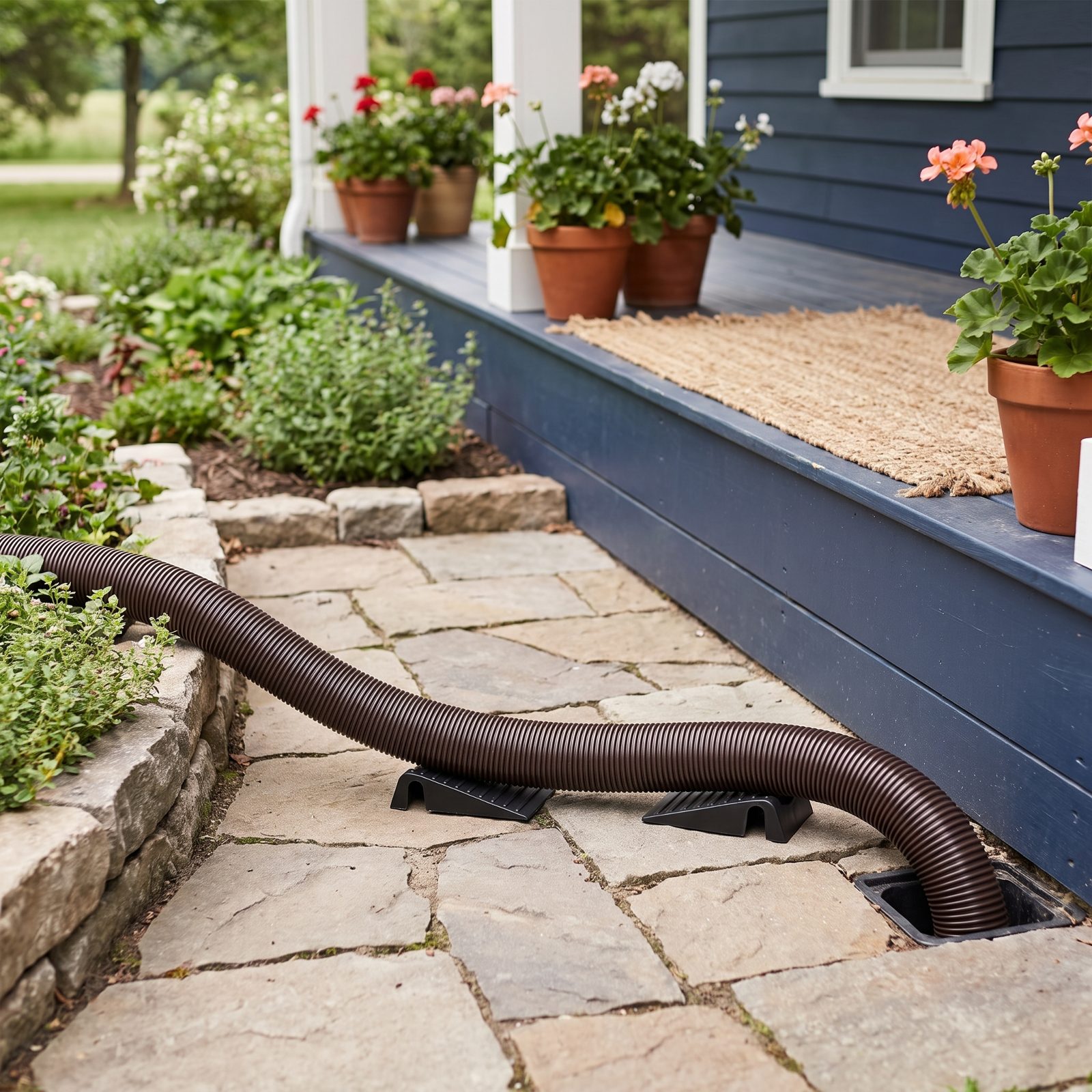
You’ve seen it. A sewer hose snaking across the path to the restroom, and everyone doing an awkward little hop over it in the dark. Beyond being unpleasant to step near, that line is a genuine trip hazard — and if a wheel or a foot catches it, you’ve got a mess nobody wants to clean. Keep the whole thing inside your own site.
Route the hose the short, direct way to the inlet. If your layout forces it toward the walkway, rethink your parking before you connect. A few sloped hose supports keep it off the ground, flowing right, and out of everyone’s way.
24. Do Not Flush Your Tanks During Peak Departure Time
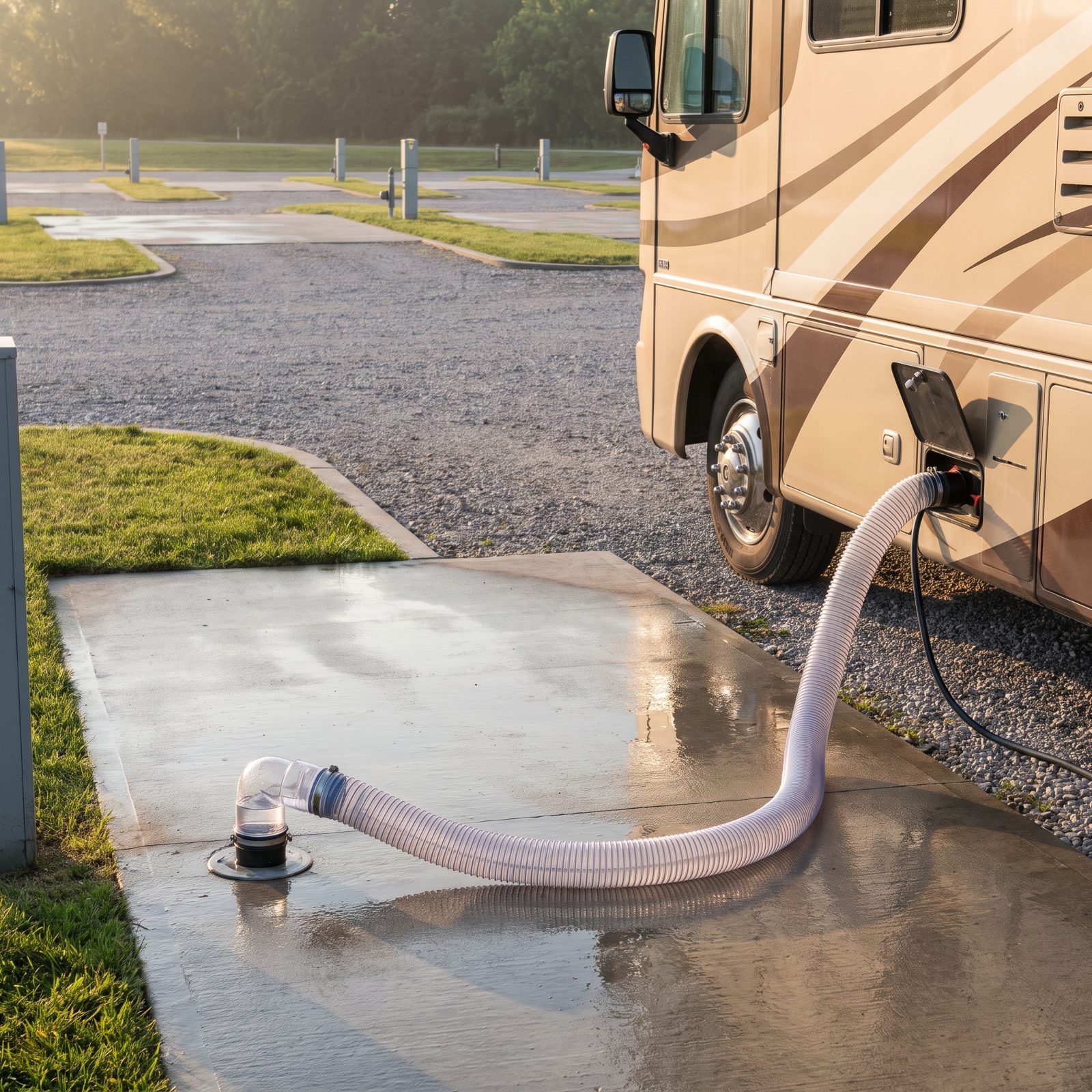
Checkout mornings have a rhythm. Everyone wants to roll by ten, which means the dump station and the shared sewer lines are slammed right at nine. Running a long tank flush with the black-tank rinse at exactly that hour backs up the line and holds up folks trying to hitch and go. Picture blocking the one open gas pump and you’ve got the idea.
Do your deep flush the evening before, or wait until the departure wave clears. At a full-hookup site, a quick dump anytime is fine. It’s the twenty-minute rinse session during the rush that earns you a few sighs.
23. Keep Freshwater Equipment Away From Sewer Fittings
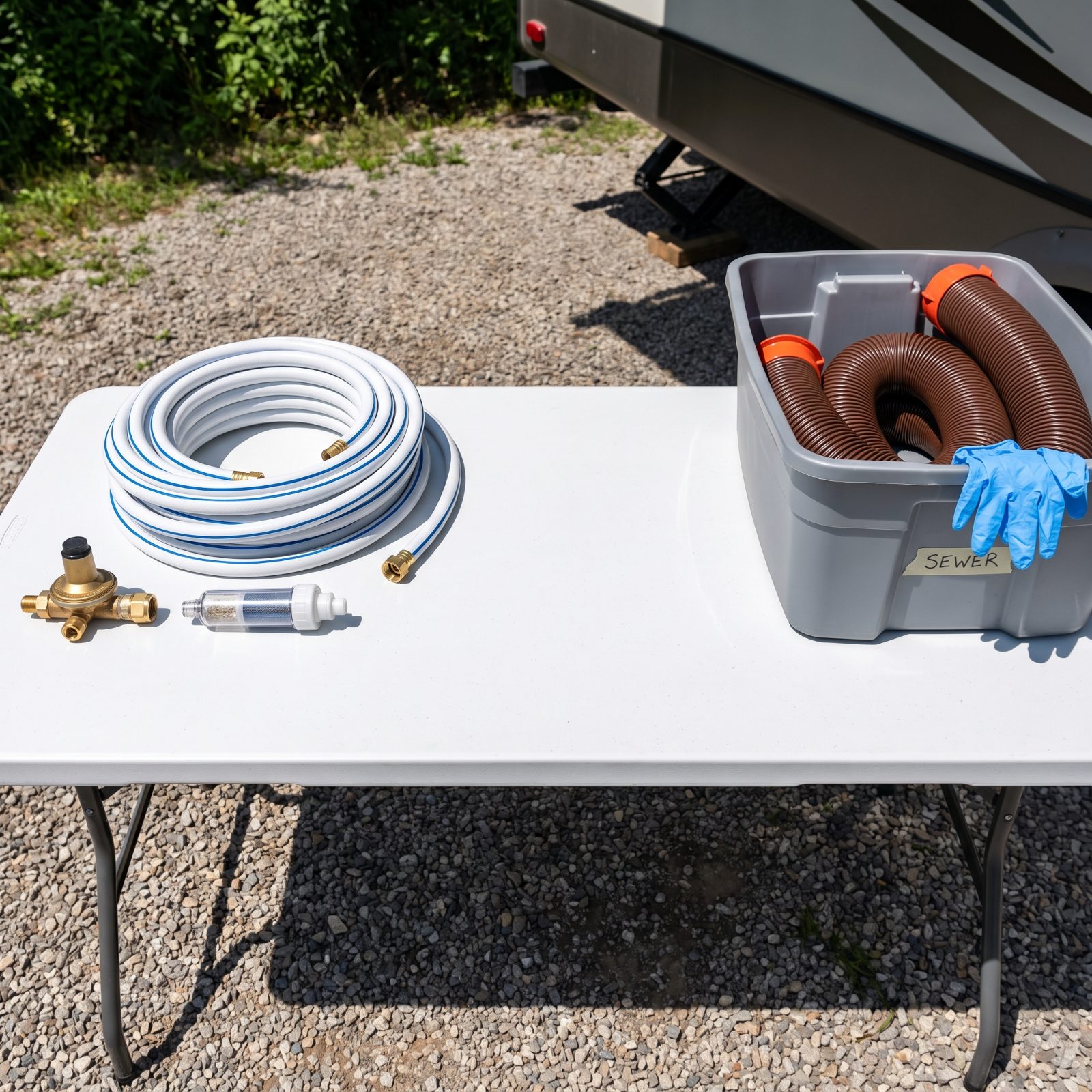
The white hose is for drinking water. The other one isn’t. Mix up where they touch and you’ve got a problem no amount of bleach makes you feel good about. Letting a freshwater hose coil down next to sewer fittings, or handling both with the same bare hands, is how cross-contamination happens — and your gut will remind you for a week.
Store your white drinking-water hose in its own bin, keep the sewer gear in a separate one entirely, and use disposable gloves for the dirty job. A brass pressure regulator and inline filter live with the clean kit, never near the outlet.
22. Do Not Borrow a Neighbor’s Water Spigot
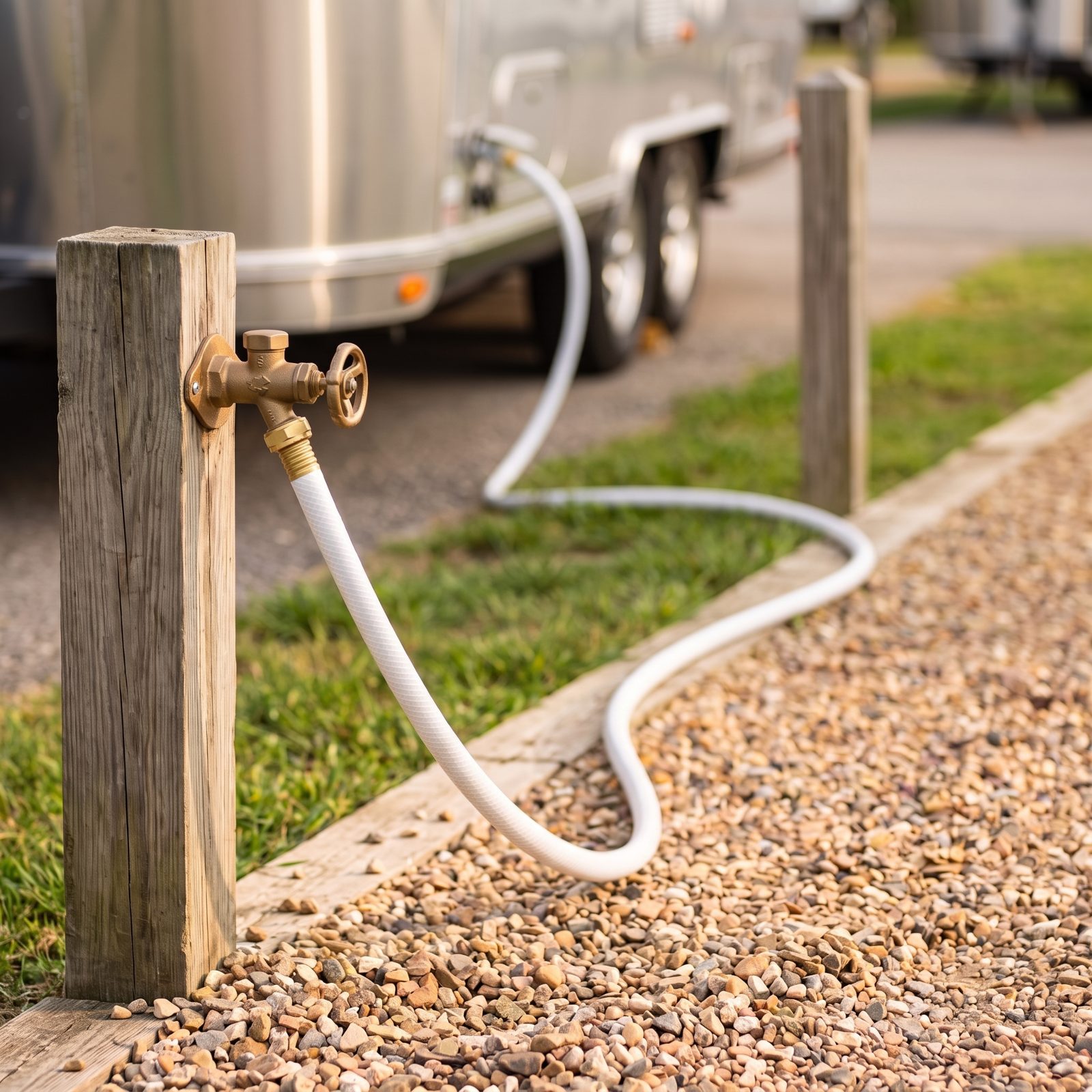
That spigot on the neighbor’s post looks like free water. It isn’t yours. Tapping into someone else’s hookup can drop their water pressure mid-shower, and in metered parks you’re literally running up their bill. Even a quick fill feels like an intrusion when they come out to find your hose on their tap.
Use your own site’s connection, every time. If yours is broken or your rig isn’t on water and you need a top-off, walk over and ask first. Nine times out of ten they’ll say sure — and the asking is what keeps it friendly.
21. Park Tow Vehicles Within Your Site Boundary
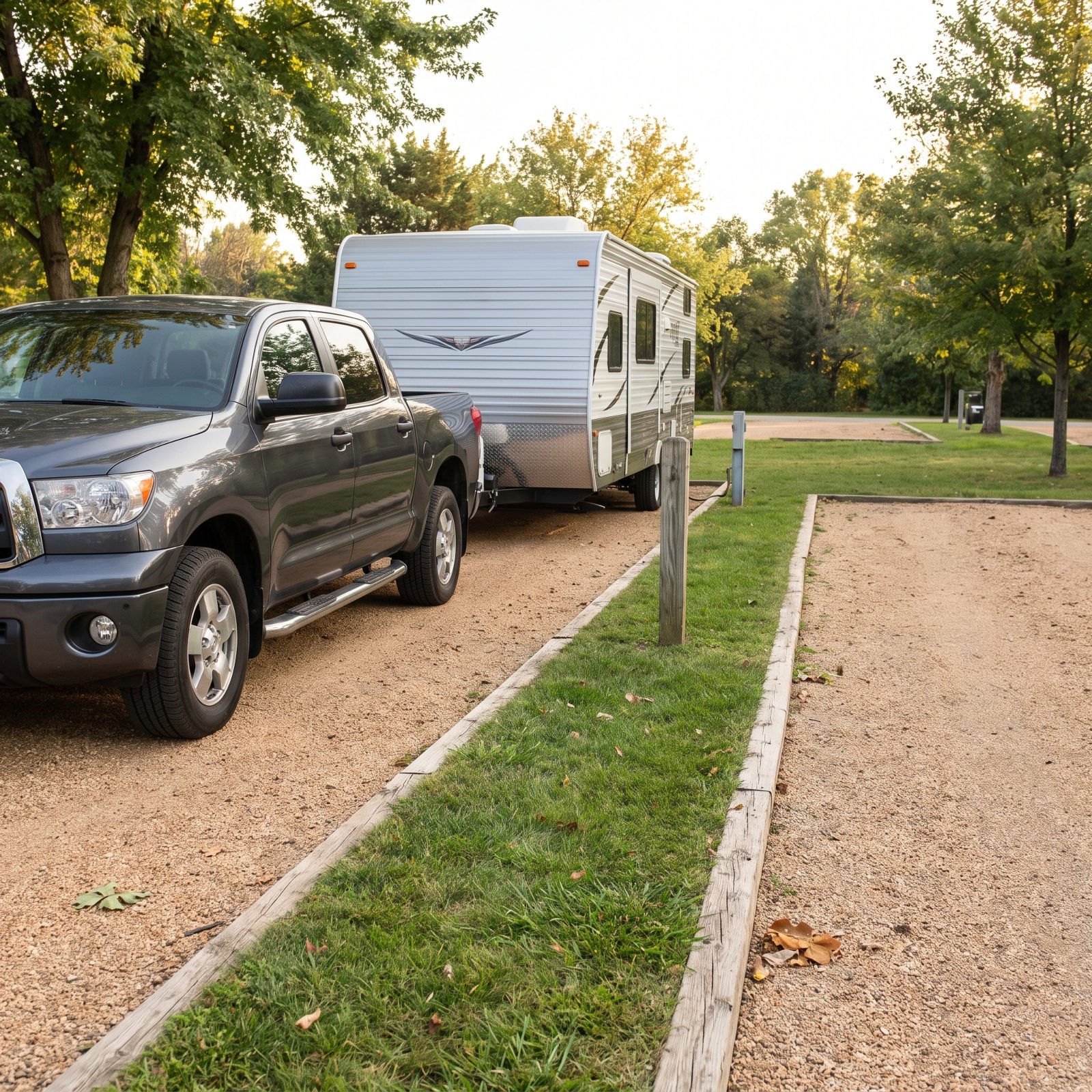
Sites have lines for a reason, and the tow vehicle counts. When the truck noses out into the road or spills onto the empty site beside you, it narrows the loop and makes the turn tight for the next big rig trying to swing in.
Tuck the truck or toad fully onto your own pad, even if it means angling it or parking tandem. If it genuinely won’t fit, ask the office about overflow rather than claiming the vacant site next door. That spot gets booked, and the new arrival shouldn’t have to hunt you down to move it.
20. Keep the Road Clear While Setting Up
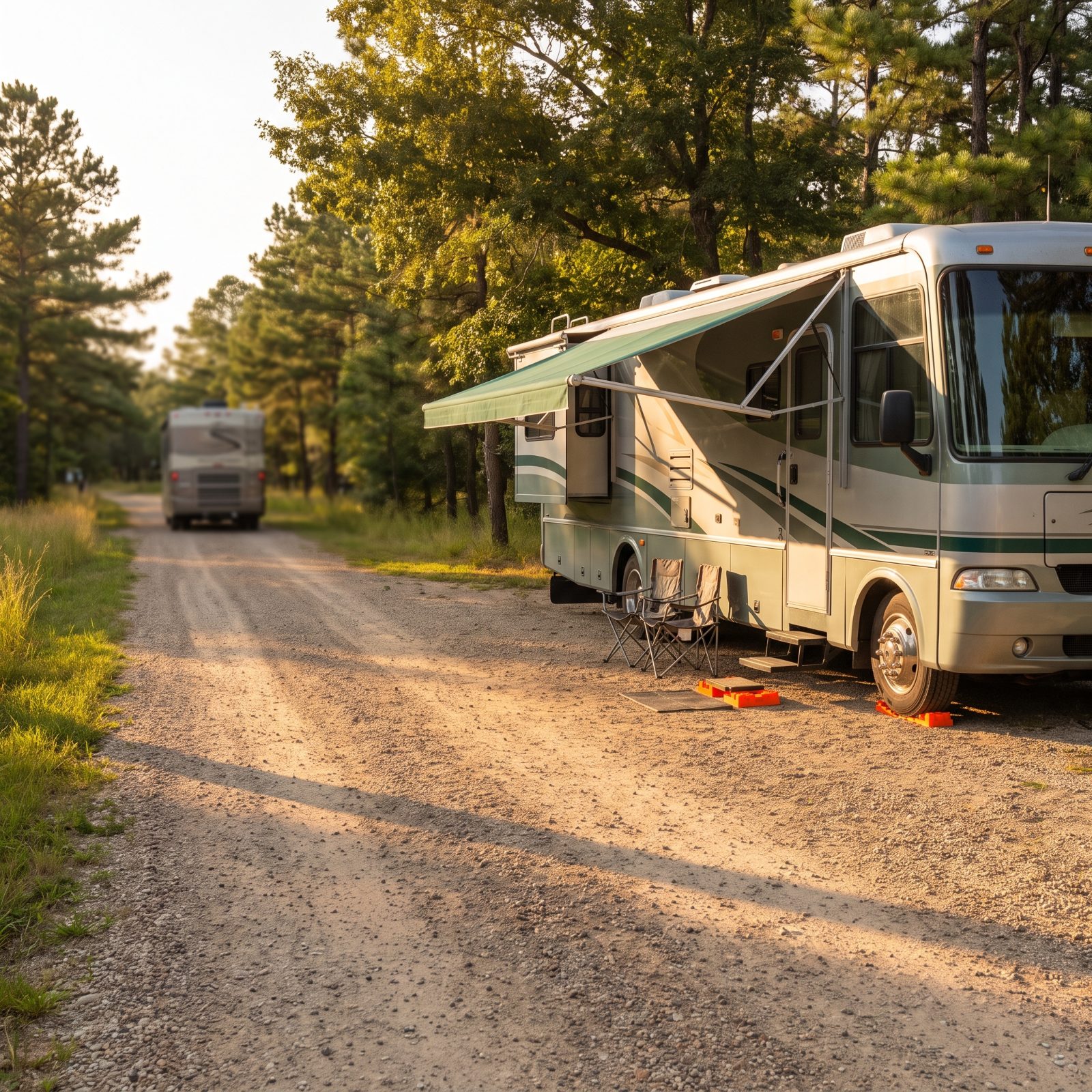
Setting up takes a while. Chairs come out, the awning rolls, somebody’s leveling blocks end up scattered across the gravel, and the trouble starts the moment all of that spreads into the road and the next rig can’t get past.
Pull your rig in far enough to free the lane before you unload anything, and keep leveling gear, mats, and chairs on your pad rather than the pavement. A rig stuck idling behind your project is an easy way to start off on the wrong foot with a whole loop of neighbors.
19. Ask Before Joining Someone Else’s Back-In Routine
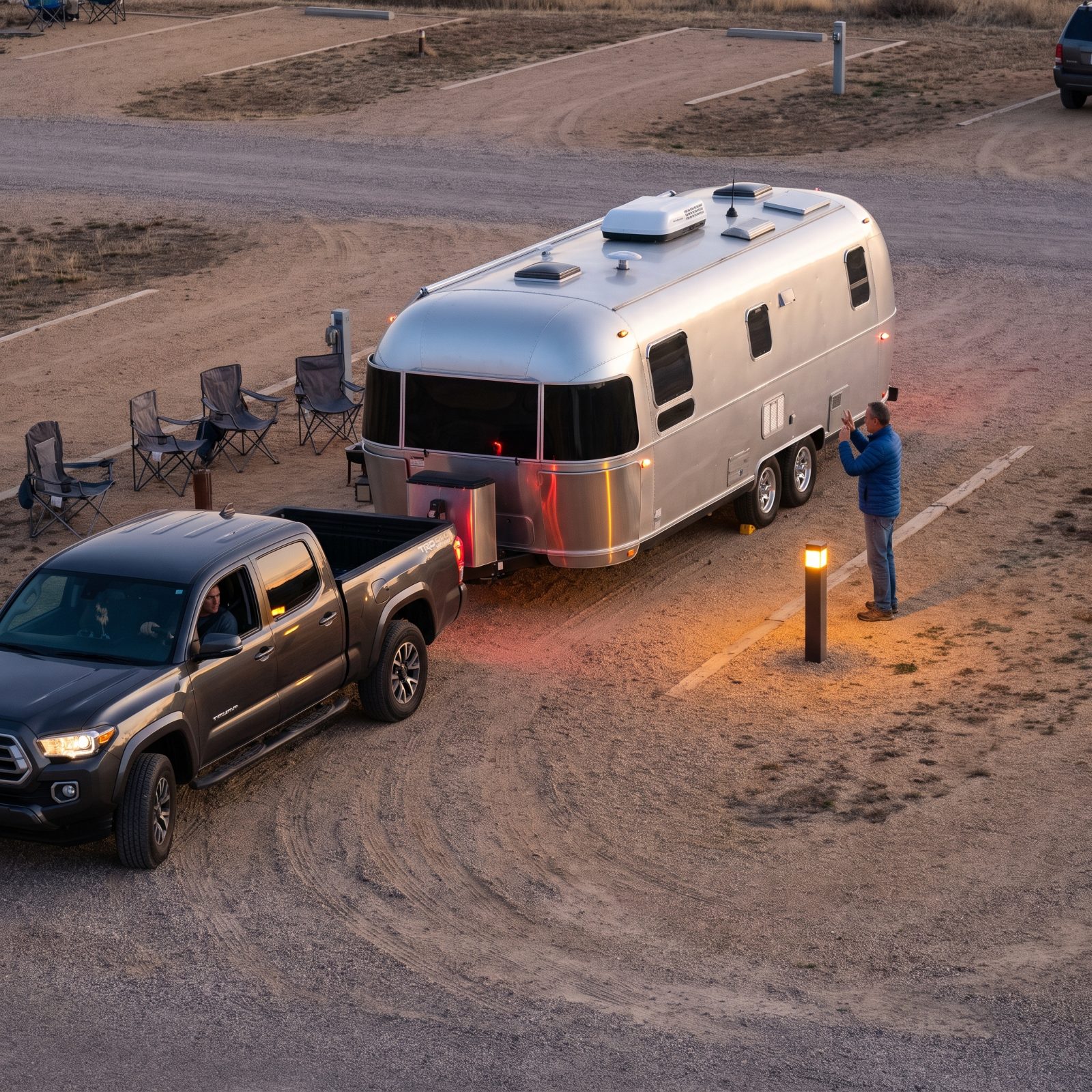
Backing a big rig into a tight site is a two-person job, and plenty of folks have it down to a quiet system of hand signals and a walkie-talkie. Then a well-meaning stranger jogs over shouting directions and it all falls apart. Unsolicited help usually adds confusion, not clarity, because now the driver’s getting three sets of signals and watching the wrong person. Some couples have been doing this for years and don’t need the chorus.
If someone’s clearly struggling, step close and ask once: “Want a hand, or you got it?” Respect the answer either way. Letting a capable neighbor work in peace is its own kind of courtesy.
18. Prepare for an Early Departure the Night Before
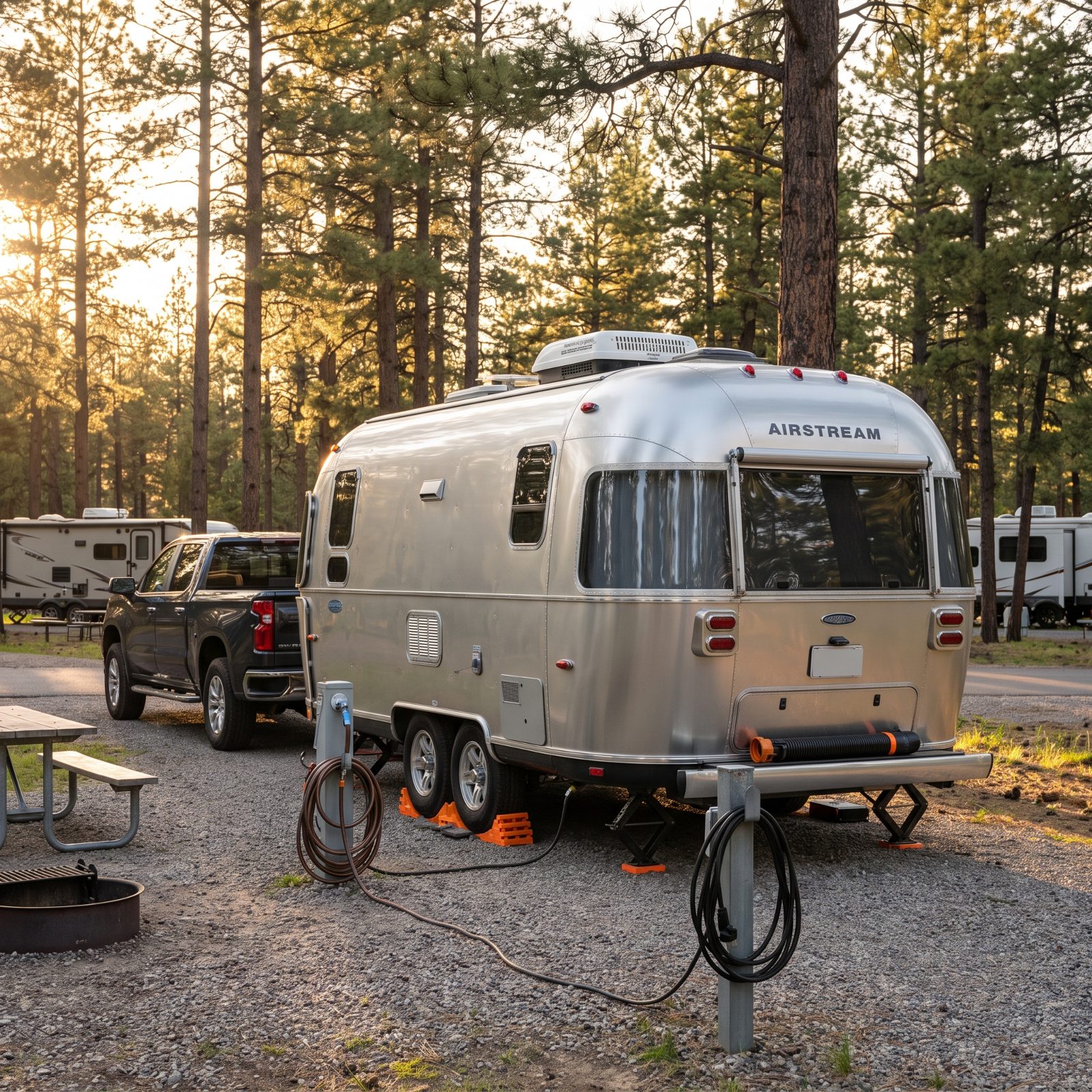
Nothing wakes a whole loop faster than someone banging chocks loose and cranking stabilizers at 5 a.m. That clang of a tow bar locking in travels through a quiet campground like a dropped pan in an empty kitchen.
The fix is boring, and it works. Do your loud jobs the night before. Hitch up, raise the stabilizers, stow the sewer hose, coil the water line, and leave only the electric cord and a final walkaround for morning — both of which you can manage in near silence.
We learned this the embarrassing way, hammering chocks in the dark while an awning two sites over slowly rolled up in protest. Now, the night before a travel day, the rig is basically ready to roll and we just tiptoe out with coffee.
17. Never Idle a Diesel Engine Longer Than Necessary
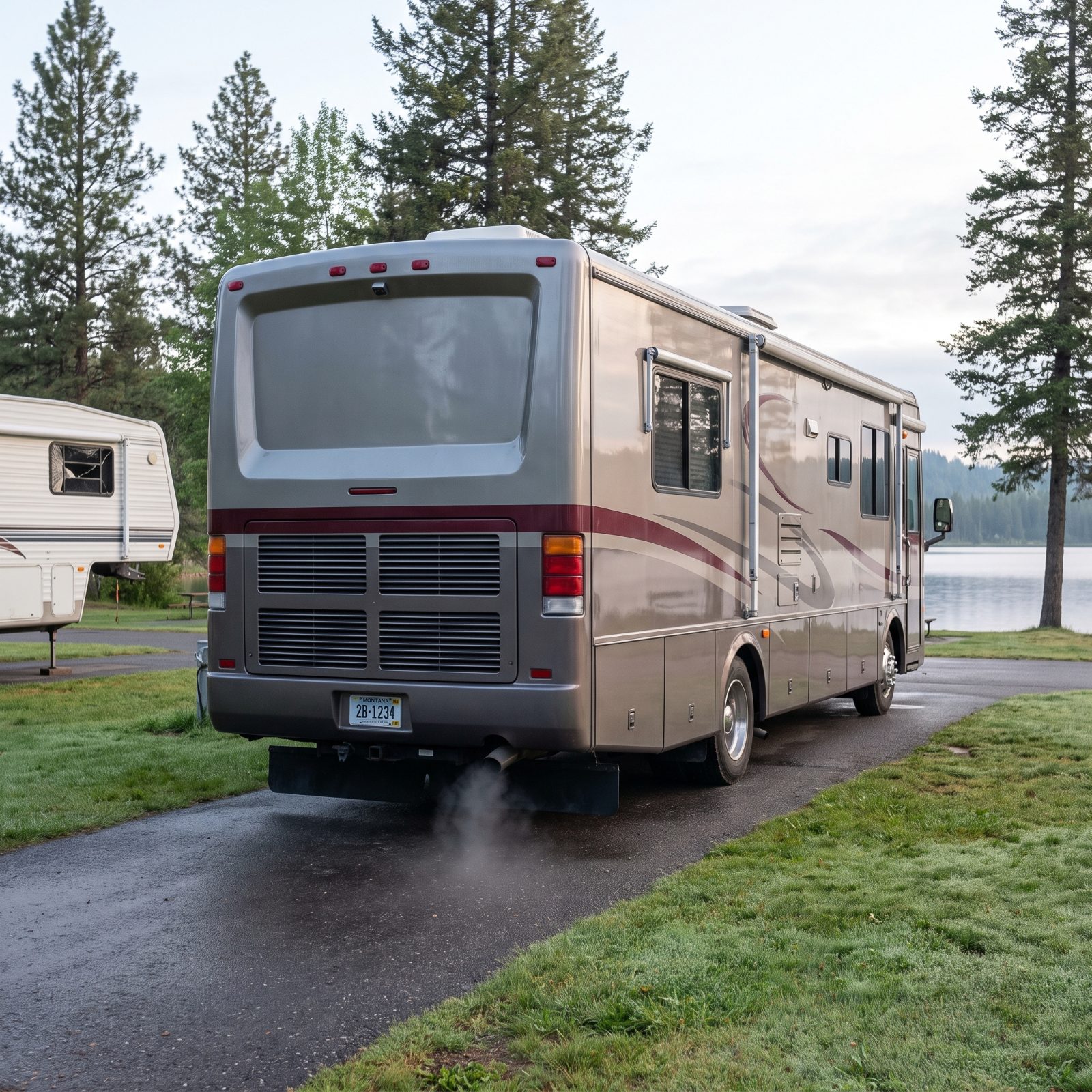
A big diesel pusher warming up at length is one of the loudest, smelliest things that happens in an otherwise peaceful park. That low rumble carries, and the fumes drift straight into the open windows of whoever parked downwind.
Modern diesels don’t need a long warmup. A couple of minutes to build air pressure and you’re good. Everything past that is noise and haze your neighbors did not sign up for.
16. Do Not Run a Generator Beside a Neighbor’s Bedroom
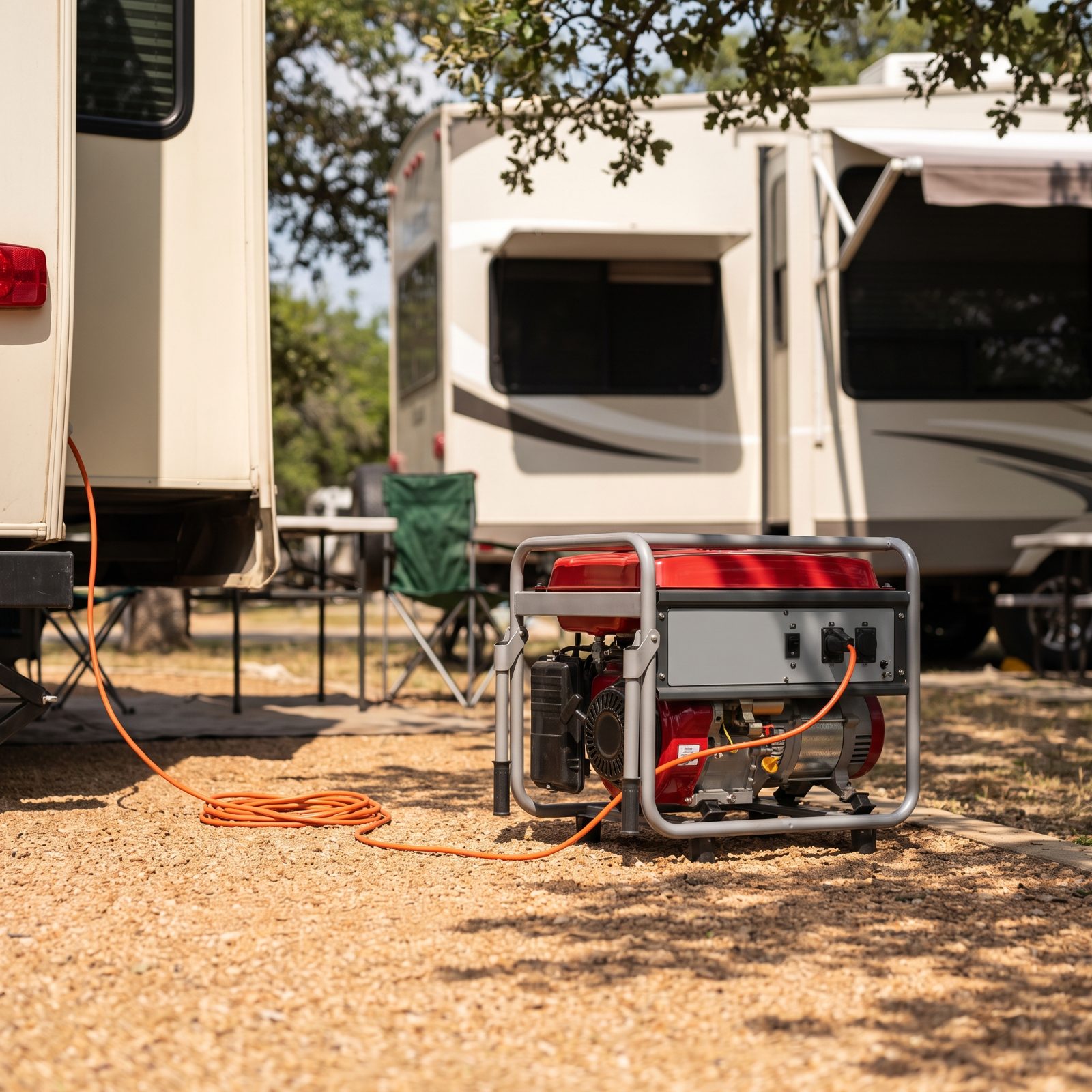
You know the sound. That steady drone of a generator parked right along the fence line, aimed, as luck would have it, at the exact wall where someone is trying to nap.
Where you put the thing matters as much as when you run it. Set it on the side of your rig that faces the road or an empty site, never the slide-out that backs onto a neighbor’s bedroom. Point the exhaust away from anybody’s windows, and shut it down during posted quiet hours.
Run power often? An inverter generator like a Honda or a Yamaha is worth every dollar. The gap between a cheap open-frame unit and a quiet inverter is the gap between a lawnmower and a refrigerator hum.
15. Keep Dogs Leashed Even When They Are Friendly
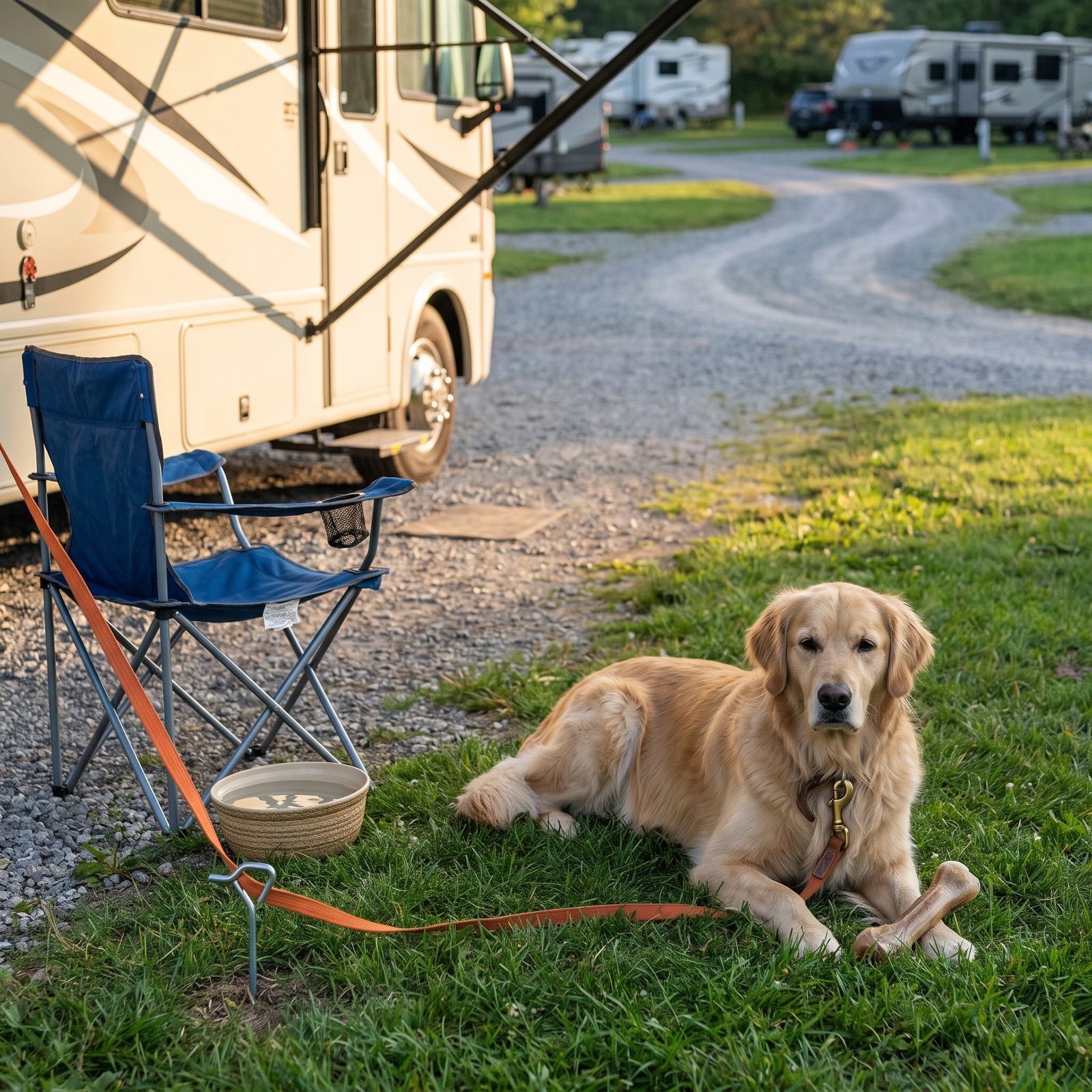
Your dog is lovely. I believe you. But the person walking past your site doesn’t know that, and neither does the leashed dog who just got rushed by your off-leash sweetheart.
A loose dog reads as a threat whether or not it is one, and it puts you one bad encounter away from a citation or a vet bill. Most parks require leashes for exactly this reason. Clip a leash to a ground stake or run a tie-out cable so your dog has room to roam your site without leaving it. Everybody relaxes when the boundary is visible.
14. Do Not Leave a Barking Dog Alone in the RV
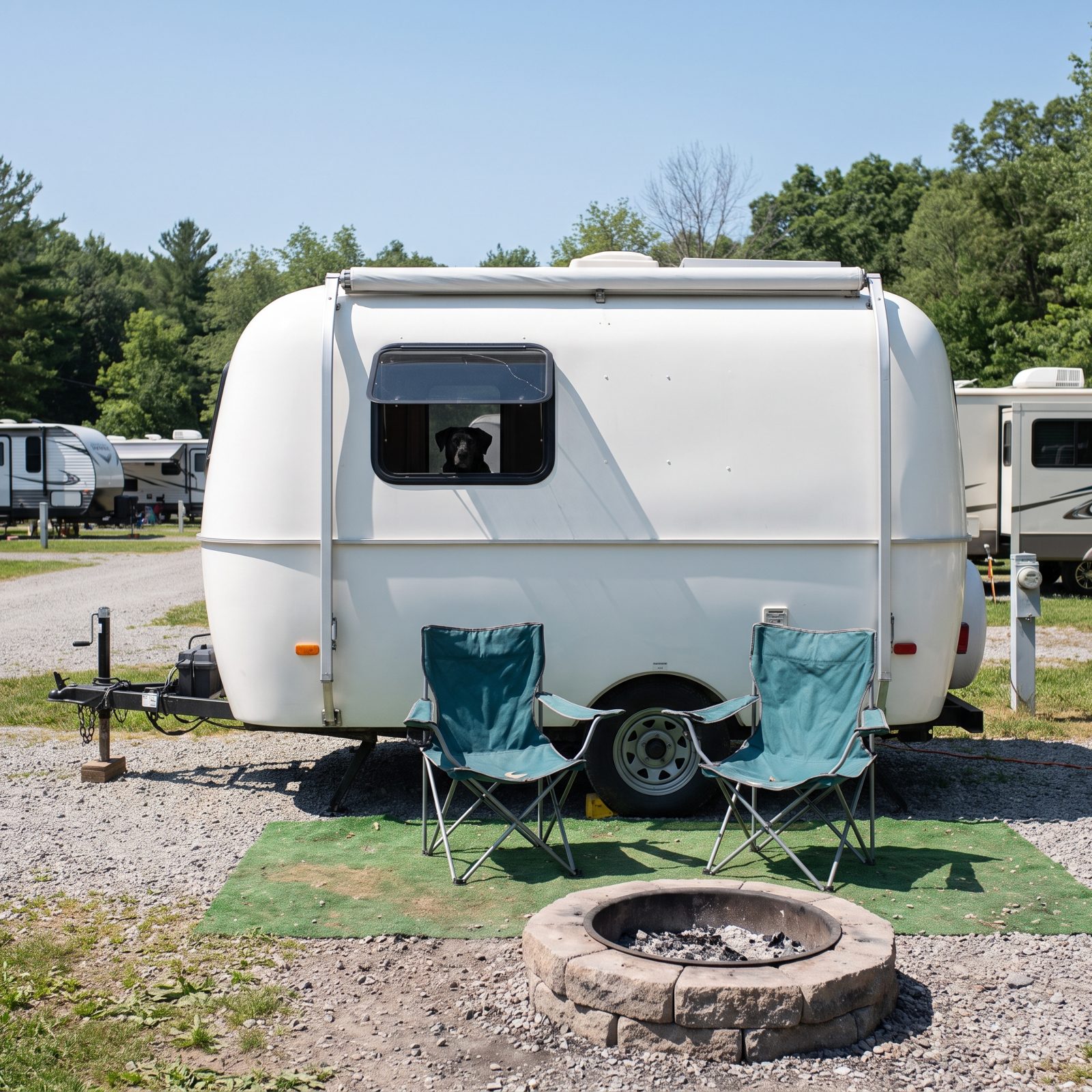
A dog alone in a locked RV will often bark at everything — the ice machine, the wind, a squirrel, the memory of a squirrel. And it doesn’t stop, because the one thing that would stop it, you, drove off to the lake an hour ago.
That sound is torture for the sites around you, and it’s miserable for the dog. Here’s a decent rule: if your dog can’t settle alone, don’t leave it alone for long.
13. Pick Up Pet Waste Immediately
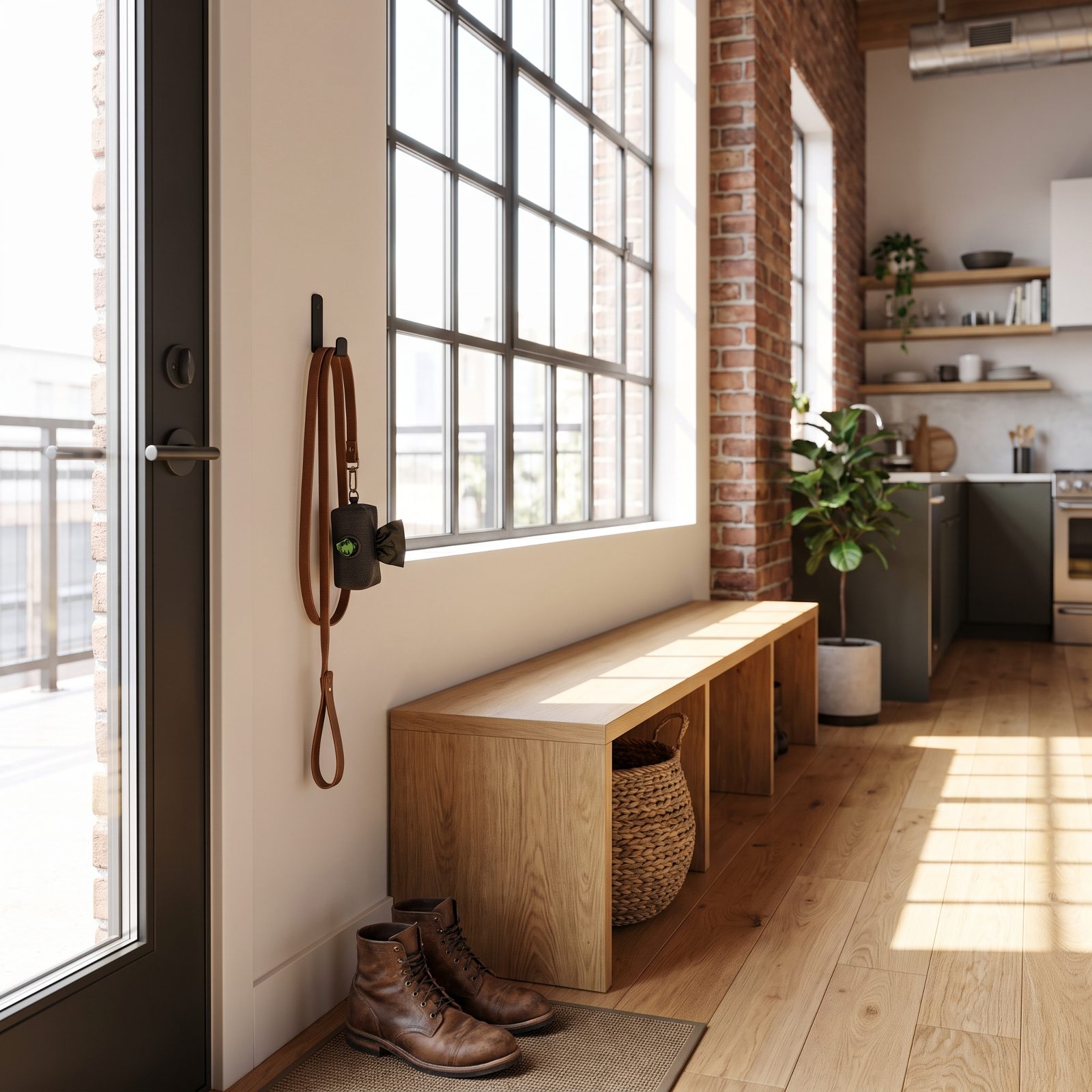
The grassy strip beside your site is not a dog toilet with the cleanup optional. Leave a pile there and the next neighbor steps directly in your dog’s business, or worse, the mower finds it.
Bag it the moment it happens. Not on the way back, not later. Clip a dispenser to the leash and hang it on a hook by the door so you’re never caught empty-handed.
12. Supervise Children Around Moving Rigs
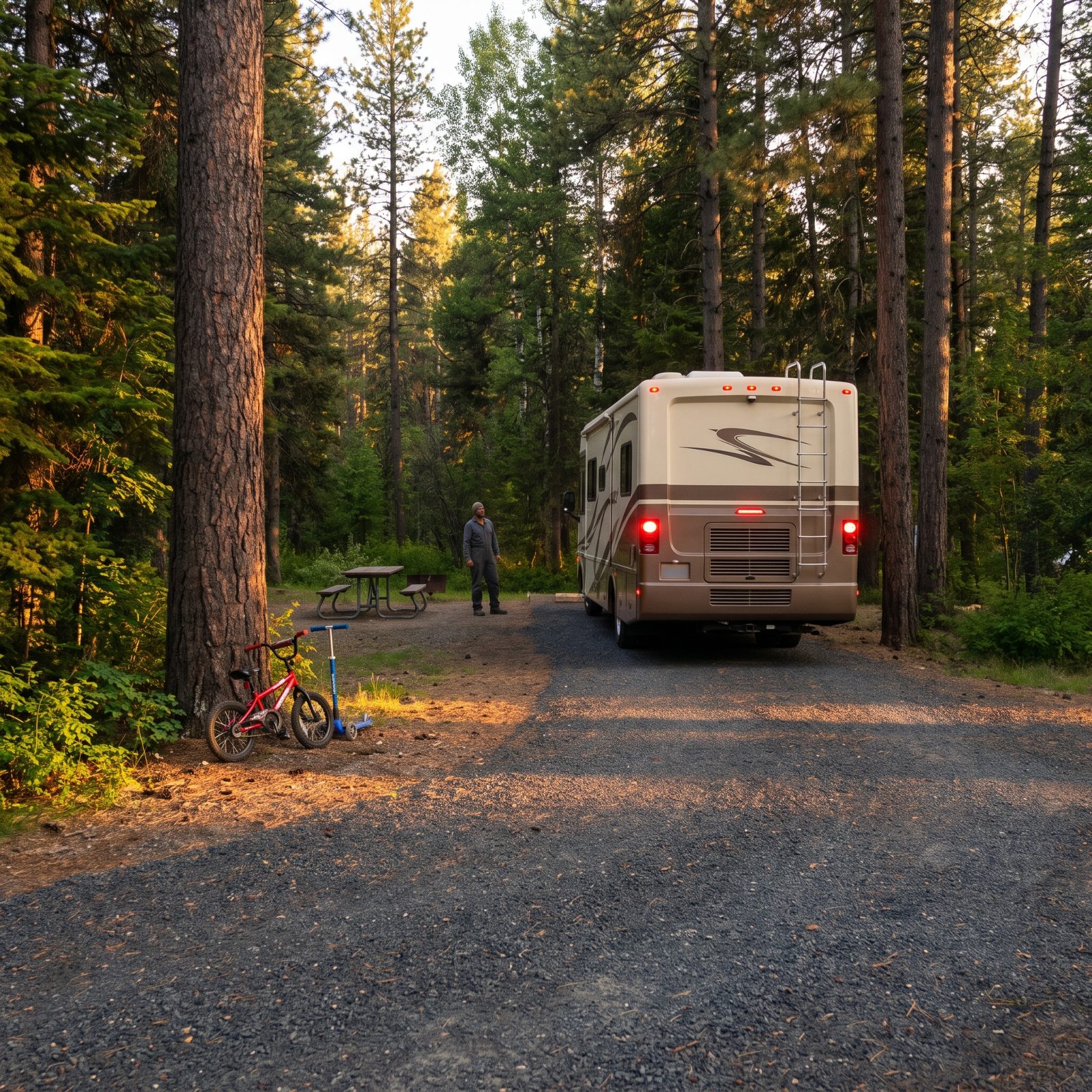
Campgrounds feel like a free-range paradise for kids, and mostly they are. The danger is the one blind spot nobody thinks about: a forty-foot rig backing into a site has enormous mirrors and almost no view of a small person crouched behind the bumper chasing a ball.
When a rig is maneuvering, kids and bikes need to be well clear and in plain sight. That’s not a mood-killer — it’s the whole reason parks post walking-speed limits. Teach the little ones one simple rule: brake lights and backup beeps mean freeze and move to the edge. It sticks fast, and it keeps the worst day of a trip from ever happening.
11. Slow Down More Than the Posted Speed Suggests
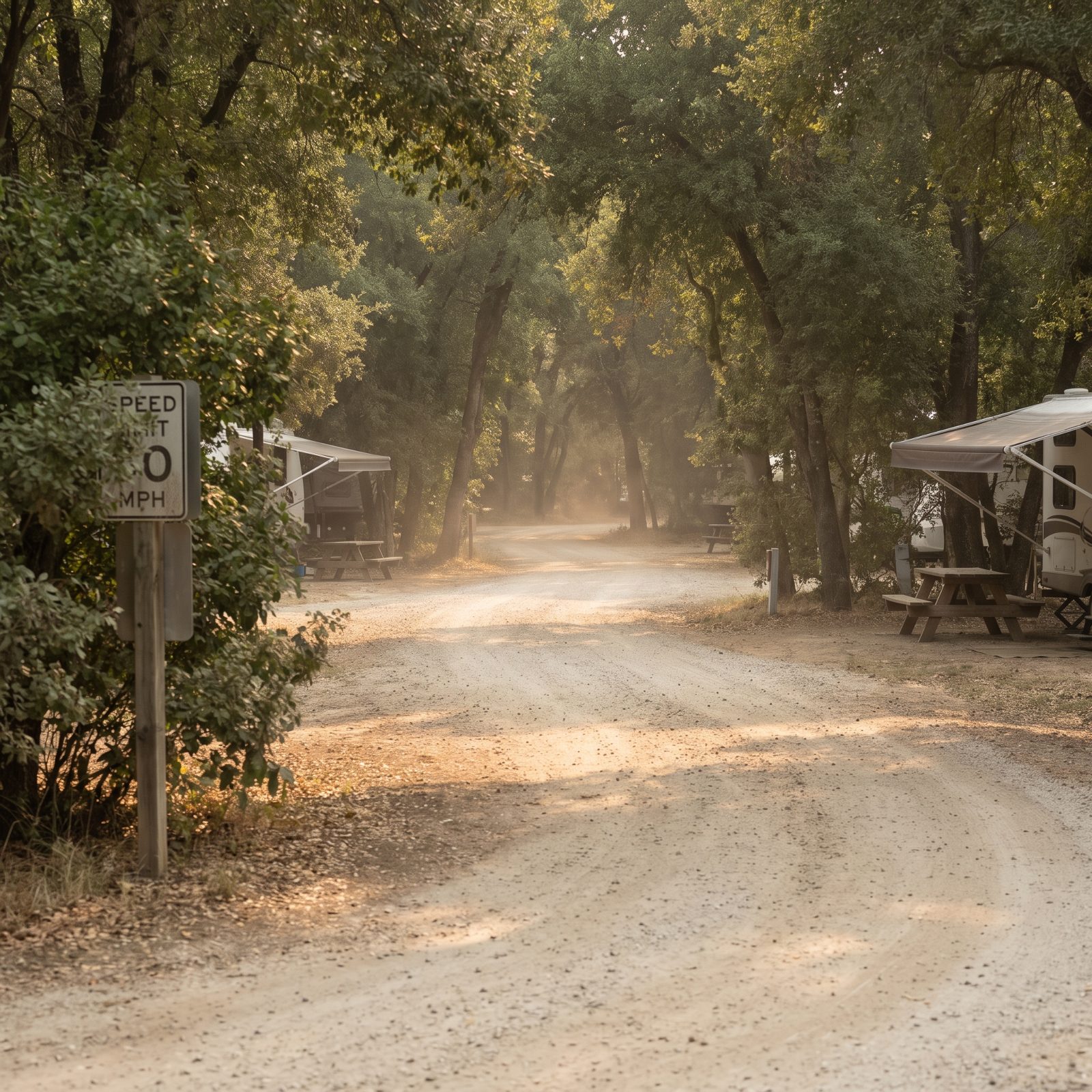
Walking pace feels absurdly slow, whatever number the sign on the pole shows, until you’ve watched someone take a gravel loop at fifteen and kick a wall of dust straight through a family’s open dinner.
Speed does three annoying things at once. It raises dust onto everyone’s rigs and food, it scares pets and kids darting between sites, and it loosens gravel that pings the next guy’s paint. The posted limit is a ceiling, not a target.
10. Return Shared Fire Rings Where They Belong
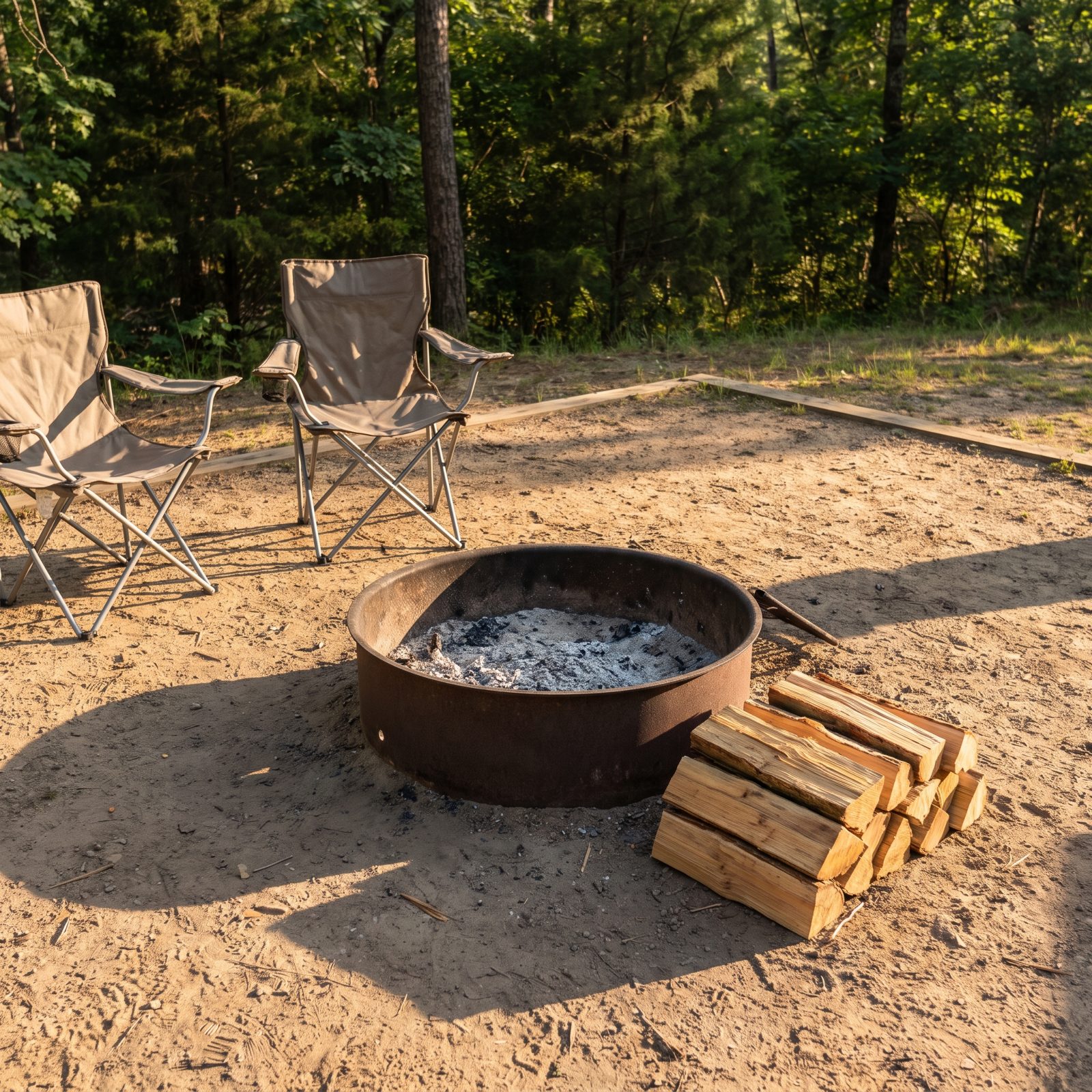
Some parks have movable steel fire rings, and campers love to drag them closer to the chairs or out to a better view. Fair enough. The problem starts when the ring gets left halfway across the site, scorched grass in a new spot, and the next guest inherits the mess.
Move a shared ring? Move it back before you leave. Set it on its original scar in the dirt, and dump cold ashes in the designated bin, not the woods.
9. Make Sure Campfire Smoke Is Not Entering Nearby RVs
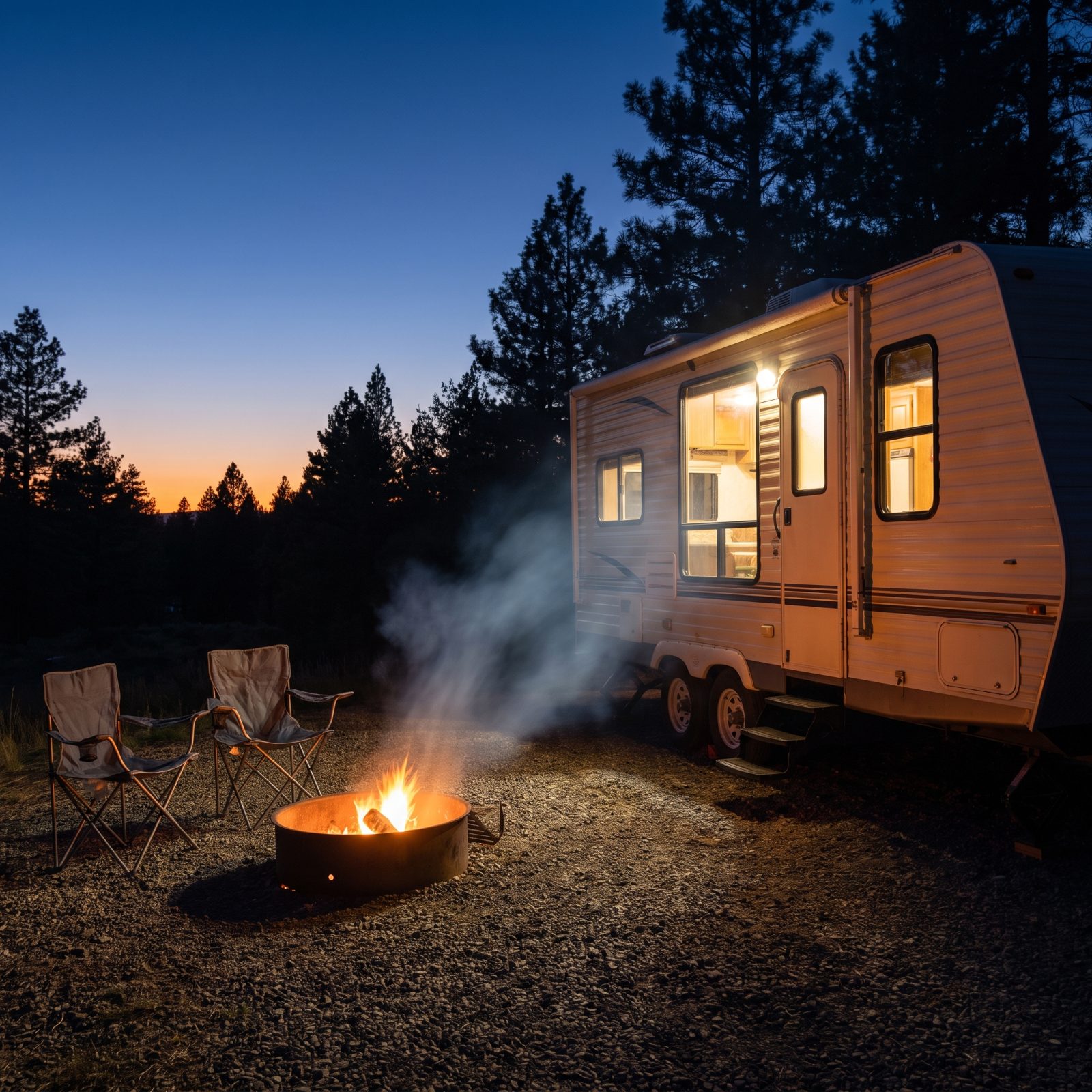
A campfire is half the reason we do this. But the same breeze that feels pleasant on your face is pushing a steady column of woodsmoke straight into your neighbor’s open bedroom window, and they’re in there wondering why their sheets smell like a bonfire.
Read the wind before you light up. If the smoke is drifting toward a close rig, burn dry seasoned wood that smokes less, keep the fire small, or hold off until the breeze shifts. People with asthma — or just closed-up trailers — will quietly thank you.
And when you turn in, drown it. A cold, dead fire is the last courtesy of the night, for the neighbors and for the forest both.
8. Do Not Burn Trash in the Fire Ring
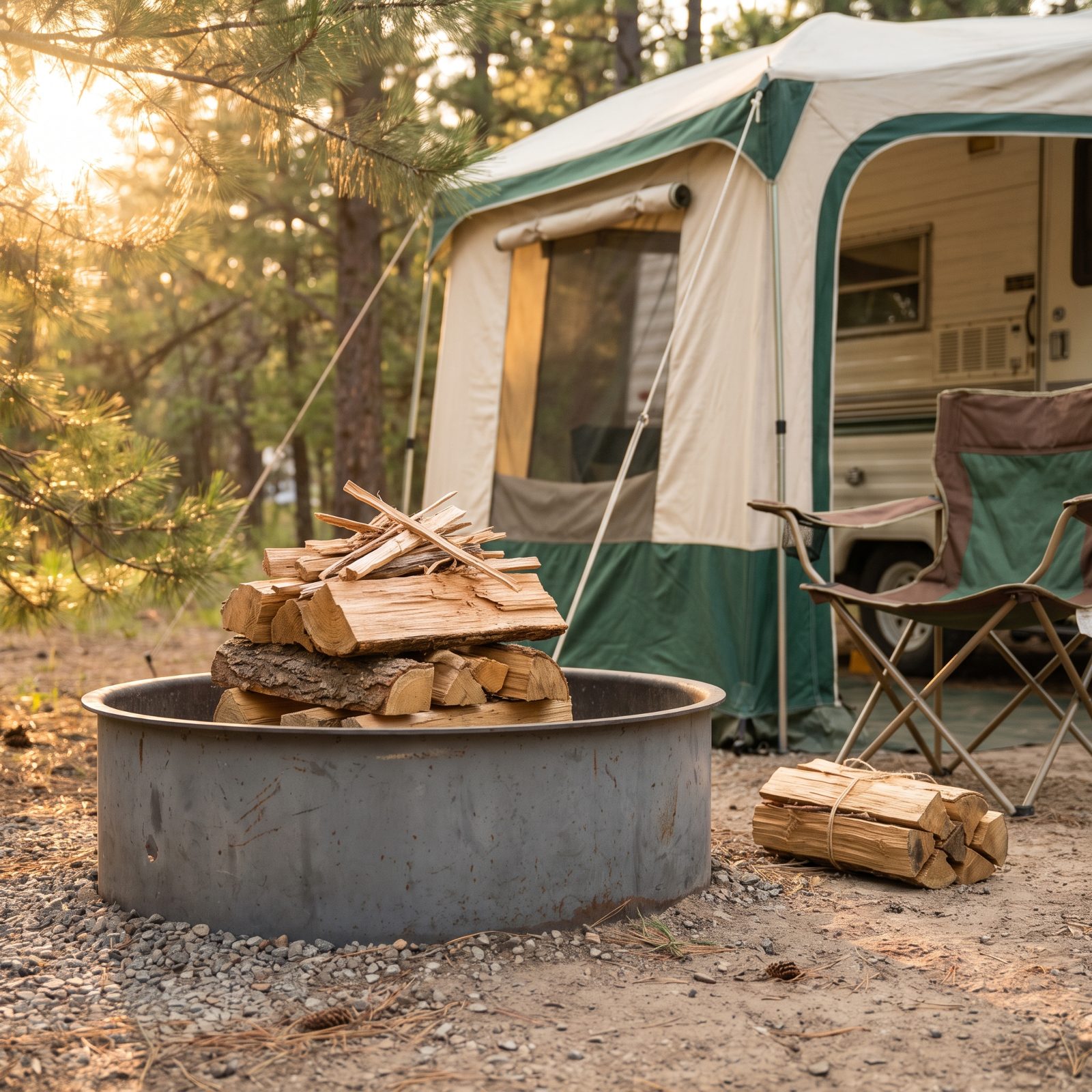
You smell it before you see it. That sharp chemical bite of melting plastic drifting across three sites while someone feeds a pizza box, a foil tray, and a milk jug into the fire ring to dodge a walk to the dumpster.
Burning trash fills the whole loop with fumes nobody signed up for, and the half-melted gunk left behind becomes the next camper’s problem. Most parks ban it outright, since the toxins hang around and the mess wrecks the pit.
Burn clean, seasoned wood and nothing else. Food scraps, packaging, anything with a label — dumpster. A small bundle of split hardwood costs about what a coffee does and burns down to clean ash.
7. Secure Trash Before Leaving the Site
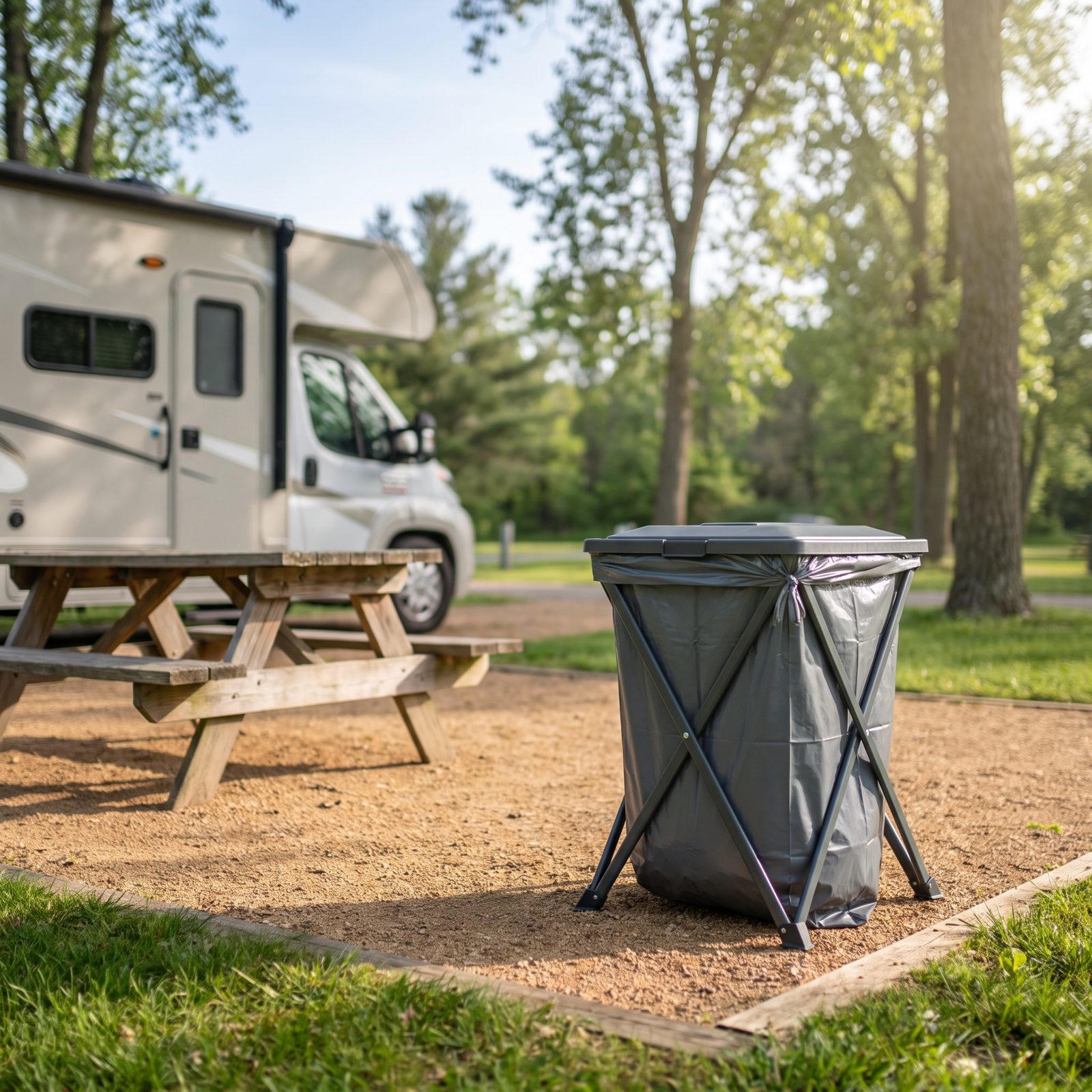
Leaving a loose grocery bag of trash on the picnic table while you drive into town sounds harmless. It isn’t. Crows, raccoons, and the occasional emboldened chipmunk will shred it in under an hour, and the wind handles the rest, so you come back to wrappers two sites over and a neighbor quietly resenting you.
Tie the bags shut and get them into the dumpster, or clip them inside a lidded stand or bin. In bear country this stops being etiquette and becomes the rule rangers actually enforce. A sealed bag, a closed lid. Done.
6. Move Laundry Promptly When the Cycle Ends
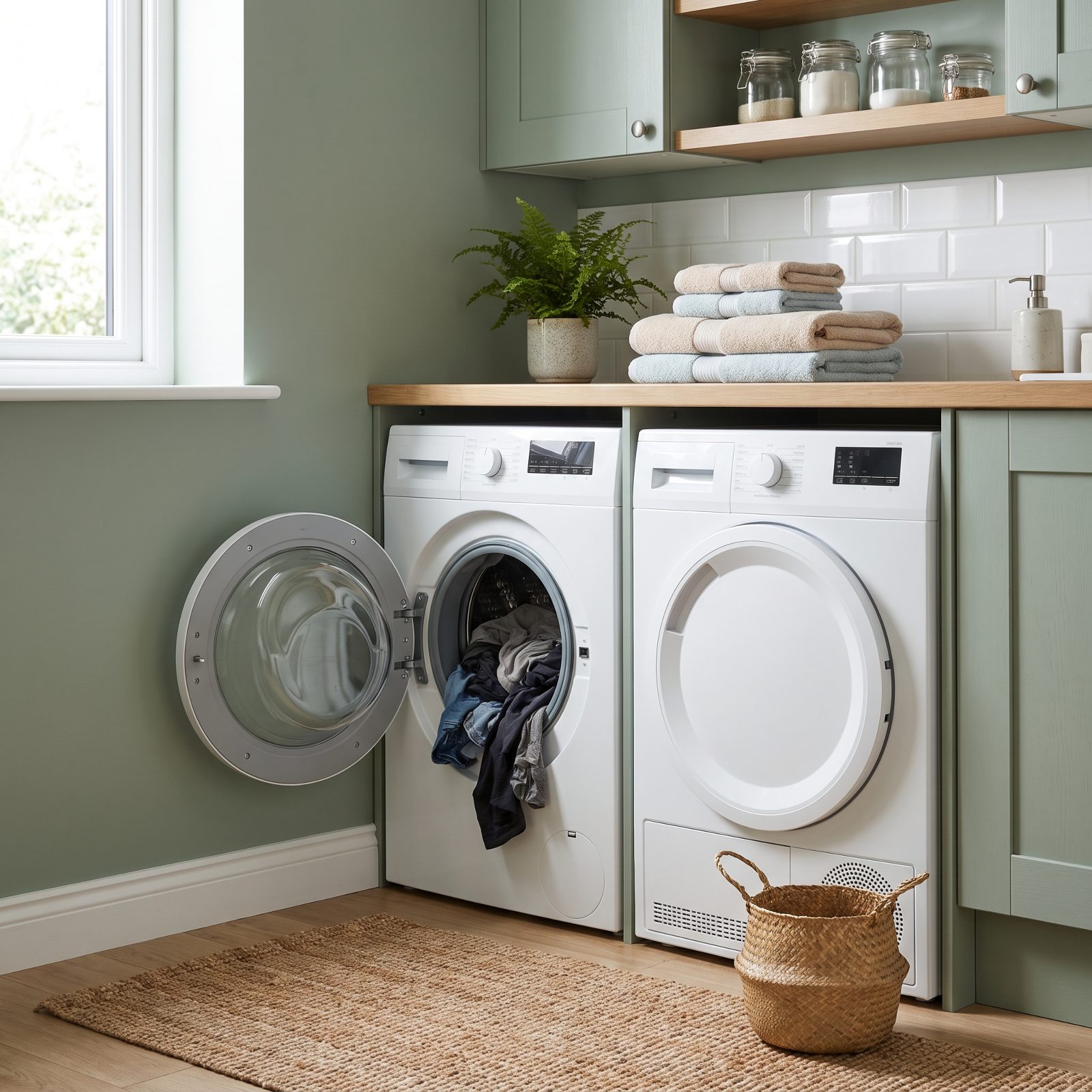
There’s a particular standoff that brews around the two-machine laundry room. One load finishes, sits in the washer, and three people with wet towels start circling it like a parking spot at a packed trailhead.
When the buzzer goes, your clothes are done and the machine belongs to whoever’s next. Leave them sitting and you tie up the only washer on the loop, forcing someone into the awkward decision of whether to touch your stuff.
Set a timer on your phone for the cycle length. Come back, pull your load, free the machine. And if a park laundry only has a couple of units, run your washing early, before the after-dinner crowd shows up.
5. Follow Check-Out Time Even When No One Is Waiting
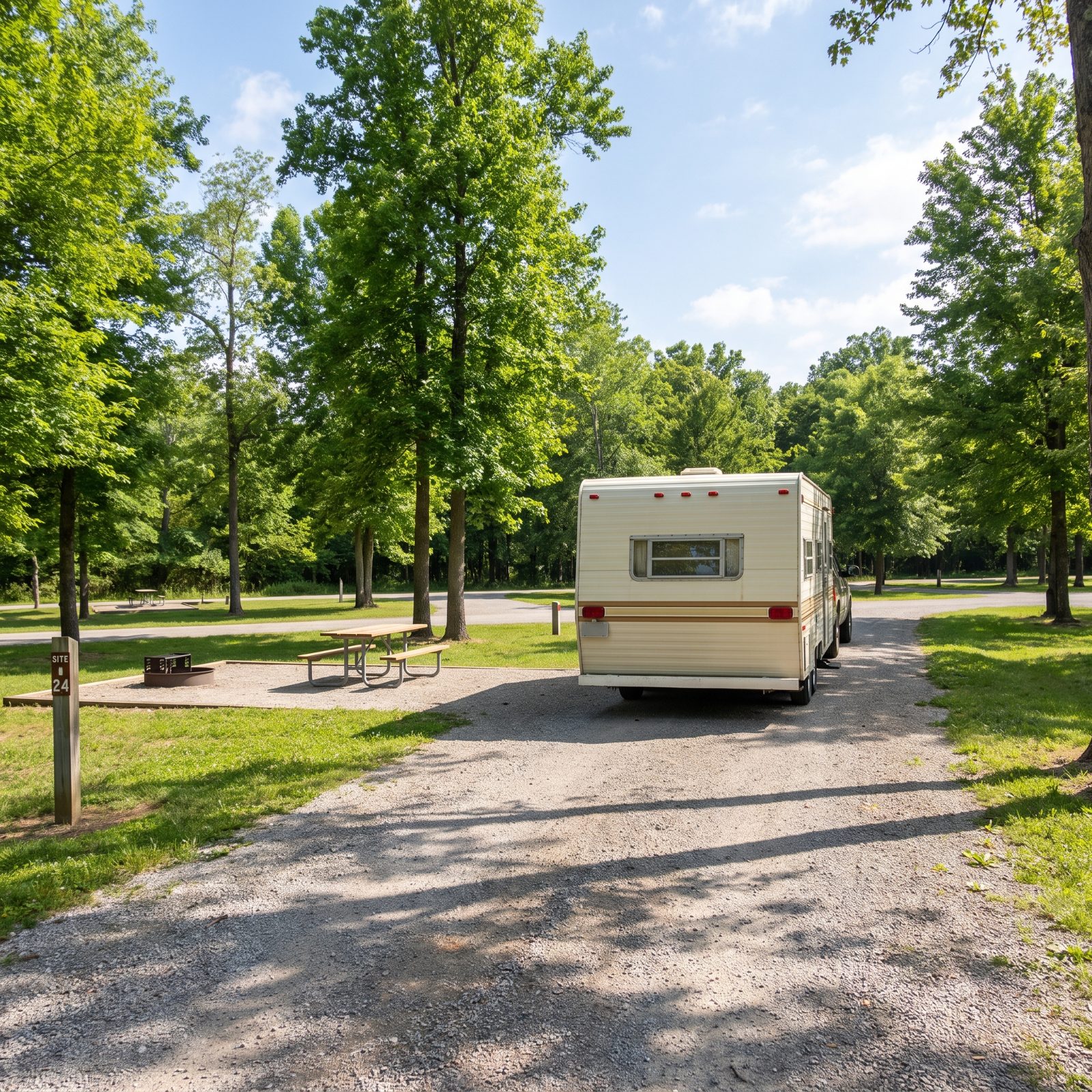
Check-out is 11, the lot looks empty, so what’s the harm in rolling out at 1? Plenty, usually. That site is almost certainly booked for someone arriving that afternoon, and the camp host needs the gap between guests to rake the pad, check the hookups, and reset the fire ring.
Linger past check-out and you squeeze that whole turnover, and the next camper rolls in to a site that’s still occupied. Nobody enjoys knocking on a stranger’s door to ask them to leave.
Pack the night before. Break camp early. If you genuinely need another hour, walk to the office and ask — late check-out gets granted for free more often than you’d think, when it’s requested instead of assumed.
4. Leave the Picnic Table Where You Found It
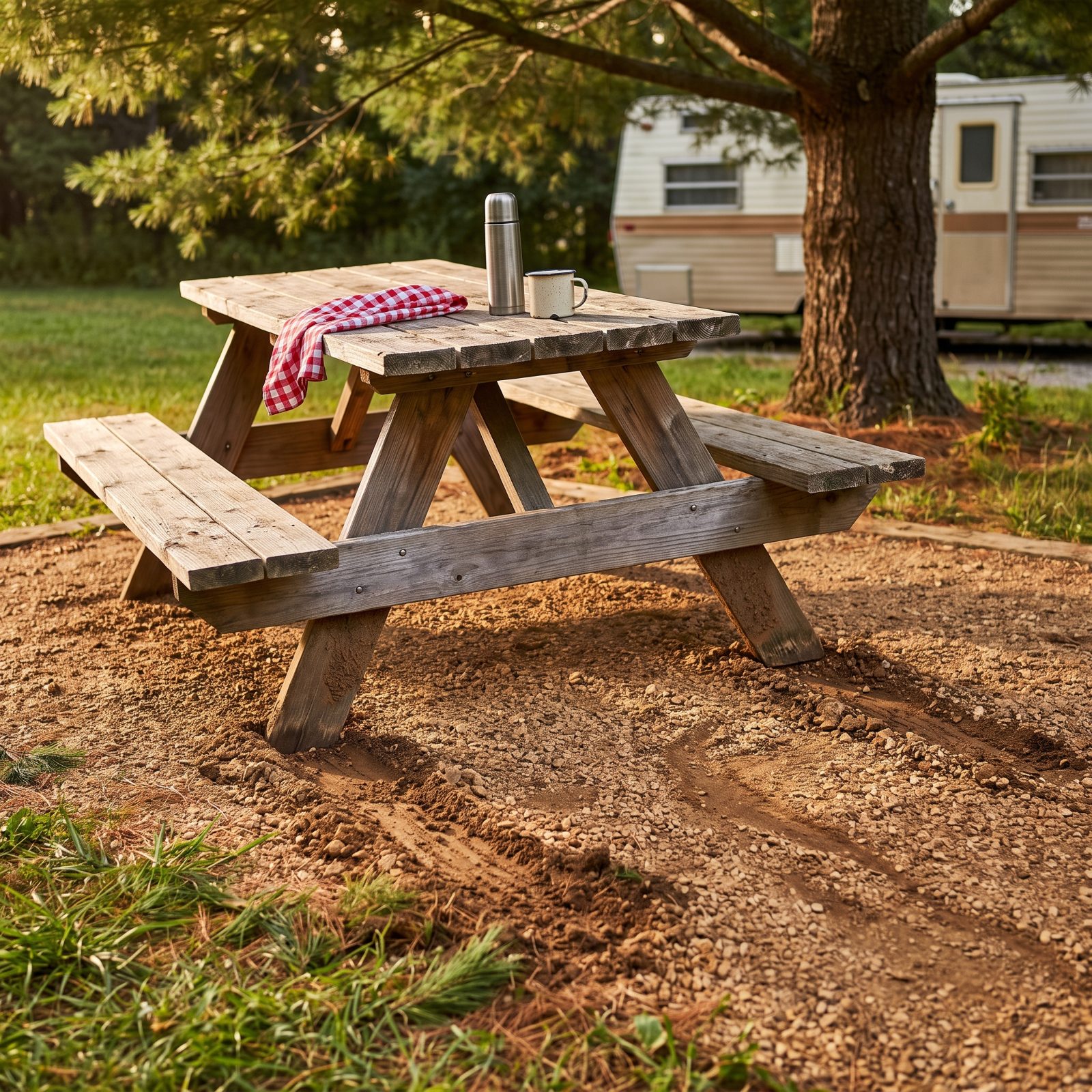
Dragging the heavy park table over to your awning for a big dinner feels reasonable — until morning, when it’s parked in the mud six feet from where it lives and the gravel pad has two deep gouges in it.
Those tables sit where they do for a reason: level ground, clearance from the fire ring, drainage that keeps the legs from sinking. Move one and the next guest inherits a table stranded in a soft spot.
Use it where it sits. Or if you absolutely must slide it over for one evening, walk it back before you leave. Thirty seconds of dragging spares the host a chore and the pad a scar.
3. Do Not Wash the RV Unless the Park Allows It
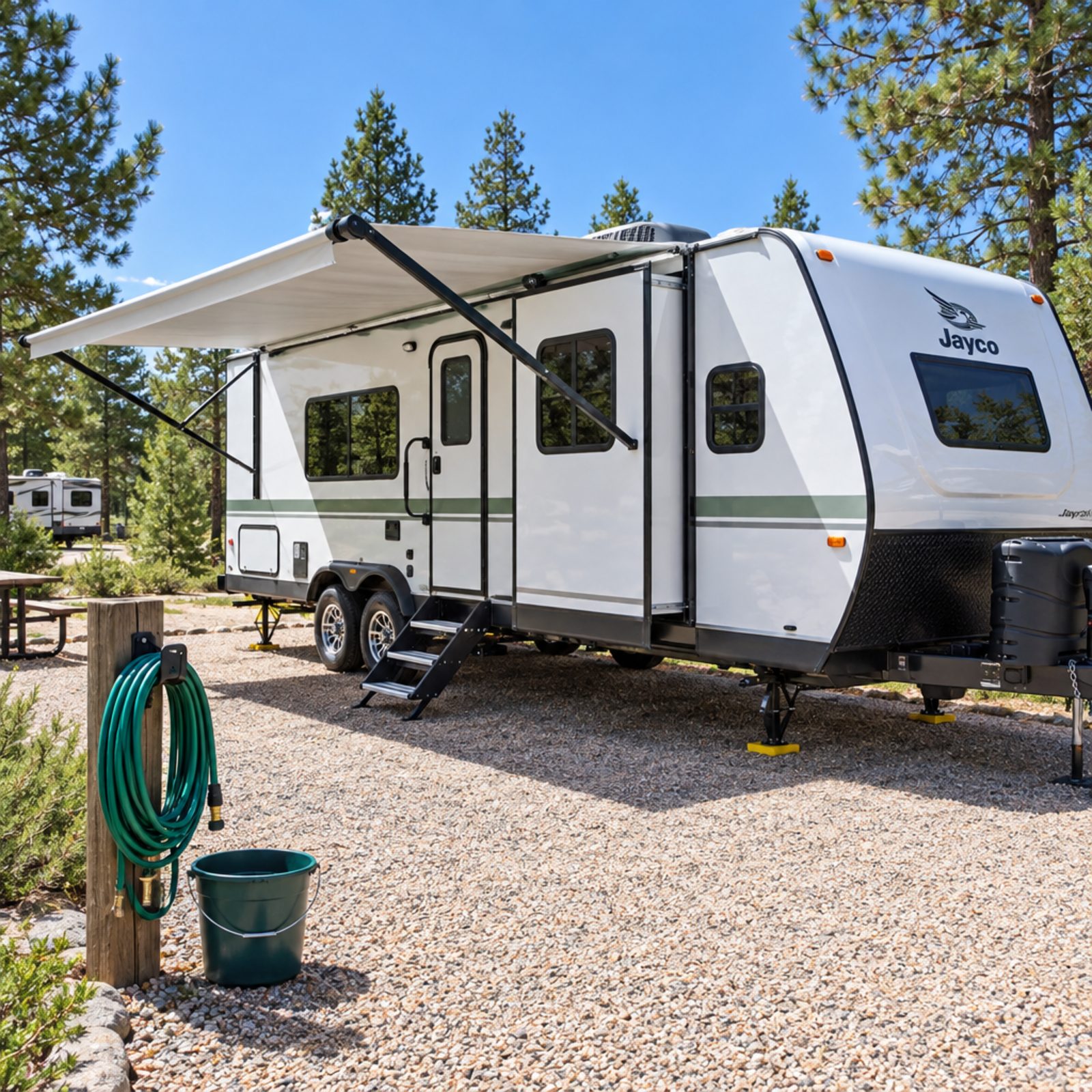
You’ve driven through two states of bug splatter and the rig looks like it lost a fight with a cloud of gnats. The pull toward the hose and a long-handled brush is strong. Hold off until you check.
Plenty of parks ban RV washing flat out. Soapy runoff kills grass and drains into watersheds, and a long wash at one site can drop the water pressure across the whole loop while your neighbor’s mid-shower.
Ask the office first. Some parks keep a designated wash station, or allow a quick rinse at certain hours. If the answer’s no, a waterless spray-and-wipe and a microfiber towel handles the worst of the grime without a single drop hitting the ground.
2. Ask Before Flying a Drone Over the Campground
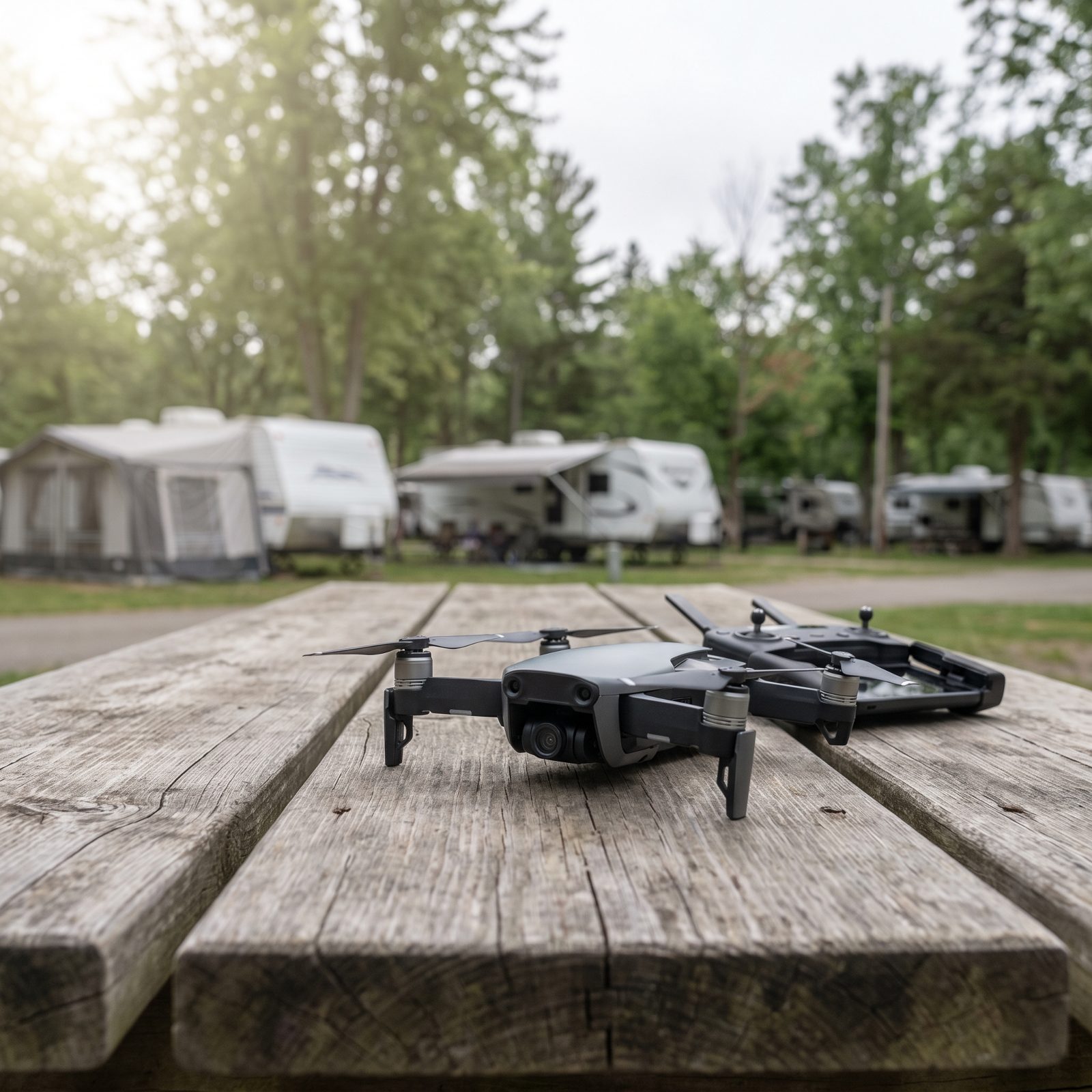
A drone buzzing a hundred feet over the loop at golden hour is one person’s cinematic hobby and everyone else’s whine from above. People came out to the woods partly to escape that exact sound, and a camera overhead feels like a camera peering into the backyard.
Fly over occupied sites and you’re hovering above strangers’ laundry, their kids, their quiet evening. Most parks either ban drones or pen them into open areas away from camp.
Check the rules. Fly only where it’s allowed, and stay clear of occupied sites and the campground itself. Early morning over an empty meadow beats dinnertime over the bathhouse, every single time.
1. Keep Political Displays From Taking Over Shared Space
Campgrounds are one of the last places strangers from every direction park twenty feet apart and get along. That works because the shared loop stays easy. Blanket your site in big political banners and you’ve drawn a line down a place people came to unwind — the folks next door either stew or pack up.
Nobody’s asking you to hide your opinions. The site is yours. But the sightline belongs to everyone walking past, and a wall of signage reshapes the whole feel of a place built on live-and-let-live.
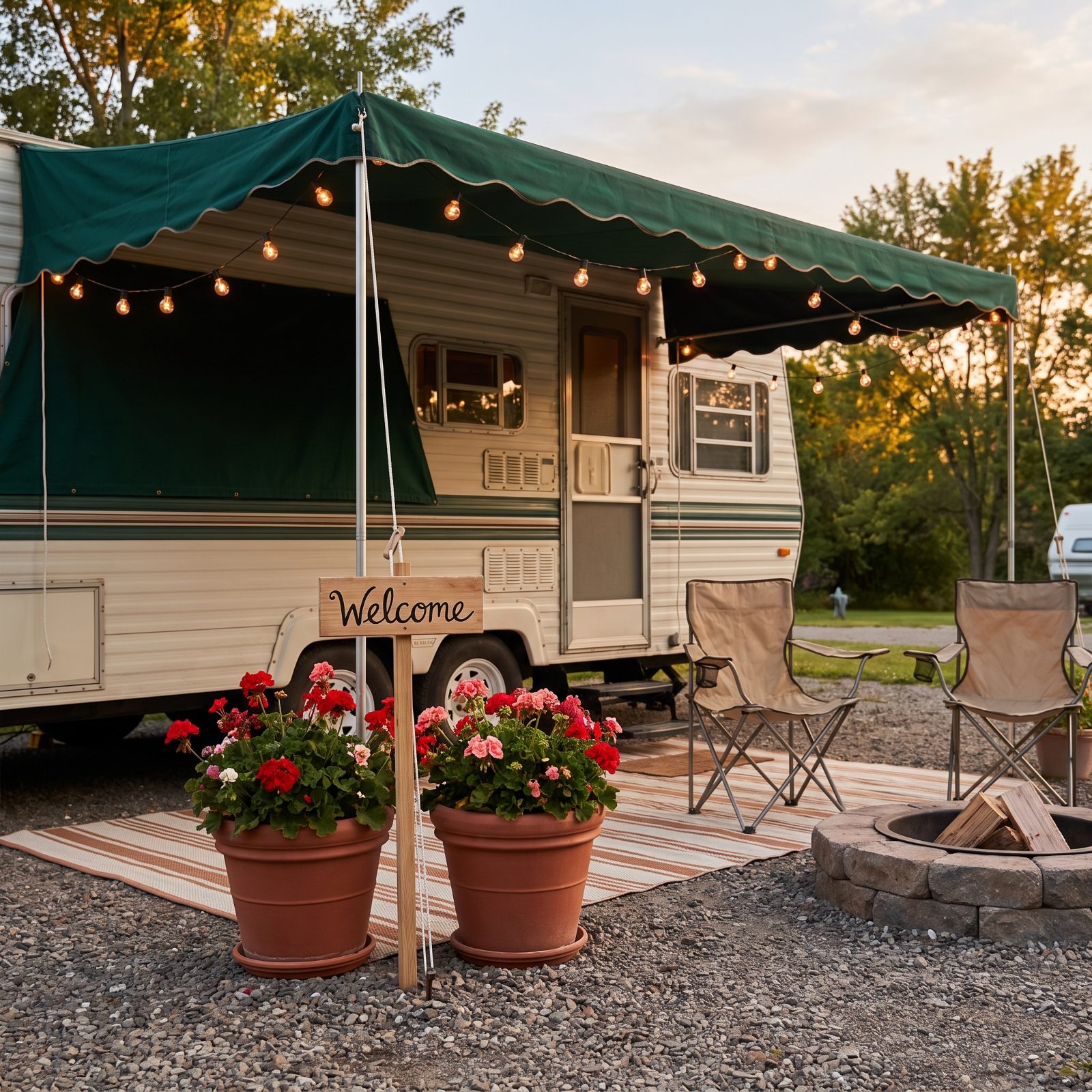
Keep the loud stuff to bumper stickers if you must, and let the site itself read welcoming. String lights, a good rug, a pot of geraniums. That’s the decor that gets you invited to the campfire.