
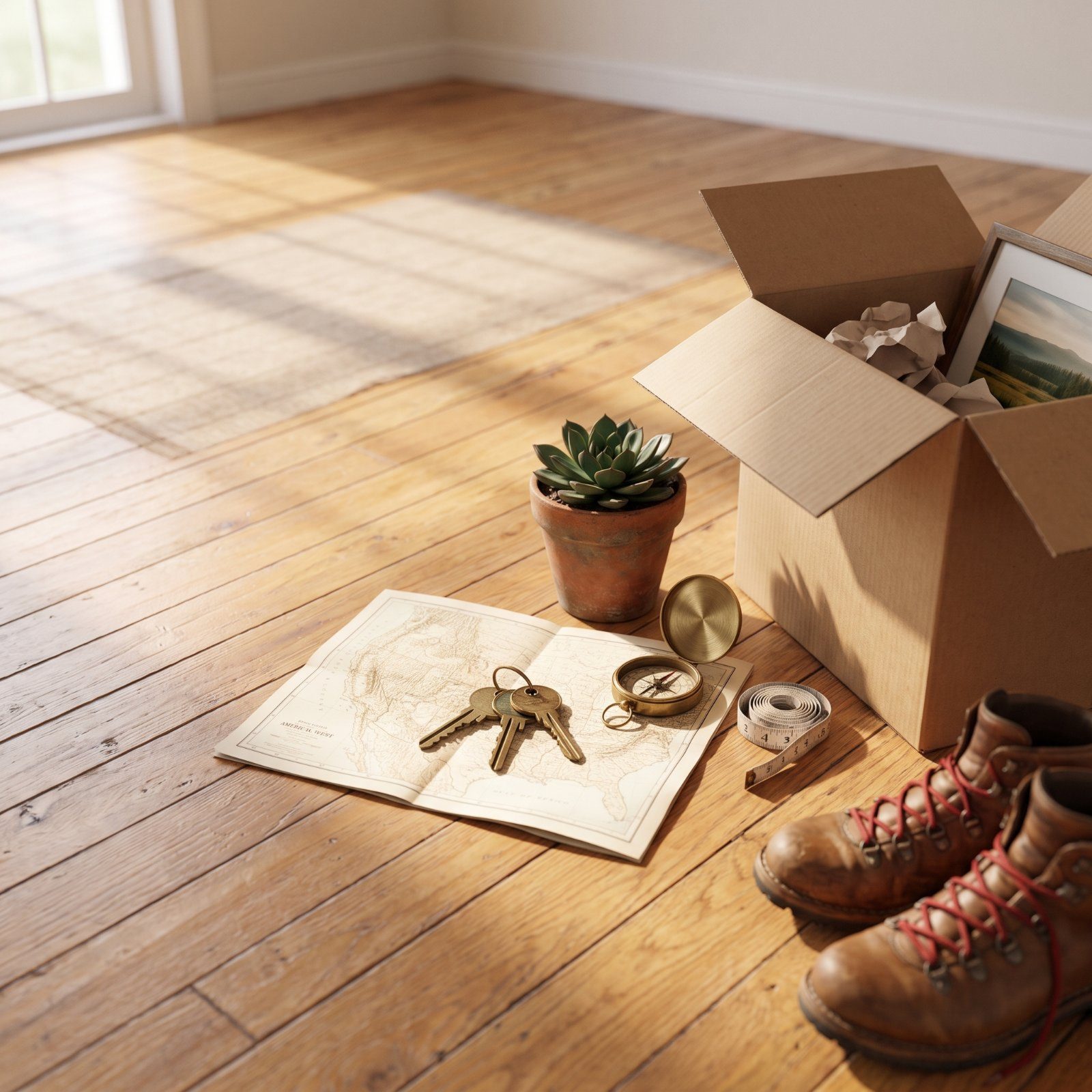
The realtor’s lockbox clicks shut and the house you raised a life in belongs, a little, to strangers now. Odd feeling. You expected relief, and instead you got a lump in your throat and a sudden urge to defend your carpet choices to someone who already left.
Please note that some of the images in this article were created with the assistance of AI.
Trading a mortgage for a motorhome rewires something deep. You’re not just downsizing square footage — you’re deciding who you are when the dining room, the guest towels and the opinions of the cul-de-sac stop defining it. Anyone who has rebuilt a self from scratch knows this exact ache, because the same human wiring runs under both. Below are the moments where selling the house and rebuilding an independent identity turn out to be the same story wearing different shoes.
20. You Price the House and Feel Personally Appraised

The agent slides the number across the table and your stomach drops like the floor just gave out. That figure is the comps talking — the deck you rebuilt yourself, the oak you refinished on your knees over one long weekend, all of it compressed into something that feels less like a price and more like a verdict on everything you built.
Anyone who has had to reckon with their own worth after a long partnership ended knows this flinch. Suddenly a stranger with a spreadsheet is telling you what you’re valued at on the open market, and the feeling lands the same because the wiring underneath is the same.
19. You Explain the Sale to Every Curious Neighbor
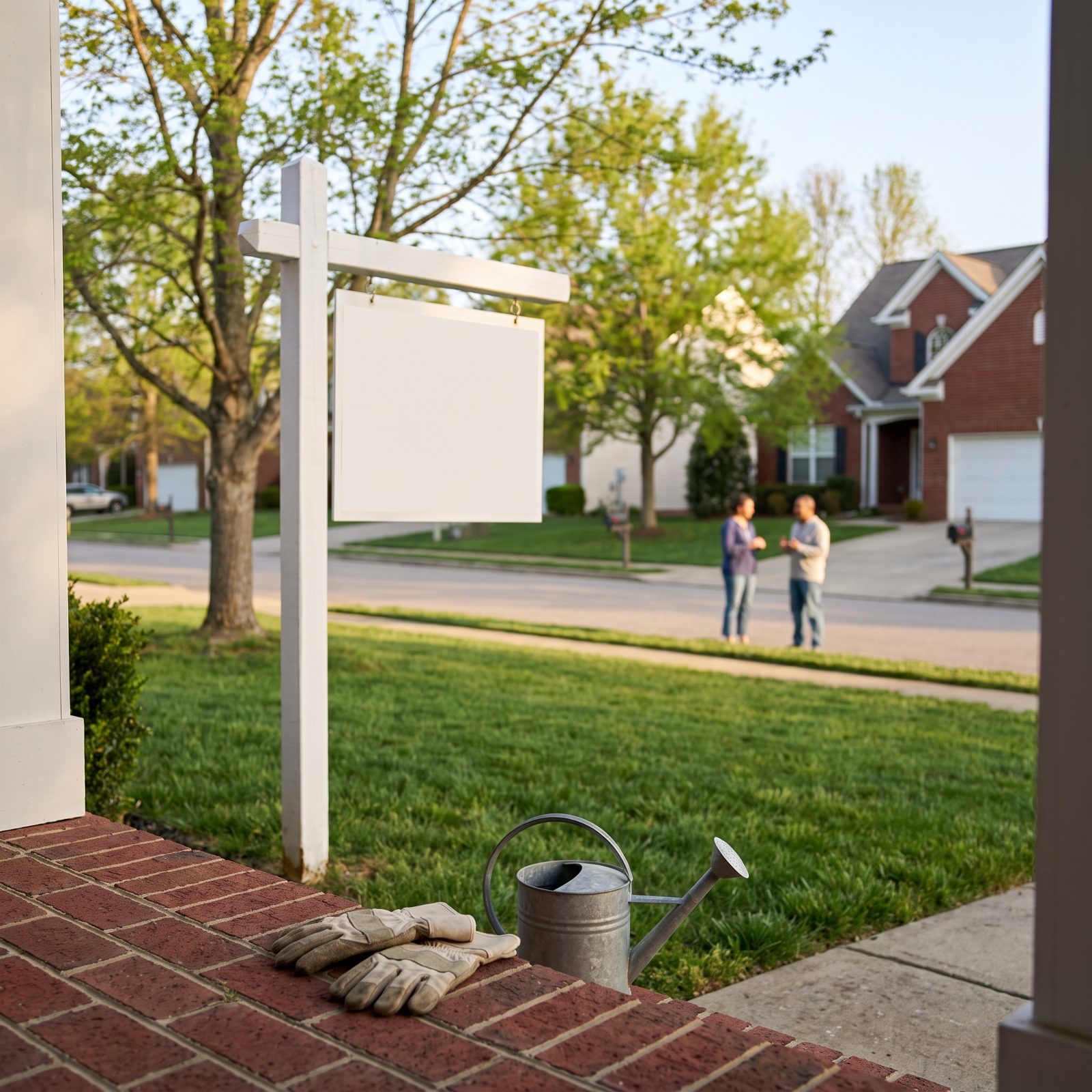
The sign goes up and the whole block has questions. So you find yourself on the front step, gardening gloves beside you, giving the same tidy speech for the fourth time this week. “We just want to travel while we still can.” You’ve polished it into something that sounds settled and sure.
It’s the exact same speech people rehearse when a marriage ends — the clean version, the one that skips the 2am doubts and lands on a reasonable, admirable story everyone can nod at.
But nobody tells you the real trick. You’re not explaining the sale for them at all. You’re explaining it for yourself. Every time you say it out loud, the decision gets a little more real and a little less terrifying. You’re talking yourself into your own life, and it works.
18. You Stage the House Until It Barely Looks Yours

Depersonalize, the stager says. So down come the kids’ height marks on the doorframe, away go the fridge magnets and the mantel photos, and in rolls the beige everything. You walk through your own living room and it greets you like a hotel lobby. Pleasant. Empty. Not yours anymore.
Anyone starting over knows that stripped-down version of themselves — the cleaner, more marketable edition. You hide the quirks that make you you, because they might scare off the next chapter.
17. You Find Old Photos While Emptying the Attic

You climbed up for packing tape and came down an hour later with dust on your knees and a shoebox of photographs you forgot you had. The whole afternoon, gone. It happens to everyone up there.
It’s the same ambush that hits when you sort through a shared life’s worth of stuff. One photo and suddenly you’re not in the attic anymore — you’re back in a summer you didn’t know you’d miss until just now.
16. You Sell the Dining Table and Mourn Future Holidays
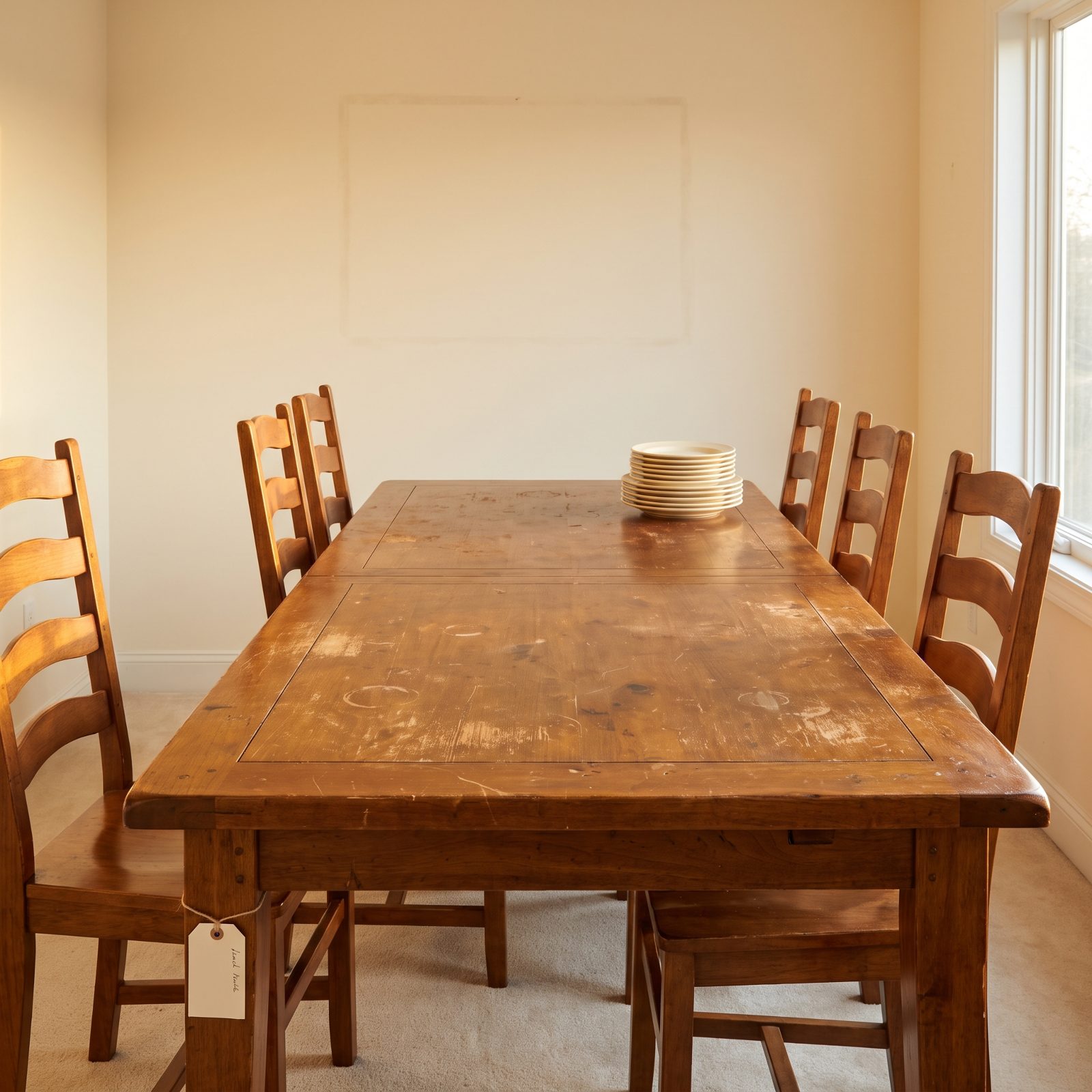
The table won’t fit in the RV. Obvious. Nobody hauls a six-seater solid-wood farmhouse table into a 32-footer, so you list it — and the second someone messages about pickup, you feel ridiculous for the wave of grief that comes.
You’re not mourning the furniture. You’re mourning the Thanksgivings that happened around it and the ones you assumed were still coming. Selling it feels like canceling a future you never actually scheduled.
You’re not grieving the thing. You’re grieving the version of the future you had quietly pinned to it.
People run this exact math when a household splits. The object stands in for the tradition, and losing it feels like losing the whole holiday. It isn’t. New tables get set in new places, and the people who matter will find them. Trust us, the turkey tastes the same under an awning.
15. You Make Keep, Sell, Donate Piles Across the Floor

Three piles. Keep, sell, donate. You start confident and ruthless, then an hour in you’re holding a sweater you haven’t worn in six years, frozen, like it’s a referendum on your character.
That paralysis grips anyone sorting out what’s theirs and what they’re ready to let go of. Each object demands a tiny verdict: does this come with me into the next life, or does it stay behind with the old one?
14. You Discover Half the Garage Was Someone Else’s Dream

Clearing the garage is where the real reckoning happens. The kayak that went out twice. The woodworking jig for a hobby that never took. The exercise bike. Standing there, you realize a surprising chunk of this stuff belonged to a dream you abandoned years ago and never admitted it.
Everyone who rebuilds solo hits this moment. You sift through the accumulated evidence of plans that quietly died and find out which ones were ever really yours. Some of it you were storing for a person you used to be.
13. You Choose an RV for the Person You’re Becoming
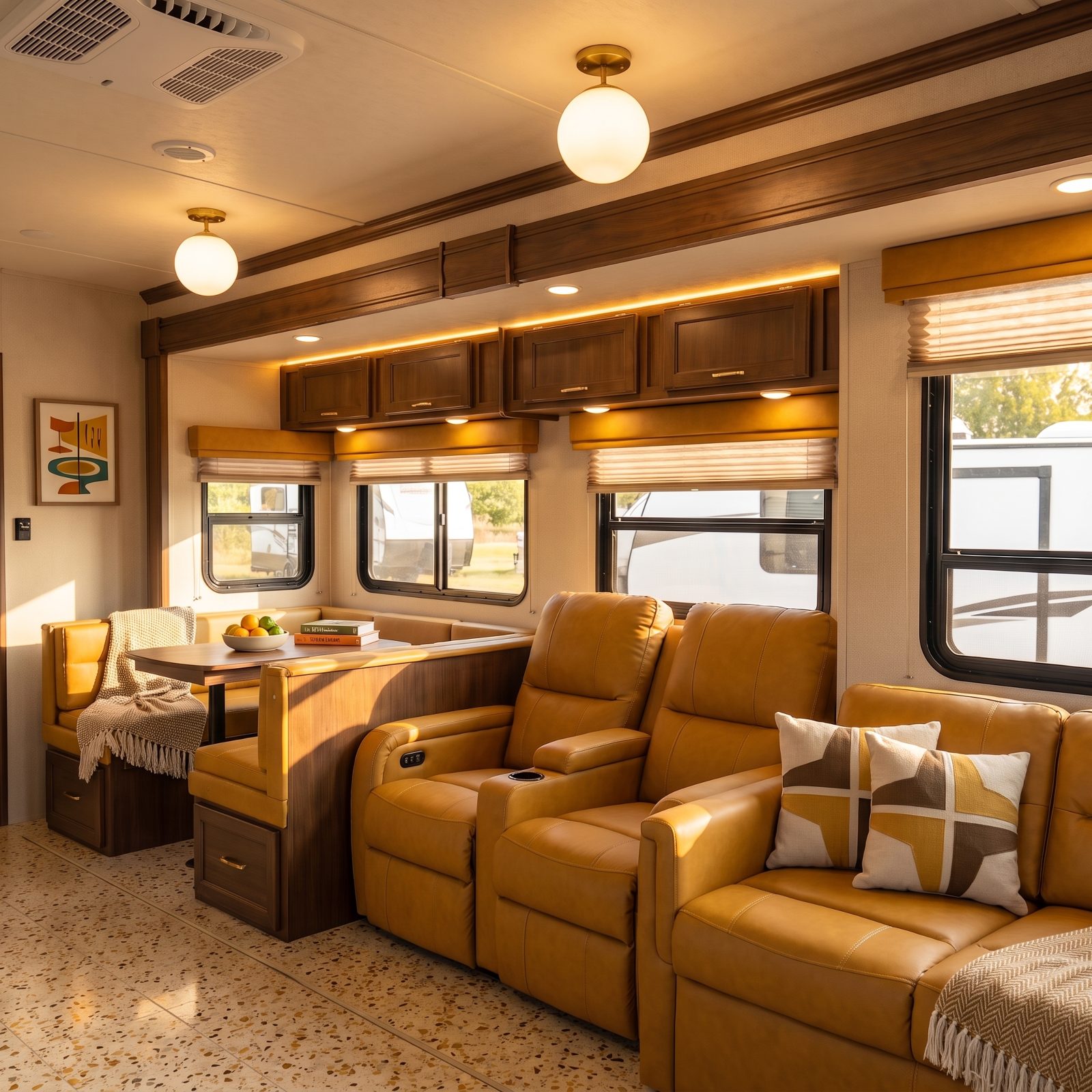
Walk any RV lot and you’ll watch people choose with their gut long before their budget. The retired couple eyeing the rugged off-grid rig. The solo traveler drawn to the compact van they can park anywhere. Nobody’s really picking square footage here — they’re picking a hypothesis about who they’re about to be.
Call it identity signaling, and it gets loud at exactly these turning points. After any big life reset, the first major purchase tends to broadcast the new self you’re auditioning. The rig is a rolling declaration.
12. You Measure Every Cabinet Because Hope Has Exact Dimensions

There you are in the RV with a tape measure, logging the exact depth of every cabinet into a little notebook. Will the stand mixer fit? The good knives? You measure like the dimensions themselves will tell you whether this life is going to work.
It’s the same hopeful spreadsheet-ing people do when setting up a first solo place. You’re not really measuring cabinets. You’re measuring whether a smaller, pared-back life can still hold the things you love, and the numbers are a way to make an enormous, uncertain leap feel manageable and exact.
11. You Test-Drive the RV Before Trusting the Fantasy

The salesperson hands you the keys and your palms sweat. Backing a 30-foot rig out of the lot, taking that first wide turn, feeling the whole thing sway on the on-ramp — the dream is one thing, and the dream behind the wheel at highway speed is something else entirely.
Anyone who’s rebuilt a life knows you can’t just decide on the new chapter from the couch. At some point you have to actually try it on and see if you can steer it. The test drive is where fantasy meets physics.
And here’s the part worth sitting with. The nerves don’t mean it’s wrong. They mean it’s real, and you’re finally doing it instead of imagining it. Pull back onto the highway. The road ahead is yours to point wherever you want. That’s not the end of the house — it’s the start of the horizon.
10. You Discover Freedom Still Comes With Monthly Payments
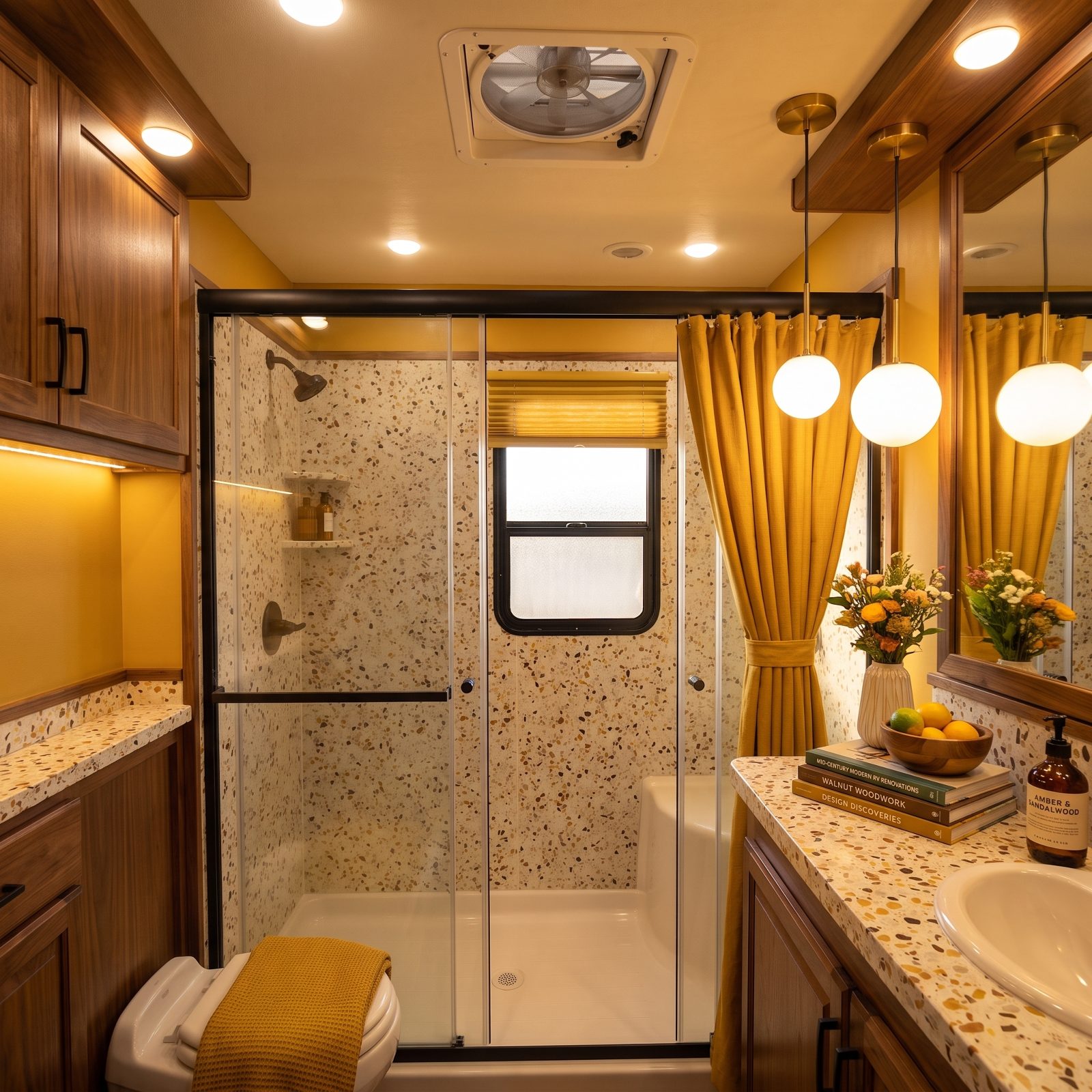
You pictured waking up debt-free next to a mountain lake. Then the rig loan, the insurance, the storage unit, the campground reservations, the propane, and the diesel all showed up like unpaid bills always do. Freedom, it turns out, has a payment schedule.
Anyone who’s walked out of a shared household knows this exact gut-drop. You traded one set of obligations for a leaner set you now carry alone, and nobody warned you the leaner version still needs a spreadsheet. The psychology here is a quiet one called affective forecasting — we’re genuinely bad at predicting how a future situation will feel, and we almost always overestimate how free “free” will be. The chains change shape. They don’t vanish.
That’s not a reason to regret the leap. Run the numbers honestly before you romanticize the open road. Freedom is real — it’s just rarely free, and the sooner you make peace with that, the sooner you stop resenting the diesel pump.
9. You Paint the RV Cabinets Without Taking a Vote

For years, every paint color was a negotiation. Now you’re standing in the galley with a brush and a can of sage green, and the only person you have to convince is you. No committee. No “let’s sleep on it.” You just do it.
There’s a specific thrill in that first unilateral decision, and it’s the same thrill people describe after a split when they finally hang the art they always loved and hated being told to take down. Psychologists call it autonomy restoration, and it’s one of the fastest routes back to feeling like a full person. One small act, carrying weight far beyond paint.
You might overshoot at first — bold hardware, a wild accent wall, something you’d never have gotten past the old vote. Let yourself. You’re re-learning the sound of your own preferences, and the chrome cabinet pulls are just the beginning.
8. You Miss the House Right After Accepting an Offer
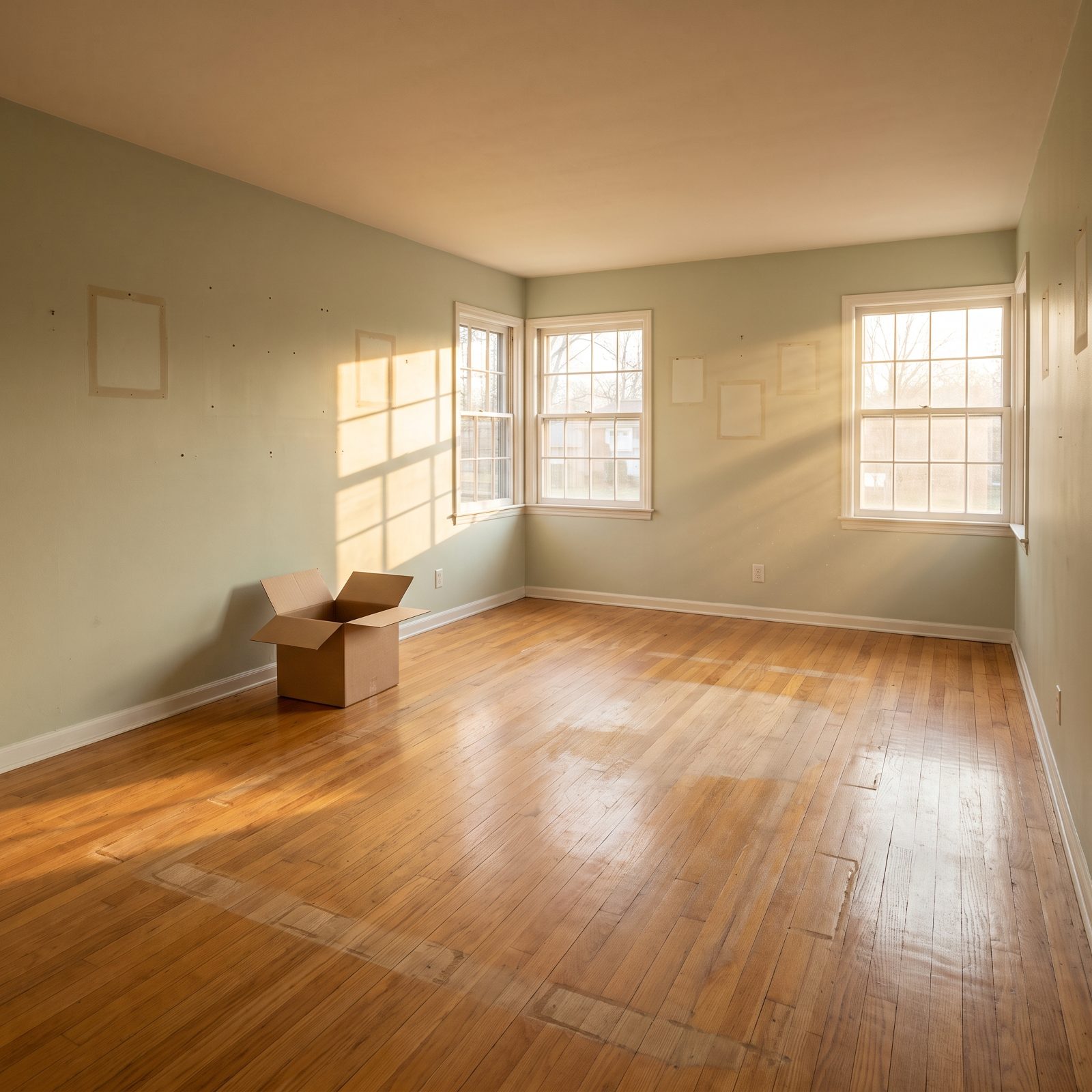
Thirty minutes after you sign the acceptance, you walk into the empty front room and suddenly notice how the morning light hits the wall. You’ve seen it ten thousand times. Now it’s breaking your heart.
This is loss aversion doing its oldest trick: the thing you were desperate to be free of becomes precious the instant it’s actually leaving. People feel it the morning a divorce finalizes too, grieving a marriage they spent years wanting out of. The brain weighs losses heavier than gains, so the house you couldn’t wait to sell becomes the house you can’t believe you’re losing.
Let it happen. The grief isn’t a sign you made the wrong call. It’s just the price of having loved the place at all, and it fades faster than you’d think once the rig is rolling.
7. You Celebrate Closing Day, Then Panic in the Driveway
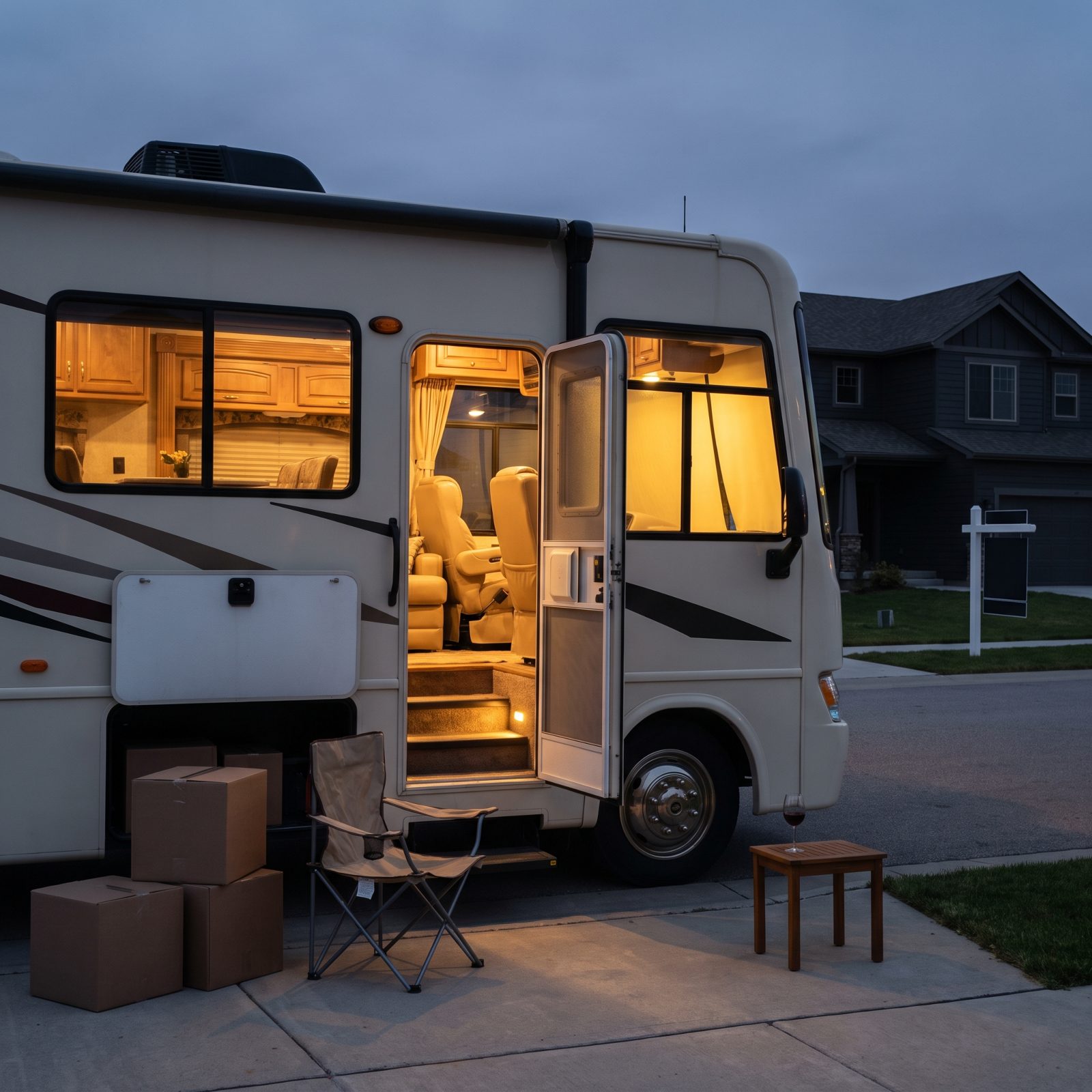
The wine’s poured. The keys are handed over. Everyone’s clapping. Then the driveway clears, you climb into the driver’s seat, and a cold thought lands: what exactly did I just do.
That whiplash from triumph to terror in under an hour is almost universal. Newly divorced folks describe signing the papers, feeling victorious, then sitting alone in the parking lot wondering who they even are now. It’s the brain hitting the gap between the decision and the identity that hasn’t caught up to it yet. The milestone arrives before the new self does.
The milestone is a moment. The new identity is a slow build. They almost never show up on the same afternoon.
Give it a few weeks. The panic is just your old map realizing it doesn’t match the territory anymore, and a new one is already drawing itself.
6. You Overpack the RV for Disasters That Never Arrive
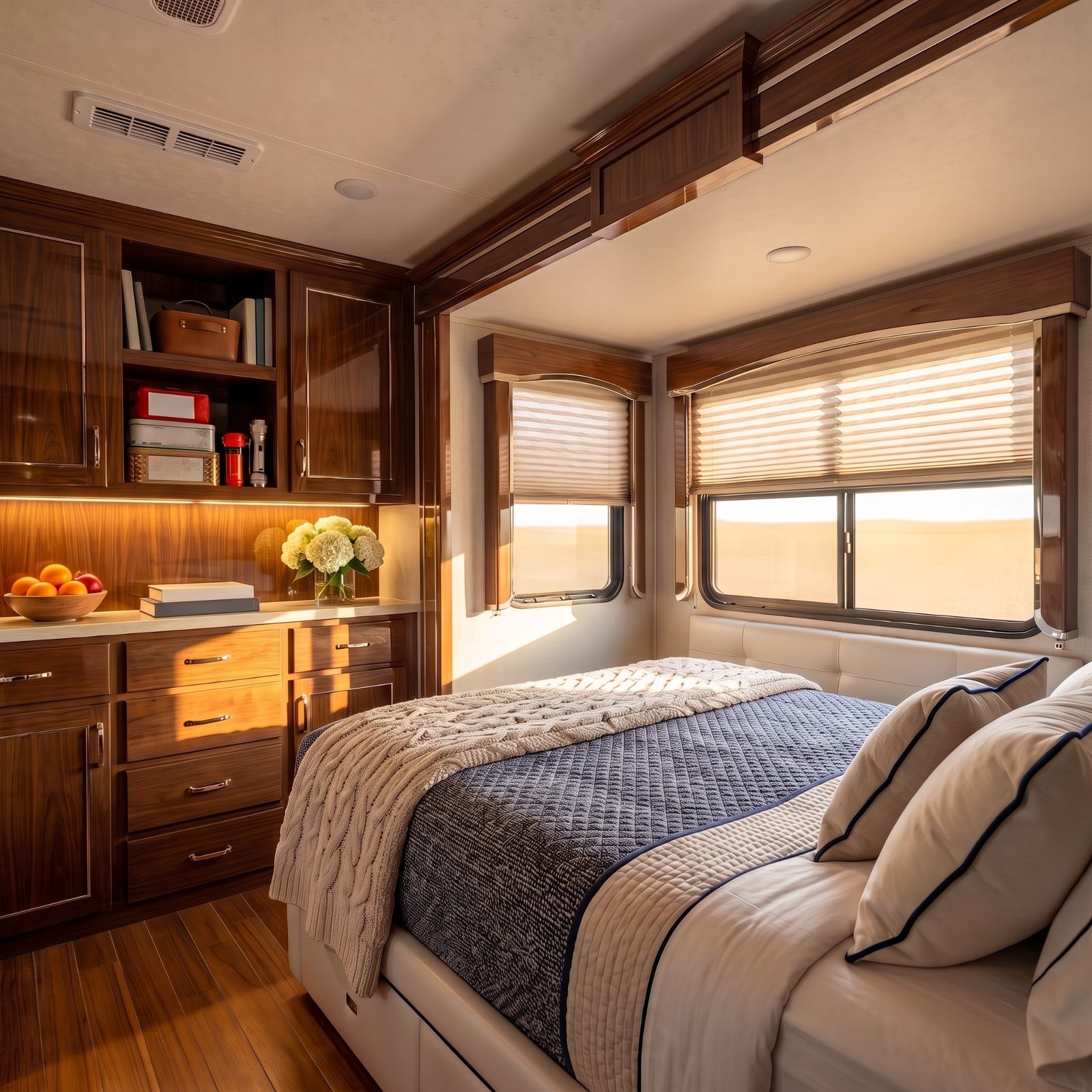
A first-aid kit for a scrape you’ll never get. A flashlight standing guard beside a red thermos. A stack of emergency tins tucked below the books and the leather bag. Even in a rig this tidy, you carved out a whole cabinet shelf for disaster, like you were prepping for a siege, not a Tuesday at a state park.
Overpacking after a big life change is textbook anxiety management. People rebuilding solo do the same thing with their calendars and their spare keys and their emergency funds, stocking up against a future where everything goes wrong — because, for once, there’s no second adult in the house to absorb the shock. Carrying the backup feels like control. Sometimes it’s the only control you’ve got.
You’ll lighten the load eventually. After a season, you learn which disasters actually happen and which ones only live in your head at 2 a.m. Until then, the overpacking is a kindness you’re doing for your own nerves.
5. You Ask Full-Timers Questions Your Old Friends Can’t Answer

You call your oldest friend to ask about tank sensors and lithium batteries and whether a membership park is worth it. She loves you. She has absolutely nothing to offer. The conversation ends warm and useless.
So you find the people who do know. The couple two sites down who’ve been full-timing six years. The Facebook group that answers at midnight. A whole new circle forms around a shared language your old friends don’t speak. This is identity-based community-seeking, and it’s exactly what happens after a divorce when you quietly gravitate toward people who get the new version of your life instead of only knowing the old one.
It stings a little — realizing some of your closest people can’t follow you here. But the new friendships arrive fast and run deep, because they’re built on the thing you’re actually living now.
4. You Learn Which Friends Will Actually Visit a Campground
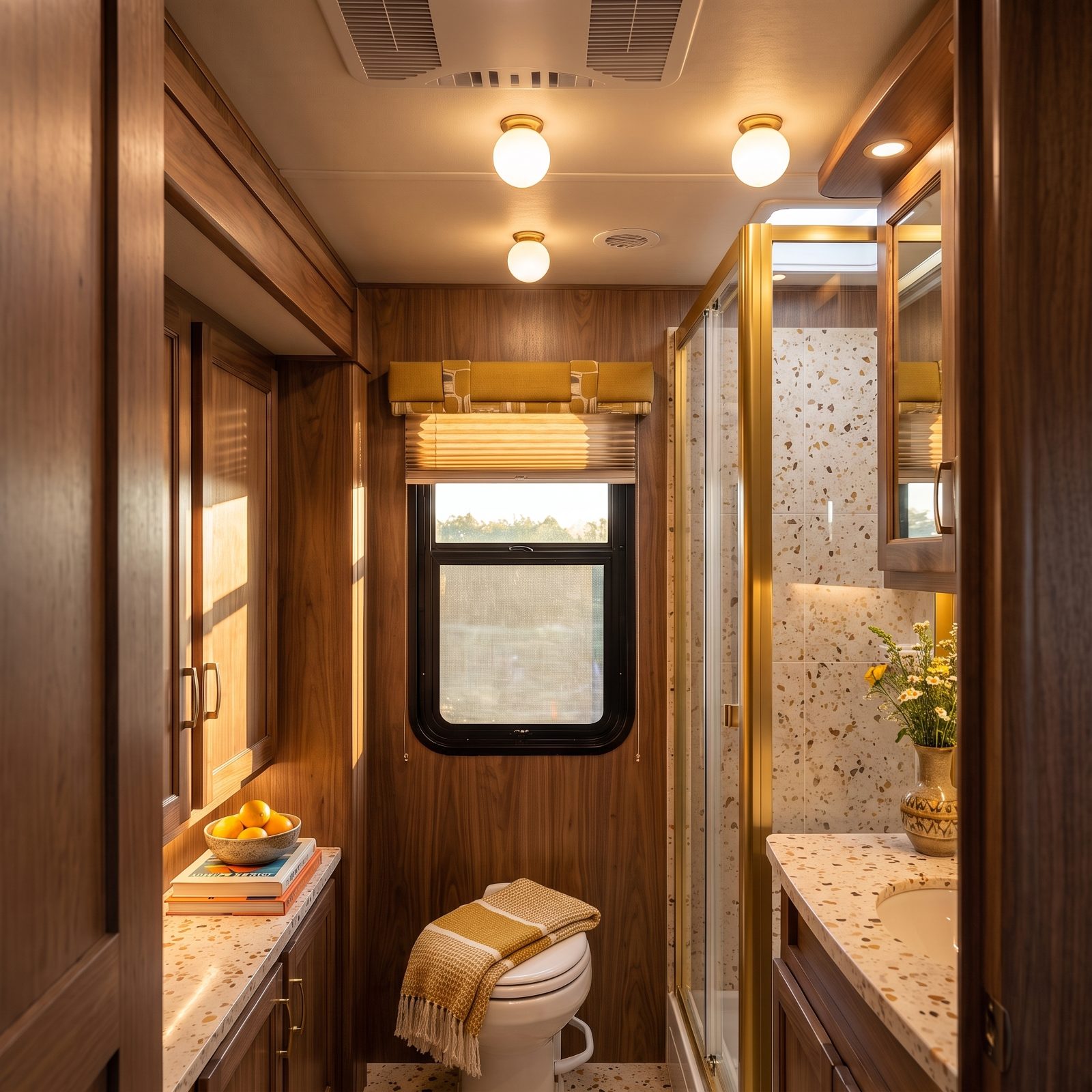
You send out the open invitation. Come stay a weekend. We’ll grill, we’ll do a hike, there’s a spot right by the river. And then you find out who means it.
Some friends will drive four hours to a campground and love every minute. Others go quiet, because “come visit” used to mean a guest room and a wine rack, not a folding chair by a dump station. The road filters your relationships whether you asked it to or not — the same brutal clarity people get after a split, when the circle re-sorts itself into who shows up and who only showed up for the house.
It’s not betrayal. It’s just information. And honestly? Finding out who’ll sit by your fire is worth more than the friends you lose finding out.
3. You Build New Routines Around Dump Stations and Moving Days

The old life had Monday-trash, Saturday-mow, Sunday-grocery. The new one has dump-and-fill before you pull out, the tire-pressure check, the inside-walk-through so nothing flies off a shelf at 60. Different rhythm. Still a rhythm.
Humans run on routine the way a body runs on a heartbeat, and the first thing to shatter in any upheaval is the daily structure that held you together. Rebuilding solo means inventing new routines from scratch, and so does rebuilding on wheels. The novelty wears off faster than you expect, and what replaces it is this small, grounding choreography of moving days and hookups.
Don’t underestimate how much those rituals steady you. When everything else is new, a predictable departure checklist is a handrail. You’re not just breaking camp — you’re giving the day a shape it can lean on.
2. You Rent a Home-Base Site Before Chasing Open Roads

You told everyone you were hitting the open road. Then you booked a seasonal site, planted basil in a raised box, and stayed put for four months. The open road can wait. You needed somewhere to catch your breath first.
This is the transitional-object instinct, the same impulse that keeps a newly single person in the familiar neighborhood for a year before the big move. The psyche can only handle so much newness at once. A home base lets you change your whole life while keeping one foot on solid ground, and there’s nothing cowardly about it. It’s smart.
Nobody says you have to leap into total untethered freedom on day one. Rent the site. Grow the herbs. Let your legs adjust to the deck before you trust them on the tightrope. The roaming comes easier when it isn’t the first scary thing you do.
1. You Stop Saving the Best Campsite for Someday
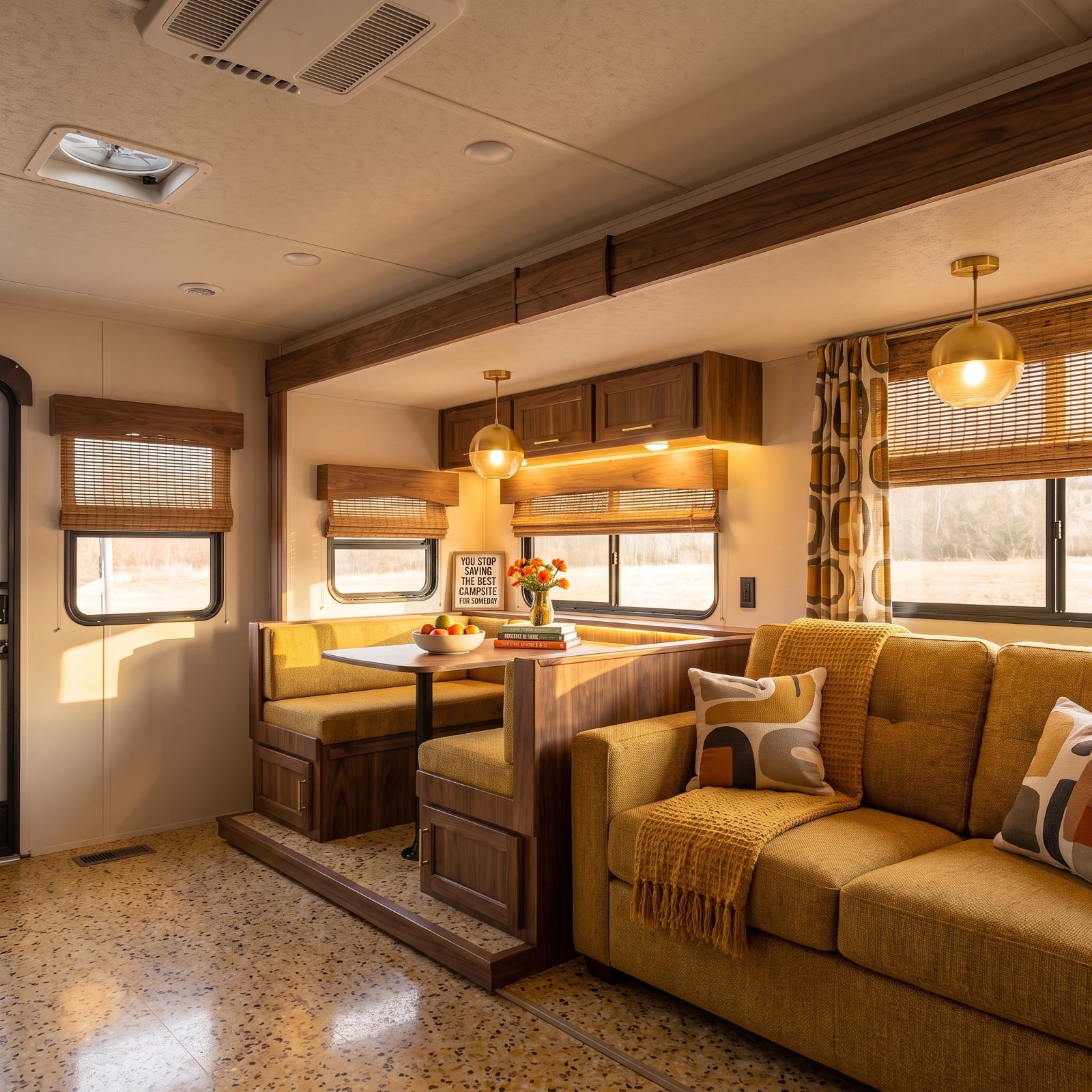
For decades you saved the good china, the nice bottle, the premium site for an occasion that kept not arriving. Now you book the waterfront spot on a random Wednesday because you finally understand there is no someday. There’s only this.
Losing the old life resets what psychologists call temporal scarcity. When you stop assuming the future is infinite, you quit hoarding your best experiences for a horizon that never comes. People rebuilding after a divorce describe the identical shift: they take the trip, wear the dress, say the thing, because they learned the hard way that “later” is a promise nobody can keep.
This is the gift hidden inside the whole upheaval. You traded a house for the one lesson that actually matters. The best campsite isn’t for someday. It’s for you, and it’s for now. Go book it.