
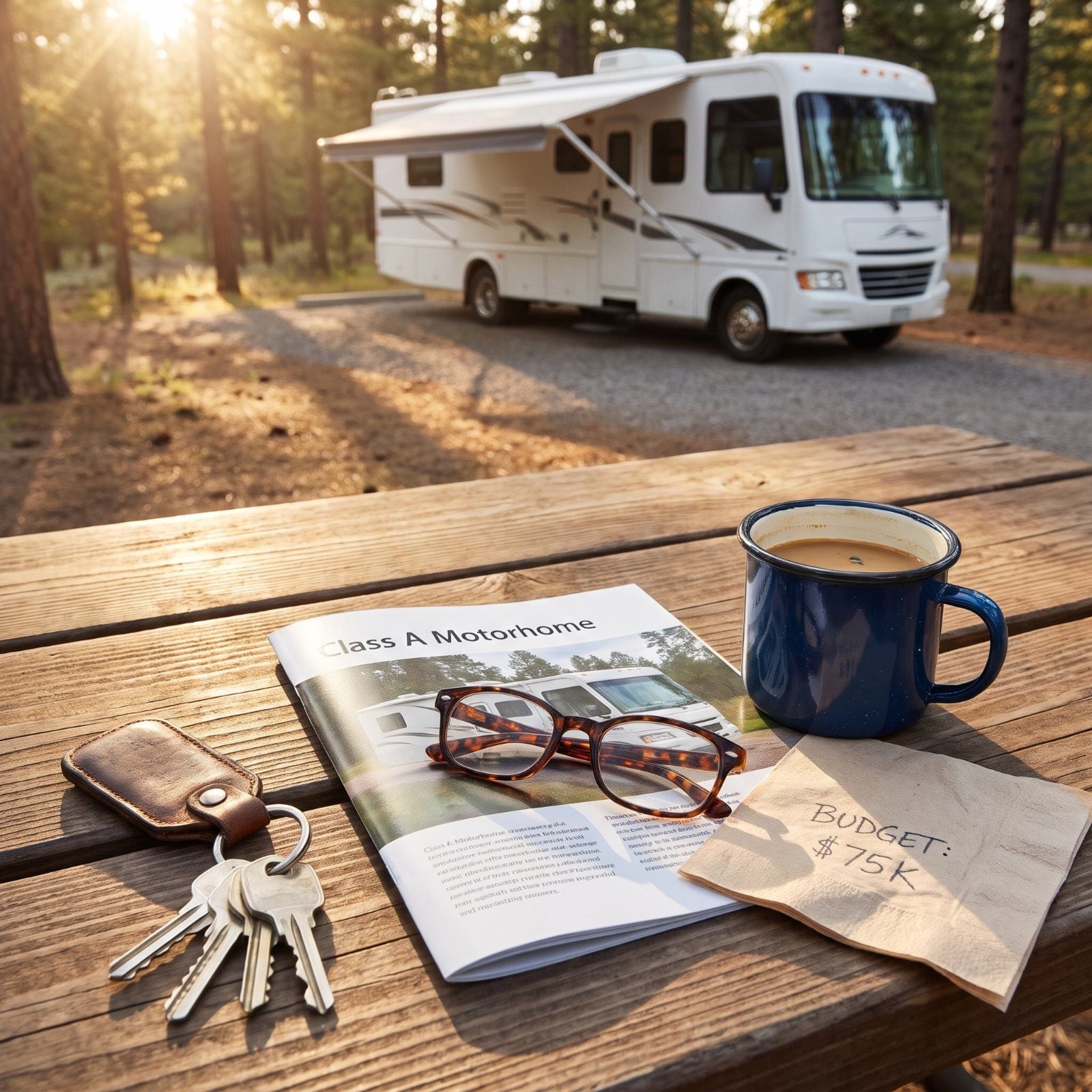
The signature on the finance papers is still drying, and already something in your gut does the slow roll of a rig sliding onto a soft shoulder. You know the feeling. You’ve felt it in other corners of life, usually around 2 a.m., usually about a person. Buying an RV, it turns out, runs on the exact same wiring that powers a doomed romance — you see what you want to see, you hear what you want to hear, and you stay because leaving would mean admitting you were wrong. The dealership isn’t a dating app, but your brain honestly can’t tell the difference. What follows are the patterns that show up again and again on the lot, each one mirroring a love story that ended with somebody muttering, “I should have known.” Read them before you fall, not after.
Please note that some of the images in this article were created with the assistance of AI.
19. You Choose the Coach That Matches Your Fantasy Self
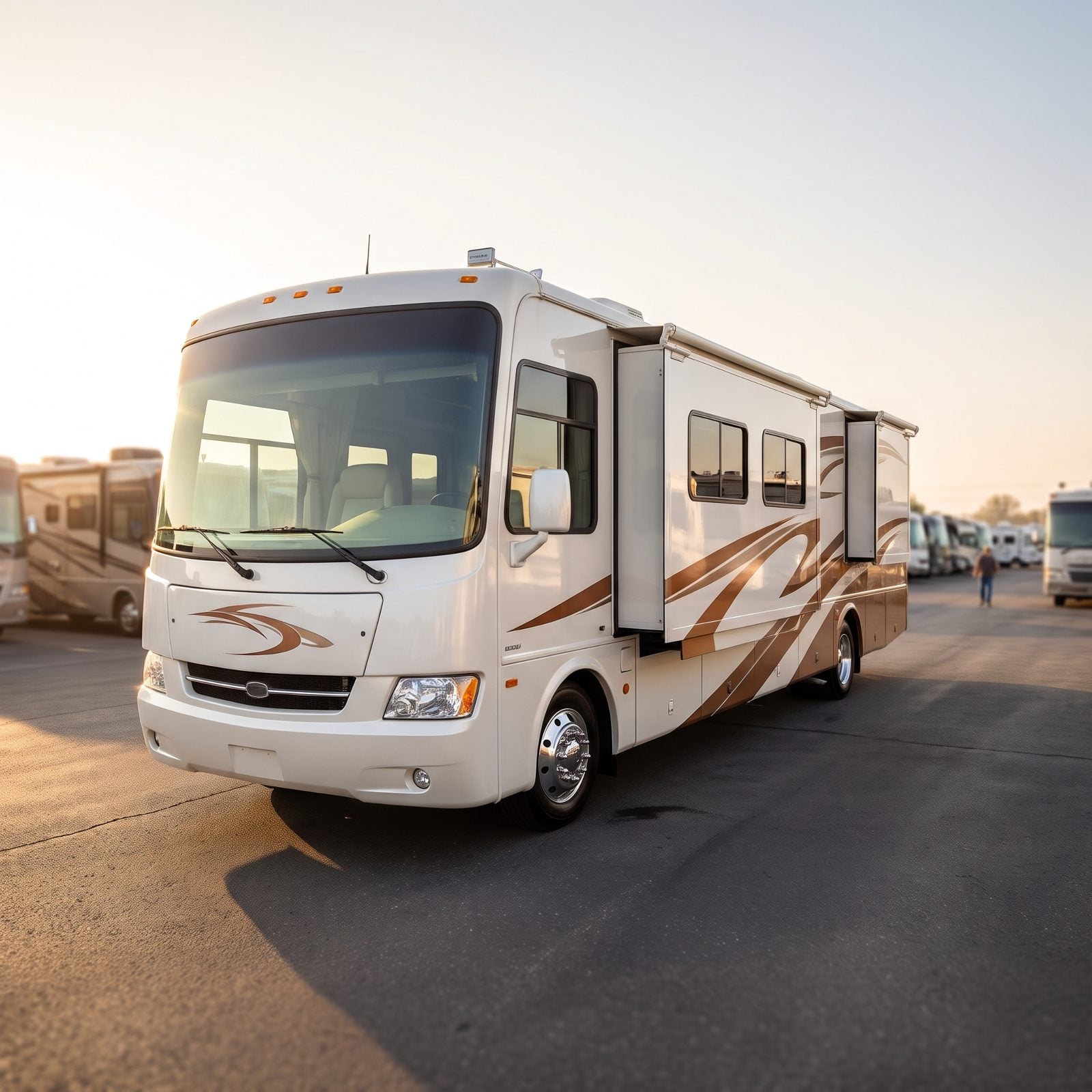
You walk onto the lot picturing yourself at a national park overlook — awning out, mountain bike on the rack, waving at strangers like a person who’s got life figured out. Then you pick the coach that matches that picture instead of the one that matches your actual weekends, which are shorter, closer to home, and involve a cooler and a lawn chair.
Call it the halo effect wearing a 40-foot body. One shiny trait, the one that fits your fantasy self, spreads a flattering glow over everything else you haven’t bothered to check. Same thing happens on a first date, when you mistake “looks great across the table” for “will be kind at a gas station on a bad day.”
18. The Island Kitchen Makes You Forget the Tow Rating

You step into the model, spot the island with the farmhouse sink and the three bronze pendants, and something in your brain just quits doing math. Can your half-ton truck actually drag this thing over a mountain pass? That question’s gone. You’re already imagining the coffee you’ll make at that counter.
Call it the shiny-feature anchor. One standout detail becomes the whole story, while the boring-but-load-bearing facts — gross trailer weight, payload capacity — fade to background hum. It’s the romance version of ignoring how someone treats a waiter because they have a great laugh.
Fall for the kitchen if you want. Just read the yellow sticker on the door frame first.
17. You Call Water Damage a Fixable Little Quirk
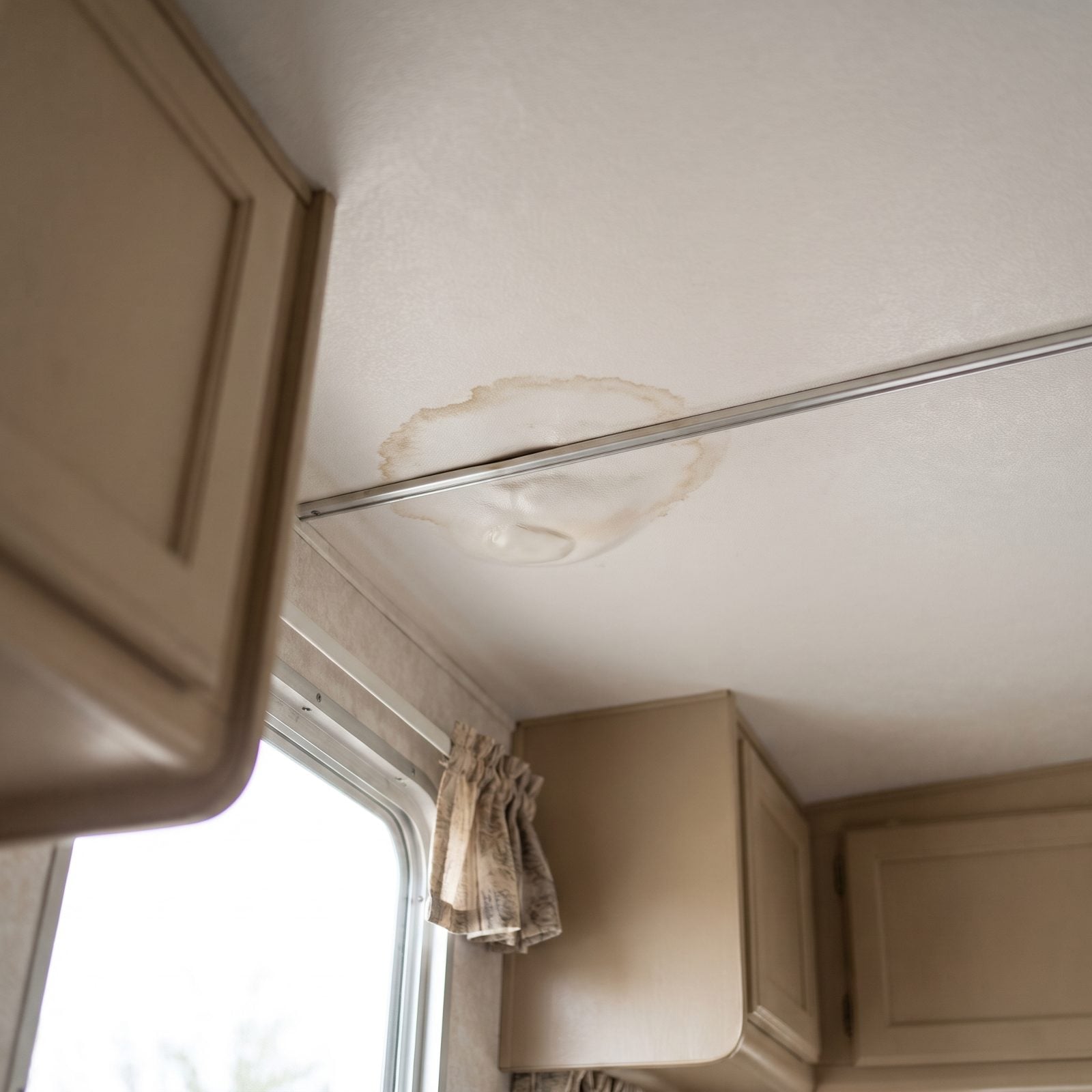
There’s a soft spot in the floor by the slide. A faint brown ring on the ceiling panel. A smell you keep deciding is “just old camper.” And you hear yourself saying it out loud: cosmetic, totally fixable, a little weekend project.
That’s rationalization pulling a double shift. You’ve already fallen for the rig, so your mind cranks out excuses to protect the feeling. Water damage in an RV is almost never cosmetic — it’s the tip of rot you can’t see, quietly spreading through the walls. People do this with partners too, filing serious warning signs under “nobody’s perfect.”
We’ve watched folks talk themselves into a “quirk” that later cost more than the rig did. The honest word for a soft floor isn’t quirk. It’s damage.
16. You Assume Future You Will Enjoy Making That Bed
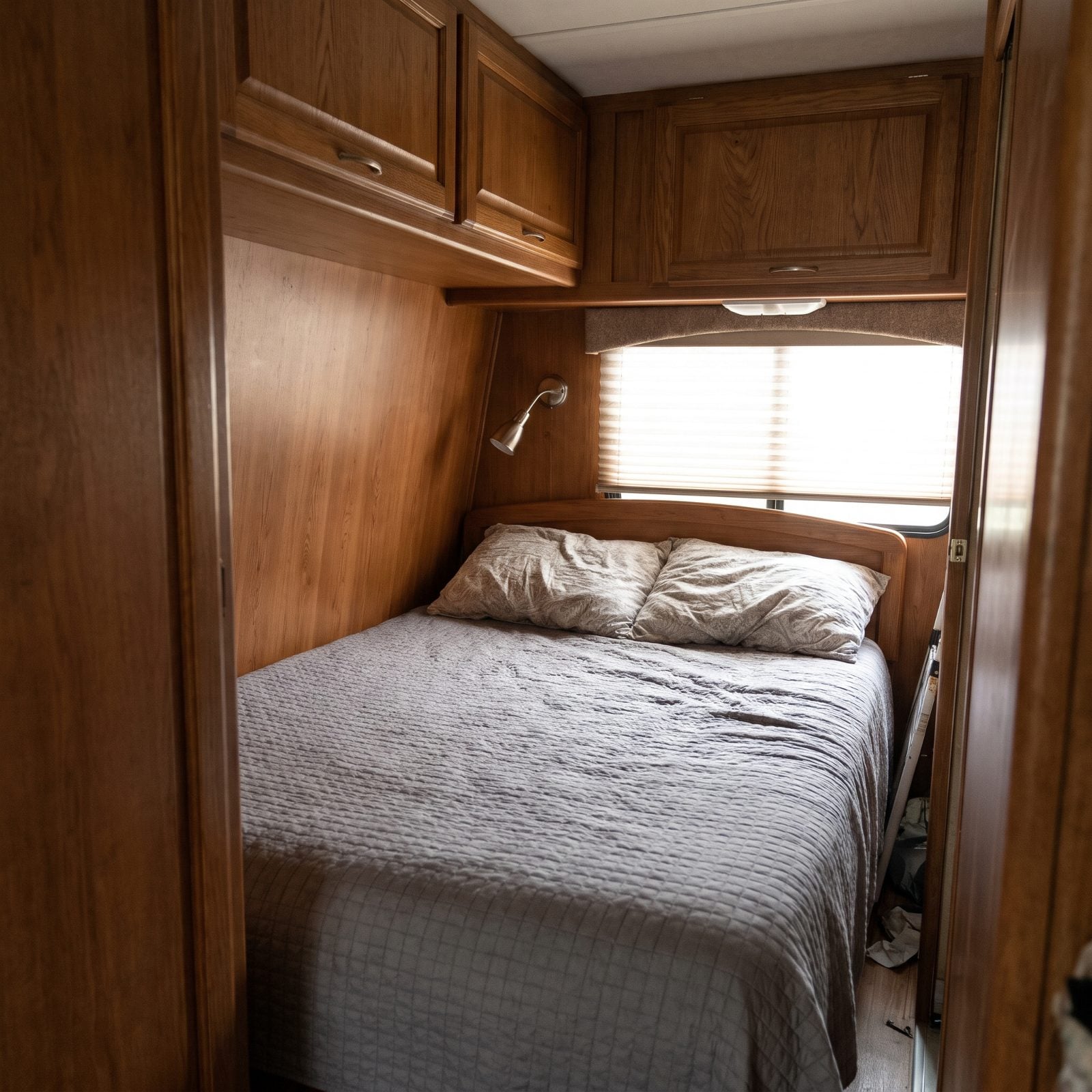
The corner-mount queen looks cozy in the showroom. What you don’t picture is the reality of making it — crawling across the mattress on your knees every single morning to reach the far corner jammed against the wall, because there’s no room to walk around.
This is the planning fallacy in sheet form. We imagine the future version of ourselves as more patient, more limber, and more delighted by small chores than we have ever once been. Same trick that makes people assume they’ll grow into a relationship’s daily frictions instead of grinding against them.
15. You Buy the RV Your Campsite Friends Will Admire
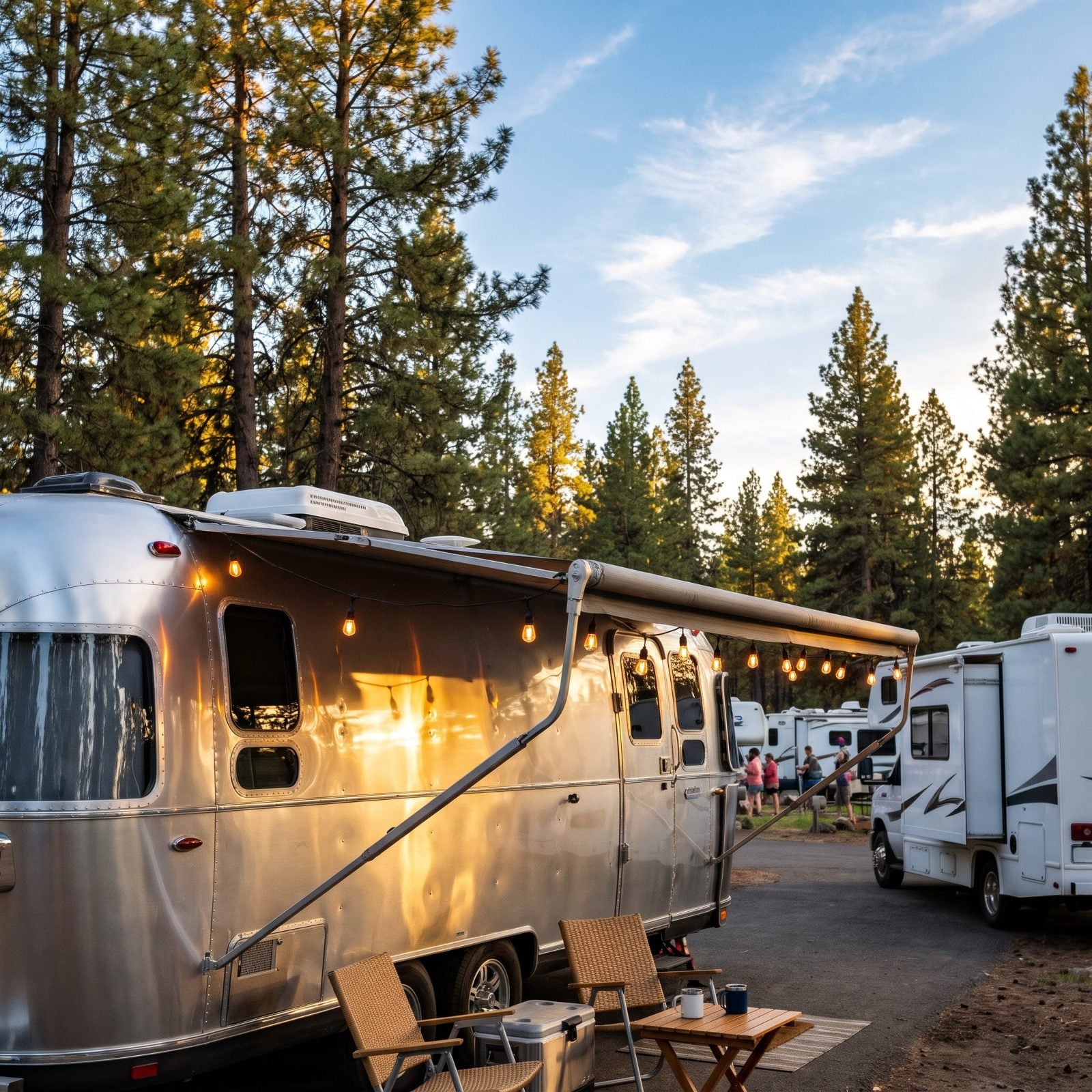
Somewhere in the deciding, a quiet voice starts picturing the campground loop. The neighbor two sites over who always has the slick setup. The group text where you post the big reveal. And you start weighing the rig not by how it fits your trips but by how it reads to an audience.
Status signaling, plain as day. The purchase stops being about function and turns into a flag you plant to say something about yourself — the same engine behind booking the flashy wedding or buying the car that impresses the reunion crowd.
Nobody at the campground is thinking about your rig as much as you think they are. They’re thinking about theirs.
The admiration lasts about one weekend. The payment lasts eighty-four months.
14. Family Doubts Make You Grip the Keys Even Tighter

Your spouse raises an eyebrow. Your kid asks if you’ve really thought this through, and a buddy mentions resale depreciation. Instead of slowing down, you feel yourself dig in harder, defending the rig like it’s already family.
This is reactance. The second someone pushes against a choice, we shove back to protect our sense of freedom, and that pushback feels like conviction when it’s really just stubbornness. Couples who get told “they’re no good for you” often fall deeper for exactly that reason — the opposition reads as proof the love is real.
But doubt from people who know you is often the most useful data you’ll ever get. It costs them nothing to lie and everything to level with you, so when they level, listen.
13. Another Buyer Appears, and Suddenly It’s Your Dream Rig
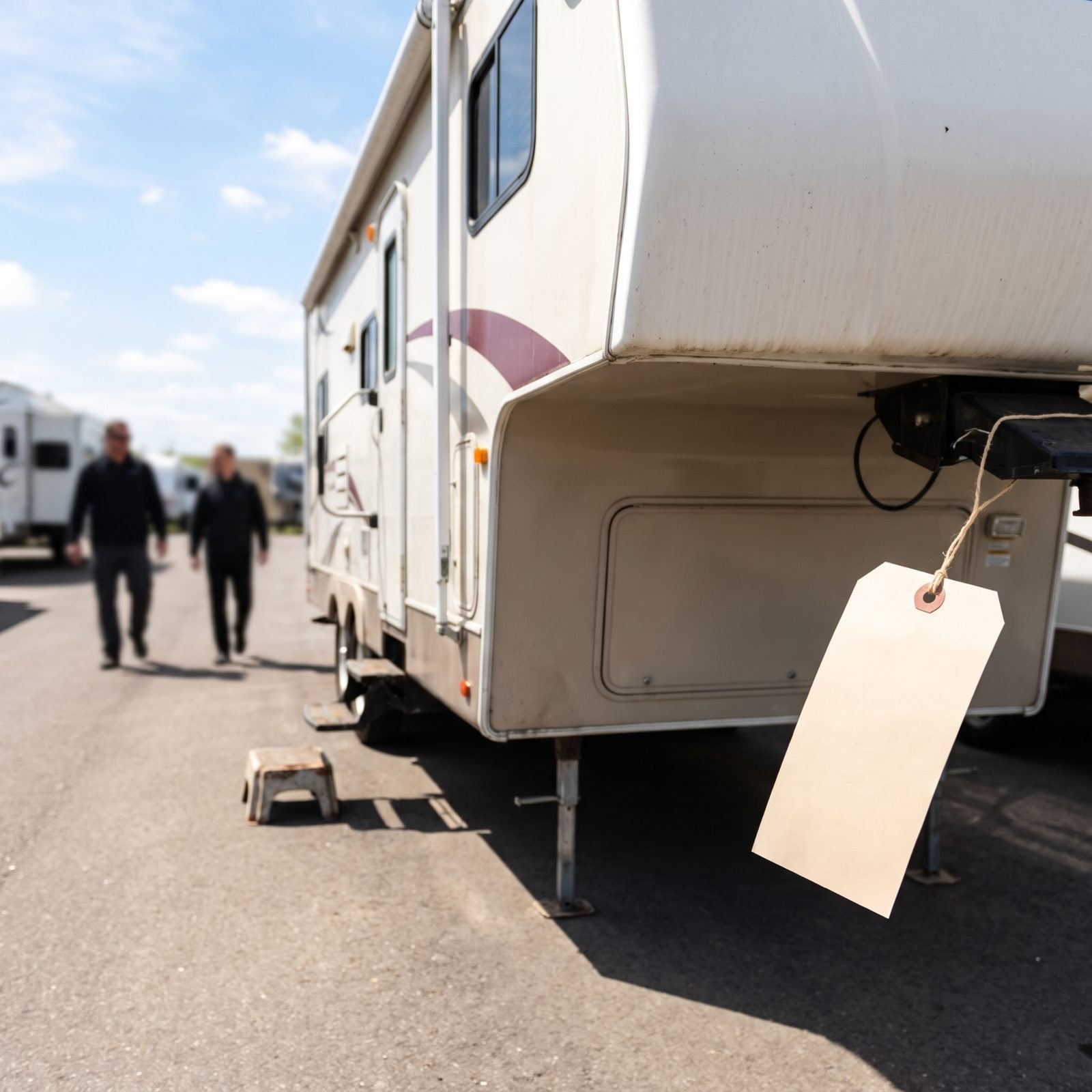
You were lukewarm. Then the salesperson mentions, offhand, that another couple came by this morning and is “thinking it over.” Suddenly the rig you were on the fence about becomes the one you cannot live without.
Scarcity flips a switch in the oldest part of the brain. The moment something might be taken, we want it twice as badly, and we mistake that spike of urgency for genuine desire. It’s the ex who seemed perfectly replaceable right up until they started dating someone new.
If a maybe becomes a must only when someone else wants it, that’s not love. That’s the fear of losing.
12. You Hear Only Good News During the Inspection
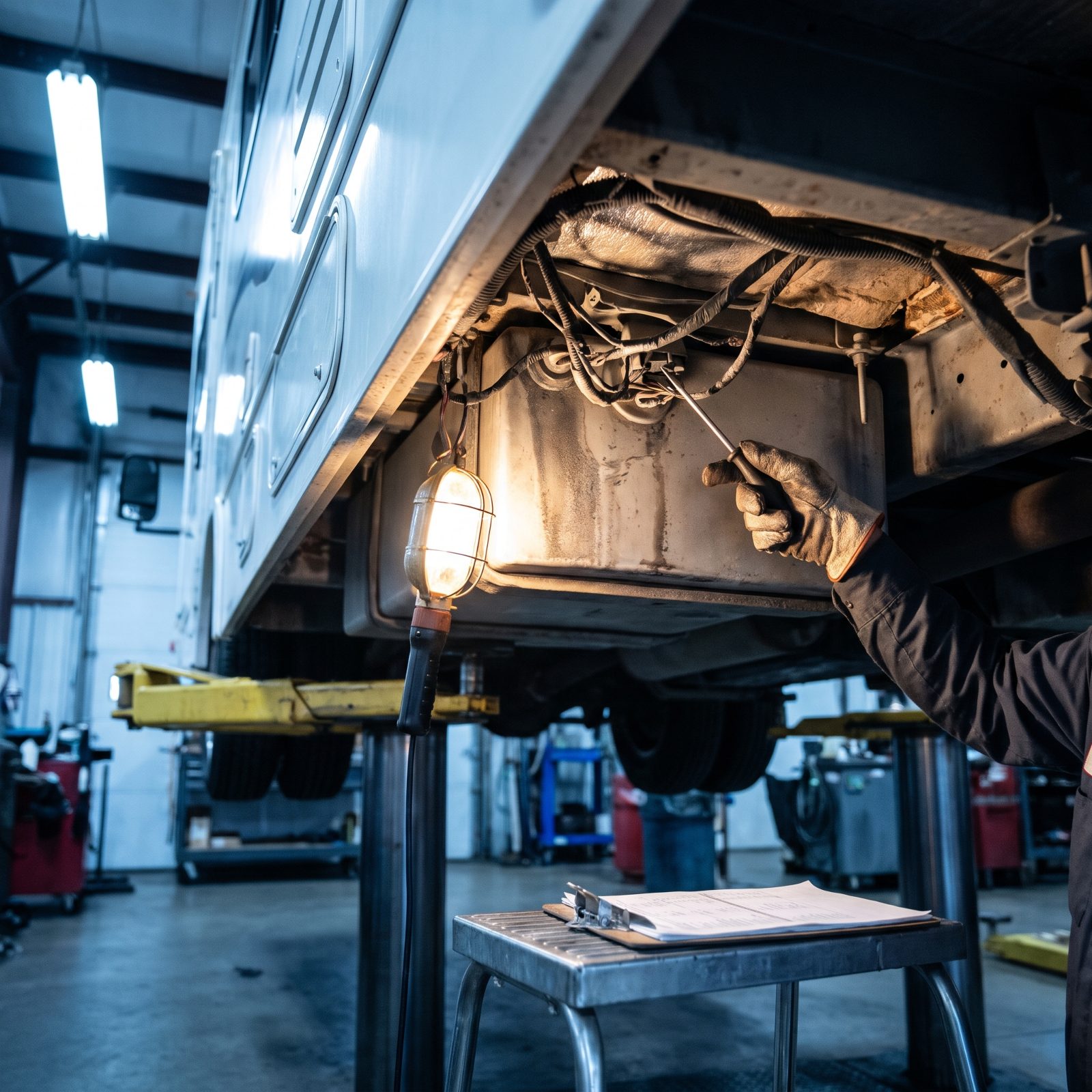
The inspector lists a dozen findings. You remember exactly one of them: “the tires are in great shape.” The cracking slide seal, the furnace that cycled oddly, the suspect roof caulk? All of it slides right off you.
That’s confirmation bias filtering the facts. Once you’ve decided you want the rig, you catch the evidence that backs your decision and quietly toss the rest. People do this reading a new relationship, collecting every green flag and explaining away the red ones.
Here’s the fix we wish somebody had handed us sooner. Ask the inspector to name the three things that would make them walk away. Make them say the bad part out loud, and make yourself repeat it back.
11. You Treat the Monthly Payment Like the Whole Price

The salesperson stops talking about the sticker price and starts talking in monthly terms. “That’s only a little more per month than you’re paying now.” And just like that, the number that matters shrinks down to something that fits on a coffee receipt.
This is mental accounting, where we judge a cost by the size of the bite instead of the size of the meal. Stretch a loan long enough and almost anything feels affordable, even while the total you’ll actually pay climbs clean past sane. It’s the relationship logic of “it’s only a little drama, day to day,” conveniently ignoring the years it stacks into.
10. You Defend the Floorplan Harder Once You’ve Signed
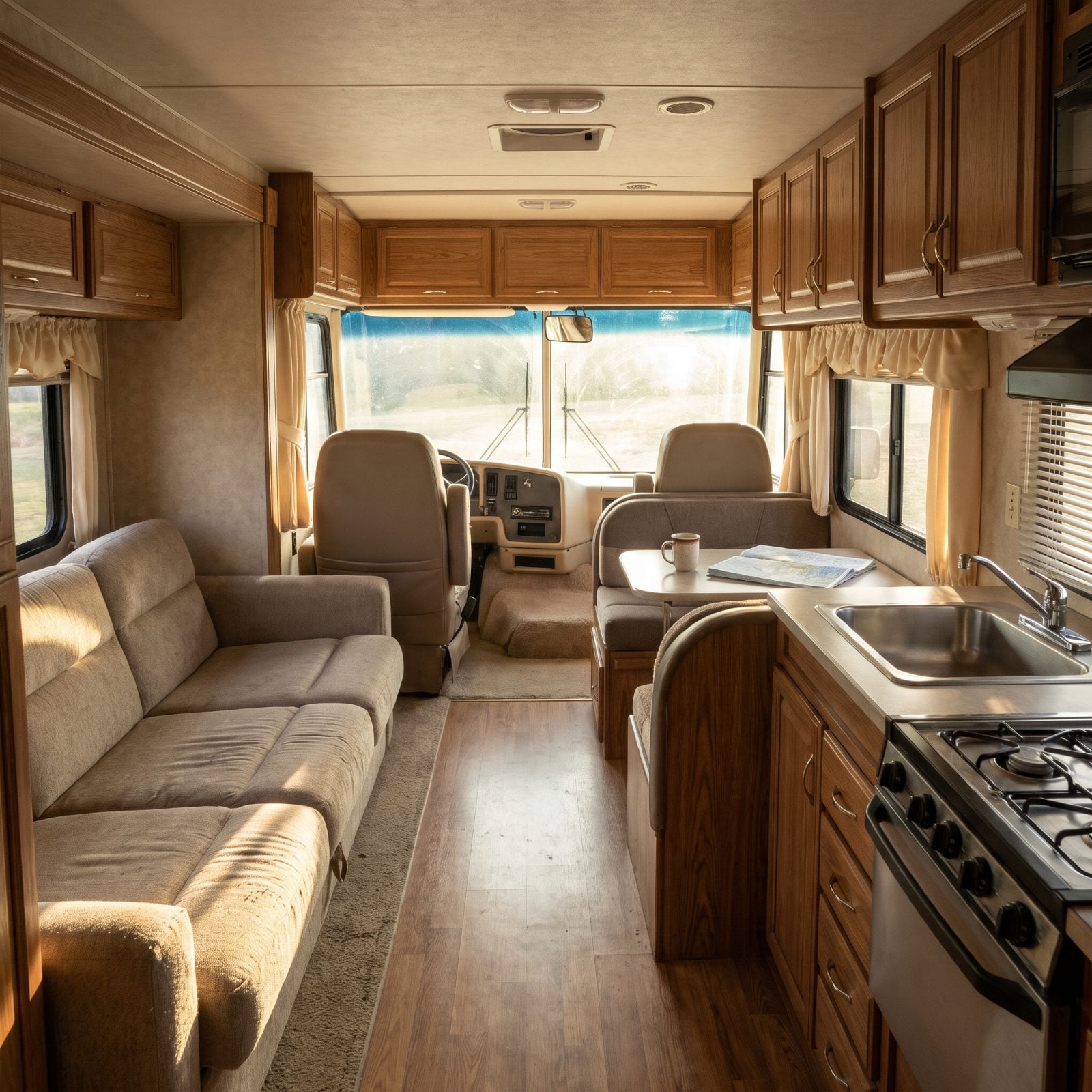
Before the paperwork, you noticed the galley was tight and said so right there on the lot. Then you signed. Somewhere between the handshake and the first fill-up, that same galley became “actually really efficient once you get the system down.”
Same thing happens after a wedding, or after you move across the country for a person. The doubts you aired freely in the dating phase go underground the second the commitment goes public, and now you’re on defense, explaining to friends why the cramped thing is secretly the good thing.
Cognitive dissonance doing its quiet cleanup work. Your brain can’t hold “I spent a lot of money” and “I might have chosen wrong” in the same room without flinching, so it rewrites the floorplan into a feature. The tight walkway isn’t a flaw. It’s cozy. It’s intentional. You meant to do that.
9. You Keep Browsing New Rigs After Delivery Day
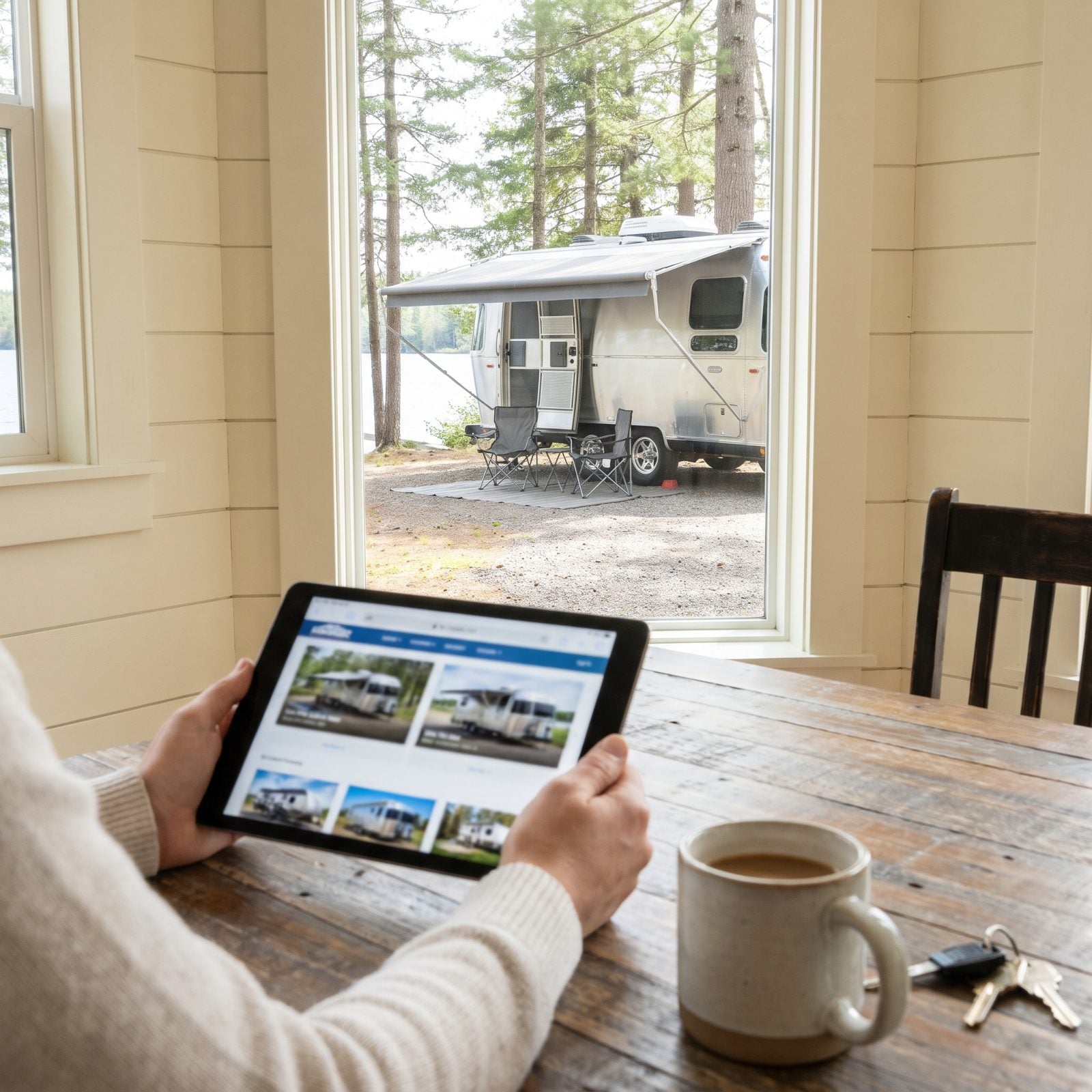
The rig is parked out by the lake in the pines. Paid for, yours, done. And there you are at the cabin’s dining table, looking at it through the window, coffee cooling, tablet in hand, scrolling through listings for the exact category you just bought, comparing floorplans you already decided against.
You’ve watched someone do this three weeks into a new relationship, still half-checking who’s single. Not because anything’s wrong. Because the brain never fully shuts off the shopping function once it’s been switched on.
Psychologists call it the paradox of choice, and making the decision doesn’t end the wanting. Every option you passed on stays alive in your head as a road not taken, and browsing is how you keep driving back to visit it. Here’s what’s worth noticing: the scrolling almost never makes you happier with what you’ve got. It just whispers that the menu is still open.
8. You Miss the Old Camper When the Payment Arrives
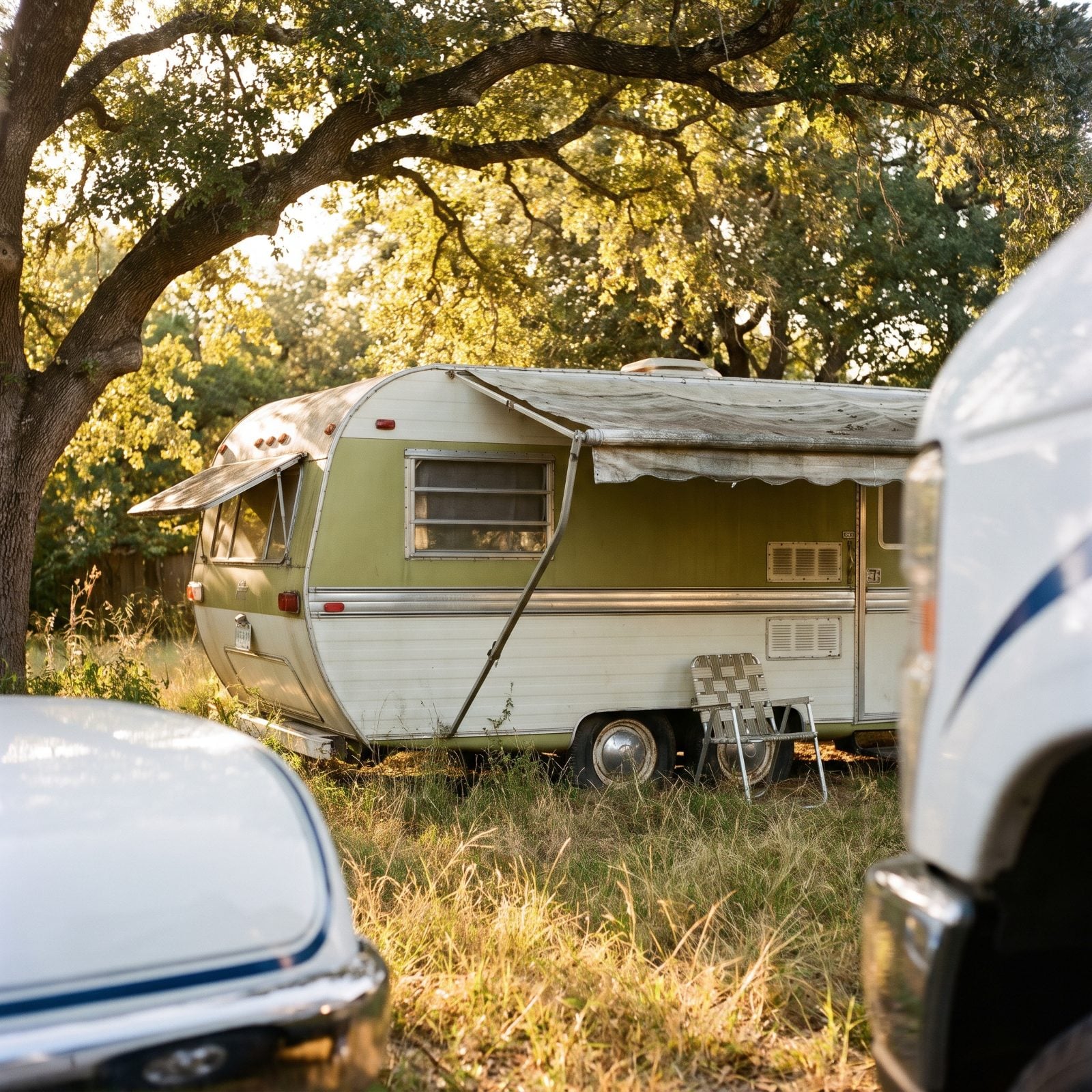
The first big loan payment clears, and suddenly the old pop-up you traded in looks like the finest vehicle you ever owned. It leaked. The canvas smelled like a flooded basement, and you hated setting it up in the rain. Doesn’t matter. You miss it.
This is the ex who gets more charming the longer they’re gone. Distance sands off the annoying parts and leaves only the good campfire nights. We remember the peak and the ending of an experience, not the daily grind of it, so the pop-up’s one perfect sunset eclipses every soggy, cursing morning spent wrestling wet canvas.
The old camper didn’t get better. Your memory just got generous.
And that new payment is pulling a sneaky second trick. It attaches a monthly ache to the new rig, and your mind goes hunting for somewhere softer to land. The old one, conveniently, costs nothing now and asks nothing of you.
7. One Bad Breakdown Rewrites Every Good Camping Trip
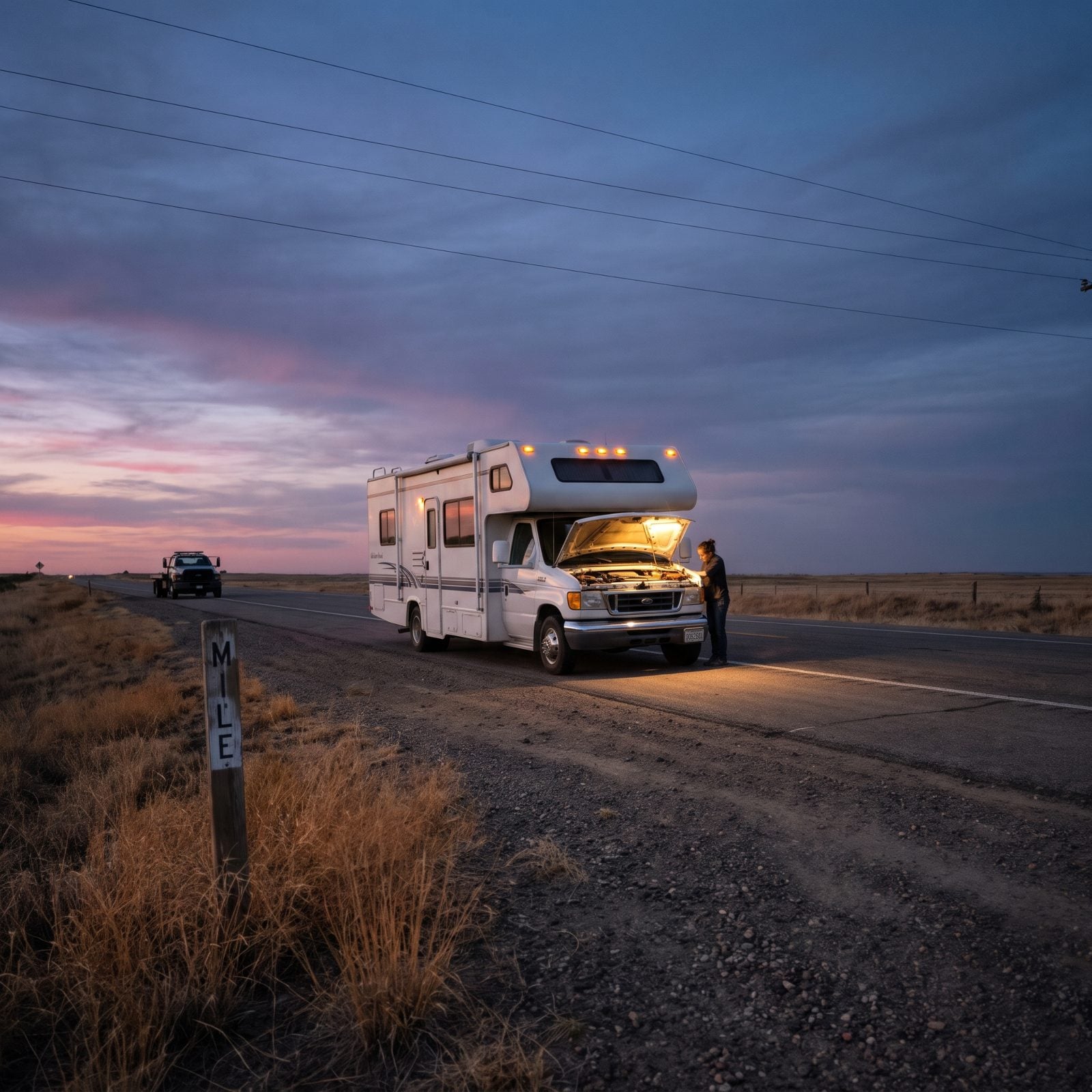
You took a whole string of good trips in that motorhome. Beach sunsets, mountain switchbacks, the grandkids falling asleep to rain drumming the roof. Then the transmission let go on a Tuesday outside nowhere, and now the whole rig is “nothing but trouble.”
Same wiring that makes one bad fight erase two good years. Negativity sticks harder than its opposite. Our brains evolved to remember the thing that nearly hurt us, because the pleasant stuff never threatened survival, so one roadside breakdown outweighs a dozen perfect mornings without even trying.
Worth knowing before you make a trade decision from the tow truck’s passenger seat. The breakdown feels like the truth about the rig. It isn’t. It’s a single data point screaming over a crowd of quieter good ones.
6. You Blame the Motorhome for Trips You Never Planned
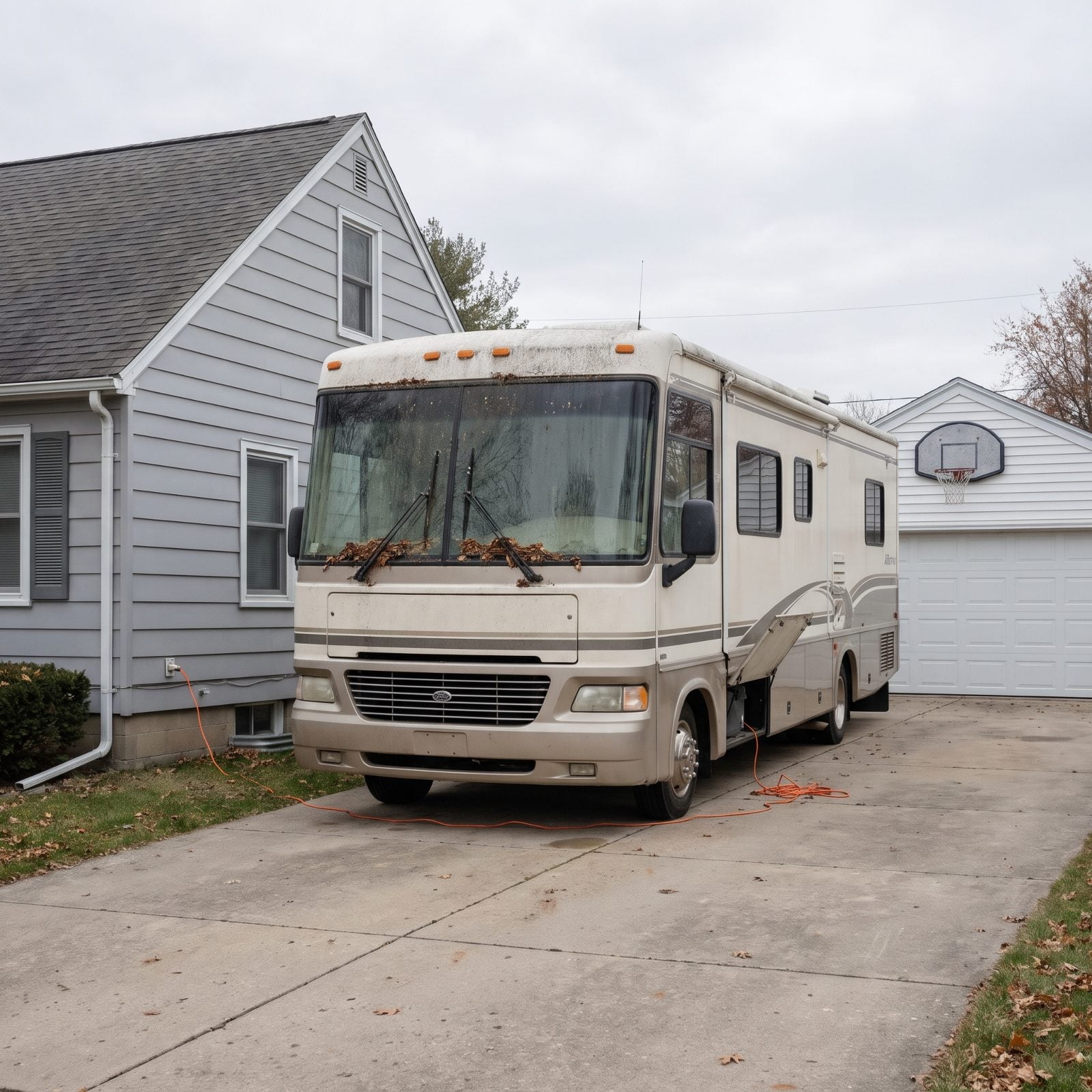
“We never go anywhere in this thing.” Said while standing next to a fully functional motorhome that is, at that very moment, exactly where you parked it, waiting. It hasn’t refused a single trip. There were no trips to refuse.
People do this to partners constantly. The relationship “never goes anywhere,” when nobody booked a flight, suggested a Saturday, or picked up the phone. We hand the blame to the thing instead of to the choice.
Psychologists call it the fundamental attribution error, pointed inward and backward. Easier to decide the RV is the problem than to admit we never made the time. The rig just became a handy place to park disappointment that really belonged to a calendar nobody filled.
5. You Keep Repairing the Lemon to Justify Buying It
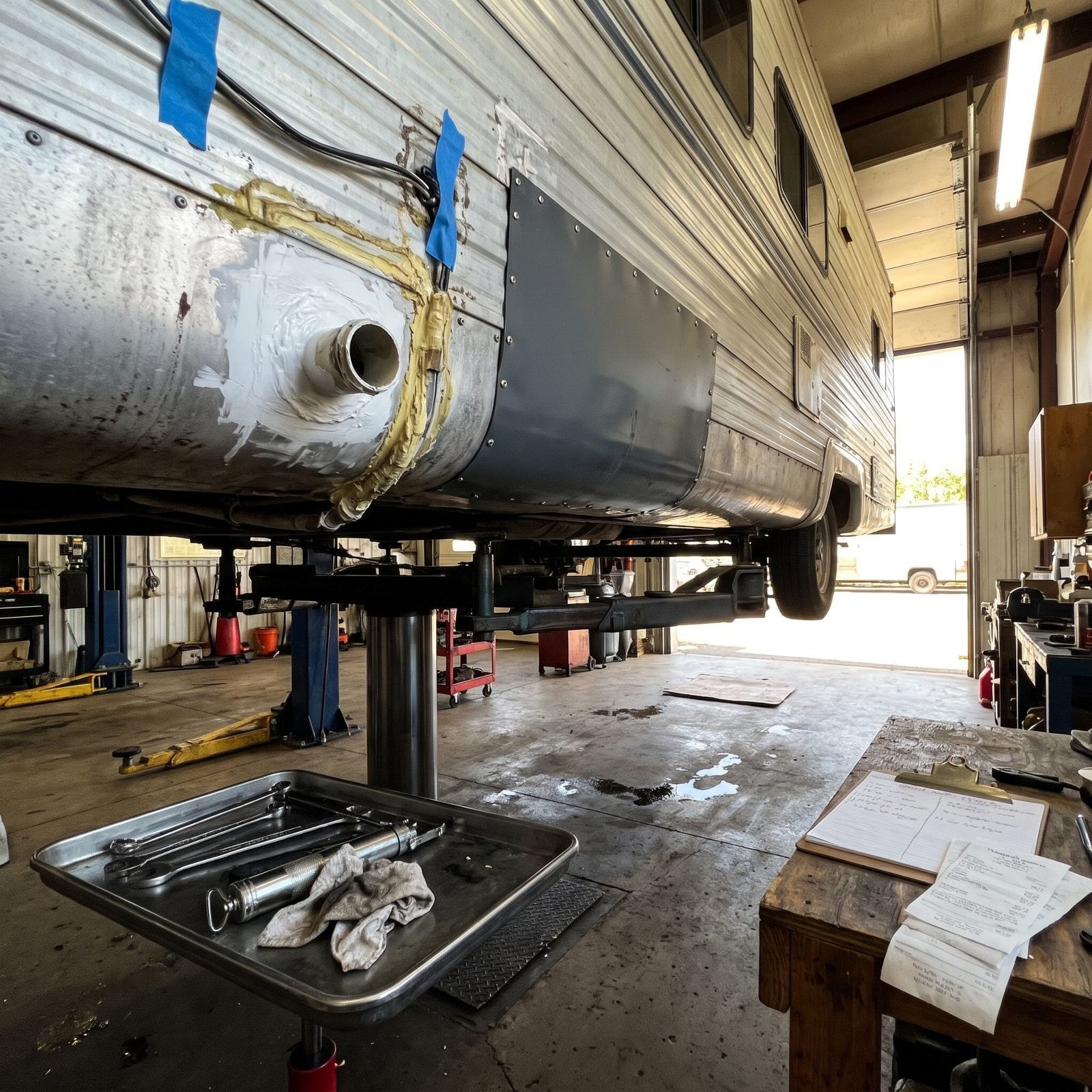
Water heater. Then the slide motor. Then the axle, the awning, the fridge that only runs on propane when it’s in the mood. Each fix a few hundred to a few thousand dollars, and every time you mutter the same line: “Well, I’ve already put so much into it.”
That sentence is the sunk cost fallacy wearing coveralls. The money you’ve already spent is gone, and no amount of fresh spending brings it back. But quitting now feels like wasting everything that came before, so you keep pouring good money after bad to defend a decision that’s already underwater.
Couples do the same dance with years instead of dollars. “We’ve been together too long to give up now.” The length of the investment becomes the reason to keep investing, which is exactly backward.
4. You Avoid Resale Quotes That Might Confirm the Mistake
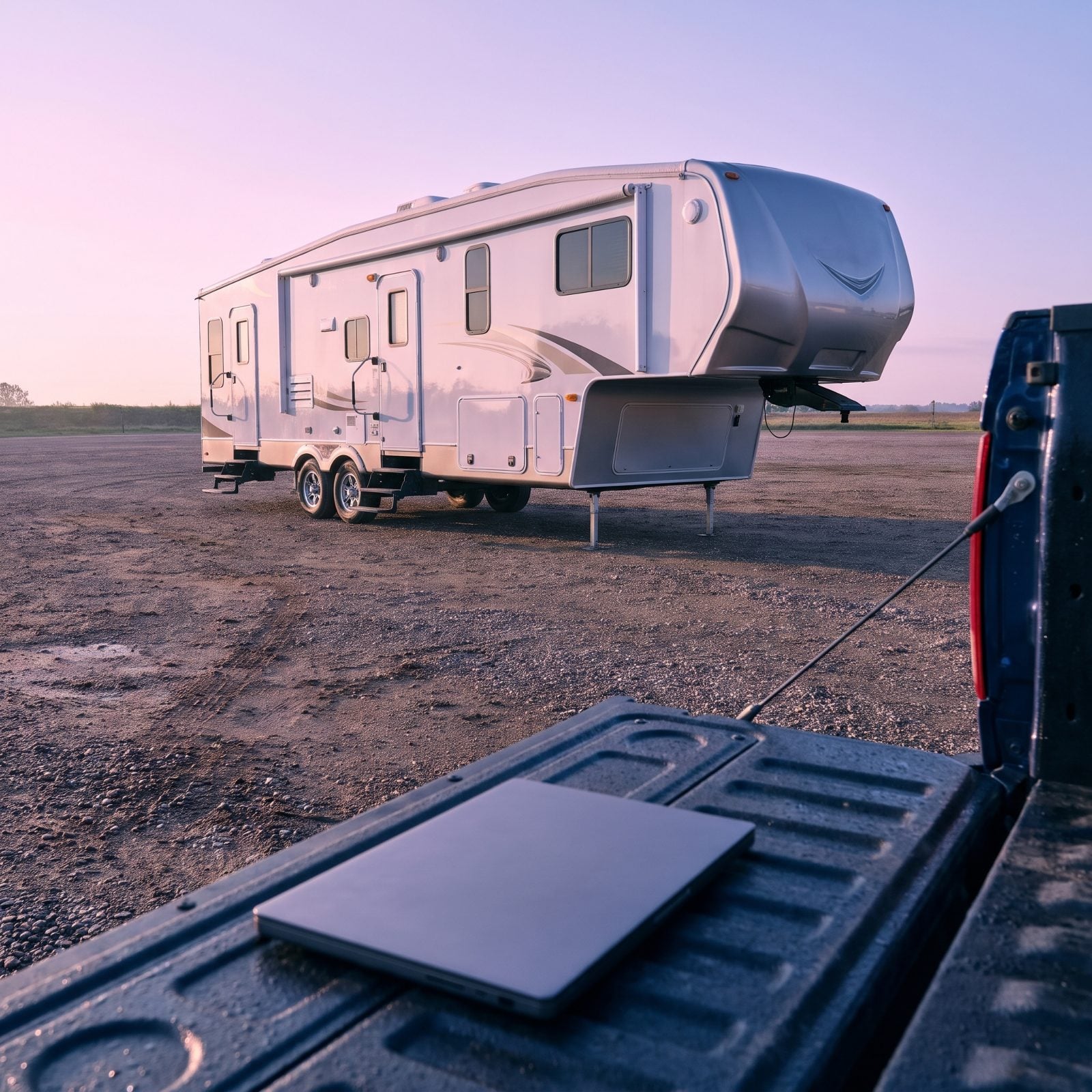
You could type the model into a valuation site in thirty seconds and know what it’s worth. You don’t. Some part of you has decided that not knowing the number beats seeing it, because the number might say depreciation ate a big chunk of your money in a couple of years.
Willful ignorance as self-protection. It’s the same instinct that leaves a bank statement unopened or a doctor’s call unreturned. Don’t look, don’t feel it. The regret stays theoretical, which is exactly where you’d like to keep it.
But the loss already happened. The quote doesn’t create it; it just reports it. Dodging the number only keeps you paying insurance, storage, and interest on the comforting illusion that the rig is still worth what you owe.
3. Naming the Trailer Makes Selling It Feel Like Betrayal
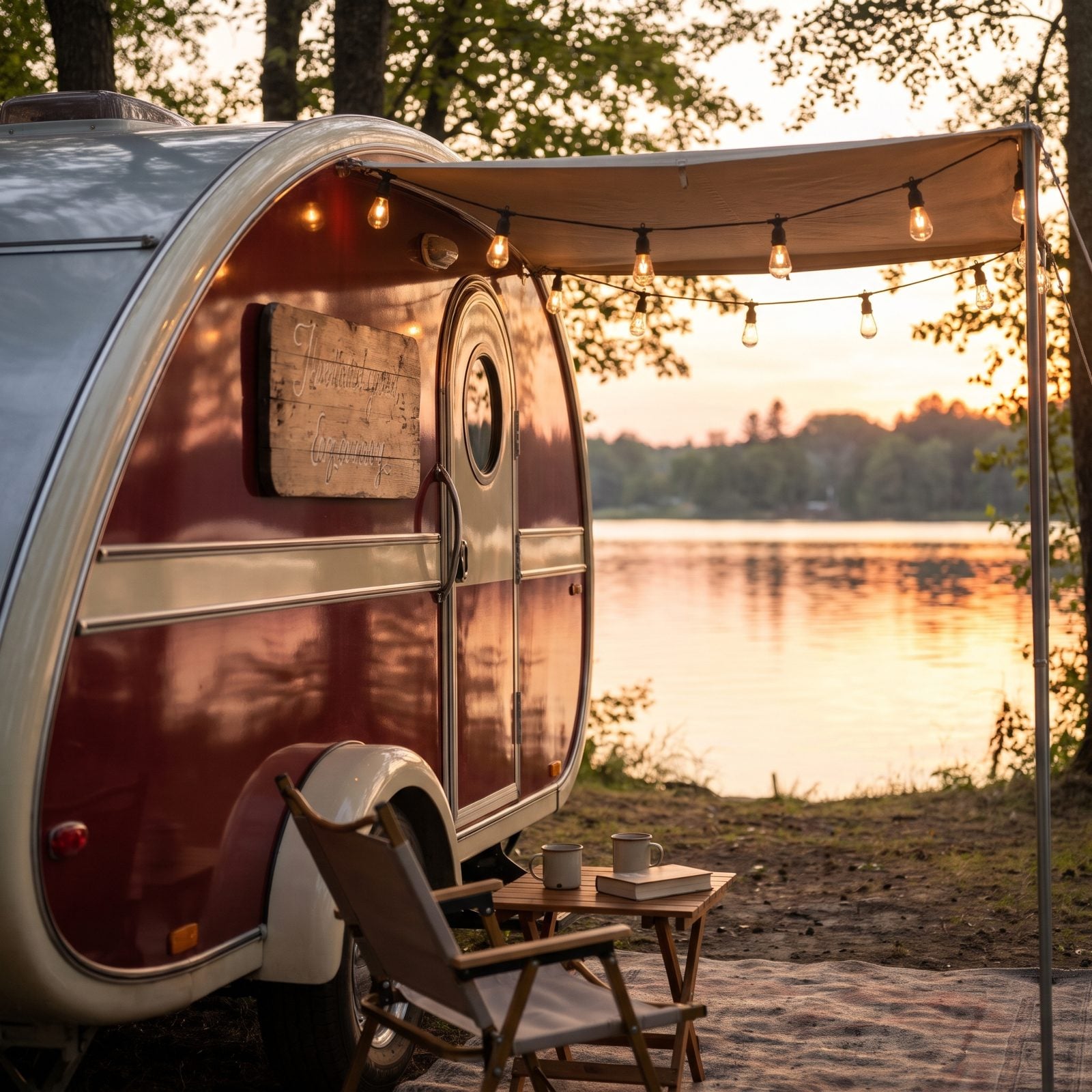
The day you painted “Wanderlust” or “Second Wind” on a little plaque by the door, you quietly moved the trailer from the category of thing into the category of family member. Now listing it for sale feels less like a transaction and more like putting the family dog up on Craigslist.
Naming is how we bond. We name boats, cars, houseplants, and the second a name sticks, the endowment effect kicks in hard. We value what we own far above its actual market worth, and a named thing climbs higher still.
Same reason a nickname deepens a relationship. The name becomes a tiny shared history. Sell the trailer and you’re not just selling aluminum and axles, you’re selling the campfire nights that came with the name, and the brain logs that loss way out of proportion to any resale figure.
2. You Trade It In Just to End the Discomfort
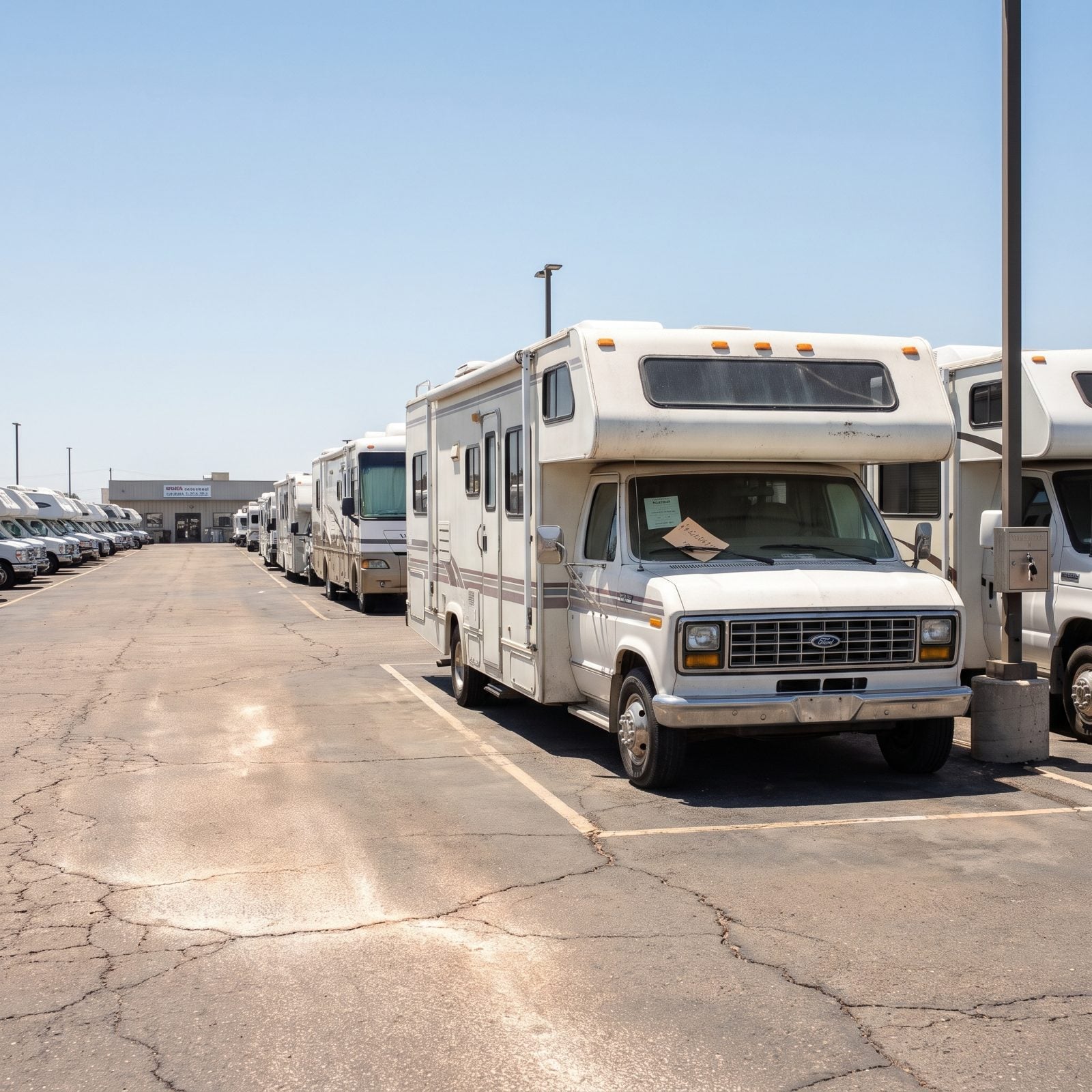
The rig isn’t terrible. It’s fine, honestly. But the decision has been nagging at you for months, this low hum of “did I mess up,” and one morning you just drive it to the dealer and dump it on a trade-in at a loss you’ll regret by Thursday. Not because it was the smart financial move. Because you needed the nagging to stop.
People leave decent relationships this way too. Not over a dealbreaker. Over the sheer exhaustion of carrying unresolved doubt. Ending the thing ends the discomfort, and in the moment, relief does a convincing impression of clarity.
Here’s the catch. The discomfort was never really about the rig. It was the open question rattling around your own head, and when you trade the rig in, that question tends to come right back, now stuck to whatever you buy next.
1. You Repeat the Same Floorplan Mistake in New Upholstery
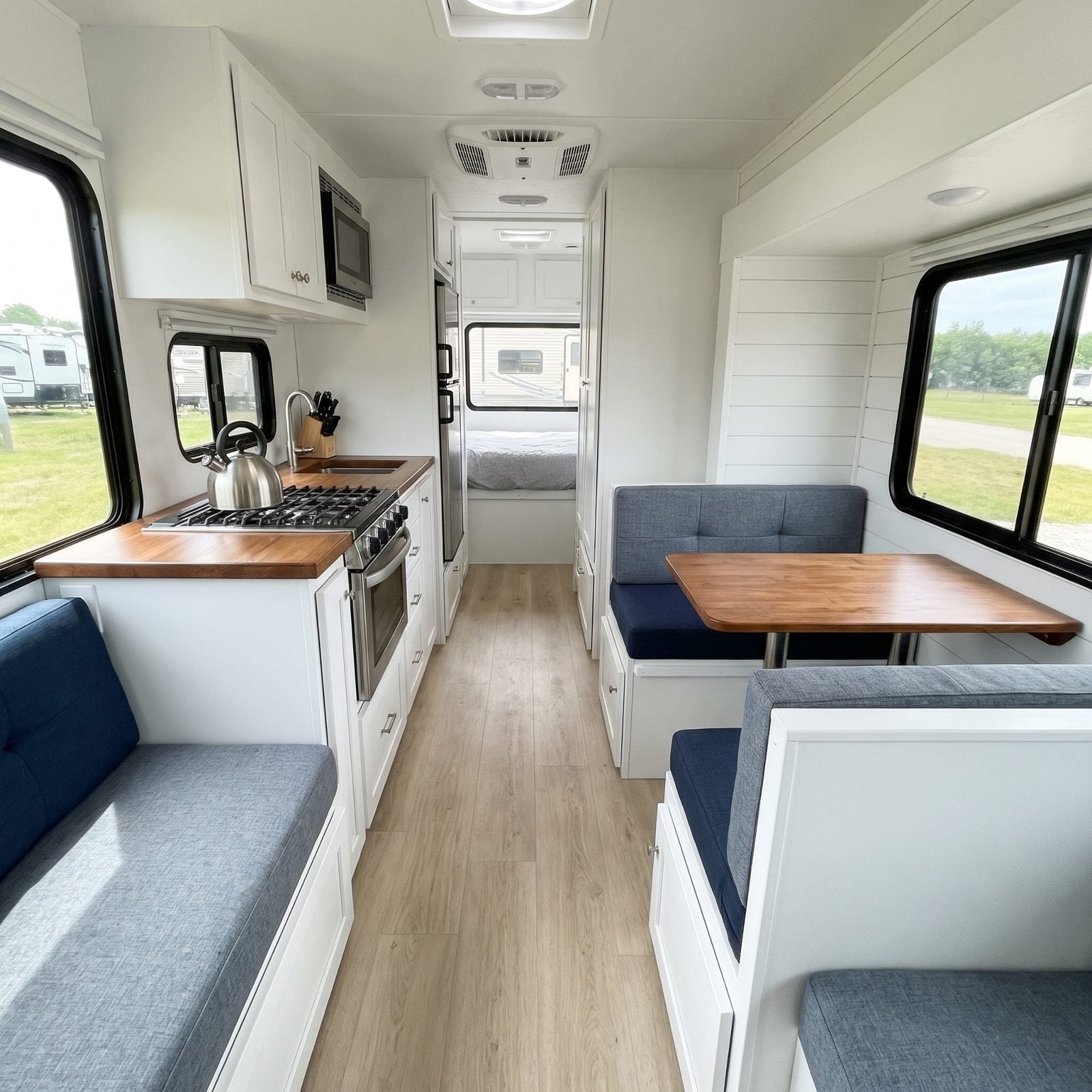
New rig. Navy cushions instead of the tired old beige, farmhouse finishes, a backsplash you actually like. You walk in feeling clever. Then six weeks down the road you realize you bought the exact same floorplan that frustrated you last time, just dressed in nicer fabric. The galley’s still too tight. The dinette still blocks the walkway. You fixed the color and kept the flaw.
Everyone knows a person who keeps dating the same personality under a different haircut. We’re pulled toward what feels familiar, even when familiar is precisely the thing that burned us, because the brain reads “recognizable” as “safe.” The upholstery changed. The pattern didn’t.
The way out isn’t a prettier version of the same choice. It’s getting brutally honest about the actual flaw, the one hiding under the finishes, and refusing to be charmed by a fresh coat of nice.