
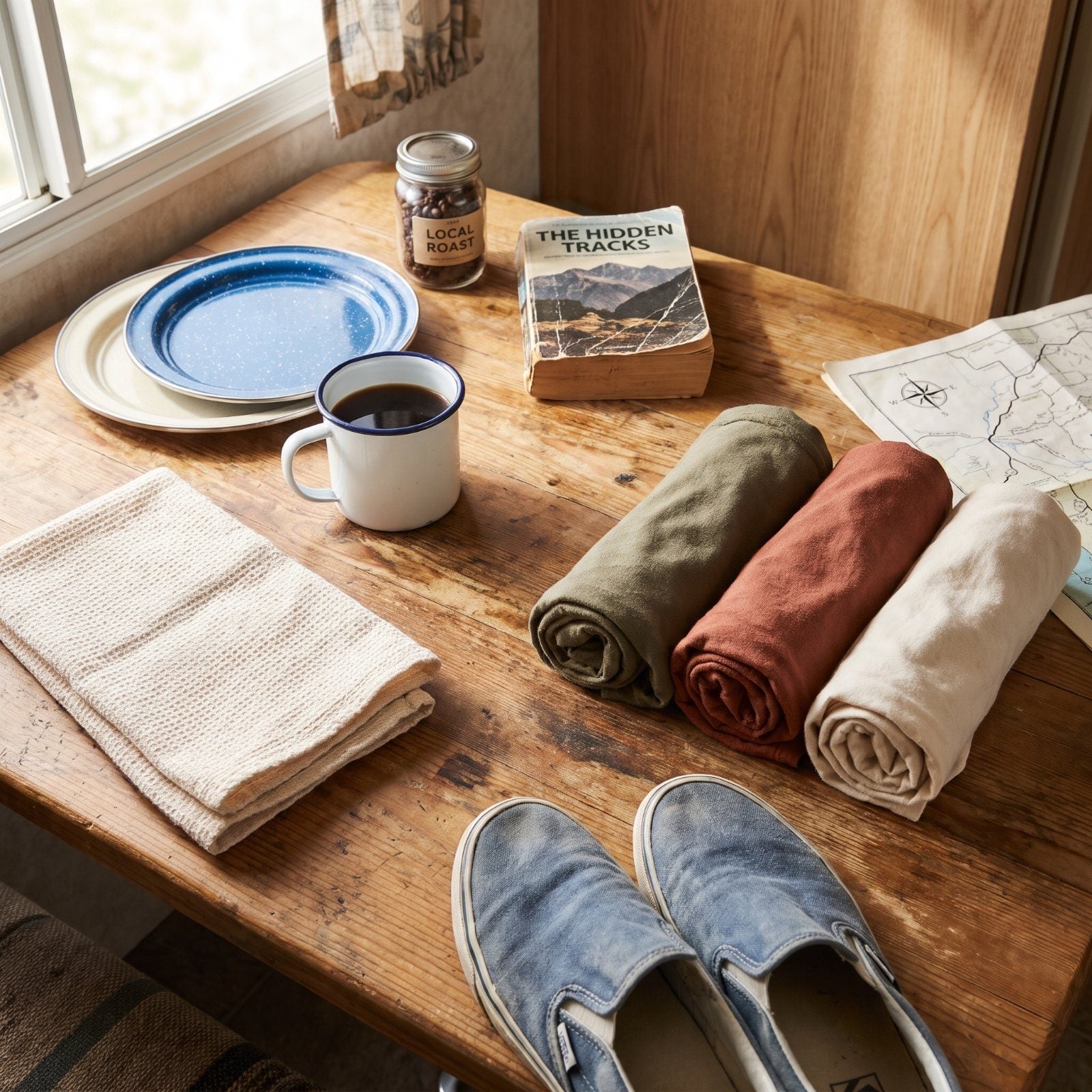
The first week in an RV, you miss things. By the second week you’ve stopped noticing you miss them, and by the end of the month you can’t quite remember why they mattered. Something strange happens when your whole life fits into 200-odd square feet on wheels. The stuff that used to feel essential turns out to be optional, and worries you carried around for decades just quietly dissolve. We’ve watched it happen to full-timers and weekenders alike. Below are the habits, possessions, and anxieties that fall away once you’ve actually lived the life for a while.
Please note that some of the images in this article were created with the assistance of AI.
24. The Long, Hot, Unlimited Shower
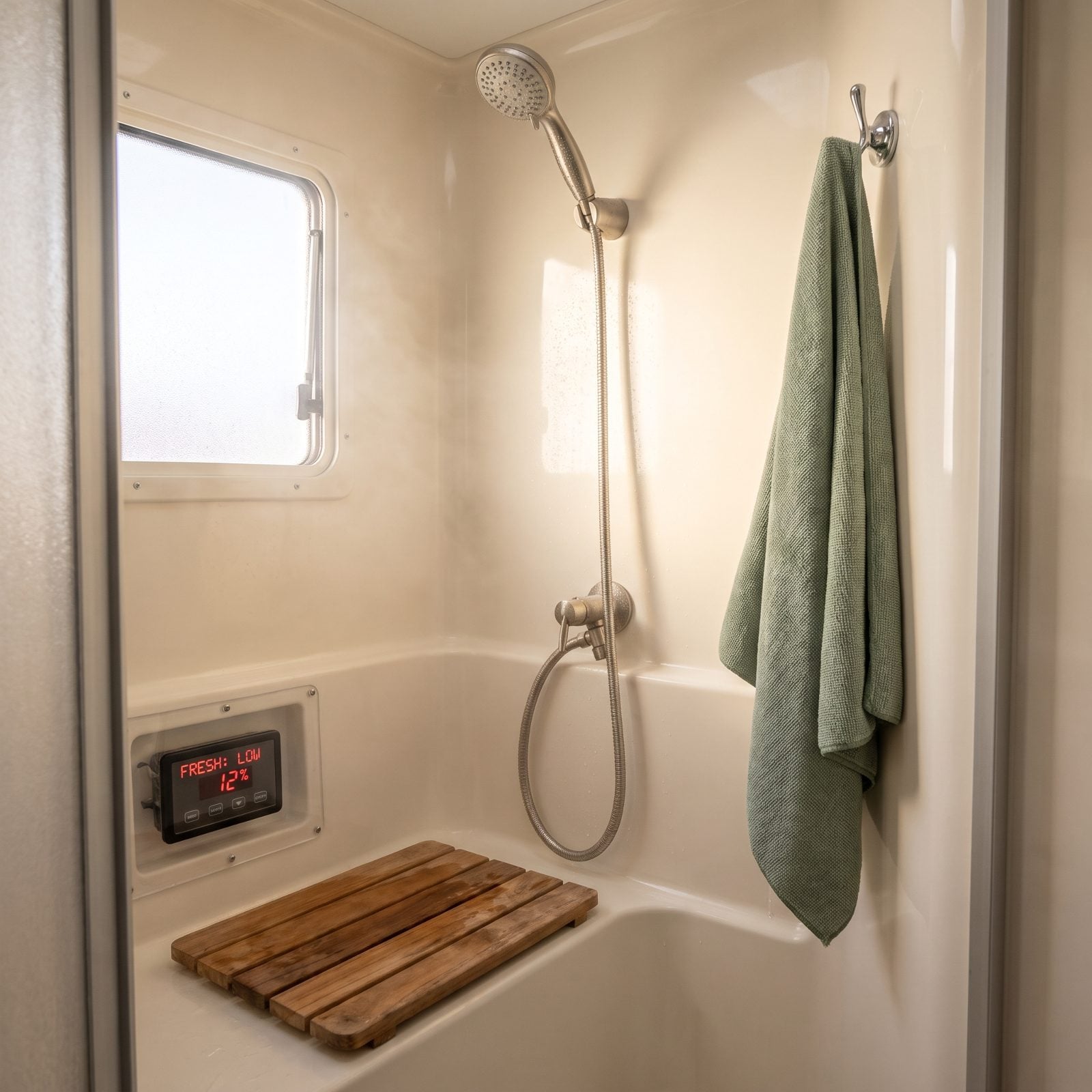
You will learn exactly how much water your tank holds. Not as a number on a spec sheet, but as a feeling in your shoulders when the pump starts sucking air.
The long shower is the first casualty, and honestly, you won’t mourn it. The navy shower becomes your whole routine: wet down, kill the valve, lather, rinse, out in a few minutes. Fresh water runs out and gray water needs somewhere to go. A month in, you’ll do a full wash in less water than most people waste standing around waiting for the tap to warm up.
23. Wearing a Fresh Outfit Every Single Day
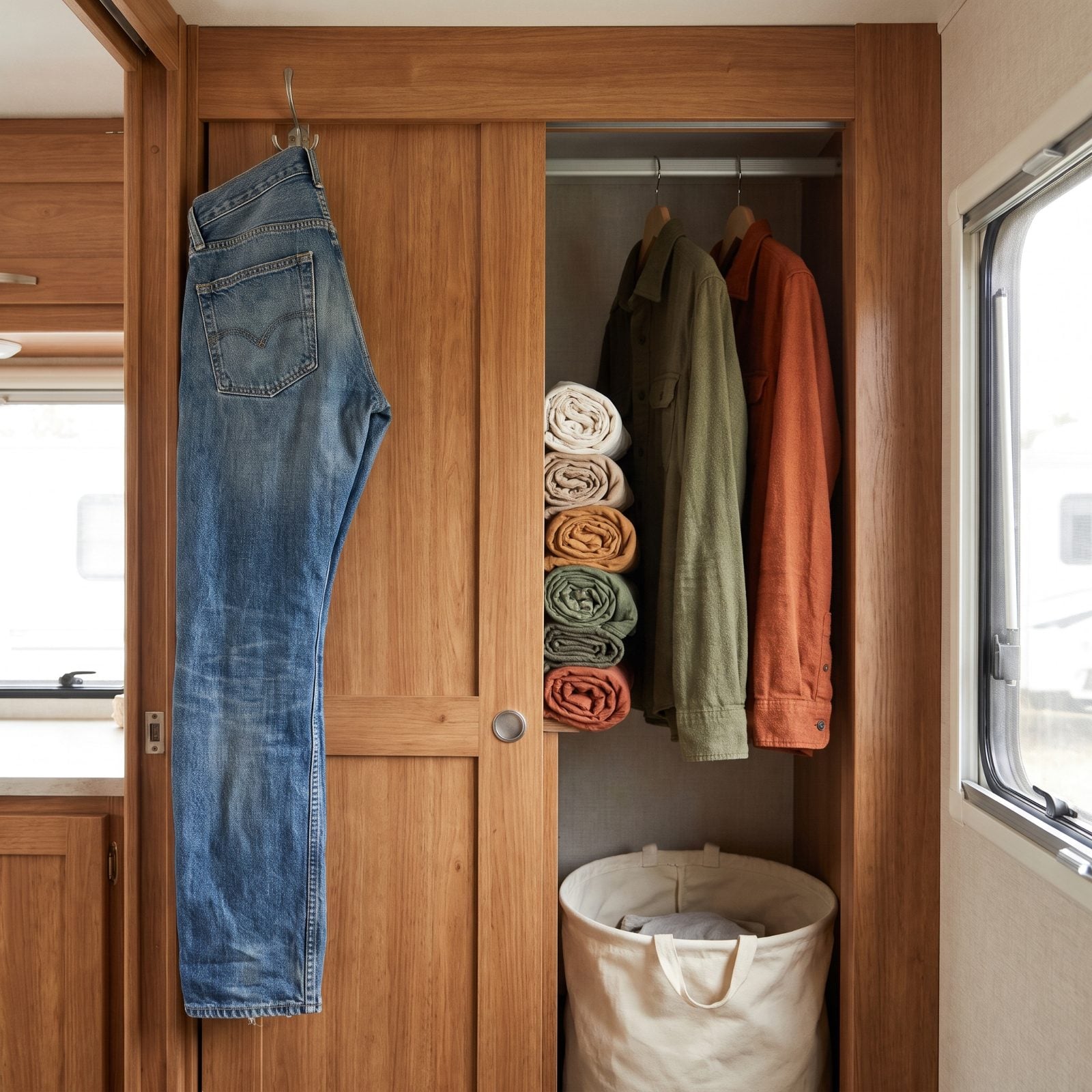
Nobody at the campground is tracking your rotation. That’s the quiet freedom of it.
With a wardrobe the size of a gym locker, the daily-fresh-outfit habit gets absurd fast. You find your uniform instead — a few shirts that go with everything, one good pair of jeans, a flannel for cold mornings. You wear things twice, air them out on a hook by the door, and discover the world does not end. All that mental energy you used to spend standing in front of a closet comes right back to you, and that was never a small thing.
22. A Closet Full of Clothes You Never Wear
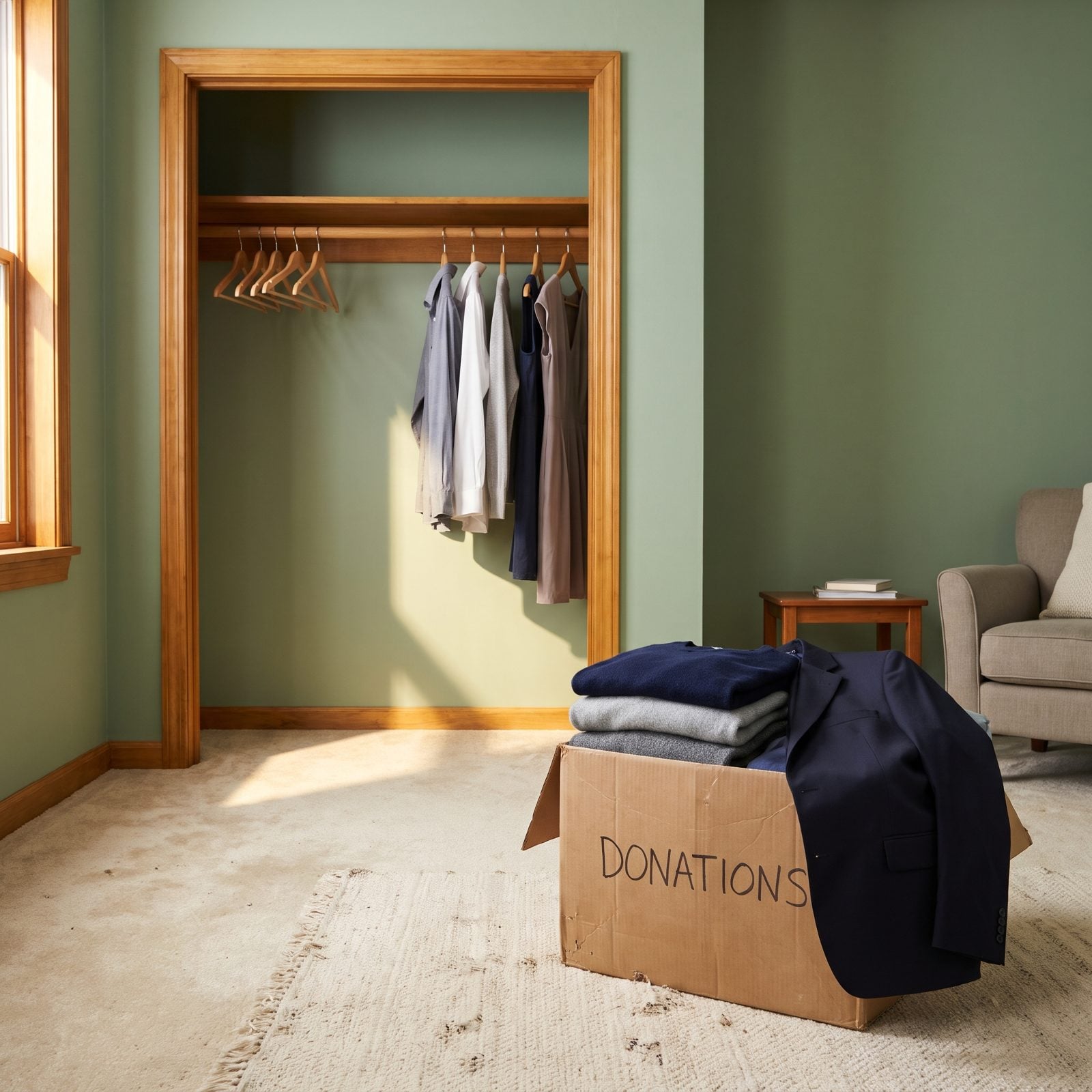
You owned clothes for a person who didn’t exist. The blazer for the job you quit. The dress for the event that never came. The jeans from two sizes ago, kept around like a threat.
Downsizing into an RV forces the reckoning most people dodge their whole lives, because there’s simply no room to store aspirational guilt. Give it all away, live a month without it, and the idea of a closet packed with unworn clothes stops looking like security and starts looking like dead weight you’d been dragging behind you. You won’t miss a single piece. Most people who downsize say the same, even the ones who were dead certain they would.
21. Owning More Than a Few Pairs of Shoes
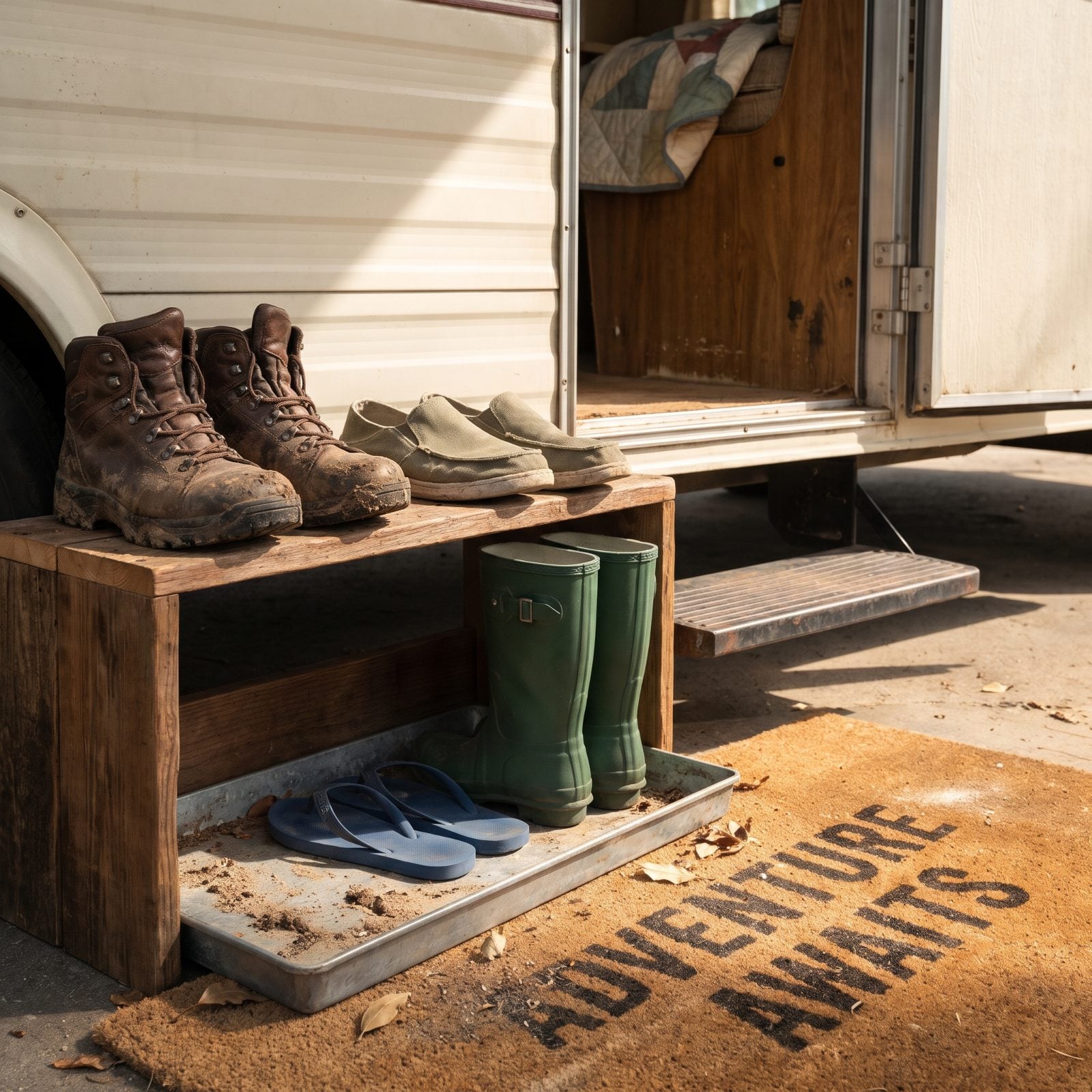
Four pairs. Maybe five, if you count the fancy ones you’ll regret packing.
Hiking boots for the trail, slip-ons for the camp store run, flip-flops for the shower house, and something for rain covers just about everything RV life throws at you. There’s no coat closet floor to pile a dozen pairs onto, and no reason to want one. Shoes are heavy, they hold dirt, and every pair you don’t own is a pair you don’t have to find a home for in a rig where everything has exactly one spot.
20. A Spotless, Dust-Free Living Space
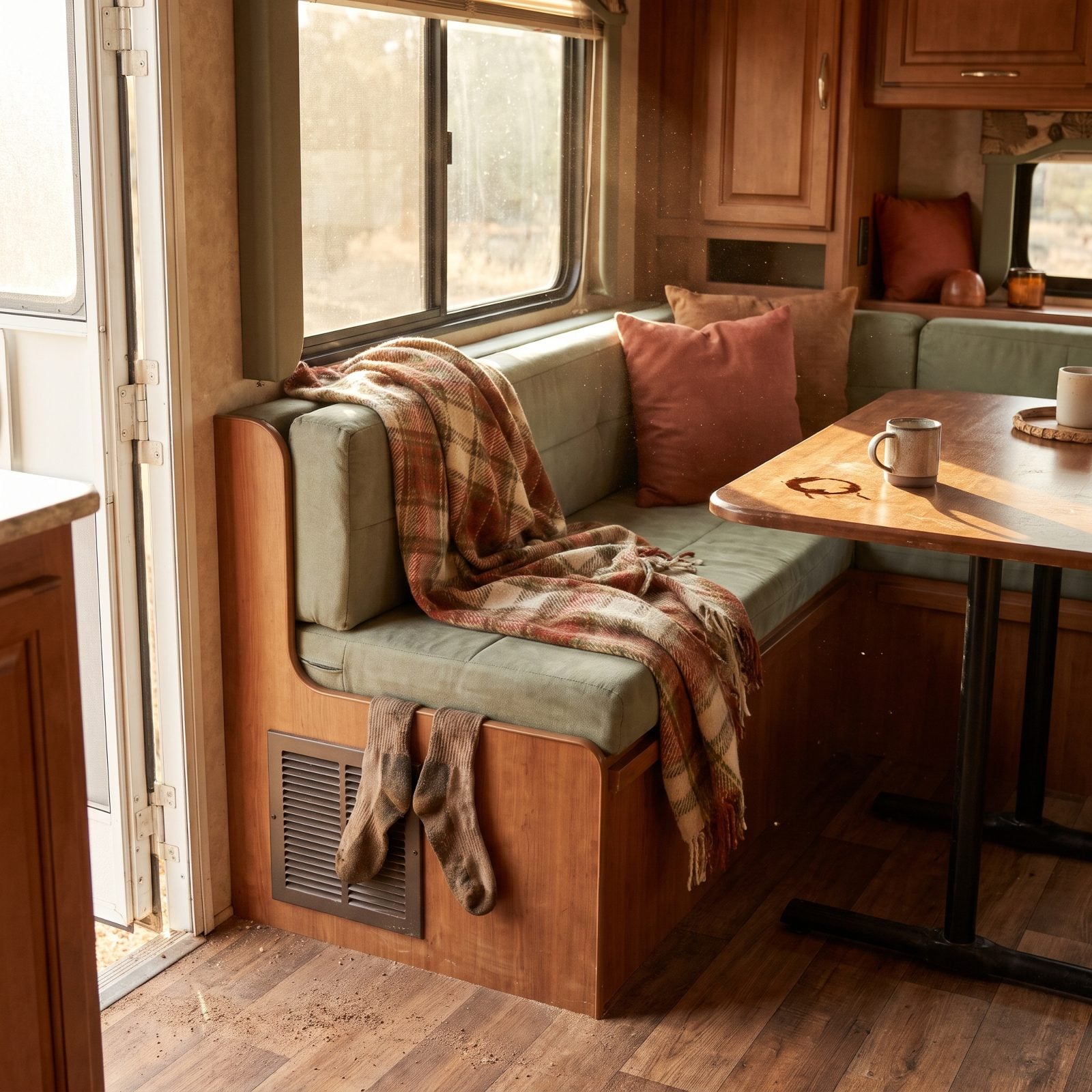
Dust is coming in no matter what you do. Park near a dirt road, open the door forty times a day, track in half the trail every afternoon — the spotless-home standard simply cannot survive an RV, and a month in you quit fighting it.
What takes its place is better. A quick sweep, a wipe of the counters, done. The whole place cleans in ten minutes because there isn’t much of it. You trade the Saturday deep-clean dread for a daily tidy that takes less time than your old vacuum needed to warm up. Perfectly clean was always more about anxiety than hygiene anyway.
19. A Perfectly Matching Dinnerware Set
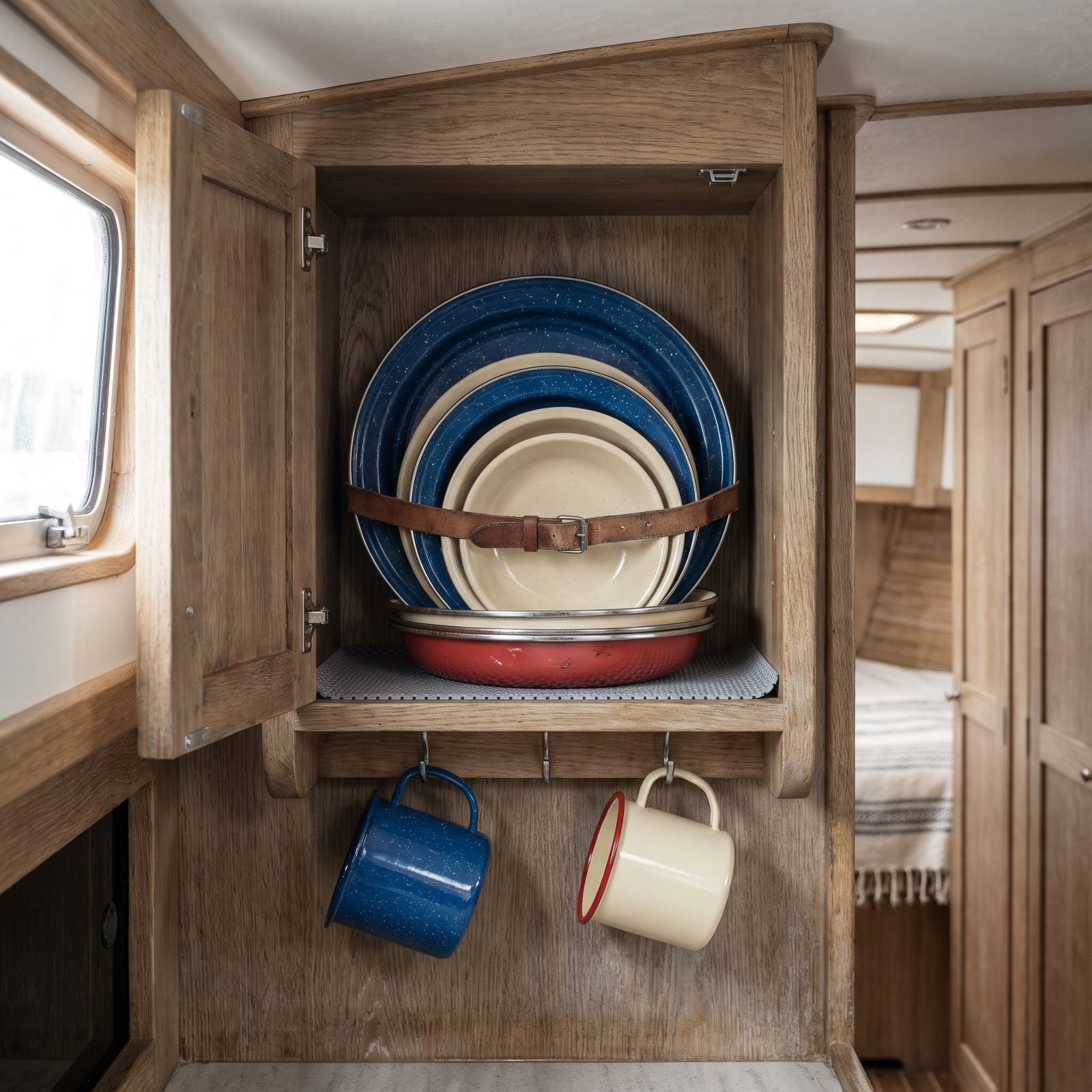
The matching set was for company you no longer have over the way you used to.
RV dishes answer a different set of rules: they can’t shatter on a mountain road, they have to nest tight to save space, and they have to shrug off being banged around in a cabinet. So you wind up with melamine, enamel, a couple of camp mugs — none of it matching, all of it loved. Nobody eating a one-pan dinner at a picnic table has ever once wished the plates coordinated. The matched set was a performance, and the audience left years ago.
18. Dozens of Condiments and Pantry Extras
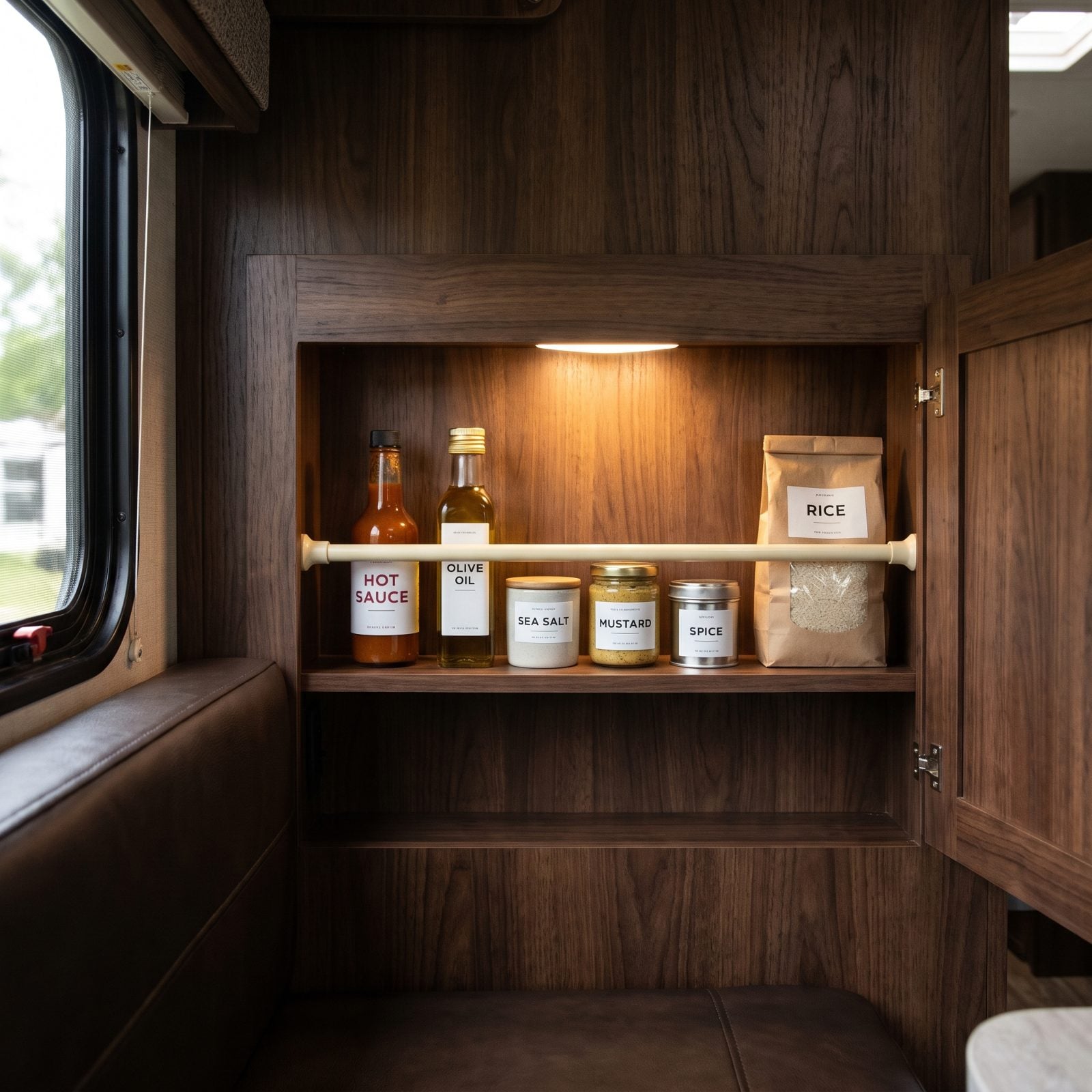
Back home your fridge door was a graveyard of half-used sauces, three kinds of mustard, that chutney someone gifted you in 2019. In an RV, the fridge door barely holds a week of real food.
Every jar has to earn its spot. You learn the handful of condiments you actually use and the rest never get bought again. The pantry shrinks to staples — oil, salt, a good hot sauce, whatever spice you reach for daily. And when you do want something specific, the camp store or the next town’s grocery is right there. Stockpiling made sense when the store was a long drive away. It makes no sense when the whole point is moving.
17. The Latest Kitchen Gadgets
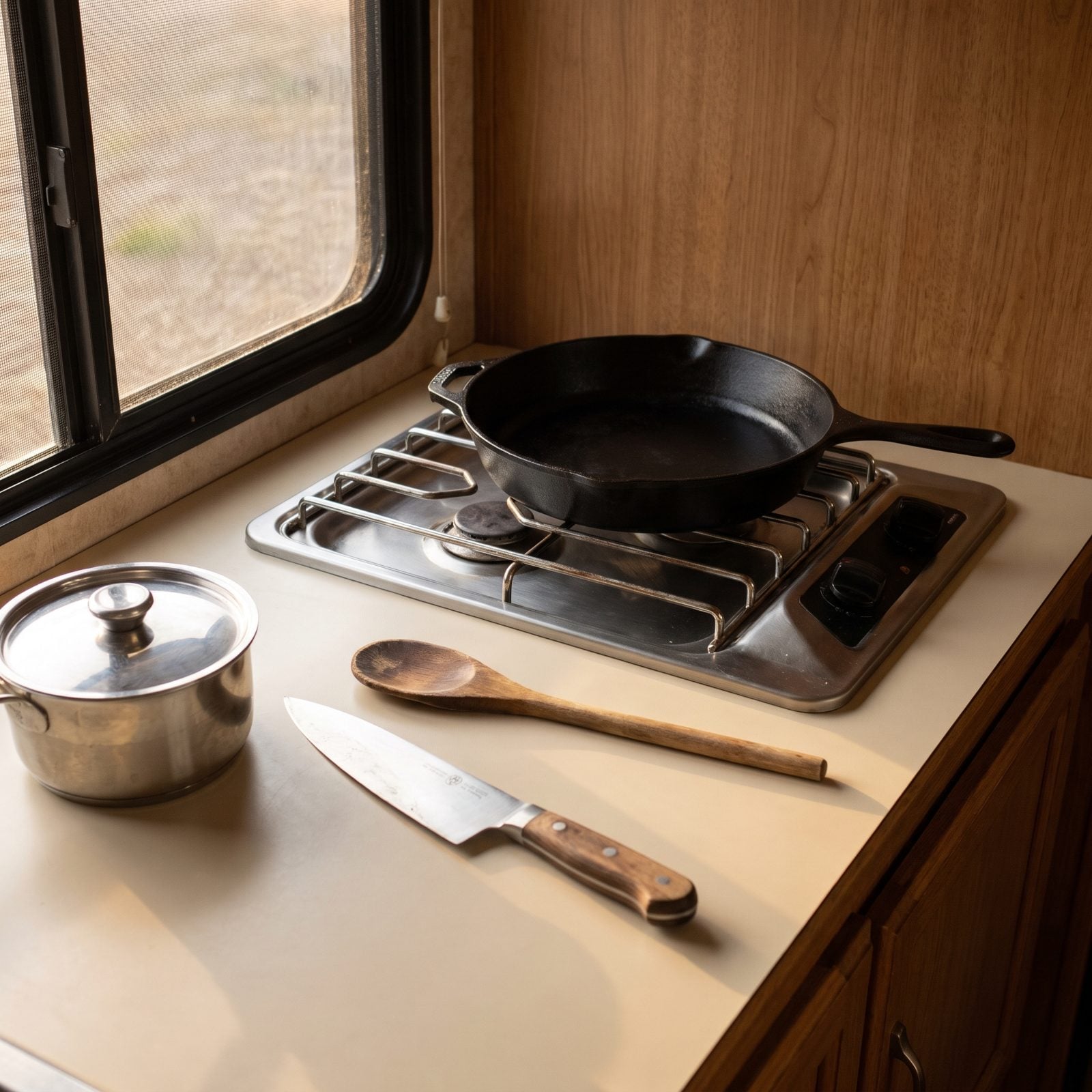
There’s nowhere to stash an air fryer, a stand mixer, a bread machine, and a specialized avocado slicer. Thank goodness.
RV cooking strips you back to the tools that do real work: one good knife, a cast iron skillet, a pot, a wooden spoon. Turns out most gadgets were solving problems you didn’t have — bought on a wave of some Sunday afternoon and used twice. A month in, you’re cooking better meals with less equipment than you’ve ever owned, and your counter is finally clear enough to actually cook on.
16. A Formal Dining Table and Chairs
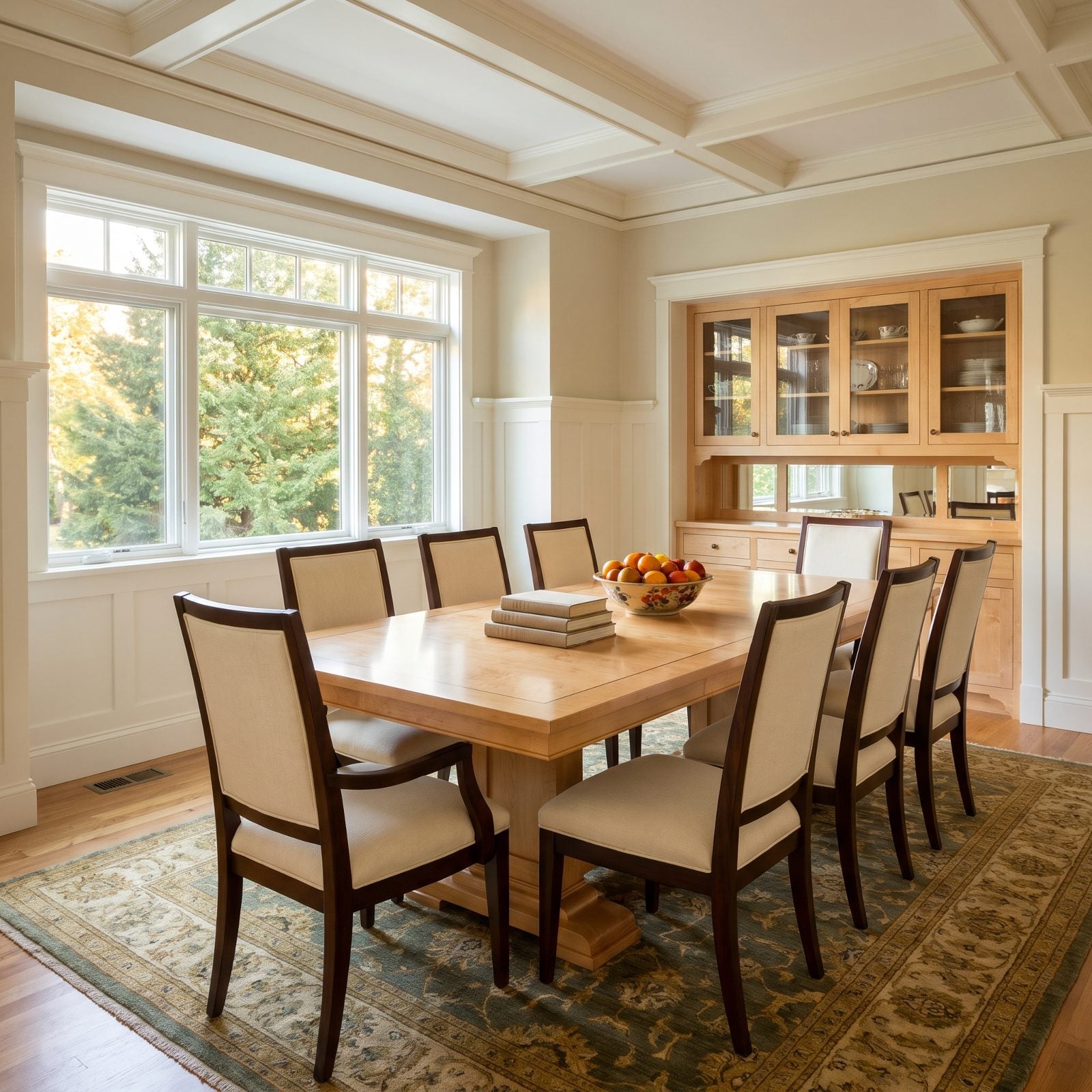
The dinette folds into a bed. That one fact ends the formal-dining debate forever.
Every surface in an RV does at least two jobs, and a table whose only purpose is looking proper at Thanksgiving is a luxury the square footage can’t carry. What you get instead is the best dining room you’ve ever had: a camp chair, a plate on your knees, a view of actual mountains or a lake going pink at dusk. The formal table was about impressing guests. The folding dinette is about eating dinner while a hawk circles overhead. You’ll know which one to pick.
The formal table was about impressing guests. The folding dinette is about eating dinner while a hawk circles overhead.
15. A Dedicated Room for Every Activity
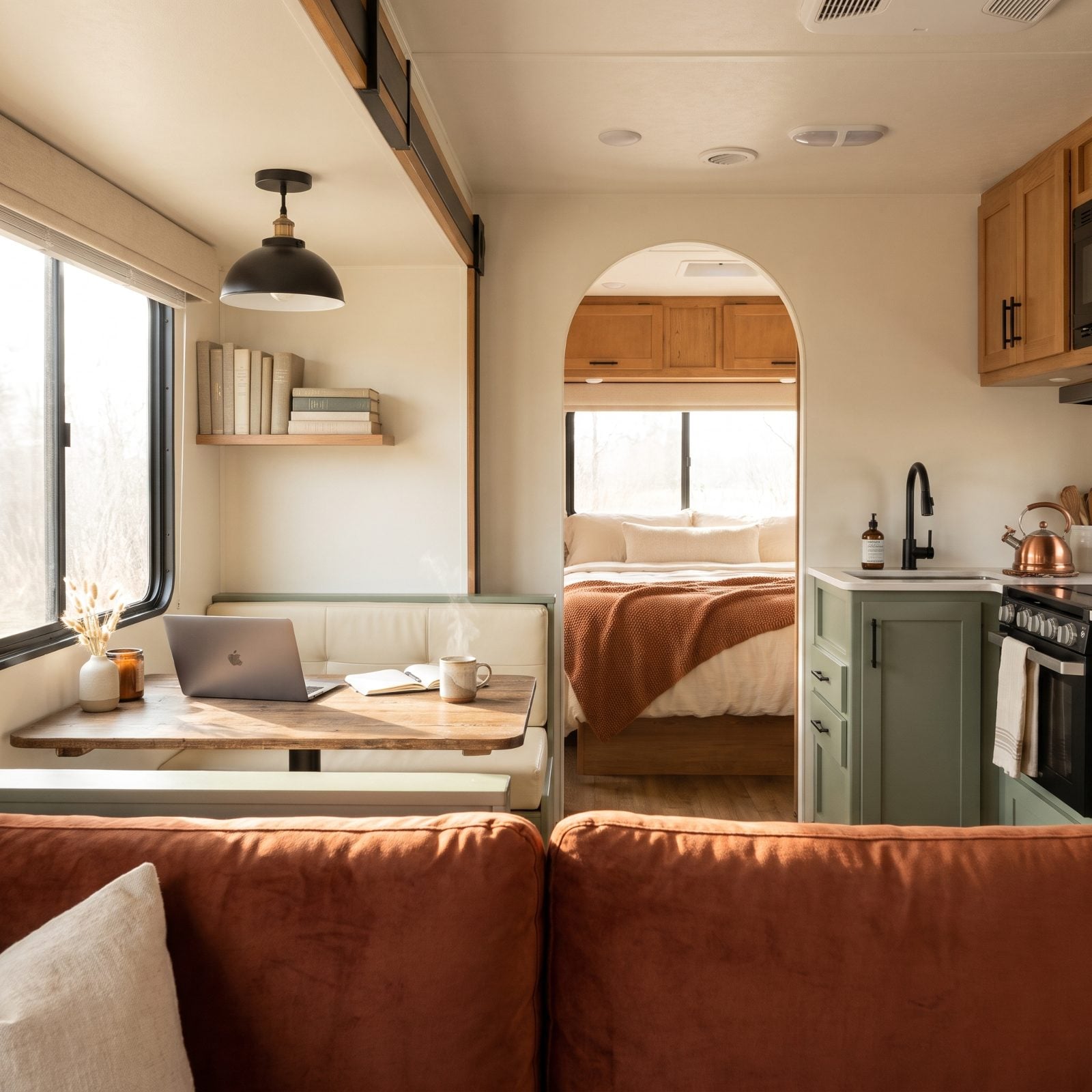
Office, dining room, bedroom, den. In a house those were four rooms. In an RV they’re the same six feet of floor wearing different hats as the day goes on.
Your dinette is a desk at nine, a lunch table at noon, a card table at night. The whole idea of a room existing for one purpose starts to feel wildly wasteful once you’ve lived without it. You quit thinking in rooms and start thinking in moments — and the strange part is you never feel cramped. The outdoors becomes your biggest room. The firepit is the den, the trail is the gym, the lake is the whole back forty.
14. Matching Bath Towels and Decorative Throws
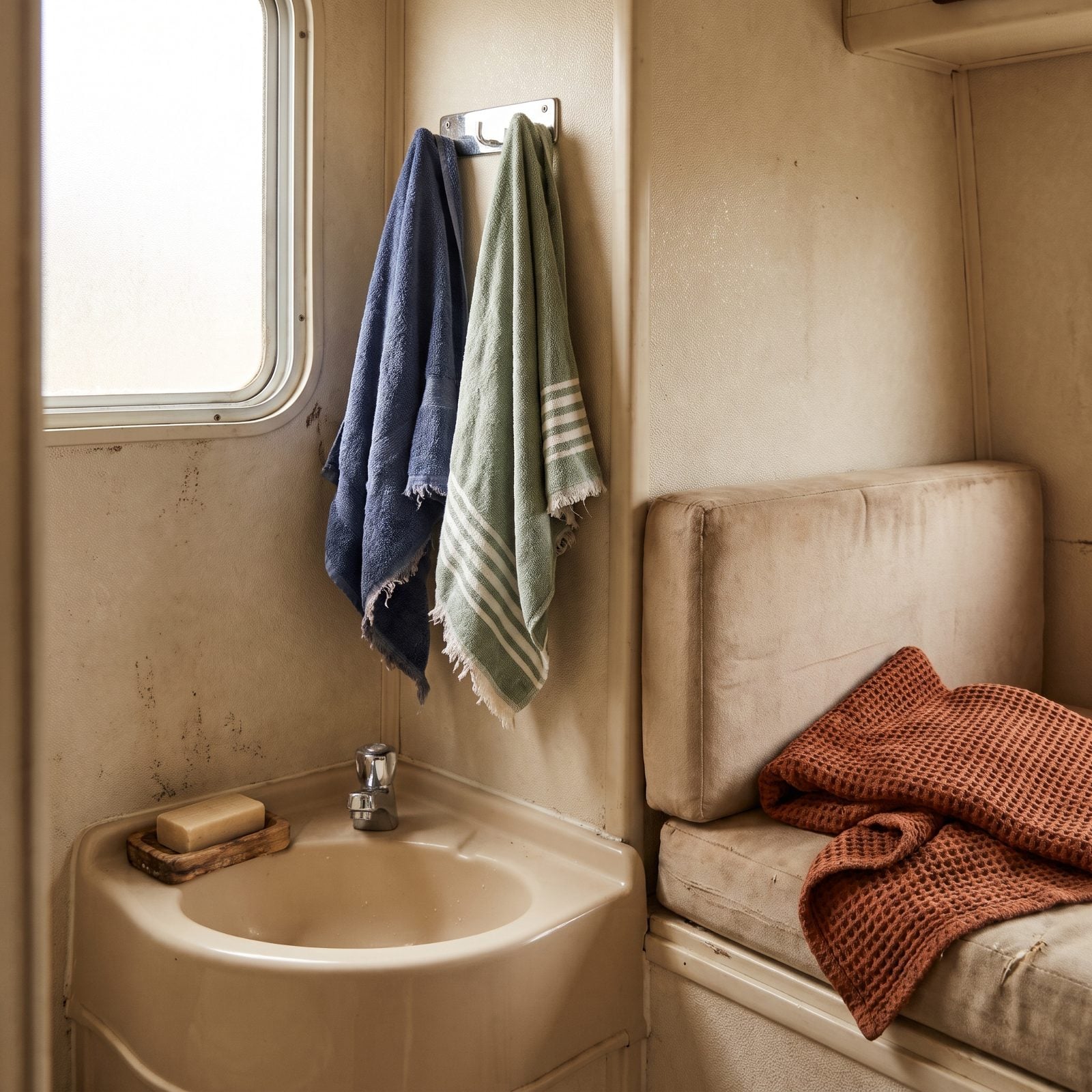
You pack matching towels because that’s what a home has. Then you live in 230 square feet and realize nobody’s coming to inspect your linen closet, mostly because you don’t have one.
What matters out here is whether the towel dries fast in a space with zero airflow, and whether it packs down small. That decorative throw you brought for ambiance? It becomes the thing you grab when the furnace can’t keep up at 2 a.m. in Flagstaff. Stops being decor the first cold night.
13. Keeping Souvenirs and Knick-Knacks
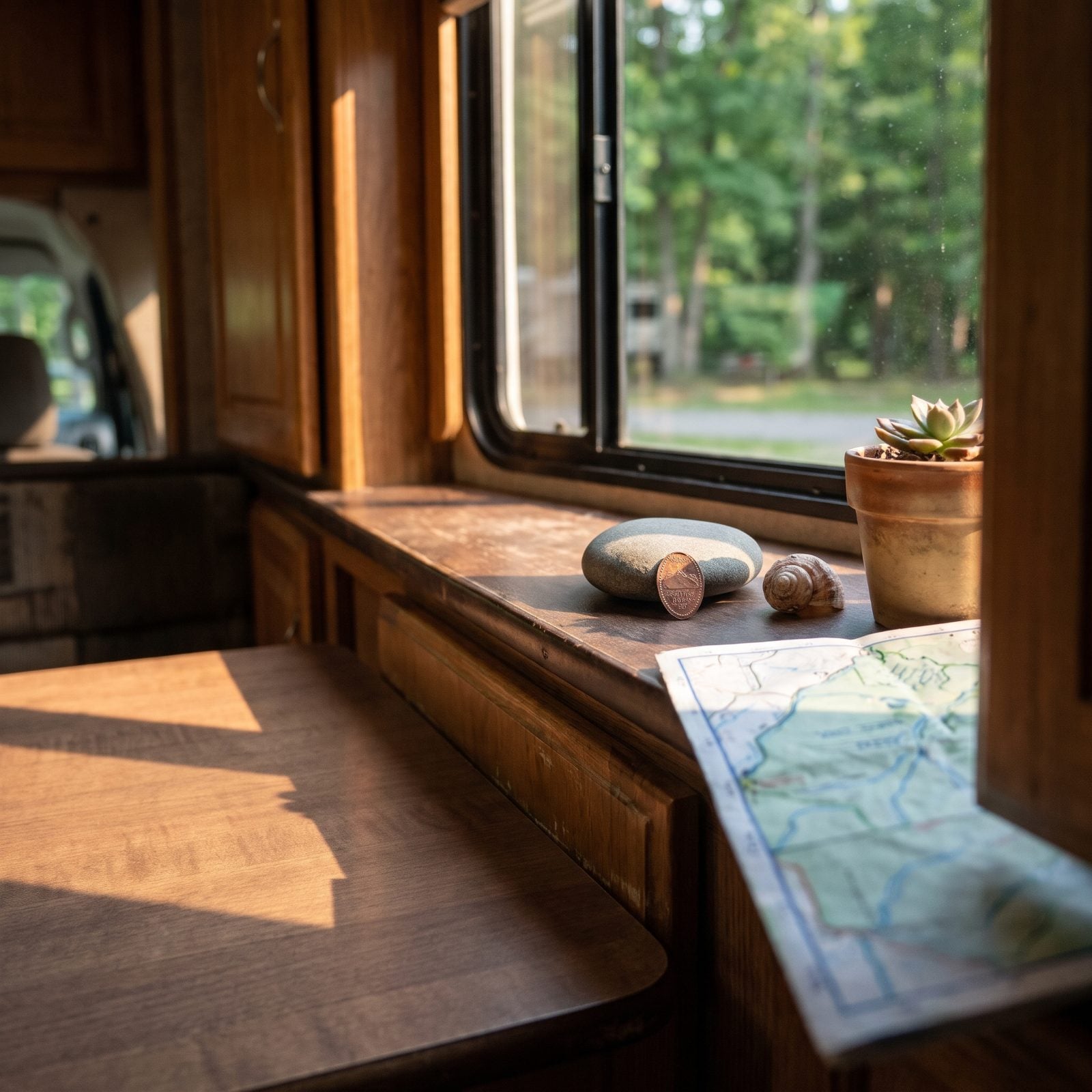
Every shelf has a weight limit, and every curve in the road is a vote against anything that isn’t tied down. That ceramic mug from the cute shop in Sedona becomes a projectile the first time you take a cloverleaf too fast. Plenty of RVers learn it the hard way, picking shards out of the galley sink in a gas station parking lot.
So you stop buying the thing. You take the photo instead, or grab a sticker for the window, or spring for something you’ll actually use. The memory was never living in the object. It lived in the afternoon you spent there.
12. A Garage Full of Tools and Junk
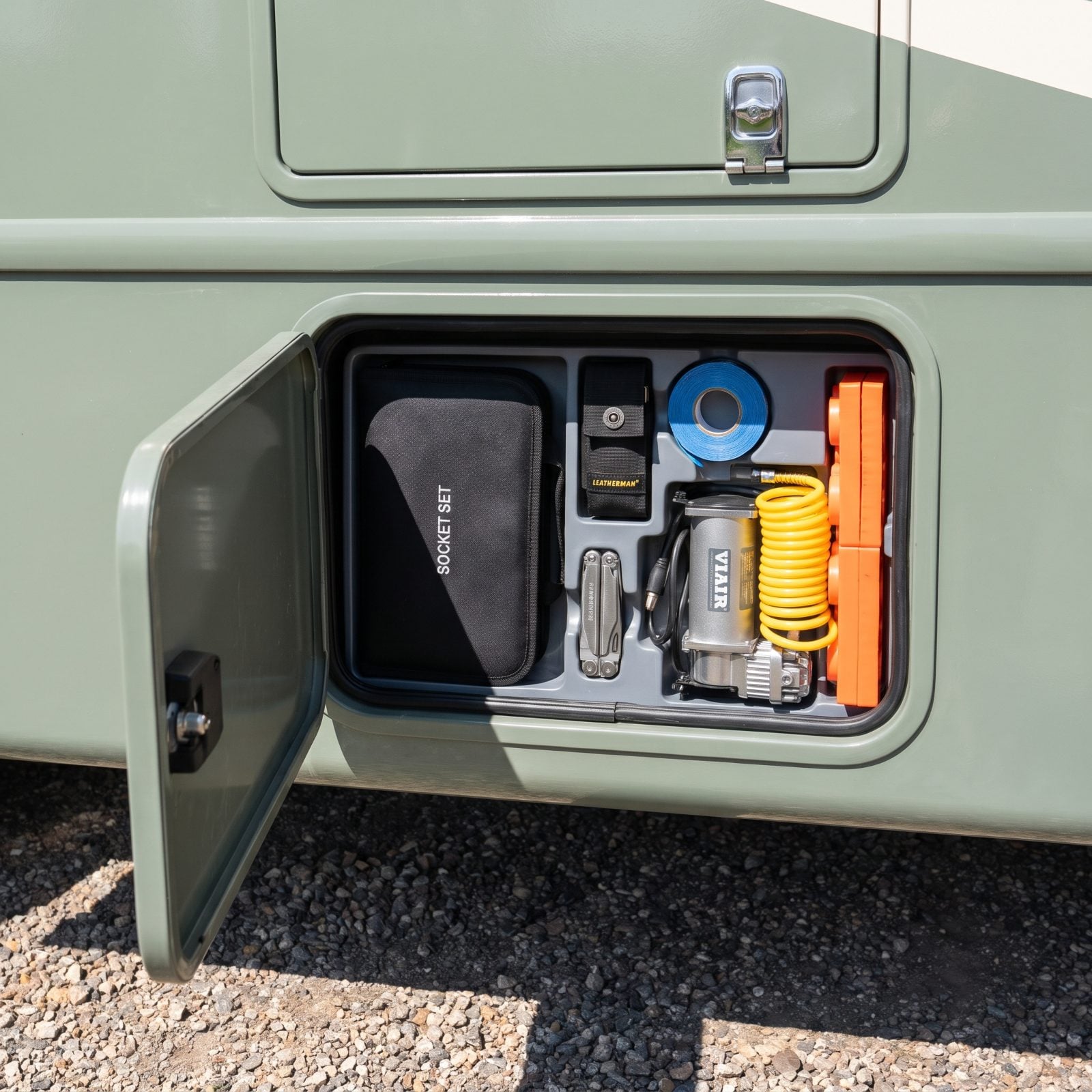
You had a whole wall of tools. Pegboard, the silhouette outlines, the works. Then you tried to cram three decades of “might need it someday” into a basement bay roughly the size of a large cooler.
Turns out you need maybe a dozen things: a good socket set, a multi-tool, self-fusing silicone tape for leaks, a compressor, and the one wrench that fits your sewer and water fittings. The table saw was a hobby pretending to be a necessity. Whatever you actually have to fix on the road, you can fix with what packs into one drawer and a bag.
11. The ‘Right’ Thermostat Temperature Debate
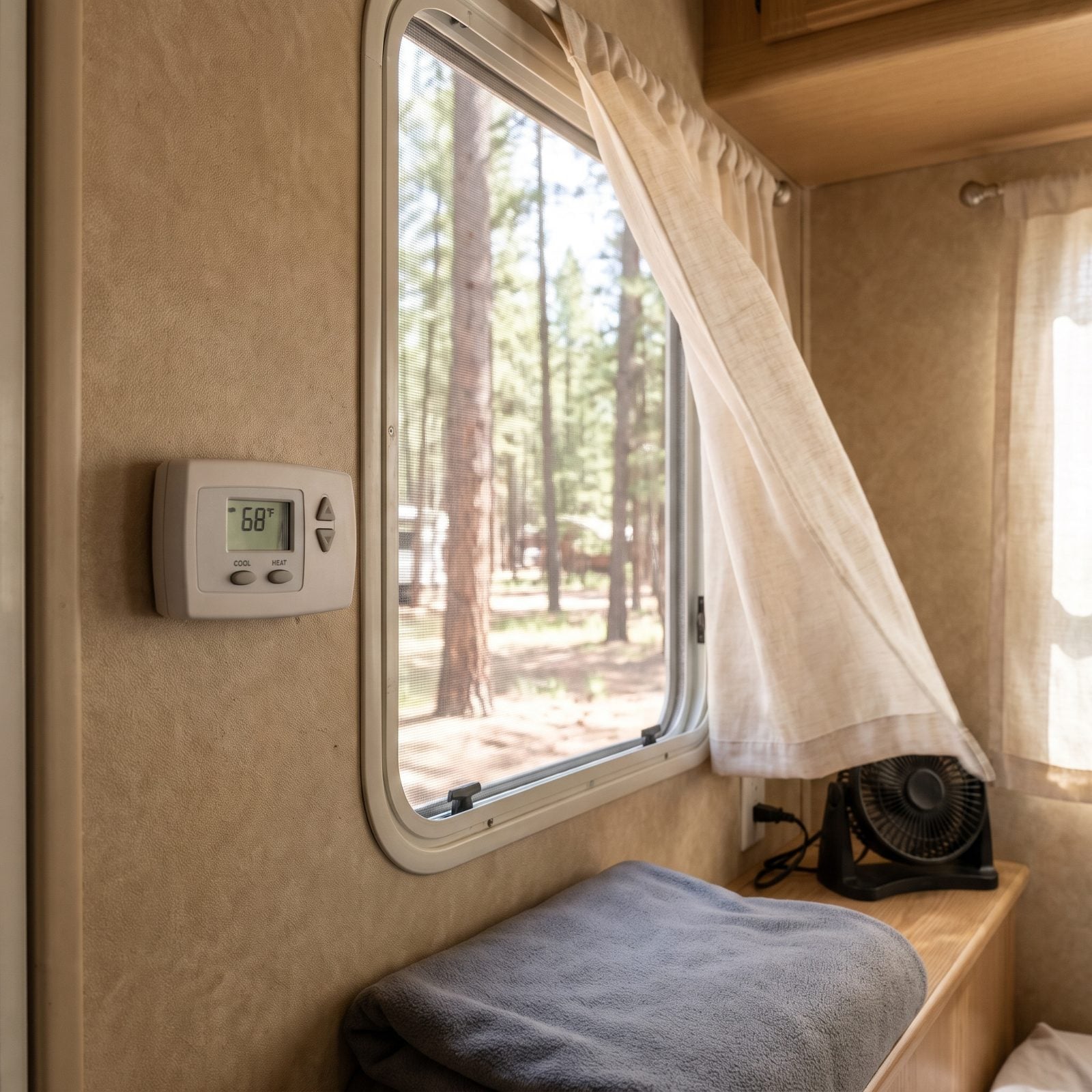
At home that thermostat was a marriage-long negotiation. Two degrees could spark a whole conversation. Out here the argument just evaporates, because you can’t run the air conditioning on battery and the furnace drinks propane fast.
So you open a window, chase the shade, park facing a certain way so the awning side stays cool by afternoon. Temperature becomes something you manage with physics and good parking instead of a number you fight over. It’s one of the quieter reliefs of the whole thing — one less thing to disagree about when you’re already three feet apart.
10. A Fixed Bedtime and Rigid Morning Routine
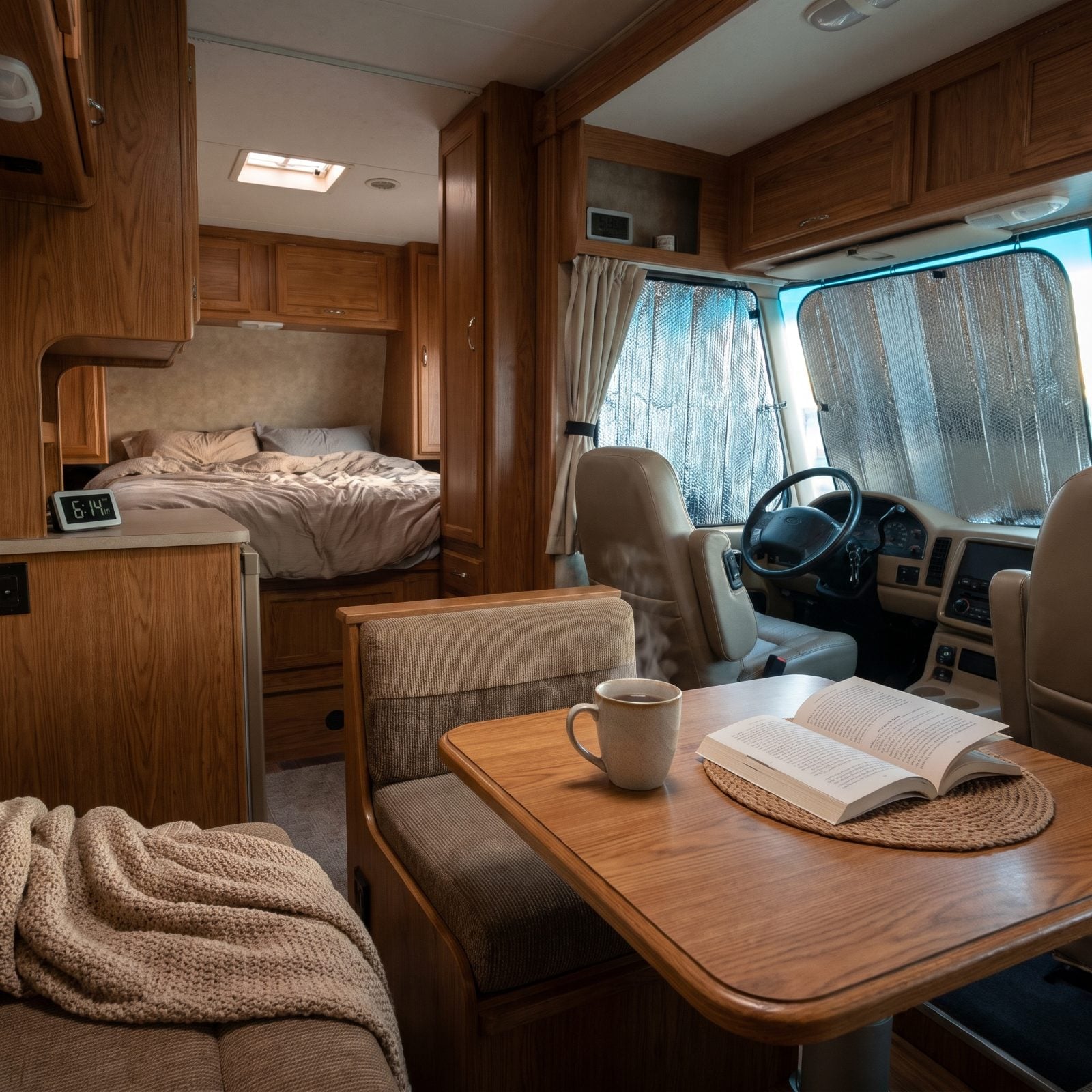
The alarm was for the commute. No commute, no alarm. The sun handles mornings now, and in summer it handles them early.
Your rhythm bends to the light and the weather instead of the clock. Up when the campground gets loud or the heat creeps in, down when the fire dies. Feels undisciplined for about a week. Then it starts to feel like how people lived before anyone invented the 7:15 train.
9. What Time It Is on a Weekday
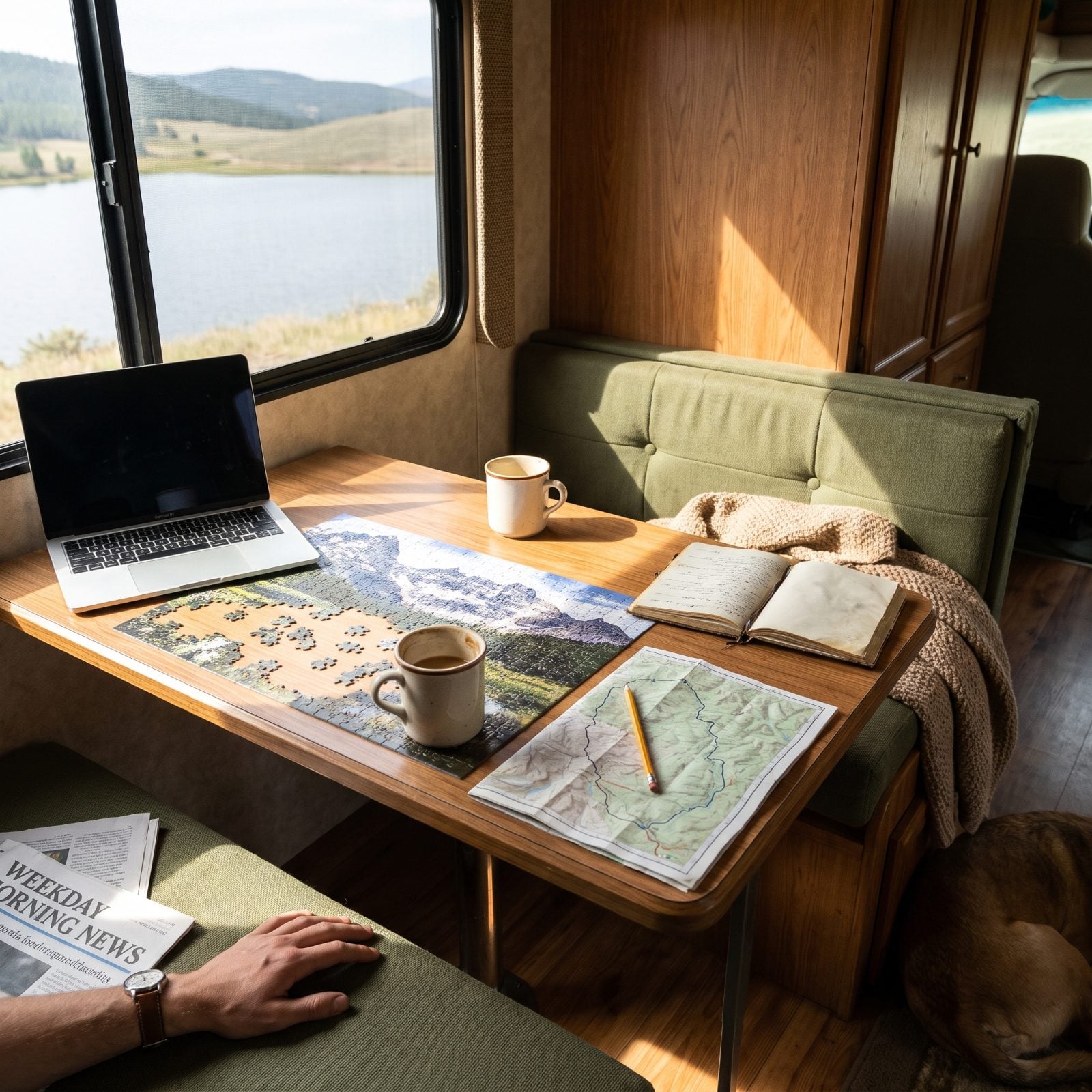
Tuesday stops meaning anything.
You’ll be mid-hike and realize you have no idea what day it is — and, more surprising, you don’t care. The whole scaffolding of the week, the dread of Monday, the relief of Friday, all of it was built around a job you may not have anymore. Without it, the days flatten into just days. Some are for driving. Some are for sitting still. The calendar that ran your life for forty years turns out to have been mostly a suggestion.
8. Weekend Plans Booked Weeks Ahead
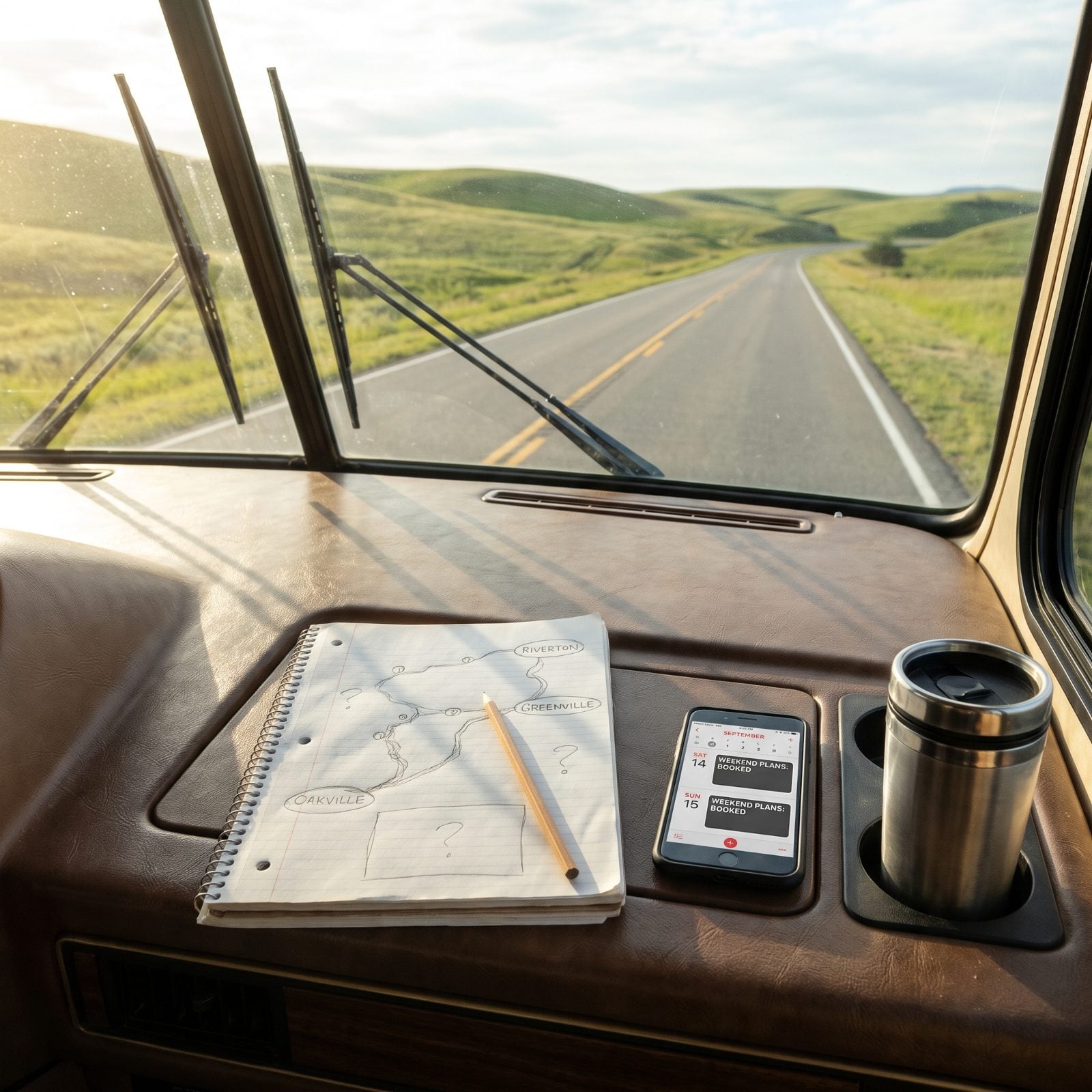
You used to guard Saturday like gold, because two days was all you got. Reservations made in February. The whole weekend accounted for before it even arrived.
Out here that habit falls away. Every day is open, so there’s no reason to lock down Saturday weeks in advance. Not knowing on a Wednesday exactly where Saturday will find you turns out to be one of the quiet comforts of this life that people rarely talk about. Plans stay loose. You sketch the towns in a notebook on the dash, pencil in a maybe or two, and let the road handle the rest.
7. Phone Notifications and Constant Connectivity
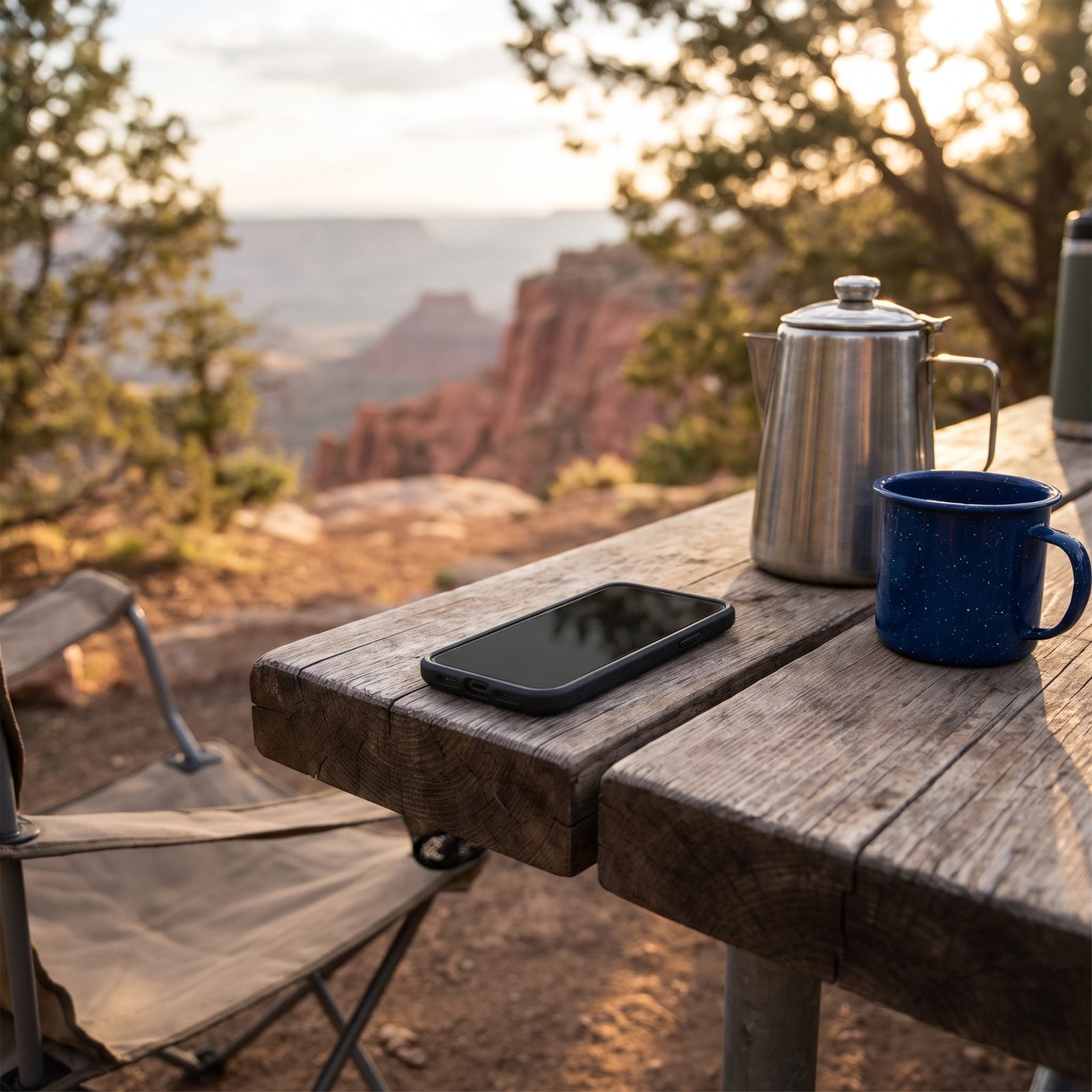
Out past the last cell tower, your phone goes quiet whether you like it or not. And after the initial twitch, you find you like it.
The notifications that felt urgent at home reveal themselves as mostly noise once you’ve been out of range a full day and nothing collapsed. You check things in bursts now, when you roll into a town with signal, instead of reflexively every ninety seconds.
6. Keeping Up With Every TV Show the Day It Airs
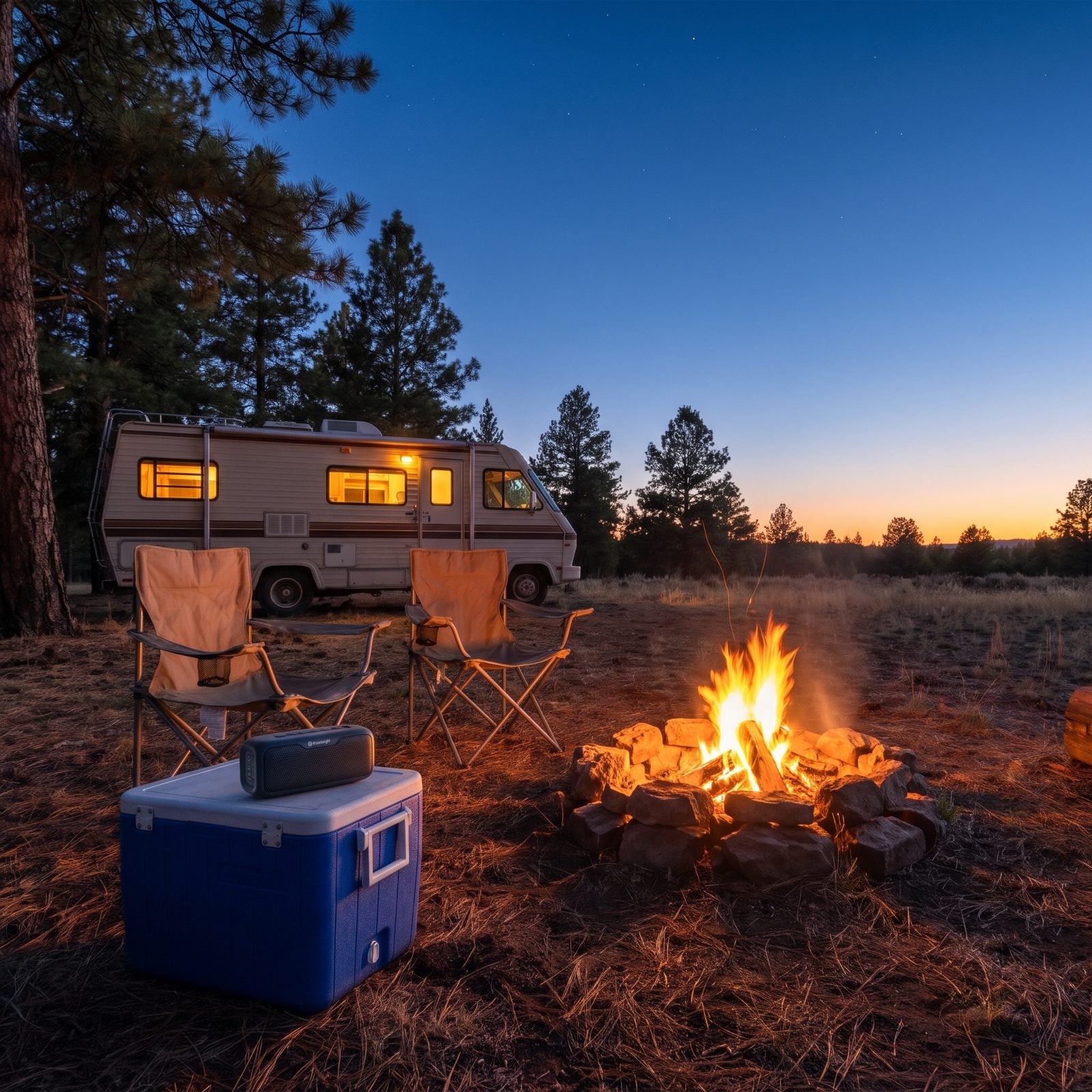
The appointment-TV reflex dies fast when your evening entertainment is a fire and a sky with actual stars in it.
You quit caring whether you catch the finale the night it drops. The spoilers you used to dodge online stop mattering, partly because you’re not online and partly because the sunset in front of you beats anything streaming. When you do want to watch something, you download it ahead on good wifi and save it for — literally — a rainy day. The culture keeps moving without you. Turns out you weren’t holding it up.
5. Checking the Mailbox Daily
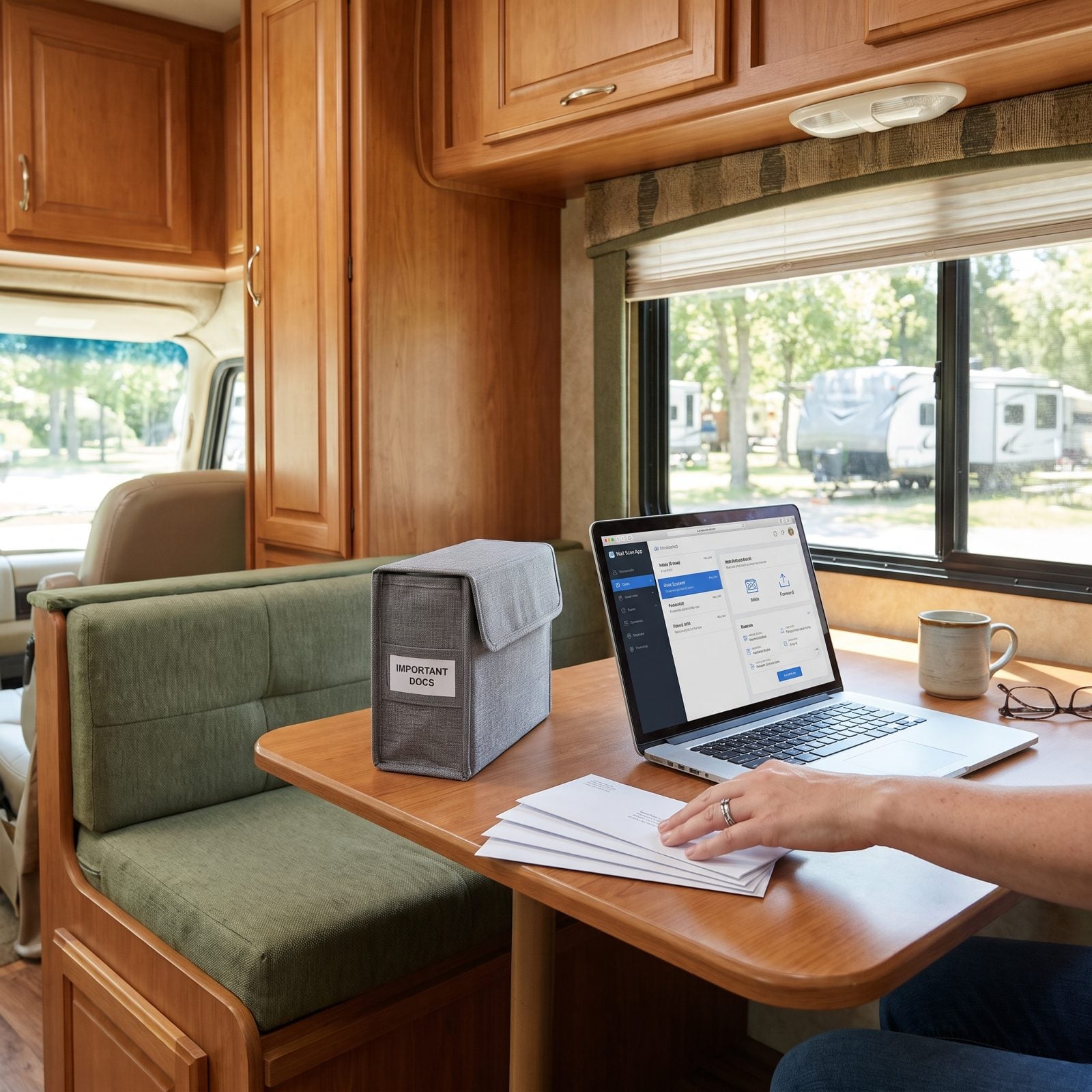
That daily walk to the mailbox, the little ritual of flipping through flyers and bills — gone, and you don’t miss it one bit.
With a mail forwarding service tied to your domicile, everything gets scanned so you see the envelope before deciding whether it’s worth opening. Most of it isn’t. You go paperless on the bills, and the few real things get forwarded to wherever you’ll be parked next week. That guilt pile on the kitchen counter? It just stops existing.
4. The $90 Salon Haircut You Suddenly Can’t Justify
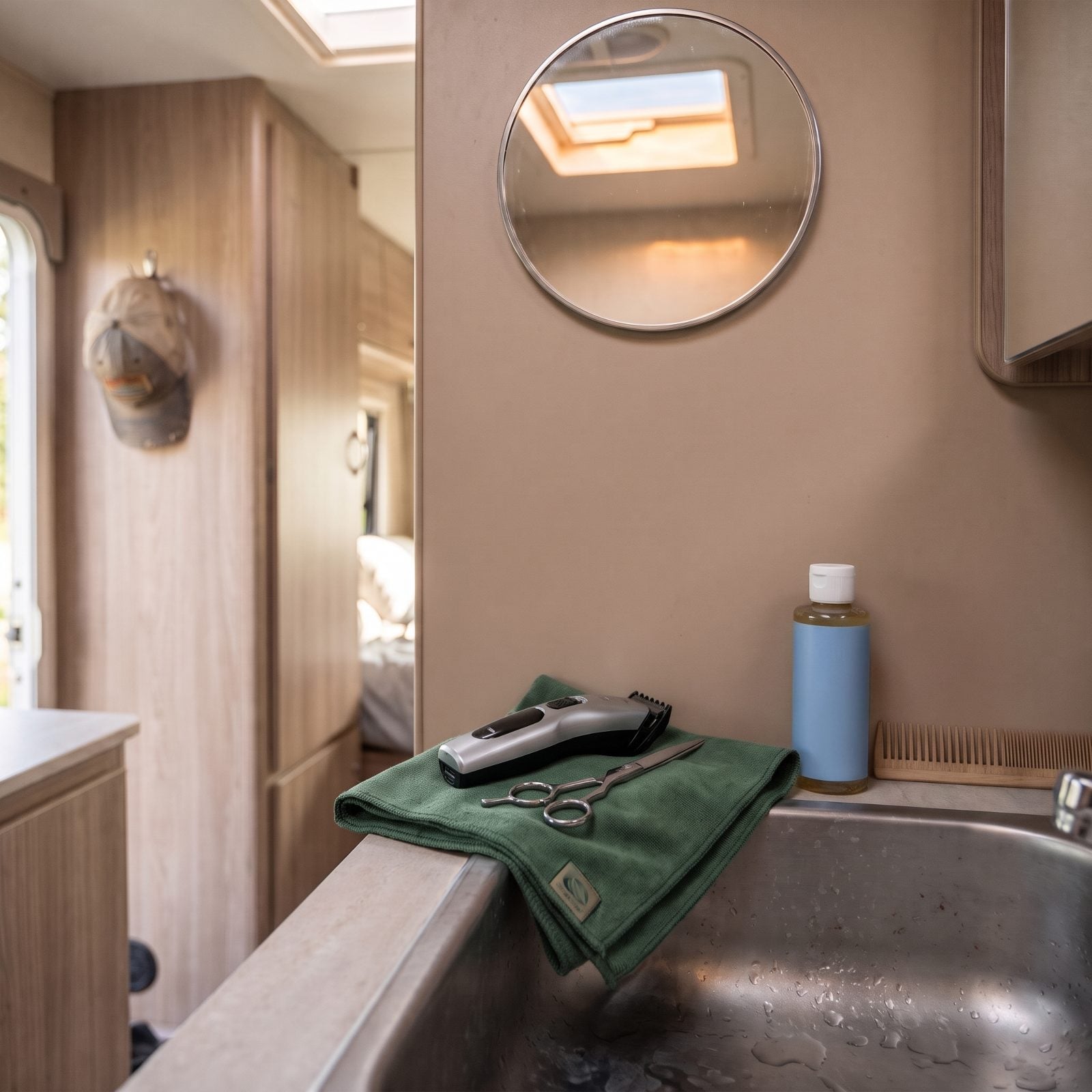
You booked the color, the cut, the blowout, every six weeks like clockwork. Then you spent a month under a sky that doesn’t care, and the whole ritual quietly lost its grip.
Out here your hair sees a baseball cap more than a mirror, and wind off a lake reorganizes it in ten seconds flat. After a few weeks you realize nobody at the campground registered whether your roots were done — and neither did you. A $20 clipper kit and your partner’s unsteady hand become the new salon. It comes out uneven. You stop minding.
3. Driving Something Shiny Nobody at the Campground Notices
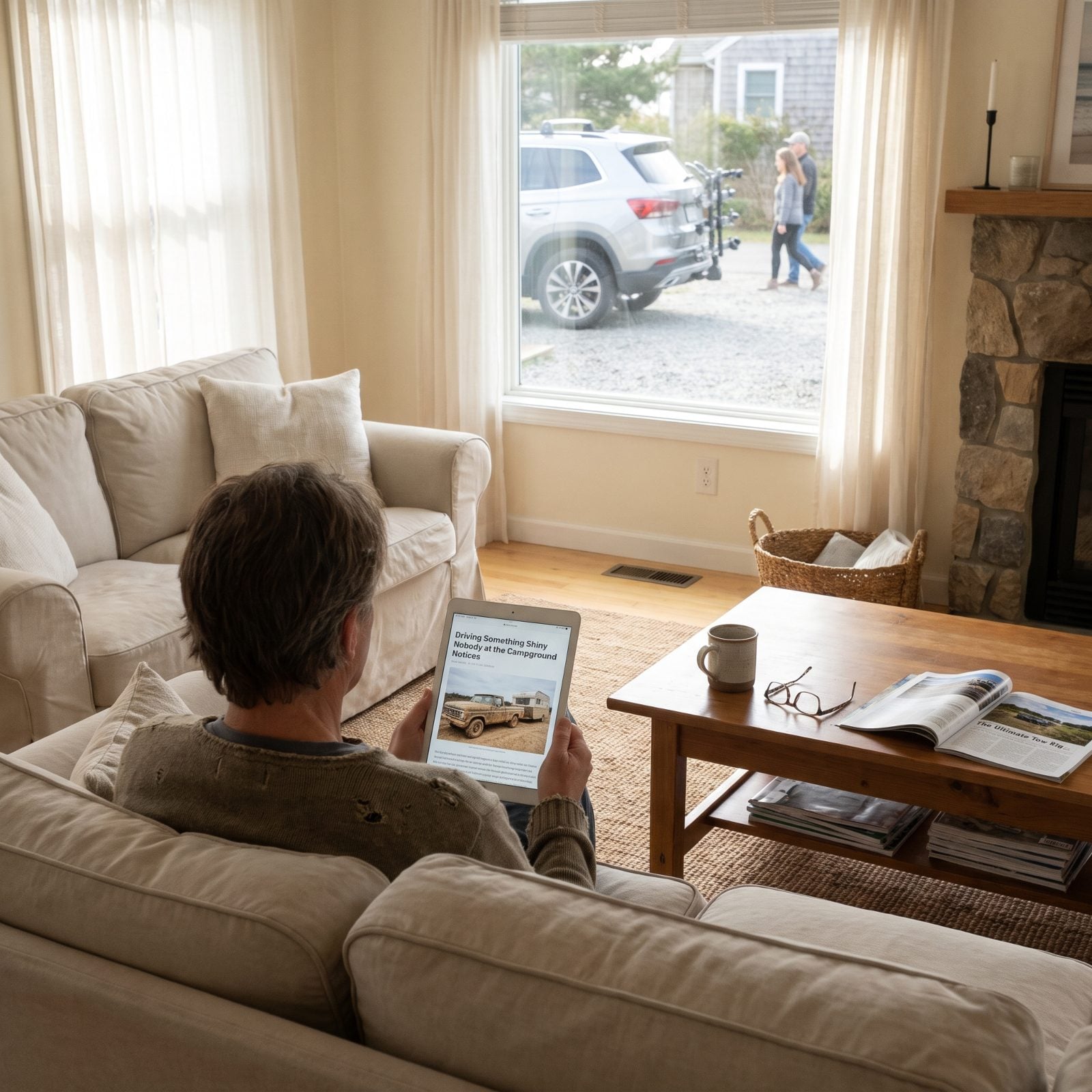
A clean car was a kind of report card. You washed it before church, parked it where the neighbors could see, and felt something when it still smelled new.
The road ends that in a hurry. Every vehicle in a campground is dusty, the bugs win, and the tires are muddy by Tuesday. Nobody walks past your rig thinking about your trim level, because they’re too busy figuring out how you fit a kayak on that roof. Status at a campground runs on different currency: how smooth your backup into a tight spot is, whether your awning holds in wind, if you’ve got a spare fuse when the neighbor’s out. The shine stops being the point. The miles become the point.
2. The Lawn Competition You Didn’t Know You’d Quit
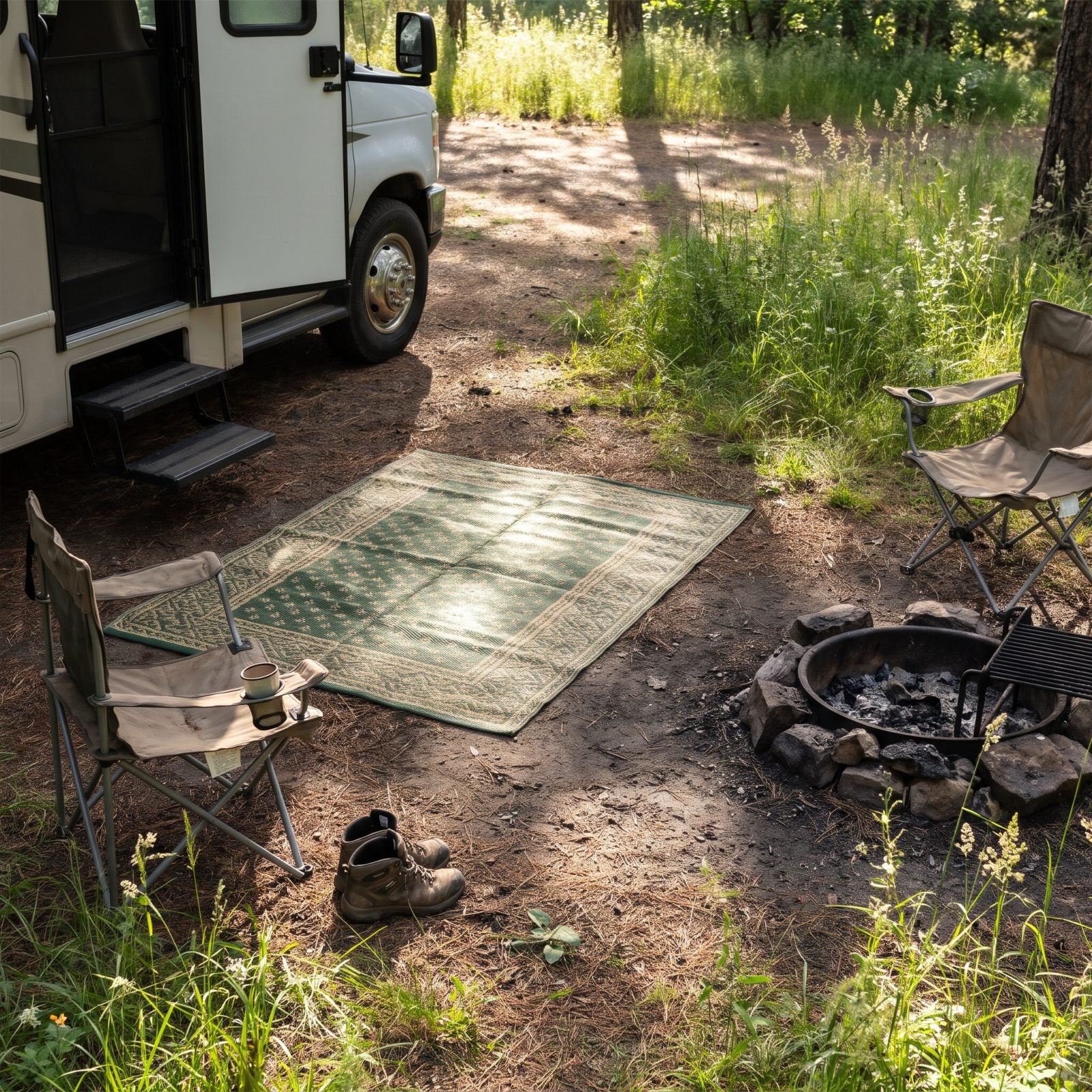
Think about every Saturday you lost to a mower, an edger, and a bag of weed-and-feed, all so the strip of grass by the mailbox could hold its own against the strip next door.
Your front yard now changes every few days. One week it’s a lake, the next it’s red rock, and there’s no edging to keep straight, no crabgrass to wage war on, no neighbor three doors down whose stripes make yours look lazy. You roll out a camp rug, set up two chairs, and that’s the whole chore.
1. What People Back Home Think of This Whole Thing
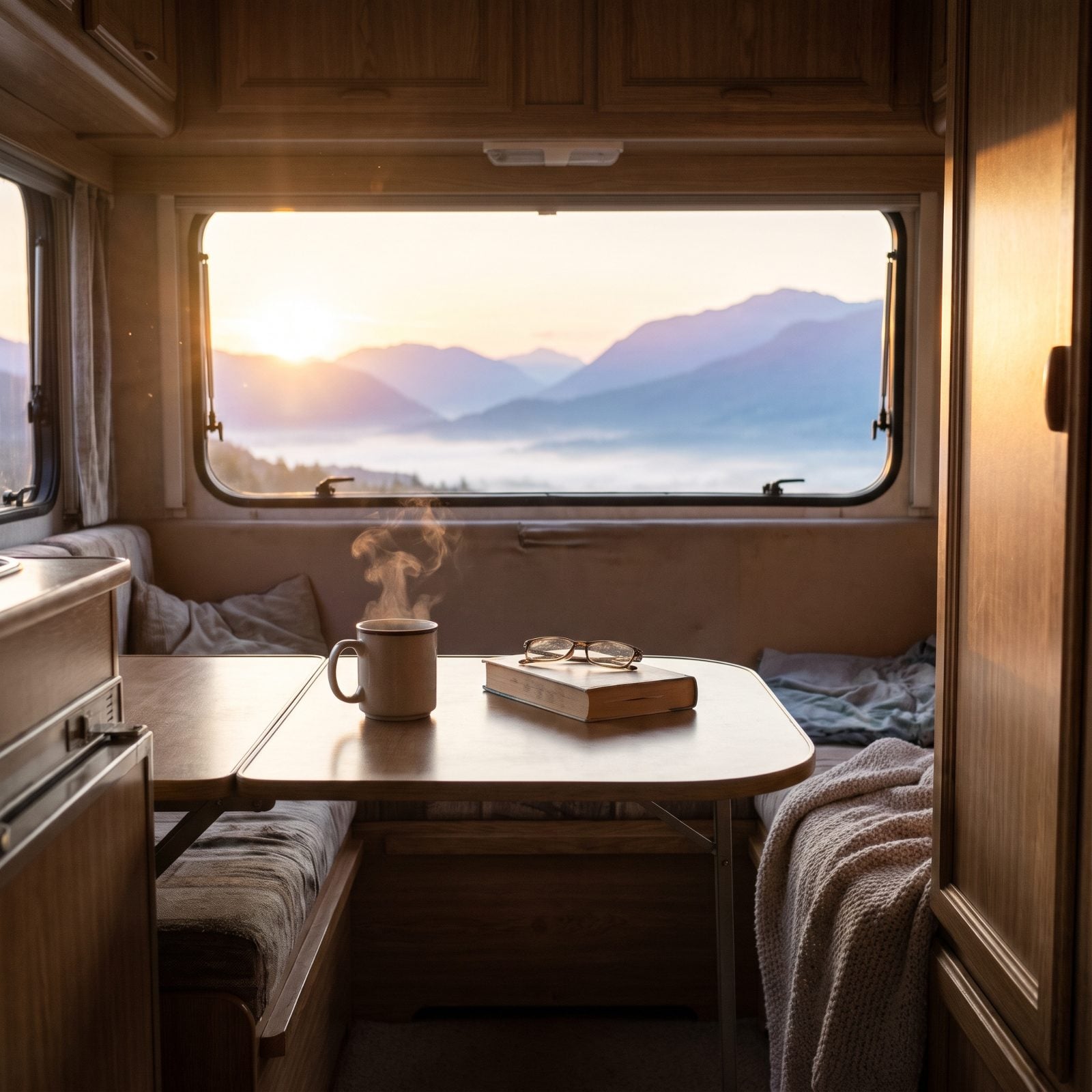
The questions were relentless at first. When are you coming back? What about your real house? Isn’t it cramped? You rehearsed answers, got a little defensive, felt the need to prove the choice was sound.
A month in, the proving stops. Not because you won the argument — because you stopped having it. When you’re watching mist lift off a valley with your coffee, somebody’s opinion about your square footage lands about as hard as a mosquito on the far side of the screen.
Here’s the odd part. The people who worried loudest tend to get quiet once they see you’re genuinely happy, and the ones who stay doubtful were going to doubt whatever you did.
You spent years arranging your life around a jury that was never actually paying attention.
That’s the real freedom nobody puts in the brochures. Not the open road. The open calendar, and a mind that’s finally quit keeping score.