

A brand-new 1961 Bambi cost less than a used sedan does now. That’s the thing about old Airstream price tags. The numbers look impossibly small until you remember a factory worker took home maybe a hundred dollars a week, and a trailer could swallow half a year of those paychecks. These polished aluminum tubes were never cheap. They just cost differently. What follows is a run through original sticker prices, decade by decade, with each one dragged into present-day dollars so the sticker shock lands both ways.
Please note that some of the images in this article were created with the assistance of AI.
1960 Pacer 16-Foot: The Entry-Level Airstream for About $2,900
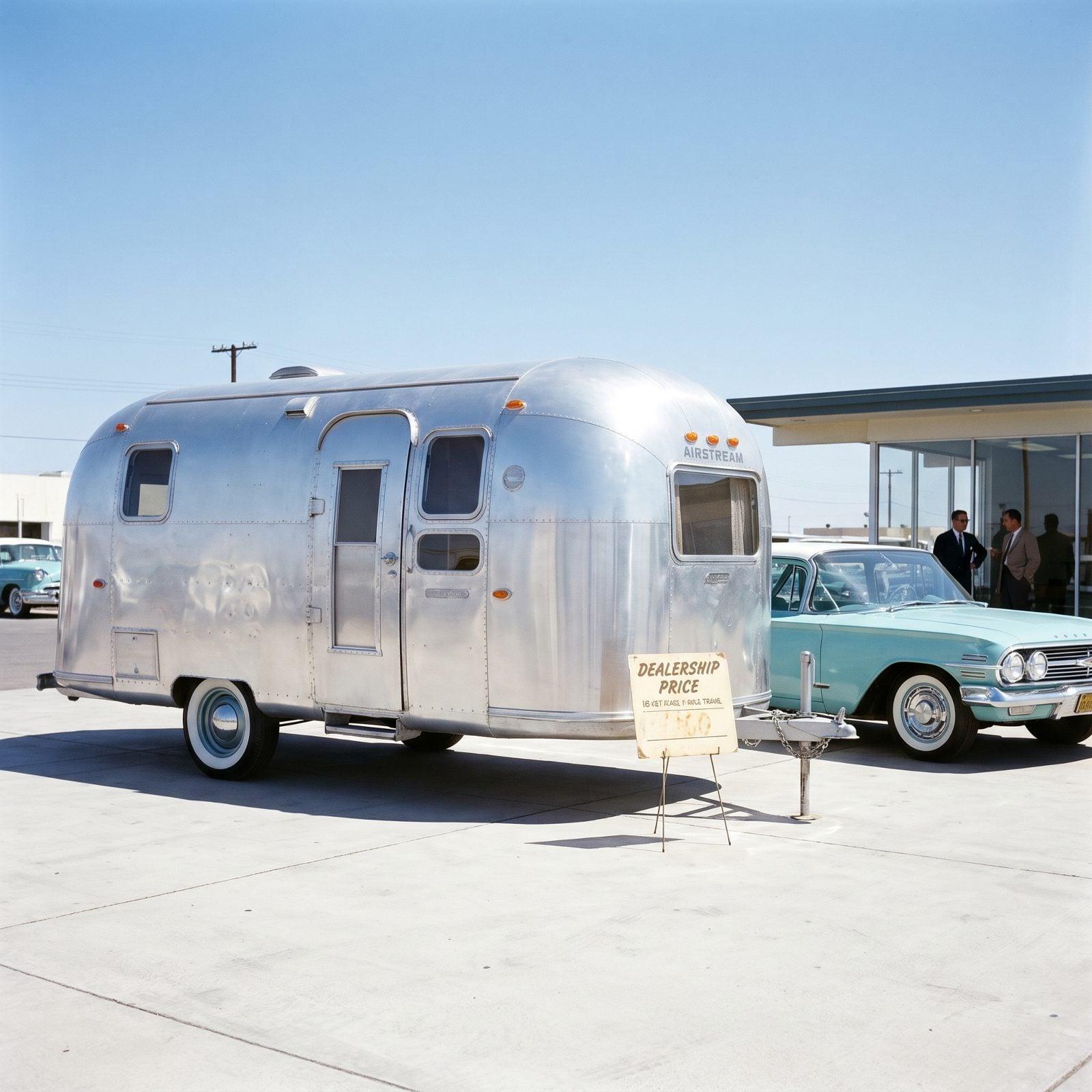
The Pacer was the way in. At roughly $2,900 for the 16-foot model, it was Airstream’s shortest, most affordable trailer of 1960, built for the family that wanted the silver bullet without the flagship price.
That number sounds like a rounding error now. It isn’t. A typical household pulled in a few thousand a year back then, so this little trailer cost the better part of an annual income. In today’s money you’re looking at roughly $31,000 — not far off what a new entry-level camper runs now, which tells you the “cheap vintage Airstream” was never actually cheap.
1961 Bambi 16-Foot: The Little Legend for Around $3,200

The Bambi is the one everybody wants now, and the one almost nobody could find then. Only a handful of true vintage Bambis were built, which is exactly why a restored one can fetch more than a new luxury car today.
New in 1961, the 16-foot Bambi ran around $3,200. Against a modest weekly factory paycheck, that’s the better part of a year’s take-home pay. Adjusted for inflation, call it about $33,000. Reasonable for the trailer. Laughable next to what collectors now pay for the original article, where scarcity has turned a modest camper into a trophy.
1964 Trade Wind 24-Foot: The Sensible Middle at About $4,500
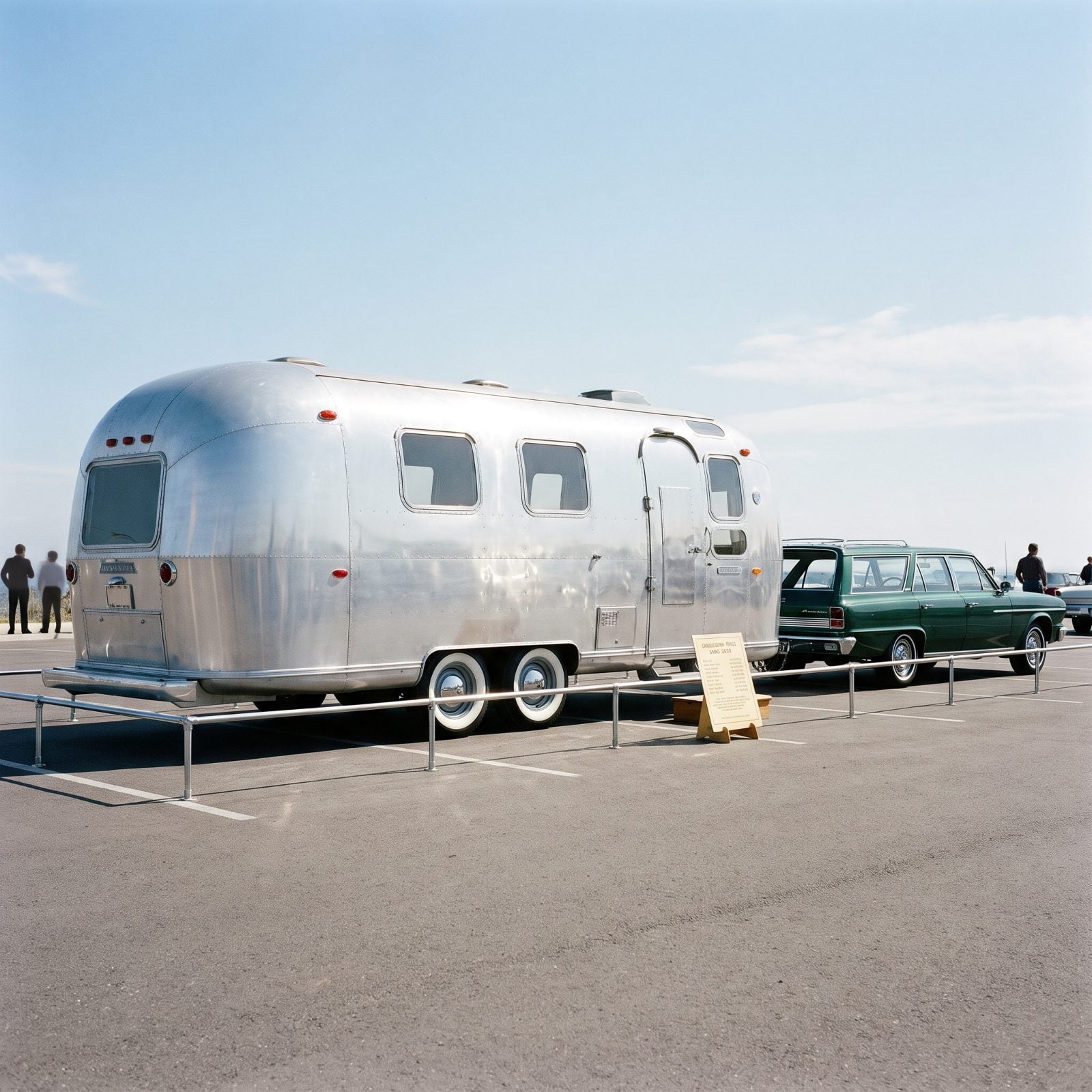
This was the Airstream for people who’d done the math. The 24-foot Trade Wind sat right in the belly of the 1964 lineup, around $4,500, long enough for a real family and short enough to tow without dread.
Median family income had climbed into the mid-thousands by then, so the Trade Wind was still the better part of a year’s wages. In current dollars that’s roughly $45,000. The inflation math is kinder here than you’d guess, because mid-sixties prosperity was real and paychecks were finally catching up to the ambitions parked in the driveway.
1966 Ambassador 28-Foot: Upscale Silver for Roughly $6,200
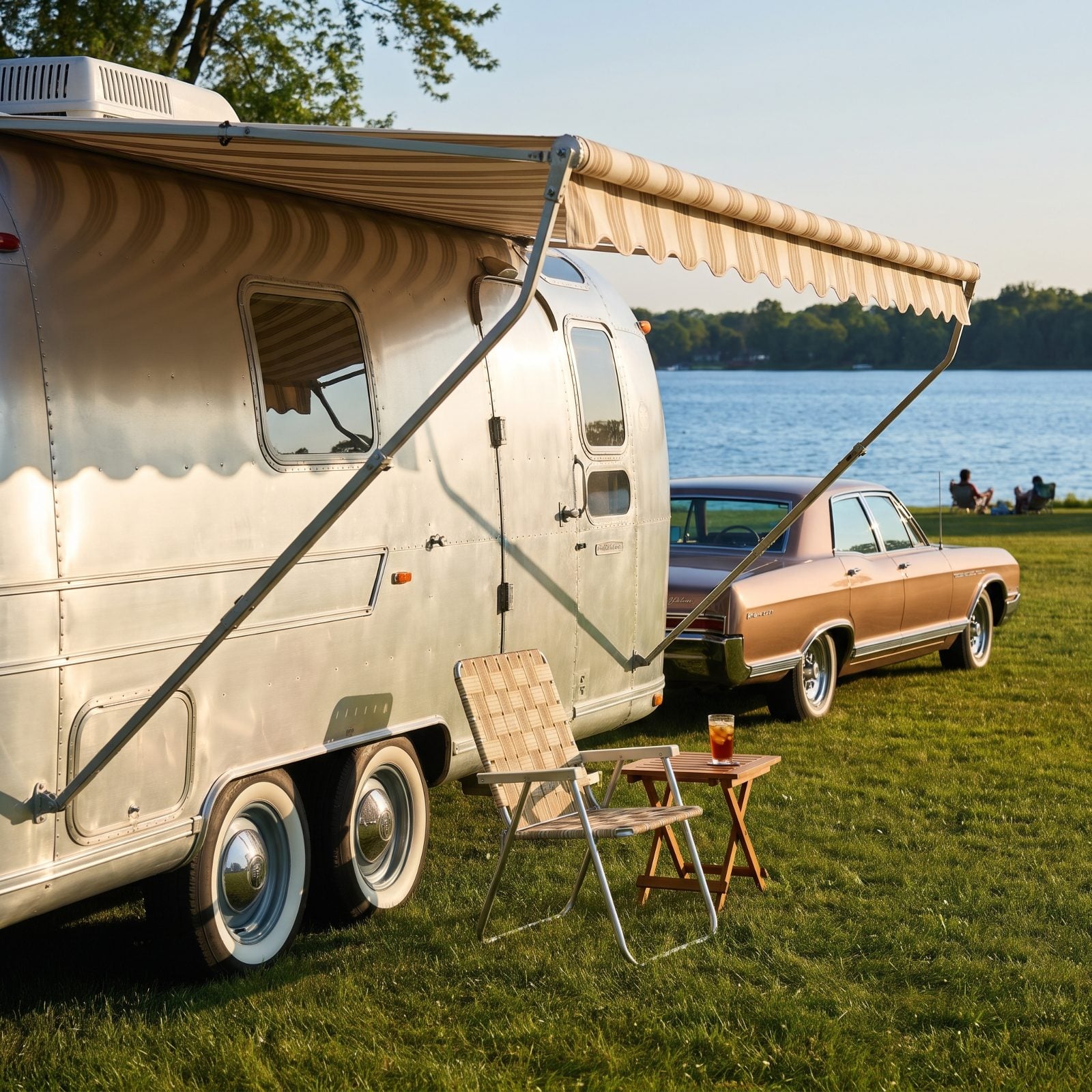
Step up to the Ambassador and you were buying square footage and status. The 28-foot model came in around $6,200 in 1966, with the floor plan and finishes to match the name.
Think about what else $6,200 bought that year: a brand-new Cadillac, roughly. Families chose the trailer anyway, which says something about how seriously the road trip was taken as a form of arrival. Adjusted forward, you’re near $61,000 today. Mid-tier modern Airstream territory, give or take, for a trailer that would now draw a crowd at any campground it pulled into.
1967 Sovereign 30-Foot: Flagship Length for About $7,000
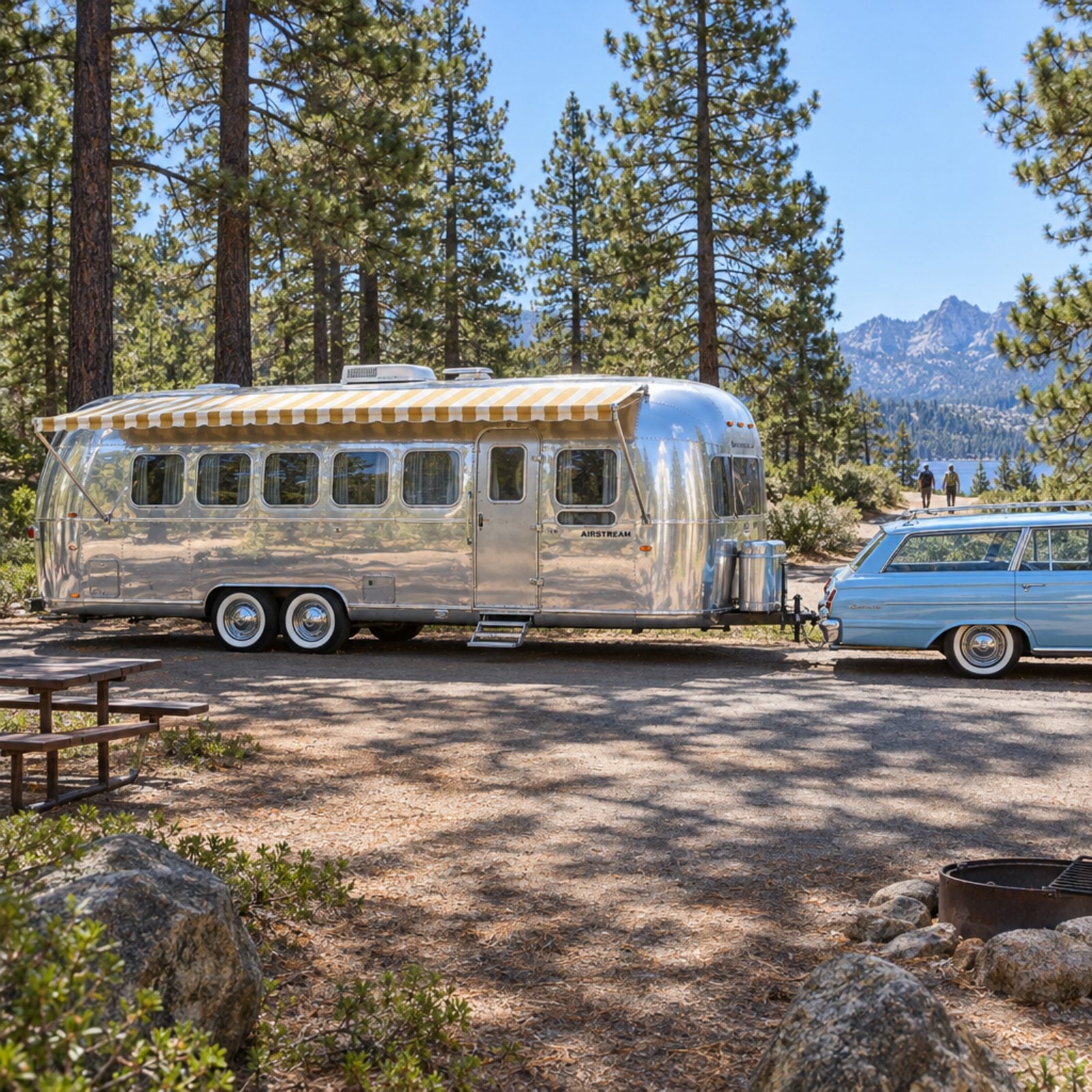
The Sovereign was the top of the heap, and the 30-footer wore it. Around $7,000 in 1967, this was the flagship — the trailer you bought when you weren’t planning to buy another one.
For scale, a typical home sold for the low twenties of thousands that year. So a fully loaded Sovereign ran close to a third of a house. People signed for it anyway, often as retirement rolled around, trading one roof for a smaller one on wheels. Run it through inflation and you land near $67,000 today. Flagship then, flagship now, same aluminum obsession.
1970 Caravel 18-Foot: Compact Comeback for Around $5,500
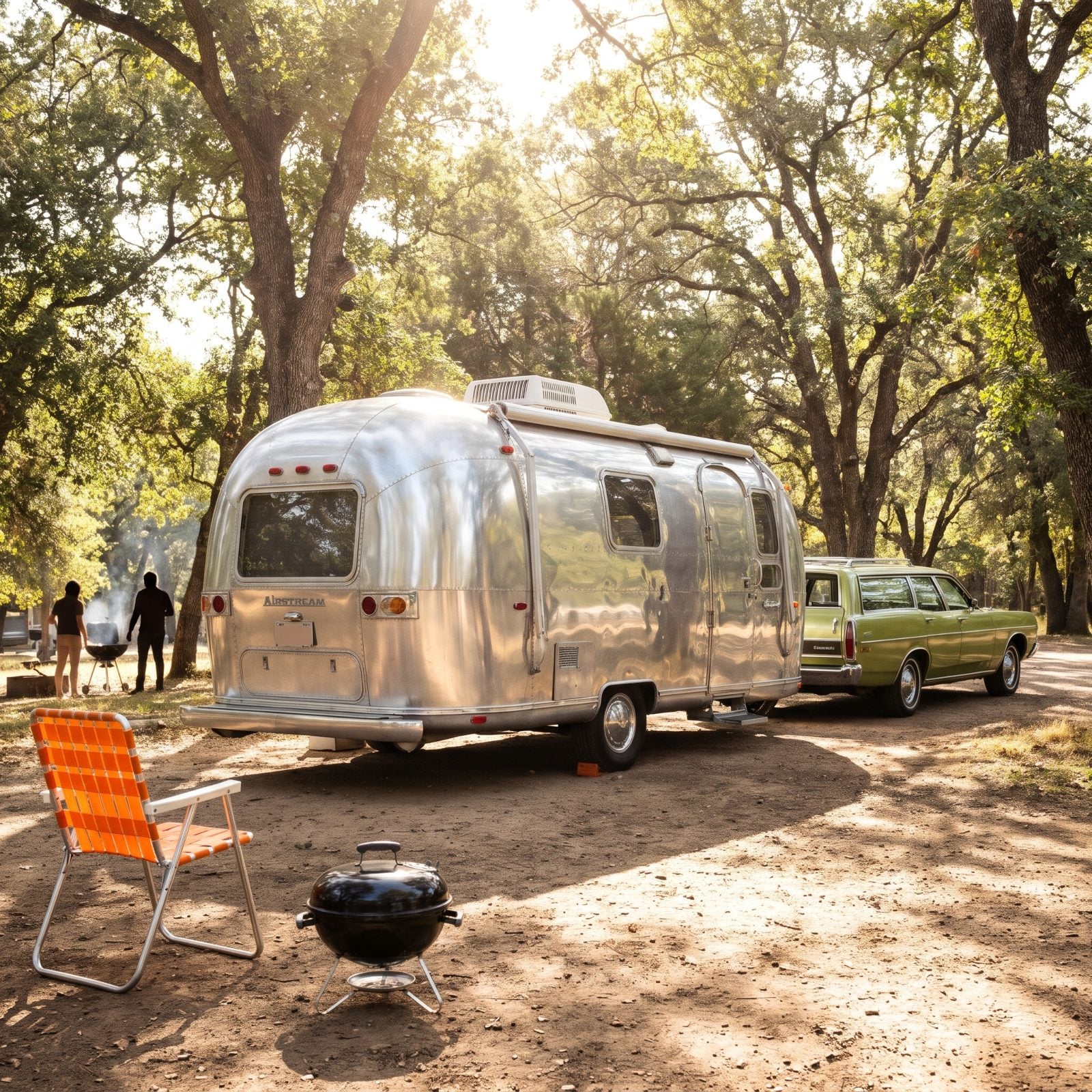
The little one was back. By 1970 the compact Caravel in 18-foot form ran roughly $5,500, pitched at buyers who wanted maneuverable silver without flagship bulk.
Here’s where the decade shift bites. That same money would’ve bought you a far bigger trailer in 1960. Prices had crept up across the board, and the cheap-and-small category simply cost more than it used to. In today’s dollars the Caravel lands around $45,000. It’s easy to underestimate how pricey the “small” Airstreams actually were until you line up these numbers side by side.
1972 Trade Wind 25-Foot: The Last Cheap Gas Price at About $6,800
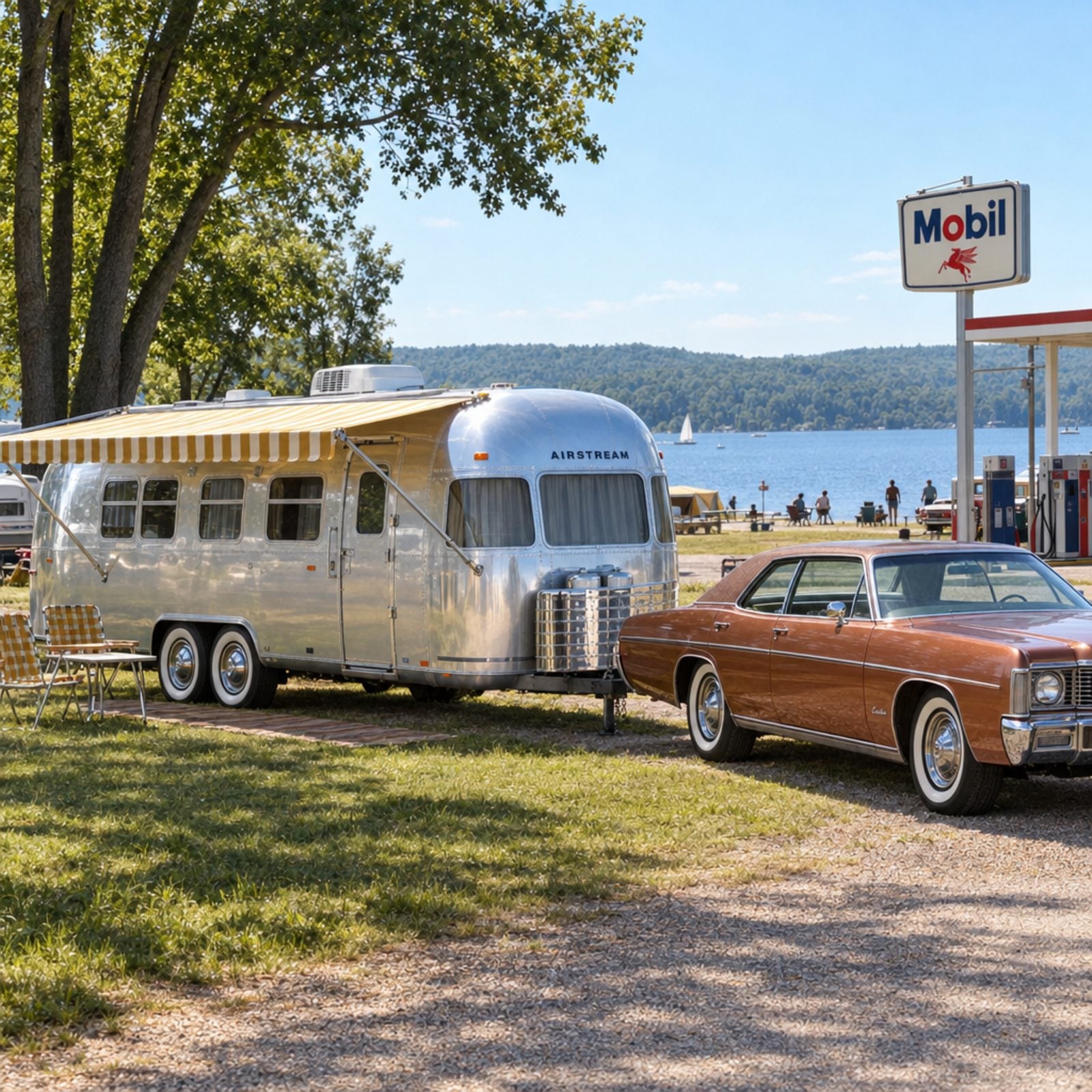
A 25-foot Trade Wind went for about $6,800 in 1972, and the timing matters more than the number. This was the trailer bought back when gas cost well under a dollar a gallon, long before pump signs read $1.29 and $1.59, and nobody thought twice about dragging two and a half tons across three states.
That world had about a year left. The 1973 oil embargo was coming, and towing economics would never feel quite so carefree again. Adjusted for inflation, the price is near $52,000 today. The trailer held its value. The cheap fuel that made it make sense did not.
1974 Ambassador 29-Foot: Luxury in the Fuel Line for Roughly $9,500
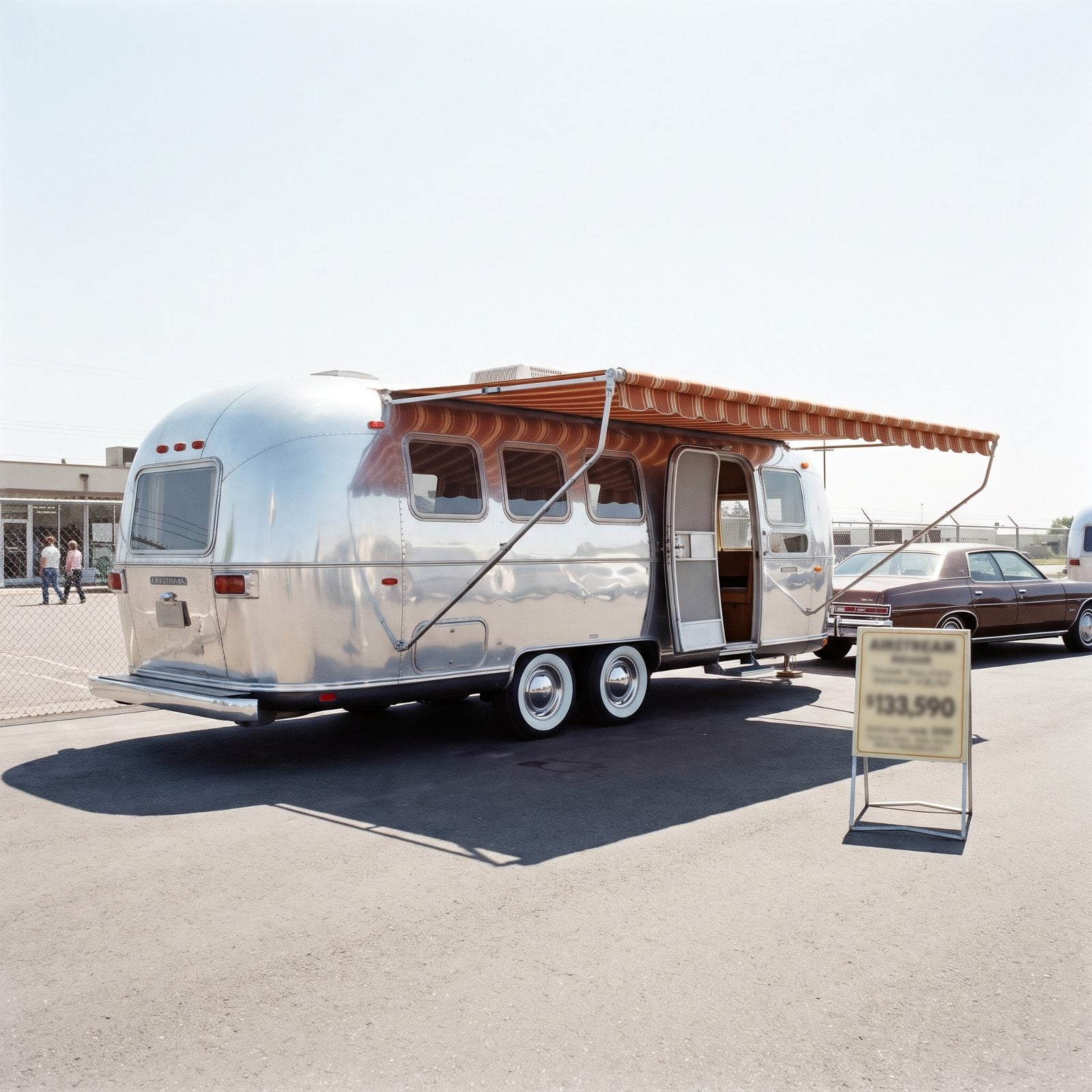
Buying a 29-foot Ambassador in 1974, around $9,500, took a certain stubbornness. The energy crisis was in full swing, gas had spiked, and the whole premise of towing a big aluminum box was suddenly up for debate.
People bought them anyway. If anything, the ones who committed during the fuel panic were the true believers. Inflation drags that price up to roughly $61,000 today. The remarkable part isn’t the number. It’s that Airstream kept selling flagships at all while the rest of the RV industry was white-knuckling the news.
1978 Excella 500 31-Foot: Late-Seventies Flagship for About $17,000
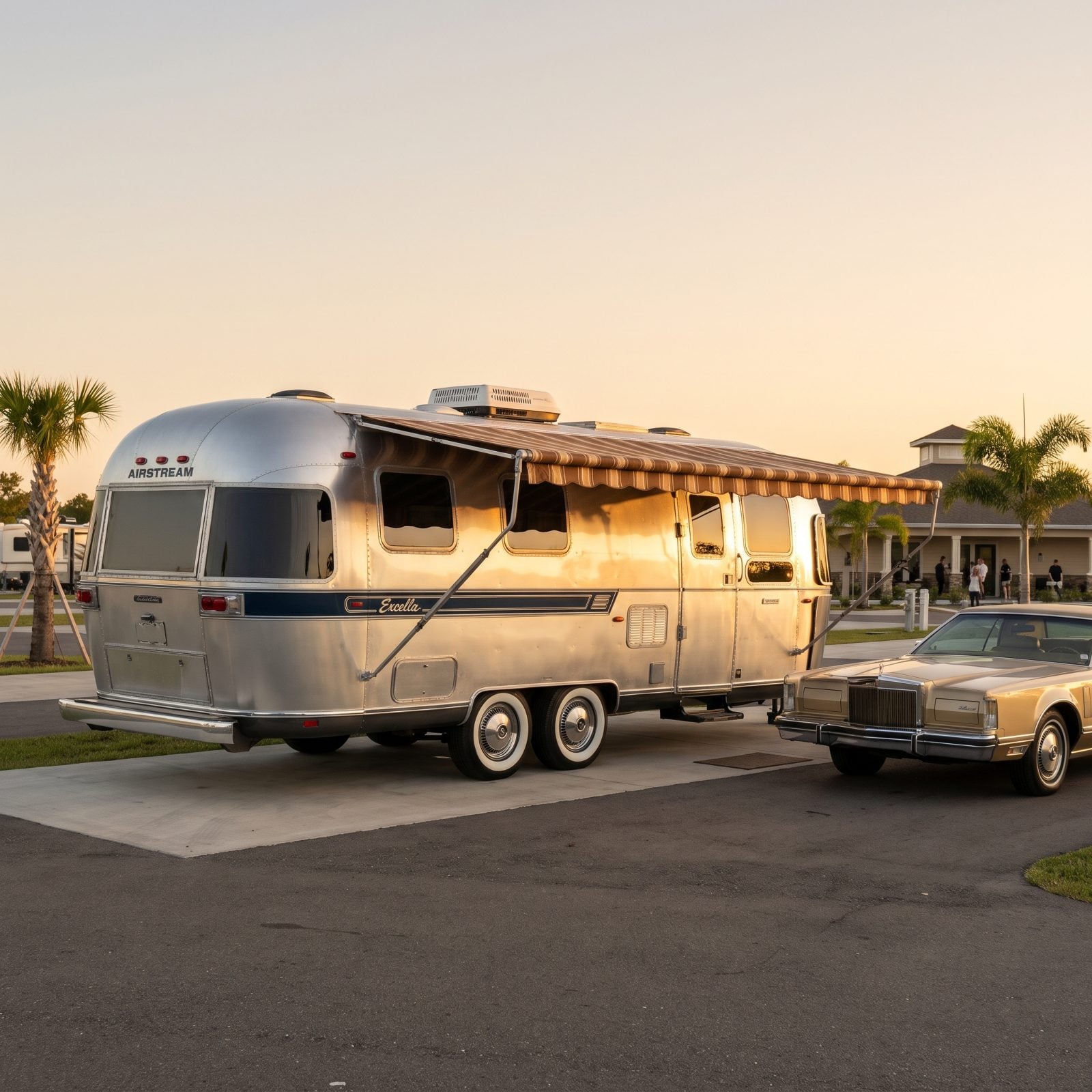
Now the numbers start climbing fast. The 31-foot Excella 500, Airstream’s premium line, ran around $17,000 by 1978. That’s a steep jump from the Ambassador just four years earlier, and inflation was doing a good share of the talking.
The late seventies were a rough stretch for the dollar, and trailer prices tracked it. In today’s money the Excella 500 sits near $83,000, firmly into high-end new-Airstream territory. You got the trim, the tinted glass, the plush interior. You also got a front-row seat to double-digit inflation chewing through everyone’s budget at once.
1985 Limited 34-Foot: The Longest Luxury Statement at Roughly $35,000
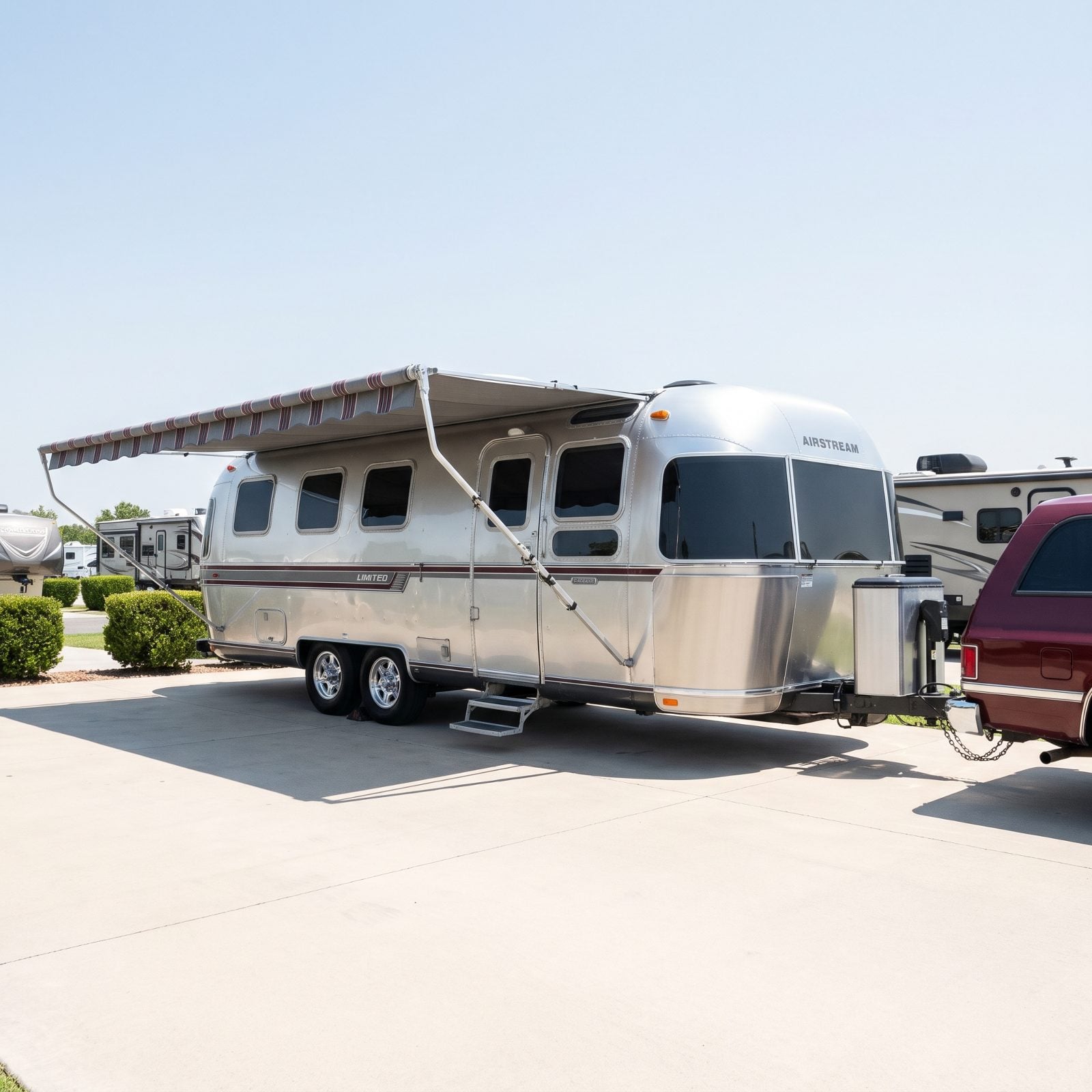
And here’s the top of the mid-eighties lineup. The 34-foot Limited in 1985 pushed somewhere around $35,000 — Airstream’s longest, most loaded trailer, priced like it.
That was serious money in 1985, more than many people paid for a small house in parts of the country. Adjusted forward, it clears $100,000 today, which is still serious money for a long, fully optioned Airstream. Prices rose, paychecks rose, and the silver bullet stayed stubbornly, beautifully expensive the entire time. Some things don’t change, and honestly, we’re glad this one didn’t.
1987 Excella 1000 34-Foot: The High-End Price of the Late 1980s
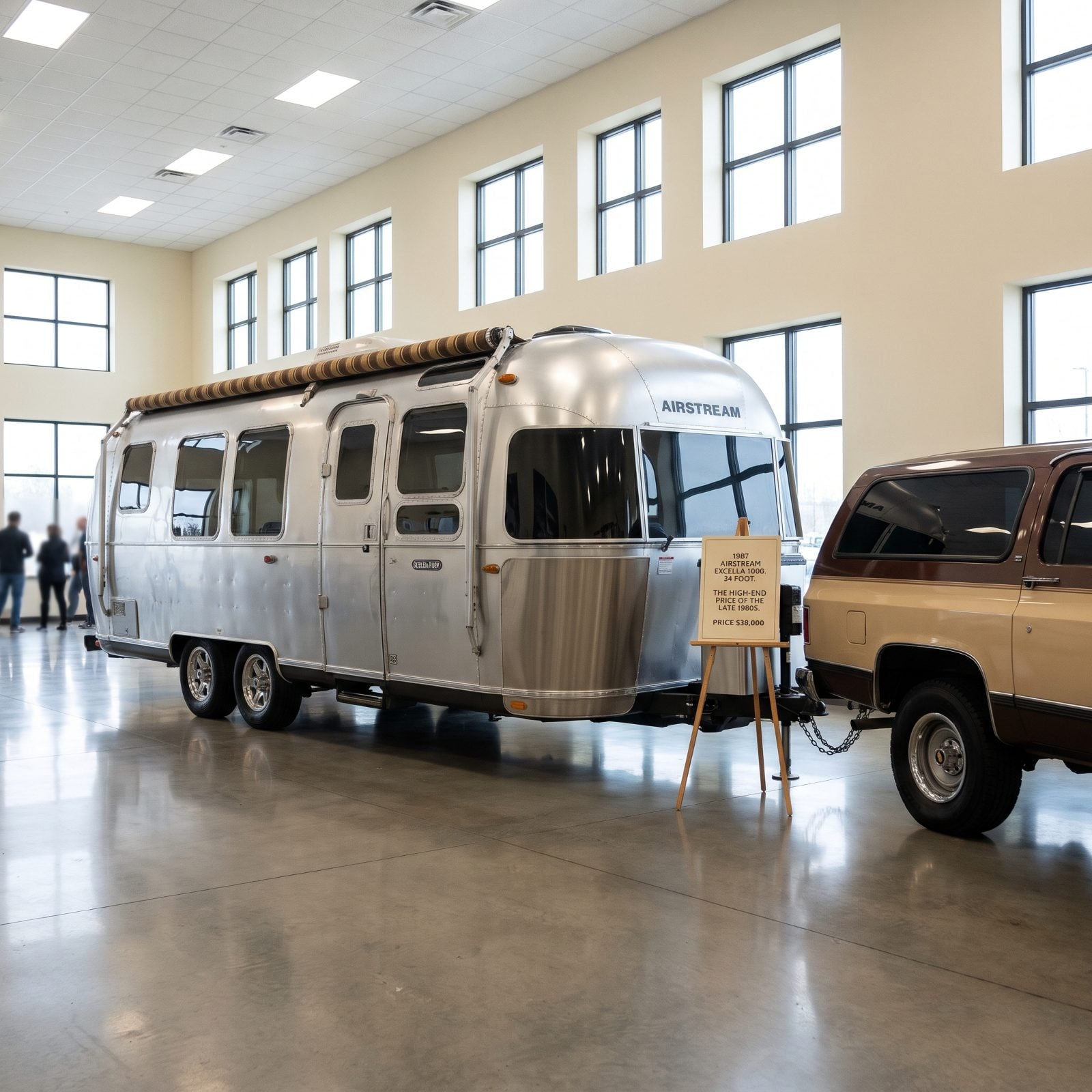
Top of the heap in 1987, the Excella 1000 34-footer carried a sticker right around $38,000. Serious money. A new Ford pickup ran you about a third of that, and the median American household brought home somewhere in the mid-twenties for the whole year.
So this trailer cost more than a family earned in twelve months. Adjusted for inflation it lands north of a hundred grand in today’s dollars, which honestly still buys you a lot of Airstream.
1989 Squarestream 29-Foot: What Airstream’s Boxier Experiment Cost
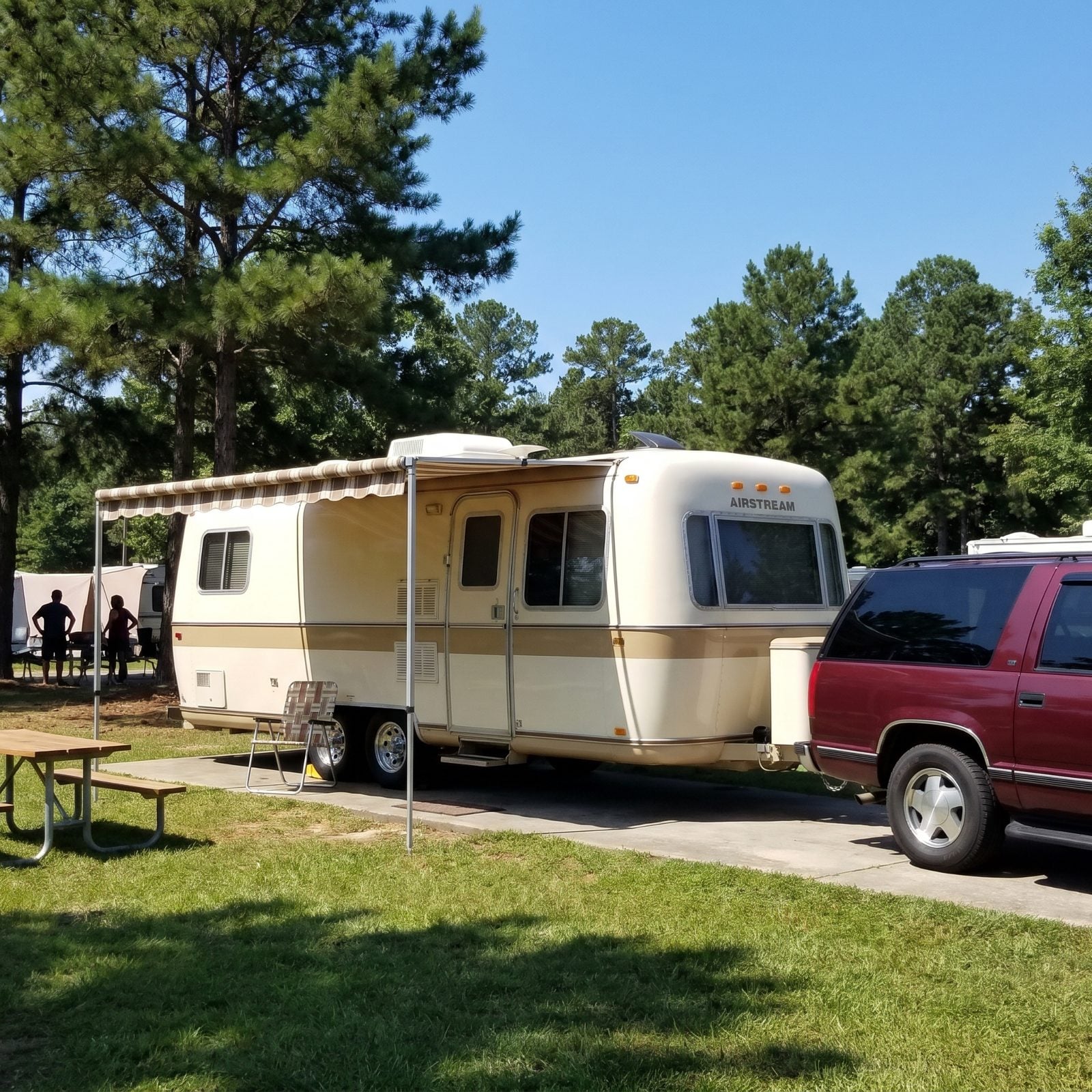
Now here’s the odd one. This one traded the rounded shell for a boxier body and swapped bare polished aluminum for a cream-and-tan painted finish, and plenty of Airstream loyalists never forgave it. A 29-footer went for roughly $28,000 to $32,000 new.
Cheaper than a comparable-length polished Airstream, which was sort of the whole idea. In today’s money, call it mid-seventies to mid-eighties. The experiment didn’t last, and you can guess why: people who buy an Airstream want the silver bullet, not a trailer painted cream like everybody else’s.
1992 Limited 34-Foot: Top-Tier Touring in a Down Economy
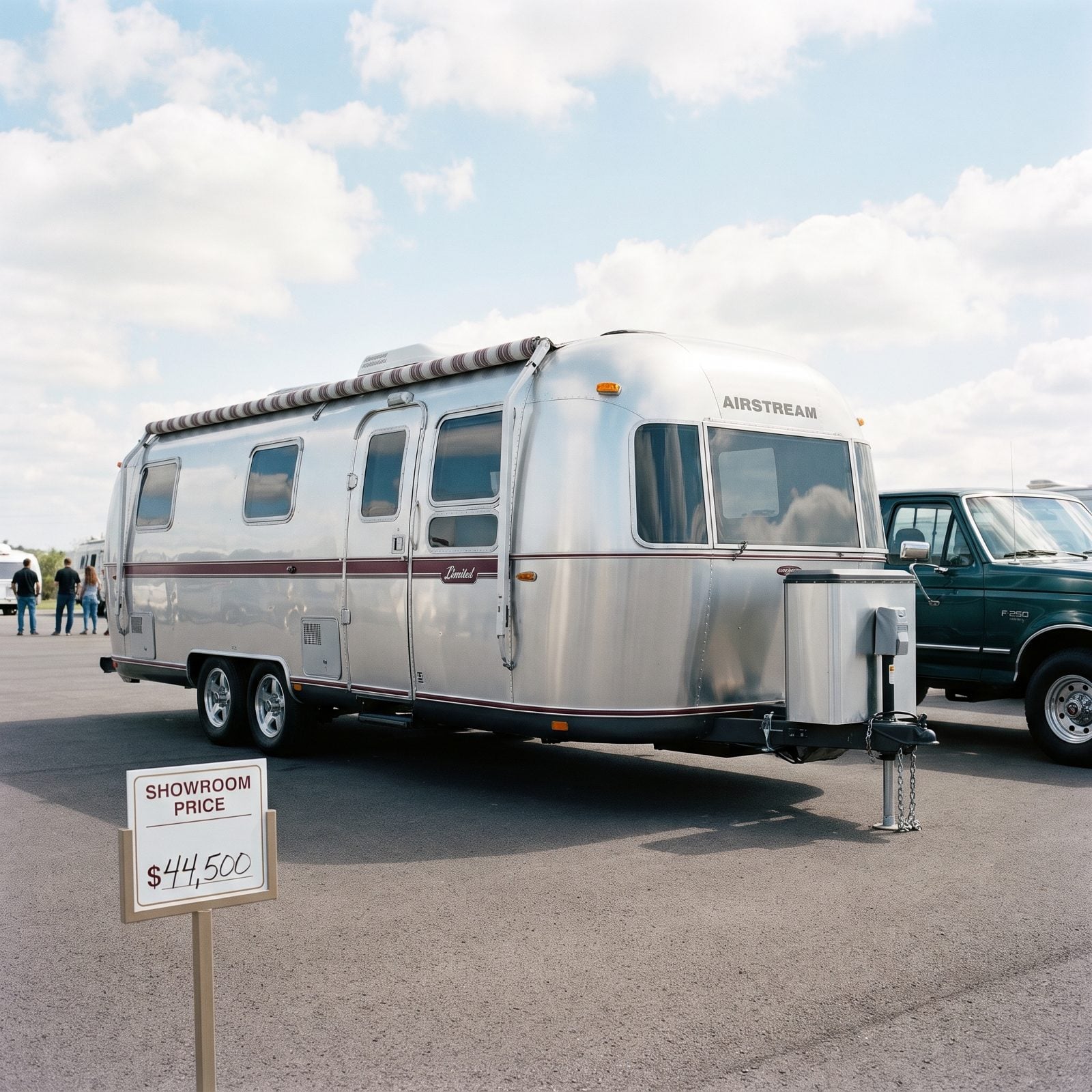
The early ’90s recession had people clutching their wallets, and Airstream still asked around $43,000 to $46,000 for the Limited 34-footer. The Limited trim was the good stuff: better cabinetry, upgraded fabrics, the full-length polished shell doing all the work out front.
Run that through inflation and you’re looking at roughly $100,000 today. Buying one in ’92 took nerve when half the country was worried about layoffs.
A luxury trailer in a down economy says something about who was still traveling, and how.
The folks who bought these tended to keep them a long time. You still see clean Limiteds at rallies, owners on their third decade.
1996 Safari 25-Foot: A More Accessible Airstream Returns
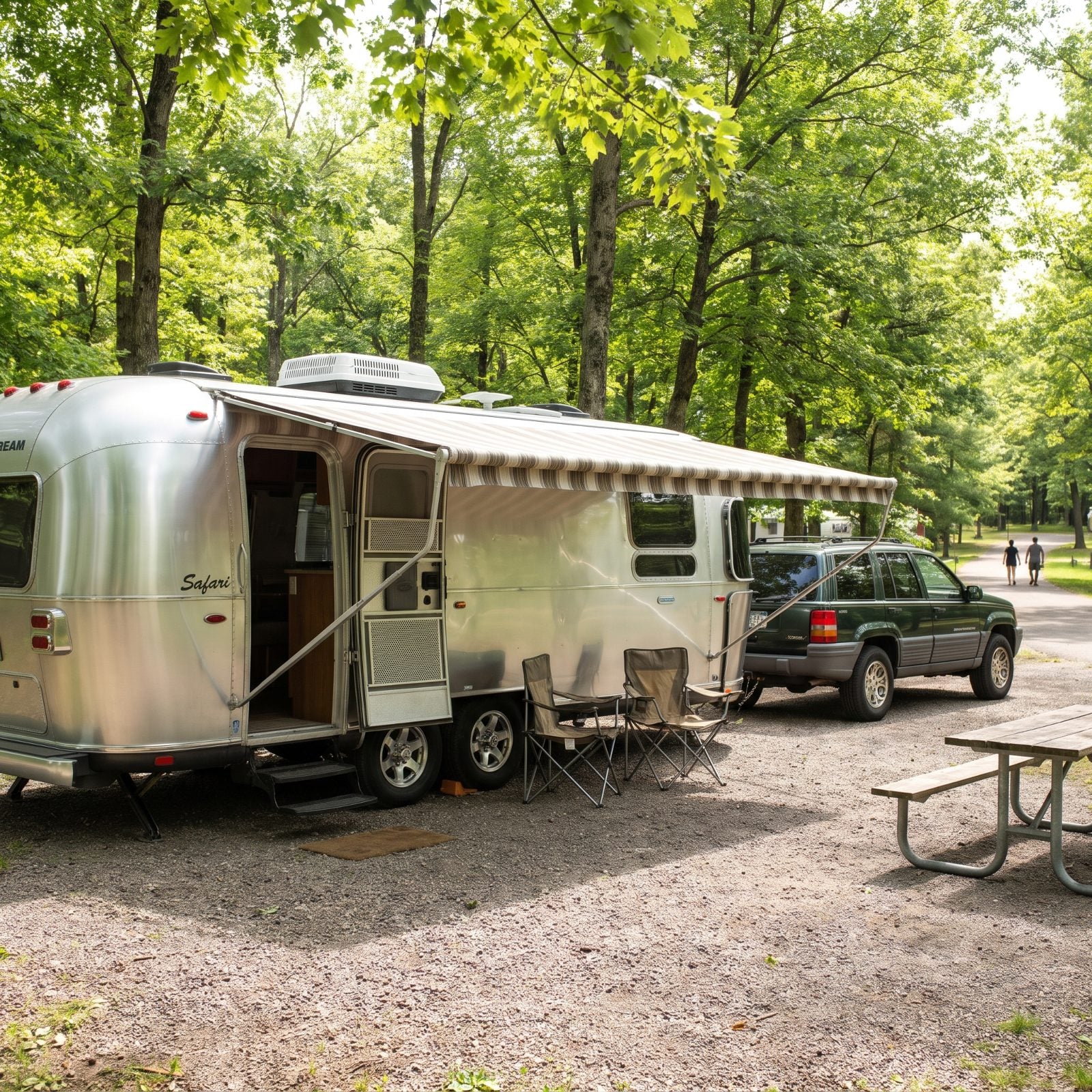
The Safari was Airstream saying: come back, we’ve got something you can actually afford. A 25-foot Safari in 1996 ran about $33,000 to $36,000, a real step down from the big flagship Limiteds.
Median household income had climbed into the mid-thirties by then, so this was finally close to a single year’s earnings instead of double it. In current dollars, call it mid-sixties. Shorter, lighter, easier to tow with the SUVs people were buying in droves. Smart product for the moment.
1999 Bambi 19-Foot: The Reborn Small Airstream’s Price
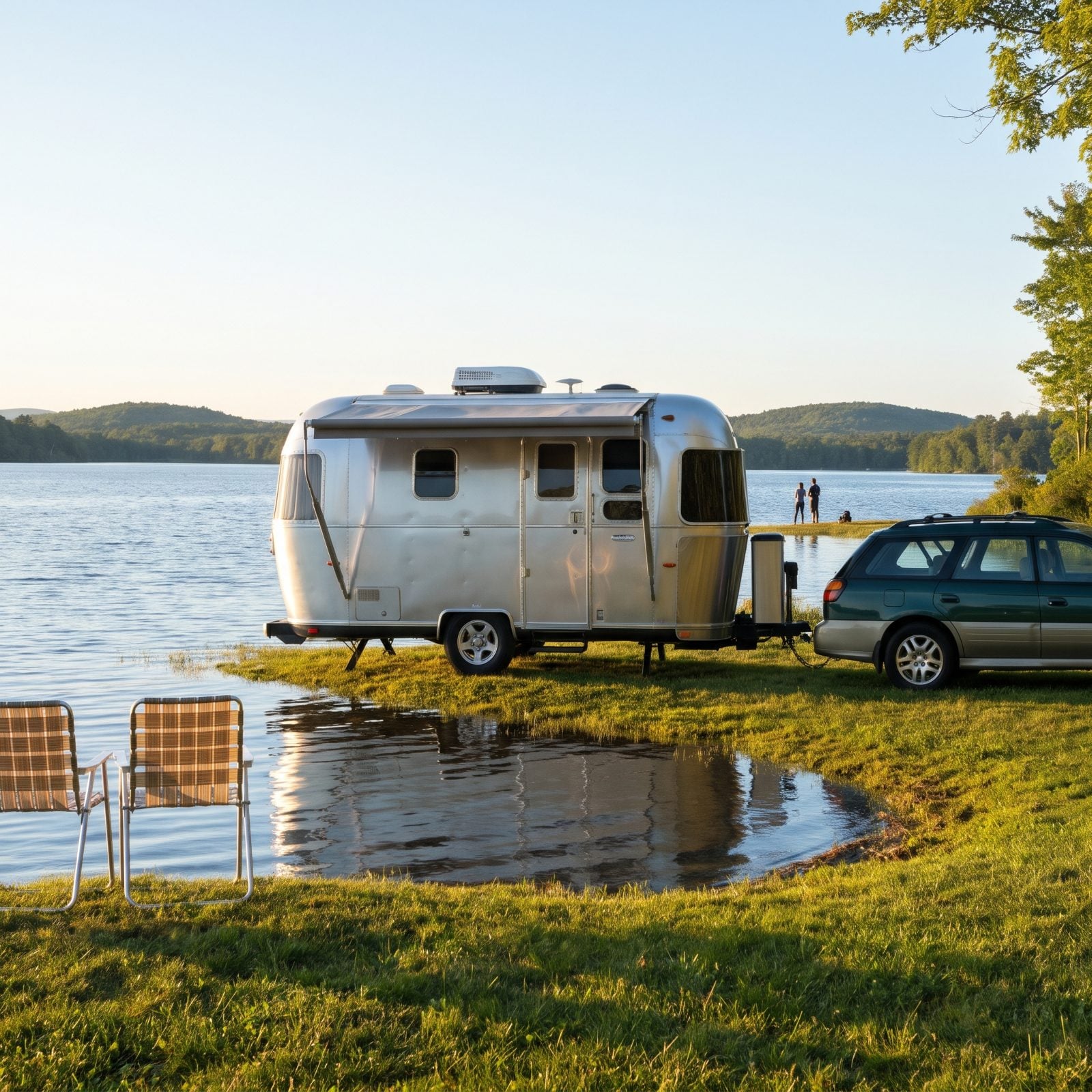
The Bambi name came back in ’99 for the little 19-footer, and the small Airstream found its loyal crowd almost immediately. Sticker landed around $28,000 to $31,000.
That feels steep for something this short until you remember it’s still a full aluminum Airstream, just in miniature. Today that’s roughly fifty-five to sixty grand. Single axle, towable behind a wagon, easy to park. For folks downsizing from the big rigs or buying their first trailer, the Bambi hit a sweet spot nothing else quite matched.
2002 Classic 31-Foot: Traditional Airstream Luxury Goes Modern
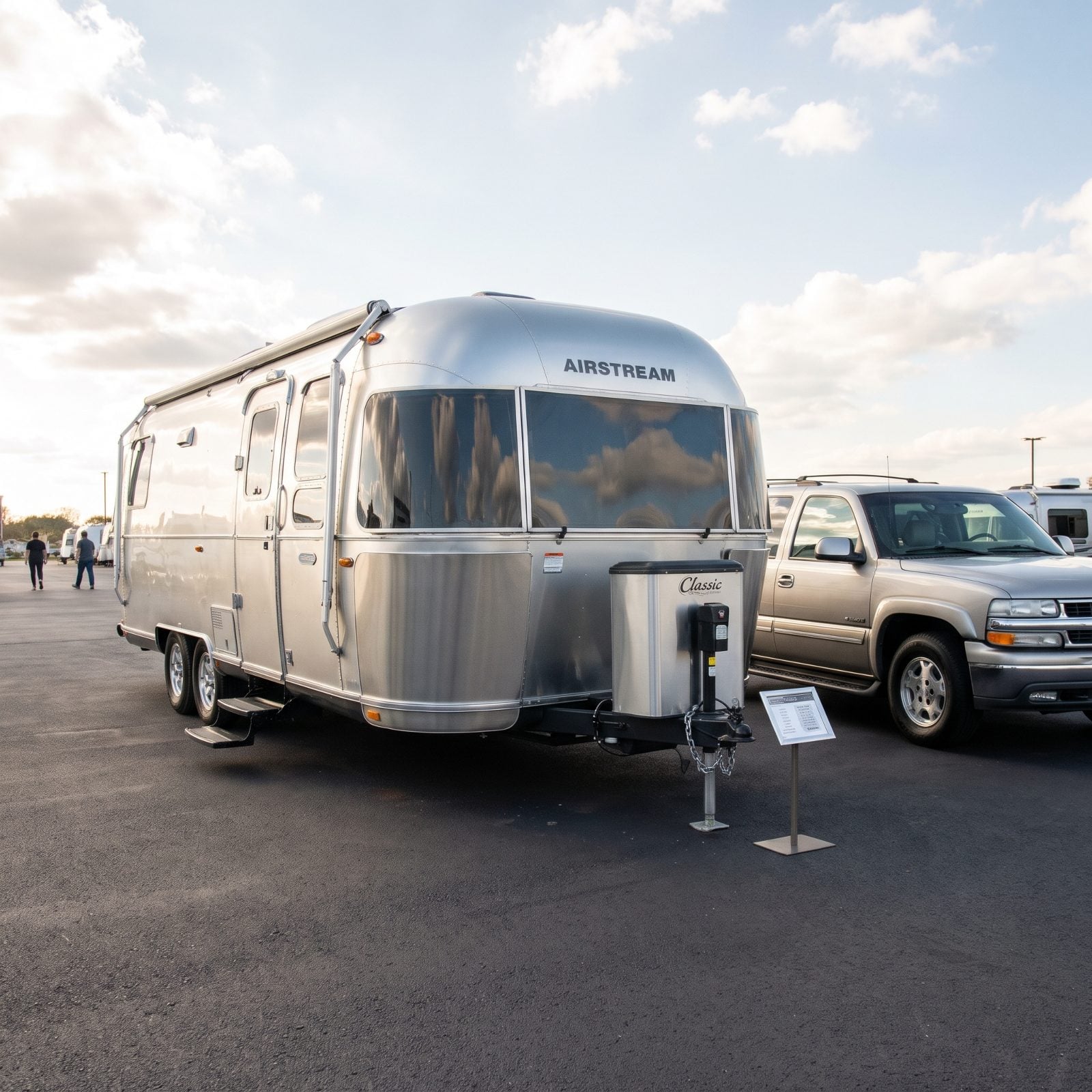
By 2002 the Classic was Airstream’s statement of traditional luxury, now with updated interiors and systems hiding behind that timeless silver skin. The 31-footer carried a sticker around $55,000 to $60,000. Big number.
In today’s dollars it works out to roughly ninety grand and change. What you got for it: solid-surface counters, upgraded appliances, an interior that didn’t apologize for the price. The Classic was for the buyer who wanted the heritage shape without any compromise on comfort inside.
2003 International CCD 22-Foot: Designer Style Gets a Sticker Price
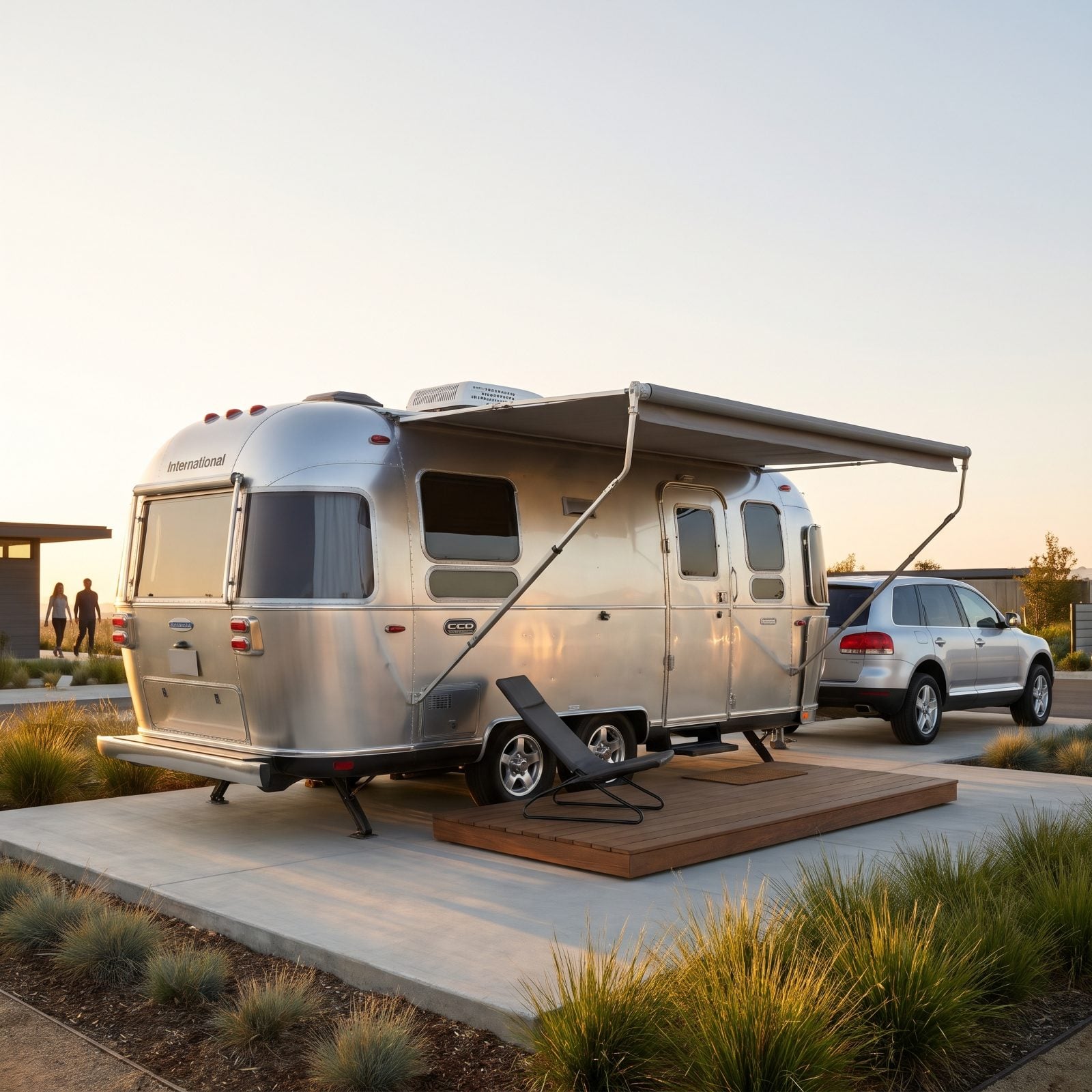
CCD stood for Christopher C. Deam, the designer Airstream brought in to rethink the interior. The 22-foot International CCD in 2003 ran roughly $42,000 to $46,000.
You were paying for a cleaner, more modern cabin: a flatter palette, smarter storage, a look that pulled in buyers who found the traditional interiors a little fussy. Adjusted to now? Call it low-seventies.
2006 Classic Limited 34-Foot: Maximum Length and Luxury
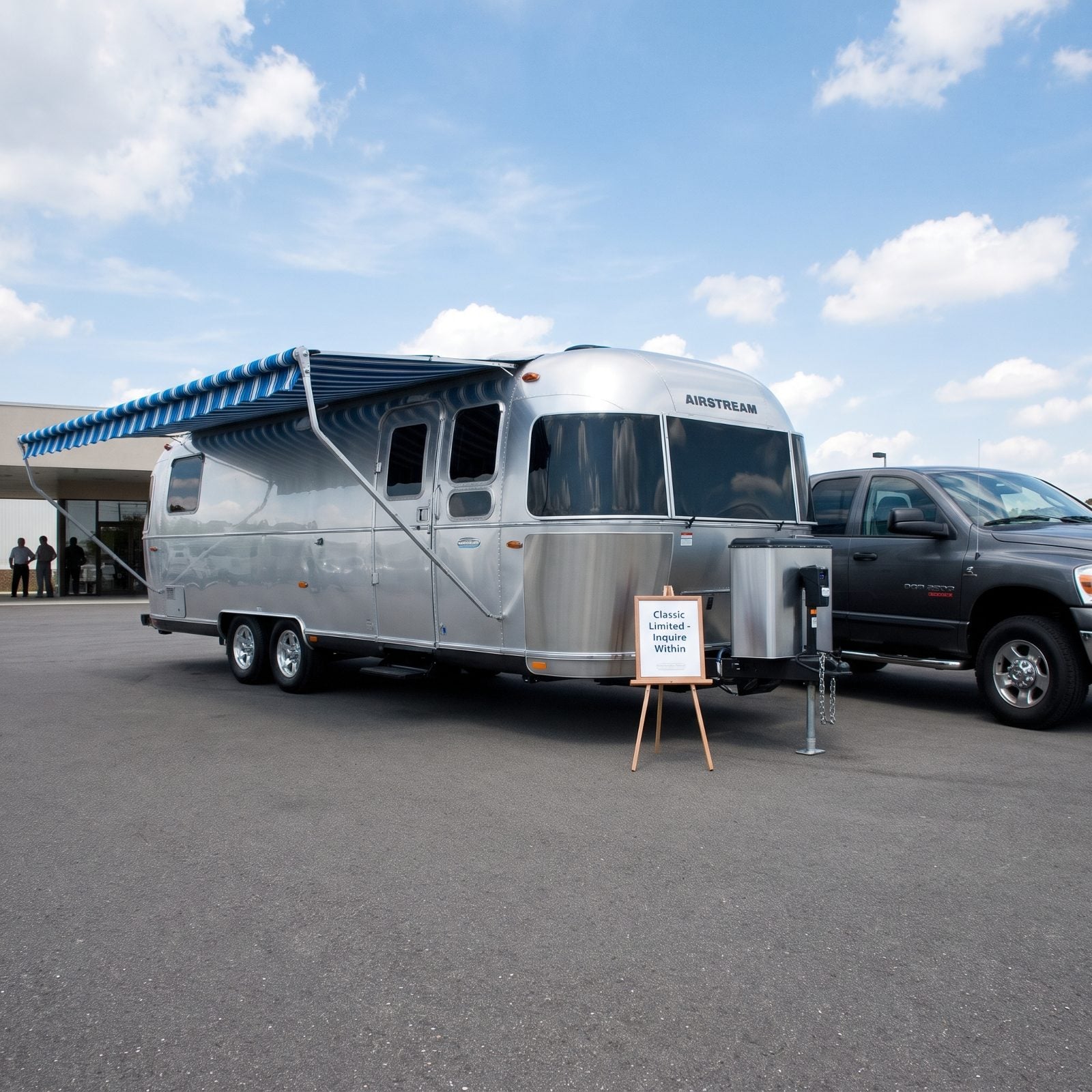
The Classic Limited 34-footer in 2006 was the biggest, most loaded thing Airstream sold. Sticker right around $70,000 to $78,000.
That’s genuine six-figure territory in today’s money, somewhere past a hundred grand. For that you got every upgrade on the sheet, the full length, the best finishes, the kind of trailer that needed a three-quarter-ton truck just to move it. The buyer for this one wasn’t weekending. This was a traveling home, and priced like one.
2007 Basecamp 16-Foot: The Original Adventure Trailer
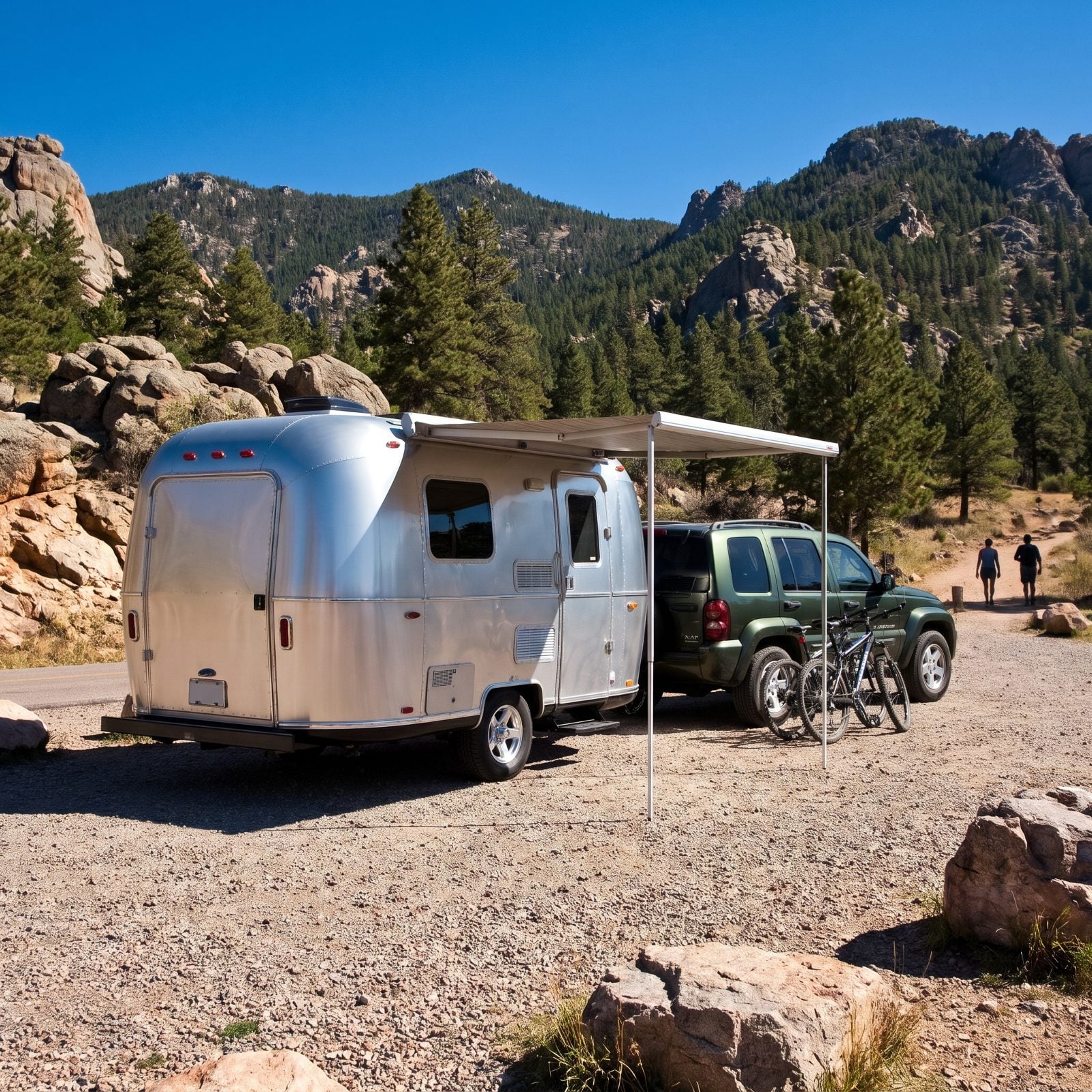
The original Basecamp was Airstream chasing the gear-hauling, mountain-bike crowd. A 16-footer in 2007 ran around $25,000 to $29,000. Small, light, with that big rear hatch for loading bikes and skis right inside.
Today that’s roughly forty grand. It didn’t sell in huge numbers at first, which is almost funny given how popular the reborn Basecamp became years later. Airstream was early on the adventure-trailer idea. The market just took its sweet time catching up.
2008 International Ocean Breeze 28-Foot: Limited-Edition Coastal Style
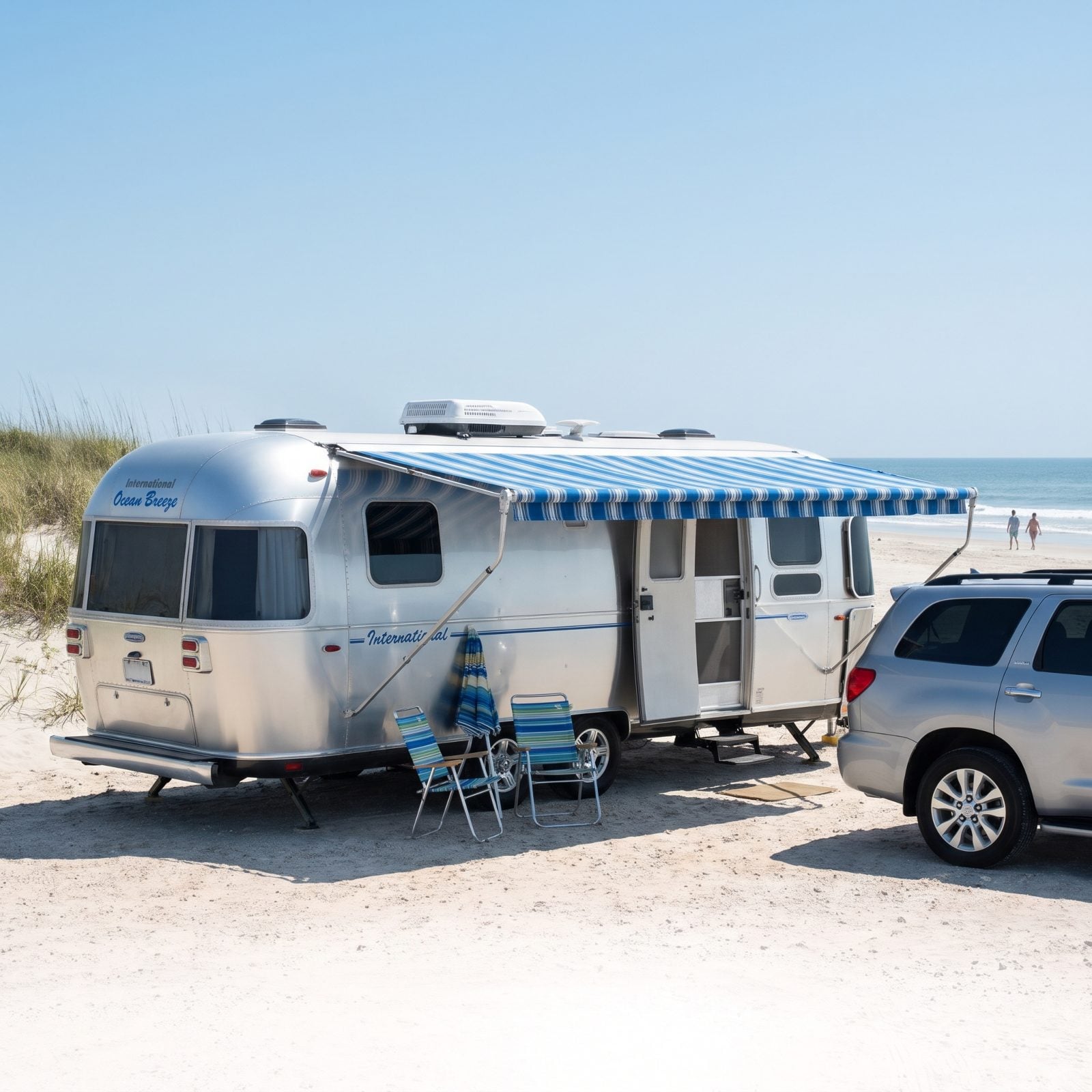
The Ocean Breeze was a limited-edition International, dressed up with a coastal-inspired palette and trim you couldn’t get on the standard model. A 28-footer in 2008 landed around $50,000 to $55,000.
Limited editions always carry a little premium, and the themed interior was the whole pitch. In current dollars, that’s roughly seventy-five to eighty grand. But it arrived right as the financial crisis hit, which was brutal timing for a special-edition luxury trailer. The ones that found owners tend to be loved and well-kept. Scarcity does that.
2009 Flying Cloud 25-Foot: A Historic Name Comes Back Around $56,000
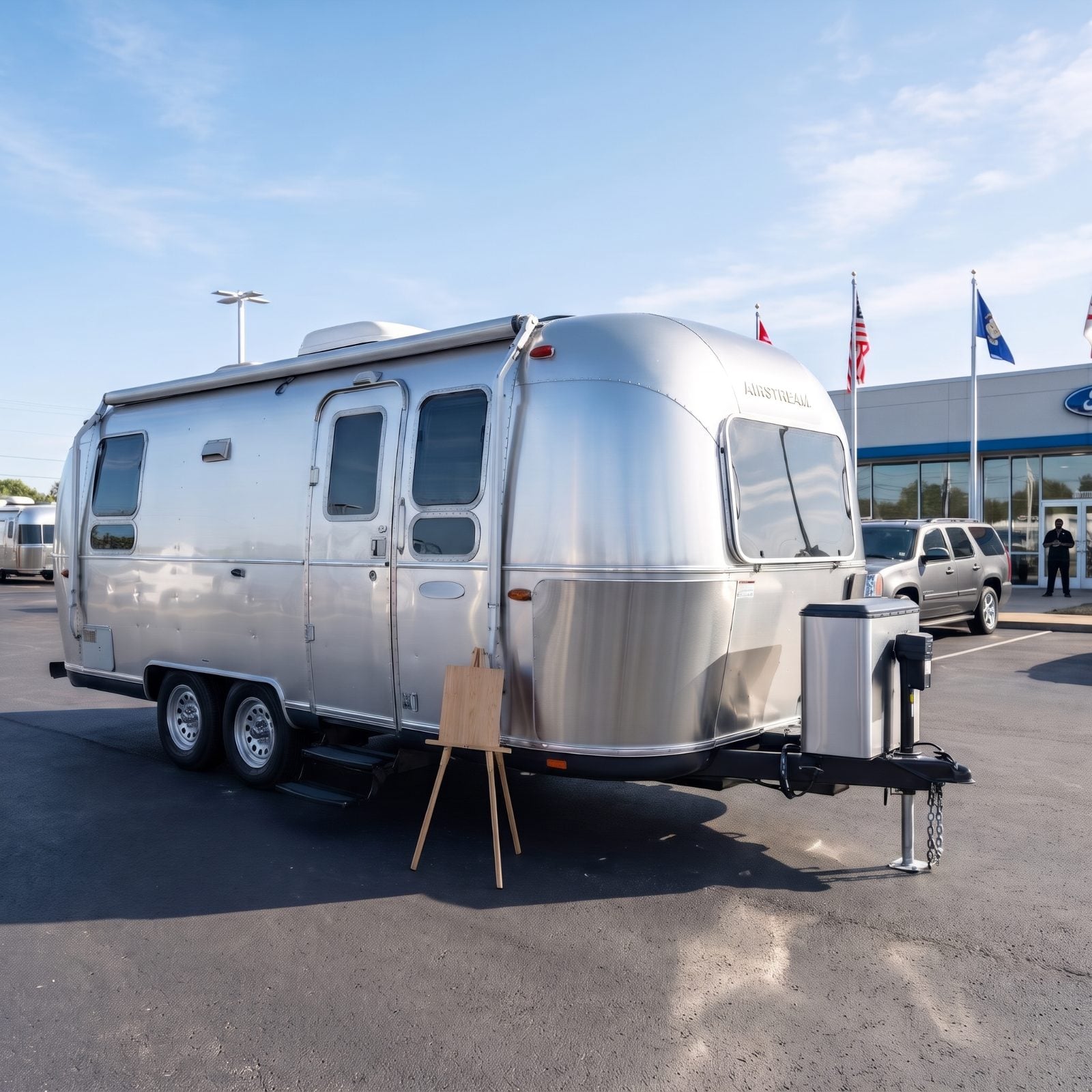
Airstream dug an old name out of the archive and bolted it to a new trailer. The Flying Cloud came back in 2009 at roughly $56,000 for the 25-foot layout, give or take trim.
That was real money in 2009. The median household pulled in around $50,000 that year, so this trailer cost more than most people earned before taxes. Adjusted for inflation, the sticker lands somewhere in the low eighties today, which happens to be close to what a comparable Flying Cloud still runs. Airstream holds its price with the stubbornness of a good cast-iron pan.
2010 Sport 16-Foot: The Decade’s Cheapest Way In, Around $35,000
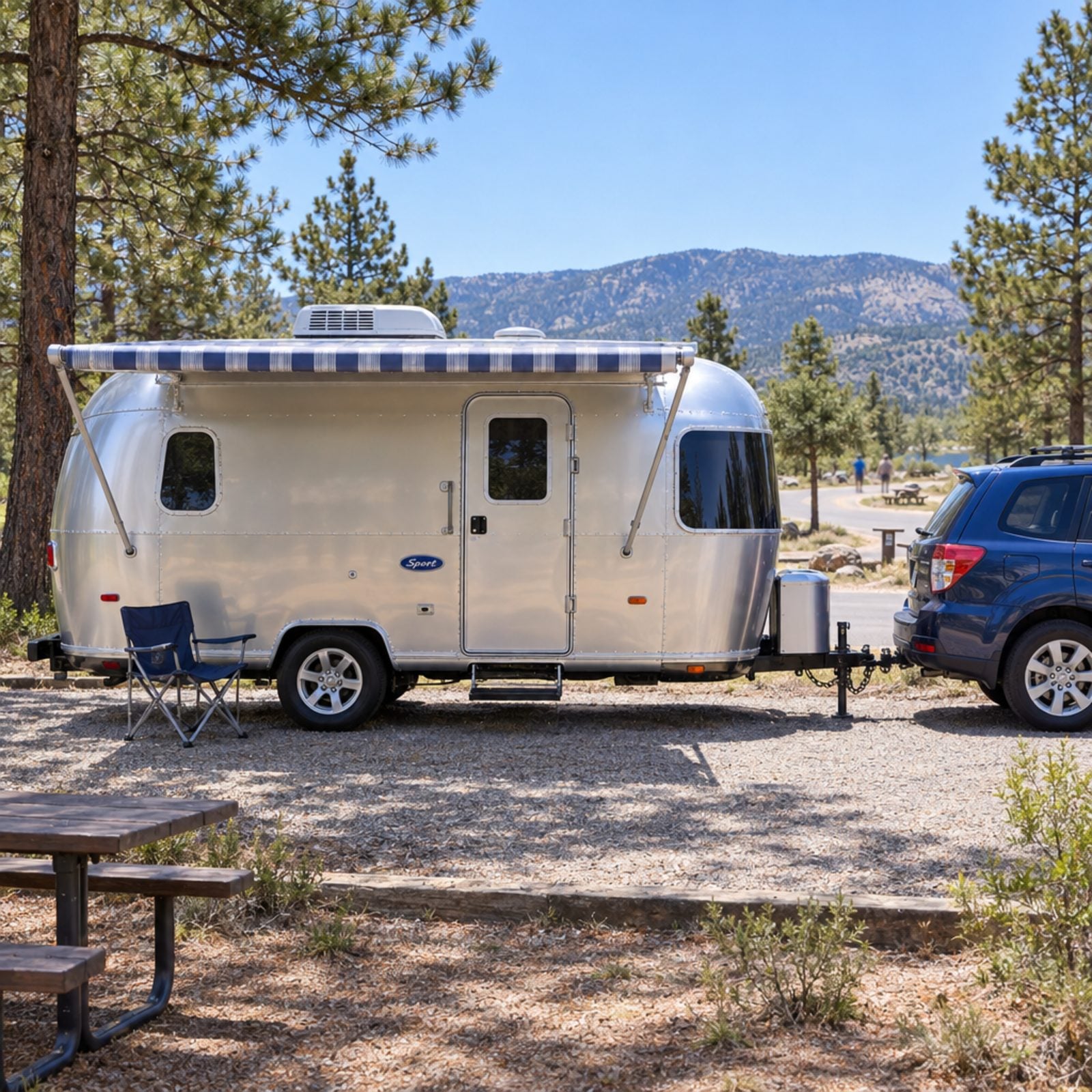
If you wanted a silver bullet on a budget in 2010, the Sport 16-foot was your door, and it opened at about $35,000.
Still not pocket change — that was roughly a year of take-home pay for plenty of folks back then. But against the rest of the lineup it felt almost reasonable, the gateway drug of aluminum ownership. In today’s dollars that works out to around $51,000, which tracks neatly with what a small Airstream costs now. You’ll see the pattern the whole way down this list: the trailers got fancier, inflation did the heavy lifting, and the badge never once got cheaper.
2012 Eddie Bauer 25FB: Outdoor Branding Pushed It Past $70,000
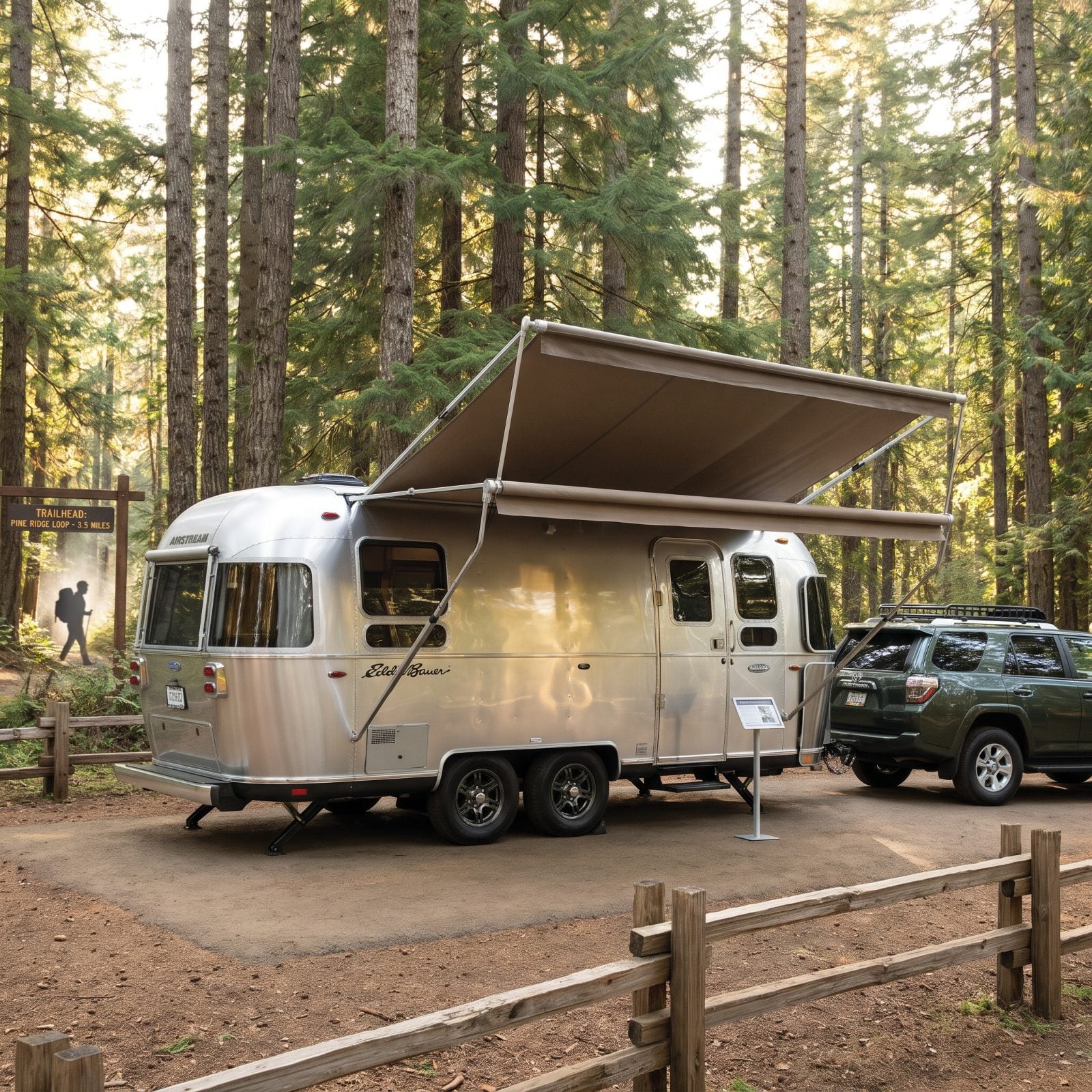
Slap an outdoor-apparel name on a travel trailer and watch the number climb. The 2012 Eddie Bauer 25FB carried special-edition pricing north of $70,000.
Co-branding is a tax on recognition. You weren’t just buying aluminum and a bed — you were buying the feeling of the label stitched into your flannel. Adjusted forward, that sticker sits in the high nineties today. Honestly, special editions are a gamble. Some hold value because collectors want the badge, and some just cost more for graphics you’ll stop noticing by the second trip out.
2013 International Serenity 28-Foot: Calm Living for a Premium, About $82,000
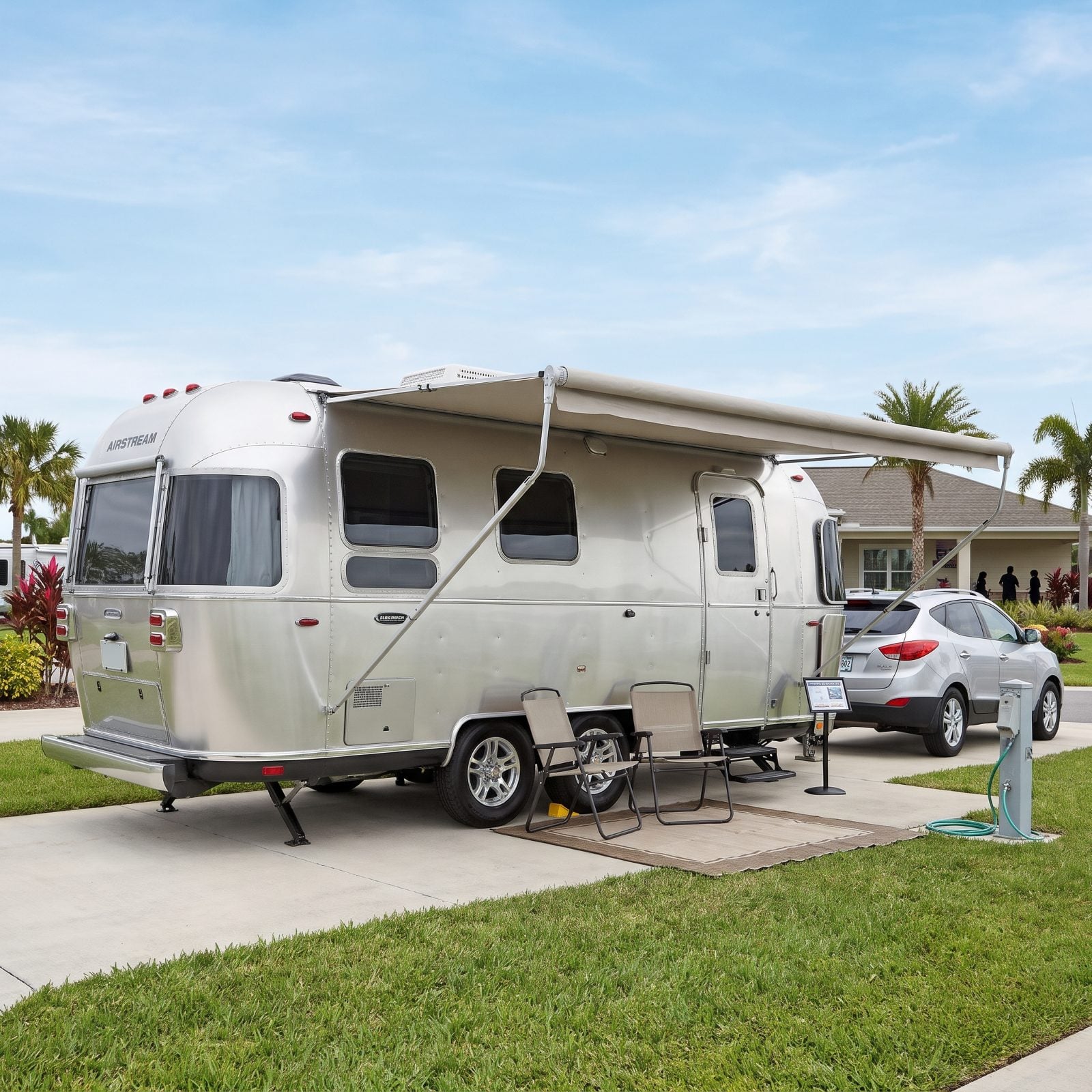
The International Serenity was Airstream selling quiet. Softer interiors, a calmer palette, and in 2013 the 28-foot version asked for roughly $82,000.
That’s a lot to pay for serenity, even granting that the interior really was nicer than the standard fit. The Serenity leaned into muted tones and cleaner lines — a spa with a holding tank, basically. Run the inflation math and you land somewhere near $110,000 today. The premium bought you a mood. Whether a mood should cost the price of a starter house is a conversation for a longer campfire.
2015 Classic 30-Foot: The Redesigned Flagship Broke Six Figures
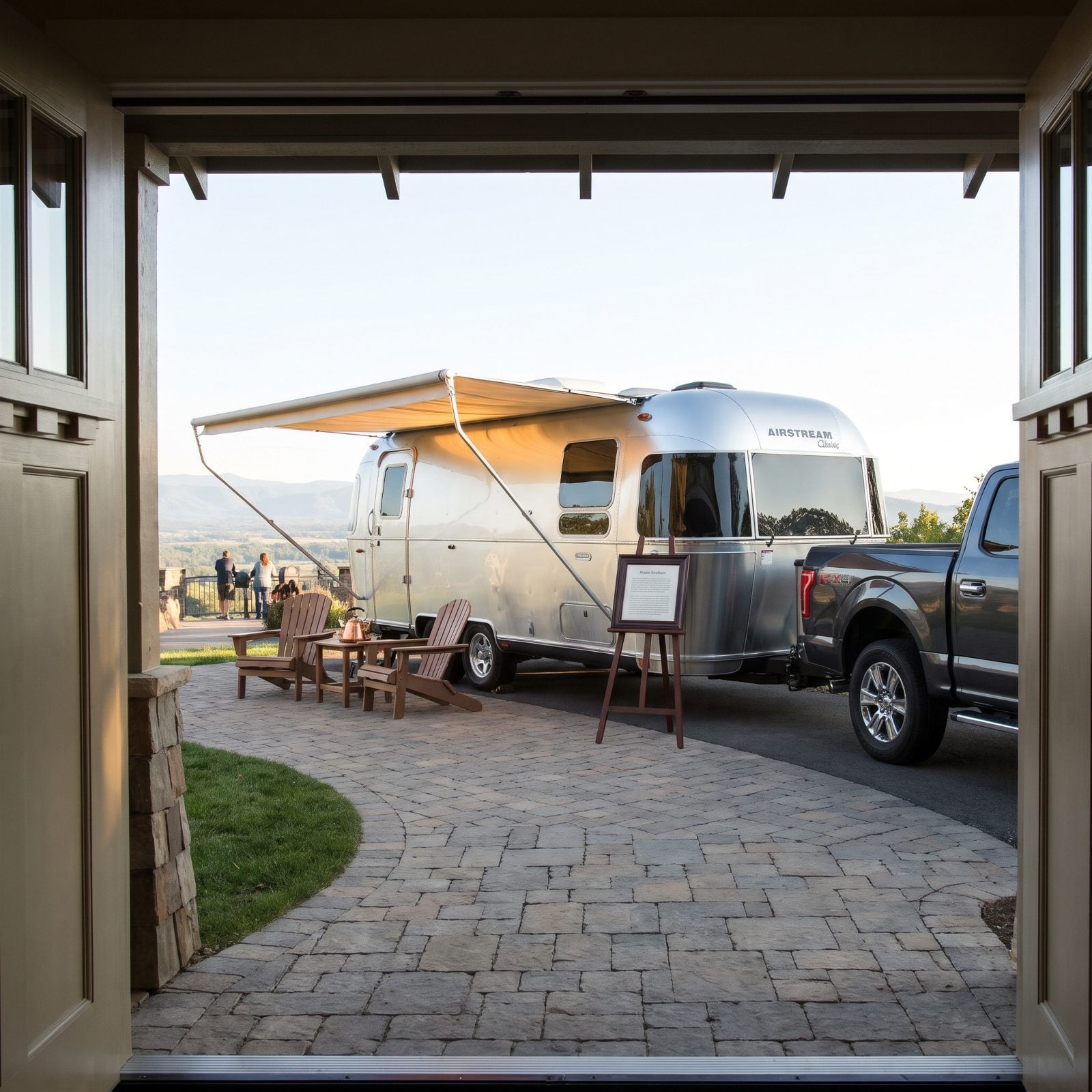
When Airstream redesigned the Classic in 2015, it stopped pretending to be affordable. The 30-foot flagship crossed six figures, landing around $130,000 once you added the options everyone adds.
At that number you’re not buying a camper. You’re buying the top of the catalog — the one in the brochure, photographed at sunset with the good flatware. Adjusted for inflation it comes to roughly $170,000 today, and the current Classic asks even more. The flagship exists to set the ceiling. Most buyers glance at it, then walk straight to something sensible, which is exactly what it’s there to make you feel good about.
The flagship isn’t built to be bought. It’s built so the trailer next to it looks like a deal.
2016 Pendleton 27FB: A Centennial Collector’s Trailer Near $90,000
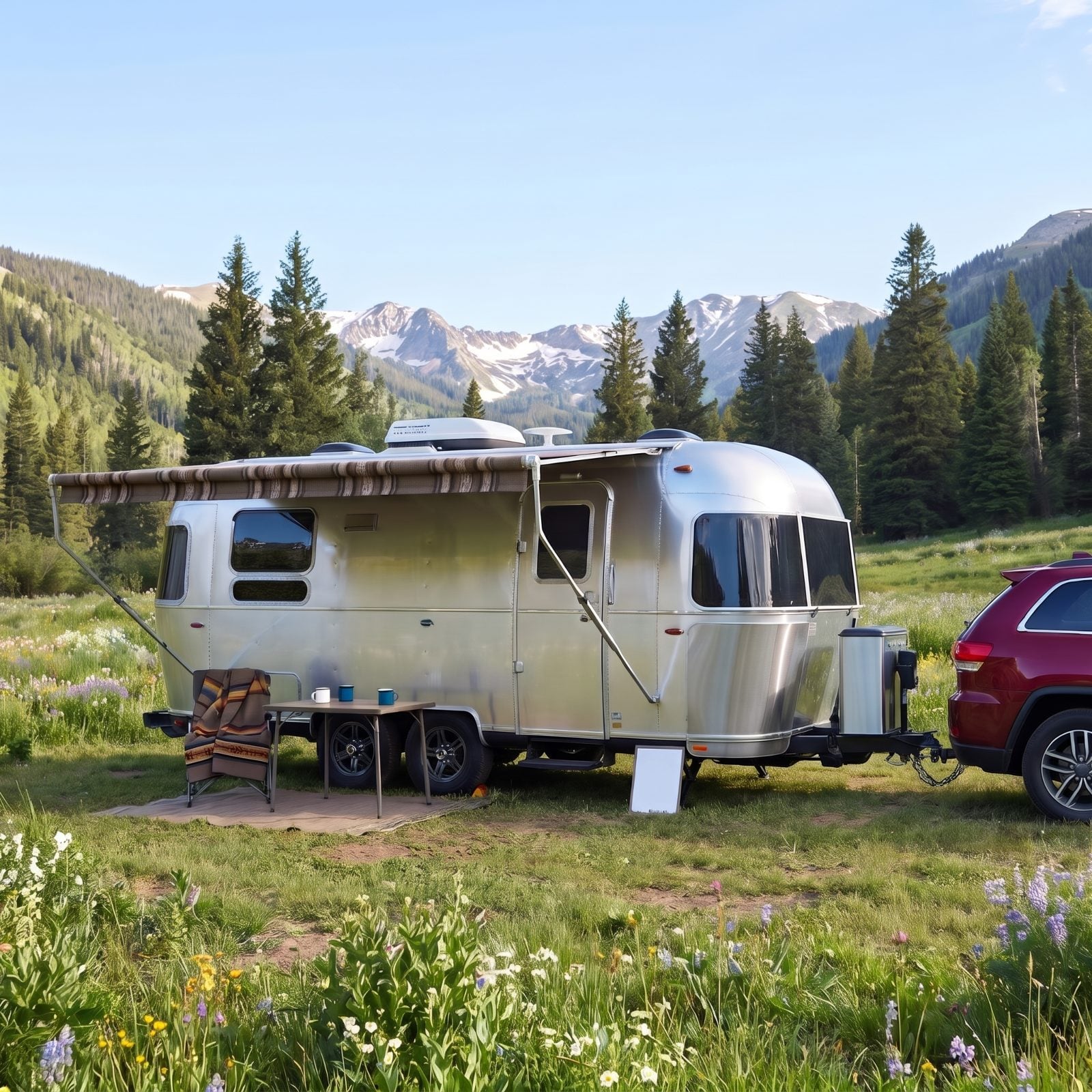
2016 marked a hundred years of the National Park Service, and Airstream built a Pendleton-themed trailer to toast it. The Pendleton 27FB ran around $90,000 as a limited run.
Scarcity does strange things to a price tag. It’s an ingredient all its own, and buyers paid for the certainty that few others would ever have one. In today’s dollars that’s roughly $117,000. These hold value better than the standard trailers precisely because of the fine print: limited means limited. Find one clean on the used market and people clock the wool-inspired details before they clock the age.
2018 Nest 16-Foot: The Fiberglass Gamble at About $45,000
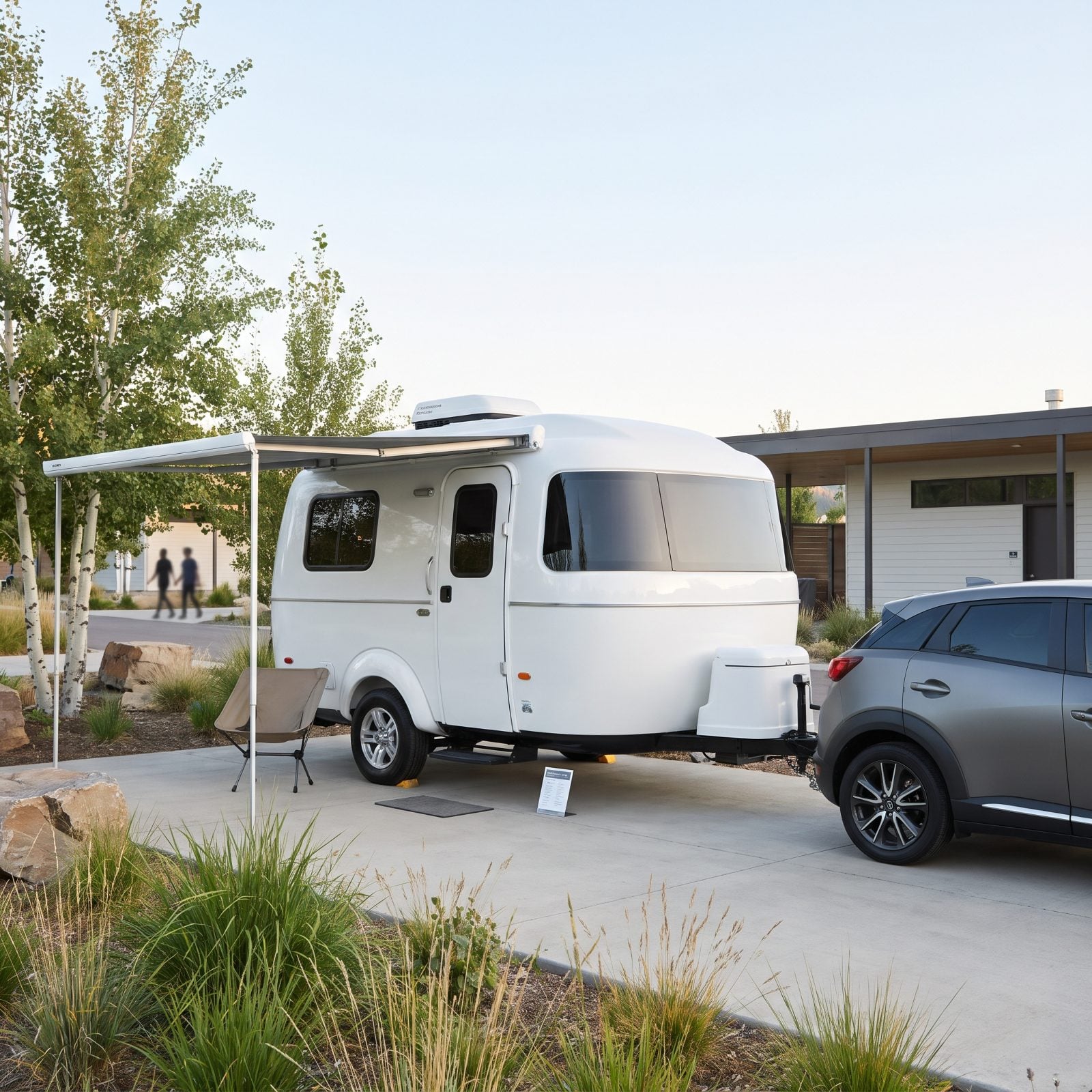
Now the weird one. The 2018 Nest ditched aluminum entirely for molded fiberglass, a shiny white departure that opened around $45,000.
Airstream bought a small fiberglass outfit and launched the Nest as a genuine experiment, and it flopped. Production ended within a couple of years. The thing was good-looking in a spaceship-egg way, but people come to Airstream for the riveted silver skin, and a white fiberglass pod muddied the whole pitch. Adjusted to today that’s about $57,000. Short-lived models pick up collector curiosity eventually, so the Nest might age into a quirky footnote worth more than it looks.
2019 Globetrotter 27FB: European Calm at Roughly $95,000
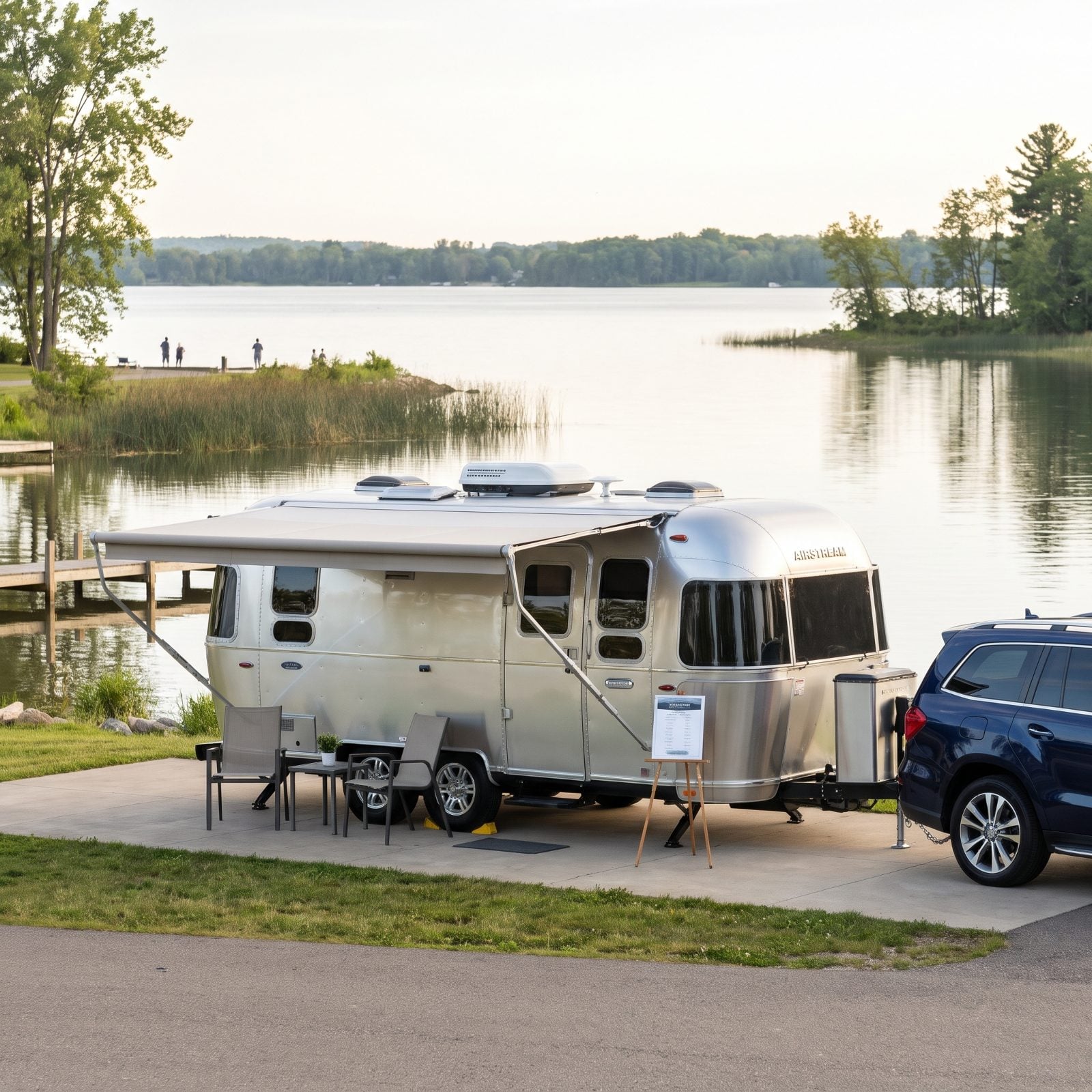
The Globetrotter leaned European. Flat-panel cabinetry, a more continental interior, and a 2019 price around $95,000 for the 27FB.
Airstream was reading the room. Buyers wanted something that felt less like a cabin and more like a modern apartment on wheels, and the Globetrotter answered with cleaner surfaces and a calmer palette — the sticker reflected the effort. Adjusted forward it sits near $118,000. The interior genuinely wins people over, even those who walk in expecting to find the price silly.
2020 Bambi 16RB: The New Entry Point at About $48,000
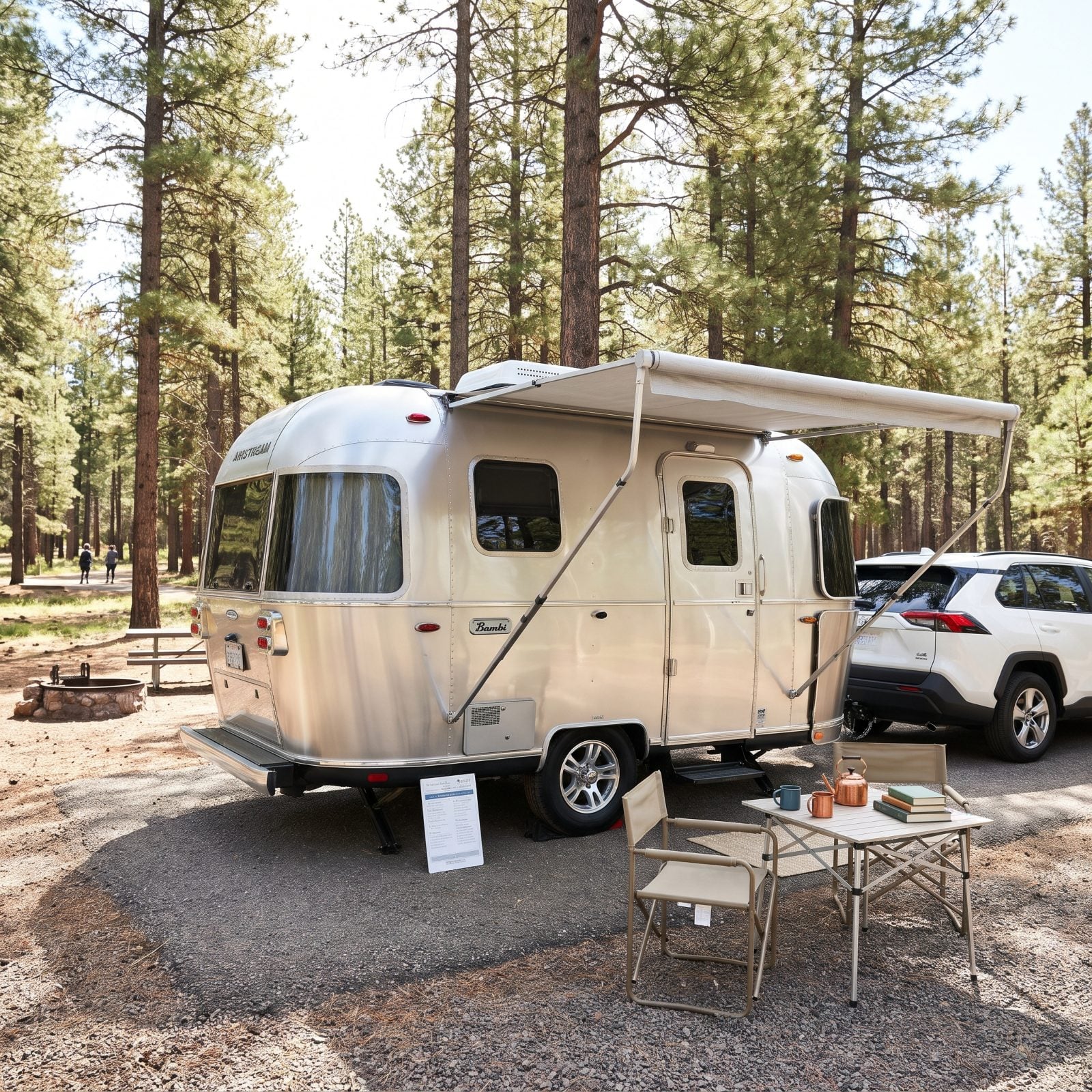
The Bambi name has bounced around Airstream’s history for decades, and in 2020 it settled onto the new entry-level line. The 16RB opened around $48,000.
This is the smallest, friendliest Airstream in the lineup, and it still cost more than plenty of new cars. Entry-level and cheap are not the same word. Adjusting barely matters this close to the present — call it $58,000 today. For a first-timer, this is the realistic doorway: compact enough to tow with a mid-size SUV and small enough to park without breaking into a sweat. The badge still costs what the badge costs.
2021 Flying Cloud 30FB Office: Working From the Hitch for Around $100,000
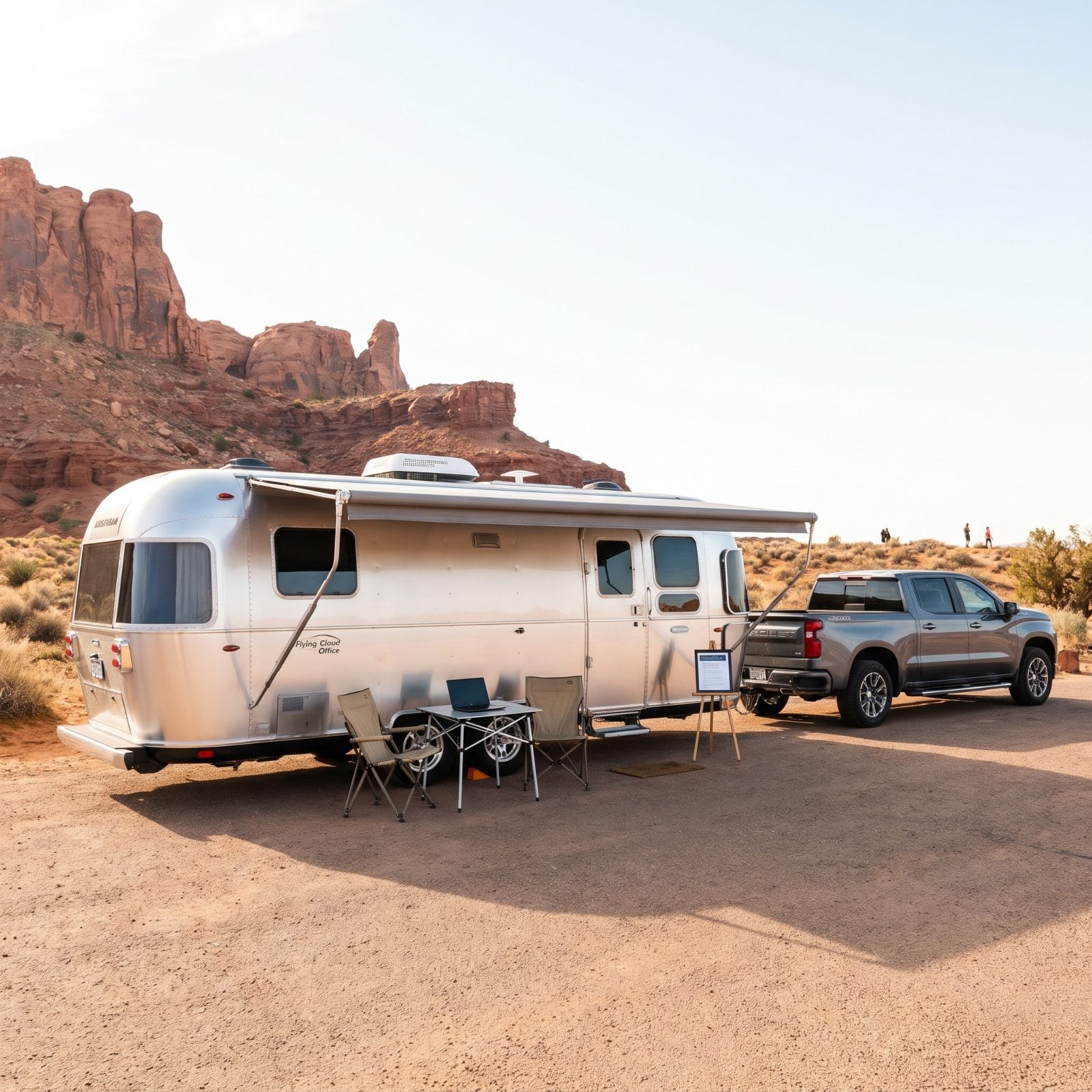
2021 arrived with everyone suddenly working from wherever had a signal, and Airstream answered with a floor plan built around a desk. The Flying Cloud 30FB Office ran right around $100,000.
A dedicated workspace inside a travel trailer sounds niche — until you remember how many of us spent that year staring at a wall. This layout traded a little lounge for a real desk and a door you could half-close. The timing was sharp, the price steep, and adjusted to today it sits near $115,000. Of everything here, the office-in-an-Airstream is the clearest snapshot of a decade that ended somewhere very different from where it began. Pack light. Bring the laptop.
2022 Pottery Barn 28RB: A Living Room on Wheels for Around $120,000
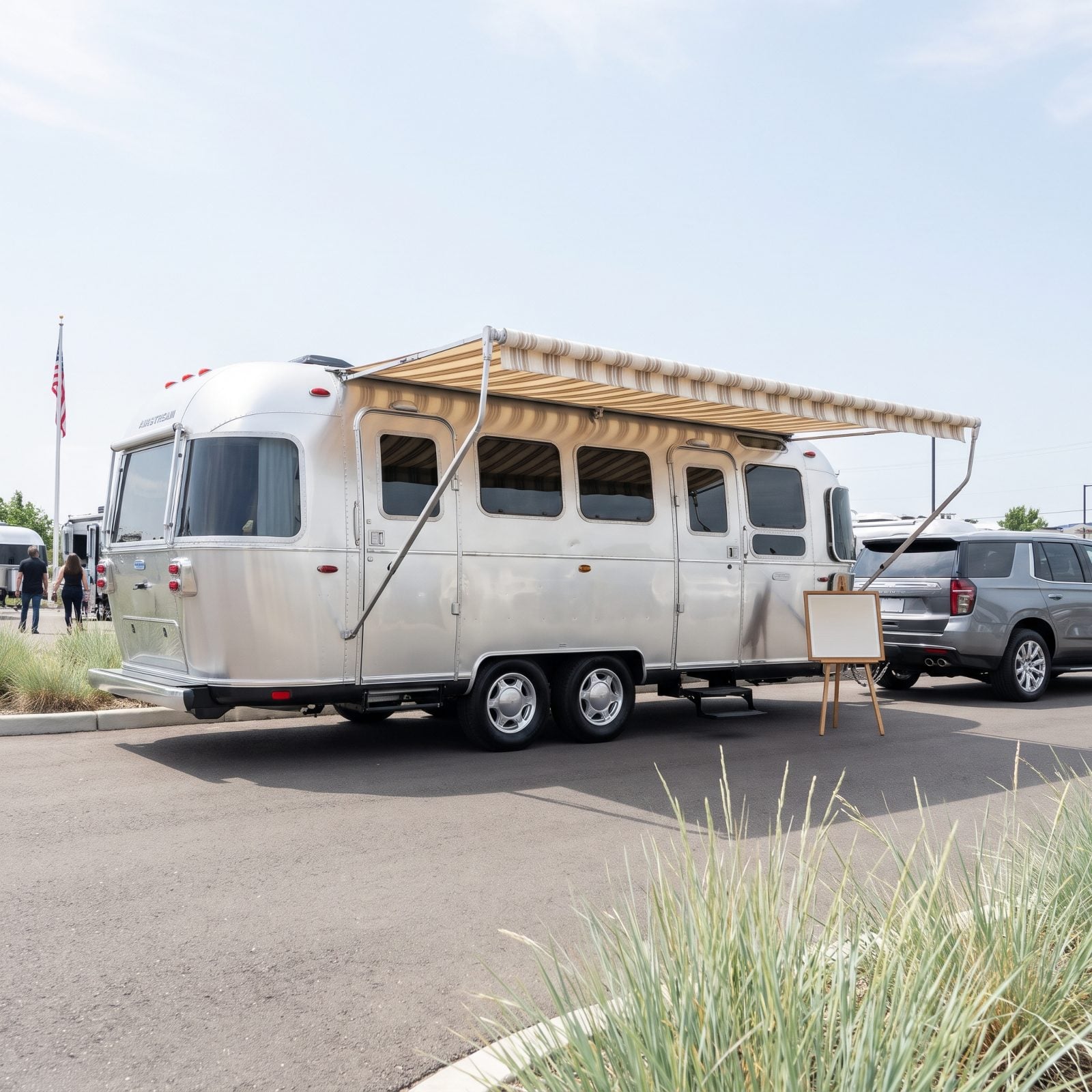
Airstream teamed up with a home-furnishings brand and the result looked more like a catalog spread than a camper. The Pottery Barn special edition came in the 28RB layout, with a sticker around $120,000 before options pushed it higher.
You were paying for the styling. Pottery Barn picked the furniture, textiles and finishes, so the inside felt like a well-kept living room rather than a utilitarian travel trailer. In today’s dollars that lands somewhere around $130,000. Compare that to the 1960 Pacer at roughly $31,000 adjusted, and you see how far the top of the market has moved. Back then you bought a trailer. Here you were buying a lifestyle brand’s version of one, and the price reflected both names on the door.
2023 REI Co-op Basecamp 16X: The Branded Premium That Hit Near $63,000
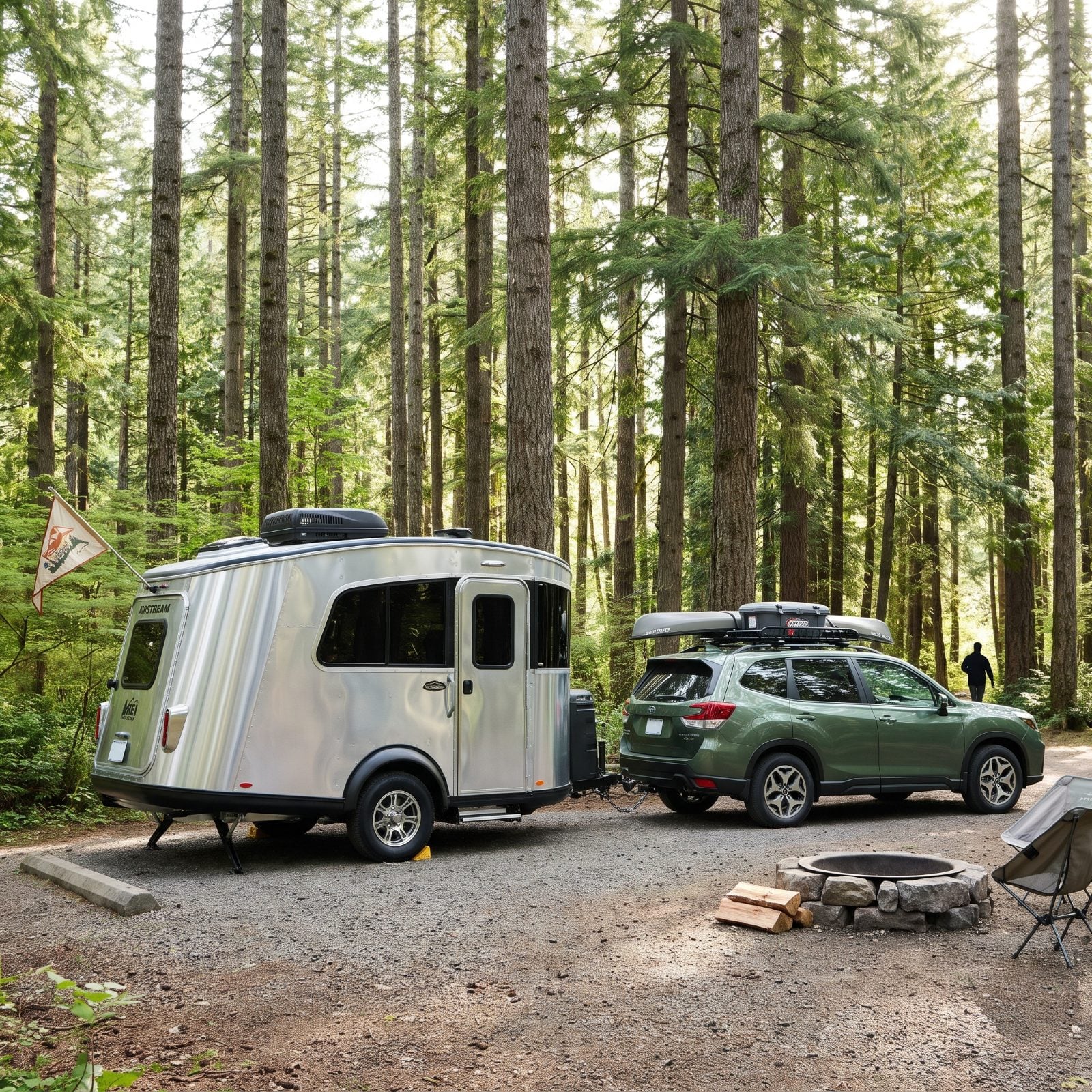
The Basecamp started out as Airstream’s small, scrappy adventure trailer. By 2023 the REI Co-op special edition of the 16X version carried a sticker near $63,000, a long way from where the little trailer began.
The X trim was the rugged one, lifted and fitted for rougher roads, and the REI badge added its own colors and gear-minded touches. Adjusted to today’s dollars, that comes to roughly $66,000. That’s real money for a 16-footer you can tow behind a midsize SUV. Still, branded editions tend to hold their value on the used market, and the buyer here was paying for the co-op credibility as much as the floor plan.
2024 Trade Wind 25FB: Off-Grid Solar Power for Roughly $135,000
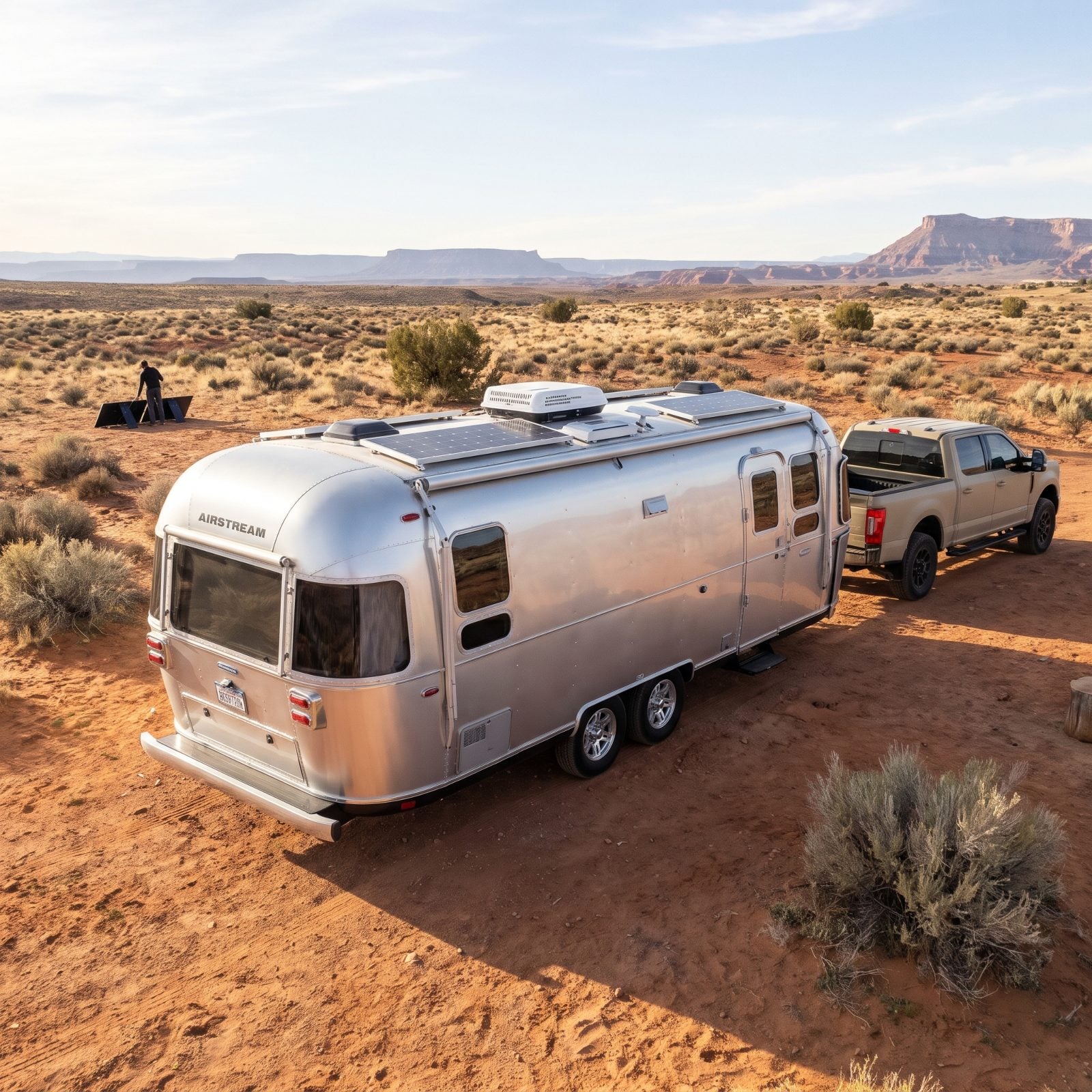
The Trade Wind name came back for 2024, and this time it was built around living off the grid. The 25FB ran roughly $135,000, with rooftop solar, a lithium battery bank and an inverter ready for days away from hookups.
Here’s the twist. The Trade Wind used to be the sensible middle of the lineup, a reasonable choice for an ordinary family. Now the same name sits well into six figures, around $139,000 in today’s dollars. Part of that is just inflation. More of it is the price of independence, because power systems that let you run lights and charge devices in a remote campsite aren’t cheap to build in. You’re buying fewer nights at the RV park, and you pay for that freedom up front.
2025 Classic 33FB: The Flagship’s Latest Sticker at Around $195,000
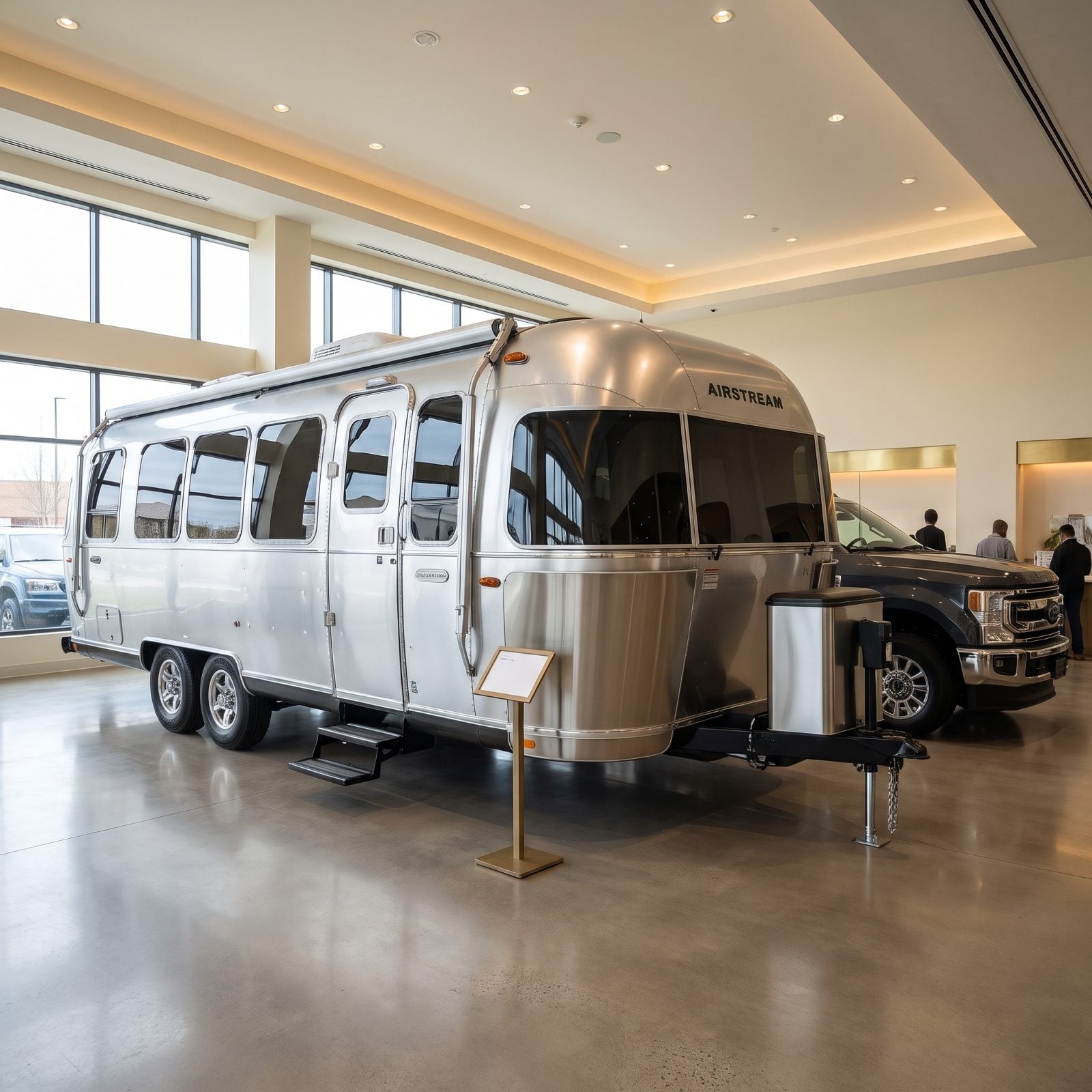
Which brings us to the top of the current lineup. The 2025 Classic 33FB carries a sticker around $195,000, which puts Airstream’s flagship within reach of a modest house in plenty of towns.
Hold it up against the 1960 Pacer. That little trailer cost about $2,900, roughly $31,000 in today’s money. The Classic costs more than six times that even after adjusting for inflation. Some of the gap is size, and some is the residential-grade finishes, smart controls and power systems buyers now expect. Some of it is just that Airstream decided long ago to stay premium and never backed off.