
The salesman says the half-ton can pull 11,000 pounds. The yellow sticker inside the driver’s door says something quieter and a lot more honest, and most tow-vehicle regret starts right there in the gap between the brochure number and the number stamped on the truck you actually bought. Good news, though: every limit that matters is knowable before you sign a thing. You just have to know which numbers to hunt down. Here are the ones that decide whether your rig drives like a dream or a white-knuckle ride.
Please note that some of the images in this article were created with the assistance of AI.
30. The Door-Jamb Payload Sticker Matters More Than the Brochure
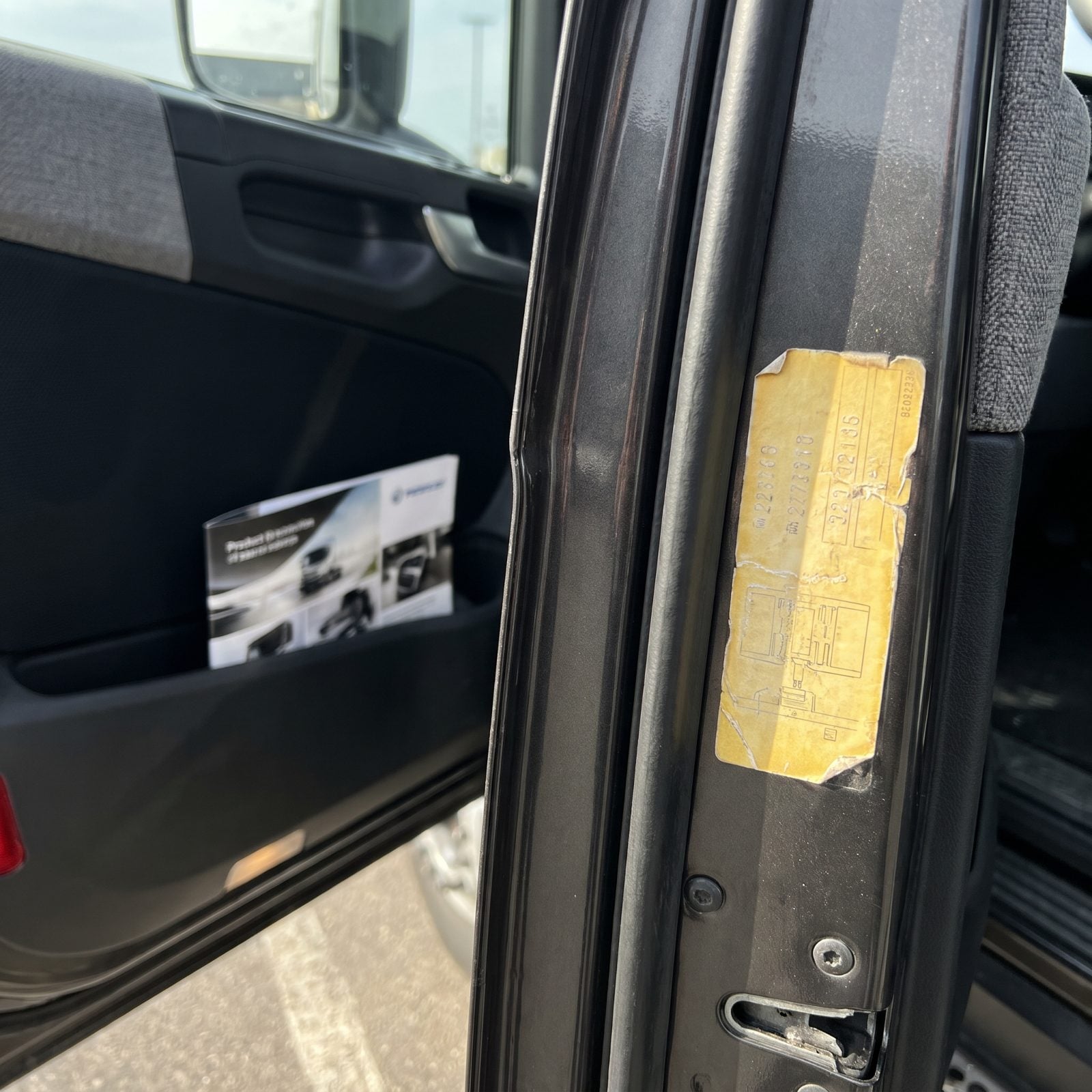
The brochure sells a dream. The door jamb tells the truth. That little yellow sticker inside the driver’s door lists your truck’s actual payload, measured for that exact vehicle with its exact options, not the best-case figure a marketing team rounded up.
Here’s why it stings. Two trucks of the same model can differ by hundreds of pounds of payload depending on what they left the factory with, so trust the brochure and you might buy a trailer that overloads the truck on day one.
Find that sticker before anything else. Read the line that says the combined weight of occupants and cargo should never exceed X pounds, and write the number down. That’s the real budget you’re working with, and everything else you load has to fit inside it.
29. Tow Ratings Change With Every Cab, Bed, Engine, and Drivetrain
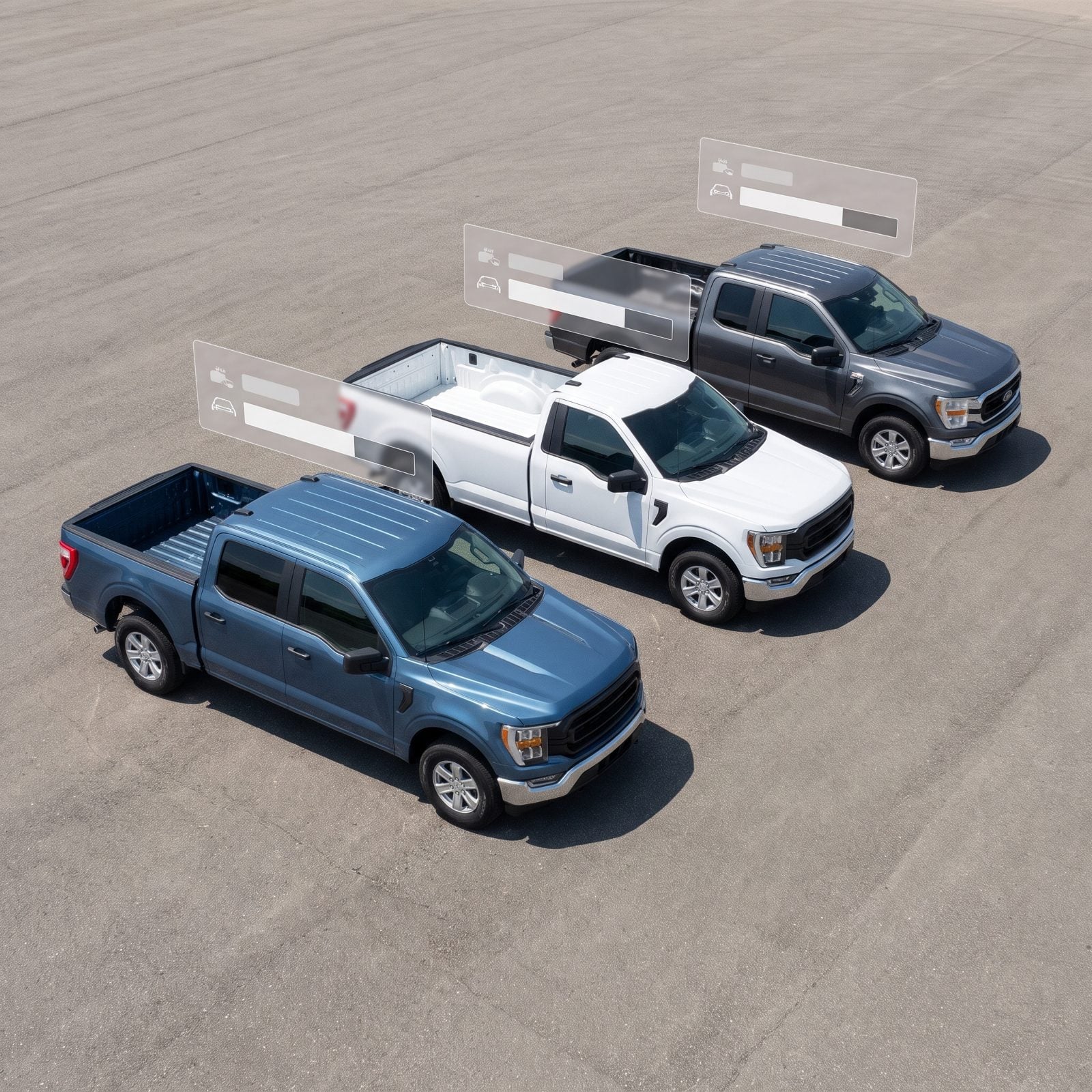
Same badge on the tailgate, wildly different capability. Swap a crew cab for a regular cab, a short bed for a long bed, two-wheel drive for four, or the base V6 for the diesel, and the tow rating moves hundreds or even thousands of pounds.
The catch? That headline number you remember almost always belongs to the stripped-down, lightest, rarest configuration nobody actually orders. The comfortable truck you want sits lower on the chart.
Get the VIN or the exact build sheet, then look up the tow rating for that specific combination. Manufacturers publish configuration-by-configuration tables, and the five minutes it takes to match your truck to the right row saves you from assuming you have capacity you were never sold.
28. Fifth-Wheel Pin Weight Can Consume a Truck’s Payload Fast
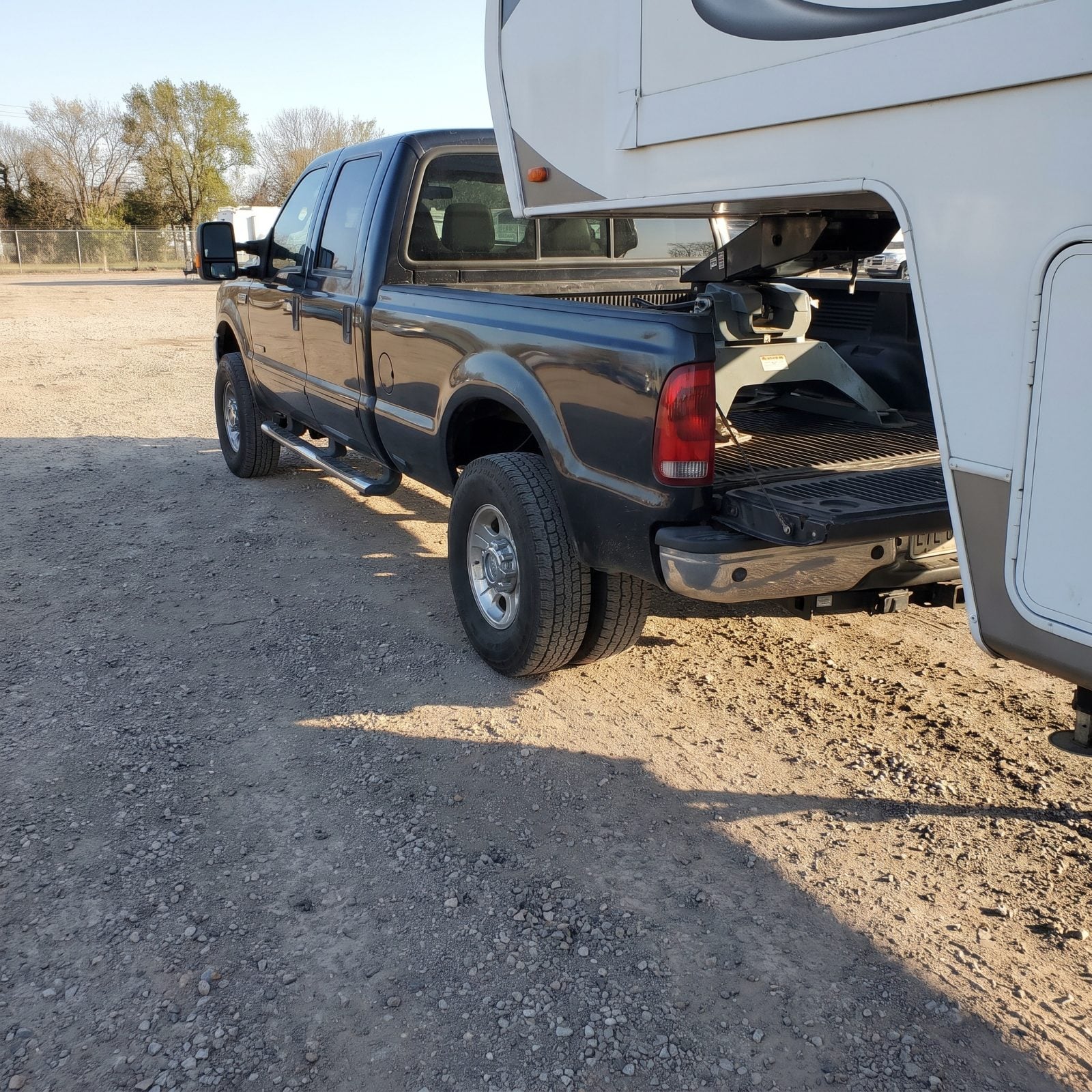
Fifth wheels tow beautifully. They also drop a shocking amount of weight straight into the bed of your truck. Pin weight commonly runs a fifth to a quarter of the loaded trailer weight, which means a heavy fifth wheel can put well over a ton directly over your rear axle.
Do the math and plenty of half-ton and even some three-quarter-ton trucks run out of payload long before they run out of tow rating. The truck can pull it. It just can’t legally carry the pin.
Before falling for a fifth wheel, take its loaded pin weight, add your passengers, the hitch hardware itself, and anything in the bed, then check it against that door-jamb payload number. This is the single most common way buyers end up over their limits without ever feeling it.
Writing about their own fifth wheel, longtime RV travel podcasters point out that “Typically, fifth wheel pin weight equals 15–20% of the trailer’s total loaded weight and counts against the truck’s payload capacity.”
27. Passengers, Pets, Hitches, and Accessories All Count Against Payload

Payload isn’t just suitcases. It’s you, your travel partner, the dog, the cooler in the back seat, the generator in the bed, and the hitch bolted to your frame. Every pound of it subtracts from the same budget.
People forget the hitch most of all. A weight-distribution setup can weigh the better part of a hundred pounds on its own, and yes, it counts.
Add it all up honestly: two adults, a dog, a full tank of fuel, the hitch hardware, the stuff you keep in the cab and bed, then the trailer’s tongue or pin weight on top. That total is what your payload number has to cover, and most folks are startled by how quickly a comfortable family trip eats through it before the trailer even enters the picture.
26. GVWR and Tow Rating Are Two Different Limits
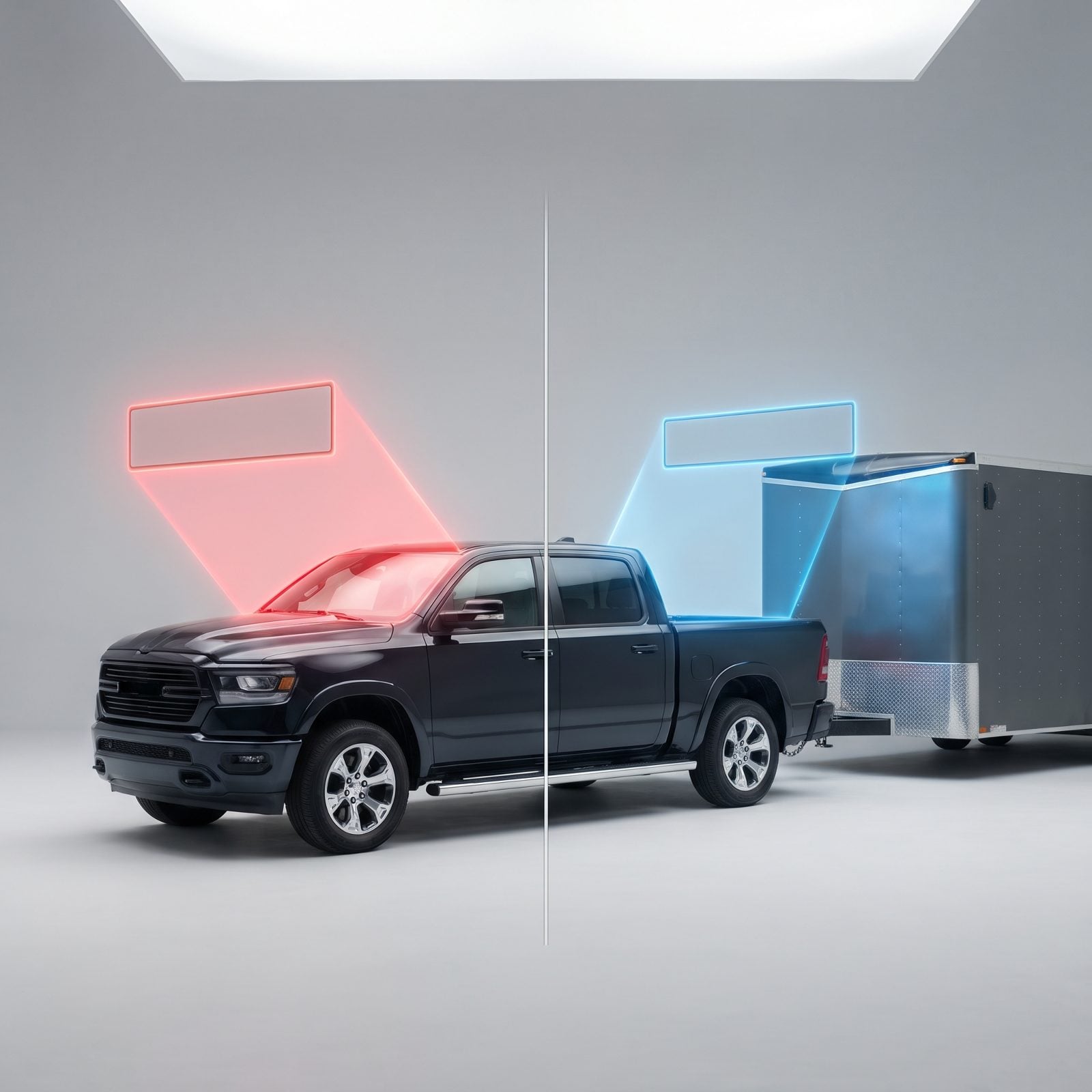
These two numbers get confused constantly, and the confusion is expensive. Tow rating is how much the truck can pull behind it. GVWR (gross vehicle weight rating) is how much the truck itself is allowed to weigh, fully loaded, including the tongue or pin weight pressing down on it.
You can stay under your tow rating and still blow past GVWR, because the weight sitting on the truck is a separate ceiling from the weight trailing behind it.
Treat GVWR as the limit that usually bites first. Weigh the loaded truck by itself at a CAT scale, hitched up and ready to roll, and confirm it sits under its GVWR. Towing capacity means nothing if the truck is already overweight standing still.
25. GCWR Limits What the Entire Combination Can Weigh
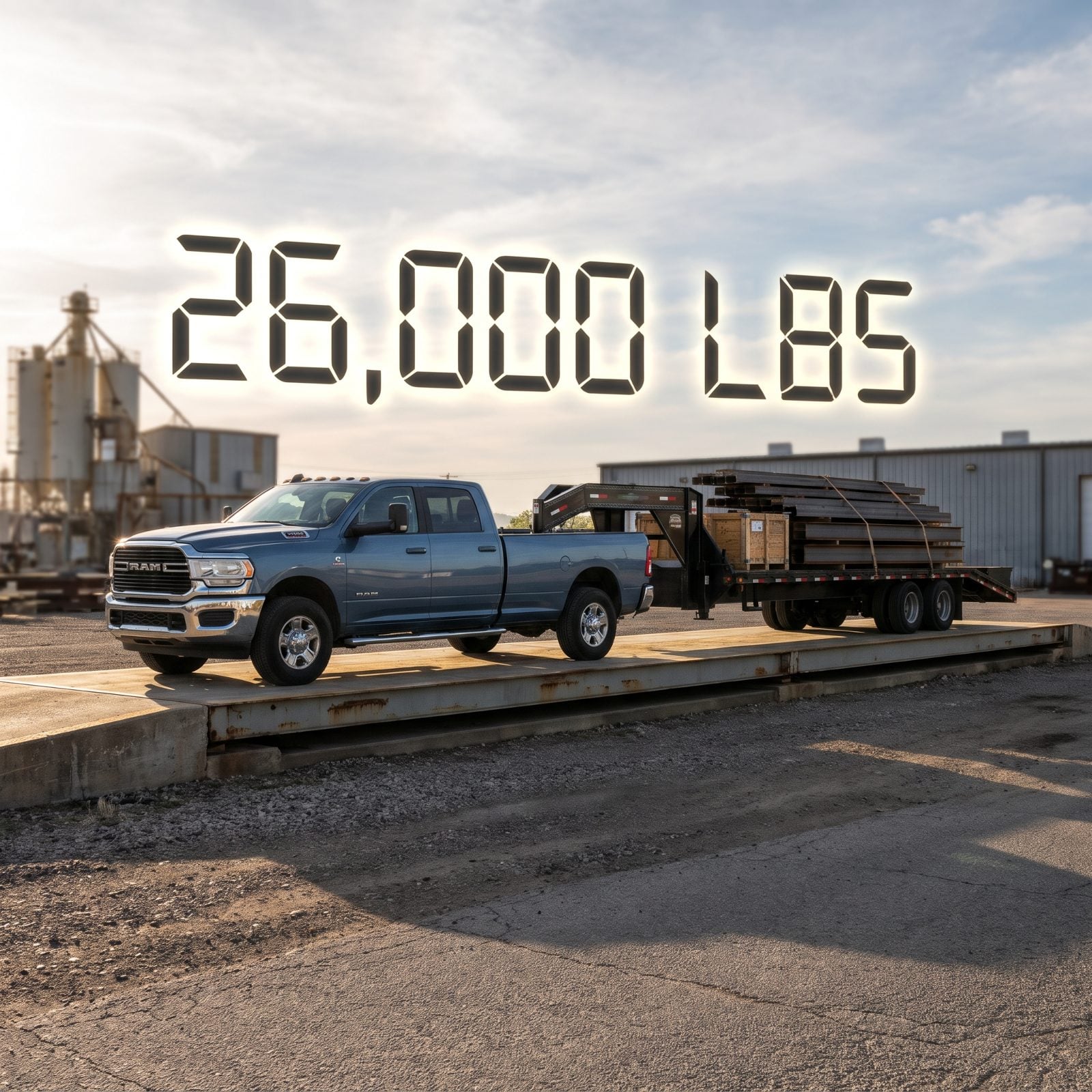
GCWR is the number almost nobody checks, and it governs everything. Gross combined weight rating is the absolute ceiling for the truck and the trailer added together, fully loaded, every pound of both.
You can be under tow rating, under GVWR, under payload, and still exceed GCWR once the trailer is packed and the truck is full. It’s the limit that quietly ties all the others together.
The honest way to check it: subtract your actual loaded truck weight from the GCWR, and what’s left is the most your loaded trailer can weigh. Not the brochure trailer weight. The real one, with your water, food, bikes, and gear aboard.
The brochure gives you one trailer. Your packing list gives you another. GCWR cares only about the second one.
24. A Max-Tow Package Is More Than a Receiver Hitch
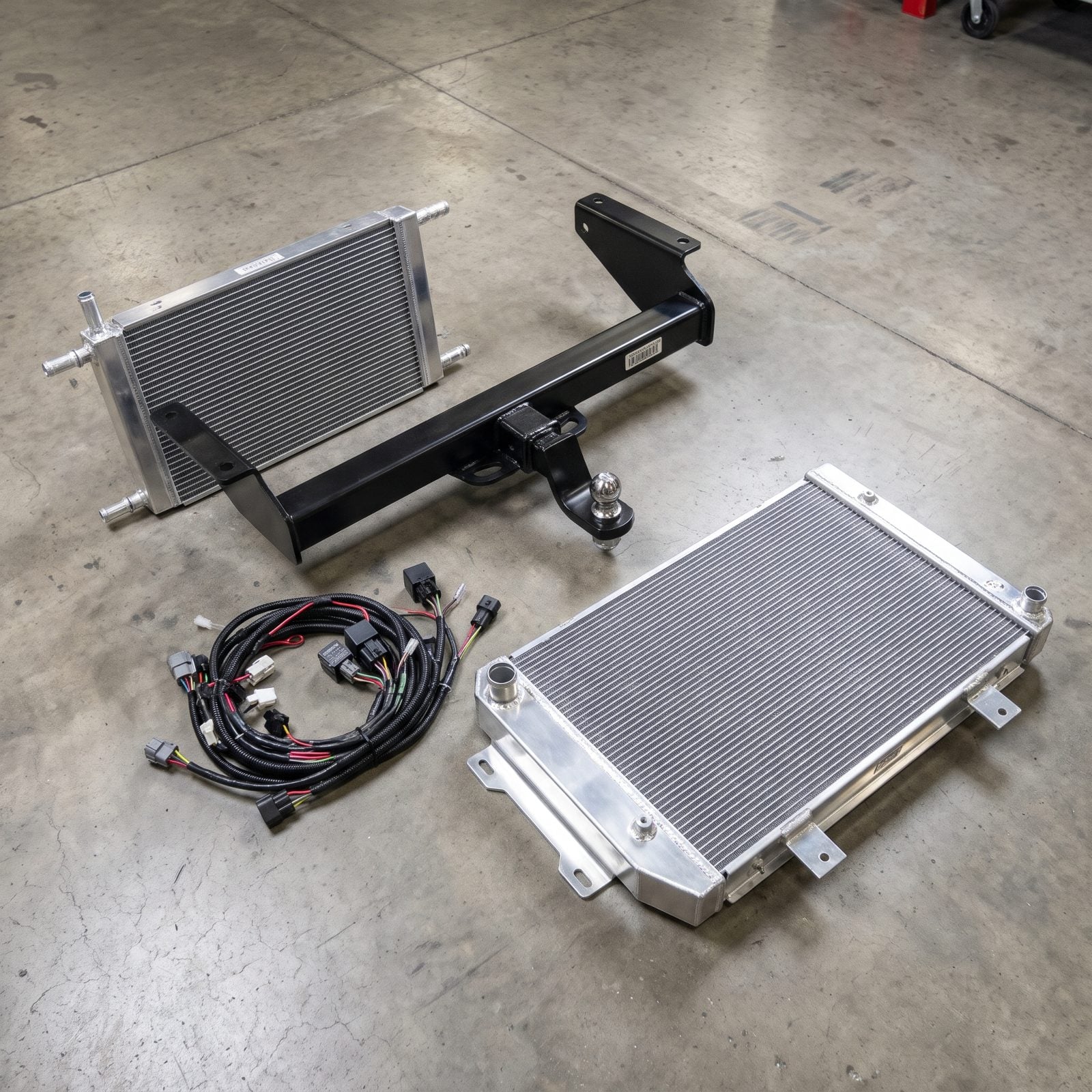
A genuine max-tow or heavy-duty tow package is a bundle of real hardware, not a sticker and a hitch. It usually brings a larger radiator, an auxiliary transmission cooler, a heavier rear axle ratio, upgraded brakes, a factory brake controller, extendable tow mirrors, and sometimes a stronger alternator.
Skip it and you don’t just lose a few pounds of capacity. You lose the cooling and control that keep the drivetrain alive on a long mountain pull.
When you’re eyeing a used truck or speccing a new one, confirm which tow components are actually installed, and ask for the package code on the build sheet. A truck wearing the same badge without the cooling and brake upgrades is a different animal on a steep grade in July.
23. Wheelbase Has a Major Effect on Highway Stability
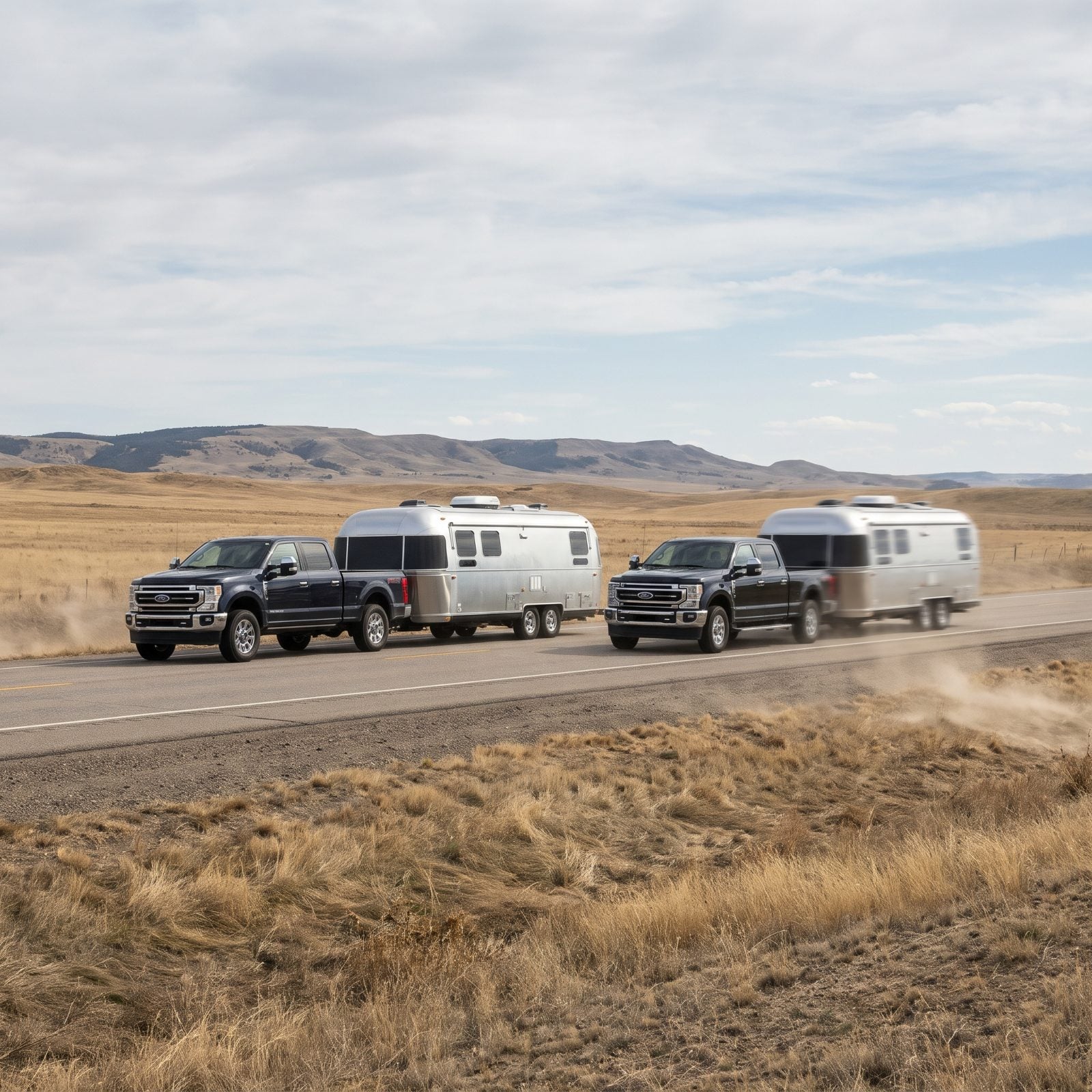
Two trucks with the same tow rating can feel completely different behind a trailer, and wheelbase is a big reason why. A longer wheelbase shrugs off the push and pull of a trailer and tracks straighter in crosswinds and the wake of passing semis. A short wheelbase reacts faster to every nudge from behind.
This is the compromise nobody puts on a spec sheet. A short-cab, short-bed truck might match the numbers on paper and still feel twitchy at 70 with a long trailer swinging around behind it.
Planning to tow something long or tall? Favor a longer wheelbase, and pair a longer trailer with a longer truck rather than a stubby one. The rule of thumb is simple enough: the longer the trailer, the more wheelbase you want underneath you to keep the whole rig planted.
22. Short Beds May Require a Sliding Hitch and a Full-Turn Clearance Check
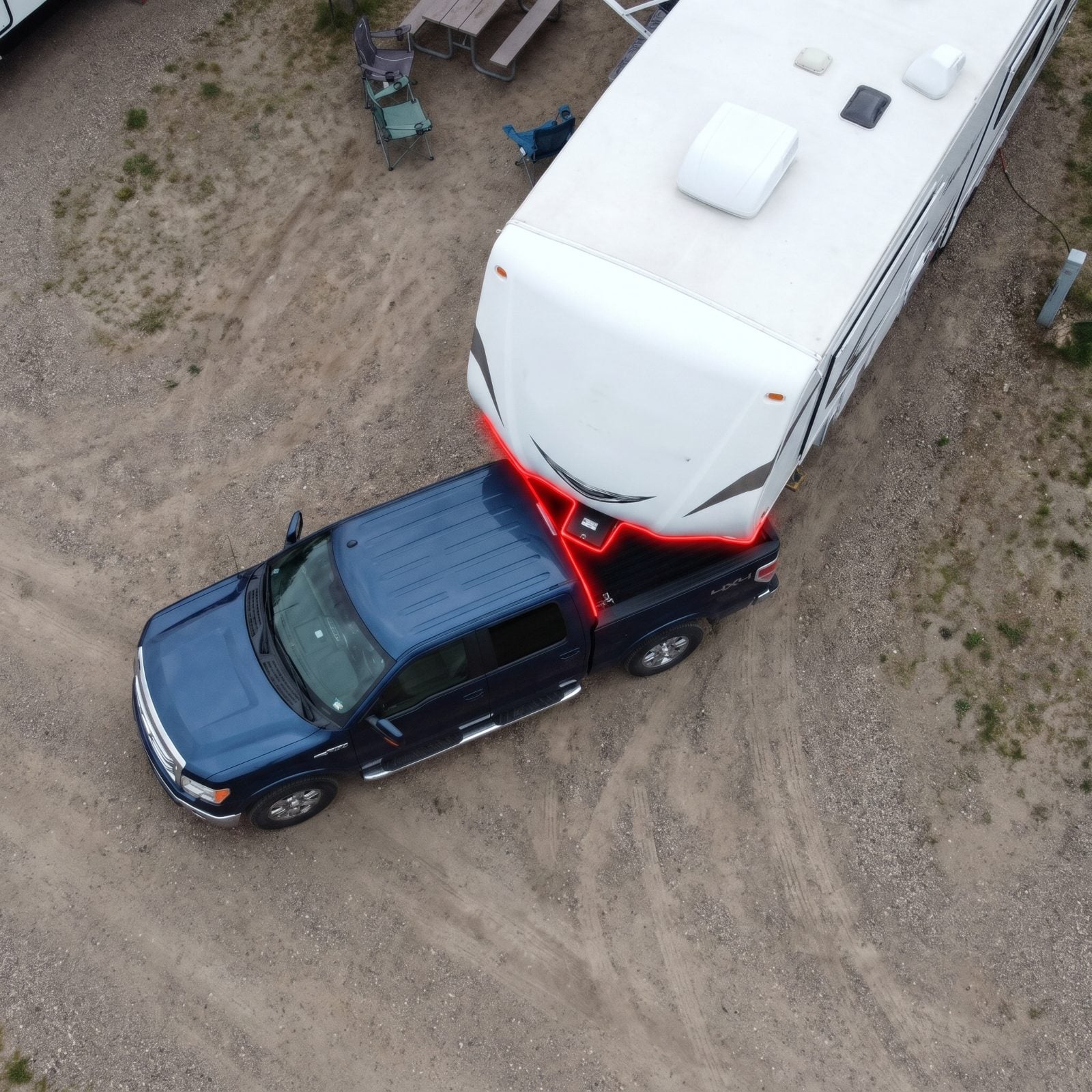
Short beds look great in the driveway and start fights in the campground. A five-and-a-half-foot bed puts the fifth-wheel kingpin closer to the cab, so in a tight turn the trailer’s front cap can swing right into your cab side and mirror.
The result? A crushed side mirror and a dented cab, usually discovered the first time you back into a wooded site. A fixed hitch just doesn’t give a short bed the room.
Measure the bed and run the combo through a full lock-to-lock turn before you buy. If clearance is tight, plan for a sliding or automatic-sliding fifth-wheel hitch that moves the pivot point back during turns. And check it loaded, not just on paper.
21. Hitch Height Must Let the Trailer Tow Level
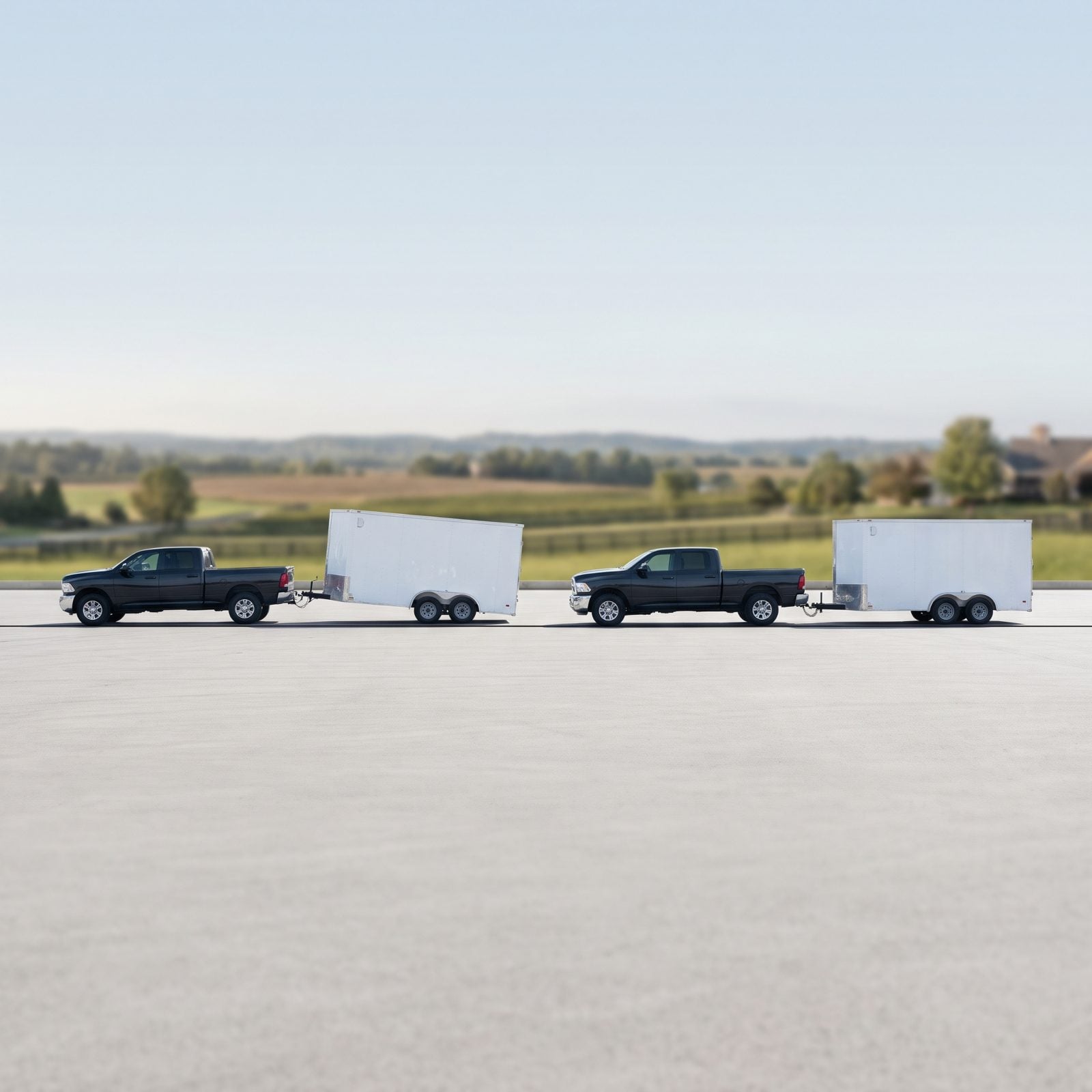
A trailer that tows nose-high or tail-down isn’t just ugly. It’s dangerous. When the frame isn’t level, weight shifts off the axles you need it on, braking suffers, and the whole rig starts to sway at highway speed.
The fix is embarrassingly simple and routinely skipped. Match the tow vehicle’s hitch receiver height to the trailer’s coupler height, then buy an adjustable drop or rise ball mount to dial the frame dead level under load. Measure both heights with the trailer loaded the way you’ll actually travel, water and gear included, then stand back and sight the frame rail against the horizon. Level frame, level tires, level nerves.
20. Receiver Ratings May Drop Without the Correct Weight-Distribution Setup
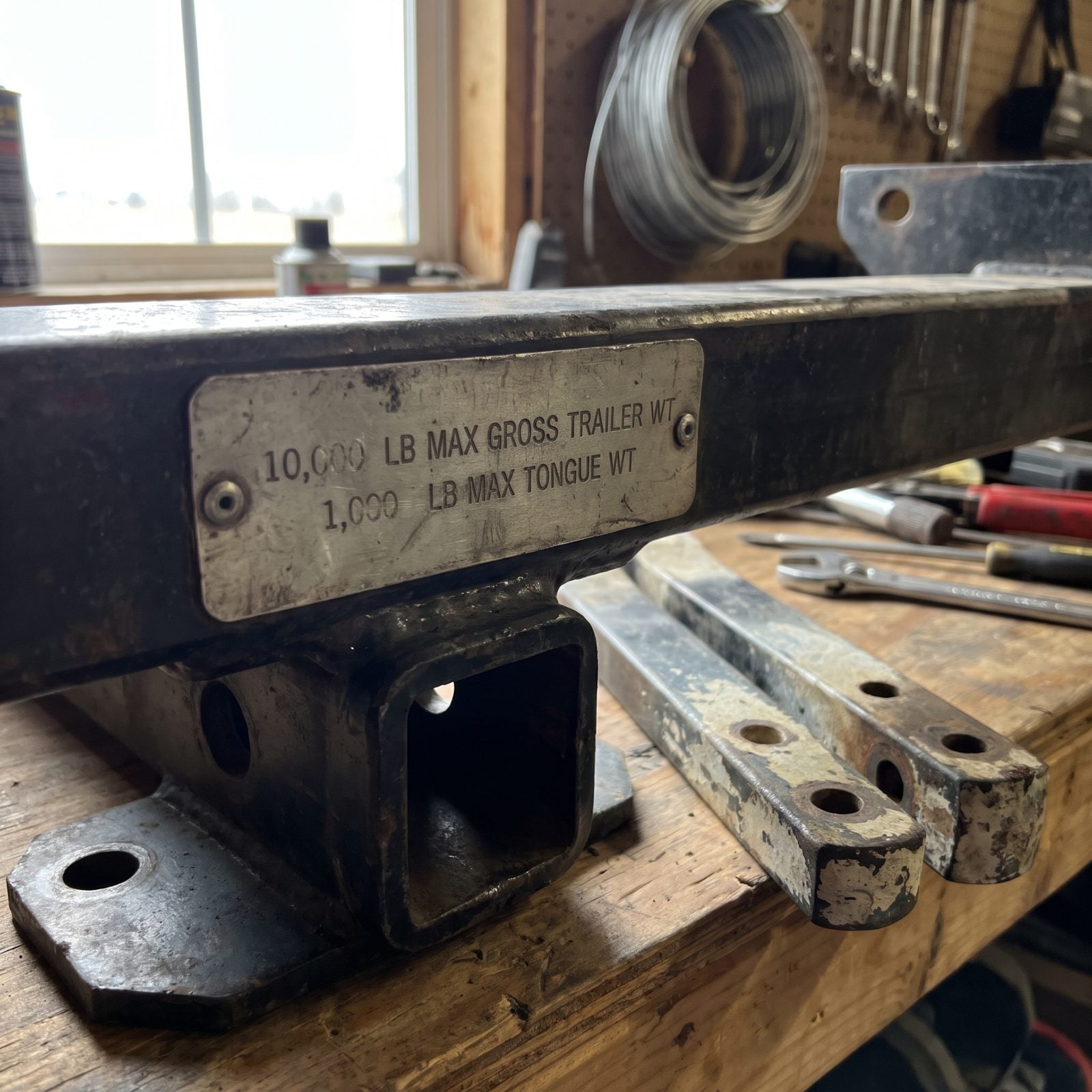
Here’s the trap buried in the fine print: many receivers carry two numbers. One rating applies with a weight-distribution hitch, and a slightly lower one applies without. The numbers can look nearly identical, so read only the bigger one and you may have quietly overloaded the hitch. Exceed the weight-carrying rating and you’re stressing the receiver, sagging the rear, and lighting up every stability problem at once.
Find both ratings on the receiver’s metal rating plate and in the owner’s manual before you tow. Plate lettering often wears to the point where you can still read the numbers but not which is which, so let the manual confirm it. If your loaded tongue weight pushes past the weight-carrying limit, a properly set up weight-distribution hitch isn’t optional. It’s the thing that makes the higher rating real.
19. Factory Fifth-Wheel Prep Can Save Cost and Installation Trouble
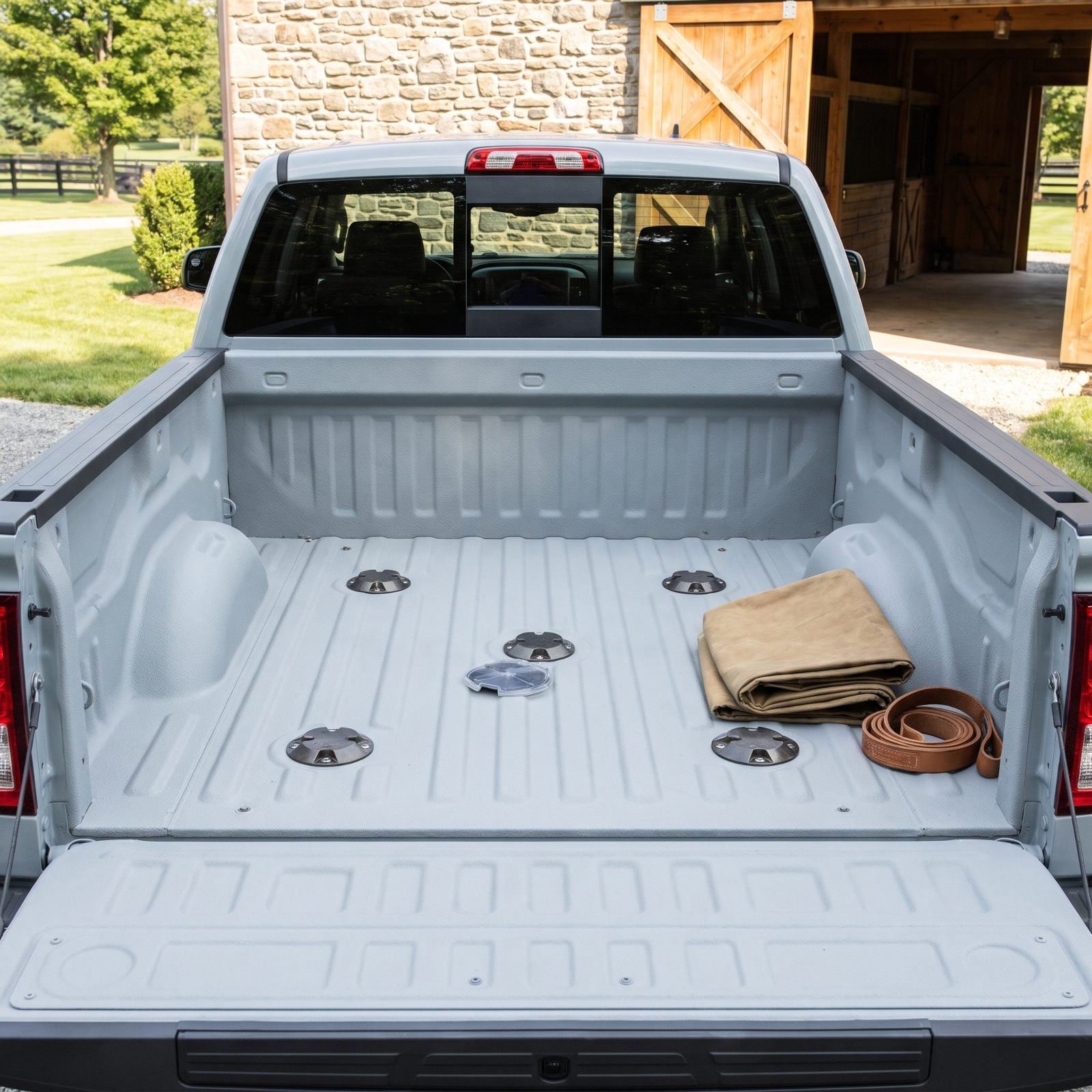
Factory fifth-wheel prep is one of those boxes on the order sheet that looks like upselling. Then you price the aftermarket alternative. Trucks that come with bed-mounted puck systems let you drop in a hitch in minutes, no drilling, no custom brackets, no shop time. Skip it and you’re paying a shop to cut into a brand-new bed and install rails, which costs more and never quite looks factory.
If a fifth wheel is in your future, hunt for the prep package, or a used truck that already has the pucks. The hitch twist-locks right in and lifts back out when you want your bed free for mulch runs.
18. An Integrated Brake Controller Is Worth Seeking Out
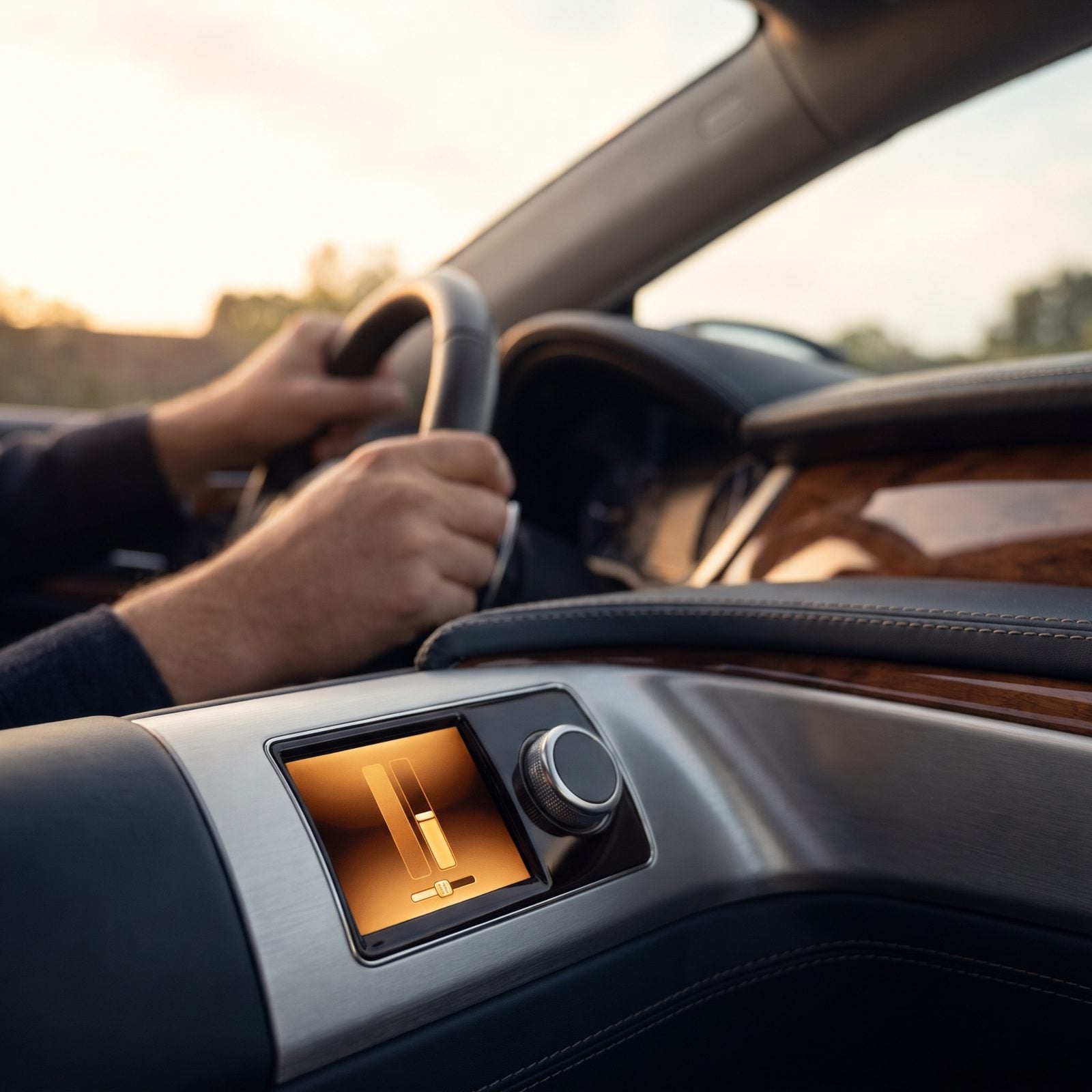
An aftermarket brake controller works fine. A factory-integrated one works better, and it saves you from a dashboard with a plastic box hanging off it and wires stuffed behind the kick panel. Built-in controllers talk to the vehicle’s own brake and stability systems, so they modulate trailer braking more smoothly and sit cleanly in the dash within easy reach.
When you’re comparing trucks, treat an integrated controller as a real tiebreaker. It signals a vehicle that was engineered to tow rather than adapted to it after the fact.
17. Standard Mirrors Rarely Show Enough Around a Wide RV
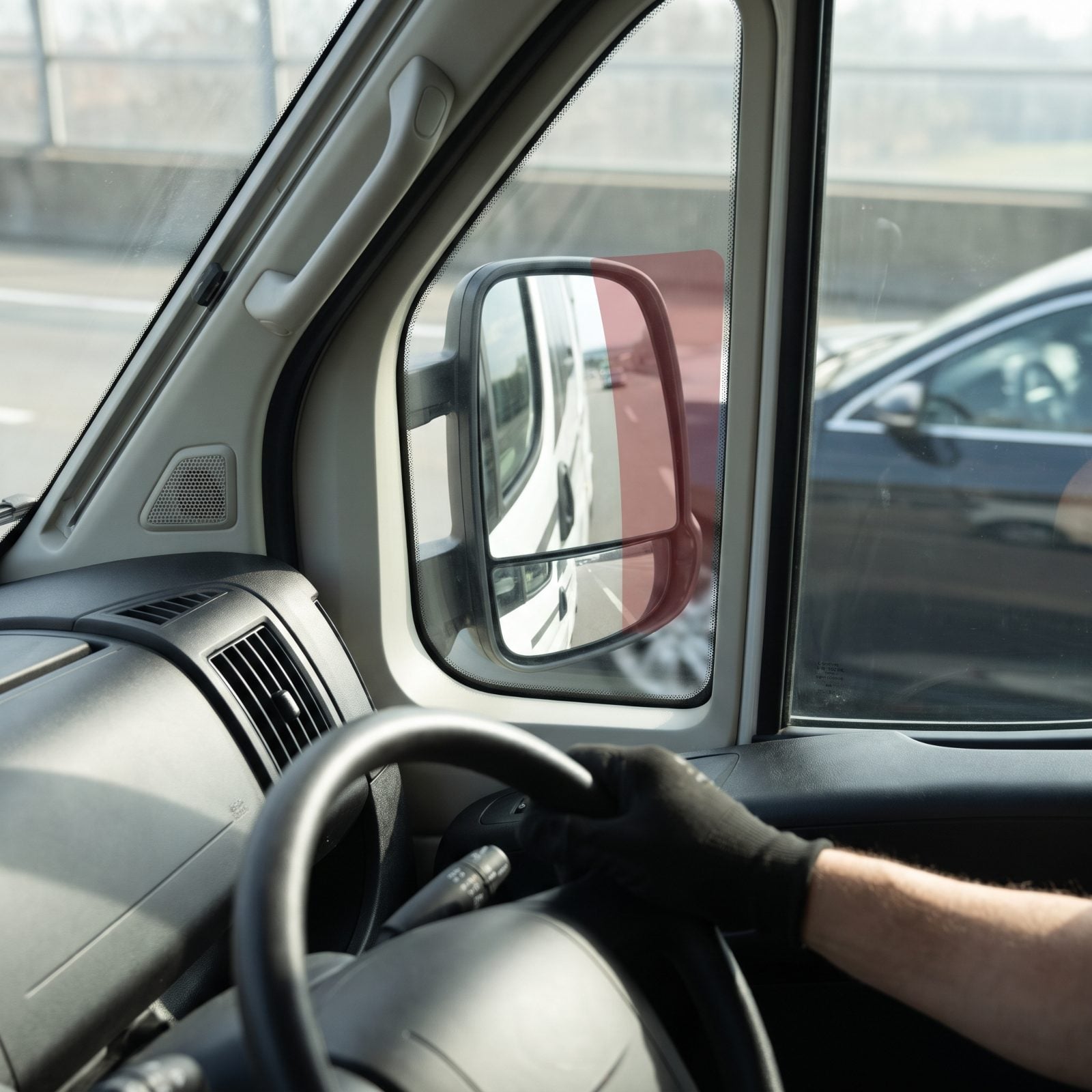
Factory mirrors are sized for the truck, not the eight-and-a-half-foot-wide box you just hooked up behind it. Pull a wide trailer with stock mirrors and there’s a blind zone down each side big enough to swallow a car. You find out during a lane change on the interstate, which is the worst possible classroom.
Look for tow mirrors that telescope and extend, either factory-optioned or a quality clip-on set. Adjust them so a sliver of the trailer stays in view and the rest shows the lane beside it. You want to catch the trailer’s rear corner every single time you glance over.
16. Hitch and Bed Cameras Make Trailer Connections Much Easier
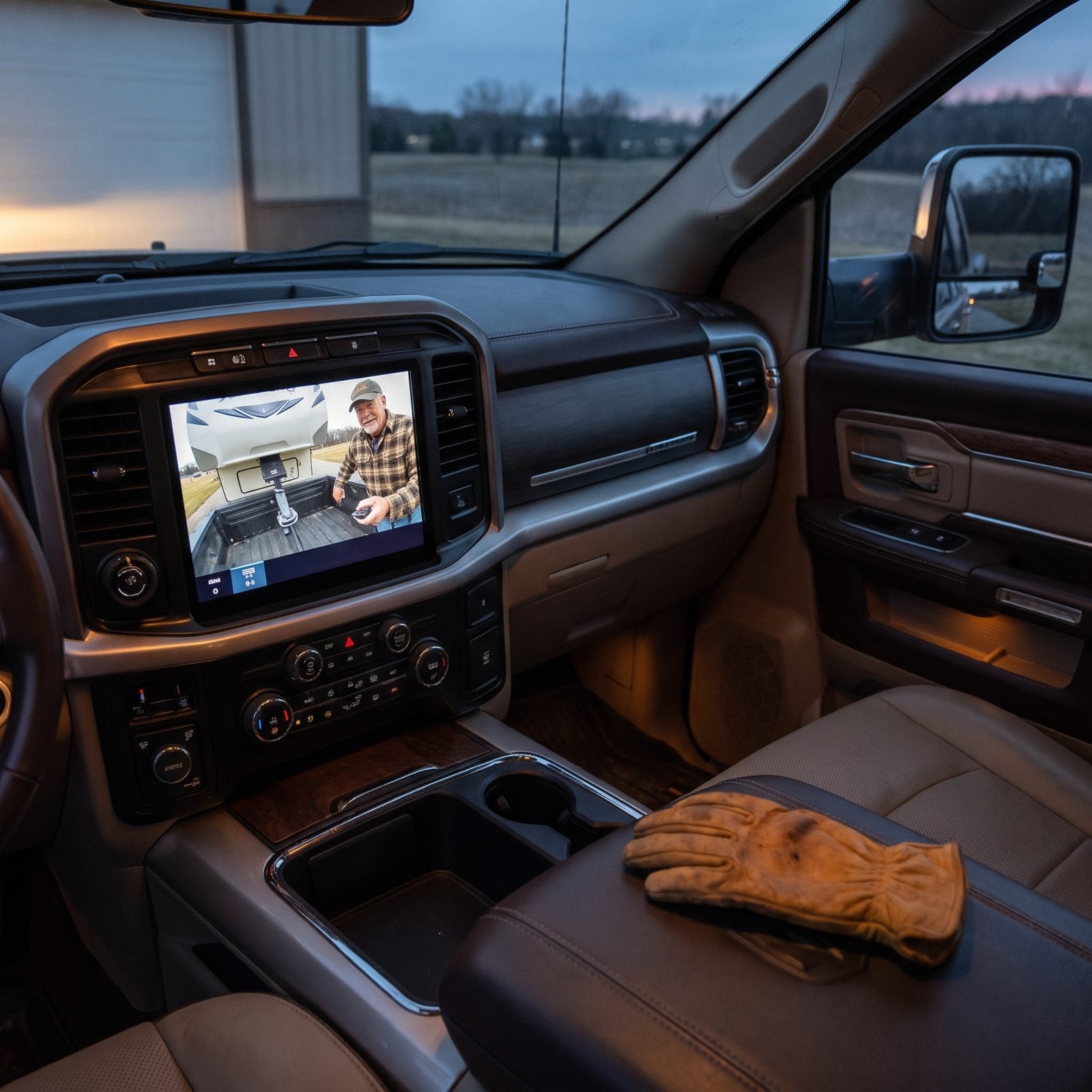
Hitching a fifth wheel solo used to mean a dozen trips between the cab and the bed, craning your neck, guessing. A factory bed camera, or a hitch view on the backup screen, ends that whole shuffle. You line the kingpin up to the hitch on the display and reverse the last foot with confidence instead of a prayer.
Shopping for a tow vehicle? Ask whether it offers a dedicated bed or hitch camera view. It sounds like a gimmick on the spec sheet and turns out to be the feature you lean on at every hookup.
15. Engine and Transmission Cooling Capacity Matter on Long, Hot Grades
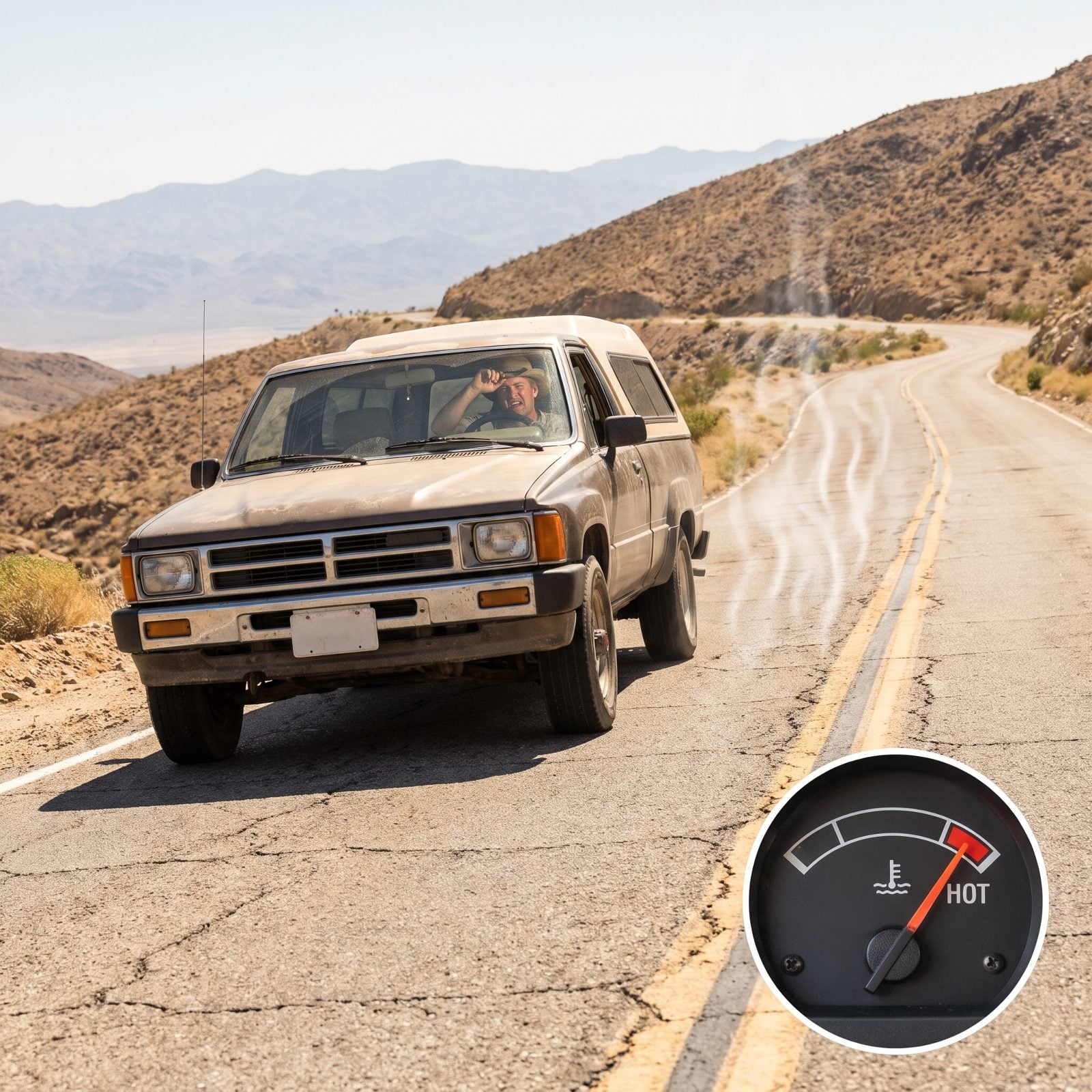
Flatland towing flatters a weak cooling system. The truth comes out on a long summer grade, where a marginal setup lets engine and transmission temperatures climb into territory that cooks fluid and quietly shortens the life of expensive parts.
Max tow packages usually bundle the serious hardware: larger radiators, auxiliary transmission coolers, upgraded fans, and often a numerically higher axle ratio that keeps the drivetrain from straining up a climb. If your trips involve real mountains, chase the heavy-duty cooling and the tow package over trim-level glitz. Then use tow/haul mode and let the transmission hold its gears on the way up. A rig that runs cool on the hard pulls is a rig you’ll keep towing for years.
14. A Diesel Exhaust Brake Can Transform Mountain Descents
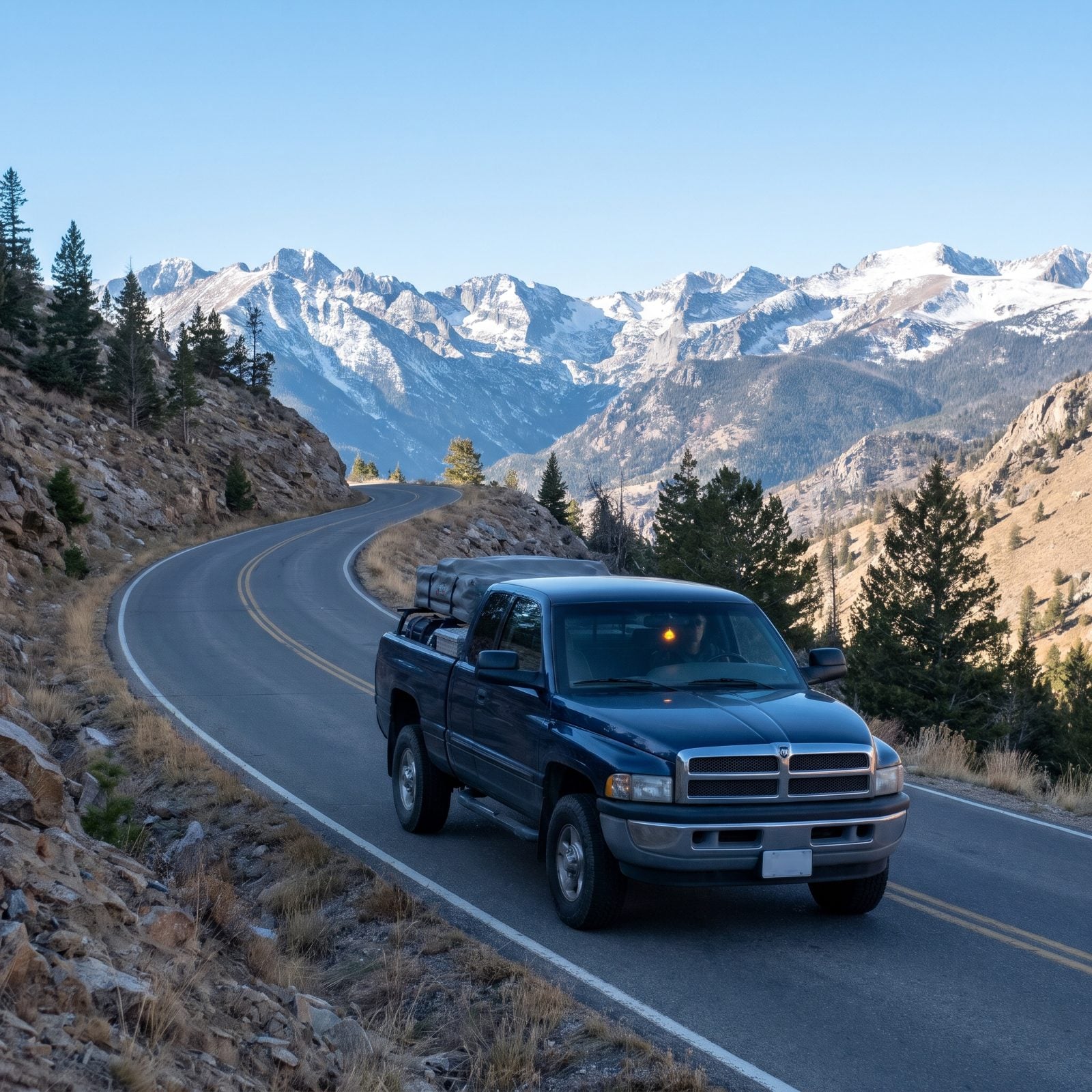
Anyone who has smelled their own brakes coming off a long pass knows the quiet panic that comes with it. A diesel exhaust brake fixes that by closing off exhaust flow to build backpressure, turning the engine into a drag that slows the whole rig without touching the pedal.
Gas trucks have engine braking too. But a modern diesel exhaust brake holds a heavy fifth wheel on a sustained descent in a way that genuinely changes the drive, and you arrive at the bottom with cool brakes and a calm passenger.
If mountains are in your future, put the exhaust brake high on your want list and try it during a test drive if you can. The gap between hearing it work and just hoping your brakes hold is enormous.
13. Factory Tires May Not Have the Load Rating the RV Requires
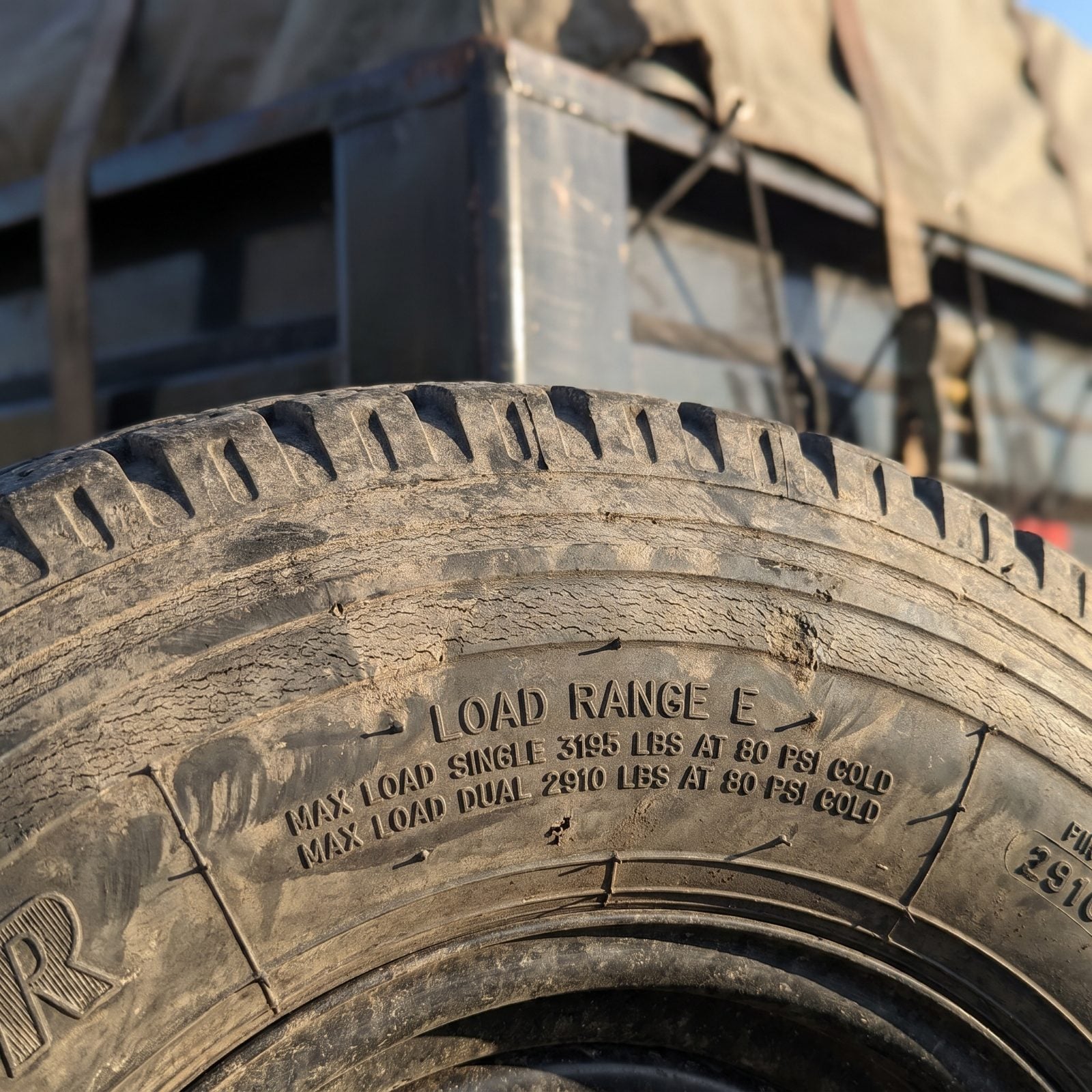
The truck can tow it. The tires might not want to.
Factory tires are specced for the truck’s own weight plus a reasonable load, but a heavy pin weight or tongue weight can push the rears right to the edge of their rating. Run tires beyond their load index in summer heat on a long haul and you’re flirting with a blowout at the worst possible moment.
Read the load index and the pressure specs on the sidewall, then weigh your loaded rig and do the math. If the numbers are tight, step up to a higher load range tire built for the weight. Keep the pressures where the manufacturer wants them for a loaded axle — not the comfy empty-truck number.
12. A Properly Rated Full-Size Spare Is Essential When Towing
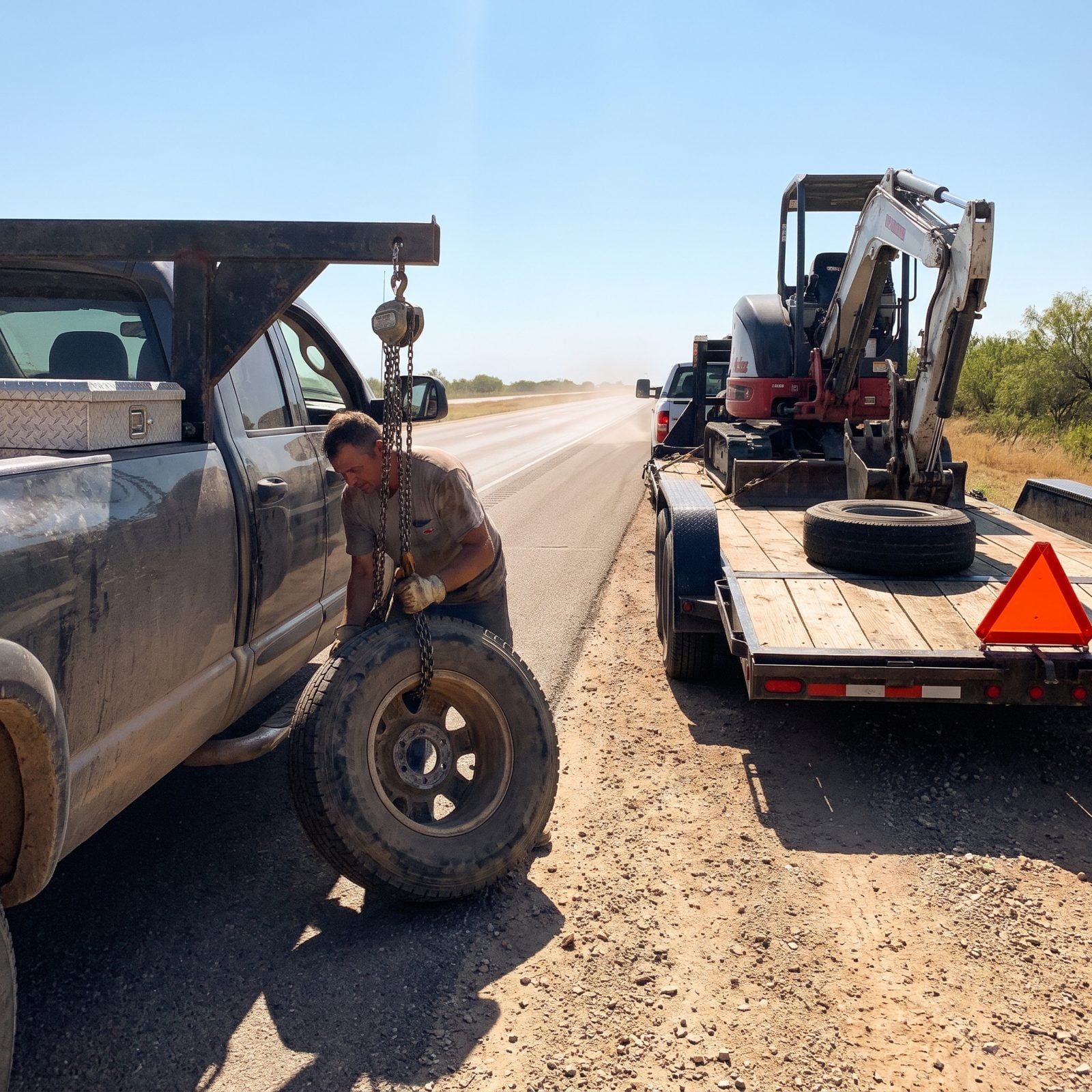
A flat on an empty truck is an inconvenience. A flat on a towing truck, on a two-lane in the heat, with a loaded trailer behind you — that’s a whole different kind of afternoon.
Some trucks ship with a compact donut or a mismatched spare that was never meant to carry a towing load. Limp into the next town on that and you’re risking the spare too.
Confirm your truck carries a full-size spare rated for the loaded weight, and check that the trailer has its own matching spare mounted and inflated. Carry a torque wrench, a proper jack that fits a loaded axle, and a couple of chocks. Finding out on the shoulder that your jack can’t lift a loaded truck is not the moment you want to learn it.
11. Four-Wheel Drive Adds Capability but Often Reduces Payload
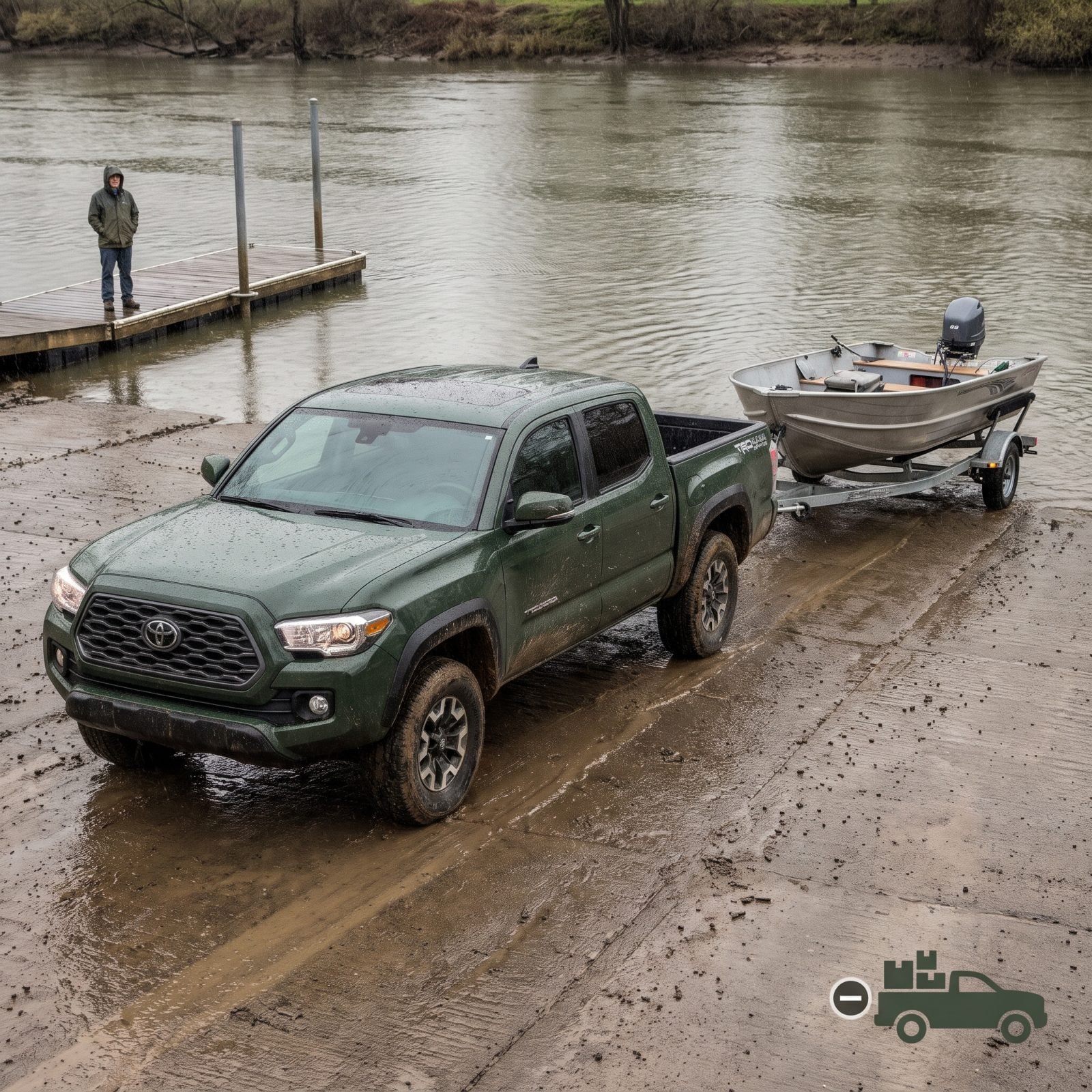
Four-wheel drive earns its keep on a wet boat ramp or a soft campground field, and plenty of buyers add it without a second thought. Just know what it costs you.
The transfer case, front differential, and heavier driveline add a few hundred pounds, and every one of those pounds comes straight out of your payload. Two identical trucks, one 2WD and one 4WD, do not have the same cargo capacity, and the gap can matter when your pin weight is already eating most of it.
Decide honestly whether you need it. Dry-camp in mountains and mud? Get it, and plan your payload around the hit. Stick to paved parks and a 2WD gives you back carrying capacity you’ll use on every trip.
10. Altitude Affects Tow-Vehicle Engines Differently
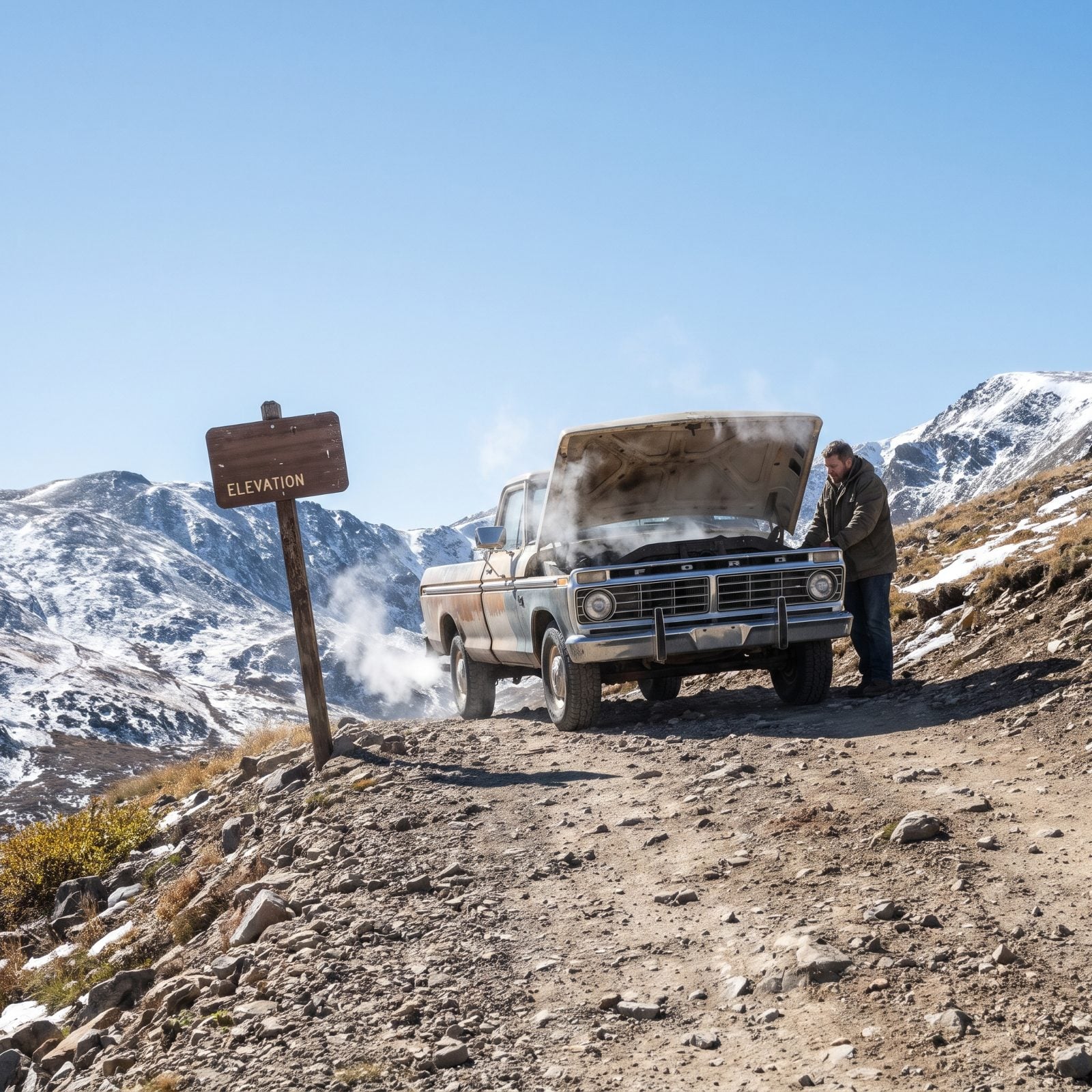
Thin air at altitude pulls power out of an engine, and a gas truck feels it harder than a diesel. Cross a high pass and a naturally aspirated gas V8 can shed a real chunk of its output, which turns a comfortable climb into a downshifted, flat-out crawl.
Turbocharged engines, gas or diesel, claw most of that back because the turbo keeps feeding air the thin atmosphere won’t. Running the Rockies or the Sierra? That difference shows up on every grade.
Match the engine to where you’ll actually drive. Flatland camping doesn’t need much reserve. Mountain towing rewards a turbo and a truck that isn’t already maxed out at sea level, because altitude only takes power away — never gives it back.
9. Electric Tow Vehicles Can Lose Range Dramatically With a Trailer Behind Them
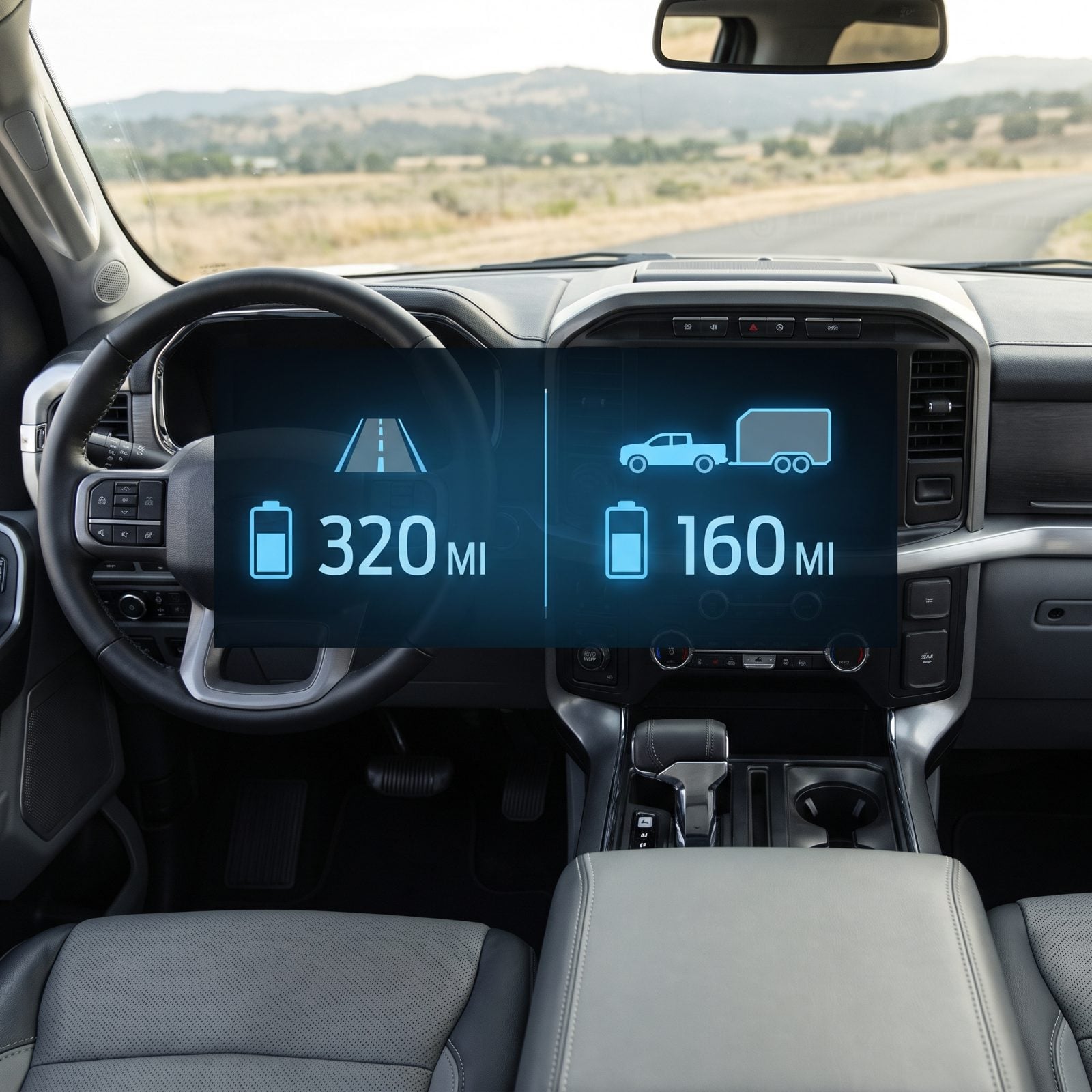
An electric truck that advertises 320 miles unloaded can drop to half that the second a trailer hits the ball. Dragging a boxy RV through the air is nothing like rolling empty. The battery drains fast, and the thing people love about these trucks, that quiet shove of torque off the line, is also the thing bleeding the pack.
The result is simple and brutal. You plan a 250-mile leg, then find yourself hunting a charger at mile 140 with the family staring at the dash. Nobody enjoys doing that arithmetic at highway speed.
So before you sign anything, borrow or rent the exact truck, load a trailer close to your real RV weight, and drive a loaded loop at 65. Watch the miles-per-kilowatt-hour, not the brochure. Do it into a headwind if you can. We’d rather learn the ugly number in a parking lot than halfway up a mountain pass.
8. Fast-Charging Stations Are Often Impossible to Enter While Hitched
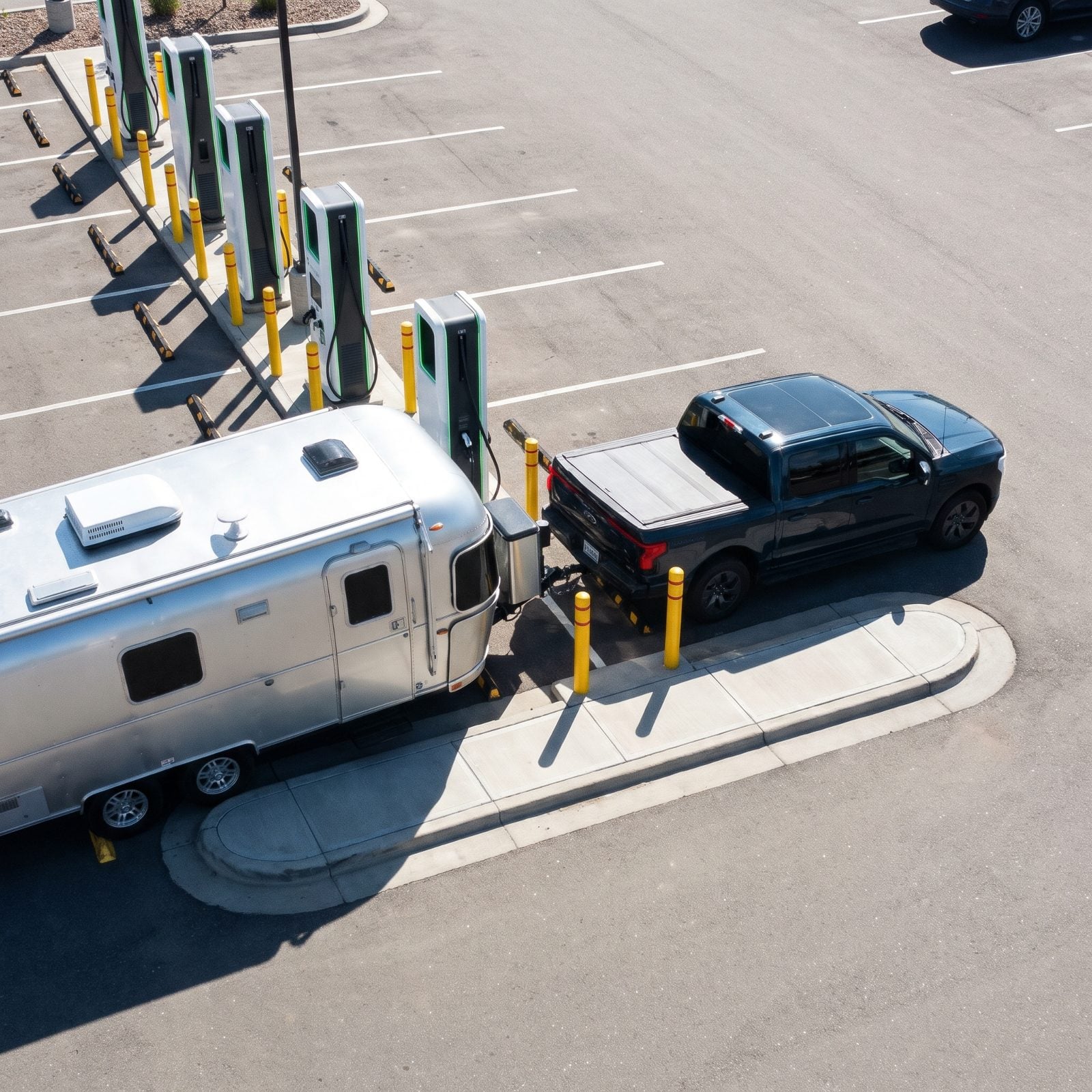
Most fast chargers were laid out for a sedan nosing into a stall, backed by a concrete curb stop with a bollard on each side. Pull in with twenty feet of trailer behind you and the tongue hangs into the drive lane, the cable won’t reach, and you simply cannot square up.
So you unhitch in the lot. In the dark. With cars circling. A 30-minute charge becomes an hour-long project, every single stop.
Scout your route on a charging app and hunt for pull-through stations or chargers at truck stops with room to swing a rig. Keep a chock and a quick-release hitch ready so dropping the trailer stays painless on the days you have no choice. The trick is planning the stop before you actually need it.
Looking at an early cross-country Rivian towing trip, an EV-towing RV couple reports “They also acknowledged that they had to disconnect the trailer about half the time they stopped to charge.”
7. Fuel-Tank Size Determines How Often You Squeeze Into Stations
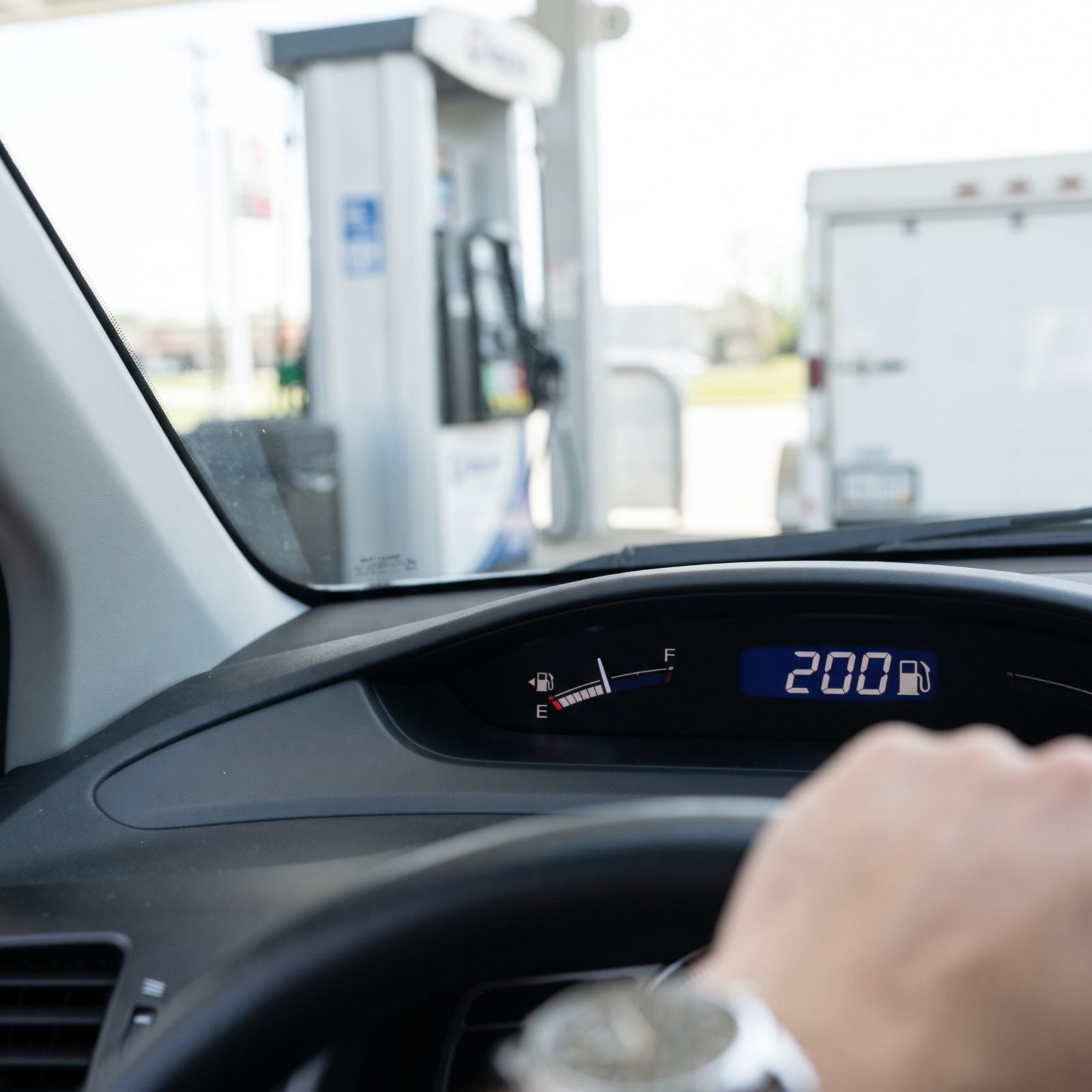
A 23-gallon tank sounds fine until you’re towing. At 9 miles per gallon loaded, that’s barely 200 usable miles before the low-fuel light starts nagging, and some of those miles vanish because you won’t gamble the last two gallons on a mountain stretch with no stations in sight.
The real pain isn’t the cost. It’s how often you have to stop. Every fill-up with a long rig means finding a station you can actually get into and back out of, and the small ones trap you.
Compare tank capacity across trims before you sign anything. Diesels often carry bigger tanks and sip less. Thirty-six gallons versus twenty-six can mean two fewer awkward stops a day, which adds up fast when you’re tired.
6. Real Towing Fuel Economy May Be Half the Unloaded Figure
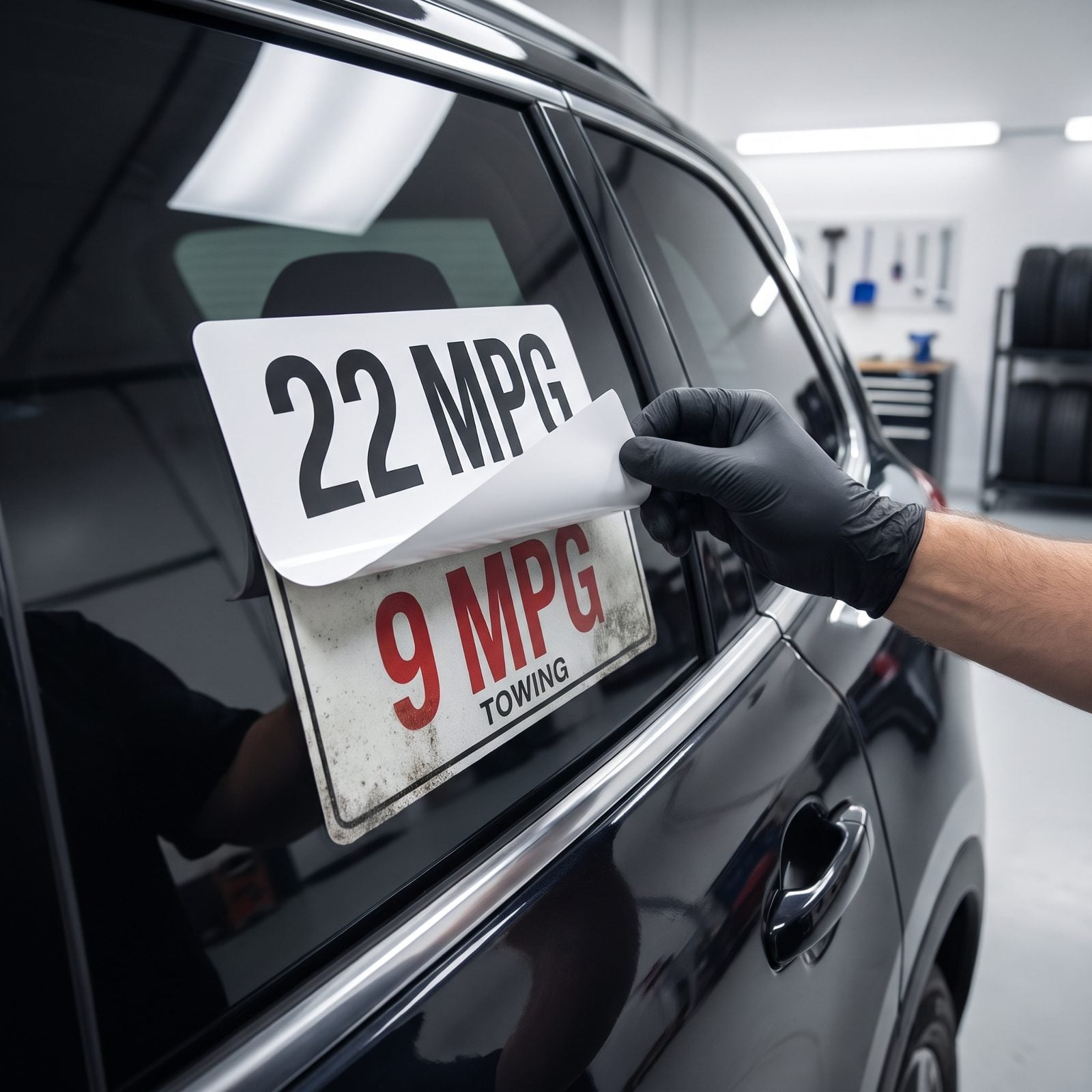
The window sticker says 22 mpg. It’s telling the truth about an empty vehicle on a flat test loop. Hook up a trailer that weighs as much as the truck and shoves a wall of air, and that number quietly folds in half.
Budget off the sticker and you’ll blow past your fuel estimate by the second tank. Over a two-week trip that’s real money, and it sours the whole thing.
Find your true number first. Fill the tank, drive a loaded hundred miles at highway speed, refill, and do the math yourself. Then build the trip budget off that figure instead of the cheerful one printed on the glass.
Budget off the number you measured, never the number they printed.
5. The Vehicle’s Turning Circle Matters in Older Campgrounds
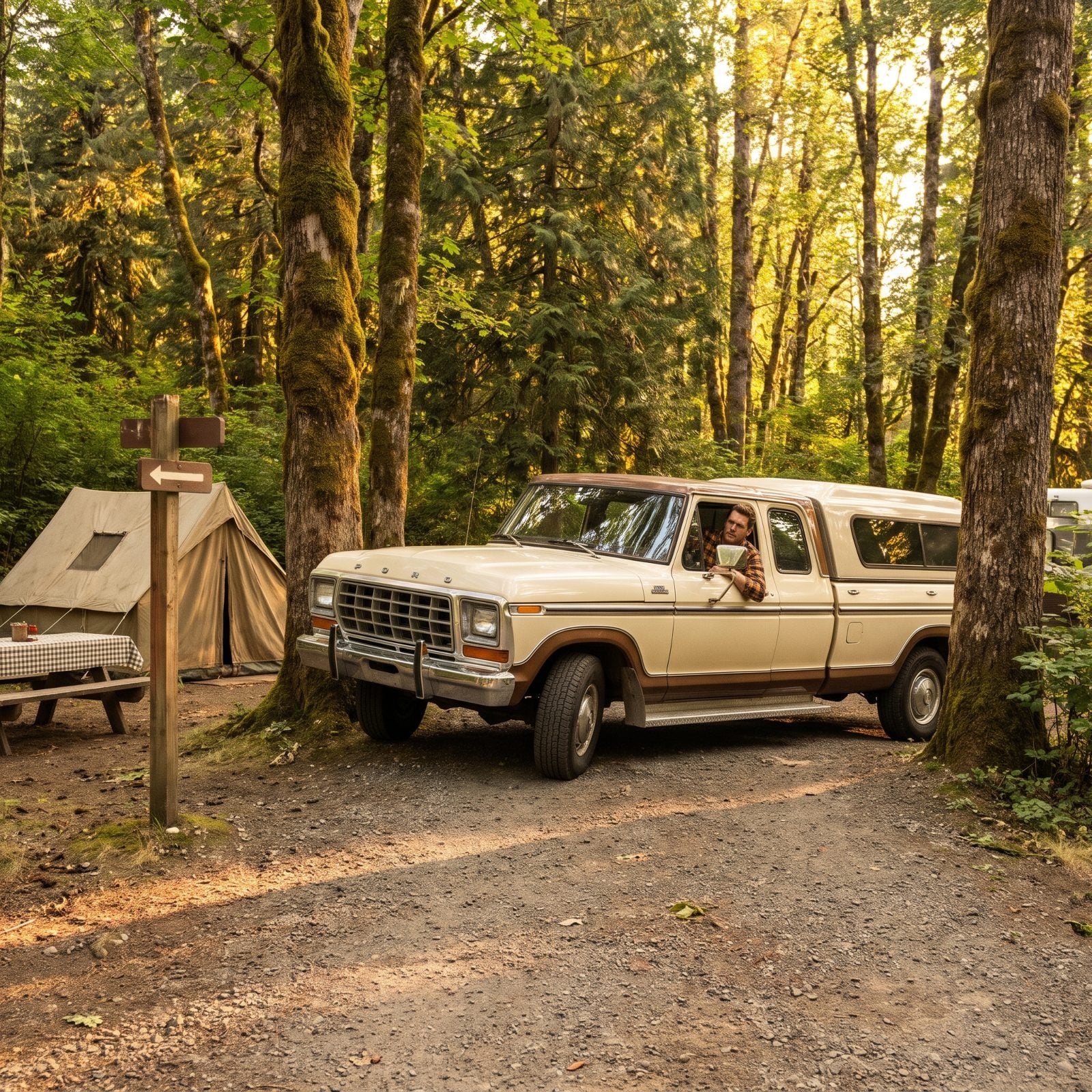
Campgrounds built in the 1960s were laid out for a station wagon and a pop-up, not a long-wheelbase crew cab. You get narrow gravel loops, trees planted close, and a hard right into site 14 with a boulder sitting exactly where you want your front tire.
A truck with a wide turning circle turns a simple backing job into a ten-minute, three-point ordeal with someone outside spotting and both of you a little irritable by the end.
Check the manufacturer’s turning diameter before you buy, and lean toward the shortest wheelbase that still handles your trailer safely. Tour older state parks and that extra foot of maneuverability is worth more than another cupholder.
4. Front-Seat Comfort Feels Different After Six Hours of Towing
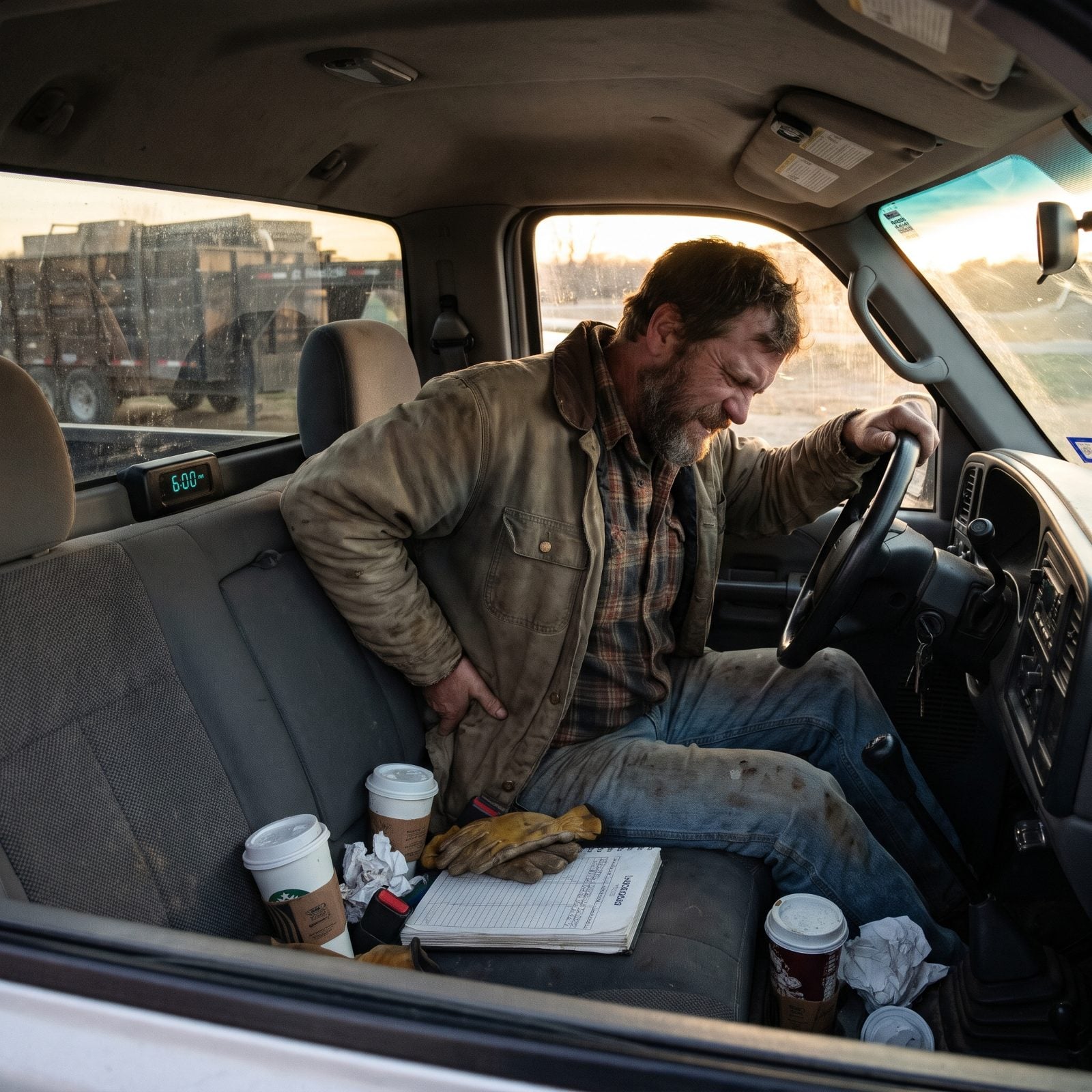
A seat that feels great on the test drive can quietly become a problem by hour five of a towing day. Towing means constant inputs, tension in your shoulders, and long stretches gripping the wheel through crosswinds. The seat that was fine for a grocery run turns into a running argument with your lower back.
The payoff is fatigue, and tired towing is the dangerous kind.
Test-drive for at least an hour, ideally with a trailer. Pay attention to lumbar support, thigh bolster length, and whether the armrest sits where your elbow actually wants it. Adjustable lumbar and heated seats matter far more at the end of a long day than they ever did in the showroom. Your spine is the one accessory you can’t upgrade later.
3. A Fifth-Wheel Hitch, Bed Cover, and Toolbox All Want the Same Space
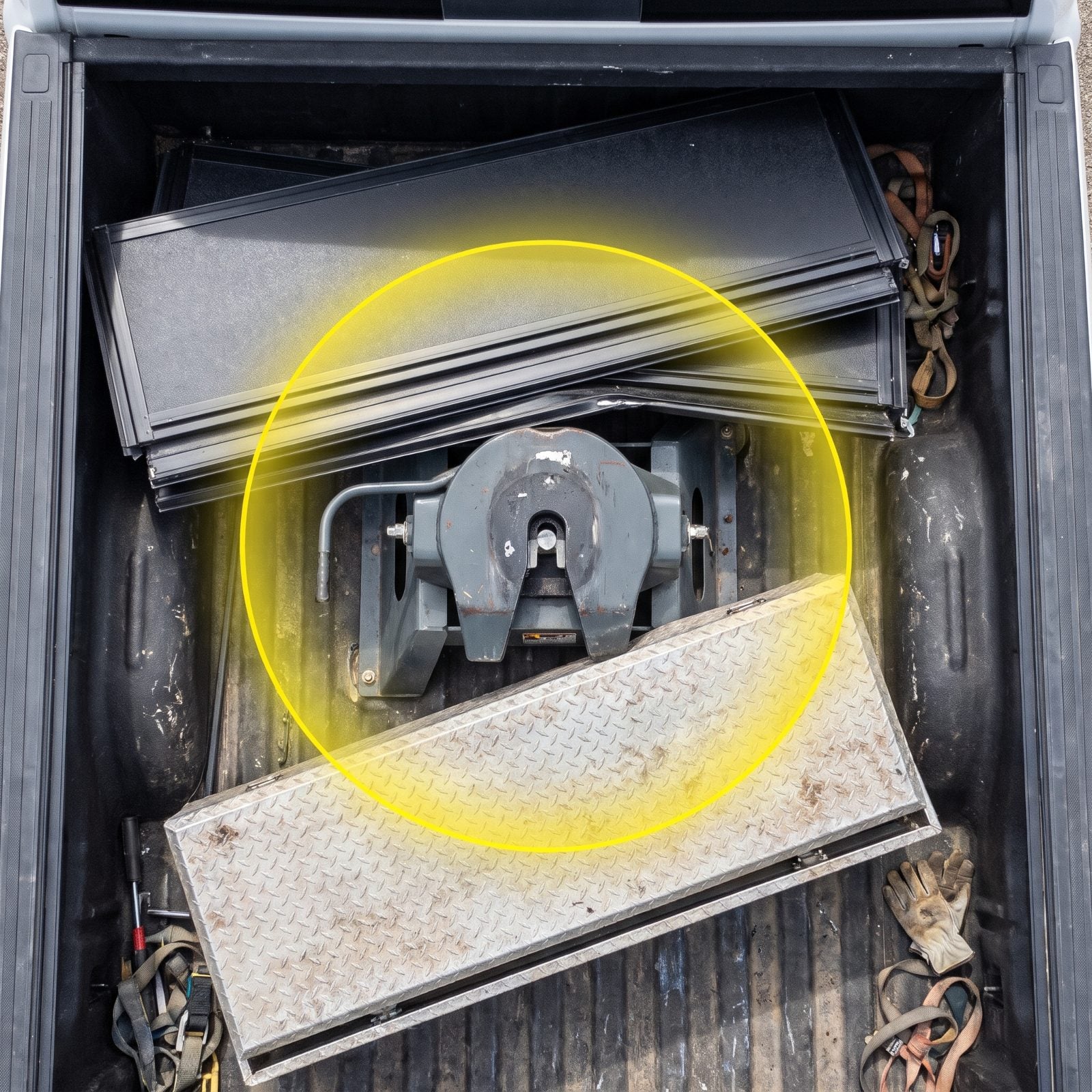
Here’s the collision nobody mentions at the dealership. A fifth-wheel hitch lives dead center in the bed, right over the rear axle. So does the crossbed toolbox you were counting on. So does the tonneau cover that keeps your gear dry. All three fight for the same square footage, and you only find out after you’ve bought everything.
So you store the toolbox, drive with an uncovered bed in the rain, or swap to a less convenient hitch.
Plan the whole bed as one system before you buy. Look at under-bed puck mounting that frees up the floor, slimmer swing-out toolboxes, and a retractable cover that clears the hitch. Measure it on paper first. The puzzle is a lot cheaper to solve with a tape measure than with a credit card.
2. The Tailgate Can Strike the Trailer Jack During Tight Maneuvers
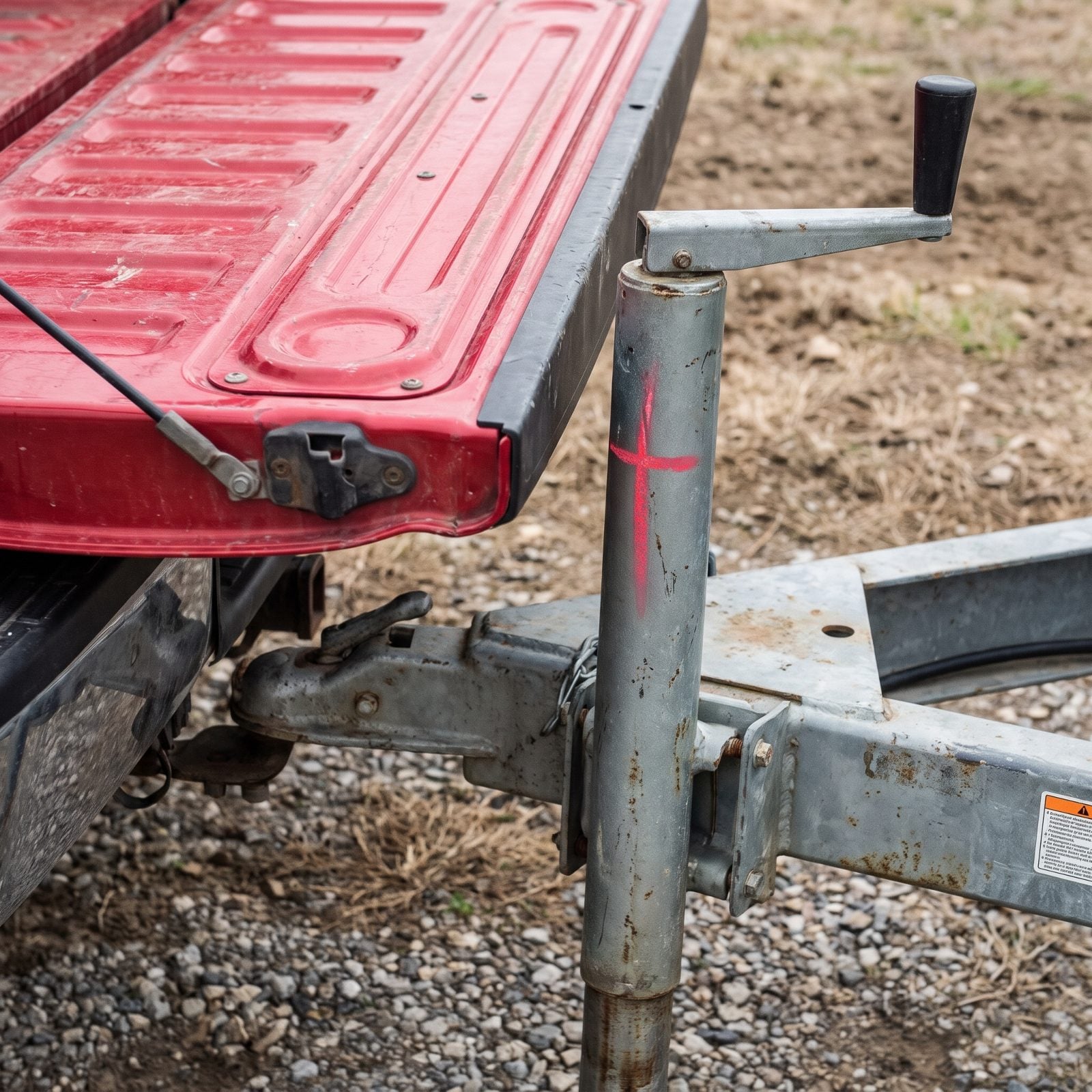
Back into a tight angle and the lowered tailgate swings toward the trailer’s tongue jack. At a sharp enough jackknife, metal finds metal. People dent a tailgate or bend a jack doing slow campsite maneuvers, and it happens so gradually you almost can’t believe the crunch when it comes.
Cosmetic damage at best, a bent jack at worst. Either way it’s a repair that never had to happen.
Measure the clearance between your tailgate and the trailer coupler at full turning angle before your first real trip. Some owners back up with the tailgate raised, others add a cab-mount camera to watch the gap. Just know where that pinch point lives so you stop before you find it the hard way.
1. A Public Scale Is the Only Way to Know Your Rig’s Real Weight
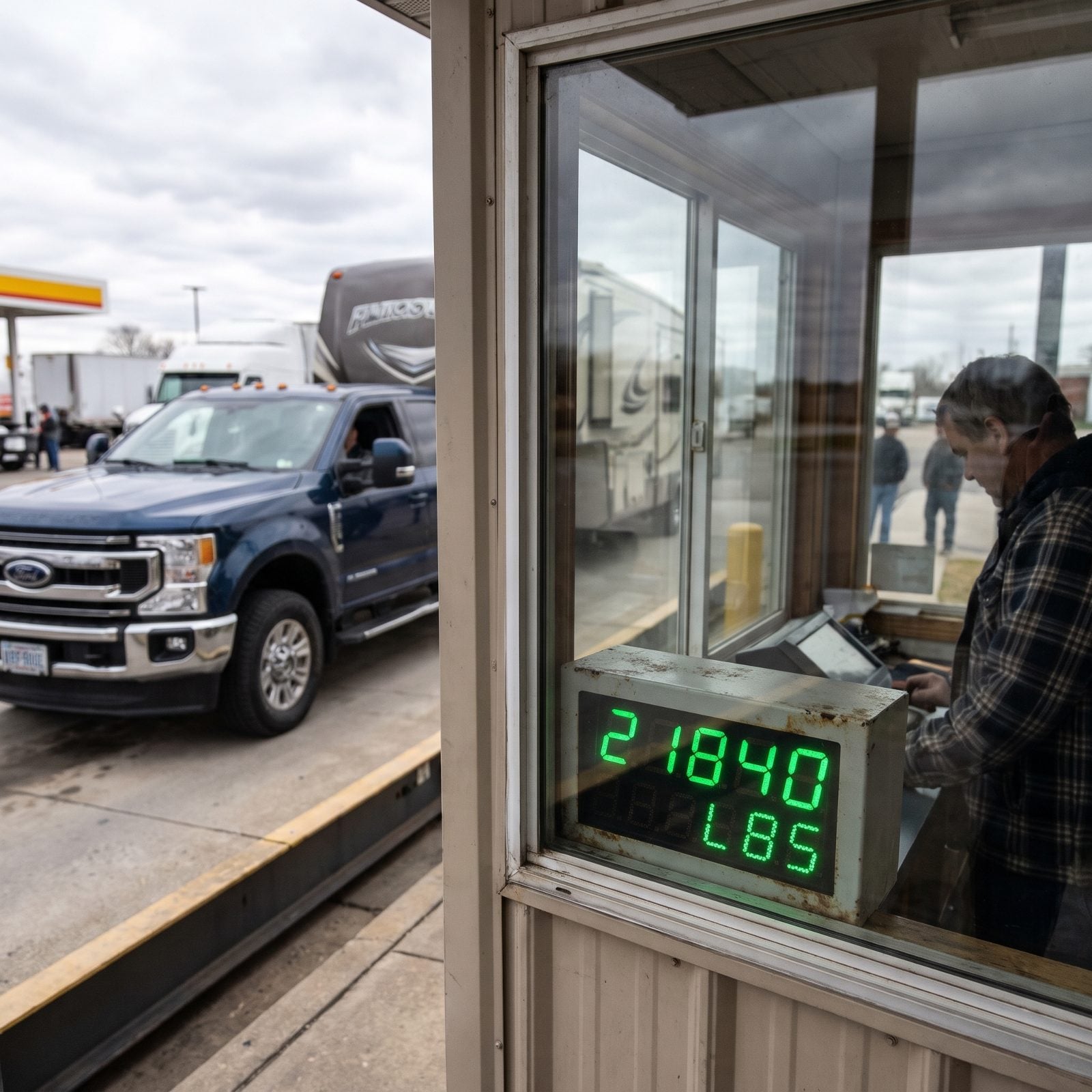
Your truck’s door-jamb sticker lists payload, but it has no idea what you actually loaded. Add passengers, firewood, a full freshwater tank, the hitch itself, and the real pin weight of the trailer, and plenty of rigs quietly sit over their limits without the owner ever suspecting it.
Guessing is how you cook brakes on a descent and shred a tire in the summer heat. The numbers don’t care how careful you think you are.
What a scale actually tells you
- Your loaded truck weight, so you know if you’re over the rear axle rating.
- Your total combined weight against the GCWR.
- The tongue or pin weight, which decides how the rig handles at speed.
Pull onto a CAT scale at a truck stop, loaded exactly the way you travel, and weigh each axle. It costs about what a tank of coffee does and tells you more than any brochure ever will. Weigh once, then stop guessing forever.