
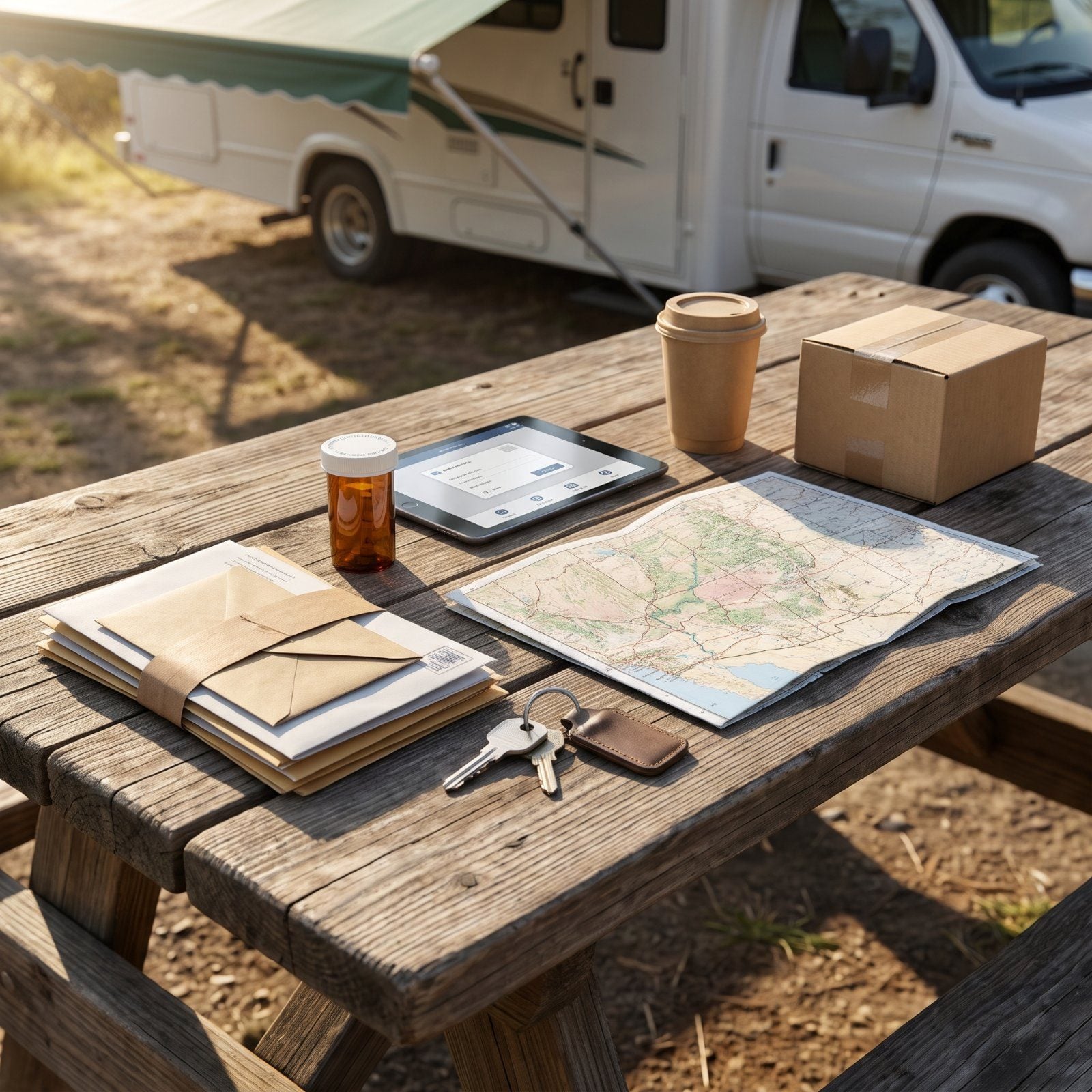
The first thing that breaks when you hit the road full-time isn’t the water pump. It’s your mail. You pull out of the driveway and suddenly every bill, prescription refill, jury summons and birthday card has nowhere to land. The post office doesn’t follow you to a BLM campsite in Arizona, and pharmacies get nervous when your address changes every three weeks. People figure this out the hard way, usually right when an important letter goes to a house they no longer own. Here’s how experienced full-timers keep letters, parcels and medications arriving no matter where the rig is parked.
Please note that some of the images in this article were created with the assistance of AI.
37. Use a Domicile-Based RV Mail Forwarder
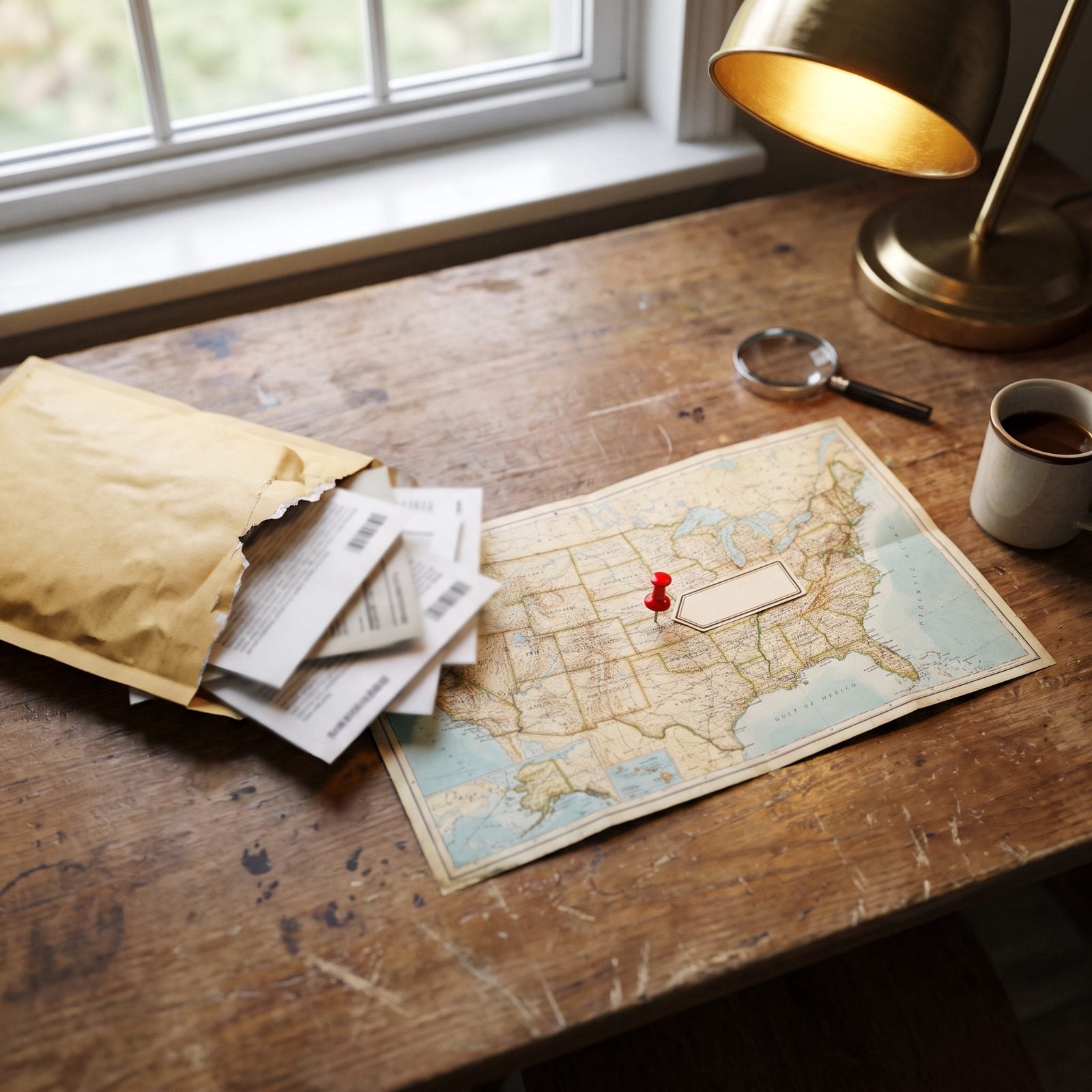
This is the backbone of full-time RV life, and most people don’t even know it exists until a forum thread saves them. A domicile-based forwarder gives you a real street address in a state like South Dakota, Texas or Florida — three states full-timers pick for the no income tax and the easy residency rules.
Your address becomes your legal home base. It’s where your vehicle registers, where you vote, where your license says you live. The forwarder holds everything, then ships you a bundle when you call with your current location, even if that’s a campground in the middle of Kansas, far from your domicile state. Budget a couple hundred dollars a year plus postage for the bundles.
36. Open a Virtual Mailbox With Remote Scanning
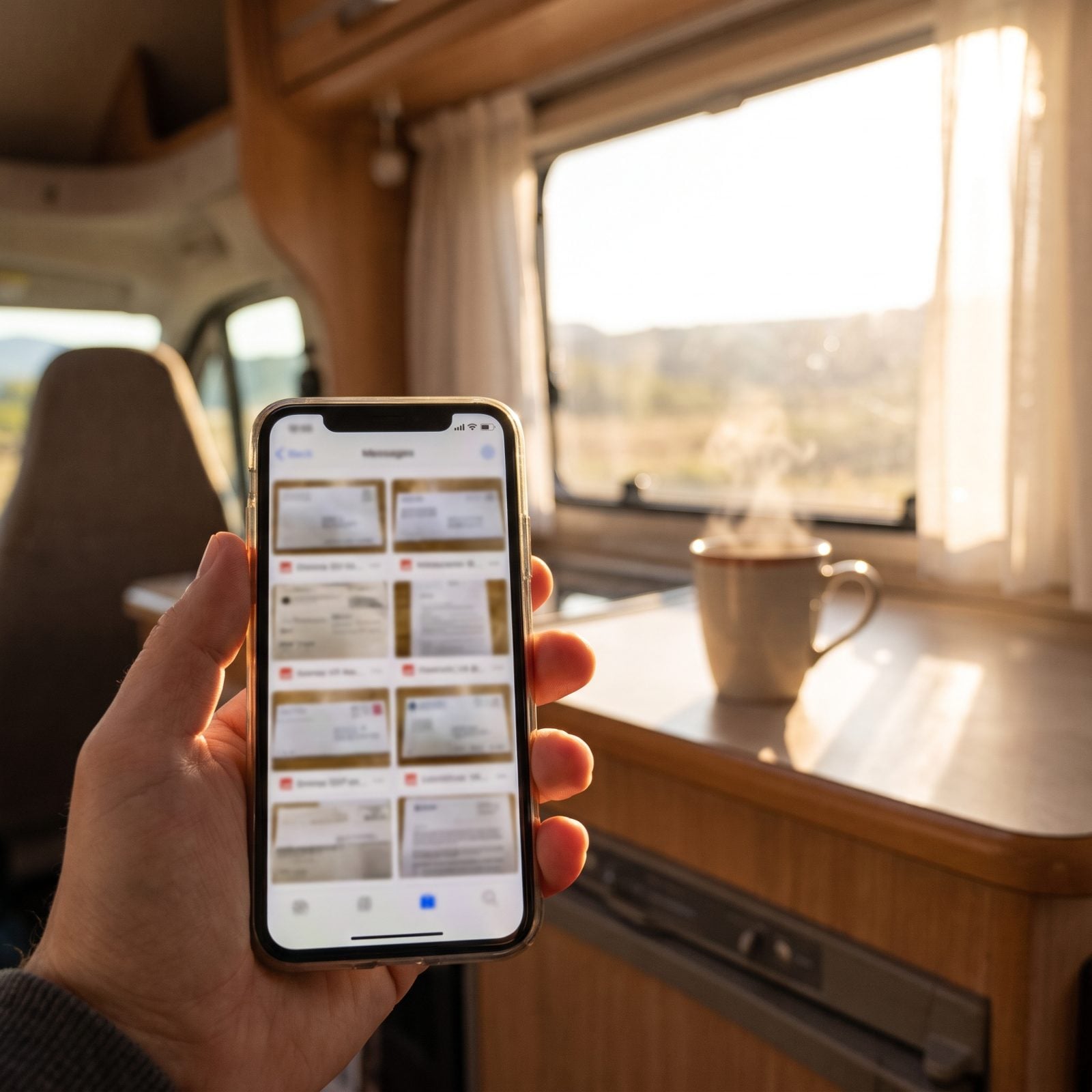
Imagine never wondering what’s sitting in your mailbox. A virtual mailbox scans the outside of every piece the day it arrives, then uploads it to an app. You tap to open and scan the contents, forward the whole thing, recycle the junk, or deposit a check remotely.
This is the one we’d hand to anyone who travels internationally or goes dark for weeks at a time. You can be parked in a canyon with one bar of signal and still read a letter from the IRS.
Plans run somewhere in the low tens of dollars a month depending on scan volume. Check-depositing and parcel handling cost extra, so read the fine print before you fall in love with the price.
As a pair of longtime full-timers puts it, “Once you’ve viewed what each mail item is, you can give further instructions for what happens next with each piece of mail (open it & scan the contents, shred it, recycle it, send it to me, etc.).”
35. Appoint a Trusted Relative as Mail Steward
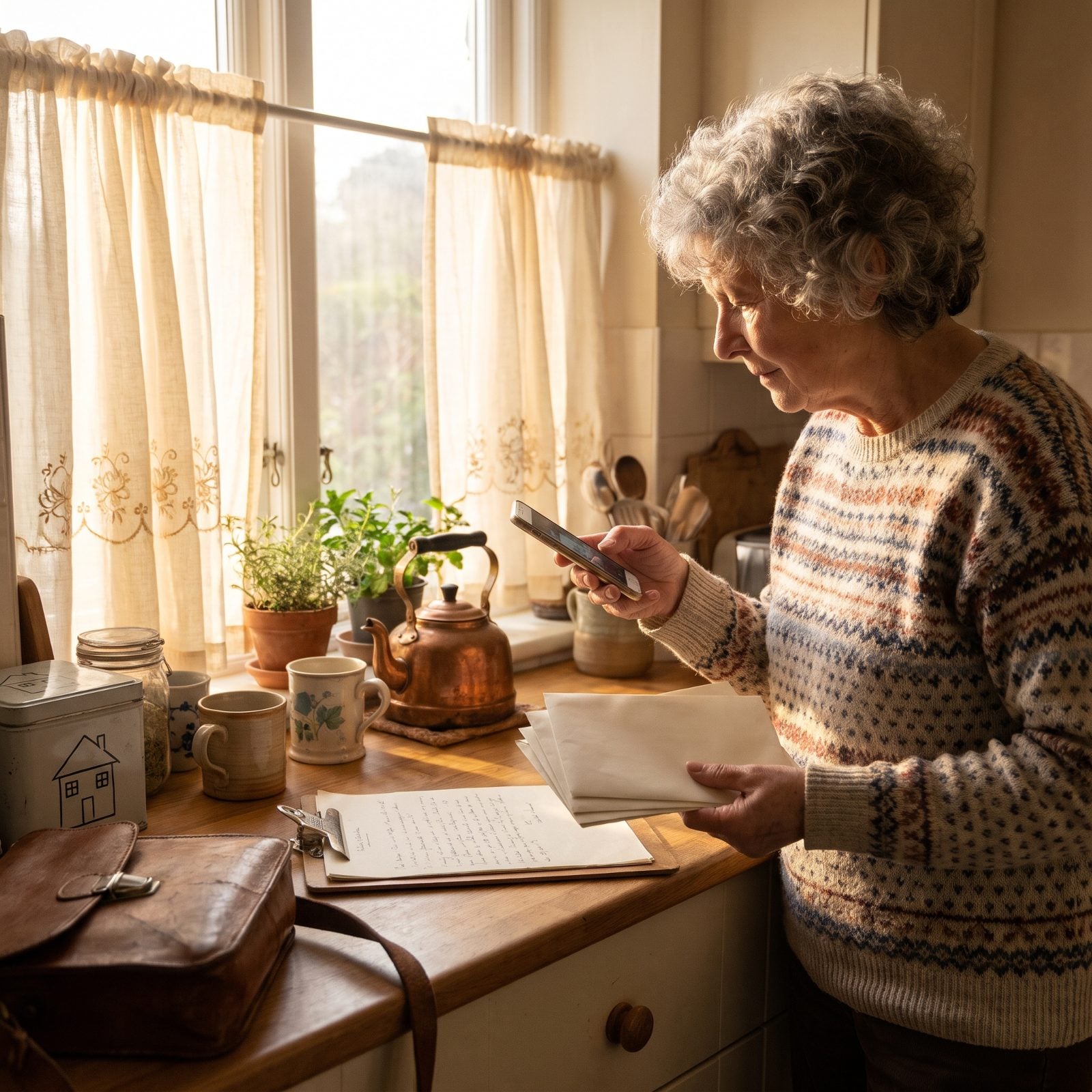
The old-fashioned answer still works, with a catch. A sibling or adult kid collects your mail, texts you photos of anything that looks important, and ships the rest when you say so. Free, personal, flexible.
The catch? It only works if that person is organized and genuinely doesn’t mind. We’ve watched this arrangement quietly poison a relationship because the RVer kept forgetting to send shipping money and the steward kept forgetting to check the box. Put money for stamps in their hands upfront, and treat it like the favor it is, not a utility you’re owed.
34. Keep a Seasonal P.O. Box in a Hub Town
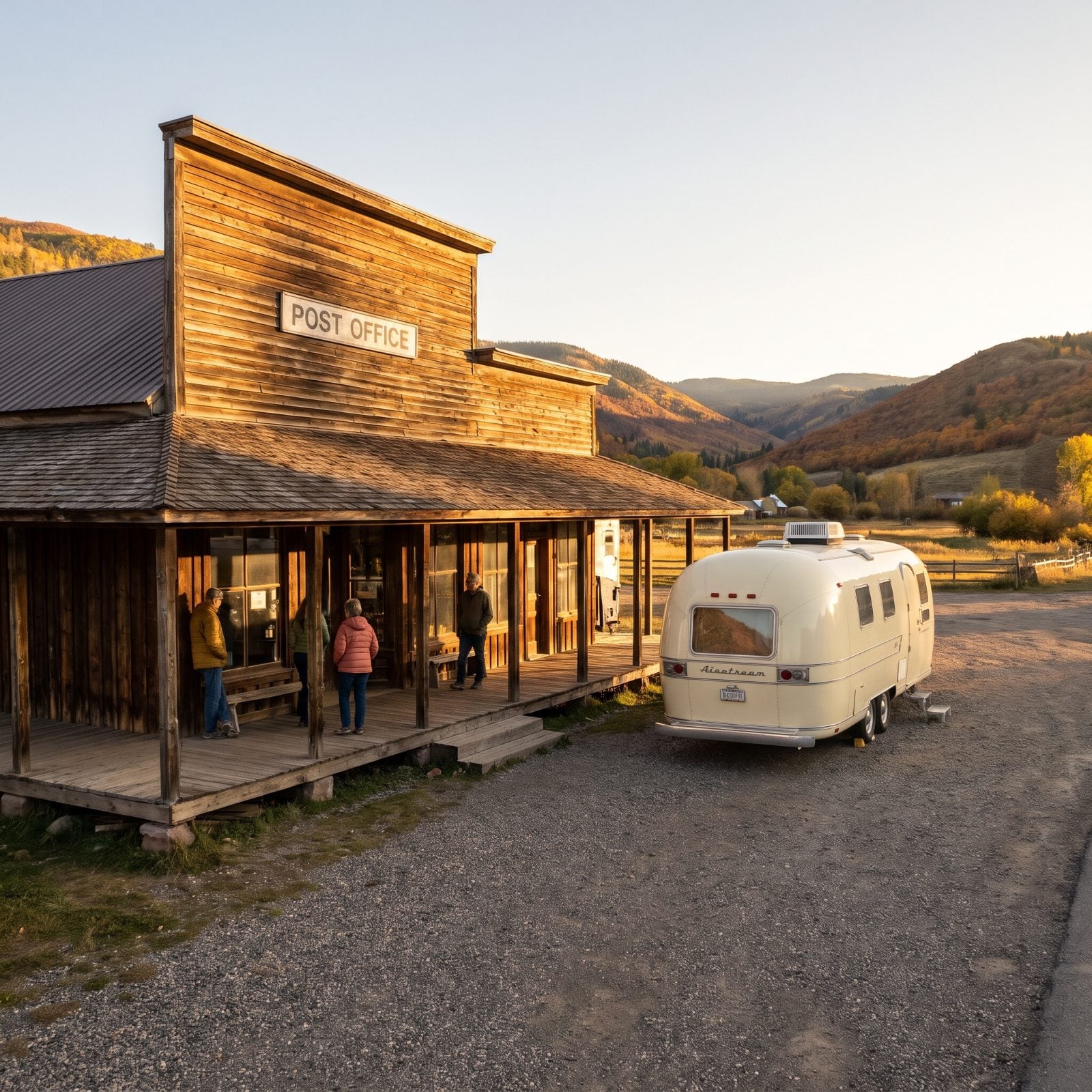
Some full-timers aren’t really nomadic. They snowbird — four months in one valley, then back north for the summer. If that’s you, a P.O. box in your winter or summer hub costs almost nothing and keeps things simple.
Box rentals run anywhere from cheap to a few hundred dollars for six months depending on the town and the box size. Small-town boxes are the bargain, and the clerks learn your name by week two.
The limitation is obvious: your mail only lives in one place. The day you leave the region, you’re back to forwarding. Beautiful for predictable routines, useless for wanderers.
33. Add Street Addressing to an Eligible P.O. Box
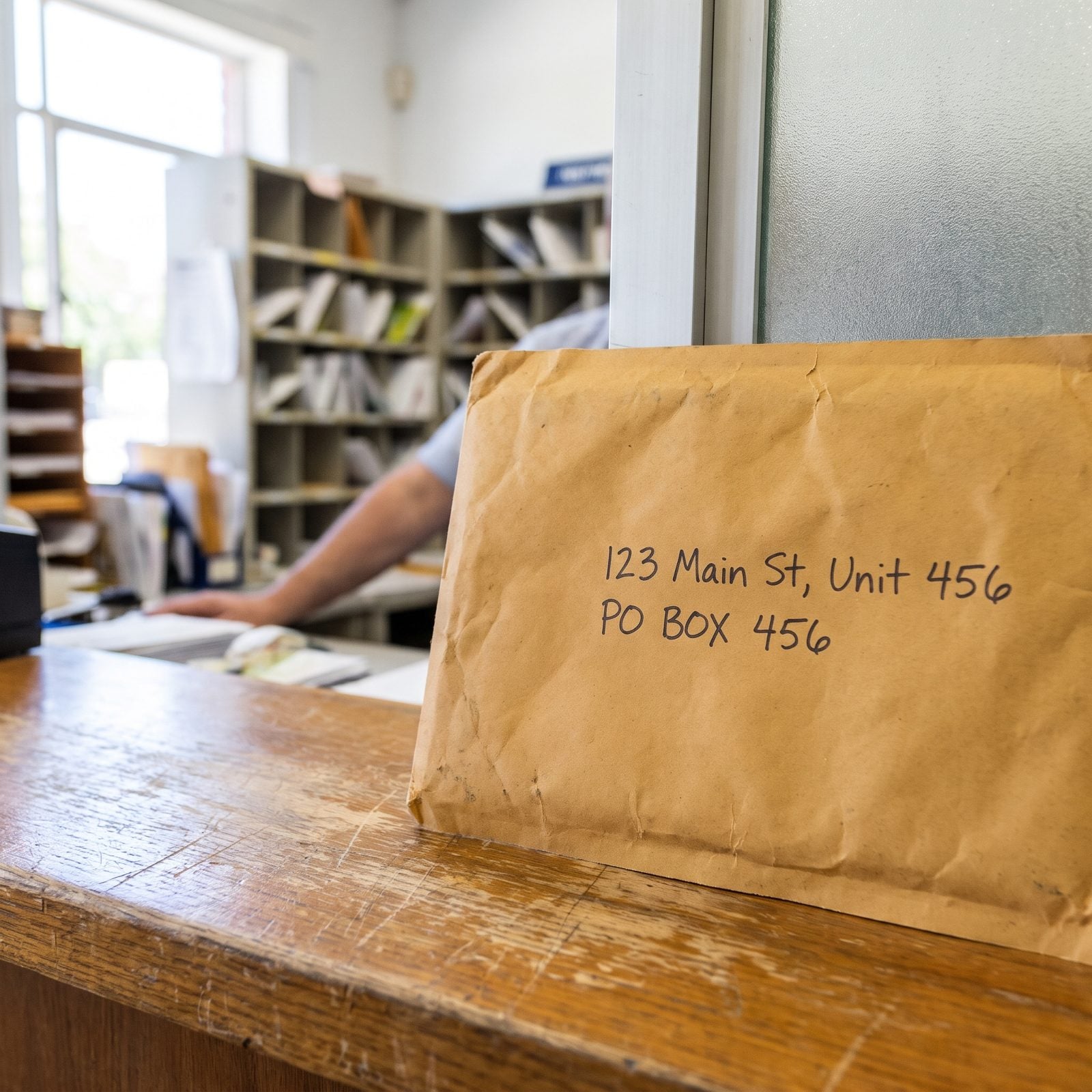
Not every post office offers this, but when it does, it’s a clever fix. USPS Street Addressing lets you use the post office’s physical street address followed by your box number as a unit, so your P.O. box suddenly reads like a real apartment. Done right, it’s one line, like 123 Main St #456.
Why bother? Because that format gets accepted by forms that reject plain box numbers, and it lets private carriers deliver to the post office, which they normally won’t do for a box. Ask the window clerk if your branch participates. Free to add, and it quietly solves two problems at once.
32. Receive Weekly Bundles Through Premium Forwarding
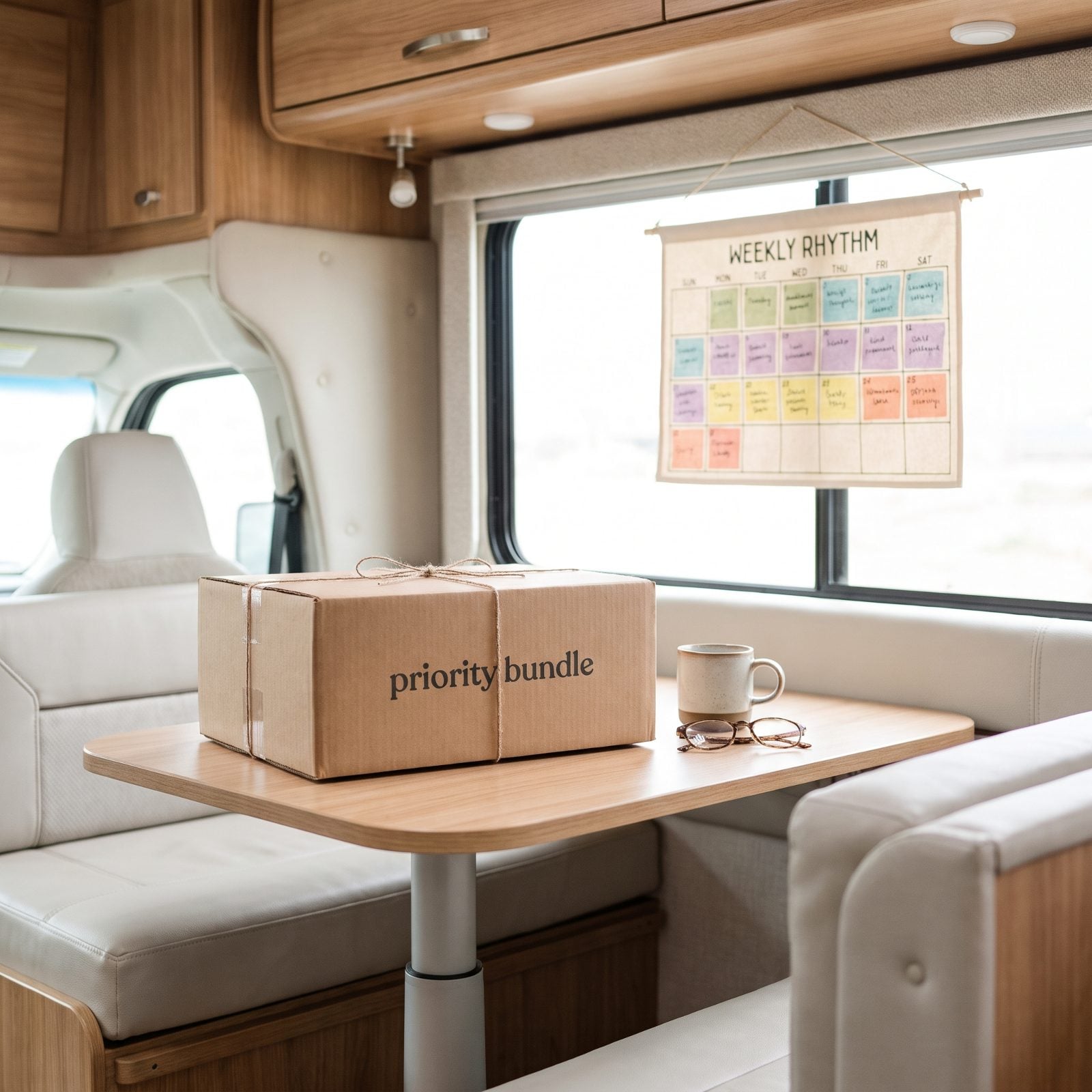
USPS Premium Forwarding Service does the heavy lifting automatically. Instead of calling to request a bundle, you let the post office gather everything that lands at your home address and ship it to your current location once a week in a single priority box.
There’s an enrollment fee plus a weekly charge per shipment. Not cheap. But you’ll always know your bundle is coming on the same day every week, which is worth something when you’re planning where to park.
31. Ask the Campground Office to Accept Mail
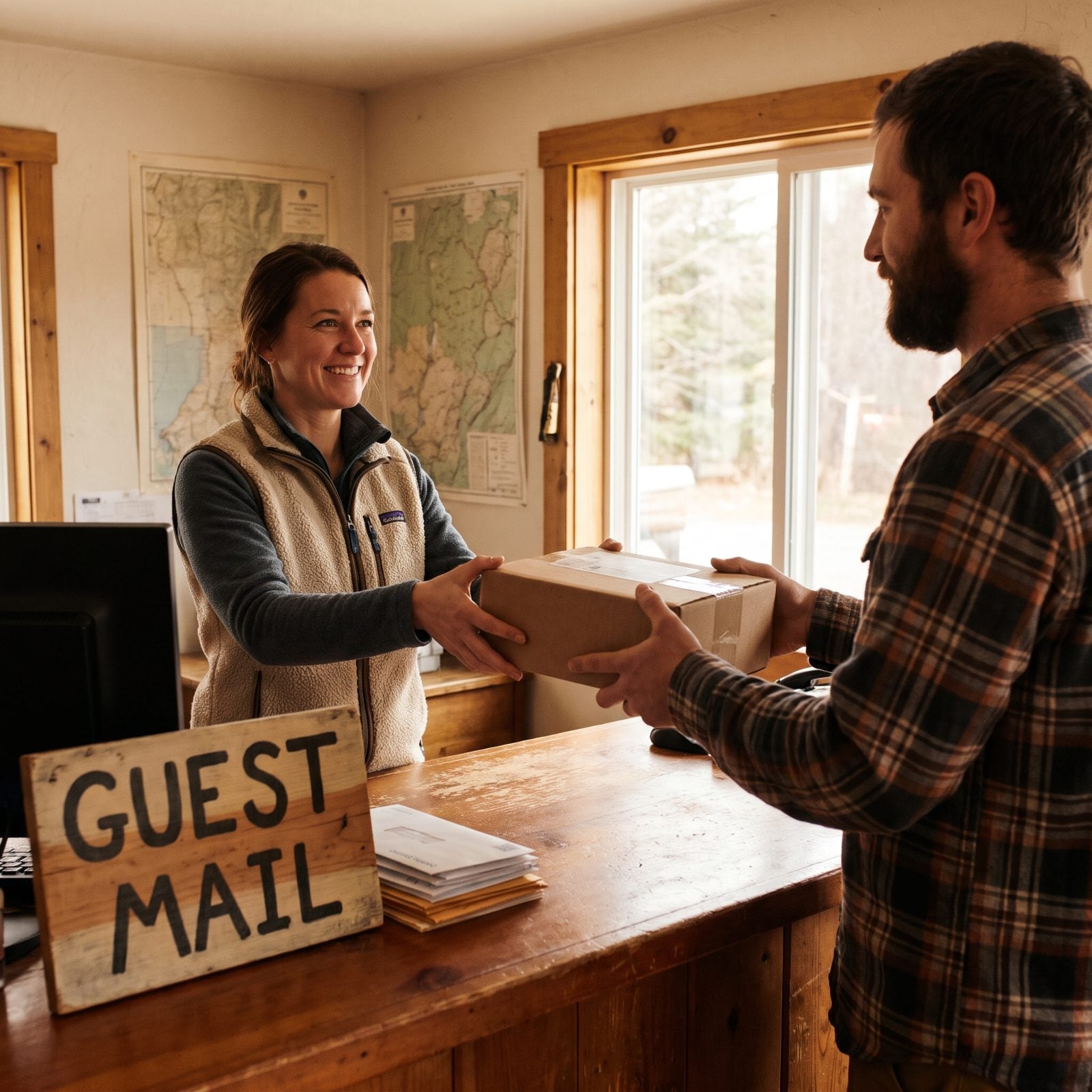
The simplest trick in the book, and it’s free. Call ahead, confirm the campground accepts guest mail, and have a parcel addressed care of the office with your name, site number, and arrival date. Perfect for a single package you need to catch up with — a new water filter, a replacement part, a prescription refill.
Always ask first. Some parks do it gladly, some don’t do it at all, and a package that shows up after you’ve checked out becomes someone else’s problem. Tip the front desk and send a thank-you. These folks are doing you a favor, not running a mailroom.
30. Rent a Long-Term Site With an Assigned Mailbox
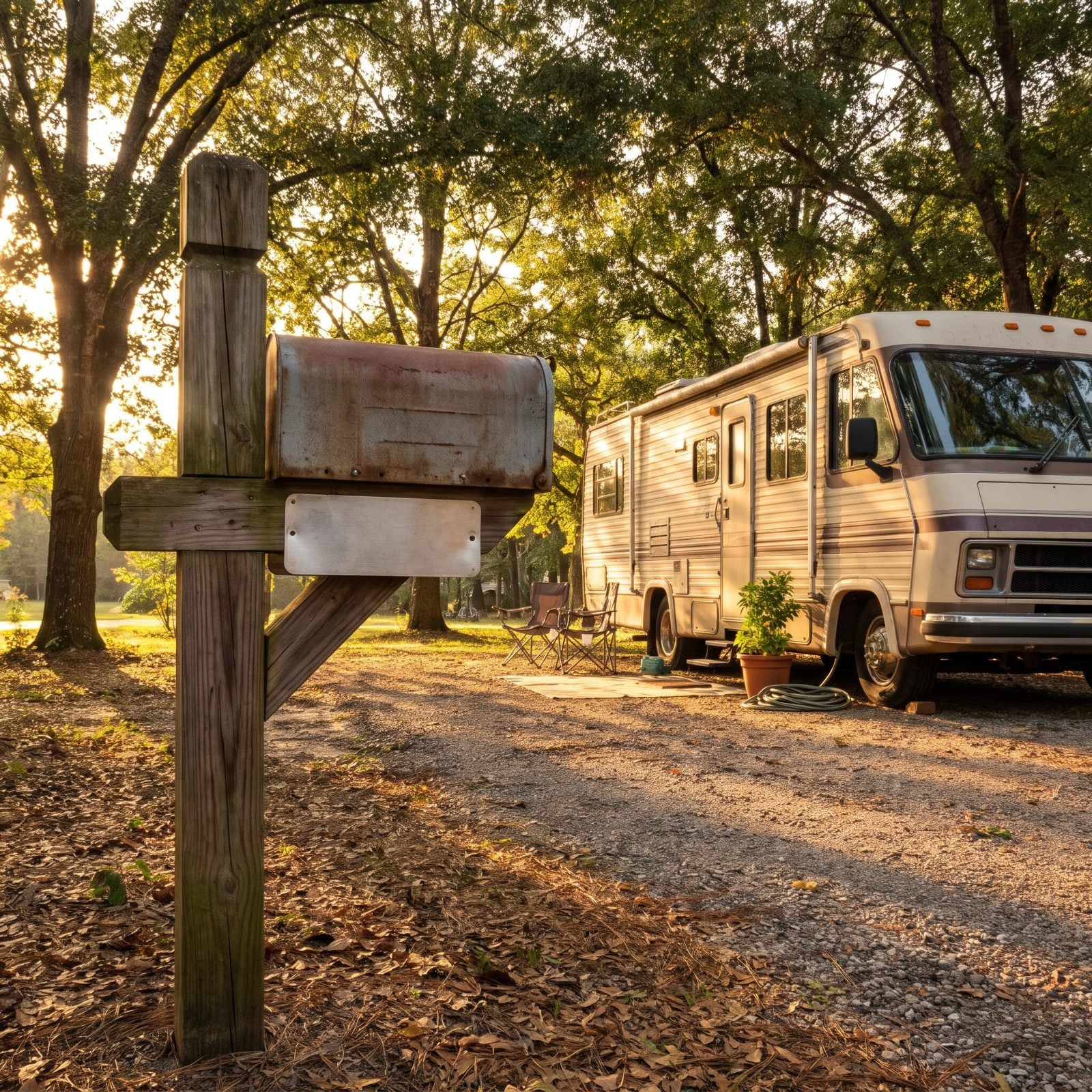
Slow travel changes the math entirely. Sign a monthly or seasonal lease at a long-term RV park and many of them hand you an assigned mailbox right on your lane, just like a neighborhood street. Your mail comes straight to you — no forwarding, no bundles, no app.
This is about as close to normal house mail as you’ll find on the road. It only works when you actually stay put for a stretch, which defeats the point for restless types. But if you’ve found a park you love and you’re settling in for the winter, it’s the least fuss of anything here. Sometimes the best system is the one that stops being a system.
29. Choose RV Resorts With Secure Parcel Lockers
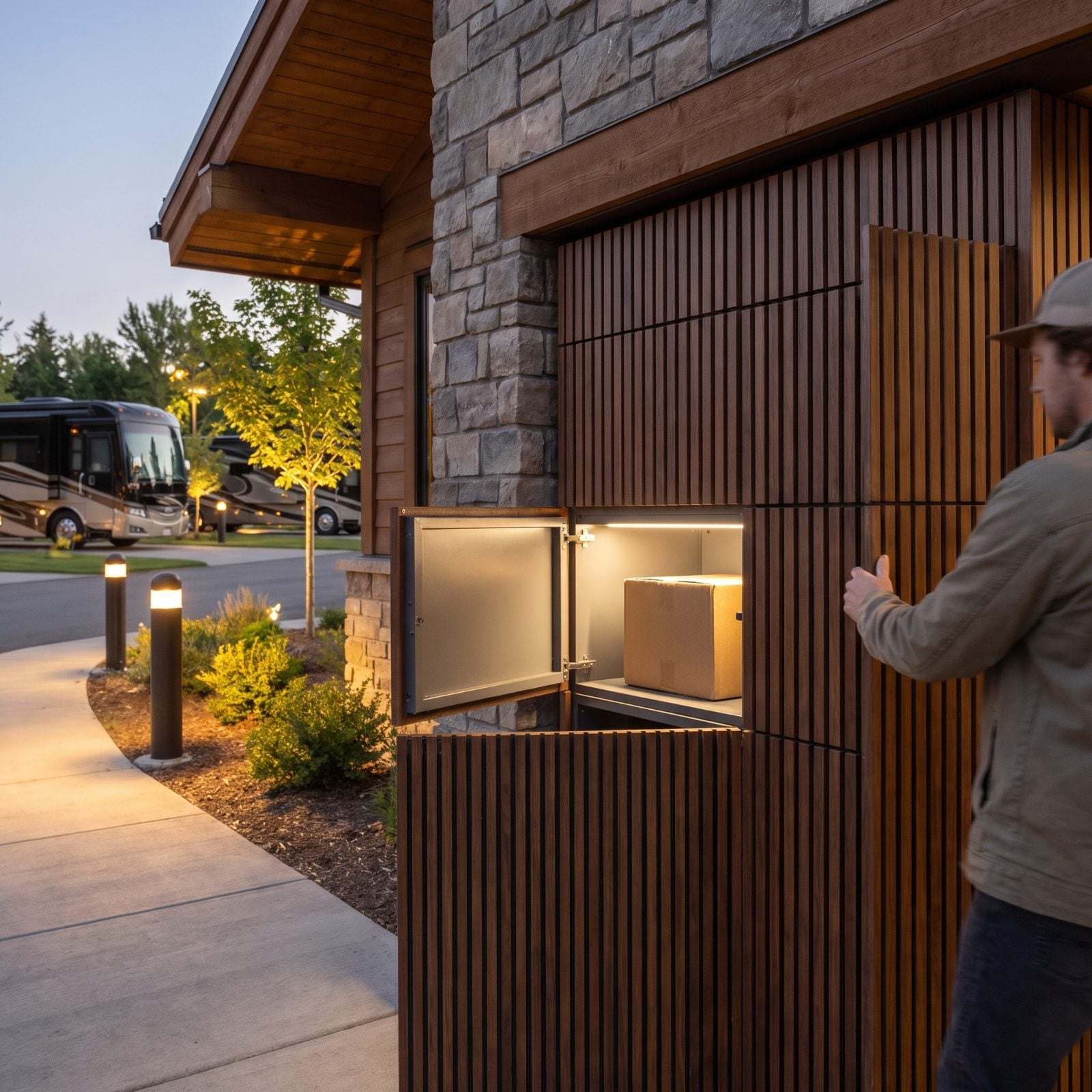
Some RV resorts quietly solved the mail problem years ago. They put parcel lockers by the office, and if you book a site there, your box waits in a cold steel cubby until your code pops it open. No hovering while a clerk digs through a pile of other people’s packages.
Call ahead and ask two things: does the locker take all carriers, and how long will they hold something that arrives before you do? A box sitting in an unmanned locker for a week is fine. A box at an office with a two-day hold rule? That’s how you miss it.
28. Route Mail Through a Friend Along the Trip
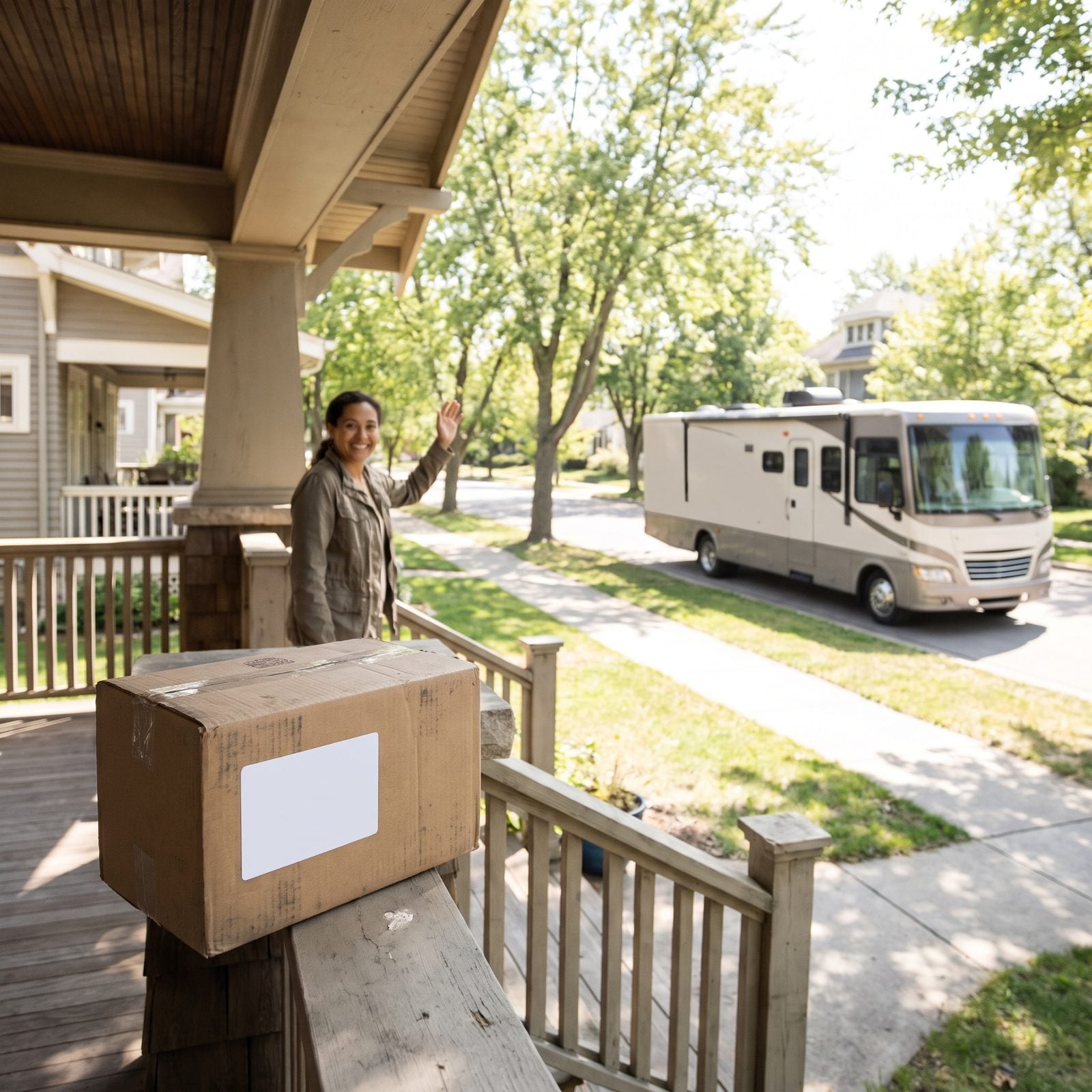
Know someone on your route? Ship ahead to them. Costs nothing, the box is waiting when you roll through, and you get a visit thrown in.
The catch is timing. Your plans slide, the friend takes off on their own trip, and suddenly your passport renewal is sitting in a house where nobody’s home. Save this one for things that can wait and people whose schedules you actually know.
27. Arrange Delivery to a Hotel During a Planned Stay
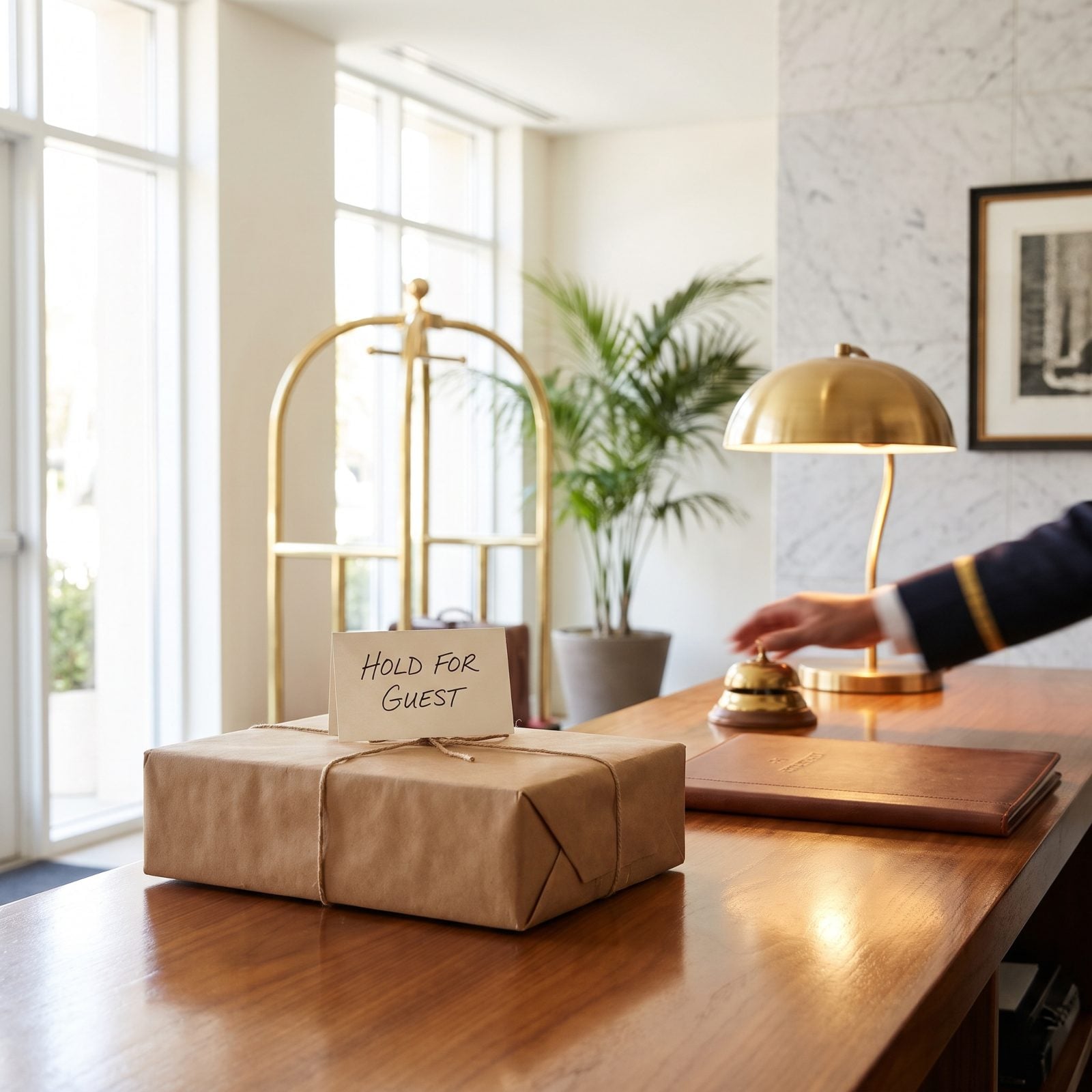
Got a hotel night booked? Maybe a repair layover, or a city stop where the RV won’t fit anywhere decent. Either way, that front desk is a dead-simple mailroom. Put the reservation name and your arrival date on the label, and most places will tuck a package behind the counter for you.
Call first, always. Some hotels charge a handling fee, and some won’t touch anything until you’ve checked in. One quick phone call spares you the sight of a clerk shrugging at a box that showed up two days early with your name on it.
26. Send RV Parts to the Dealership Handling the Repair
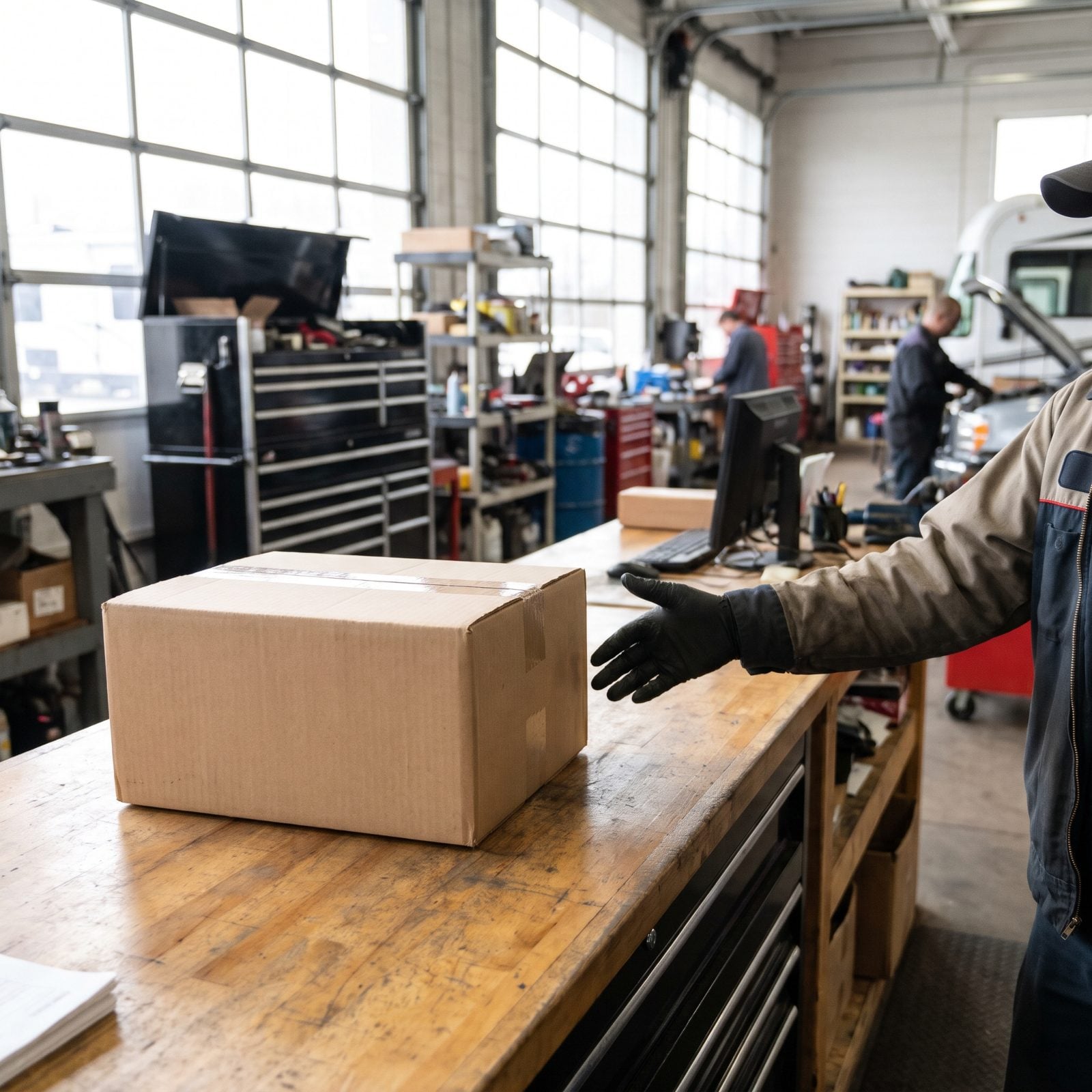
Big repairs often stall on a part that has to ship in. Here’s the move most people miss: send the part straight to the service department, not to yourself.
Why it’s better:
- The shop signs for it, so nothing sits unattended in a campground office.
- Your tech can start the minute it lands instead of waiting on your handoff.
- If the wrong part shows up, they catch it before you’ve driven off.
Give the dealership the tracking number and your work-order number together. Ask them to flag the box to your name so it doesn’t disappear into the shop’s own river of parts.
25. Send Amazon Orders to an Amazon Locker
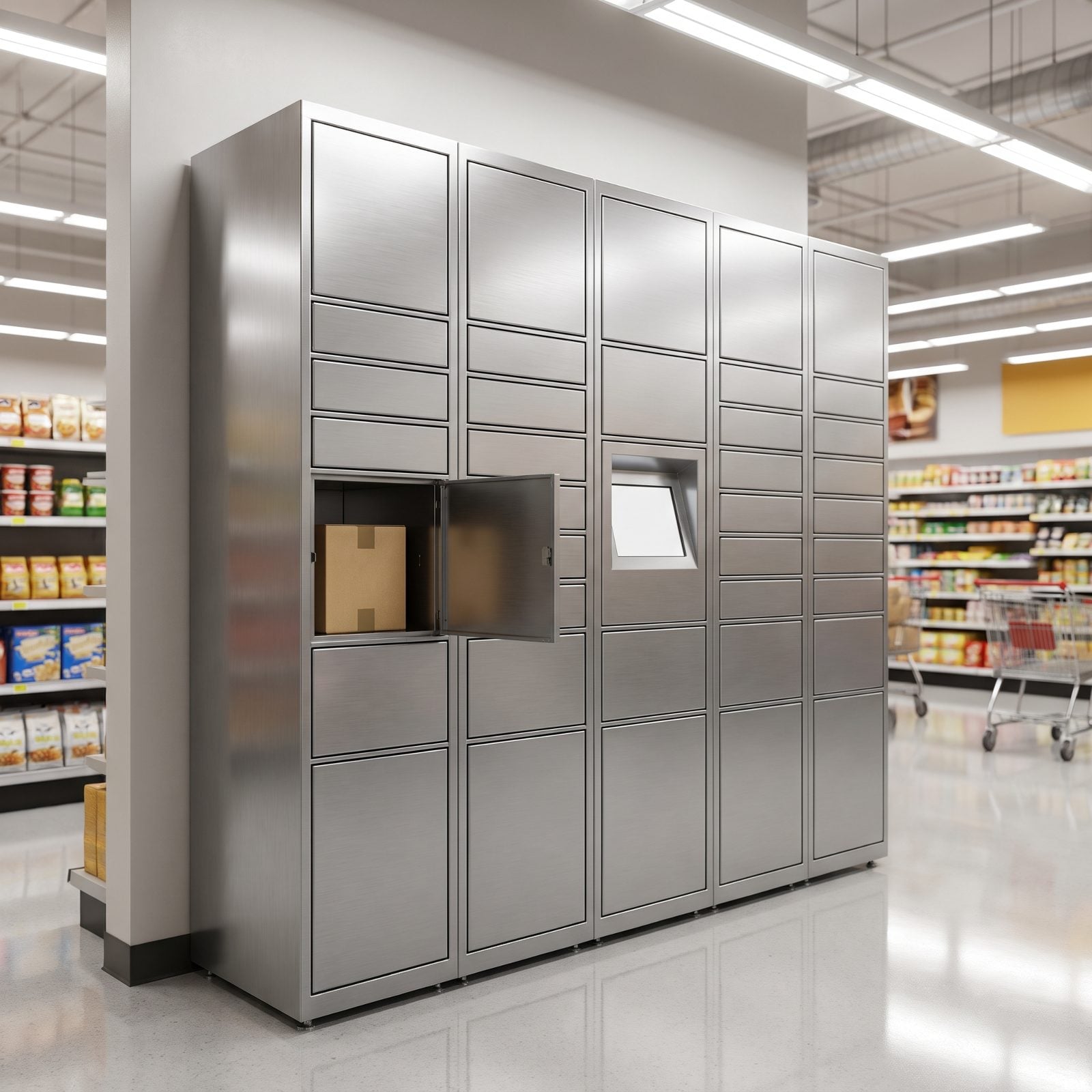
Self-serve lockers sit inside grocery stores, pharmacies, and gas stations all over the country. Pick one at checkout, get a code, scan or punch it in, grab your box. No signature, no office hours, nobody hunting for your name.
The limits matter for RV life. Lockers won’t take anything oversized (no full-size tables, no long awning rails), and there’s a short pickup window before the item ships back. Perfect for a water filter, a phone charger, a bag of coffee. Not for the dinette cushions.
24. Redirect UPS Parcels to a UPS Access Point

UPS lets you reroute a package mid-transit to one of its Access Points, usually a local hardware store, print shop, or convenience store that holds parcels behind the counter. Show ID, sign, walk out with the box.
This is the one that saves you when a shipment was already barreling toward the wrong campground. You can often redirect it from your phone before it hits the truck for final delivery. Holds generally run about a week, which gives a slow-moving rig real breathing room.
23. Hold FedEx Shipments at a FedEx Office
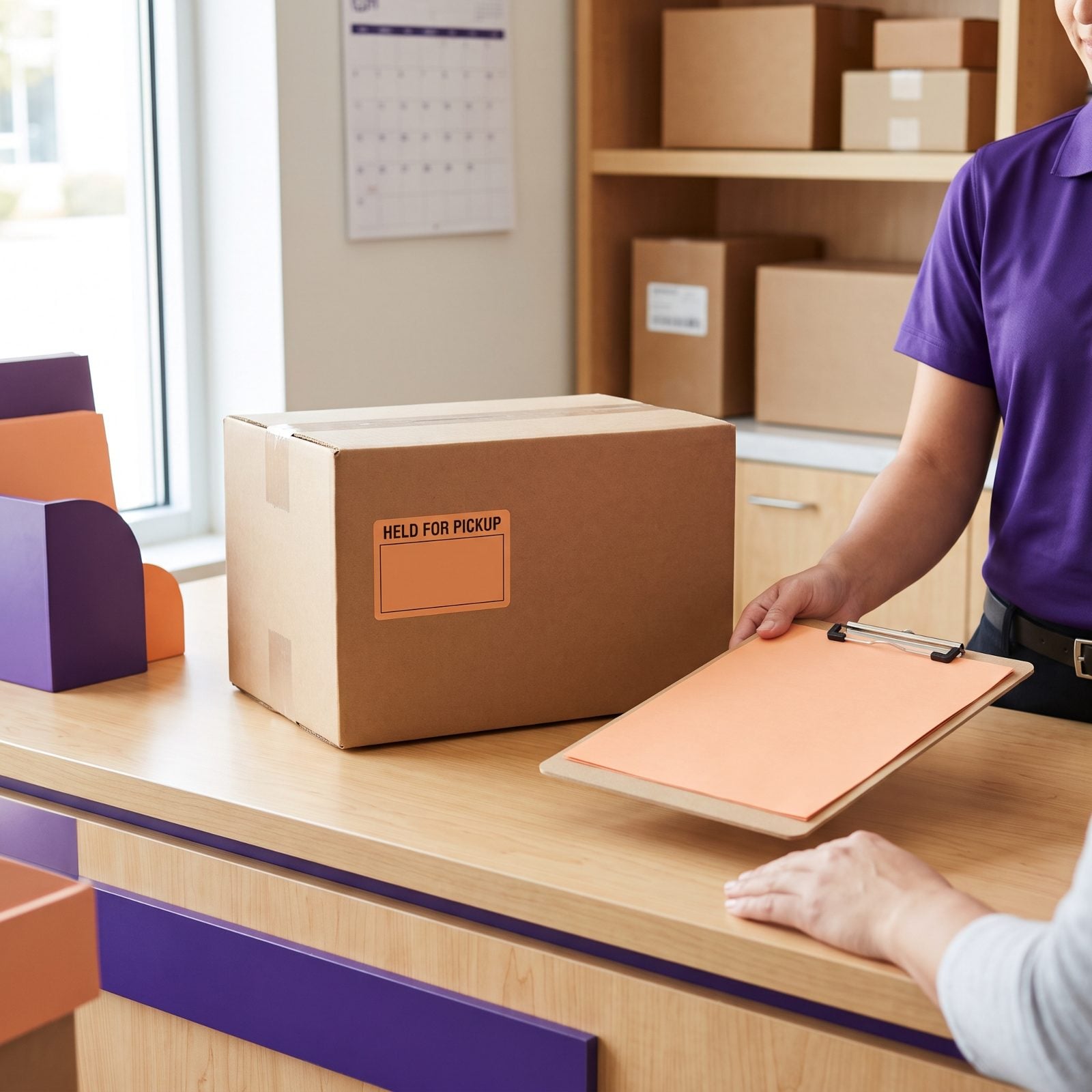
FedEx runs a hold-at-location service that routes a package to a staffed office for pickup. Handy for anything you can’t afford to lose: a renewed license, legal documents, a prescription that shipped overnight and needs a human signature.
A staffed counter means someone’s accountable for the box, and the hours tend to be generous. Bring the tracking number and a photo ID that matches the recipient name on the label. Mismatch those two and you’ll stand there explaining yourself while the box stays locked behind the counter, which is exactly the delay you were trying to dodge.
As a longtime van lifer puts it, “I used the FedEx app to divert the package to the nearest FedEx facility so I could deal with it on my own time.”
22. Send Eligible USPS Parcels to Hold for Pickup
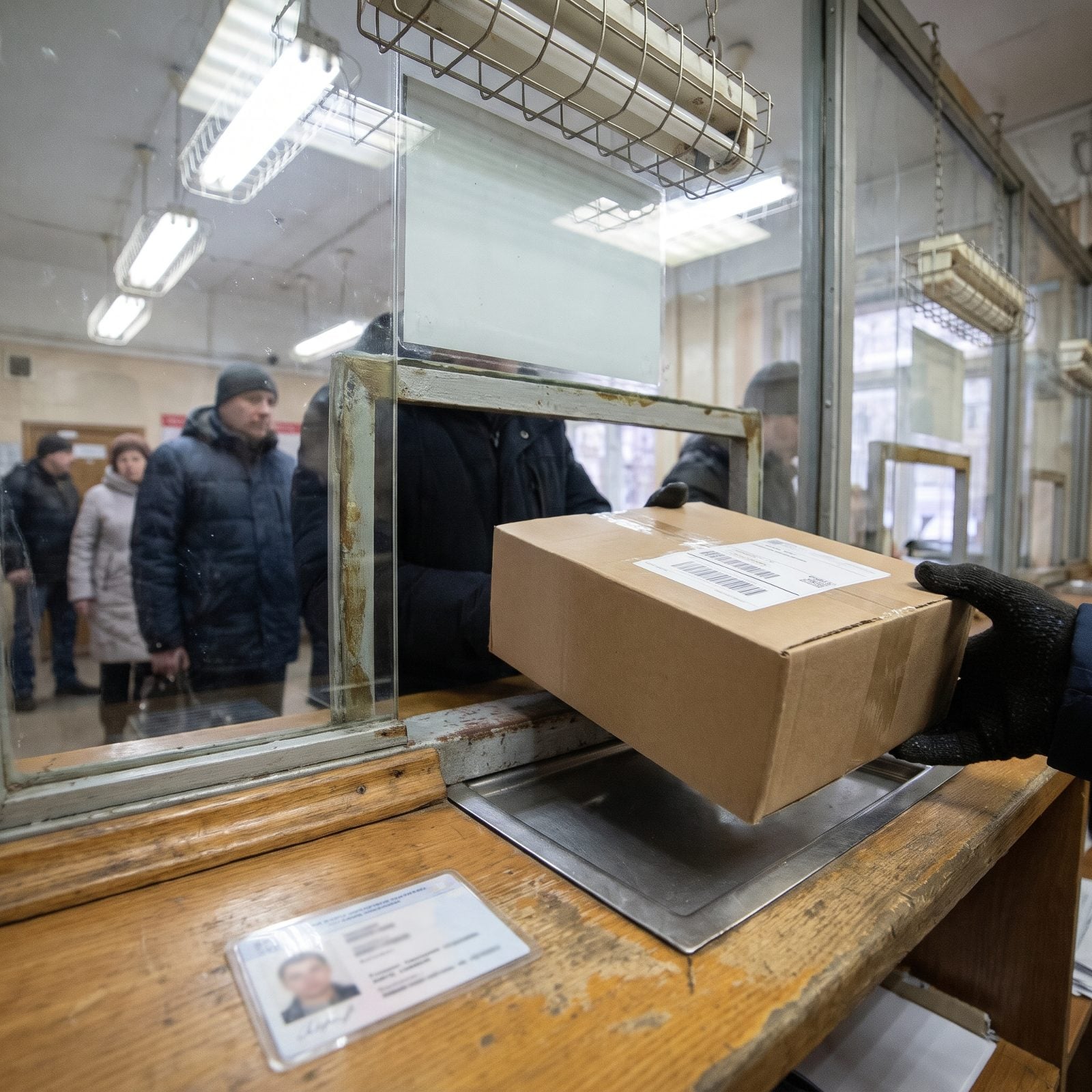
The Postal Service runs Hold for Pickup on eligible packages, letting you send one to a specific post office and collect it at the window with ID. For full-timers this is gold, because post offices sit in towns too small to bother with lockers or access points.
You address it with the office’s full street address plus the phrase that marks it for pickup, and USPS parks it there for you. Check the hold window up front. It’s generous, but it isn’t forever, and a box you never claim gets kicked back to the sender.
21. Select Ship-to-Store From a National Retailer
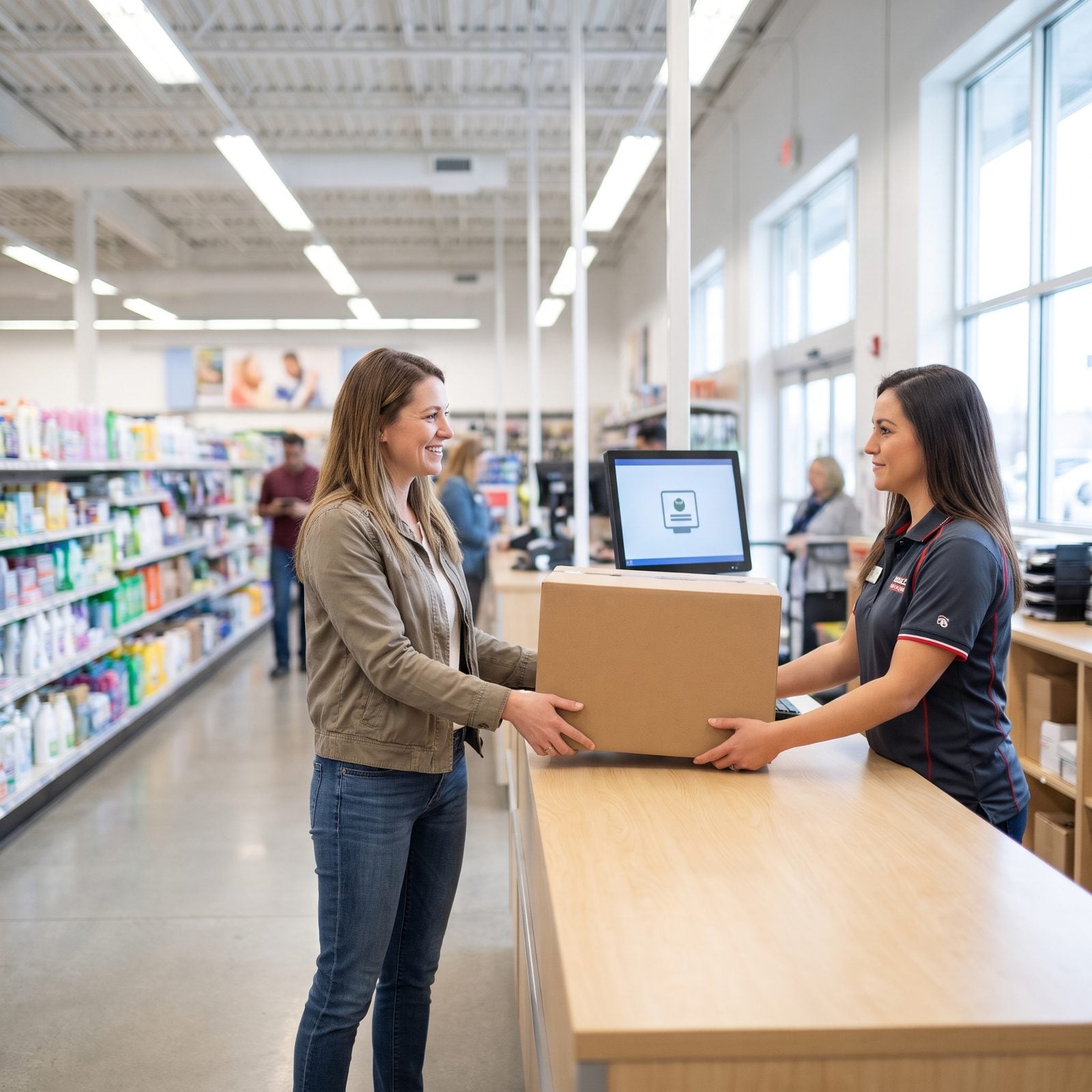
Big chains with stores in every mid-size town (hardware, camping, auto parts, farm supply) let you order online and pick up in person, often the same day. You skip shipping fees entirely and grab the item off a counter instead of waiting on a truck.
Use this one for the bulky RV stuff lockers reject: leveling blocks, a replacement sewer hose, a bag of softener salt, a folding chair. Order it to a store near your next stop, let it wait until you roll in, and walk out with it. No campground office in the loop, no missed-delivery dance, no box circling the county on a truck chasing an address that keeps moving.
20. Send Vehicle Parts to an Auto-Parts Store
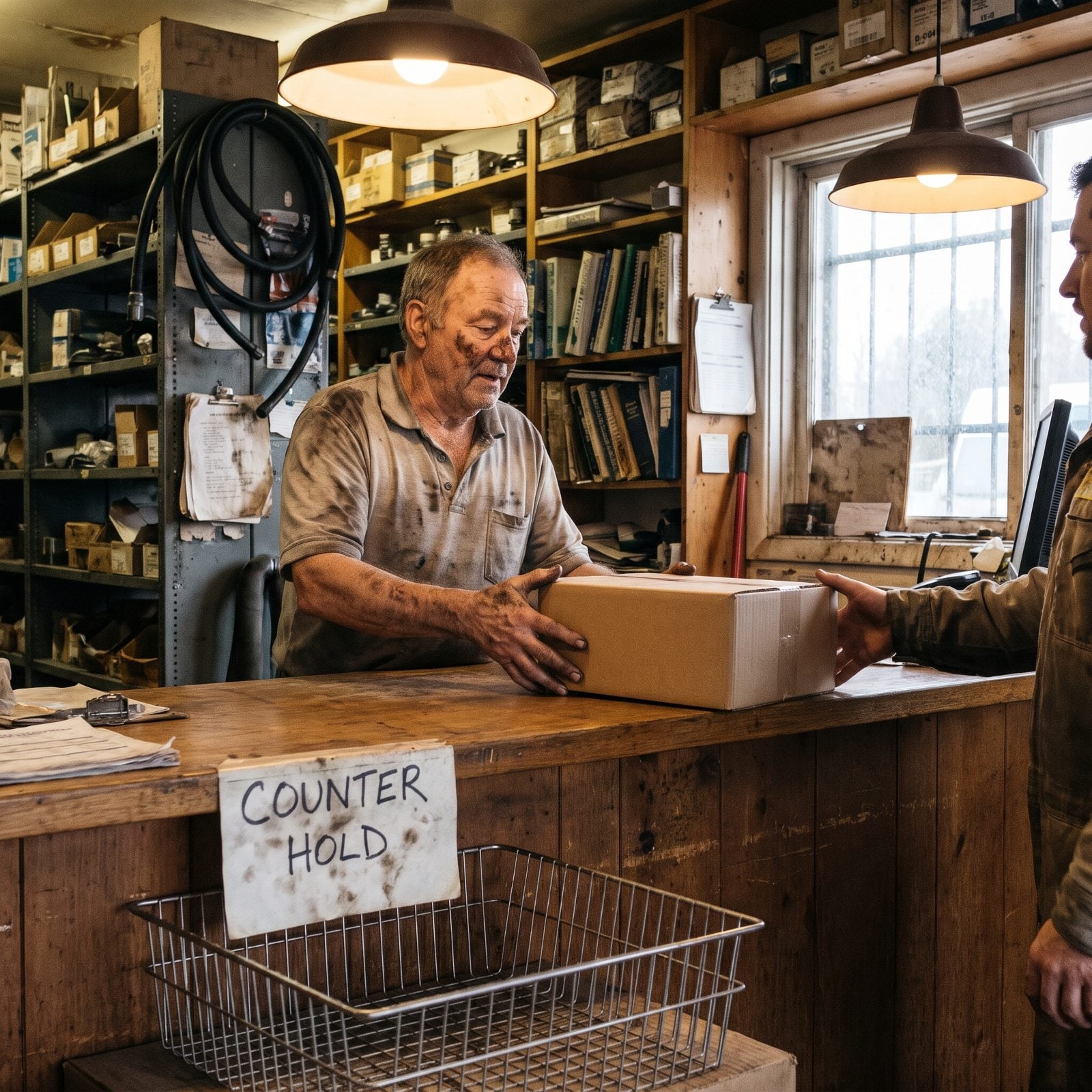
Plenty of auto-parts stores will happily hold a box behind the counter under your name. You order online, ship it to a shop near your route, and swing in when you roll through town — no home address required, no missed delivery slip flapping on a door you won’t see for three weeks.
The quiet advantage? If the part is wrong, you’re already standing in a working garage next to a mechanic who can tell you which fitting you actually need. Try sorting that out from a gravel pull-through with one bar of signal.
19. Have Tires Shipped Directly to the Installing Shop
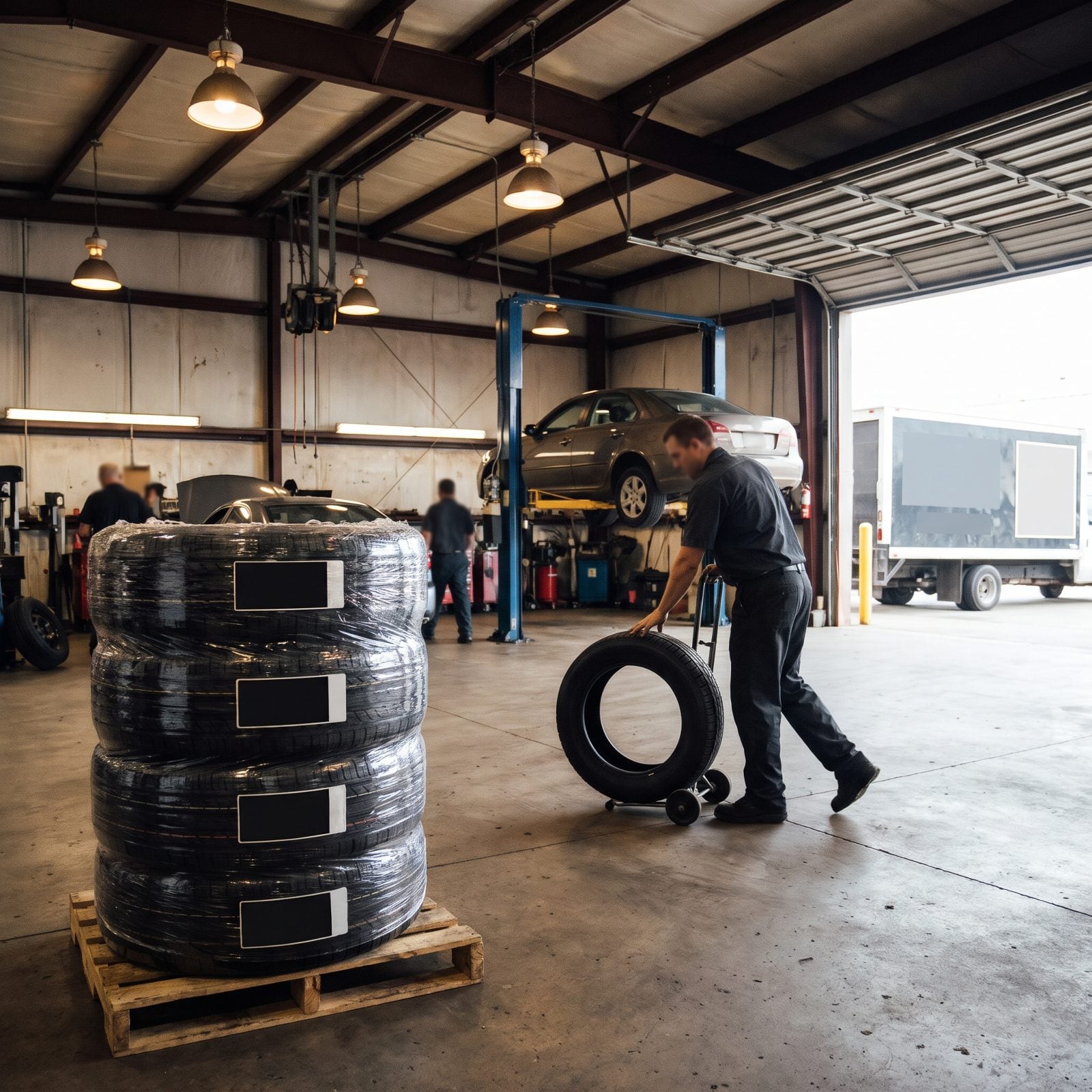
Tires are heavy, bulky, and a nightmare to receive at a campground. Ship them straight to the shop that’s going to mount them and you skip the hauling entirely — they uncrate, inspect, and have everything ready when you pull in on your appointment day.
We learned this the expensive way after wrestling a 60-pound trailer tire out of a camp office and into a truck bed in July. Never again. Let the people with the machine do the heavy part.
18. Schedule Freight Delivery to a Storage Facility
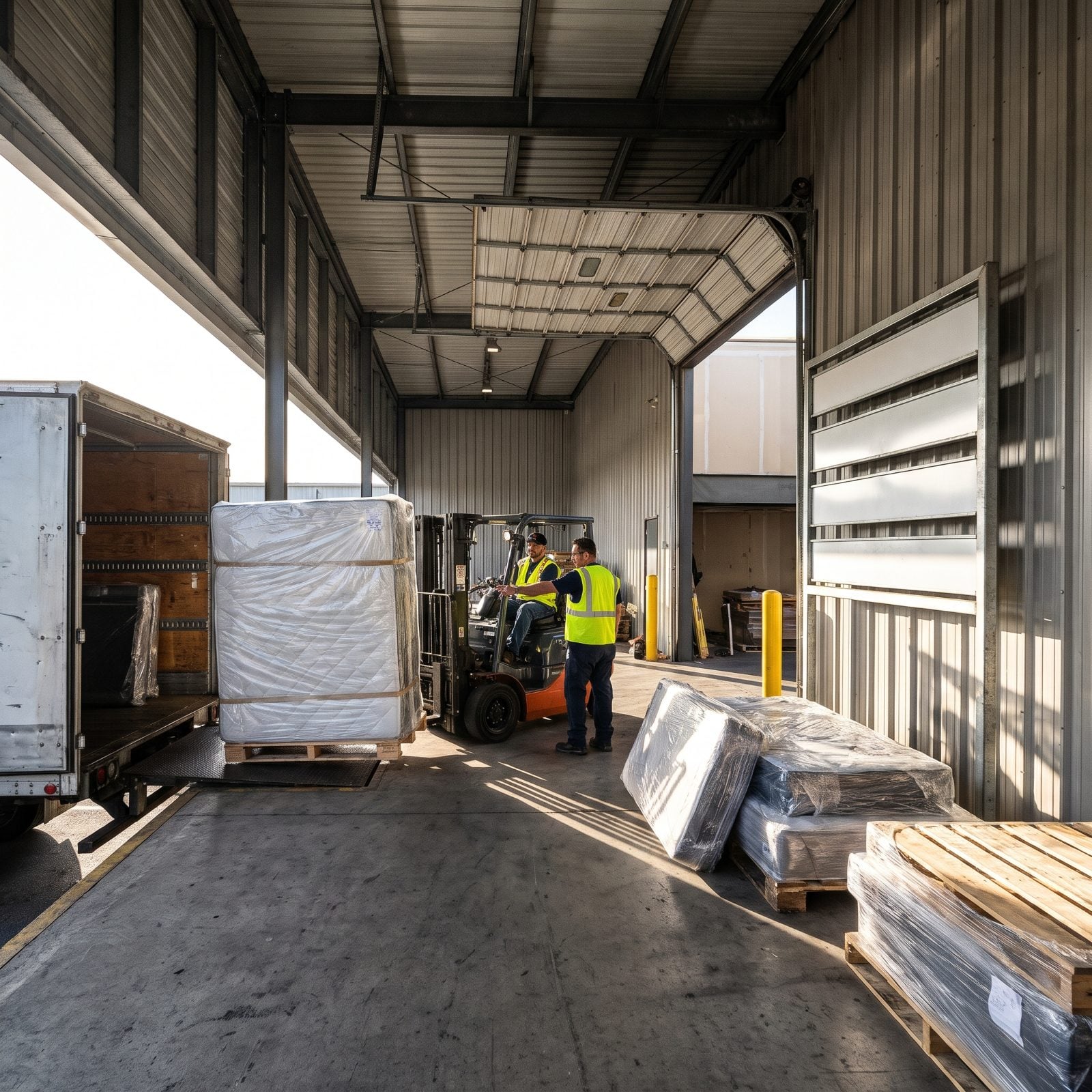
Ordering something oversized — a new mattress, a solar array, a replacement awning? Freight carriers won’t bring a pallet to a campsite, and honestly they shouldn’t. A climate-controlled or drive-up storage unit makes a tidy receiving address instead.
You rent by the month, give the facility as your shipping destination, and they take the delivery during business hours. When you arrive, you’ve got a locked, dry space to unbox, assemble, and haul out the cardboard without a camp host watching you make a mess.
17. Use a Package Forwarder to Consolidate Several Orders
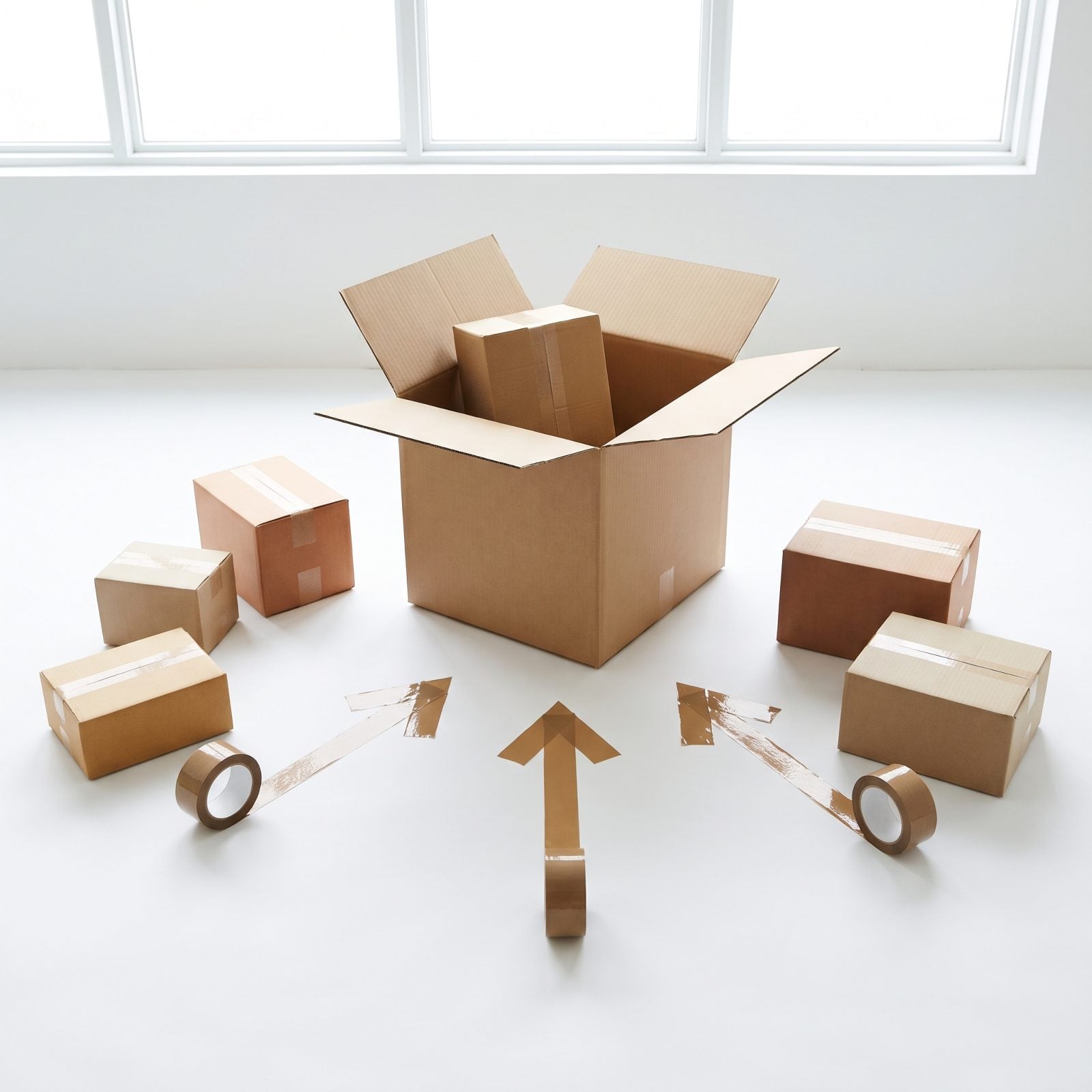
This is the trick full-timers lean on when they’re ordering from a dozen different sellers at once. A forwarding service gives you a permanent street address. Everything ships there, they hold it, and when you’re ready they box it all together and send one package to wherever you happen to be next week.
One shipment to track instead of nine. One delivery window to plan around. And if you’re stacking boxes for a month between mail stops, that’s how you avoid turning a KOA front office into your personal warehouse.
16. Request USPS Package Intercept When Plans Change
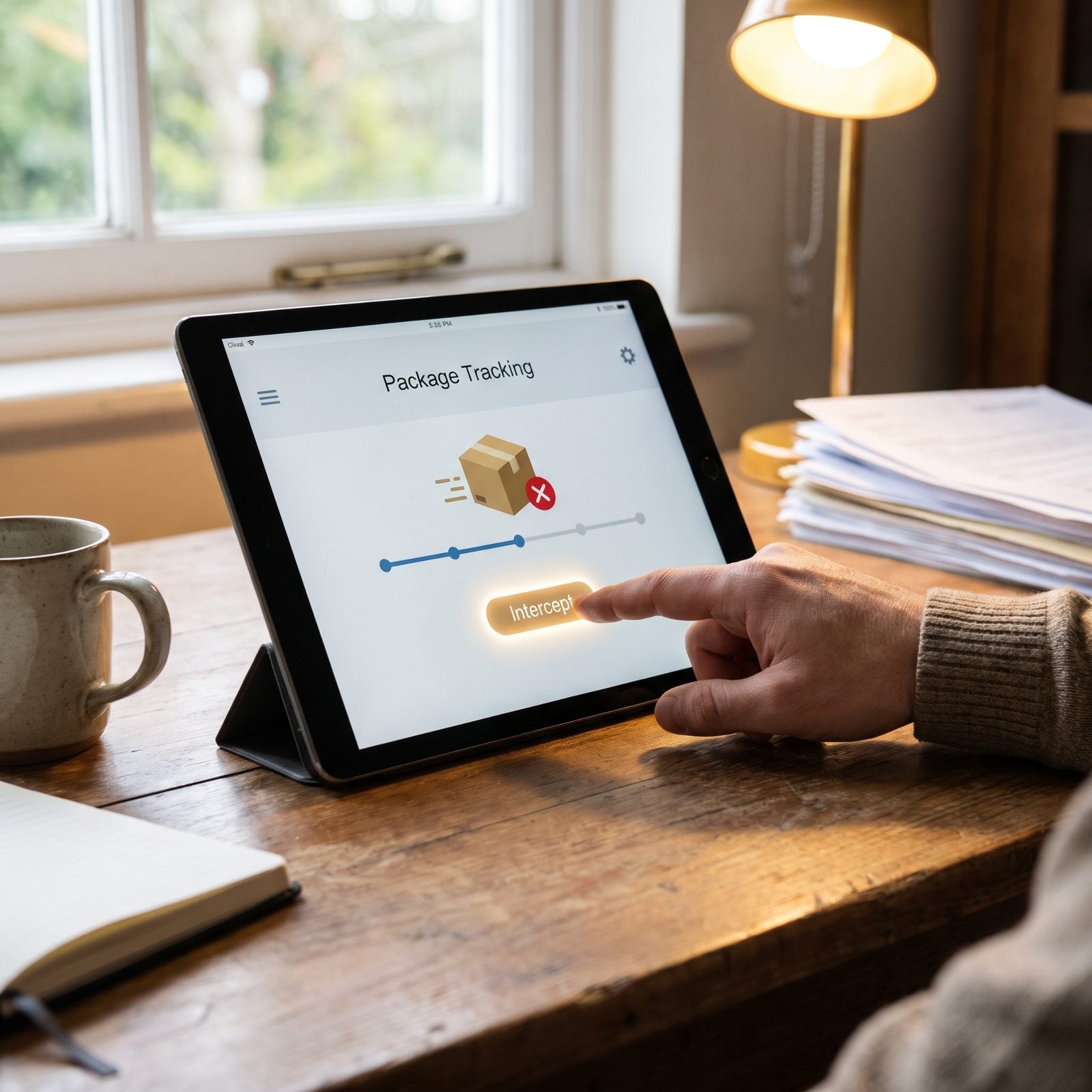
The Postal Service has a lesser-known lifeline called Package Intercept. If a parcel hasn’t gone out for delivery yet, you can request it be held at the destination post office or rerouted, for a modest fee plus any new postage.
It isn’t guaranteed on every shipment, and it only works inside a tight window, so treat it as a rescue tool rather than a plan. But when your itinerary flips overnight and a box is already in the system, it beats watching it land at a site you’ve abandoned.
15. Hire a Local Courier for the Final Campground Delivery
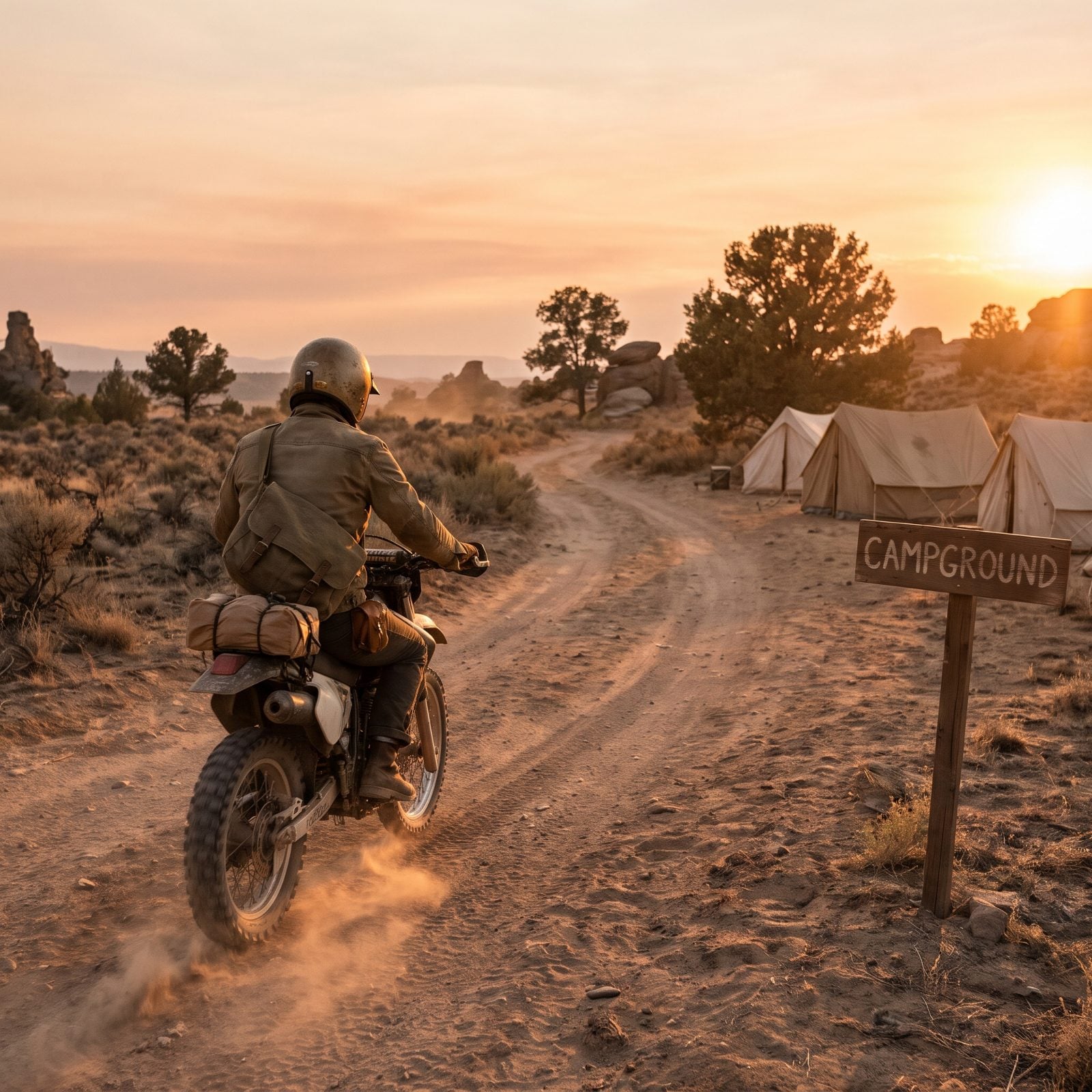
When the campground is too remote for the big carriers to bother, a local courier or a same-day delivery app bridges the last few miles. You have the item shipped or held at a store in the nearest town, then pay someone to run it out to your site.
Costs a little. Saves a half-day round trip when you’re parked deep in a national forest and the nearest pickup is forty minutes of washboard road away. Sometimes buying back your afternoon is the smartest money you’ll spend.
14. Meet a Delivery Driver at the Campground Entrance
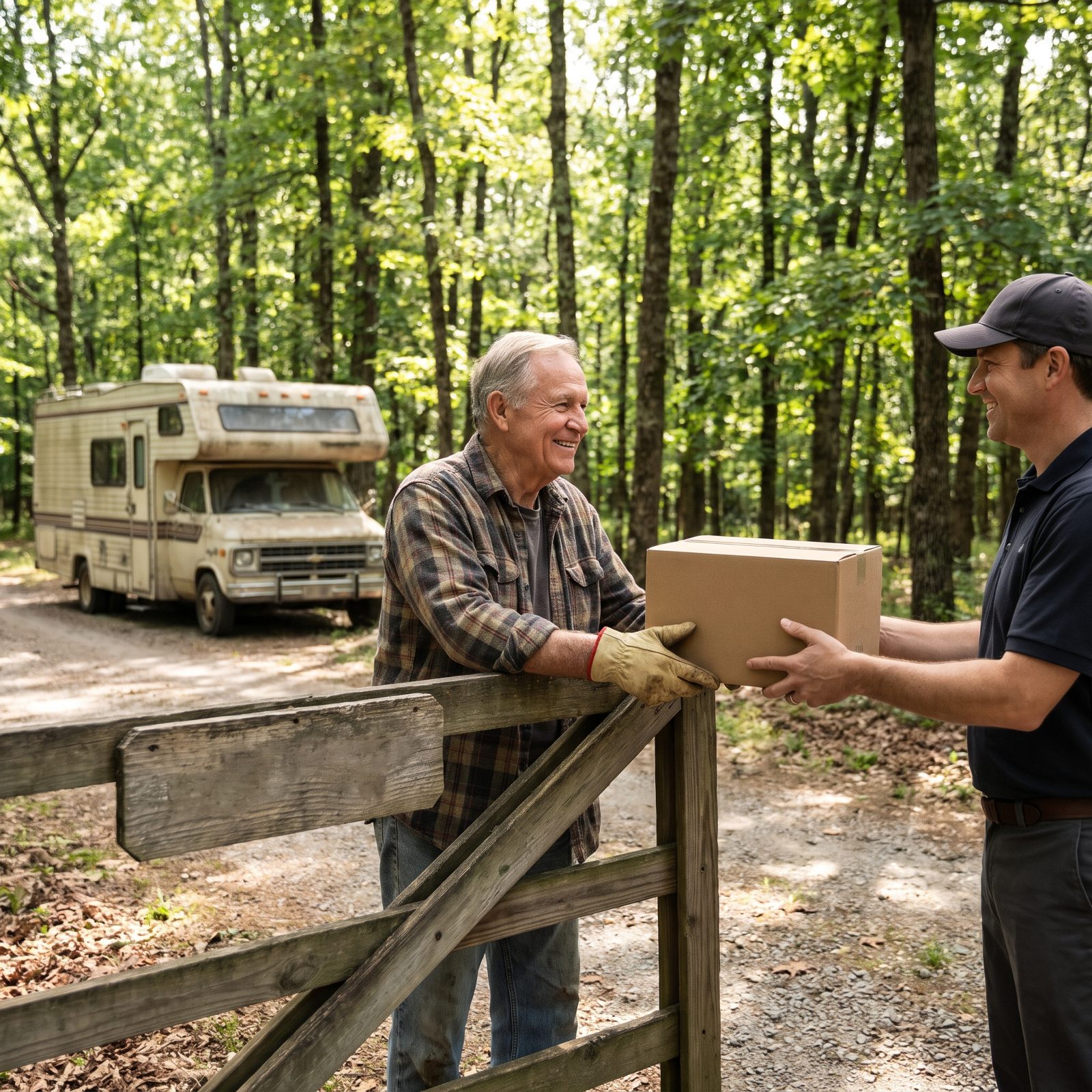
Some gates won’t let a delivery van in, and some campground roads would eat a low-clearance truck alive. The fix is low-tech: track the driver and meet them at the entrance.
Carriers increasingly show live delivery maps, so you can watch the truck approach and walk down to the gate as it pulls up. You take the box hand-to-hand, the driver skips the maze of loops and speed bumps, and nothing gets dumped in the dirt by a site number that doesn’t exist on their system. Perfect for the stubborn deliveries the automated systems can’t crack.
13. Fill 90-Day Prescriptions Before a Long Travel Leg
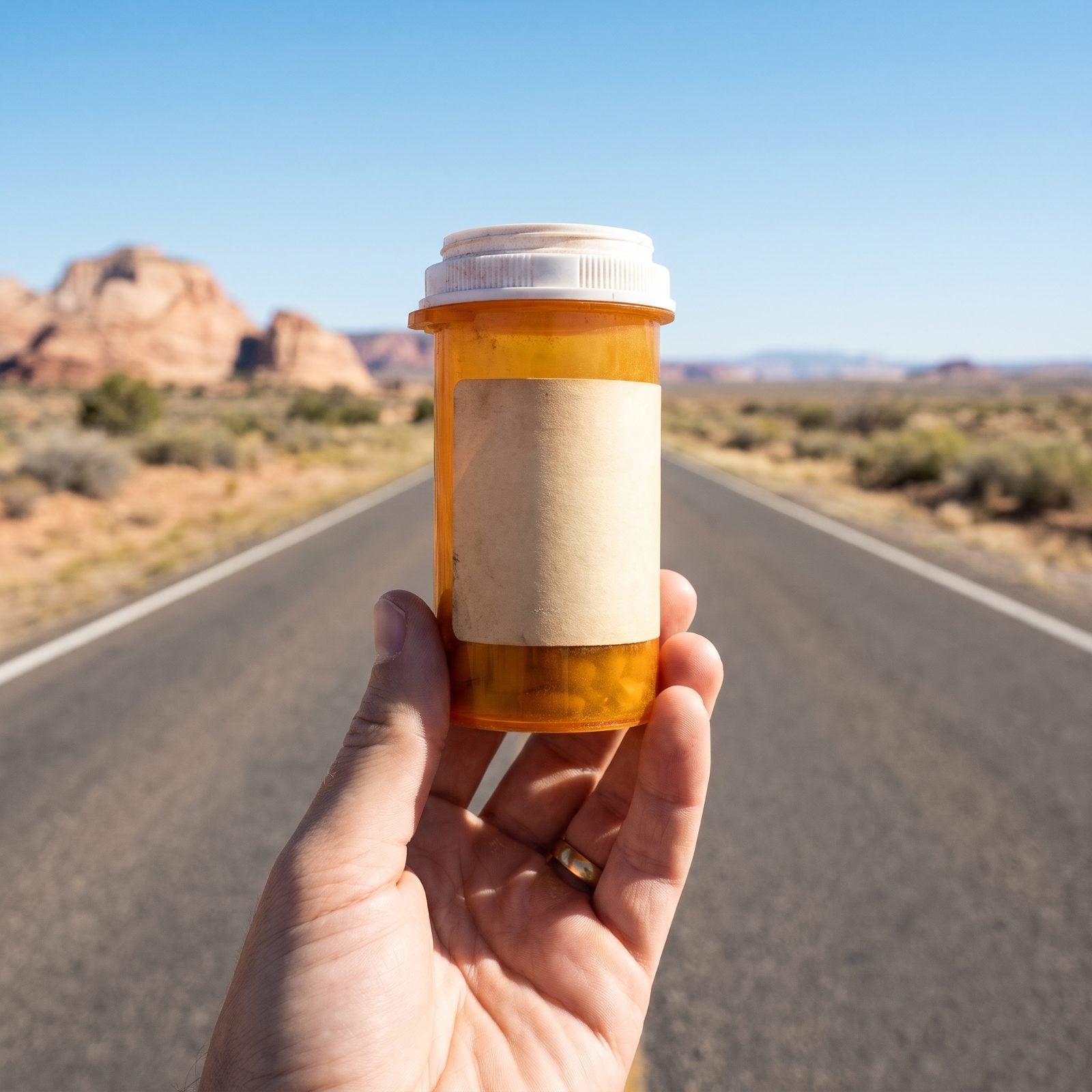
The single biggest favor you can do yourself before a two-month loop through the desert is walking out with ninety days in hand instead of thirty. One pickup, one copay, and no scrambling for a transfer in a town where the pharmacy closes at six and reopens Tuesday.
Most maintenance drugs qualify — blood pressure, thyroid, cholesterol, the everyday ones. Controlled substances usually don’t, so check those separately rather than assuming. We learned this chasing a refill across three state lines because we’d grabbed a thirty-day fill out of habit.
12. Synchronize Every Routine Medication to One Refill Date
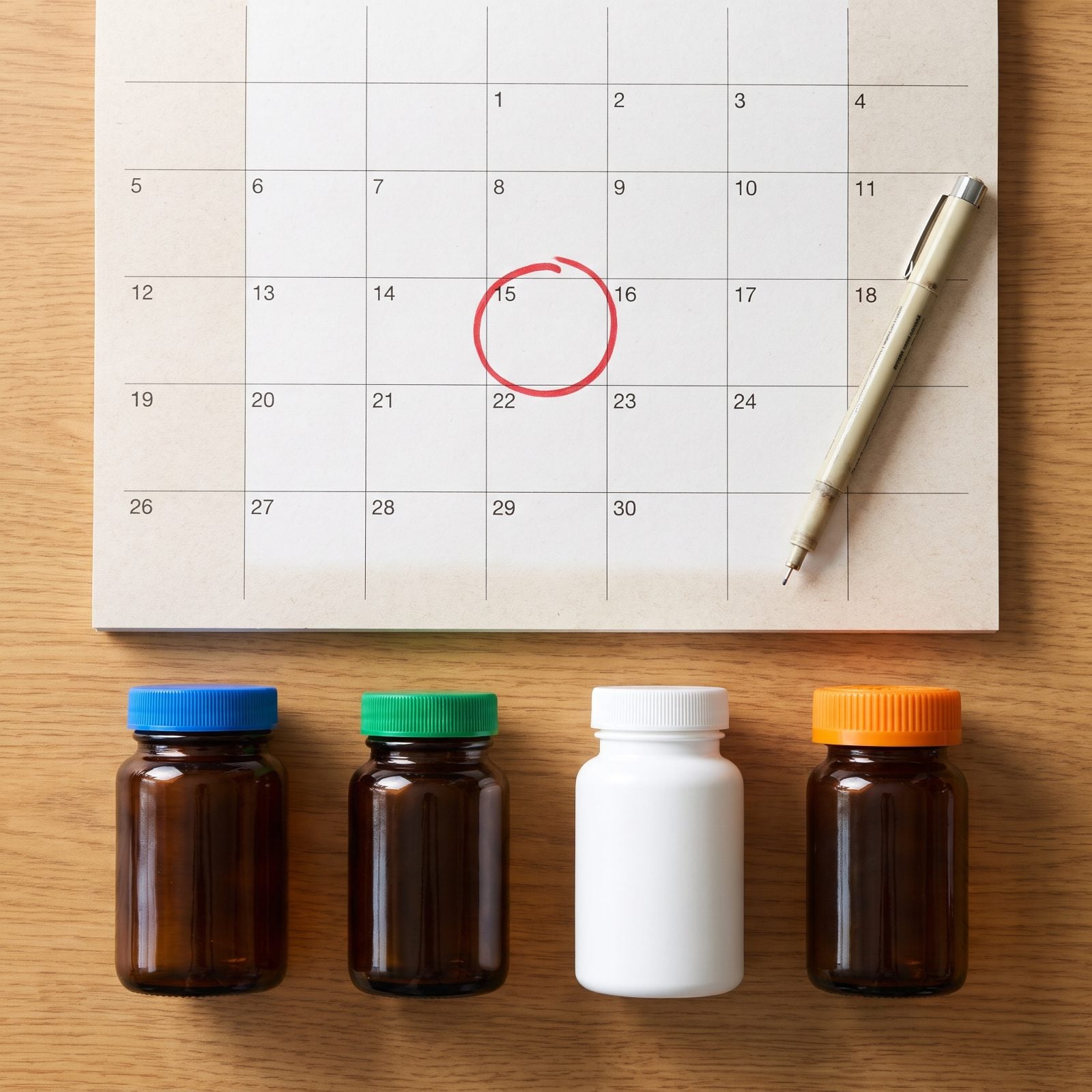
Running four prescriptions off four different clocks is how you end up at a pharmacy window every ten days for the rest of your traveling life. Med sync fixes it. You ask the pharmacy to align everything to one monthly refill date, and from then on it’s a single pickup, a single phone call, a single thing to remember.
They handle the math with a short partial fill on whichever bottle is out of step. The service costs nothing and most pharmacies already run a program for it. Ask by name: medication synchronization.
11. Request a Vacation Override for an Early Refill
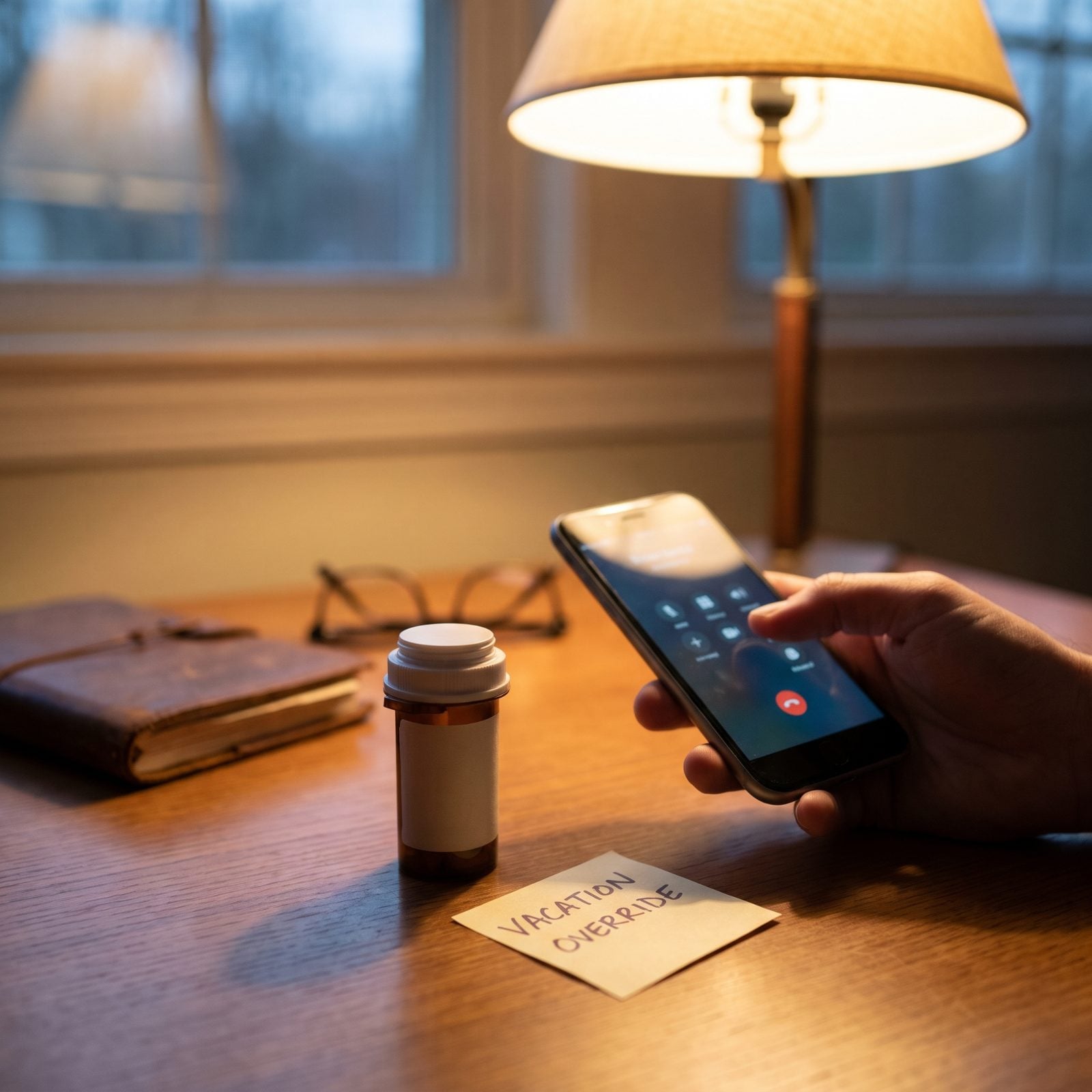
Insurance usually won’t pay for a refill until you’ve nearly run out — a real problem when you’re leaving three weeks before that window opens. The fix is a vacation override. Call the plan, say you’ll be traveling, and ask them to approve an early fill big enough to cover the leg.
Most plans grant it a couple times a year without fuss. The trick is calling before you leave, not from a gas station parking lot the morning you run dry.
10. Ask the Insurer for an Emergency Lost-Medication Override
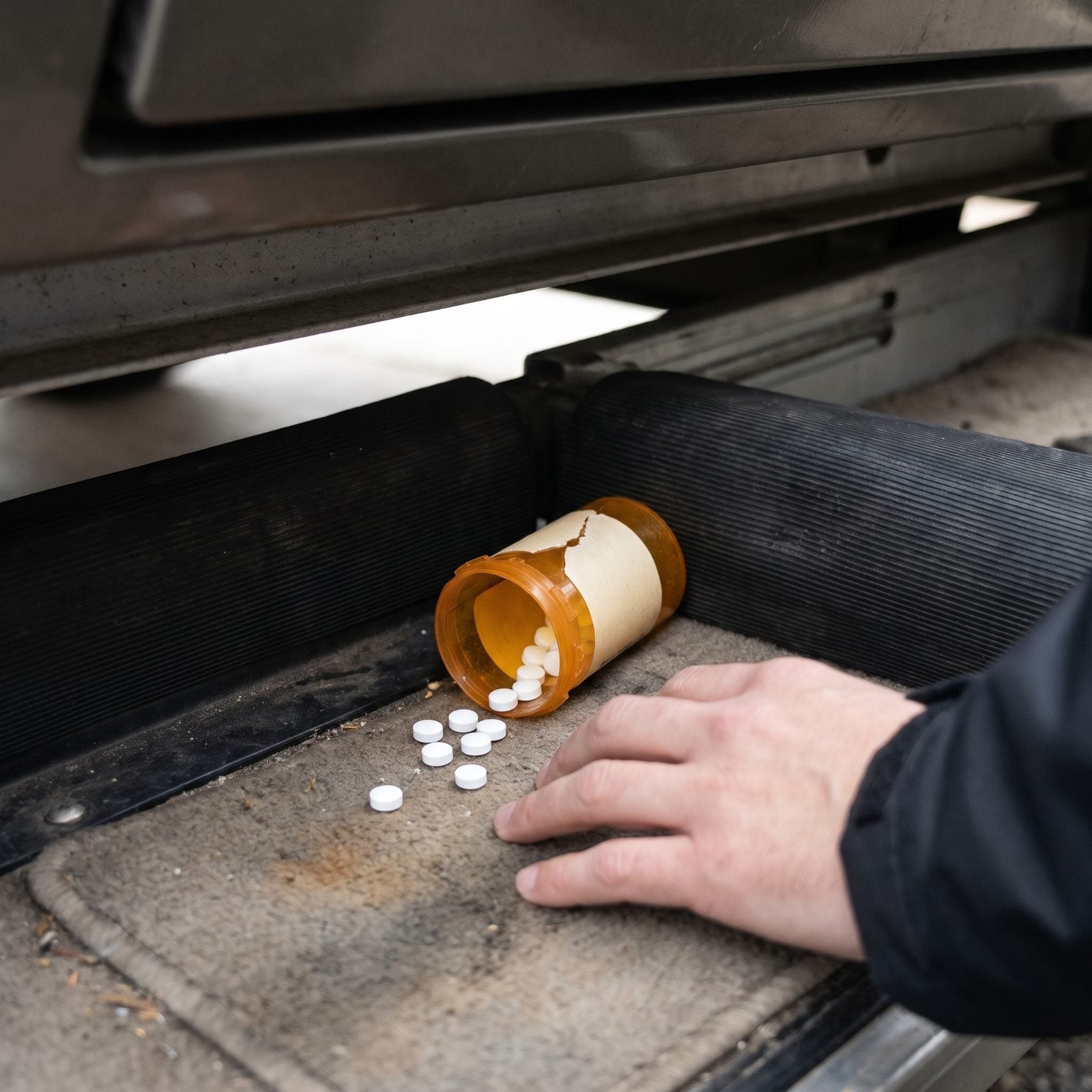
The bottle rolled under the slide and cracked. Or the whole dopp kit vanished at a rest stop. It happens, and panicking won’t help. Call the number on your insurance card and ask about an emergency or lost-medication override.
Plans have a process for exactly this. They can authorize a replacement fill at a local pharmacy, sometimes even for controlled substances with extra documentation. Have your prescription details and member ID ready. The sooner you call, the sooner a pharmacist on the other end can put pills in your hand.
9. Use Telehealth for Eligible Routine Refills
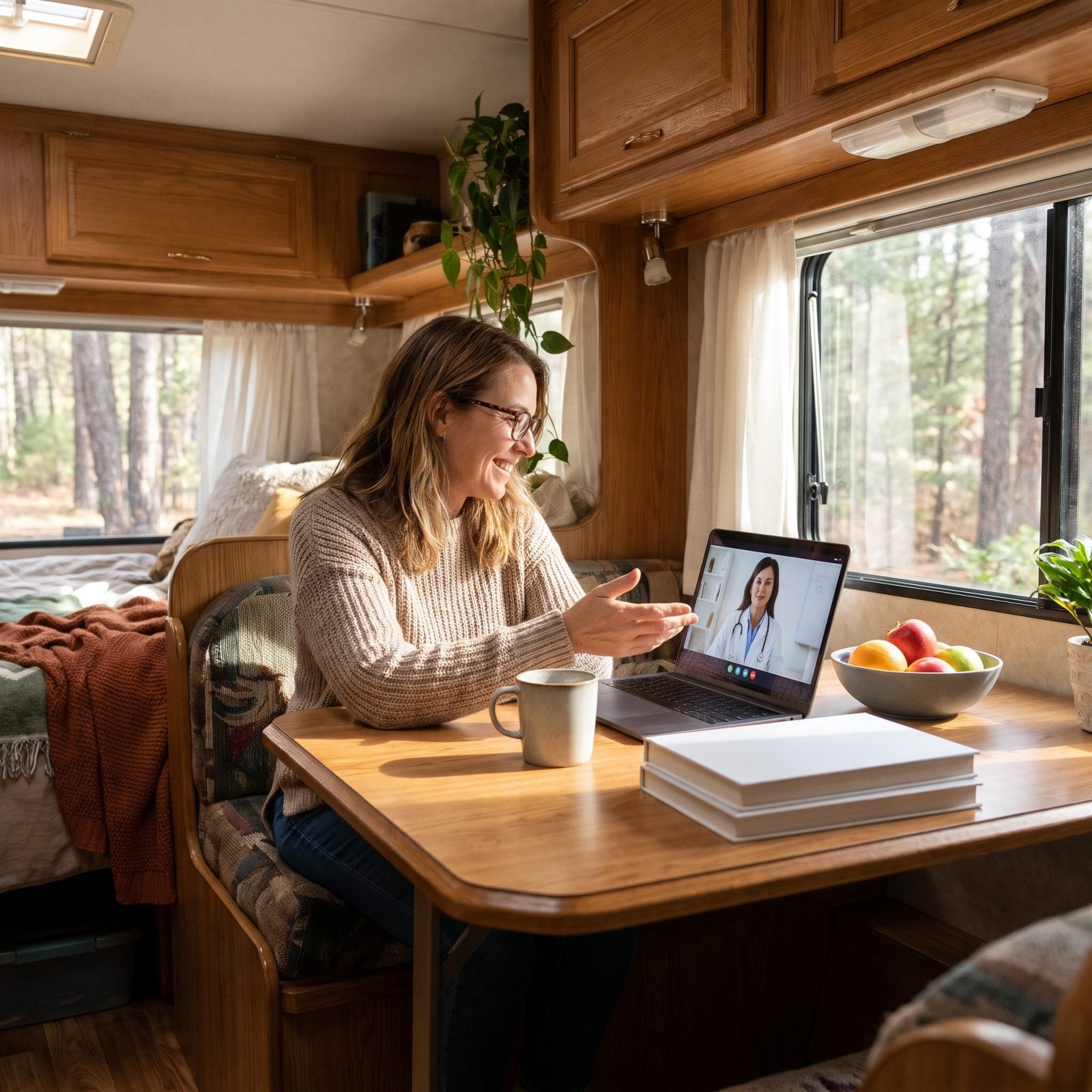
A video visit from the dinette has replaced a lot of unnecessary driving. For stable, long-term conditions, many providers will do a telehealth check-in and renew a routine prescription — no hunting for a clinic in an unfamiliar town.
Here’s what full-timers wish they’d known earlier: licensing is by state. The provider generally has to be licensed where you physically are at the appointment, not where you’re domiciled, so a visit from a Montana campground may need a Montana-licensed clinician. National telehealth platforms handle this better than your hometown doctor’s portal ever will.
8. Visit Urgent Care for an Appropriate Bridge Prescription
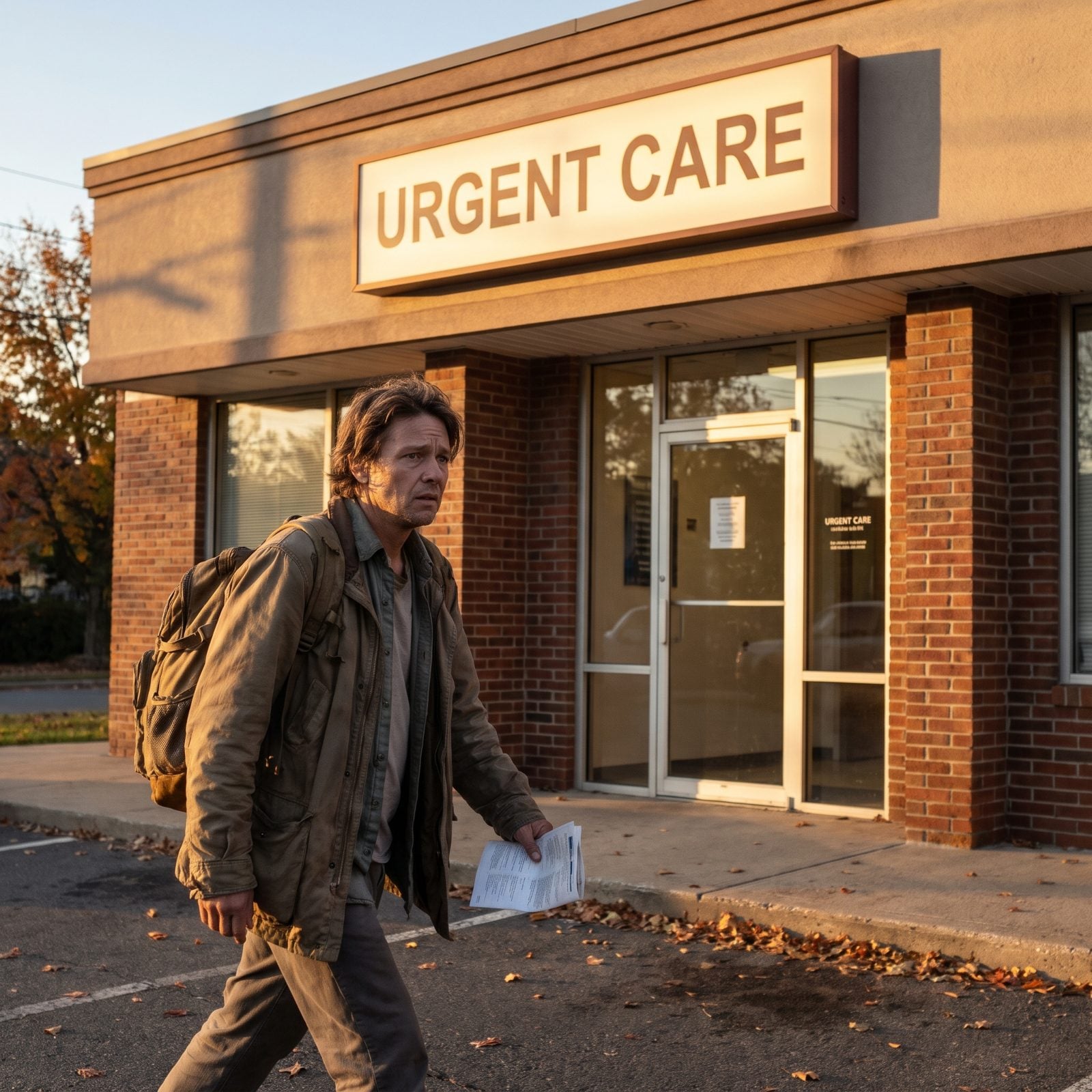
When you can’t reach your own doctor and you’re genuinely about to run out, a walk-in urgent care clinic can write a short bridge supply to get you to your next real refill. A handful of pills, enough to cover the gap, not a long-term renewal.
They’ll want to know what you take, the dose, and ideally your pharmacy history, so keep a current medication list in your glovebox. Don’t expect them to refill controlled substances on a walk-in basis. That’s a wall you’ll hit fast, and it’s there for good reason.
7. Have the Prescriber E-Send Medication to the Next Town
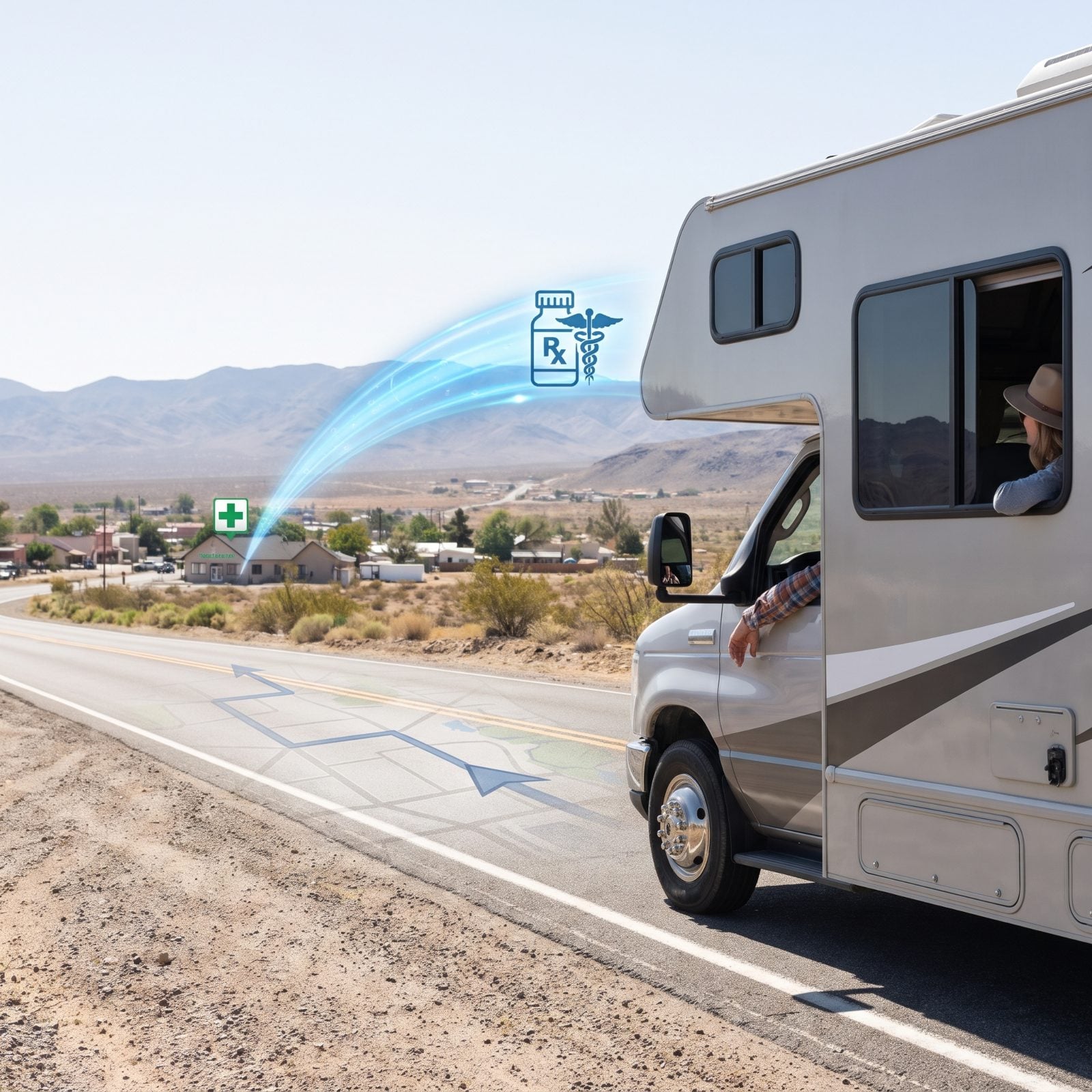
Electronic prescribing travels faster than you do. Call your prescriber, tell them which town you’ll roll into tomorrow and which pharmacy, and they can e-send the script straight there before you even arrive.
Look up a specific pharmacy at your next stop rather than saying “somewhere in Flagstaff.” The system needs an exact store. We keep a note on our phones with the next two or three towns on the route and a pharmacy pinned for each. Five minutes of typing saves a whole afternoon.
6. Coordinate Specialty Medication With a Pickup Location
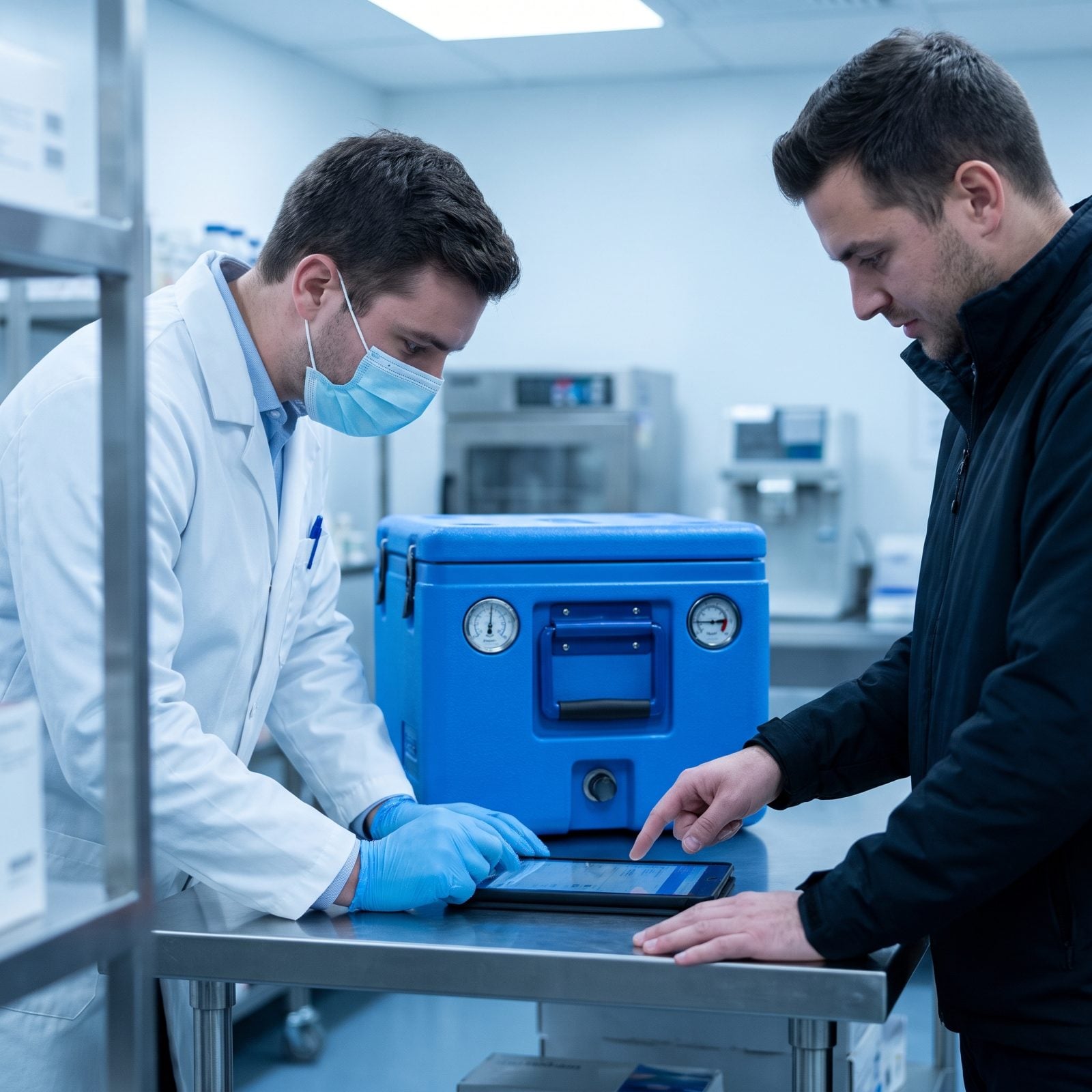
Specialty drugs — the refrigerated biologics and infused medications — don’t play by the same rules as a bottle of statins. They ship cold, on a tight schedule, often from a single dedicated pharmacy, and they will not wait a week in a hot mail room for you to arrive.
Call the specialty pharmacy well ahead and work out a pickup location together. A campground office willing to accept a cold-chain package, a local partner pharmacy, a date that matches your route. The coordinator has solved this for travelers before, so let them help you plan the handoff.
5. Use a Drugmaker’s Patient-Support Shipping Program
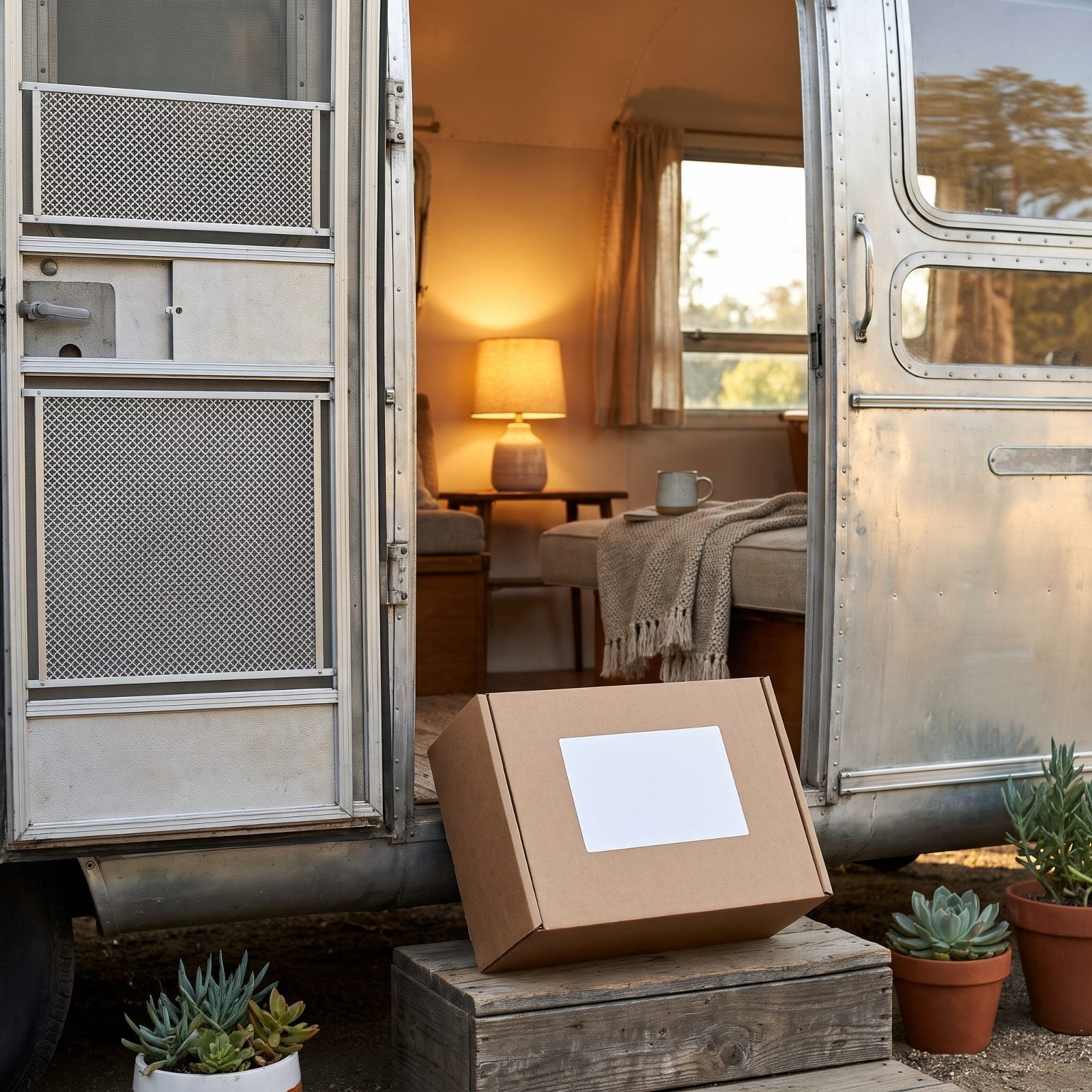
Plenty of manufacturers run patient-support programs for their own medications, and the good ones will ship directly to you, chip in on cost, and work around a nonstandard address. On a brand-name drug? Worth a phone call to the number on the packaging or the maker’s website.
These teams deal with people who travel, move, and fall between pharmacies all the time. They can coordinate a shipment to your forwarding service or hold a delivery until you reach a stable address. Underused, genuinely helpful, and free to ask about.
4. Ship Refrigerated Medication to a Staffed Carrier Location
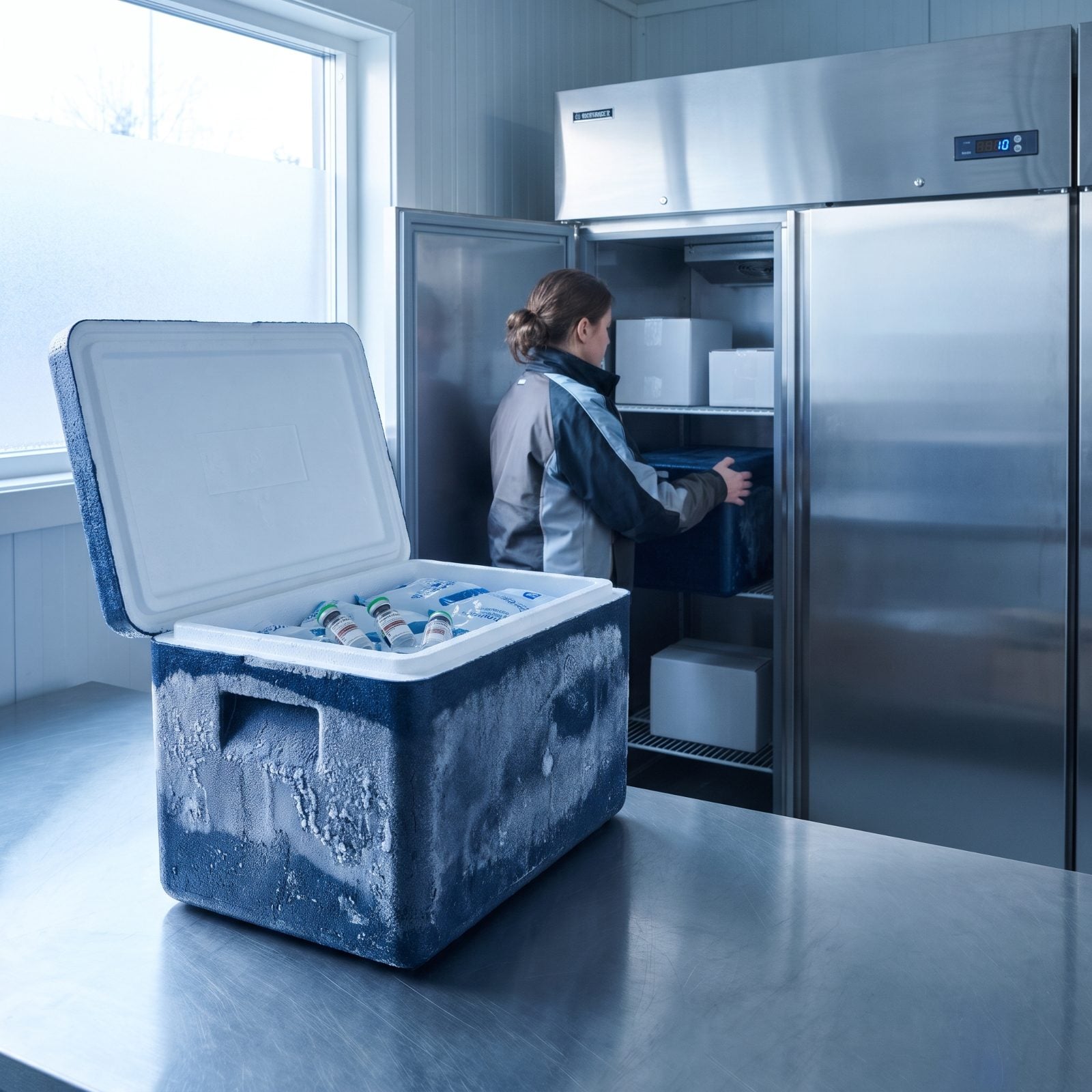
Insulin, certain biologics, some fertility and arthritis drugs: these arrive in a cold-pack cooler and they do not forgive a mailbox left in the sun. Ship to a staffed carrier counter instead of a campground pedestal and a real person signs for it, then keeps it off a hot porch until you walk in.
Most mail-order pharmacies will ship to a carrier’s retail location on request. You pick up the same day it lands, cold chain intact.
A refrigerated med sitting in a cluster-box all afternoon is a med you throw away.
3. Use Same-Day Pharmacy Delivery at the Campground
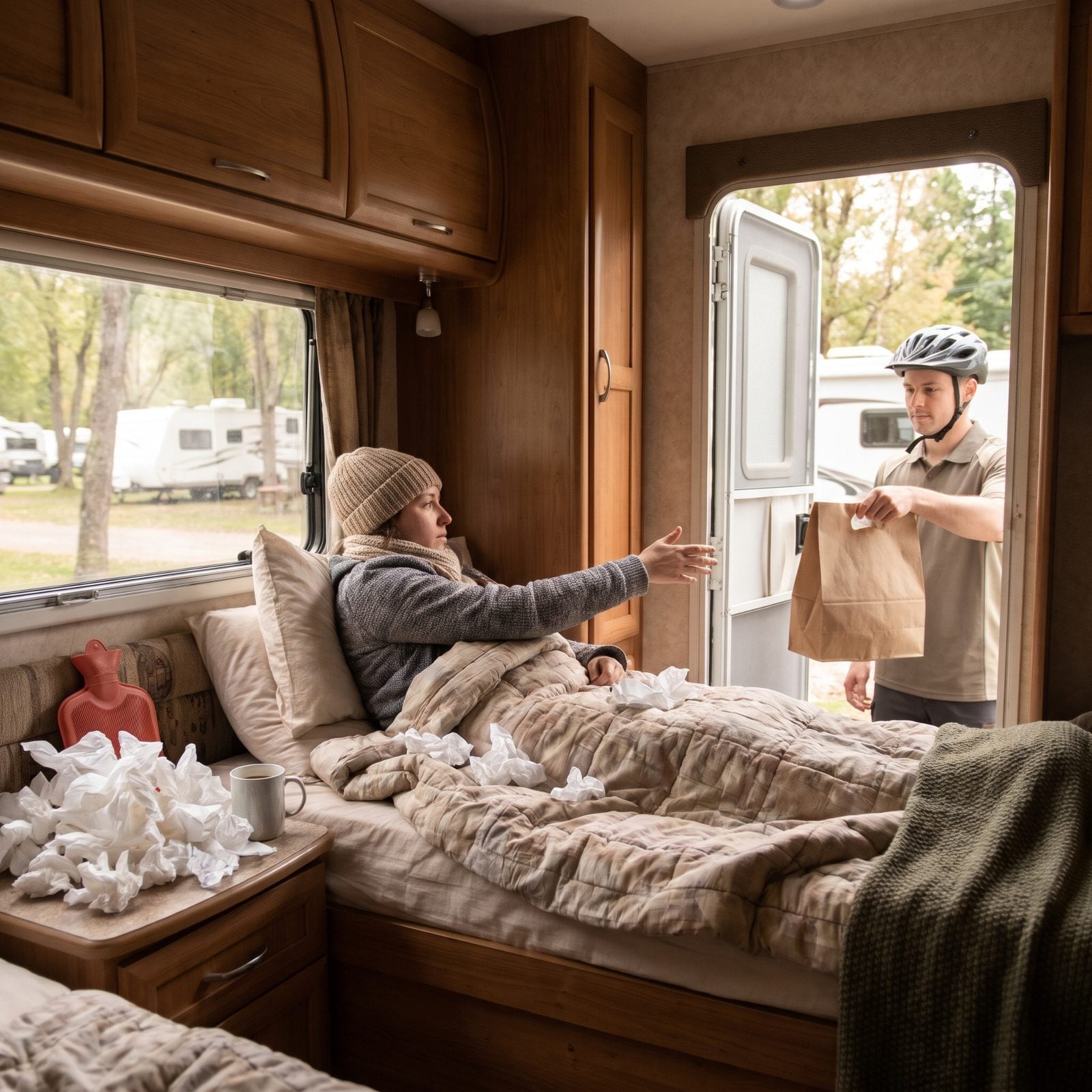
Woke up sick in a campground and realized the nearest pharmacy was forty minutes down a two-lane? Same-day prescription delivery fixes that, and you never touch the ignition.
Many national chains and third-party delivery apps will bring a ready prescription straight to your site. Give them the campground name, the loop, and the site number, plus a note that it’s an RV with the awning out. Delivery radius and same-day cutoffs vary by town, so call the filling pharmacy directly instead of trusting that the app covers some rural pad out in the pines.
2. Authorize a Trusted Person to Collect a Prescription

You’re two states ahead of a refill you forgot, but your travel partner, an adult kid, or a camp neighbor you trust is still parked near the pharmacy. Most pharmacies will hand your prescription to someone else if you’ve authorized it in advance.
Call the filling location. Give the pharmacist your name, the person’s name, and verbal authorization. They’ll usually want that person to confirm your date of birth and address at the window. Controlled substances are stricter, and some states require ID logging, so ask what proof they need before you send anyone over.
1. Address Letters to USPS General Delivery
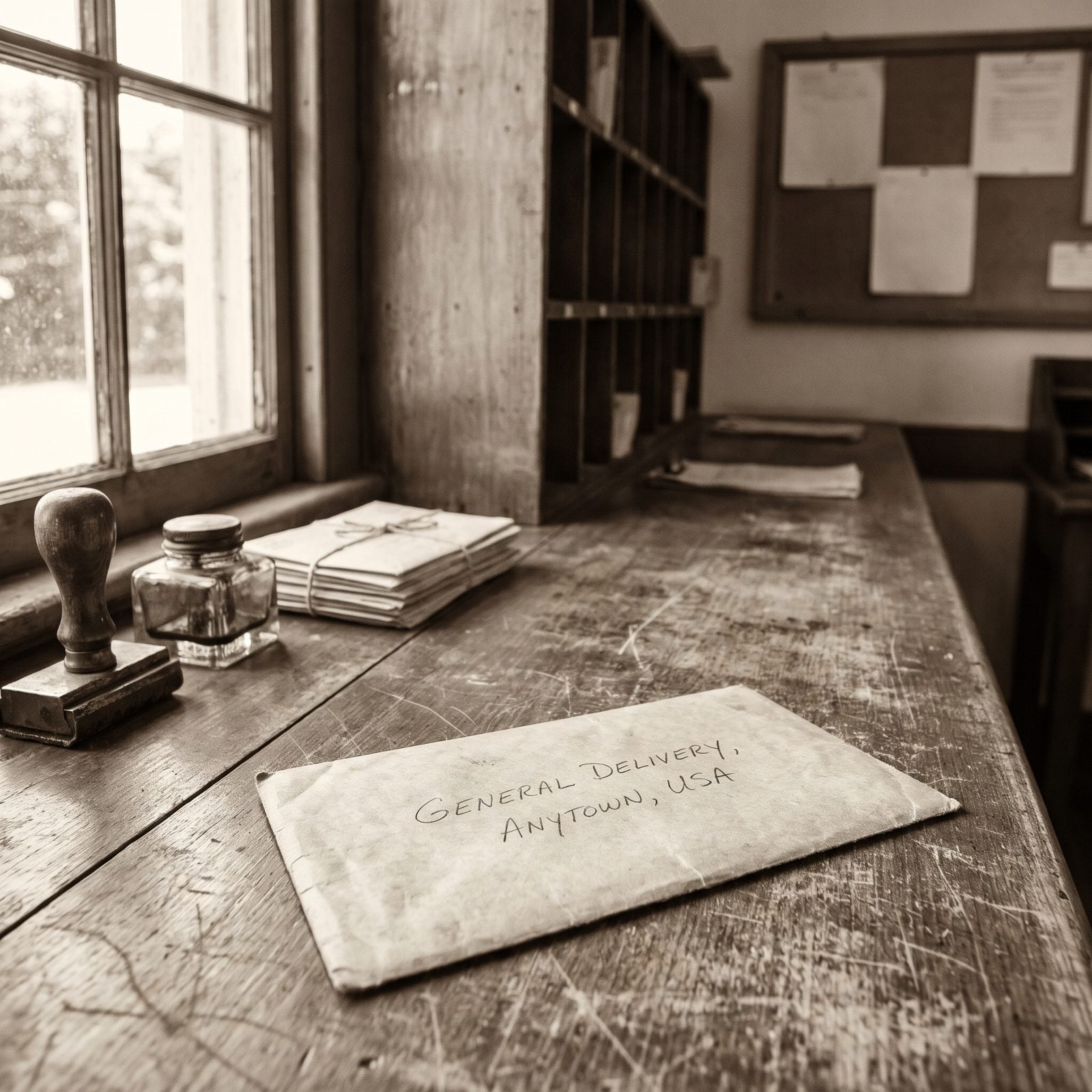
The oldest trick still works. Address a letter to your name, General Delivery, the town, state and ZIP, and the local post office holds it at the counter for you to claim with a photo ID.
It costs nothing, needs no subscription, and it’s a lifesaver when a document absolutely has to reach a specific town on a specific week. A few things worth knowing before you lean on it:
- Not every branch handles General Delivery, so confirm with the specific post office first.
- Mail is typically held up to 30 days, then returned to sender.
- Use the exact ZIP the office tells you, since some towns route General Delivery to one main location.