
Ask a mobile RV tech which brand they’d buy and watch them go quiet for a second. They’ve seen the ceiling delaminate in a two-year-old rig, pulled staples out of a slide floor that should have had screws, and they know which brochure promises survive first contact with a gravel road.
Please note that some of the images in this article were created with the assistance of AI.
We pulled together what service techs actually run into — repeat jobs, parts you can get, systems that fight back — and matched each brand’s showroom reputation against the work order reality. No fanboy loyalty. No dealer spin. Just what shows up in the bay.
49. Thor Motor Coach: Big Spec Sheets, Rushed Assembly
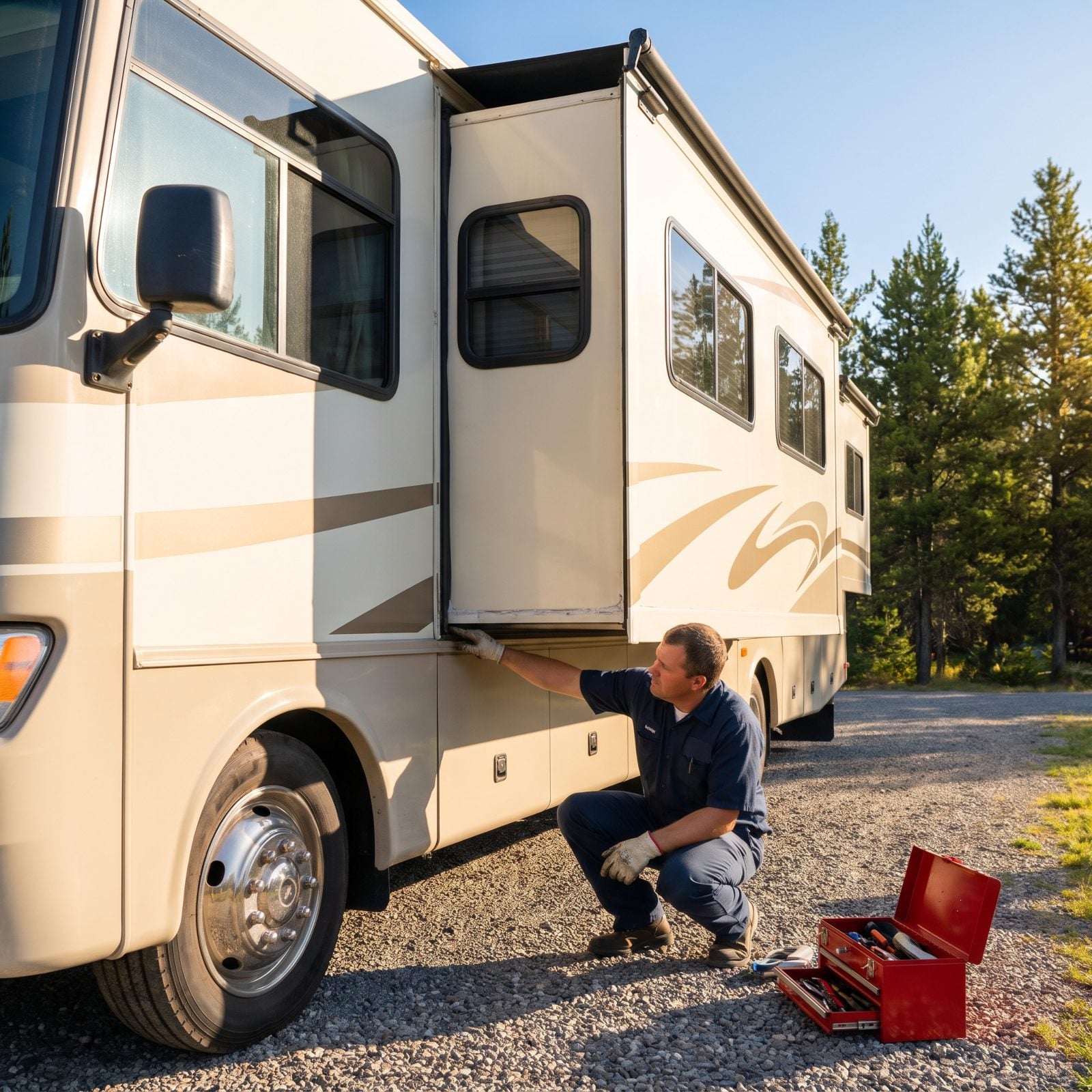
Thor gives you a lot of coach for the money, and that’s exactly where the trouble starts. The feature list reads like a luxury rig while the assembly often reads like volume production under a clock.
Techs see the same complaints land in the bay — loose trim, cabinet doors that drift out of square, sealant work that needed a second pass it never got. None of it is catastrophic. It’s the paper-cut kind of problem, a dozen small things that add up to a shakedown year.
48. Grand Design: Loved at the Desk, Busy in the Bay
Grand Design earned its customer-service reputation honestly. Owners rave about how the company answers the phone and stands behind the rig, and that part is real.
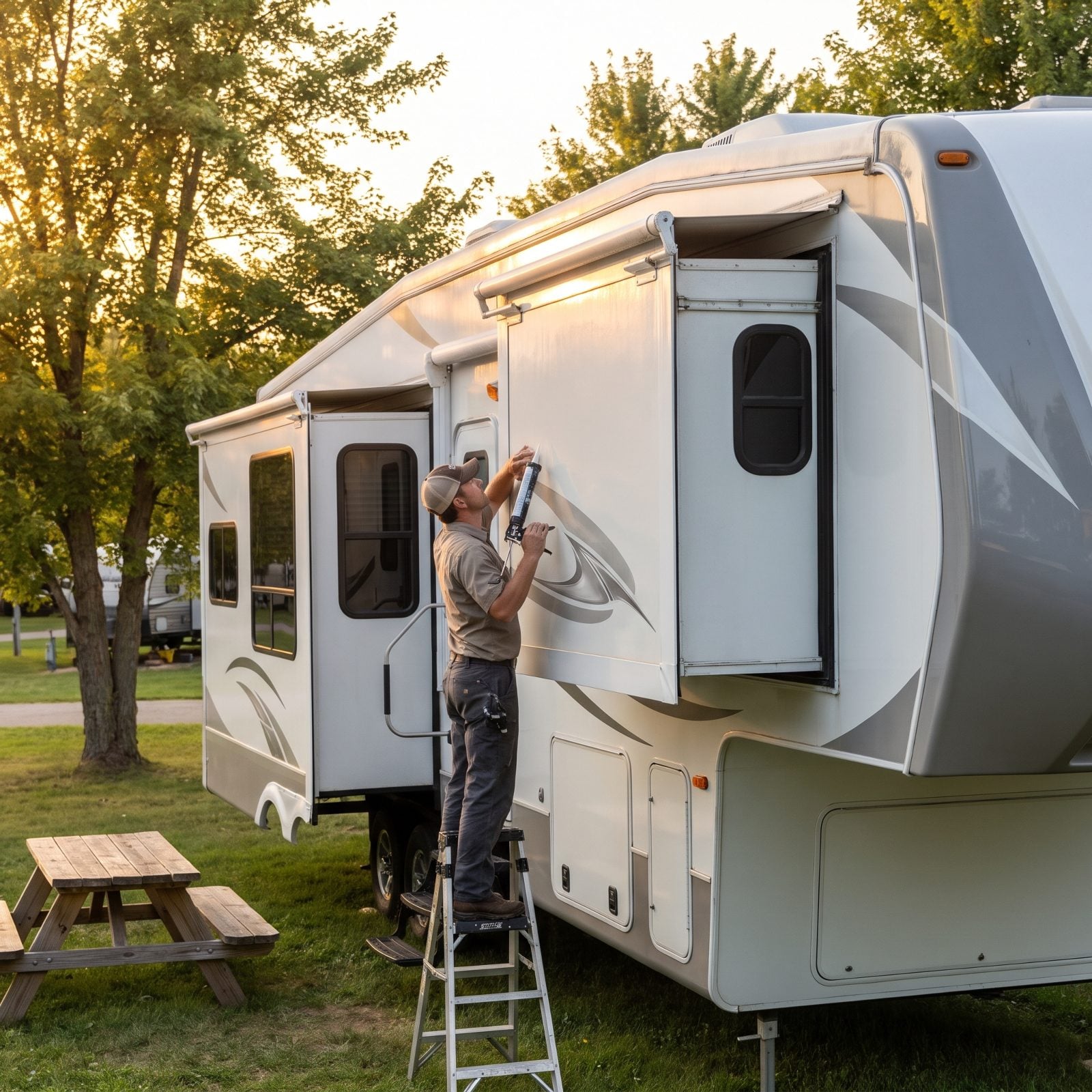
But good service and few repairs are two different animals. Techs still log their share of Grand Design work: slide seal issues, roof seam attention, the occasional plumbing fitting that backed off in transit. The brand fixes these well, which is why owners stay happy. Just know you’re buying responsive support, not a trailer that never needs it.
A brand that handles problems gracefully can outscore one that has fewer problems but makes them miserable to resolve.
47. Winnebago: Dealers Everywhere, Quality That Depends on the Model
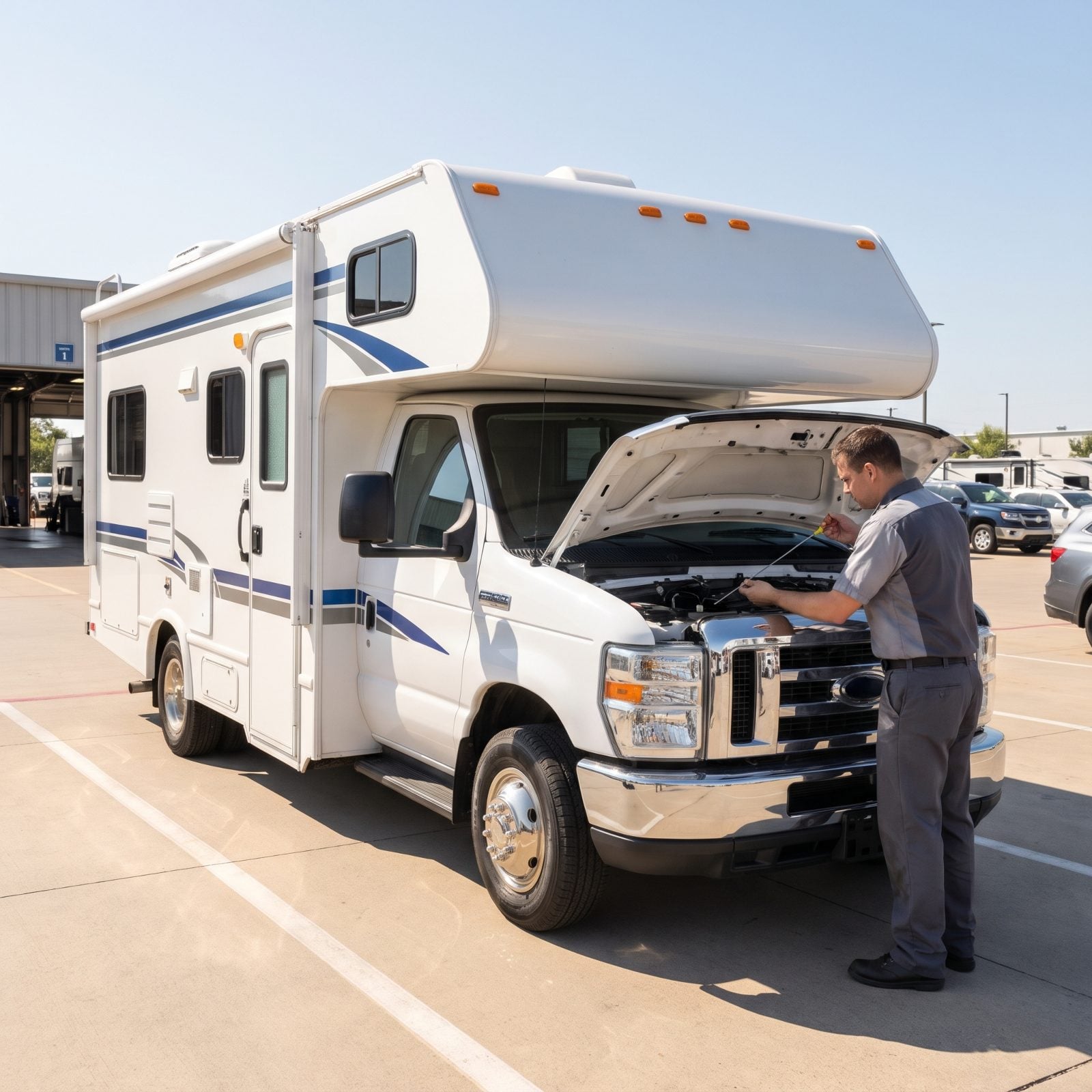
With Winnebago, parts and service are genuinely easy. The dealer network runs deep, so when something breaks you’re not waiting six weeks for a widget to ship from one lonely plant.
Consistency is the wrinkle. Winnebago builds across a wide spread of price tiers, and the care in the premium lines doesn’t always trickle down to the entry rigs. Techs who touch both will tell you flat out that two coaches wearing the same badge can feel like different companies built them.
46. Tiffin: Owners Who Love It, Service That Can Be a Drive
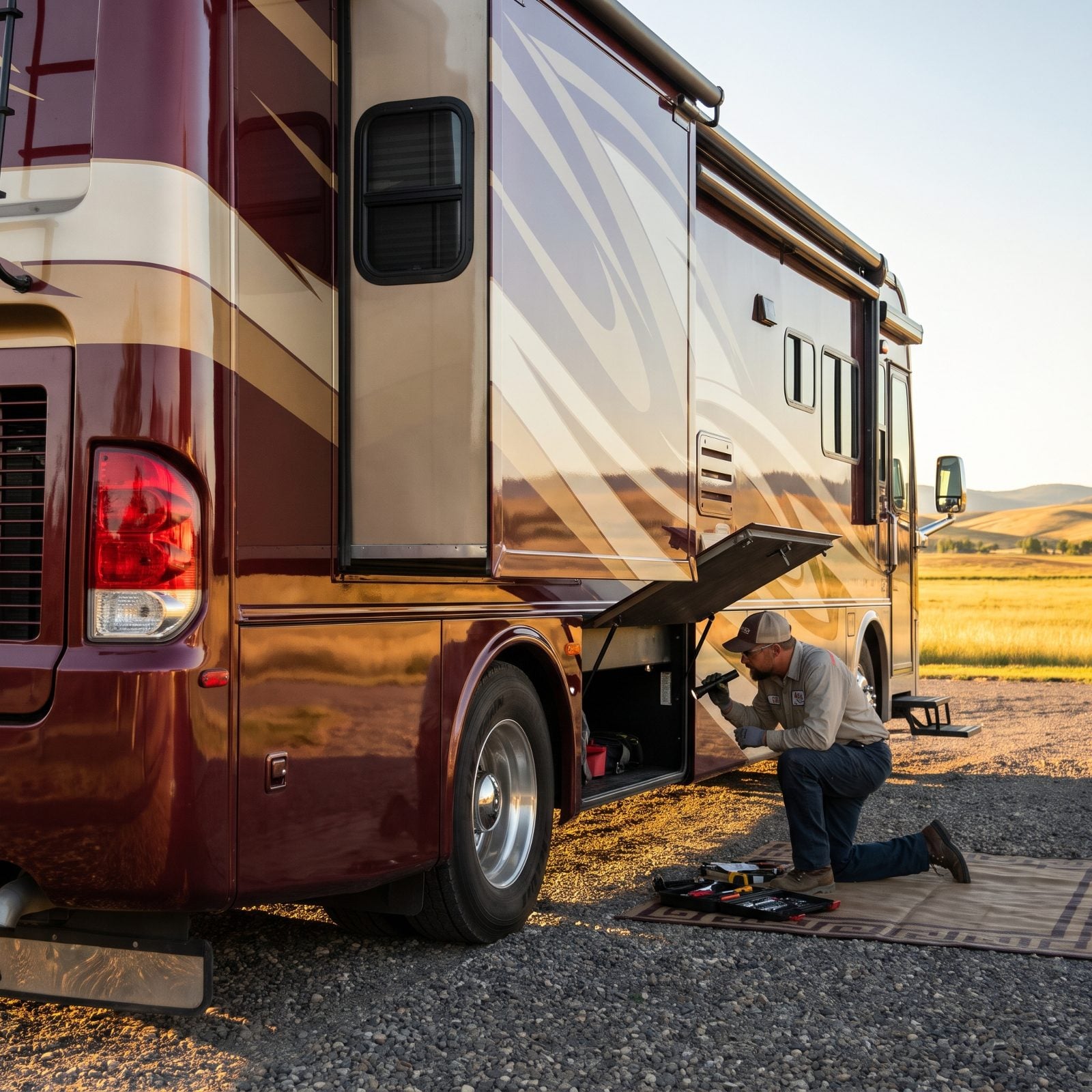
Tiffin owners are a loyal bunch, and they’ve earned the right to be. The coaches are well built, and the family-company reputation for taking care of people is mostly deserved.
The catch is access. Serious Tiffin work historically pointed you toward their Alabama service operation — wonderful if you live nearby, a logistics puzzle if you don’t. Independent techs can handle plenty, but for certain systems you’re planning a trip. Factor the geography in before you fall in love.
45. Jayco: The Warranty Everyone Quotes, The Repairs Techs See
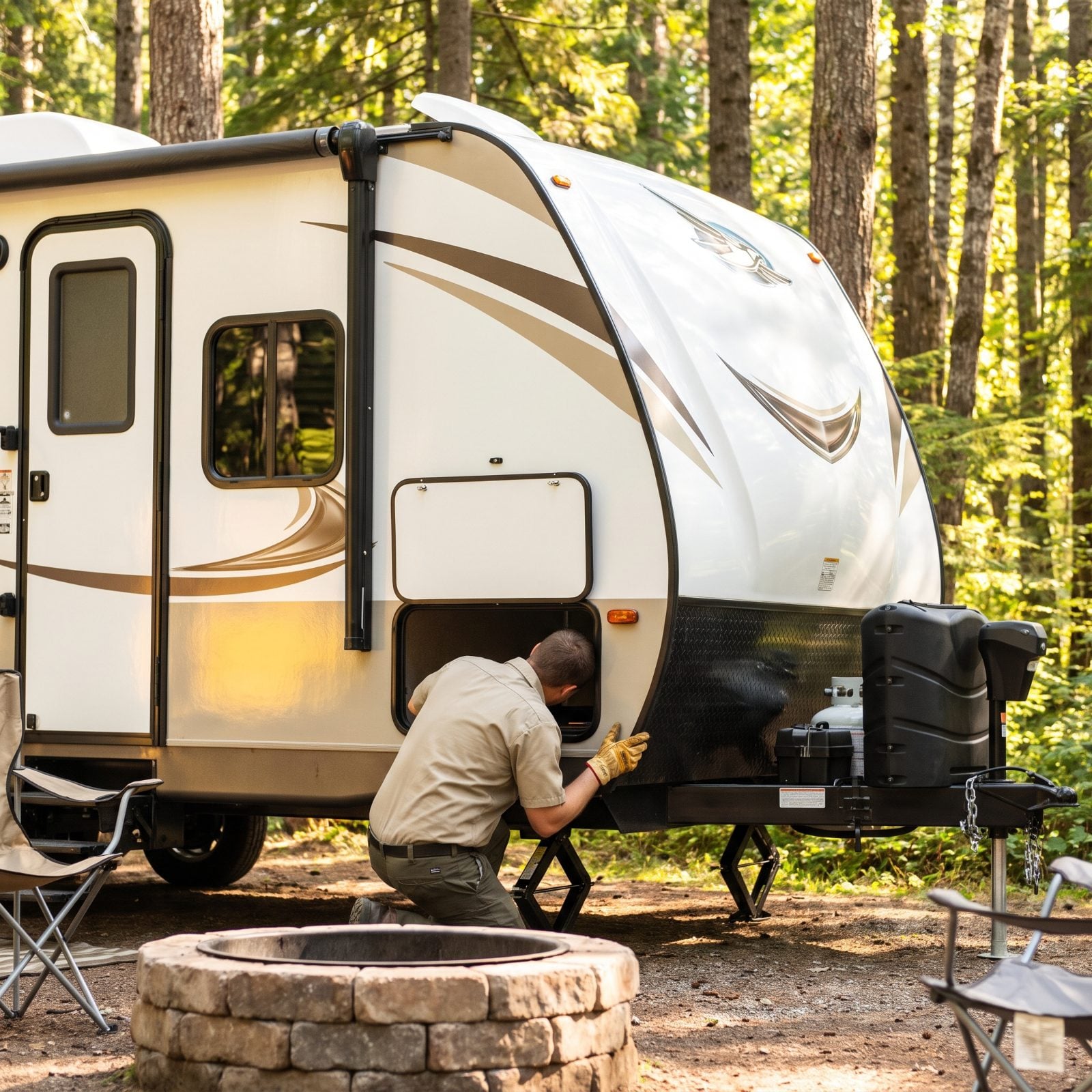
Jayco sells the warranty hard, and it’s a real selling point. A longer coverage window buys peace of mind, and plenty of buyers pick Jayco for exactly that reason.
Here’s what techs will tell you: a generous warranty tends to correlate with needing it. Jayco repairs cluster around the usual suspects for mid-market trailers — water intrusion at the seams, slide adjustments, appliance gremlins. The coverage softens the cost. It doesn’t make the shop visits disappear.
44. Newmar: Real Craftsmanship, Complicated Guts
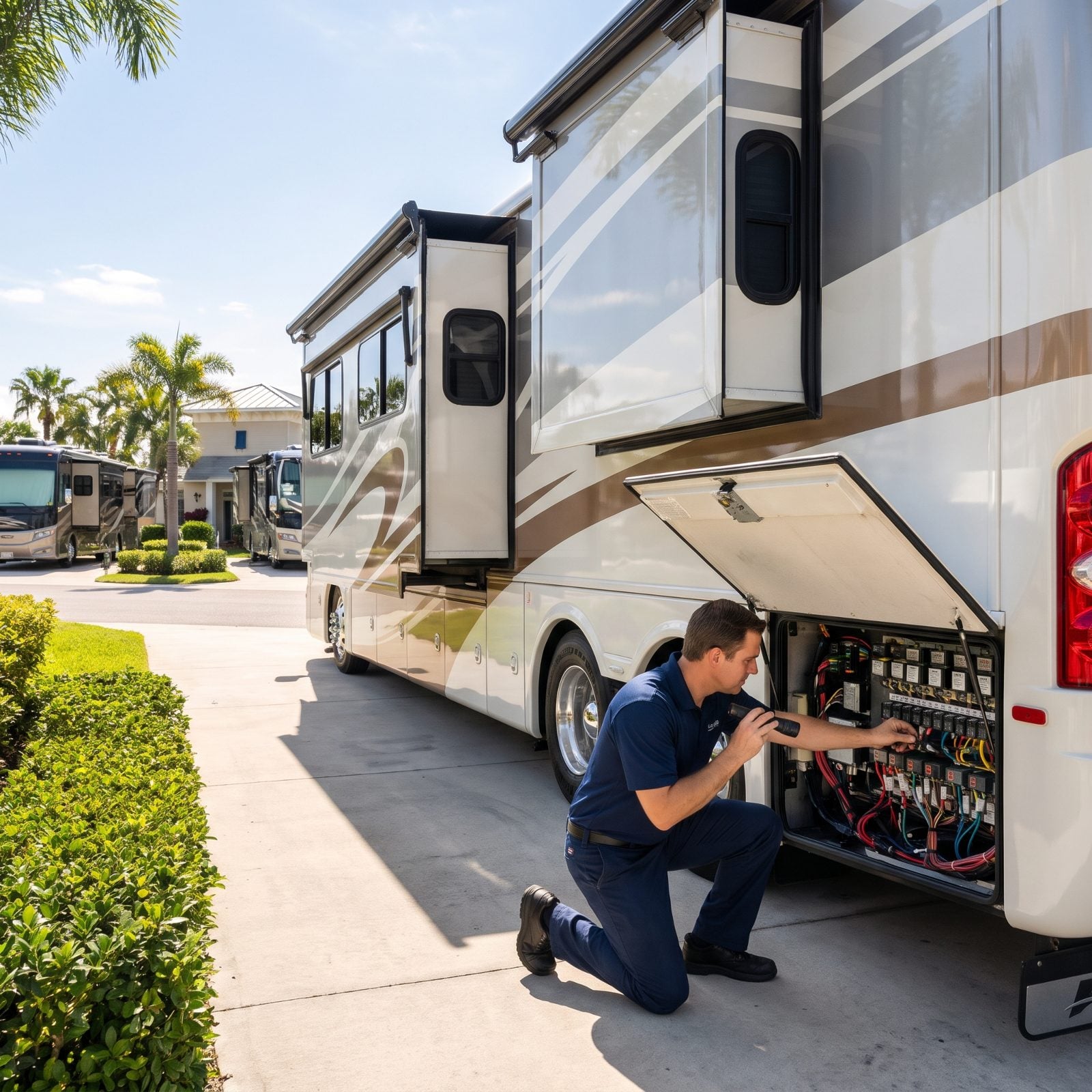
Newmar is one of the few brands where the premium reputation holds up under a flashlight. The cabinetry, the paint, the overall solidity — techs respect the fundamentals.
The trade-off is complexity. More slides, more automated systems, more integrated electronics means more things that can act up and more specialized diagnosis when they do. A Newmar problem usually isn’t a bad build. It’s a sophisticated system doing something a generalist tech has to think hard about.
43. Airstream: The Aluminum Legend With the Specialist Price Tag
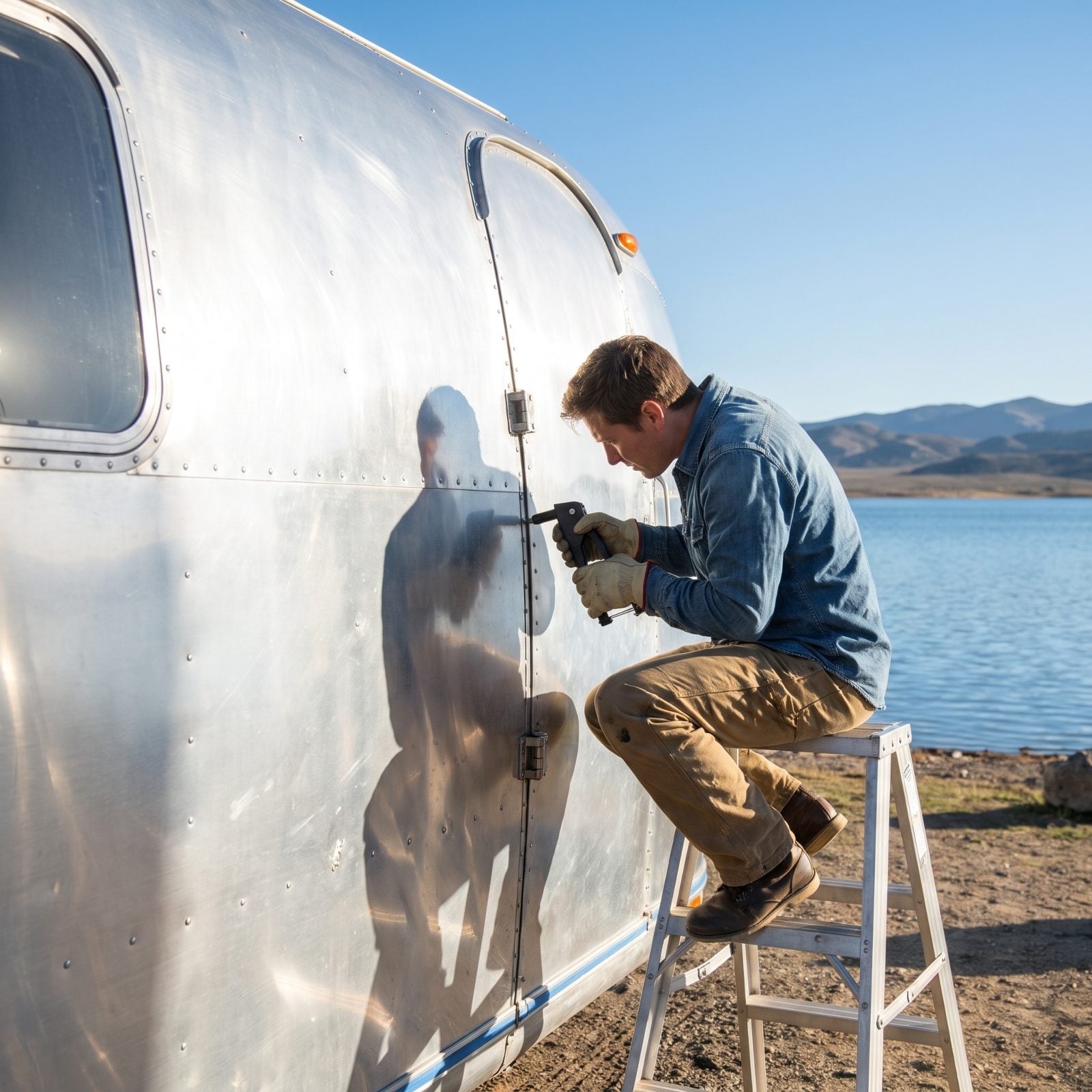
Nothing else on the road looks like it, and that riveted aluminum shell genuinely lasts for decades. Airstream build quality is the real deal, and the resale holds like almost nothing else.
Then you hit a repair. The construction that makes an Airstream an Airstream also makes it a specialist job. Riveted panels, the aluminum skin, the particular way everything goes together — it’s not a quick fix at the first shop you find, and the bill reflects that. You’re buying an heirloom with heirloom maintenance economics.
42. Keystone RV: Everywhere You Look, Quality All Over the Map
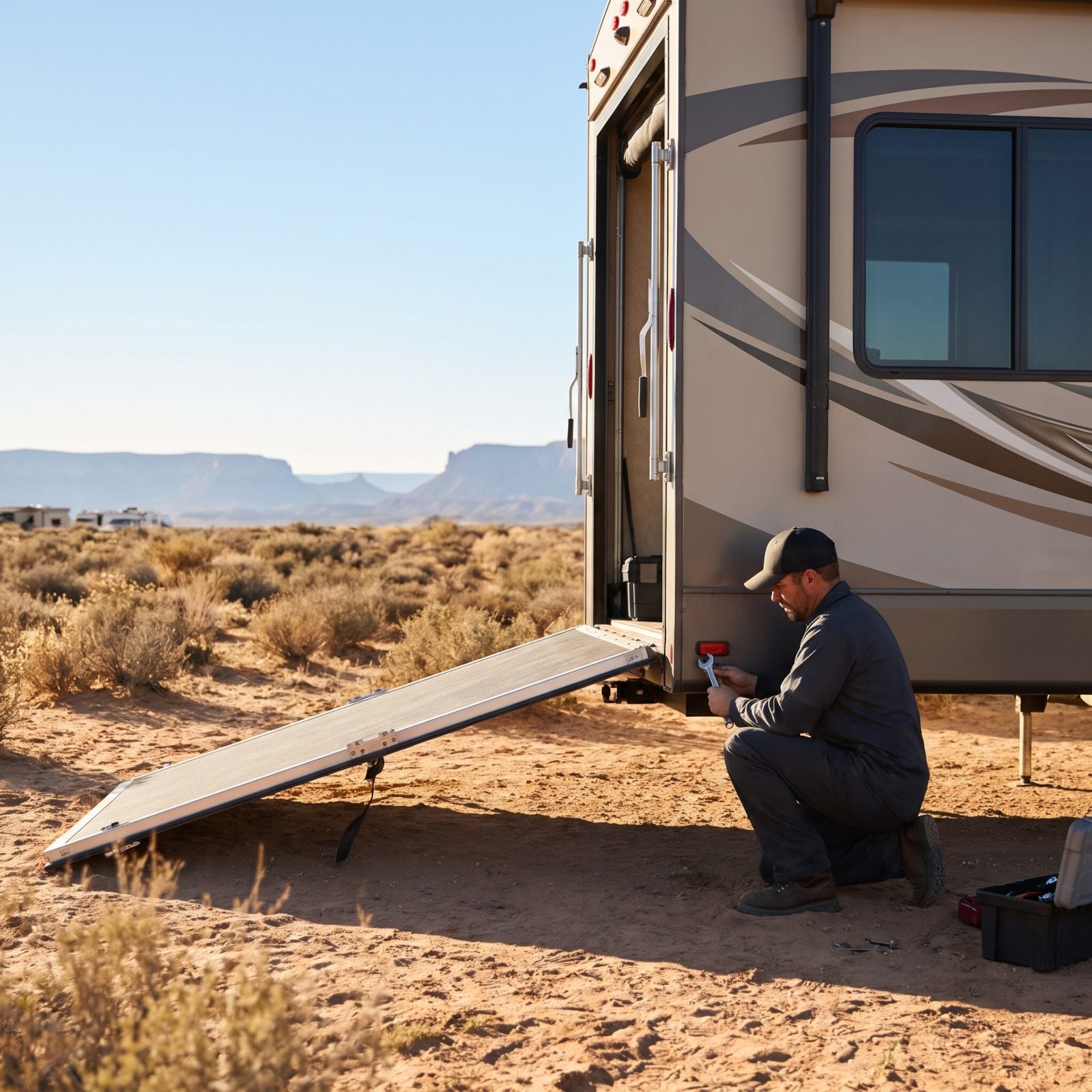
Keystone is a giant. Montana, Cougar, Springdale — the lineup is enormous and the trailers are everywhere, which at least means parts and familiarity are rarely a problem.
Spread that wide and consistency suffers. Techs see sharp quality swings across Keystone’s own lines, and even between two units of the same model. A well-sorted Keystone can serve you for years. A rough one lands in the bay during its first season. The badge alone won’t tell you which you got.
41. Coachmen: Honest Value, Components That Show Their Price
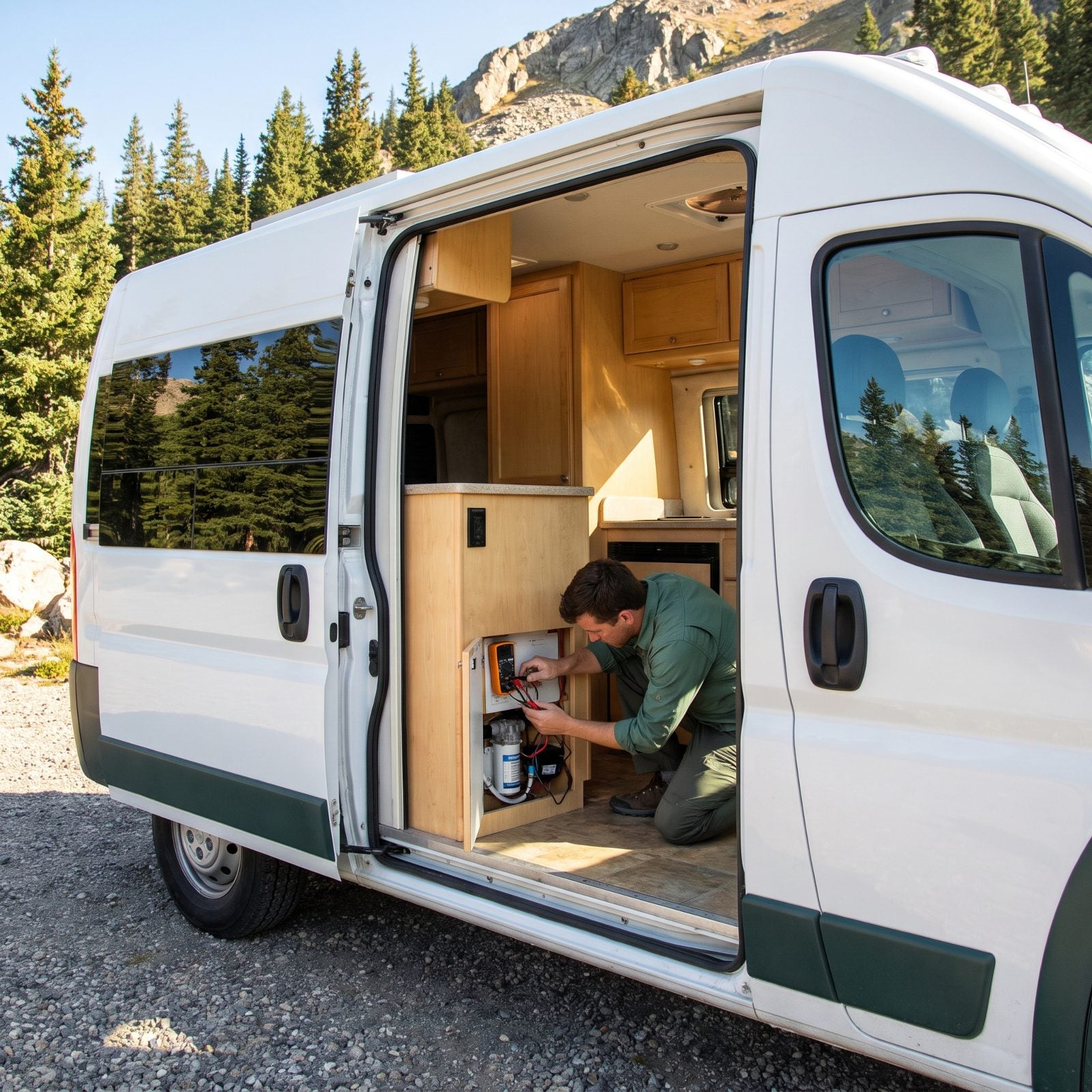
Coachmen lives in the sweet spot of affordable, and for a lot of first-time buyers that’s exactly the right call. You get into RVing without draining the retirement account.
Where the price shows is in the parts bin. Techs report the component choices — appliances, hardware, some of the finish materials — run toward the economy end. They work. They just don’t always have the long legs of pricier gear. Budget for earlier replacement of a few items and the value math still comes out fine.
40. Fleetwood RV: Familiar Bones, Parts You Can Actually Find
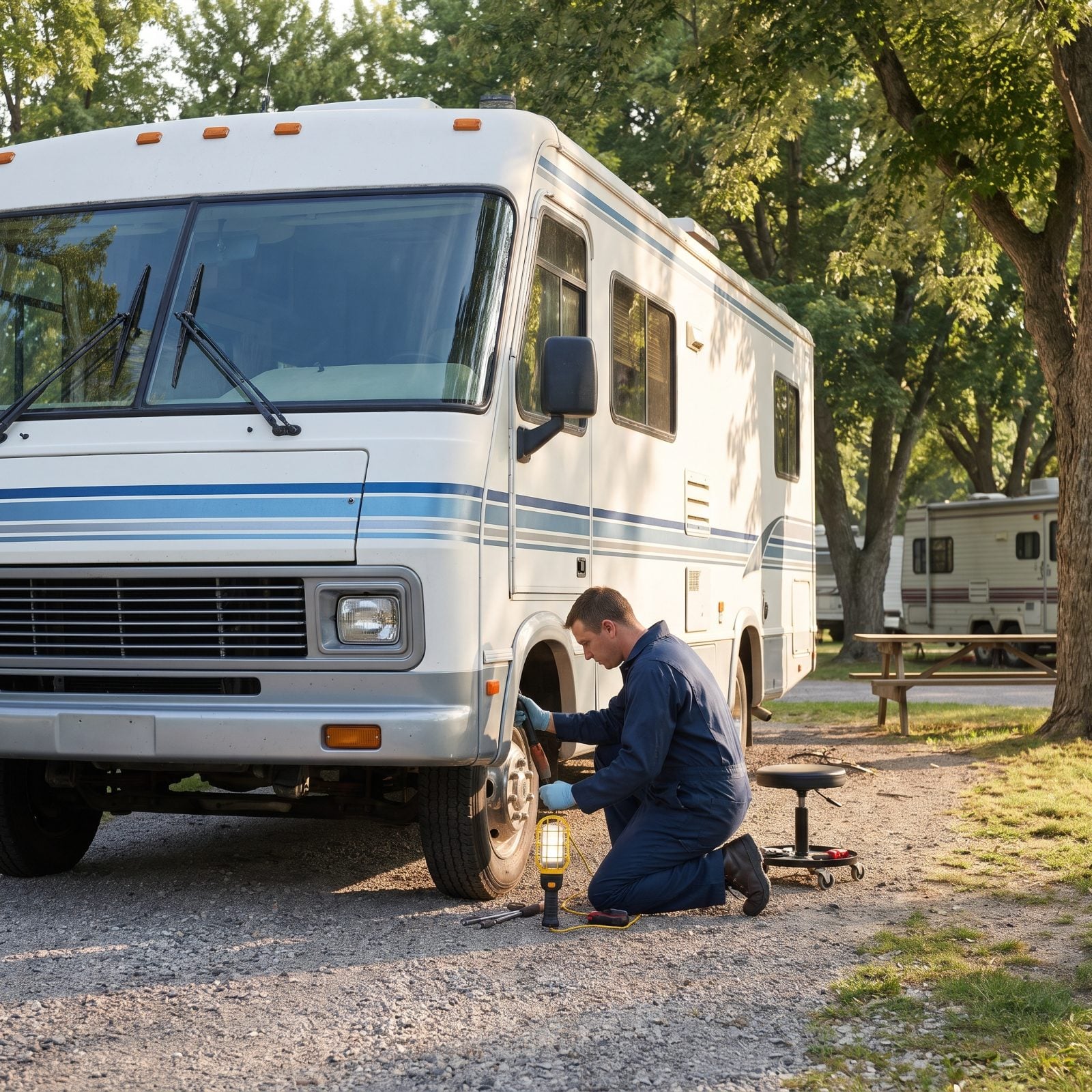
Fleetwood has been around long enough that techs know these coaches cold. The engineering is familiar, the layouts make sense, and there’s no mystery wiring to decode when something needs attention.
That familiarity pays off in parts. A long history and broad market presence mean most components are easy to source, which keeps a Fleetwood out of the shop-waiting-on-a-backordered-piece limbo that sidelines rarer rigs. It’s not the flashiest badge on this list. But for straightforward serviceability, boring and well-understood is a genuine strength.
39. Entegra Coach: Luxury Features vs. System Complexity
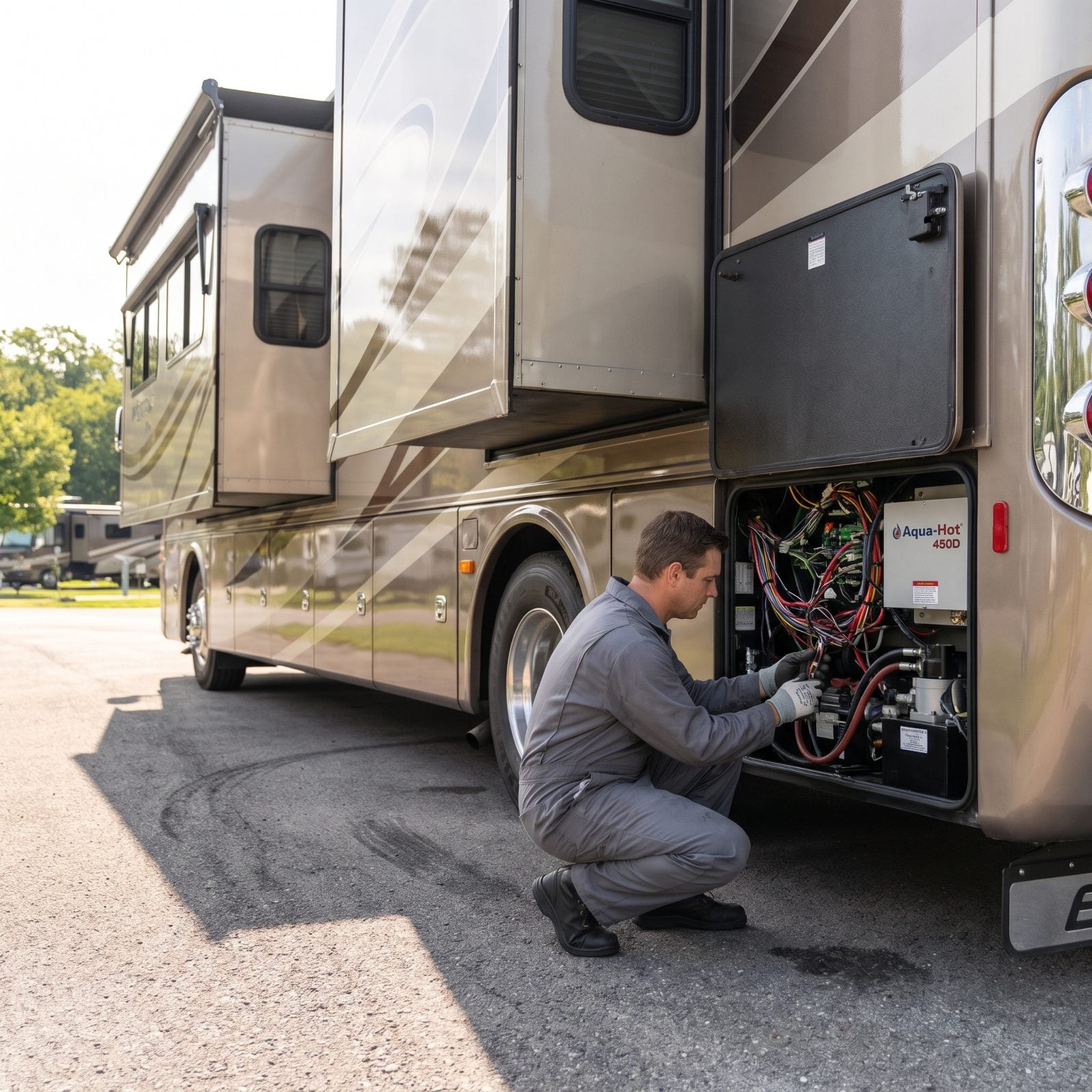
Entegra puts a lot of coach in front of you. Residential fridge, multiplex wiring, hydraulic leveling, Aqua-Hot, a slide for every wall — on paper it reads like a rolling condo.
In the service bay, every one of those features is a thing that can go wrong, and the multiplex system is the one that makes techs sigh. When a single touchscreen controls lights, slides, and water, a fault isn’t always where the symptom shows up. Diagnosis takes patience and the right software, and not every shop within a day’s drive has it.
Build quality itself holds up well. The problem is never shoddy construction — it’s the sheer number of integrated systems talking to each other, and whether the shop you limp into can actually read them.
38. American Coach: High-End Construction vs. Costly Specialized Repairs
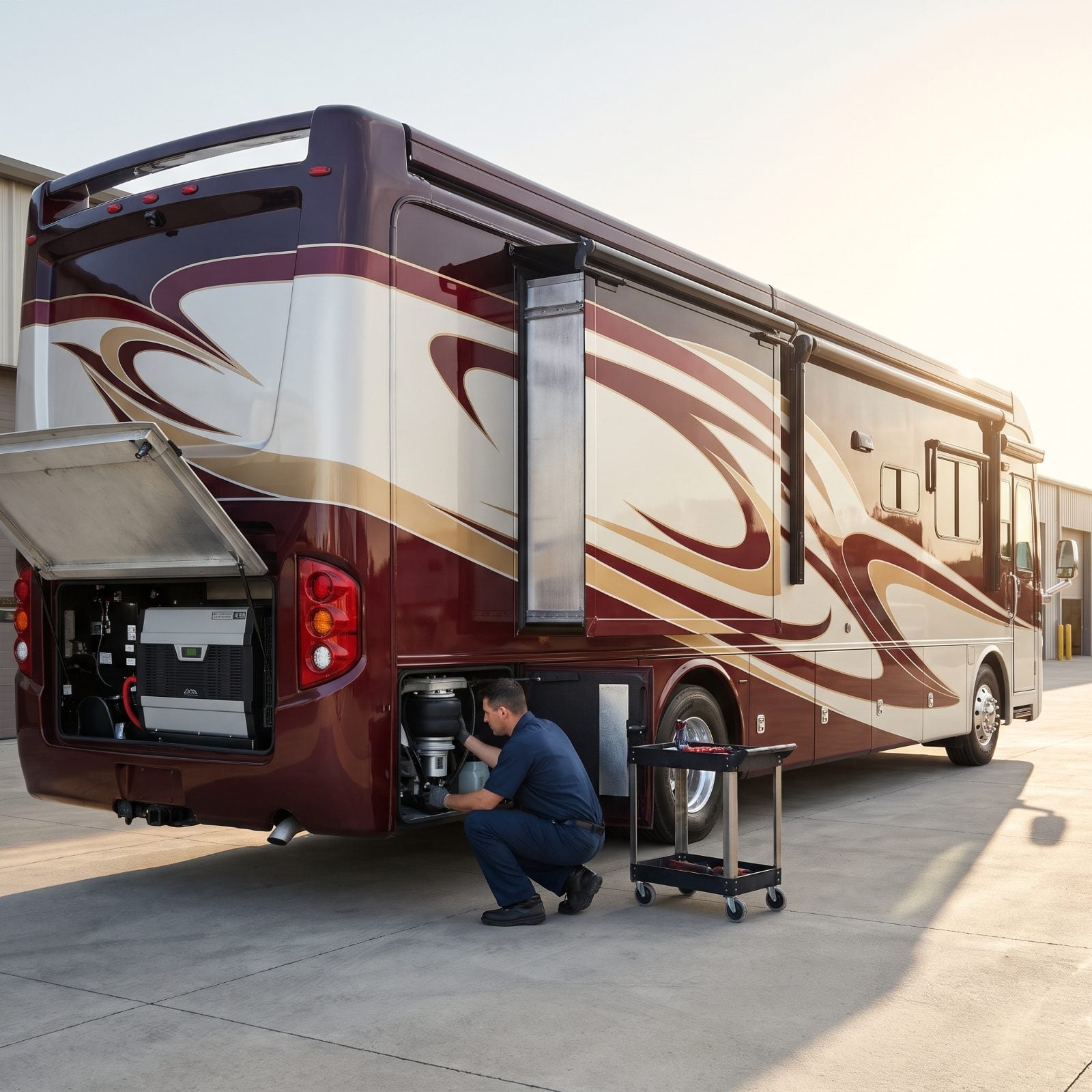
This is serious construction. Aluminum-framed walls, a heavy chassis, materials that outlast the cheaper stuff by years. Nobody in the bay argues with how an American Coach is put together.
They argue with the invoice. When something this specialized breaks, you’re not grabbing a part off a shelf at the nearest counter — you’re waiting on it, and you’re paying shop time from somebody who actually knows the system. The build is excellent. The repair economics? Not for the faint of heart.
37. Alliance RV: Service-Friendly Design vs. Newer-Brand Growing Pains
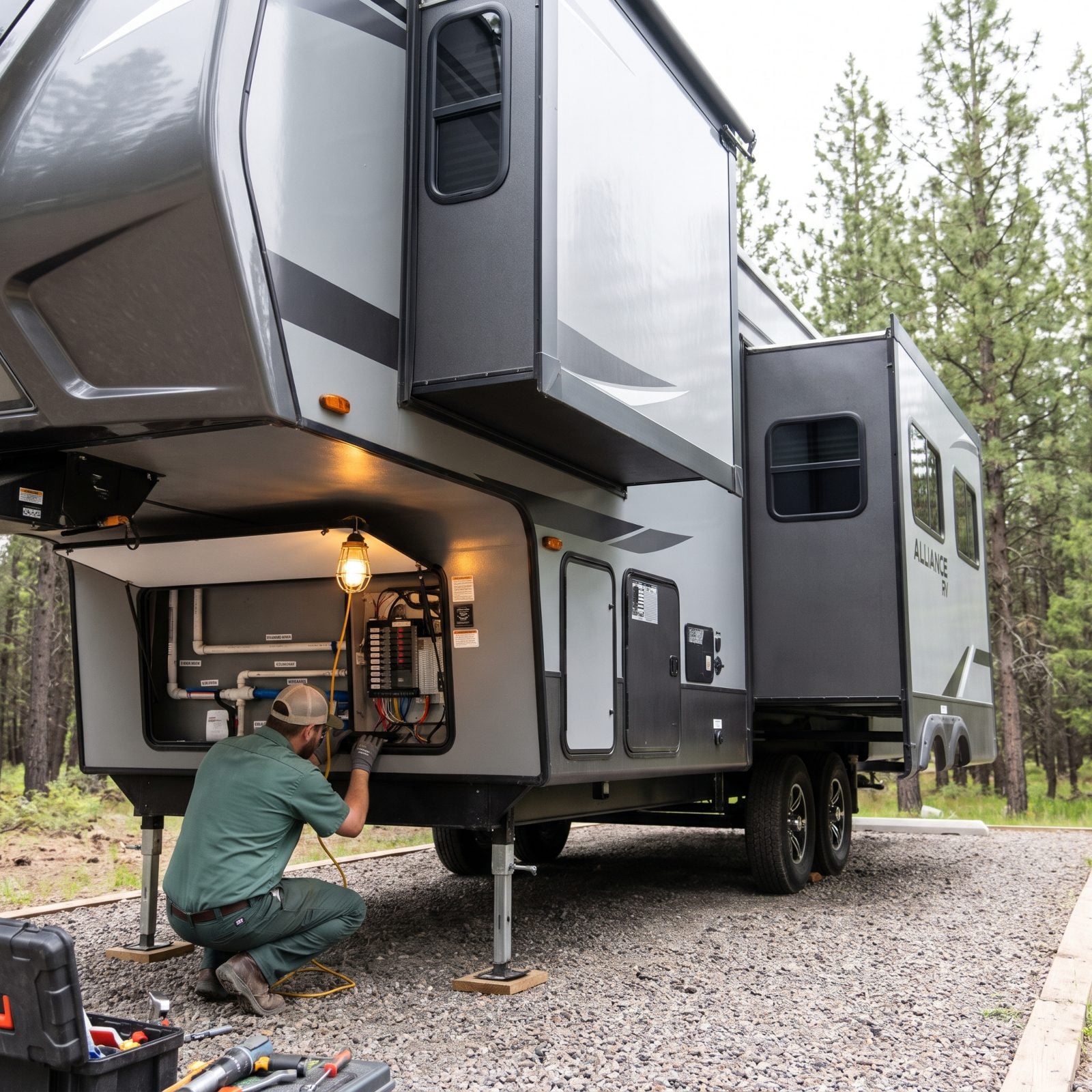
Alliance earned goodwill fast by doing something simple: they listened to the people who fix RVs. Neatly routed wiring in an open bay, accessible plumbing, components you can actually reach without pulling half the underbelly apart. Techs notice that kind of thing, and they remember it.
Still a young brand, though. Young brands carry the quirks of any new production line finding its rhythm — early-run inconsistencies, the occasional supplier swap, the stuff that smooths out over a few model years.
The reputation is genuinely ahead of most newcomers. We’d just watch the first-year units a little closer than the ones built once the line settled.
36. Brinkley RV: Premium Newcomer Under the Service-Bay Microscope
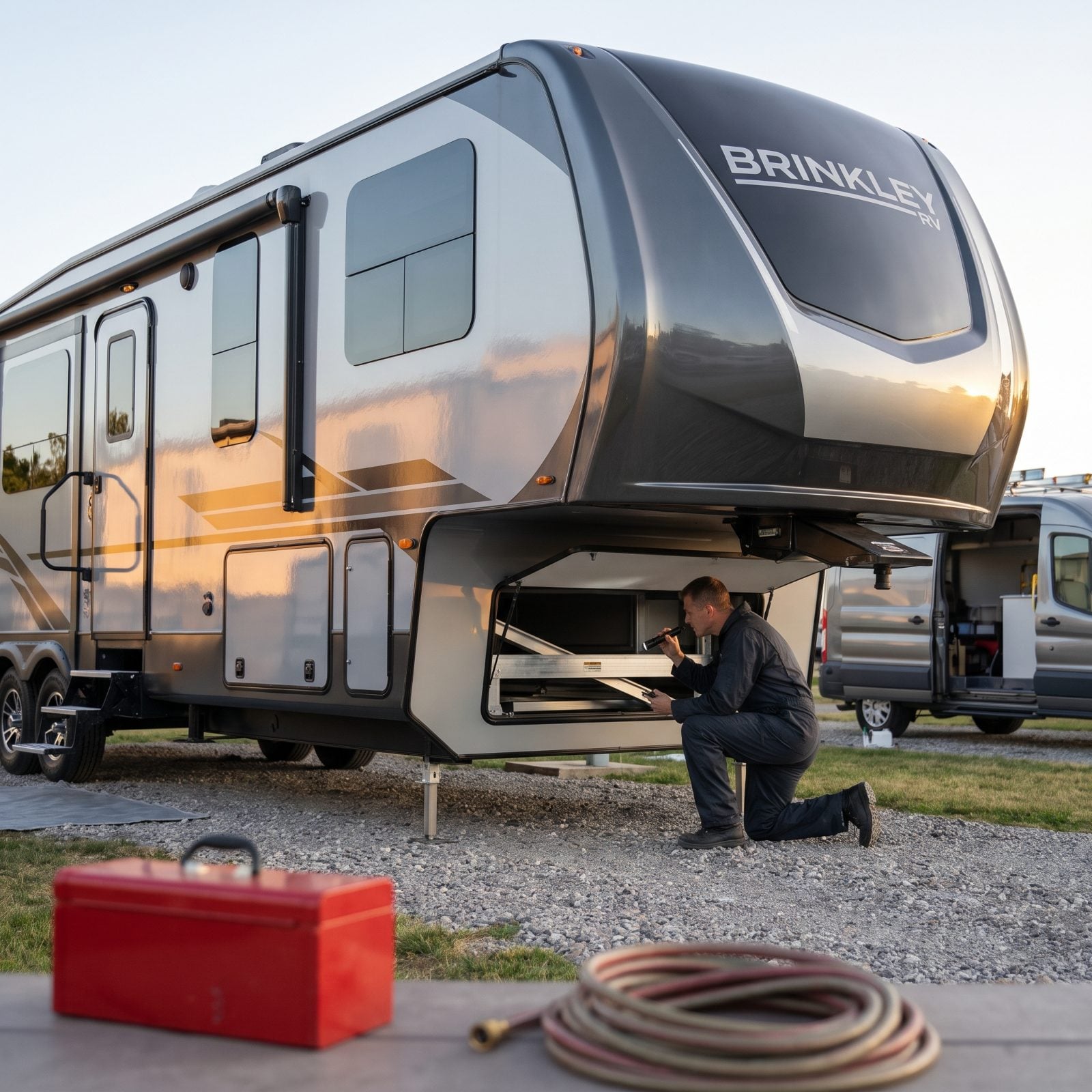
Brinkley showed up swinging. Premium finishes, smart frame engineering, a look that makes much older brands feel dated — and for once the hype was loud and mostly earned.
But the service bay is where hype goes to get tested. Early reports lean positive on construction, which is rare for a startup. The open questions are the ones every new brand faces: how parts availability holds up five years out, and whether the supply chain keeps pace with the demand the marketing created.
We like what we’re seeing. We also know that a two-year-old reputation and a ten-year ownership experience are different animals entirely. Jury’s still comfortably out, in a good way.
35. Heartland RV: Popular Floorplans vs. Production-Line Consistency
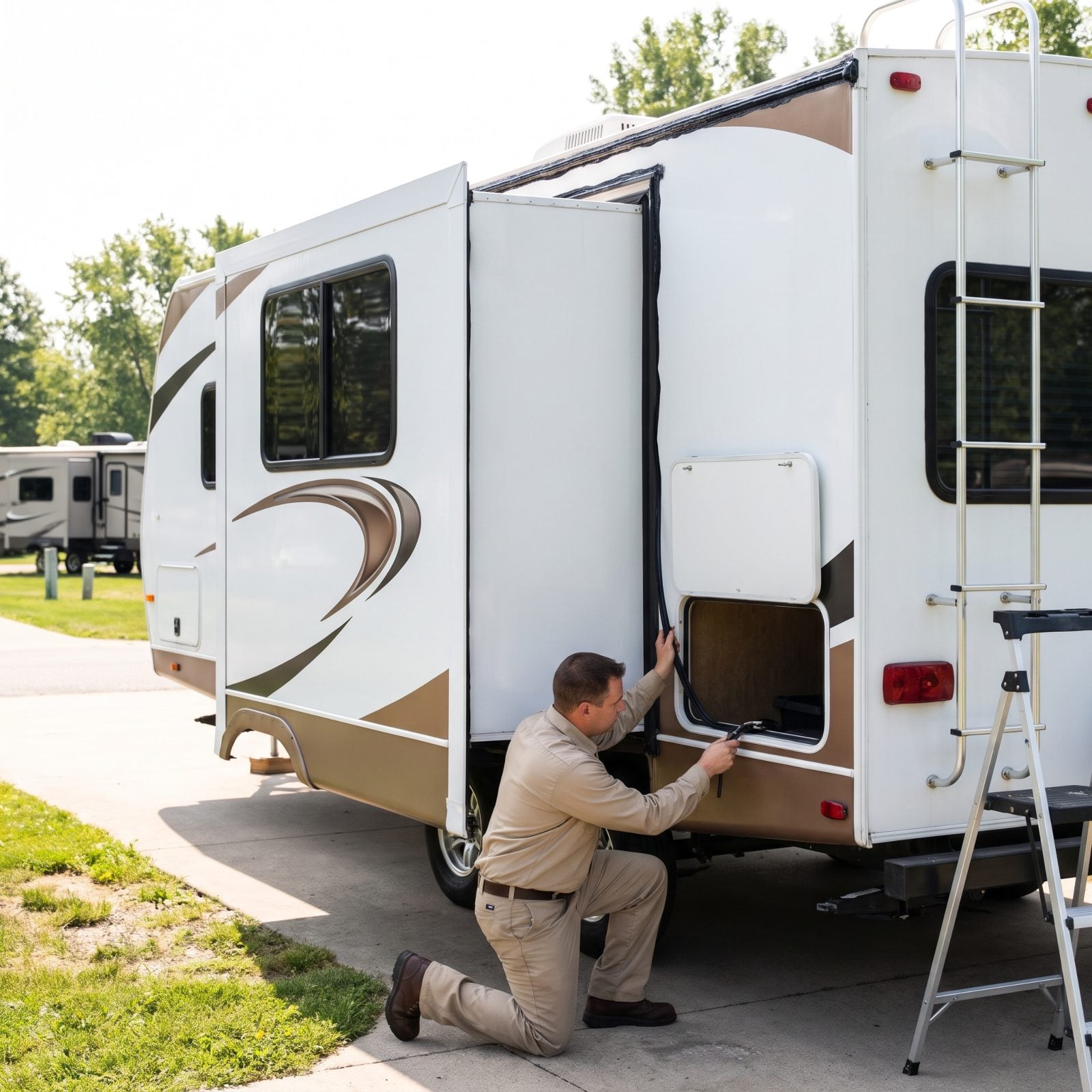
Heartland nails the thing most buyers actually shop on: the floorplan. The layouts are smart, the space usable, the value real at the price.
What techs see is the spread. One unit comes through tight and clean; the next one off the same line has a seam that needed better sealant or a slide that wasn’t dialed in. That’s not a design flaw. It’s a consistency one, the kind that creeps in when high-volume production is moving fast and nobody’s double-checking every last bead.
Buy a Heartland and get it inspected before the warranty clock runs down. The good ones are genuinely good. You just want to confirm yours is one of them.
34. Dutchmen RV: Aggressive Pricing vs. Long-Term Repair Frequency
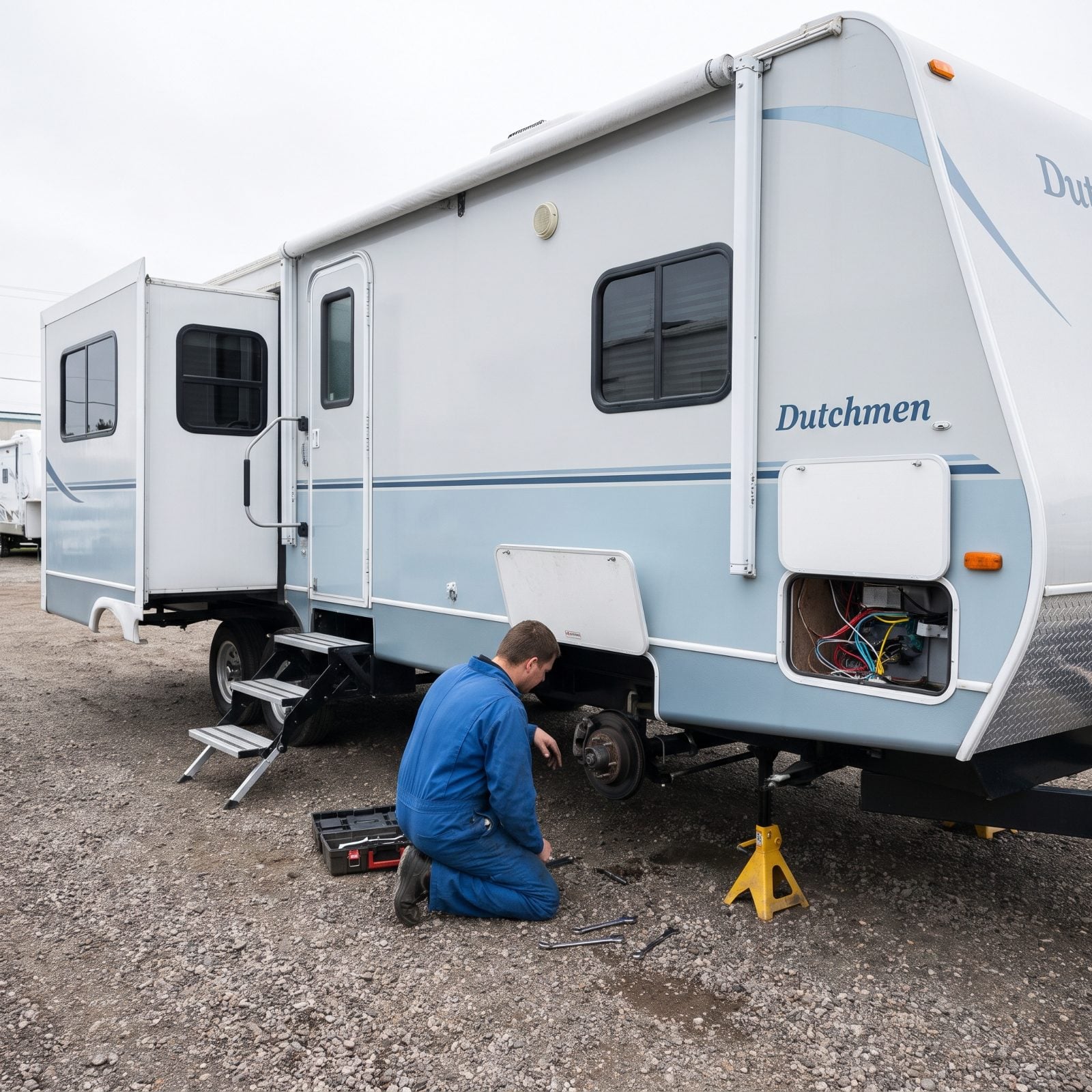
Dutchmen gets people into camping who couldn’t otherwise afford it, and that’s worth respecting. The price is the whole pitch, and it’s an honest one.
The tradeoff shows up over time. These rigs come through the bay more often than the premium lines, and the fixes tend to be the small-but-constant kind — seals, trim, the parts where the budget had to go somewhere. Nothing catastrophic. Just more frequent.
33. Holiday Rambler: Longstanding Name vs. Current Build Execution
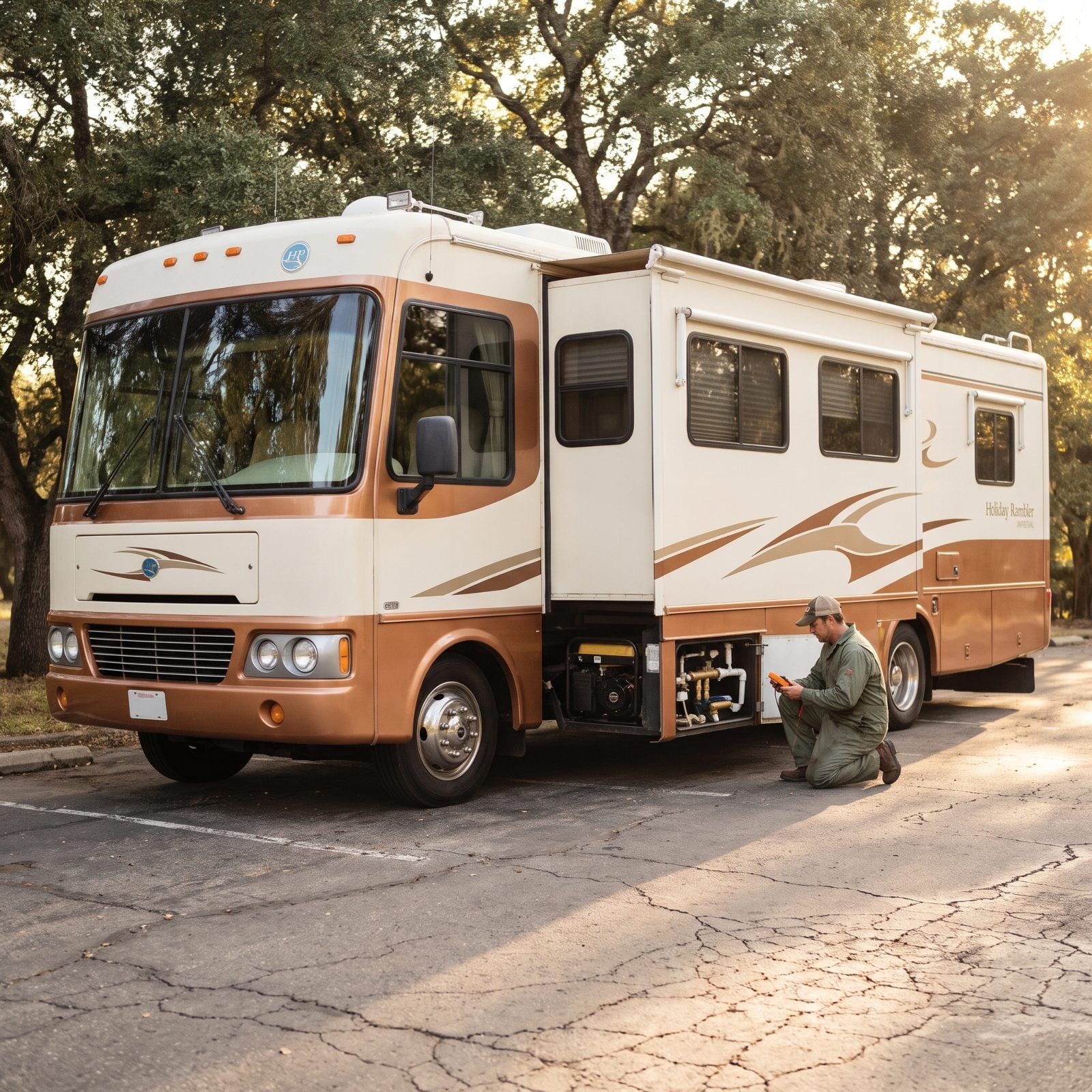
Holiday Rambler carries a name that’s been on the road since the 1950s, and that history buys real goodwill. People trust the badge.
Here’s the honest part. The badge and the current factory are not the same thing they were decades ago, and techs judge what’s actually sitting in front of them. Recent build execution is solid, competent, middle-of-the-road — not the heirloom-grade reputation the name implies, not a letdown either.
Buy it for what it is today, not for what a 1978 brochure promised. Judged on current merit, it’s a perfectly reasonable coach.
32. Rockwood: Lightweight Features vs. Increasing System Complexity
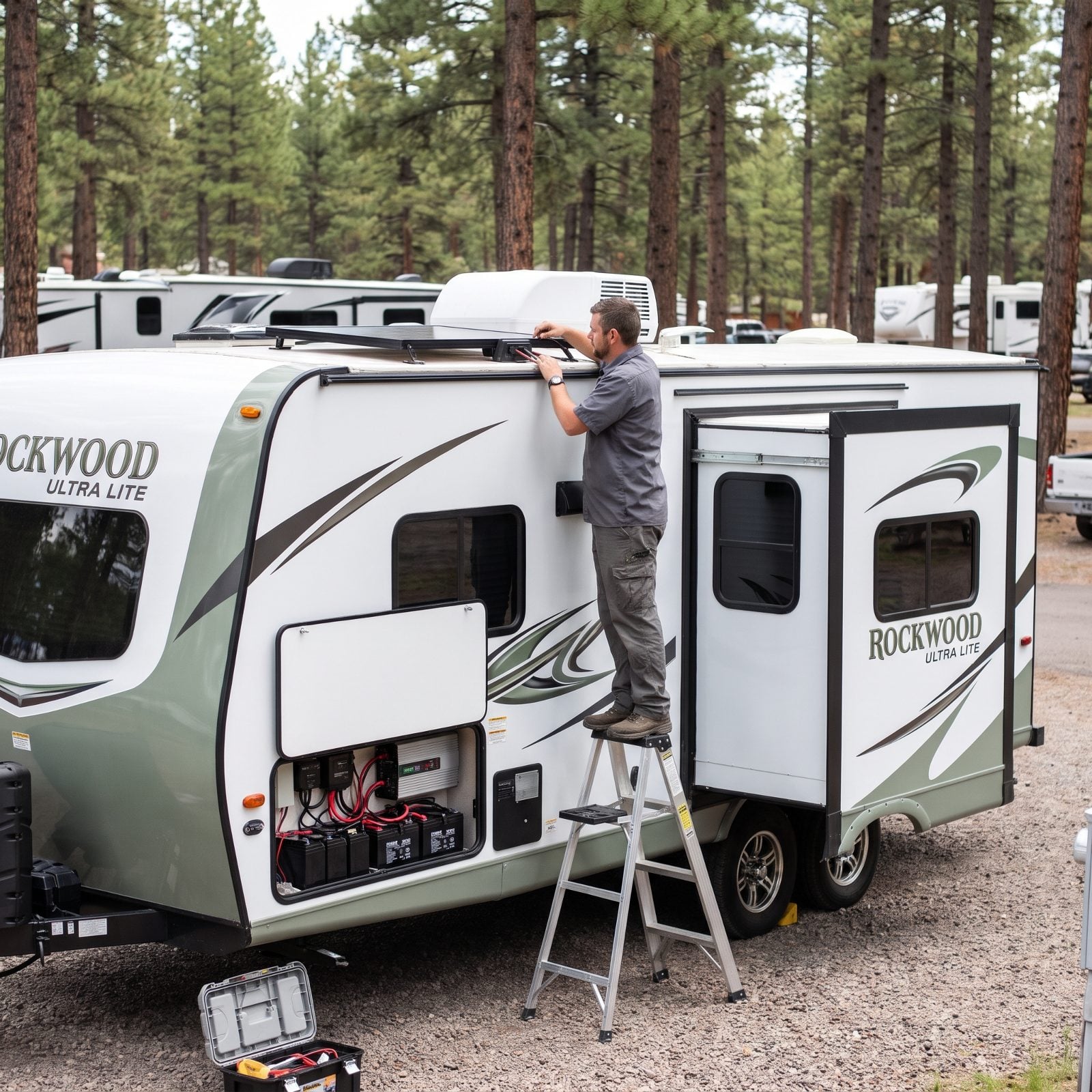
Rockwood built its name on getting features into a trailer light enough for a half-ton to tow. Clever packaging, genuinely useful floorplans.
The catch is that lightweight now comes loaded. Solar, lithium, inverters, app-controlled everything — great when it works, and a whole lot more to diagnose when it doesn’t. The complexity has crept up faster than some owners realize standing on the dealer lot.
31. Montana: Bestselling Fifth-Wheel Status vs. Technician Verdicts
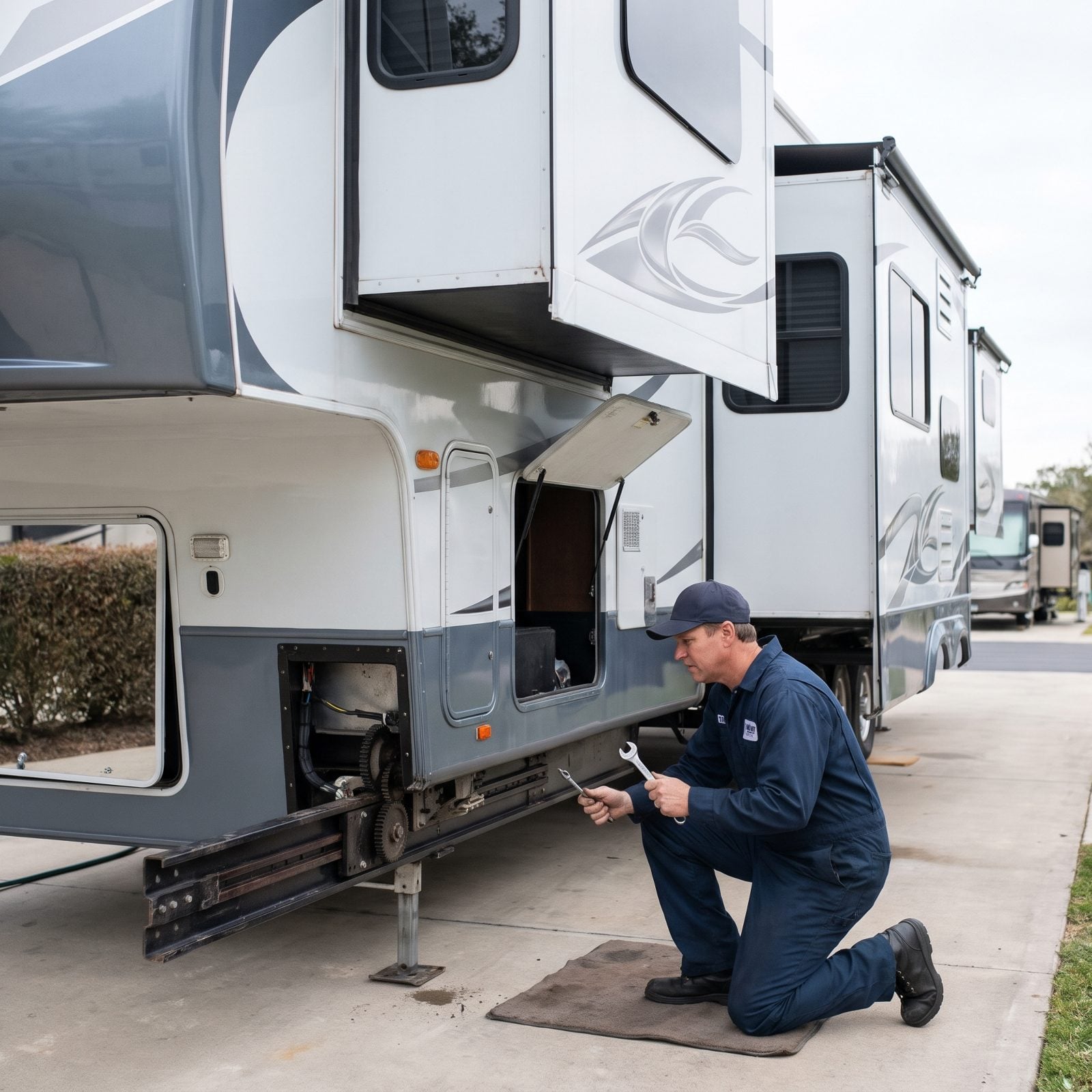
Montana sells like nothing else in the fifth-wheel world, and volume that high means one thing for techs: parts are everywhere and every shop has already seen one. That alone makes ownership easier.
The build verdict is more layered. Montana runs a lot of slides, and slides are the single most common fifth-wheel headache. More slides means more seals, more mechanisms, more chances for something to bind up in year four when you least expect it.
The best-selling rig isn’t always the best-built rig. It’s the one the most people can live with and get serviced anywhere.
That’s Montana. Not flawless, but never orphaned. For a lot of full-timers, serviceability beats perfection every time.
30. Cougar: Midprofile Popularity vs. Slide, Seal, and Appliance Access
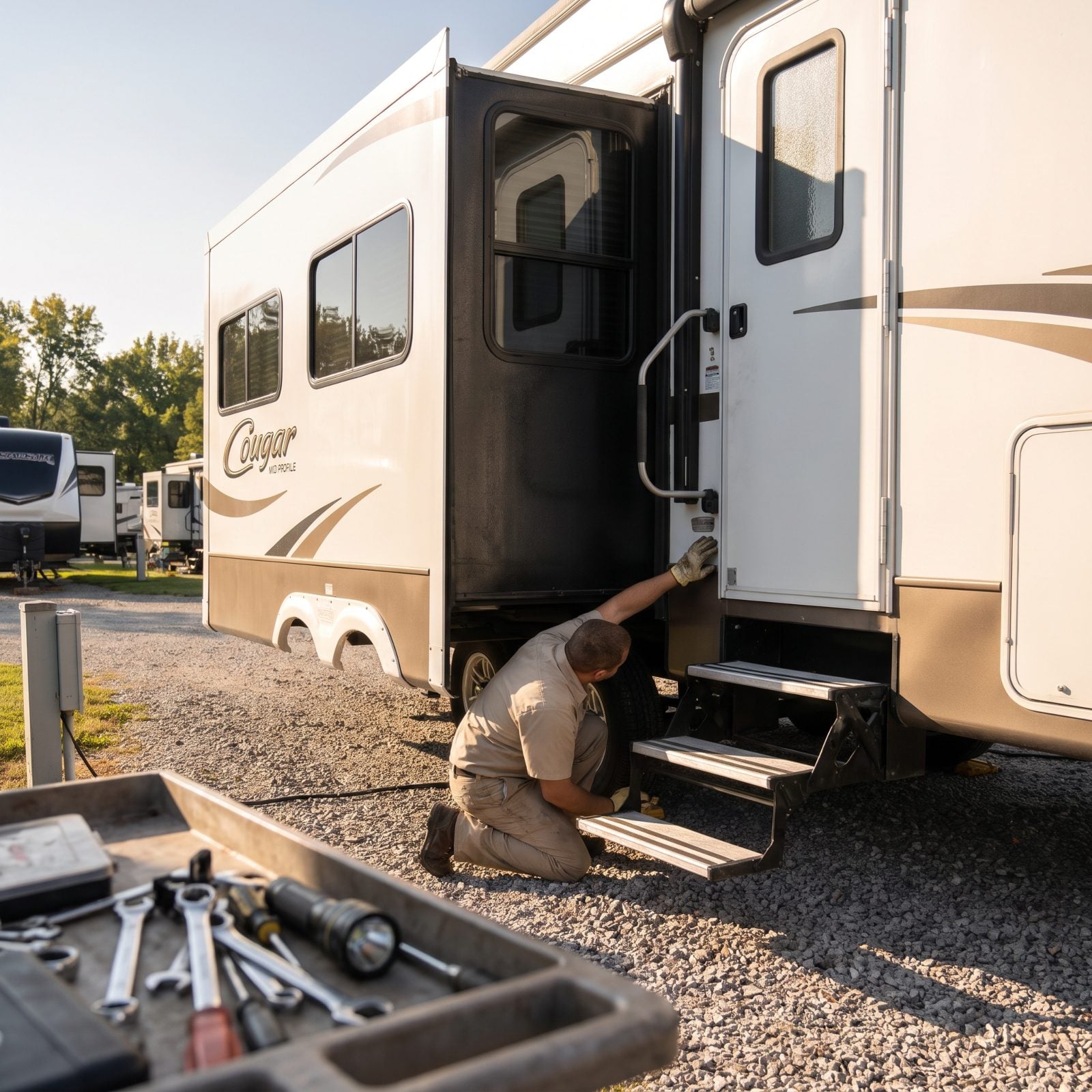
Cougar hits a sweet spot: lighter and lower than the big fifth wheels, roomier than most travel trailers. That midprofile pitch is why they sell so well, and it’s a smart piece of design.
Where the compromise lives is access. Tuck everything into a lower-profile body and the appliances, seals, and slide mechanisms all get harder to reach. A fridge pull that runs twenty minutes on a taller rig can turn into a knuckle-busting afternoon on a Cougar.
None of this is a red flag. It’s the quiet tax of a design that prioritizes towability and headroom. Just know your mobile tech may bill a little more time for jobs that looked simple from the campsite chair.
29. Voltage: Toy-Hauler Muscle, and the Wiring That Comes With It
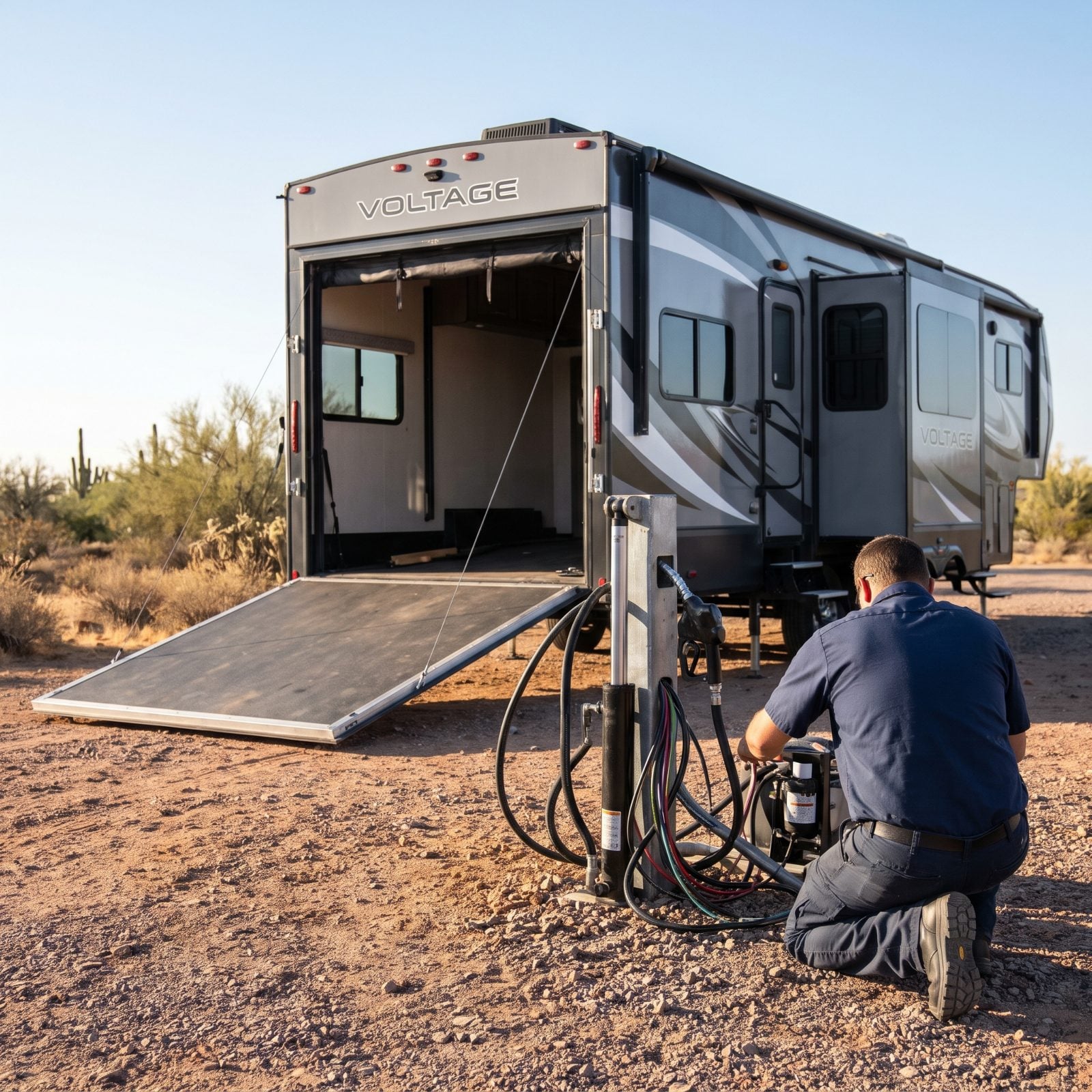
A Voltage will haul your dirt bikes, your side-by-side, and most of your opinions about what a trailer can carry. The garage space is genuine and the frames are built for the load. That part lives up to the badge.
What the brochure skips is all the support gear around it. An onboard fuel station with its pump, hoses and wiring, plus hydraulic leveling and multiple battery banks — every one of those can throw a fault. Techs will tell you the trailer rarely fails structurally. The gremlins hide in connections, relays, and that fuel pump nobody ever flushes.
28. RiverStone: The Living-Room-on-Wheels That Needs a Specialist
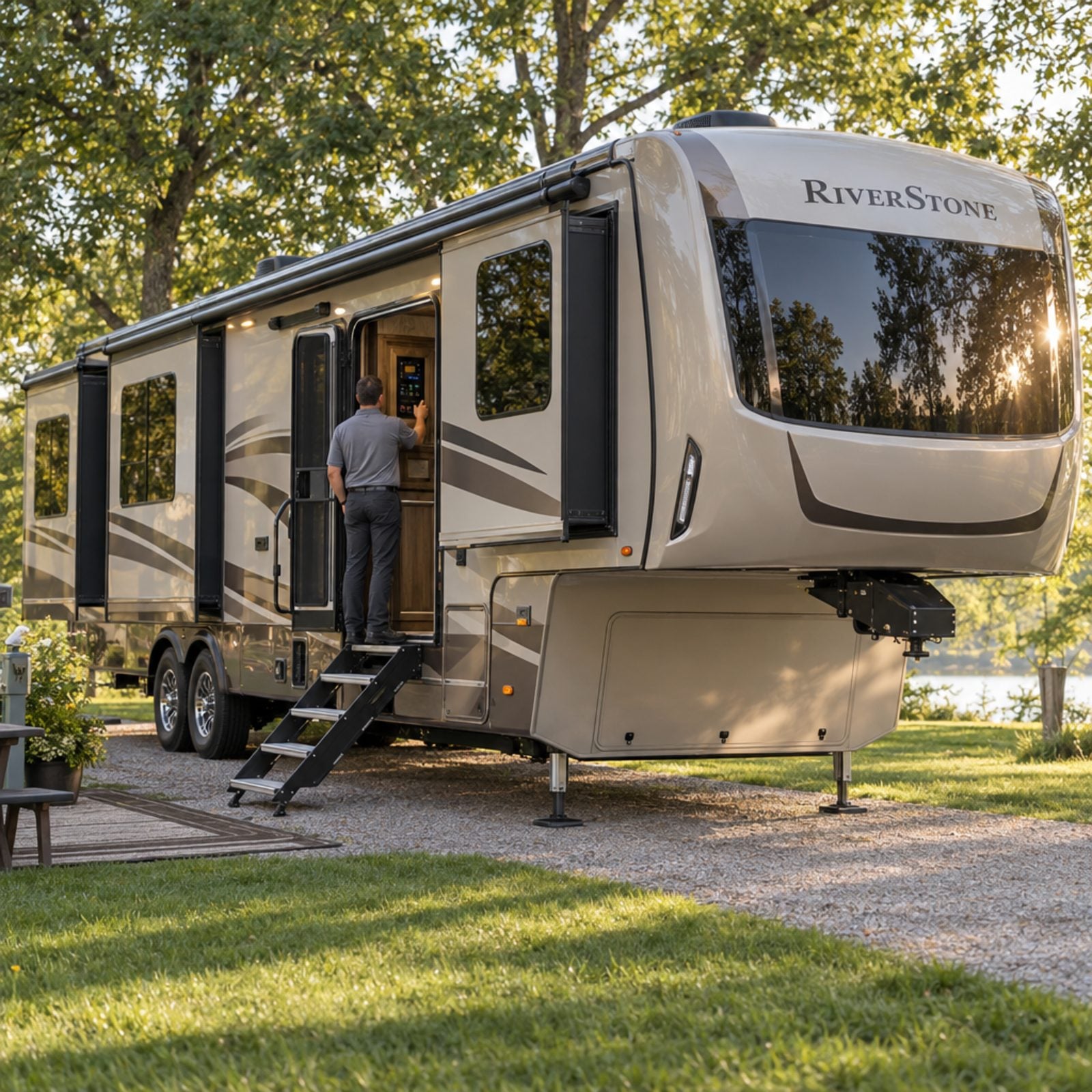
RiverStone sells space and softness. Residential fridges, fireplaces, big slides, multiplex wiring that runs lights and awnings off a touchscreen — it feels like an apartment, which is the whole pitch.
The catch sits in that same list. Multiplex systems are elegant until a module faults, and then your average lot tech is scrolling a diagnostic tree they’ve never laid eyes on. Parts come from the manufacturer, not the auto store down the road. A seal or a slide motor can idle the whole coach for a week while something ships.
Build quality is solid for the segment. Just know you’re buying a rig that wants a shop familiar with its brains, not just its bones.
27. DRV Luxury Suites: Built Like a House, Priced Like One to Fix
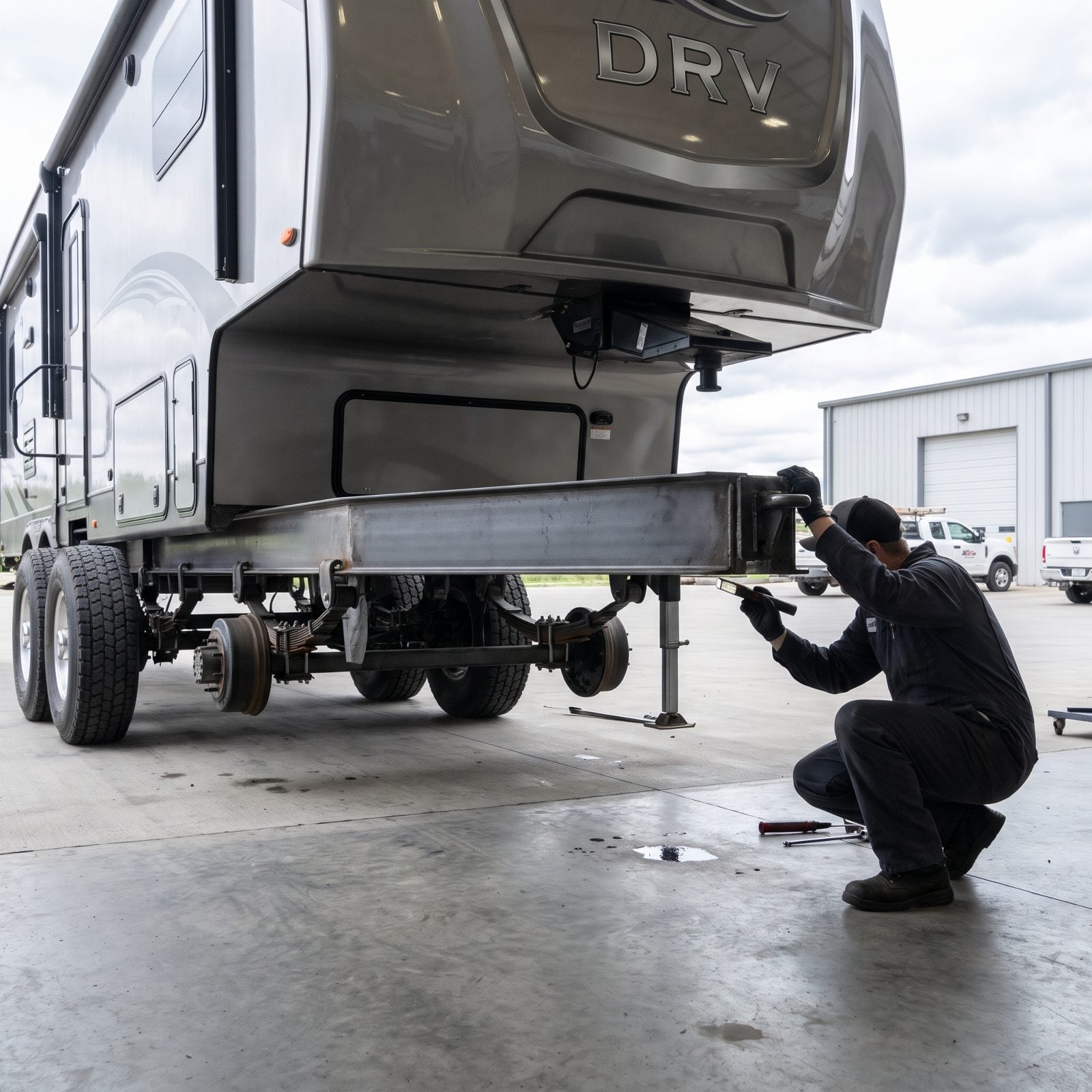
These are the tanks of the fifth-wheel world. Welded steel frames, real insulation, four-season chops. Full-timers love them because nothing rattles loose at 70 and the floors don’t flex when you walk across the kitchen.
That strength cuts both ways at the service bay. When a heavy, high-end system does fail, the repair carries the same tier of cost as the build itself. Nobody fixes a DRV on the cheap.
Reputation and reality line up here, which is rarer than it should be. You pay up front for durability, and you pay again if something major goes. Worth it for the right owner — painful for the one who bought more coach than they ever needed.
26. Gulf Stream Coach: The Budget Buy That Shows Its Price in Year Four
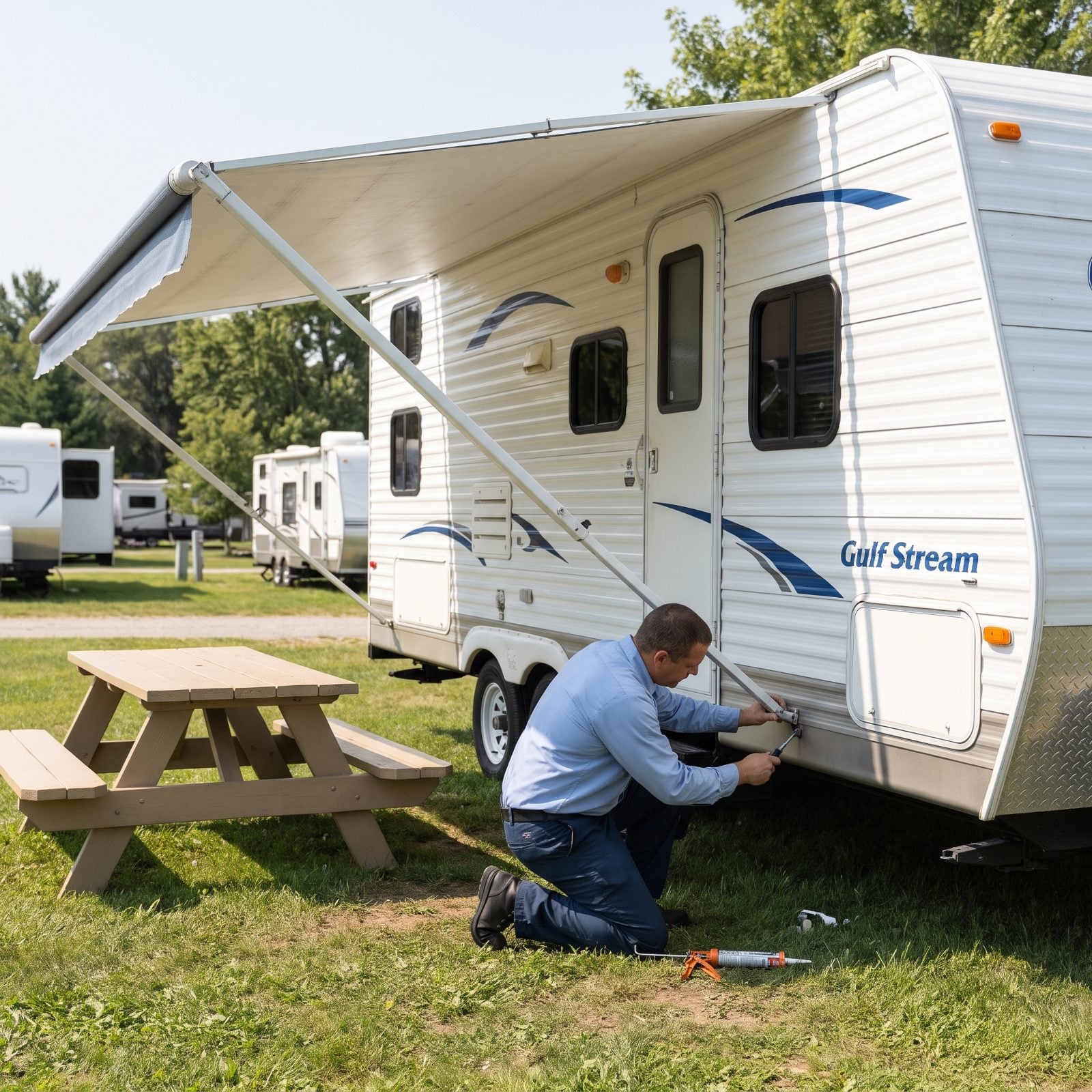
Entry prices get people in the door, and Gulf Stream has leaned on that for decades. For a weekend trailer you use a dozen nights a year, the math can work out fine.
Push it harder and the economy shows. Thinner skins, lighter framing, trim and fixtures that start loosening once the miles and the temperature swings pile up. Techs don’t see catastrophic failures so much as a steady drip of small ones — a sagging cabinet door, a sticky slide, a seal that needed resealing a year early.
Honest value if you go in clear-eyed. A regret if you expected a premium coach at a budget sticker.
25. KZ RV: Smart Floorplans, Ordinary Trim Lifespan
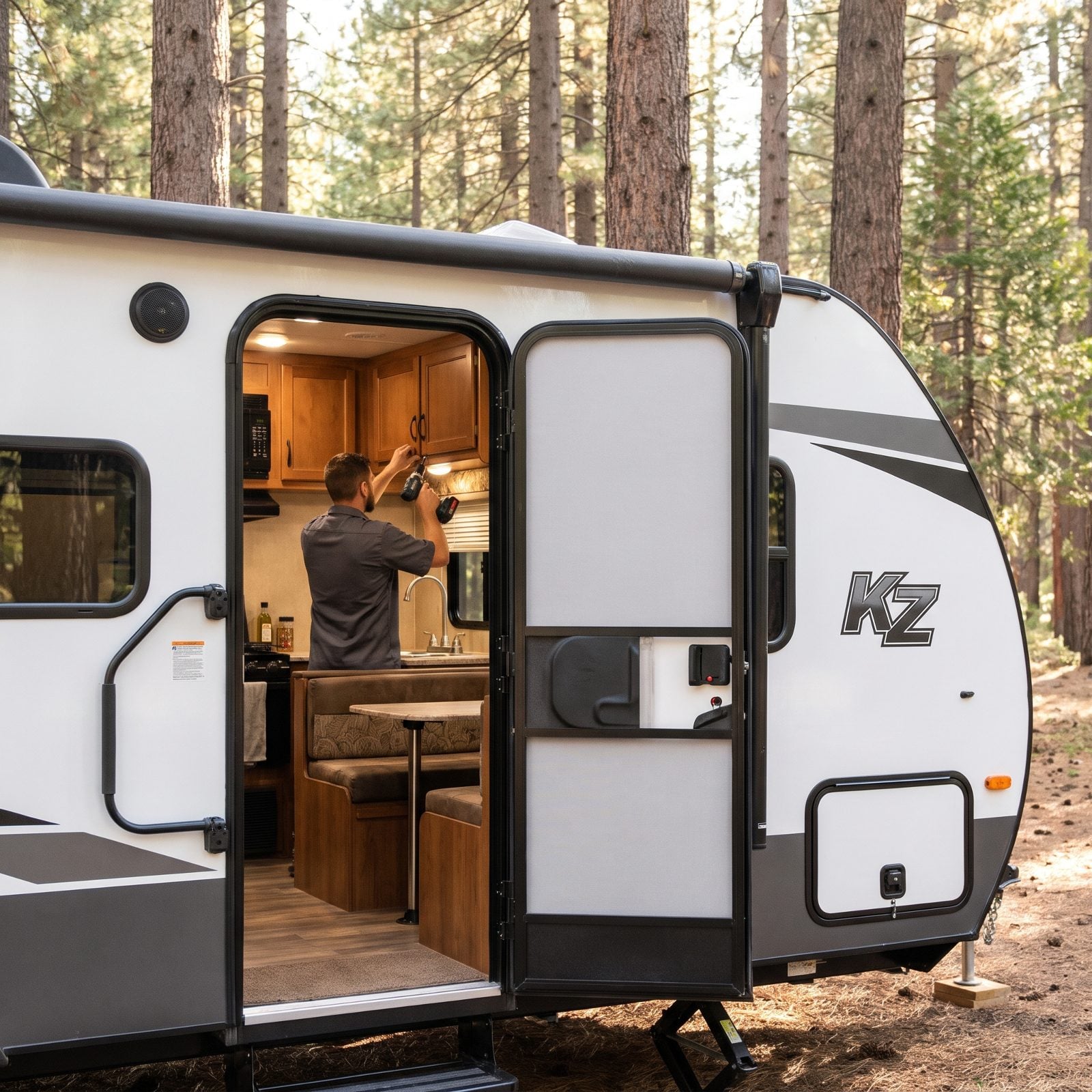
KZ gets the layouts right. The interiors flow, storage lands where you’d actually reach for it, and the floorplans feel designed by someone who has camped rather than just sketched over coffee.
Where techs raise an eyebrow is the hardware doing the daily work — latches, drawer slides, faucet trim, the small stuff your hands touch constantly. It functions. But it’s built to a price, and a few seasons of real use shows it. None of this strands you on the road; it just means a running list of minor tightening and swaps.
A fair rig at a fair number. Keep a screwdriver handy and you’ll get along fine.
24. Northwood: Four-Season Toughness and the Pounds That Pay For It
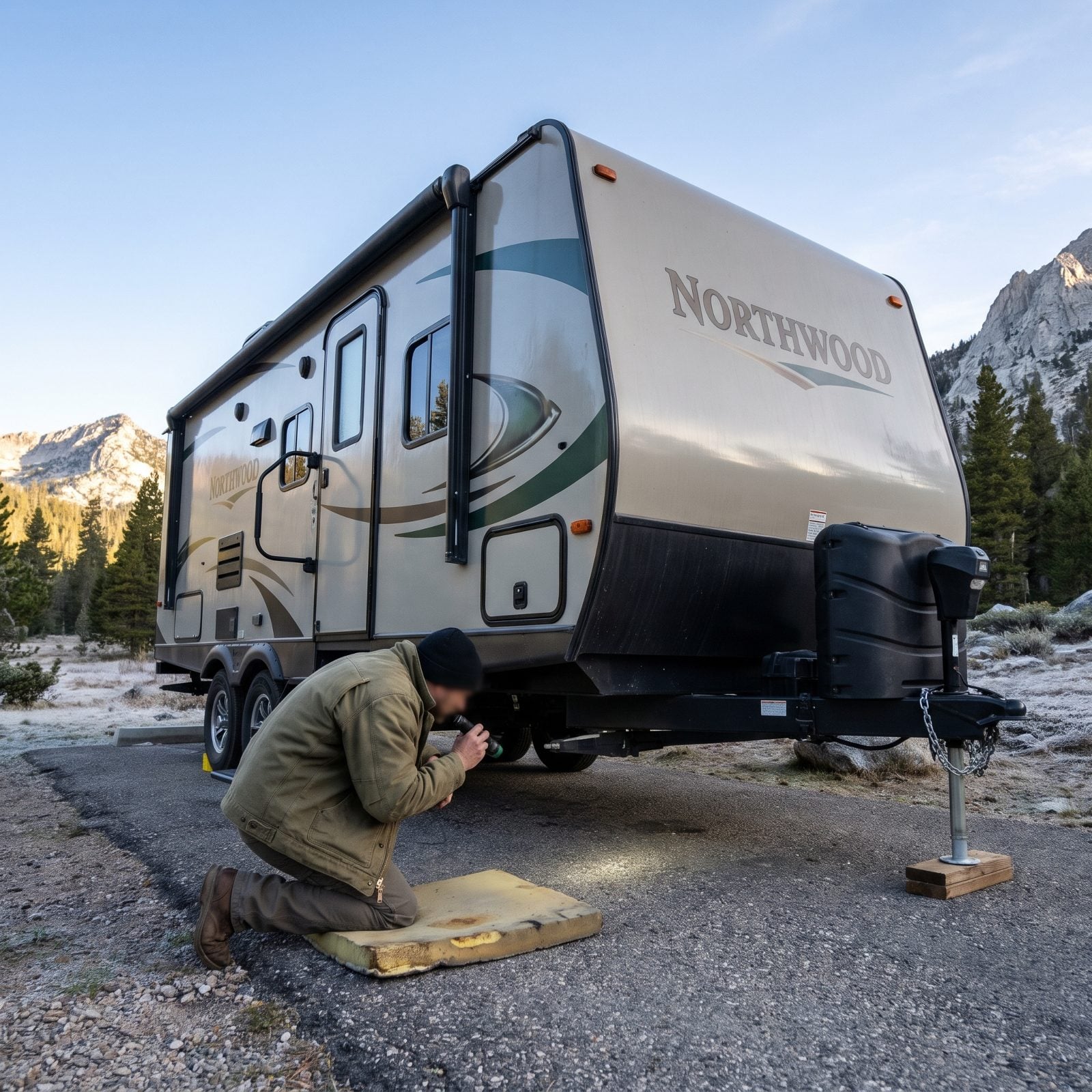
Northwood builds for cold, washboard roads, and owners who actually go where the pavement ends. The insulation is real, the framing is serious, and the four-season rating isn’t marketing fluff.
All that construction weighs something. You’re towing more mass, which asks more of your truck and your brakes, and the extra systems that make it livable in winter are just more things to maintain. The payoff? A rig that doesn’t beat itself apart on rough ground.
Technicians generally respect the build. The warnings are about matching tow vehicle to weight and keeping up with the extra plumbing and heating hardware a true four-season coach carries around under the floor.
23. Outdoors RV: Boondocking-Grade Build, Tricky to Service Far From Oregon
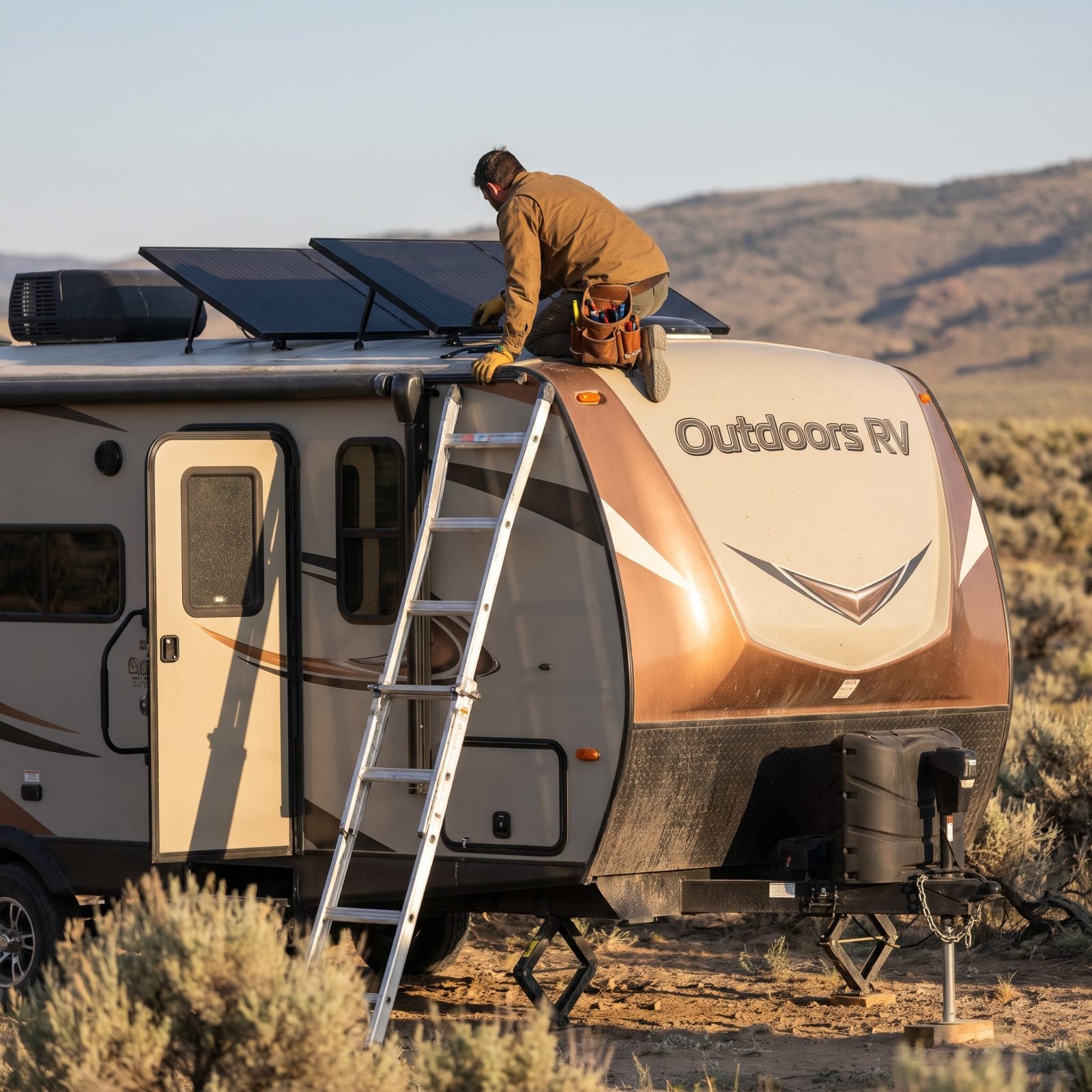
If your idea of camping has no pedestal and no neighbors, Outdoors RV is built for exactly that life. Beefy frames, generous tanks, off-grid-ready wiring, and a reputation for holding together on roads that shake lesser trailers apart.
The hitch is geography. These are regional rigs out of the Pacific Northwest, and both parts and brand-familiar service thin out the farther east you roam. A tech in the desert Southwest may know the build on sight. A shop in Georgia may be learning it on your dime.
Durability lives up to the hype. Just plan your repairs around a smaller dealer network than the big-box brands enjoy.
22. Lance: Lightweight Done Right, With No Room to Swing a Wrench
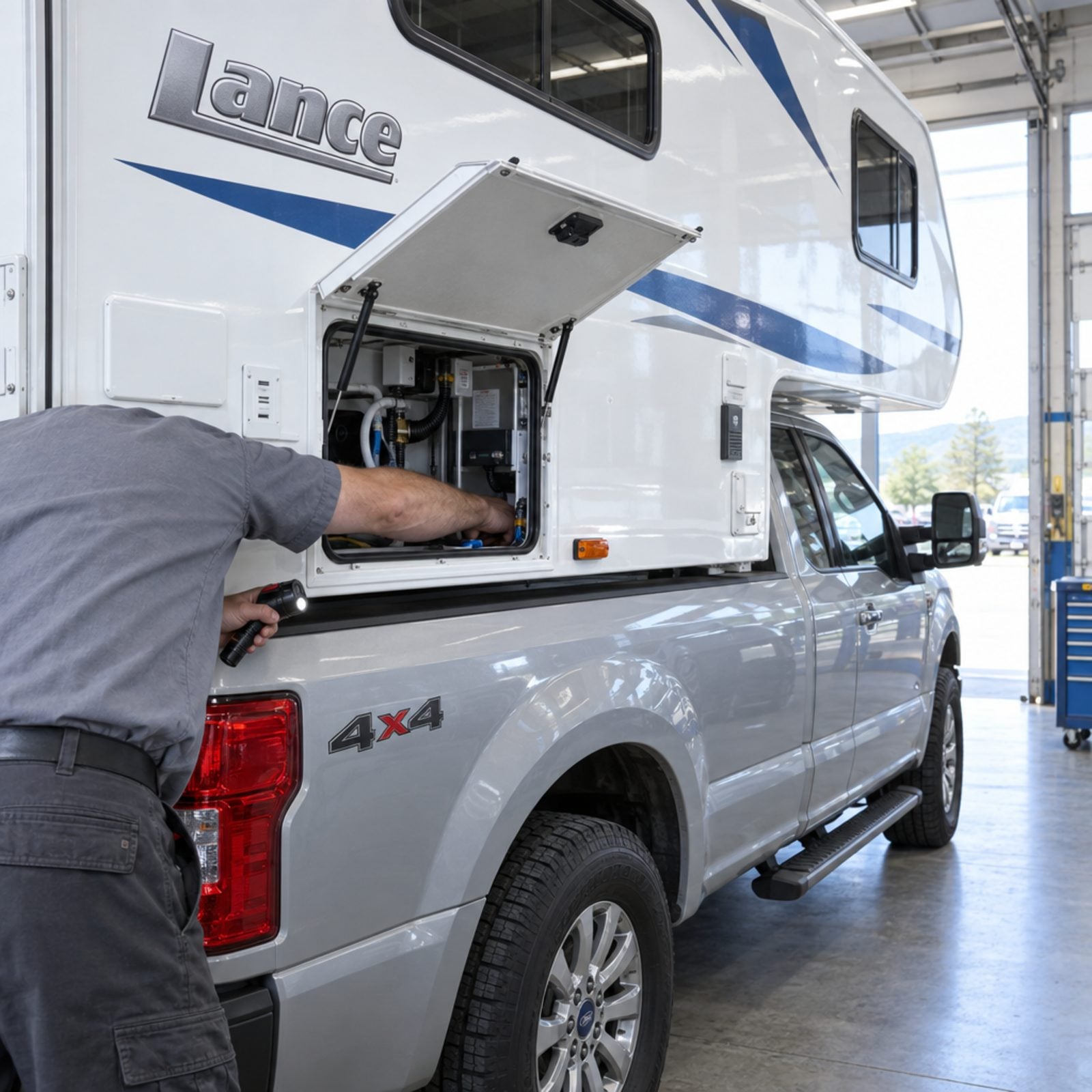
Lance has the weight equation figured out. Their campers and trailers come in lighter than you’d ever guess for the space you get, which means smaller tow vehicles and better fuel numbers. The engineering is genuinely clever.
And that cleverness comes back to bite at repair time. Every pound they saved means components packed tighter, and tight packing means a tech’s hands and tools don’t fit where they need to go. A job that’s an hour on a roomy rig can turn into three on a Lance — not because it’s broken worse, but because reaching the part is half the fight.
Quality is strong. The labor bill just reflects the tetris of getting in there.
21. Northern Lite: Clamshell Molds That Last, Panels That Fight Back
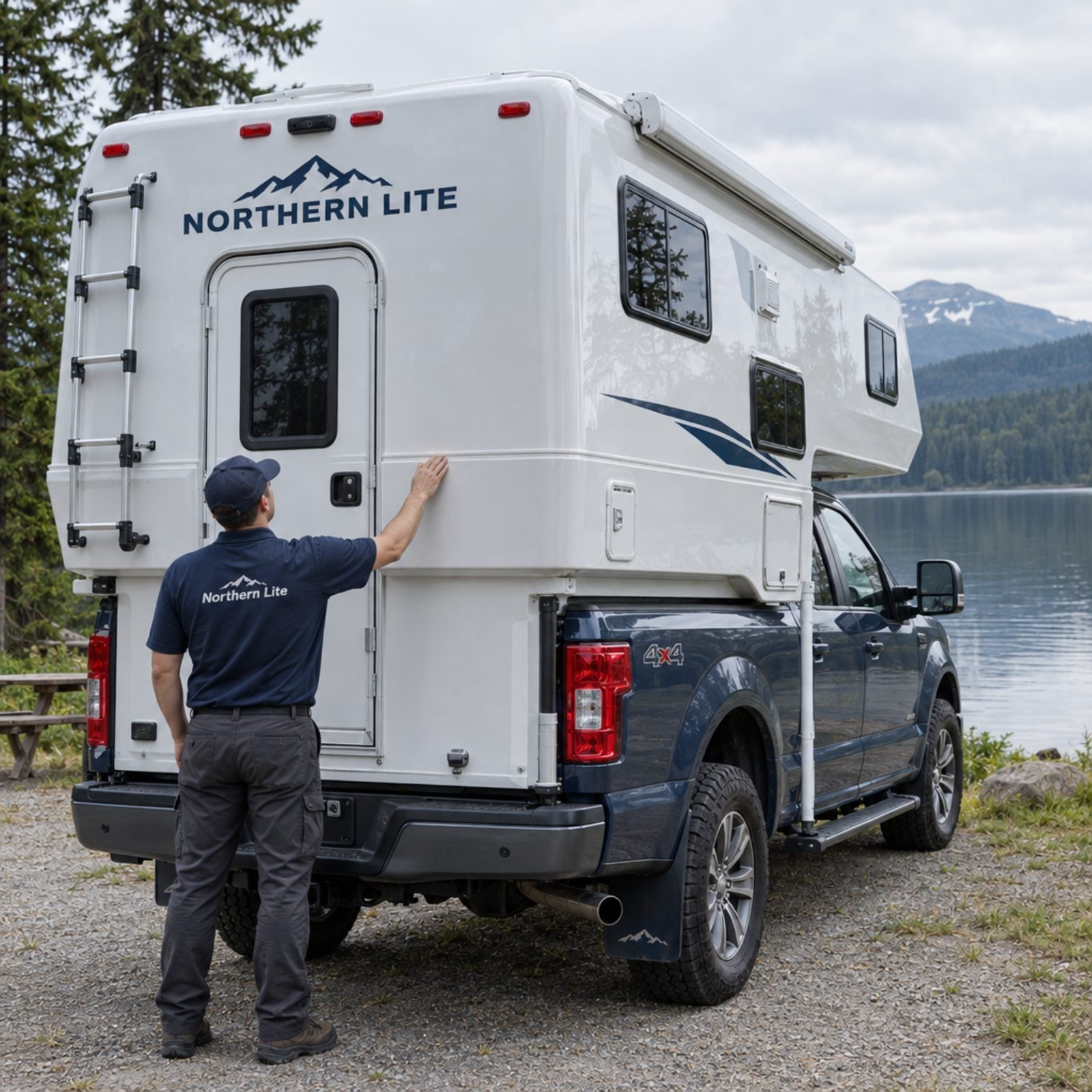
Two-piece molded fiberglass is the whole story here, and it’s a good one. No seams to leak the way a sticks-and-staples box does, excellent cold-weather performance, and a shell that holds up for decades. There’s a reason owners hang onto these for ages.
The clamshell that keeps water out also keeps techs out. You can’t just pop a panel to chase a wire. When something inside the molded structure needs attention, access gets genuinely awkward, and some repairs mean working through small openings or coming in from angles nobody would choose.
Reputation and reality match well. You trade easy serviceability for a shell that rarely needs serving in the first place.
20. Host Campers: Multiple Slides, Multiplied Moving Parts
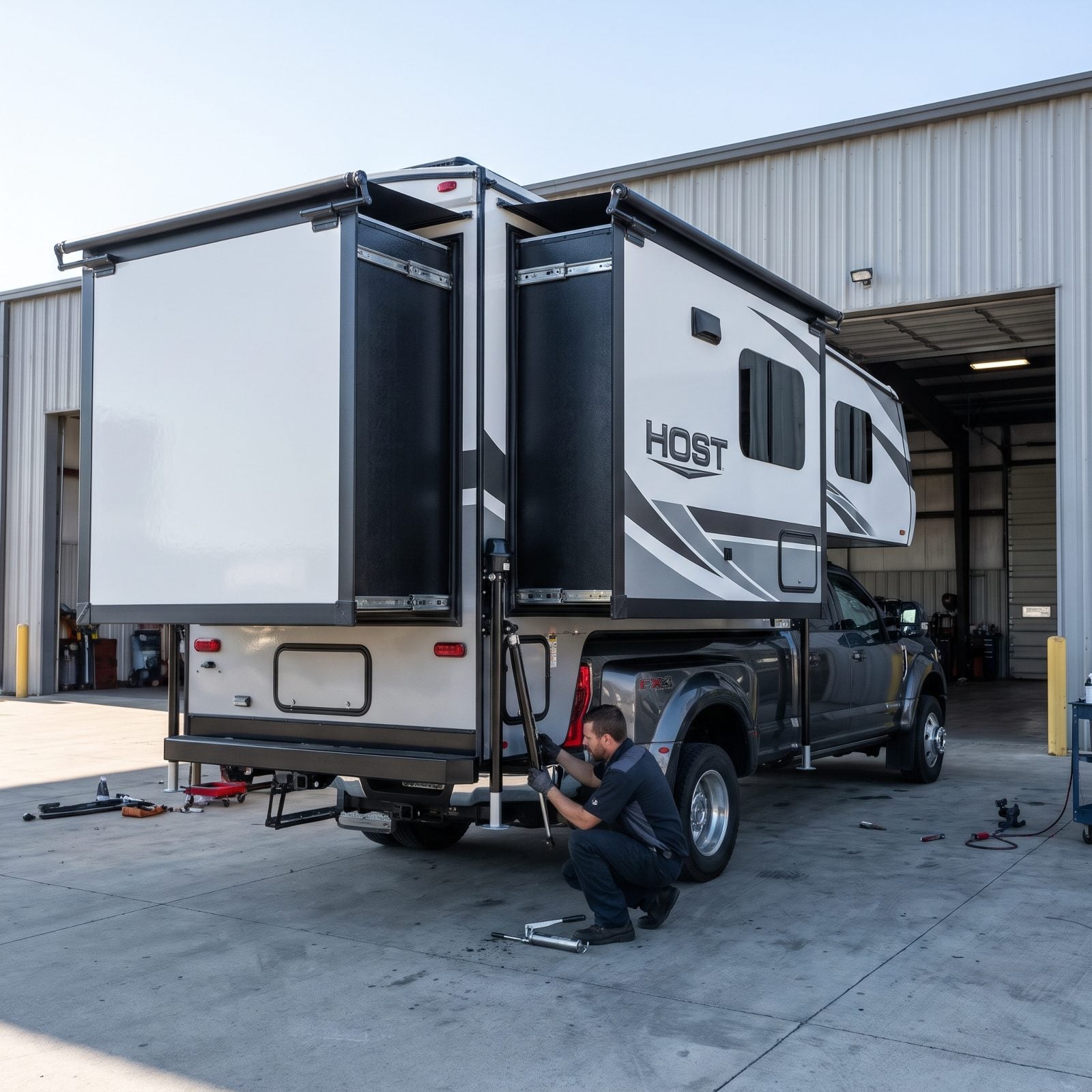
Host builds the biggest truck campers going, with multiple slides that open a bed into something you’d honestly call roomy. For a rig that rides in a pickup bed, the interior space is remarkable.
But every slide is a mechanism, a seal, a motor, and a tangle of wires — all mounted on a camper that bounces down the road loaded high and heavy. Techs see Host owners for slide adjustments, seal replacements, and slide-mechanism fussiness far more than for the shell itself.
The comfort is real and so is the trade. More slides mean more to keep aligned and lubricated. Stay on top of the maintenance and these run a long time. Ignore it and the complexity bites back hard.
19. Four Wheel Campers: Pop-Up Simplicity That Lives and Dies by Its Fabric
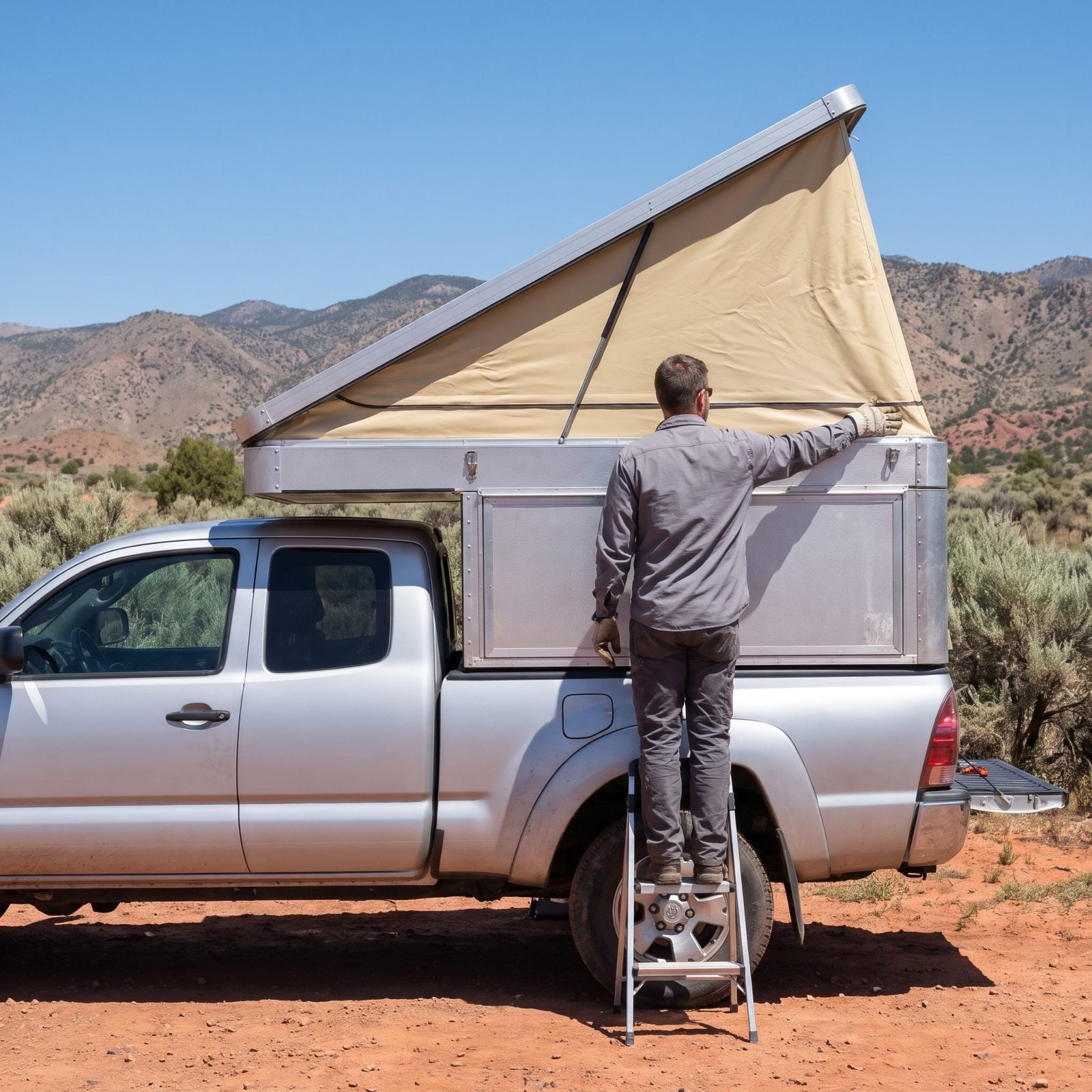
Techs love these for one reason: there’s almost nothing to go wrong. Welded aluminum frame, a pop-up roof, basic wiring, and you can trace every system in an afternoon.
The catch lives in the soft walls. The vinyl and its seams are the whole weather barrier, and they age the way a good pair of boots does — slowly, then all at once. Keep them clean and conditioned and you’ll get years. Ignore a small tear and water finds the insulation fast.
18. Aliner: The A-Frame That Folds Flat and Asks for Hinge Attention
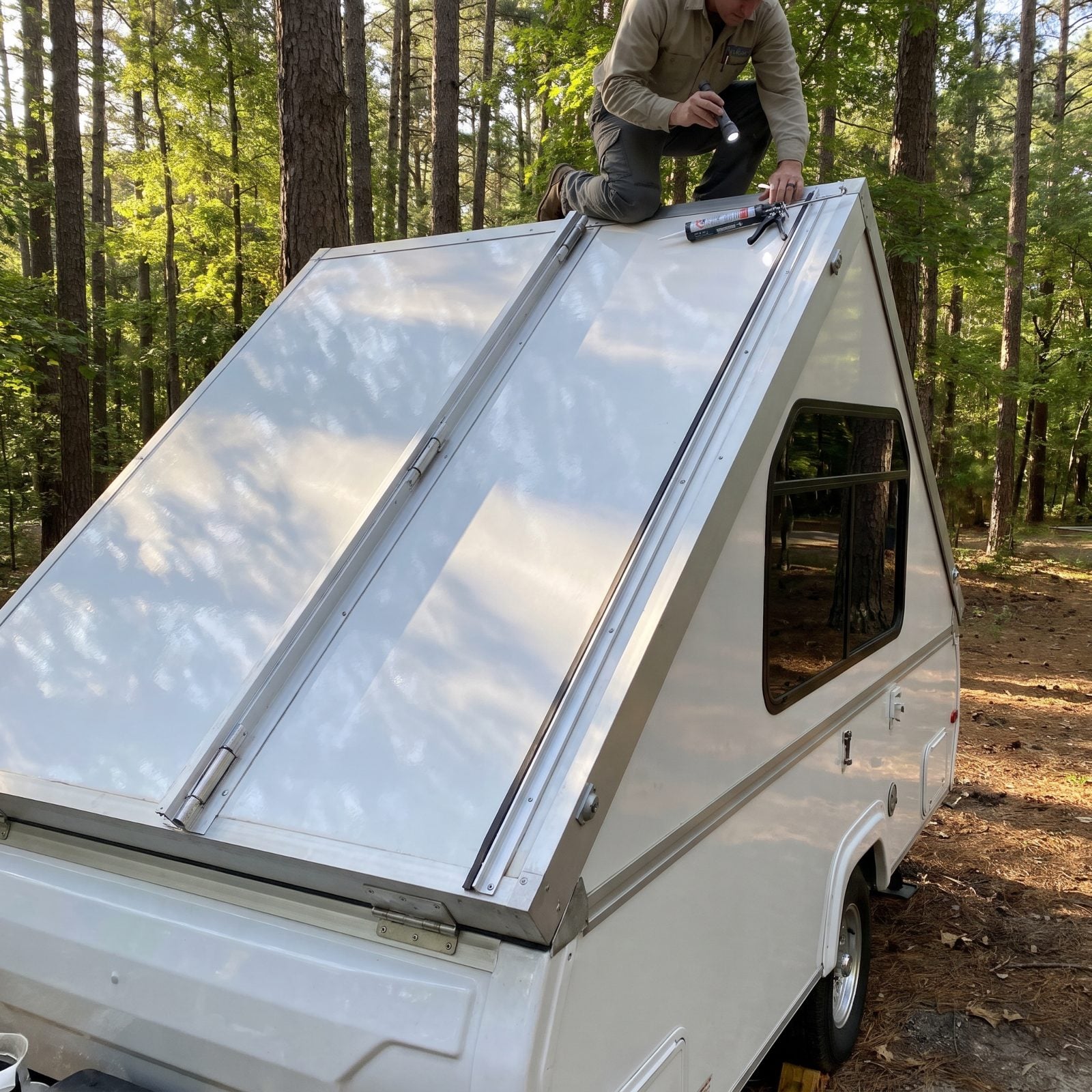
Fold it flat, tow it low, set it up in ninety seconds. That party trick is also the engineering challenge, because every fold is a seam, and every seam is a place for rain to think about getting in.
Honestly? The Aliner holds up better than its skeptics expect. The hinge rail and the roof-to-panel gaskets are the maintenance items that matter. Inspect them each spring, re-seal before the gasket gets brittle, and the rest is genuinely low-drama. Parts cost reasonable, and the layout is simple enough that most techs don’t flinch when one rolls in.
17. Ember RV: Big Ideas, More Moving Parts to Diagnose
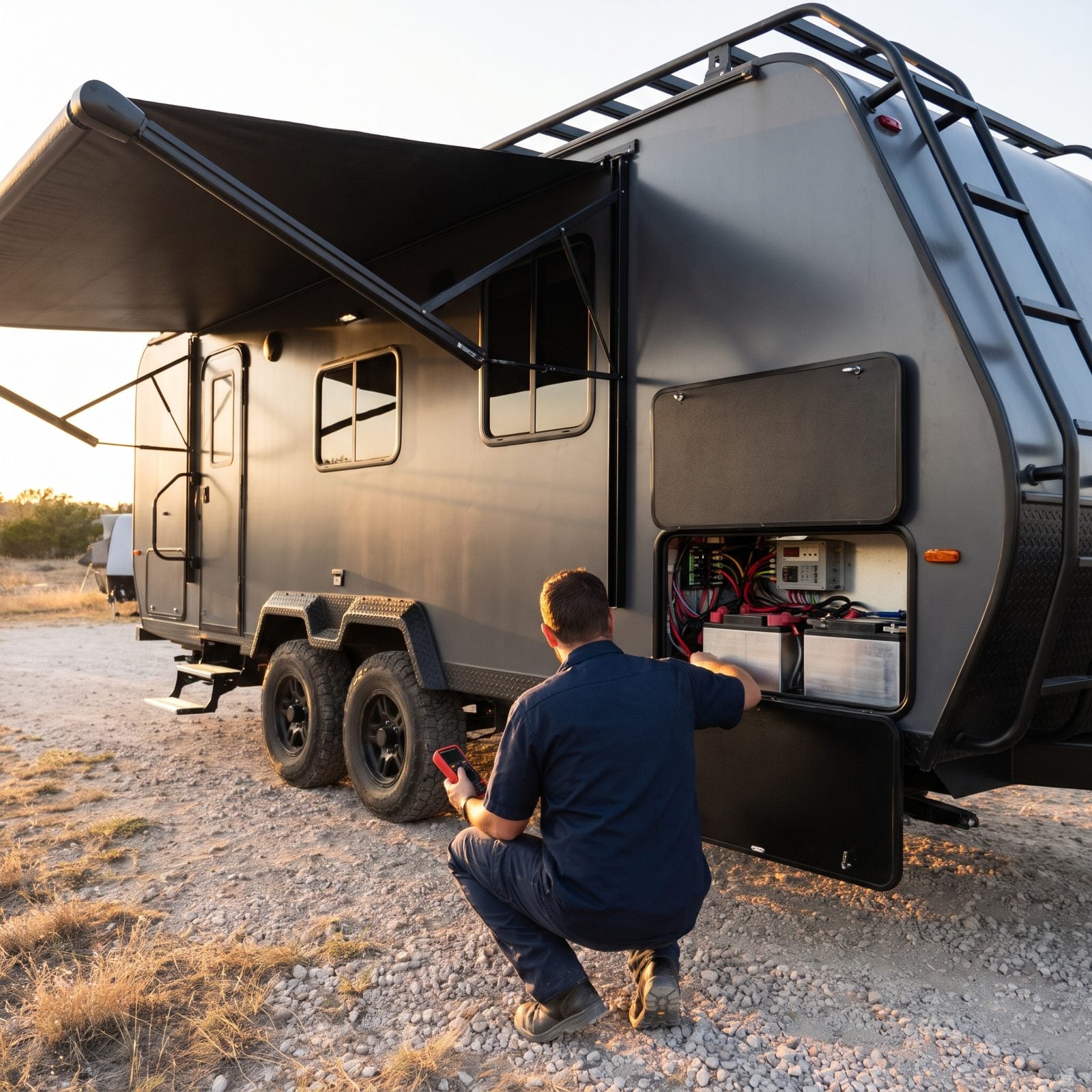
Ember earns real praise for throwing features at buyers who want them — solid electrical packages, off-grid setups, floorplans that actually think about how people live. That’s the upside.
The downside is that more features means more to diagnose. Every added subsystem is another thing a tech has to understand before they can fix it, and with a newer brand the service network and parts pipeline are still catching up to the ambition. Clean, labeled wiring makes it a pleasure. Messy wiring, and you’re burning shop time learning the layout before you fix a thing.
16. inTech RV: Clean Aluminum Bones, Uneven Finish Work
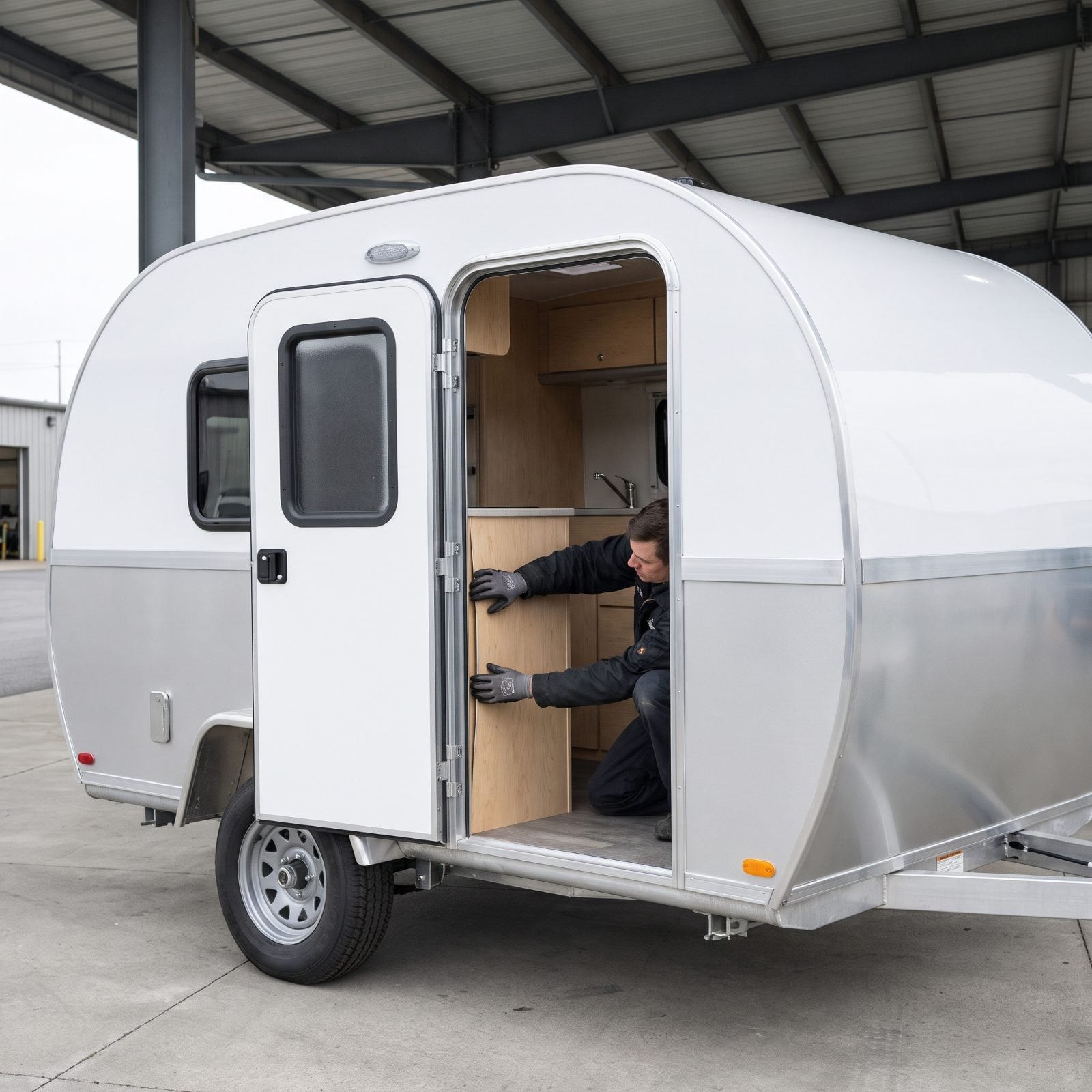
The frame is the good news: welded aluminum, no wood to rot, the kind of structure that outlives the people who buy it. Techs respect the bones.
Where you hear grumbling is the fit-and-finish. Cabinet joints, trim gaps, the odd rattle that shows up after a few hundred miles. None of it is structural, and most of it is a twenty-minute fix — but it’s the sort of thing that nicks a brand’s reputation when the buyer expected flawless. Strong platform. The detailing varies unit to unit, and that’s where quality control still wobbles.
15. nüCamp: Clever Little Teardrops Built Around Parts You Can’t Just Grab
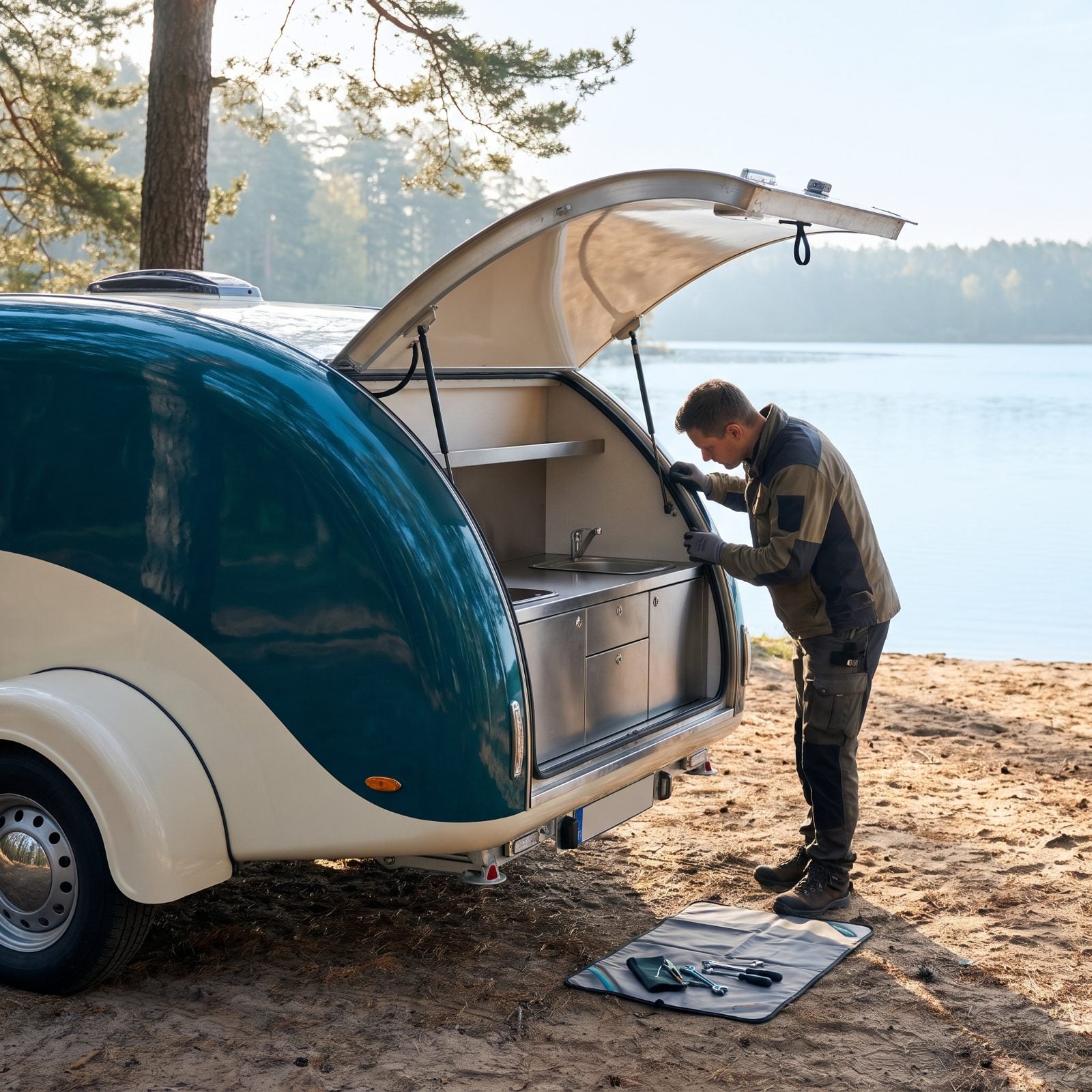
The engineering in these tiny trailers is genuinely clever. Every inch does a job, and the build quality sits a step above most of what rolls off a volume line.
Here’s the rub techs flag: a lot of components are proprietary. When a custom hatch strut, a molded panel or a brand-specific fitting fails, you’re ordering from one source and waiting. No running to the nearest supply house for a generic equivalent. The upfront quality is high, but the downstream repair logistics will test your patience.
14. Bigfoot RV: Four-Season Fiberglass That’s Hard to Find a Dealer For
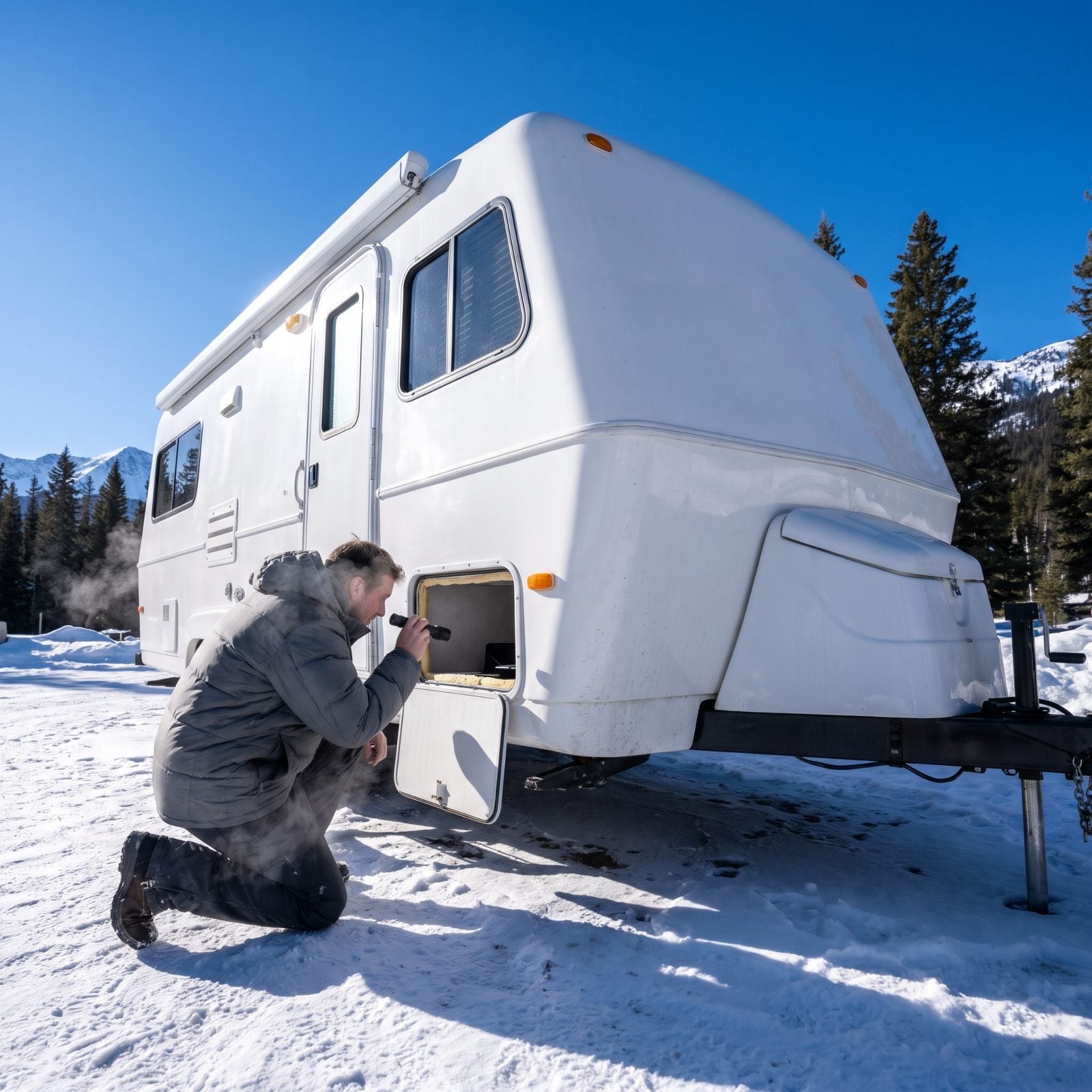
Thick fiberglass, real four-season insulation, built to shrug off a Canadian winter. On construction alone, Bigfoot sits near the top of this list, and techs who’ve worked on them trust them.
The frustration is access. Fewer dealers, a thinner service footprint, parts that can take a while to arrive depending on where you sit. Owners tend to be mechanically confident for a reason — when you’re far from the handful of shops that know the brand, you learn to handle the small stuff yourself. The trailer earns its reputation. The support map just has gaps.
13. Escape Trailer Industries: Simple Systems a Tech Can Actually Repair
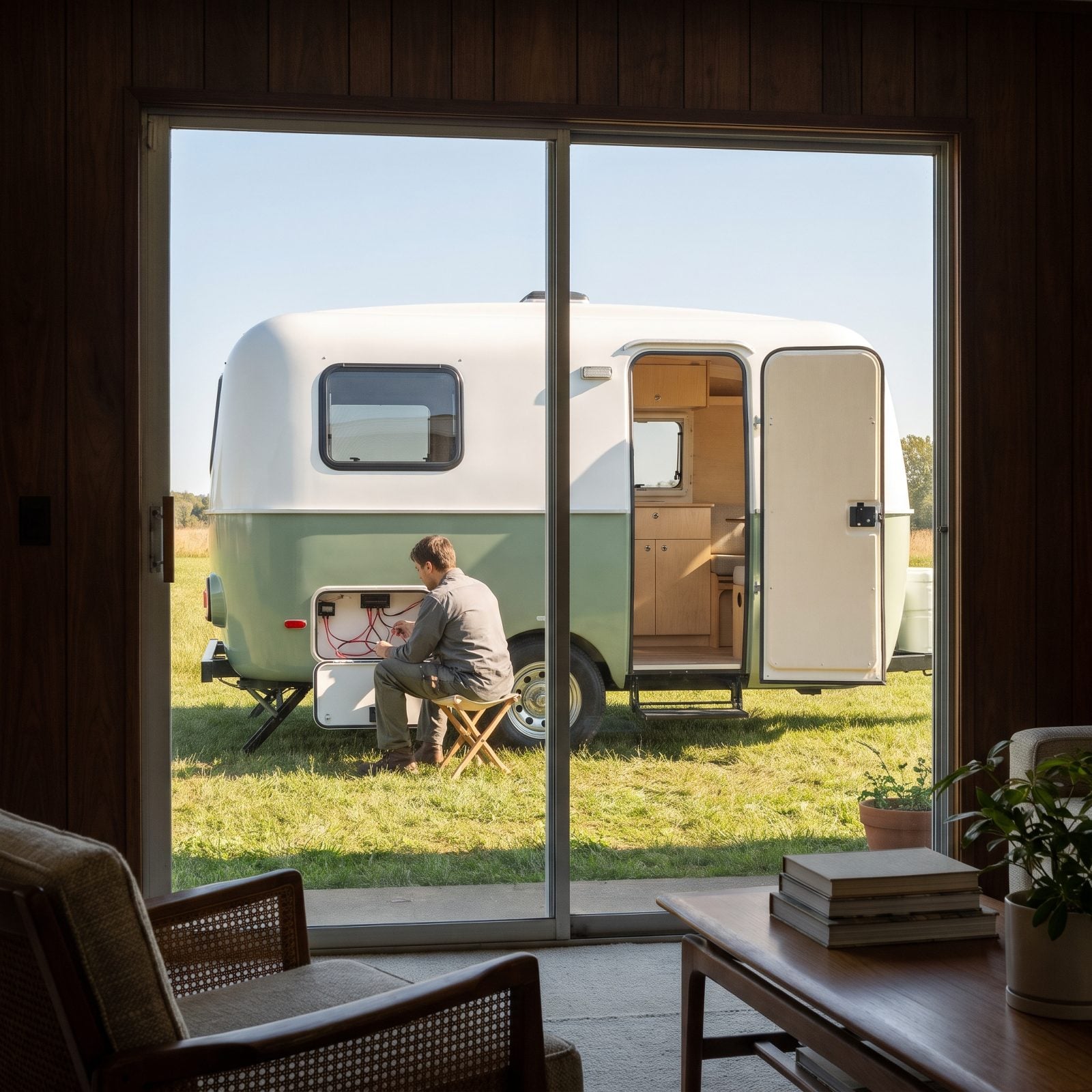
This is the brand techs quietly root for. Molded fiberglass shell, straightforward systems, nothing overthought. When something goes wrong, you can find it, reach it and fix it without a factory service manual and a prayer.
Repairability is a feature almost nobody shops for until the day they need it, and Escape’s whole philosophy leans that way. The trade-off? You won’t find a wall of automated gadgetry. Which suits exactly the owner who’d rather have a trailer that lasts than one that dazzles on the dealer lot.
12. Scamp: Old-School Lightweight Design Any Tech Understands on Sight
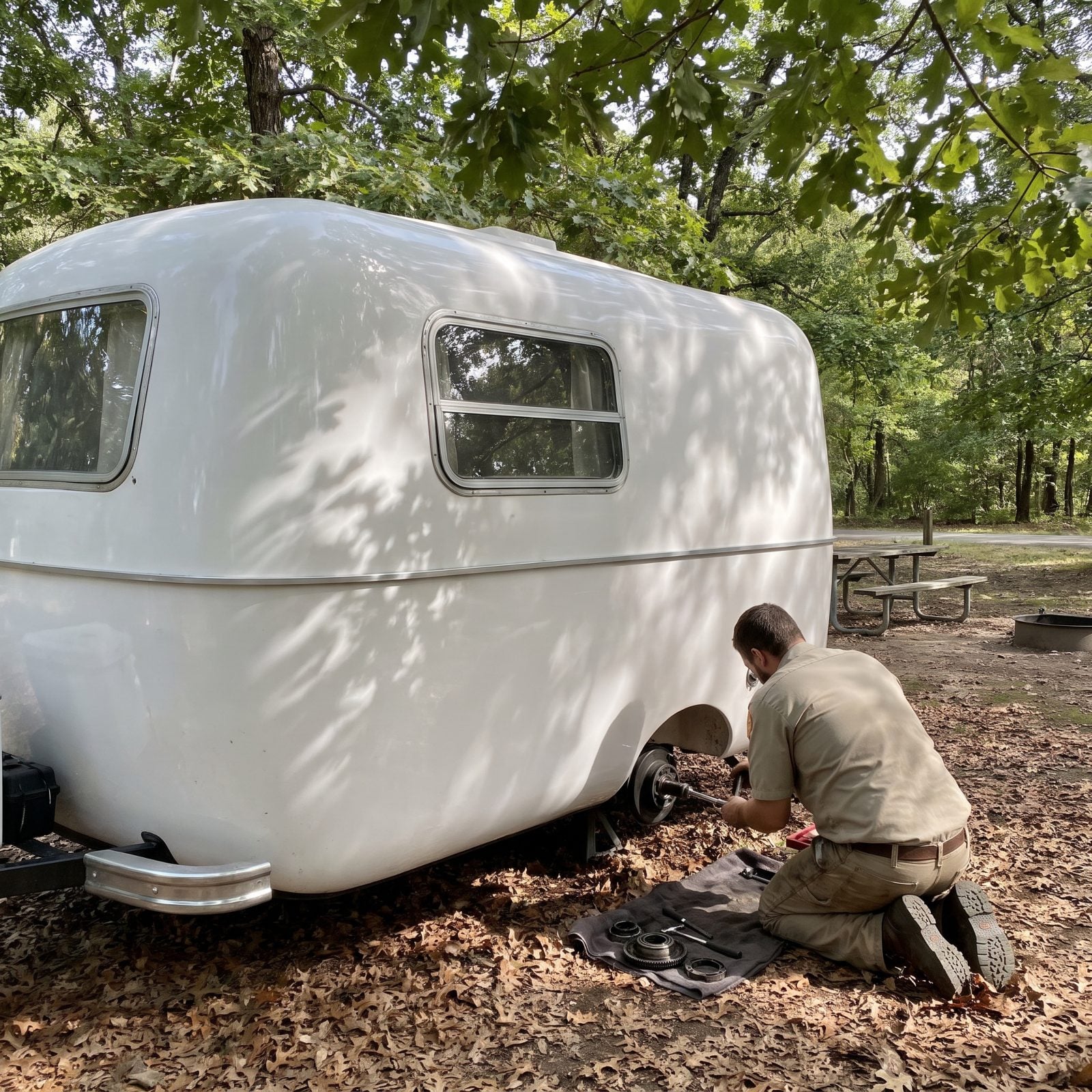
A Scamp rolls into the shop and every tech relaxes a little. The design has barely changed in decades, and that’s the compliment. Lightweight fiberglass, simple plumbing, basic wiring, parts that are either common or easy to improvise.
No mystery here. No proprietary trap waiting to ambush you six months out of warranty. The finish is plain and the features are few, but for reliability and repairability per dollar this little egg punches far above its price. Buy one used and it’ll likely outlast your interest in it.
11. Oliver Travel Trailers: Double-Hull Fiberglass That Costs What It’s Worth
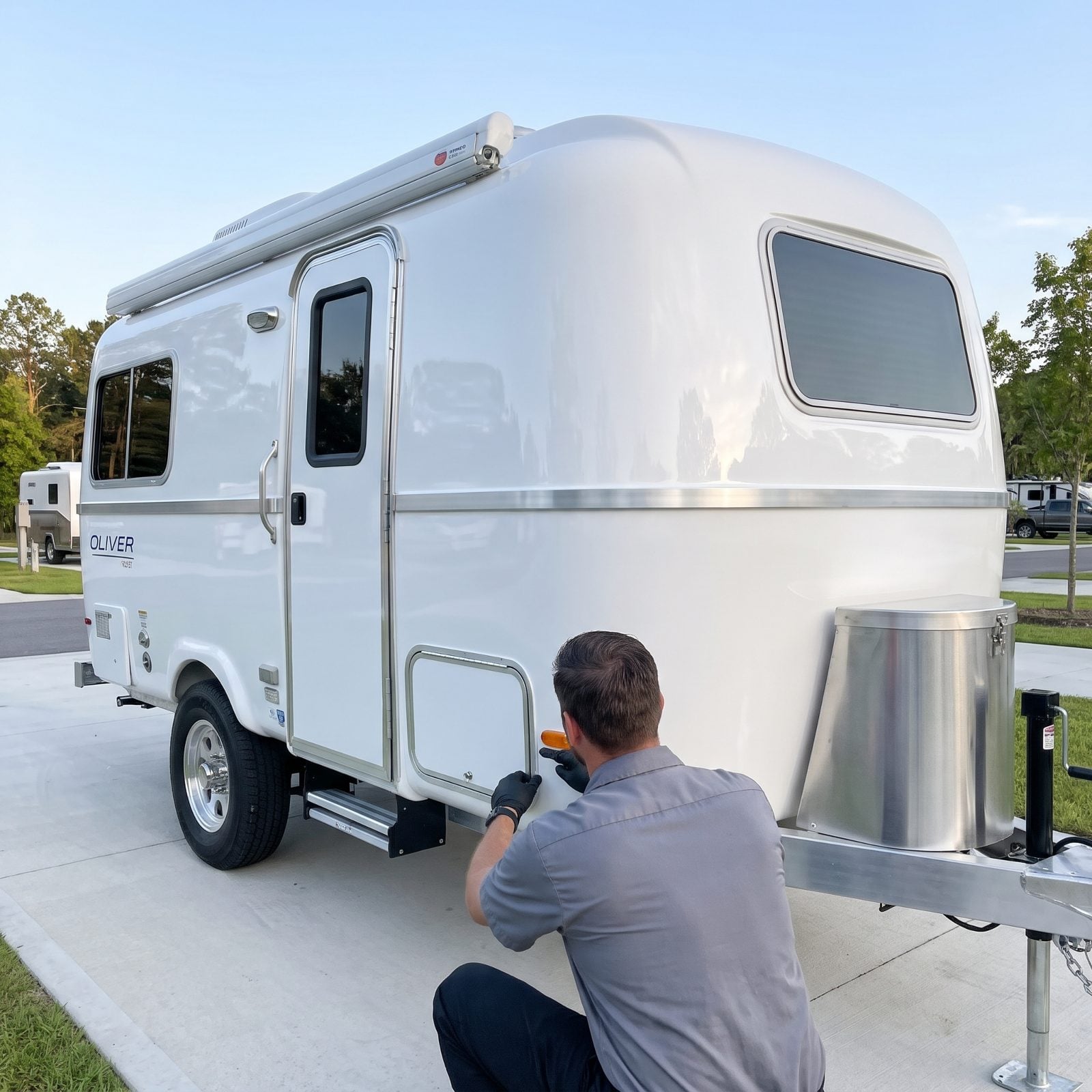
Double-hull fiberglass, high-grade hardware, a build that techs consistently rank among the most durable you can tow. The reputation is earned, not marketing.
The number on the window sticker is the whole conversation. Olivers cost real money, and the value argument hinges on how long you plan to keep it. Over twenty years the math gets friendly. Over three it hurts.
The expensive trailer you keep for two decades can cost less than the cheap one you replace four times.
10. Pleasure-Way: Refined Class B Finish Packed Tight as a Watch
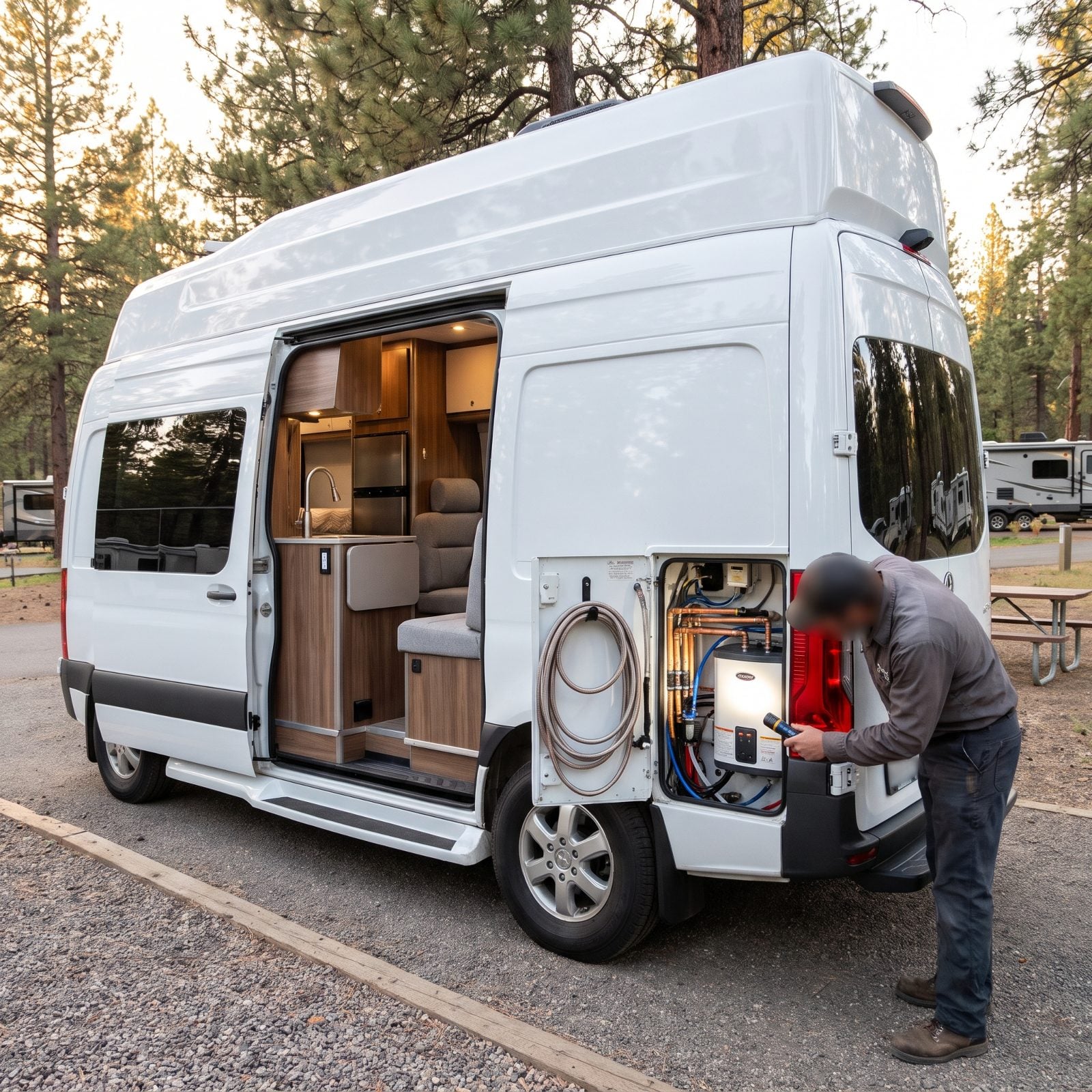
The finish on a Pleasure-Way is the good stuff. Tight cabinetry, quality materials, an interior that still feels solid long after a lesser van has started rattling itself apart.
Techs give the build high marks, then warn you about the same thing every time: everything is packed in tight. When a pump or fitting buried behind a tangle of hoses fails, the job isn’t the repair — it’s the excavation to reach it. Labor hours climb on a Class B not because the work is hard but because getting to it is. Lovely vans. Just budget for access time.
9. Leisure Travel Vans: Premium Compact Coaches vs. Long Parts Waits
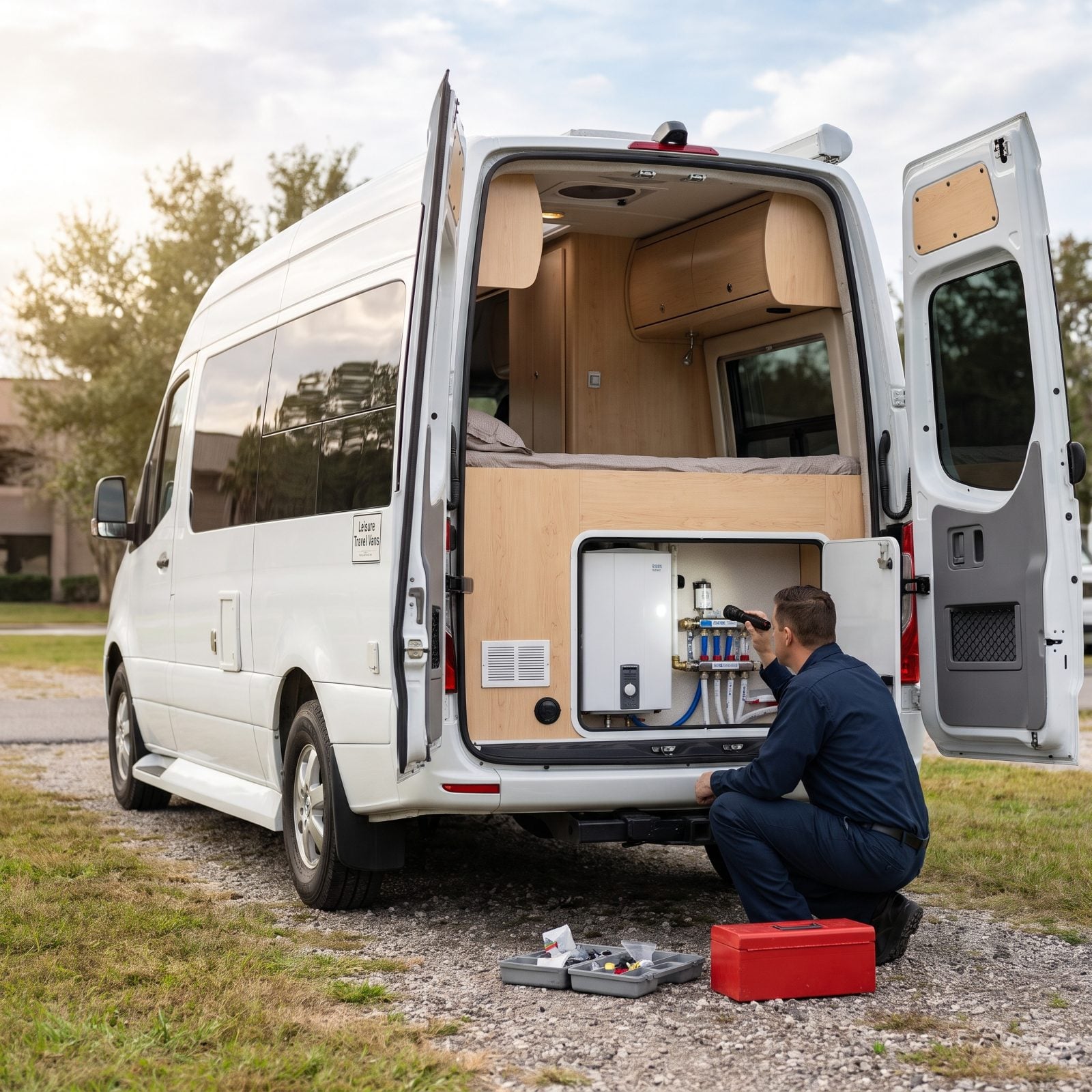
Ask a mobile tech what breaks on these and you’ll get a long pause, because the answer is usually not much. The cabinetry holds, the fit and finish is the real deal, and the layouts actually make sense. So far so good.
Then something European fails, and the trouble starts. Parts cross an ocean to reach you, and a two-week wait on a trim piece or a heater component is normal. You’re buying a coach that’s built well and supported slowly. Fine for a weekend owner. For a full-timer staring at a dead water heater in October, it stings.
8. Roadtrek: Familiar Camper-Van Layouts vs. Legacy Electrical Concerns
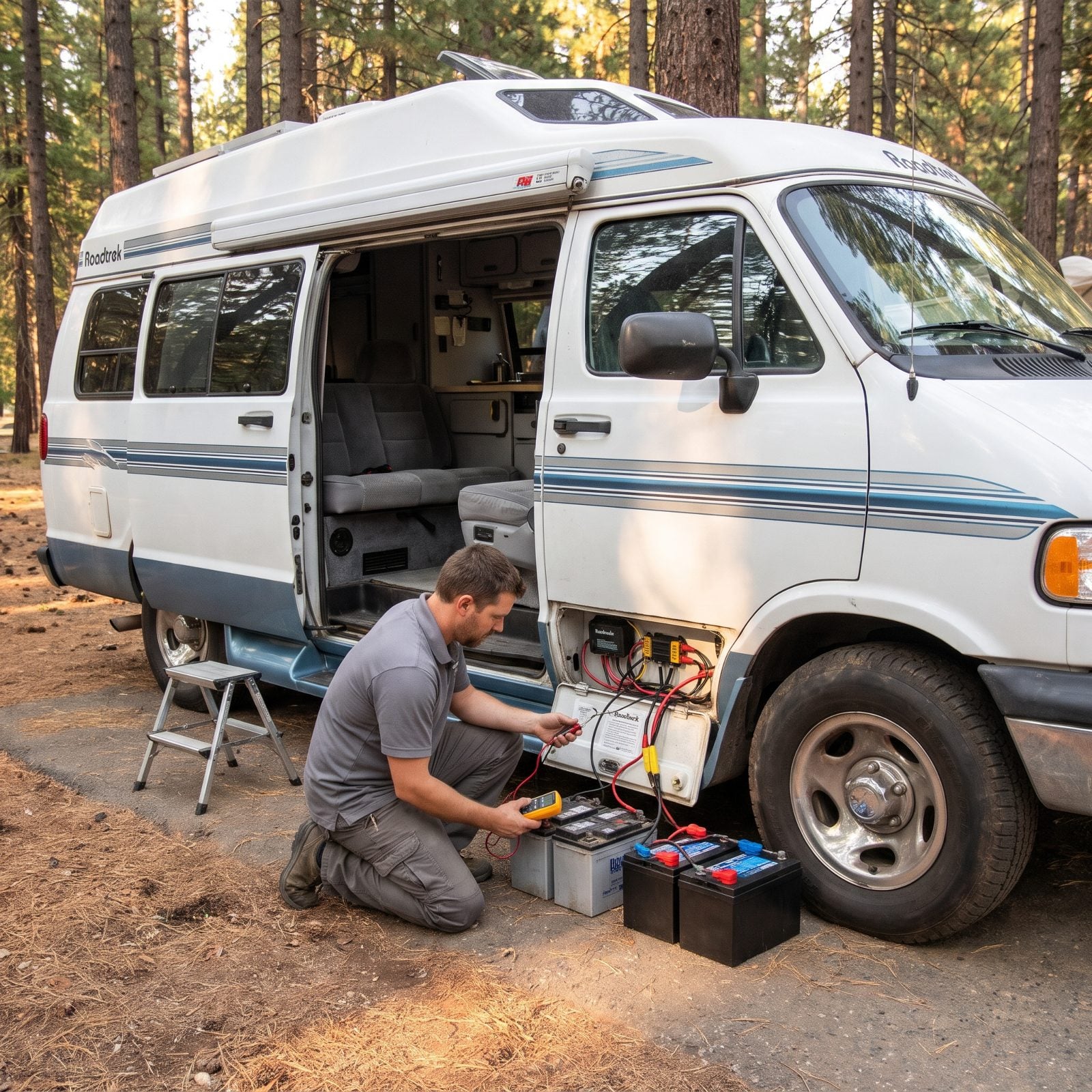
Roadtrek practically wrote the modern camper-van playbook, and the layouts still feel intuitive the moment you step in. Techs like that familiarity. Parts are findable, the floorplans are serviceable, and the community knowledge runs deep.
The caution flag is electrical, especially on rigs that straddled the brand’s older ownership eras and its ambitious power systems. Some generations ran complex battery and inverter setups that aged unevenly. A tech can usually diagnose it. Diagnosing it and finding the exact legacy module are two different afternoons.
Buy one with eyes open about which era you’re getting, and have the whole power system load-tested before money changes hands.
7. Coach House: One-Piece Body Construction vs. Limited Service Reach
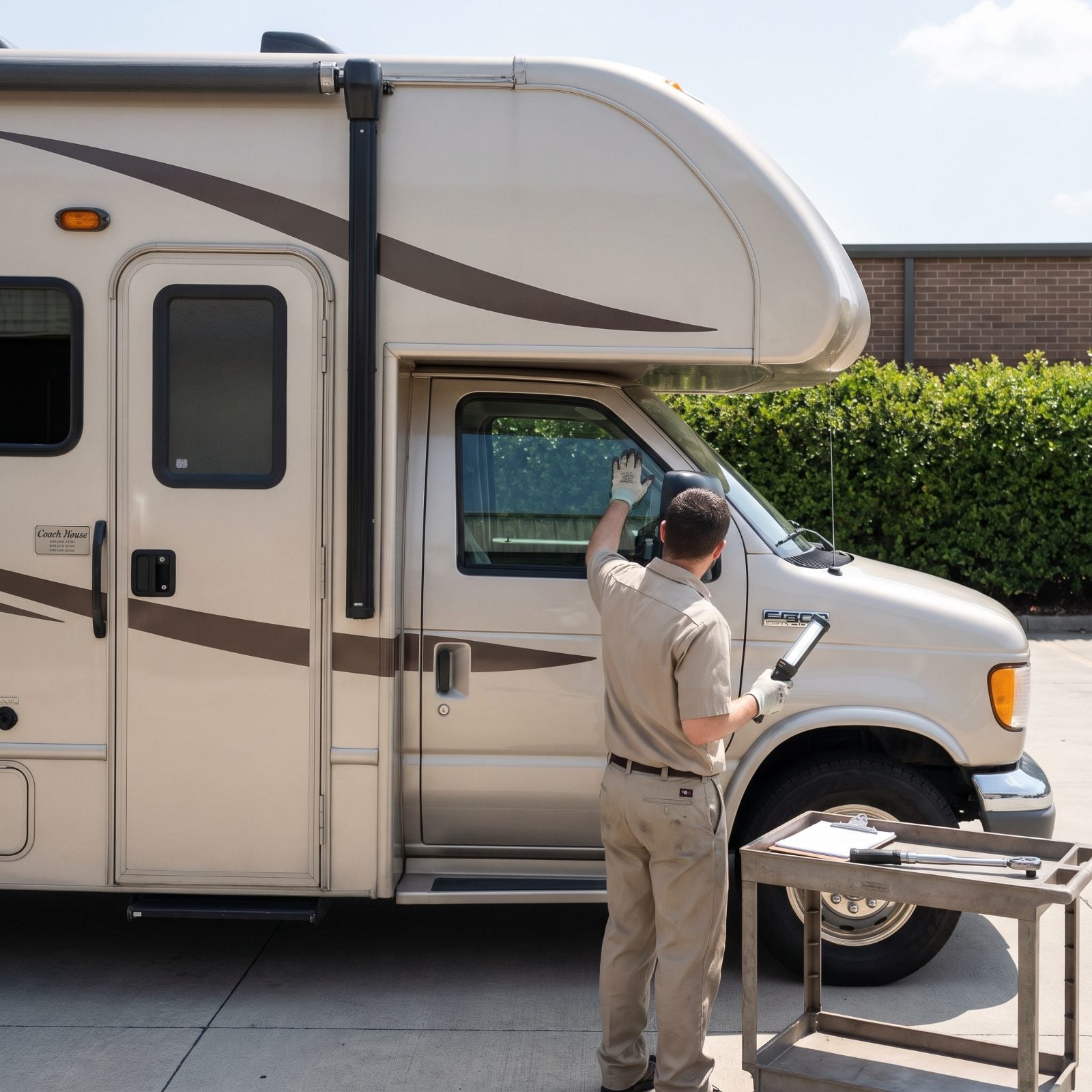
That one-piece molded body is the whole story here. No roof seams to leak, nothing stapled and sealed working itself loose over washboard roads. From a water-intrusion standpoint it’s one of the smarter builds on the road, and techs respect it.
The trade is reach. These are low-volume coaches out of Florida, and the dealer and service footprint is thin. Break down two time zones away and you’re at the mercy of a general RV shop that may never have laid eyes on one. The build buys you fewer problems. It does not buy you a shop on every interstate.
6. Dynamax: Super C Capability vs. Complex Chassis-House Integration
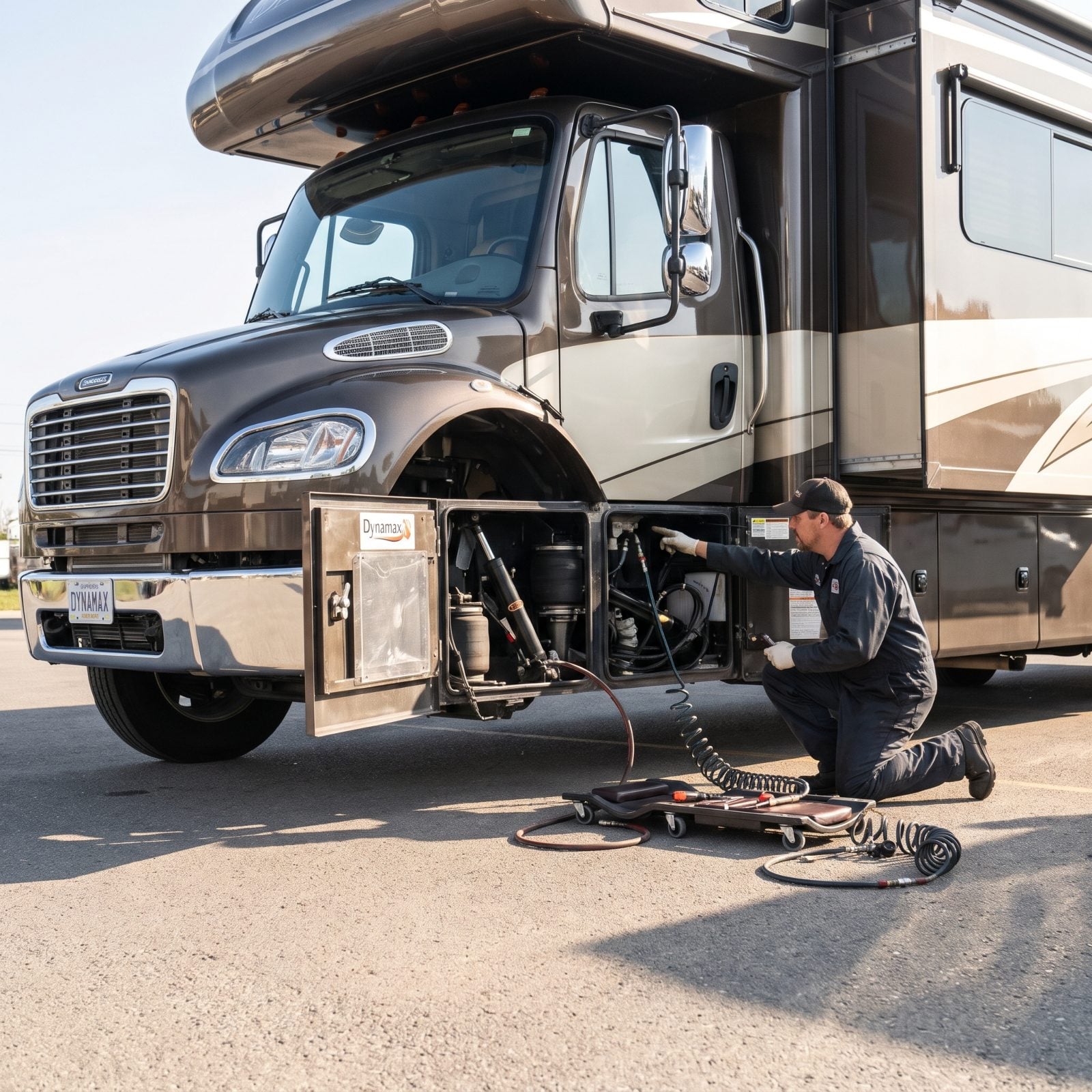
Want to drag a trailer full of toys over a mountain pass without the drivetrain whimpering? This is the category. The medium-duty chassis under a Super C has real commercial muscle, and that’s reassuring on a long grade.
Complexity is the cost of admission. You’ve got a heavy chassis, air systems, hydraulic leveling, and a full luxury house all talking to each other. When something acts up, the diagnosis crosses two worlds: truck shop and RV shop. A tech fluent in both is worth their weight in gold. Most generalists only speak one language.
5. Renegade RV: Commercial-Chassis Strength vs. Luxury-System Complexity
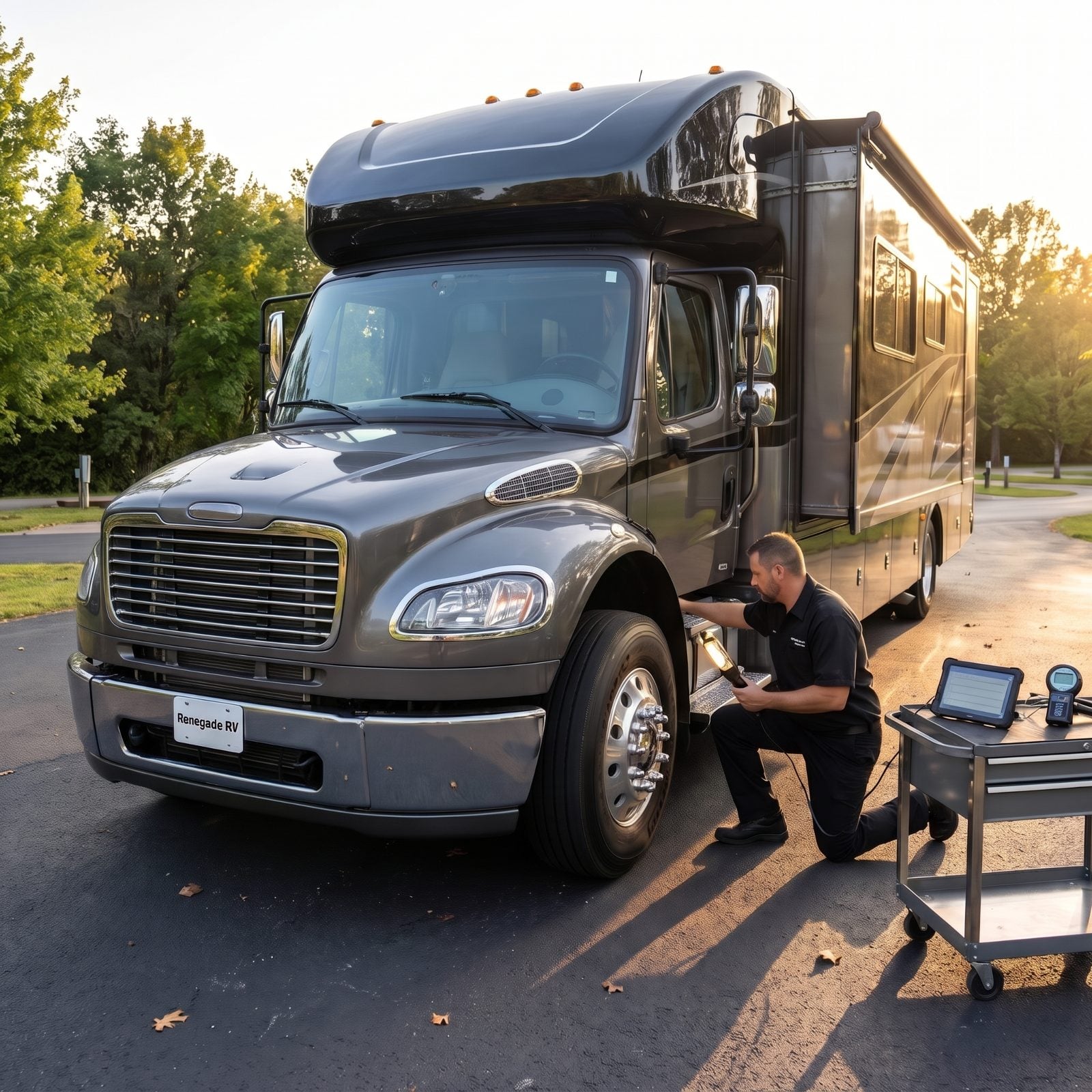
The frame under a Renegade came out of the commercial truck world, and it shows in how these rigs shrug off weight and miles. Techs trust the bones.
Everything bolted on top is where the hours go. These are loaded coaches — multiplex wiring, high-end infotainment, premium climate and plumbing systems all crammed into one build. A truck tech can keep the chassis healthy. The house electronics usually want a specialist, and the two don’t always live under the same roof.
If you go this route, line up a relationship with a shop that knows the luxury side before you need one. Hunting for that shop during a breakdown is the wrong time to meet them.
4. NeXus RV: Factory-Direct Value vs. Service-Network Depth
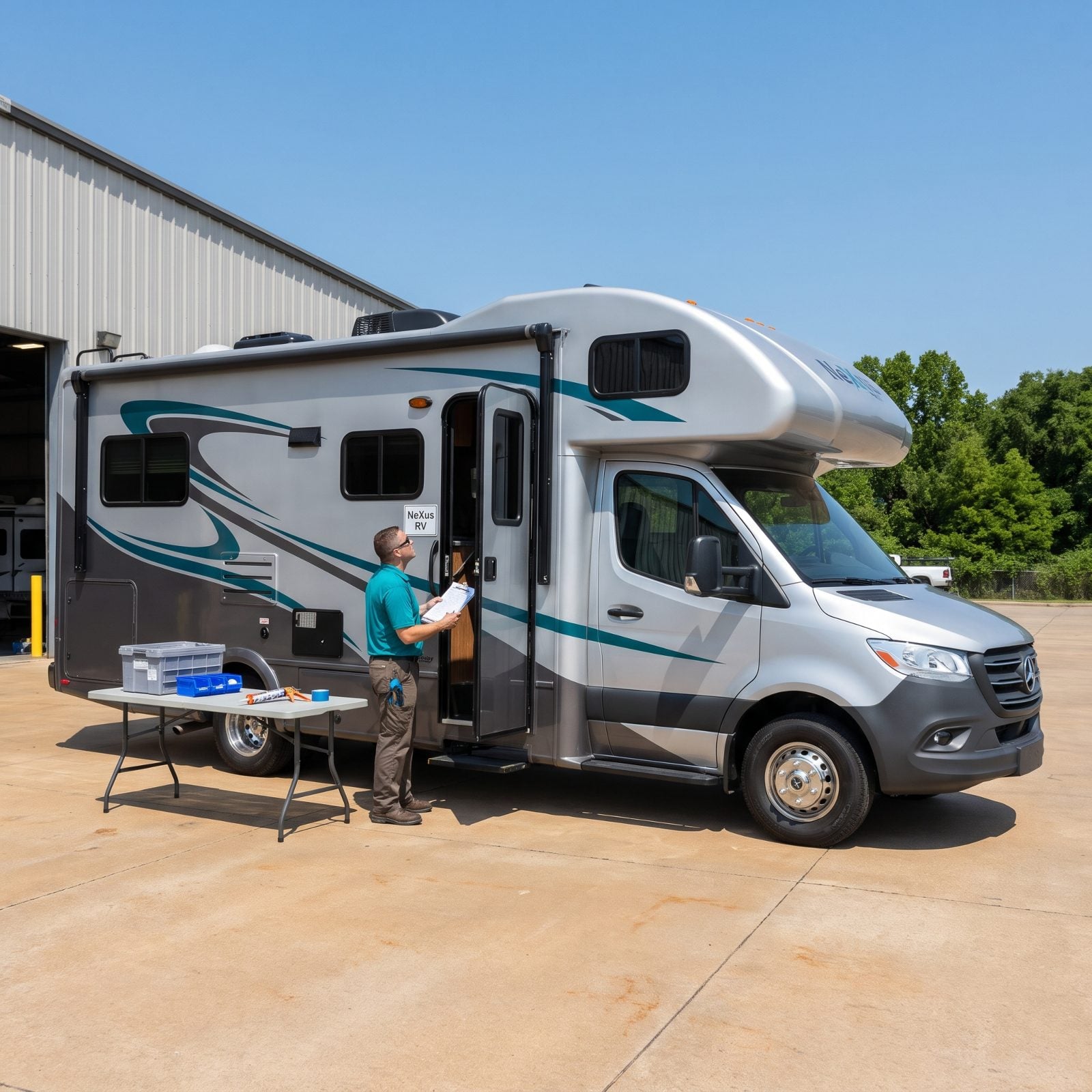
The factory-direct model is the pitch: you’re paying for the coach, not a dealer’s floor and markup. For plenty of buyers the value is real, and the build holds up for the money.
What you give up is the dealer web. Direct-sale brands lean on the owner driving back to the plant for warranty work — a non-starter if you bought one three states away. Local general shops will take the job, sure, but you’re outside a formal network.
We’ll say it plainly: direct-buy can save you real money, as long as you’re honest with yourself about being your own service coordinator when things go sideways.
3. Storyteller Overland: Adventure-Van Innovation vs. Away-From-Dealer Repairability
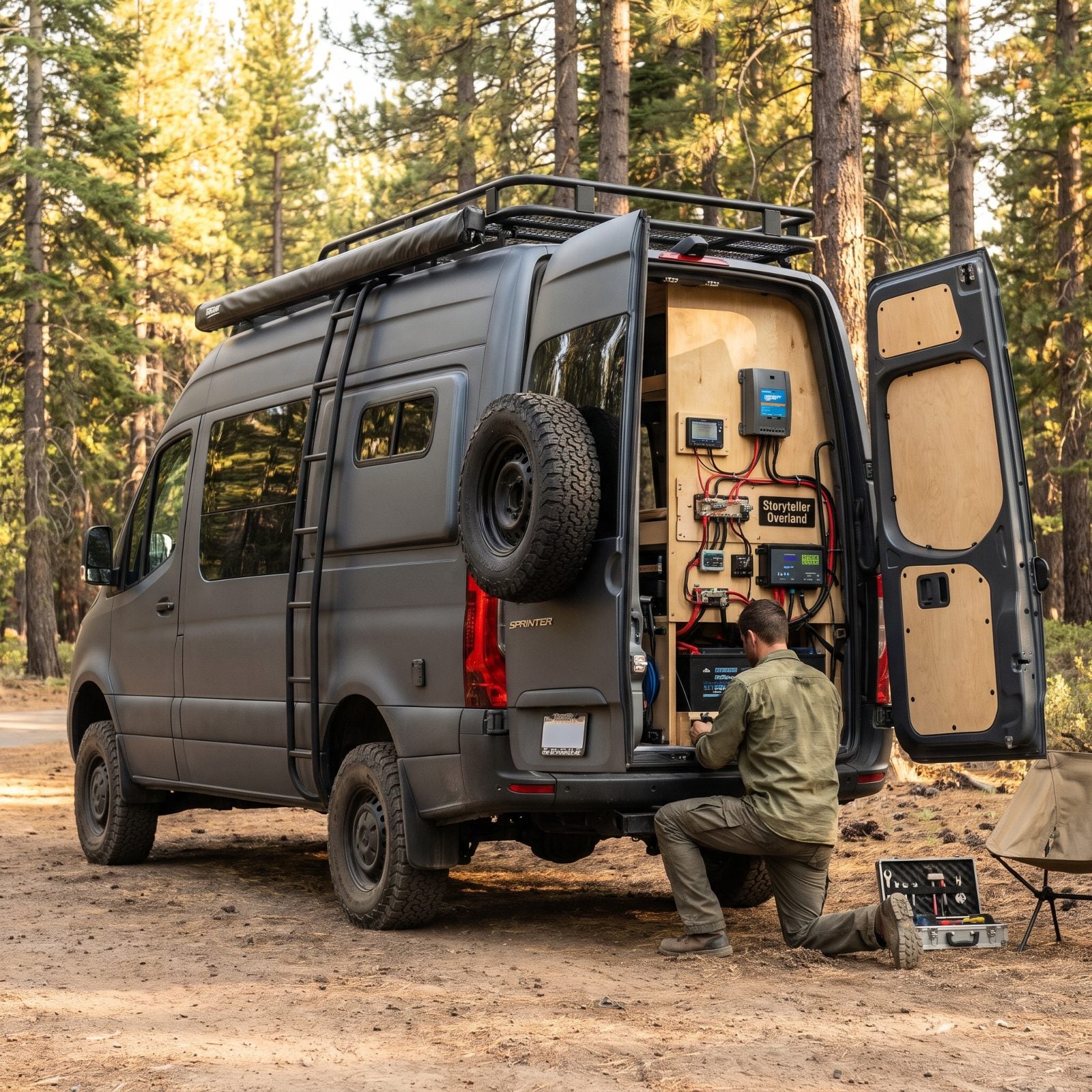
These vans are built for exactly the places a dealer isn’t. Off-grid power, clever packing of tight space, go-anywhere 4×4 chops. The design is genuinely forward-thinking and the owner community is sharp as a tack.
Here’s the catch techs point out. The farther you can go, the farther you are from help when the complex electrical brain throws a fault on some forest road. Advanced systems are wonderful until they aren’t, and real roadside repairability on a loaded adventure van is thinner than the marketing lets on.
2. Living Vehicle: Off-Grid Technology vs. Advanced-System Dependence
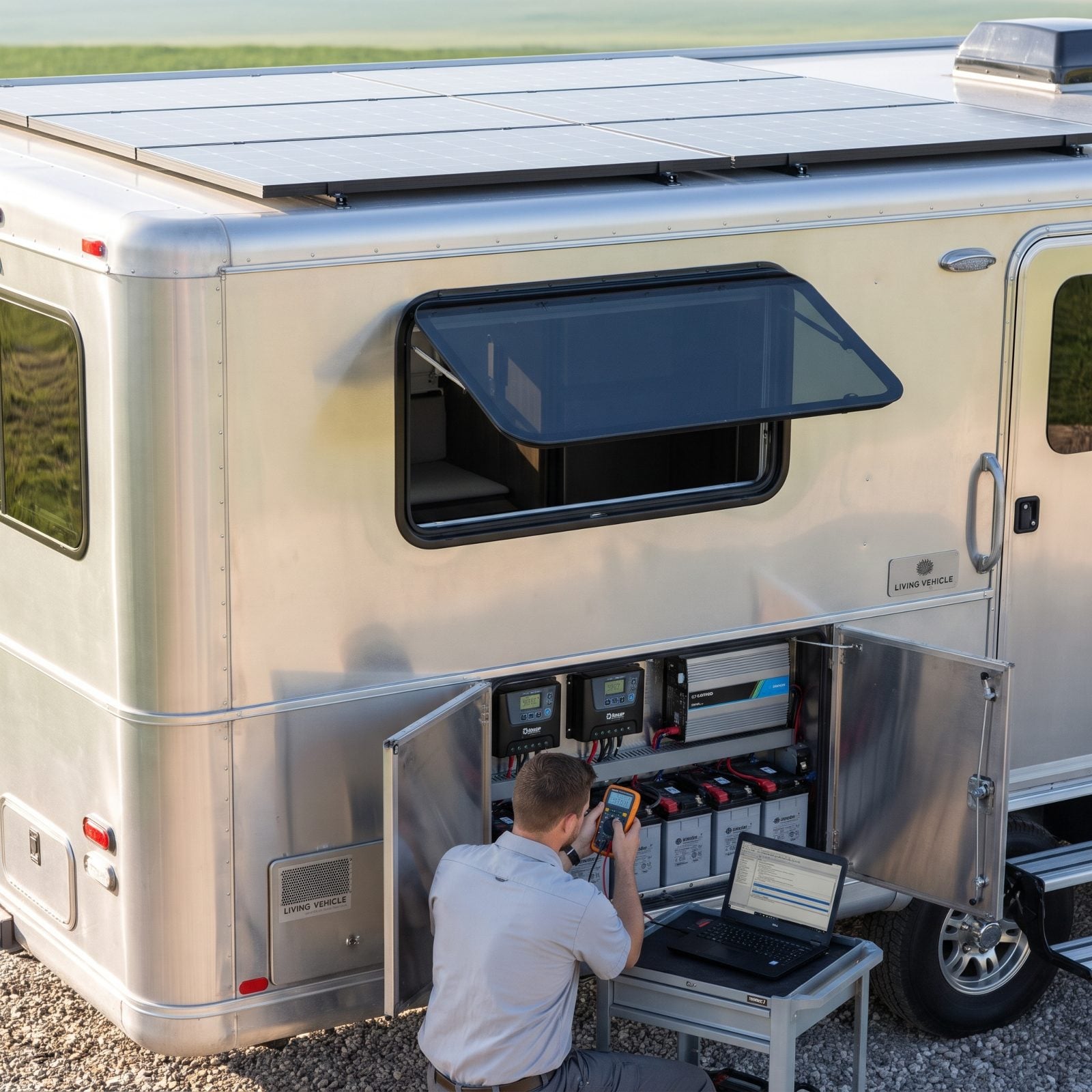
The off-grid tech here is the headline, and it delivers. Big solar, serious battery capacity, water systems that let you vanish from hookups for a good long while. For boondockers chasing independence, it’s hard to argue with.
Dependence is the quiet cost. The more the trailer’s comfort hinges on its energy and control systems, the more a single failure cascades. Lose the brain and you’ve lost more than the lights — you’ve lost the whole premise. These aren’t rigs a roadside generalist can poke back to life, and the specialist pool is tiny.
Gorgeous design. Just go in knowing you’re buying into a system, not a set of simple, separate parts you can fix one at a time.
1. Casita: Compact Simplicity and a Minimal Failure Surface
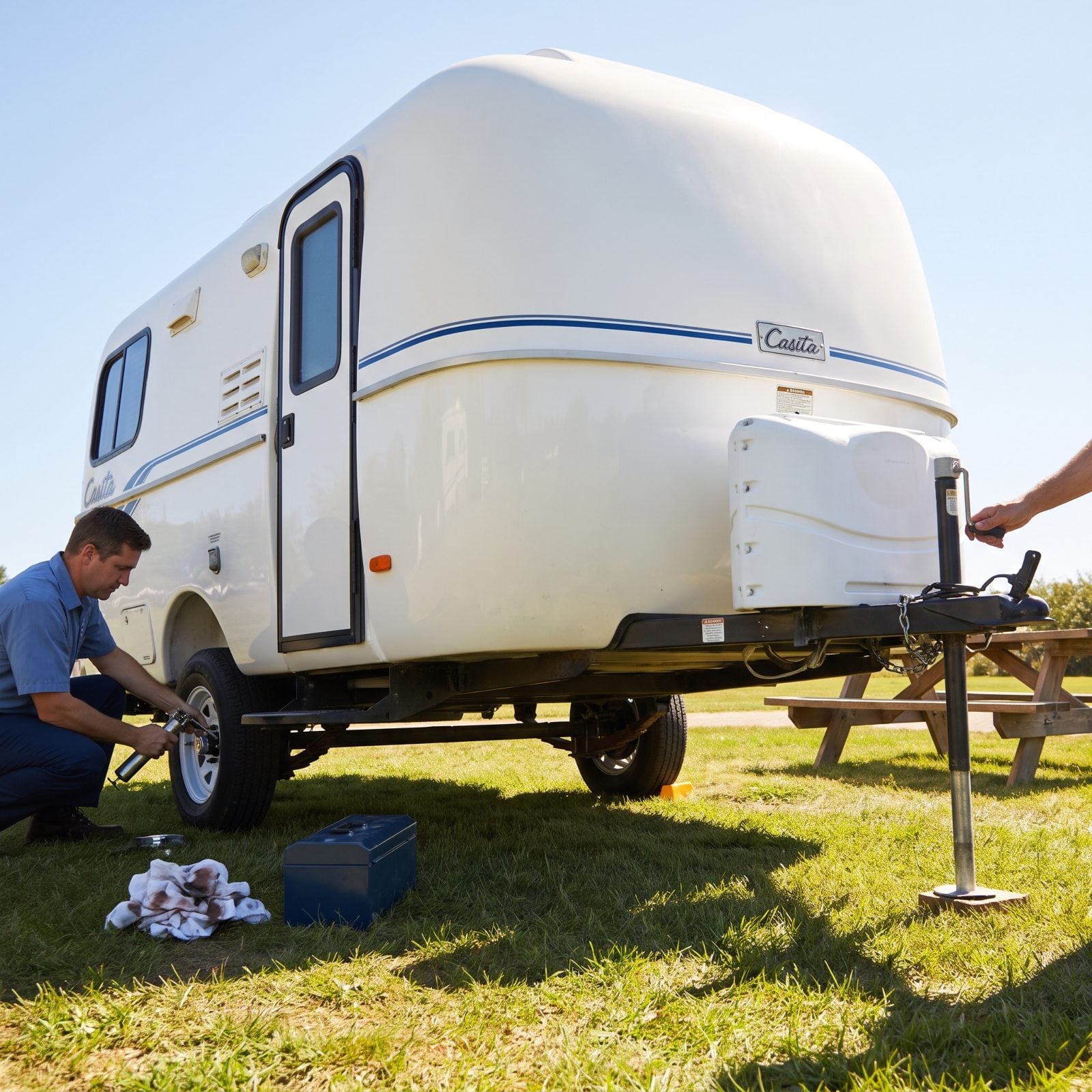
And then there’s the one that almost never shows up in the service bay. A molded fiberglass shell, a single axle, a handful of simple systems, and not much else to go sideways.
This is the point techs keep making about Casita: the fewer things you cram into a trailer, the fewer things break. No slide mechanisms, no complex electronics, no leak-prone roof seams. Parts are cheap and generic, and a halfway-competent owner can fix most of it in a campsite with basic tools.
It won’t tow your motorcycles or run an espresso machine off-grid for a week — fair enough. But the reliability isn’t luck. It’s the payoff of refusing to overbuild, and after ranking everything above it, the simplest rig here is also the one least likely to strand you.