
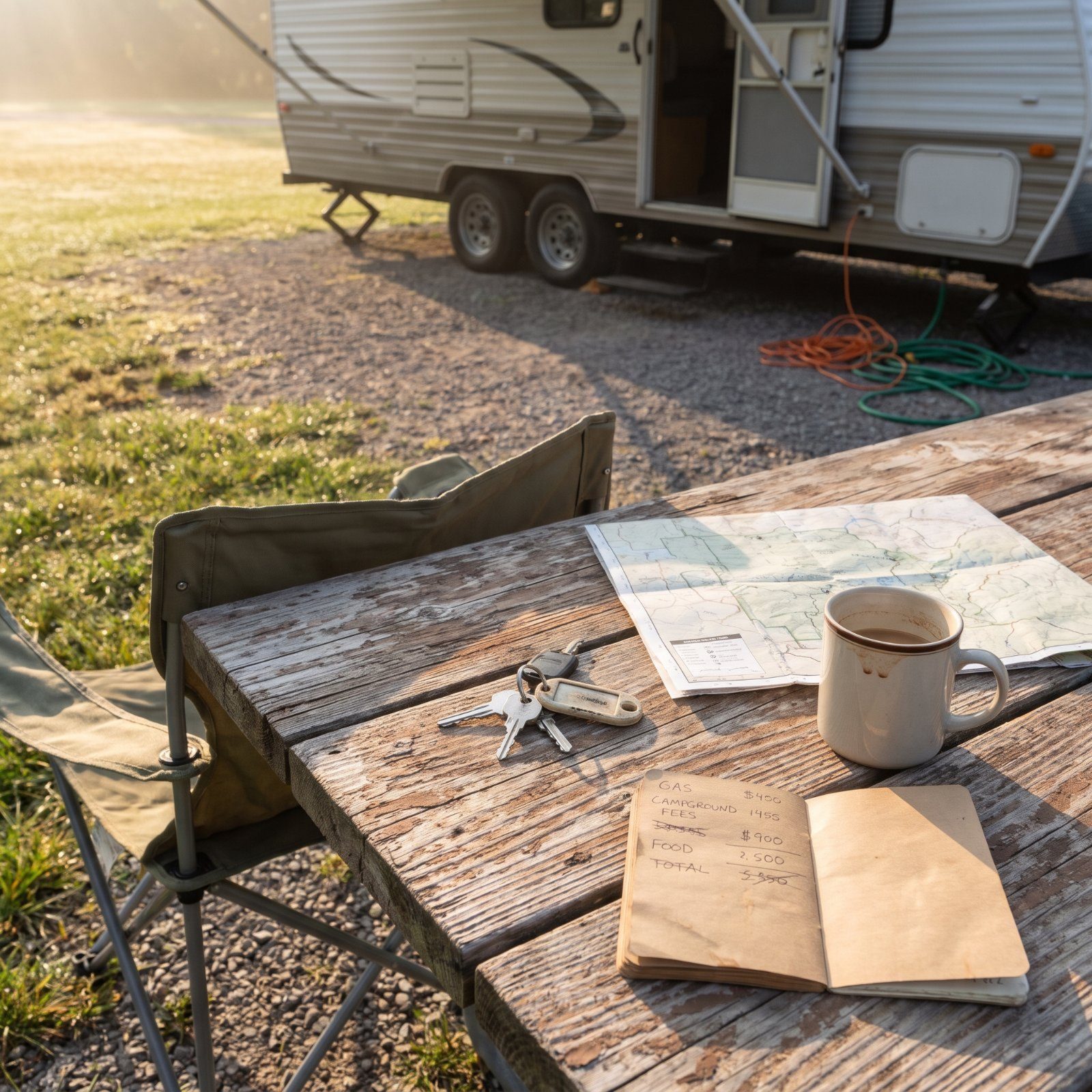
The sold house, the rig in the driveway, the going-away party. Then nine months later the rig is back on the lot and the keys are in someone else’s hand. It happens more than anybody admits at the rallies. The dream of full-time RV life is real, and so is the number of people who tap out before year one is up. The reasons aren’t dramatic, though. They’re small frustrations stacking up until the whole thing tips over. Here’s what actually breaks people, told straight, so you can walk in with your eyes open instead of your fingers crossed.
Please note that some of the images in this article were created with the assistance of AI.
20. The Instagram Dream Collides With Tuesday Afternoon
The brochure shows the overlook. Nobody photographs the rainy Tuesday where your view is a neighbor’s sewer hose and the only thing on the agenda is dumping your own tanks. That gap is what breaks people first.
Full-time RV life is still life. You still argue about dinner, you still have bad days, except now they happen in 300 square feet with no spare room to storm off to. The scenery changes. Your problems climb in the truck with you.
19. The Monthly Budget That Quietly Doubled
People hear “no mortgage” and start the math from zero. Then the real numbers arrive.
Campground fees run anywhere from free boondocking to eighty-plus a night at a nice park, and those nice parks add up fast if you don’t like roughing it. Fuel is brutal in a big diesel pusher. Then comes propane, insurance, roadside coverage, mail forwarding, tank treatments, laundromats, and the slow drip of eating out because the kitchen is tiny.
Plenty of folks budget for the romance and forget the plumbing. By month four the savings account tells a story the spreadsheet didn’t.
18. Something Is Always Broken
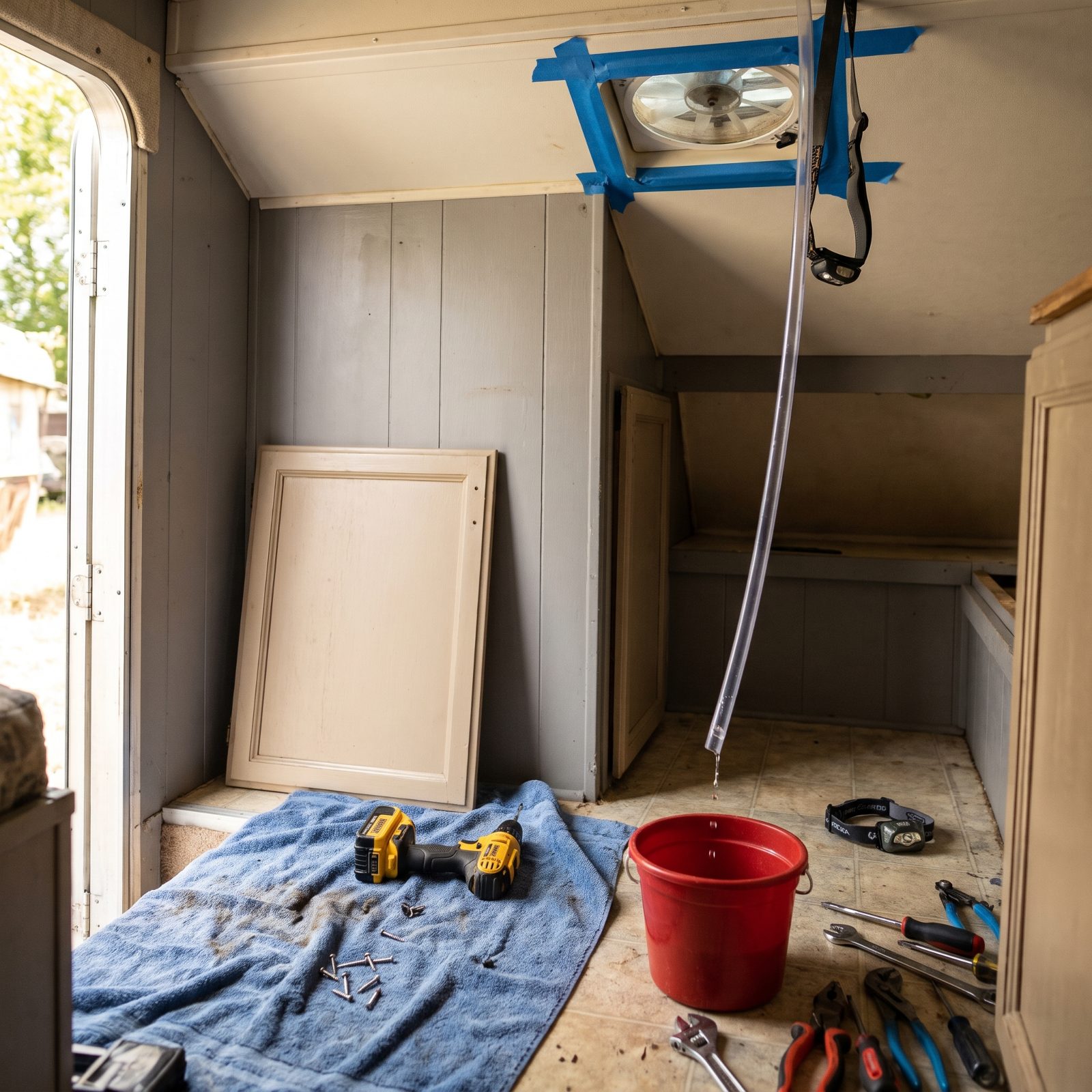
An RV is a house in a permanent earthquake. Every mile shakes loose something a stick-built home would keep for decades: cabinet latches, water pump seals, slide seals, that cheap plastic fitting behind a wall you’ll meet for the first time when it fails.
So you become the plumber, the electrician, and the guy on hold with a parts counter three states away. The fix list never hits zero. You patch one thing and two more appear, and the weekend you planned to hike turns into a weekend under the rig with a flashlight in your teeth.
17. Broken Down 200 Miles From Anyone Who Can Help
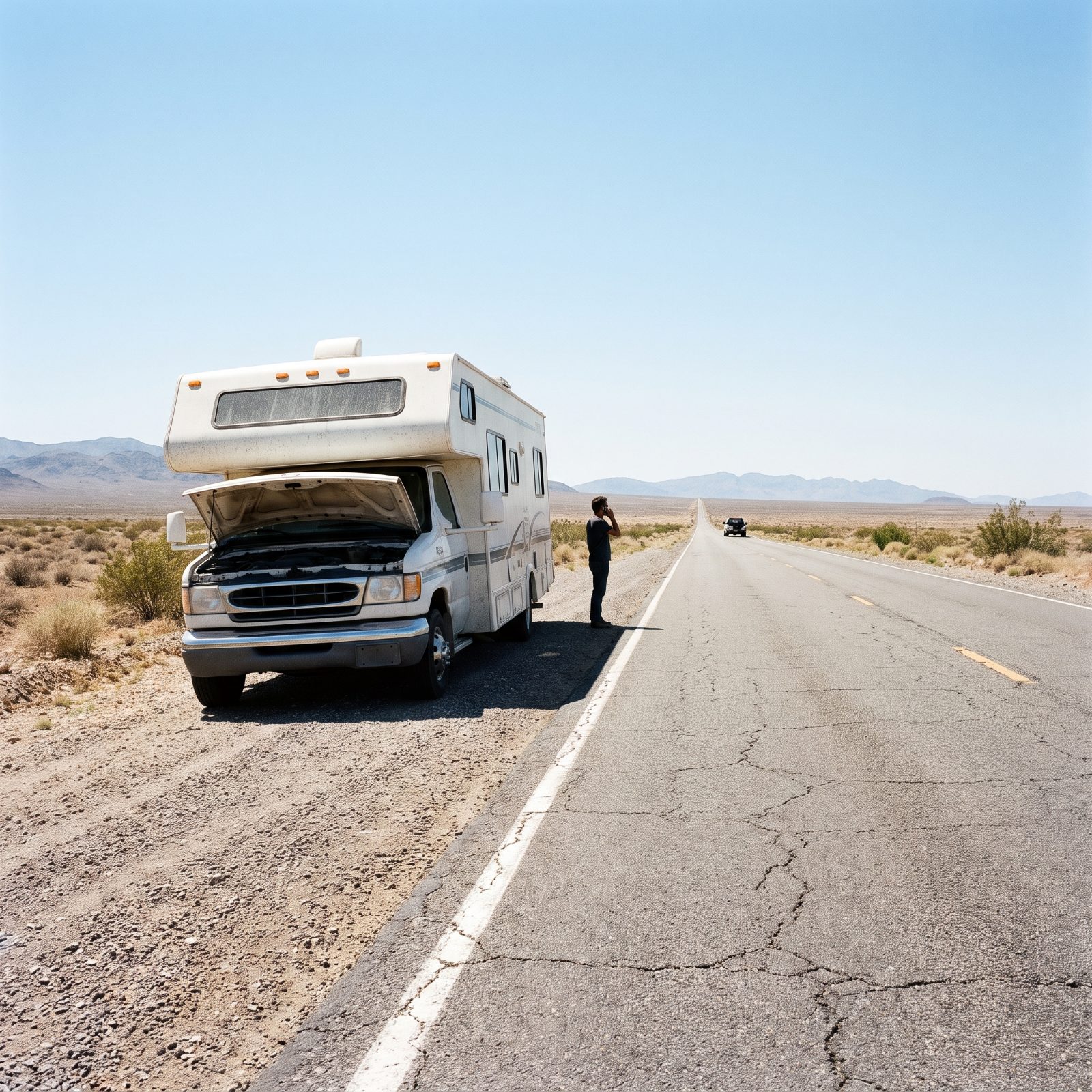
A breakdown at home is a bad afternoon. A breakdown on a desert two-lane with nothing but a gravel shoulder, forty minutes of cell signal behind you, is an education.
Here’s how it goes. You lose a tire or the transmission starts slipping somewhere past the last town with a stoplight. The nearest shop that works on a rig your size is booked three weeks out, and you’re living in the very thing that needs fixing, so now you’re paying for a motel and the repair at the same time.
That one-two punch, the stranding and the bill, ends more adventures than people like to say out loud.
16. The Remote Job Hanging On a Single Bar of Signal
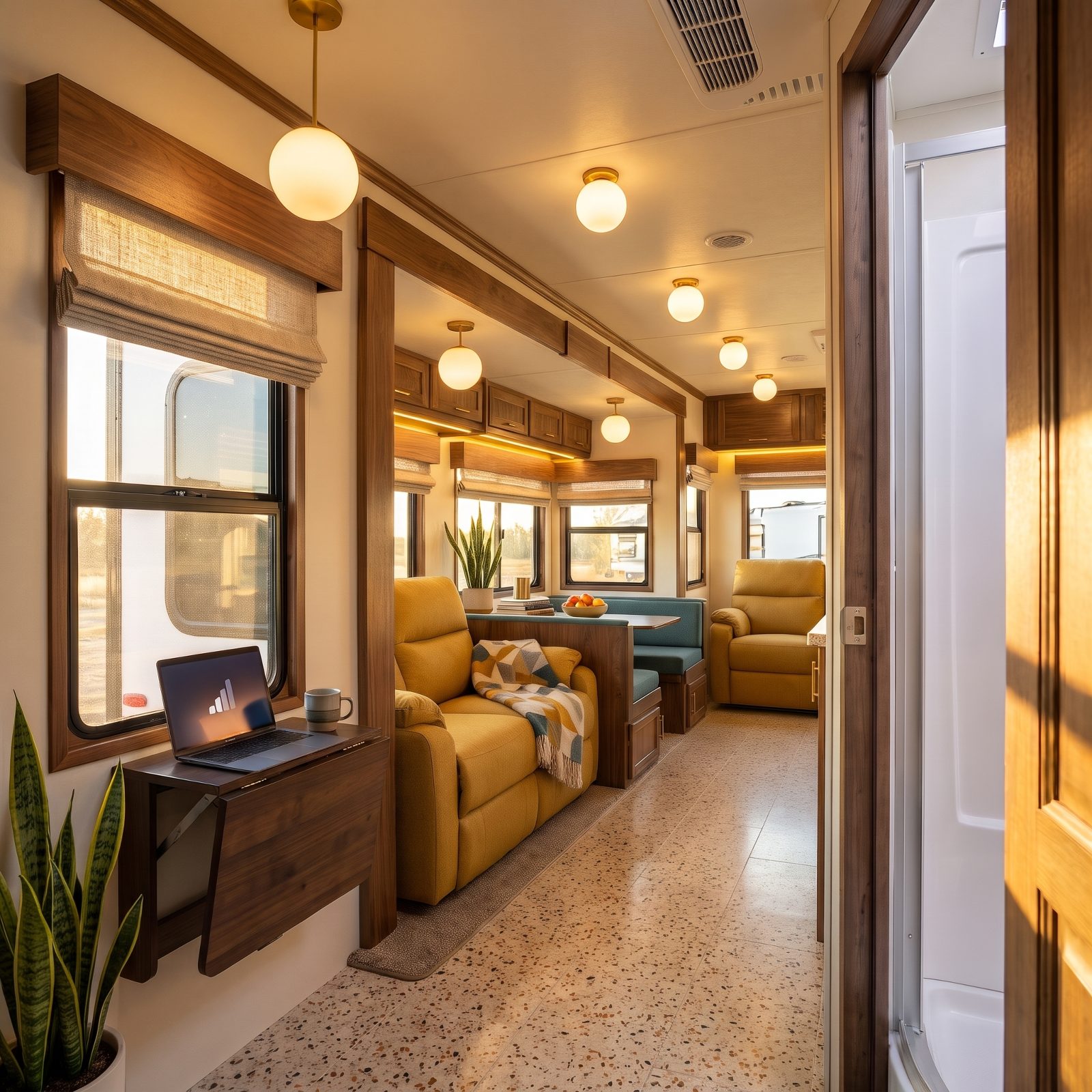
The job that let you go mobile is the same job that can end the whole experiment. Because “work from anywhere” assumes a connection, and the best campsites tend to sit exactly where connections go to die.
You can stack a signal booster, two carriers, and a satellite dish and still drop a call in a canyon you drove three days to reach. The honest version of nomad work means choosing sites by cell coverage maps instead of scenery, and parking somewhere ugly with four bars because the deadline won’t wait.
We know people who quit not because the life was bad, but because their boss finally noticed how often they “cut out.”
15. The Income That Never Quite Showed Up
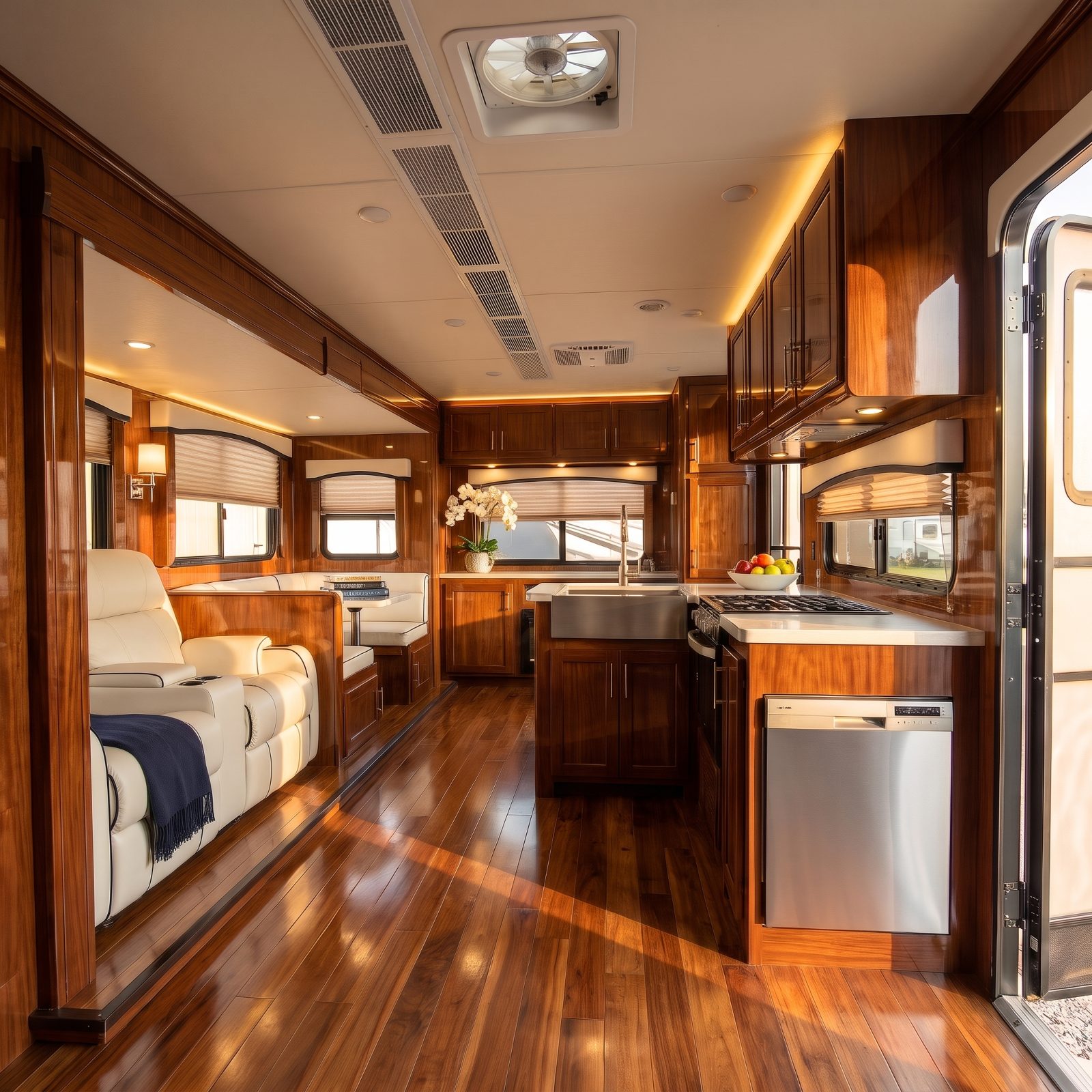
Everybody has a plan to make money on the road. Workamping, freelancing, a shop selling stickers, odd jobs at the campground. Few plans survive contact with an actual season.
Workamping often pays in a free site and little cash, which is fine until a transmission costs you several thousand dollars in one afternoon. Freelance income swings hard, and it’s tough to hustle for clients when you’re also setting up camp and hunting for signal. The dream funds the life only if the life leaves time to do the work.
Savings cover the gap for a while. Then they don’t. That’s the quiet month the “for sale” sign goes up.
14. The Slow Burnout of Never Staying Anywhere
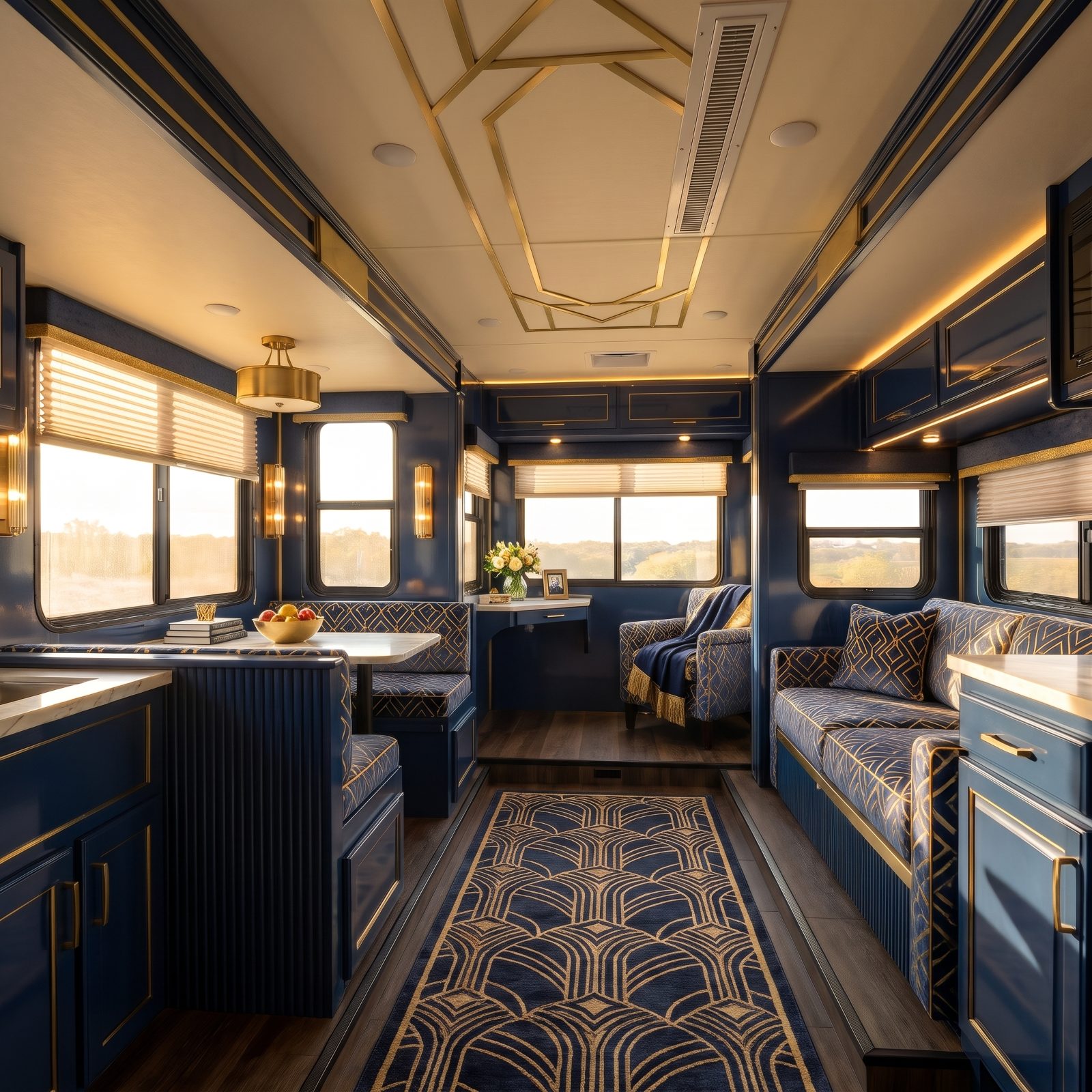
Movement is the whole point, until it’s the whole problem.
New site, new dump station, new grocery store you can’t navigate, new neighbor, new everything, every few days. It sounds like freedom. It wears like a treadmill. You never learn where the good coffee is because you’re gone before you find out.
The folks who burn out fastest are the ones who move constantly, chasing the next view before they’ve even unpacked from the last one.
13. Setup and Teardown, Twice a Week, Forever
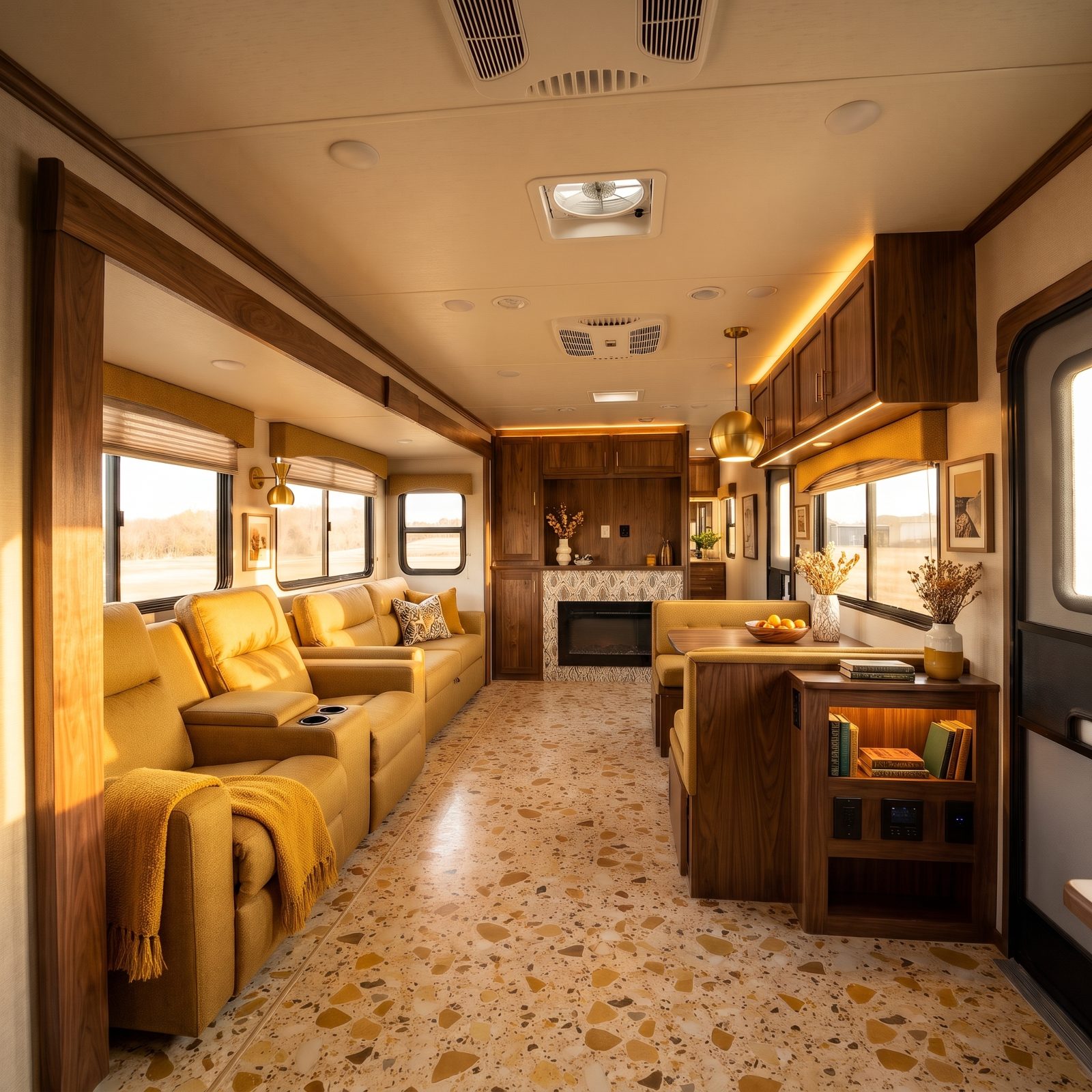
Nobody warns you about the chores between the views. Level the rig. Chock the tires. Drop the jacks. Hook water, power, sewer. Pull the slides. Then do it all backward before you leave, and repeat at the next stop, and the one after that.
On a good day it takes half an hour a side. On a rainy day, in the dark, with a cold wind shoving the awning around, it feels like a second job you never applied for.
Multiply that by a couple hundred nights and the romance thins right out. A lot of people discover they love camping and hate camp chores.
12. No Address, No Anchor, No Home to Go Back To
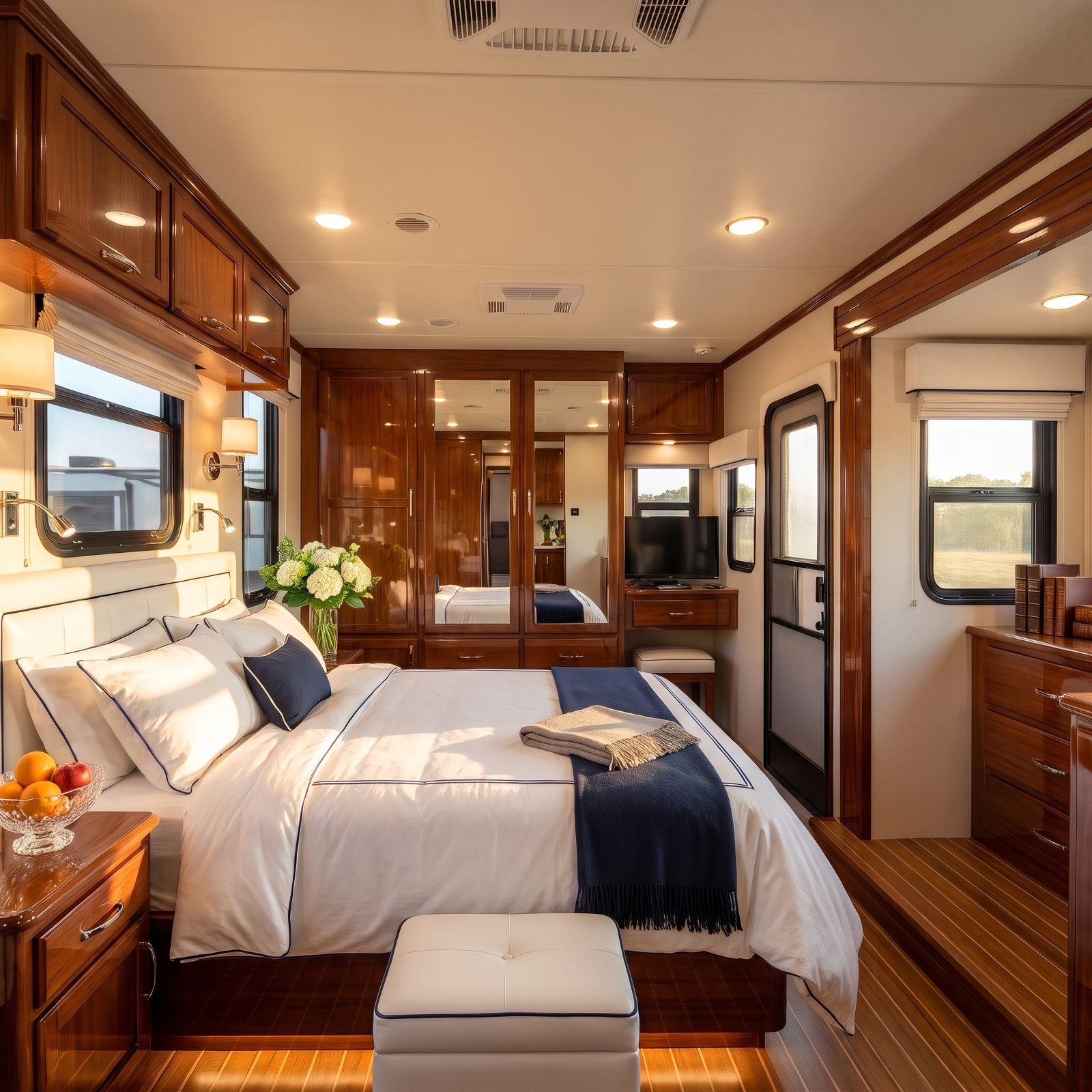
You sold the house for freedom. Then a doctor asks for your home address and you just don’t have one.
Domicile is the unglamorous machinery under this whole life. Where you register vehicles, file taxes, vote, carry insurance, see a dentist twice a year. Services like mail forwarding and domicile states (Florida, Texas, and South Dakota are the usual three) make it workable, but workable is not the same as settled.
The homesickness sneaks up around the holidays. No kitchen anyone remembers, no guest room, no driveway that’s yours. For some people, that rootlessness is the one thing the pretty sunsets can’t fix.
11. Three Hundred Square Feet, Day After Day After Day
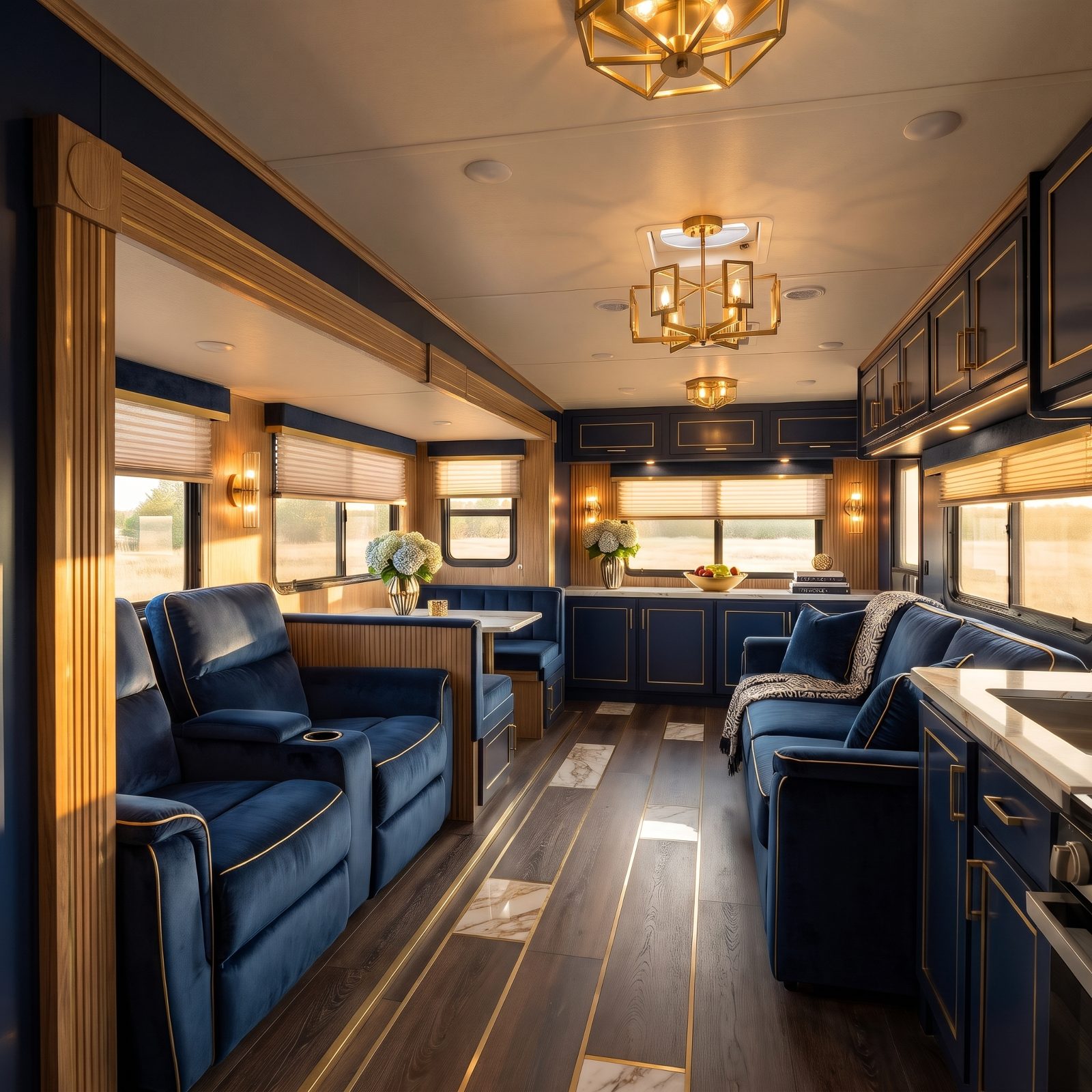
The space is charming for about three weeks. Then it’s Tuesday and it’s raining and you’ve both been inside the same tin box for eleven hours and there’s nowhere, anywhere, to be alone.
Two people in a small rig learn things about each other no marriage counselor could surface. You hear every sigh. You smell last night’s dinner in the curtains. One wants the windows open, the other wants the heat on, and there’s no second room to settle it.
Downsizing your stuff is the easy part. Downsizing your personal space, forever, is what quietly sends a lot of couples back to a house with doors. And honestly? Needing a door is not a failure. It’s just being a person.
10. Sunsets Are Great, But You Can’t Call a Sunset on Your Birthday
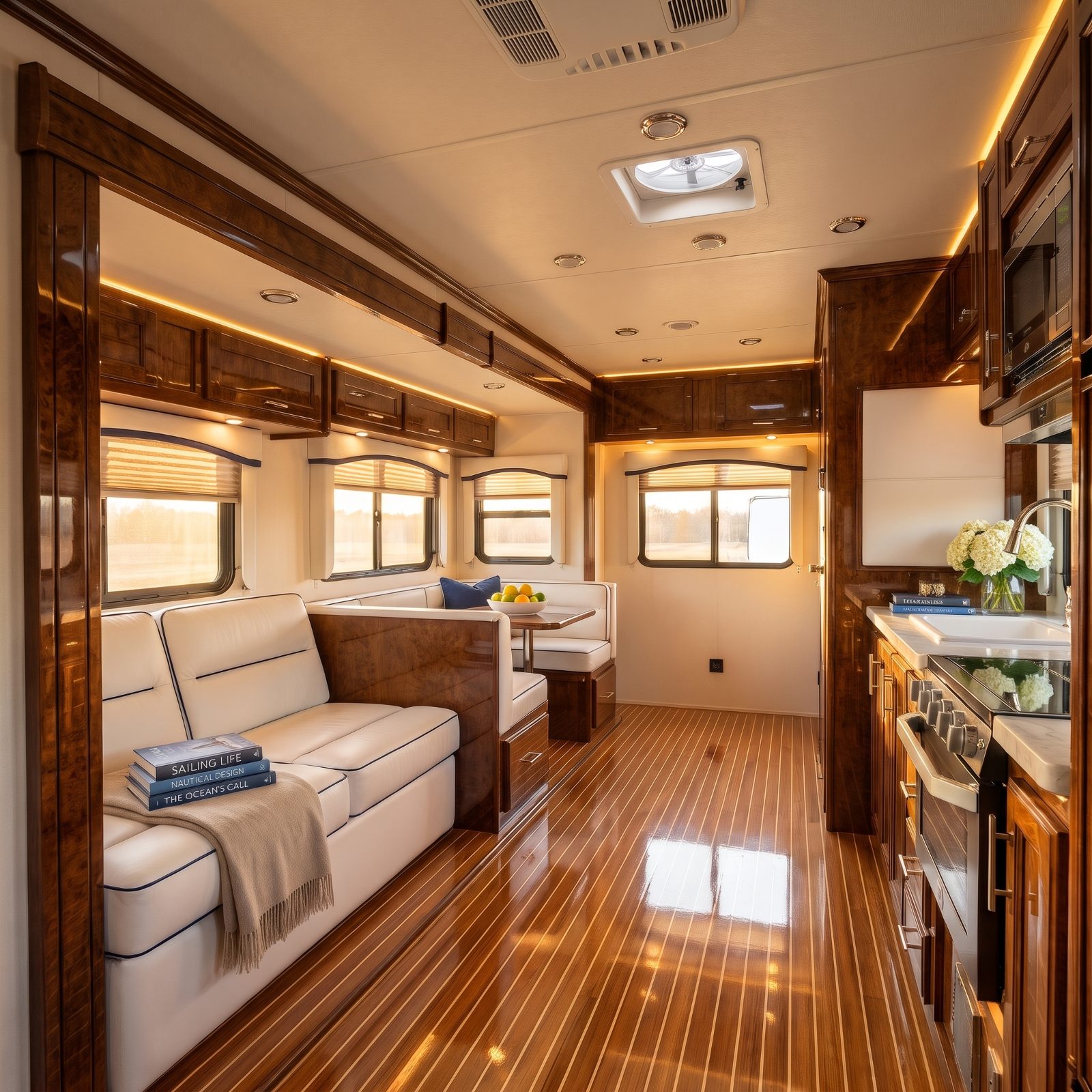
The freedom cuts both ways. You can be anywhere, which means you’re rarely where the people you love happen to be. You miss the grandkid’s soccer game, the neighbor’s cookout, the ordinary Tuesday coffee that used to anchor your week.
Video calls help for about ten minutes, then everyone has to go. Full-timers underestimate how much their old life ran on small, repeated, in-person moments. You don’t notice the fabric of community until you’ve driven 900 miles from it.
9. The National Park Campsite That Sold Out Eleven Months Ago
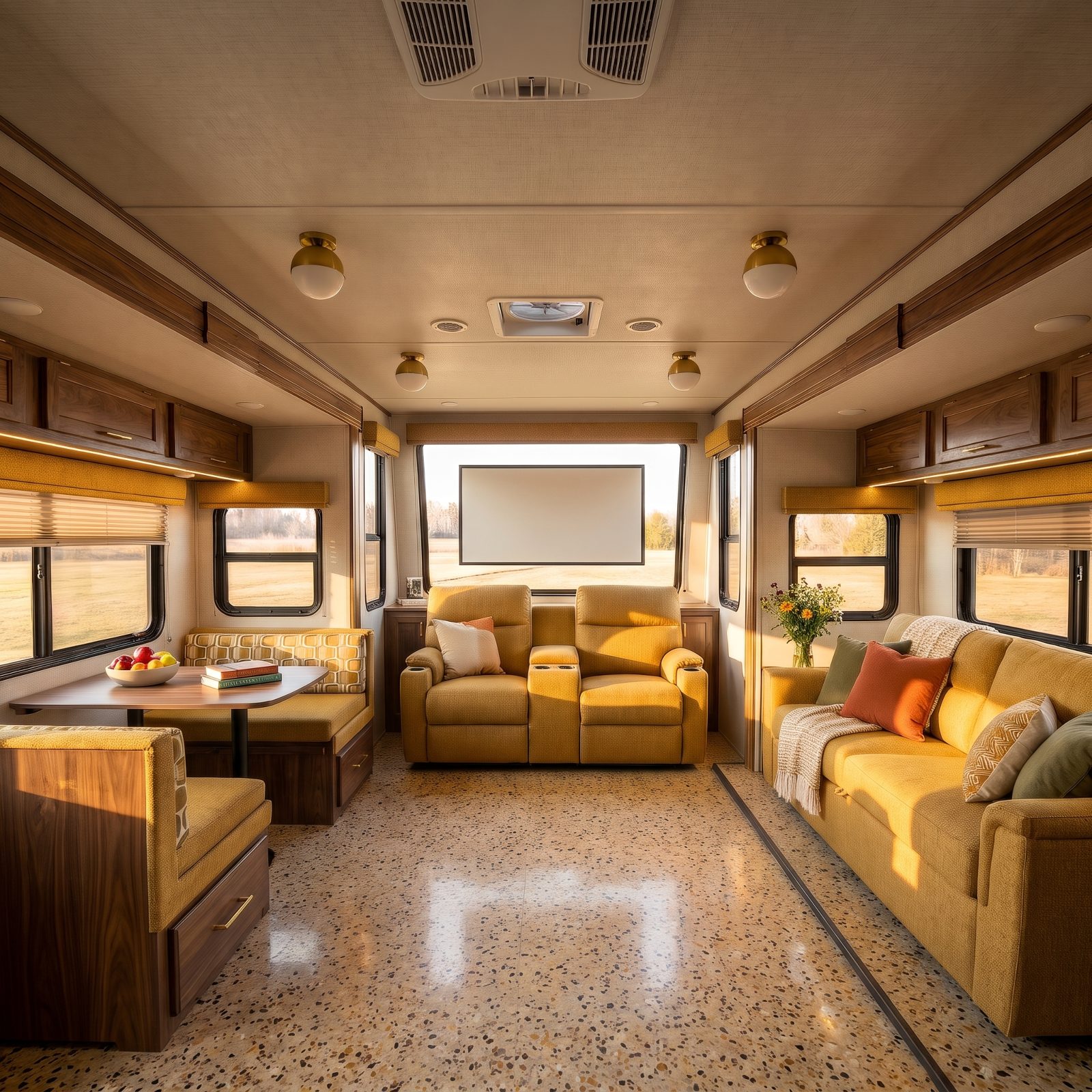
So you finally make it to the mountains you’ve been dreaming about, and every site within 60 miles is booked solid, some reserved the day the window opened months back. The spontaneous, go-where-the-wind-takes-you fantasy slams into a reservation system that rewards planners, not wanderers.
Peak season turns the whole thing into a logistics job. Evenings get spent refreshing booking pages instead of watching the stars. For people who left work to escape exactly that kind of grind, it stings.
8. Nobody Films the Part Where You Empty the Black Tank
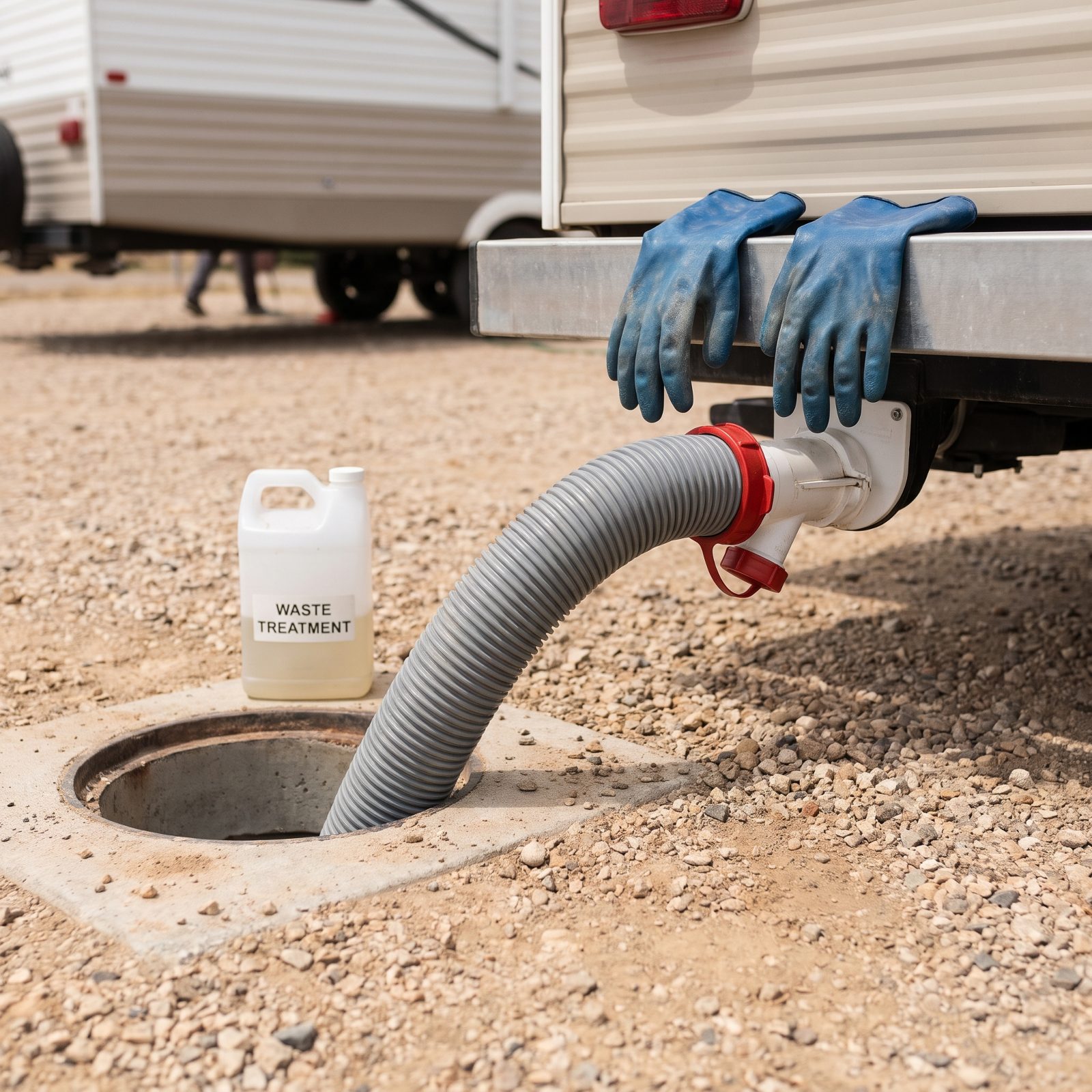
This is the chore the brochure skipped. Gray water from your sinks and shower, black water from the toilet, all of it living in tanks under your floor that you personally manage. You learn to close the black valve and dump the gray last to rinse the hose, and you learn it the hard way.
You learn about the clogged tank sensor, the forgotten valve, the surprise splash. We won’t get graphic. Just know that part of full-time life is handling your own sewage with a corrugated hose, often in the rain, and it never stops being a chore you’d rather not do.
7. A Hailstorm Turns Your House Into a Drum at 2am
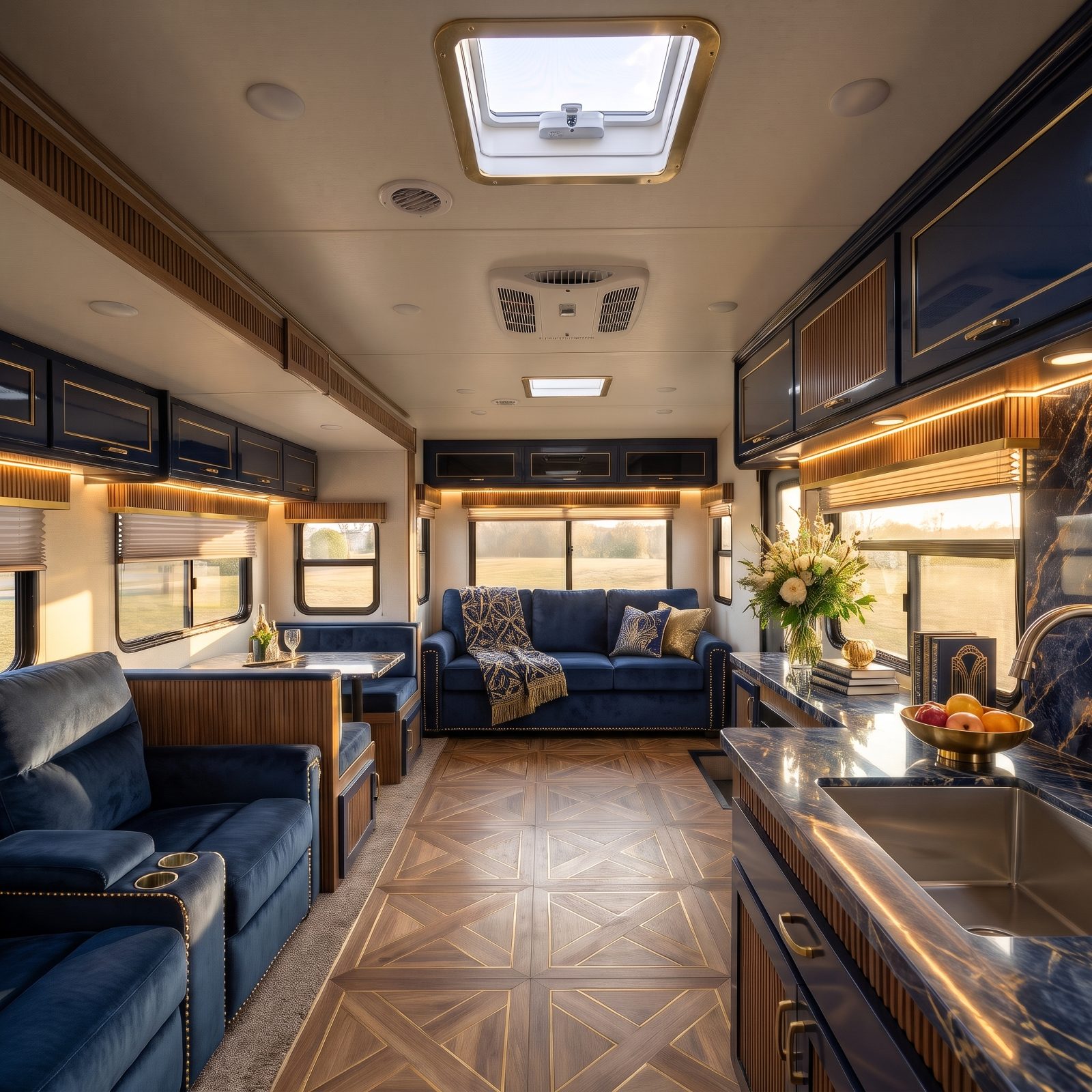
Your house has walls thinner than a cooler lid. A heat wave means the AC runs all day and still loses. A cold snap can freeze your water lines. A windstorm rocks the whole rig while you lie awake listening to the awning strain.
Weather you’d barely register in a stick house becomes the main event in an RV. Chasing 70 degrees sounds romantic until you realize you’re constantly moving to dodge storms, and the forecast runs your calendar.
6. The Knee That Didn’t Mind Stairs Until the RV Steps Showed Up
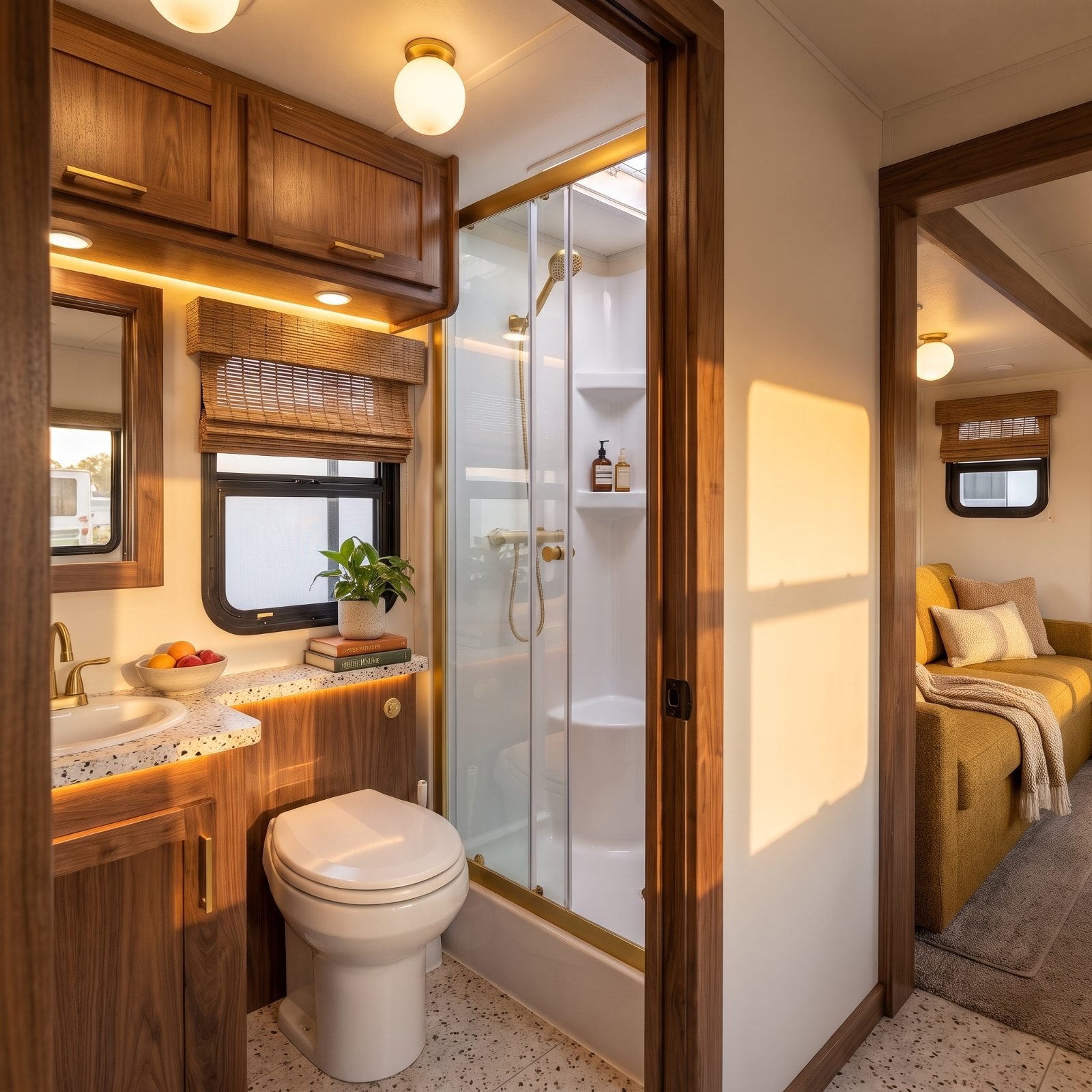
RV life is more physical than it looks. Steep entry steps, crawling into bed over the hitch in a fifth wheel, cranking stabilizers, hauling the sewer hose, climbing on the roof to check the seals. It’s fine at 55. It’s a different story when a hip starts talking back or a diagnosis lands mid-trip.
Healthcare on the road is its own puzzle. Your specialists are back home, networks don’t follow you across state lines, and finding a good doctor in an unfamiliar town takes forever. Aging doesn’t quit the lifestyle for you. It just makes every chore cost more.
5. Six Hours Behind the Wheel of Something That Catches Every Gust
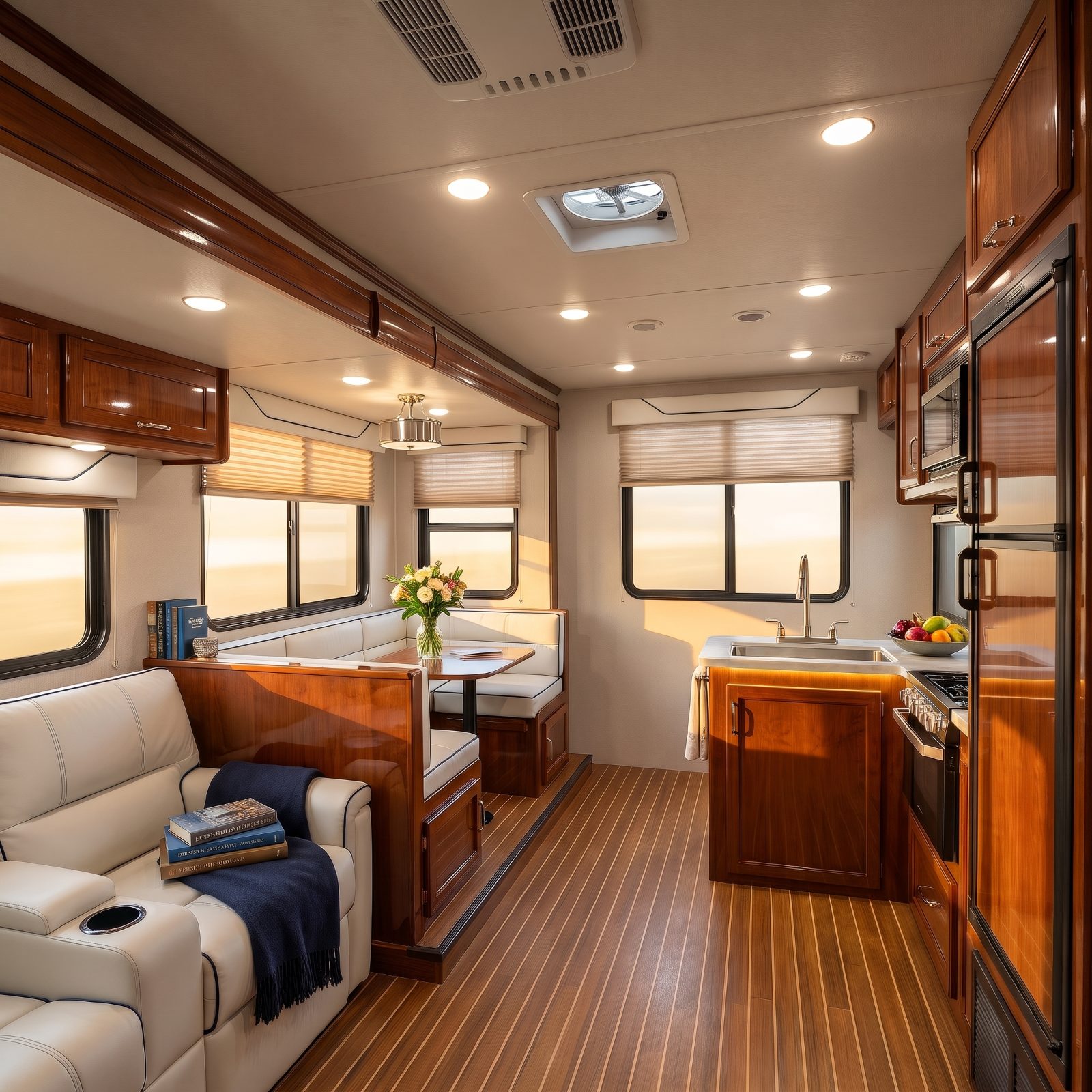
A 40-foot motorhome or a big fifth wheel is a lot of vehicle. Side winds shove you around, mountain grades mean riding the brakes and watching the temperature gauge climb, and backing into a tight site with a line of rigs waiting behind you spikes your pulse every time.
Long driving days leave you wrung out, white-knuckled, and in no mood to set up camp when you finally roll in. Move days become the worst part of the week. Smart full-timers drive shorter legs and stay longer. New ones try to see everything and burn out behind the wheel.
4. The Quiet Pressure to Post Another Perfect Day

You sold the house for this. Everyone back home is watching. So when you’re tired, or bored, or just want to sit inside and do nothing, there’s a nagging voice saying you should be out there making it count.
Turning your freedom into a performance is the fastest way to lose the point of it.
Burnout from forced fun is real. The constant pressure — from followers or just your own expectations — to prove the dream was worth it leaves no room to simply live. Some weeks you don’t want an adventure. You want a nap and a normal grocery store.
3. The Dog Who Never Knows Where Home Is Anymore
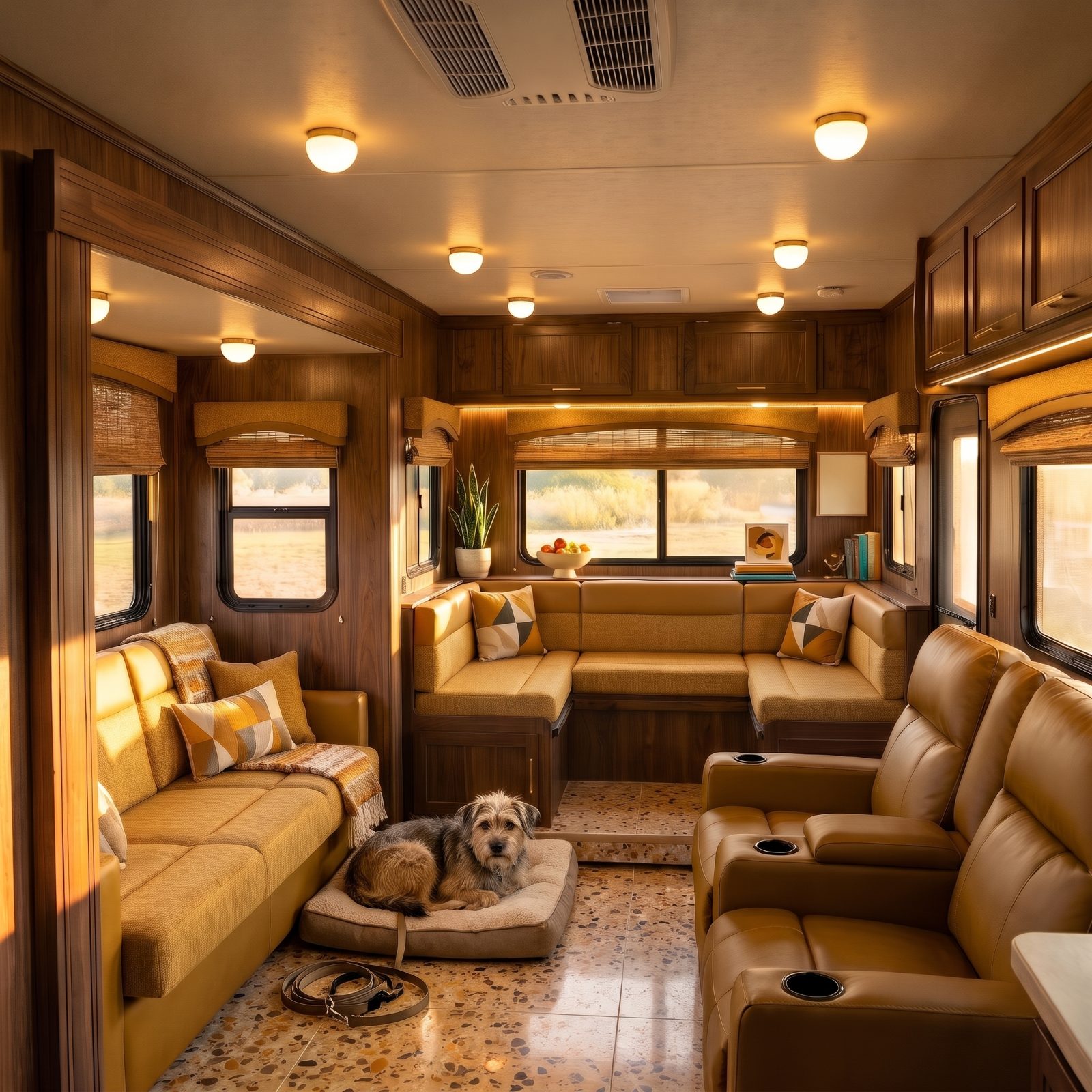
Pets read routine better than we do, and full-timing erases routine. A new site every few days, new smells, new sounds, no fenced yard, hot afternoons when you can’t leave them in the rig. Some dogs adapt into champion travelers. Others shake, stop eating, bark at every new neighbor, or chew the place apart when left alone somewhere strange.
Watching an anxious animal struggle wears on you fast, especially when you can’t explain why home keeps moving. For plenty of families, the pet’s misery is the quiet, deciding factor that sends them looking for a permanent address.
2. The Kids Wanted a Door That Was Theirs
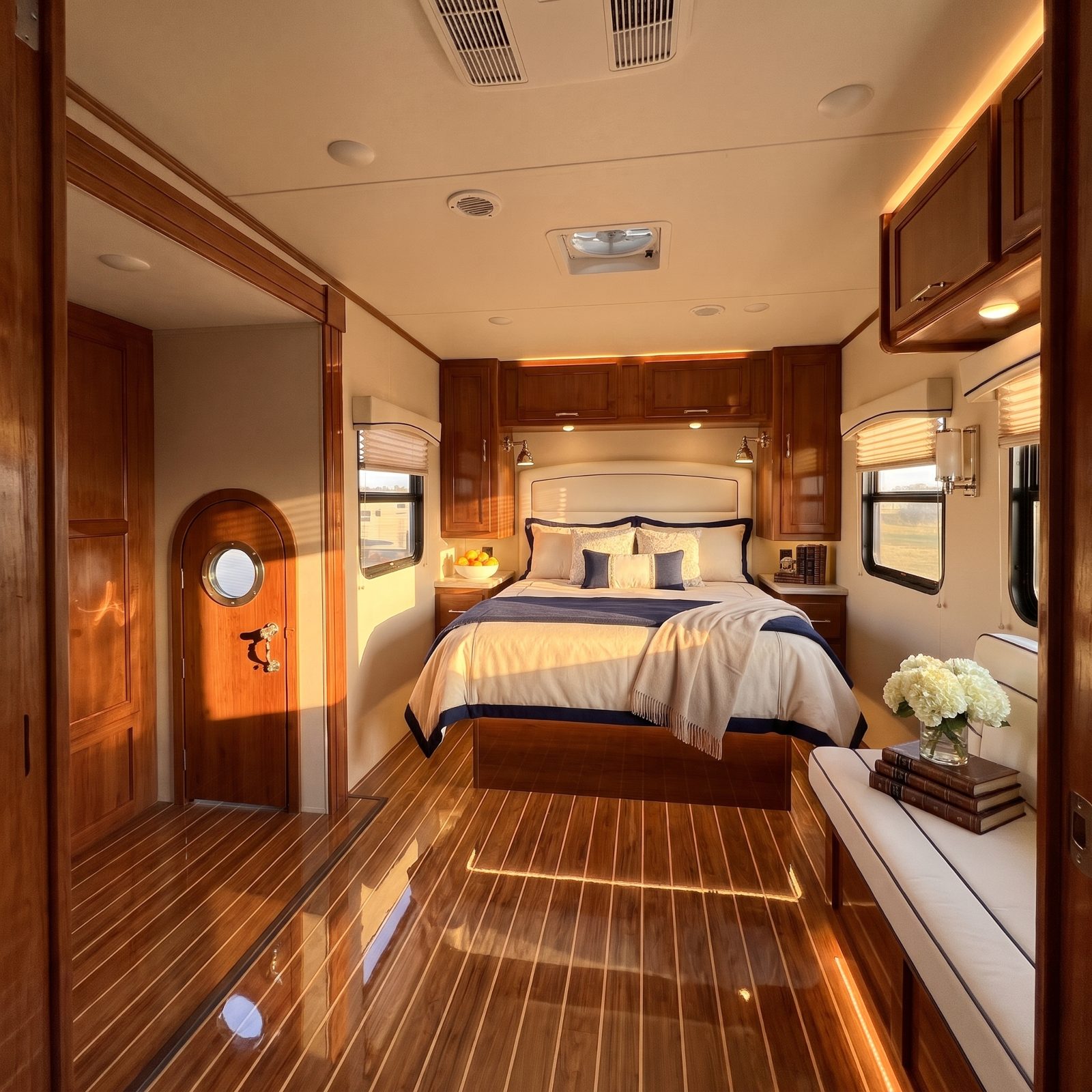
Adults sign up for the road, and kids get handed the consequences. Nobody at the rally mentions how badly a nine-year-old needs the same faces at the same lunch table two days running.
A new campground every week sounds like freedom until you watch your kid make a friend on Tuesday and leave them Thursday. That cycle wears thin fast. The soccer team, the birthday parties, the one kid down the street who always knocked at four o’clock — gone, all of it, swapped out for siblings and parents crammed into a space the size of a parking spot.
Roadschooling can work beautifully. But the social piece is the quiet killer, and plenty of families pull the plug not because the schooling failed but because a kid finally said, flat out, that they wanted a bedroom with a door nobody else opened.
1. You Can’t Fit a Woodshop in 200 Square Feet
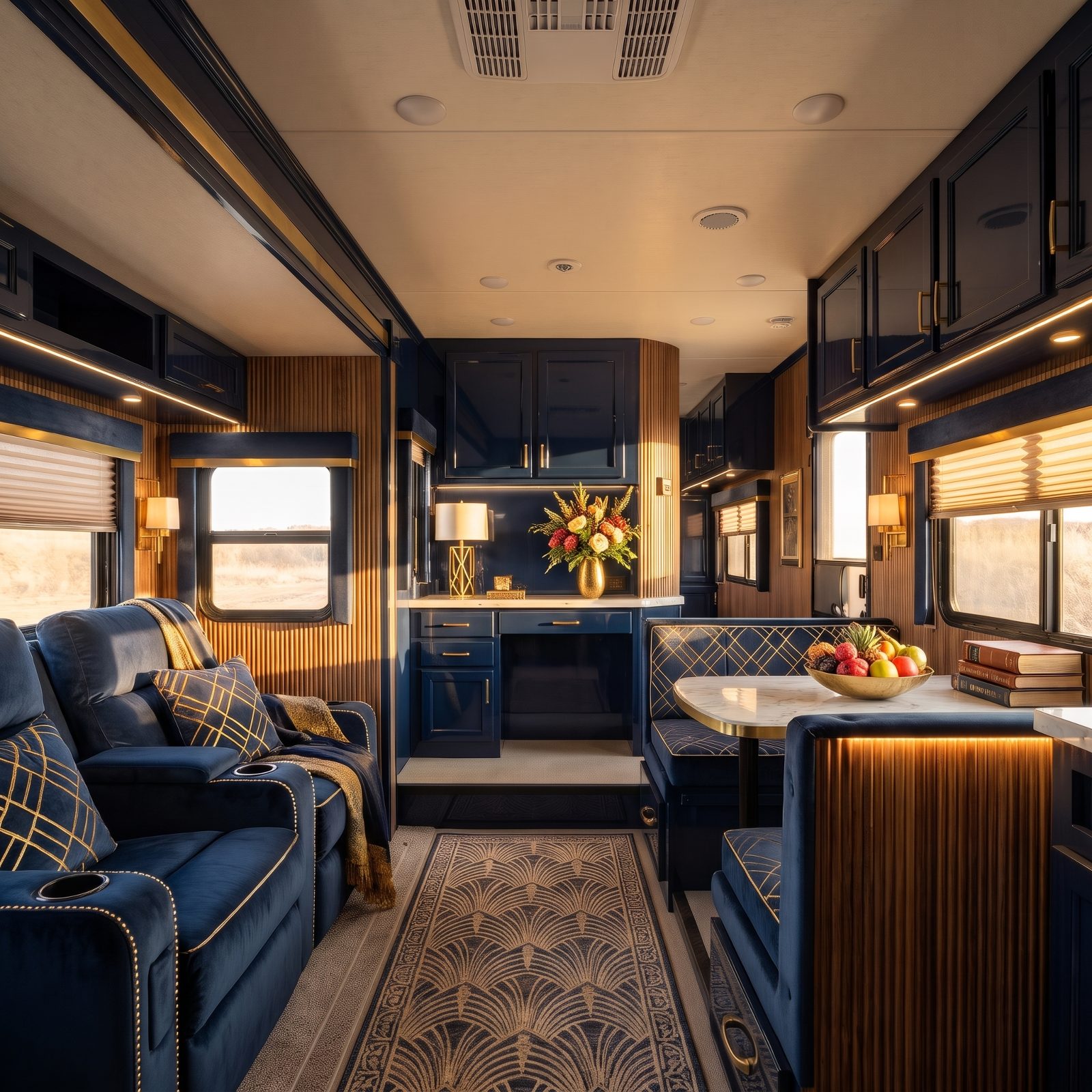
Downsizing photographs well. Nobody shows you month seven, when you’d trade the whole sunset over Moab for one afternoon in your old garage.
The pottery wheel didn’t make the cut. Neither did the sewing room, the fishing gear, the bikes hanging from the ceiling, or that shelf of records you’d been building since you were twenty. People sell it all in a rush during the excitement of launch, and the regret shows up slow — usually around the time a rainy week traps them inside with nothing to make.
A guitar fits. A table saw does not. Some hobbies just refuse to be shrunk into a storage bay.
The possessions were never really the point. They were the shape your days used to take. Lose the shape and the days go shapeless — and a shapeless day in a tin box is a long one.