
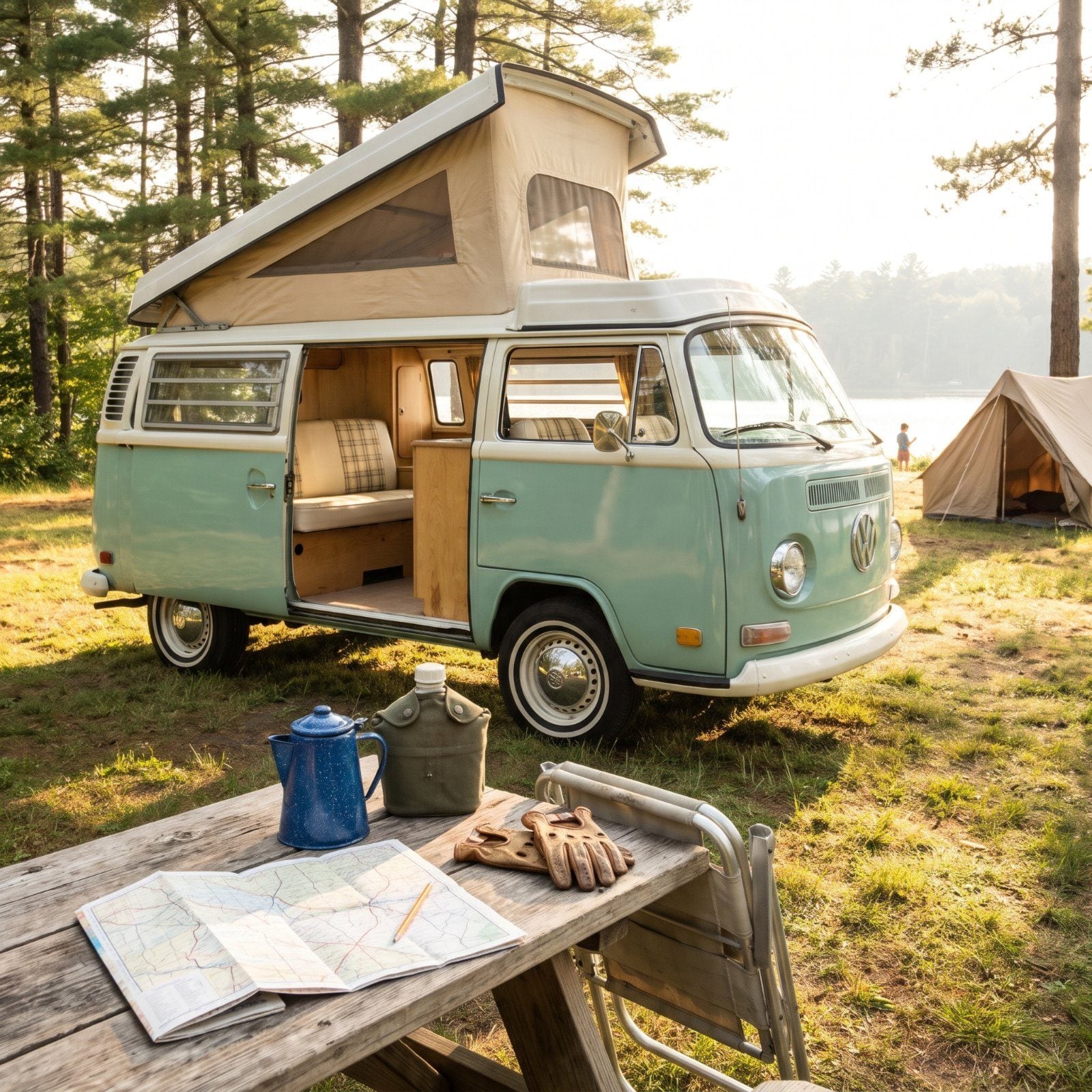
The smell hits first. Warm vinyl, a little gasoline, canvas that never quite dried from the last rainy campground. A 1960s Westfalia didn’t so much drive down the highway as negotiate with it, one grade at a time, engine singing that air-cooled hum up through the floorboards.
Please note that some of the images in this article were created with the assistance of AI.
You weren’t in a hurry. You couldn’t be. The bus set the pace and you learned to love it. These are the quirks, the rituals, and the mechanical oddities that anyone who logged real miles in one still feels in their hands.
39. That Split Windshield Framing Every Mile Like a Movie
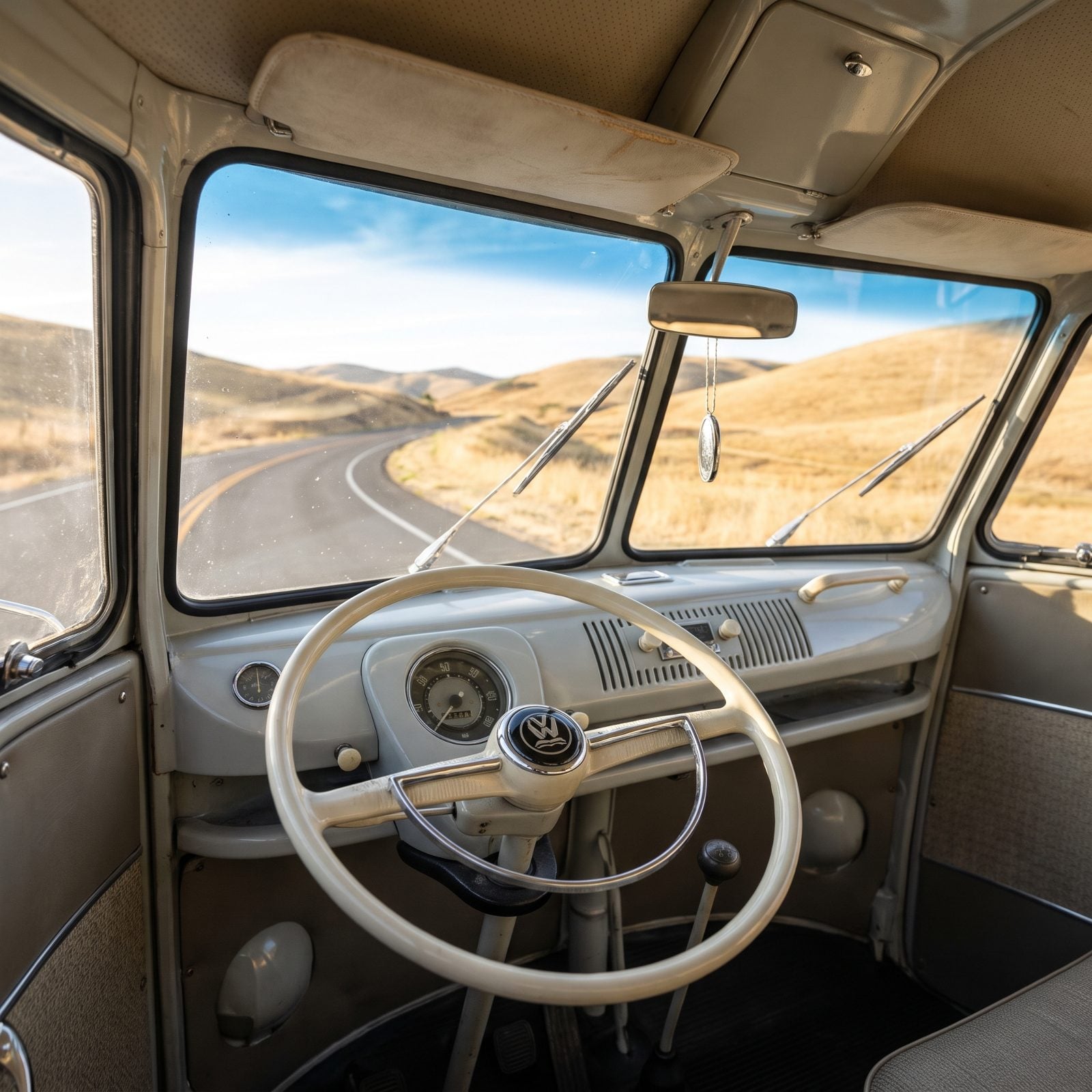
Two panes of flat glass with a divider straight down the middle. Purists call it the split-window and they’ll tell you about it whether you asked or not. I don’t blame them.
You sat up high and close, almost over the front axle, and the road came at you like a projection reel. That center bar cut your view in half, sure, but nobody minded — it framed every barn, every billboard, every hitchhiker twice over, once in the left pane and once in the right.
38. Sitting Above the Front Wheels With Barely Any Crumple Zone
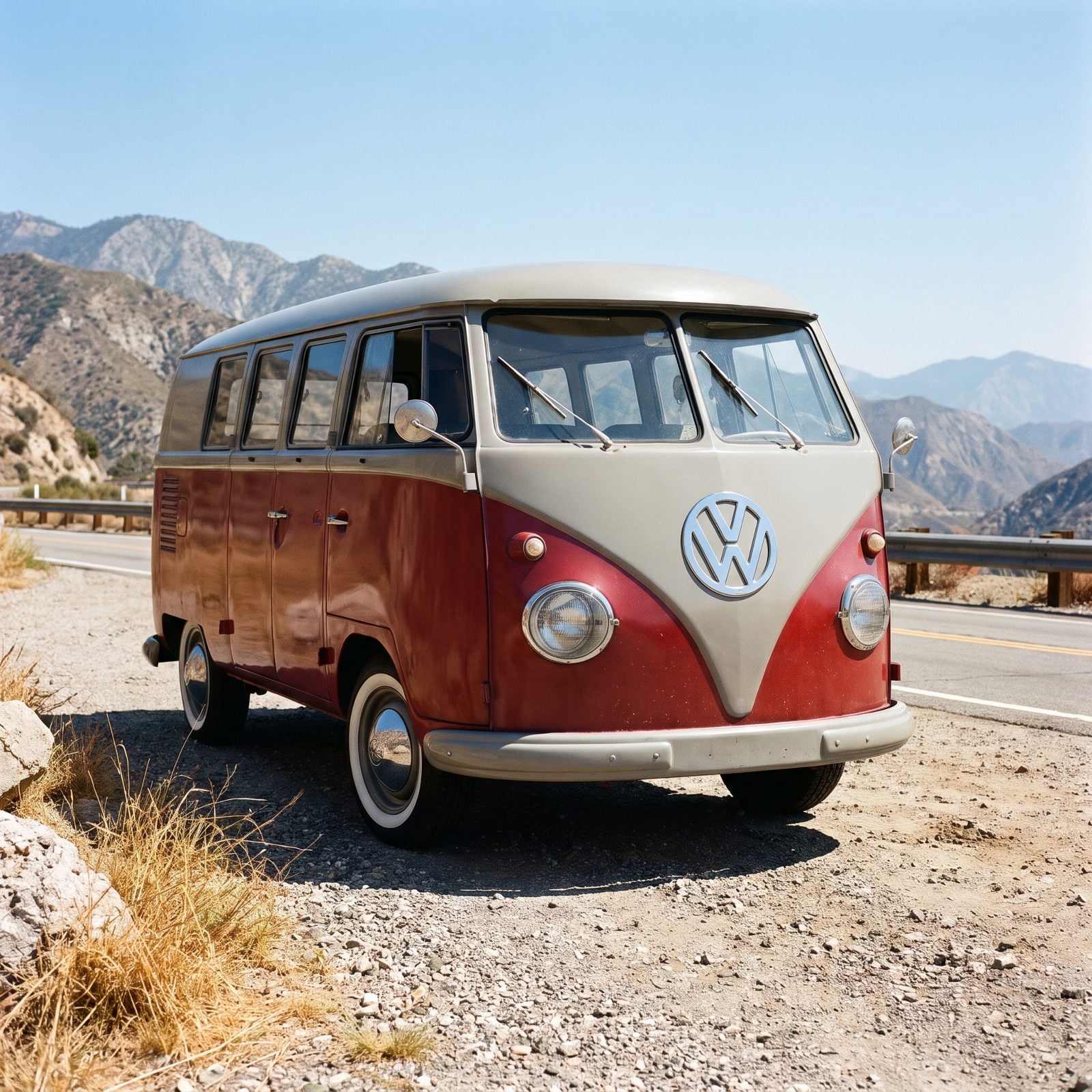
Your shins were the crumple zone. Every Westfalia driver knew it somewhere in the back of their mind and chose not to dwell on it.
With the engine out back, there was nothing in front of you but a thin sheet of steel, a bumper, and the oncoming world. You sat tall, looking down slightly at the road, feet nearly at the leading edge of the bus. It made you careful. It made you leave room. You drove like the road owed you nothing, because it didn’t.
37. Climbing a Mountain Grade With Just 40 Horsepower
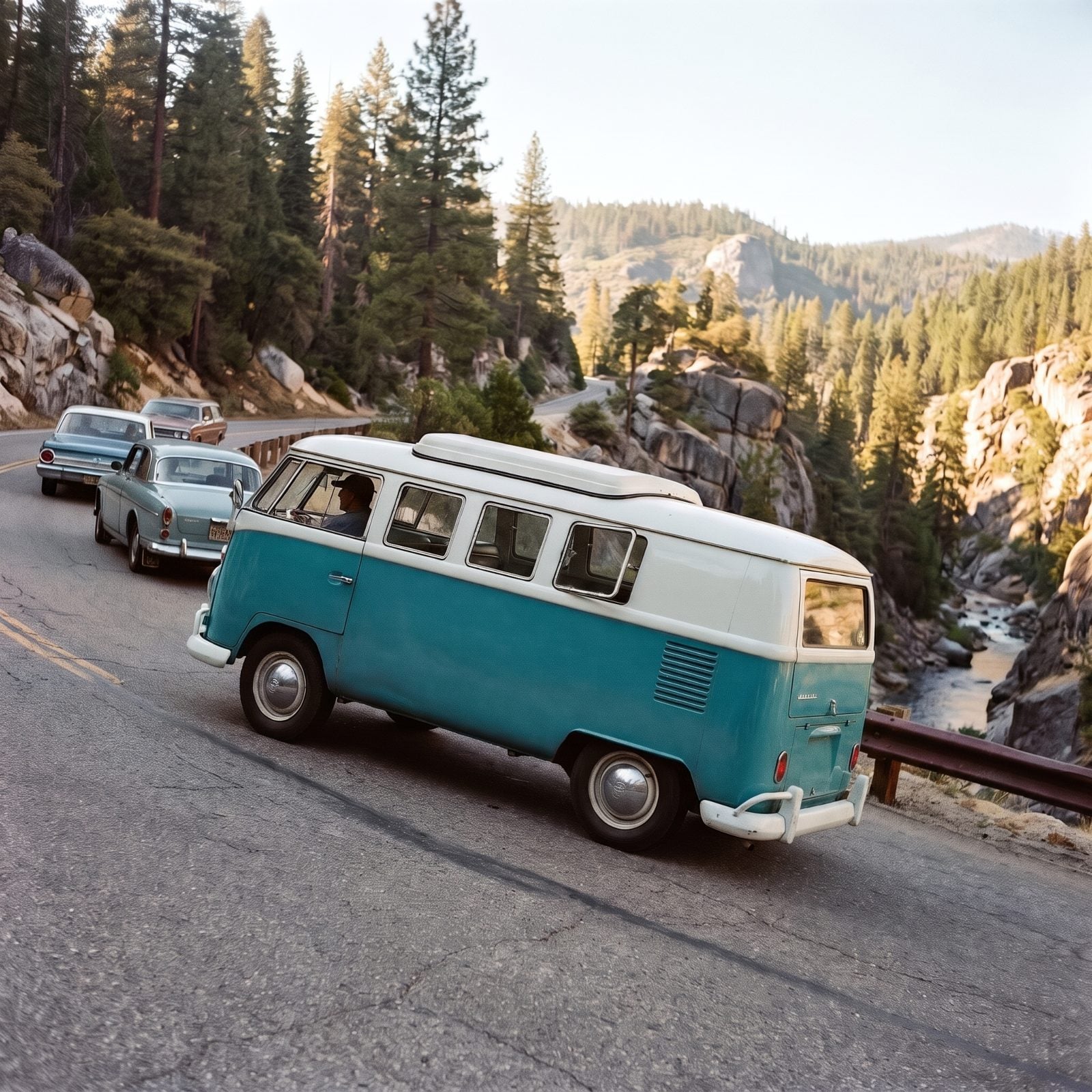
Forty horses. Maybe.
On a long climb you’d watch the needle fall, drop to third, then second, then crawl up the grade at a speed a jogger could taunt while a line of cars stacked up behind you. You learned to pull over at the turnouts and wave people past with a kind of serene acceptance.
And nobody tells you this part: it was fine. You weren’t racing anyone. The bus got there. It always got there, eventually, the engine working honestly the whole way up while you took in a view the fast cars blew right past.
36. The Unmistakable Whine of the Reduction Gears
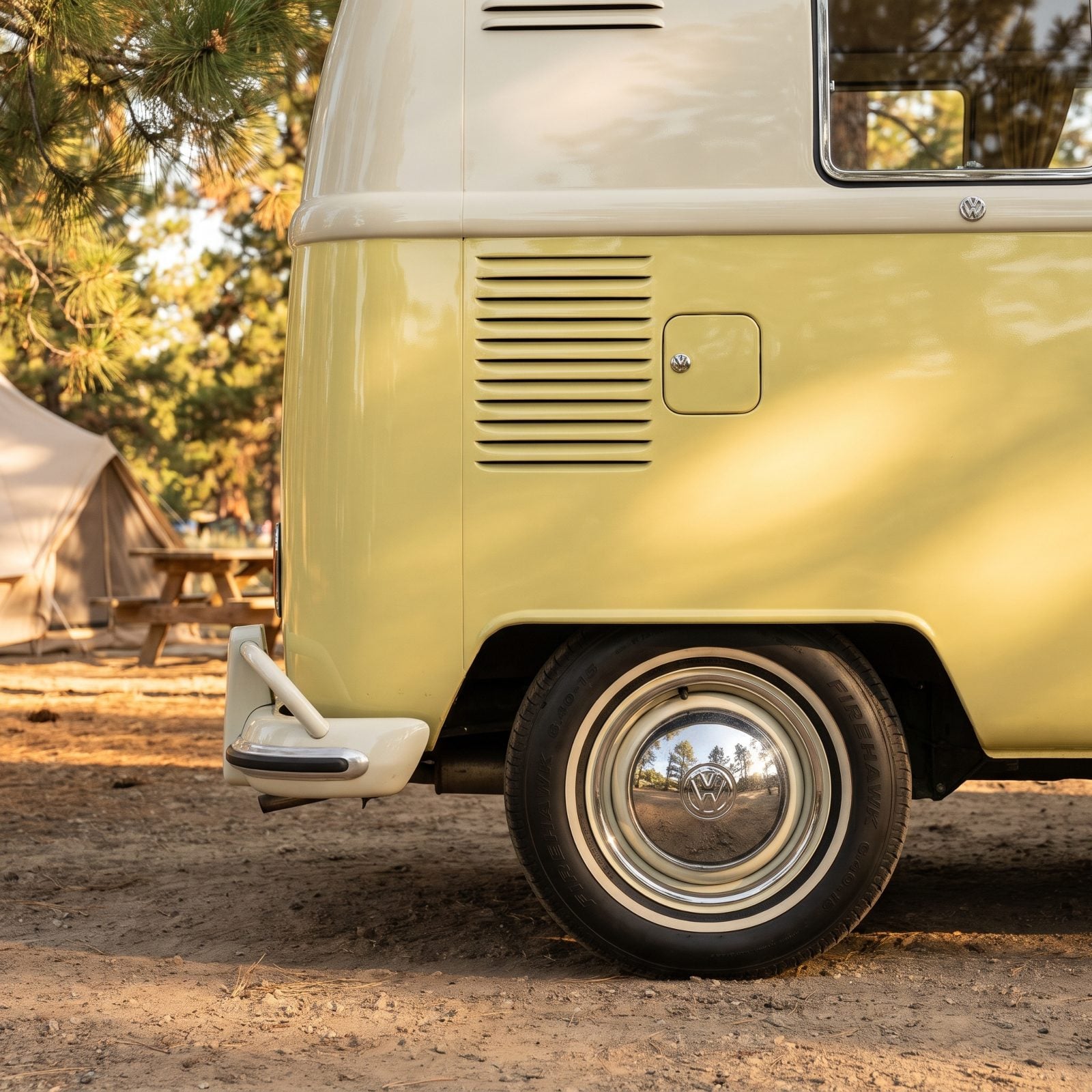
You could identify a Westfalia pulling into a campground with your eyes closed — that rising mechanical whine from the rear hubs, part gearbox, part lawnmower, part distant bagpipe.
Those reduction gears tucked inboard behind each rear wheel (hidden out of sight behind the smooth chrome hubcap here) were borrowed straight from military heritage, there to give the thing low-speed grunt it otherwise had no business having. The side effect was the sound. It got into your bones on a long day. You stopped hearing it, and then you’d shut the engine off at a quiet overlook and the silence afterward felt enormous.
35. Wrestling the Wheel Without Power Steering
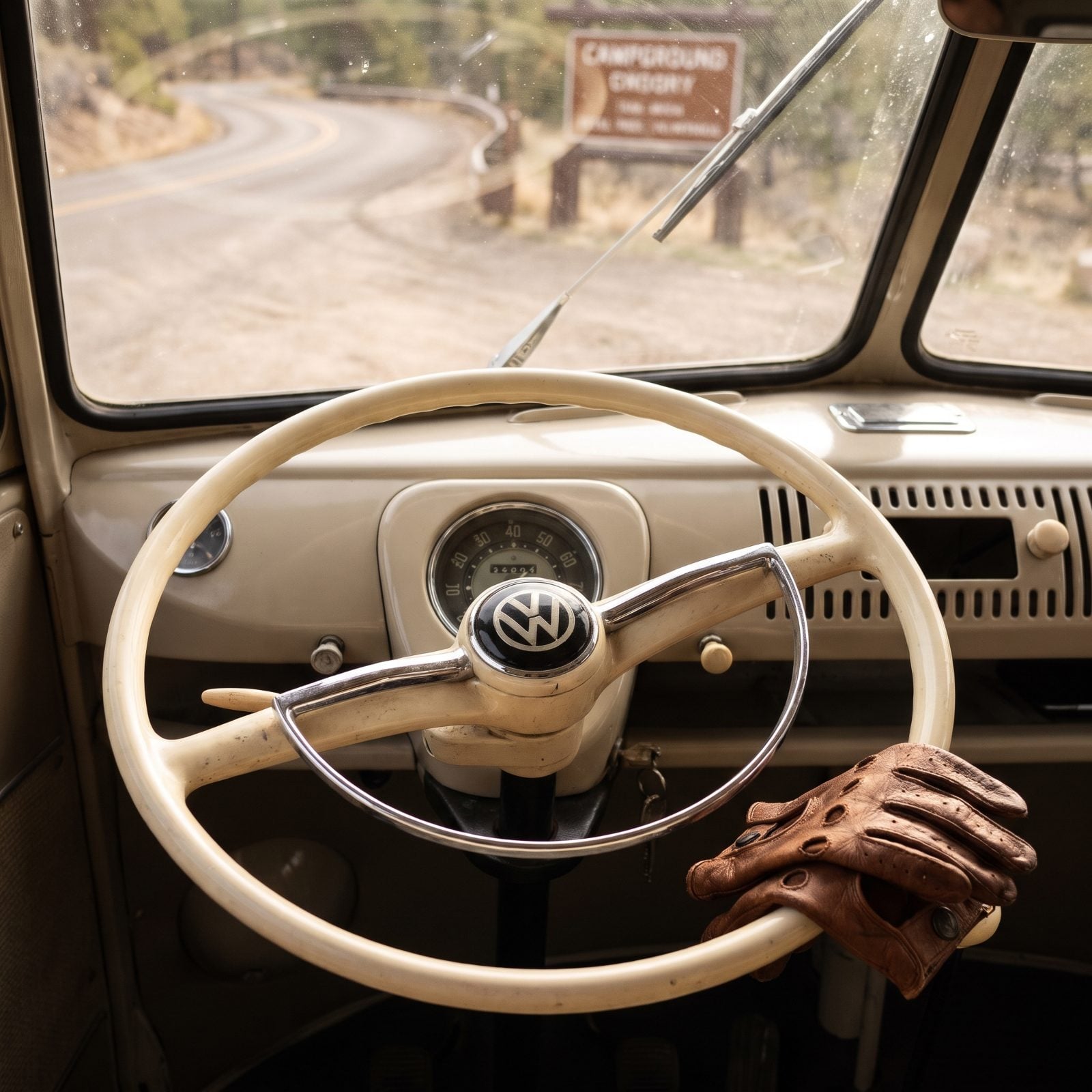
The steering wheel was the size of a dinner platter, and it needed to be. At parking speeds you muscled that thing around with your whole upper body, the bus resisting like a stubborn mule turning in a stall.
Get it rolling and the effort eased. But a tight campsite backup was a workout. You learned to carry a little speed into turns so the wheels would cooperate. Your forearms knew that bus intimately — no computer between your hands and the front tires, just a column, a box, and your own stubbornness.
34. Planning Every Stop Around Four-Wheel Drum Brakes
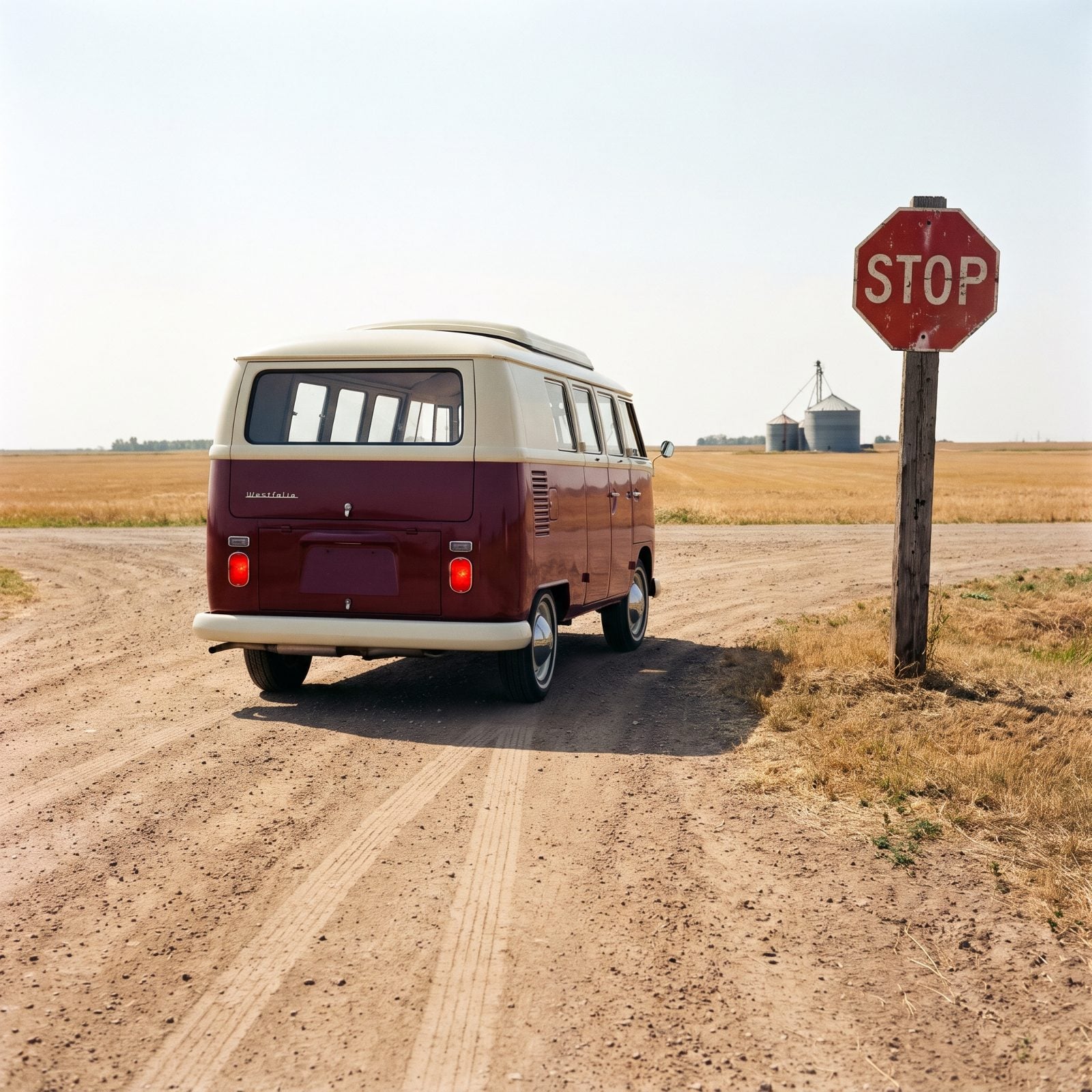
Drums at all four corners, and you felt every one of them. Or rather, you felt the lack of them when you really needed them.
Downhill with a loaded camper, you drove ahead of the moment. You read the road a quarter mile out, feathered off speed early, and used the gears to hold the bus back on long descents so the drums wouldn’t cook. Panic stops weren’t really a thing available to you. Smart driving was the only brake you fully trusted.
33. Finding a Gear With That Long, Wand-Like Shifter
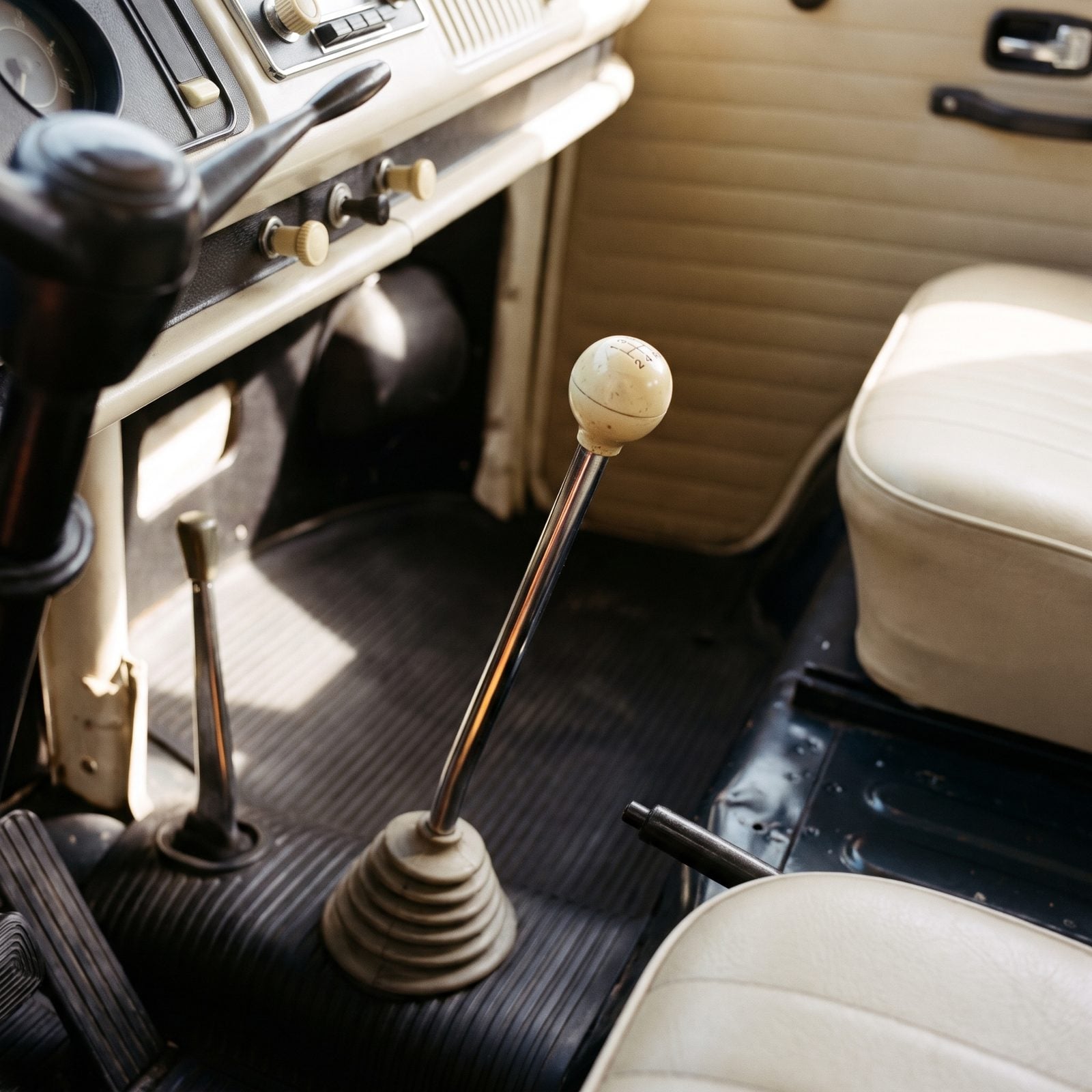
The shifter stuck up from the floor like a fishing rod and had the throw to match. First gear lived somewhere out to the left and down, and finding it the first few times felt like fishing blind in a bucket.
The linkage ran clear to the back of the bus, so there was slop in it, a vagueness you got used to. You didn’t snick gears so much as guide the lever home and wait for it to agree with you. Second to third was the satisfying one — a long, smooth sweep that felt like rowing a boat.
32. Reaching for the Fuel-Reserve Tap Instead of a Gauge
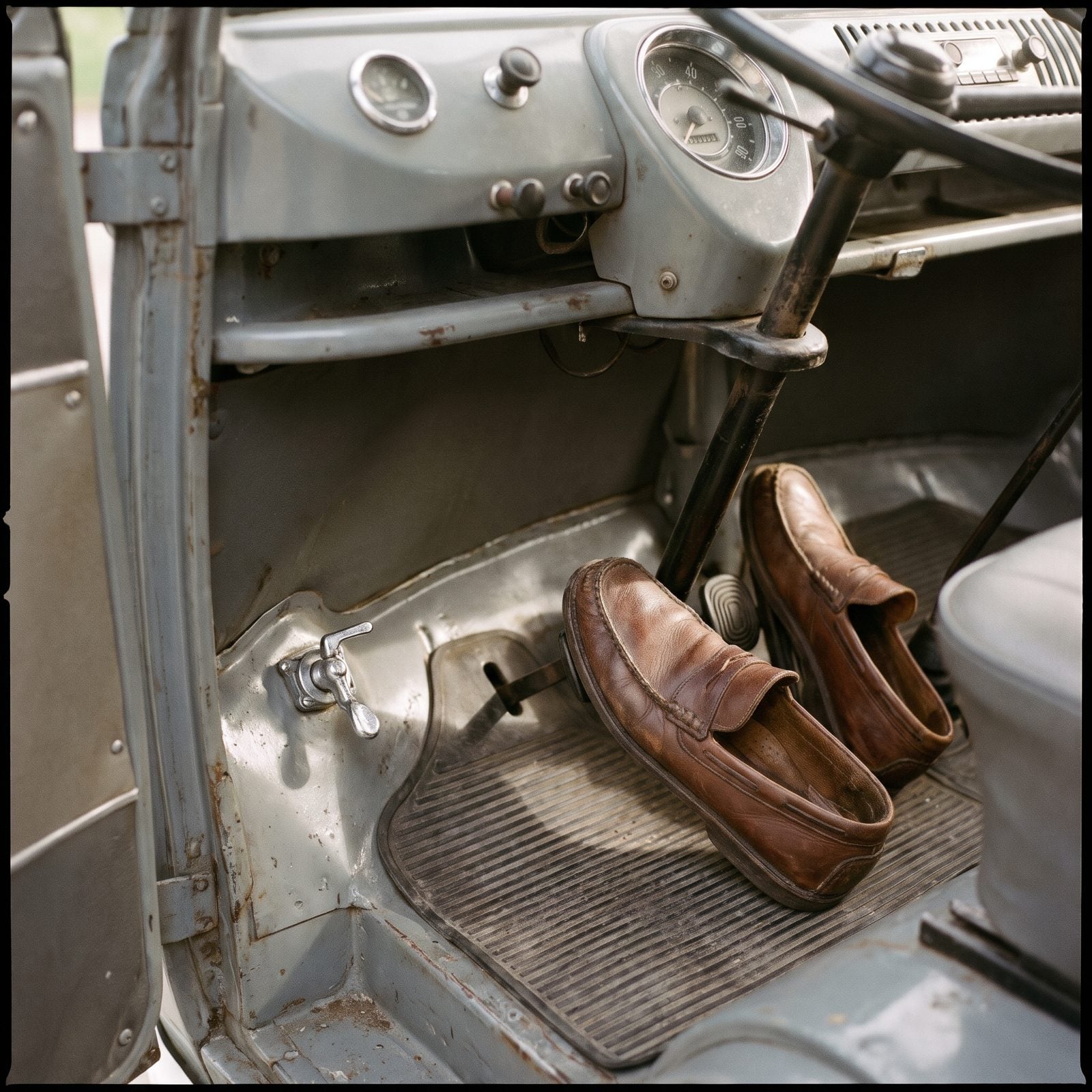
No fuel gauge. None.
Early buses just didn’t have one, so you tracked mileage in your head and crossed your fingers. And when the engine stuttered and coughed on an empty two-lane with no station in sight, you reached down with your foot and kicked the reserve tap over.
Suddenly — a gallon or so of secret gasoline you’d been sitting on the whole time. The engine caught again. Your job then was simple: find a pump before that ran out too. Forget to flip the tap back to the main side after refueling, though, and the next time you ran low there’d be no reserve left to save you. Ask me how I know.
31. Pulling the Heater Levers and Hoping for Warm Air
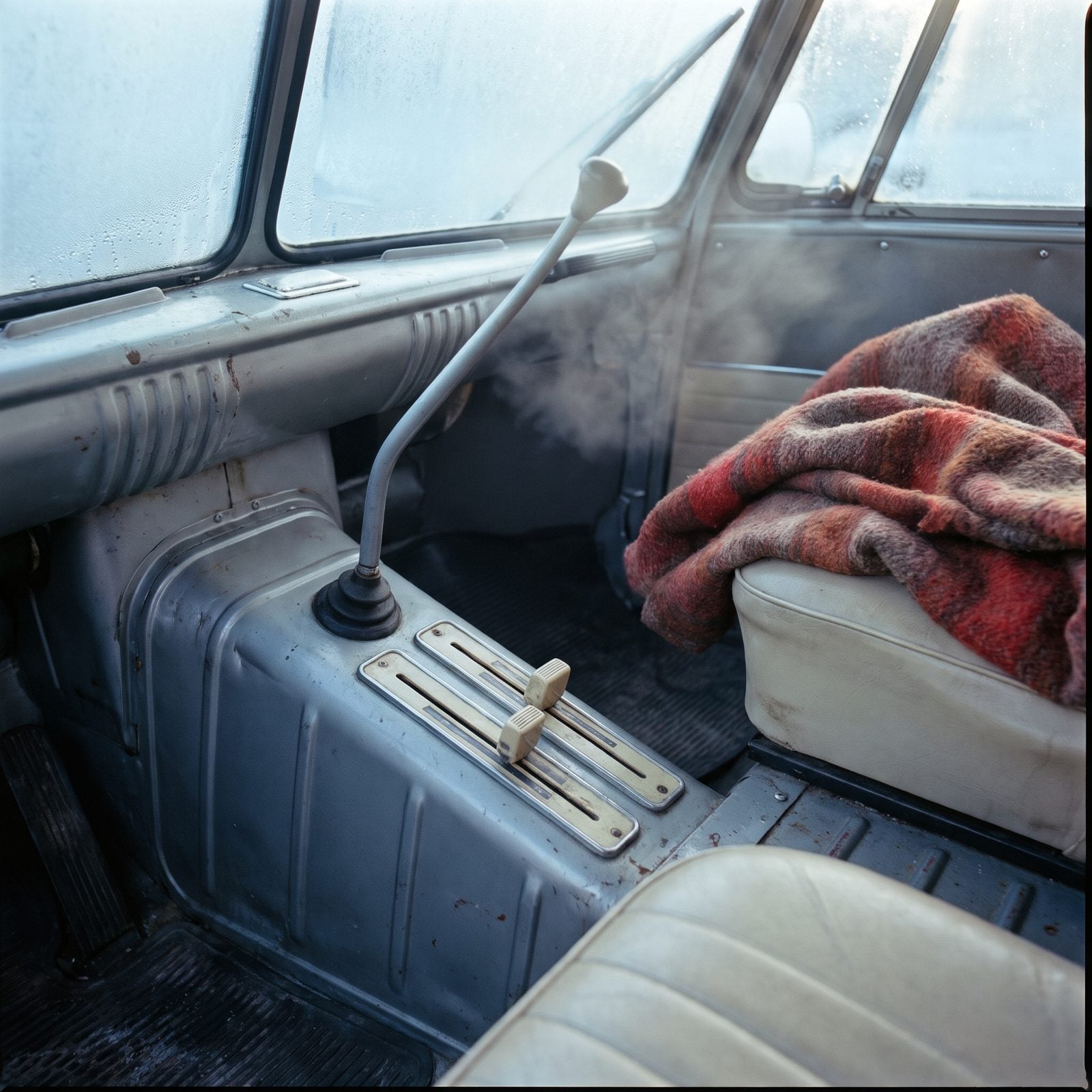
Air-cooled meant no radiator, which meant no easy cabin heat. Warmth came off the engine through long ducts that ran the whole length of the bus, and by the time it reached your feet it had opinions about how warm it actually wanted to be.
You slid those heater levers forward and waited. On a cold mountain morning you’d get a faint lukewarm breeze that smelled of exhaust and old rubber, and you were grateful for it. The wool blanket on the passenger seat wasn’t decoration. It was the backup heating system.
30. Wiping a Fogged Windshield by Hand
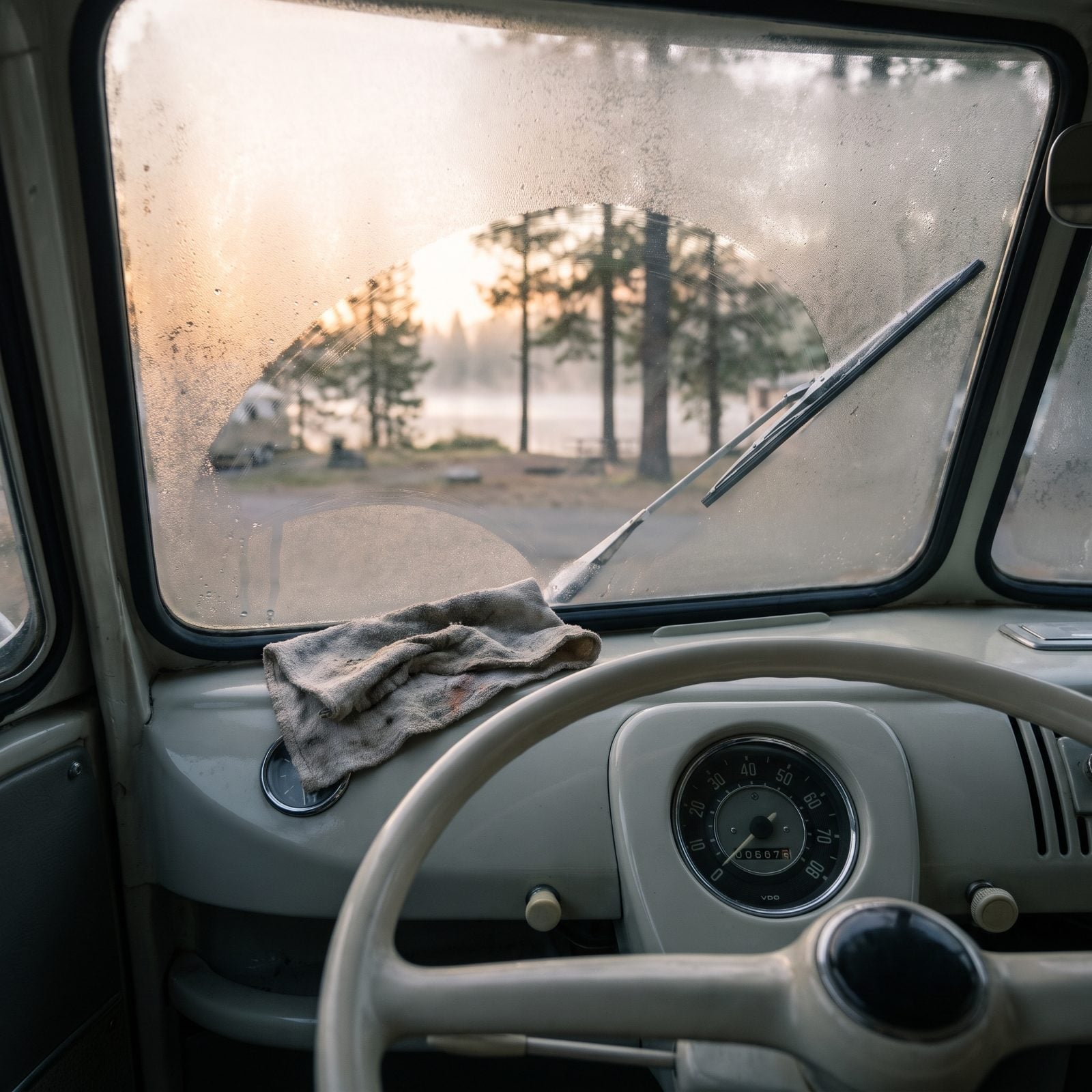
The defroster was more of a suggestion than a system. On a damp morning the windshield fogged faster than those feeble vents could clear it, and you weren’t going anywhere until you could see.
So you kept a rag tucked behind the sun visor. Wipe, drive, wipe again. On a cold wet night the inside glass fogged up as fast as you cleared it, and you’d pull over, crack a window, and let the mountain air do what the heater couldn’t.
It was slow. A little ridiculous, too. And honestly, wiping a clear circle on the glass to find a lake sitting there at dawn is a memory worth the inconvenience ten times over. That’s the bargain the Westfalia always asked for, and most of us would take it again tomorrow.
29. Propping Open the Safari Windows and Just Accepting the Leaks
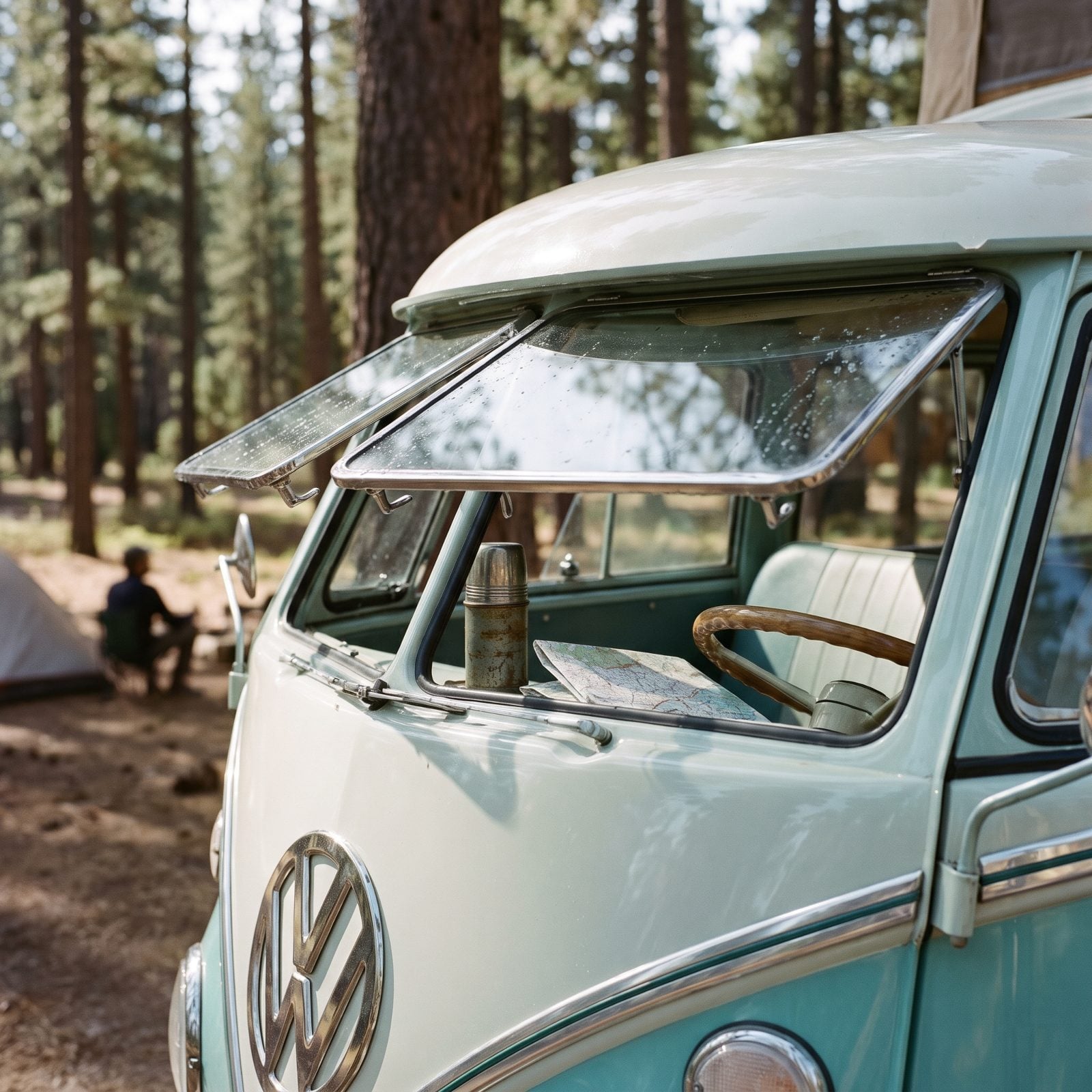
You pushed them open with that little chrome latch and the whole cab filled with the smell of wet pine and warm vinyl. Safari windows were the Westy’s answer to air conditioning, which is to say there wasn’t any.
And yes, they leaked. A good roadside rain found its way down the frame and onto your knee every single time, and nobody fixed it because nobody really could. You just kept a rag tucked by the seat and called it character.
28. Lifting the Rear Hatch to Get at That Little Engine
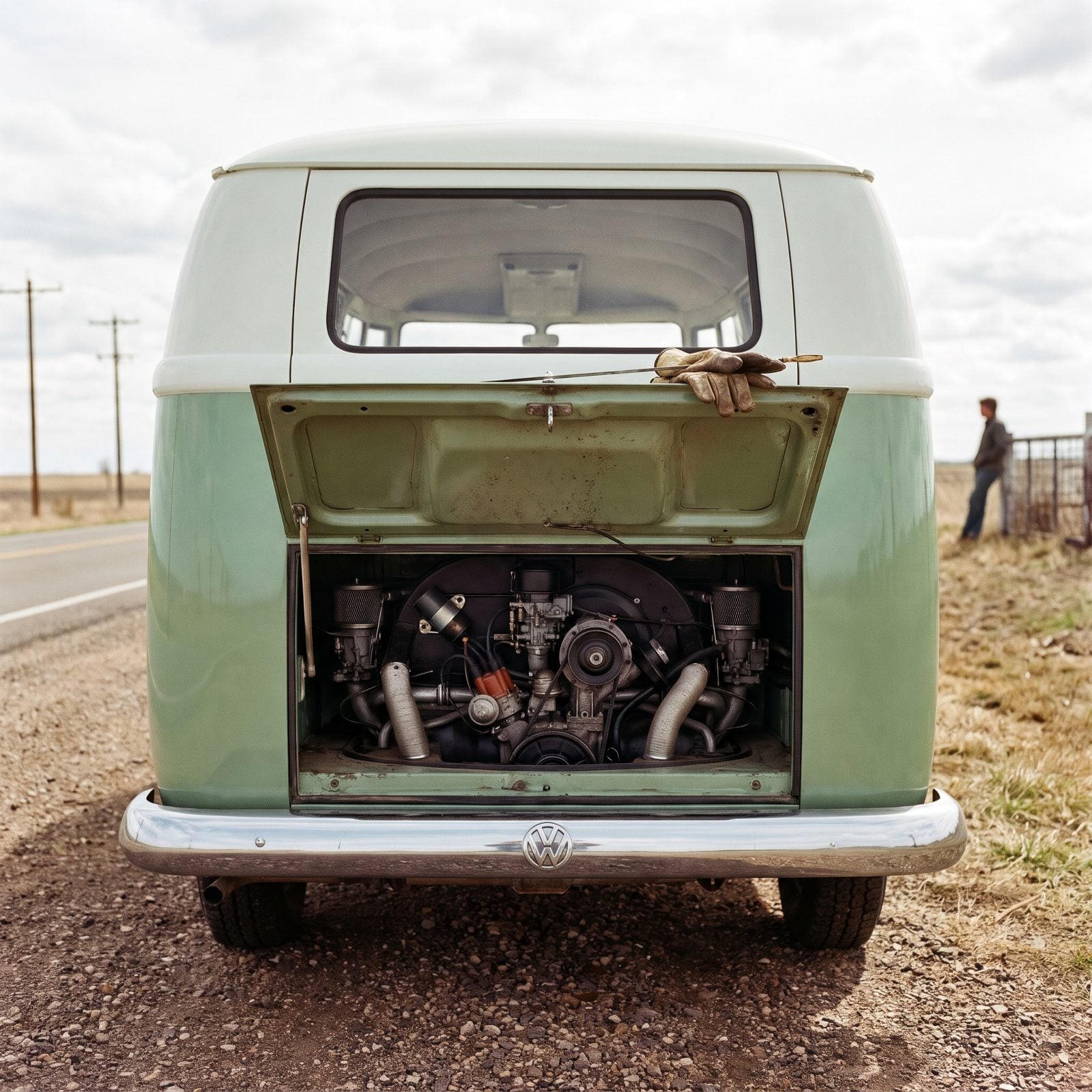
The engine lived in the back, behind a hatch the size of a cupboard door, and getting to it felt like opening the hood on a toolbox. Up came the lid, and there sat the flat-four, humble and exposed, tin shrouds and all.
You learned its geography fast. Where the dipstick hid, which bolt backed out on washboard roads, how warm the fan housing got after a mountain climb. Every Westy owner eventually knew that engine bay better than their own kitchen drawers.
27. Checking the Oil at Nearly Every Gas Stop
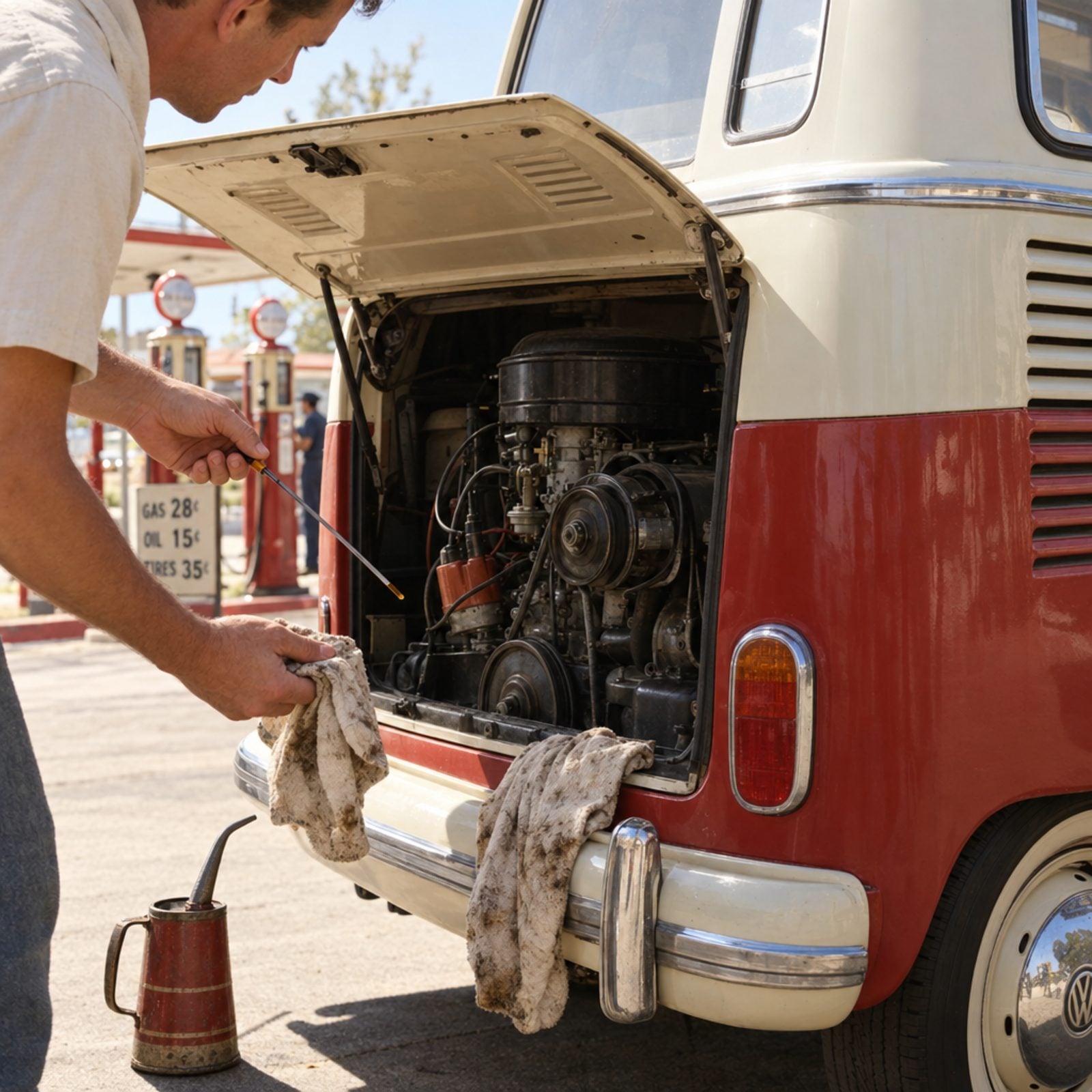
You didn’t wait for a warning light, because there wasn’t one worth trusting.
Pull in for fuel, pop the hatch, pull the dipstick, wipe it on the rag, read it, top it off. The whole thing became muscle memory, a quick ritual done next to the pumps while the attendant watched.
Air-cooled engines drank oil the way the rest of us drink coffee. Keeping a close eye wasn’t fussiness. It was the difference between a long happy trip and a very quiet walk to the nearest phone.
26. Carrying a Spare Fan Belt Like a Lucky Charm
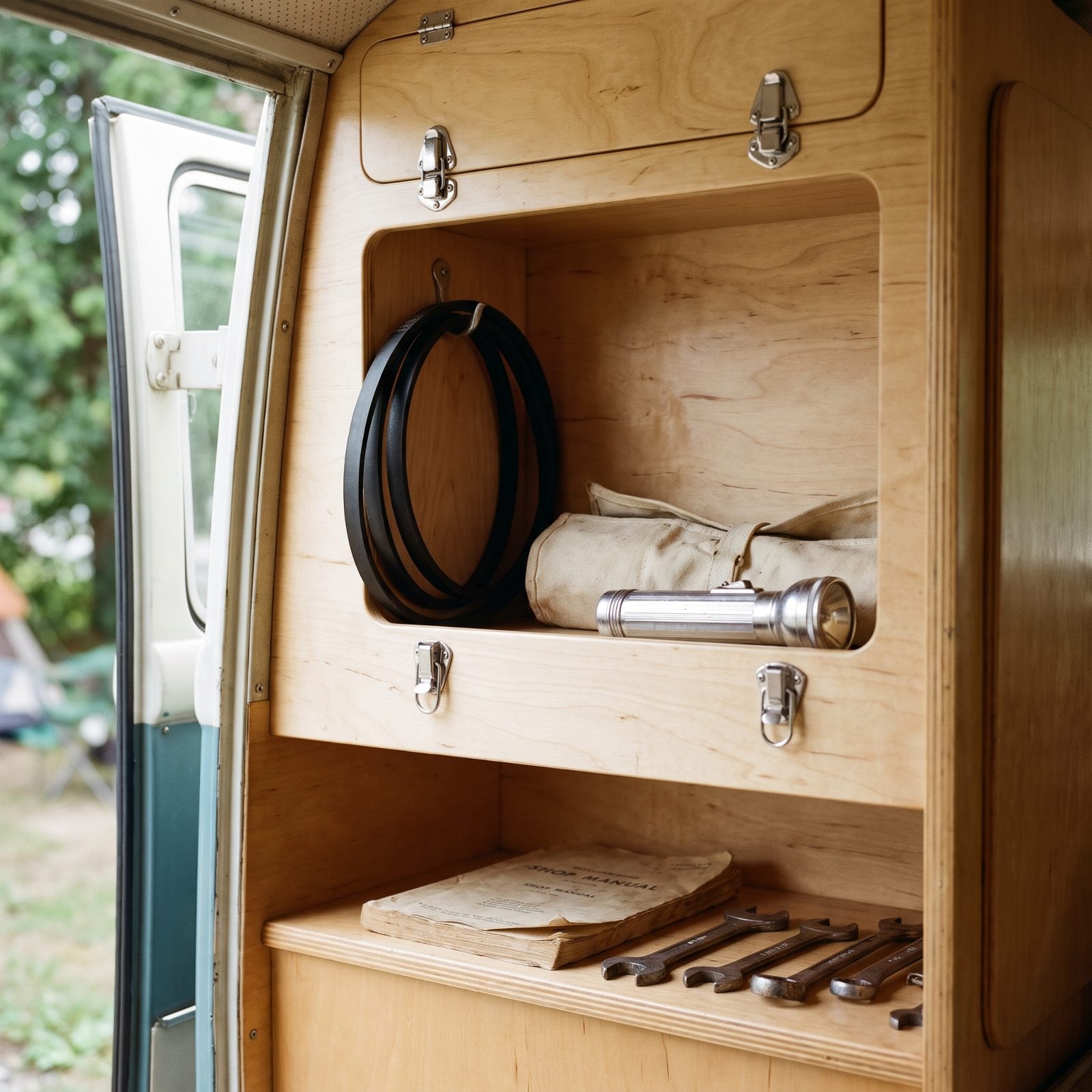
Tucked in the tool roll, maybe hanging from a hook in the back cubby, the spare fan belt rode along on every trip whether you ever used it or not. On a VW, that belt turned the cooling fan and the generator both, so when it snapped you lost your charge and your cooling in one go.
Changing one on the shoulder of a road became almost a badge of honor. And even if you never had to, carrying the spare felt like insurance you could hold in your hand.
25. Push-Starting the Bus When the Battery Threw in the Towel
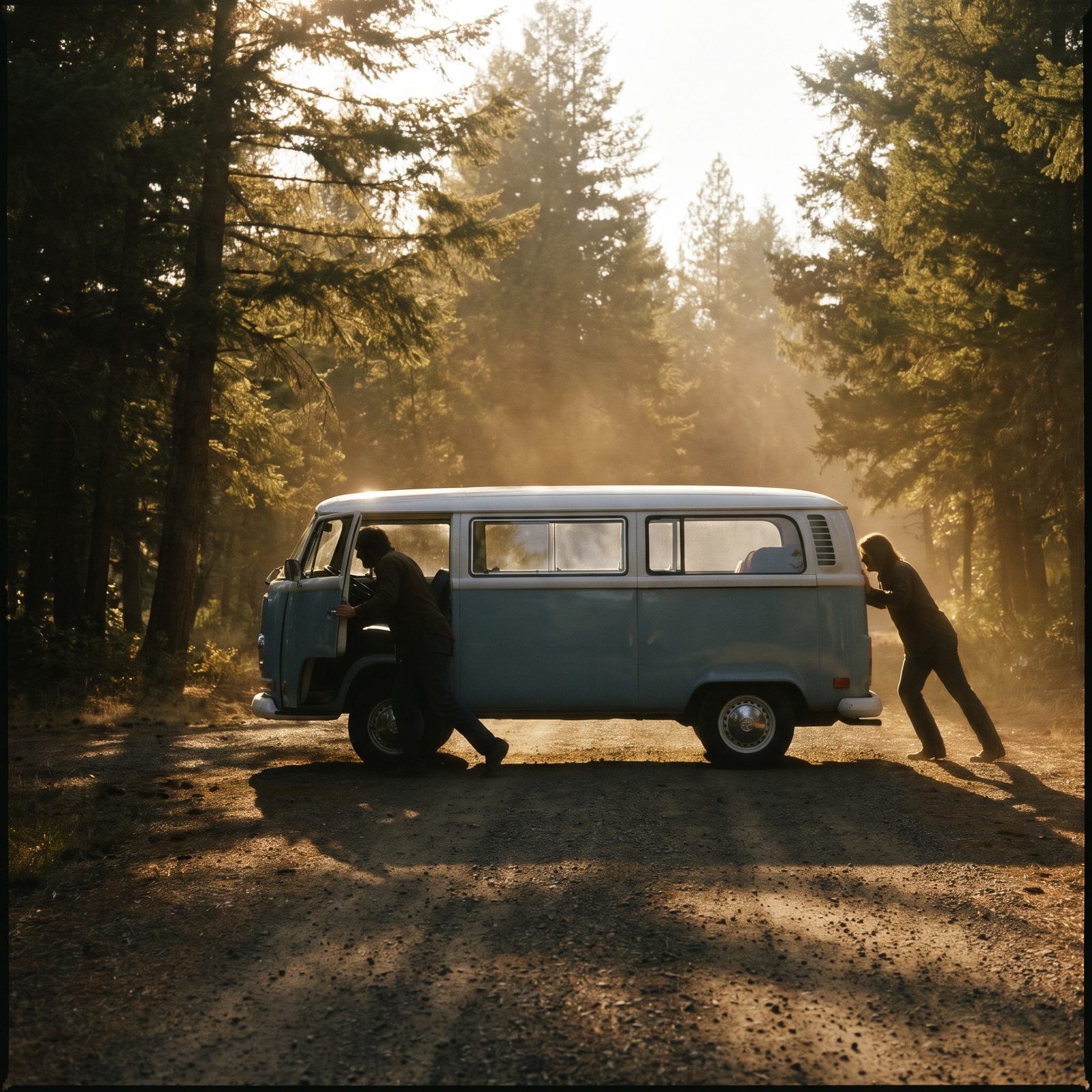
Dead battery, manual gearbox, and a slight downhill slope. You already know where this is going.
Someone got behind the wheel, two or three someones got behind the bus, and off you rolled. Second gear, key on, pop the clutch, and the flat-four coughed back to life with a shudder you could feel in your teeth.
It was slow enough and light enough that this actually worked, which is more than you could say for most vehicles. A Westy practically expected it of you.
24. Knowing Whether Your Westy Had Barn Doors or a Slider
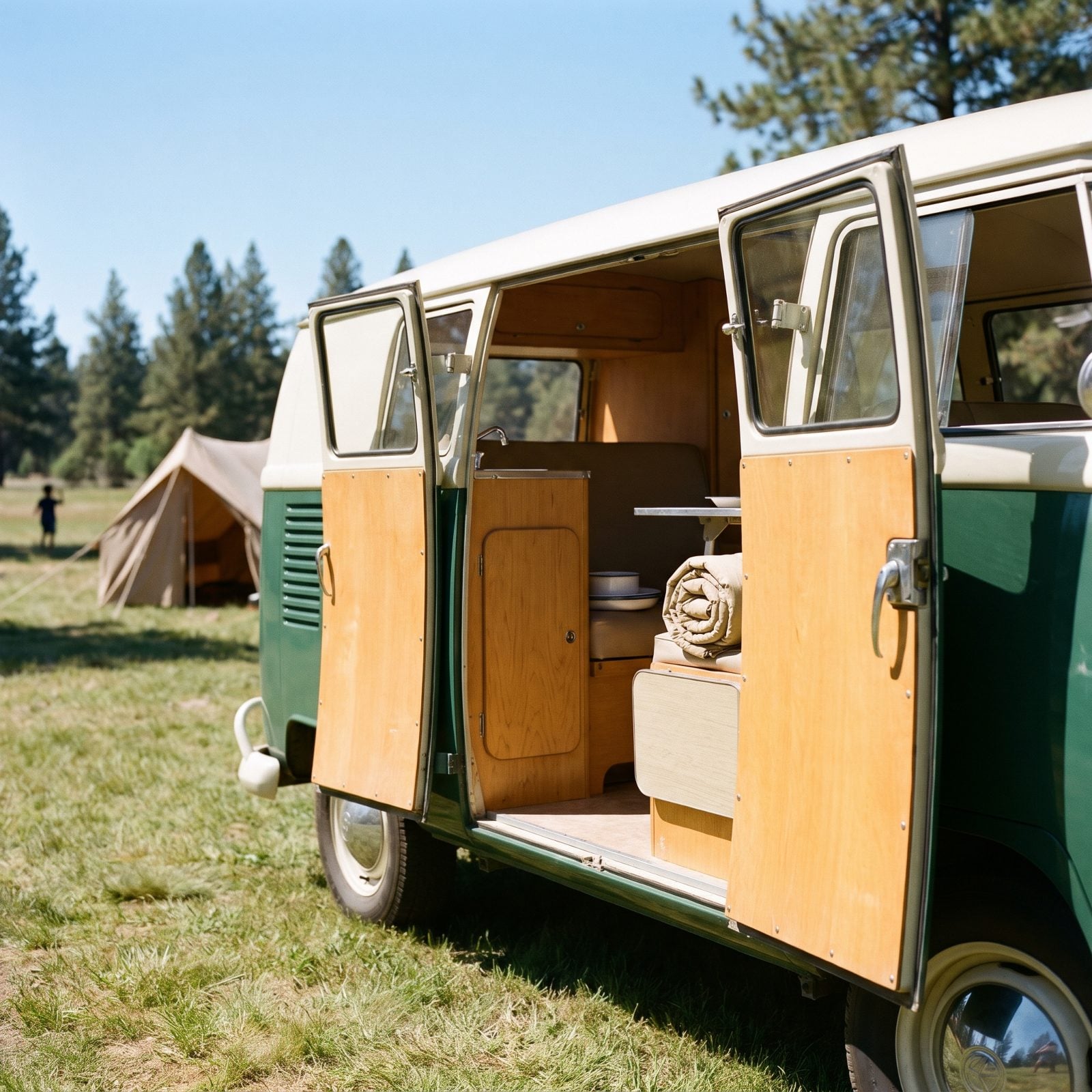
Early buses came with twin barn doors that swung outward like a cabinet, and they split the opening right down the middle with that center post. Later ones got the sliding door, which felt like a genuine leap forward at the time.
Each had its loyalists. Barn doors opened the whole side wide for loading. The slider let you step out without smacking the door into the car parked beside you. You knew which one you had, and you had opinions about it.
23. Shoving the Pop-Top Up by Hand From Inside
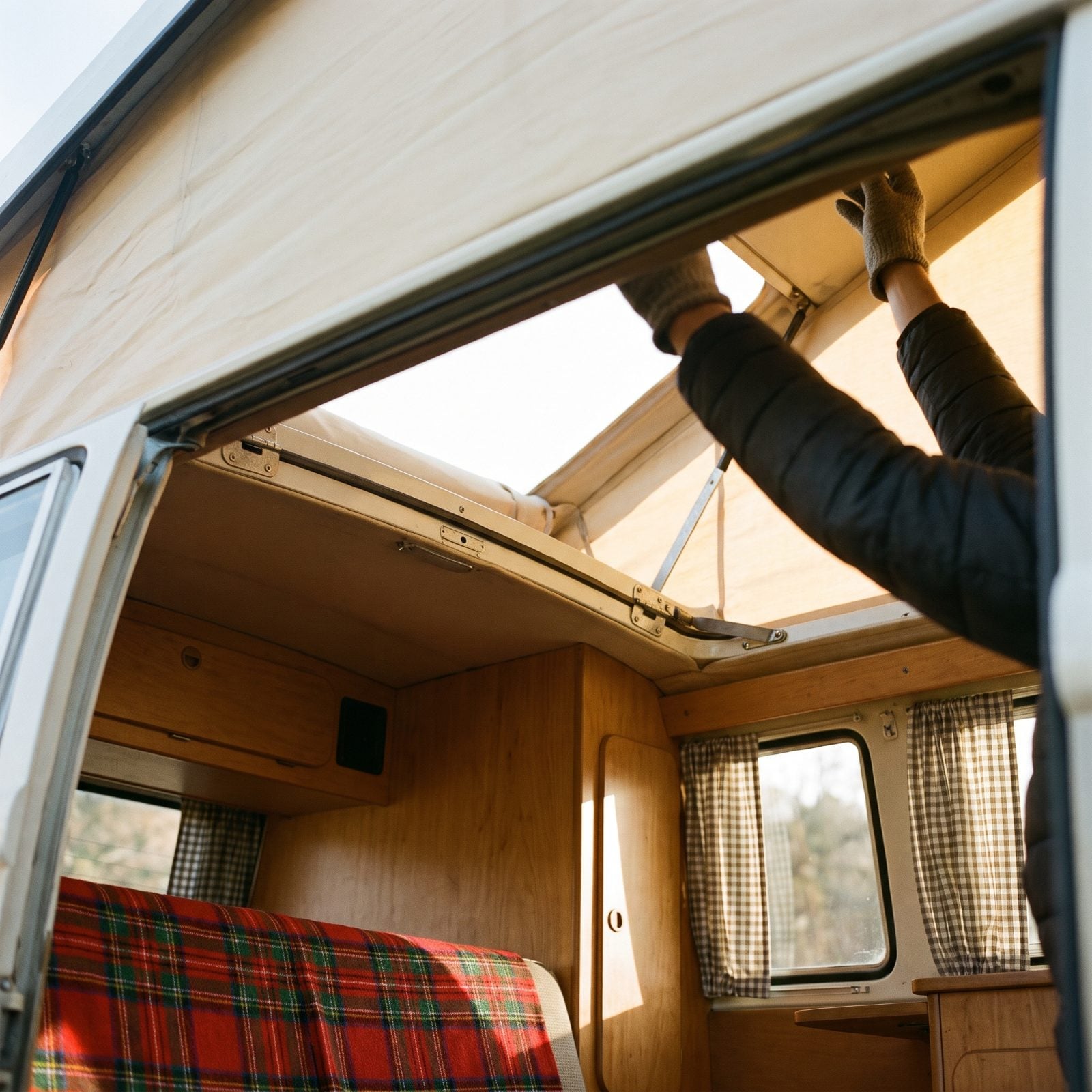
There were no gas struts, no crank handles, no electric anything.
You stood inside, braced your palms against the fiberglass, and shoved. Up it went with a soft creak, the canvas sides stretching open and the morning light pouring in all at once.
That upward push was the first act of every camp morning. The roof popped, the cot deck swung into place, and suddenly the bus had doubled in height and gone from vehicle to home.
22. The Smell of Warm Canvas Over Your Head
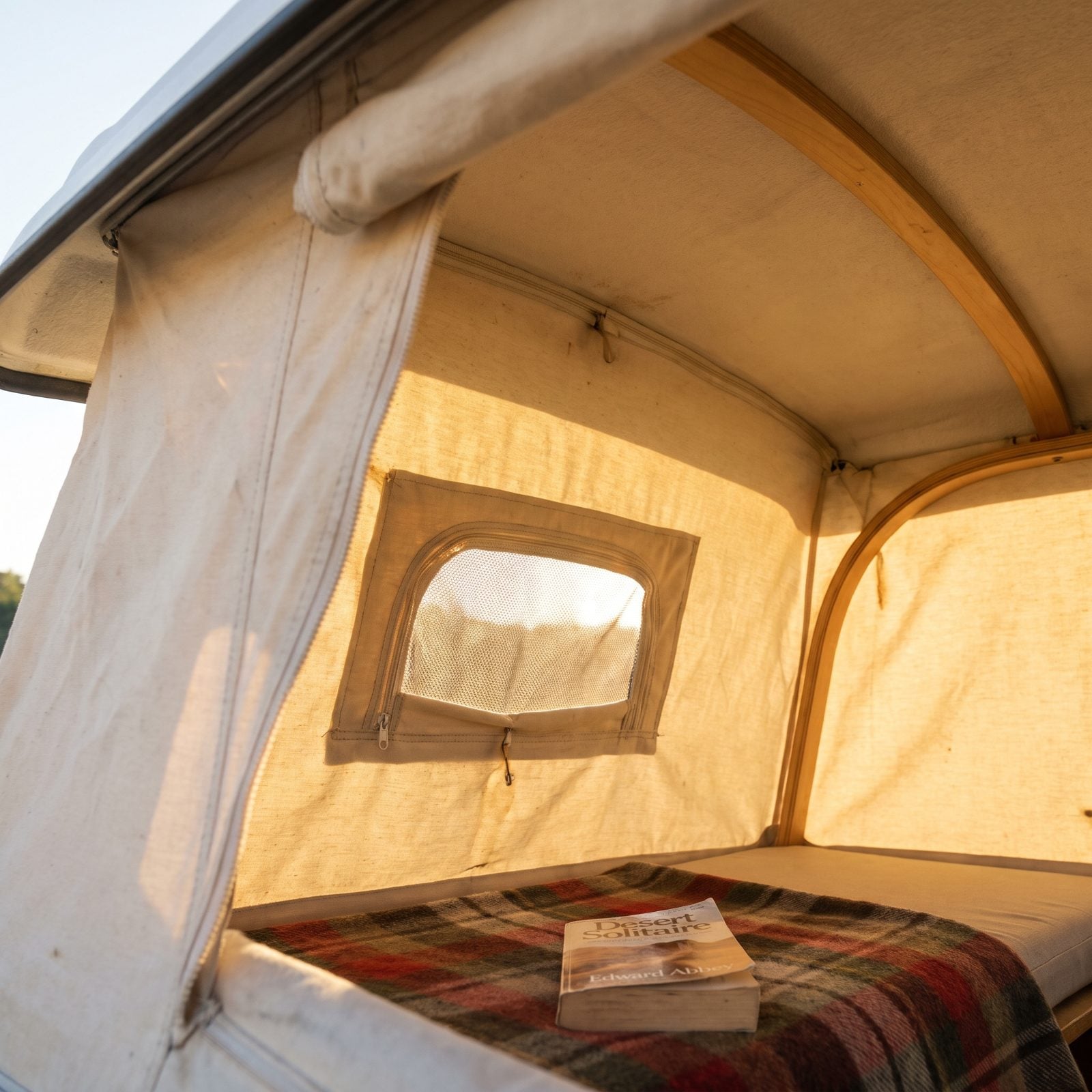
Some memories live in your nose. The warm canvas of a Westy pop-top is one of them, that sun-baked cotton smell that settled over you the minute the sun hit the roof.
It mixed with coffee and bug spray and the faint tang of the engine, and it meant you were camping. Decades later, one whiff of hot tent canvas still sends a lot of us straight back to a quiet morning with the top up and nowhere to be.
21. Sleeping on the Narrow Pop-Top Cot
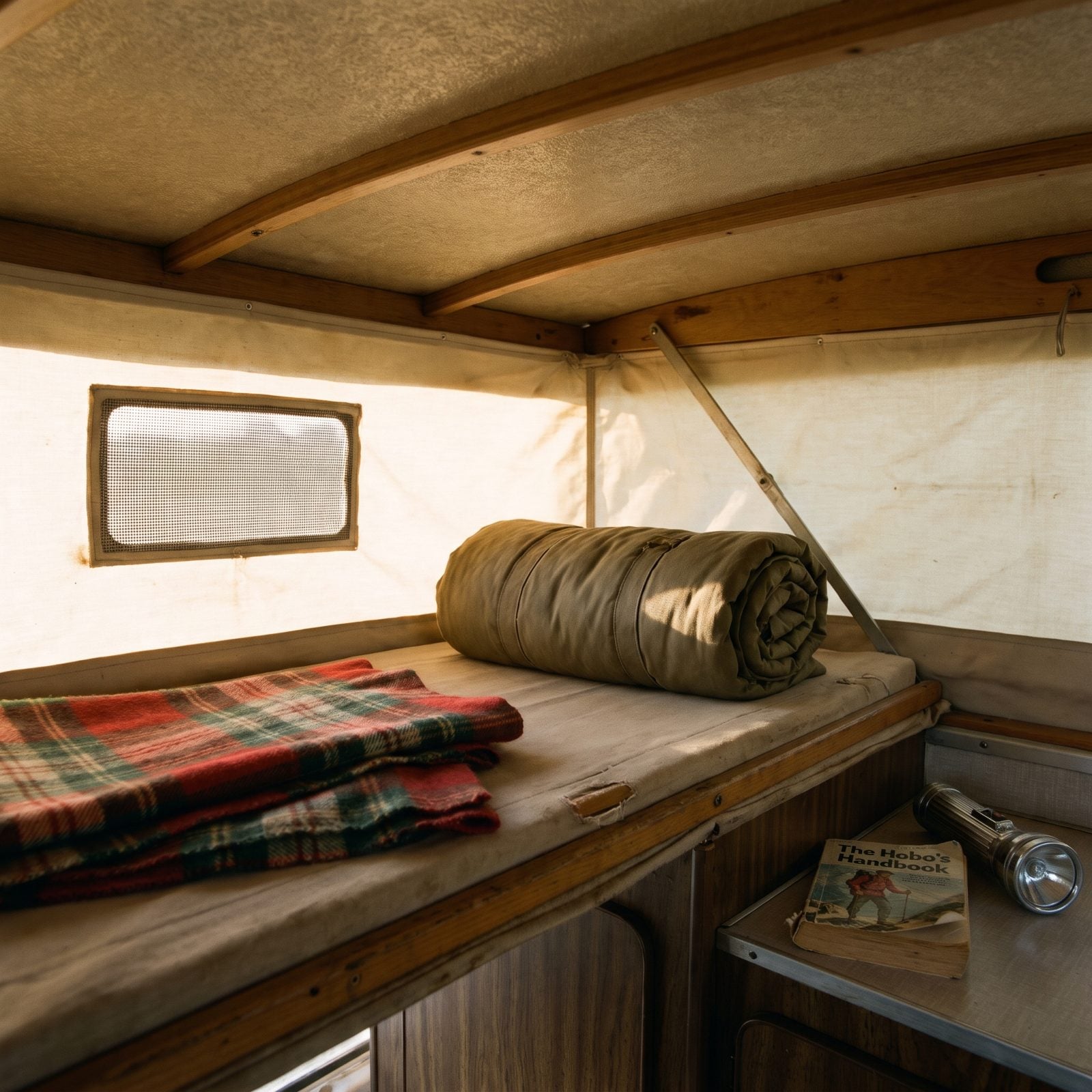
Nobody chose it for the luxury.
The upper cot was a canvas-and-board platform barely wider than you were, set inside a boxy canvas room with plenty of headroom. Roll over too hard and you felt the whole top sway. At least you could sit up without meeting the ceiling.
But there was something to it. The canvas glowing with first light, the whole bus rocking gently in the wind, the feeling of sleeping up in the trees without a tent to pitch. Cramped, yes. Also unforgettable.
20. Rigging a Child’s Hammock Across the Front Cab
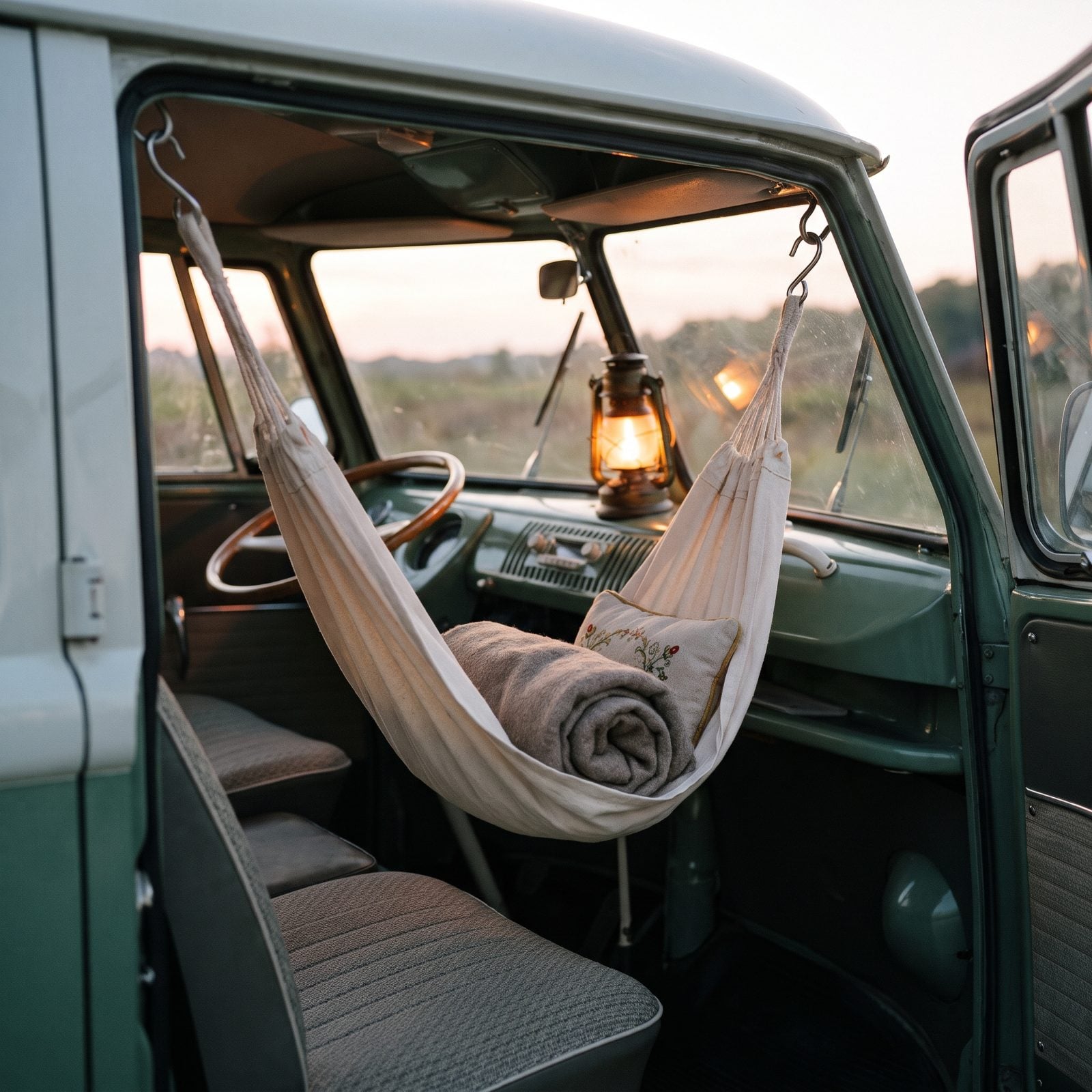
Westfalia thought of everything, including where to put the kid. A little canvas hammock clipped across the front cab, slung above the seats, and there was your second berth without anyone losing a bed.
You’d see a small sleeper swaying up there at night, blanket tucked in, lantern turned low on the dash. For a lot of families it was the first place a child ever fell asleep away from home. The camper rocking a little, the engine ticking as it cooled, everyone tucked into their own strange corner. That’s the part we hold onto.
19. Turning the Rear Bench Into a Bed Each Night
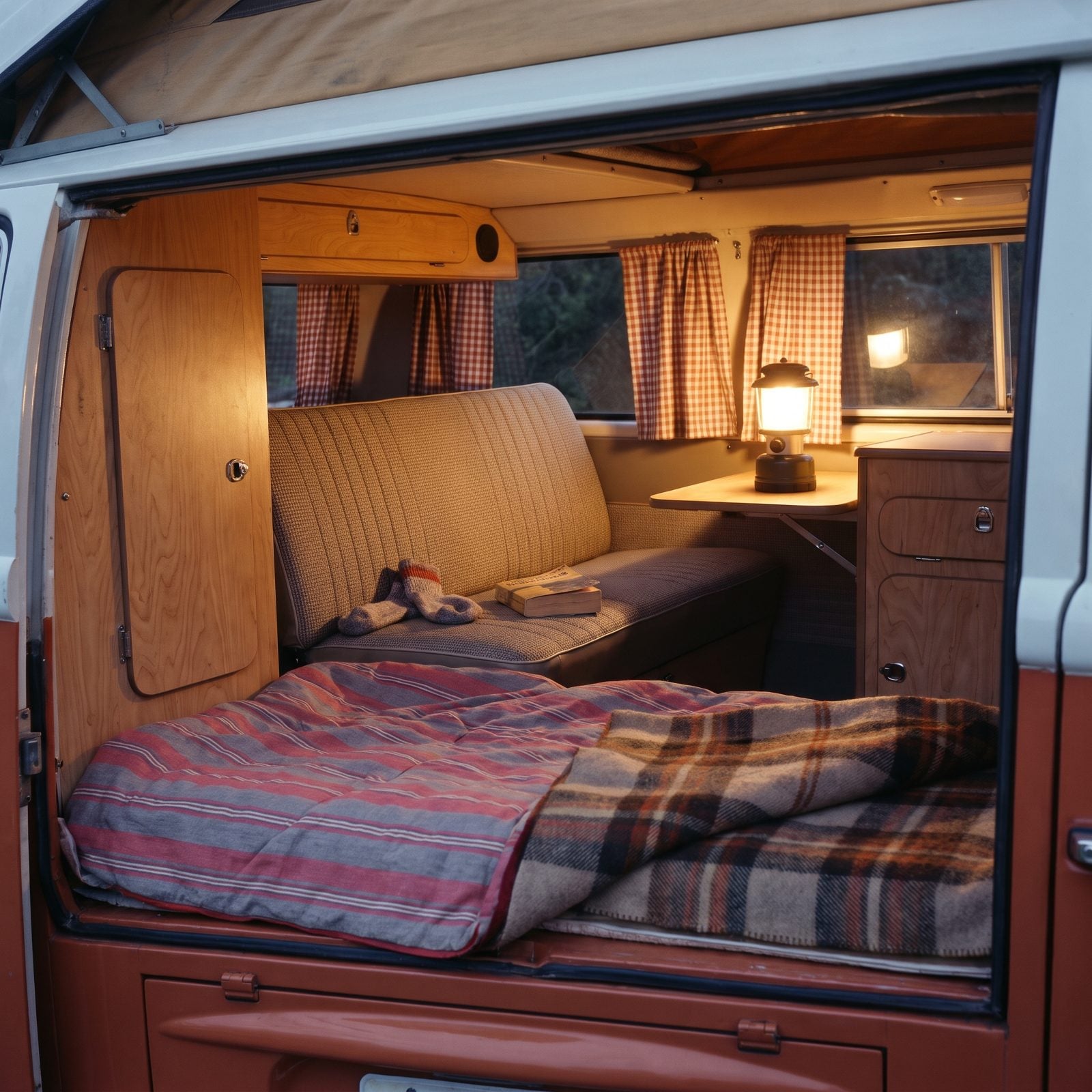
The rear bench folded down flat into the bed, and making it up happened every single night. You’d spread out the striped sleeping bag, throw the plaid blanket over it, and suddenly the seat you’d been riding on all day was where you slept. Come breakfast, you reversed the whole operation.
Nobody minded — that was camping. The real trick was keeping the bench clear, because once the bed was made it was the only place left to sit.
18. Admiring Birch-Plywood Cabinets Built Like Furniture
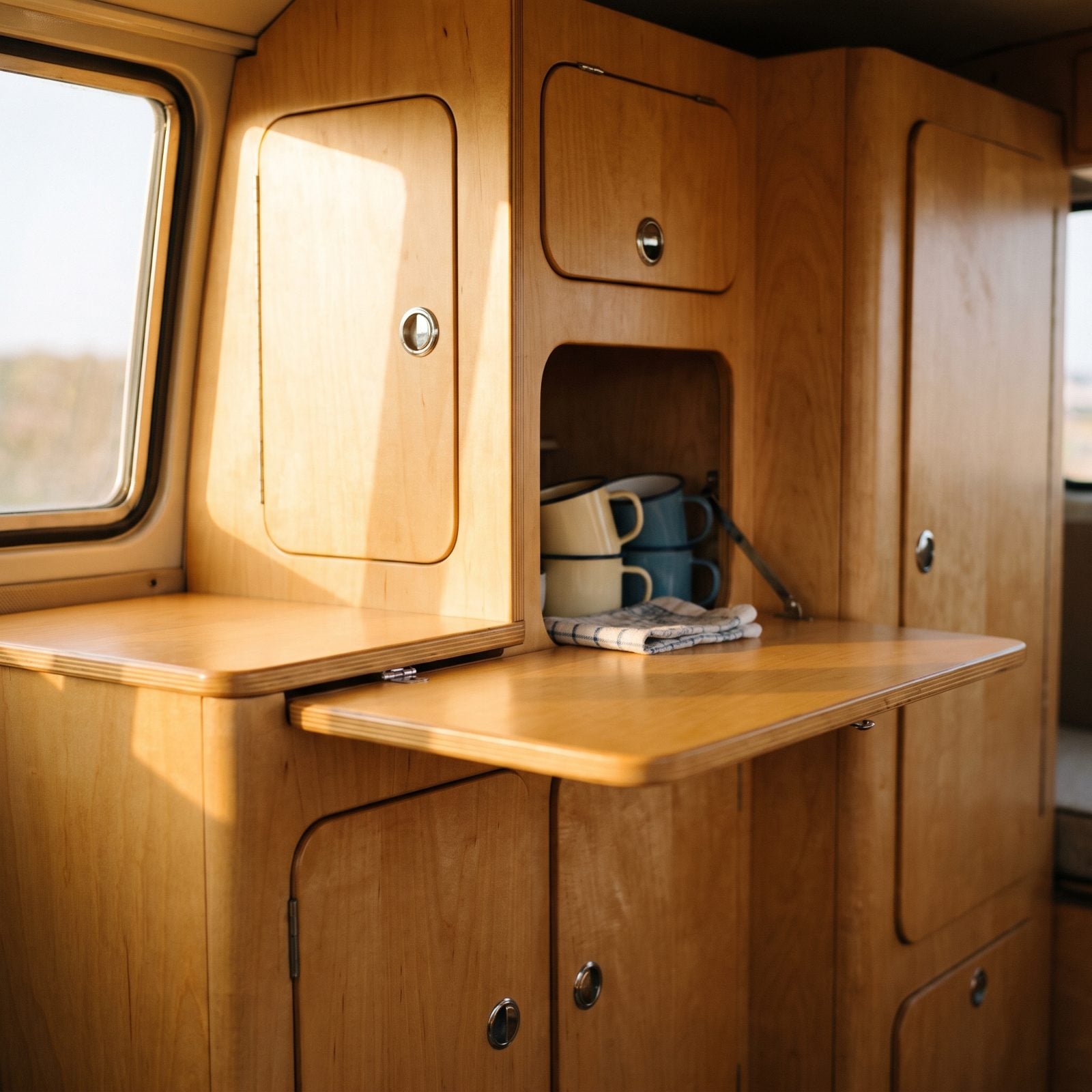
Open any door and the thing that got you was the wood. Real birch plywood, varnished to a warm honey tone, with chrome latches that clicked shut like a good suitcase. No molded plastic pretending to be anything here — Westfalia built the interiors the way a cabinetmaker would, because that’s essentially what they were doing.
Run your hand along an edge and you’d feel the rounded corner somebody sanded by hand. I’ve seen sixty-year-old examples where the cabinets outlived the engine. The woodwork was the soul of the thing.
17. Keeping Food Cold With a Melting Block of Ice
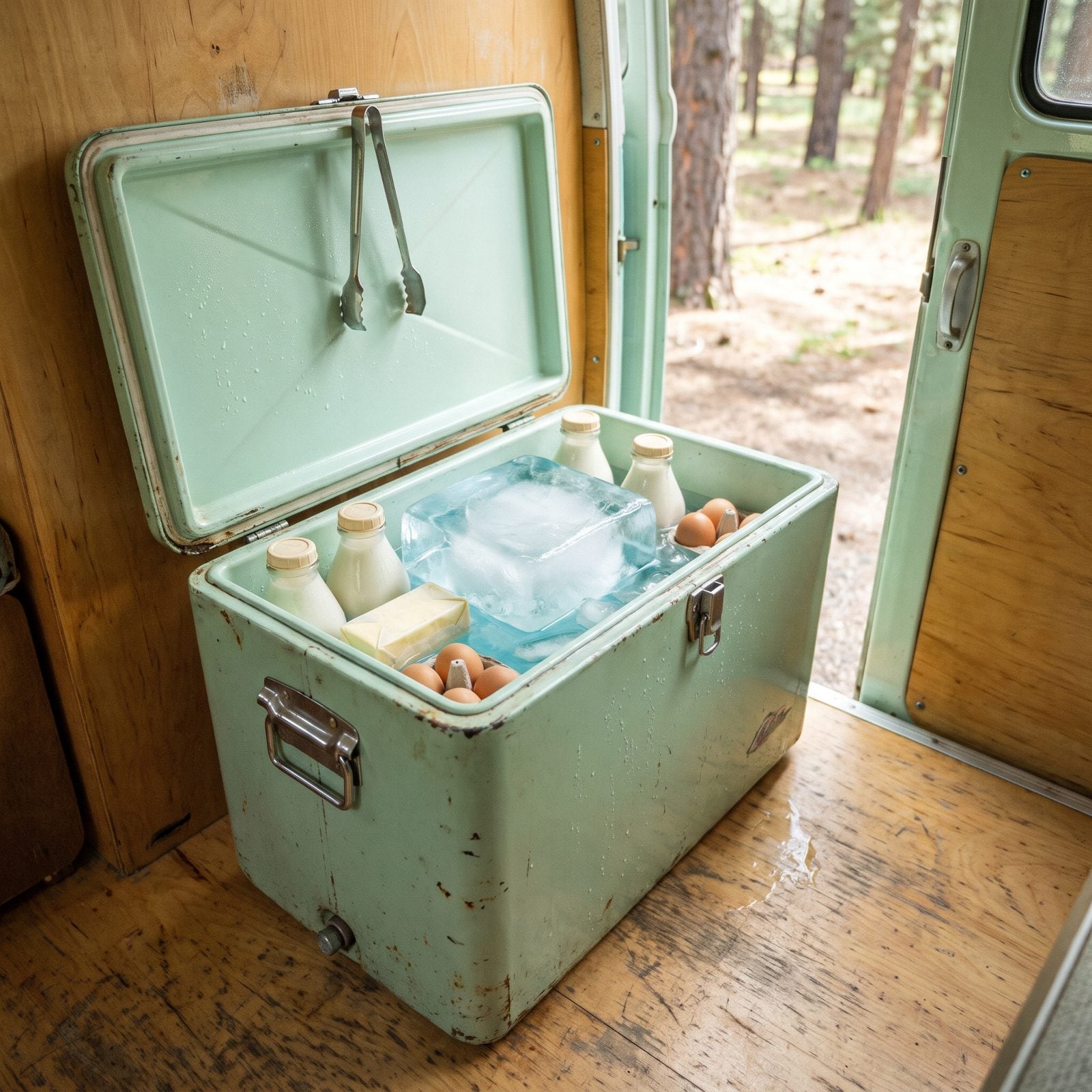
There was no fridge. There was a box, and in the box went a block of ice you bought from a machine at the camp store or a filling station on the way in. It kept the milk cold for a couple of days and then it was gone — a puddle in the bottom of the chest with a few sad eggs floating in it.
You learned to shop like it mattered. Buy for two days, not a week. Drain the meltwater every morning. And always know where the next ice stop was, because warm milk at a campsite with no shade is a lesson you only need once.
16. Pumping Sink Water One Handful at a Time
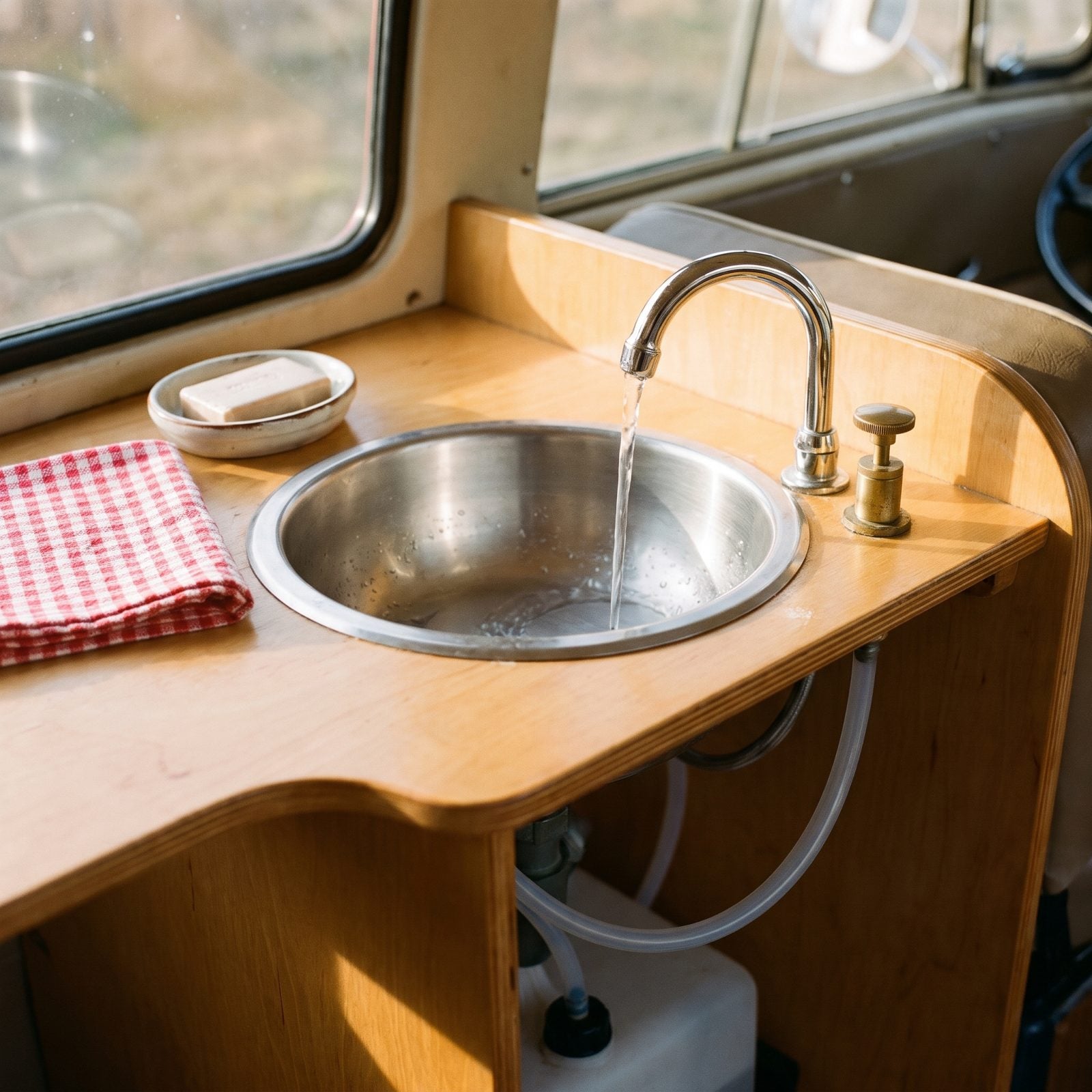
You worked a little hand pump at the faucet, and water came up from the jug under the counter through a plastic hose in a thin, steady stream, enough to rinse a plate or splash your face if you were patient.
Nobody wasted a drop. You’d filled that tank by hand from a campground spigot and you knew exactly how much was left, which made brushing your teeth feel like a small negotiation. Honestly, I kind of miss how it made you think about every cup.
15. Lighting the Propane Stove With a Match
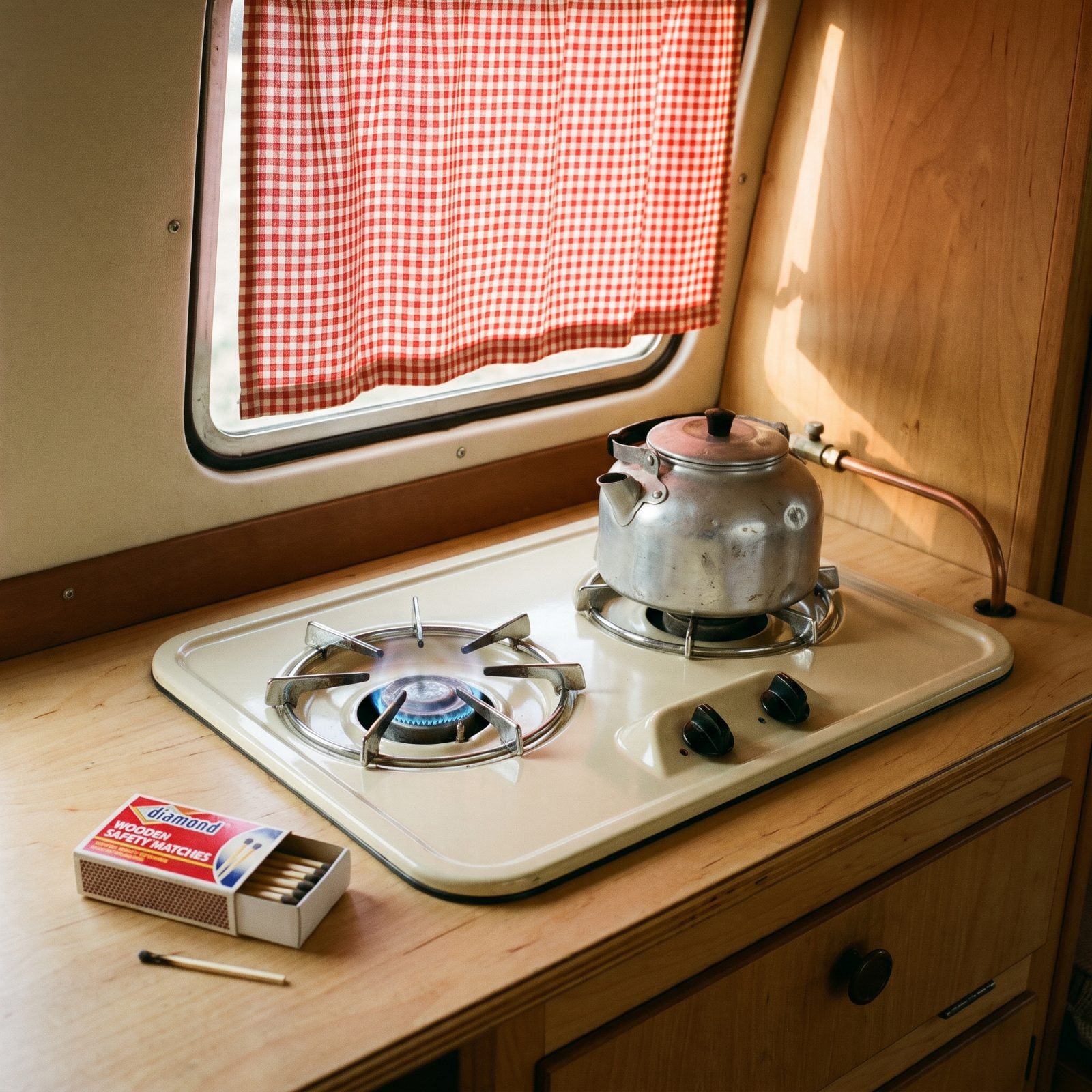
No clicking igniter. You turned on the gas, heard the hiss, struck a match, and touched it to the burner before the propane built up. The little blue ring would catch with a soft whump, and then you had a kitchen.
Everyone had their own method. Some people lit the match first. The stove sat right under the window, beside the gingham curtains, so you learned not to flinch.
14. Drawing Tiny Curtains Around the Entire Bus
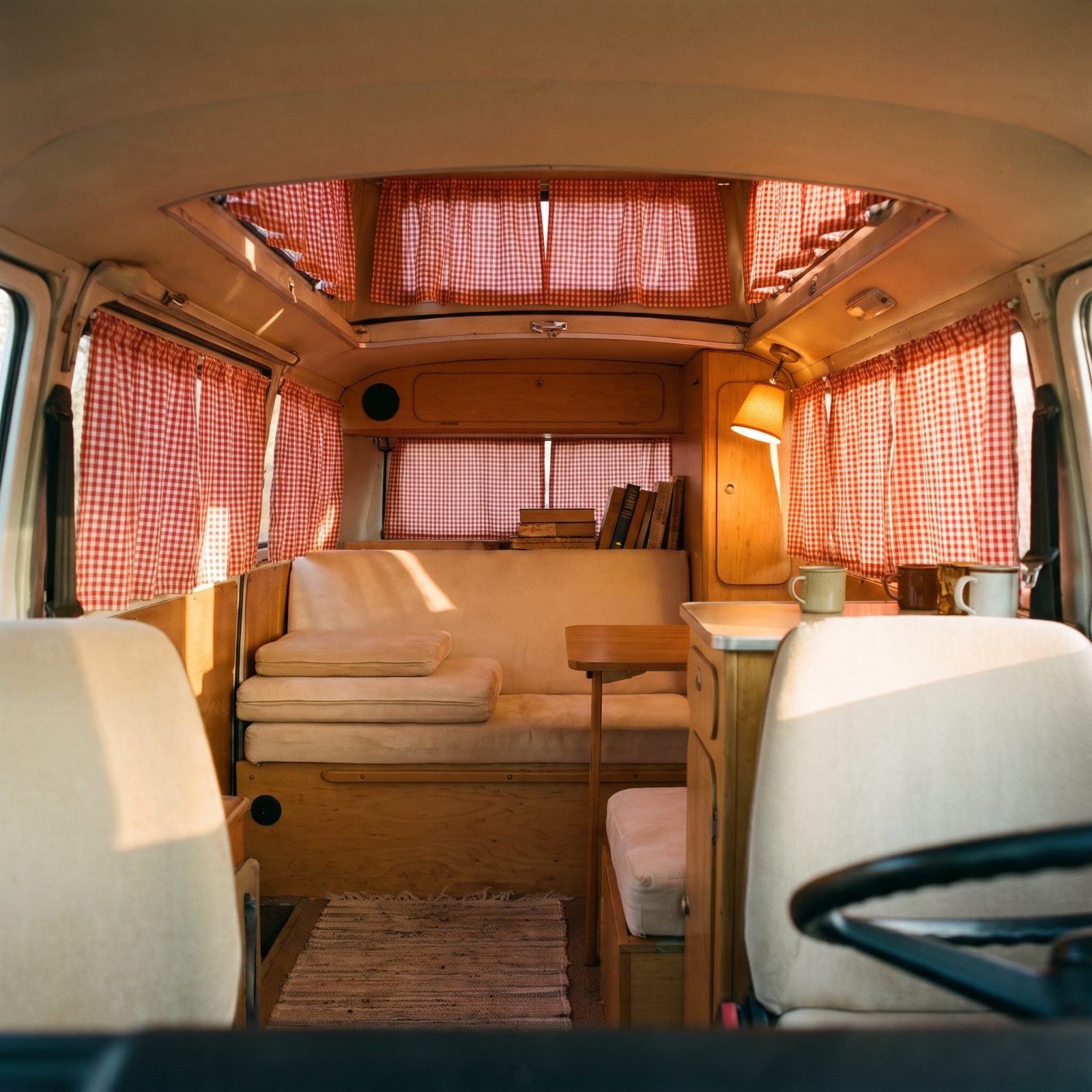
Come bedtime, you went around the whole bus pulling little curtains on little rails — every window, including the windshield. A few minutes of tugging checked cotton across tiny tracks, and the van went from a vehicle to a bedroom.
The curtains were almost always gingham or a quiet solid, hung on thin chrome rods. By day you tied them back with a bit of cord. By night you sealed yourself in, and the inside glowed faintly from the lantern while the campground went dark outside.
13. Attaching a Canvas Side Tent to Create Another Room
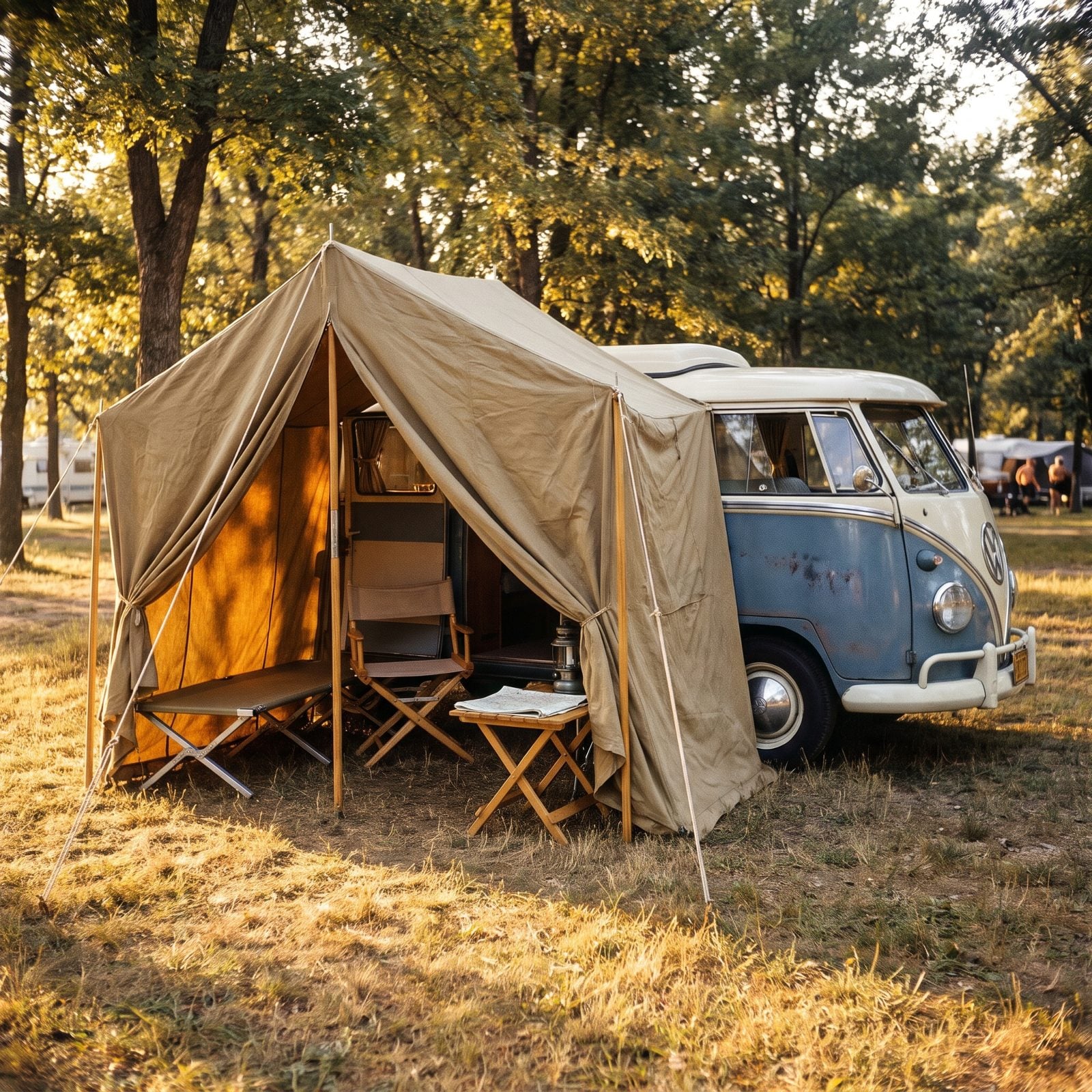
For families, the canvas side tent was the great expansion. It clipped and zipped onto the open sliding door and gave you a whole second room, big enough for a cot or two and a chair, so the kids had somewhere to sleep that wasn’t your elbow.
Setting it up was a two-person job — poles, guy lines, a bit of muttering. But once it was staked down and the flap was tied open, the bus stopped being a van you slept in and became a little camp with rooms. That smell of warm canvas in the morning sun is pure 1960s.
12. Stowing a Chemical Toilet Inside the Living Space
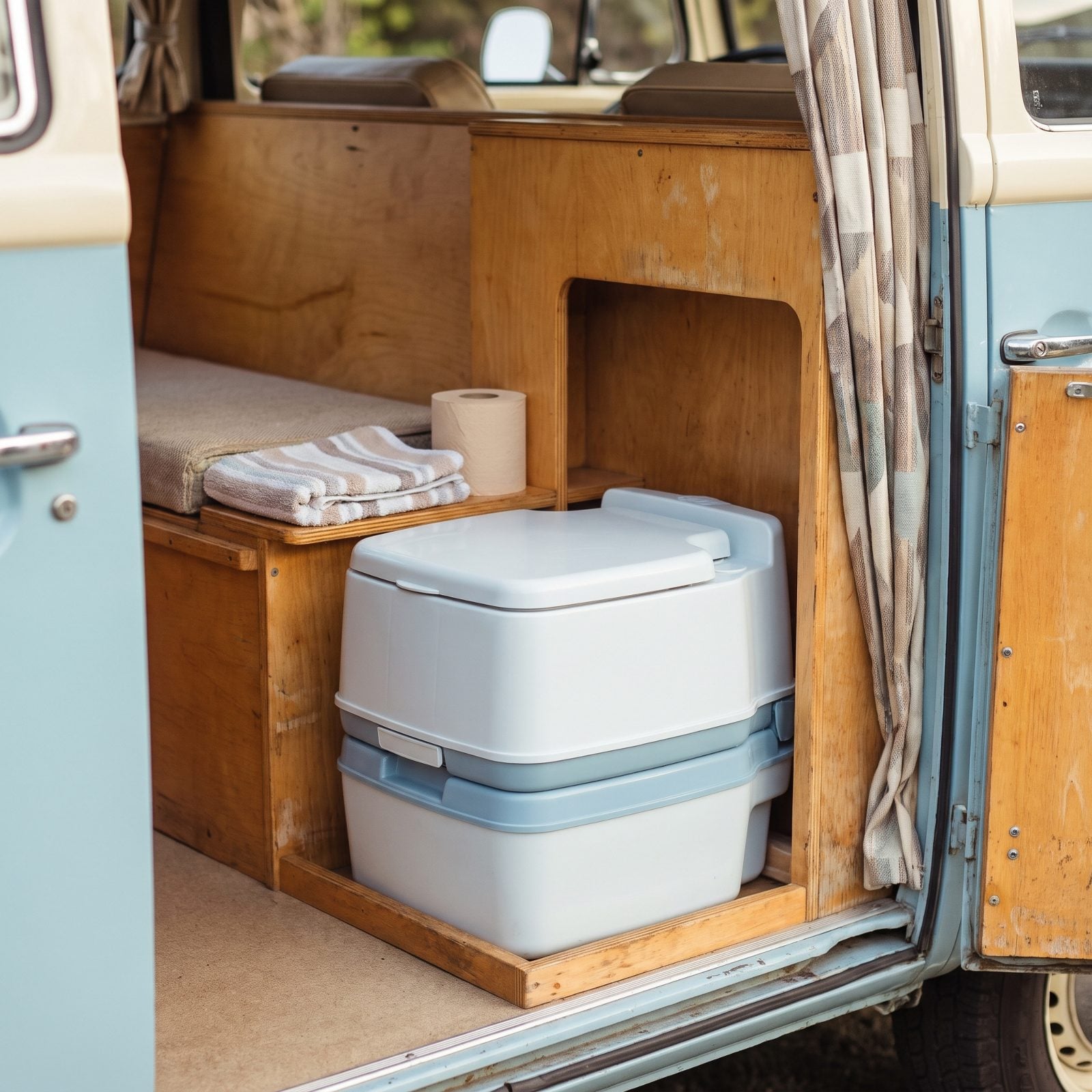
Space was so tight that the toilet, when you had one, was a small chemical unit that lived in a cabinet or slid out from under a bench. You pulled it out when you needed it and put it back when you didn’t, and in a van this size that meant everyone else stepped outside first.
It wasn’t glamorous and nobody pretended otherwise. But on a rainy night far from the restroom block, that little plastic box earned its keep.
11. Listening to Enamel Dishes Rattle in the Cabinets
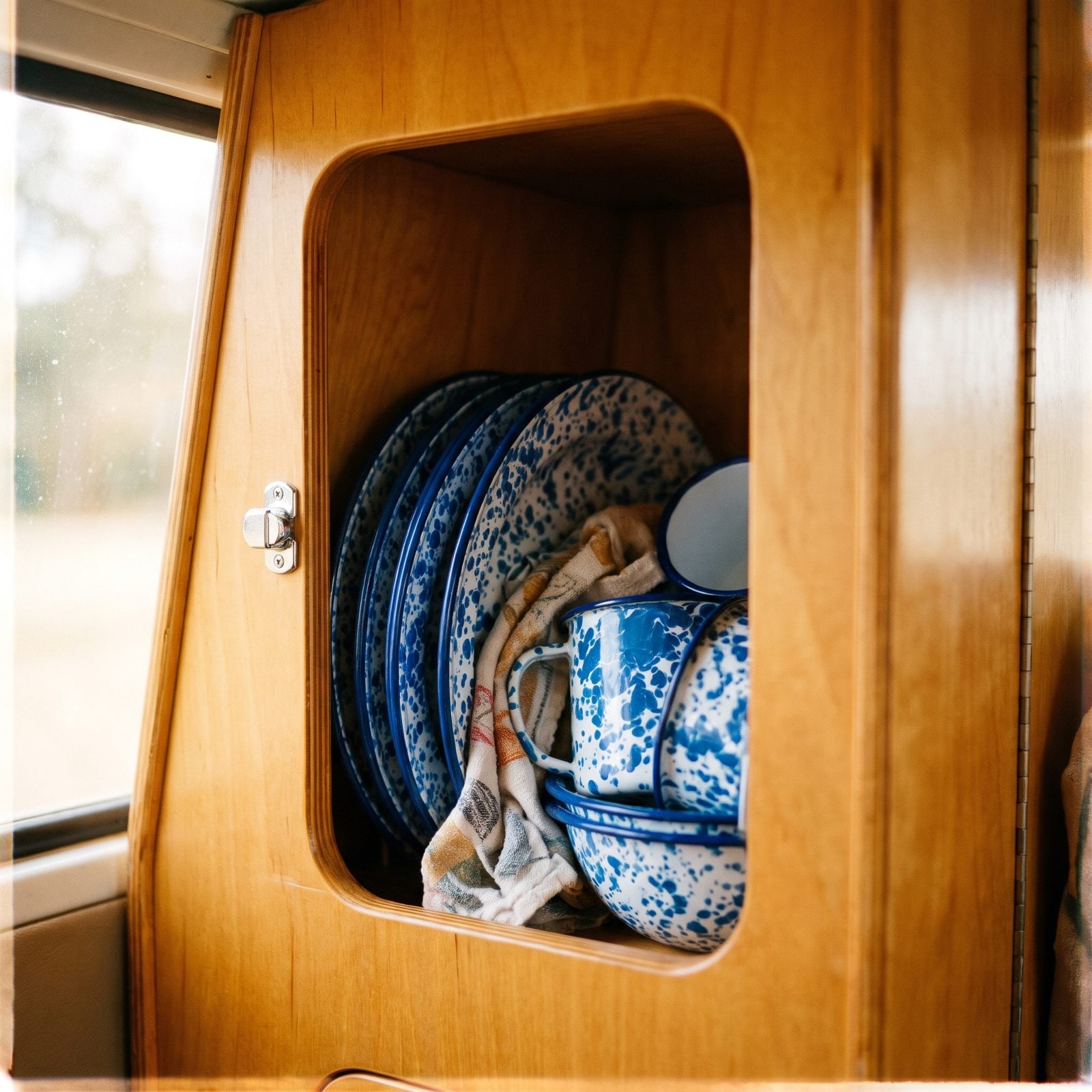
You knew the road was rough before you saw it, because the dishes told you. Speckled enamel plates and cups stacked in the cabinet, chattering and clinking with every bump and pothole, a tin-pan rhythm that became the soundtrack of every drive.
Everyone eventually learned the fix: a dish towel wedged between the plates. It muffled the worst of it. But some rattle always got through, and after a while you stopped hearing it as noise and started hearing it as the van just being the van.
10. Brewing Morning Coffee in a Stovetop Percolator
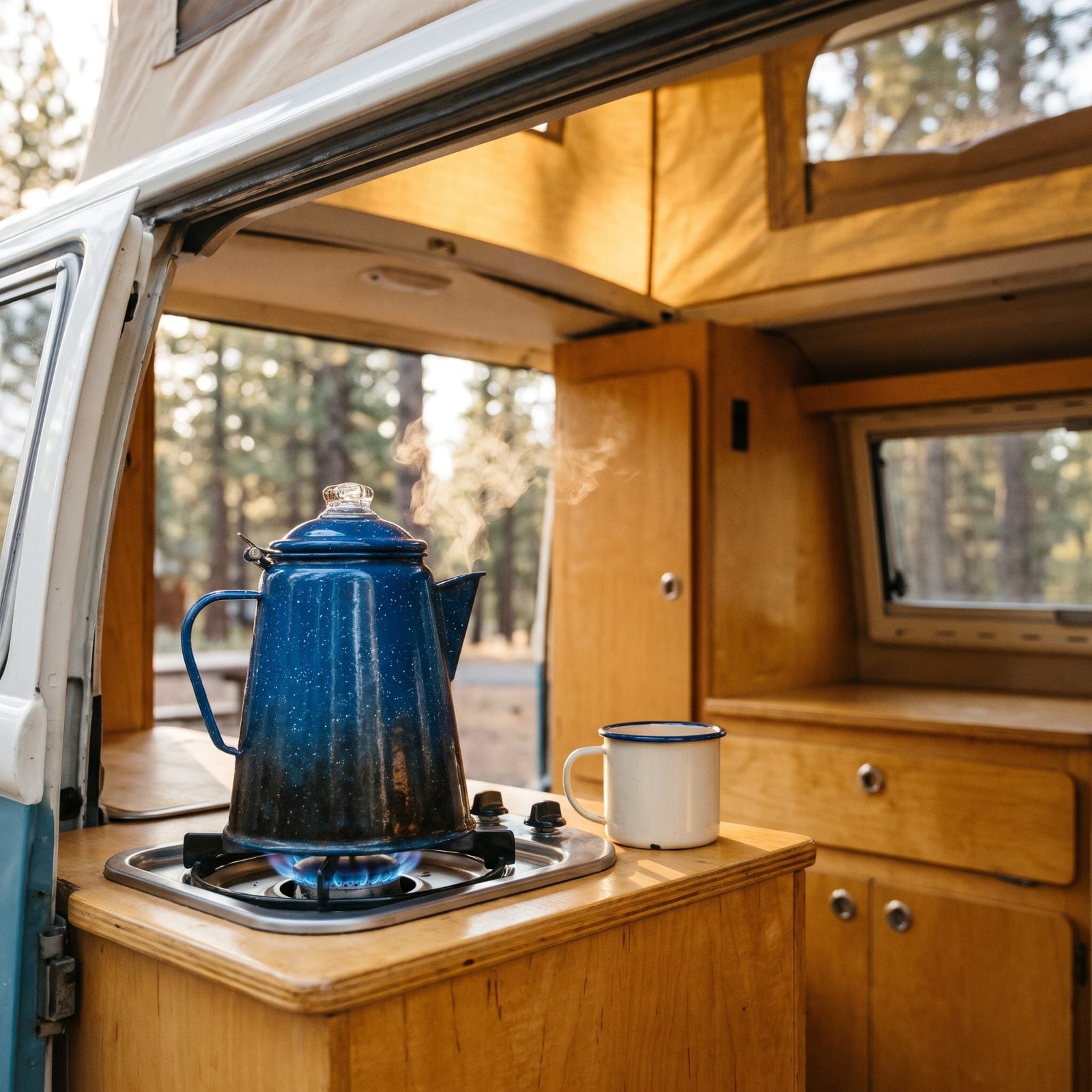
First thing anyone did was put the percolator on. Fill it, light the burner, wait for the little glass knob on top to start burbling dark. That sound and that smell drifting up through the open pop-top is what a Westfalia morning actually was.
No rush, because there was nowhere to be. You sat on the open sliding-door sill with an enamel mug while the coffee finished working and the campground slowly woke up around you. Nobody who ever did it forgets that percolator finding its rhythm, the whole van still cool from the night, the day not yet asking anything of you.
9. Leveling the Camper With Rocks and Scraps of Wood
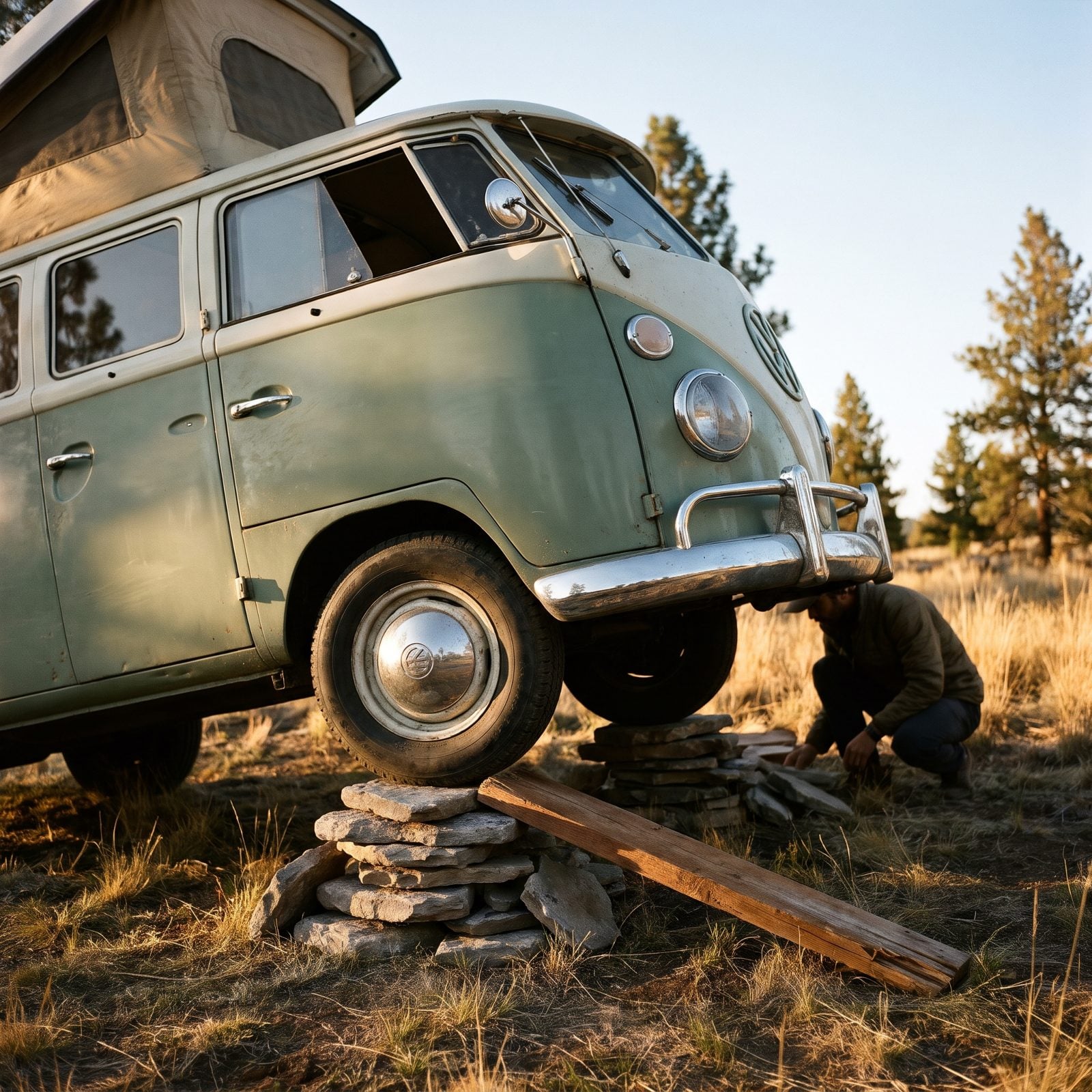
You’d open the door, feel the floor pitch like a boat, and know dinner was going to slide off the little fold-out table. So you’d go hunting. Flat rocks from the creek bed, a chunk of firewood, that scrap of two-by-four you’d learned to keep in the back for exactly this.
The ramp-up was the hard part. You’d ease the bus forward an inch, climb out, check whether the icebox door now stayed shut, then climb back in and try again. There was no bubble level stuck to the dash, just your own sense of whether the bed felt wrong under you at two in the morning.
8. Navigating With Folded Paper Maps Across the Dashboard
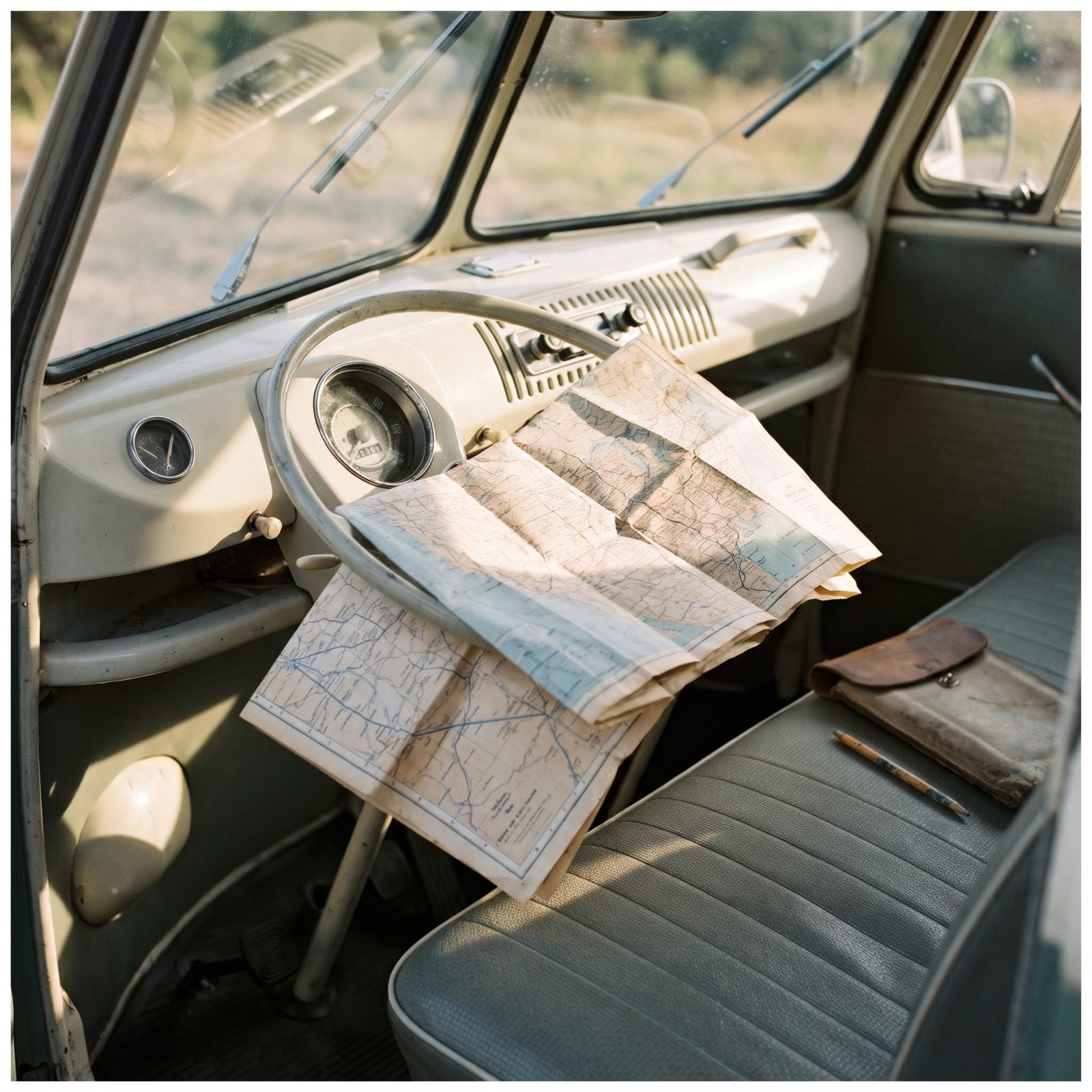
The map never folded back the way it came. Ever. You’d wrestle it into something approximately rectangular, wedge it between the seats, and by the next gas stop it had opened itself like a flower across the whole dash again.
Navigation meant the passenger became a second brain. Someone had to call out the turn before you reached it, because there was no recalculating — miss the exit and you’d lose twenty minutes finding somewhere to turn a bus that didn’t turn fast. You learned the shape of states by the folds in the paper, the worn creases going soft and translucent right over the roads you drove most.
7. Finding a Payphone to Tell the Family You Had Arrived
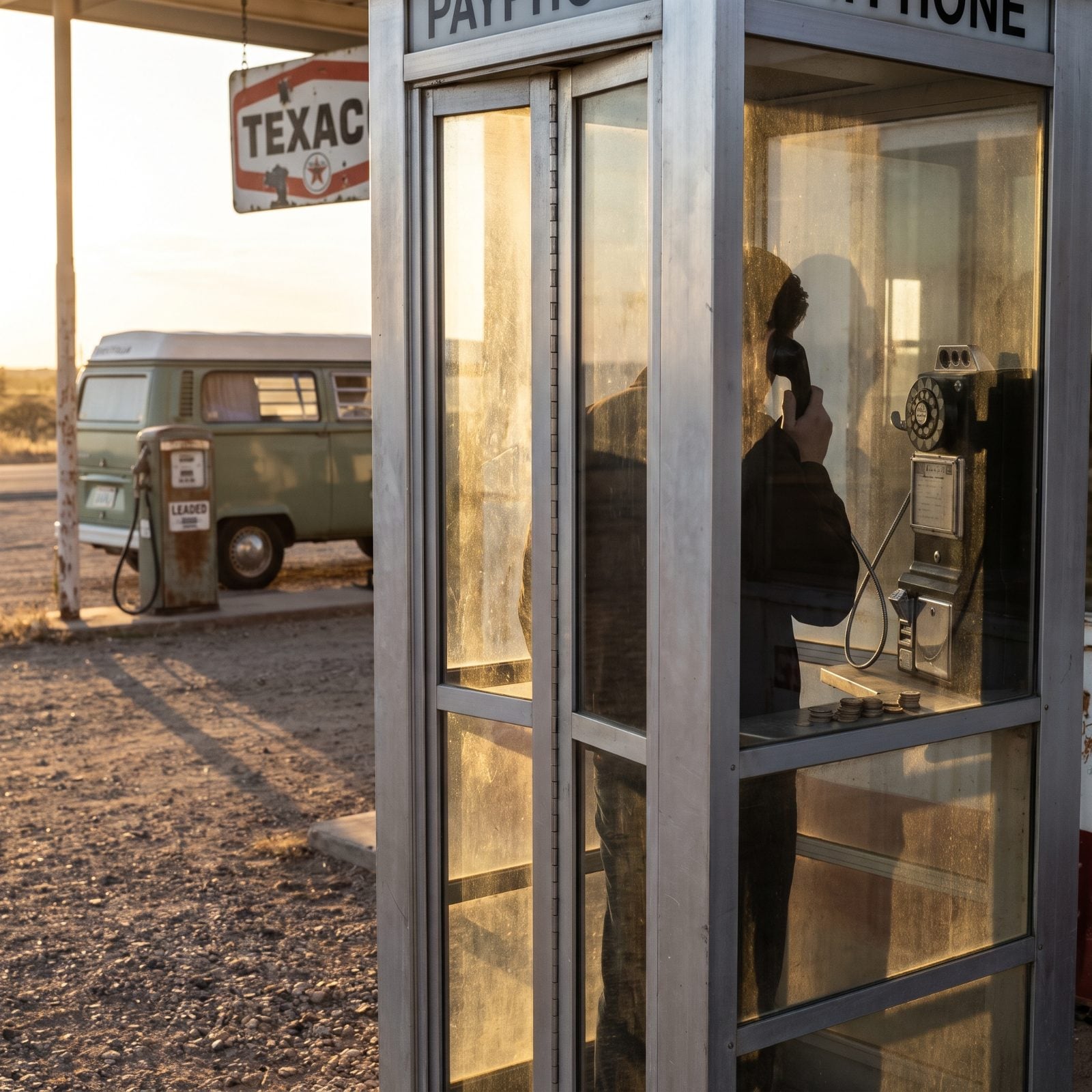
You kept a sock of coins in the glovebox for exactly this. Quarters, dimes, the occasional nickel — a specific jingling weight that meant you could call home when you got where you were going.
The ritual was almost sacred. Find the station or the roadside booth, fish out the number on a scrap of paper, feed the slot, wait for the connection to catch. “We made it. Camper’s fine. Call you from the coast.” Three sentences, because the operator would cut in asking for more coins if you lingered. Then you’d hang up and that was it. Nobody knew where you were again until the next payphone, and somehow that felt like freedom rather than danger.
6. Waiting Weeks to See Whether the Vacation Photos Turned Out
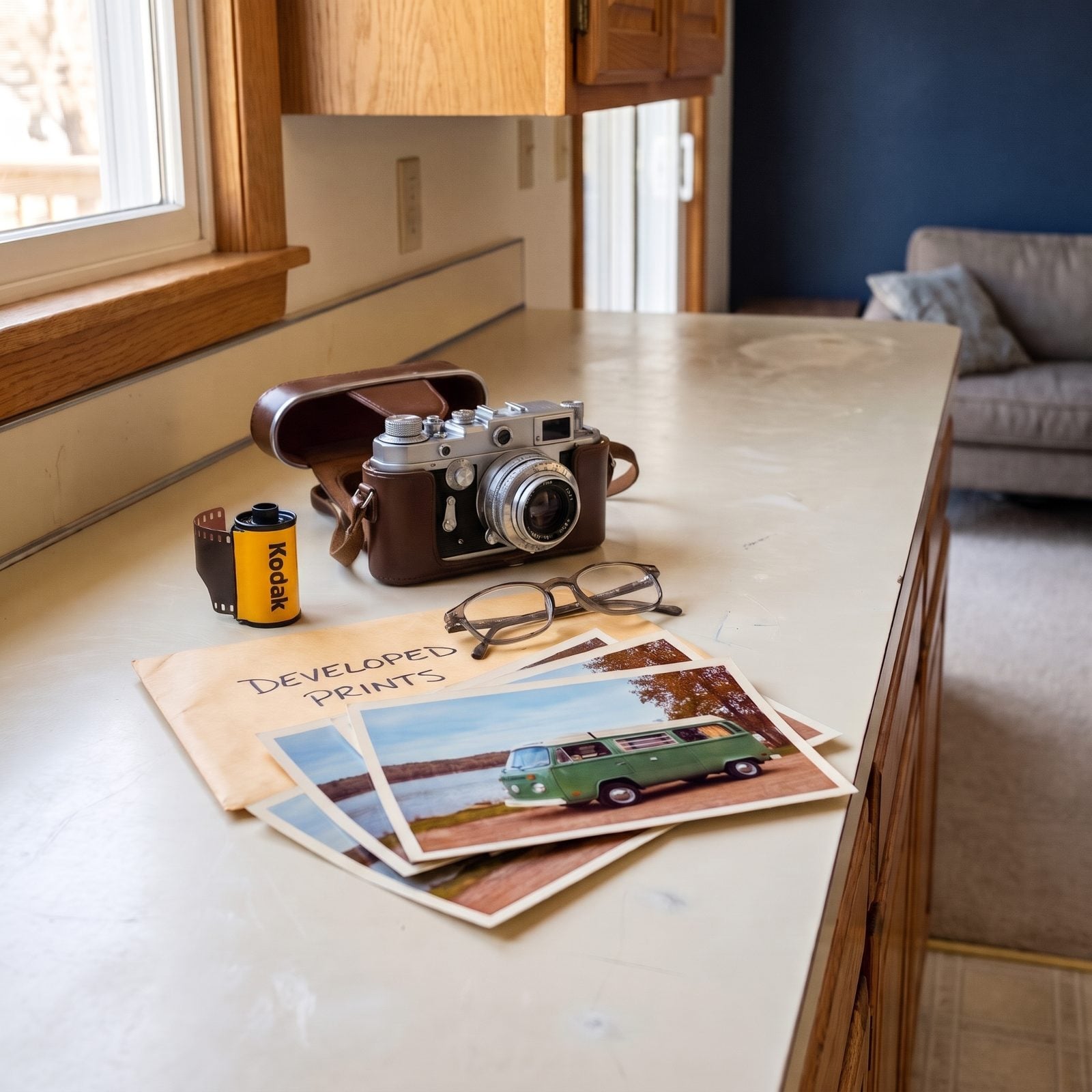
You shot the whole roll and had absolutely no idea what you’d captured. Thumb over the lens on the best sunset. A blur where the kids moved. That one perfect frame of the bus by the lake, or maybe not — you wouldn’t know for a month.
Film came home in the glovebox, rattling around until you dropped it at the drugstore counter and paid for the wait. Then the envelope arrived and you’d flip through on the kitchen counter, half of them disappointing, two or three that stopped you cold. Those became the trip. Not the days you lived — the three photos that survived them.
5. Trading the Volkswagen Wave With Other Bus Drivers
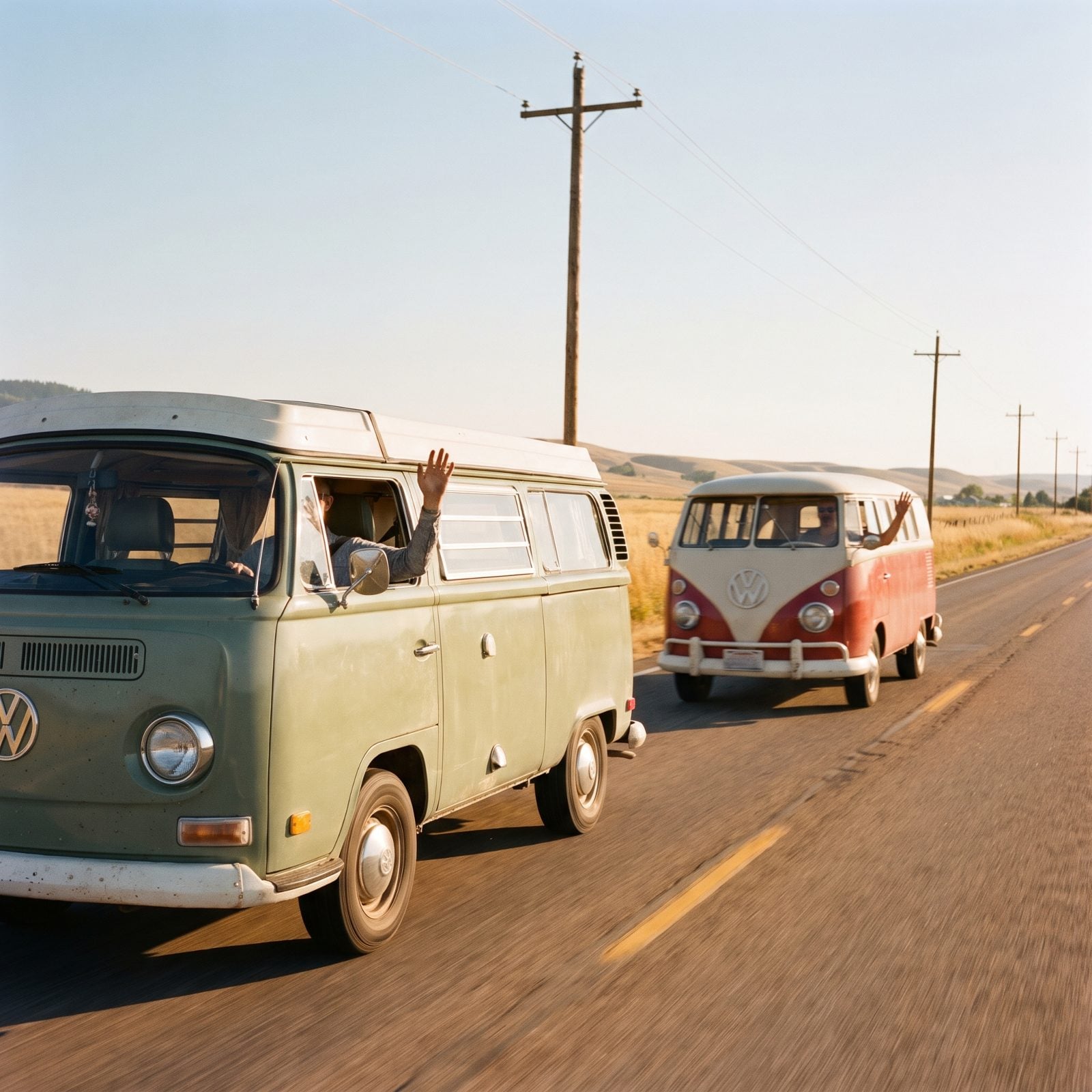
Two fingers off the wheel, or a full raised hand, or a flash of the headlights. The code varied but the message didn’t: I see you, we’re in the same slow boat, good luck out there.
You felt like part of a club nobody had formally invited you to join. Find another bus rolling along behind you in the same lane and arms went up out of both windows before anyone had thought about it. There was real solidarity in it, because you both knew the air-cooled engine behind you could quit at any moment, and the wave was half greeting, half sympathy.
4. Watching the Westfalia Become a Flower-Power Icon
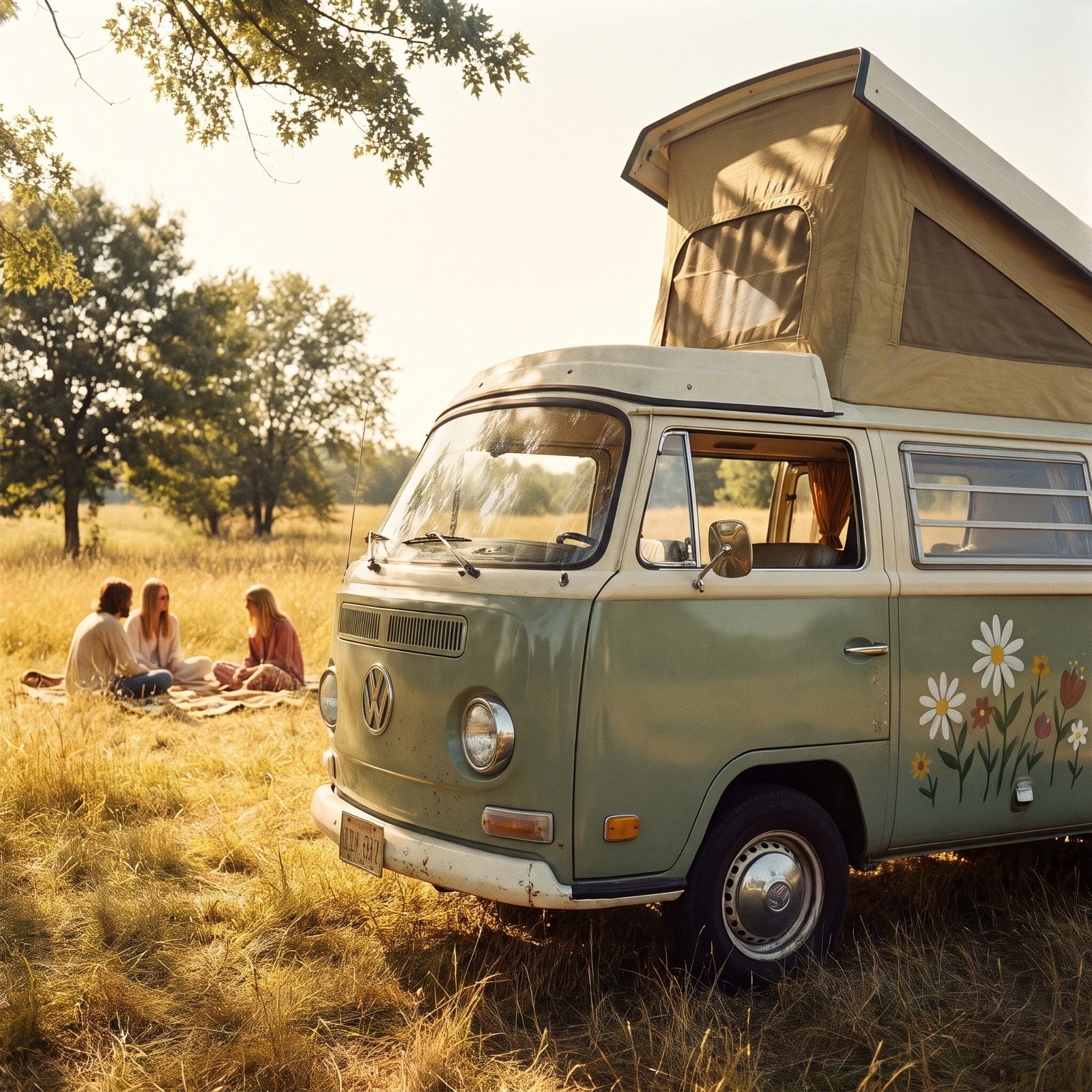
Somewhere along the way the bus stopped being just transport and started meaning something. It showed up at the gatherings, the music fields, the long slow migrations toward the coast. Paint a daisy on the side panel and the Westfalia became shorthand for a whole way of thinking about freedom.
Part of why it fit was simple honesty. The thing was cheap, slow, and built to be lived in, which lined up neatly with people who wanted less of everything and more time. You could sleep in it, cook in it, and drive it to the edge of the map without owing anyone an explanation.
3. Hauling Surfboards on a Camper That Barely Made Highway Speed
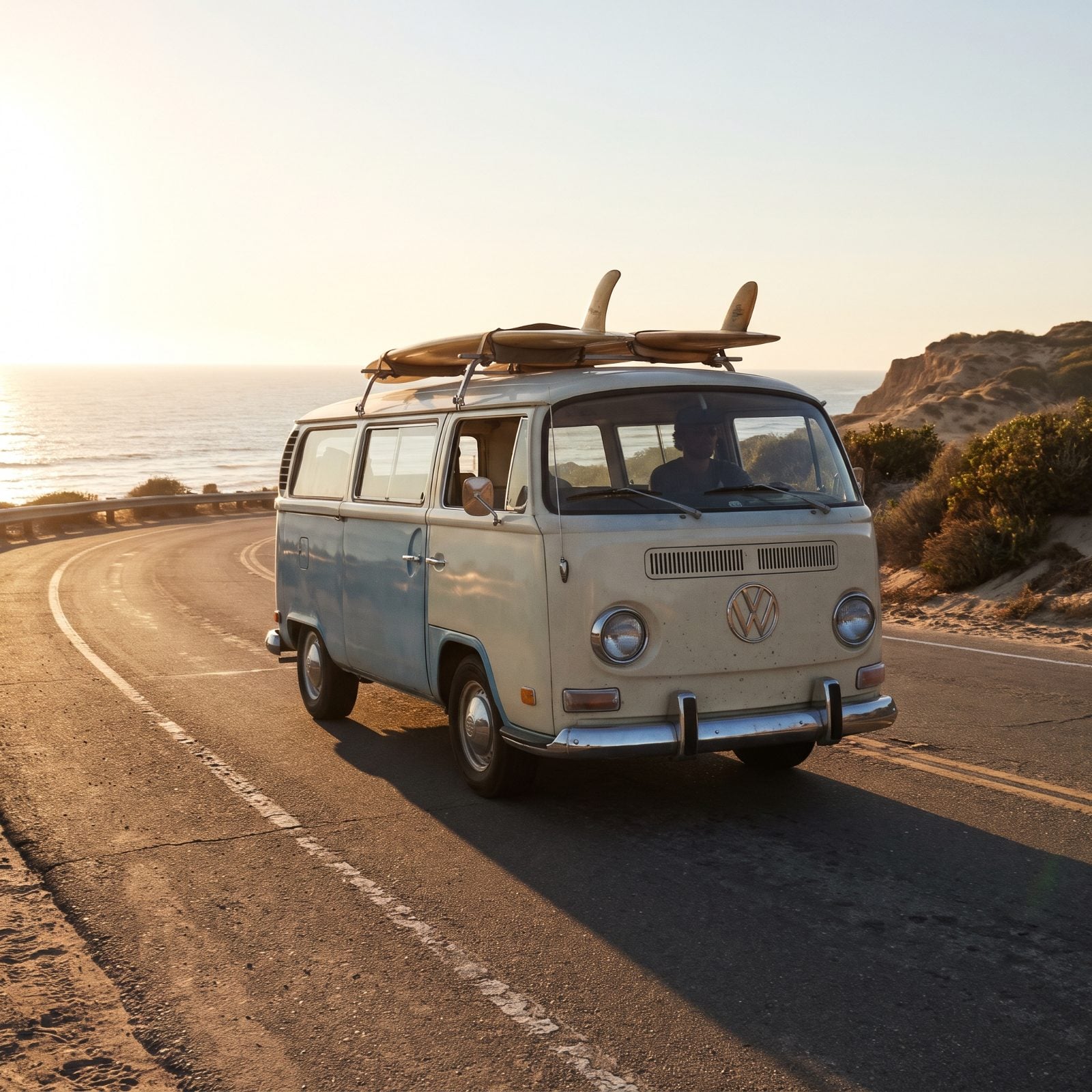
Flat out, downhill, with a tailwind, you might coax it near the speed limit. Load two longboards on the roof and the whole thing became a sail fighting you the entire way to the beach. The engine would drone, the needle would hang, and the big rigs would roar past close enough to rock the bus sideways.
Nobody cared. The point was never getting there fast. You’d roll into the lot, pop the top, strip the boards off the rack, and the slow drive was already forgotten by the time your feet hit the sand.
The bus didn’t take you to the surf. It took you to the surf eventually, and that was the whole appeal.
2. Pulling Into an Informal Camp Spot Before Everything Was Regulated
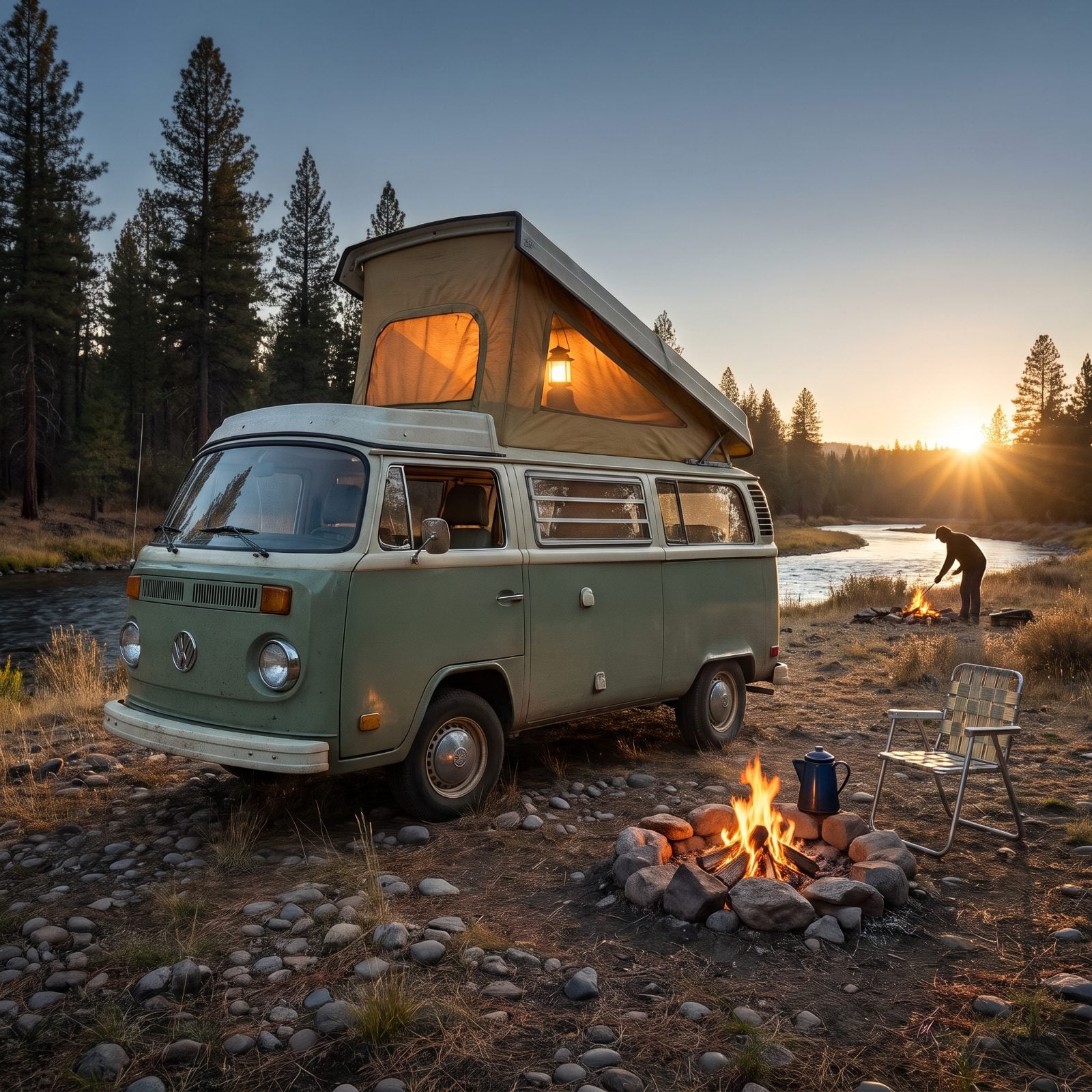
You’d see a pull-off near water, nose the bus down the track, and just stop. No reservation six months out. No numbered post. No ranger with a clipboard. If the ground was flat and the view was good, that was your home for the night.
That freedom is hard to explain to anyone who only knows booking windows and site fees. You followed the dirt until it felt right. Sometimes that meant a riverbank nobody else had found, sometimes a bluff over the ocean with the whole horizon to yourself.
1. Treating a Breakdown as Part of the Adventure
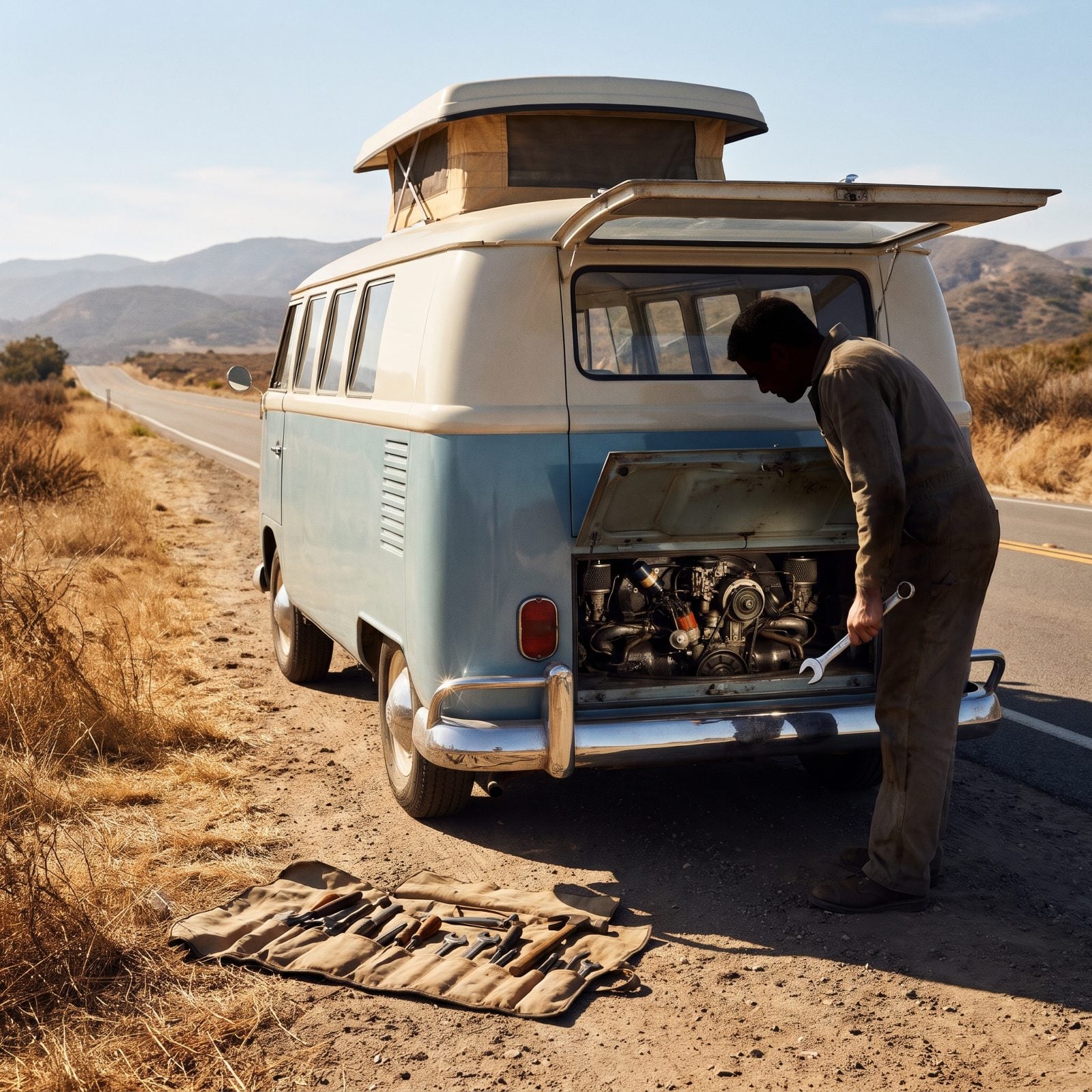
The engine quit when it felt like quitting. Overheated on a grade, flooded in the rain, coughed and died for reasons you’d diagnose by the side of the road with a wrench and a lot of patience. And strangely, nobody panicked.
You’d pop the rear lid and poke at the air-cooled flat-four, and half the time it was something you could fix — a fouled plug, a loose wire. If it wasn’t, you flagged down another bus or walked to the nearest farm with a phone. The breakdown became the story you told for years, more vivid than any day the thing ran fine. The bus demanded you learn its moods, and in return it gave you the kind of trip you couldn’t plan. That was the deal, and you’d take it again.