
The propane bill arrives and it’s forty dollars higher than the rig next door, both parked in the same Arizona park, both running the same furnace. One of you read the fine print. The other didn’t. That’s the first snowbird season in a sentence.
Please note that some of the images in this article were created with the assistance of AI.
Everyone pictures the palm trees and the shuffleboard and that 72-degree January afternoon. Nobody warns you about the frozen water hose at 6 a.m. or the pharmacy that needs three weeks to shuffle a prescription across a state line. These are the lessons that blindside first-timers, the ones veterans just nod at because they paid for every single one.
21. Popular Snowbird Parks Fill a Full Year Ahead

Call in October and the good spots are already gone. The big draws — the long-term resorts around Yuma and Mesa, the Gulf Coast parks near Rockport — book out most of a year ahead for peak January and February. Some keep waitlists that crawl slower than a Sunday checkout line.
We learned to treat next winter’s reservation like a dentist appointment: make it before you leave this one. Improvising your first year? Aim for shoulder season, or look inland, away from the brochure-famous addresses. That dream site with the mountain view and the heated pool went to somebody who booked it while you were still deciding whether to go at all.
Speaking about the winter season still months away, an RV resort director who oversees five Florida parks says “We typically are 100% booked at all five resorts by April.”
20. That Monthly Rate Rarely Includes Your Electric Bill
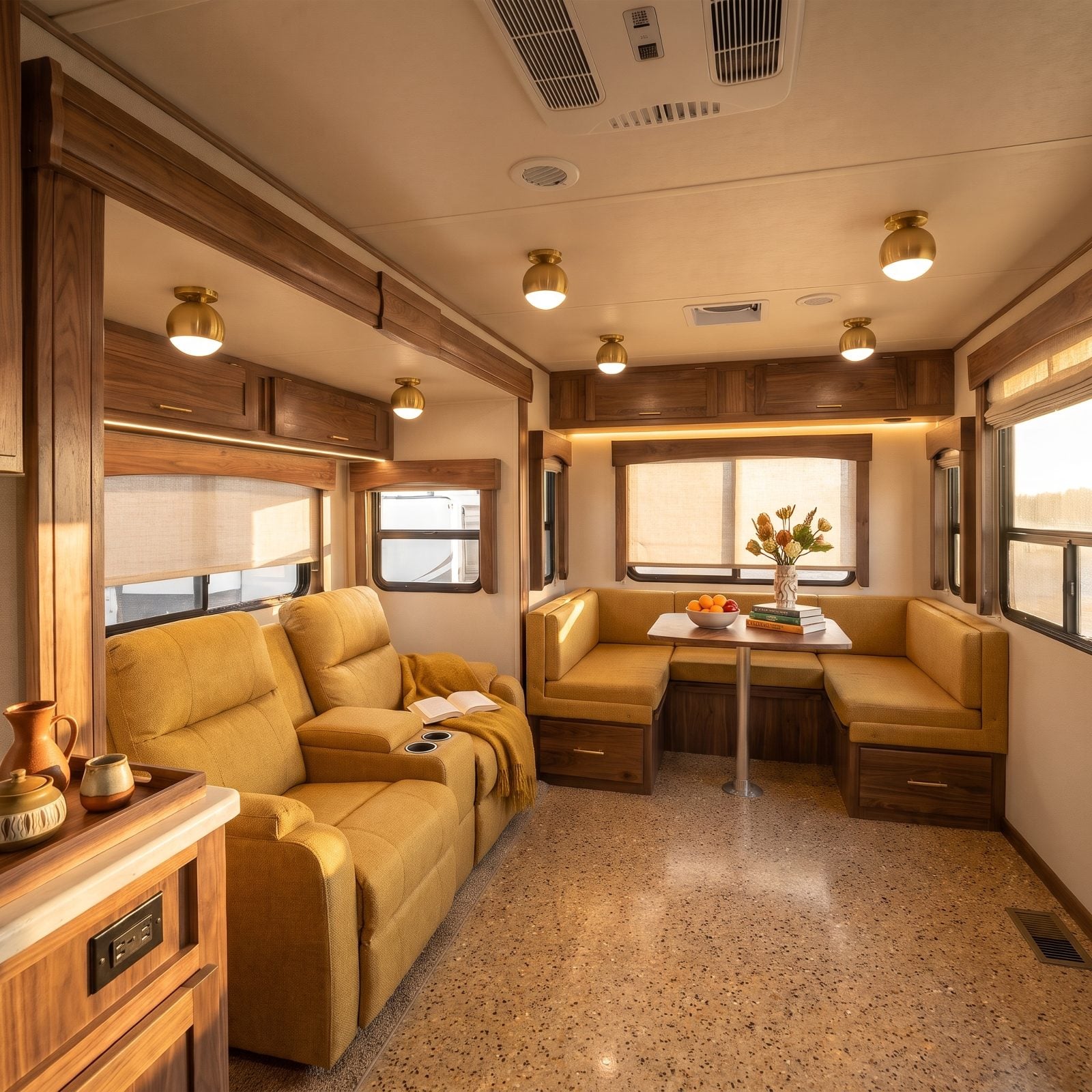
The advertised number looks great right up until the first metered electric bill lands on top of it. Most monthly sites bill power separately, and if you’re running a residential fridge, two space heaters on a cold snap, and an electric water heater, you’ll feel every watt of it.
Here’s the trap. A furnace that runs on propane barely sips electricity, so the temptation to switch everything to electric and save on propane can quietly double your power bill instead. Read whether the quote says “plus electric” or “all inclusive,” and ask what a typical monthly reading runs for a rig your size. Budget another chunk each month depending on climate and how heavy a heater user you turn out to be.
19. The Bargain Site Comes With No Shade
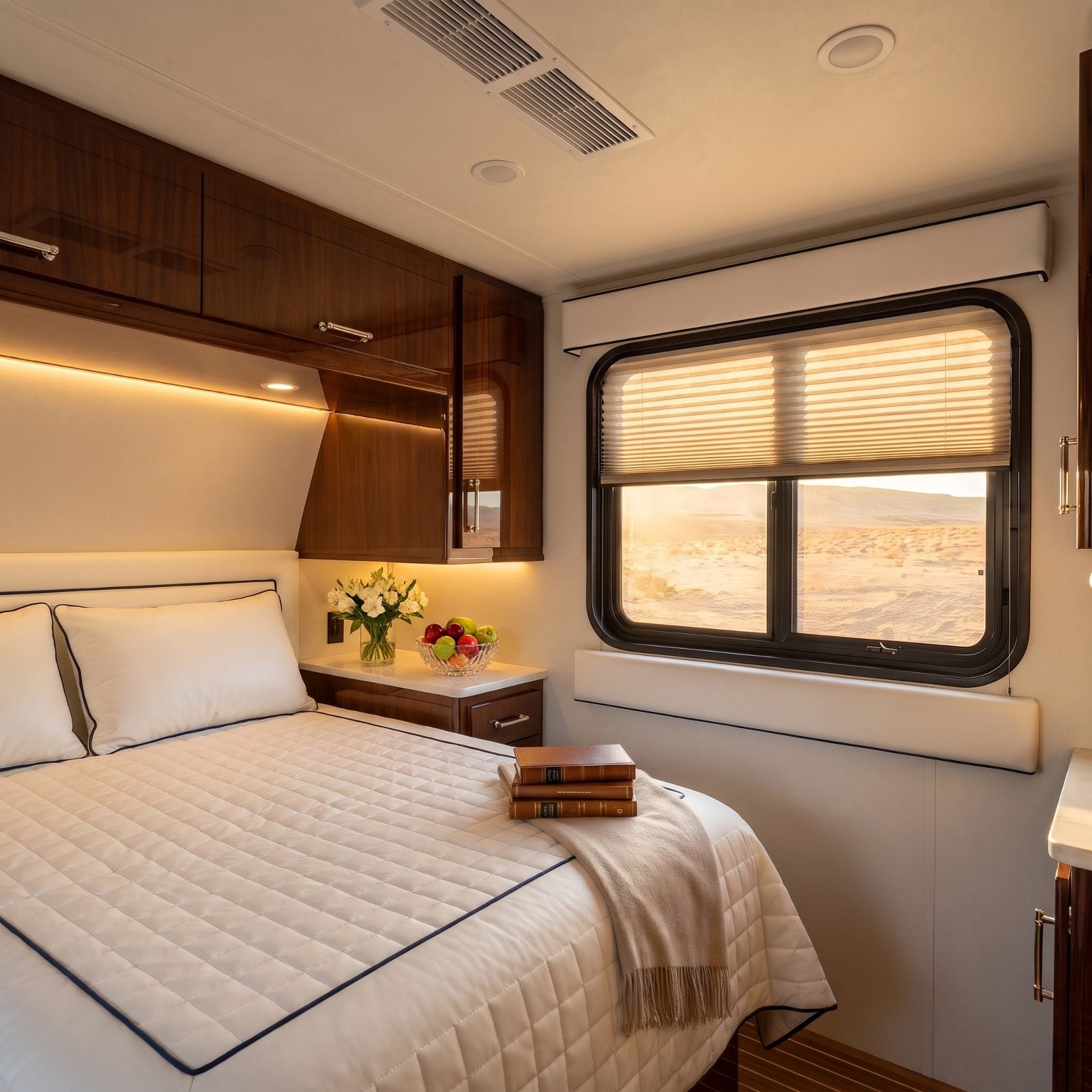
You saved fifteen dollars a night picking the open pad at the back. Then July-in-January arrives, the interior hits 90 by two in the afternoon, and your air conditioner runs nonstop trying to keep up.
Shade is currency in the desert. A site under a mesquite or palo verde can drop your afternoon cabin temperature a good bit and shave your cooling costs with it. The premium sites cost more for a reason you only grasp once you’ve slow-roasted in a cheap one. No shade available? A reflective windshield cover and an awning aimed at the afternoon sun do a lot of the same work for pocket change.
18. The Desert Gets Cold, and Nobody Mentions It

First-timers assume Arizona means shorts in January. The afternoons deliver. The nights absolutely do not.
Desert elevation and dry air mean the temperature swings hard once the sun drops. A spot that hit 75 at lunch can slide into the 30s by 4 a.m., and higher-elevation parks near Benson wake up to frost. We’ve scraped ice off a windshield in a place we picked specifically to dodge ice. So pack the fleece, keep the furnace serviced, and don’t bury the extra blanket in storage just because the brochure photo showed a pool.
17. Wind Will Ruin More Days Than Rain
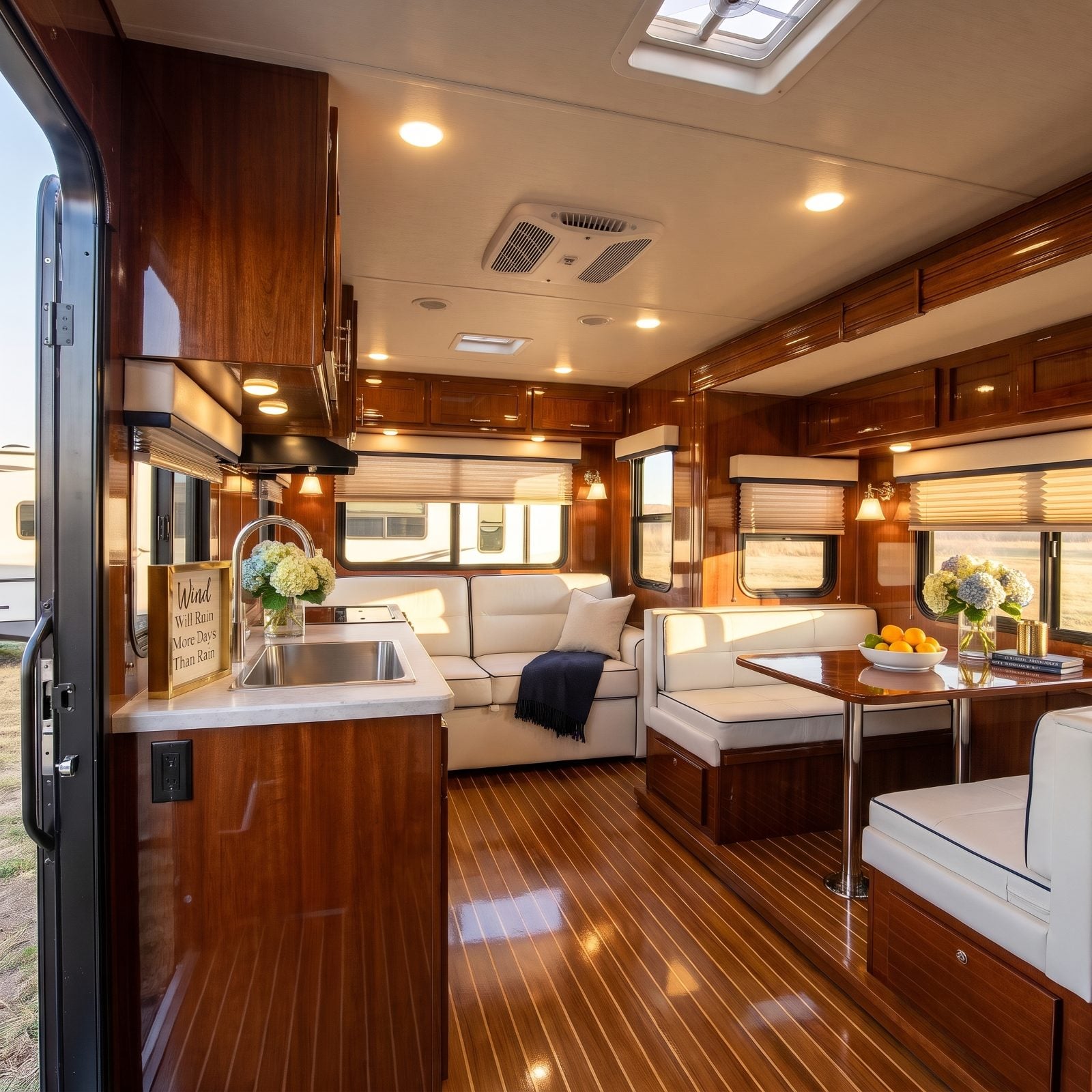
The forecast says sunny and 70. It leaves out the 35 mph gusts that’ll launch your awning into the next county if you leave it out.
Open desert and Gulf Coast flats get windy, and a big slab-sided RV catches it like a sail. Awnings take the real beating — they tear or bend their arms in a single hard gust. We watch the wind speed closer than the temperature now, and we roll the awning in anytime a stiff blow is coming, even when it means surrendering our afternoon shade. A flapping awning you weren’t around to retract is a repair bill, not an inconvenience.
Explaining why awnings should come in at the first gust, a former RV warranty manager writes: “As a former warranty manager I saw lots of people’s awnings damaged by wind.”
16. A South-Facing Rig Turns Into an Oven by Noon
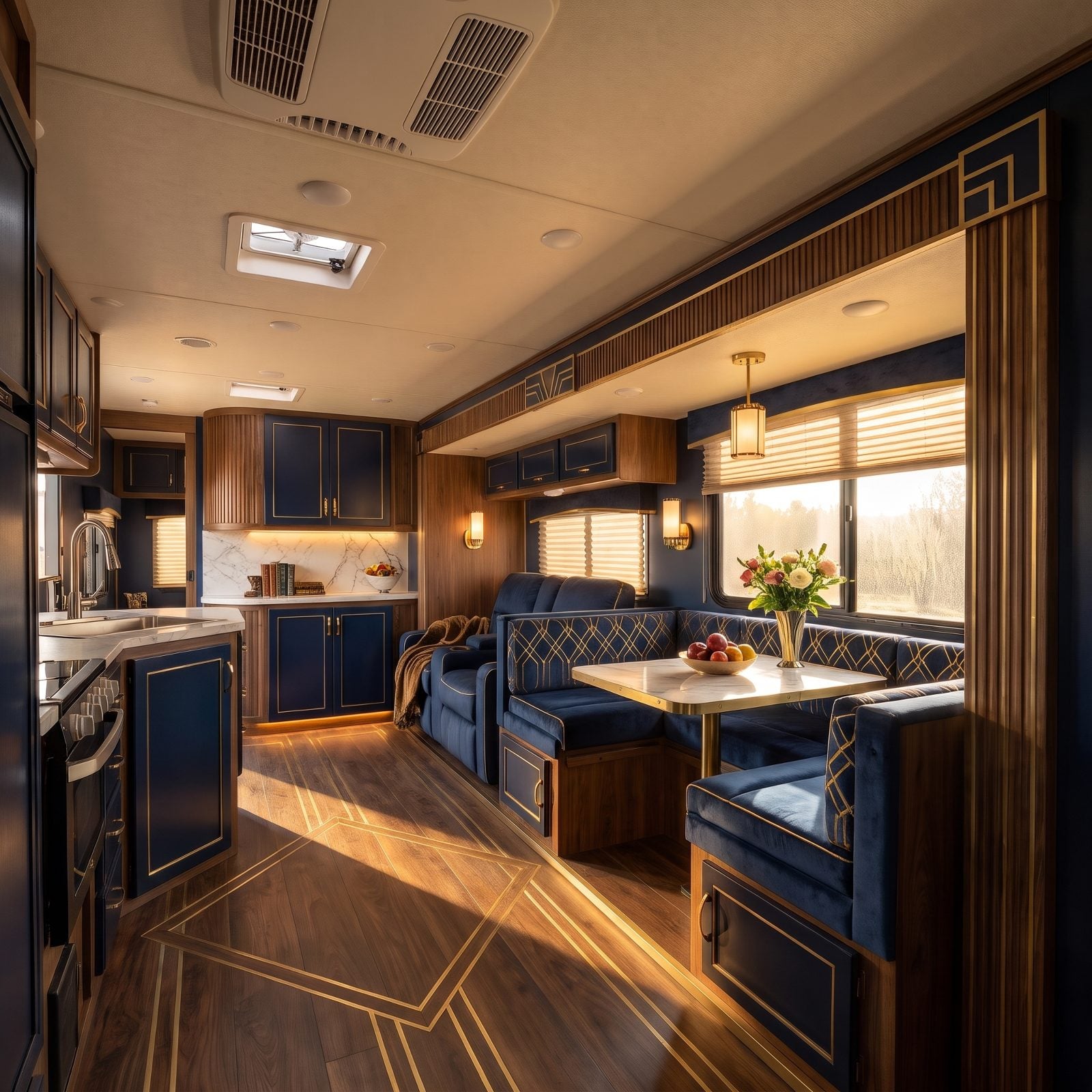
Which way you point the rig is a decision, not an accident. Aim your big front windshield and your slide-out windows toward the south and that wall of glass becomes a greenhouse by lunch. The air conditioner fights a losing battle while your afternoons retreat to the shaded side.
When you get a say in the site, or just in how you pull in, keep the glassy side away from the midday sun. Reflective windshield covers, exterior awnings over the sunny windows, even a cheap second canopy — all of it earns its keep. The cheapest cooling upgrade you’ll ever make is deciding which way the front of your RV faces.
15. Your Mail Forwarding Needs a Dry Run First
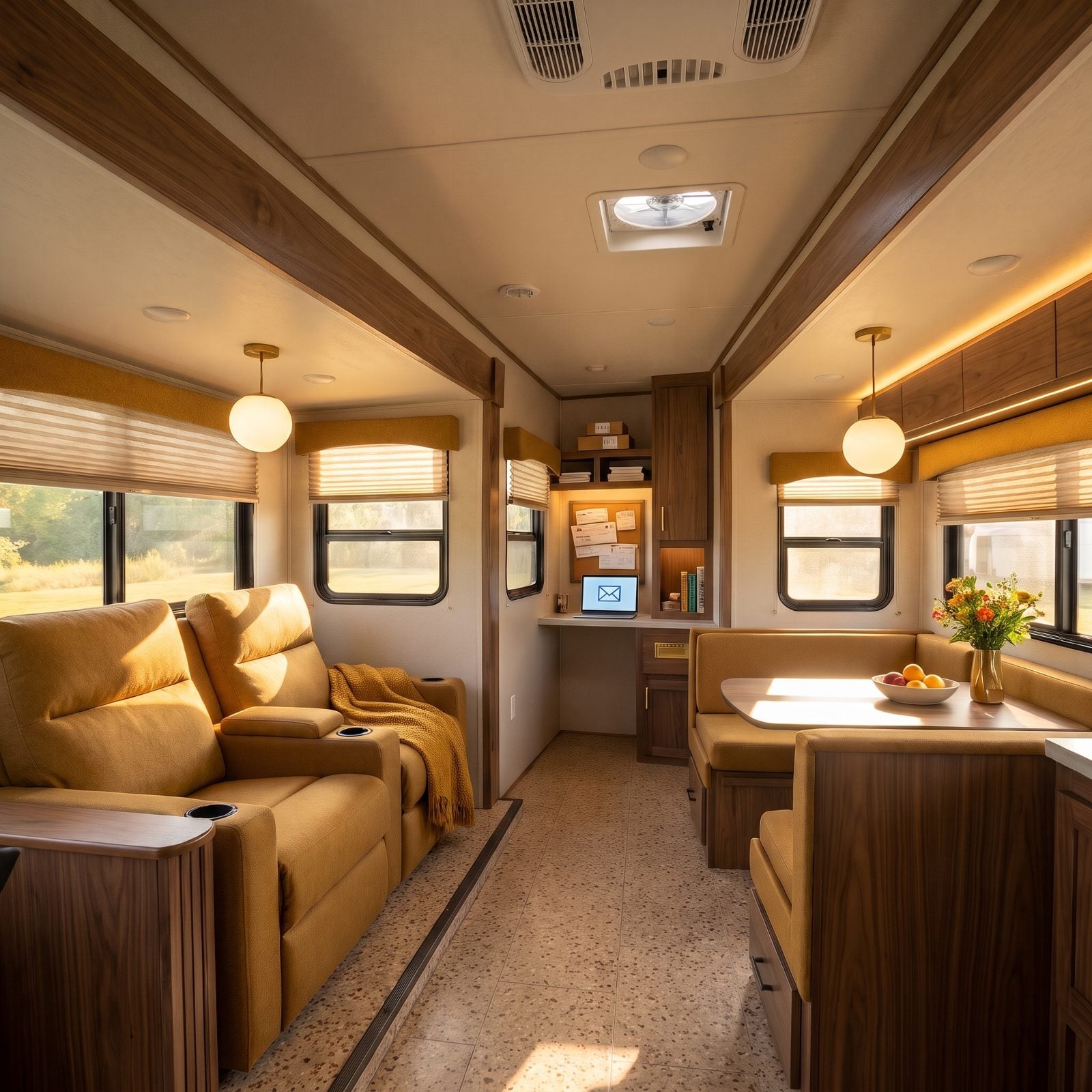
The worst possible moment to discover your mail forwarding is slow is when a check, a tax notice, or a new insurance card is sitting in it.
Mail-scanning service, a family member’s address, general delivery — whatever your setup, test the chain before you pull out. Send yourself something and clock how long it takes to reach you on the road. Forwarding services and the domicile mailbox outfits full-timers lean on for South Dakota, Texas, or Florida residency vary wildly in speed and in how they treat packages versus letters. Run one package and one letter through first so your first real test isn’t a time-sensitive document.
14. Moving a Prescription Can Take Weeks, Not Days
This one trips up snowbirds on maintenance meds constantly. Transferring a prescription to a pharmacy in your winter state, or getting a 90-day supply approved for travel, can drag on far longer than anyone warns you. Controlled substances are the worst of the bunch, and insurance refill-timing rules pile on their own delays.
Sort this out before you point the rig south. Ask your doctor about a vacation supply or a 90-day fill, confirm whether your insurance uses a national chain you can reach down there, and start any transfer early. Running out of a heart or blood pressure medication 1,500 miles from your regular pharmacy is a scramble you only live through once.
When asked about filling a prescription away from home, a university hospital pharmacist cautions: “Keep in mind that her insurance company may not pay for the prescription if she just had it refilled at home.”
13. Your Medicare Plan May Not Travel as Far as You Do

This one ambushes people in doctor’s waiting rooms every winter. Original Medicare travels anywhere in the country. Medicare Advantage plans, though, often run on local or regional networks, so your in-network doctor back home may be out-of-network — or emergency-only — in your snowbird state.
Before you commit to a winter base, check how your specific plan handles out-of-area care. Some Advantage plans throw in travel benefits or a wider network; others leave you paying out of pocket for anything short of an emergency. If you snowbird the same place every year, a plan built for travelers, or Original Medicare plus a supplement, can save you a world of grief.
12. Laundry Costs Deserve Their Own Budget

Nobody warns you about the quarters. A single wash-and-dry run at a campground laundromat eats a few dollars per load, and that piles up quick when two people are churning through laundry every few days.
Over a winter it becomes real money. Some folks wedge a tiny combo washer into the rig, others just keep a roll of quarters and a steady laundry day. Either way, put a line in your budget for it. Treat it as an afterthought and a weekend of clean towels turns into a surprise chunk of cash you didn’t plan on.
11. A Second Vehicle Can Simplify Daily Life
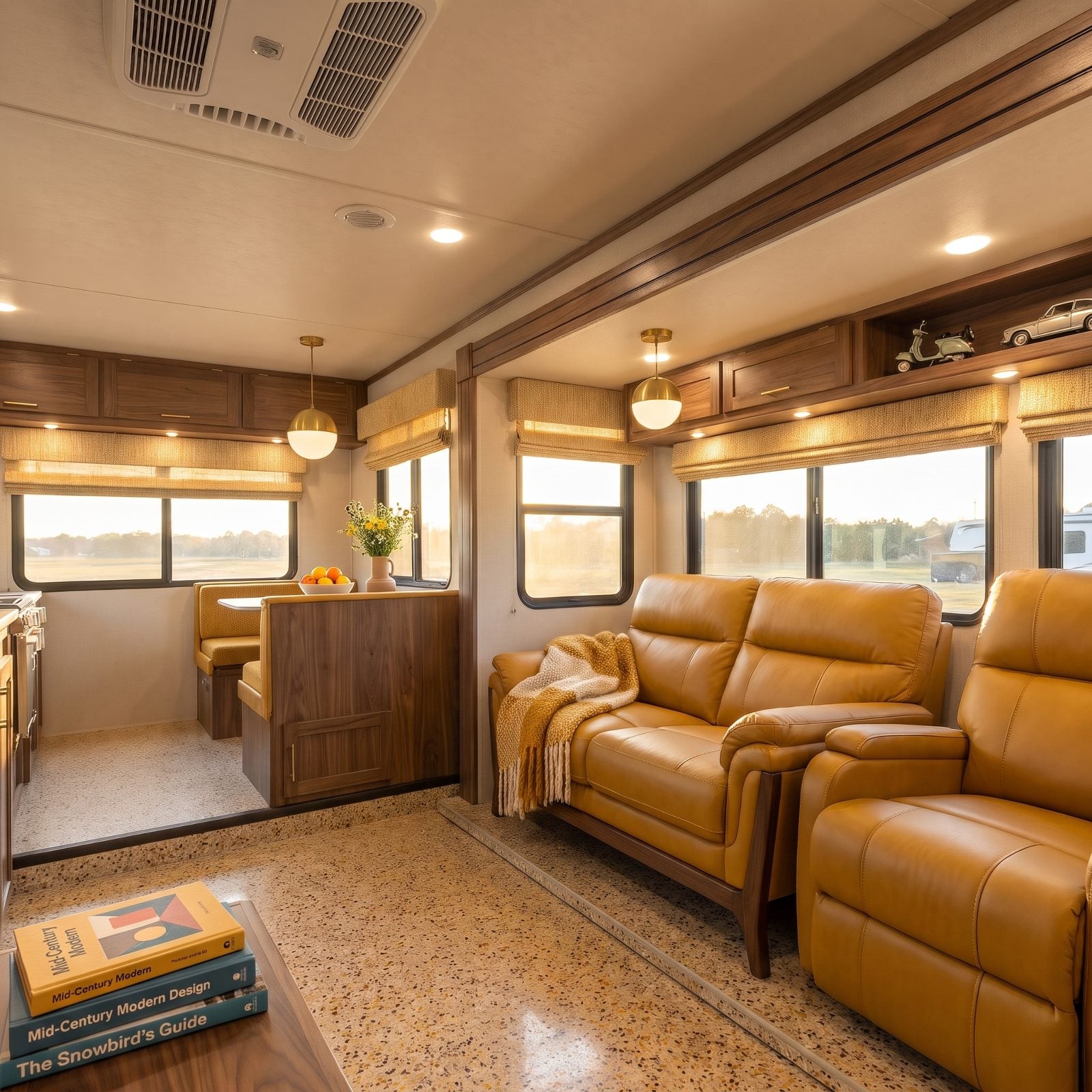
Breaking camp just to grab groceries gets old fast. You disconnect the sewer hose, the water, the electric, pull in the slides, and drive a forty-foot rig to the store for milk and eggs — then do the whole dance again to park.
A towed car, a dolly rig, even a scooter changes everything. Leave the RV set up and run errands like a normal person. It’s the one thing most first-year snowbirds say they’d add sooner.
10. Propane Delivery Is Not Available Everywhere
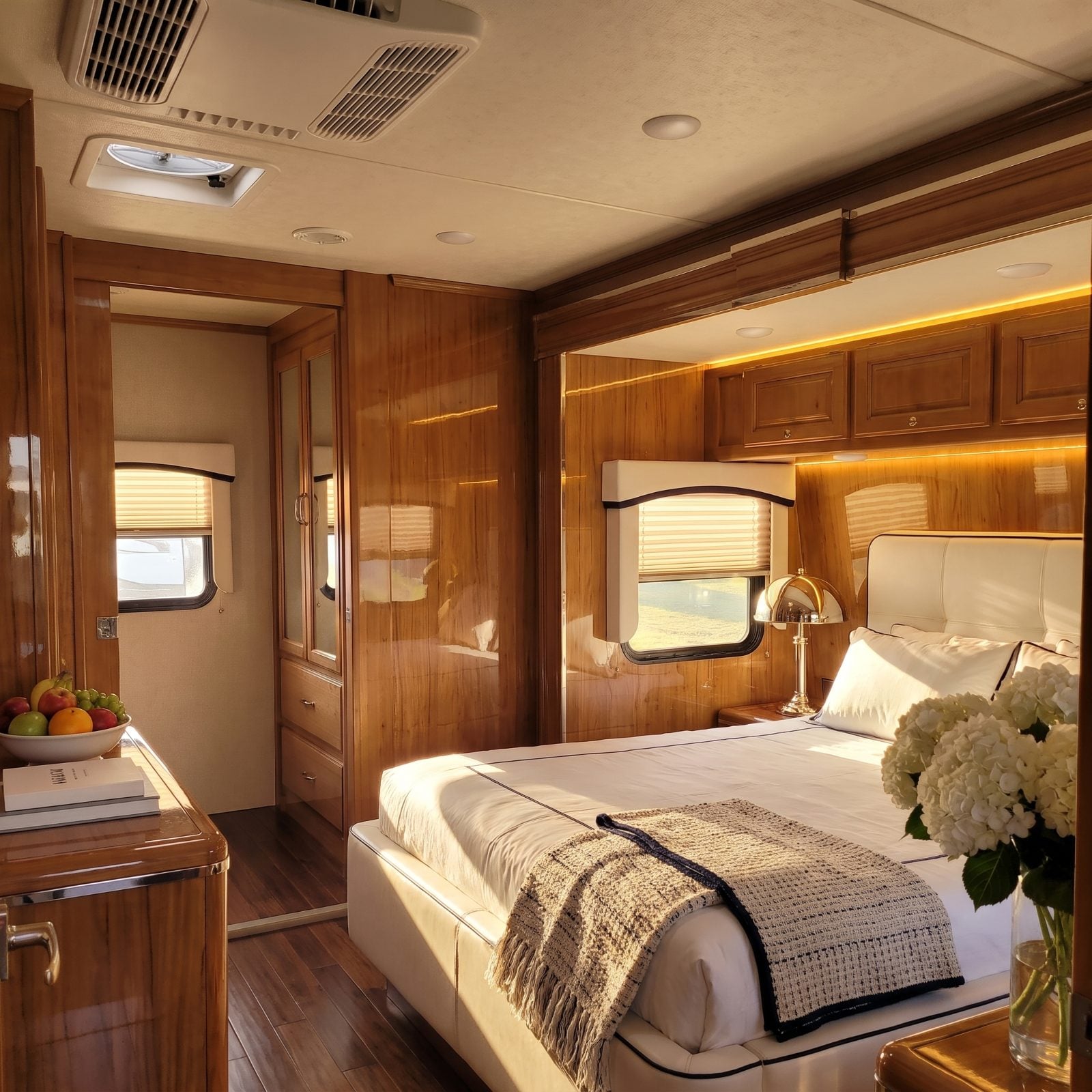
Motorhomes with fixed tanks have it rough out in the sticks. A travel trailer owner can unscrew a portable bottle and run it to any hardware store. But if your propane tank is bolted to the chassis, you need a station that fills motorhomes, and those aren’t on every corner.
Out in the desert and along the quiet Gulf stretches, the nearest fill can be a forty-minute drive. Check your route before the tank runs low and the furnace quits on you some cold morning. Desert winter nights get colder than people expect.
9. Tank Management Does Not Stop With Full Hookups
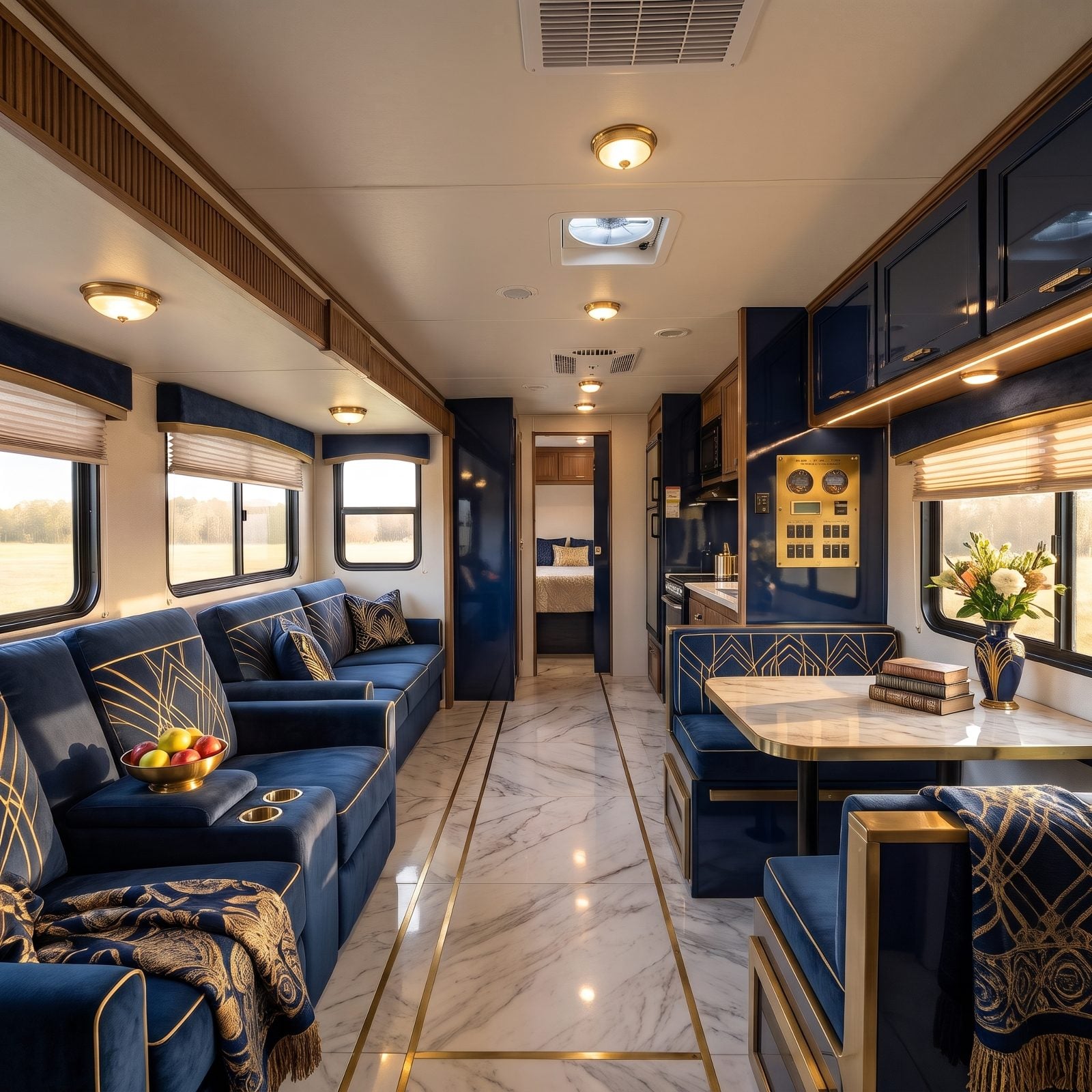
Full hookups fool first-timers into leaving the black tank valve open all season. Don’t. The liquid drains off and the solids stay behind, building what veterans politely call the pyramid.
Keep that valve closed, let the tank fill most of the way, then dump it so the rush of water carries everything out. We got this wrong our first month and paid for the lesson with a snake and a very long afternoon. Gray water can run open all day. Black water waits for a full tank and a strong flush.
Weighing in on the full-hookup valve debate, a campground operator in north Georgia notes that “When the valve is open, liquids can run out continuously while solids and paper can stay behind and pile up right under the toilet drop”
8. Ants Find Every Unsealed Food Container
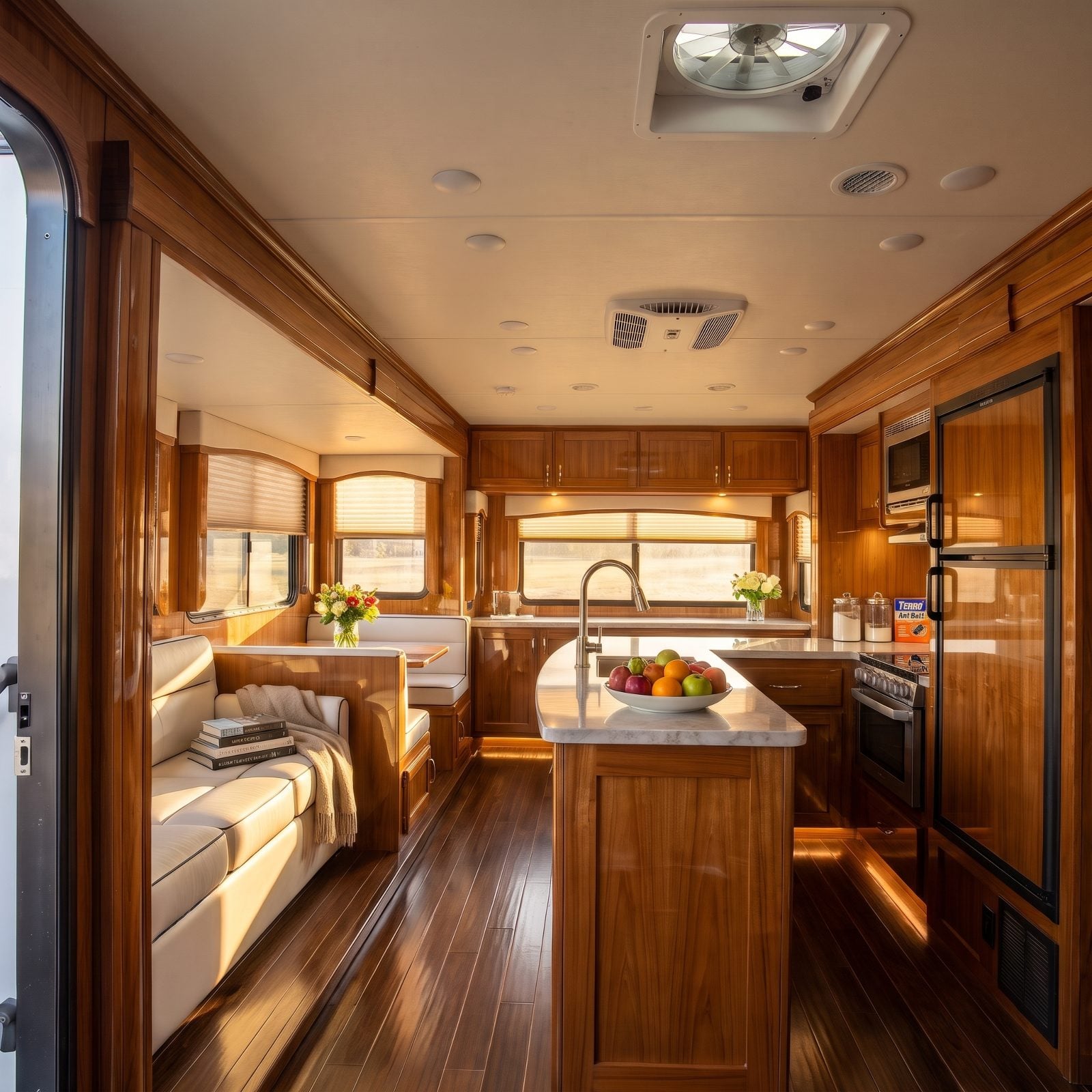
Warm climates come with ants, and they are relentless. Leave a bowl of fruit uncovered on the island or a few bread rolls loose on the counter, and by morning a highway runs across your counter.
Airtight containers are the whole game. Transfer dry goods out of their bags, wipe the counters before bed, and keep the trash sealed. A little ant bait outside the entry points helps, but the real fix is leaving them nothing to march toward. They don’t negotiate.
7. Roadside Assistance Plans Have Important Exclusions
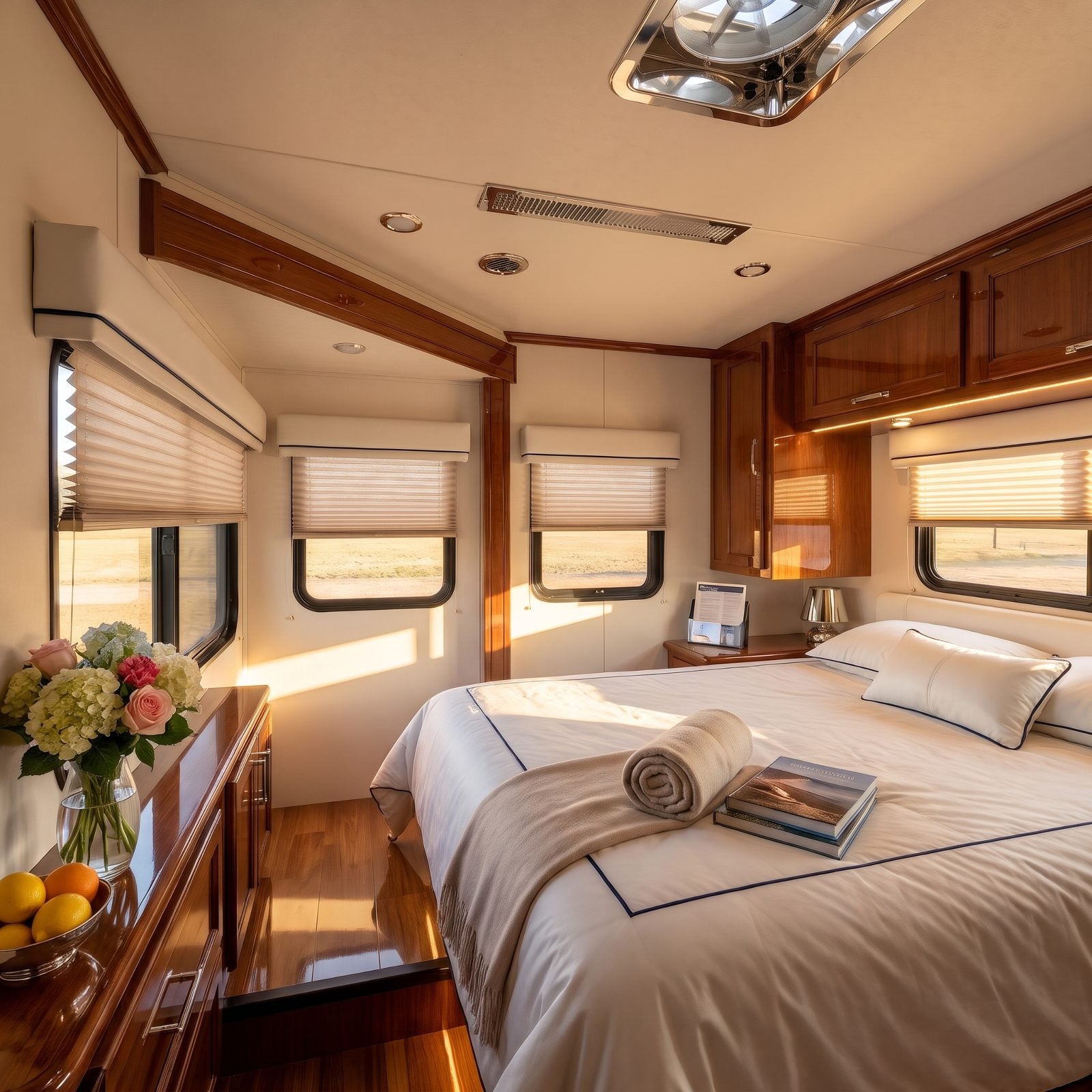
Most of us bought the roadside plan, filed the card in the glovebox, and never read past the price. Then the tire blows on a two-lane in the middle of nowhere, and you learn the fine print the hard way.
Here’s where plans tend to fall apart. Tire service that covers the labor but not the tire. Towing capped at a mileage that cheerfully assumes a shop is close by. And plenty of standard auto plans that quietly exclude anything over a certain weight, because a 34-foot diesel pusher is not a sedan — and the dispatcher will tell you that before the truck ever rolls.
6. Vehicle Registration Deadlines Do Not Pause
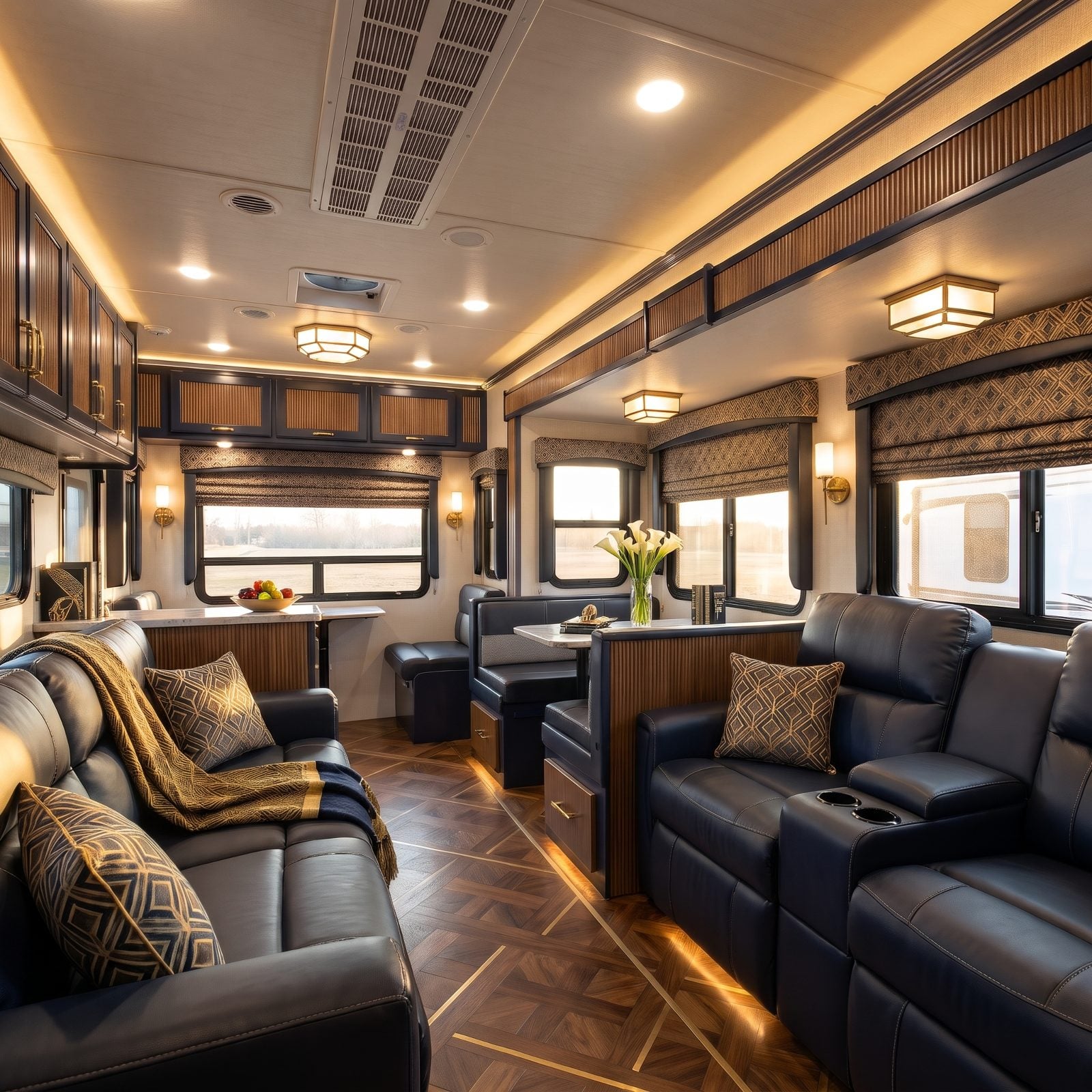
Snowbird life makes you forget what month it is. The weather stops being a calendar, and that’s lovely right up until a registration sticker or a driver’s license lapses while you’re a thousand-plus miles from your mailbox.
Renewals, inspections, tab deadlines — they all run on your home state’s schedule whether you’re standing on home soil or not. Some states let you handle everything online. Others still want a physical inspection or an honest-to-goodness signature on paper, which is miserable to arrange from a park two time zones away.
5. The Activity Calendar Can Feel Like a Full-Time Job
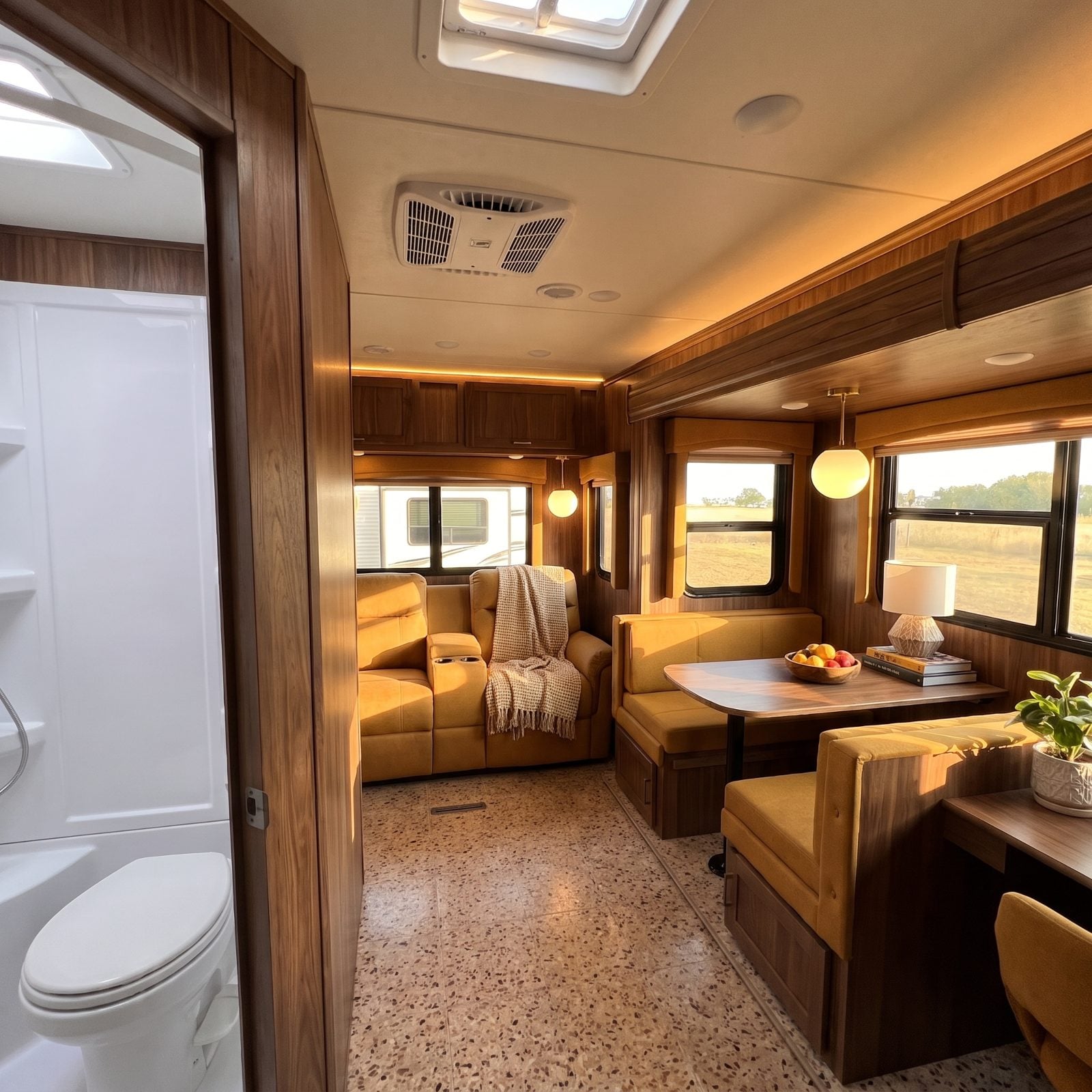
Nobody warns you that a good snowbird resort runs you ragged. You pictured relaxing. Instead there’s pickleball at eight, water aerobics at ten, a craft group, a potluck, cards after dinner, and a band on Friday.
It sounds like a joke until you’re worn out by Wednesday and feeling guilty for skipping the quilting circle. The social machine at a big park is real, and it rewards the folks who dive in headfirst. It also chews them up.
Pick three things and ignore the rest. Nobody’s keeping score except you.
4. Making Friends Requires Showing Up Repeatedly
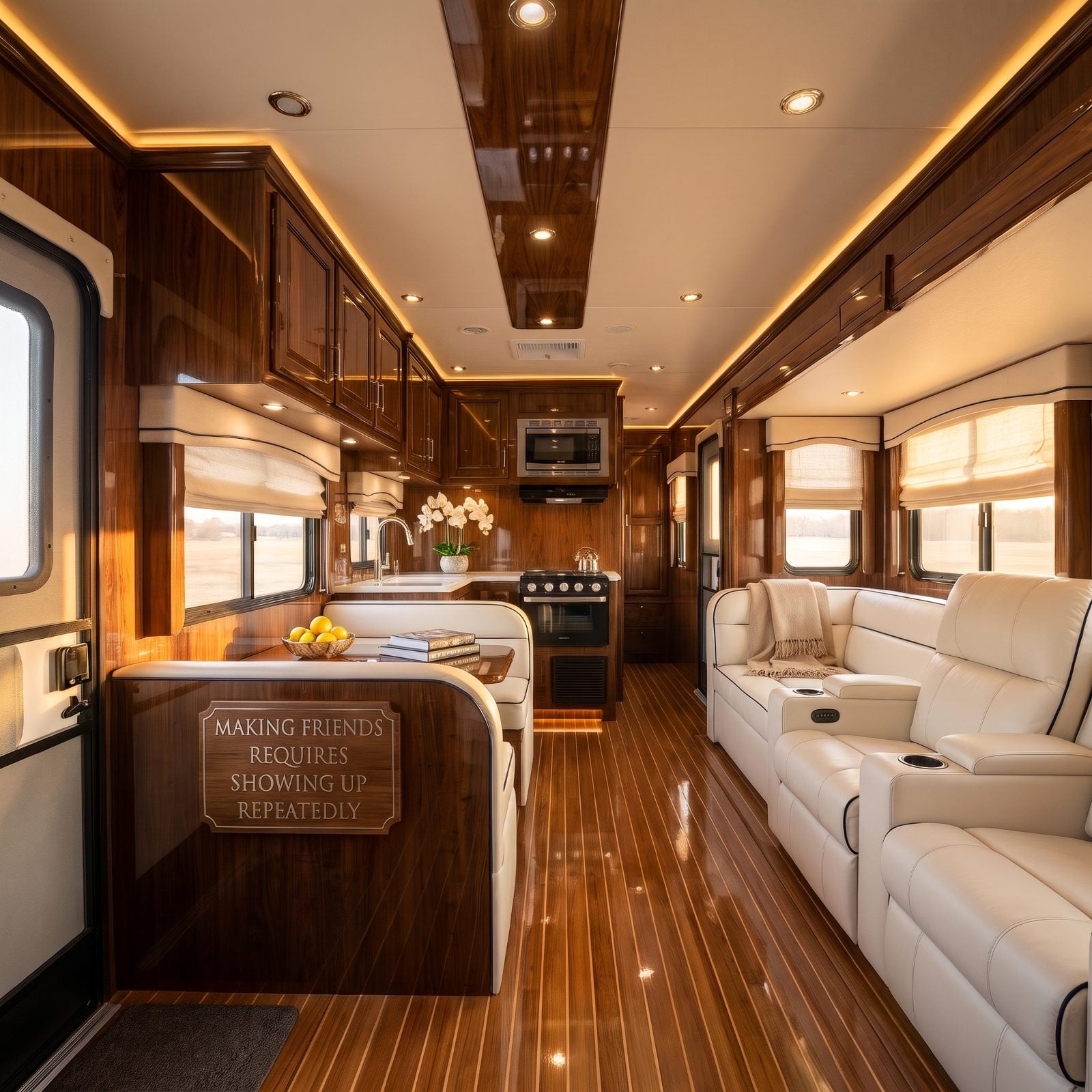
Friendships don’t happen on day one. You park, you wave, you feel invisible for a week, and you start wondering if everyone already paired off years ago.
They didn’t. The regulars simply know that connection at a seasonal park runs on repetition. Sit at the same happy hour three nights running and the fourth night somebody saves you a chair. Skip a week and you’re back to square one as a stranger.
3. Couples Need Time Apart Even in Paradise
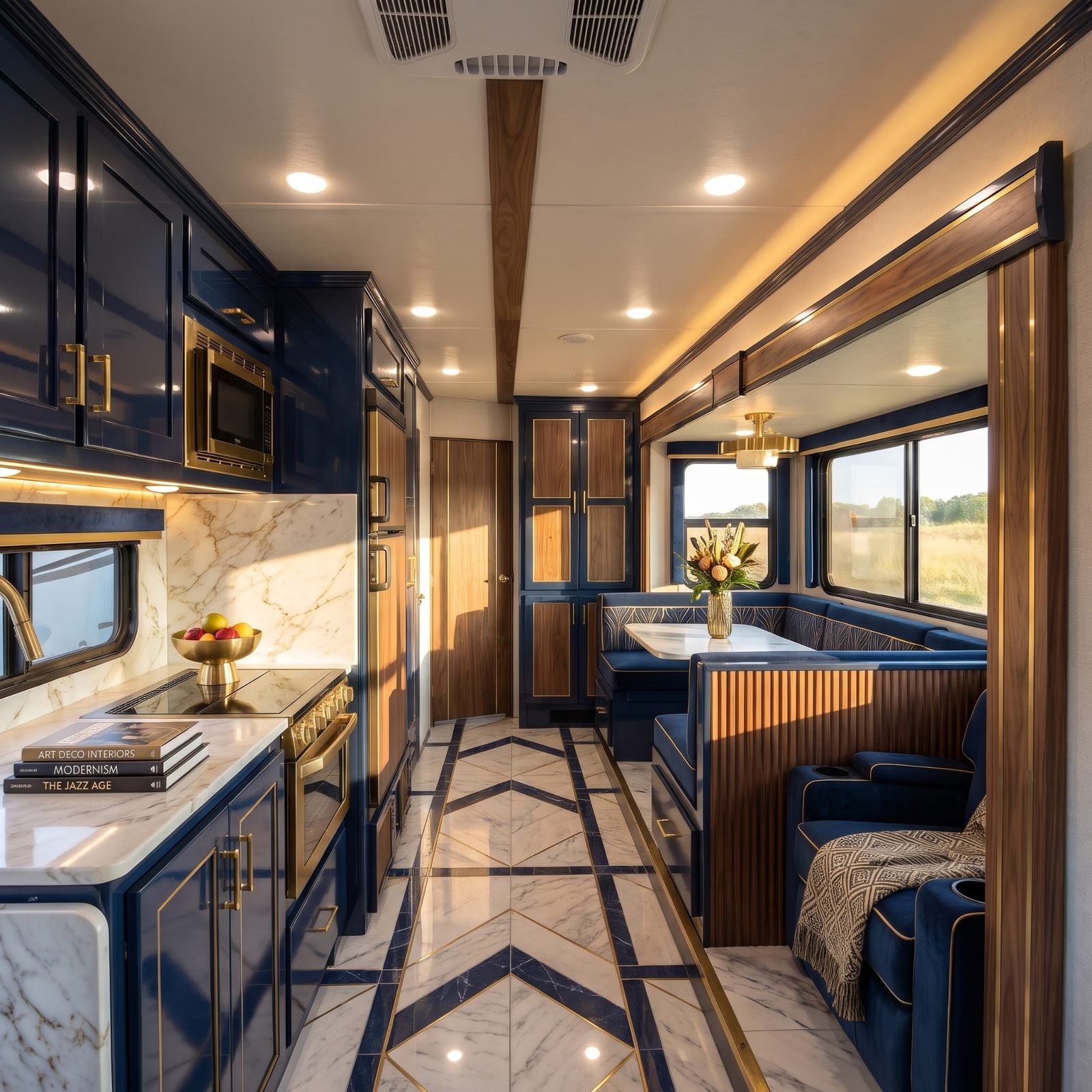
Two people and 300 square feet, parked somewhere beautiful, together every waking hour. It’s the dream right up until one of you needs ten minutes alone and there’s nowhere to put them.
The couples who go the distance learn to build in separation on purpose. One takes the dog for a long loop while the other hits the woodshop or water aerobics. You come back with something to say instead of marinating in each other all day.
None of that signals trouble. It’s the maintenance that prevents it.
2. Travel Days Feel Longer After Several Stationary Months
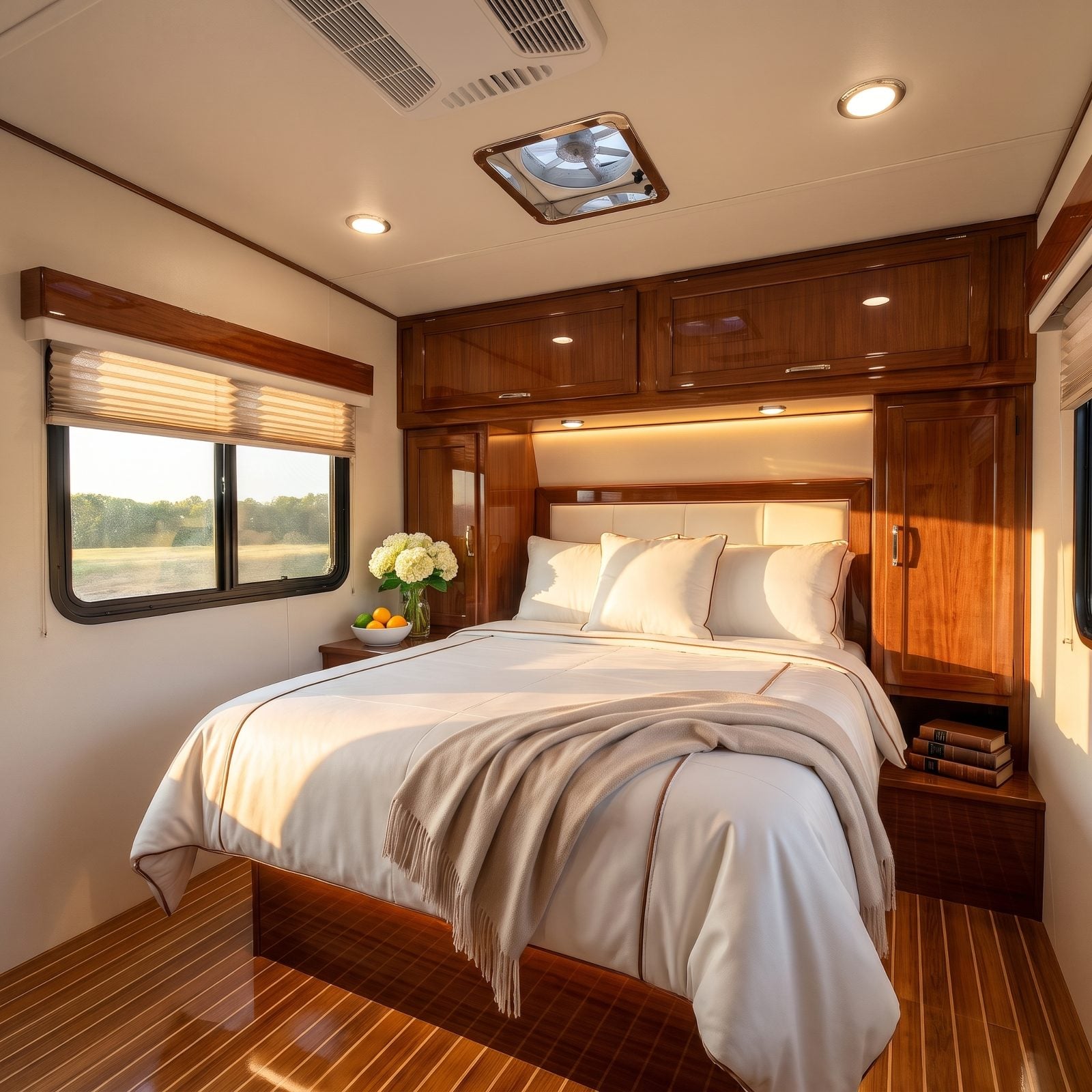
You spent the winter parked. The rig became a cabin, the slides stayed out, the leveling jacks dug into the gravel, and you forgot what a full day of driving actually feels like in your shoulders.
Then packing day arrives and you find out how soft you’ve gotten. The pre-flight checklist drags on twice as long, 300 miles lands heavier than it used to, and you’re wiped out by mid-afternoon.
Plan shorter first legs out of a long stay. Ease back into it instead of trying to prove you’ve still got it on day one.
1. The Return Trip Requires Its Own Reservations
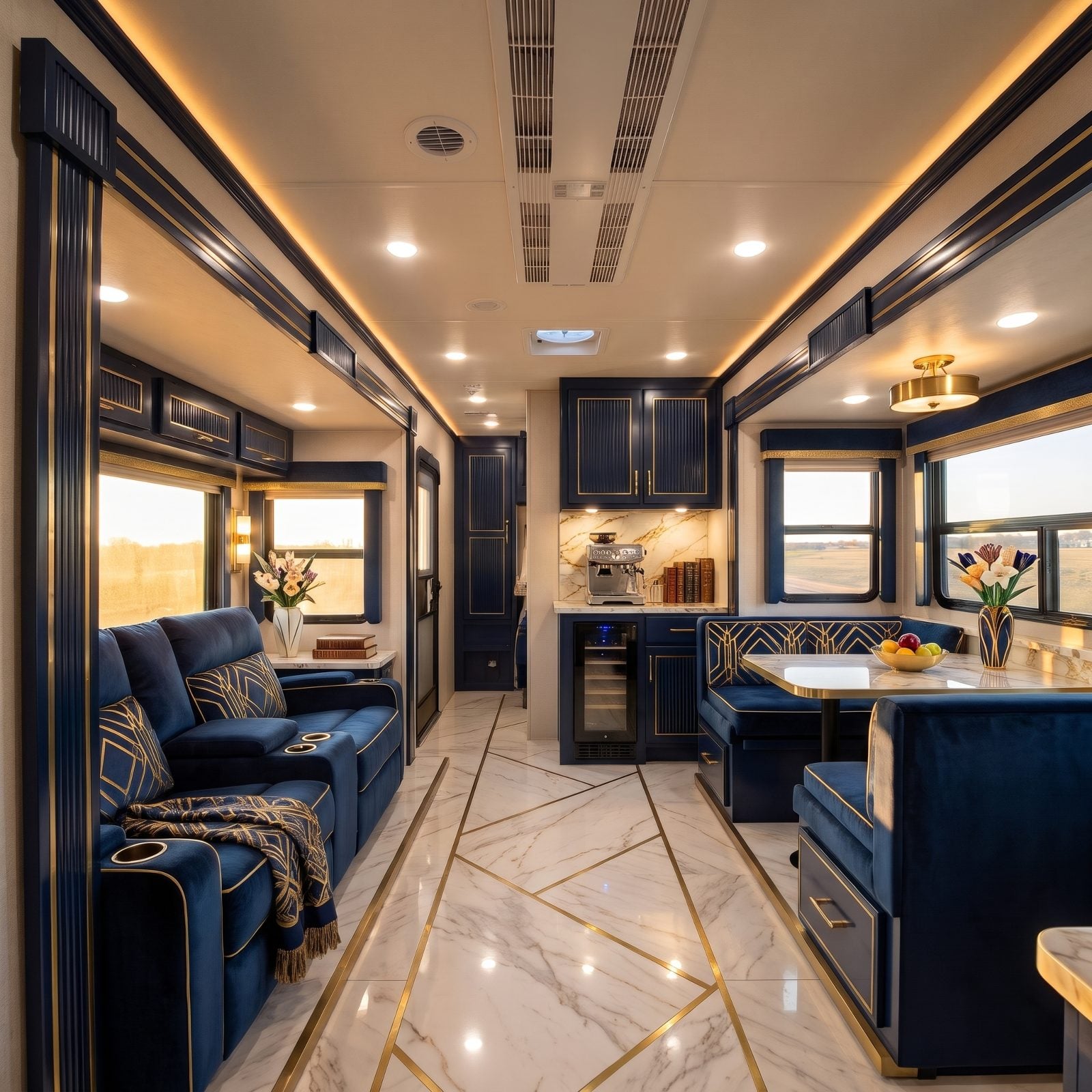
On the way down south, you booked everything in a flurry of excitement months ahead. Coming back? You just assume it’ll work out. It won’t.
Everyone heads north in the same handful of spring weeks, and the good parks along the popular corridors fill up in a hurry. Rolling in at six with no reservation and a tired spouse is a special kind of stress you only sign up for once.
Book your return stops before you settle in for the season — while you still remember you have to leave.