

The payload sticker is on the door jamb in six-point font, and nobody reads it. Everybody reads the brochure. We walk onto a dealer lot to buy aluminum and axles and somehow walk off having bought a version of ourselves we’d like to become. Calmer. Closer to the grandkids. The kind of person who watches sunsets instead of scrolling through them. The RV is real, but the future bolted to it is just a story we tell ourselves — the same one people tell when they chase a new house, a new job, a fresh start. The wiring underneath is identical. Here are the ways the brain shops for a dream and bills it to a dually, and why spotting the pattern makes you a sharper buyer, not a cynical one.
Please note that some of the images in this article were created with the assistance of AI.
13. You Buy the Floor Plan for a Life You Don’t Live
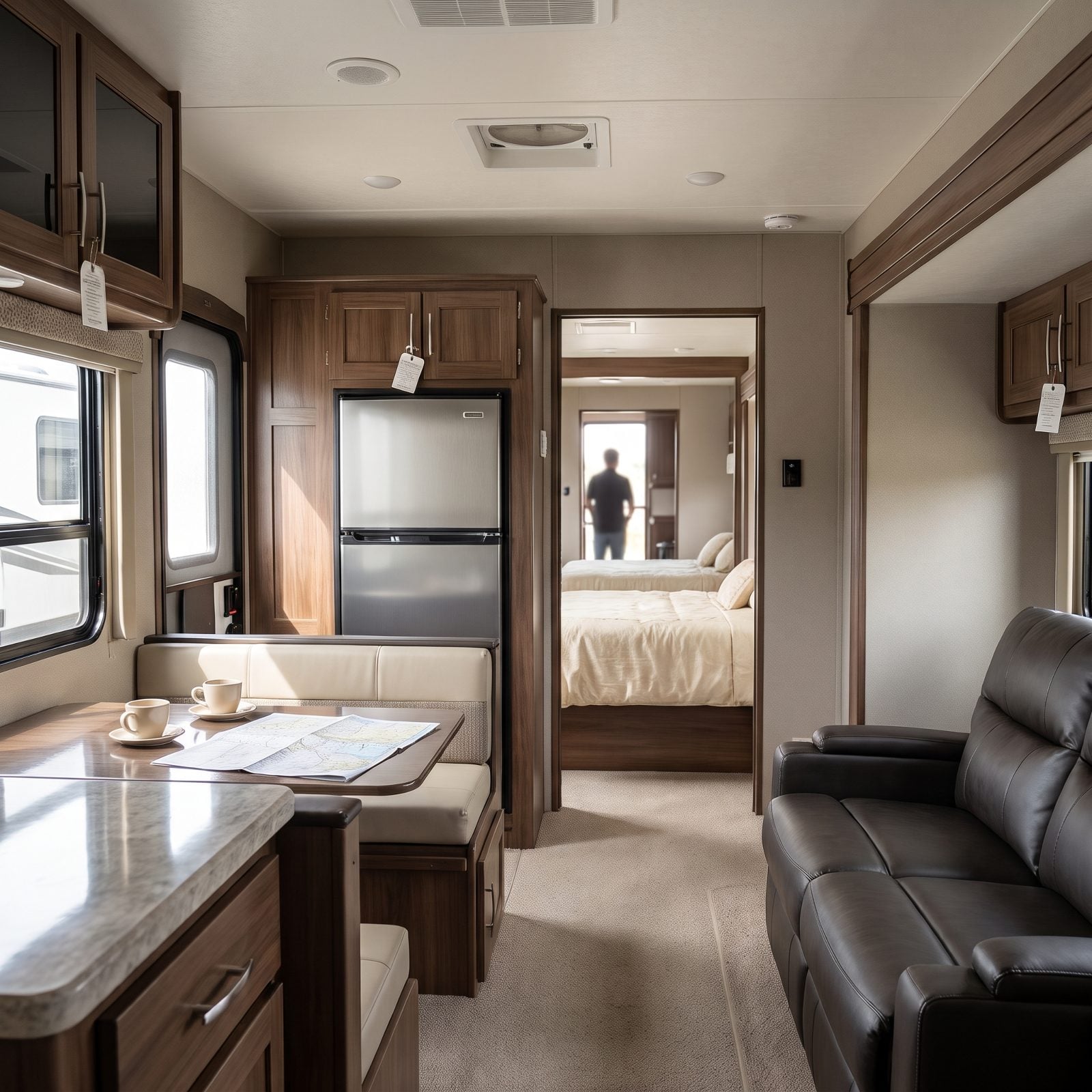
The island kitchen sells itself in about four seconds. You picture the meals, the grandkids on stools, pancakes on a slow Saturday with the awning out. What you actually cook on the road is a frozen pizza in a convection oven while standing up, because you’re tired, it’s 8 p.m., and the campground store closed an hour ago.
Same move people make buying a house with a formal dining room they’ll use twice a year, or taking a job for the title on the door instead of the work they’ll grind through Monday to Friday. We shop for the peak version of our life and then live the median version in it.
The mechanism is the empathy gap. Excited and well-rested on a dealer lot, you genuinely cannot feel how you’ll behave when you’re worn out and it’s raining and the kids are cranky. So buy for your boring Tuesday, not your fantasy Saturday. Tuesday’s the one you’ll actually have.
12. You Picture Sunsets, Not Tuesday at the Dump Station
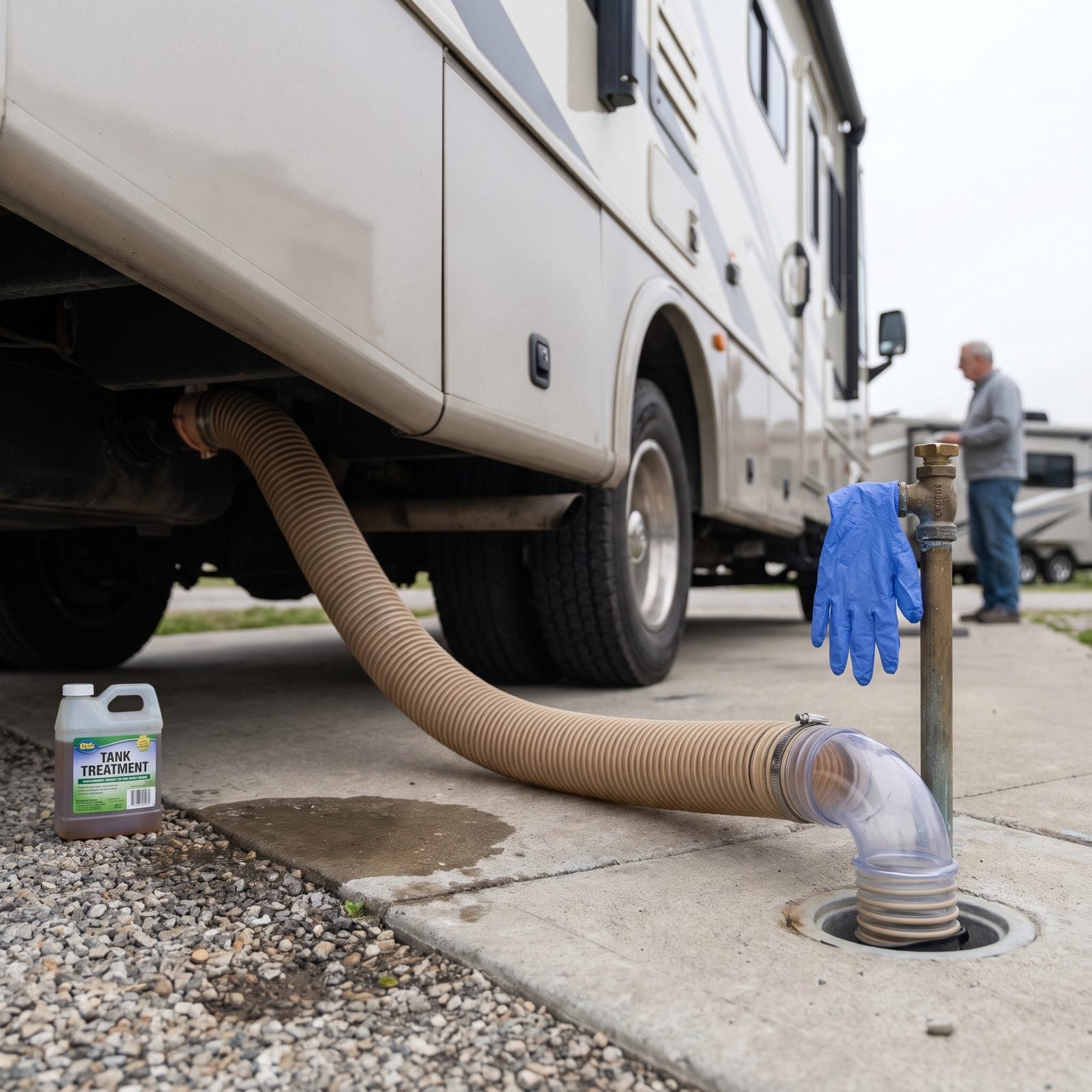
Every RV ad closes on the same frame: golden light, two chairs, a lake going pink. Nobody films the dump station. Nobody films the gloves and hoses and the little jug of blue chemical that is the actual price of admission for all that scenery.
Same blind spot people have fantasizing about early retirement or a move to the mountains. They see the hammock. They don’t see the septic maintenance, the two-hour drive to a real grocery store, the snow they now shovel themselves.
Psychologists call it focalism, or the focusing illusion. Whatever you park at the center of your attention feels like it’ll dominate the whole experience, so the sunset swells to fill your head and the chores shrink to nothing. Fix: picture the maintenance right alongside the magic. If the Tuesday at the dump station still feels worth the sunset, you’ve got a real decision instead of a daydream.
11. The Dealer’s Campsite Setup Does Half the Selling
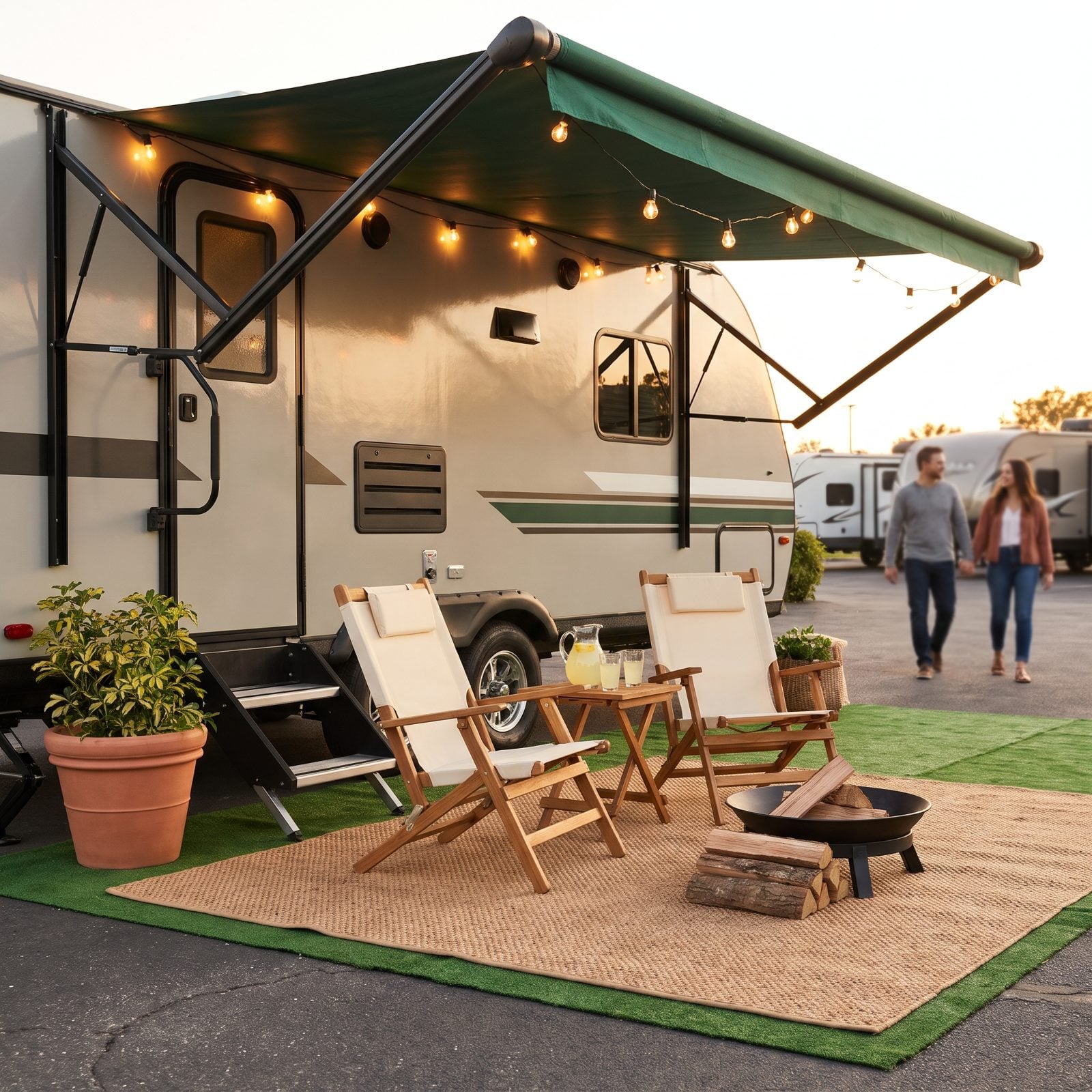
Notice what they do on the lot. Chairs out. String lights on. A rug, a little table, maybe a pitcher of lemonade sweating in the sun. You aren’t looking at a trailer anymore — you’re looking at a Friday evening you want to have.
Pure staging. Same thing a realtor pulls with fresh cookies and a bowl of lemons on the counter, same thing a company does when it flies you out for a slick interview day. They sell the frame and you fill it in with your own life.
You are never buying the box. You are buying the evening you imagine inside the box.
And none of that staging comes home with you. The rug is theirs. The lights are theirs. The feeling got manufactured in about 15 minutes by someone paid to manufacture it. Stand inside the rig with the props mentally stripped out and ask whether the thing itself still works. That bare version is the only one you’re actually buying.
10. You Add Bunks for Grandkids Who Visit Twice a Year
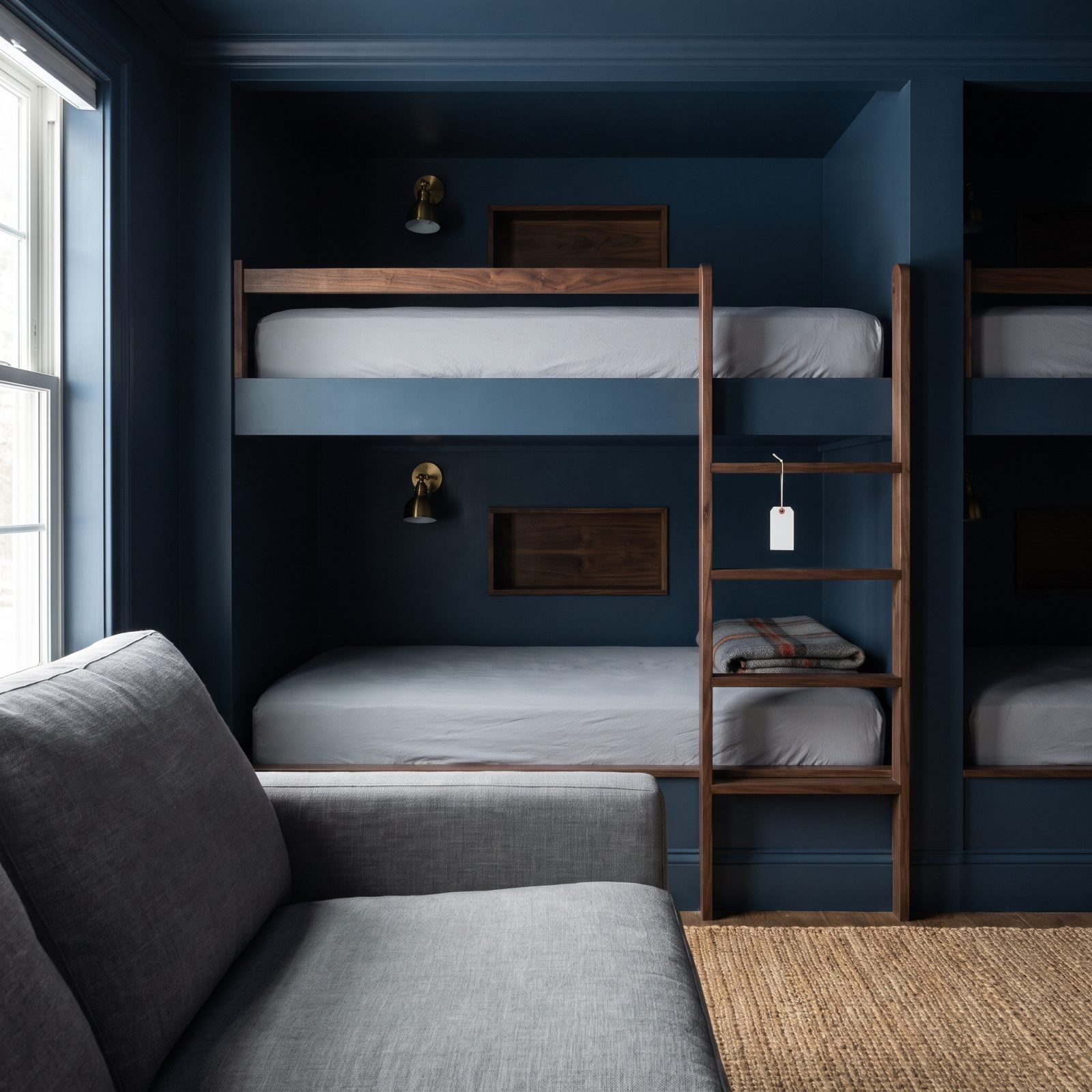
The bunkhouse model costs more, weighs more, tows heavier. You buy it anyway, because the grandkids. In your head they’re piling in every summer, flashlights under the covers, the whole magical thing.
In reality they come twice a year, and one of those times they’d rather stay home. The rest of the season those bunks haul air down the highway at eight miles a gallon.
Call it anticipated identity shopping. You’re not buying for the life you have — you’re buying for the role you want to keep playing, the grandparent whose door is always open. People do the exact same thing with a guest room that becomes a closet, or a four-bedroom house two empty-nesters rattle around in. The emotional pull is real and worth honoring. Just honor it with your eyes open. A trailer that sleeps the two of you comfortably 350 nights a year might serve you better than one built for the 15 nights it’s full.
9. You Compare Your Starter Trailer to Somebody’s Tour Bus
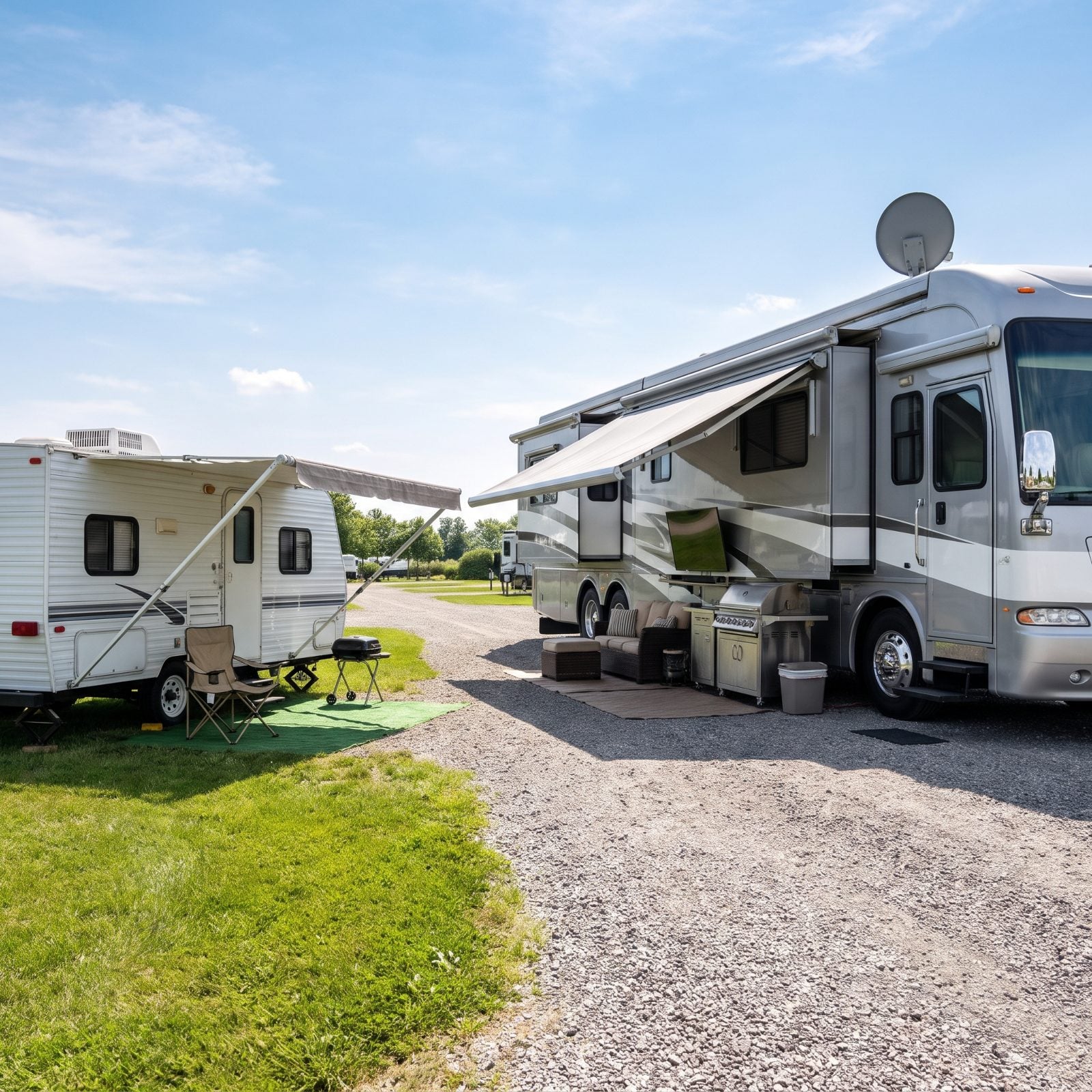
You loved your little trailer in the driveway. Then you pulled into a campground and parked next to a 40-foot diesel pusher with four slide-outs, a satellite dish, and an outdoor TV. Suddenly your rig feels like a tent with wheels.
Nothing about your trailer changed. Your reference point did. That’s social comparison — the quiet poison that makes a perfectly good salary feel small after one dinner with a richer friend, or a nice house feel cramped after a tour of someone’s bigger one.
And here’s the part that should set you free: the people in the tour bus are comparing up too, at a bigger bus, at the custom rig with the garage for the Jeep. The ladder has no top. Somebody’s always a rung higher, feeling exactly what you’re feeling. Only winning move is to quit looking sideways and ask whether your rig does what you bought it to do. Gets you to the lake and keeps you dry? It’s already winning the only race that matters.
8. The New Rig Becomes a Reset Button on Everything
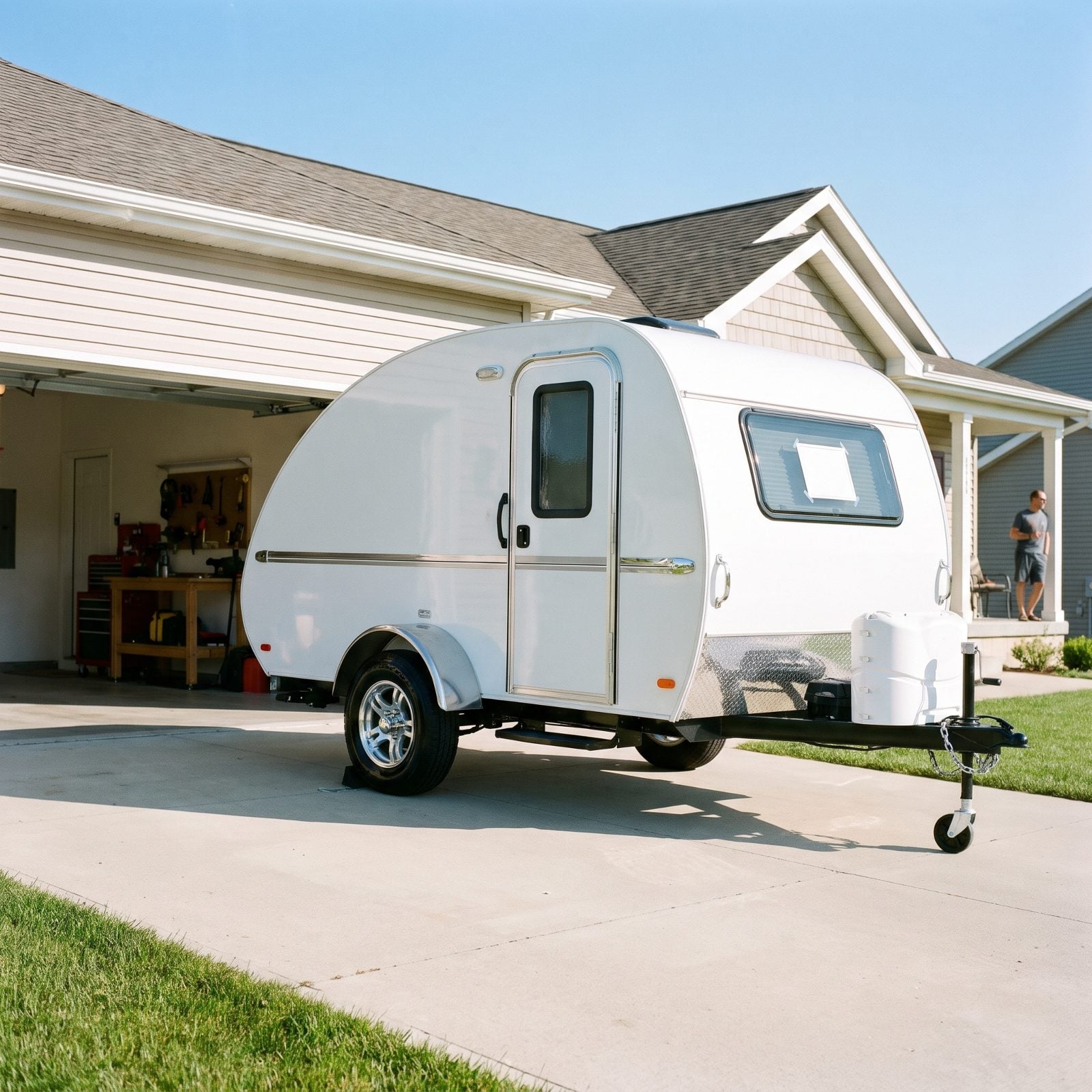
Somewhere between signing the papers and the first trip, the RV stops being a vehicle and starts being a promise. Now we’ll slow down. Now we’ll reconnect. Now we’ll finally be the people who go places instead of the people who talk about going places.
That’s a lot of weight to hang on a thing with a converter and a water pump.
People do this with a cross-country move, a kitchen renovation, a brand-new car in the driveway the week after a rough stretch. The purchase becomes a clean slate you can buy, a line drawn between the old tired life and the shiny next one. Psychologists call it the fresh-start effect, and it’s genuinely powerful. New beginnings do motivate change.
The catch is simple. The RV can open the door, but it can’t walk you through it. You still have to take the trips, make the calls, go slow on purpose. The rig doesn’t change your habits. It just hands you a better excuse to.
7. One Luxury Recliner Makes Every Other RV Look Sad
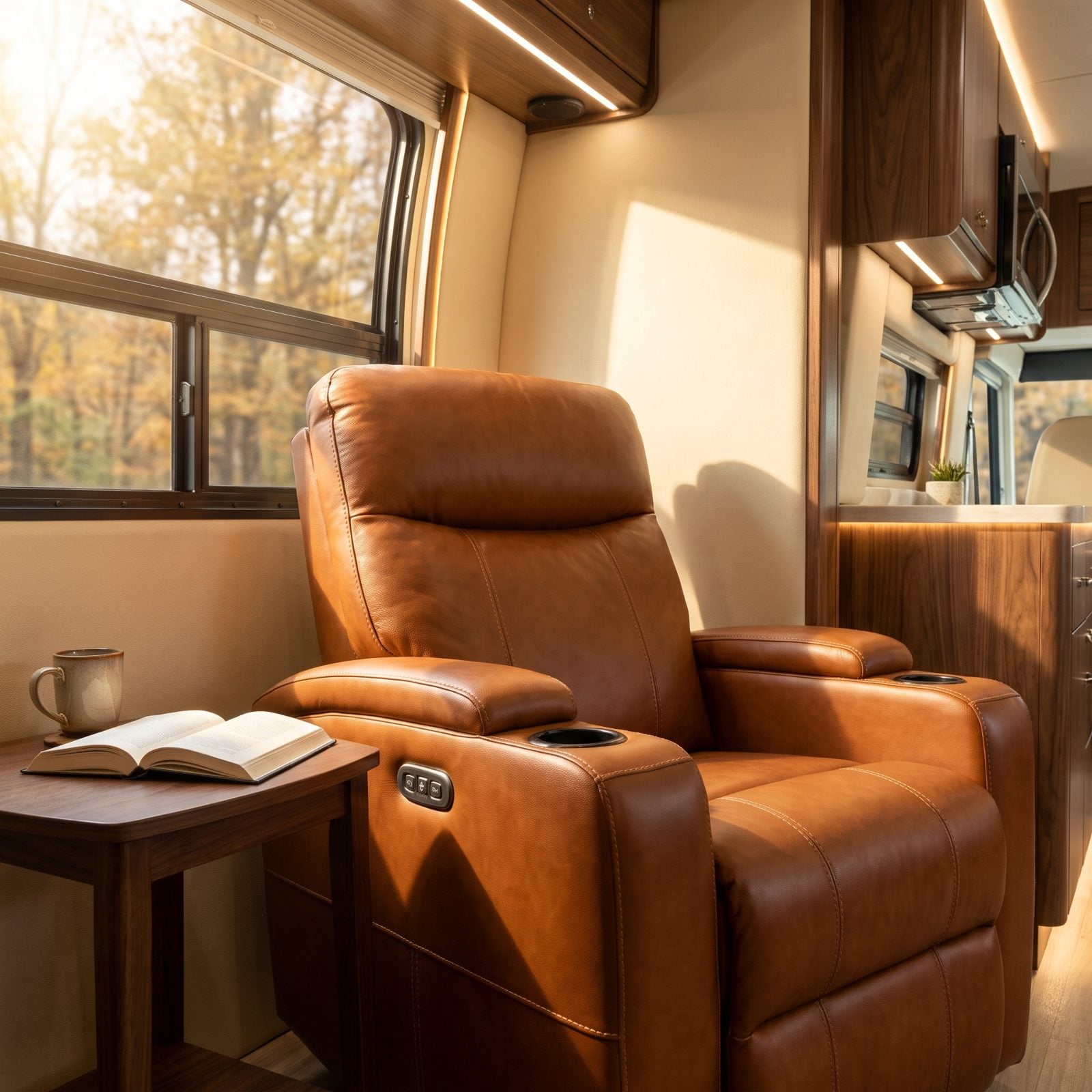
You sit in the good recliner first. The one with the power controls and the leather that sighs when you lean back. Thirty seconds in, every other seat in every other rig feels like a church pew. One cushion just rigged the whole comparison.
That’s the anchoring effect, and the dealer knows exactly what the good chair does. Your brain grabs the most impressive thing it’s touched and silently measures everything else against it. The modest trailer you were happy with an hour ago now reads as a downgrade, even though it got no worse.
Same reason a single granite countertop can sour you on a whole affordable house, or one coworker’s corner office can make your perfectly fine desk feel like a punishment.
6. You Keep Adding Options Because Perfect Must Include Everything
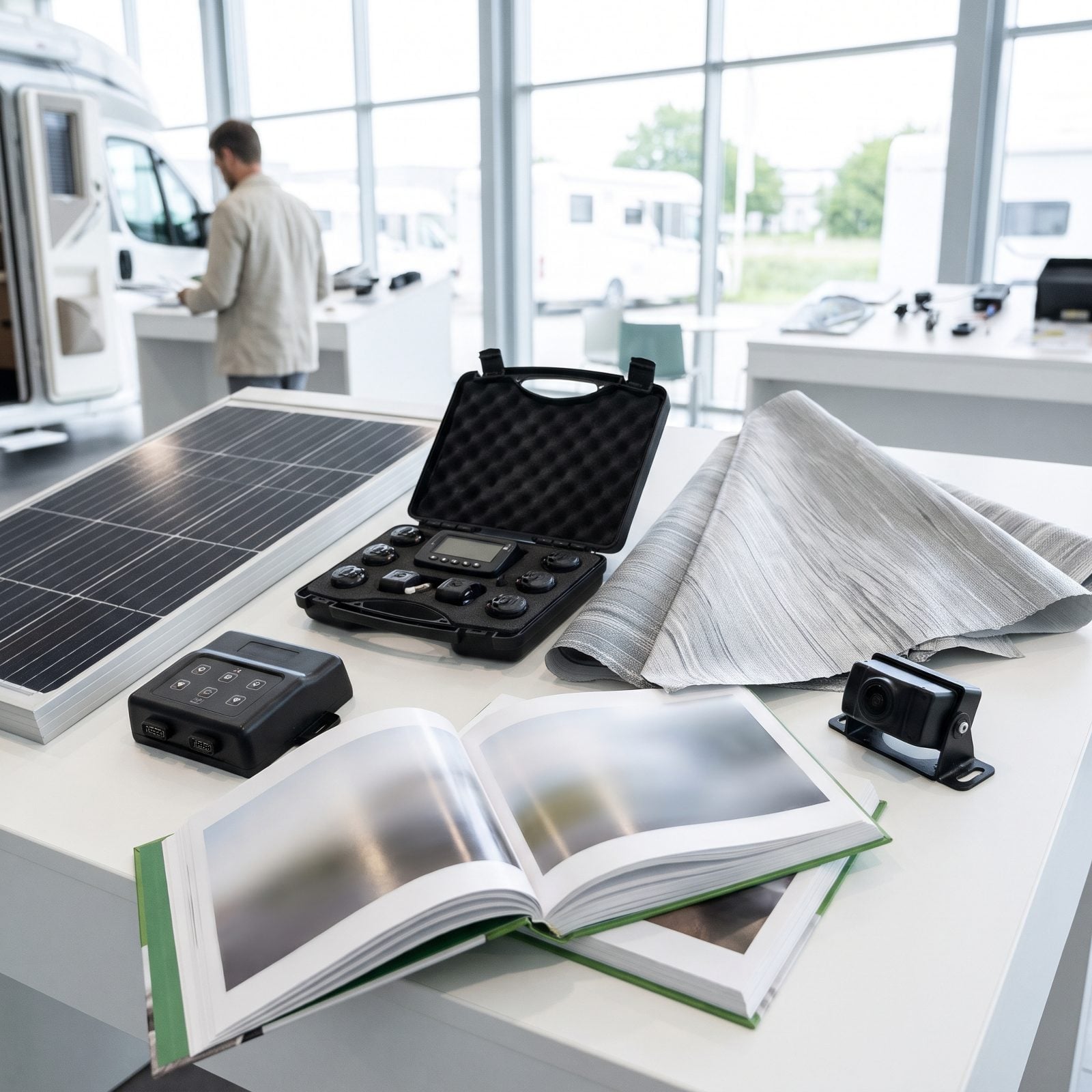
Solar. Upgraded awning. Tire pressure monitors. The nicer leveling system, the backup camera, the second battery, the washer-dryer combo you’ll run maybe three times. Each one is only a little more. Each one makes the rig a little more perfect. By the time you’re done you’ve bolted the price of a decent used car onto a thing you haven’t even driven yet.
This is the trap of maximizing. Instead of buying good enough and being happy, you chase the complete version — the one with nothing missing, the one you’ll never second-guess. People do it loading up a new car, planning the dream wedding, spec’ing out a home build until the budget doubles.
Here’s the uncomfortable research: maximizers end up less satisfied than people who pick good enough and move on. Every option adds a decision, and every decision adds a tiny doubt about whether you chose right. Fewer features, fewer things to wonder about. Pick the handful you’ll genuinely use and let the rest go. Perfect isn’t a longer options list. Perfect is not thinking about it anymore.
5. You Assume More Storage Will Fix How Much You Pack
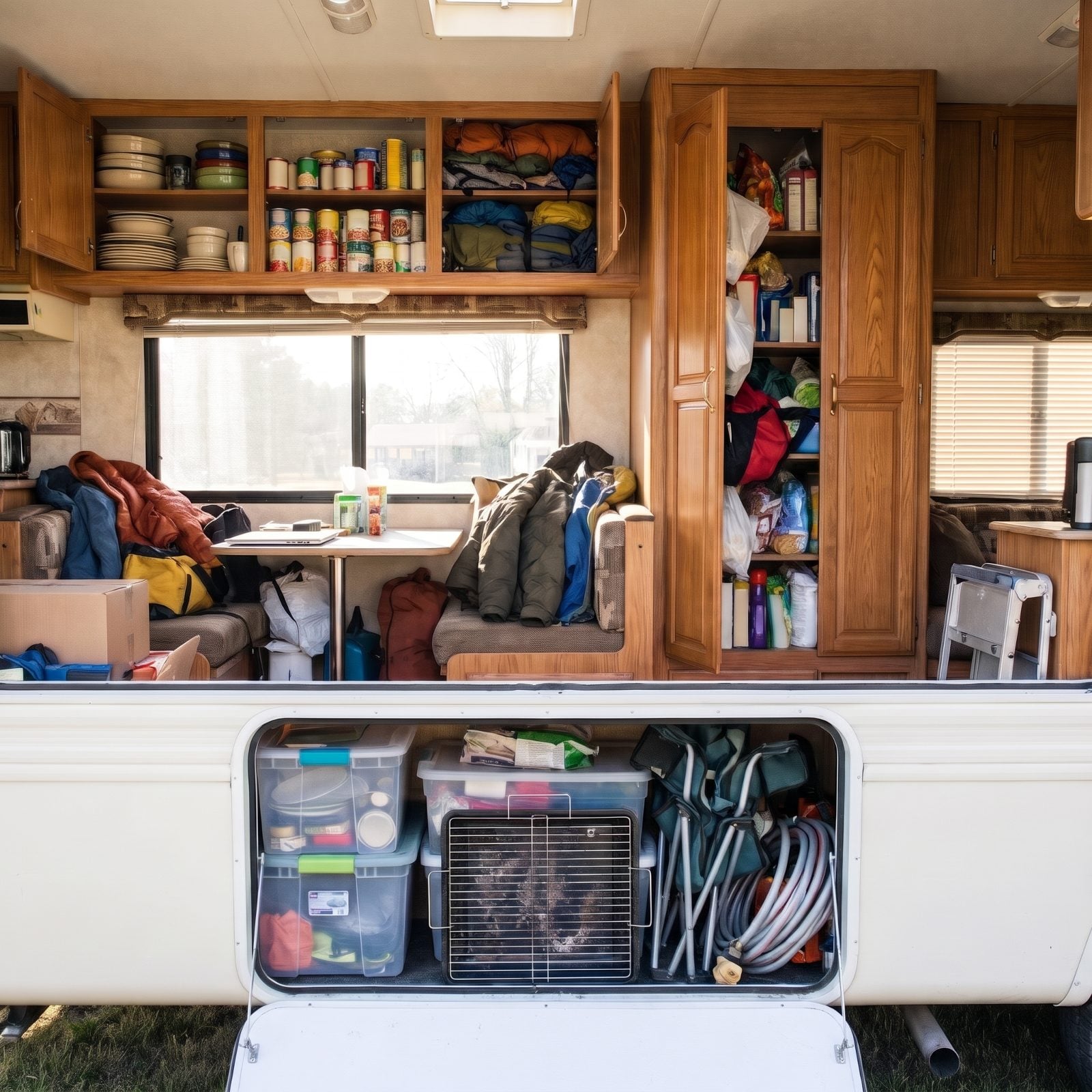
The salesman opens one cabinet after another and you feel it: relief. Look at all this room. Finally, a rig that can hold everything. This time you won’t be cramped.
You will be cramped. More storage doesn’t cure overpacking any more than a bigger closet cures owning too many clothes. The stuff expands to fill whatever you give it, every single time. That’s Parkinson’s law wearing camping gear.
It’s the same fantasy behind the bigger house (we’ll finally be organized) and the bigger garage (room for everything now). The space isn’t the problem. The packing is the problem, and the packing travels with you. We’ve watched people upsize twice and stay exactly as buried in gear both times.
Pack heavy in a small rig and you’ll pack heavier in a big one — and now you’re paying to haul it all. Fix the habit before you buy the cure. Weigh what you actually carry. You’ll be surprised how much of it never comes out of the basement.
4. You Remember One Perfect Trip and Forget Three Rainouts
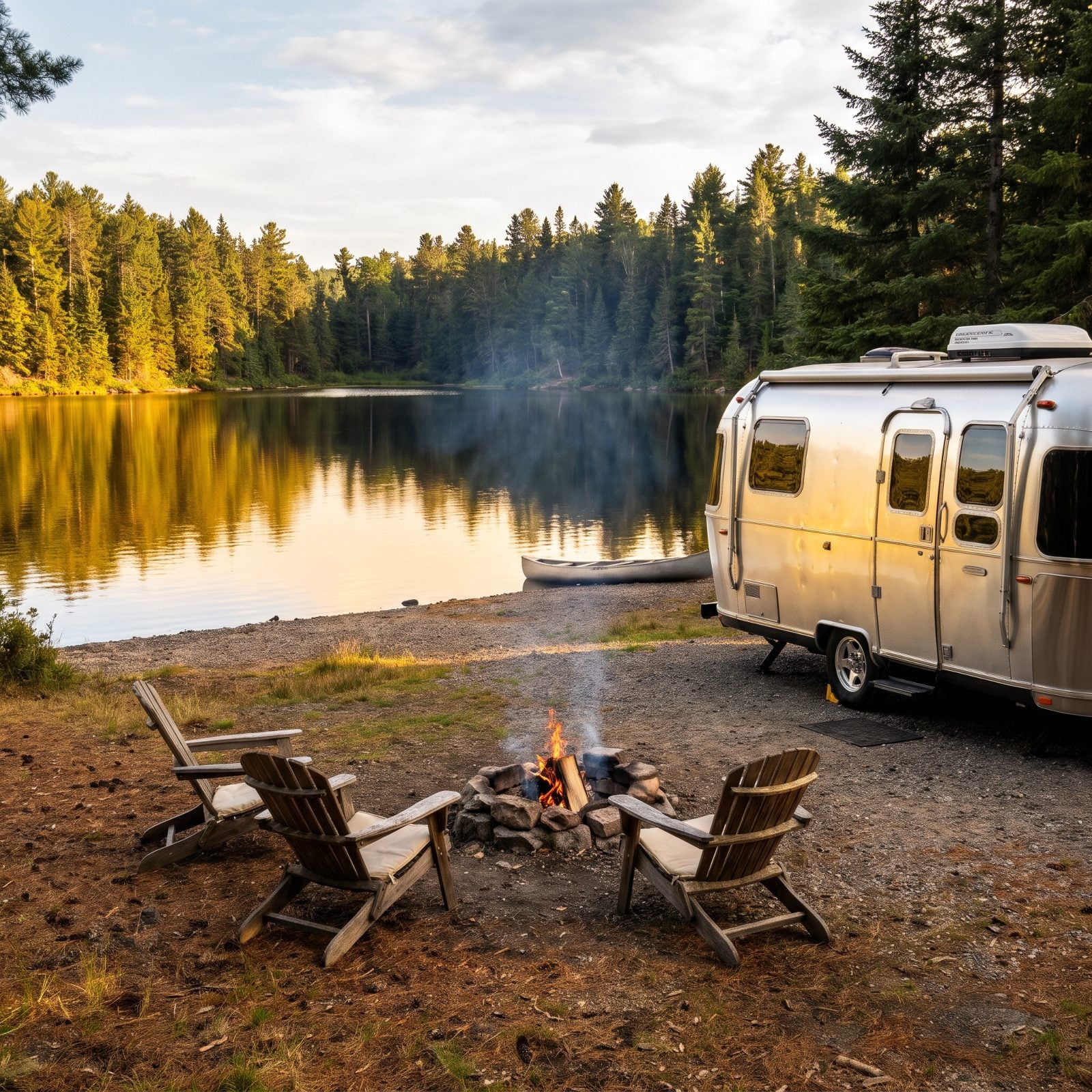
Ask anyone why they’re upgrading and they’ll tell you about the trip. The lake, the fire, the morning the fog lifted off the water and nobody said a word. That one evening does all the work. It’s the reason you’re back on the lot.
What the memory conveniently deletes: the weekends it rained sideways, the slide-out that stuck, the campground next to the interstate, the night the furnace quit and you wore every jacket you owned to bed.
This is the peak-end rule, how memory actually files an experience. We don’t remember the average of a trip. We remember the best moment and how it ended, and the dull or miserable stretches evaporate. It’s why people romanticize an old job, an old town, a whole decade that was mostly ordinary.
The golden trip was real. So were the rainouts. Buying your next rig off the highlight reel means buying for a life that was mostly editing. Keep the good memory. Just don’t let it sign the loan papers alone.
3. A Weekend-Only Rebate Turns Browsing Into Signing
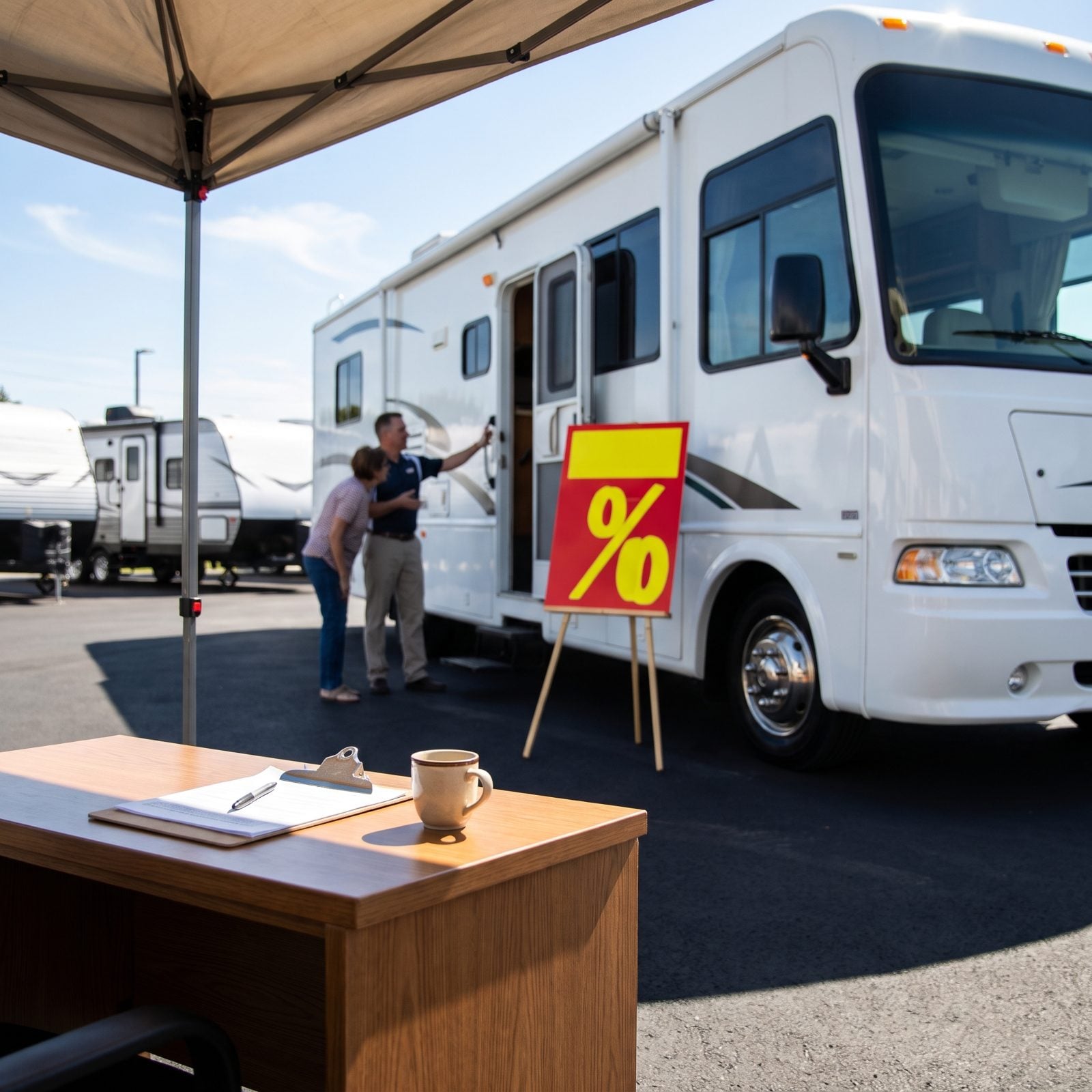
You walked onto the lot to look. Just look. Then a placard appears by the coach door, the rebate ends Sunday, the finance manager has a cancellation slot open right this minute, and somehow you’re holding a pen you never planned to hold.
You’ve felt this exact squeeze before — the job offer that needs an answer by Friday, the house with three other bids circling it. Scarcity does something to the brain that logic can’t talk its way out of. When a thing might vanish, we want it harder than when it sits there waiting patiently. Call it loss aversion wearing a party hat. The sting of missing out feels bigger than the joy of actually owning the rig, so we rush to stop a loss we haven’t even taken.
Here’s the quiet truth, though. A deal that only exists if you sign today isn’t a deal. It’s a deadline with a price tag stapled on.
2. You Call It Freedom Before Checking the Loan Term
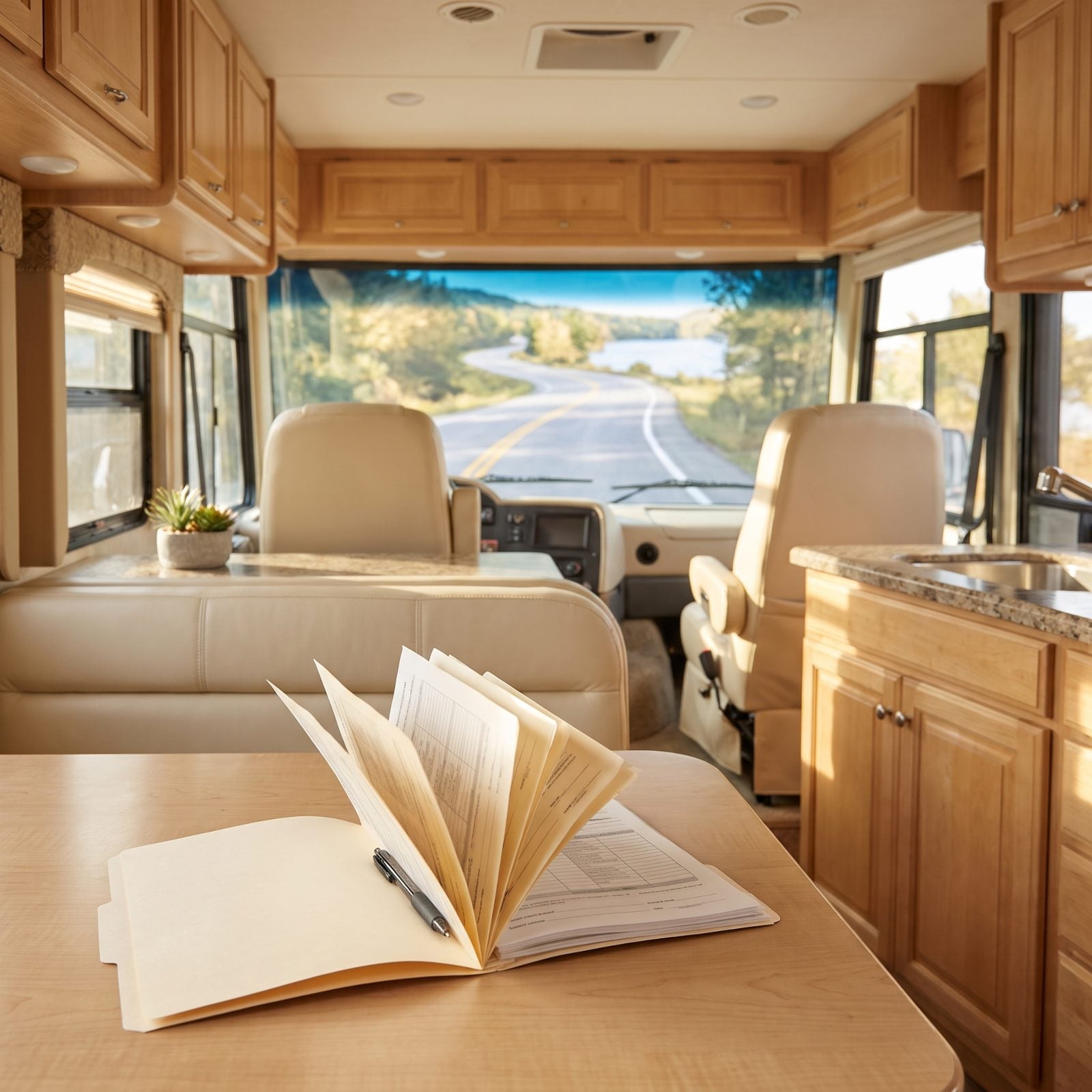
Stand at the front of a Class A with your hands on the wheel and the whole country feels like yours. Open road, no schedule, go where you want. That word — freedom — keeps floating up long before anybody says out loud how many years the payment actually runs.
RV loans stretch far longer than car loans. Fifteen years is common, and twenty happens more than you’d guess. You’re financing a dream for longer than some marriages last.
We pull this stunt with the big life choices too — the career you quit the stable job for, the move to the lake town. Feeling first, fine print second, if we read it at all. Psychologists have a name for the trap: affective forecasting. We’re dead sure we know how future-us will feel, and we’re almost always wrong about it. Future-you still has the loan. Future-you might not still have the itch to drive it anywhere.
Freedom with a payment book attached is still a kind of freedom. Just count the years before you go slapping that label on it.
1. You Budget the Payment and Mentally Misplace Everything Else
The salesperson said four-something a month and your brain filed it away as the cost of RVing. Done. Settled. Except that number is the smallest line on a long bill nobody’s added up yet.
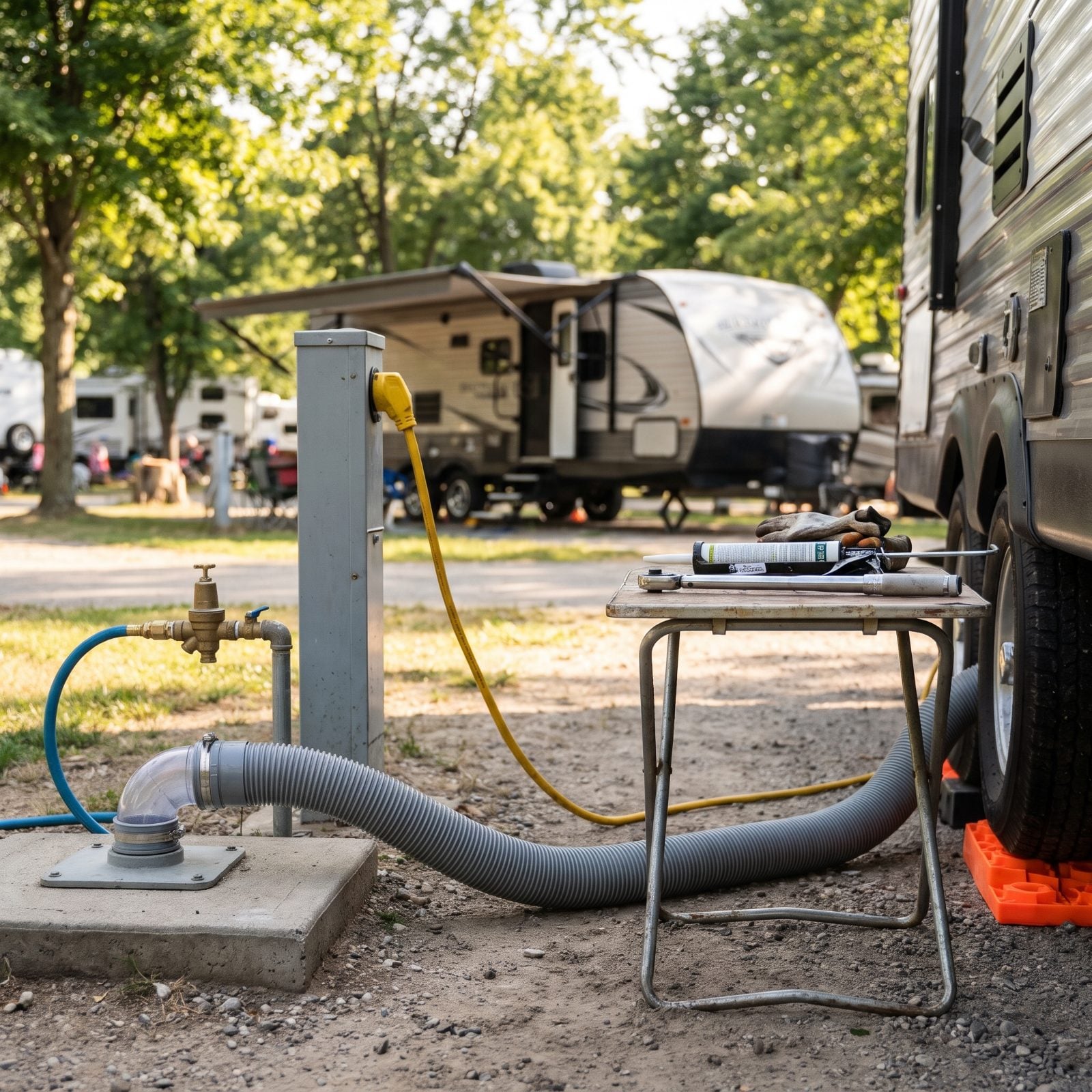
Insurance. Storage for the months it’s not in the driveway. Registration, propane, tires that cost more than you’d ever guess and wear out on a calendar, not just on miles. Sewer hoses and sealant and a dump station fee. Fuel that makes a pickup truck look downright thrifty. And the campsite itself — every single night you park it somewhere.
This is mental accounting: the habit of stashing money in neat little boxes and forgetting the boxes all drain the same wallet. We wrap a purchase around the one number we can stomach and quietly lose track of the rest. Folks do it with the kitchen remodel, the new puppy, the wedding. The sticker was never the real price.
The payment is the door. The ownership is the whole house behind it.