
The itch shows up the same way both times. You’re sitting in a rig you spent months saving for, parked at a lake you drove two states to reach, and your brain is already drawing a new slide-out in the air. Same feeling as that Tuesday you walked into a job you were thrilled about six weeks earlier and started scrolling listings over lunch.
Please note that some of the images in this article were created with the assistance of AI.
We keep changing things we swore were finished. The RV gets solar, then a lift, then a repaint. The career gets a new title, a new company, a new commute. The wiring underneath both habits is the same, and once you spot it, you can’t unspot it. Here’s what’s actually going on when the modification bug bites.
17. The New-RV Smell Wears Off Faster Every Time
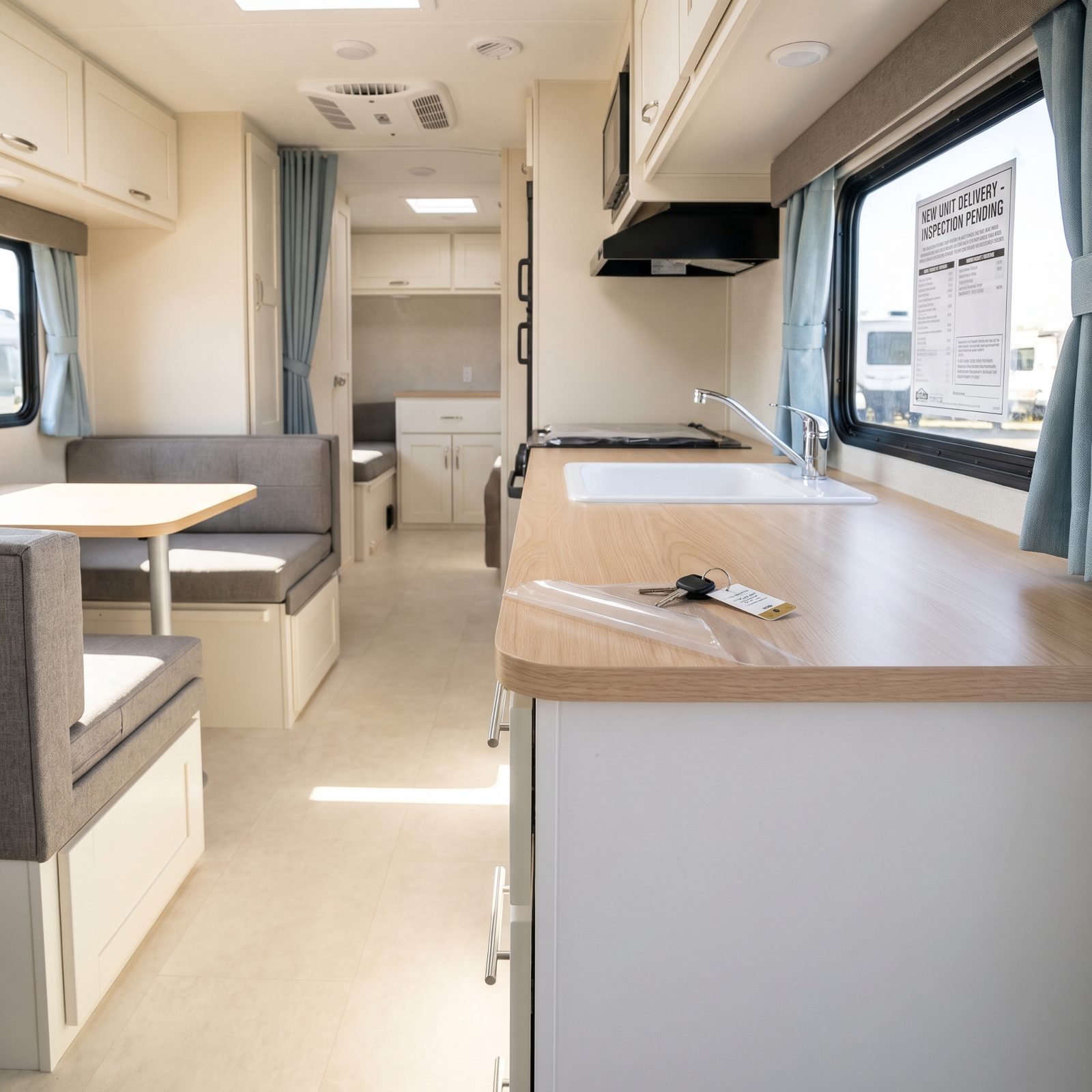
Remember the first RV? You sniffed the cabinets like they were a bakery, because that particleboard-and-vinyl smell meant possibility. By the third rig, you barely notice it. You’re already cataloging what’s wrong.
Psychologists have a name for this: hedonic adaptation. They found it decades ago studying lottery winners, who drifted back to their old happiness level within months of hitting it big. The high of new is a loan, not a gift. Your brain pockets the thrill and quietly resets the baseline to whatever you’re holding now.
Same story with the dream job. Week one you love the commute, the desk, the free coffee, and by month three it’s just Tuesday. The job didn’t change. You adapted. Then you started looking.
16. You Add Solar When Hookups Start Feeling Like a Boss
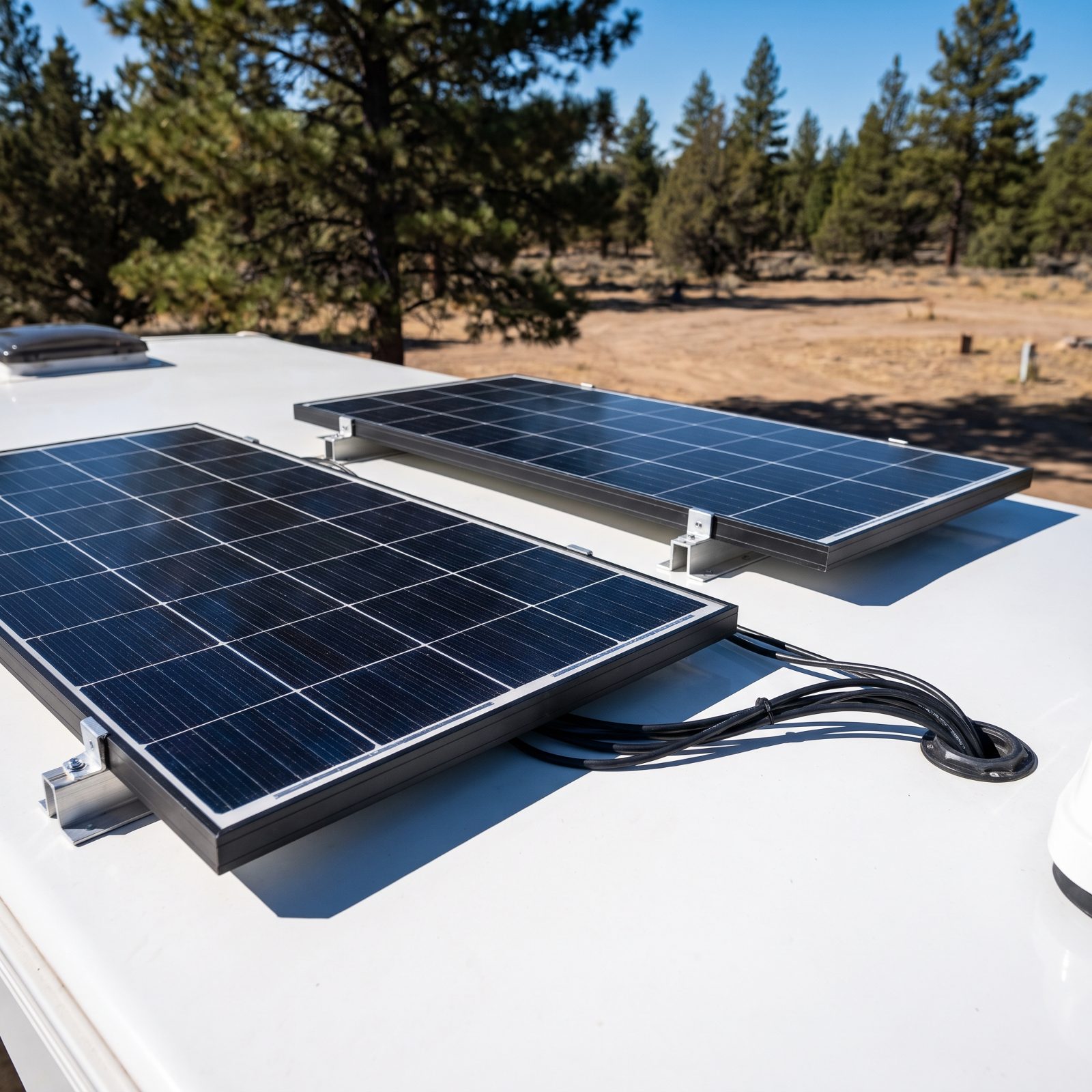
There’s a specific moment it clicks. You pull into a park, pay for a full hookup, and realize you’re tethered to a pedestal like a dog on a run. The rules, the quiet hours, the guy next door who fires up a generator at dawn. You start resenting the leash.
So you buy solar. The math doesn’t always work out, but self-reliance feels like dignity, and you want to park where you want and owe nobody.
Same pull that makes people walk away from a steady paycheck to freelance or build something of their own. Security was never the problem. Asking permission was. Autonomy is one of the deepest human drives we’ve got, and the solar array and the resignation letter are both purchases of the exact same thing.
15. One Luxury Rig Next Door Resets Your Entire Baseline
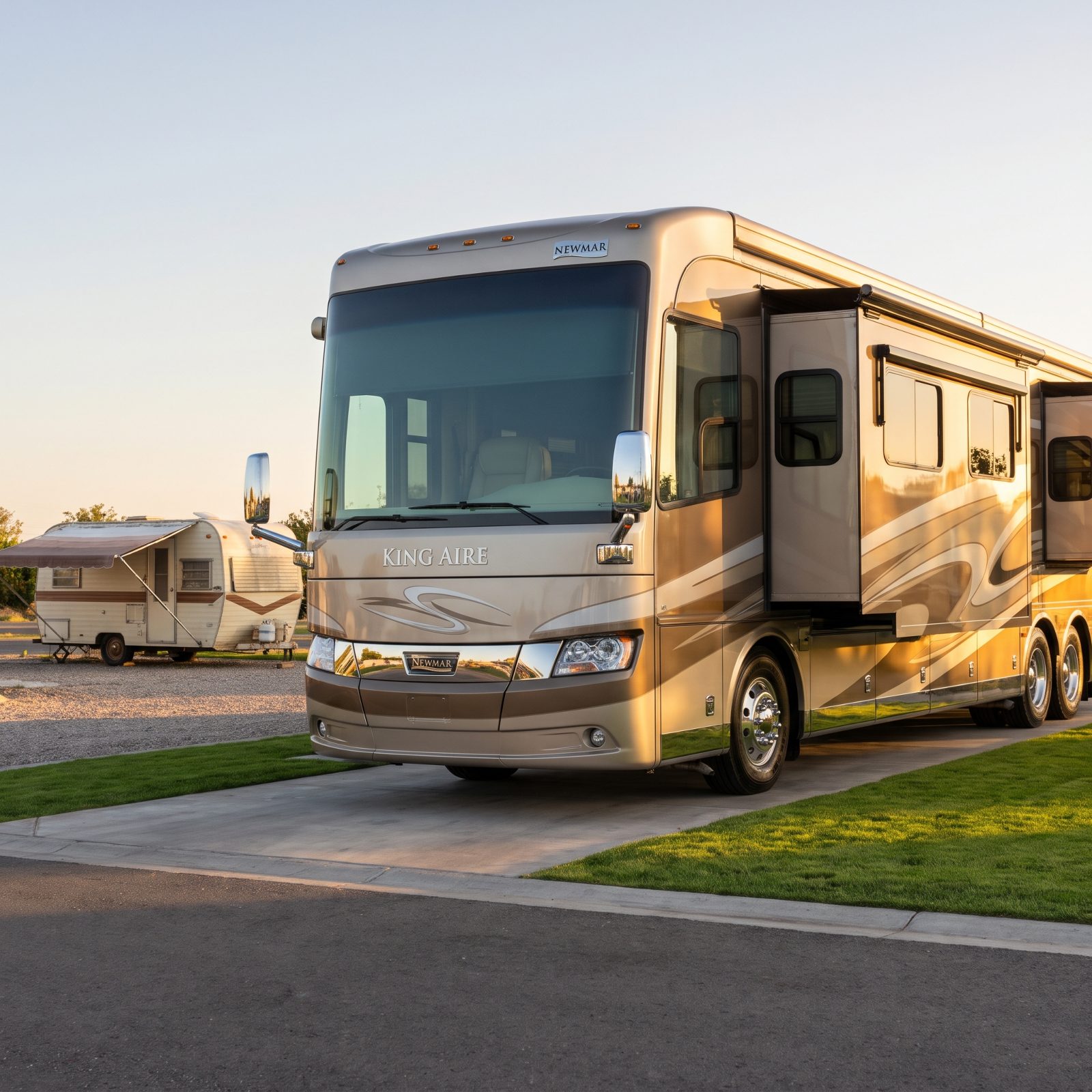
You were perfectly happy with your rig this morning. Then a six-figure diesel pusher rolls into the site beside you, levels itself at the push of a button, and extends a slide-out the size of your old bedroom. Suddenly your floorplan feels cramped and your countertops look cheap.
Nothing about your RV changed in those ten minutes. Your reference point did.
Call it social comparison, and it’s ruthless. We don’t measure what we have against what we need. We measure it against what the person next to us has. It’s the same mechanism that turns a good salary into an insult the day you learn what your coworker makes. The number was fine until you had something to hold it up against.
14. Custom Paint Makes the RV Finally Feel Like Yours
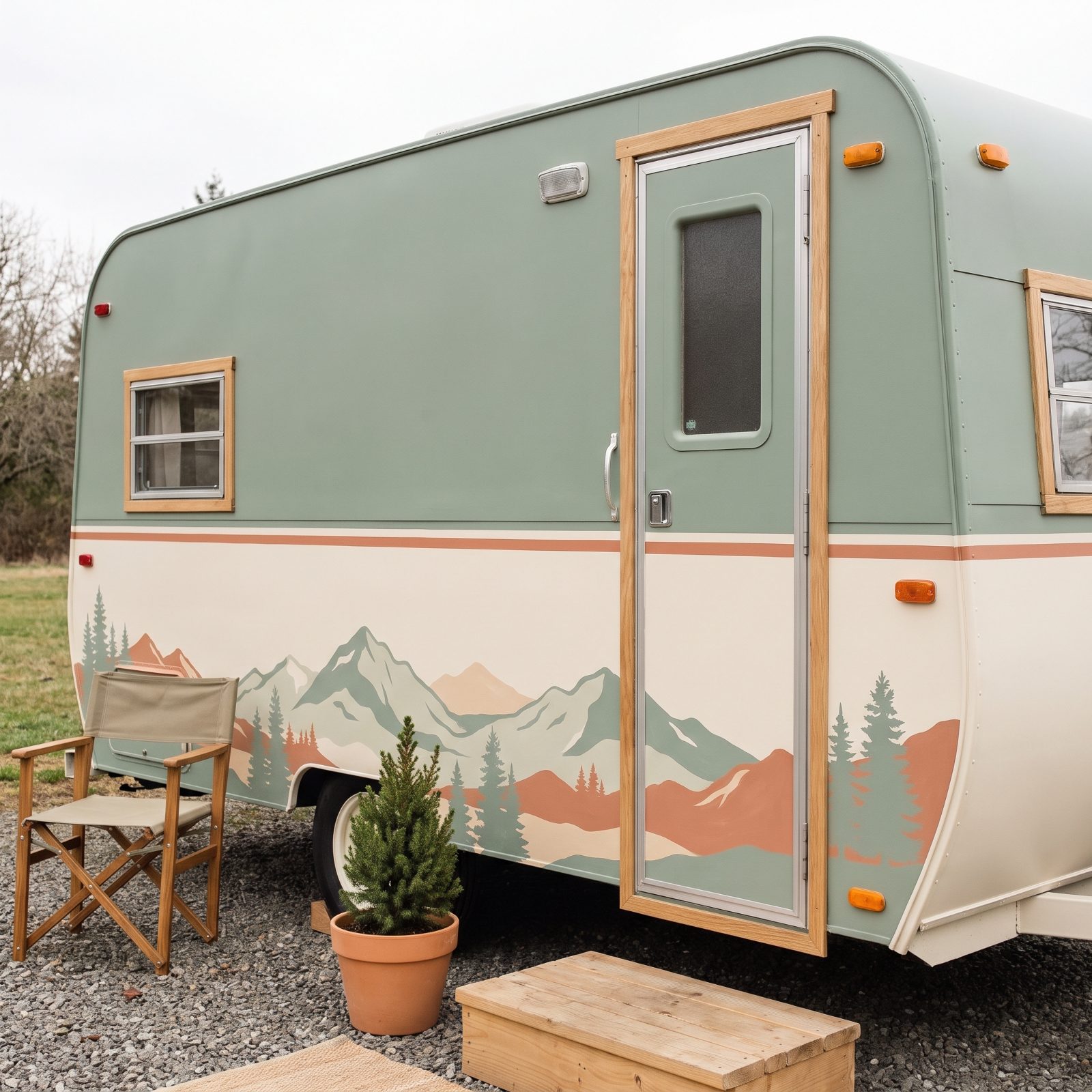
The decals that came on it were someone else’s idea of exciting. Those swooping factory graphics in colors nobody chose. Then one day you repaint, or wrap the whole thing in sage green with a little hand-painted mountain on the side, and something shifts. It stops being a unit and starts being yours.
Funny part? The RV runs exactly the same. The paint changed nothing mechanical. But you value it more now, because you put yourself into it.
Researchers call this the IKEA effect, named after the furniture you assemble yourself and then refuse to throw away because you built it. Effort breeds ownership. All those hours masking windows and sanding panels got baked into how much you love the thing.
People do this with jobs, too. You take a bland role and slowly make it yours, your systems, your way of doing it, until you’d defend it to anyone. Then you leave it for a blank one and start the painting over.
13. Bunk Beds Arrive When the Family Outgrows the Floorplan
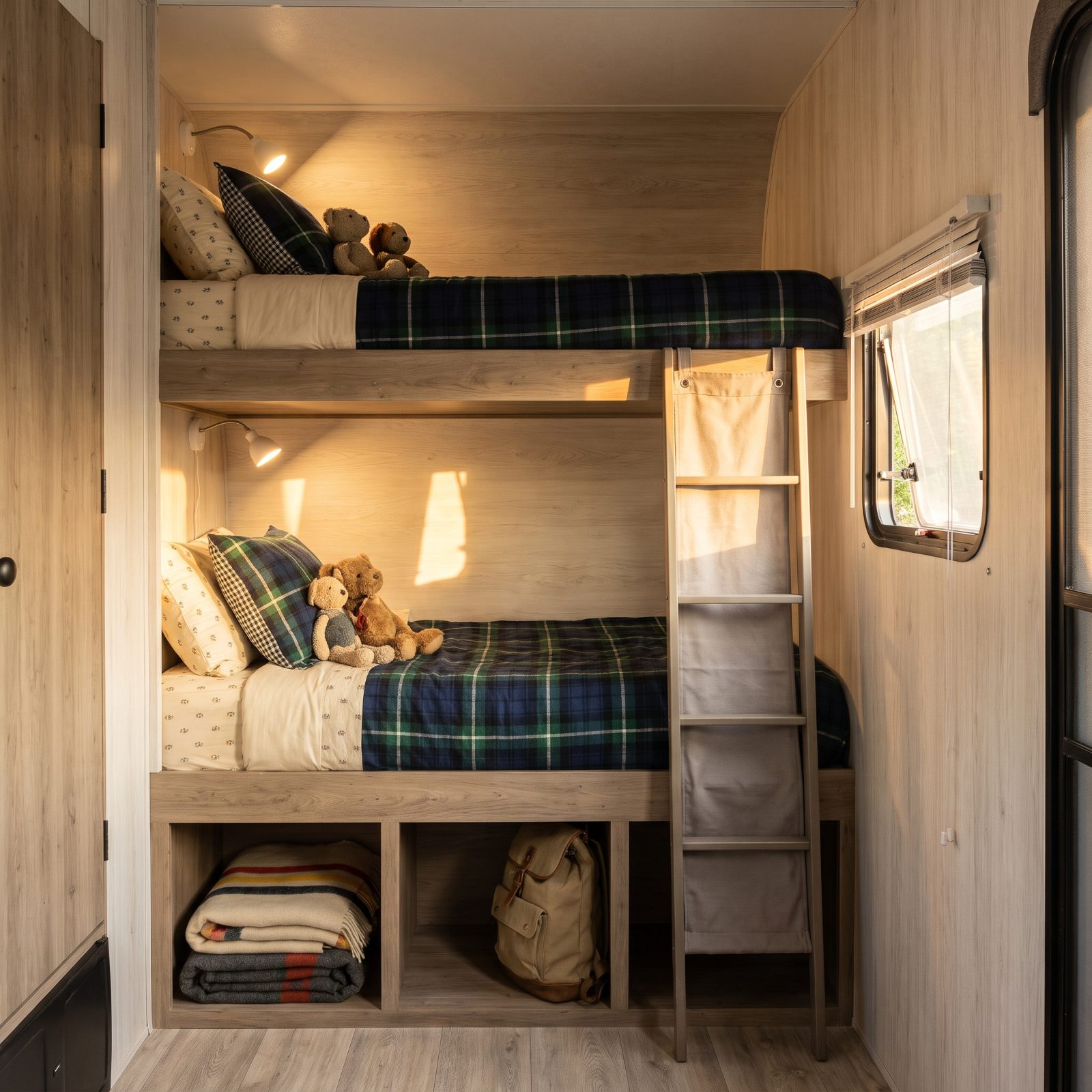
Your weekend trailer was plenty, right up until the grandkids started tagging along and someone was sleeping on the dinette conversion every single night. So you trade up to a bunkhouse. More beds, more doors, a floorplan built for a crowd you didn’t used to have.
The RV grew because the life around it did. That’s not restlessness. That’s responding to a real change in circumstances.
Same reason people take a bigger job when a kid arrives or a mortgage lands. The old role fit the old life, and the new obligations demanded a bigger container. Nobody questions outgrowing a trailer. We should hand out the same grace for outgrowing a job.
12. Remote Work Somehow Requires Three Antennas and a Desk
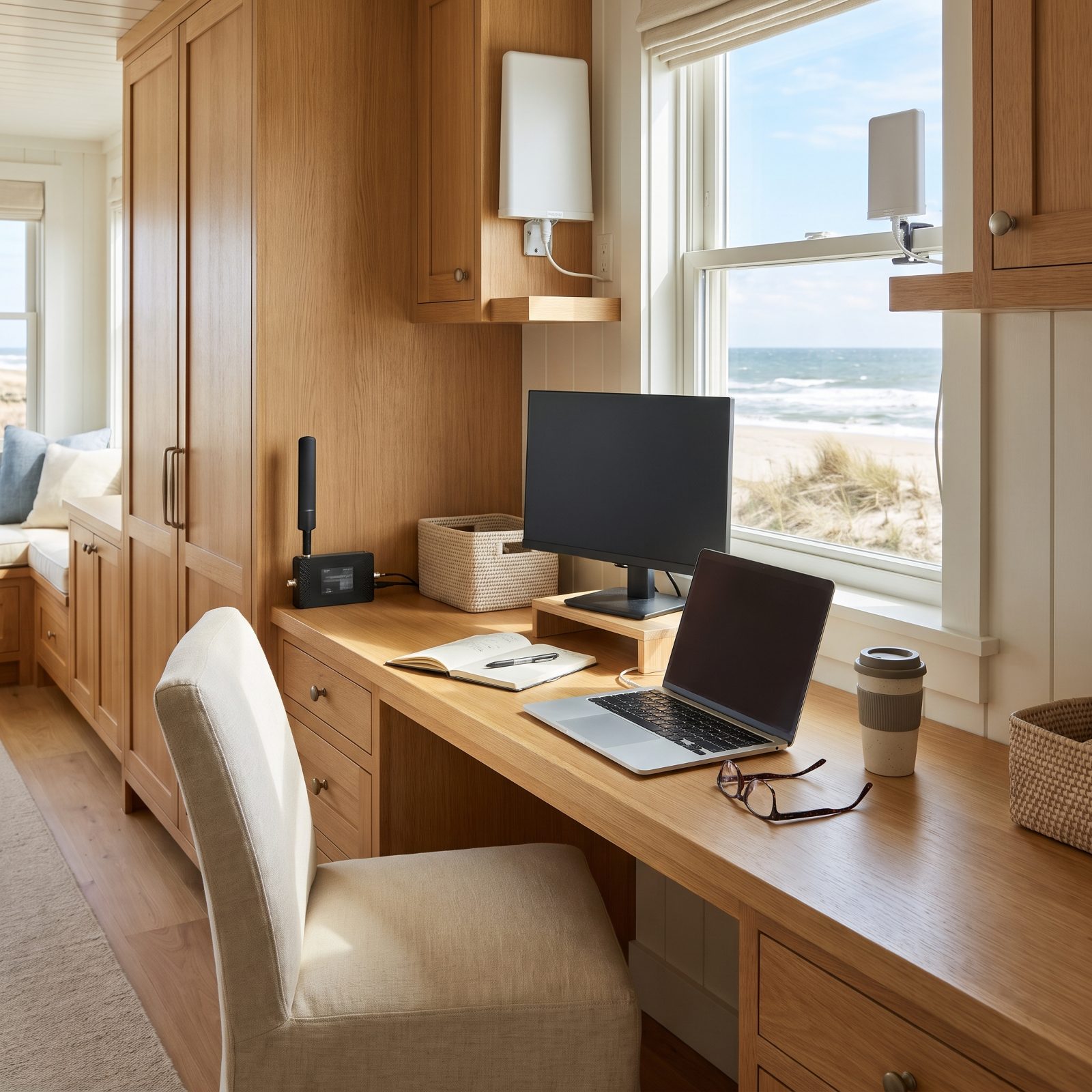
It started as a laptop on the kitchen table. Then you needed a cell booster. Then a second carrier for backup. Then a proper desk, a monitor, a chair that doesn’t wreck your back by mid-afternoon. The simple plan to “work from the beach” quietly became a small IT department built into a beach house.
We always lowball what a project actually takes. Psychologists call it the planning fallacy, that well-documented habit of assuming things will go faster and cheaper than they ever do. Your remote-work dream had a tidy budget in your head. Reality kept mailing invoices.
The job-change version is identical. “I’ll switch careers, it’s basically the same skills.” Then come the certifications, the unpaid months learning the ropes, the tools you didn’t know existed. The leap always costs more than the pitch you sold yourself.
11. A Class A Starts Looking Like the Next Promotion

Pop-up to travel trailer. Travel trailer to fifth wheel. Fifth wheel to Class C. And then, parked at the back of every RV show you wander through, the Class A, sitting there like a corner office with wheels.
You don’t need it. You want it to mean something. Each step up the RV ladder carries a whisper: you’ve arrived, you’ve made it, you’re serious now.
This is commitment escalation dressed up as a lifestyle. Once you’ve climbed a few rungs, stopping feels like quitting, and the next rung always looks like the one that finally delivers the feeling. Same logic that makes a promotion you didn’t even want start to feel like the promotion you need, just to prove the climb was worth it.
The Class A isn’t a motorhome. It’s a title you can park.
10. Everyone Buys the Same Gear After Joining the Same Forum
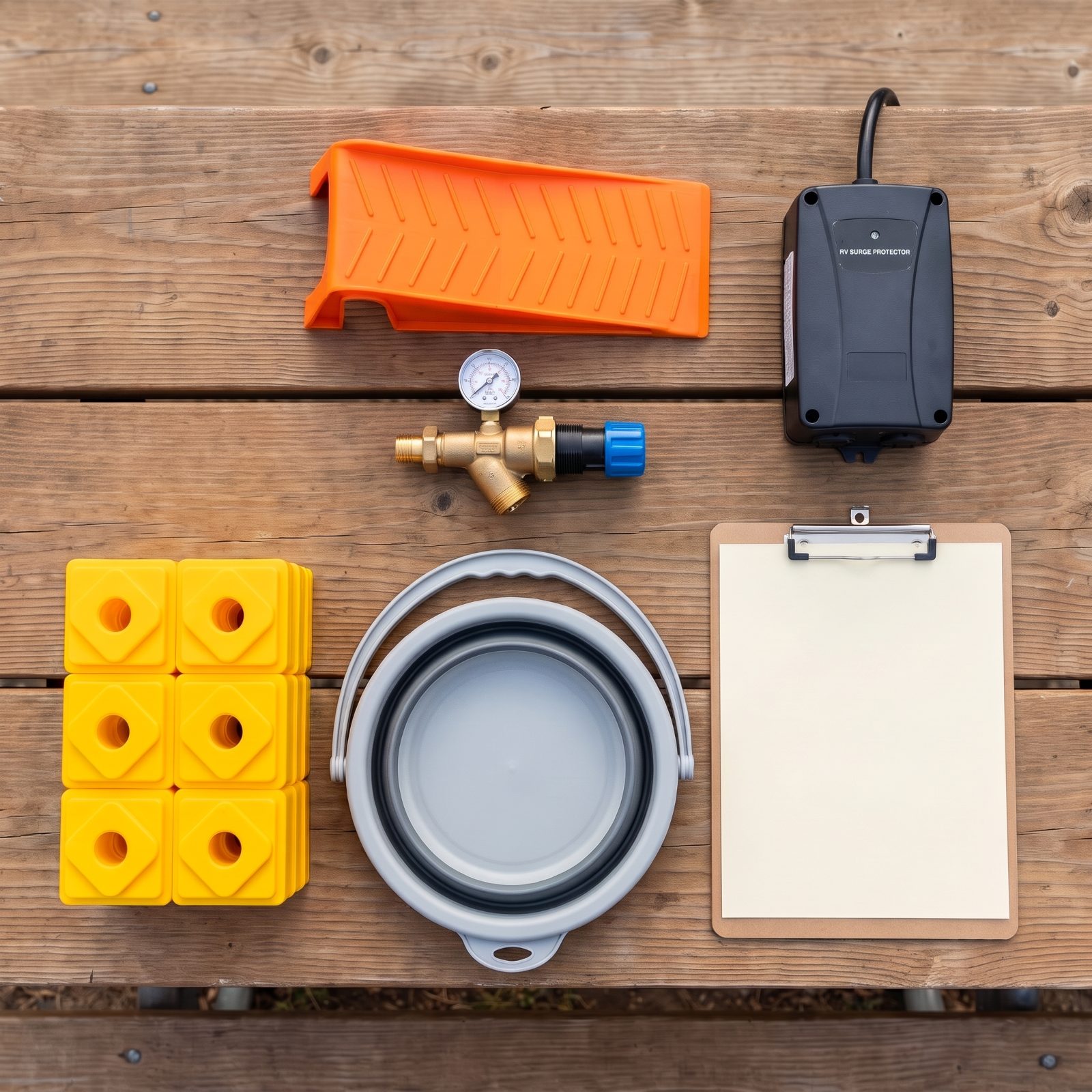
You join the forum for your rig, read for a week, and come out the other side with a shopping list identical to ten thousand strangers. The same surge protector. The same water regulator. The same orange leveling ramp everybody swears by.
That’s social proof doing its quiet work. When we’re unsure, we copy the crowd and call it research. If this many seasoned owners bought it, surely it’s right. Sometimes it is. Sometimes you just bought the groupthink.
Same current carries people into whatever “hot” field everyone’s quitting their old job to chase. The sector’s booming, the forums are buzzing, so you jump. The crowd feels like information. Often it’s just a crowd.
9. The Floorplan Changes Once Daily Friction Beats First Impressions
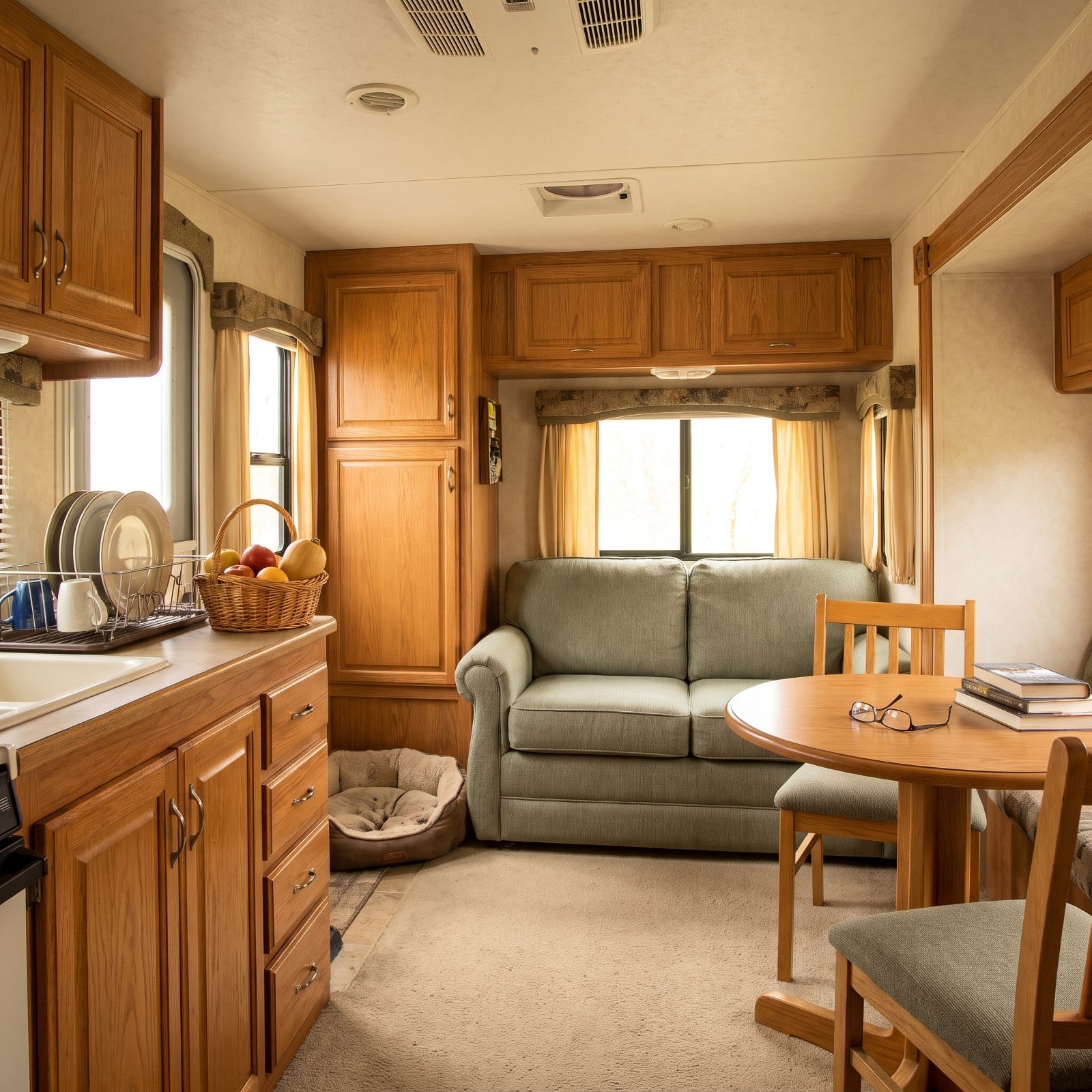
On the dealer lot, you fell for the big windows and the pretty island. Six months in, you’ve learned the island is where you bark your hip forty times a day and the pretty dinette is murder on your back. So you rip it out and drop in a sofa and a real table.
First impressions sell. Daily friction rules. The features that dazzled you at the show are not the features you live with. It’s the little recurring annoyances, the tight aisle, the drawer that clips the fridge, that grind you down until you redesign around them.
Jobs do this exactly. You take the role for the title and the salary, the shiny stuff. Then the daily reality shows up: the commute, the meetings, that one coworker. People rarely quit over the big thing. They quit over the small thing that happens every single day.
8. The Old Fridge Gets Fired After Its Third Failure
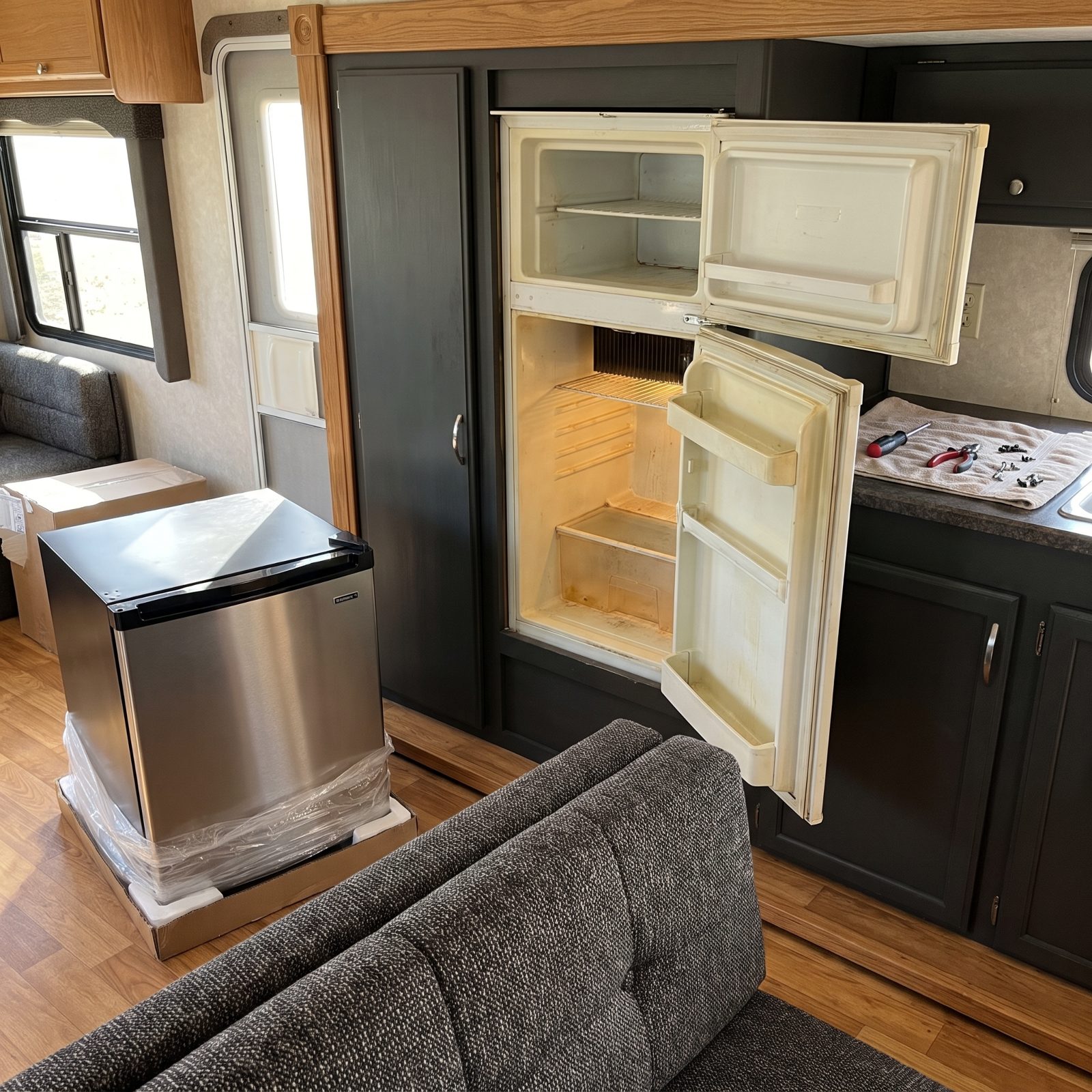
The first time the absorption fridge quit, you babied it. Found the fix, bought the part, told yourself it was a fluke. Second failure, you grumbled but repaired it again, because you’d already sunk money and a weekend into the thing.
Third failure, something snaps. You yank it out, drop in a compressor fridge, and can’t believe you waited this long.
That whole arc is the sunk-cost fallacy finally losing. For two rounds, you threw good money after bad because you’d already invested and couldn’t stand to “waste” it. The past spending isn’t coming back no matter what you do, but it held you hostage anyway.
We stay in the failing job the same way. First disappointment, we explain it away. Second, we double down. The third time it lets us down, we remember we were free to walk the whole time.
7. You Downsize After Realizing Bigger Means More Hassle
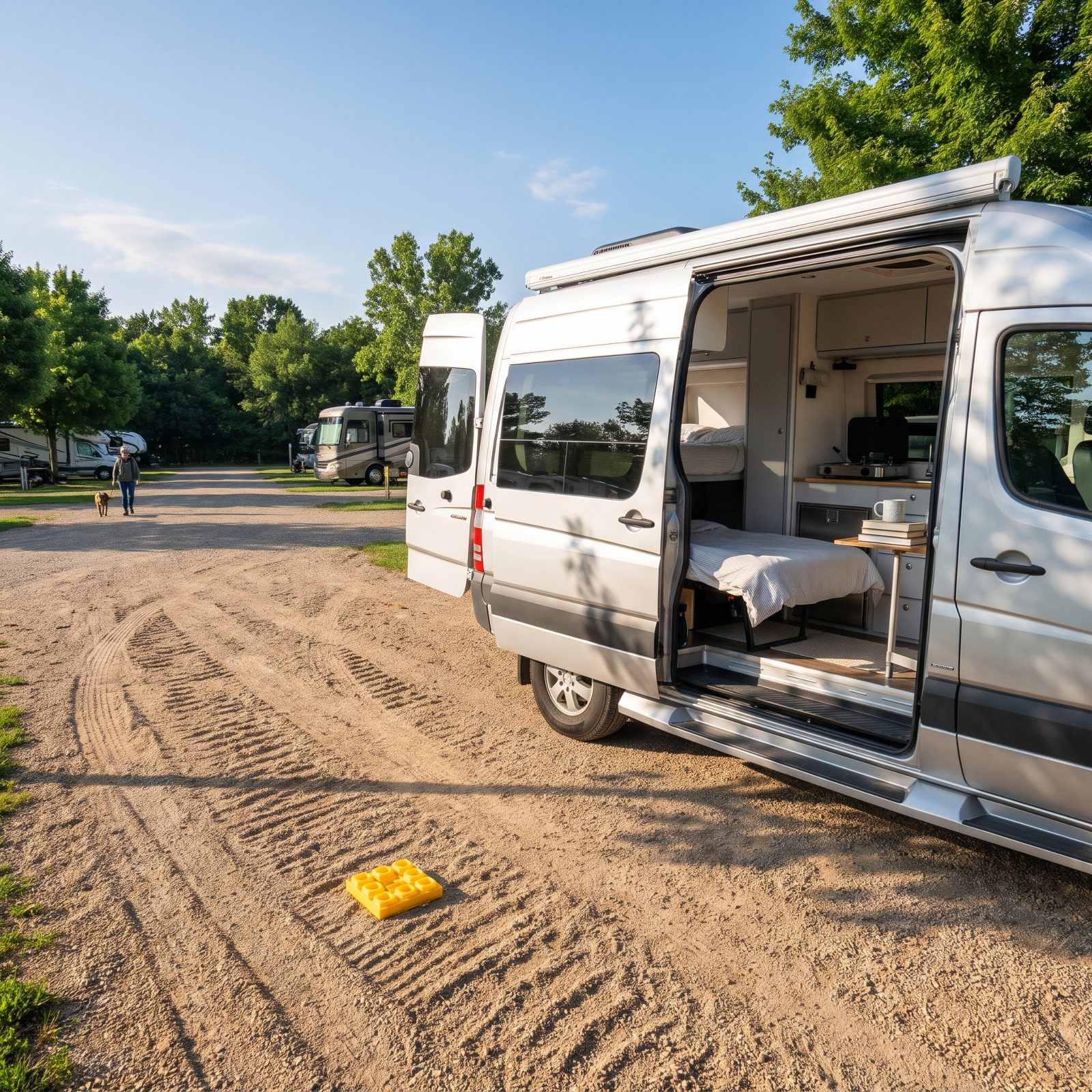
First it was forty feet of diesel pusher with three slides and a washer-dryer. Then came the backing-into-a-hairpin-site rituals, the toll surcharges, the two hours of setup before the first beer. So the big one goes, a van rolls in, and suddenly a parking spot is just a parking spot again.
Same move as the person who walks away from the big title at the big firm for something smaller and saner. The corner office looked like the prize until the prize came with a commute, a pager, and a calendar that belonged to everyone but you. More space, more money, more status, more hassle. At some point the trade stops being worth it.
Psychologists call the engine here hedonic adaptation. You get used to the upgrade fast, so the shine wears off while the maintenance stays forever. The square footage stopped delighting you months ago. The headache of towing it never did.
6. Grab Handles Arrive When the RV Must Fit a New Season
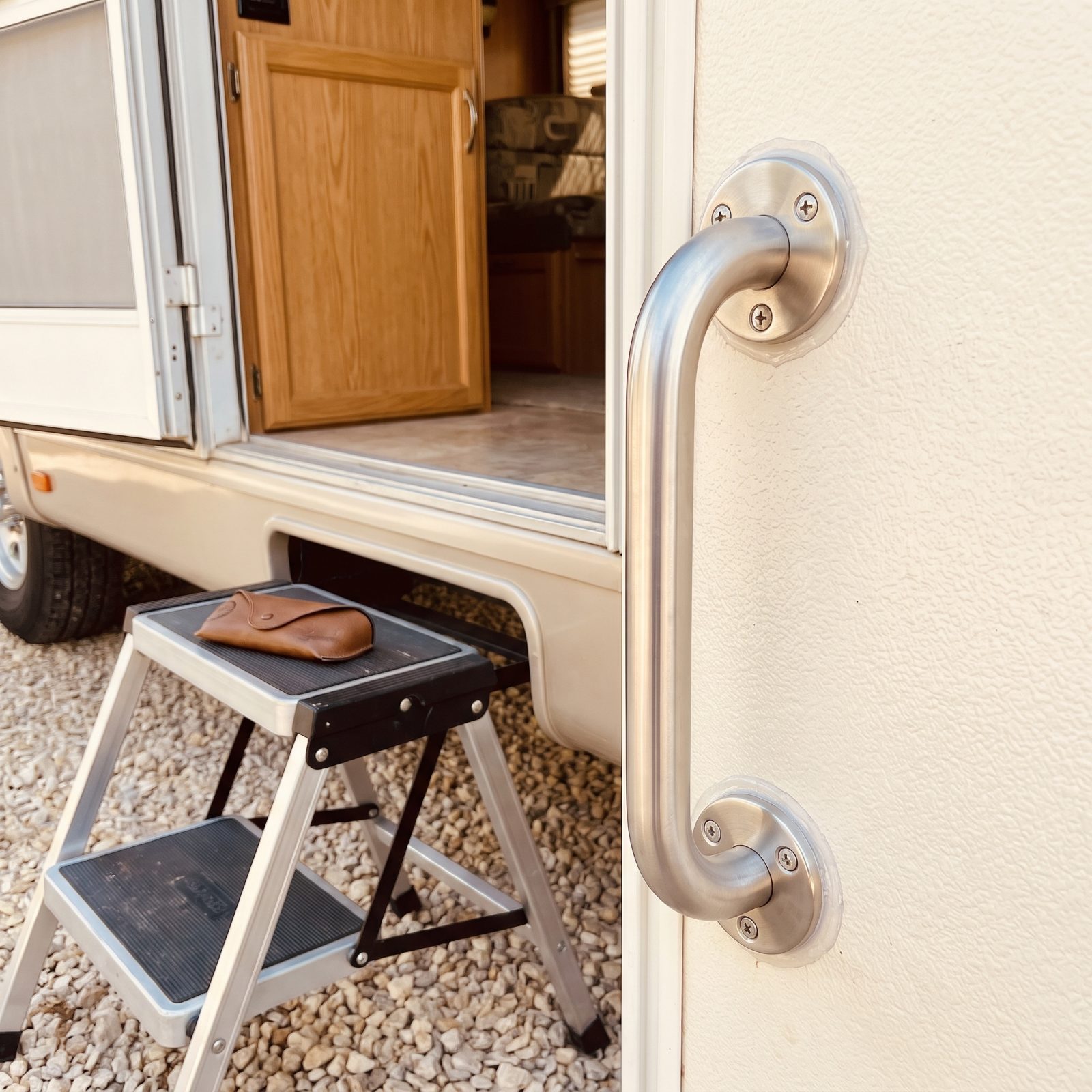
Nobody installs grab handles at thirty-five. Then one season the knee starts narrating the climb into the cab, and suddenly there’s a shiny stainless bar by the door, a longer step stool, maybe a swing-out countertop so you’re not folding yourself double into the lower cabinet. The rig didn’t change. The body climbing into it did.
Same story with the job you reshape instead of leave. The travel role becomes the desk role, the field work becomes the mentoring role, and you quietly stop proving you can do the hard version and start building the version you can actually sustain. Nobody calls it slowing down. They call it working smarter.
Both are honest responses to a self that keeps moving. We modify the thing to match who we are now, not who we were when we bought it. There’s no shame in the handle. The shame is pretending you don’t need it and then eating gravel in the campground.
5. Your Partner’s Must-Have Sofa Somehow Joins the Renovation
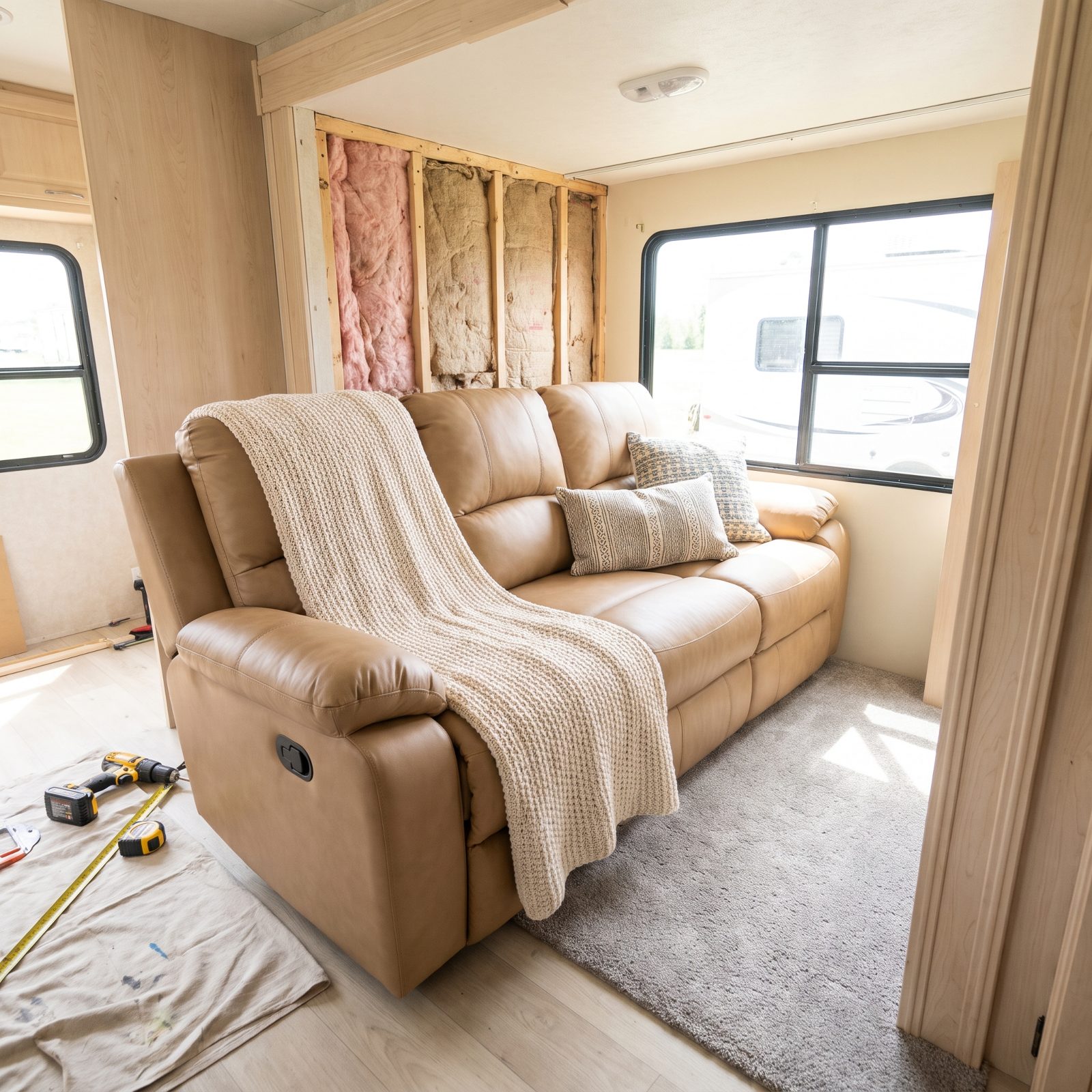
You started this project to fix the galley. Somewhere between pulling the old dinette and ordering the new flooring, a leather reclining sofa entered the conversation. Not your idea. But it was non-negotiable, and now the whole floorplan bends around a piece of furniture that barely fits the room.
Every renovation and every career pivot that was supposed to be yours alone goes like this. You change jobs for the money, and then the new city has to work for a spouse, a school, an aging parent two states over. The decision was never a solo decision. It just felt like one inside your own head.
There’s an egocentric bias at work here: we wildly overestimate how central our own wants are to a shared choice. The sofa is the reminder that a marriage, like an RV, holds two sets of must-haves. One of them is not yours.
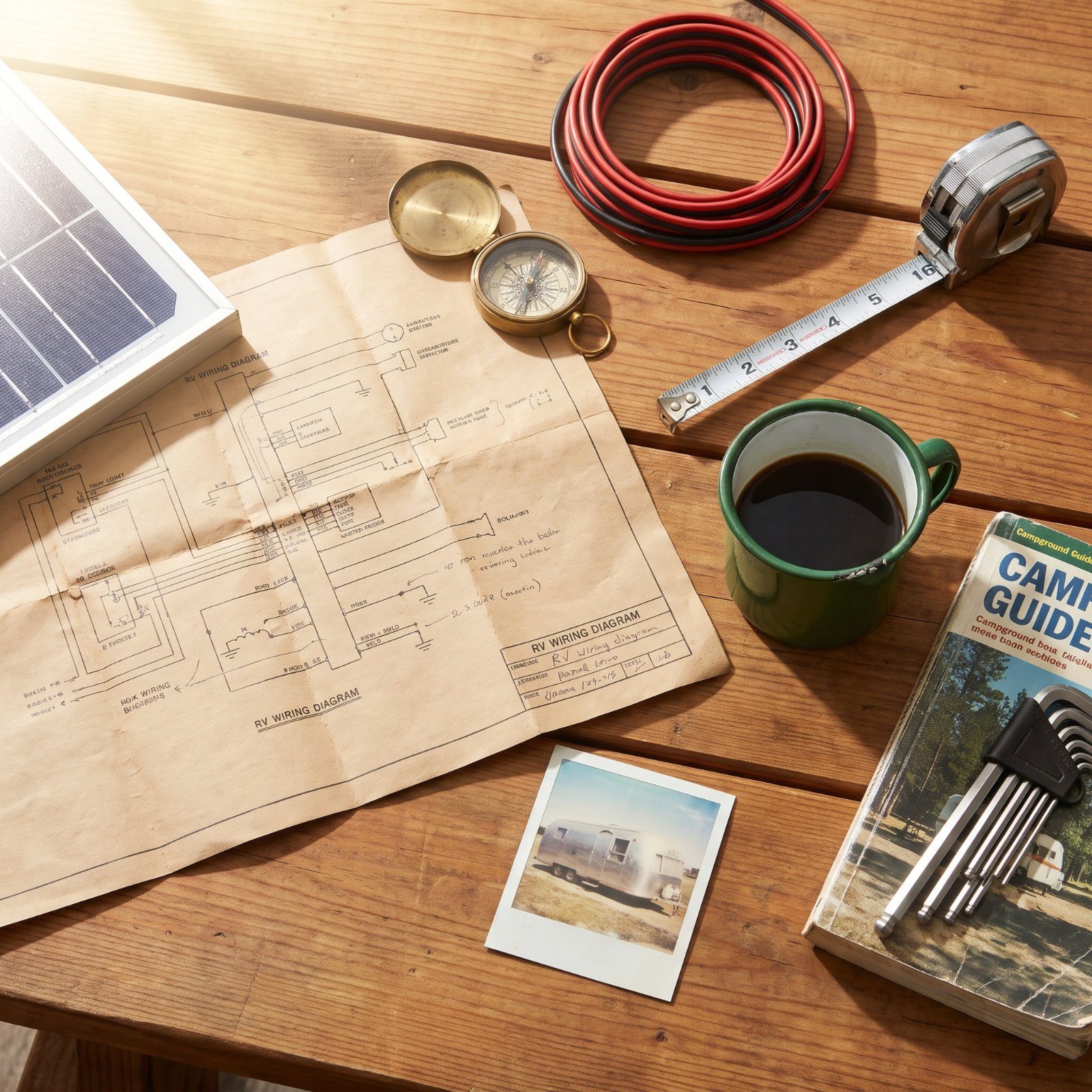
4. You Learn RV Wiring Just to Prove You Can
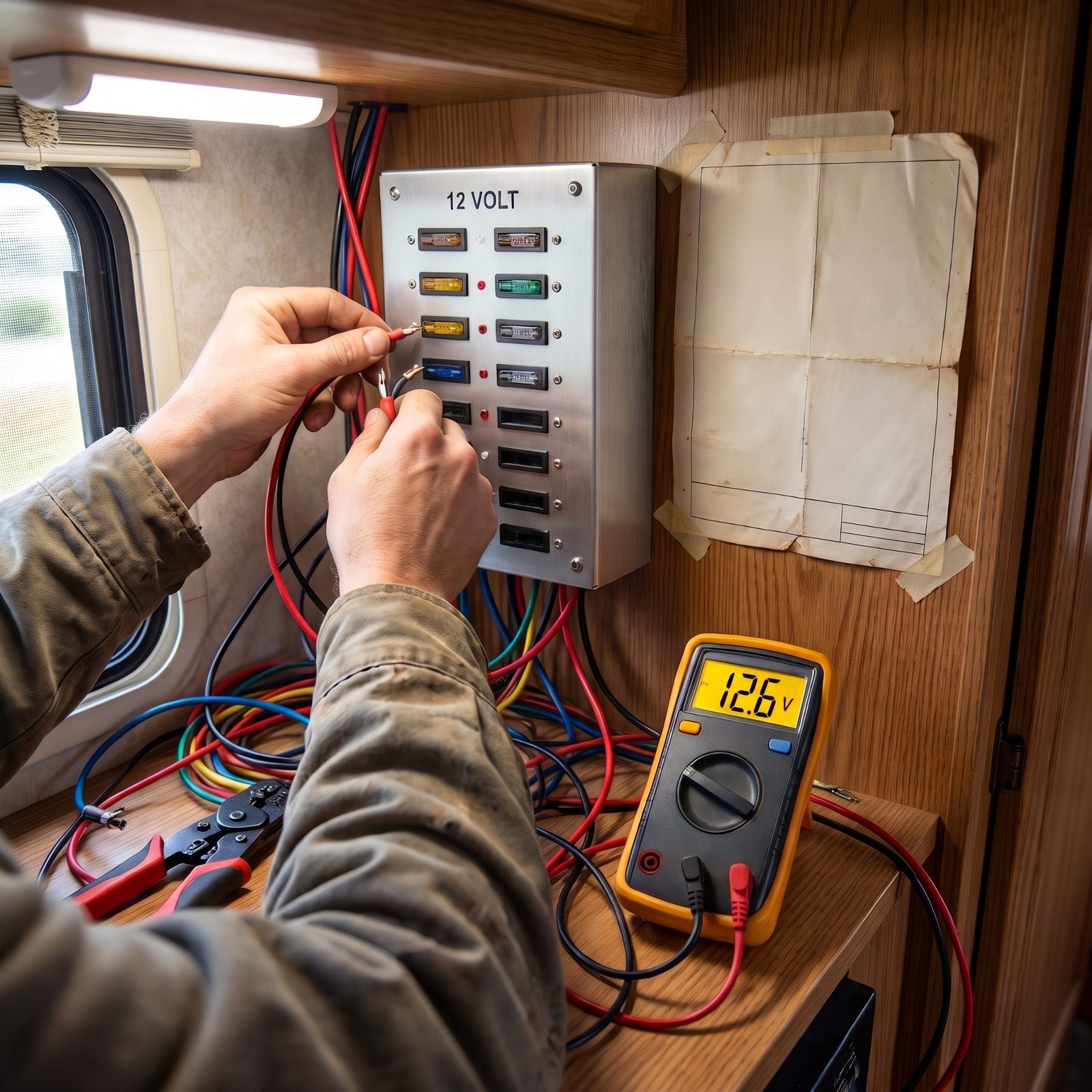
The shore power works fine. The factory did a perfectly acceptable job. And yet here you are hunched over the fuse panel on your day off, learning the difference between AWG gauges and bickering with a YouTube stranger about fuse placement, so you can run a second battery you don’t strictly need.
Why? Because you want to be the kind of person who understands their own rig. The capability matters more than the outcome. It’s why people take a lateral move into a department they know nothing about, swallow months of feeling stupid, and come out the other side able to say they can do the thing.
Mastery for its own sake is one of the most reliable drivers in human behavior. We don’t just want the light to come on. We want to be the one who wired it. The second battery is a bonus. The competence is the whole point.
3. New Cabinets Make the Old Countertops Look Suddenly Unacceptable
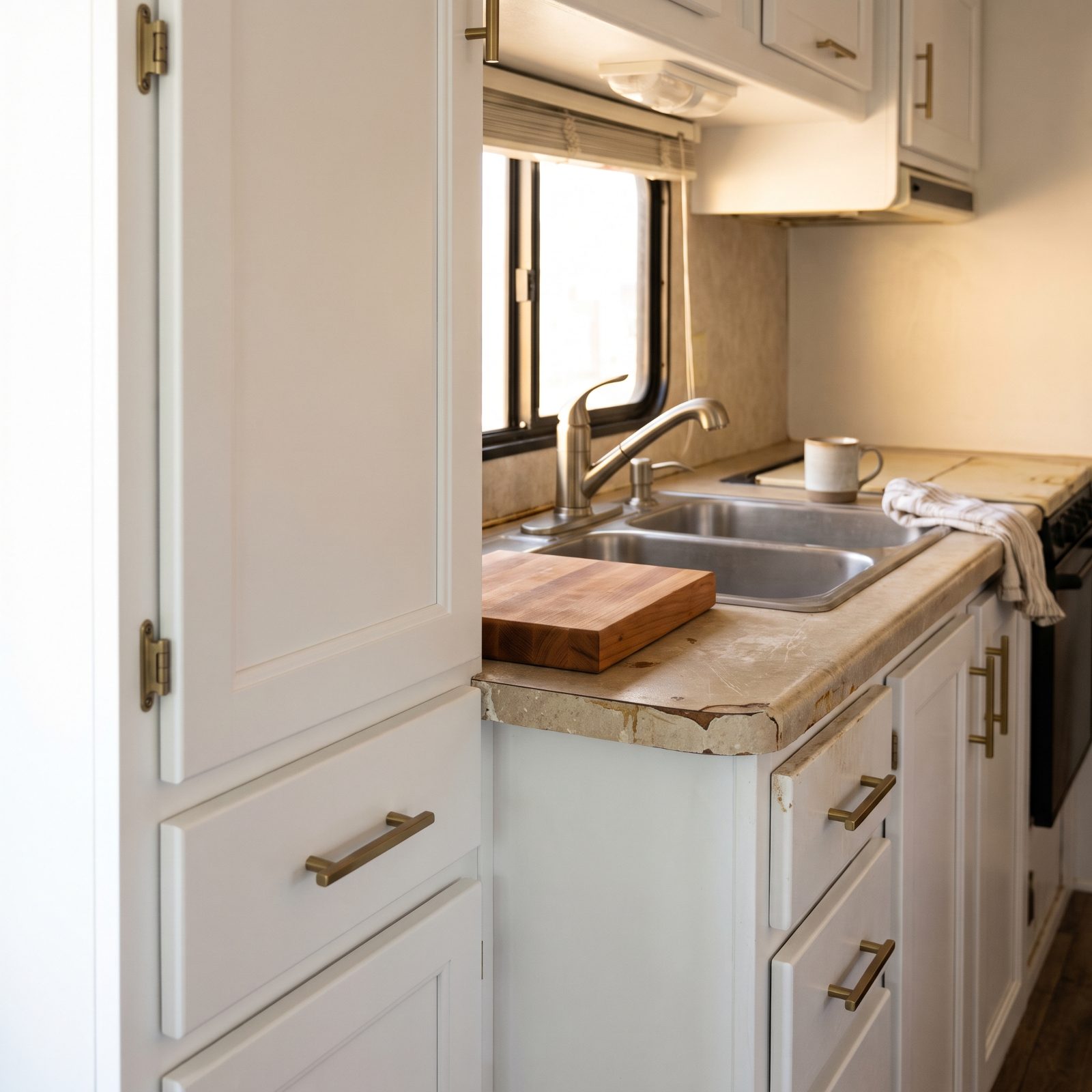
You swore it was a one-weekend project. New cabinet fronts, done. Except now the fresh white shaker doors sit six inches above a beige laminate countertop that looked totally fine last Tuesday and reads like a crime scene today. The counter didn’t change. Your eye recalibrated.
Meet the Diderot effect, named after a philosopher who scored one fancy robe and ended up replacing his entire study to match it. A single upgrade raises the bar, and everything near it suddenly sits below the new standard. The improvement manufactures the dissatisfaction.
Jobs pull the same stunt. You land the better role, and your old car, your old apartment, your old friend group all start to feel like they belong to a smaller life. The promotion didn’t just change your title. It changed what you’re willing to put up with. The brass pulls were a trap, and so was the raise.
2. You Call It Resale Value While Ordering Leather Recliners
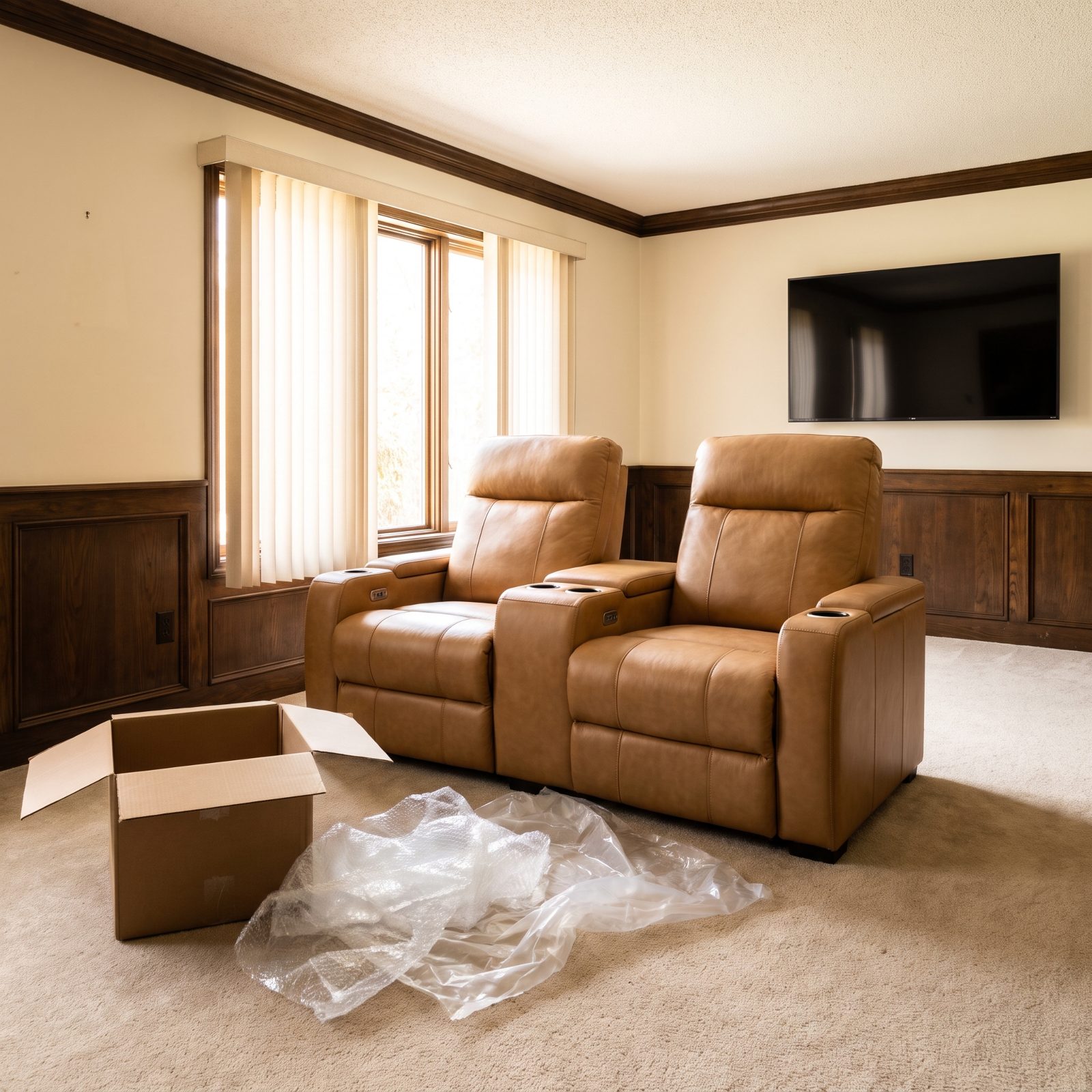
“It’ll help when we sell it.” That’s the official reason the matching leather theater recliners with the cup holders and USB ports are now parked in front of the window in the den. Resale. Of course. Nobody drops two grand on chairs they plan to lounge in every single night purely for a future buyer they’ll never meet.
This is motivated reasoning, the mind’s quiet talent for building a respectable-sounding justification for a thing we already decided to do for pleasure. The resale argument showed up after the purchase, not before. It’s a coat of paint on a want.
The job version runs just as smooth. You take the role for the comfort, the shorter hours, the people you like, then you tell everyone it was a strategic career move. Maybe it was. But be honest about which came first, the decision or the reason. The recliners know. They’re very comfortable, and they are not going anywhere near a resale listing.
1. New Gadgets Distract From the Floorplan You Still Dislike
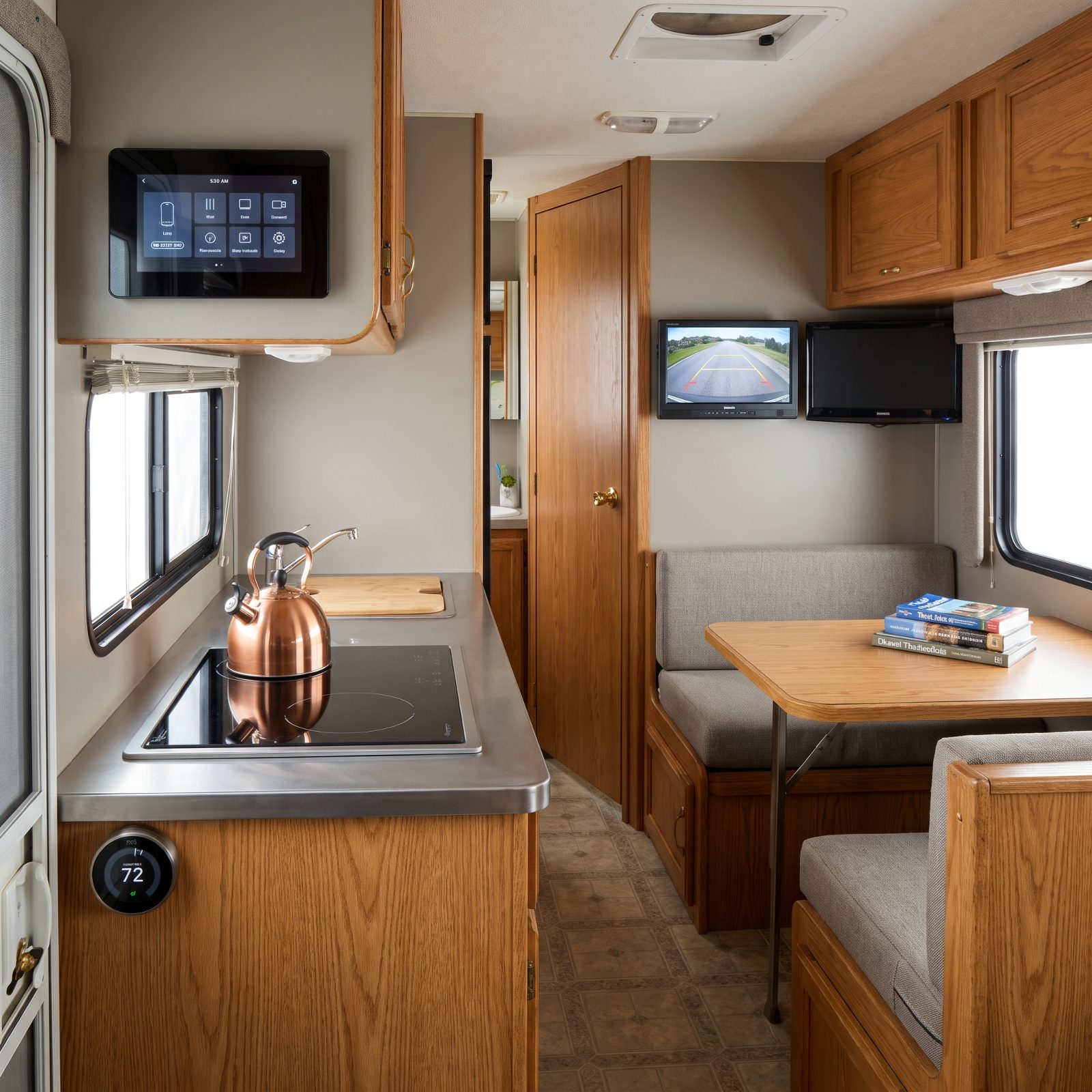
The walkway is still too narrow. The dinette still blocks the bathroom door. The bed still demands a three-point turn to make up. None of that got fixed. What got fixed was the thermostat, which is now a sleek touchscreen, and the cooktop, which is now induction, and the backup camera, which is now crystal clear. You’ve spent a fortune not solving the actual problem.
We do this because the big problem is hard, the small upgrades are easy, and easy feels like progress. Buying a gadget hands you a hit of accomplishment without forcing the painful, expensive, structural change. Displacement, plain and simple.
Which is precisely what happens when someone miserable in their career takes a course, grabs a certification, buys the productivity app, polishes the LinkedIn headline, and does everything except the one thing that would actually help: leaving. The tech is real. The avoidance is realer.