

The coffee hasn’t finished brewing and someone is already wrong about which exit to take. Nobody tells you this part about two weeks in an RV together. You think you’re going on a trip, but you’re actually signing up for an intensive. Every decision gets made out loud, every chore has a witness, and when you want to storm off there’s nowhere to go except a six-foot hallway with a bathroom at the end of it. The same patterns a counselor would spend months pulling out of a couple show up by day three at a dump station. We’ve watched it happen. We’ve lived some of it too. Here’s how a rig full of shared stress and confinement holds up a mirror you can’t fold away.
Please note that some of the images in this article were created with the assistance of AI.
17. One Missed Turn Turns The Cab Into A Courtroom
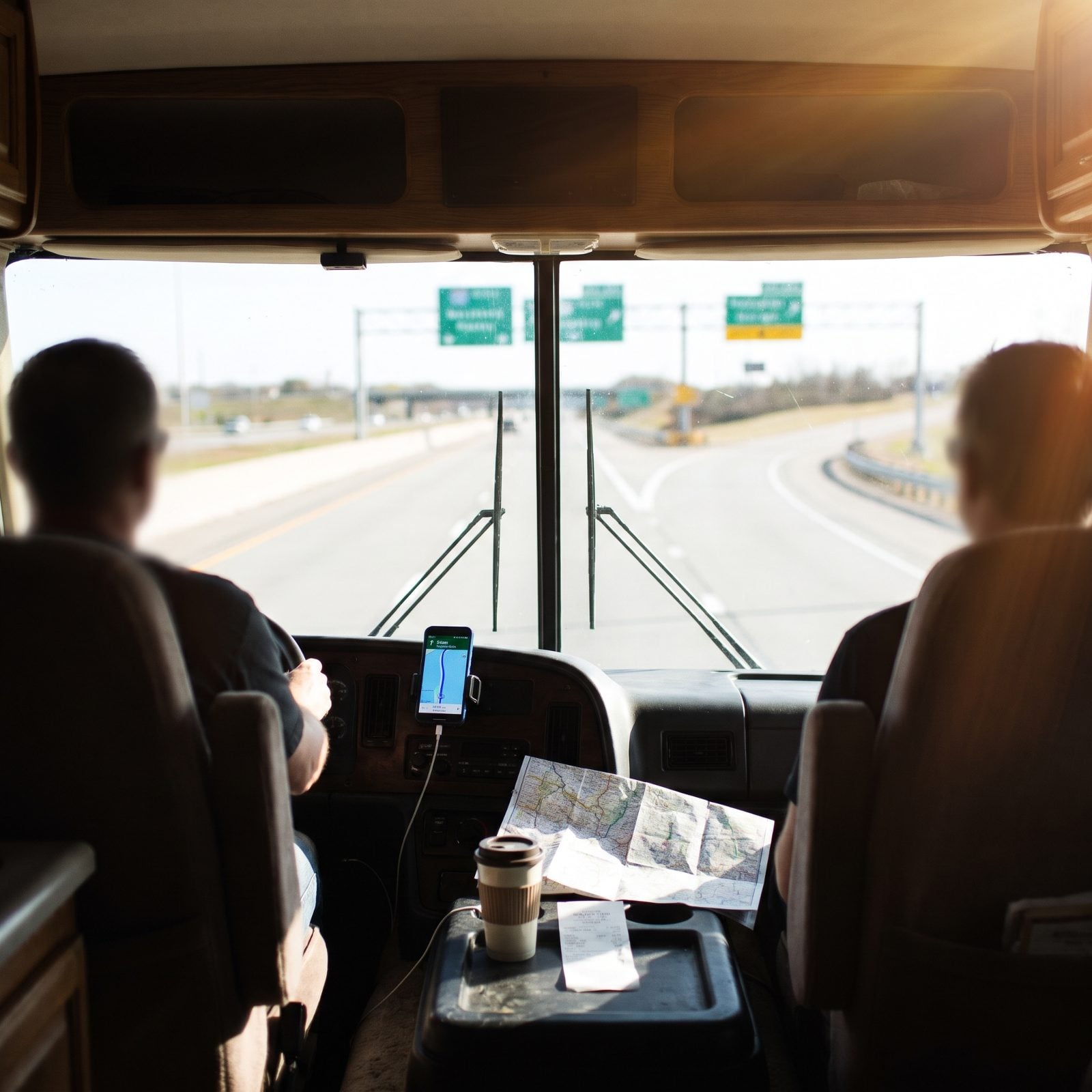
The exit slides past while the GPS recalculates in that smug robotic calm, and suddenly the question on the table isn’t the next off-ramp at all. It’s whose fault this is and whether it’s part of a pattern going back years.
Marriage counselors have a name for this: blame attribution. When something small goes wrong, couples reach for character explanations instead of situational ones. You didn’t just miss the turn, you always do this, you never listen. One missed exit becomes evidence in a case that was already being built.
The road just makes it faster. In a kitchen you can walk away, but in a cab doing sixty-five you’re buckled in next to the person you’re litigating. We’ve been the navigator who said ‘it’s coming up’ two seconds too late, and we’ve been the driver who made those two seconds feel like a betrayal. Nobody was right. The turn was just a turn.
16. Backing Into A Campsite Tests Your Trust In Hand Signals

You know the scene. The motorhome is creeping backward toward its pad, and the person doing the guiding is standing by the fire ring with a hand in the air, even though nobody agreed beforehand what any of the gestures meant. Did a flat palm mean stop or keep coming? Nobody in the cab is sure.
It’s a trust exercise nobody chose to sign up for. You’re handing control of a very large thing to a person you can barely hear, acting on information you can’t verify. Either you trust the signal or you don’t, and the backing-in reveals which one it really is.
Counselors call it interdependence under pressure. When the cost of a mistake is high and you have to rely on each other anyway, the quality of the partnership shows up in seconds. The couples who back in smooth aren’t better at parking. They’ve just agreed on what the signals mean and decided to believe each other.
15. Nobody Notices Who Packed The Leveling Blocks Until They’re Missing
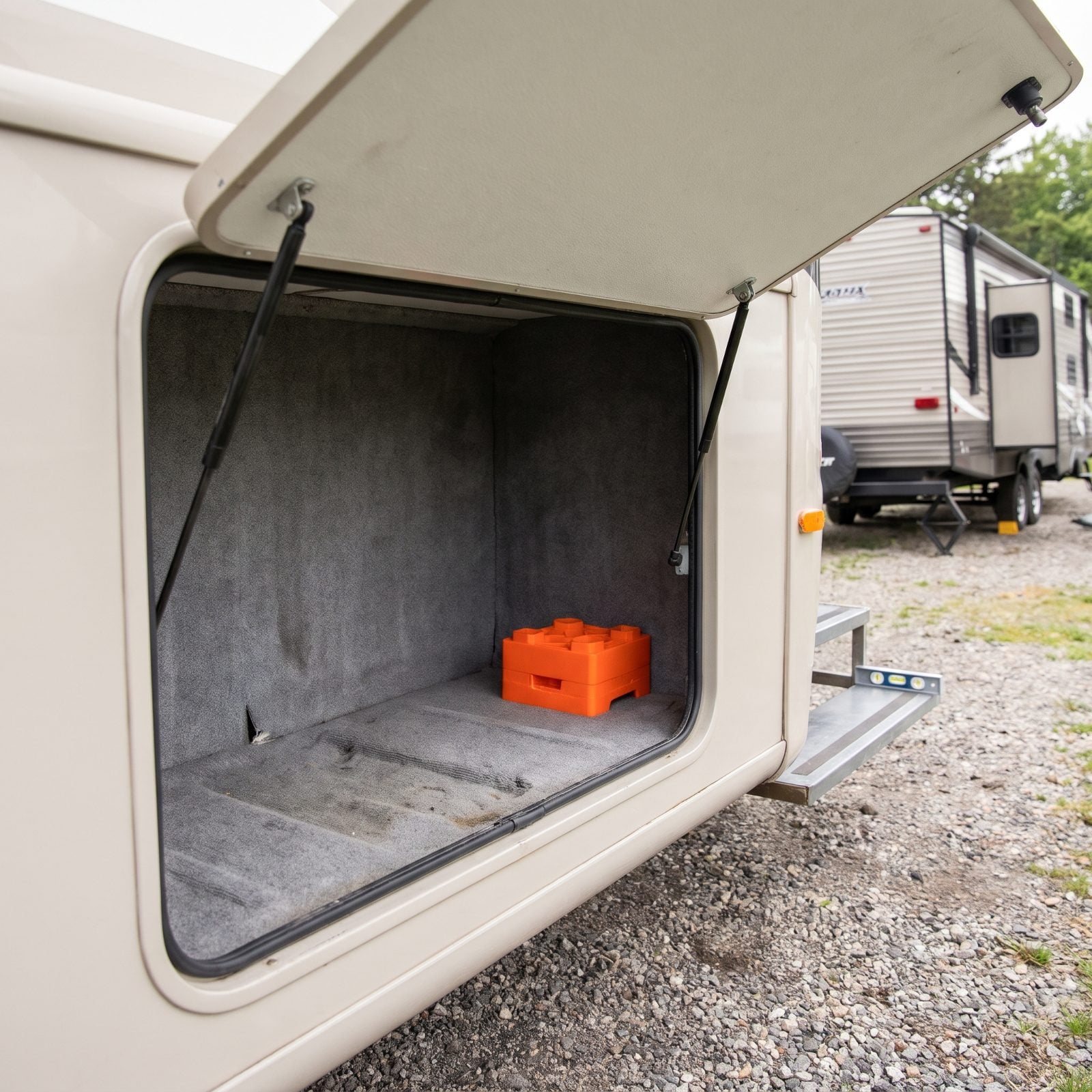
The rig is parked, you pop the bay, and the stack of orange leveling blocks is sitting right there on the carpet, exactly where someone packed it. You probably didn’t even notice who.
Here’s the real insight: nobody thinks about who is responsible for the blocks, because somebody quietly is. The job exists, gets done every trip, and becomes completely invisible to the person not doing it — until the one time it isn’t done.
Counselors see this constantly. It’s the invisible labor problem. One partner carries a mental checklist the other never sees, so the work registers only as an absence, never a presence. You don’t thank someone for the blocks being there. You only notice when they’re gone.
14. A Rookie Hookup Mistake Shows How You Handle Embarrassment
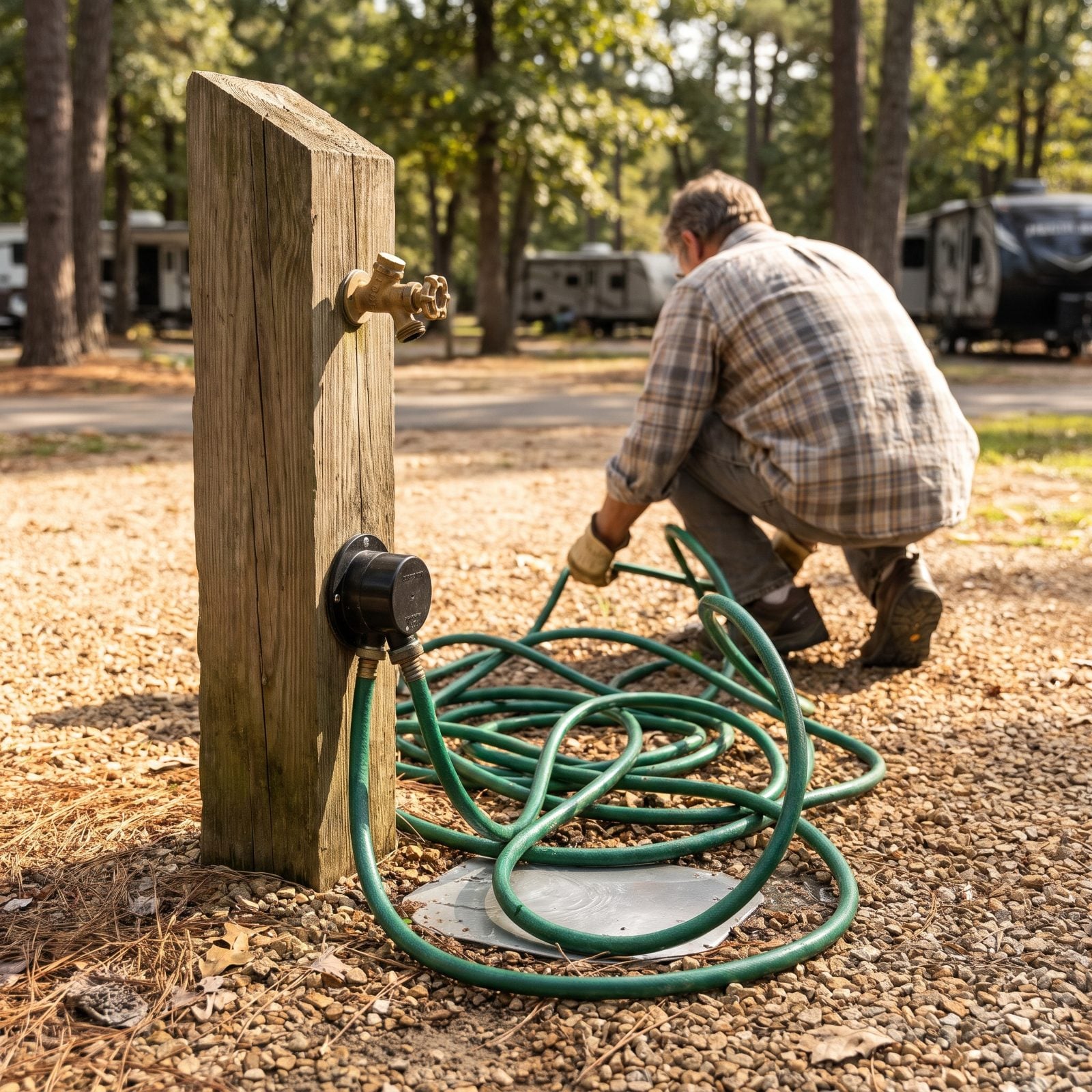
The water line sprays. Or the connection leaks. Or you discover, publicly, that you ran the fresh-water hose to the wrong port — while three neighbors with forty years of RVing each watch from their lawn chairs.
The mistake is nothing. What it reveals is everything: how the two of you handle looking foolish in front of each other and strangers at the same time. Some couples laugh and fix it. Some turn it into a blame sprint. Some go cold and silent and fix it alone out of spite.
That’s shame tolerance, and it’s one of the quietest things counselors watch for. People who can be embarrassed together without punishing each other for it have a kind of safety that doesn’t show up anywhere else. The hookup mistake is small. The response is the whole relationship in miniature.
13. The Fuel Pump Finds Every Couple’s Spending Limit
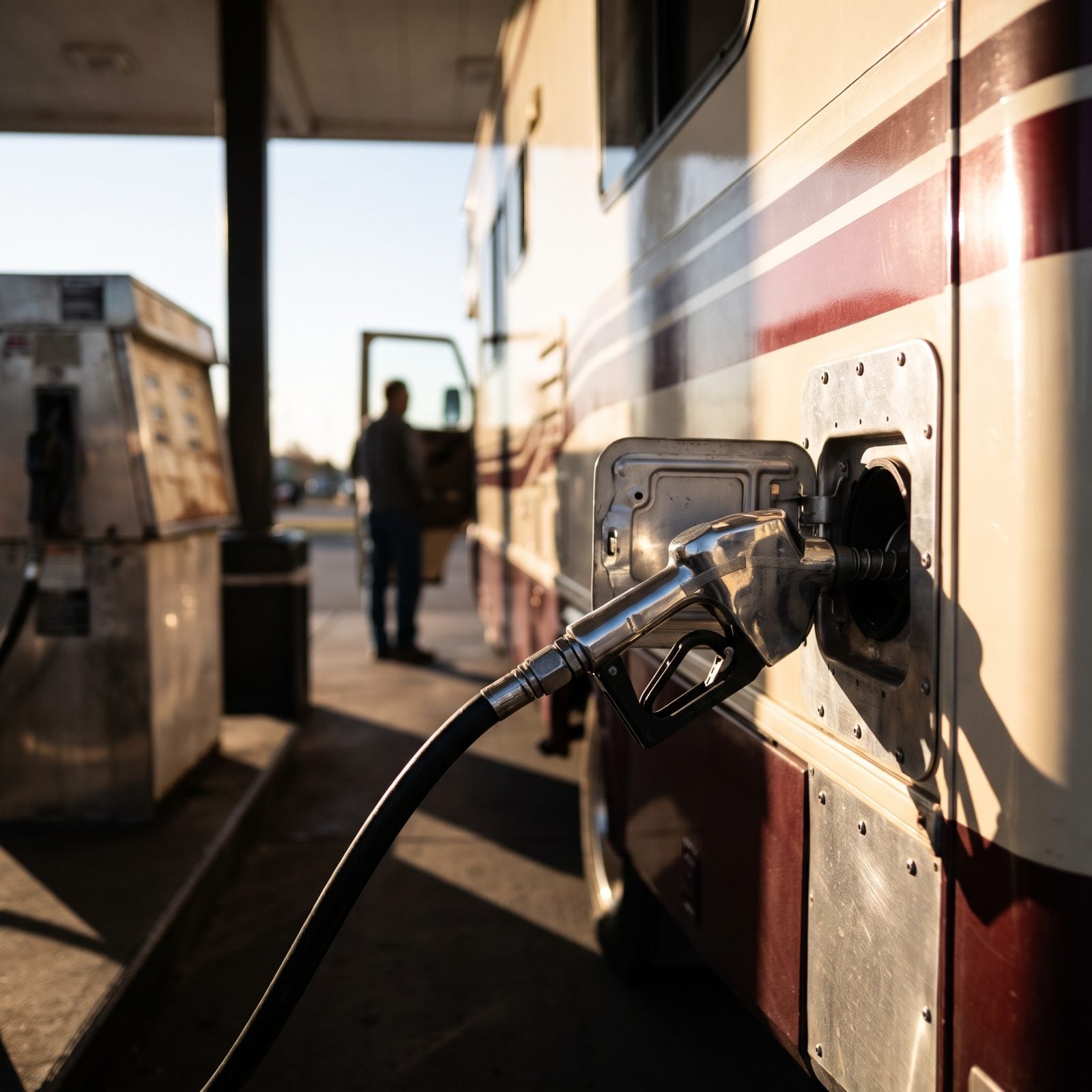
The numbers on the pump just keep spinning, and for a big motorhome they spin a long time. Somewhere around the point where it stops feeling like a tank of gas and starts feeling like a car payment, a certain look crosses one person’s face.
Money is the thing couples fight about most, and the fuel island drags it into daylight with no warm-up. One of you treats the cost as the price of the trip and lets it go. The other feels every dollar leave the account and can’t not say something.
Neither reaction is wrong. They’re different relationships with scarcity, usually set long before you two ever met. Counselors call these your money scripts — the quiet beliefs about spending you absorbed as a kid and never once examined.
12. Three RV Cabinets Expose Two Definitions Of Organized
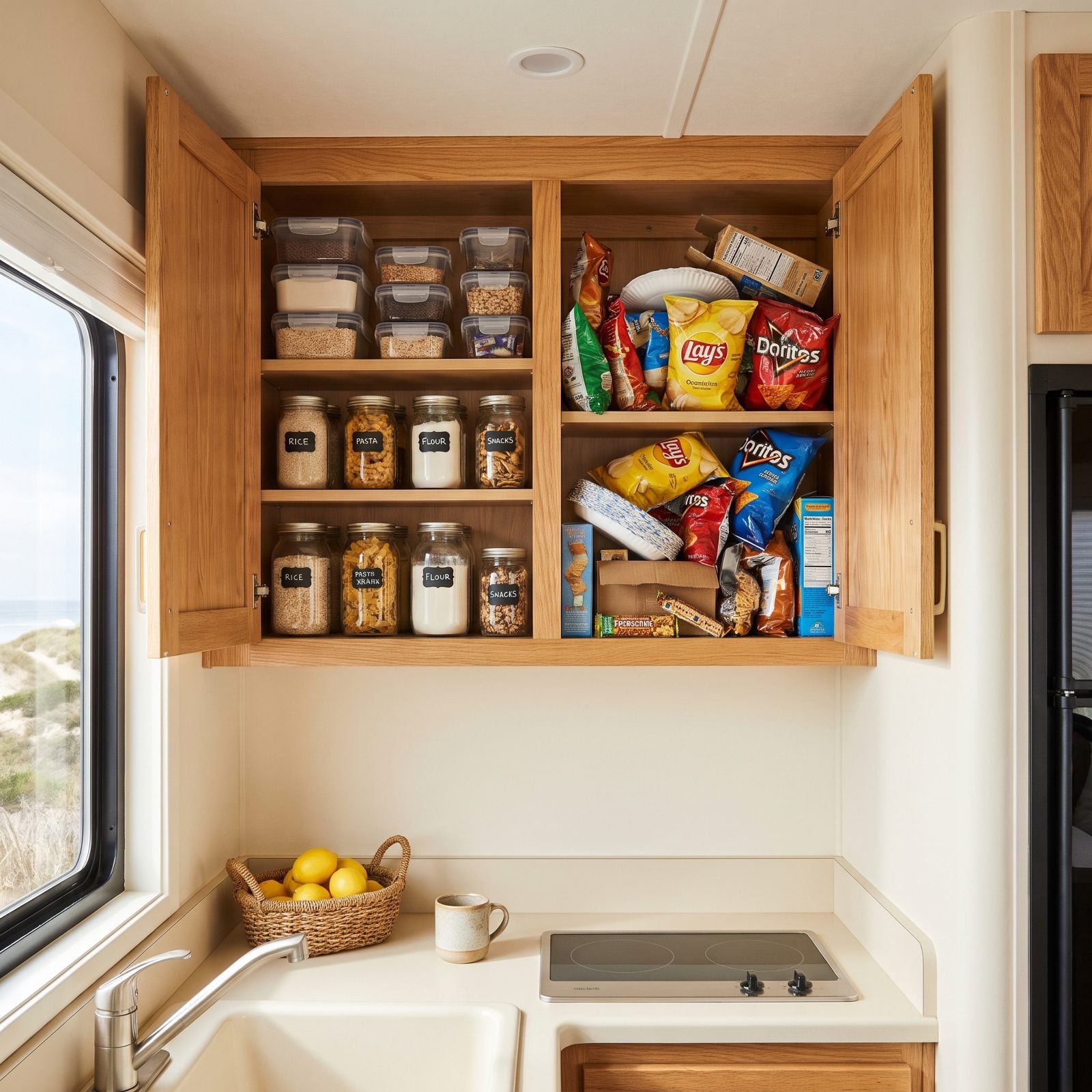
Open the galley cabinets and you can read the whole marriage. One shelf is rows of labeled containers, everything facing forward. The next is chips crammed sideways on top of paper plates, a jumble of snack packets, and half-folded bags of corn chips.
Both people think their system is obviously the correct one. That’s the catch. ‘Organized’ isn’t a universal standard, it’s a personal one, and an RV’s tiny storage forces the two definitions to share a wall.
What looks like a cleanliness issue is really a control issue in disguise. The container person feels calmer when things have places. The cram person feels fine as long as they can find it. In 200 square feet, there’s no room for both systems to pretend they’re compatible.
11. One Person Wants An Itinerary; The Other Wants Open Road

One of you has the next five nights booked, with arrival times and a backup campground for each. The other saw a sign for a lake twenty miles off the route and wants to just go see it, man.
It’s the most common standoff on any long trip, and it’s not really about travel. It’s two nervous systems. The planner feels safe when the unknown is small; the wanderer feels alive when it’s large. Put them in one vehicle and the itinerary becomes a negotiation about how much uncertainty you can both stand.
Counselors frame it as differing needs for structure versus autonomy, and the healthiest couples don’t resolve it so much as trade it. Plan the big anchors. Leave the days loose. I’ve seen more trips saved by one booked campground and three open afternoons than by any argument about who’s ‘right.’
10. The Dump Station Identifies Who Gets The Unpleasant Jobs
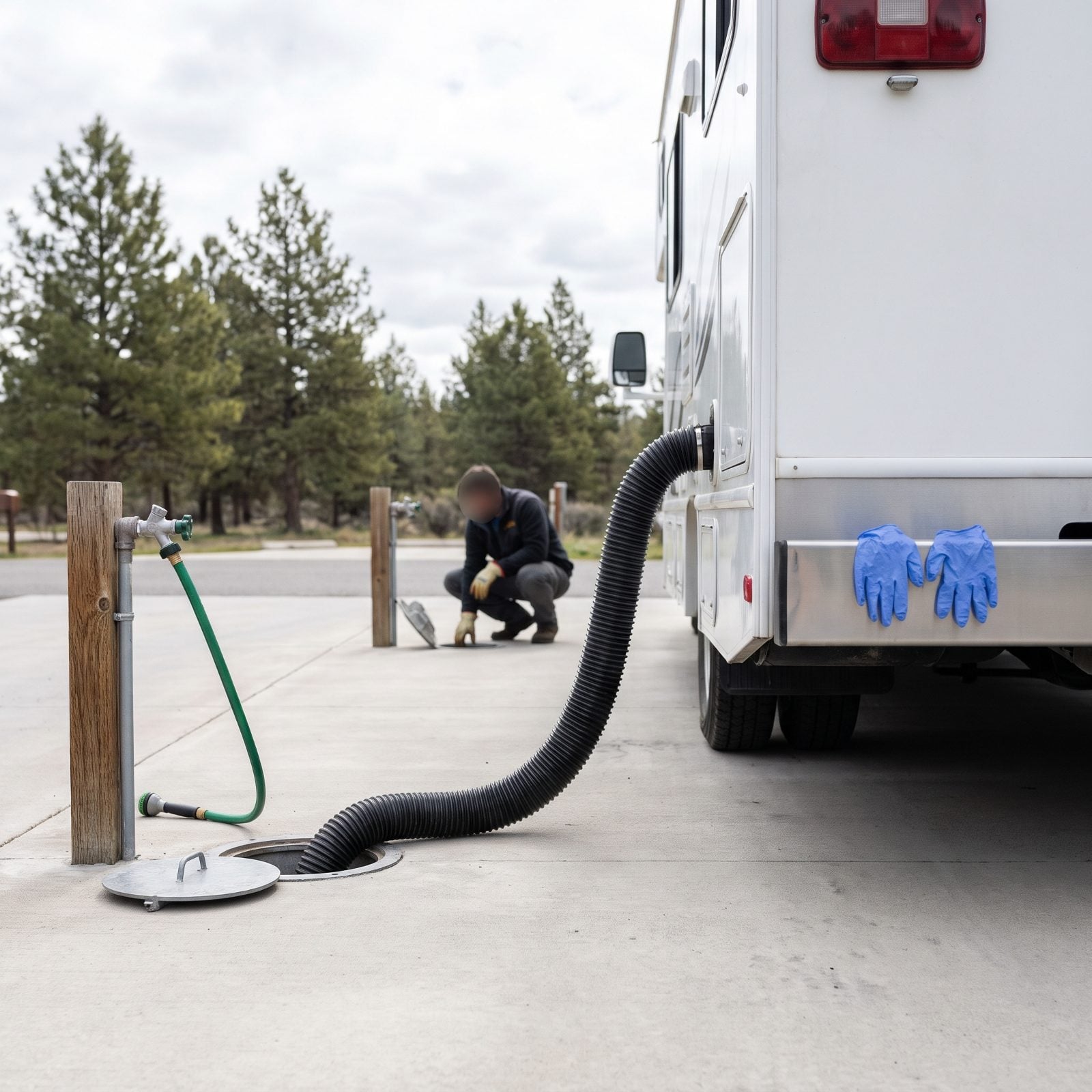
Somebody has to handle the tanks. It’s nobody’s favorite part of RV life, and over two weeks a quiet question gets answered without anyone ever asking it out loud: whose job is this, and did either of us decide that on purpose?
Most couples never negotiated the dump station. It defaulted to one person on the first trip and calcified there. That’s how a lot of household labor divides — not through fairness but through who flinched first.
The job itself is fine. Gloves, a routine, done in five minutes. What’s worth noticing is whether the division was chosen or just inherited, because resentment doesn’t come from the task. It comes from the sense that nobody ever gave you a vote.
9. The Thermostat Decides Whose Comfort Matters More
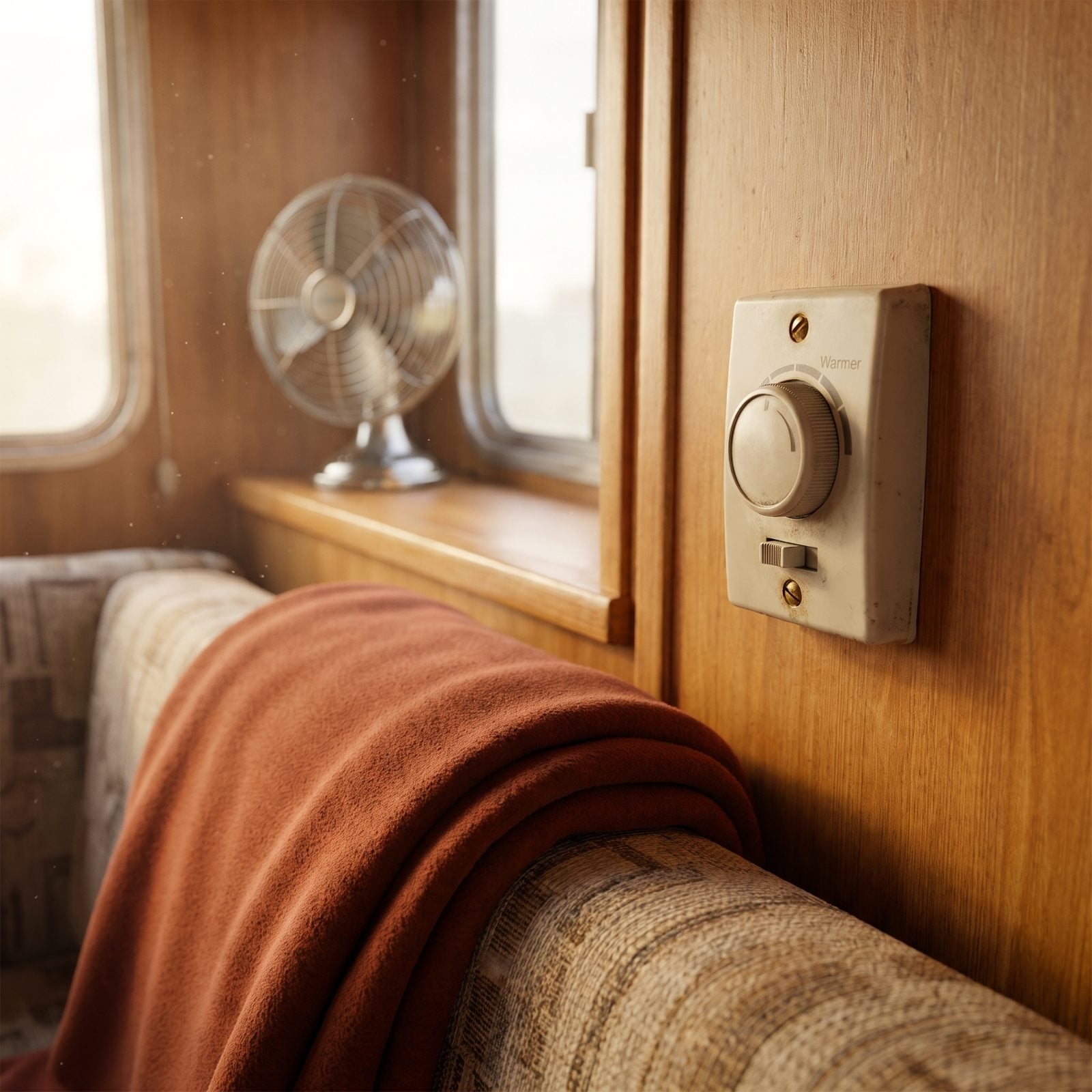
One of you is reaching for a blanket. The other is cracking a window. The thermostat sits between them like a tiny ongoing referendum, and whoever adjusts it last wins — until the next adjustment.
Temperature is the purest comfort conflict there is, because neither person is wrong and nobody can compromise their way to being warm and cool at the same time. So it becomes a stand-in for a bigger question couples circle for years: when our needs genuinely conflict, whose gets met?
The answer, repeated quietly over two weeks, tells you a lot. Does one person always fold? Do you problem-solve it, a fan here, a blanket there? Or does the thermostat just get sneakily nudged while the other one’s outside? That last one is the tell. Small secret adjustments mean the real conversation never happened.
8. A Rainy Afternoon Reveals Who Actually Needs Alone Time
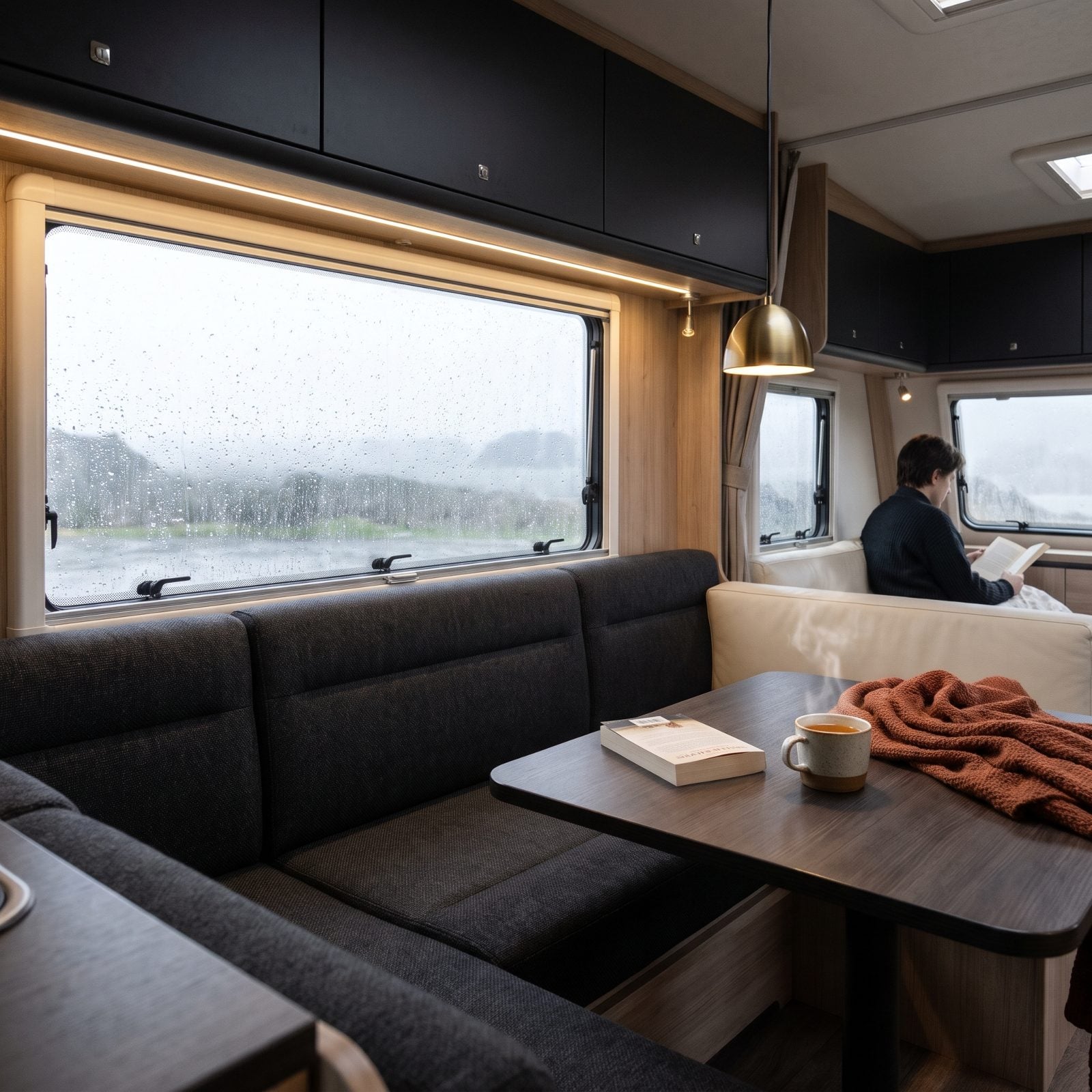
The rain sets in for the afternoon. The awning’s useless, the trail’s a swamp, and now there’s nowhere to be but inside a tin box the size of a walk-in closet — with each other, for hours.
No amount of scenic driving prepares you for the test that confinement sets up. One of you is perfectly content, maybe even cozy, to sit six feet apart reading in silence. The other starts to feel the walls lean in and needs, physically needs, to be somewhere else or at least connecting.
Introverts recharge alone, extroverts recharge together, and a rainy RV offers neither one the thing they want. The couples who survive it aren’t the ones who want the same thing. They’re the ones who learned to name it. ‘I need twenty minutes in my own head’ is not a rejection, even though it can land like one.
7. A Roadside Repair Shows Who Panics And Who Takes Over
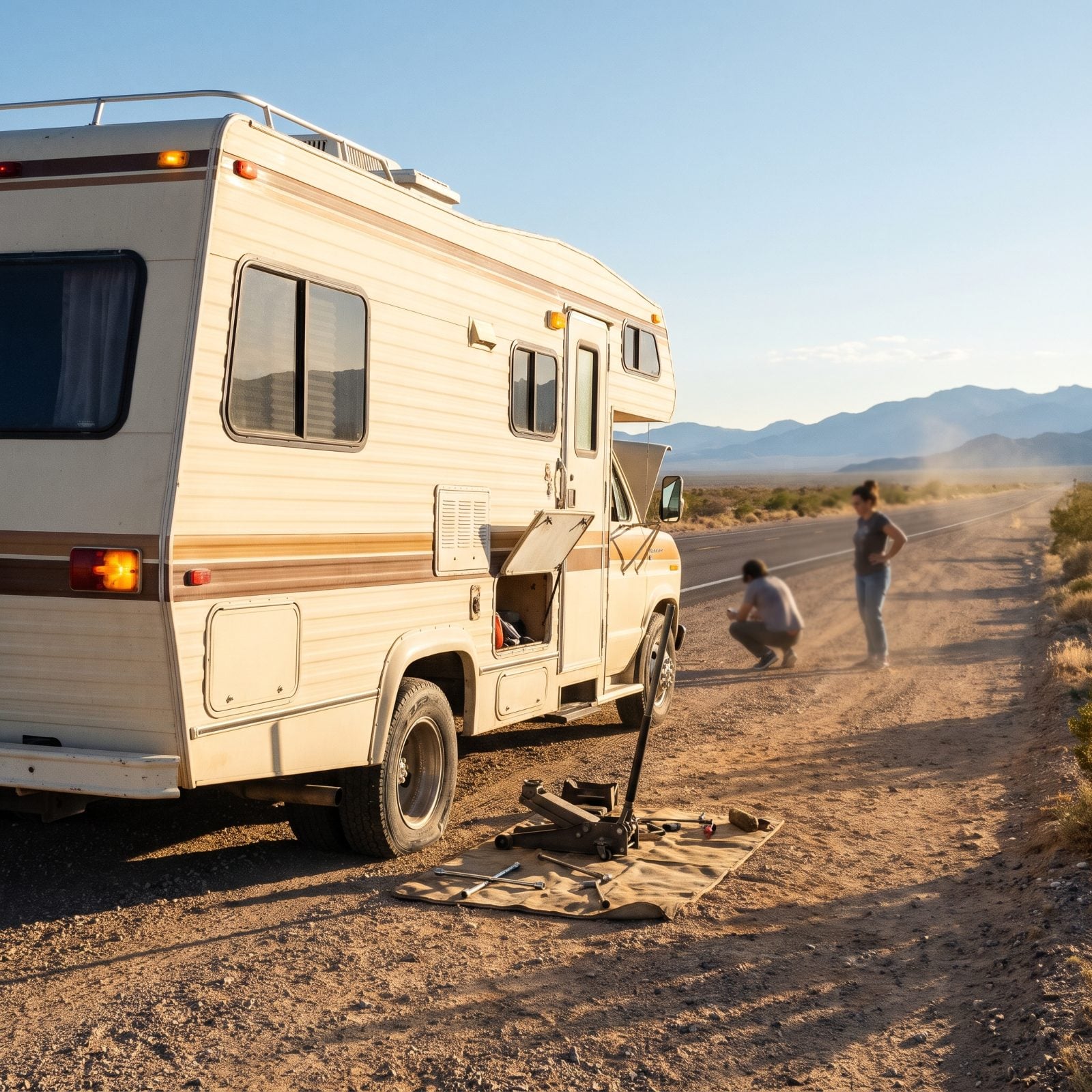
The tire blows on a stretch of nowhere highway, and within ten seconds you know exactly who you married. One of you is already digging out the manual and checking lug nuts while the other paces the shoulder narrating the worst-case version of events out loud. Nobody assigned these roles. They just arrived fully formed, the way they always do in every real emergency you’ve shared.
Stress strips people down to default settings. Psychologists call it the acute stress response, and it doesn’t care one bit about your personality the rest of the time. Under pressure, one partner’s nervous system grabs for action and the other’s grabs for alarm. Neither is wrong. But in a confined crisis with no exit, you see it raw and unfiltered.
6. The RV Bed Puts Every Sleep Habit On Display
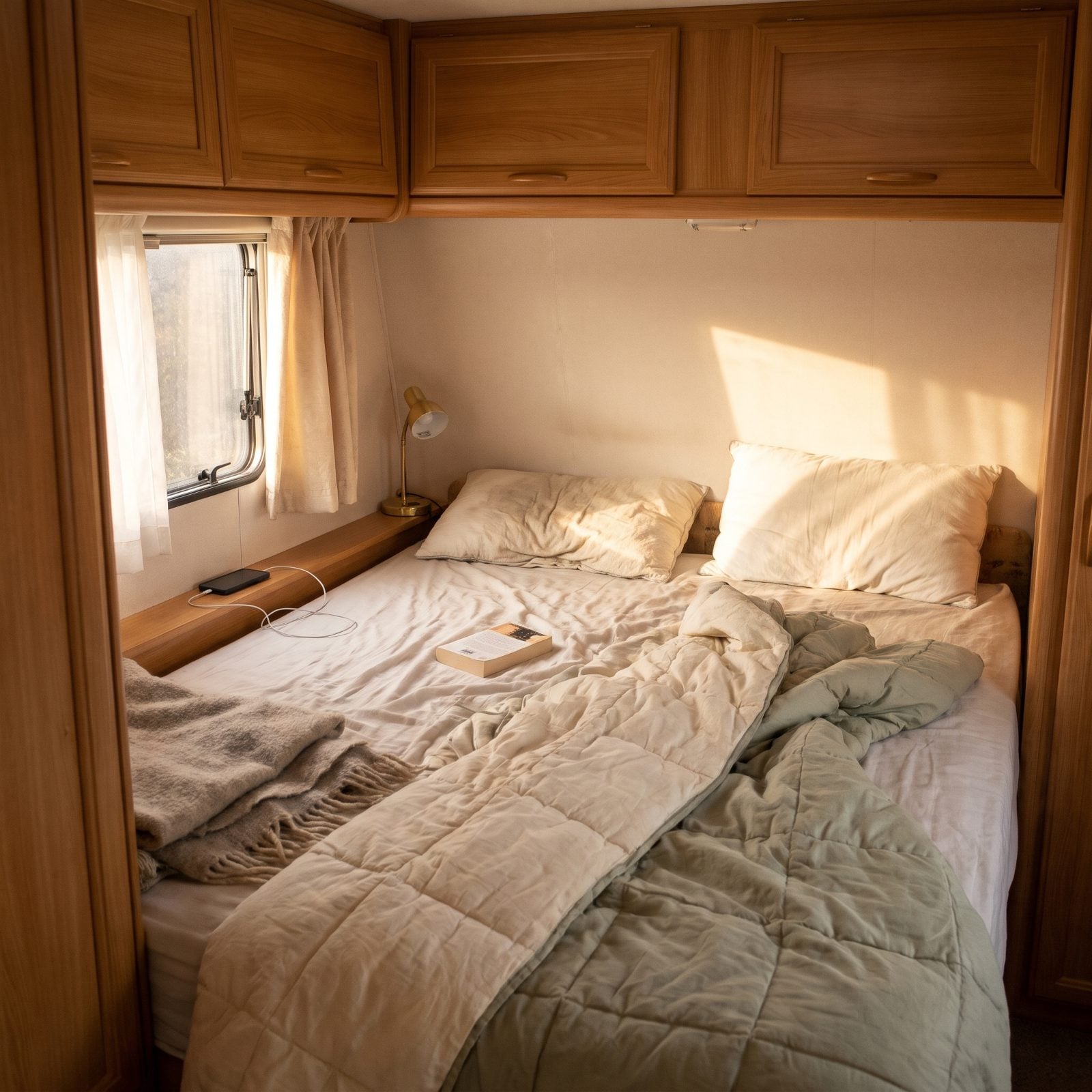
A real mattress at home forgives a lot. You can roll to your own side, steal the blanket in the dark, pretend you don’t snore. The RV bed grants no such mercy. Queen-sized on a good day and boxed in by walls, it means every habit you’ve spent years quietly hiding is now happening about eight inches from someone’s face.
The 3 a.m. phone scroll. The cold feet. One partner building a nest of four pillows while the other ends up with zero. Proximity doesn’t create any of this. It just strips away the padding that let you both ignore it. Confinement never invents the friction, it just concentrates it.
Couples therapists know this one cold. Sleep conflict is among the most common complaints they hear, and it’s almost never really about sleep. It’s about who adapts to whom, and whether the adapting ever runs both directions.
5. Phone Service Returns And Work Joins The Vacation
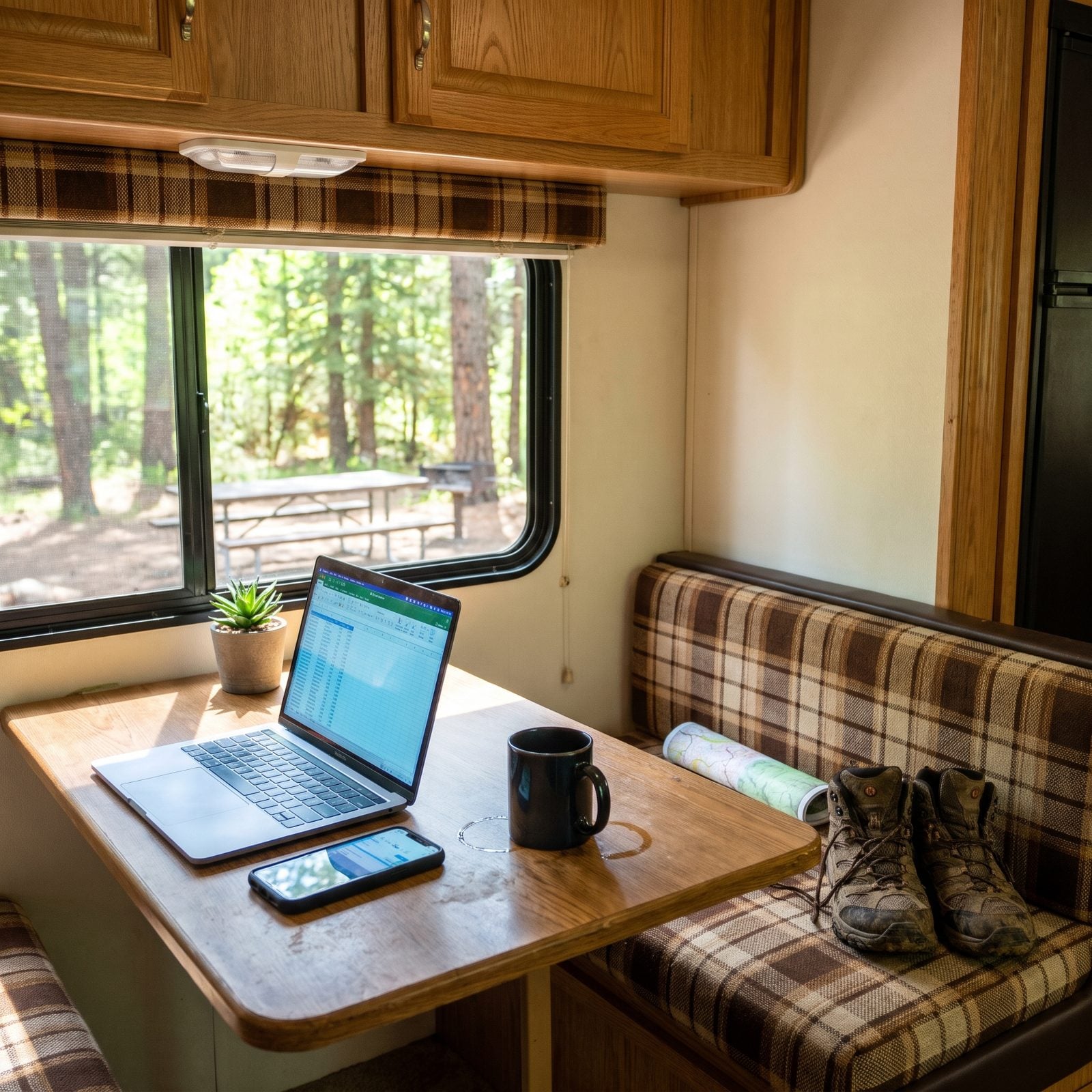
Three days deep in a canyon with no bars, and you’re both finally loose. Then you roll into a campground with LTE and one of you lights up like a slot machine. The laptop comes out. “Just one quick thing.” The boots stay by the door.
Vacation has a half-life, and nothing speeds it up like reconnection. What looks like a work problem is really a priorities problem in a work costume. The second service returns, you find out what each person was willing to leave behind, and whether the trip was ever fully shared or just physically attended by one of you.
The question isn’t whether the email can wait. It’s whether you can.
Counselors watch this same standoff play out over screens at the dinner table. The RV just removes the other rooms you’d normally stalk off to, so the whole choice happens in plain sight.
4. Campground Neighbors Test Whether Your Social Batteries Match
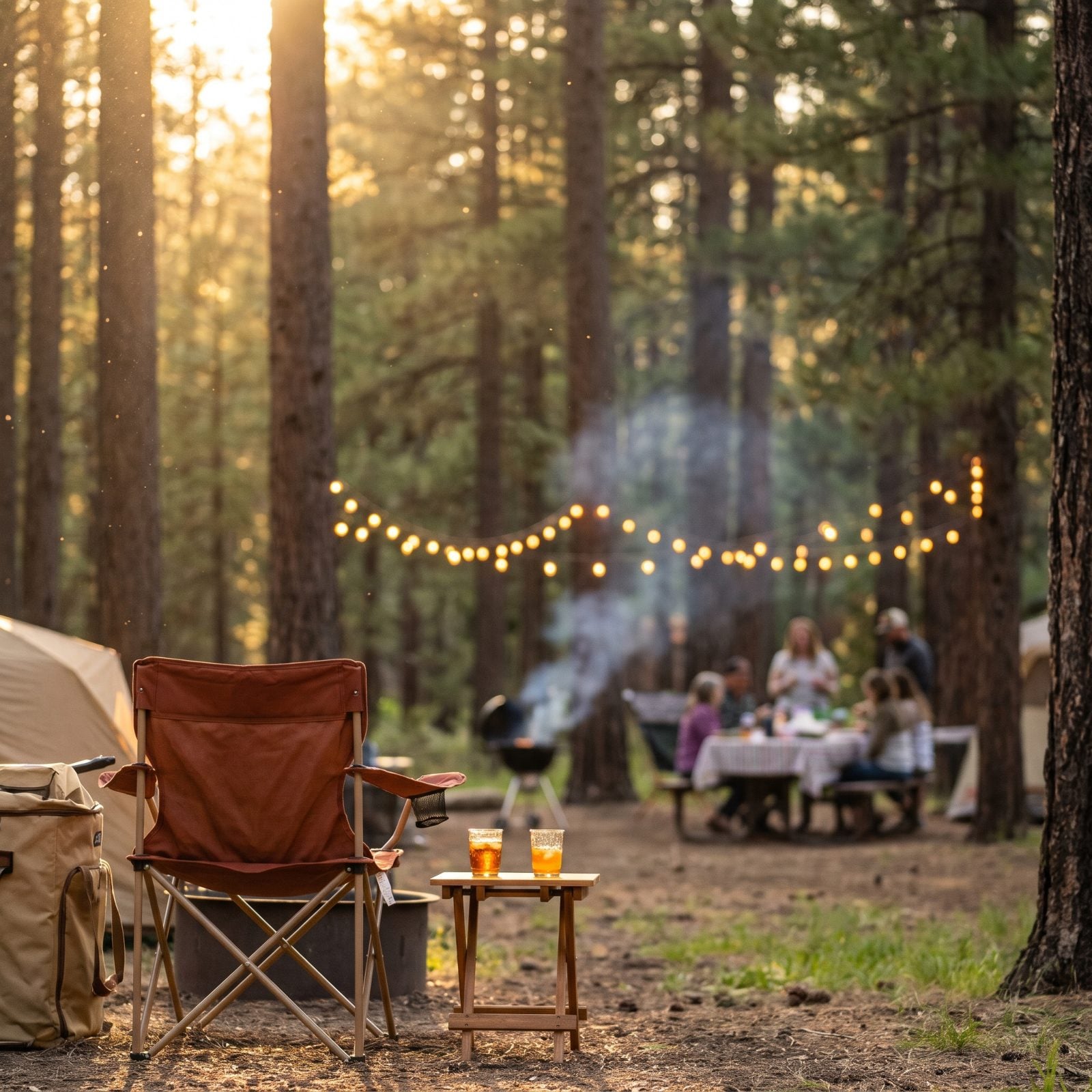
Pull into a loop and your neighbor is already walking over with two beers and a lifetime of stories. One of you is thrilled. The other is quietly running the math on how to retreat inside without seeming rude. By the second night, the extrovert has adopted the entire loop and the introvert is hiding behind a paperback.
Campgrounds turn into social pressure cookers because there are no walls between sites, only politeness. Your tolerance for people suddenly becomes a visible, shared resource. Run on different voltages and somebody is always either overextended or starved.
3. Scenic Pullouts Reveal Whether You Notice Each Other’s Excitement
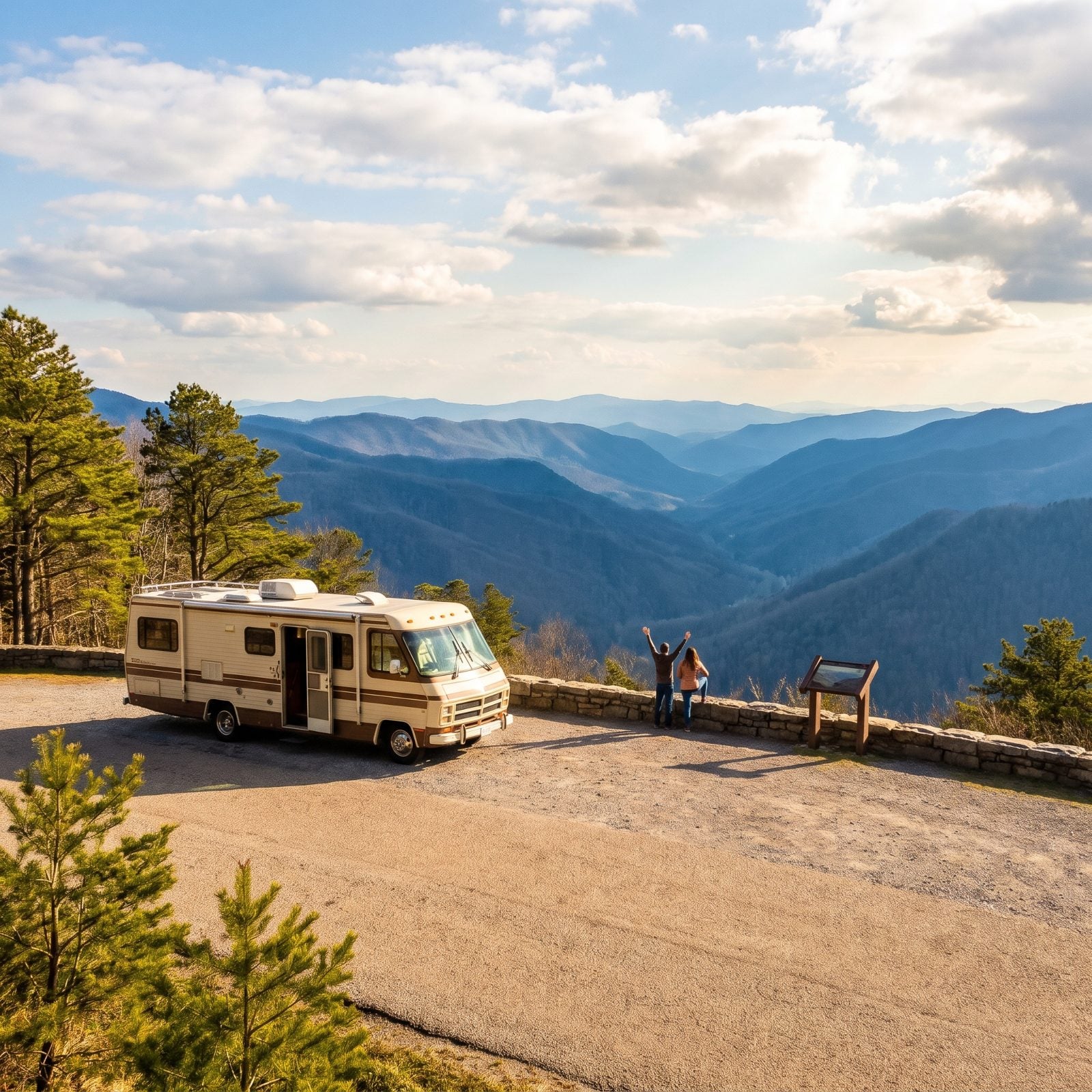
You round a bend and the whole valley opens up. One of you gasps and grabs the other’s arm. The moment that follows tells you everything. Does your partner turn and feel it with you, or glance up from the GPS, mutter “yeah, nice,” and keep scrolling for the next gas stop?
Noticing someone else’s joy is a skill, and the overlook is where it either shows up or doesn’t. Relationship researcher John Gottman calls these small moments “bids” for connection, and the health of a partnership comes down to how often they get answered instead of missed. A scenic pullout throws these bids at you all day long. One of you keeps lighting up and silently asking the other to light up too.
2. The RV Bathroom Erases Your Last Illusion Of Privacy
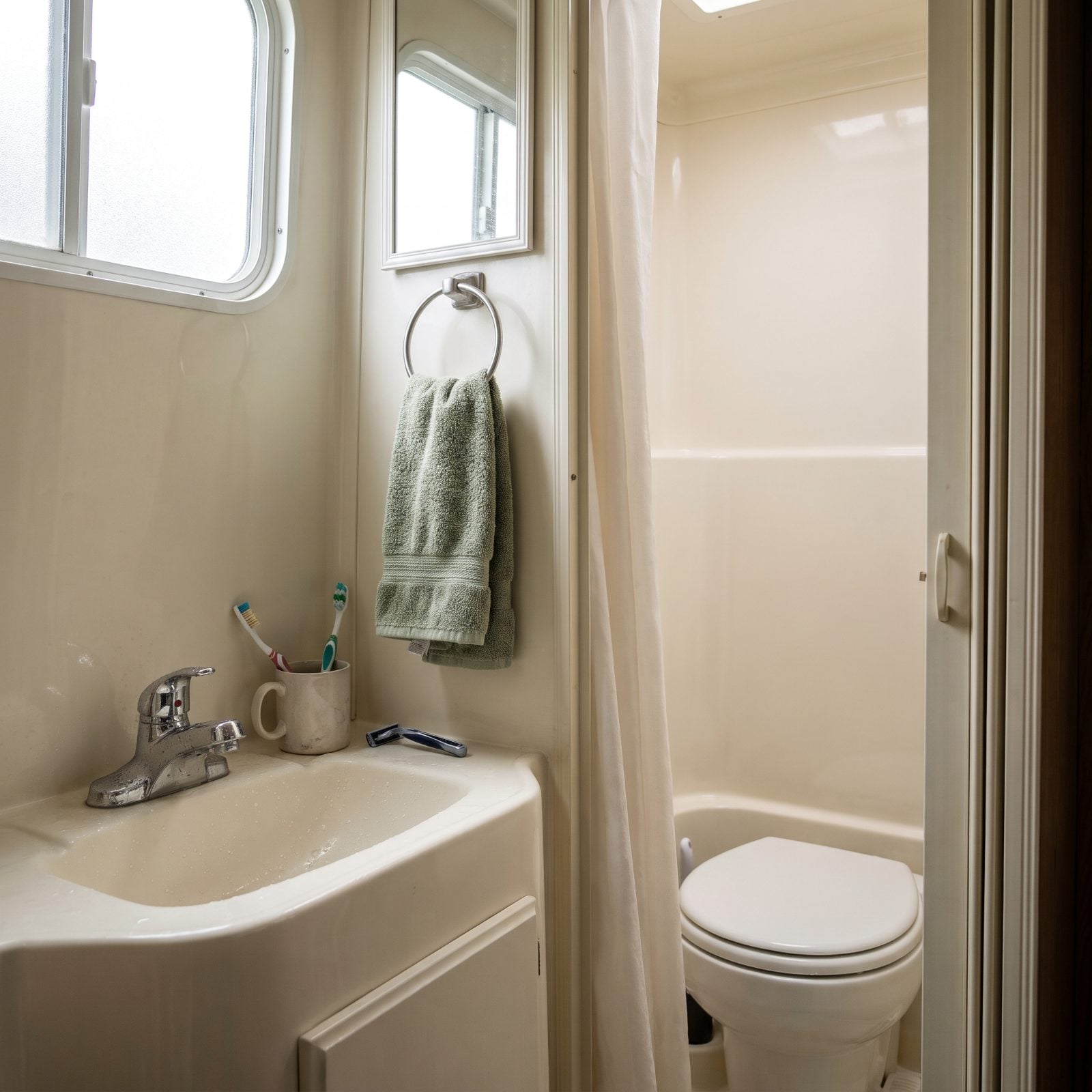
A house gives you a door, a fan, and the comfortable fiction that a few things stay mysterious. The RV bathroom is about the size of a phone booth, shares a wall with the bed, and has the acoustics of a drum. There is nowhere to hide. Within a few days, every polite illusion you’ve been maintaining about each other simply dissolves.
The strange part? This often pulls couples closer rather than driving them apart. Psychologists call it the vulnerability effect. Shared exposure, the stuff you’d normally hide, tends to build intimacy instead of killing it, so long as neither person turns it into ammunition.
1. The Campfire Reveals Whether An Argument Can Actually End
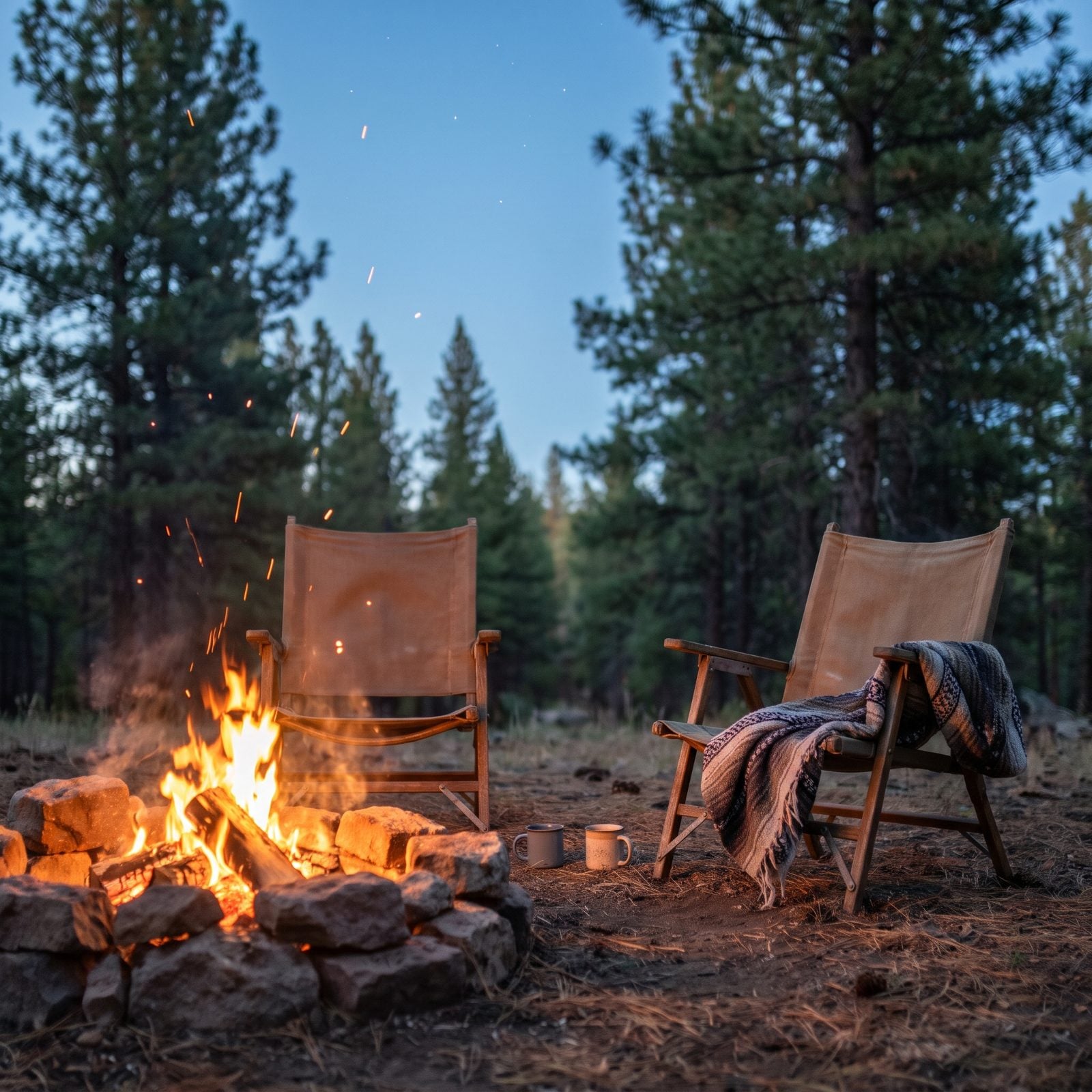
Every couple fights on a trip. The flat tire, the wrong turn, the thing said in the rain. What actually matters is what happens at the end of the day, when you’re both parked in camp chairs with the fire going and nowhere else to be.
Here’s the test. Can one of you let it go? Can you sit in the same small pool of firelight, hand over a mug, and let the day close? Or does the argument trail you into the dark, replayed and relitigated until the embers die?
A fire is where reconciliation tends to happen. Something about the flame and the quiet and the shared silence makes repair possible in a way a living room never manages. Counselors call it the repair attempt, the small gesture that signals you’re ready to stop fighting. A joke. A hand. A “this was still a good day.”
The couples who travel well aren’t the ones who never argue. They’re the ones who know how to wrap it up before the fire goes out.