

Somebody knocks on your door at a rally and offers four grand for the old camper in your driveway, cash today, and they’ll even tow it off. Feels generous until you learn what it sells for restored. The 1970s produced a handful of rigs that quietly became collector gold, and plenty of owners have let them go for a fraction of their worth because nobody ever told them what they were sitting on. Here are the ones to recognize on sight, research properly, and never, ever sell on a handshake before you’ve done your homework.
Airstream Argosy 20, The Painted-Aluminum Rarity Buyers Chase
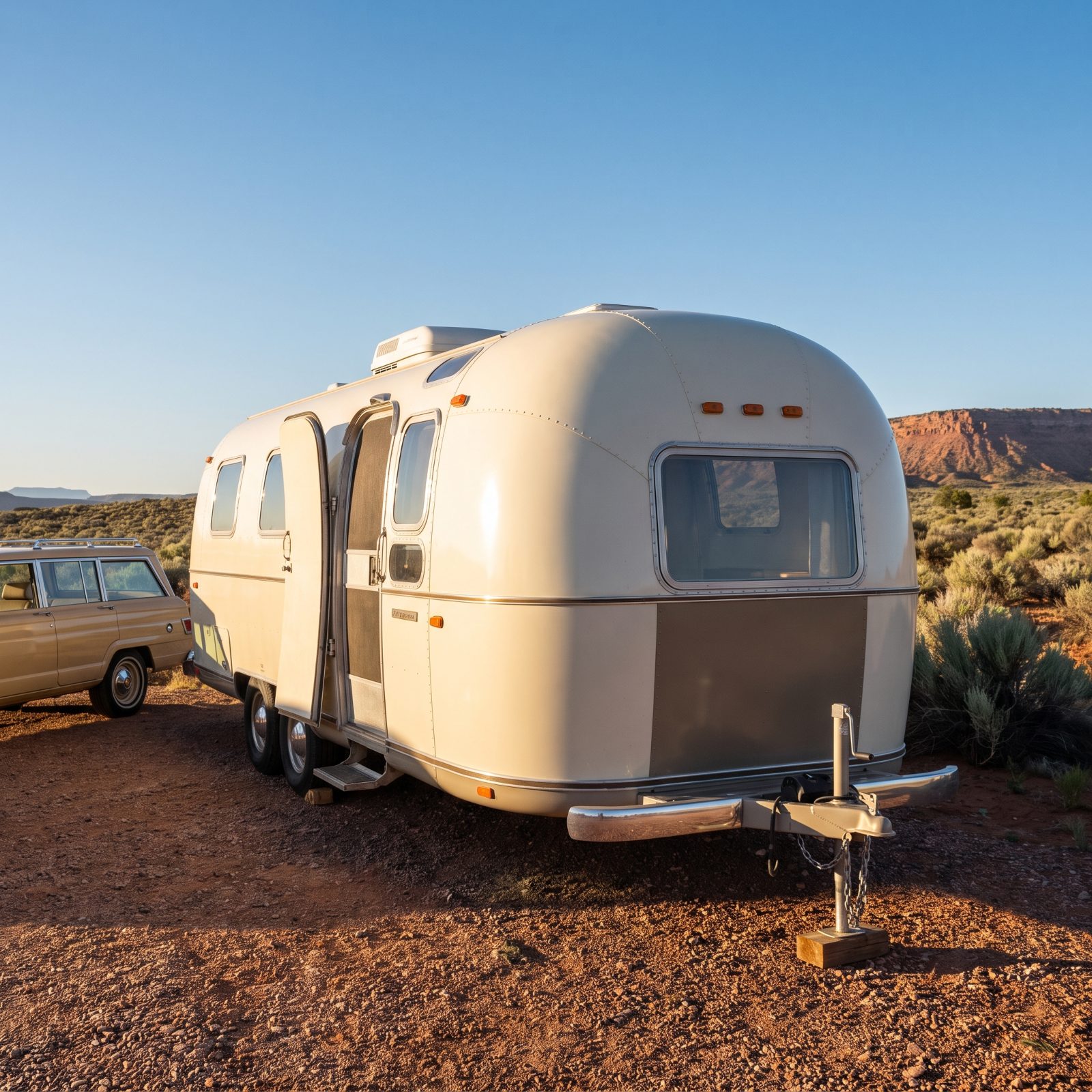
The Argosy is the Airstream that didn’t shine. Where the Land Yachts went bare polished aluminum, the Argosy got painted, usually cream, to hide seconds and panels that weren’t up to the mirror-finish standard. That quirk is exactly why collectors want them now. Fewer were built, and the painted body reads as a deliberate design choice rather than a defect.
Here’s where owners get burned. A tired-looking Argosy 20 looks like a run-of-the-mill old trailer to anyone who doesn’t know the badge, so lowball offers come easy. Don’t take the first one. A sound, restorable Argosy carries real money, and a finished one carries considerably more.
GMC Palm Beach, The Green-and-White Motorhome That Became an Icon
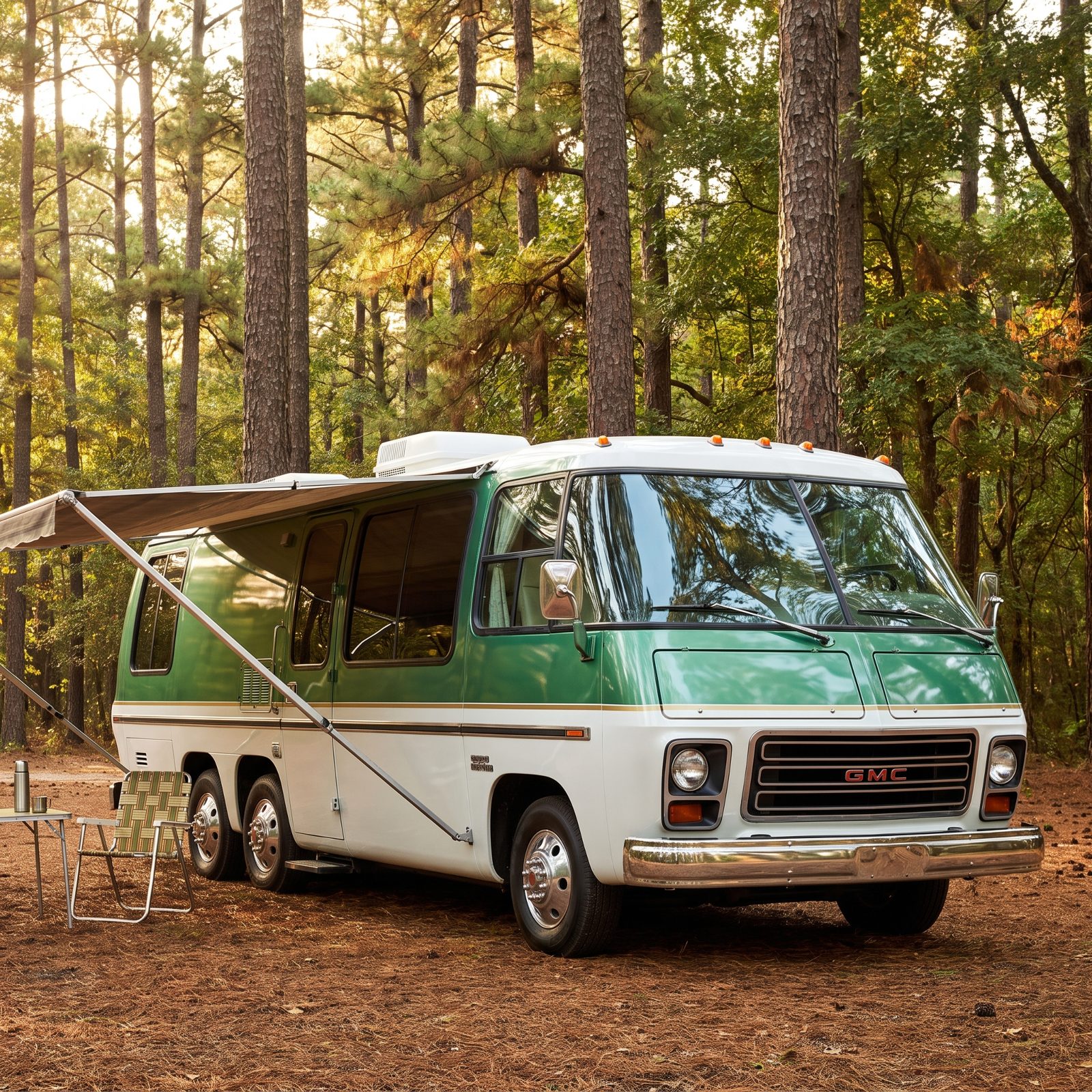
Low, wide, and built like nothing else on the road, the GMC motorhome borrowed a front-wheel-drive platform from Oldsmobile and Cadillac, and that let it ride lower than any coach of its era. Palm Beach was one of the trim names, and that green-and-white two-tone is the one collectors picture first.
GMC only built these for a handful of years, and the enthusiast network around them is serious. Parts get reproduced, forums argue over suspension bags, and a well-sorted one commands prices that surprise anybody who assumes old RV equals worthless. Got one sitting? Learn the trim and the drivetrain condition cold before you talk numbers with a soul.
Winnebago Brave, The Boxy American Road-Trip Classic
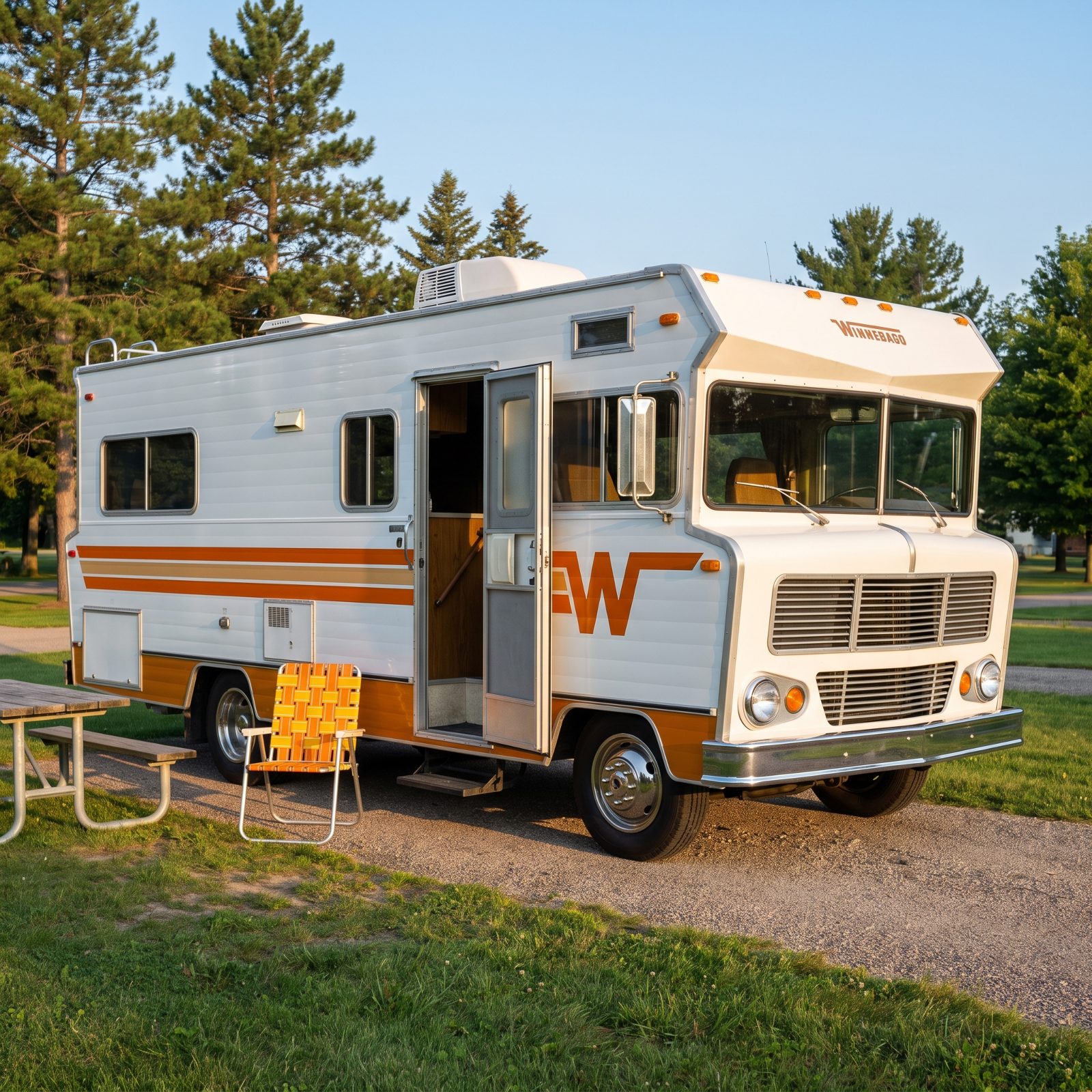
Close your eyes and picture a 1970s family motorhome and you’re probably picturing a Brave. That tan-and-orange stripe and the flying-W emblem defined an entire decade of American road trips, and KOA pads were absolutely crawling with them.
Because so many rolled off the line, people assume they’re worth nothing. Mostly true for a rough one. But a clean, original, running Brave with good interior fabric and that intact stripe is a whole different animal. This market runs on nostalgia, and a tidy survivor sells to somebody who wants their childhood back, not a project in the yard.
Travco 270, The Curved Fiberglass Dodge Motorhome With a Cult Following
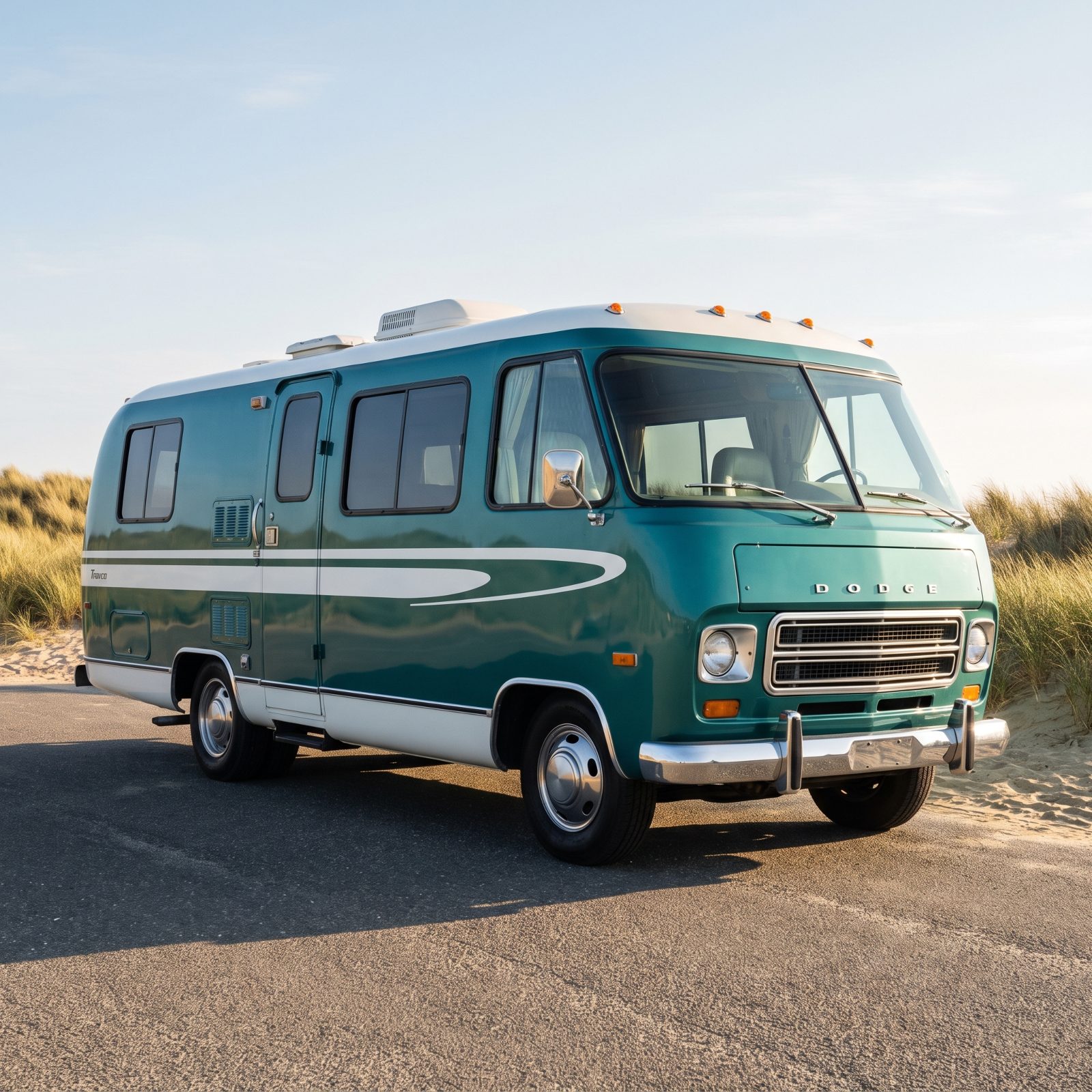
The Travco looks like somebody took a cabin cruiser and dropped it on a Dodge chassis. Smooth molded fiberglass, rounded nose to tail, not a boxy corner to be found. It was one of the first genuinely polished fiberglass motorhomes, and the shape still stops people mid-sentence at a rally.
The cult around these is quiet but devoted, and people hunt the 270 specifically. The fiberglass body shrugs off the rot that kills aluminum-and-wood coaches, so a good one outlives its contemporaries by a mile. That curved shell is also a nightmare to repair badly, which means condition is everything here. Know whether yours is sound before you let a price get thrown around.
FMC 2900R, The Rear-Engine Luxury Coach Coveted by Specialists
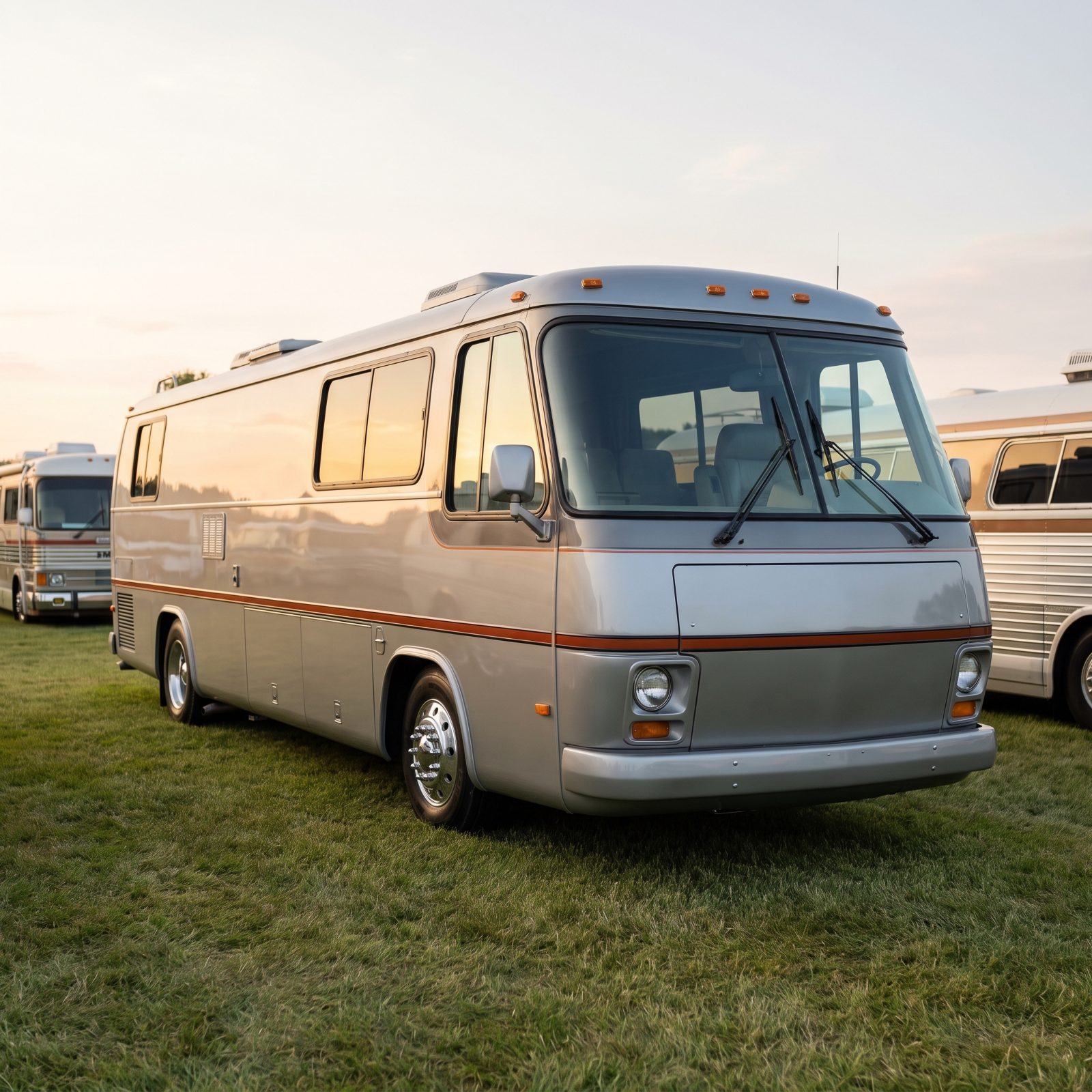
Only around a thousand of these ever got built, and FMC spared nothing. Rear engine, aircraft-grade construction, a company that normally cranked out industrial equipment suddenly deciding to build the finest coach money could buy. Then they just stopped. That scarcity is the whole story.
Specialists chase the 2900R specifically, and this is nobody’s casual flea-market flip. A sound one with documented history is genuinely valuable, and even a restorable shell has worth because so few remain. The mistake here isn’t underpricing a running one. It’s letting a rough one go to scrap because you didn’t know what that badge meant.
Toyota Chinook, The Tiny Pop-Top Motorhome Buyers Actively Restore
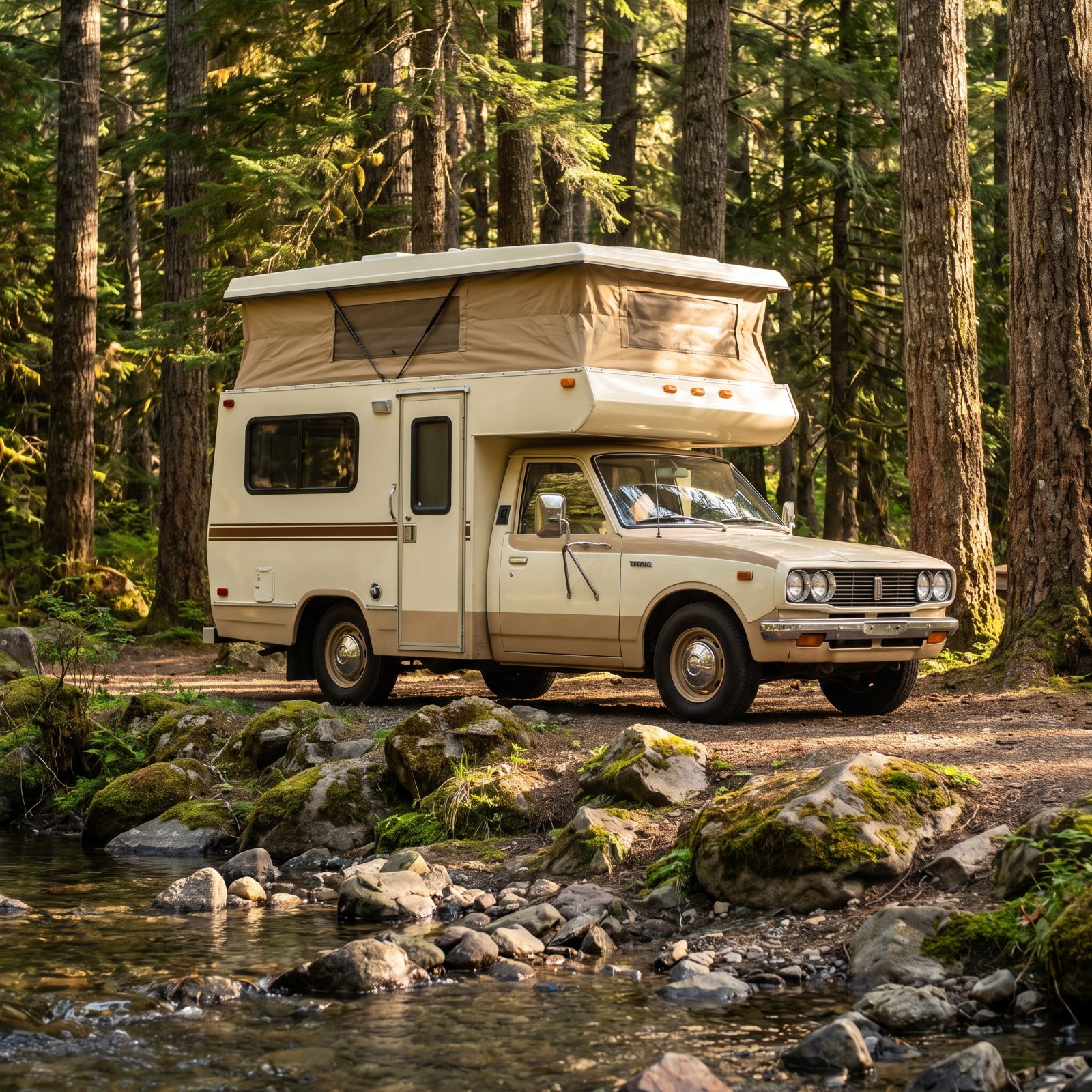
Small, simple, and weirdly beloved. The Chinook put a pop-top camper body on a little Toyota chassis, and the result is one of the most actively restored vintage rigs going right now. Thrifty, efficient, go-anywhere — it landed perfectly with a younger wave of vintage buyers who’d rather sip fuel than guzzle it.
Don’t let the size fool you into thinking it’s a throwaway. Demand is strong, parts support is decent, and a clean one with a working pop-top and solid Toyota drivetrain sells fast. We’d argue these are among the most undervalued-by-their-owners rigs on this whole list, precisely because they’re small.
Boler 13, The Egg-Shaped Fiberglass Trailer That Started a Movement
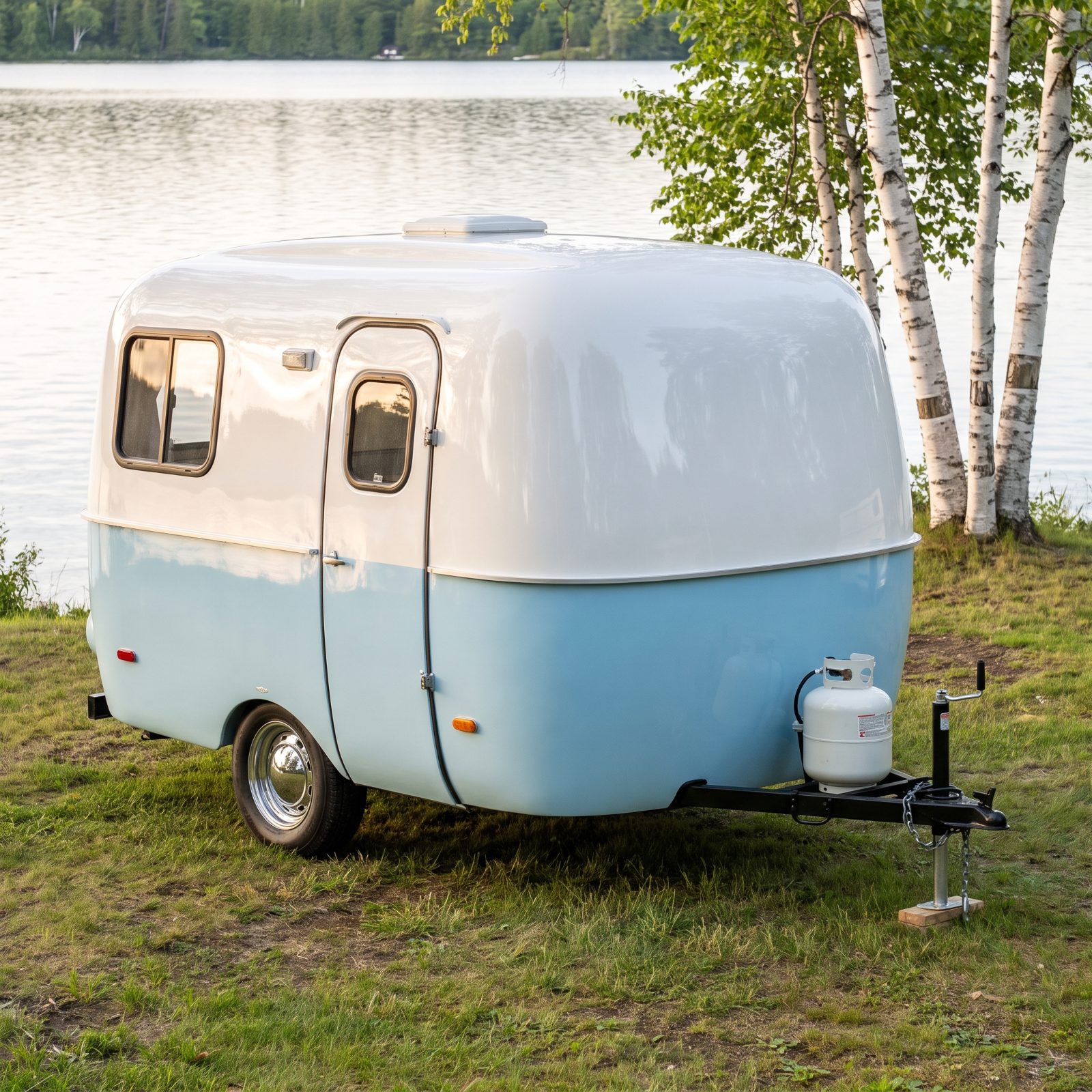
The little egg that launched a thousand imitators. The Boler’s molded fiberglass shape kicked off the whole fiberglass-trailer craze, and that lineage is exactly why the originals carry a premium the knockoffs never will.
Here’s the trap. A Boler looks like a cute cheap old trailer to the untrained eye, so offers come in low and friendly. Don’t fold. The vintage fiberglass-trailer market runs hot, these hold their shape and resist rot for decades, and an original Boler with good gelcoat and a tidy interior sells for numbers that flat-out shock first-time sellers.
Blue Bird Wanderlodge FC31, The School-Bus-Built Luxury Coach
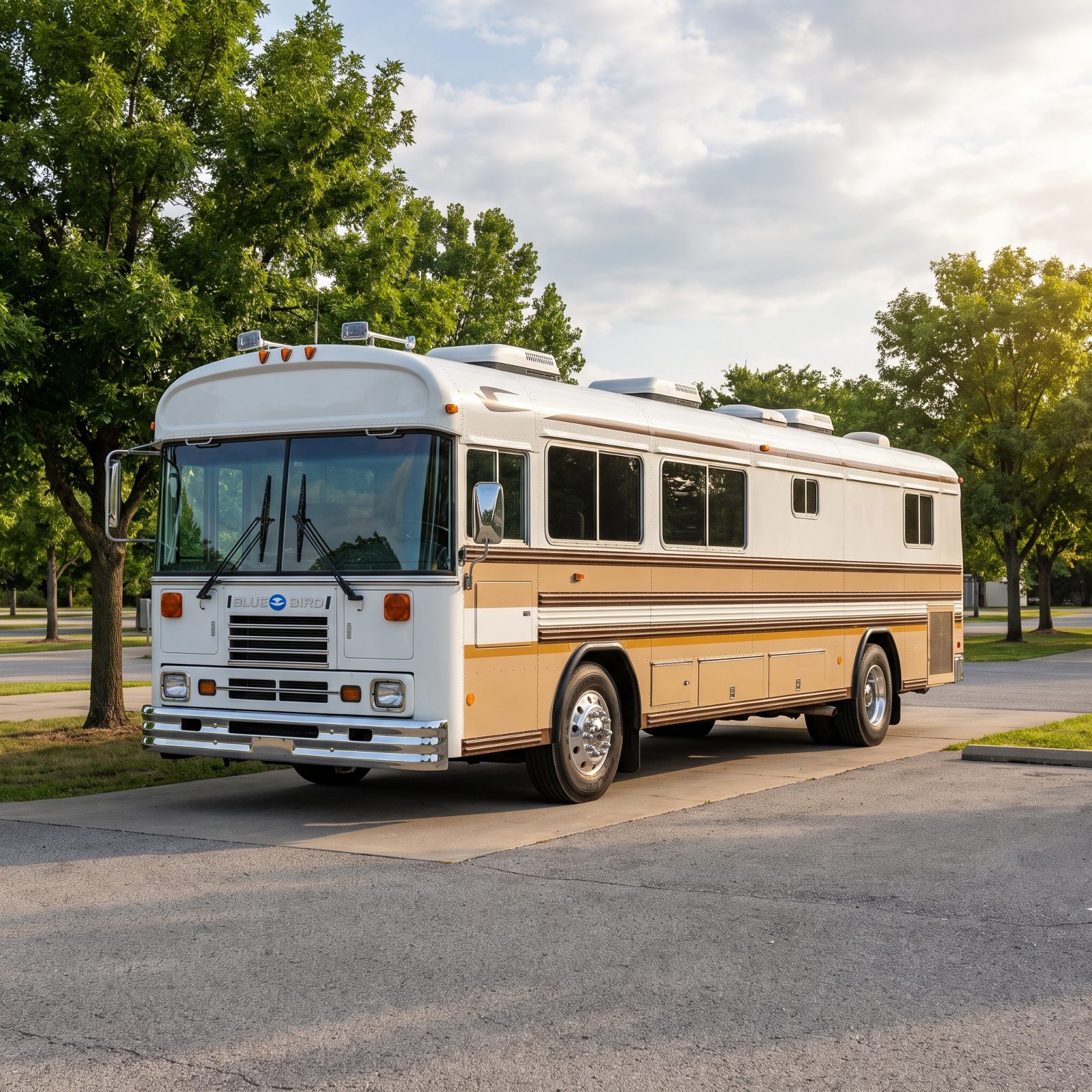
Blue Bird made school buses. So when they built a motorhome, they built it like one: bolted steel body, commercial bones, meant to outlast everything parked next to it. The Wanderlodge earned a reputation as a tank with a living room inside.
These pull in a specific kind of buyer who wants real construction instead of RV-grade staple-and-glue. A sound FC31 with good mechanicals holds value stubbornly, and the restoration crowd takes them seriously. The flip side? They’re big, heavy, and ruinous to fix wrong, so a knowledgeable buyer will price condition hard and won’t blink doing it. Have your maintenance story straight before you negotiate.
Clark Cortez, The Unconventional Front-Wheel-Drive Collector Rig
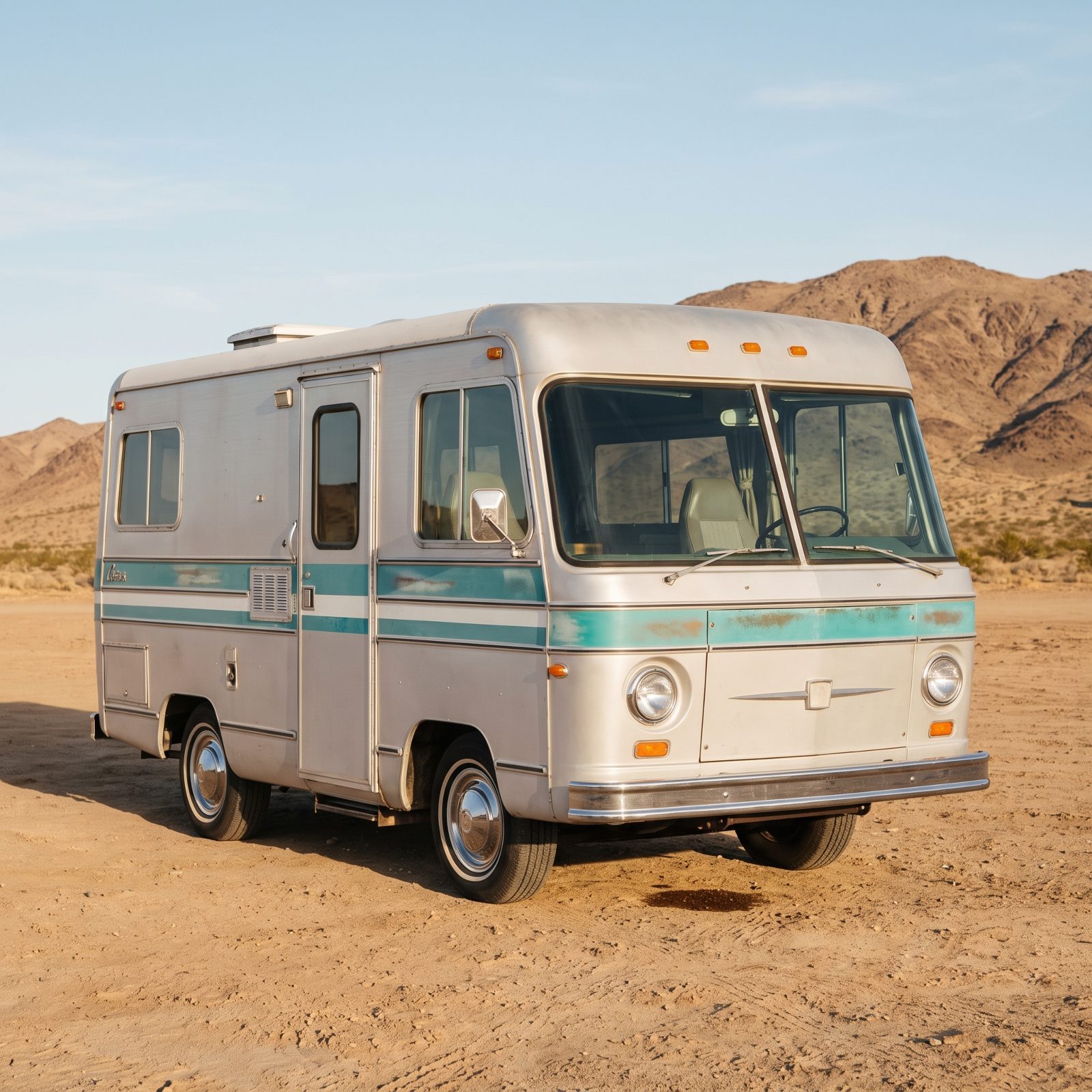
The Cortez pulled off front-wheel drive in a motorhome before almost anyone else, and it came from Clark — yes, the forklift company. That oddball engineering pedigree is why a small, loyal band of collectors refuses to let these die off.
It looks strange to the uninitiated, which means the average passerby offers next to nothing. But to a Cortez enthusiast, a running one with that intact drivetrain is a genuine find. Parts are scarce and the community tracks every survivor by name. If somebody casually offers to haul yours away, that’s your cue to go find the Cortez forums and figure out what you’re actually holding.
Rectrans Discoverer 25, The Space-Age Dodge Coach With Celebrity History
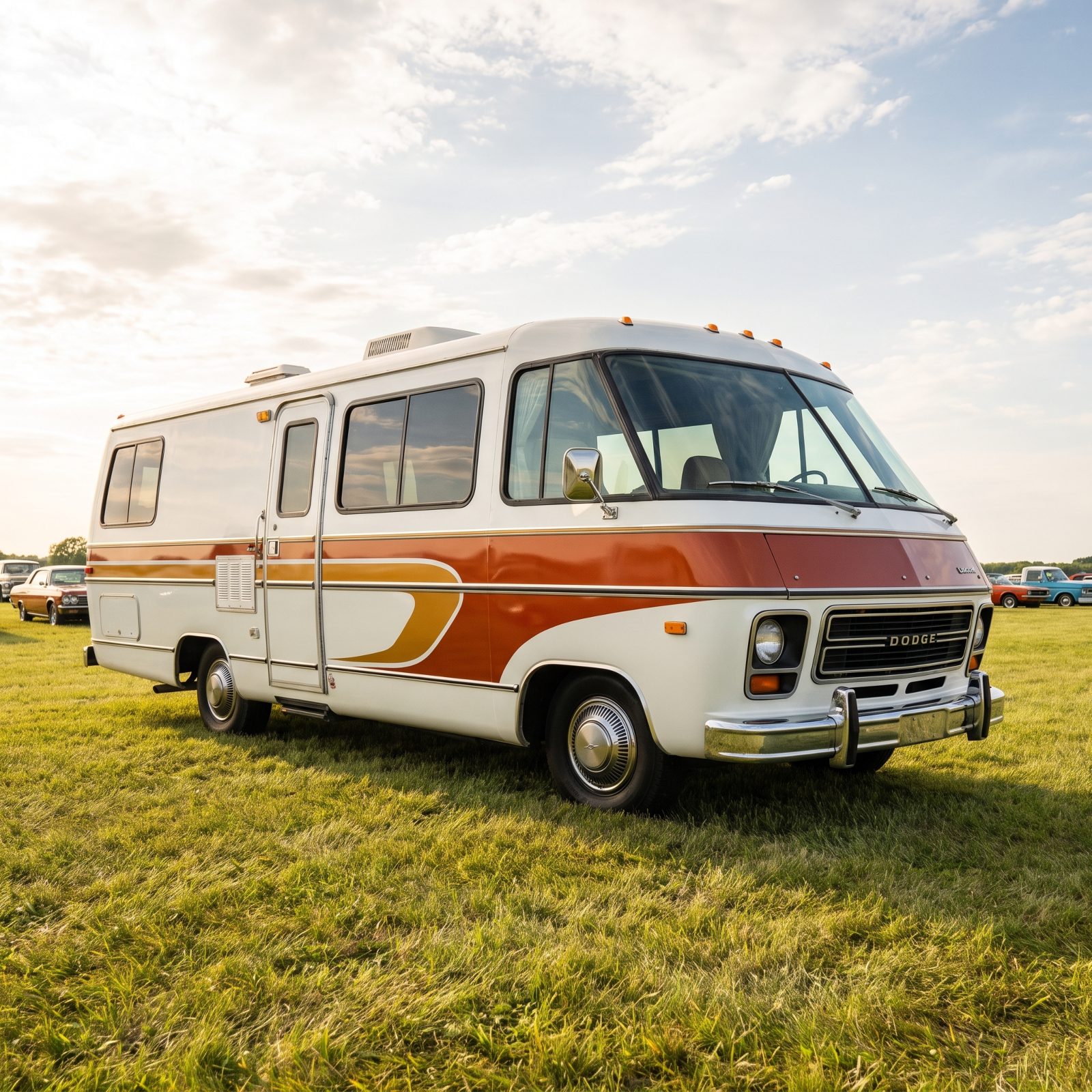
The Discoverer looked like it drove in from the future. That dramatically raked windshield and smooth streamlined body set it apart from every boxy coach of its day, and a few famous owners over the years gave certain examples a backstory that adds real collector interest.
Built on a Dodge chassis, it pairs the mechanical familiarity collectors like with a body you simply never see anymore. Rarity, that one-of-a-kind look, and any documented celebrity provenance can push a well-sorted one well past what its tired exterior would ever suggest.
Revcon 250, The Low-Slung Front-Wheel-Drive Motorhome That Breaks the Rules
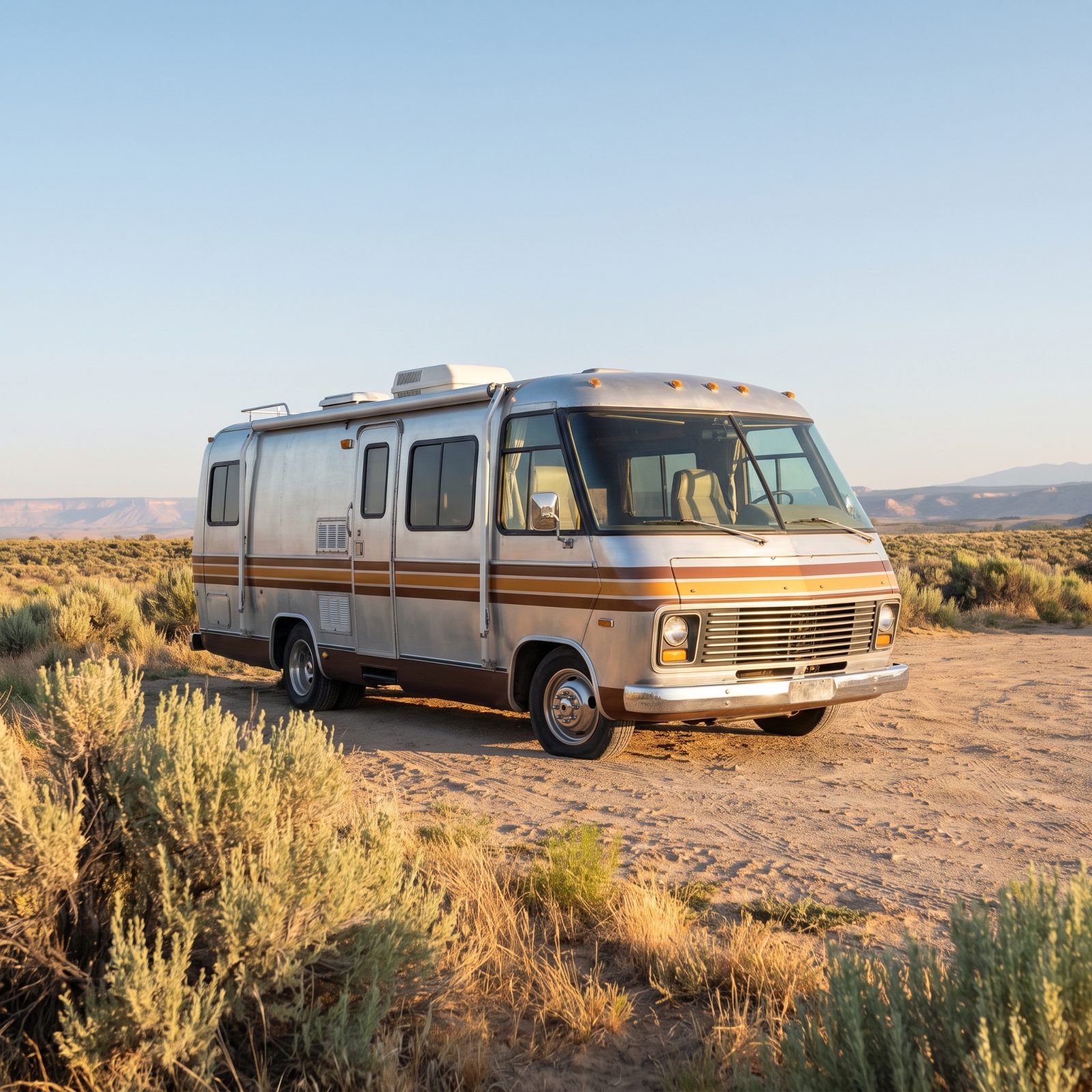
Most motorhomes of the era rode high and drove like a barn on casters. The Revcon didn’t. Front-wheel-drive, a dropped floor, an aluminum body — it sat so low you can pick it out from across a crowded lot.
That rarity is exactly why the uninformed get burned. A Revcon looks like an oddball, so people figure oddball means cheap. Wrong. The engineering alone sends collectors chasing these across state lines.
Before you entertain any offer, clock the FWD drivetrain, the long aluminum skin, the low stance. Then search completed sales — not asking prices. Those two numbers live in different zip codes.
Ultra Van, The Aircraft Engineer’s Aluminum Egg on Wheels
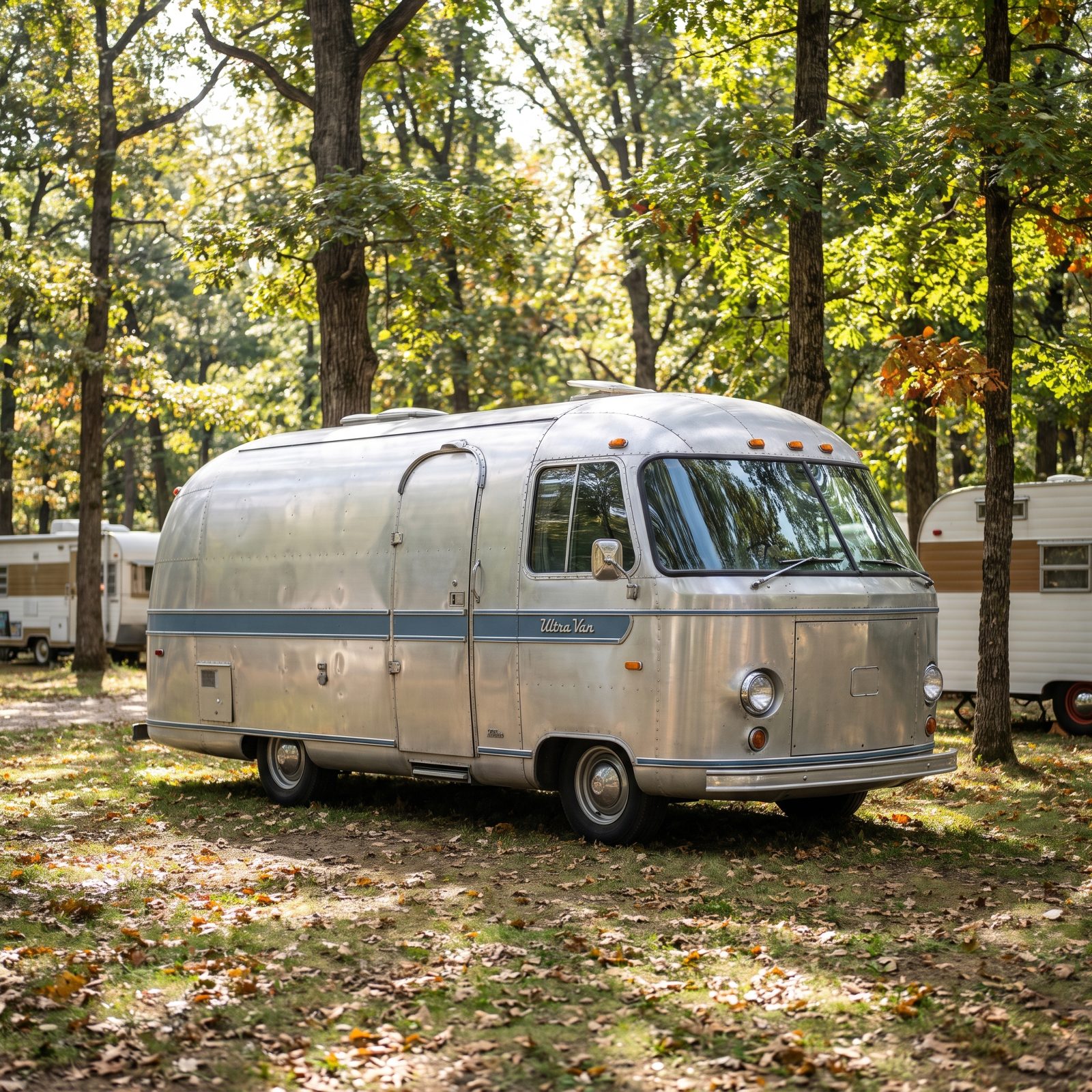
An aircraft engineer named David Peterson built the Ultra Van like a plane rather than a truck. One-piece aluminum monocoque body, no separate frame, the whole thing light enough that a humble Corvair engine could shove it down the highway. Fewer than a thousand ever got made. Folks restore these in home garages the way other people restore warbirds.
And here’s the trap. The aluminum skin oxidizes, the paint flakes, and to an untrained eye the thing reads as scrap metal. A collector sees a flying saucer that happens to sleep four.
If you’ve got one, that rounded riveted fuselage shape is your ID card. Write down the serial number, dig up the Ultra Van owners’ registry online, and let the community confirm what you’re sitting on before anybody talks money.
Minnie Winnie, The Cab-Over That Taught America to Camp
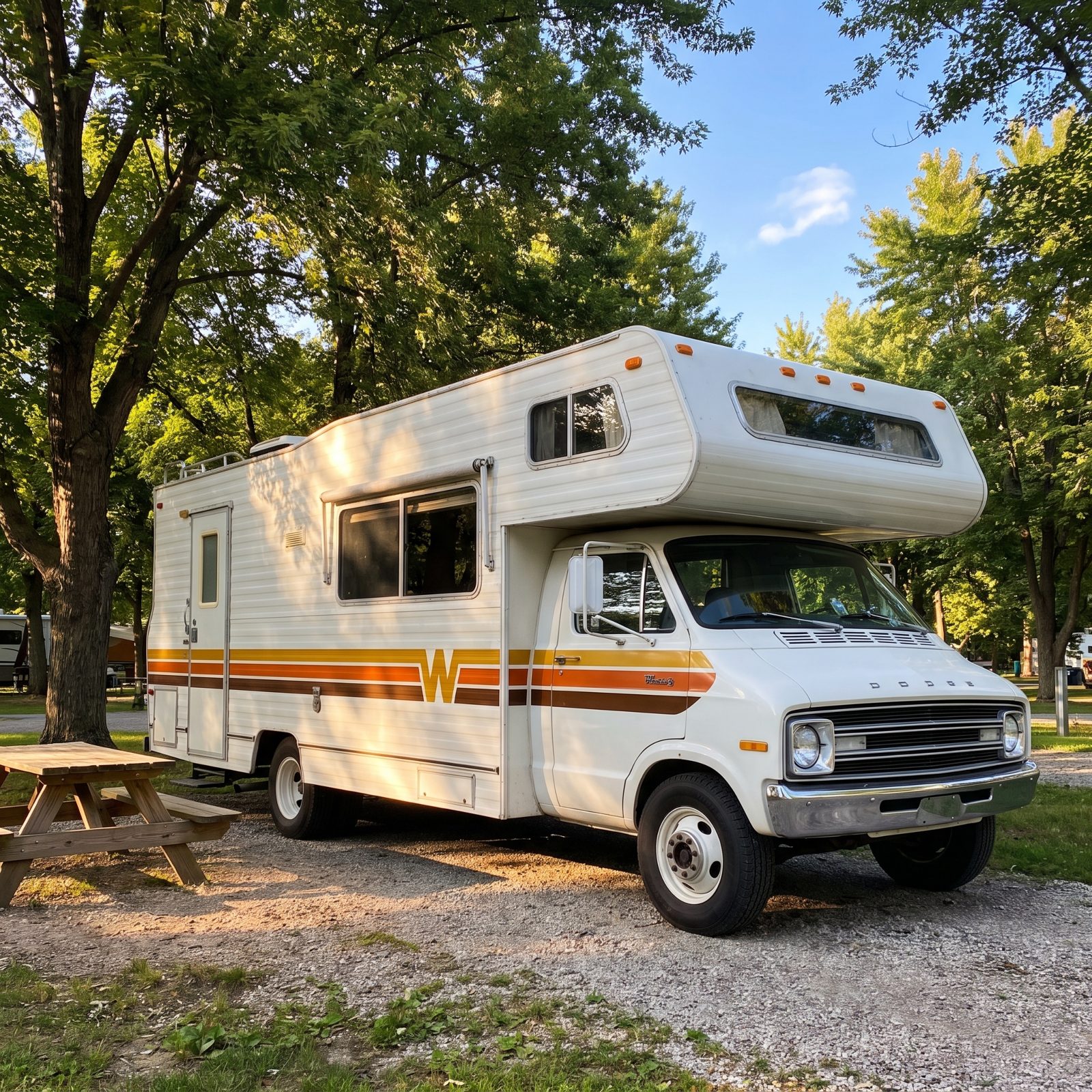
The cab-over bunk, the harvest-gold stripes, the box riding high on a pickup chassis — if one camper screams 1970s family vacation, it’s this one. Winnebago sold them by the trainload, which is exactly why owners undervalue them. Common and collectible aren’t opposites.
A clean, unmolested Minnie Winnie with its original stripe graphics still intact pulls real money from nostalgia buyers who spent childhood summers crammed into one. The rough ones aren’t worth much. The honest, dry, original ones are.
Check the floor around the cab-over for soft spots, confirm the stripe decals are factory and not a repaint, and don’t let anyone knock your price down with “ah, they made a million of these.”
Dodge Trans-Van, The Molded Fiberglass Shape Unlike Anything Else
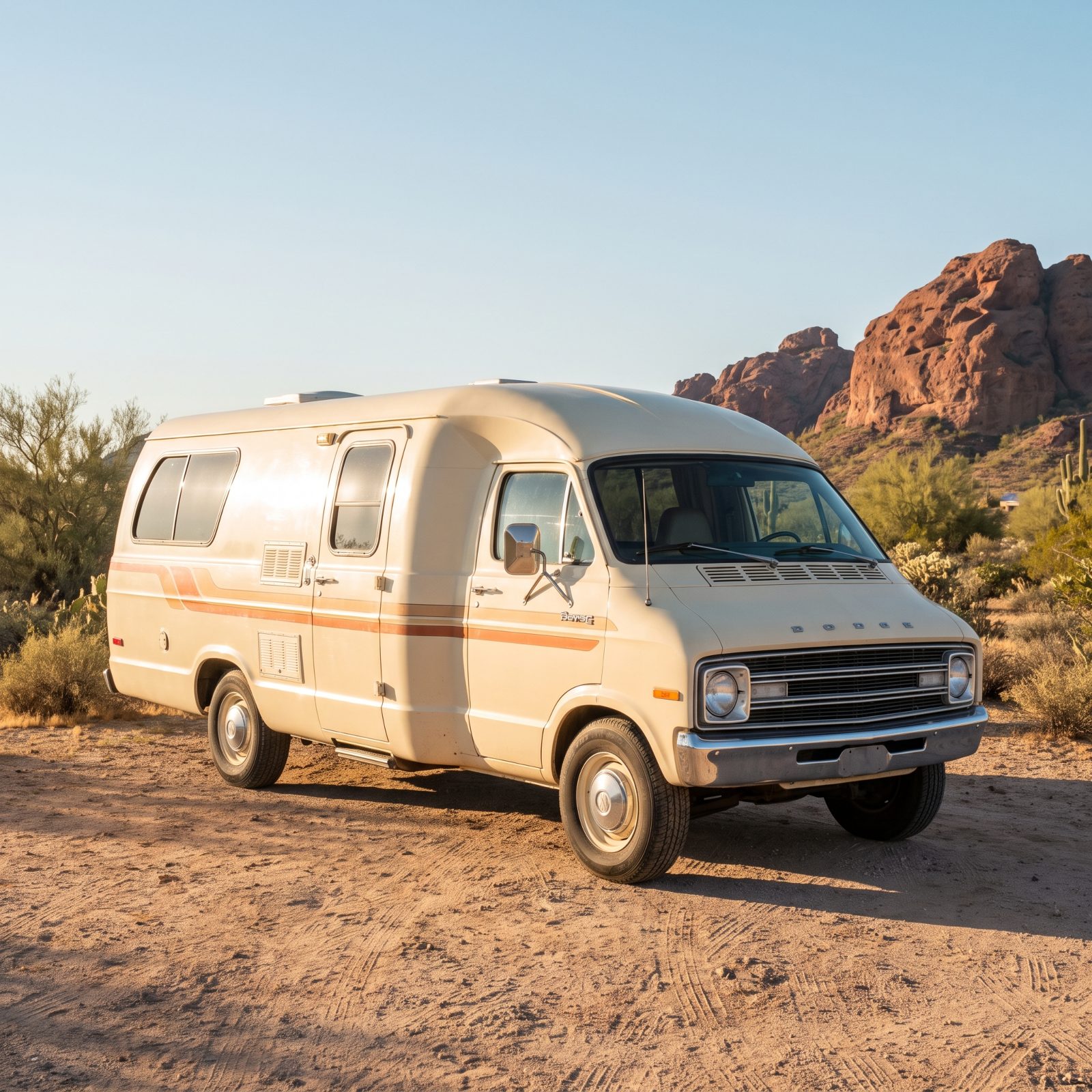
Molded fiberglass instead of riveted panels, smooth curves where everything else had corners. The Dodge Trans-Van looks like it rolled out of some other decade entirely, and that strangeness is the whole draw.
It doesn’t match the mental picture of a 70s RV, so casual buyers stroll right past it. The people who collect the weird stuff? They stop dead.
Your giveaway is that seamless molded shell sitting on Dodge running gear. If someone’s waving scrap money at you, odds are they know more than they’re letting on.
1979 Toyota Sunrader, The Little Fiberglass Rig With a Cult It Doesn’t Deserve to Lose
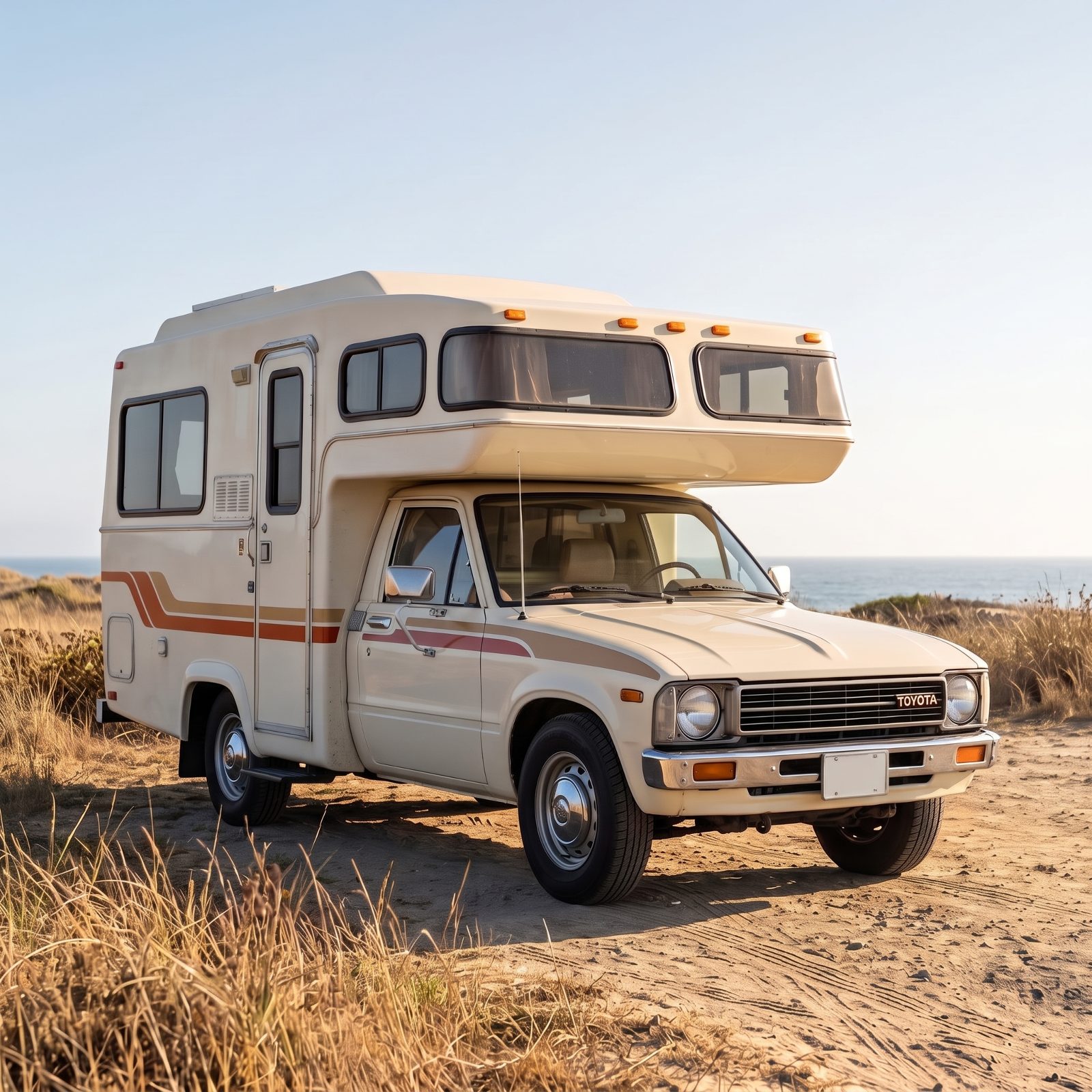
Small Toyota chassis, one-piece fiberglass shell, legendary fuel economy. The Sunrader became a cult object among people who want a reliable little rig that sips gas and never rots along a seam the way framed bodies do.
This is the one where sellers get fleeced worst. Someone offers a grand for “an old Toyota camper,” then lists it for eight the following week. The molded fiberglass body paired with that Toyota drivetrain is a combination buyers go slightly feral over.
Confirm it’s seamless fiberglass construction and not a panel-built RV bolted onto a Toyota, crawl underneath and check for frame rust, and know that condition and originality can be the gap between a few grand and five figures.
Dodge Xplorer 224, The Factory Van Conversion With Owners Who Never Let Go
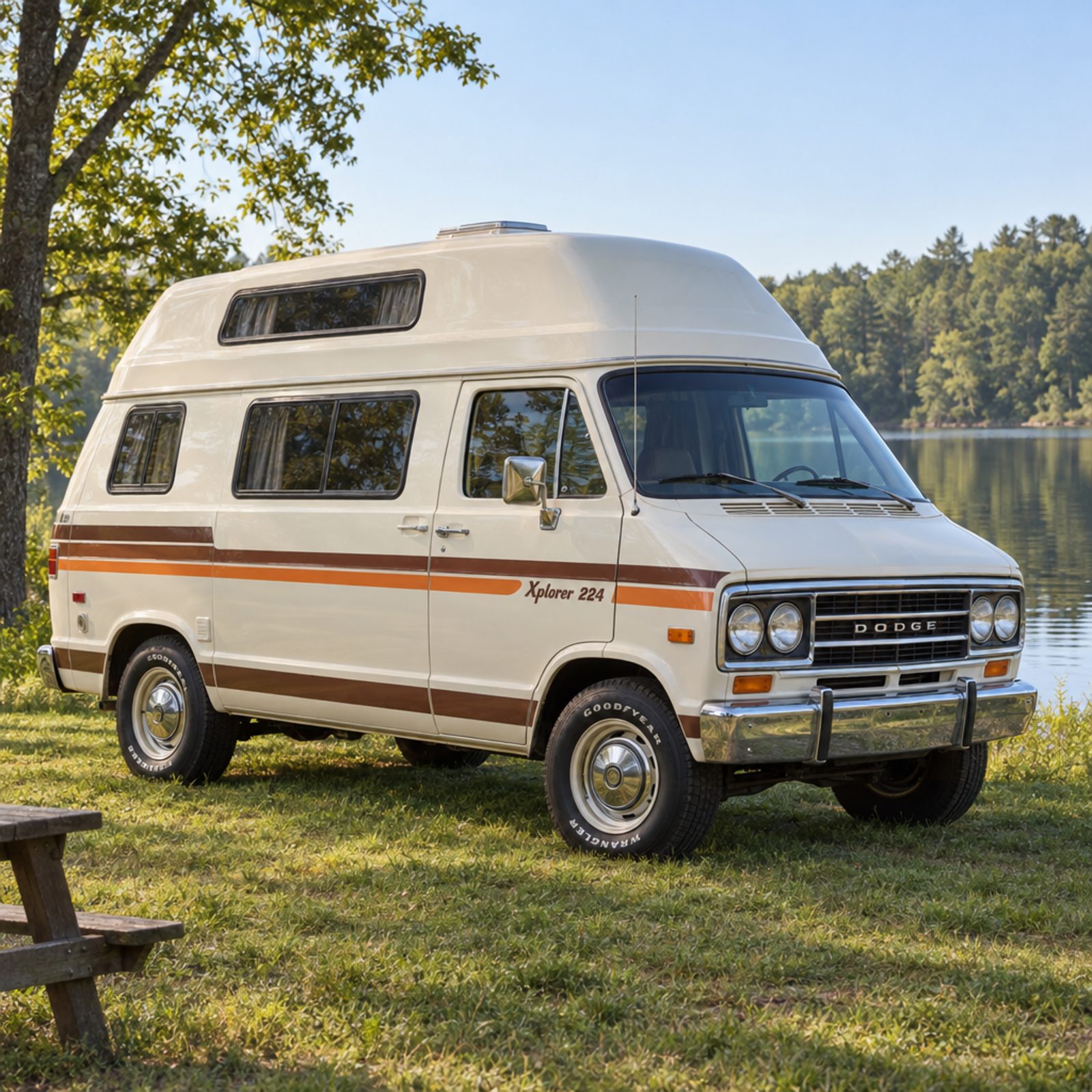
Xplorer built camper vans that looked factory-finished rather than cobbled together in somebody’s back-lot shop. The raised fiberglass top blended into the Dodge body instead of perching on it like a hat. Owners tend to hang onto these for decades — a loyalty signal worth reading.
When a van rarely changes hands, that means the people who’ve got them like them. Keeps values up and makes clean examples scarcer than you’d guess.
Spot the integrated high-top, the Dodge B-series underpinnings, the brown-and-orange side stripes. Van-life interest has dragged older conversions up in value, so price yours against that market, not against generic old vans.
Trillium 1300, The Canadian Fiberglass Egg With Walls That Don’t Sweat
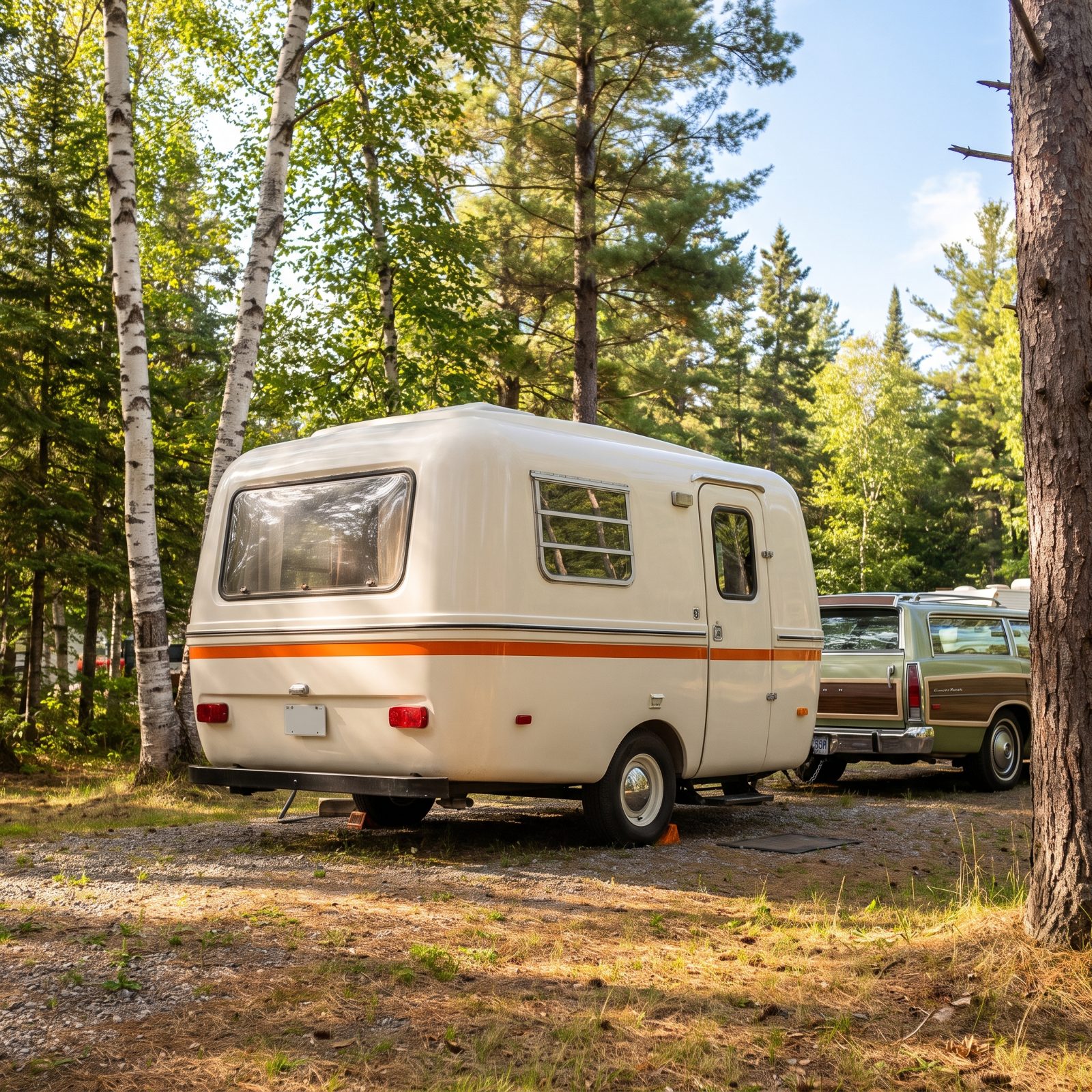
The Trillium is the rounded fiberglass egg Canadians built right, with Ensolite-lined walls that fend off the condensation plaguing so many small trailers. Light enough to tow behind a modest car. Tough enough to still be on the road half a century on.
Fiberglass egg trailers have gone from quirky to coveted. A dry, structurally sound Trillium 1300 with its original Ensolite walls intact is a genuine find, not some flea-market curio.
Verify it’s an actual Trillium and not one of the many look-alike eggs — Boler, Scamp, and others share that shape. Check for delamination, hunt for soft spots, and make sure the two fiberglass halves are solid where they meet.
Burro 13, The Double-Shell Fiberglass Camper That Fans Won’t Shut Up About
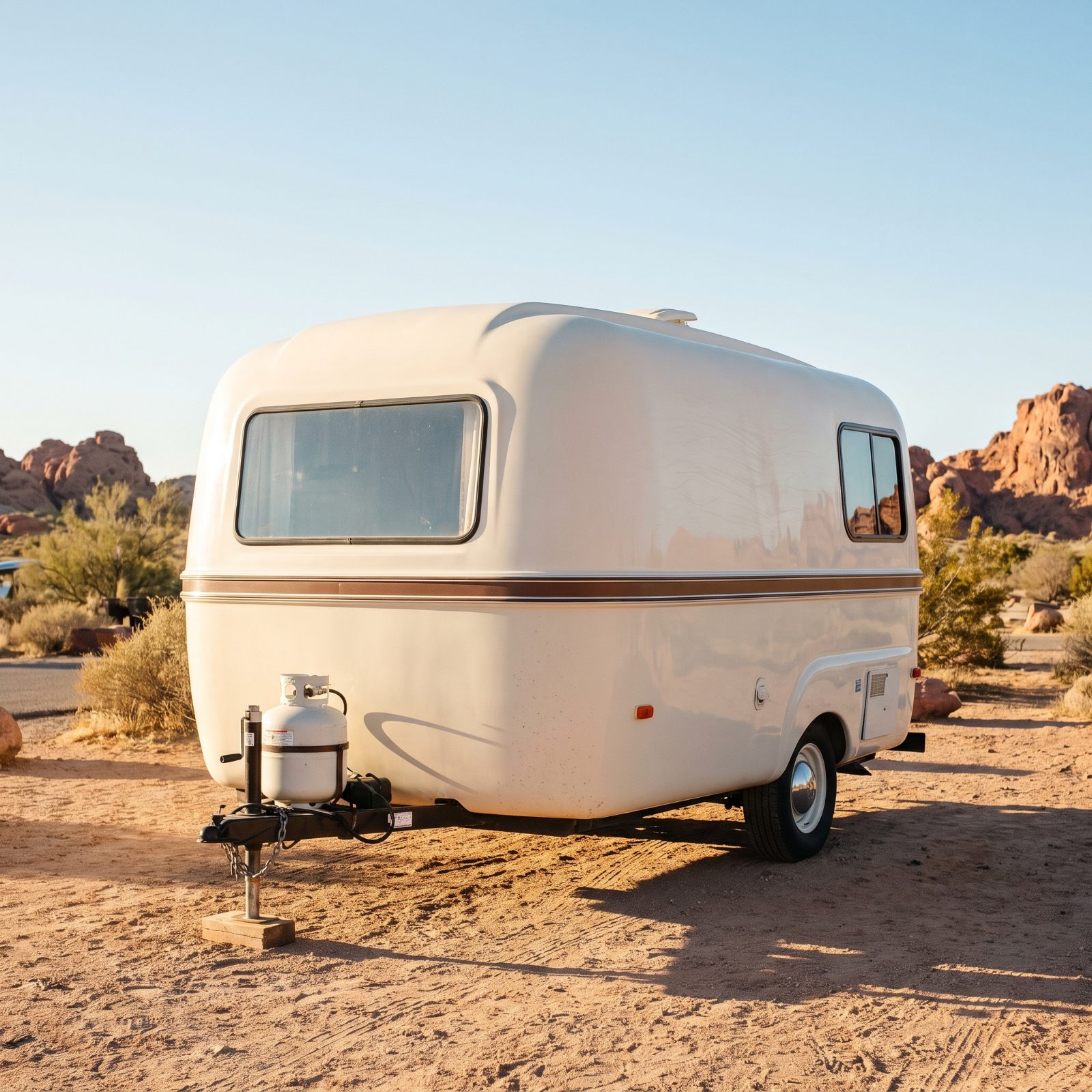
The Burro earned its loyal following honestly. A double-shell fiberglass body insulates better than single-wall eggs and shrugs off decades of towing, and owners evangelize about them to anyone who’ll stand still — which tells you plenty.
Like all the fiberglass eggs, the Burro rode the wave of molded-trailer mania. A solid one with good floors and intact shells is no cheap camper, whatever a drive-by offer tries to suggest.
Look for the double-wall build, poke around the floor for rot, confirm it’s actually a Burro rather than assuming generic egg. The enthusiast forums will help you pin down the year and value in an afternoon.
Avion La Grande, The Aluminum Trailer People Mistake for an Airstream (and It Isn’t)
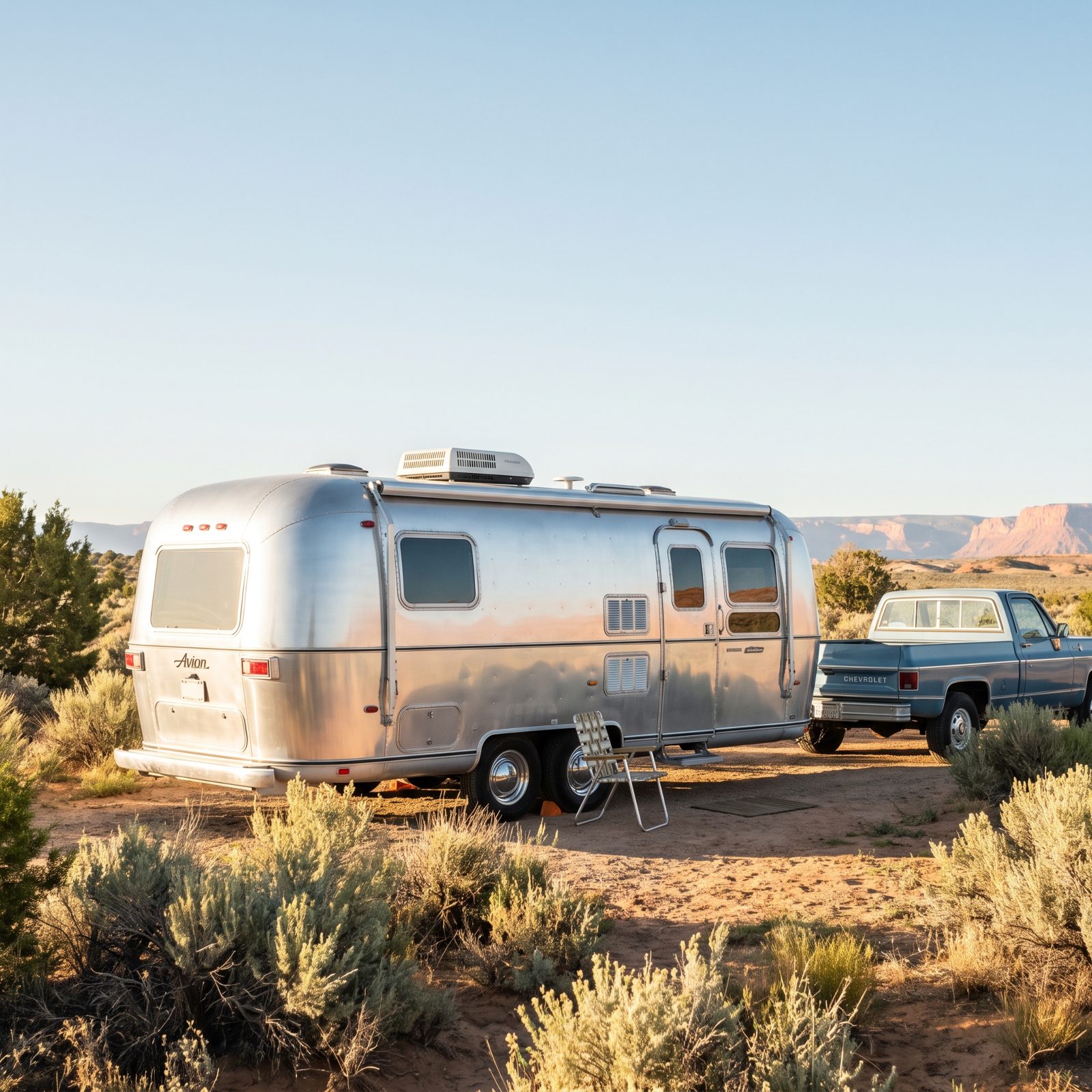
Shiny, riveted, aerodynamic aluminum. Everyone’s first instinct is to blurt “Airstream.” It isn’t. Avion built trailers that plenty of owners considered better made than the famous silver bullet — thicker aluminum, premium fittings — and the La Grande sat at the top of the line.
Here’s where real money gets left on the table. A buyer recognizes the Airstream-ish shape, lowballs it as a lesser knockoff, then flips it to a collector who knows exactly what Avion quality means.
The tells are the squarer end caps, the different window layout, the Avion badging. Never let anyone call your Avion a “fake Airstream.” It’s its own animal, and in some circles it commands more respect than the thing it keeps getting confused with.
Silver Streak Continental Supreme, The Polished-Aluminum Luxury Alternative
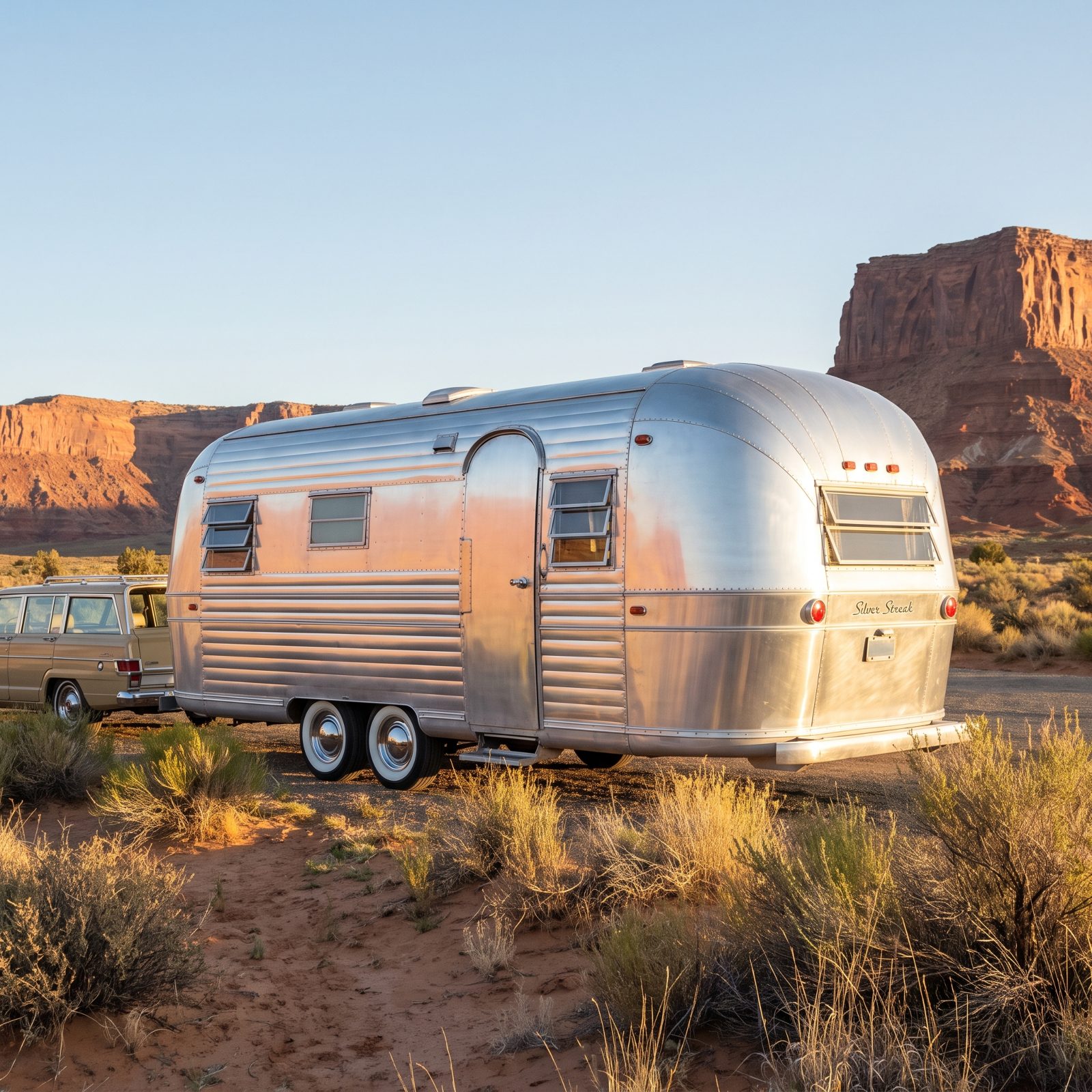
People hear polished aluminum and say Airstream on reflex, and that reflex costs money. The Silver Streak Continental Supreme was built heavier, riveted tighter, and often finished better than the trailer it gets confused with. The ribbed fluting down the sidewall is the giveaway. Airstreams are smooth; Silver Streaks wear that horizontal corduroy texture like a signature.
Get the name wrong and a buyer will happily price it like a generic old aluminum box. Learn to spot the ribbing and the rounded front cap, though, and you know exactly what you’re holding.
Holiday Rambler Imperial, The High-End Trailer With Distinctive 1970s Graphics
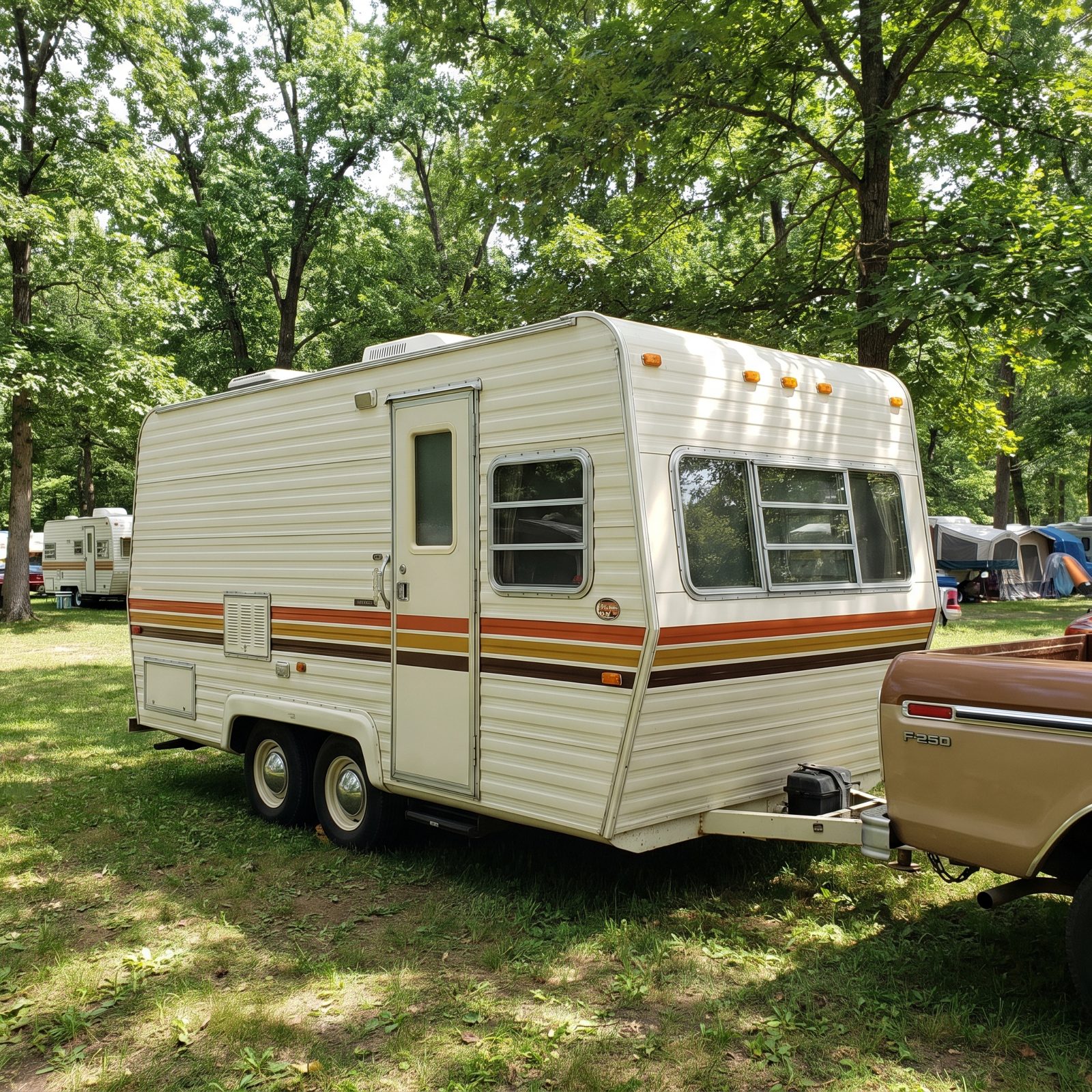
The Imperial sat at the top of the Holiday Rambler line, and the company wanted you to know it. The stripe package tells the story before you open the door. Those burnt-orange and gold bands weren’t a trim upgrade, they were the house identity, and collectors who know the era read them like a year stamp.
Inside, the Imperial carried heavier appliances and better cabinetry, the kind of build that kept these on the road for decades. Price it as a plain old trailer and you’ve undersold the flagship. The graphics are your proof of pedigree. Document them, photograph them clean, and let them do the arguing.
Serro Scotty Highlander, The Compact Camper With an Enthusiastic Restoration Community
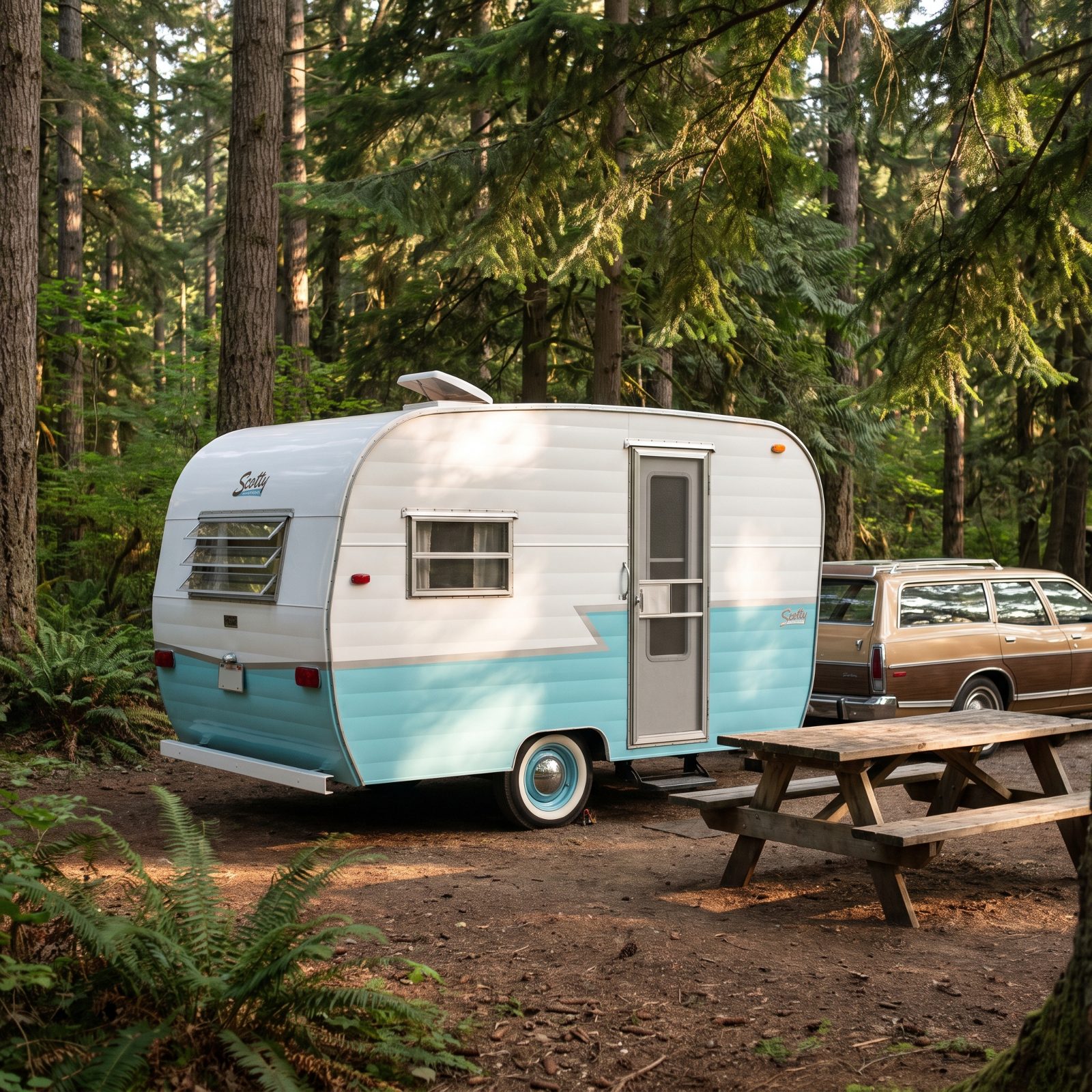
Small trailer, loud fanbase. The Serro Scotty Highlander punches so far above its size that the community around it props up the value all on its own. There are rallies. There are parts suppliers. And there are people who will drive four states to buy a rough one and spend a whole winter bringing it back from the dead.
That matters when you’re staring at a sale offer, because a model with an active restoration scene holds its number no matter what. Demand never dries up. Someone always wants the next project. The mistake is treating a Scotty like a generic little camper just because it’s tiny — the size is the appeal, not a reason to discount.
Apache Ramada, The Hard-Sided Folding Camper That Still Turns Heads
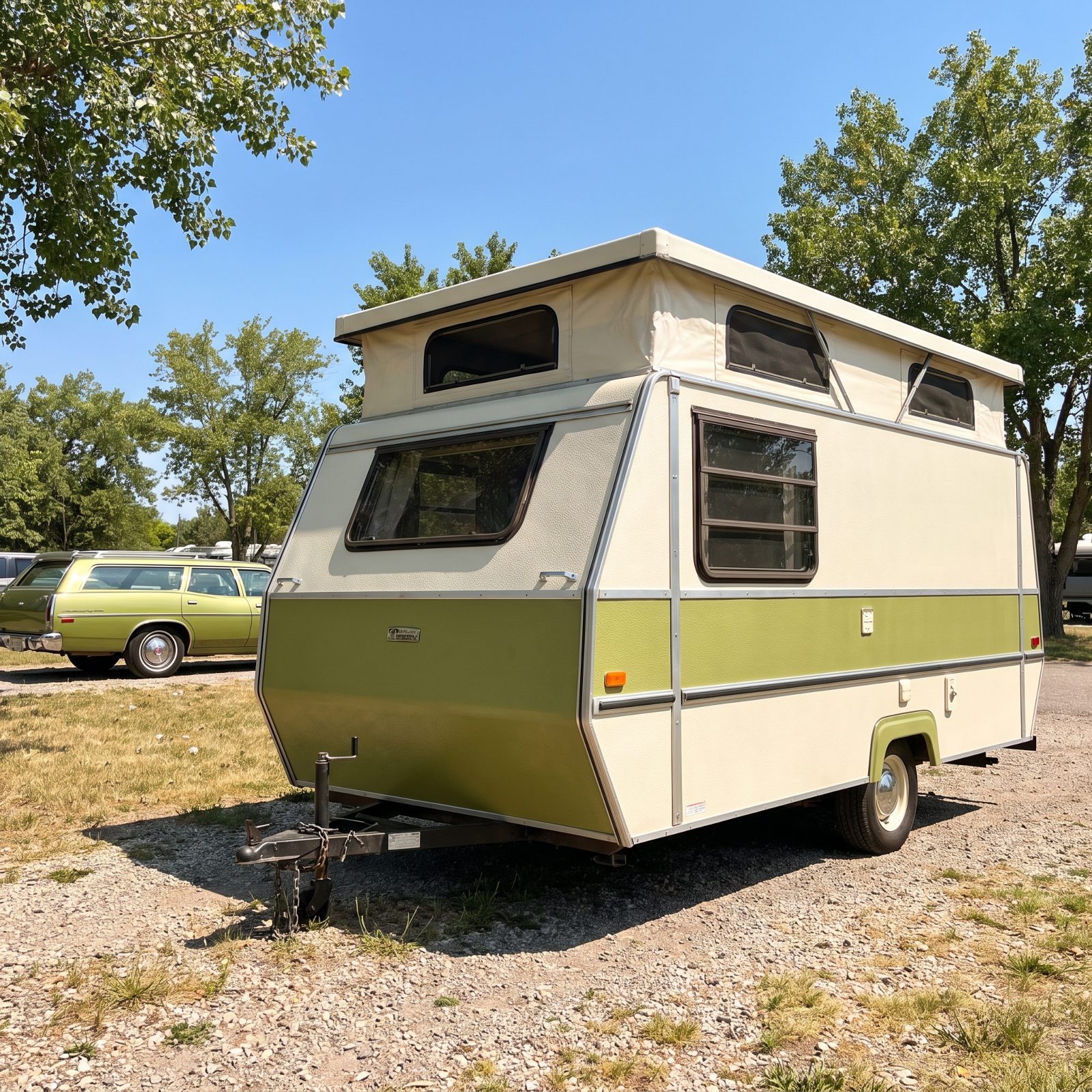
Most folding campers from this era were canvas and compromise. The Apache Ramada went a different way, pairing a solid fiberglass body with a hard roof that cranks up over canvas sides, plus a canvas bunk-end that pulls out the back — fabric only where it earns its keep, with the shell doing the rest. That one design choice is exactly why these still draw a crowd at any gathering.
Folded down, it looks like almost nothing on the hitch. Opened up, it becomes a real camper. Buyers who don’t know the Apache name sometimes walk right past, and honestly, let them. The ones who know will pay for the fiberglass shell and the mechanism. Make sure the crank-up system works smoothly and the canvas is free of tears, because that’s the first thing a serious buyer puts their hands on.
Apollo 3000, The Fiberglass Luxury Motorhome With Unmistakable 1970s Flair
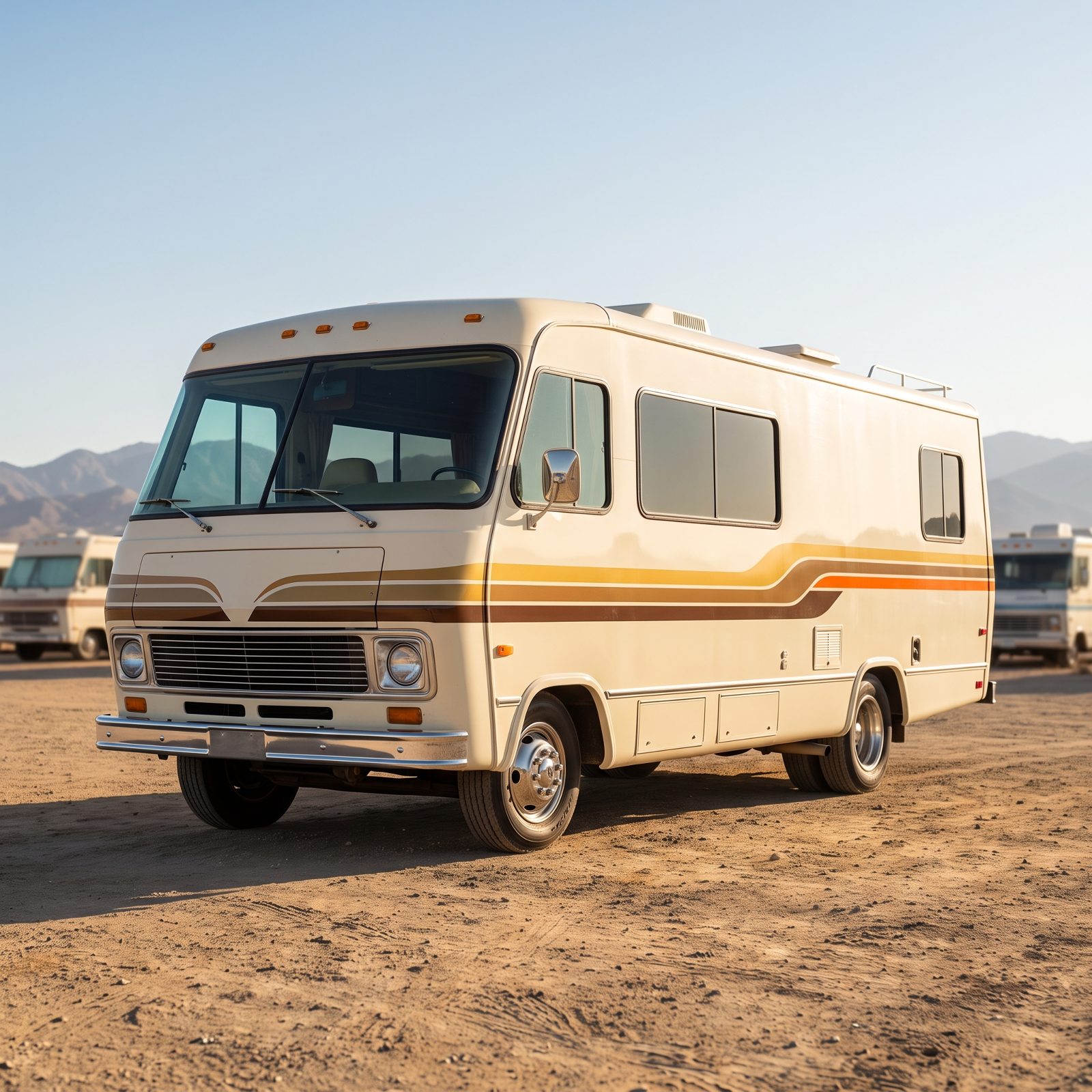
The Apollo 3000 wore its decade proudly. Sweeping stripe graphics, a fiberglass body, a floor plan that treated the coach like a rolling living room. These were built for people who wanted the whole motorhome experience back when that experience was still a novelty.
Now the trap. A motorhome depreciates like a vehicle in most buyers’ heads, so the offers come in soft. But a clean, running Apollo isn’t a used RV. It’s a surviving example from a short production era, and that reframes the entire conversation.
Airstream Excella 500, The Upscale 1970s Trailer With Distinctive Trim
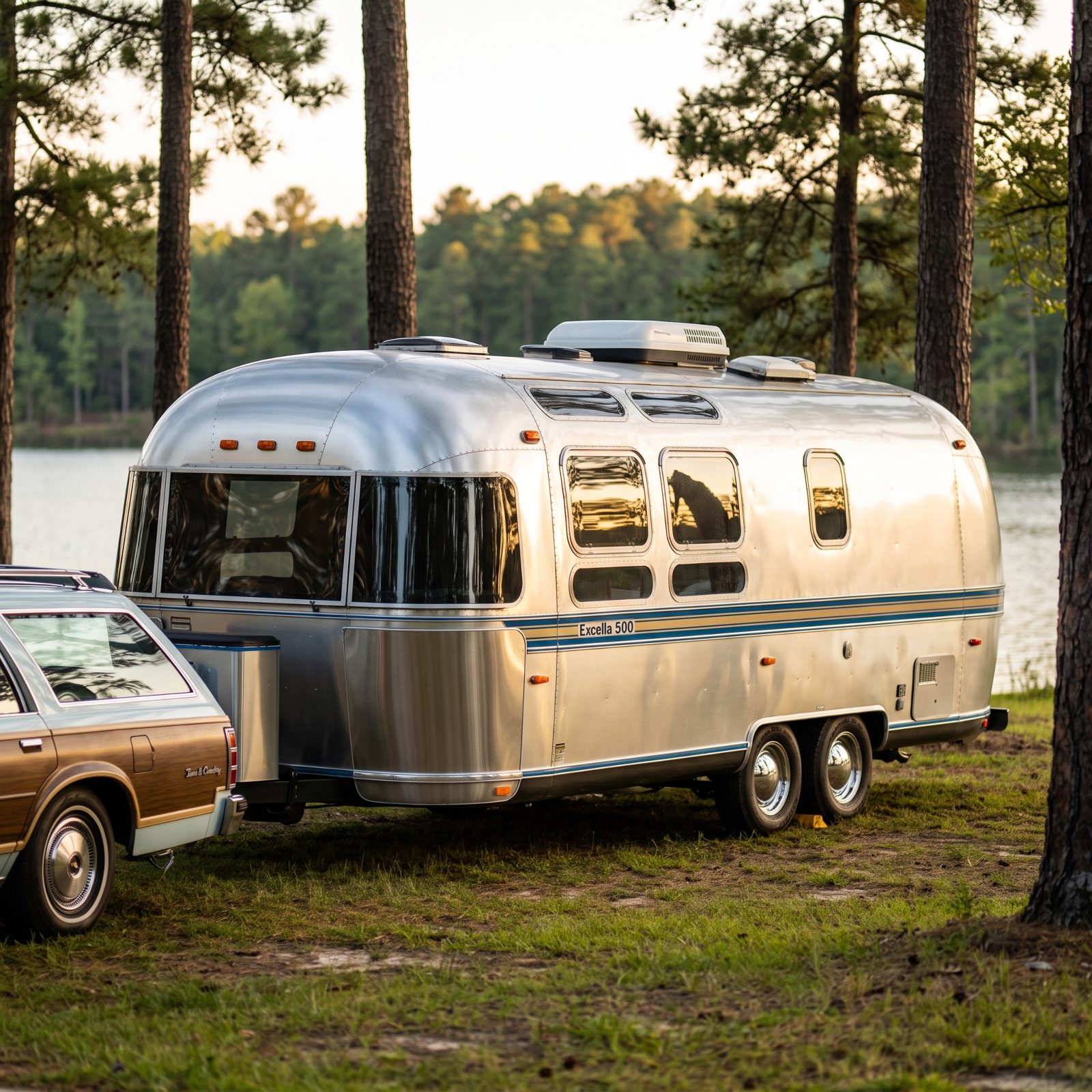
Everybody recognizes an Airstream. Far fewer people can tell you which Airstream they’re looking at, and the Excella 500 is where that gap gets expensive for the seller.
The Excella sat near the top of the line, with upgraded interiors and trim details that set it apart from the common Overlander and Tradewind models people assume they’re seeing. Those trim bands, the badging, the window configuration — all of it points to a specific, more desirable trailer. A buyer counting on you not knowing will quietly offer Overlander money for an Excella.
Volkswagen Westfalia Campmobile, The Pop-Top Bus That Never Lost Its Following

Of everything on this list, the Westfalia Campmobile is the one where the whole world already knows the value. That’s both good and dangerous — good because demand is bottomless, dangerous because scammers and bargain hunters circle these harder than any other camper from the decade.
The pop-top, the little cabinetry, the factory camping fit-out, that’s what makes a Westfalia a Westfalia and not just an old Bus. Rust is the whole ballgame here. A solid, honest floor and clean rockers can double a fair offer. Don’t let anyone pressure you into a quick sale on manufactured urgency, because these appreciate, and patience sits squarely on the owner’s side.