
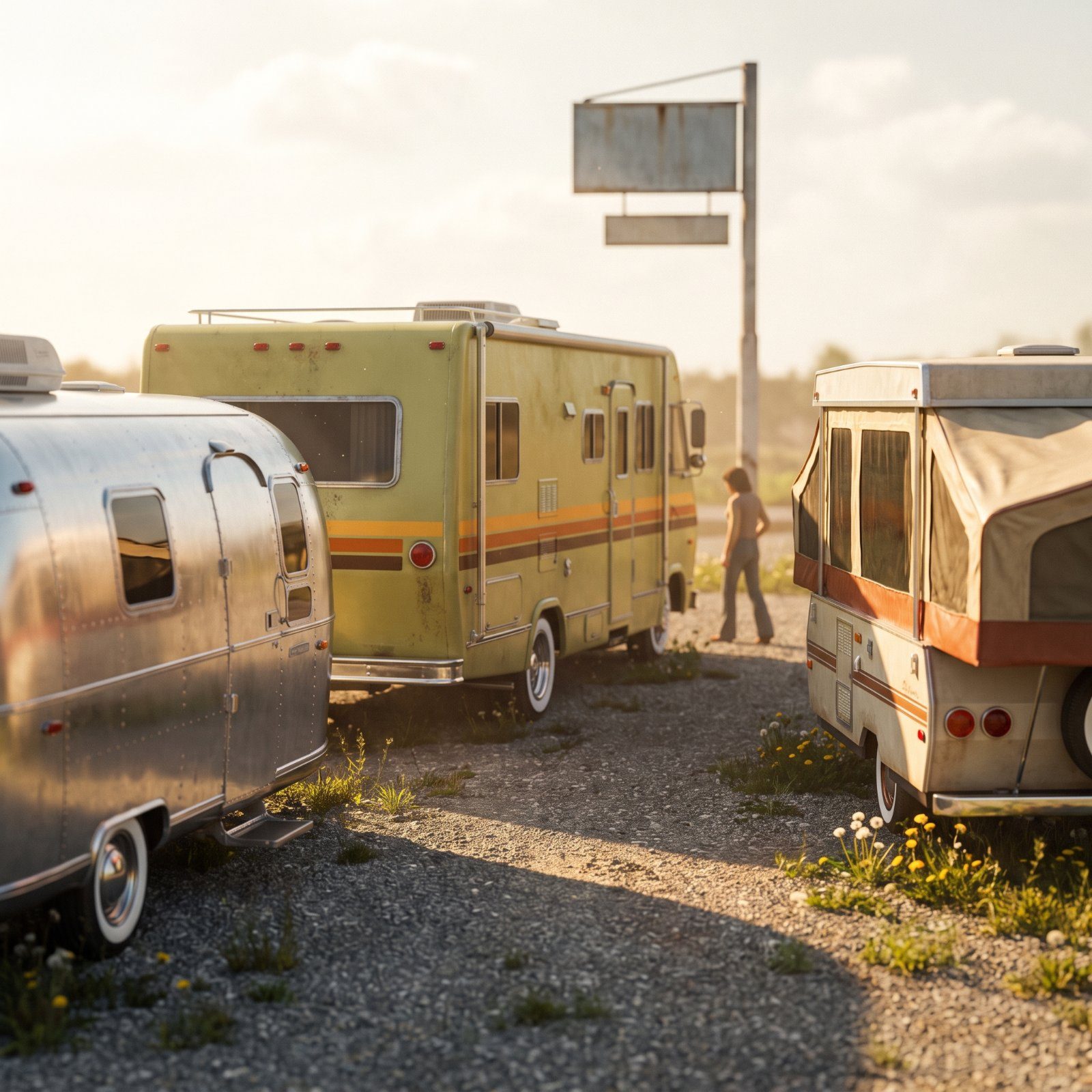
Walk any old campground loop long enough and you’ll find one. A rounded aluminum coach with a nameplate nobody recognizes, parked under a tree, half-forgotten, still somehow holding its shape after fifty years. The 1970s produced dozens of these brands. Big industrial names chasing a boom, tiny family shops building a few hundred units a year, aircraft engineers who thought a motorhome should fly down the interstate. Most are gone now. A few ghost on, absorbed into companies that outlived them. Here’s what happened to the ones below.
Please note that some of the images in this article were created with the assistance of AI.
29. FMC Motor Coach: The Food-Machinery Giant That Walked Away in 1976
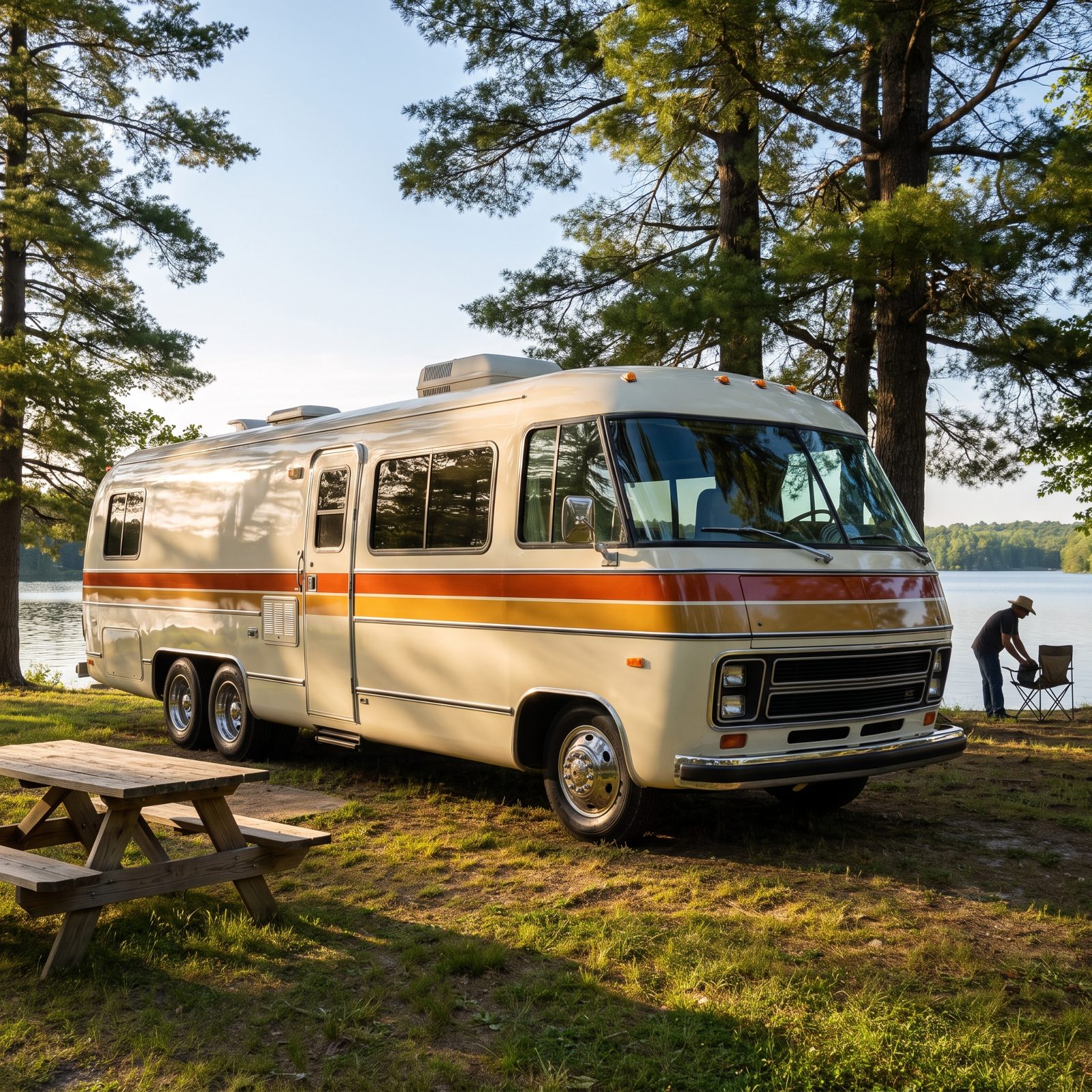
FMC made tractors, fire engines, and food-canning machinery. Then, in 1973, it decided to build a motorhome and engineered the thing like it was headed for orbit. Fully independent suspension. A rear-mounted Chrysler V8. A monocoque body you could actually see out of, thanks to that enormous curved windshield. It drove better than anything else on the road, and it cost a fortune.
That was the problem. FMC built around a thousand of them, bled money on nearly every one, and a corporation that size doesn’t sit around tolerating a money-losing side project. By 1976 the line was dead.
28. Rectrans Discoverer: The Airport-Bus Looks That Didn’t Last
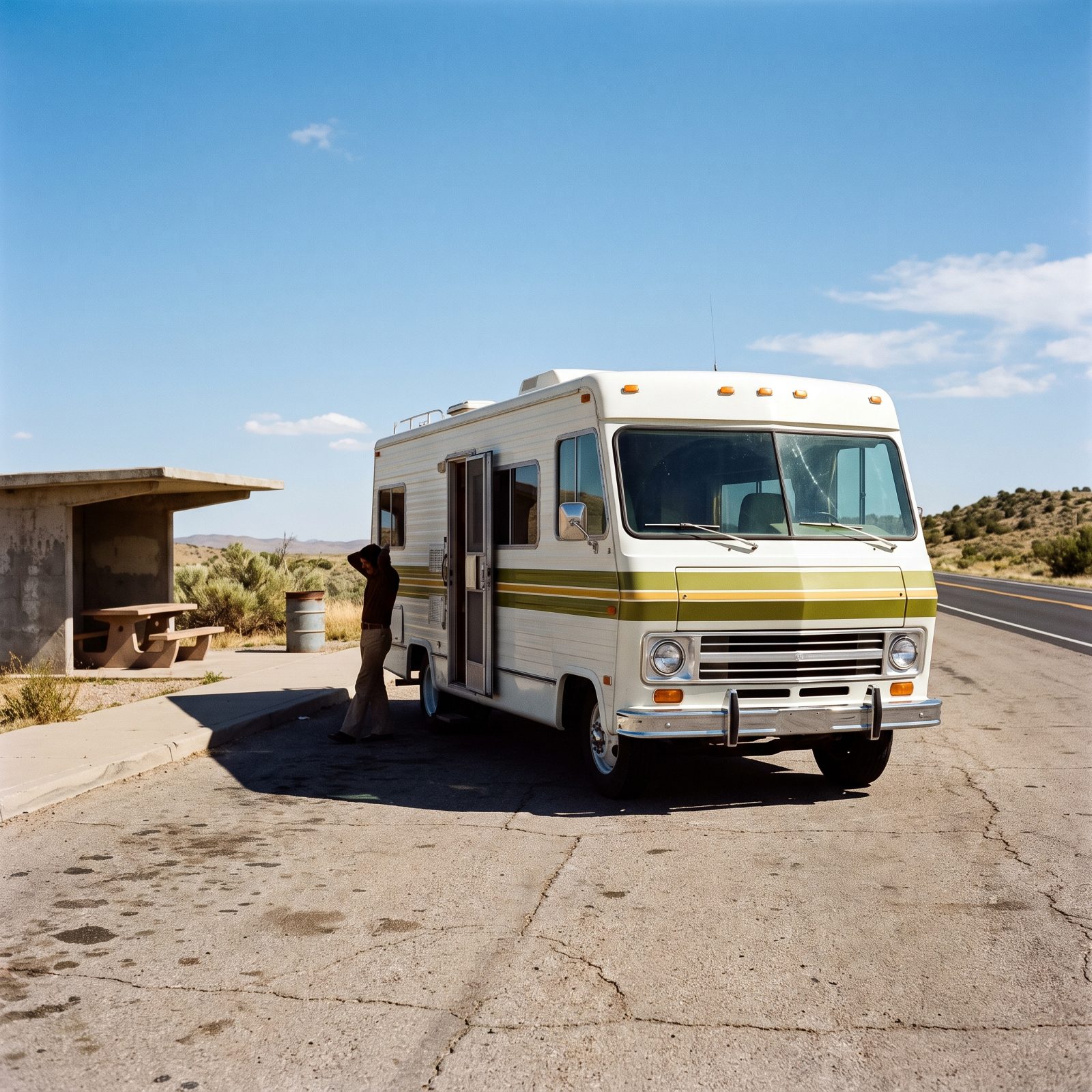
Some RVs look like RVs. The Rectrans Discoverer looked like it should be dropping you at Gate 14.
Built in Michigan in the early seventies, the Discoverer borrowed its upright, slab-sided proportions straight from transit and shuttle buses. Lots of interior headroom, big flat windows, a no-nonsense box on wheels. Practical in a way the swoopy coaches weren’t. It even had one genuinely famous owner who turned his into a customized touring rig.
None of that saved it. Rectrans had a short run and faded by mid-decade, another small builder caught in the fuel crunch that gutted the whole category. Survivors are rare enough that spotting one now stops people mid-stride.
27. Cortez: Clark’s Front-Wheel-Drive Oddball, Gone by 1979
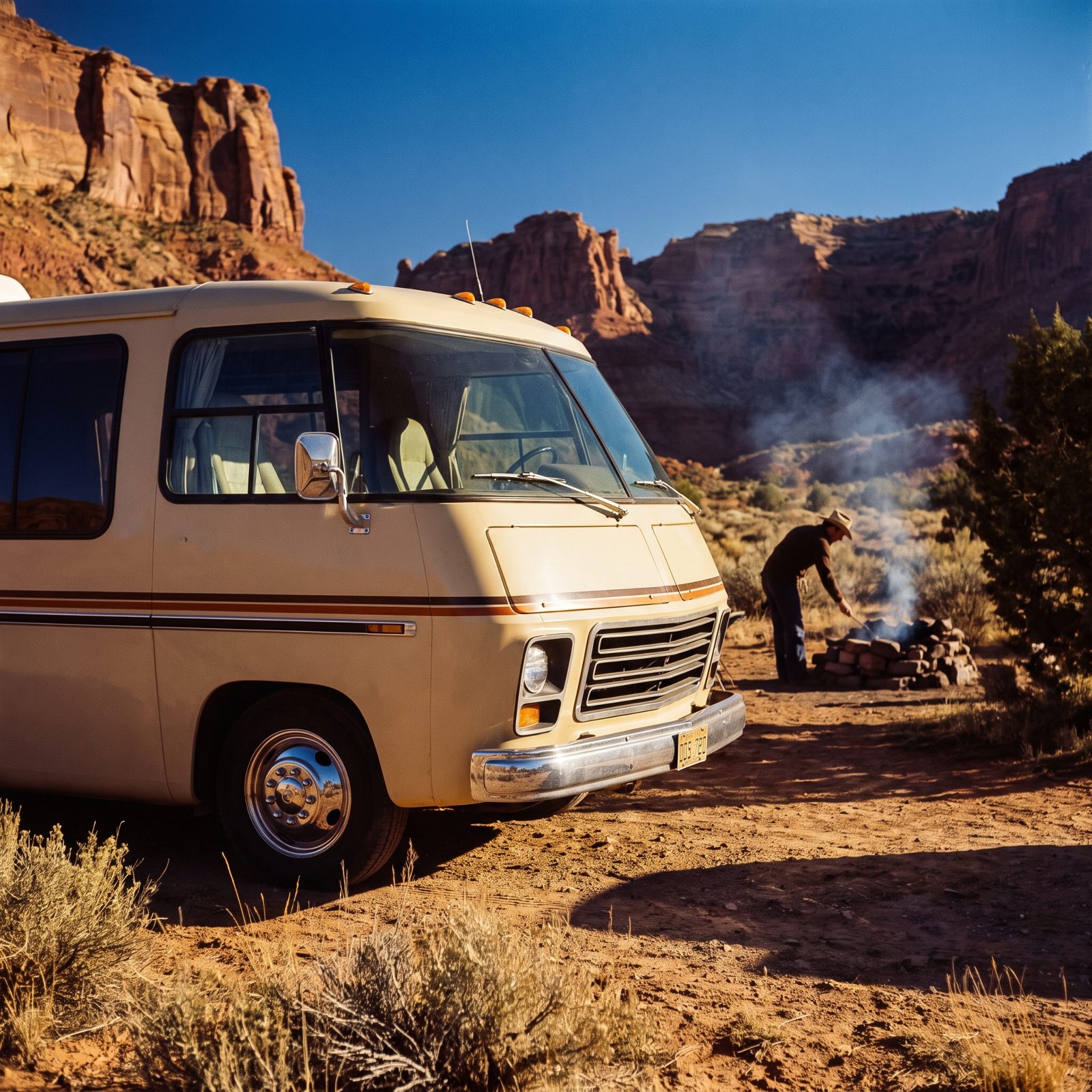
The Cortez had a trick the big coaches didn’t: front-wheel drive. That meant a flat floor and no driveshaft hump running through your living room. It was compact, it handled well, and it had a quiet engineering seriousness that appealed to the kind of people who read spec sheets for fun.
Clark Equipment built it, then it changed hands, then it drifted. By 1979 production had stopped for good. The Cortez was always a niche inside a niche, and niches that small rarely survive a decade this rough on the whole industry.
26. Superior: The School-Bus Builder Who Tried Motorhomes
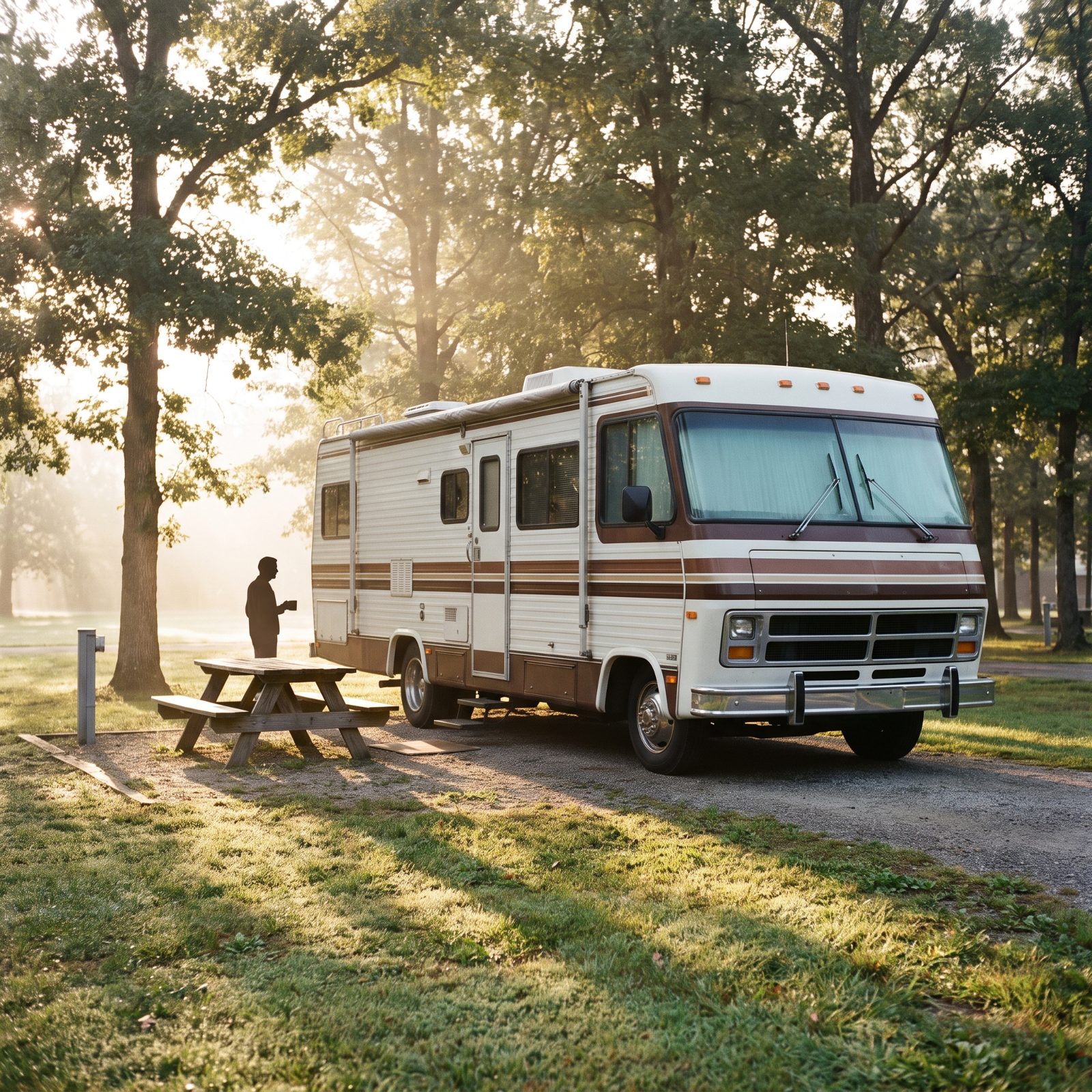
Superior knew how to build a bus. The question was whether that translated to building a home.
Best known for school buses and commercial coaches, Superior brought real chassis-building muscle to its motorhomes. They felt solid, planted, put together by a company that understood miles. For buyers who distrusted the flimsier fiberglass boxes flooding the market, that heft was the whole pitch.
Solid construction doesn’t win if nobody’s buying, though. Superior’s RV venture wound down in the early 1980s, and the company went back to what it did best. The buses outlasted the coaches by a long, long way.
25. Titan: The Distinctive Coach That Slipped Away at the Decade’s Turn
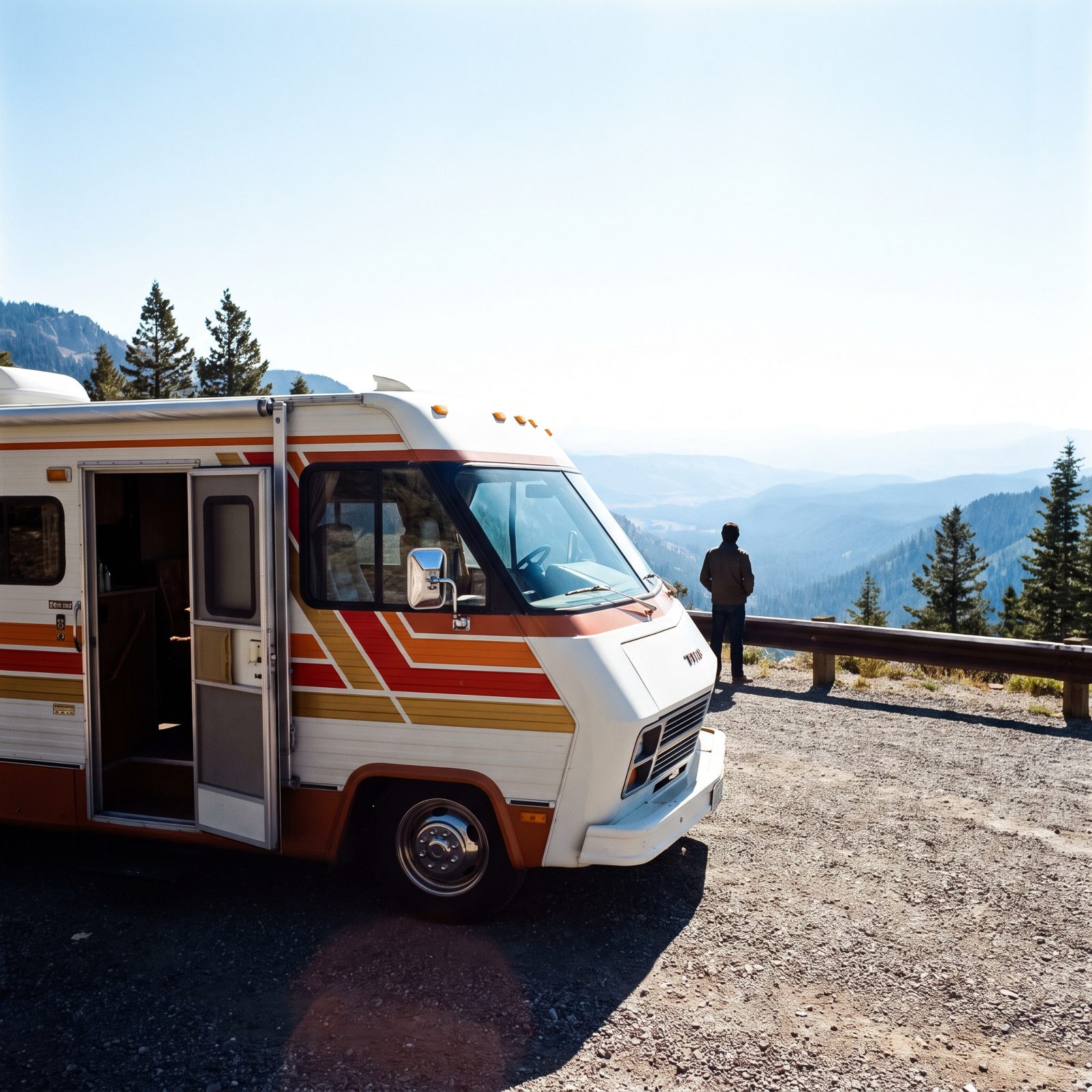
Titan had style. That angular front cap and those bold geometric stripes made it instantly recognizable on a crowded dealer lot, and in the seventies, standing out mattered when half the coaches rolling off the lines looked interchangeable.
Recognition isn’t survival, though. Titan was one of the many mid-size builders that couldn’t ride out the gas crises and the shrinking buyer pool, and it vanished around the turn of the decade. The name lives on mostly in old brochures and the occasional survivor that still turns heads at a fuel stop.
24. Bethany: The Family Pop-Up That Folded in 1980
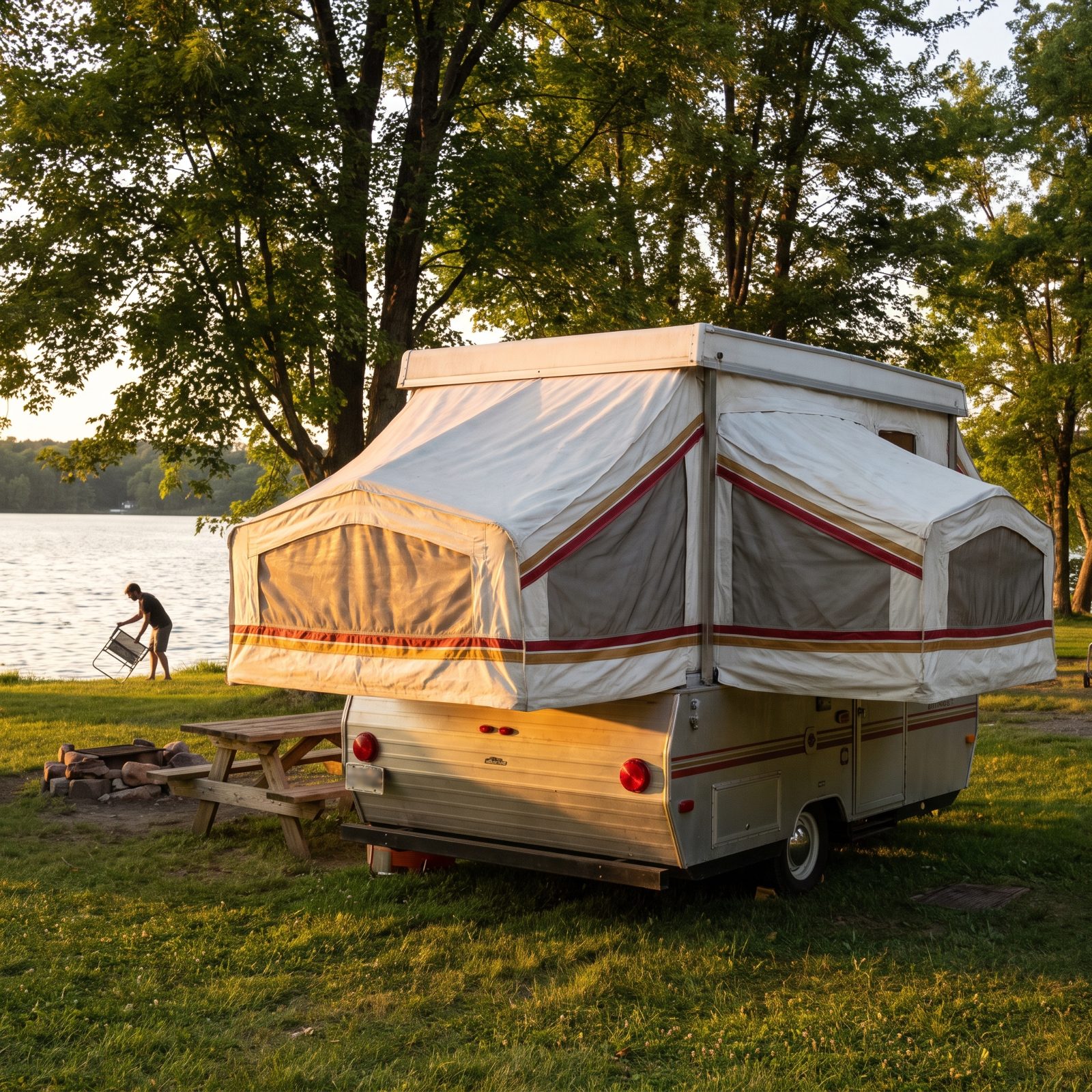
The pop-up was the family’s first rung on the camping ladder, and Bethany built them for exactly that buyer. Crank the roof, pull out the canvas bunks, and a trailer that towed like a flat box suddenly slept the whole family. Affordable, light, the kind of thing a dad could set up in ten minutes while the kids tore off toward the lake.
Bethany folded in 1980, which is a cruel verb for a pop-up company. The entry-level market got crowded fast, and smaller names got squeezed out by the bigger folding-camper builders who could undercut them on price.
23. Streamline: Airstream’s Polished-Aluminum Rival, Closed in 1974
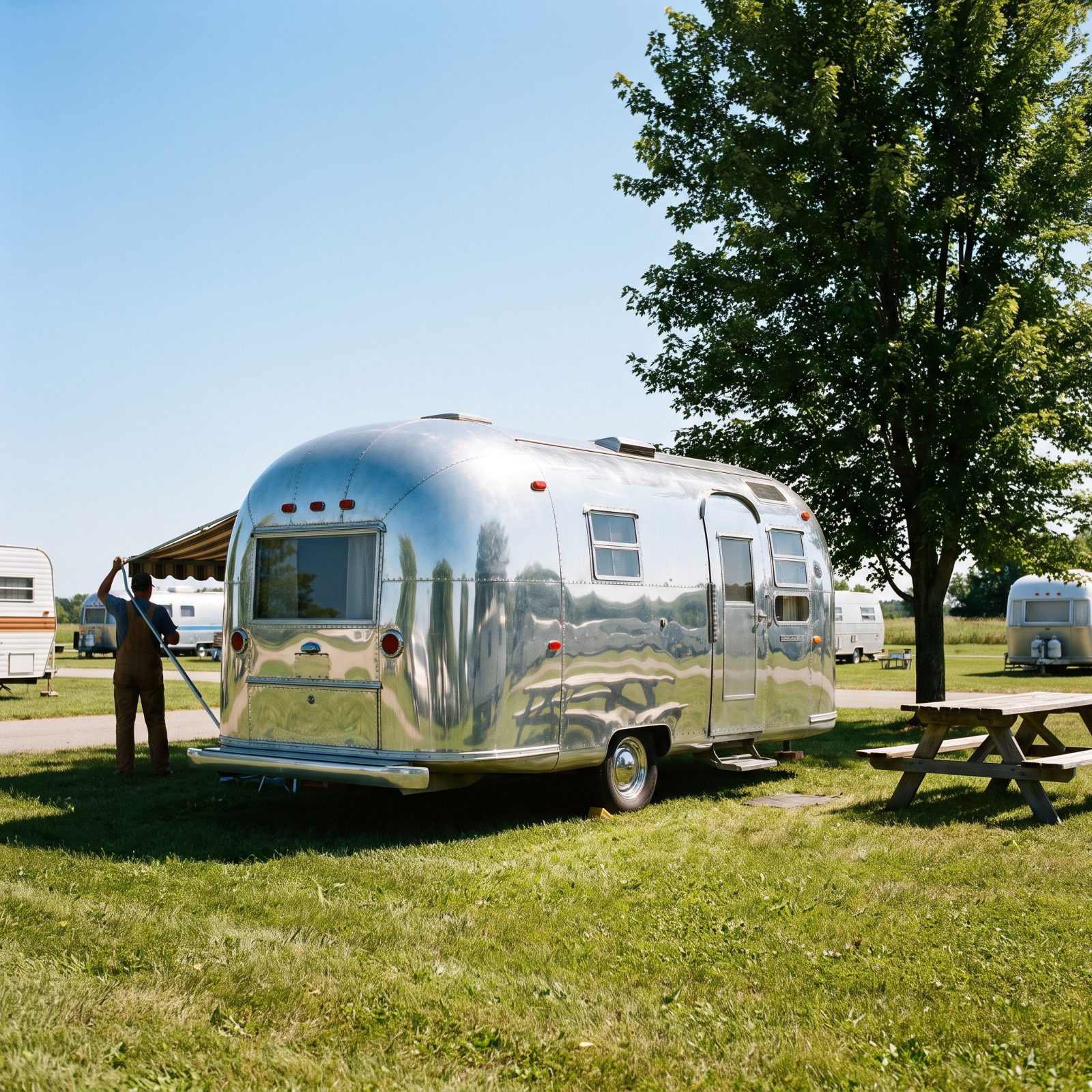
If you’ve ever squinted at a shining aluminum trailer and thought ‘Airstream,’ you might have been looking at a Streamline.
Streamline built riveted polished-aluminum trailers that went head-to-head with Airstream on looks and construction. The silhouette, the mirror skin, the whole aerospace-tube aesthetic. For buyers who wanted that iconic look without the famous badge, it was a real alternative.
Then it closed up in 1974, caught in the same fuel-crisis wave that hammered the whole luxury-trailer segment. Airstream endured. Streamline didn’t. But the survivors still shine exactly as hard, and more than a few owners have happily restored one knowing full well it isn’t the one everybody’s heard of.
22. Boles Aero: The Aircraft-Inspired Aluminum Trailer That Ended in 1980
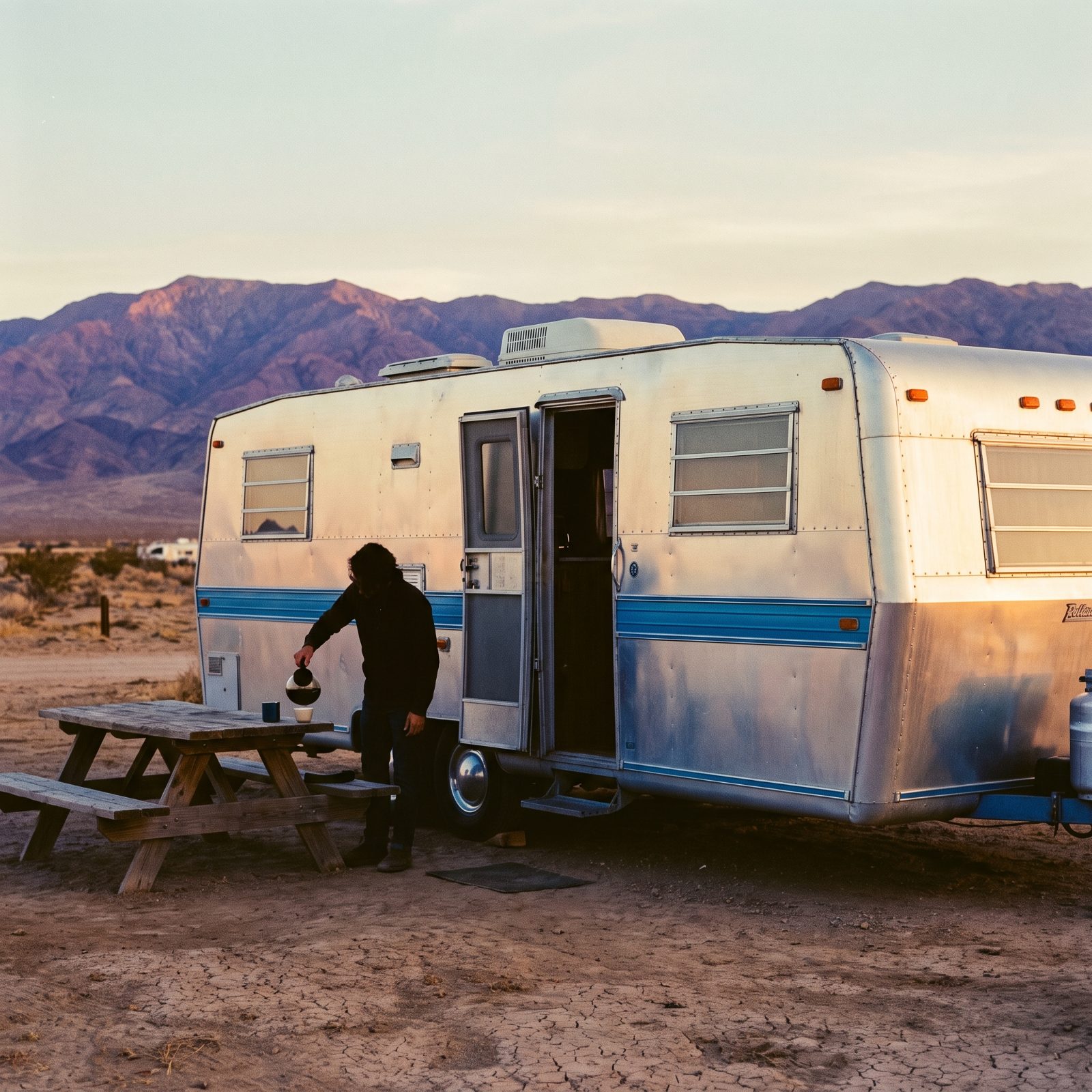
Boles Aero came out of California with aircraft construction in its DNA, and it showed. Riveted aluminum, lightweight framing, the kind of build quality that comes from people who thought hard about how metal behaves at speed. These were trailers built to last, and plenty of them have.
Production ended in 1980 after a long run. No flameout. Just a slow fade as the aluminum-trailer market consolidated and the handful of remaining builders got smaller. A well-kept Boles Aero today is a genuine find, and the ones that survived did so because they were overbuilt from the start.
21. Executive: The Upscale Coach Monaco Kept Alive as a Model Name
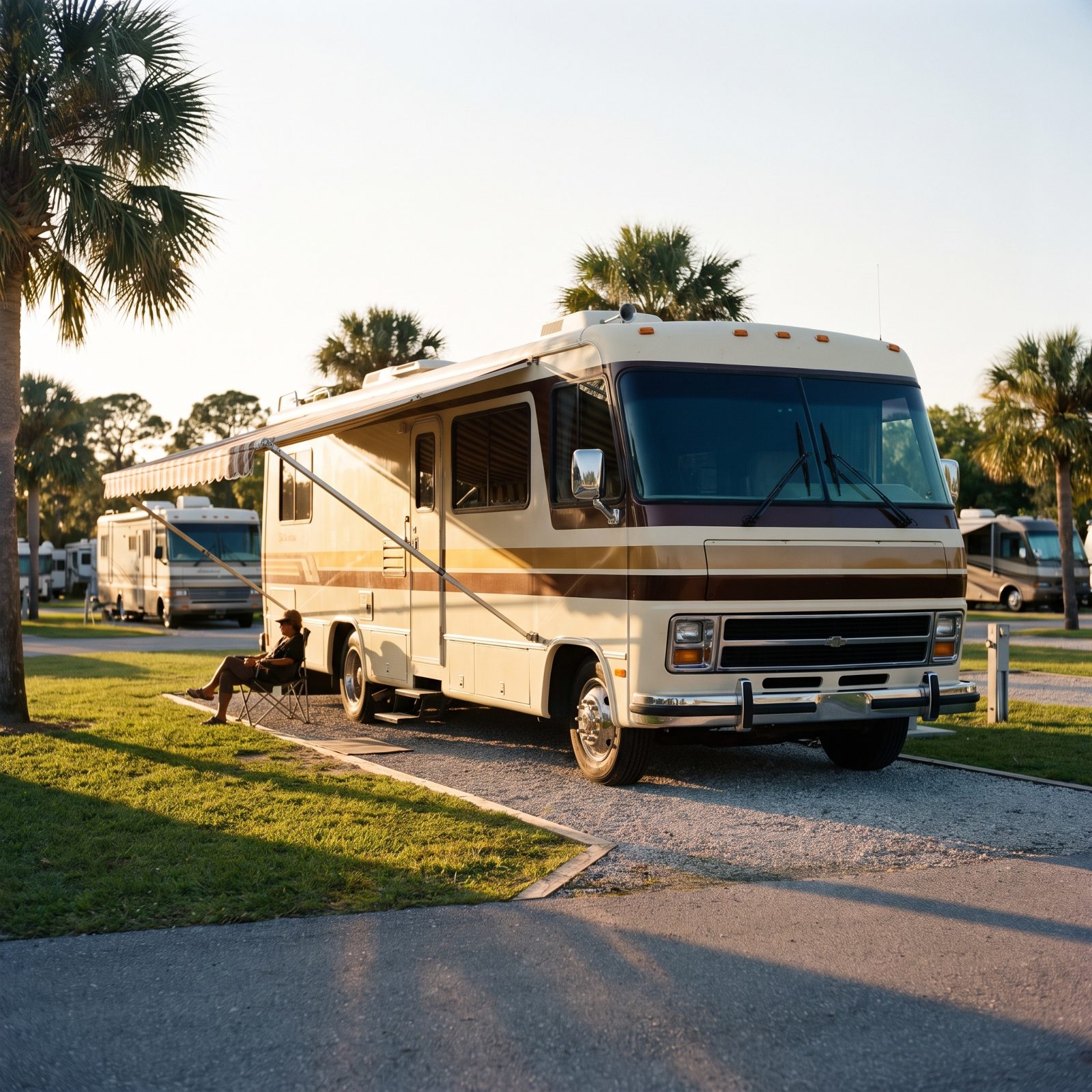
Not every vanished brand actually died. Some just got absorbed and kept breathing under someone else’s roof.
Executive built upscale motorhomes aimed at buyers who wanted more coach than the mainstream brands offered. Bigger, plusher, pitched at the top of the market where margins ran better and competition thinner.
Here’s the interesting part. Rather than disappearing outright, the Executive name got carried forward by Monaco as a model line, which is a softer fate than most on this list got. The badge survived even after the independent company behind it didn’t. In the RV world, that counts as a happy ending.
20. Revcon: The Aircraft-Style Motorhome That Held On Until 1990
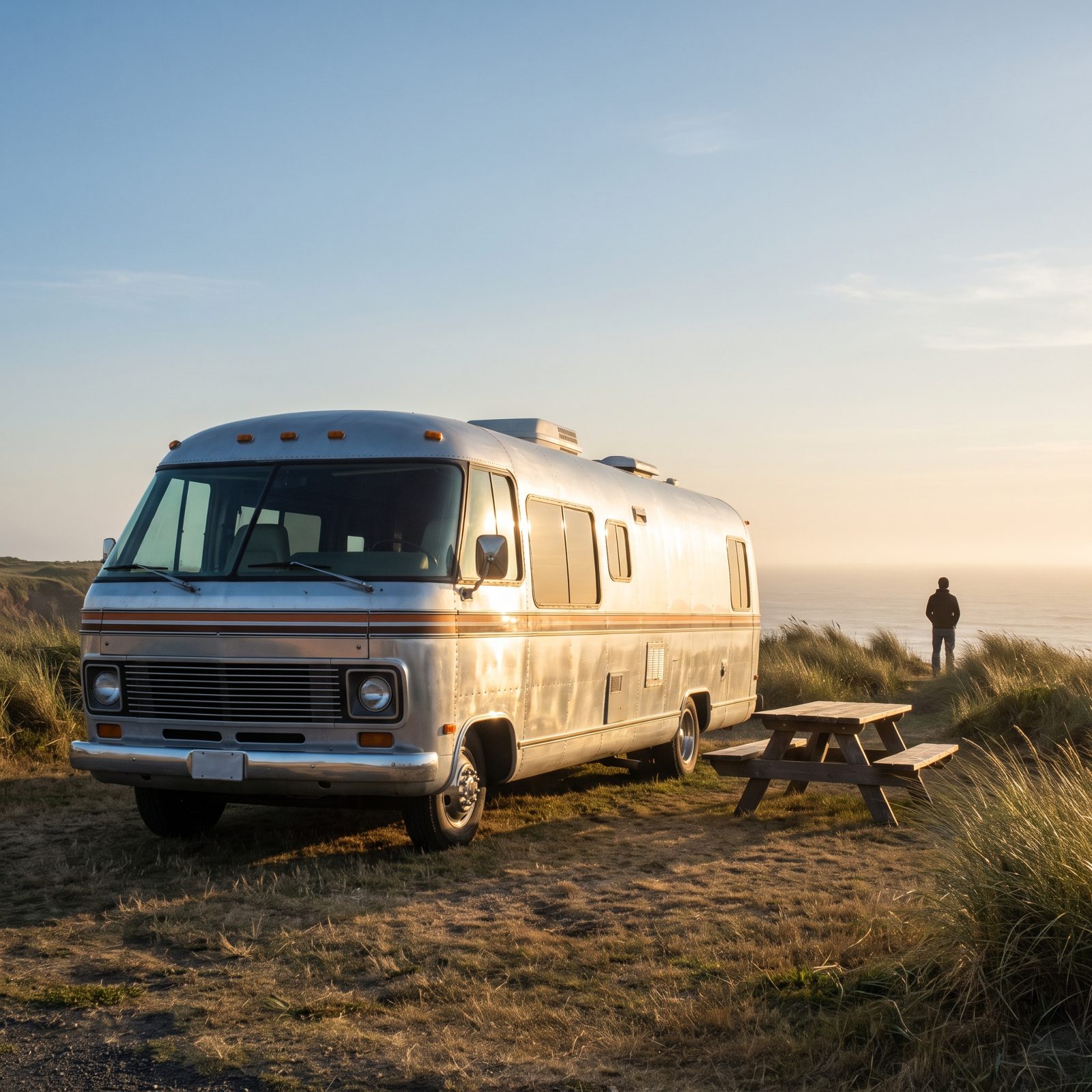
Revcon pushed the aircraft idea further than almost anyone. Riveted aluminum body, front-wheel drive, a low shape that looked like it wanted to take off rather than tow. Clever, fast, and backed by a loyal following that cared more about how a thing was built than about running with the crowd.
That devotion bought it time. Revcon outlasted most of the names here, running all the way to 1990 before production stopped, and even then the brand resurfaced in later attempts. For a company building something this unusual, that’s a long, stubborn run.
19. Travco: The Molded-Fiberglass Dodge Motorhome That Reached the End Around 1980
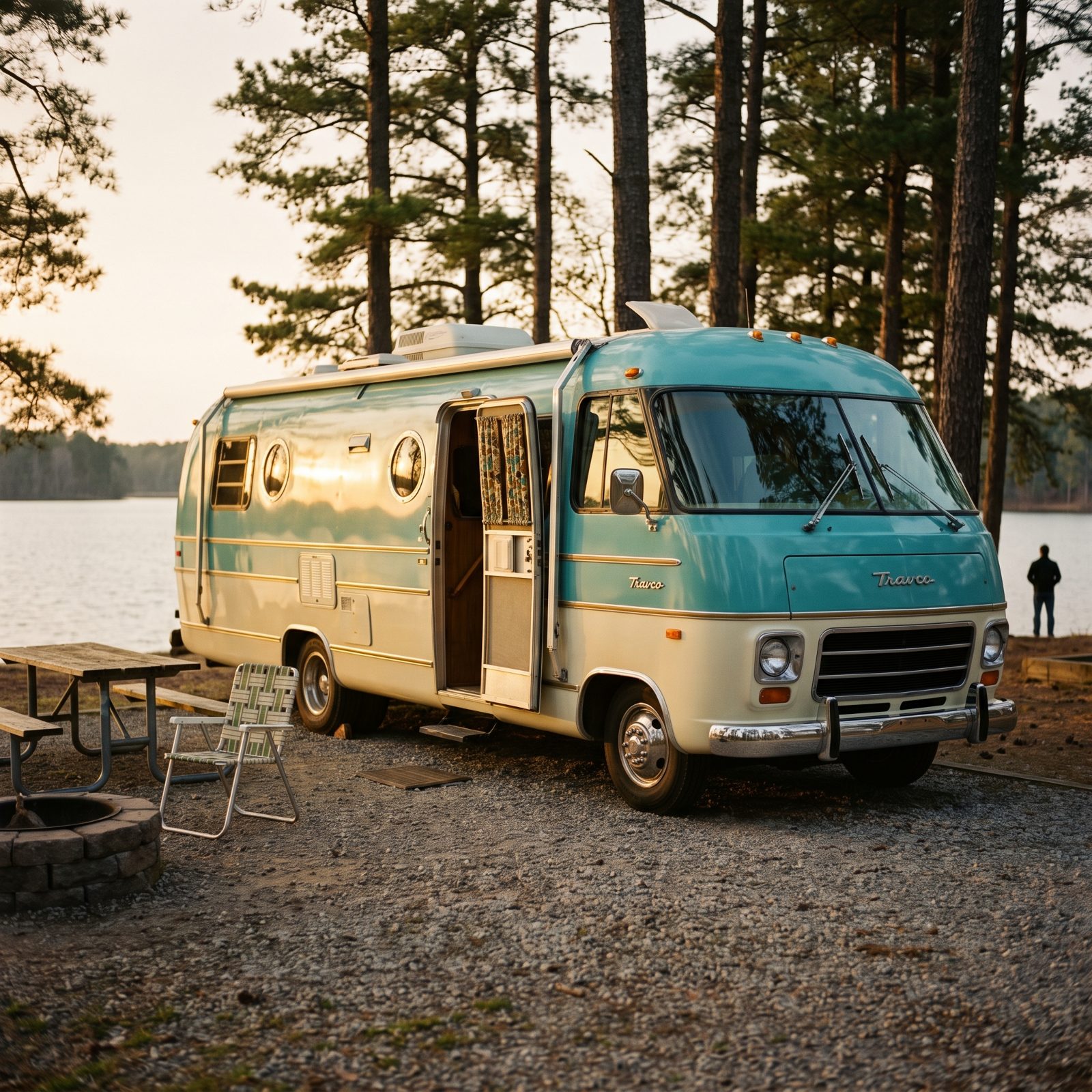
Here was a motorhome that looked like nothing else on the road, and that was by design. The Travco wrapped a seamless molded-fiberglass body around a Dodge chassis back when most coaches were still stapled and riveted boxes, and the curved shell gave it a shape people either loved or found deeply strange. There was no in-between.
Dodge pulling out of the motorhome chassis business eventually left Travco without a foundation to build on, and the brand wound down around 1980. The surviving coaches still turn heads at rallies, partly because the fiberglass has aged better than almost anything built alongside it.
18. Barth: The Riveted-Aluminum Coach Builder That Closed in 1998
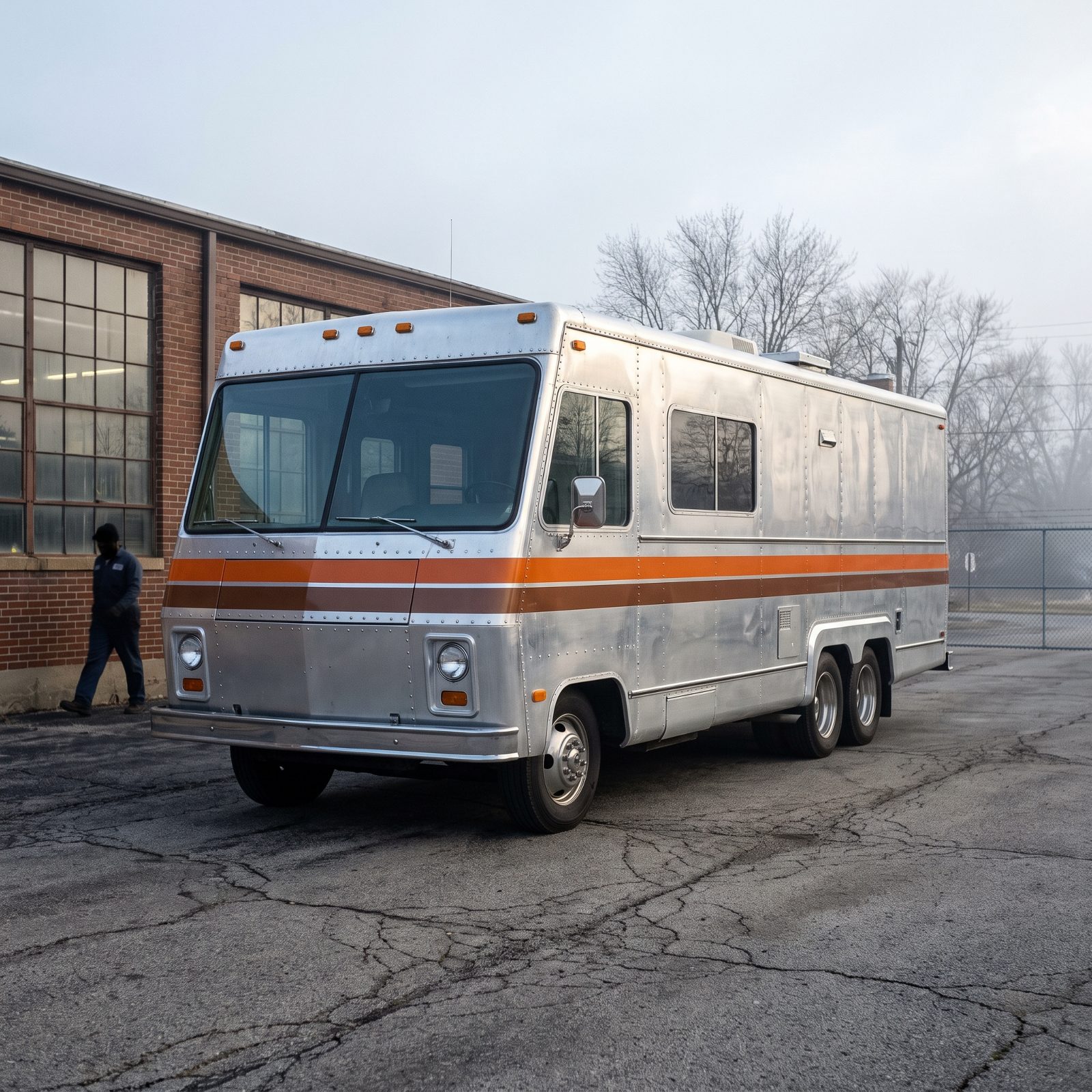
Barth coaches were built by hand, and you can see it in the rivets — thousands of them, marching down the aluminum sides in neat rows. The company didn’t chase volume. It chased buyers who wanted something closer to a custom order than an assembly-line product.
That approach bought Barth a loyal following and a reputation for coaches that simply refused to fall apart. It also left the company exposed when the market shifted toward cheaper, faster-to-build rigs. Barth closed its doors in 1998. Owners still swap parts and pass down restoration tips, and a well-kept Barth from the ’70s can outlast motorhomes built decades later.
17. Apache: The Solid-Wall Folding Camper That Disappeared in the 1980s
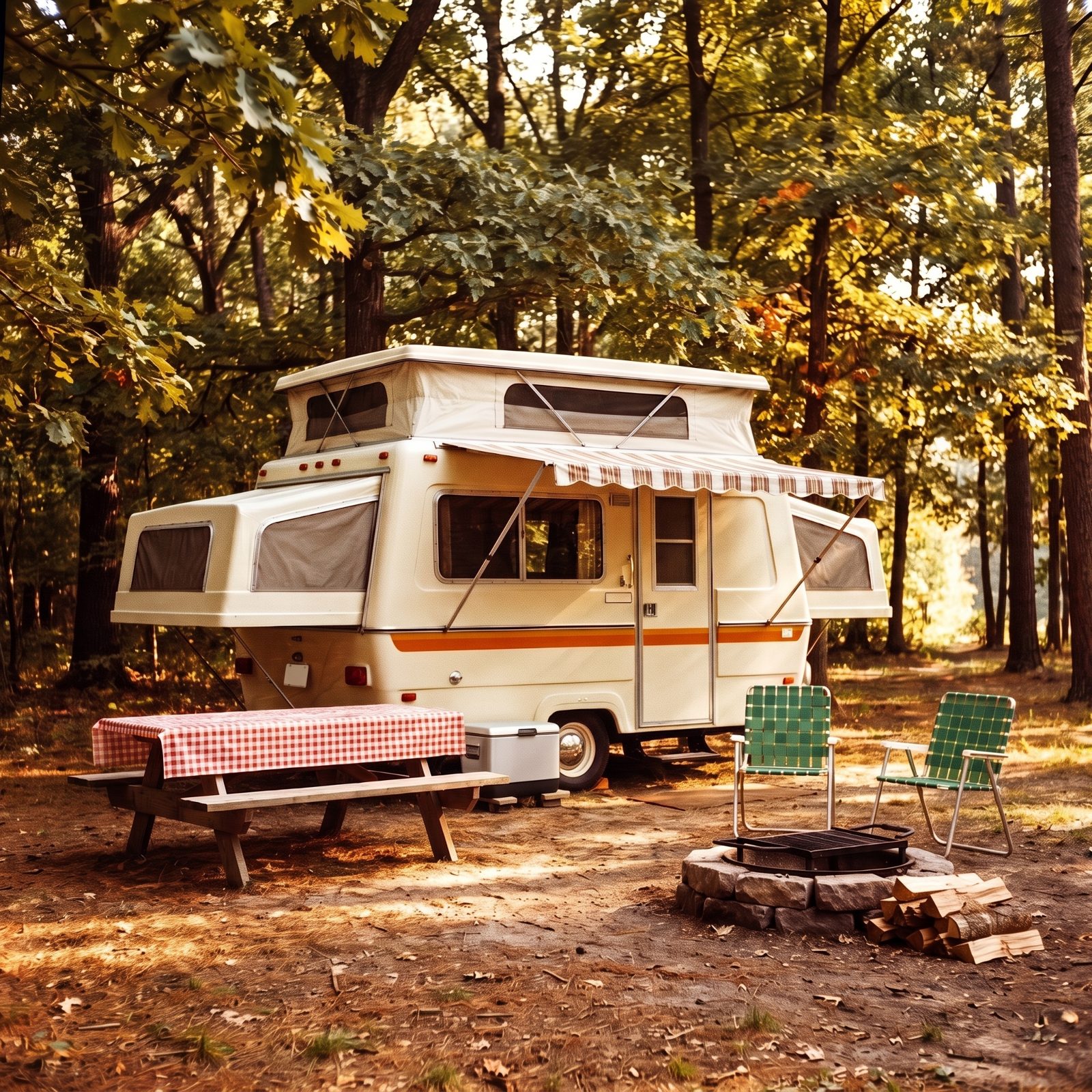
Most folding campers meant canvas — and canvas meant leaks, mildew, and a tent-sized difference between you and whatever the weather felt like doing. Apache went a different direction with a solid hard-sided lower body, a full-size entry door and an awning, keeping canvas for the pop-up roof section and the fold-out bunk ends and giving campers something closer to a little cabin than a glorified tent on wheels.
It was a genuinely clever idea, and for a while it sold well. Then the folding-camper market softened in the 1980s and the company couldn’t hold on. Apache faded out, but its hard-sided lower body is exactly why collectors still hunt these down. Nobody misses mopping condensation off a tent ceiling at 6 a.m.
16. Trillium: The Canadian Fiberglass Trailer Whose Name Outlived Its Original Factory
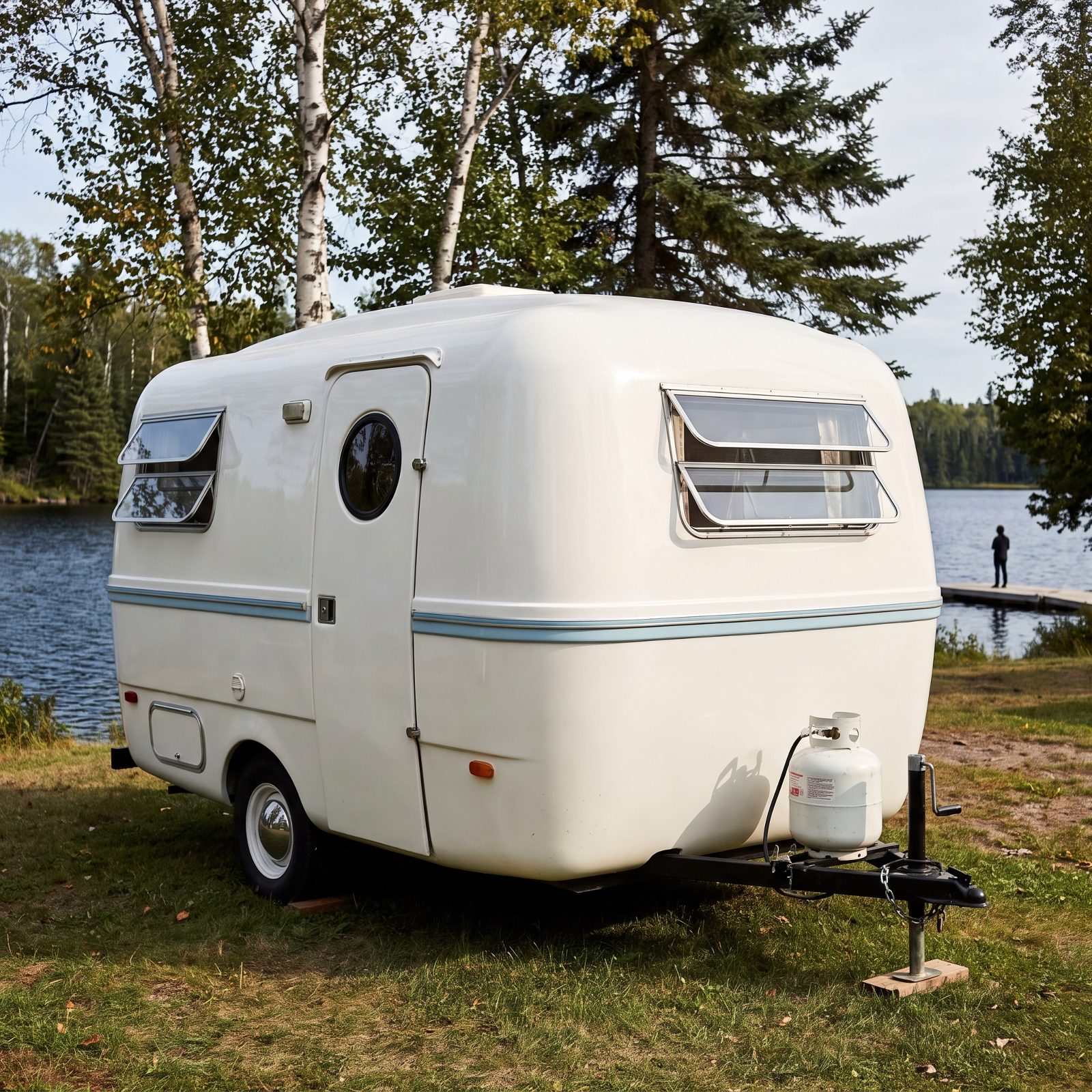
The Trillium came out of Canada as a small, egg-shaped fiberglass trailer light enough for a modest sedan to pull without complaint. Two molded halves bonded together, a curved front, a shell that shrugged off decades of winters — that was the whole pitch, and it worked.
The original factory didn’t last, but the Trillium name kept resurfacing under different owners, which tells you something about how much people wanted these little trailers. Used ones still command stubbornly high prices. A good fiberglass egg doesn’t rust, doesn’t rot, and barely seems to age, so the demand never really went away.
15. Burro: The Molded-Fiberglass Trailer Brand That Ceased Production in the Early 2000s
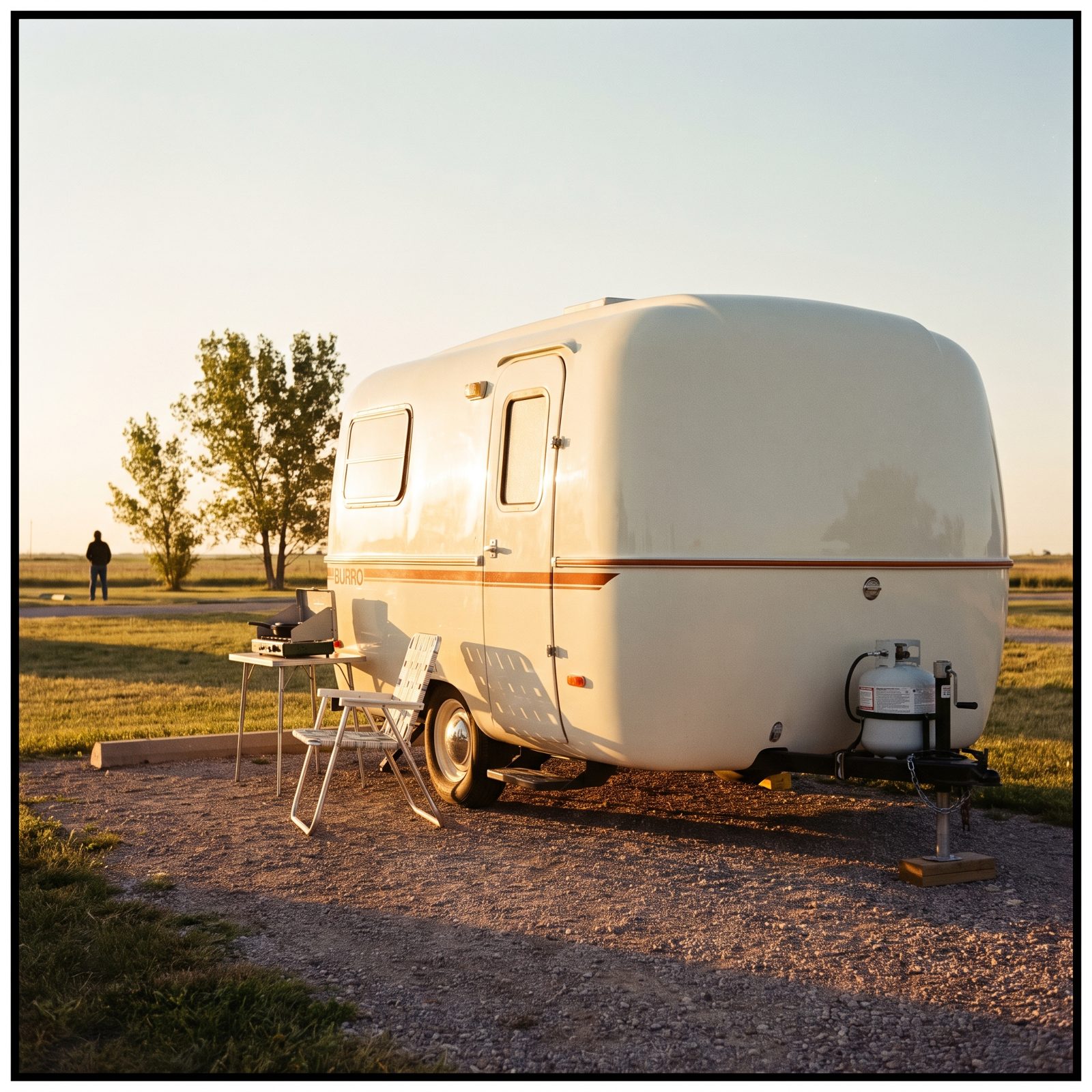
Burro belonged to the same family tree as the other molded-fiberglass eggs: light, compact, and built from two bonded halves. What set it apart was a no-nonsense, affordable approach that drew in budget-minded campers who wanted the durability of fiberglass without paying a premium for a name.
Production ran until the early 2000s before the brand stopped. And here’s the part that surprises people new to the fiberglass-trailer world — a used Burro can hold its value better than plenty of trailers built this year. These things just don’t wear out.
14. Serro Scotty: The Small-Trailer Favorite That Closed, Then Returned Under New Ownership
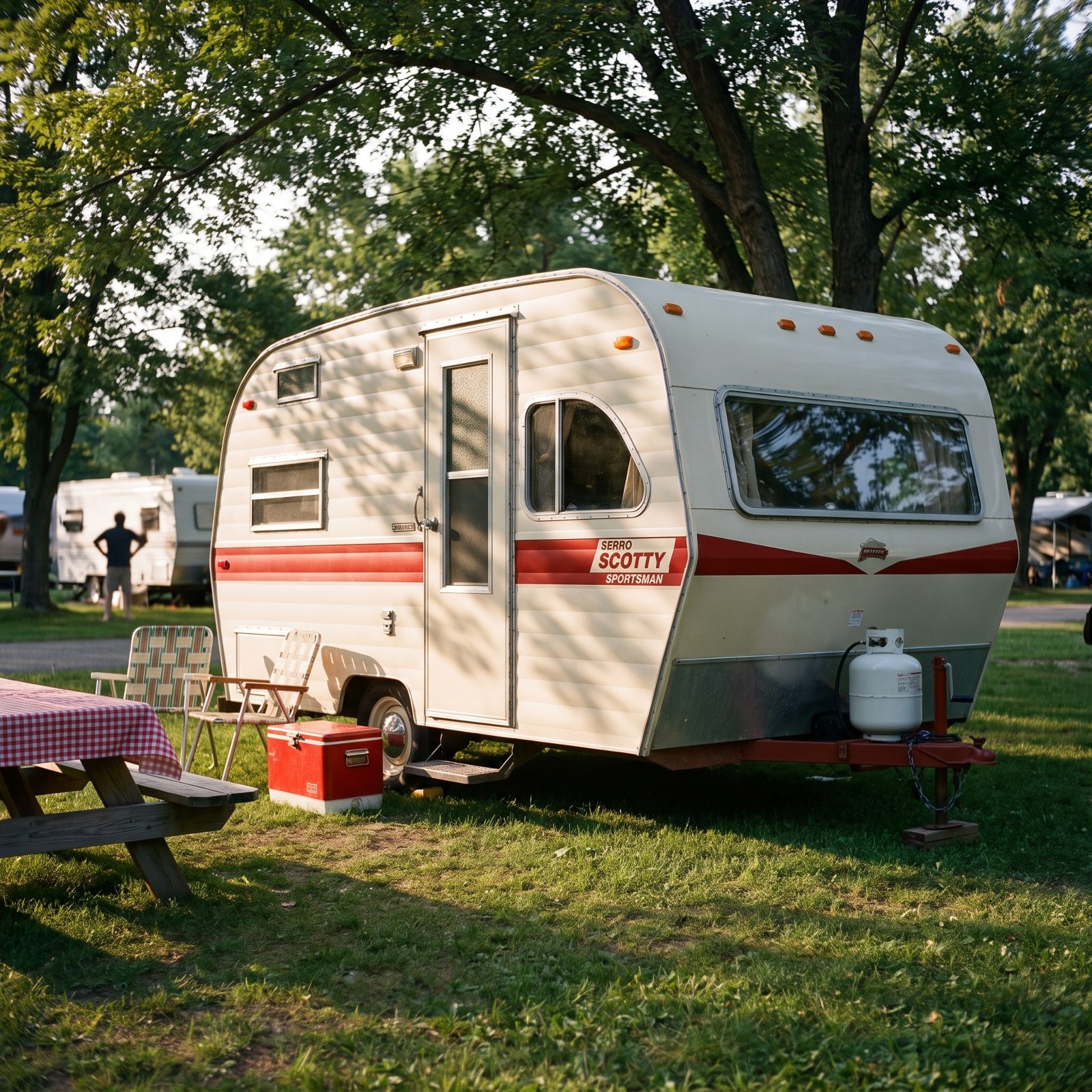
If you camped anywhere in America in the 1960s and ’70s, you saw a Serro Scotty. They were small, affordable, and friendly-looking — that teardrop-shaped front window alone made them instantly recognizable in a crowded campground loop. Families bought them by the thousands because they were just the right size for a weekend and gentle on the wallet.
The original company eventually closed. But the name meant too much to too many people to simply vanish, and new ownership brought it back. Vintage Scottys remain some of the most restored and most beloved small trailers out there. There’s a whole subculture built around keeping these little things on the road, and it shows no sign of slowing down.
13. Avion: The Aluminum Trailer Brand Fleetwood Bought and Later Discontinued
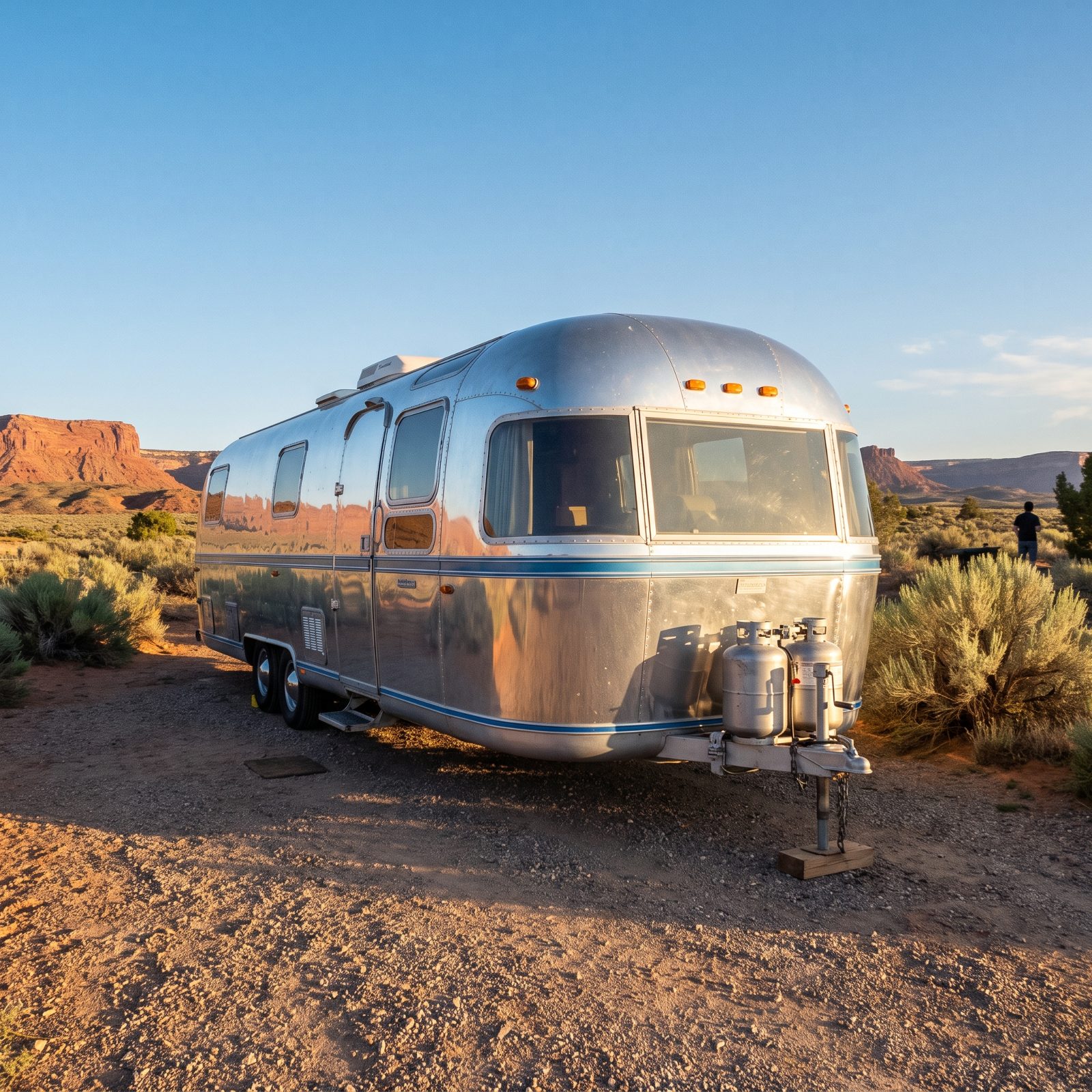
Avion built polished-aluminum trailers so clearly in Airstream’s territory that people regularly mistook the two from a distance. The difference was in the details. Avion owners tended to insist their trailers were built better, with heavier aluminum and finishing that felt a notch above, and they’d argue the point all day if you let them.
Fleetwood bought the brand and eventually discontinued it, which is how a lot of these stories end. The trailers themselves kept rolling. A polished riveted shell doesn’t care who owns the company name, and today a restored Avion is a rare, gleaming reward for anyone willing to track one down.
12. Lazy Daze: The Direct-Sale Motorhome Builder That Closed in 2022
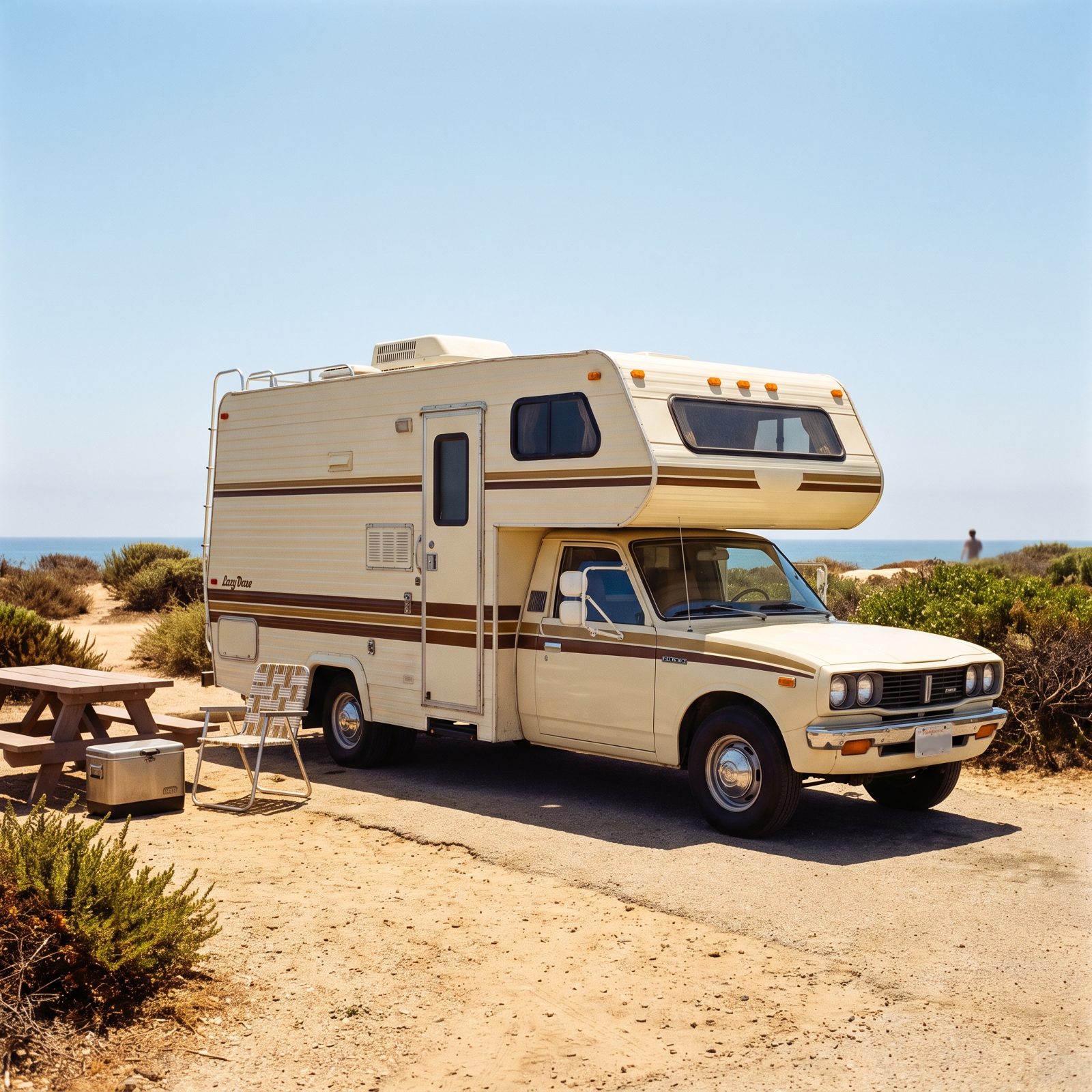
Lazy Daze did almost everything differently. Based in Southern California, the company sold its Class C motorhomes directly to buyers instead of going through a dealer network, which kept quality tight and the middleman out of it. People bought a Lazy Daze knowing exactly who built it and how.
That loyalty ran deep — deep enough that the 2022 closure hit the community hard. Owners talk about these coaches the way some folks talk about a trusted old pickup. On the used market, a clean Lazy Daze still sells fast, because the people who understand what they’re getting don’t wait around.
11. Beaver: The Oregon Luxury-Coach Brand Lost After Monaco’s 2009 Bankruptcy
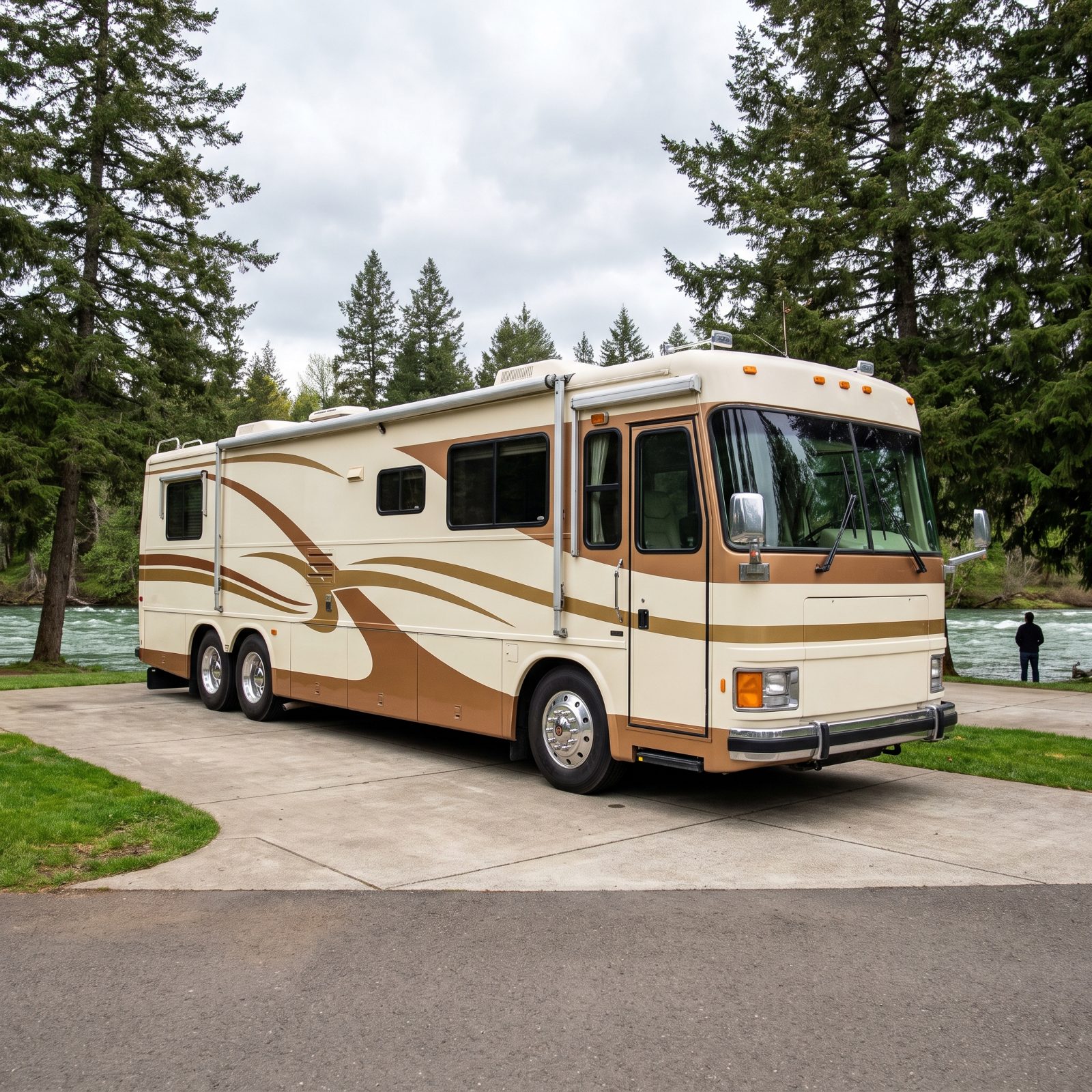
Beaver came out of Oregon with a focus on luxury, and it earned a name for coaches built a cut above the usual Class A. Quality construction, serious comfort, full-body paint when that still meant something — this was a brand aimed at buyers who wanted the good stuff.
Then came the Monaco bankruptcy in 2009, and Beaver was one of the casualties. The brand didn’t survive the fallout. The coaches did, though. Owners who’ve traveled thousands of miles in a Beaver tend to hang onto them, and you can still spot one at a resort now and then, aging with a dignity that’s hard to fake.
10. Country Coach: The Luxury Diesel-Pusher Builder Whose Assets Went to Winnebago
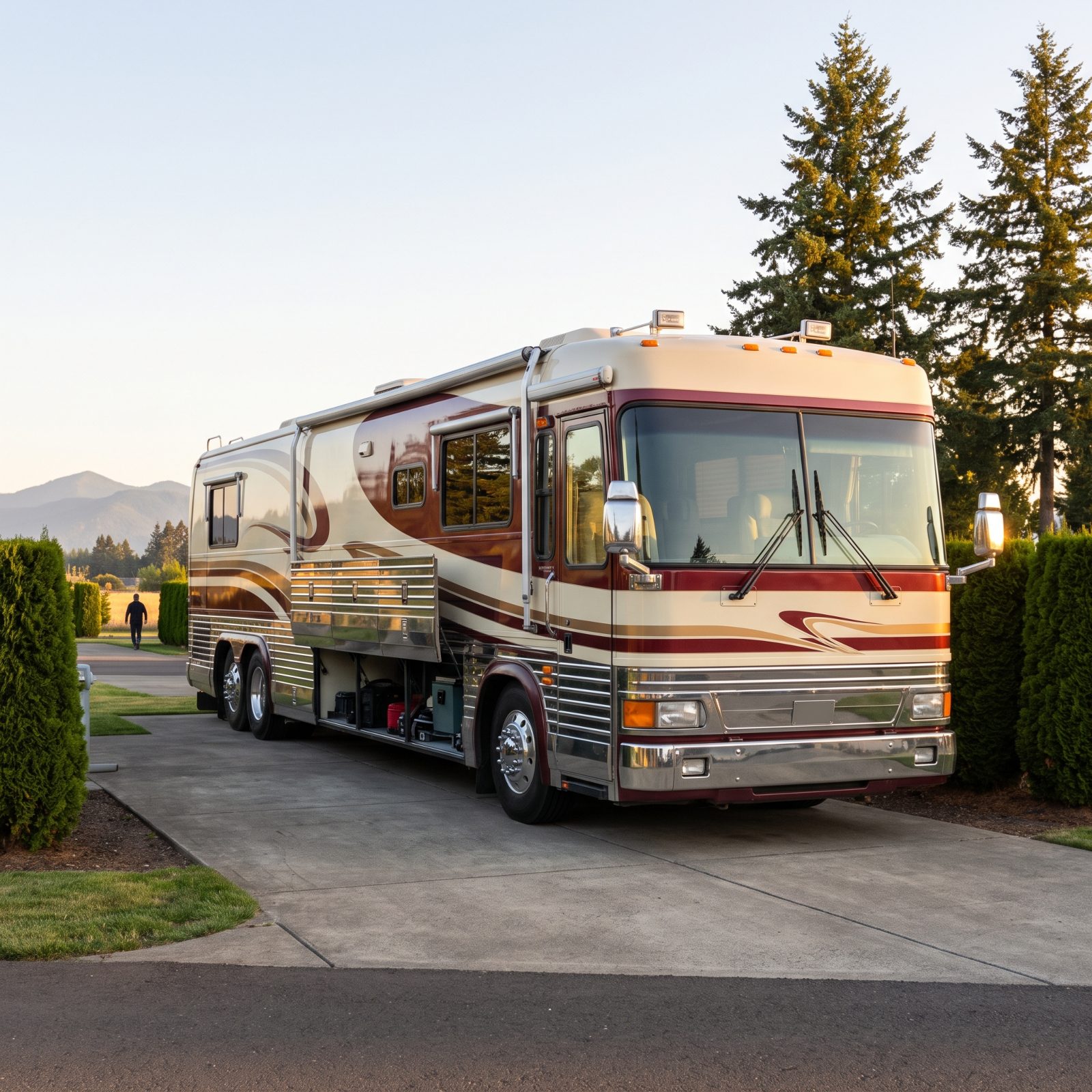
For a long stretch, Country Coach was one of the names people dropped when they talked about high-end diesel pushers. Built in Oregon, these were big, powerful, luxurious Class A motorhomes that aimed straight at the top of the market and hit it.
The company didn’t make it through the downturn, and its assets eventually landed with Winnebago. The coaches, meanwhile, are still out there doing what they were built to do — rolling down the interstate in serious comfort. Owners cherish them, and a well-maintained Country Coach remains a genuine piece of luxury-RV history. The badge may be gone, but the road doesn’t know that.
9. National RV: The Dolphin Maker That Didn’t Make It to 2008
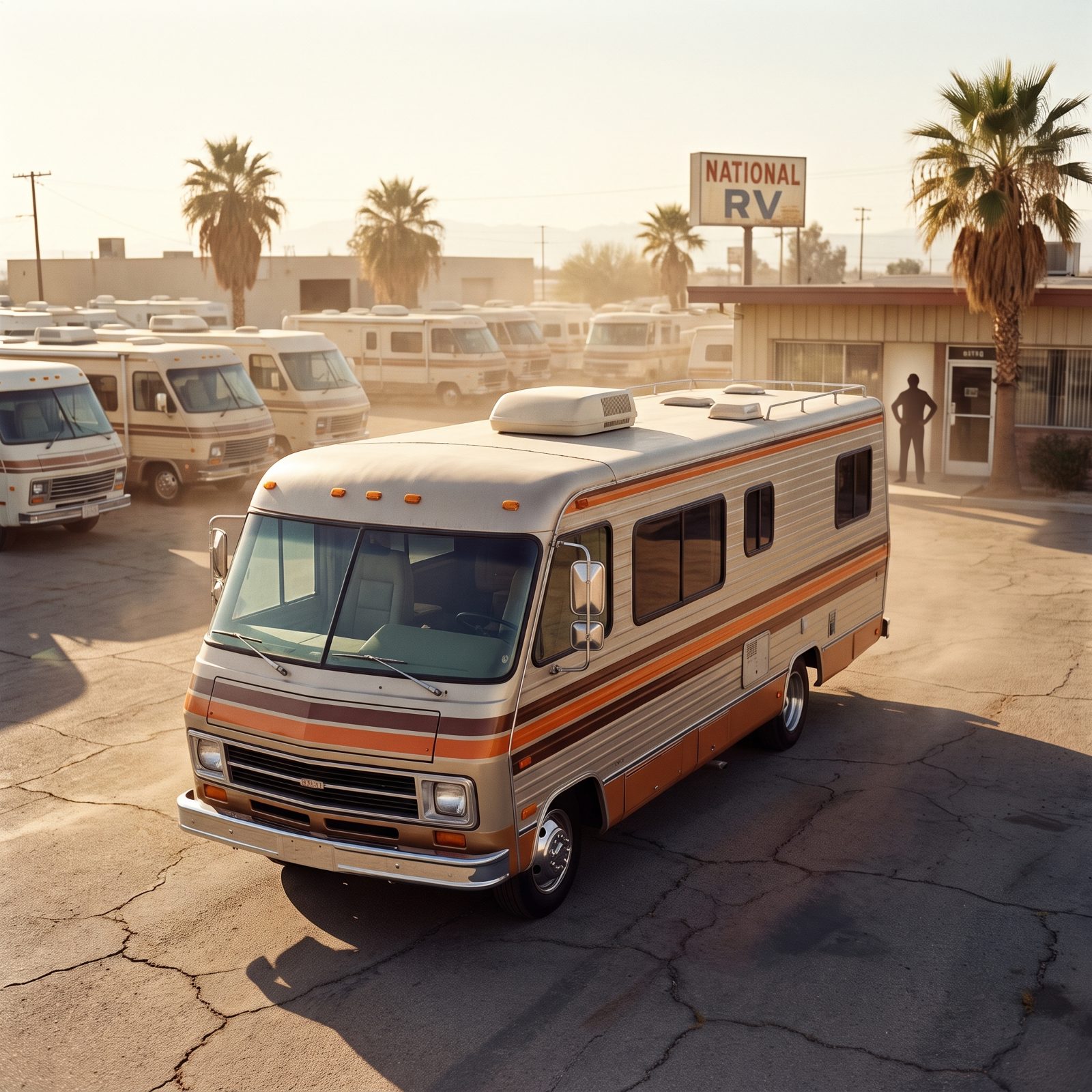
Perris, California built these for decades, and the Dolphin was the one families actually remembered. A Class A you could afford, parked in a thousand driveways with the hose coiled underneath and the awning half-cranked.
National RV Holdings ran strong into the 2000s, then the whole thing came apart fast. Fuel prices climbing, the credit market seizing up, buyers who just stopped walking onto lots. The company filed Chapter 11 in late 2007 and liquidated the following year, and the Dolphin name went quiet for good.
8. Chinook: The Little Motorhome That Came Back From the Dead
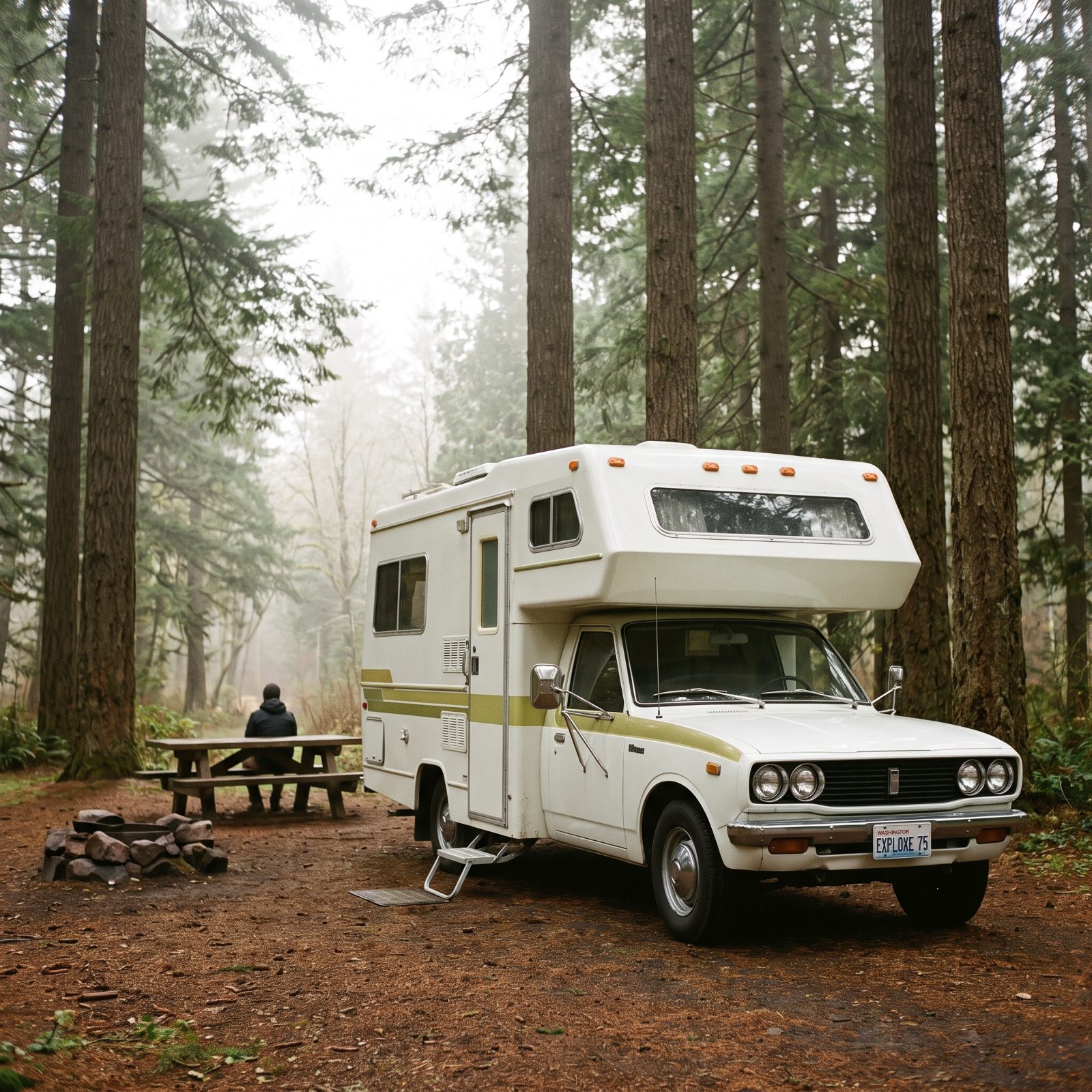
Small, clever, and built in Yakima, Washington. The Chinook was the compact rig for people who wanted to tuck into a tight forest site instead of dominating a parking lot.
Then the original operation wound down, the factory closed, and the name sat dormant for years. And then it came back. New ownership revived Chinook as a builder of small Class C and Class B-style motorhomes, going after the same buyer the brand always had: somebody who wants a camper that actually fits down a real road. A rare second act in a business that usually just ends.
7. Bigfoot: The Fiberglass Trailer Brand That Closed, Then Reopened
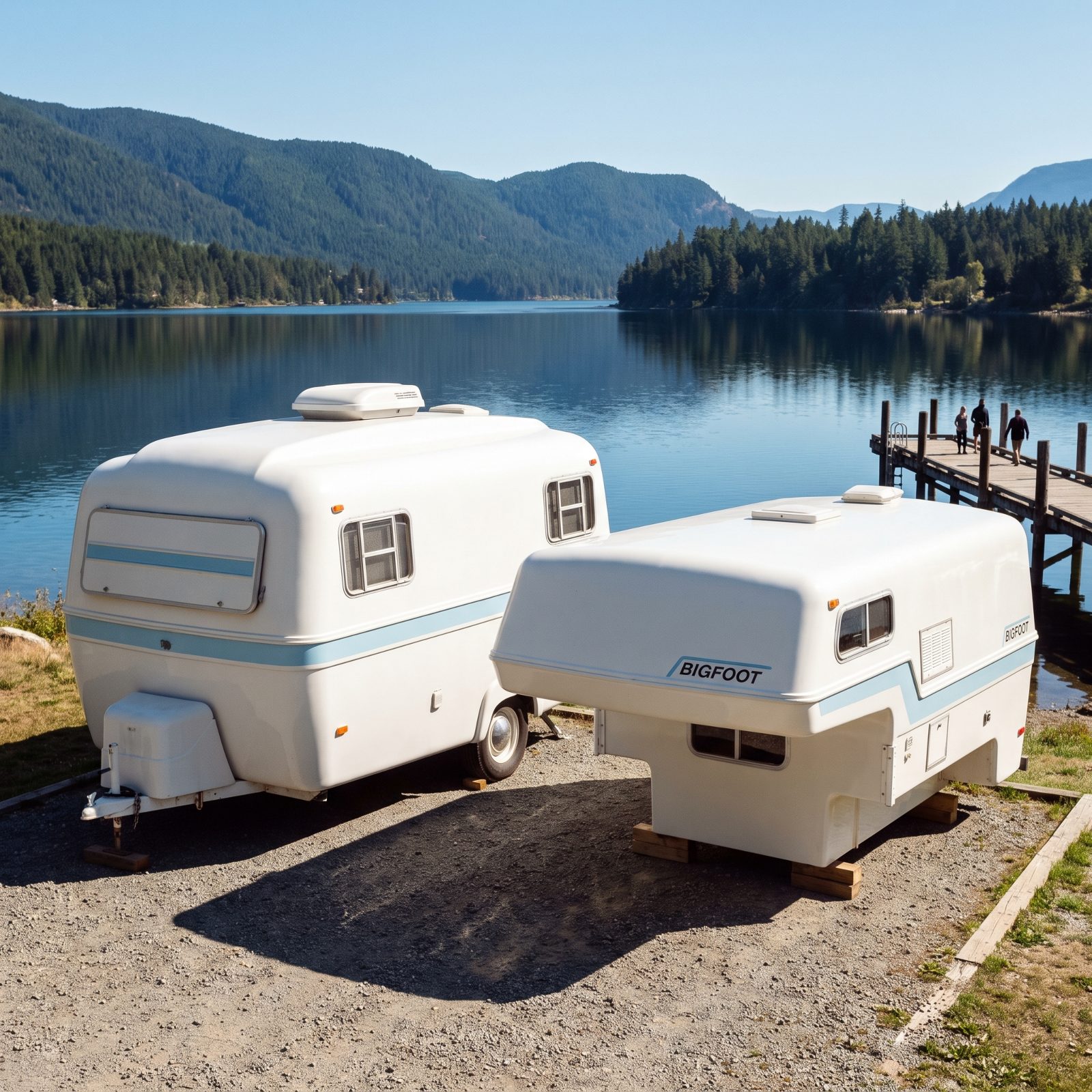
Molded fiberglass, built tough for cold climates, out of British Columbia. Bigfoot earned a cult following among people who camp where it actually gets cold — the kind who notice how well a wall holds heat at two in the morning.
The original company shut down in 2008 when the market cratered. That should have been the end. It wasn’t. The brand resumed production under new ownership and kept turning out fiberglass trailers and truck campers to the same reputation, because the loyal owners never really let it die.
6. Foretravel: The Texas Motorcoach That Outlived Everyone Who Doubted It
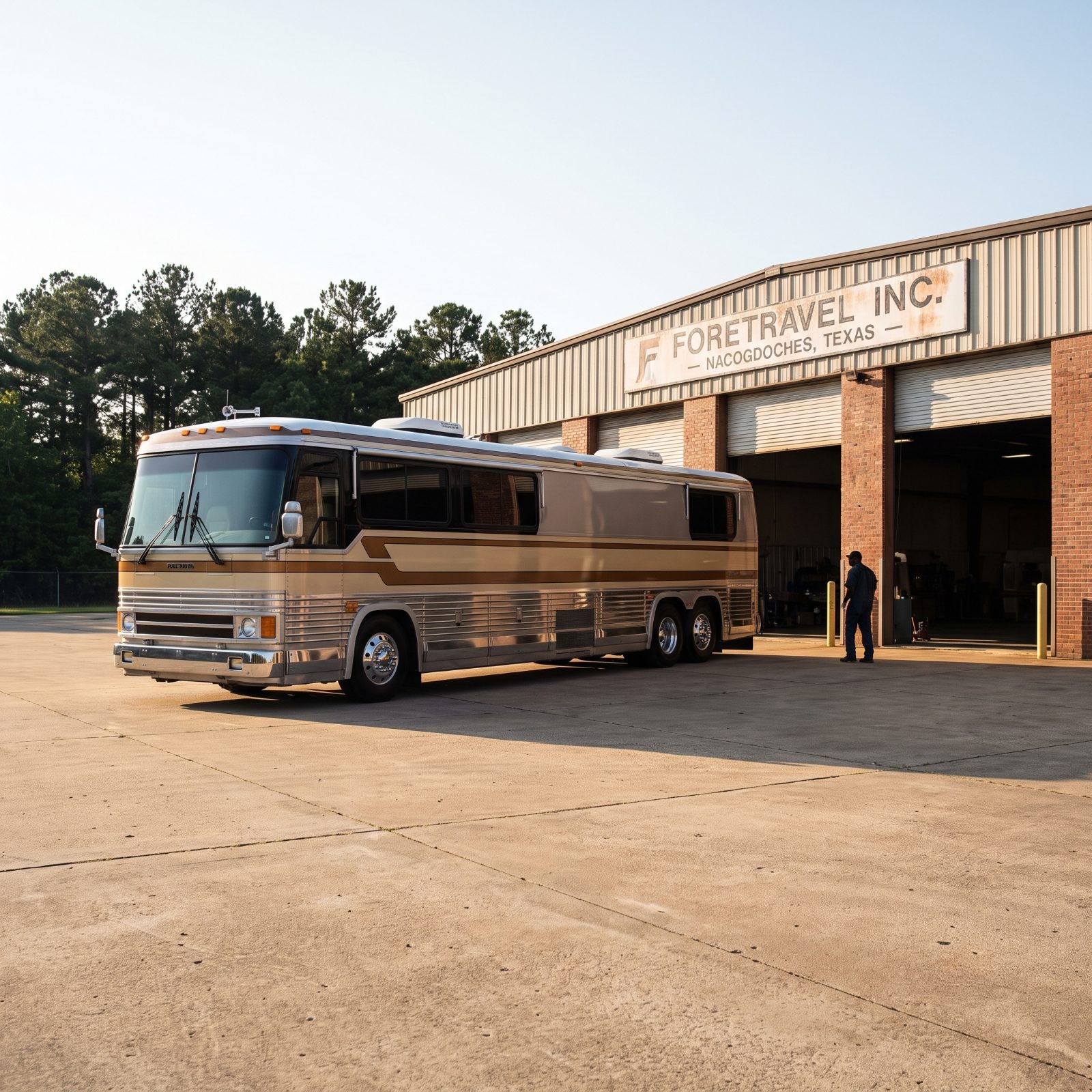
Nacogdoches, Texas. Foretravel built high-end motorcoaches for buyers who wanted a house that happened to drive, and they built them well enough that forty-year-old units still roll into rallies under their own power.
The company hit financial trouble and changed hands, which usually finishes off a niche luxury builder. Foretravel survived it. New ownership kept the brand producing premium coaches, and the old units became prized among the folks who restore them and live in them full-time. Longevity is rare in this corner of the industry. Foretravel has it.
5. Blue Bird Wanderlodge: The School-Bus Company That Built a Rolling Mansion
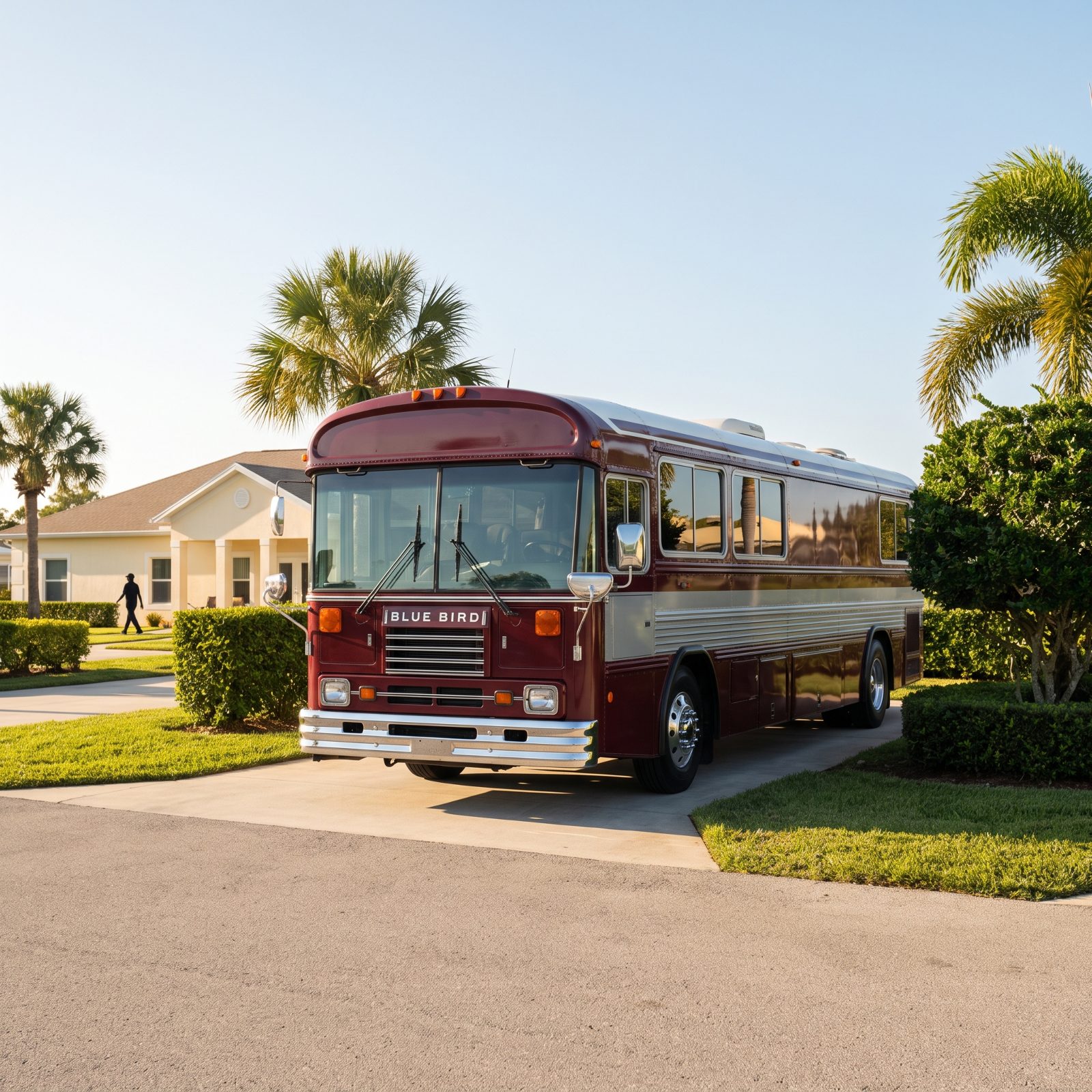
Blue Bird built school buses. Then somebody took that heavy steel bus body and turned it into the Wanderlodge, a luxury coach for people who wanted something that felt like it could survive a train wreck.
And that was the appeal. These things were overbuilt past the point of reason, which is exactly why owners still baby them. The Wanderlodge name ran for decades before production ended in 2009. The buses outlived the factory, which tells you everything about how they were put together.
A Wanderlodge owner doesn’t buy a coach. They inherit a project they’ll never finish, and they love it.
4. GMC Motorhome: General Motors’ Front-Wheel-Drive Classic, Gone After 1978
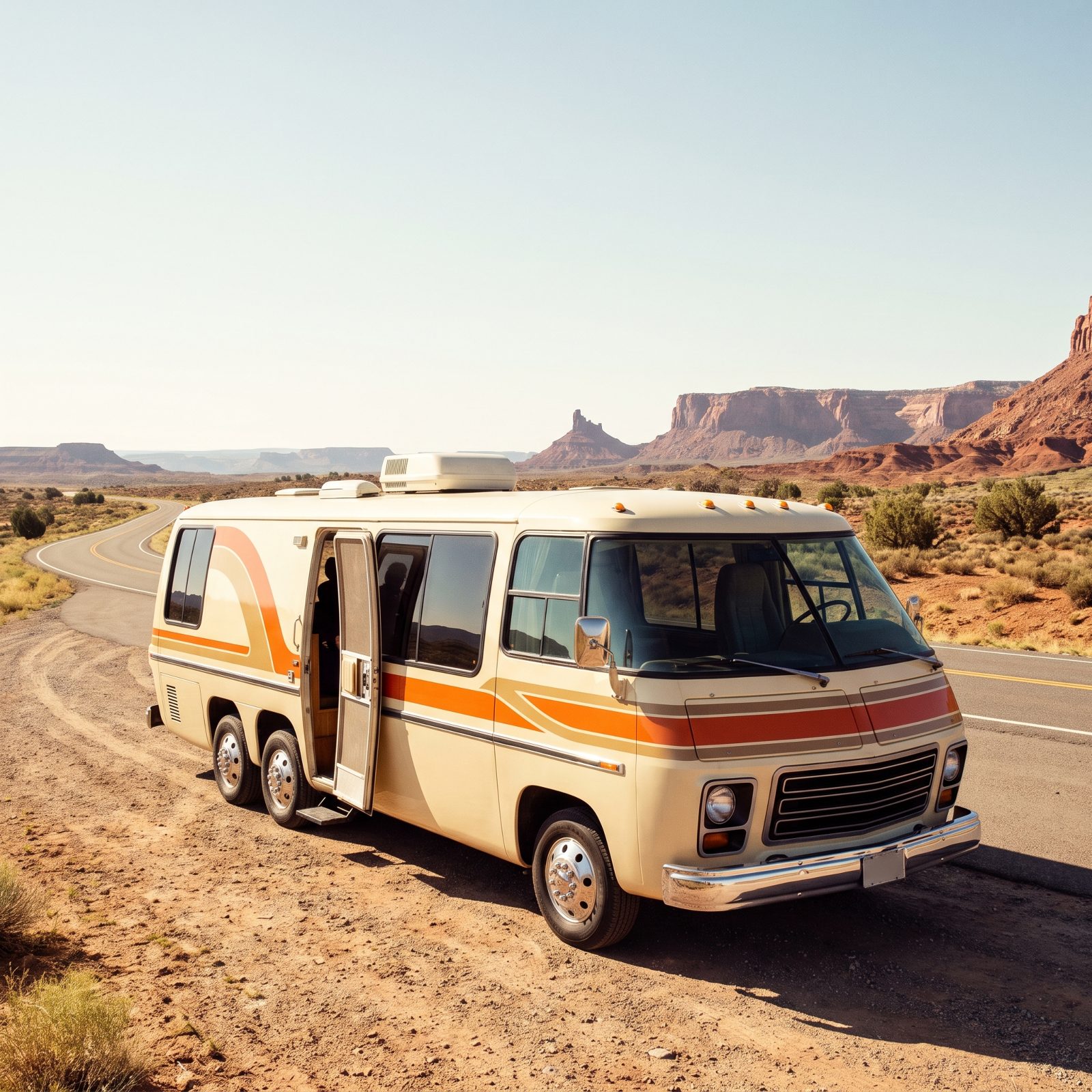
General Motors built a motorhome, and it looked like nothing else on the road. Front-wheel drive, a low floor, a swooping profile that still turns heads at every gas station. Nobody mistakes a GMC for anything but a GMC.
GM made them from 1973 to 1978, then pulled the plug. The tooling went away, the factory moved on, and that was that. But the owners never quit. A whole cottage industry of parts suppliers and restorers grew up around these coaches and kept thousands of them running long after the badge went dark.
3. Four Wheel Campers: The 1972 Pop-Up Truck Camper Still Building Today
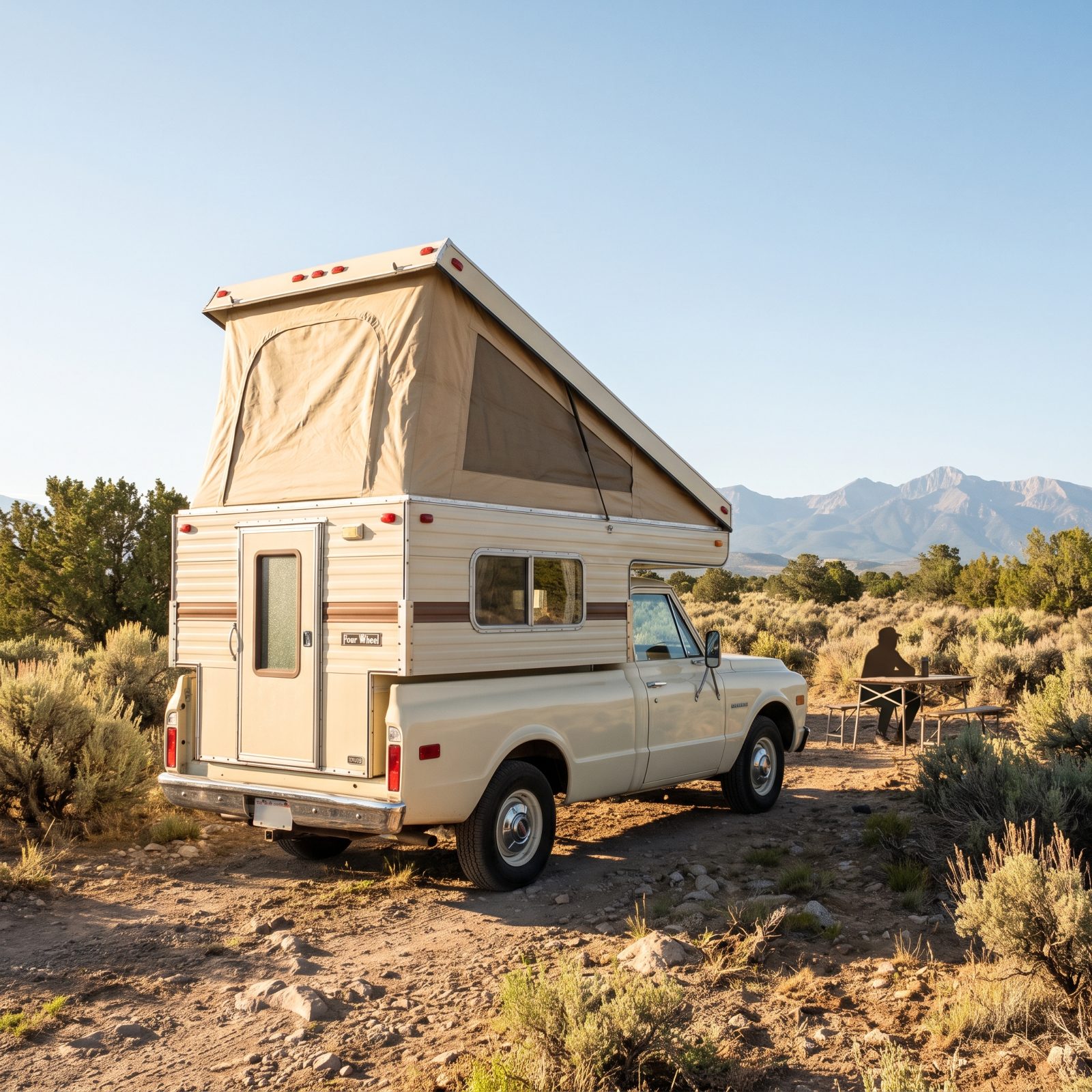
Lightweight, pop-up, built to ride in a pickup bed down roads that scare off other campers. Four Wheel Campers started in 1972 and figured out something that stuck: make it light, make it tough, and the people who go where the pavement ends will find you.
They never stopped. The brand still builds pop-up truck campers today, which makes it one of the genuine survivors here. The design barely needed changing, mostly because they got it right the first time.
2. Scamp: The 1972 Fiberglass Egg Still Rolling Out of Minnesota
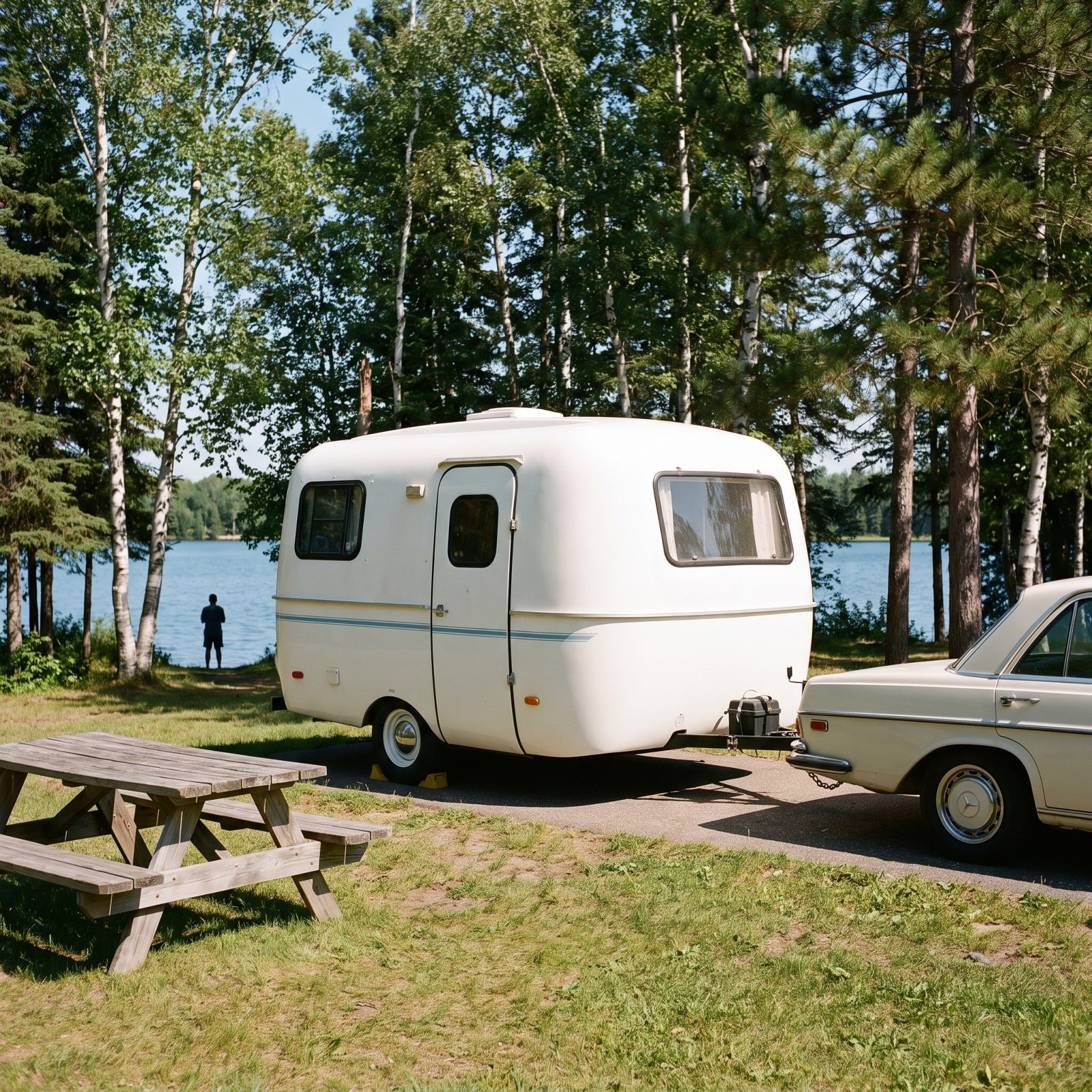
The little fiberglass egg. Scamp started building these in Backus, Minnesota in 1972, and they’re still at it the same way — mostly by hand, mostly to order.
And here’s the remarkable part. No dealer network, no flashy lots. You order a Scamp straight from the factory and you wait. That old-school model should have collapsed a dozen times over, yet it kept a light, towable, nearly indestructible trailer in production for half a century. Go ahead and try to name another RV brand that stayed in the same town, making the same thing, for that long.
1. Newell Coach: The 1970s Luxury Builder Still Making Them One at a Time
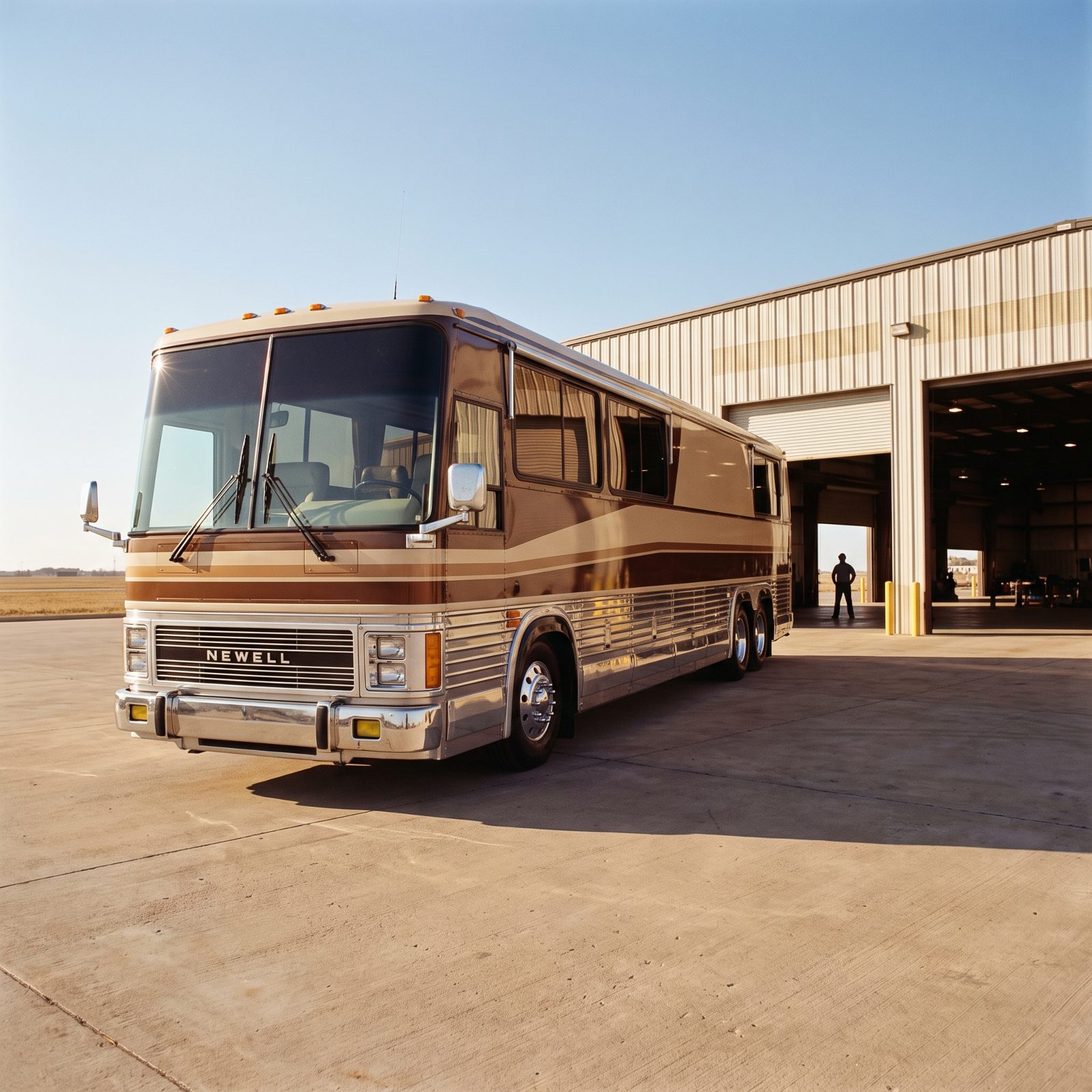
At the very top of the market sits Newell. Built in Oklahoma, custom from the frame up, these were coaches for buyers who treated a motorhome like a yacht on wheels.
Most of the brands on this list disappeared or got swallowed. Newell just kept building. Low volume, high craft, each coach made to order — and that’s the whole survival trick. Don’t chase the masses. Build the best thing in the room and let the buyers come find you. Decades on, Newell still rolls custom coaches out the factory door one at a time.